CTET 2025 Exam Details: Notification, Eligibility, & Important Dates

CTET 2025

CTET 2025 exam notices have been released and soon notification is likely to be released for Level 1 & Level 2 Paper. Online applications for the CTET 2025 are expected to start from November 2025 at the official site. If you are a job seeker then do visit the complete notification for more details on eligibility, application fees, age limits, pay scale, and selection process. Both Levels have different approach, Level 1 is for Class I to V and Level 2 is for Class VI to VIII. For those of you who are teaching job aspirants it is good chance so don’t miss this! All the necessary details along with the application form link will be available in the official notification. 

CTET 2025 Exam Details in Short

OrganizationCBSE — Central Board of Secondary Education
Exam NameCentral Teacher Eligibility Test
Exam Date08/February/2026
Job PostTeacher
SalaryRs. 10,000 — Rs. 34,000 (Allowance)
Official WebsiteClick Here

CTET 2025 Notification Dates To Follow

Notification DateOctober/2025
CTET Notice Date24/October/2025
Application StartsNovember/2025
Application EndsDecember/2025
Fee PaymentUpdate Later
Exam Date08/February/2026

Eligibility For CTET 2025 Exam

Candidates’ minimum age must be above 17 years and there is no upper age limit for this position. This paper is held at two levels – level 1 and level 2. The educational qualification depends on the exam level. 

CTET Level 1 (Class 1 to 5): 

Code 01: 12th + 2-year D.El.Ed Certificate

Code 02: 12th with 45% + according to NCTE 2-year D.El.Ed is required

Code 03: 12th + 4-year B.El.Ed Certificate

Code 04: 12th + 2-year Diploma in Special Education Certificate

CTET Level 2 (Class 6 to 8):

Code 01: Candidate having Graduation degree with a good score + passed or appear in last year of 2-year D.El.Ed 

Code 02: Graduate with 50% marks + passed or appear in 1-year B.Ed 

Code 03: Graduate with 45% + 1-year B.Ed (as per NCTE norms)

Code 04: 12th with 50% + 4-year B.El.Ed (completed/in progress)

Code 05: 12th with 50% II Year B.A/B.Sc.Ed or B.A.Ed/B.Sc.Ed (completed/in progress)

Code 06: Graduate with 50% + 1-year B.Ed (Special Education)

Code 07: Any one having NCTE recognized B.Ed degree is eligible for TET/CTET 

Exam Pattern for CTET 2025

CTET level 1 paper is held for 30 marks in each section, each question contains one mark and there are a total of 150 questions. The given time for all the questions is 2.5 hours.

CTET level 2 paper is held for 150 marks in which child development, Language 1 & 2 paper is 30 marks but mathematics & social science paper is 60 marks. 

Read More 👉 Download The Meghalaya Police Result 2025: Get Direct Link Here

Guide To Apply For CTET 2025

  1. You need to visit the official website to check the notification
  2. Once you find the notification link, download it as it held all the information for procedure
  3. Then fill the application once the link gets open for registration
  4. After registration, login with your credentials to fill out the form for CTET 2025.
  5. Check the exam notice regularly on the official website.
Useful Links
Exam Date NoticeClick Here
Download NotificationUpdate Soon
Official WebsiteClick Here

Leave a Comment

Your email address will not be published. Required fields are marked *

Top Highest Paying Government Jobs in India That Pay Like Private Sector!

top highest paying government jobs in India

If you are preparing for a government job, consider these top Highest Paying Government Jobs in India. Whether you have a background in science, commerce, or arts are eligible in various sectors. Becoming a scientist in the government sector is the best decision for engineers who want to take a chance on space research and solar system activities.

PSUs and Railways also offer high-paying jobs with additional benefits like allowance and career growth. So, choose the right path for your career to establish financial stability. Private sector doesn’t provide job security, pensions, and other perks while government sectors provide more than high salaries.

ISRO Scientists are highly trained engineers and researchers in India. They optimized their research on space exploration missions such as moon operations and other planets. They are innovative in designing and developing systems that capture real-time data of weather, disaster, or any other activity on the globe. Launching space materials to become the no.1 leader in technology around the whole world.

  • Eligibility: You must have a bachelor’s degree in Engineering or Technology like ECE, ME, CE, etc.
  • Salaries:
    • Entry-level pay – Rs. 56,000 – 70,000 per month.
    • Mid-Level Pay – Rs. 5 lakhs – 10 lakhs per month.
    • Senior Level Pay – Rs. 20 lakhs – 30 lakhs per month.
  • Benefits: 
  • Housing Allowance 
  • Travel Allowance
  • Dearness Allowance
  • Medical and LTC
  • Professional Growth
  • Career Progression: Level 10 to director levels with increment of salaries, level includes leadership and projects heads with also great responsibilities. Scientists evolving in big projects and achievements can have a chance to grow to the next level fast, the higher the level, the bigger the responsibilities but worth it all. 

DRDO Scientists are greatly admired because they are the most talented engineers who are responsible for specializing the defense technologies such as missiles, electronic materials, radars, and many more things that are helping our Armed Forces to stay ahead while under attack. They build advanced communication systems so they cannot be easily hacked, and research on new technologies like AI, ML & Cybersecurity to ensure support for the operational needs. Working with the military and shielding them with technologies is one of the pride jobs.

  • Eligibility: Master’s degree in Engineering like MS/PhD. To enter into a scientist position at DRDO, you must clear the entrance like SET or GATE.
  • Salaries (7TH Pay Commission):
    • Scientist B – Rs. 56,000 per month.
    • Scientist C – Rs. 67,700.
    • Scientist D – Rs. 78,800.
    • Scientist E – Rs. 1,23,100.
    • Scientist F – Rs. 1,31,100.
    • Scientist G – Rs. 1,44,200.
    • Secretary Level – Rs. 2.25 lakhs.
  • Benefits:
  • Housing Allowance up to 24%
  • Travel Allowance
  • Dearness Allowance
  • Medical and LTC
  • Professional Allowance per year.
  • Merit-Based Promotion
  • Career Progression: DRDO offers personal training in their institutions at Pune and Mussoorie are DIAT & ITM  respectively. Whether you want to acquire higher qualifications as a DRDO scientist or a chance for foreign deputation for training for specific assignments, you can go on further with any option.

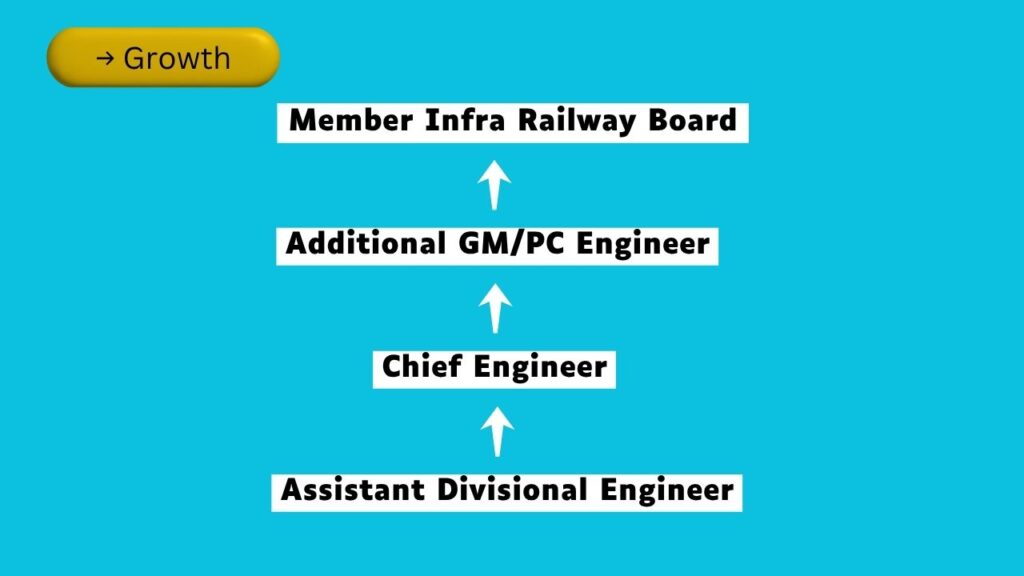
Working for infrastructure, maintenance, and railway track construction is part of the IRSE officer’s job. Safety, bridges, and tunnel development and maintenance are also under this job. The major projects also involved new railway lines, and coordination with other departments for operations like these.

  • Eligibility: B.tech or BE in Civil Engineering. For entering into an IRSE position in Indian Railway, you must clear the UPSC ESE exam.
  • Salaries:
    • Entry-Level: Rs. 56,100 + allowance per month.
    • Senior-Level: Rs. 35 lakhs per year. 
  • Benefits:
  • Housing Allowance up to 50%
  • Travel Allowance
  • Dearness Allowance
  • Medical and LTC
IRSE Officers (Indian Railway Service of Engineers)

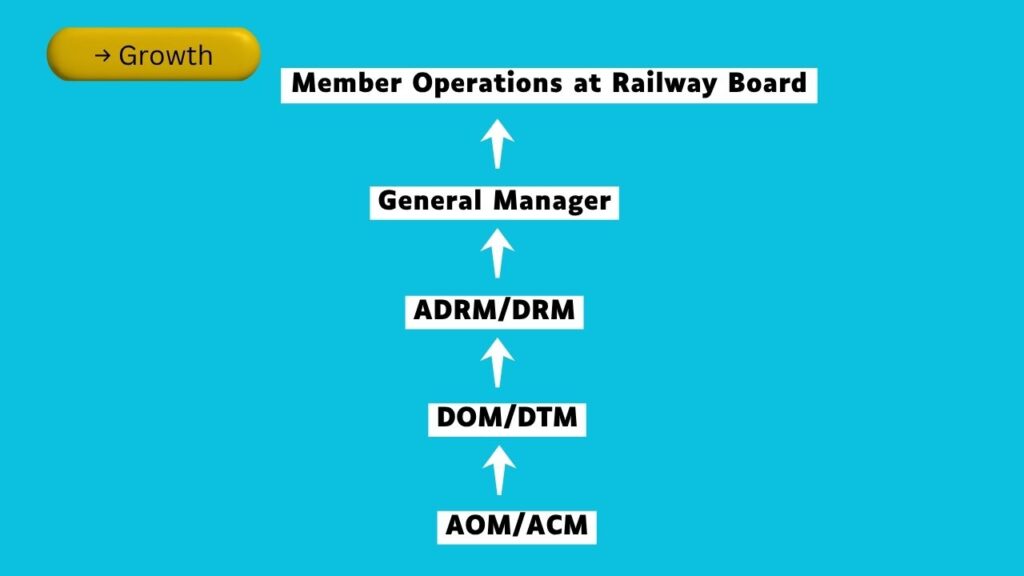
IRTS officers simply manage train operations, logistics, and other commercial disciplines that ensure the train reaches on time. The time track really disturbs other processes if they’re delayed due to a lack of attentiveness. So IRTS makes sure to check every process and transport that goods and passengers on time. Planning schedules for trains, and supervising operations both on trains and stations. Handling logistics and managing tickets to deliver the best services.

  • Eligibility: 50% of recruitment happens directly, and 50% is promoted from Group B. Candidates must have cleared the UPSC Service Exam.
  • Salaries:
    • Basic Salary – Rs. 56,000 per month.
    • Mid-Level Pay – Rs. 15 lakhs.
    • Senior-Level Pay – Rs. 2 lakhs.
  • Benefits:
  • Housing Allowance up to 24%
  • Travel Allowance
  • Dearness Allowance
  • Training at IIM & IIT
IRTS Officers

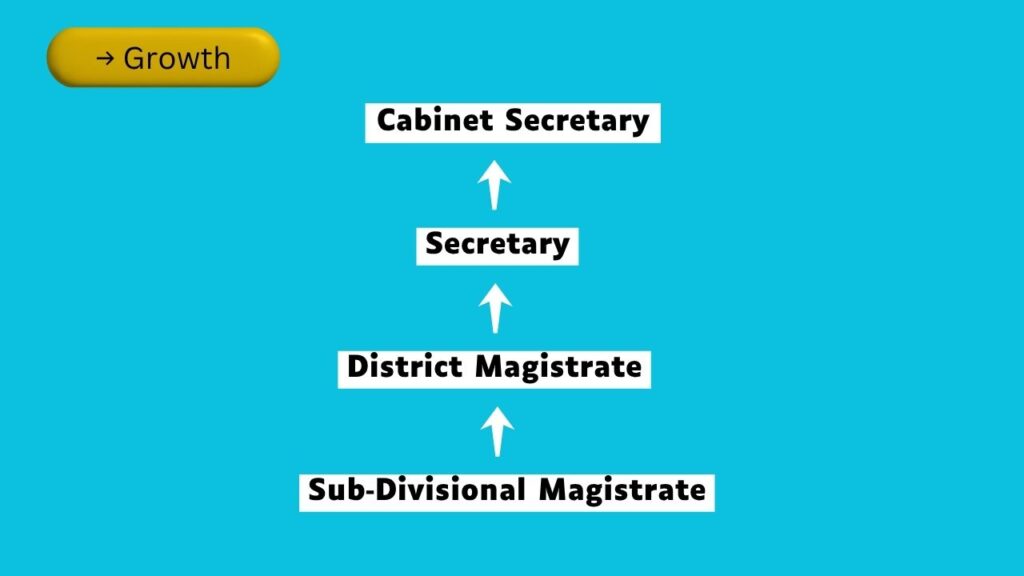
IAS officers are highly respected in Indian Society. The responsibility that comes with a badge is the top-level administration, where the administrator manages government policies, schemes, and daily operations related to states or cities at the national level. By acting as District Magistrates or Collectors they are maintaining law and order within the country. They have the responsibility to advise ministers, formulate policies, and ensure establishing success by managing any disaster.

  • Eligibility: Candidates must have cleared the UPSC Service Exam after passing their Graduation in any stream.
  • Salaries: 
  • Basic Salary – Rs.60,000 per month.
  • Mid-Level Pay (DM/Secretary) – Rs. 1.2 lakhs.
  • Senior-Level Pay (Cabinet Secretary) – Rs. 2.7 lakhs.
  • 50% dearness allowance
  • 8-24% housing allowance
IAS Officer

Indian Police Service: Leaders who lead police departments in states by investigating crimes, controlling any drug activities, and catching serial killers. Maintaining peace and preventing terrorism are their core responsibilities. Supervising team, implementing technologies in policy, and handling security under the protocol. Great responsibilities pay on a high-scale.

  • Eligibility: Candidates must have cleared the UPSC Service Exam after passing their Graduation in any stream.
  • Salaries: 
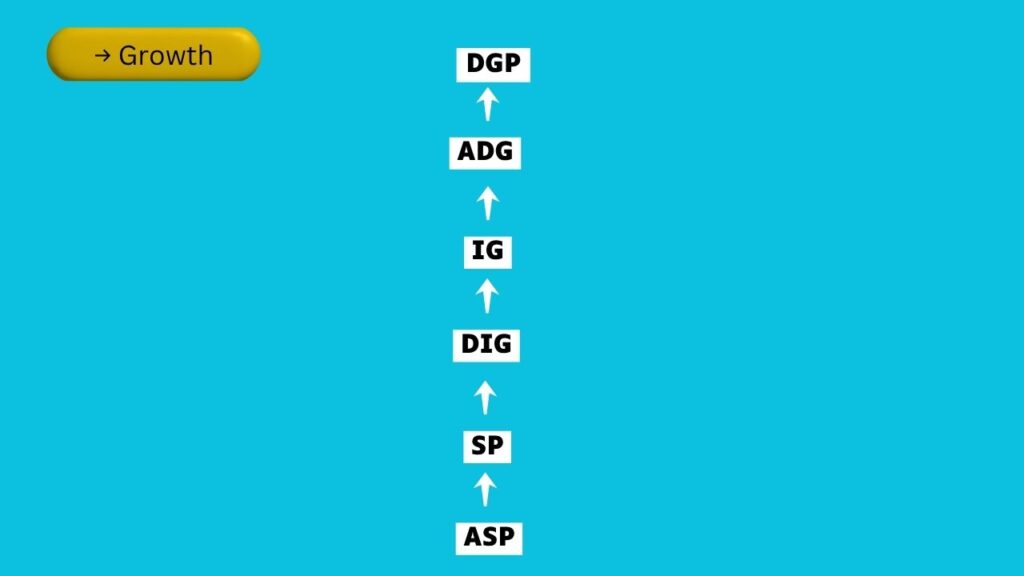
  • Basic Salary (DSP/ASP) – Rs. 80,000 per month.
  • Mid-Level Pay (SP) – Rs. 1.2 lakhs.
  • Senior-Level Pay (DGP) – Rs. 2.5 lakhs.
IPS Officers

NTPC is the largest organization in India for producing electricity from coal and gas. India’s reliable energy sector is responsible for serving energy around the country. They are establishing production, also expanding India’s renewable energy with solar and wind power projects.

  • Eligibility: Candidates must have cleared the PSU Exams. B.tech or Engineering degree with GATE scores. 
  • Salaries: Basic Salary – Rs. 60,000 per month. Additional allowances like housing, dearness, medical, and pension.

Oil & Natural Gas Corporation: It explores and drills for oil to make power that supplies to the industries, houses, and vehicles. Produces gas and oil for supply all over India and reduces reliance on other countries. It acts as empowering the country and cutting ties with other countries.

  • Eligibility: Candidates must have cleared GATE or PSU exams. B.tech or Engineering degree. 
  • Salaries: From Rs. 60,000 to 1.8 Lakhs per month to 1.4 Lakhs per month. Additional allowances like housing, dearness, medical, and pension.
Oil & Natural Gas Corporation

BEL is responsible for leading in radars, missile systems, and NAV systems. It specializes in providing national-level security and defense systems mainly in electronics.

  • Eligibility: Candidates must have cleared GATE or BEL exams. B.tech or Engineering degree in electronics or telecommunication. 
  • Salaries: From Rs. 1.5 Lakhs – 2.5 Lakhs per month. Additional allowances like housing, dearness, medical, and pension.
Bharat Electronics Limited

HAL works for defense in the air, they manufacture aero-engines, aircraft, and helicopters for the Indian armed forces. Most of the defense production is handled by the Hindustan Aeronautics Limited. The recruitment process for the jobs in the organization happens through the PSU exams.

  • Eligibility: Candidates must have cleared GATE or PSU exams. B.tech in aerospace or engineering in any other related field.
  • Salaries: From Rs. 1.25 Lakhs per month. Additional allowances like housing, dearness, medical, and pension.
Hindustan Aeronautics Limited (HAL)

There are a lot of bank jobs in the government sector that you can apply for if you are interested in finance, accounting, and management. Government bank’s roles including Probationary officer, Specialist Officer, and Managerial Roles are high-paying positions.

  • Eligibility: 
  • Probationary Officer (PO): Graduation in any stream.
  • Clerk: Graduation in any stream from a recognized college.
  • Specialist Officer (SO): Engineering degree for IT officer and MBA for marketing officer (relevant degree for specific posts).
  • Managerial Position: Post-Graduation with experience.
  • Benefits: Housing allowance, Travel allowance, and dearness allowance.
  • Salaries: Rs. 50,000 to ₹1,00,000 per month

Read More 👉 MPPSC Food Safety Officer Recruitment 2025 – High-Paying Govt Job! Apply Online Now

Defense services are highly respectable jobs in India that provide job security, pride, and high salaries. It requires both focus and physical fitness for selecting the roles in defense service, especially on the high-level jobs that pay high salaries.

  • Eligibility: 
  • Indian Army: 12th in any stream and Passed the NDA/CDS exam.
  • Soldier Ranks: 10th and 12th passed from a recognized board (depending on the roles).
  • Indian Air Force (IAF): 

Graduate in Physics + Maths for Pilots roles. 

Engineering degree for technical roles.

Graduation in any stream for non-technical roles.

  • Indian Navy: Officer Cadre roles required NDA/CDS pass + INET for specific branches.
  • Salaries: Rs. 56,000 to ₹2,50,000 per month.

Discover the Best Lucknow University Courses in 2025 – UG, PG, Diploma & More!

Best Lucknow University Courses – Top UG, PG, Diploma & Professional Programs 2025

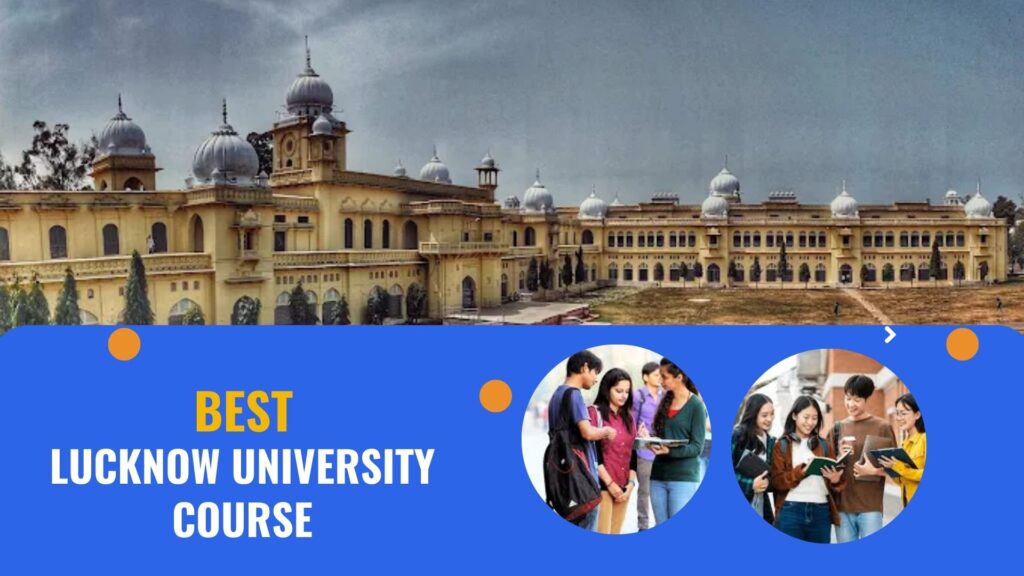
Lucknow University is one of the oldest and most respected universities in India. Many students dream of studying here. If you want to know about the best Lucknow University courses in 2025, this article is for you. We will talk about the main courses at undergraduate (UG), postgraduate (PG), and diploma levels. We will also look at some popular professional courses. This guide will help you find the right course for your future.

Main Types of Lucknow University Courses

  • Undergraduate (UG) Courses
  • Postgraduate (PG) Courses
  • Professional and Vocational Courses
  • Diploma and Certificate Courses

Let’s explore each type.

Undergraduate (UG) Courses at Lucknow University

Undergraduate courses start after class 12. These courses help you build basic knowledge for your career. Here are some of the best UG Lucknow University courses:

Bachelor of Arts (BA)

The BA is a famous course. You can choose subjects like:

  • Hindi
  • English
  • History
  • Political Science
  • Sociology
  • Economics

The course is for three years. There are many subject combinations, so you can pick what suits your interest best.

Bachelor of Science (BSc)

This course is good for students who love science. The BSc at Lucknow University comes with many subjects like:

  • Physics
  • Chemistry
  • Mathematics
  • Botany
  • Zoology
  • Statistics

BSc is a three-year full-time course. There are also special groups like BSc (Physics, Chemistry, Mathematics) or BSc (Botany, Zoology, Chemistry).

Bachelor of Commerce (BCom)

BCom is best for students interested in business, finance, or accounting. At Lucknow University, you learn subjects like:

  • Accountancy
  • Business Law
  • Economics
  • Management

BCom is a three-year course and gives you great career options in banking, finance, and business.

Bachеlor of Computеr Applications (BCA)

BCA is for thosе who want to work in computеrs and IT. You lеarn softwarе, programming, and computеr basics. It is a popular Lucknow Univеrsity coursе for tеch lovеrs. Thе coursе is for thrее yеars.

Bachеlor of Businеss Administration (BBA)

If you drеam of managing a businеss or bеing a lеadеr, BBA is thе right choicе. You will study businеss, markеting, financе, human rеsourcе, and morе. BBA is a thrее-yеar coursе at Lucknow Univеrsity.

Bachеlor of Laws (LLB and BA LLB)

LLB is for studеnts who want to bеcomе lawyеrs. Lucknow Univеrsity offеrs both thrее-yеar (aftеr graduation) and fivе-yеar (aftеr class 12) coursеs. You will lеarn about Indian law, constitution, criminal law, human rights, and othеr law-rеlatеd topics.

Bachеlor of Education (BEd)

If you want to tеach, BEd prеparеs you for a carееr in schools. This is a two-yеar coursе aftеr graduation. It tеachеs you about tеaching mеthods, child psychology, and classroom managеmеnt.

Bachеlor of Finе Arts (BFA)

BFA is for crеativе studеnts intеrеstеd in painting, sculpturе, or appliеd art. It is a four-yеar coursе. Lucknow Univеrsity givеs you modеrn and classical art training. 

Bachelor of Journalism and Mass Communication (BJMC)

BJMC teaches skills for journalism, mass media, and communication. It is a great course for students who want to become reporters, news editors, or work in media houses.

Postgraduate (PG) Courses at Lucknow University

After graduation, you can do PG courses. These courses give you deeper knowledge and better job options. Here are some of the popular PG Lucknow University courses:

Master of Arts (MA)

You can choose from subjects like:

  • Hindi
  • English
  • History
  • Political Science
  • Sociology
  • Psychology
  • Economics

MA is usually a two-year course. It gives you in-depth subject knowledge.

Master of Science (MSc)

MSc is best for science graduates. Subjects include:

  • Physics
  • Chemistry
  • Mathematics
  • Zoology
  • Botany
  • Statistics

This course sharpens your skills for research or teaching careers.

Master of Commerce (MCom)

MCom is for students who want to work in finance, banking, or accounts. The course covers subjects like advanced accountancy, business management, and financial studies.

Master of Business Administration (MBA)

MBA helps students take up high-level jobs in business, marketing, or management fields. You learn about Human Resources, Finance, Marketing, International Business, and more. MBA is a top-rated Lucknow University course and has high value.

Master of Computer Applications (MCA)

MCA is good for tech and computer graduates. It teaches about advanced computer programming, networks, and software. MCA is a two-year PG course.

Master of Laws (LLM)

This PG course is for law graduates. Students can select specializations like:

  • Constitutional Law
  • International Law
  • Corporate Law
  • Criminal Law
  • Environmental Law

LLM helps in building expert knowledge in law.

Master of Social Work (MSW)

MSW is for those who want to help people and do social service. The course trains you in working with communities, helping children, and working for social causes.

Master of Education (MEd)

For those who already have a BEd, MEd makes you an expert in education and teaching.

Popular Professional Lucknow University Courses

Lucknow University has many professional courses. These courses are designed for fast jobs and skilled work.

  • Bachelor of Pharmacy (BPharma): For working in medical and pharma companies.
  • Bachelor of Technology (BTech): Lucknow University offers Computer Science and Artificial Intelligence as main branches.
  • Bachelor of Law (LLB/BA LLB): For legal practice or judiciary.
  • Bachelor and Master of Business Administration (BBA/MBA): For careers in business, human resources, retail, and finance.
  • Bachelor of Computer Applications (BCA): For software and IT industry.
  • Bachelor of Journalism and Mass Communication (BJMC): For media, public relations, and journalism careers.
  • Master of Social Work (MSW): For social service, NGOs, and government roles.

These Lucknow University courses give you practical skills that are needed in jobs right after graduation.

Engineering and Technology Courses

Lucknow University offers BTech courses in fields like:

  • Computer Science and Engineering
  • Artificial Intelligence

These engineering courses are in high demand. You get updated labs, good teachers, and industry exposure. BTech at Lucknow University is a four-year course and opens doors to IT, government, and private jobs.

Read More 👉 Best Nursing Colleges in Lucknow with Fees, Courses & Admission 2025

Management Programs

If you want to lead teams or companies, these are popular choices:

  • BBA: For business basics at UG level.
  • MBA: For high-level management, finance, marketing, and HR skills.

Lucknow University’s MBA program is known for good placements and modern teaching.

Law Programs

Law is one of the oldest faculties at Lucknow University. These are major law Lucknow University courses:

  • LLB (Three Years): For graduates.
  • BA LLB (Five Years): After class 12.
  • LLM: For those who want to do research or become experts in the legal field.

Students can learn about Indian law, legal techniques, and courtroom skills.

Computer and IT Courses

Computers and information technology are important today. These courses include:

  • BCA: Basics of computer applications for UG students.
  • MCA: For PG students who want deep knowledge in computers.

You learn computer languages, programming, and web development.

Science Courses

Science has many UG and PG courses. Lucknow University offers:

  • BSc: Physics, Mathematics, Botany, Zoology, Chemistry, and Statistics.
  • MSc: The same branches are available at PG levels, with more focus on research and practicals.

These Lucknow University courses are best for students who want to work in labs, hospitals, research centers, or teach in schools.

Arts and Humanities Courses

If you like literature, history, or languages, you can choose:

  • BA: Hindi, English, History, Economics, Psychology, Philosophy, and Political Science.
  • MA: Any of those subjects for advanced study.

These courses help you prepare for teaching, civil service, or further research.

Commerce and Management Courses

Commerce students can study:

  • BCom: UG level, building basics in commerce, accountancy, and business.
  • MCom: PG level, advanced studies in finance, accounts, and management.

Many students pick these Lucknow University courses to work in business, banking, or government jobs.

Diploma and Certificate Courses

Lucknow University offers diplomas and certificates in many fields. These short courses give you job skills fast. Some diploma courses include:

  • Diploma in Computer Applications
  • Diploma in Yoga
  • Diploma in Business Management
  • Certificate courses in foreign languages like French and German

These Lucknow University courses are good for skill-building in a short time.

PhD and Research Programs

If you want to do research, Lucknow University offers PhD programs in arts, sciences, commerce, law, management, and engineering. You need a master’s degree to apply. Lucknow University has modern research labs and good guides for researchers.

Special Facilities and Student Life

Lucknow University has many facilities:

  • Modern libraries
  • Computer centers
  • Science labs
  • Hostels for boys and girls
  • Sports grounds
  • Medical care

Campus life is active and full of different events. You can join clubs, sports, or cultural activities.

Which Lucknow University Course is Right for You?

It depends on your interest. Here are some tips:

  • If you like science, choose BSc or MSc.
  • If you like business, pick BBA, MBA, or BCom.
  • Law students can go for LLB or BA LLB.
  • Computer lovers can do BCA or MCA.
  • Future teachers can select BEd or MEd.
  • Art and literature fans should choose BA or MA.
  • Those looking for quick jobs can select diploma or certificate courses.

Talk to teachers or University counselors if you are confused.

Admission Process

To get into most Lucknow University courses, you need to:

  • Fill the online form
  • Meet the eligibility (pass class 12 for UG, have a graduation degree for PG)
  • Take entrance tests for some courses like BBA, MBA, LLB, B.Ed, and BCA
  • Appear for counseling in some professional and PG courses

Read all University rules while applying.

Important Points about Lucknow University Courses

  • Lucknow University is known for many options, from regular degrees to expert professional courses.
  • It has great links with companies for placements.
  • Fees are pocket-friendly. Most courses are affordable for everyone.
  • Courses change from time to time, and new ones are added as needed.
  • Old and new subjects mix to give you the best of both worlds.

Placement and Career Options

Lucknow University students get good jobs after finishing their courses. Many companies visit the campus to hire graduates. You can get jobs in:

  • Government offices
  • Private companies
  • Banks
  • Schools and colleges
  • Hospitals and labs
  • Law firms and courts

Some students also start their own business after studying Lucknow University courses.

Scholarships and Support

There are many scholarships for both meritorious and needy students. If you do well in studies or have problems in paying fees, you can get help through University schemes.

Tips to Succeed in Lucknow University Courses

  • Attend your classes every day.
  • Take part in extra activities.
  • Practice writing answers and speaking in English.
  • Use the University library for more learning.
  • Talk to teachers if you have doubts.

Conclusion: Your Pathway Starts With Lucknow University Courses

With good quality education, and good career outcomes, Lucknow University is a smart choice for students. With a range of Lucknow University courses in arts, science, commerce, computers, technology, law, management, and health sciences, there is something for everyone at Lucknow University. Whether you are looking for a simple degree, professional qualification, or a fast diploma, you will find the go to Lucknow University courses for you.

BCA vs BTech – Which Course Offers Better Career Opportunities in 2025?

BCA vs BTech 

Among the first questions that a prospective student aiming for a career in the field of technology wants to know is which option is better BCA vs BTech. While they are not the same in terms of learning format, technical detail, and career trajectory, both degrees lead to great jobs in software and IT. BTech vs BCA where BTech is more focused on engineering principles, hardware systems, and complex programming whereas BCA focuses more on applications development, software and other IT tools. 

In 2025, the tech industry is evolving faster than ever, with cybersecurity, data science, and artificial intelligence leading the charge. Because of this, it is important to know how these two courses complement each other with respect to your goals. The following comparison will help you to ascertain whether BCA or BTech is the best route for kickstarting your dream career, be it for rushing straight into the IT field with hands-on application or pursuing core engineering roles with advanced specialization. 

BCA & BTech Course Learning Approach

ParameterBCABTech
Duration3 years4 years
FocusSoftware application & IT toolsEngineering in both software & hardware development, operating systems
CurriculumCoding, website/application development, DBMS, practical projectsAlgorithms & data structures, maths, hardware, Coding
DepthApplication & programmingIn depth technical & engineering involve programming
FlexibilityRegular or Often available onlineMainly available offline (online BTech degree doesn’t have any value)
Feeaffordable for many students (approx 3 lakh – 4 lakh)Higher (approx. 8 lakh – 10 lakh)
EligibilityQualified 12th with from any stream but some colleges required mathsQualified 12th in science with math as a mandatory subject
Admission ProcessMerit-based entrance (some colleges need entrance test)Entrance test (JEE Main, CET, other) score is required for the admission

BCA is a practical course and is best suited for those who want to make a quick entry into the world of software. BTech gives you deep technical and engineering knowledge for specialised roles, and a wider technology career. 

Industry Demand After the Course

Both degrees are highly demanded in 2025 because they hold knowledge of advanced technology. Candidates who want to enter the tech field can prefer to have any one of the degrees as per their future goals but they lead to different types of roles and levels of specialization.

BCA Career Options

  • Software (Web/App) Developer, 
  • Network Administrator
  • Database Administrator
  • IT Support
  • Cybersecurity Analyst
  • Digital Marketer

Candidates can upskill while pursuing the degree with other valuable certificates like Google, AWS, IBM. IT companies, startups, web & app firms, digital agencies, government IT departments look forward first to the candidates who hold upskill certificates.

BTech Career Options

  • Software Engineer
  • Data Scientist
  • System Architect
  • Network and security engineer
  • AI/ML Engineer
  • R&D and core engineering roles

BTech students get hired through placement in top companies like TCS, Infosys, Wipro from India’s best colleges. Other tech companies also hired BTech students who have passed with good scores and clear interview sessions.

BTech allows you to go for core, technical and high end jobs and BCA is good for entry level jobs in software, IT and application fields. Specialized and senior roles generally choose BTech holders, but you can grow with time if you are an ambitious BCA graduate with some certifications or MCA degree. 

Read More :- RRB NTPC 2025 Exam – Application Dates, Eligibility & Vacancy Details

Salary Difference in BCA vs BTech

DegreeStarting SalaryHigher End
BCA₹2–8 LPAUp to ₹10 LPA
BTech₹4–9 LPAUp to ₹20 LPA

Especially from top-notch universities or in technical role, BTech students get better pay starting point and better growth in salary. The market seems to clearly favour BTech at the junior and mid level, but BCA holders can bridge the gap by way of additional study (MCA) and relevant certifications. 

Technical Depth & Industry Alignment

AspectBCABTech
Programmingmostly coding for softwareAdvanced programming, plus theory and engineering in both software & hardware
HardwareLimited to noneIn-depth (circuits, architecture, hardware)
MathModerate levelHigh level
AI/ML, Data ScienceBasic introduction in some collegesMandatory, core to the topic
Projectacademic projectsRegular labs, real-world projects, mandatory major project
InternshipOptional (applicable in some colleges)Usually mandatory for industry exposure

Eligibility and Career Growth 

Most of the students can afford BCA and it is available in a wider range, so it’s easy to access this degree. No difficult exams have to pass to get the admission. It is a better option for students who are weaker in maths and they can get quick entry in the job market as it finishes in three years.

Students who want a higher starting salary and they can afford a higher cost of the degree. But they must pass highly competitive exams to get the admission for four years course as it is valued for core technical and leadership tracks.

Both degrees allow for further studies:

BCA → MCA, MBA, MSc

BTech → Masters, MS, PhD for Research, MBA (Digital Marketing)

Which Degree Offers Better Career Opportunities?

Eventually, BTech has more broad, profound and lucrative prospects, especially for people who wish to become leaders in engineering and core technology, R&D or specialized areas.

BCA is an excellent option for the students who want to make a career in software and IT industry and earn full quick entry in the industry at affordable practical education. It is suitable for application developers, IT support, and those who intend to taking up an MCA or MBA in future owing to its three year duration, ease of enhancement in form of certifications and focus on practical knowledge. 

Conclusion

BTech, on the other hand, still offers better career options in the long run, better salary prospects and a possibility of more options of technical specialization. That said, for students who prioritized affordability, speed in entering the workforce, or niche IT/application roles. BCA remains a sensible pick. Think about your strengths and long-term goals, your time and financial investment, and your interest and ability in core engineering vs. applied software. If both degrees were done with determination and continued education along with adaptability in the fast paced tech world, they can both lead to successful careers. 

Google Launches Fitbit Air in India: Features, Price and Availability

Fitbit Air

Picture a fitness tracker you forget you’re wearing. It has no screen to check mid-meeting and no buzz on your wrist at 2 a.m. That’s the idea behind the Fitbit Air. Google has now launched it in India at ₹13,999, with sales starting October 2. It’s the company’s smallest and lightest FitBit yet, and it arrives in a market where most people expect a wearable to have a display. 

The Fitbit Air isn’t a smartwatch. It’s a small sensor “pebble” that sits in a band and tracks your body in the background. Everything you want to read, like sleep scores, workout recaps and heart trends, lives in the Google Health app on your phone.

This isn’t a brand-new product. Google announced the Fitbit Air globally on May 7, 2026, with US shipping from May 26. India is getting it about four months later.

Fitbit Air Price in India And Launch Offers

The India price is ₹13,999 for all four colours. The box includes a three-month trial of Google Health Premium. That trial matters because it unlocks the Google Health Coach, the AI assistant Google built this tracker around.

For comparison, the US price is $99.99. Indian buyers will pay noticeably more than the US sticker price. On bank offers, buyers using eligible HDFC Bank and ICICI Bank cards get ₹1,000 cashback at launch, and it can be combined with six-month no-cost EMI. The exact terms may vary depending on the bank’s conditions.

Google Health Premium will cost is different in India after the trial ends. In the US, it runs $9.99 a month. Google hasn’t shared an Indian figure in the launch details, so check the Google Store listing before you buy.

More Helpful : Voice-to-Notes Tools for Students

What Fitbit Air Features Tracks And How Long It Lasts

Sensors

Google says the sensors cover 24/7 heart rate, heart rhythm monitoring with Afib alerts, SpO2, resting heart rate, heart rate variability, and sleep stages and duration. However, Google’s own footnote says the Afib feature is not available in all countries. So it is still unconfirmed whether it will be switched on in India at launch. If irregular-rhythm alerts are a deciding factor for you, verify this first.

Battery life is the other reliable feature 

Google claims up to a week per charge, and five minutes of fast charging gives you roughly a full day. Those numbers come from Google’s own pre-production testing, so real-world results may be lower.

Workout tracking is where the Google Health Coach comes in 

The Air detects common activities automatically, and you can also start a session from the app. With Premium, you can snap a photo of a cardio machine or a gym whiteboard routine and have it logged.

Hardware details from the global launch:

SpecFitbit Air
DisplayNone
WeightAbout 5 g for the pod alone, 12 g with a band
Water resistance50 metres 
BatteryUp to 7 days (Google’s claim)
Phone supportAndroid 11 or higher, iOS 16.4 or higher
Colours (India)Obsidian, Berry, Lavender, Fog

A reviewer at The5KRunner reported that the Air has no built-in GPS, so run distances will depend on your phone. 

Bands

The pebble pops out, so you can swap bands. The Performance Loop, made from recycled materials, comes in the box. The sweatproof Active Band and the dressier Elevated Modern Band are sold separately. India pricing for those extra bands wasn’t available at the current time.

Fitbit Air Availability In India

The Fitbit Air goes on sale October 2 through the Google Store, Flipkart, Croma, Reliance Digital and Vijay Sales. That offline spread is a smart move for a product people may want to try on first. A screenless tracker is odd enough that holding one makes it easier to understand.

👉 Explore More: Apple iPhone Duo Cost-Effective Methods

Fitbit Air vs Whoop: How Does it Compare?

The obvious rival is Whoop, which pioneered the screenless band. The 5.0 is bulkier, at about 27 g with its band, and rated for 10 metres of water resistance. The bigger difference is the business model. 

Whoop requires a membership starting at $199 a year, while the Fitbit Air’s core tracking works without a required subscription. WHOOP’s current India pricing and availability weren’t clear, so the comparison below uses US pricing only. 

Beyond that, the Fitbit Air competes with cheaper straps like the Amazfit Helio Strap and with Fitbit’s own older display trackers. Those give you a screen for similar money. If you want to glance at the time or your heart rate mid-run, a screenless band is a step backward.

Conclusion

You can buy a Fitbit Air if sleep and recovery data matter more to you than notifications, you already like the Google ecosystem. If you’ve been curious about Whoop but dislike paying a yearly fee. Then it makes you confused, what you need matters most. The Fitbit Air is more comfortable to use around 24/7. A 12 g band is easier to wear to bed than a smartwatch.

Skip it if you want on-wrist GPS, quick glances at stats, or music and payments. Also hold off if the Premium price after the three-month trial is unclear to you, since the Coach is the main reason to choose this over cheaper trackers.

Wait for the October 2 listings, check the final Premium pricing and bank-offer terms, and compare against any display tracker you’re considering at ₹13,999. Then decide which one you can need.

Indian Police Service IPS: How to Crack and Become IPS Officer

Indian Police Service

If you’re dreaming about the Indian Police Service (IPS) standing tall as a law and peace officer in the Indian Police Service. Whatever got you started on this dream, pursuing it in real life is more than just a passion to do. It requires a sharp strategy to prepare accordingly and what’s right to study. Not everything is important. 

Instituted in 1948 as a successor to the British colonial-era Indian Imperial Police, the IPS is the ground holder of India’s internal security system. But the reality check is that every year lakhs of candidates chase this dream and only a few hundred come out successful. So what separates those who make it and those who don’t? More often than not, it is the preparation strategy. 

Understanding the Battlefield: The Three-Stage War

Know what you are getting into before you go to the books and notes. The UPSC Civil Services Examination (CSE) is a rigorous three-tiered exam which tests not only your knowledge but stamina, analytical abilities & character. 

First Level— The Preliminary Examination 

Think of the Prelims as the bouncer at the door to that exclusive club — it sifts out the wheat from the chaff. It consists of two objective papers, each of two hours duration and carrying 200 marks. 

Paper – I is General Studies—current events, history, geography, polity, economy, environment and general science. The Civil Services Aptitude Test (CSAT), now known as Paper II, tests your concepts on comprehension, logical reasoning, decision making and basic numeracy. It is qualifying in nature and it just needs 33% to pass.  

Do not make the mistake to understand that Prelims score is gonna add in the final merit list, it’s important to score for going into the next stage but it doesn’t hold final value. So don’t get that to take it lightly because 97-98% of candidates are eliminated at this stage. 

Second Level: The Main Examination 

If Prelims is a sprint, Mains is like running a marathon. Nine descriptive papers across a few days with a total of 1750 marks designed to push how well you know what you know and how well you can express complex thoughts when you’re under a lot of stress.

The pattern is: two qualifying papers (English and an Indian language), one Essay paper (250 marks), four General Studies papers ranging from Indian heritage to ethics and integrity (250 marks each), and two papers on your chosen Optional subject (250 marks each).

The hard copy elective also has an impact on your total score with a weightage of 500 marks. Choosing the appropriate subject is very important. Although you have a whole bunch of popular subjects like Geography, History, Public Administration, Political Science etc, it is always advisable to go with the subject you are really interested in rather than seeing what others have taken up. 

Third Level: The Personality Test (The Interview)

The remaining 275 marks are given in the Personality Test, during which an UPSC panel evaluates your mental alertness, critical thinking, communication skills, leadership potential, and moral uprightness. They don’t want to know-your-everything; they want well-rounded people who can manage the enormous burden of public service. 

Check Your Eligibility For Indian Police Service

Nationality

IPS is only open to Indian citizens. The UPSC CSE permits Nepali, Bhutanese and Tibetan refugees (who came before 1 January 1962) to apply for certain services like IAS and IFS, the Indian Police Service, however, is limited to Indian citizens. 

Qualification

You must have a bachelor’s degree from a recognized university – all streams are acceptable.  If you’ve studied English Literature, Engineering or Zoology, you can apply.

Important caveat for final-year students: You may apply for the Preliminary examination as a final year student, but you need to submit degree certificate before going in for the Mains.  Don not count on your provisional certificate to arrive in time—make your plans accordingly.

Final MBBS students can also apply, but they have to submit a certificate from their university. 

Age Limit

CategoryAge LimitCut-off Birth Date (for 2026 exam)
General/EWS21-32 years2/August/1993 to 1/August/2005
OBC21-35 years (3 years relaxation)2/August/1990 to 1/August/2005
SC/ST21-37 years (5 years relaxation)2/August/1988 to 1/August/2005
PwBD21-42 years (10 years relaxation)2/August/1983 to 1/August/2005
Ex-servicemen5 years relaxation2/August/1988 to 1/August/2005

Attempts Restrictions

CategoryNo. of Attempts
General/EWS6 attempts
OBC9 attempts
SC/STUnlimited (until age 37)
PwBD9 attempts (until age 42)

The Physical Reality: More Than Just Books

Unlike IAS, Indian Police Service has certain physical eligibility condition which you need to fulfill. Male candidates should have a minimum height of 165 cm (160 cm for ST and some other categories) and must have chest measurements of 84 cm along with expansion. Female applicants need 150 cm height (145 cm for ST) .

Myopia shall not be more than minus 4.00D and hypermetropia shall not be more than plus 4.00D. Color blindness is a disqualification as well as squint. Begin training for your physical fitness right away — don’t wait until you have the written exam behind you. 

Height Requirements category-wise:

CategoryMaleFemale
General/OBC/SCMinimum 165 cmMinimum 150 cm
ST (except SC/OBC)Minimum 160 cmMinimum 145 cm
Gorkhas, Garhwalis, etc.Minimum 160 cmMinimum 145 cm

Read More:- AIIMS Nursing Officer Recruitment (NORCET-10) – 3600+ Vacancies, Eligibility, Exam Date & Apply Online

Application Process To Apply

  1. Stay tuned to the official UPSC website for the latest updates/notification of IPS. 
  2. After the notification is released, download it carefully and go through all the instructions and wait for the online process to start.  
  3. Check all the dates and fill the application before the deadline. 
  4. Fill valid and correct details in the form and then attached requisite documents with the application.
  5. Submit the form and the application fee is applicable.
  6. Print it for the proof in future and prepare yourself for the toughest examination.
CategoryFee
General/EWS/OBC (Male)₹100
SC/ST/PwBD/Female (All categories)Exempt (₹0)

Conclusion

Becoming an Indian Police Service officer is not only about passing an exam, it’s about dedicating oneself to a life of discipline, service, bravery, and accountability. Everything about the process, from meeting the eligibility and physical criteria to surviving one of the most competitive exams in the country, requires one to be consistent, resilient and long-term driven. Luck or short-cuts don’t make you succeed in this path- it takes strategy, smart preparation, mental toughness and commitment.

If you really want to see yourself in that uniform, leading from the front and serving the country, begin today—lay your groundwork, condition your body and mind, and approach preparation as a way of life, not a phase. The road to IPS is tough, but to those who make it through, it is one of the most dignified and influential careers in India. 

GovUpdatewala is your trusted source for real-time updates on government exams and jobs in India. We provide verified info on SSC, UPSC, Banking, Railways, Defense, and Teaching exams. From syllabus and patterns to important dates and career tips — we support aspirants at every step.

Scroll to Top