Difference Between CBSE and ICSE: Which Board is Better for Your Future?

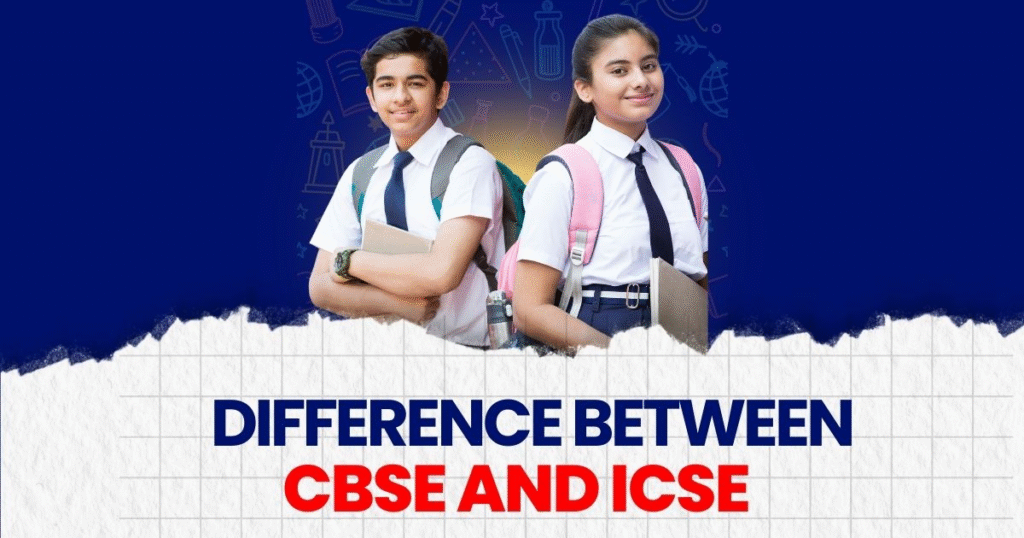
Students studying in classrooms representing CBSE and ICSE boards, highlighting differences in learning styles

Finding out the Difference Between CBSE and ICSE is important because it matters for the future of students. In India, ICSE (Indian Certificate of Secondary Education) affiliated schools are expensive but recognized internationally, and have become popular among students who want to achieve international opportunities. 

And CBSE (Central Board of Secondary Education) has a wide range of affiliated schools which makes it cheaper but effective for national-level exams. Both have different teaching methods, syllabus structure, exam pattern & marks, and career opportunities.

This comparison is not for making it good or bad, showing their strengths and weaknesses will help students to decide better for their future.

Overview of CBSE and ICSE

CBSE – Central Board of Secondary Education

  • CBSE board is run under the Government of India.
  • A wider range of schools are affiliated to CBSE.
  • It is more on the side of theoretical education and focuses on subjects like Science & Maths.
  • Popular among aspirants of NEET, JEE, NDA, and UPSC as it covers all the exams syllabus concisely. 

ICSE – Indian Certificate of Secondary Education

  • Council for the Indian School Certificate Examinations (CISCE) is a private education board which governs ICSE board.
  • As compared to CBSE, schools affiliated to ICSE in India and abroad are less in numbers.
  • It focuses on both theoretical and practical knowledge equally on all subjects including arts, science, and languages.
  • Its balanced education is valued internationally.

Curriculum and Teaching Style

CBSE curriculum is more structured and straightforward, it does not contain any extra details on any topic which makes it less but precise for exams. It prioritizes subjects like Science and Mathematics, designed with theoretical conceptual knowledge which makes it ideal for competitive exams. Other subjects like English and Hindi have fewer chapters and syllabi in comparison to ICSE. It is best for the engineering, medical, or government exams focused students.

ICSE curriculum is designed with lengthy explanations and balanced across subjects. It also focuses on other subjects like Literature, language and practical projects for balanced education. ICSE boards students have to study in-depth of each subject. That feels burdened sometimes but it improves analytical ability. It is best for overall knowledge, communication skills, and global recognition opportunities seeking students.

Read More 👉 Meet the Best History Teacher for Competitive Exams Who Can Boost Your Score

Difficulty Level

CBSE is easier in comparison to ICSE as it has a concise syllabus that covers easily within less time. It encourages more theoretical knowledge than projects. Students can easily clear exams with less academic pressure but it improves basic knowledge. ICSE is more detailed on every topic and stressing on projects, lab world, internal assessments making it heavier for children to cover. But it is best for building overall skills that improves analytical thinking.

Examination Pattern and Grading System

CBSE follows a continuous and comprehensive evaluation system to reduce exam stress and declaring results in CGPA Cumulative Grade Point Average system. Questions in the exam are based on the NCERT books. 

ICSE follows marks-based evaluation and grades are assigned according to the percentage. Questions asked in exams need both depth of knowledge and analytical ability to represent the answer. In the final result, 20-30% makes are dependent on the internal assessments so projects are becoming necessary.

Recognition in India and Abroad

CBSE is recognized in major schools in India, making it best for students who plan to continue study in India. It is popular among the JEE, NEET, NDA and UPSC aspirants. ICSE is recognized globally by foreign universities. Developing language and communication skills with its english-oriented syllabus can help students to continue their studies in foreign universities. 

Language and Communication Skills

If students want to continue their studies abroad, develop communication skills, and aim for jobs where language like English will be needed then ICSE is the best option because CBSE is more focused on Science and Maths. However, CBSE emphasizes English and Hindi but not on the higher level.

Which is More Expensive?

Many government schools are affiliated to CBSE board which make it affordable for the students. Private CBSE schools also have affordable fees in comparison to ICSE affiliated schools. More expensive due to their huge curriculum, projects, and emphasis on quality teaching.

Career and Competitive Exams

Competitive exams aspirants prefer to study in CBSE affiliated schools because it covers a more concise syllabus on important subjects like Economics, Maths and Science. However, ICSE boards schools produce creative minds. They emphasize on English Language & Literature, and analytical skills to help students secure their career in international companies.

Pros and Cons at a Glance

CBSE ProsCons
Easier syllabusLack of strong foundation in English and humanities
Affordable FeesLimited application-based learning
20,000+ schools
Ideal for competitive exams
ICSE ProsCons
Tough syllabusMore-time consuming
International RecognitionExpensive schools
Strong English and analytical skillsLess useful for Indian competitive exams
Encourages overall development

Which Board Should You Choose?

It totally depends on your future goals, aiming to make your career in the medical field, engineering, or government sector then CBSE is a good option because it contains an overall concise syllabus that is needed to study in most of the Indian entrance exams. CBSE board students also can go abroad but they have to study hard even on their english and communication skills. Where ICSE is providing overall development, students can go abroad for higher studies with strong language skills and well-rounded knowledge. 

Both boards have their strengths and weaknesses, for making the right decision, students should choose their board according to their interest, learning style, and career plan. 

FeatureCBSEICSE
Curriculum FocusScience & Math oriented, exam-basedBalanced syllabus, includes languages & arts
Difficulty LevelEasier, conciseDetailed, more challenging
Teaching StyleTheoretical, less projectsPractical, project-based, strong English focus
RecognitionBest for Indian exams (NEET, JEE, UPSC)Internationally valued, good for global studies
EvaluationCGPA/percentage, NCERT-style questionsMarks-based, detailed assessment + projects
LanguageModerate EnglishStrong English & literature
AvailabilityWidely available, govt. & private schools, affordableLimited, mostly private and costlier
ExtracurricularAcademics priority, fewer activitiesEqual focus on academics & extracurriculars
Best ForStudents preparing for Indian competitive examsStudents aiming for holistic or overseas education

Conclusion

Which board is best is a little bit complex, you must know the Difference Between CBSE and ICSE before you select your board. Students and parents both have to understand what are the career goals and which board is good for their children. Some students are not able to handle the tough syllabus of ICSE and some students want to go abroad, so it should be according to your plan not by other people’s recommendation.


Leave a Comment

Your email address will not be published. Required fields are marked *

List of Government Jobs for Commerce Students You Must Know in 2025

Government Jobs for Commerce Students

It is confusing to choose the right path for your career being a commerce student, here is the list of government jobs for commerce students. If you want to establish a stable career for your future growth and high salary consider this is an opportunity to apply to any of these government jobs. Let’s take a look into eligibility, salary, and perks of having a government job in any sector. 

List of government jobs in India for commerce student 

Income Tax Officer 

If you are interested in financial or economic content you can apply for the income tax officer role as it is a high level job and offer big perks of the role. Being an income tax officer, your responsibility is heavy because it becomes nasty sometimes and needs a strict rule followed under the law. The respect and power are worth for this hectic job.

DepartmentIncome Tax Department
EligibilityB.Com
How to applyThrough SSC CGL Exam
Approx Salary₹44,900/month + allowance

Assistant Audit Officer

One of the most paying jobs in India and recruitment for this job role is through the SSC exam. Those who are interested in Auditing and checking government expenditure can apply for this. The work is not hectic and anyone can do the job if they pass the exam. 

DepartmentComptroller & Auditor General 
EligibilityB.Com
How to applyThrough SSC CGL Exam
Approx Salary₹47,600/month + housing allowance + dearness allowance

Bank Probationary Officer

This job was that hectic but nowadays it becomes a more critical and pressurized job because it has sales targets, but it is some relief in the government sector. Government sector offers good work and high salary, also great professional growth. 

BanksRBI, CBI, Canara, and Punjab Bank
EligibilityB.Com
How to applyThrough IBPS PO / SBI PO exam
Approx Salary₹41,960/month + allowance

Chartered Account in Government sector 

Other than corporate, CA is required to handle the work in public sectors and ministries. If you are CA qualified and looking for a stable career, consider this a golden opportunity for you. Organizations like GAIL and ONGC are recruiting candidates to fill the vacancies in the department.

DepartmentPublic Sector Undertakings
EligibilityCA from ICAI
RecruitmentBy BHEL, ONGC, GAIL, Indian Railways
Approx Salary₹50,000 to ₹1,20,000/month

Finance Officer

This job role is very valuable for your future if you have a bachelor’s or Masters in Finance. The work is related to the management of budgets, accounts and government expenditure. This work is office related so it is peaceful for women too as it require skilled mind who can be able to use numbers perfectly and good in accounting

DepartmentRailways, DRDO, ISRO
EligibilityB.Com, MBA in Finance, M.Com
How to applyThrough UPSC, State PSC
Approx Salary₹45,000 – ₹75,000/month

UPSC Civil Services

There is a future for you to become IAS, IRS, and IES. YES, you can apply for this position if you are interested in serving the nation but recruitment for this position is through UPSC Exam and it is the most toughest exam across the globe.

DepartmentUnion Public Service Commission
EligibilityB.Com
How to applyThrough UPSC Exam
Approx Salary₹56,100 – ₹2,50,000/month

RBI Grade B Officer

Individuals who have interest in finance and are passionate about working in RBI should consider to lay a hand on this job role. This is not just a bank but a monetary policy that works for the country. This is beneficial for a long-term career so is a highly respectable position in India. You can get a job in banks if you have a better understanding of accounting. 

DepartmentReserve Bank of India
EligibilityB.Com with 60% marks
How to applyExam for recruitment 
Approx Salary₹83,254/month 

PSU Jobs in Account and Finance

Your career is set if you are thinking about getting a job in PSUs but it is highly competitive so you have to prepare well to be selected in this job role. The recruitment happens through exams like GATE or UGC NET so, you have to prepare well in this exam and score high. After clearing these exams, you become qualified for this job opportunity and check the vacancies on the official website of the organizations.

DepartmentSAIL, GAIL, NTPC
EligibilityB.Com, M.Com, CA (finance related)
How to applyThrough GATE or UGC NET Exam
Approx Salary₹50,000 to ₹1.5 lakh per month

State Govt Clerk Jobs

The Tax Assistant and Clerk job posts are the simple jobs, more like less stressful and have a great work balance for the future. These roles have one flaw for those candidates who want fast promotions. However, it is a great opportunity for those who want to settle in their hometown.

DepartmentState PSCs
EligibilityB.Com
How to applyRecruited by UPPSC, MPPSC
Approx Salary₹25,000 – ₹60,000 per month

SSC Auditor 

This job offers a great pay in regular hours of working. If you want a peaceful job and fixed hours consider this job is for you. The recruitment is processed by SSC. Various departments need good auditors so if you have done your B.com you can apply for this job.

DepartmentRailways, Ministries
EligibilityB.Com
How to applyThrough SSC CGL Exam
Approx Salary₹29,200 – ₹92,300/month

Preparation Tips 

  • Choose the department or job post wisely before you start preparing for the recruitment exam. 
  • Use online resources and previous year questions for the exam pattern understanding.
  • Solve test series and schedule your time for your studies.
  • Go on slowly but consistently and stay focused.
  • Keep updated on vacancies so you do not miss any application process before the exam.
  • Start revising yourself before the exam.

Exams for Commerce students 

SSC CGL

This exam has a static syllabus but is lengthy. So you can take this exam if you have clear concepts in basics because it is a safe option. It is not as hard as the banking or UPSC exam but opens up many opportunities in the government sector for commerce students. You must start preparing along with your graduation so you can pass the exam.

Banking Exam 

This is highly competitive and you have to prepare for it with full focus and sharp mind. It contains topics related to finance, and policies. You prepare yourself well atleast give 1 to 2 years for preparation. It has arithmetic, general awareness, and reasoning questions but you can get high scores when your answer will be correct, the negative marking in these questions will deduct your score.

UPSC

It is the hardest exam so you must give 2 or 3 years to prepare yourself for this exam. It is time taking but worth it. If you want to grab a high reward of your full potential then you can take this exam. Focus on easy topics first because negative marking in the exam will deduct your score and you will not be able to crack this exam. 

Conclusion

As a commerce student you have a vast amount of opportunities in the government sector. You have to prepare your skills in Finance, Accounting, Taxation, and Policy Execution for securing a government job after graduation or Master’s. Here the list of government jobs for commerce students but choose the right path for yourself. The career in which you are passionate and skilled.

Leave a Comment

Your email address will not be published. Required fields are marked *

RSSB Clerk Jr-II / Junior Assistant Recruitment 2026 — Get Links & Important Details 

RSSB Clerk Jr-II / Junior Assistant Recruitment 2026

RSSB Clerk Jr-II / Junior Assistant Recruitment 2026: Rajasthan Staff Selection Board (RSSB) has given an employment notification for the post of Clerk Grade-II/Jr Assistant. The application period will start on 15/January/2026 and end on 13/February/2026. The age limit to apply for SSB recruitment is minimum 18 years and maximum 40 years for the candidates as on 1st/January/2027. Interested candidates may please go through the detailed advertisement (Advt. No. 04/2026) for the complete details of the recruitment process. 

Check Out These Dates To Apply

EventDate
Online Apply Start Date15/January/2026
Online Apply Last Date13/February/2026
Last Date For Fee Payment13/February/2026
Exam Date05-06/July/2026 (Tentative)
Admit CardBefore Exam
Result DateWill Be Updated Here Soon

Application Fee Details For the Application

CategoryFee Amount
General, EWS, OBC (Creamy Layer)₹ 600/-
EWS, OBC (Non Creamy Layer)₹ 400/-
SC, ST, PH₹ 400/-
Correction Charge₹ 300/-

Age Limit & Education Required For This Post

Candidates between 18 and 40 years of age can apply for the Jr-II / Junior Assistant post of Clerk. Applicants should be passed 12th (Senior Secondary) from a recognized board and possess one of the following: NIELIT O/CCC, COPA/DPCS, a Diploma/Degree/Certificate in Computer Science or Computer Applications. 

12th with Computer as subject, Polytechnic Diploma in CS, HSCIT, or any other equivalent qualification as recognized by the government. 

Also, they should be conversant with Hindi in Devanagari script and have rudimentary knowledge of Rajasthani. 

Read Also: How to Apply for Bihar Police SI Recruitment 2026

Follow These Points to Apply Online for RSSB Clerk Jr-II / Junior Assistant Recruitment 2026

  • Interested candidates can apply for the Rssb post at the latest by 13/February/2026. 
  • Use the “Click Here” link given below under Important Links to apply online directly, or you can also visit the official website of RSSB to access the online application form. 
  • Fill your details in those empty boxes and re-check it.
  • Attach documents to confirm your claim.
  • Submit the form on time to avoid any hassle at the end. 
Important Links 
Apply NowUpdate Soon
Download NotificationClick Here
Official WebsiteClick Here

Leave a Comment

Your email address will not be published. Required fields are marked *

O Level Course 2025: Complete Guide to Fees, Syllabus, Duration & Job Benefits

O Level Course 2025

Students who are interested in the Technical Field can achieve great heights in their career after pursuing NIELIT ‘O’ Level. It opens up the door in both private and government sectors as the requirement of an IT employee is needed everywhere. The world is evolving more into digitalization which has made this field wider and open more vacancies for the candidates. If you also want to make your career stable with a good career path, high-salary, and less hectic job then grab this course now.

Why NIELIT ‘O’ Level Matters in the Digital Age

Chasing after stable and well-paying jobs in India, job-seekers are often driven towards the public sector, where security of jobs and strong perks are widely considered as givens. In today’s increasingly digitised world, being in possession of a recognized and accredited Information technology qualification is not just an advantage – it is a requirement. The NIELIT ‘O’ Level course is at the Midnight of this requirement. 

It is officially considered the same as a Foundation Level CA course. This government approval is really important and gives you the edge that private not accredited courses can never get. The value of this certification is further ratified with its inclusion in the national framework, having been recognized under the National Skills Qualifications Framework (NSQF) at Level 4. 

What Job Roles Can You Get After NIELIT ‘O’ Level

The O Level was structured in such a way as to be responsive to the short-term technical needs of the then contemporary public and private sectors. The stated goal is to prepare students with the skills needed to work in today’s IT-enabled jobs. Among these targeted profiles are User Interface (UI) Designer, Web Designer, Web Publication Assistant, Office Automation Assistant, and IoT Application Integrator.These intentional integration with operational IT rather than simple clerical data entry clearly situates the course as a practical instrument for aspirants to take on current digital workplace requirements. 

Detailed Eligibility Criteria

The basic eligibility criteria require either passing 10+2, or holding a one-year ITI Certificate after Class 10, along with a minimum of one year of experience in the area related to the IT industry. 

The applicants who have passed second year of polytechnic engineering diploma after 10th standard from a government recognized institute are also eligible to apply. 

O’Level Course Duration 

The six-month timeline for graduates enables them to get this commonly required IT credential quickly, thereby reducing the amount of career time lost while waiting for certification. Hence, the ‘O’ Level serves as an important means for enhancing one’s eligibility in a short span of time after the completion of the degree. However, this registration remains valid for five years.

Why Is O’Level Course Value Increasing Day-By-Day?

Mastery in the Revised Syllabus

The importance of NIELIT ‘O’ Level certification in the present high technology world is that O level syllabus is regularly revised and updated which in turn helps to keep the students updated with the latest information and technology available. This syllabus is much beyond the basic knowledge of computing which is now considered old to cater to the demand of the industry for the skills and the industries supported the potential of having high paying jobs. 

Structure and Examination Pattern

The course is staffed with four core theoretical modules, the compulsory practical component, and a project. The four theory modules are:

M1-R5: Information Technology Tools and Network Basics

M2-R5: Web Designing & Publishing

M3-R5: Programming and Problem Solving through Python

M4-R5: Internet of Things and its Applications 

Detailed Module Analysis

All theory subjects will be assessed by a three hours written examination carrying 100 marks. Besides these theory papers candidates are required to pass one full practical examination (PR1-R5) based on the contents of all 4 theory modules, also carrying 100 marks and of three hours duration. Practical work is usually done at the institutionally approved places offering the course. A Project Work (PJ1-R5) is also necessary for certification. 

Read More 👉 Which Entrance Exam Is Best for MBA Abroad in 2025?

Official NIELIT Fees 

The cost a candidate has to bear when applying directly through NIELIT (without availing external tuition) is surprisingly small:

  • Registration Fee is Rs.500 and this registration is valid for 5 years. 
  • A Fee of ₹100.00 is applicable for processing exam applications per examination cycle.
  • The O’ level course fees for each module in the Revision 5 is 1,000 Rs. The total of four modules fee is Rs 4,000.
  • O Level Project Fee (once only for PJ1-R5 submission) The compulsory O Level project fee PJ1-R5 is only ₹100. 

Candidates pursuing O’Level courses from private institutions can get different fees or entire course fees. So, check the total fees amount for this course from the institutions you choose.

Career Pathways in the Private Sector and High-Paying Roles

The NIELIT O Level certification is an address both for private and government jobs. Although the public sector is considered to be the most stable, the private sector has many points of entry and is an important source of early career experience. 

Target Job Profiles 

The level of competence proven through ‘O’ Level is very applicable. There are plenty of O level benefits in government jobs. The roles targeted include vital gating roles such as UI Designer, Web Designer and IoT Application Integrator. Outside these roles, the certification still strongly validates the holder’s knowledge of key IT skills, such as being computer literate, managing data efficiently, using office automation tools, creating simple web applications, and handling databases. These skills are necessary for help desk, IT support, and web maintenance positions in a broad range of private industry. 

Salaries Offered by IT Sector

The average O level course jobs salary in the Private Sector after doing NIELIT ‘O’ Level is around 3 LPA (Lakhs Per Annum). This base figure amounts to roughly ₹ 25,000 per month which is considered as the minimum expectation for blue-collar jobs at the level of data entry operators, junior IT support, or clerical jobs with some know-how of office automation. 

However, In the government sector, For certain technical posts, including Scientific Assistant and some Assistant Programmer positions, that require or consider the O Level equivalency, the Basic Pay can be as high as ₹35,400 even at the entry level. The resulting In-Hand Salary typically settles between ₹45,000 and ₹50,000 per month.  

The Future After O’Level Course 

The NIELIT ‘O’ Level is not a standalone qualification, but it is the essential beginning in a standardized, government-approved system of IT certification that focuses on sustained career advancement. This Systematic faire up Turn is called the DOEACC octuplet. 

From ‘O’ to ‘A’ Level: Advanced Diploma Equivalence

Students may take NIELIT ‘A’ Level after successful completion of ‘O’ Level based on NIOS. This allowed the applicants to expand their skill set to a great extent in specialized areas like Advanced Post Graduate Diploma in Computer Application (APCDCA) or Advanced Diploma (AD) in Computer Hardware Maintenance and Networking. Passing of ‘A’ Level also allows access to mid-level private sector work and makes one more eligible for higher grade government technical posts. 

‘B’ Level and MCA Equivalence

For aspirants to senior management, software developer or research positions the NIELIT route ends with the B Level course. The ‘B’ Level is the high-end among the course level certifications of NIELIT and is professionally recognized by MHRD to be equivalent to Master of Computer Applications (MCA) Degree Course. 

Conclusion

The NIELIT ‘O’ Level is the anchor, pocket friendly and the only entry-level based examination for aspirants who aim at getting a high paying job along with stable income from Indian Public Sector IT for immediate term. It is the basic qualification that enables the accredited path to further study that is comparable to a Master’s degree, so a career begun in government IT isn’t just safe, it has a well-defined and boldly optimistic path for growth. 

Leave a Comment

Your email address will not be published. Required fields are marked *

Top Government MTech Colleges in India You Must Know in 2025

top government MTech colleges in India

There are many students who are interested in further studies after B.Tech or BCA, I saw most of the students choose M.Tech for updating their profile with masters in engineering. These Top Government MTech Colleges in India will help you pursue the degree at lower fees. It is profitable for their career growth as it contains more deep concepts of specific fields. Industries offer higher packages for students who have M.Tech degree than just B.Tech, another crucial point is skills for that particular field to be industry-ready.

Whether you want to work in the industry or just go with the research and innovation, M.tech is valuable if you have pursued it from a well-oriented research university. Let’s look into this list of colleges which offer the best quality education, well-research facilities, and strong faculty to improve your knowledge on core engineering concepts.

Top Government MTech Colleges in India

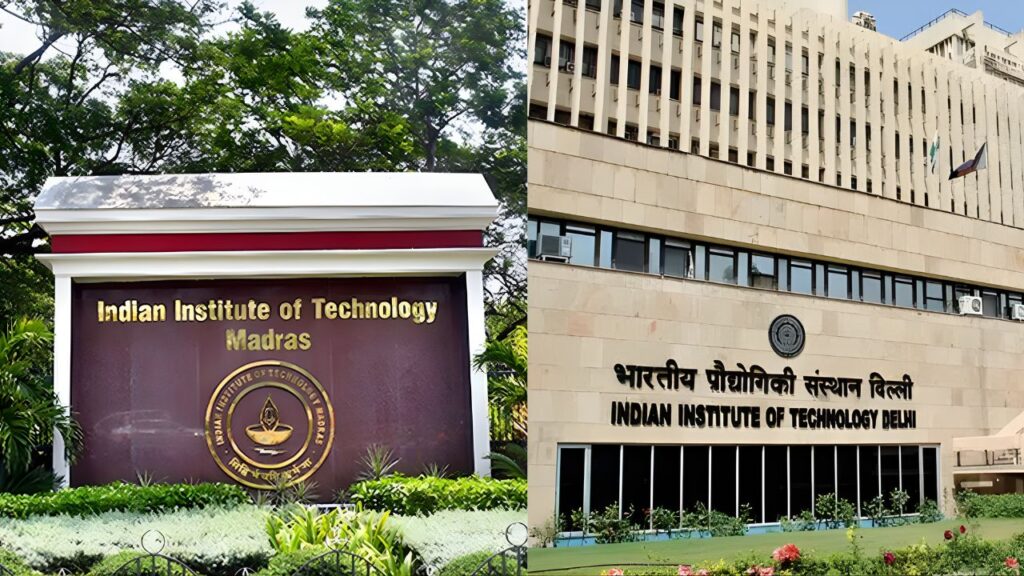
IIT Madras

IIT Madras

IIT Madras: One of the best Indian Institute of Technology which provides the best research and technical programs to the students. With your potential of learning and innovative mind, you can get the facilities such as education quality, faculty support, and placement opportunities to build your stable career. Ideal for students who are interested in engineering programs including B.tech, M.Tech, MS, PhD, etc. 

Fee (Approx.)Rs. 65,402 to 11,5402 per semester
M.Tech SpecializationsAerospace, Biomedical, Chemical, Civil, Computer Science, Electrical, Mechanical, Applied Mechanics, Metallurgical, Polymer Science & Technology, Marine, Biotechnology, Industrial Mathematics & Scientific Computing
Placement %75%+
Top Sectors Qualcomm, Microsoft, Tata, Google, Morgan, Infosys, Capital One, Apple, Reliance, Boston
Average to Highest Salary PackageRs 9 to 54 LPA

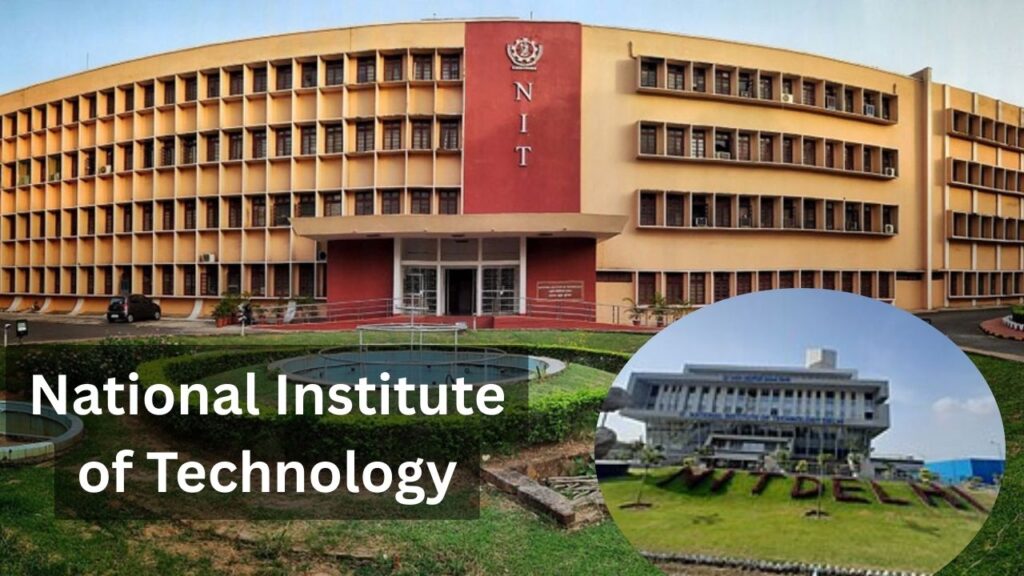
NIT Trichy

NIT Trichy

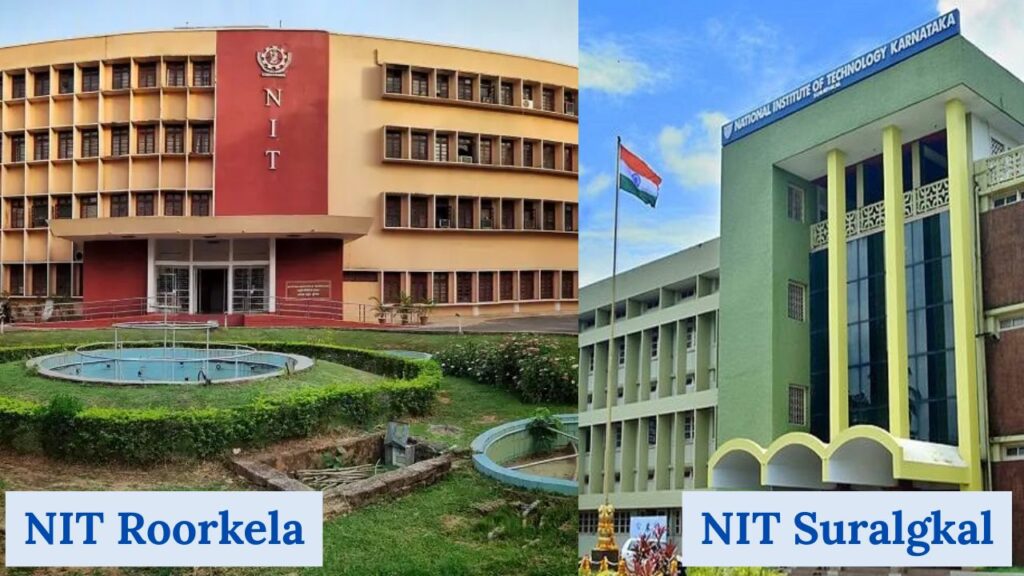
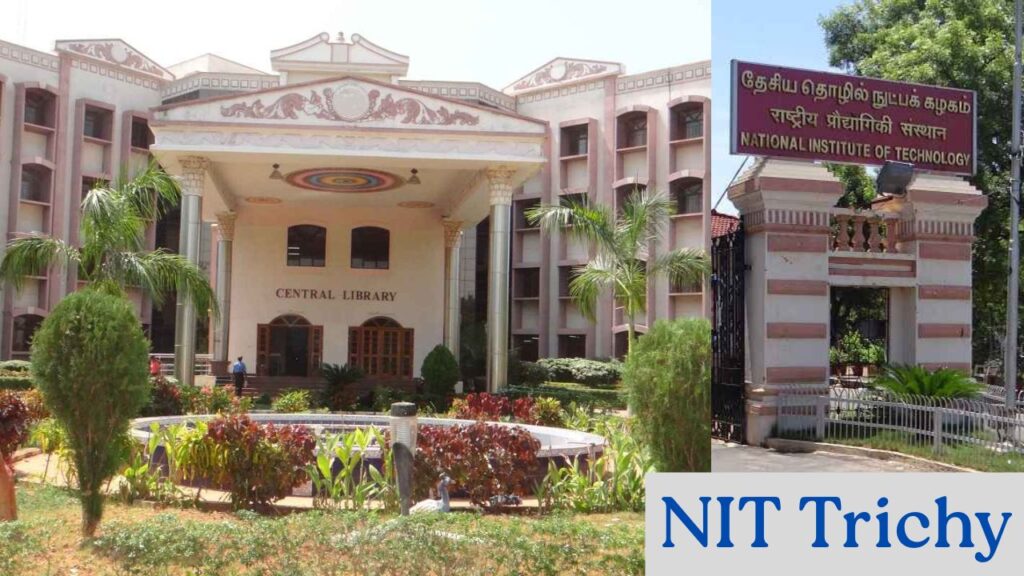
NIT Trichy: There are many NITs but this one is located in Tiruchirappalli, its reputation is just higher than all the other NITs. Whether you want to pursue B.Tech, M.Tech, BS, MS, or many more courses which not only provide you best education but also practical training, placement opportunities, and faculty support. Students can apply for admission to build their careers in engineering masters programs for more high salary packages. 

Fee (Approx.)₹70,000 – ₹1,25,000 per semester
M.Tech SpecializationsStructural Engg, Thermal, VLSI, Data Analytics, Power Electronics, Manufacturing, Transportation Engg, Computer Science, Communication Systems
Placement %85%+
Top SectorsInfosys, Deloitte,  Intel, Capgemini, Amazon, Texas, Amazon, Dell, HCl, TCS
Average to Highest Salary Package₹9 to ₹49 LPA

NIT Andhra Pradesh

NIT Andhra Pradesh

NIT Andhra Pradesh: It’s a fast growing NITs and rapidly making its reputation high. With supporting faculty and government, its placement rate becomes good and it is evolving in the advanced courses to keep students industry ready. These are the main factors for NIT to become the most successful and best top engineering college in India. It also gives chances to the students for international offers.

Fee (Approx.)₹62,500 – ₹1,12,500 per semester
M.Tech SpecializationsPower Electronics, Geotechnical Engg, Manufacturing, Communication & Signal Processing, Computer Science
Placement %60%+ (still developing)
Top SectorsInfosys, Wipro, Cognizant, TCS, Tech Mahindra, Byju’s
Average to Highest Salary₹5 to ₹18 LPA

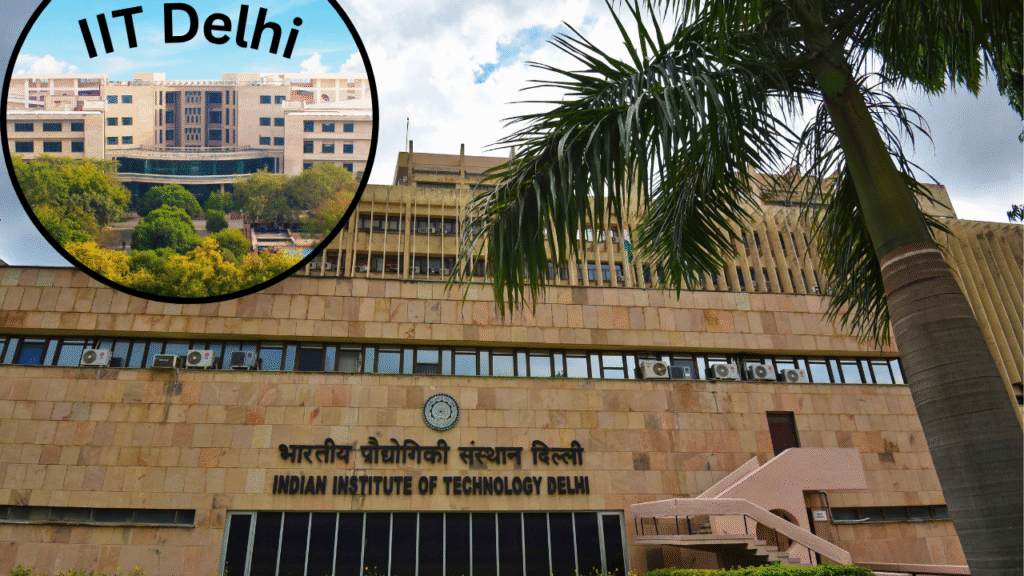
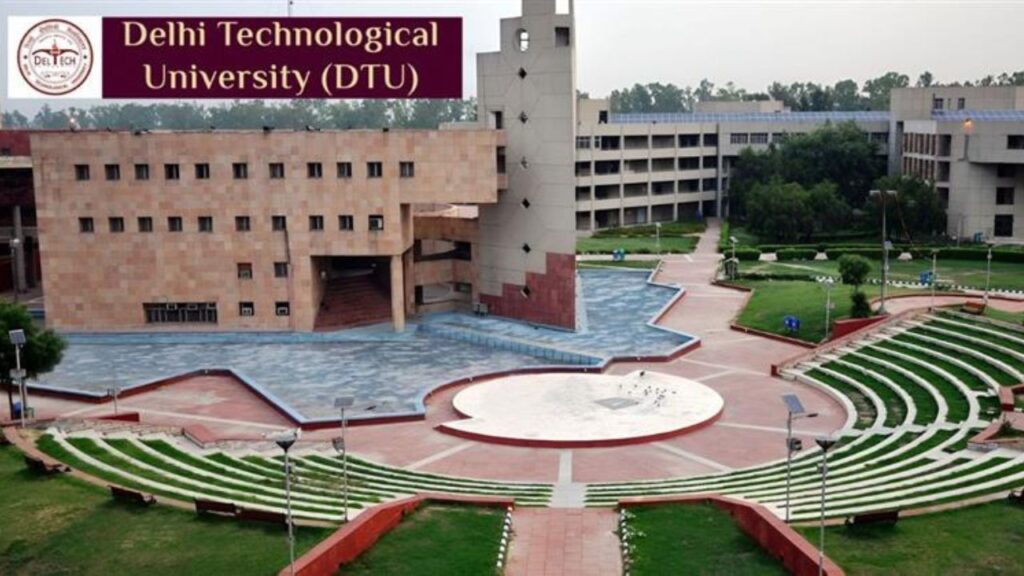
Delhi Technological University

Delhi Technological University

Delhi is the best option for students to start their journey to make a bright career as it is convenient for middle class people. If you want to pursue a valuable degree in engineering, especially masters then Delhi Technological University is best for students. Here you got industry exposure, coding culture, and hiring from top companies.

Fee (Approx.)₹90,000 – ₹1,60,000 per semester
M.Tech SpecializationsSoftware Engg, Control & Instrumentation, VLSI Design, Thermal Engg, Structural Engg, Signal Processing
Placement %90%+
Top SectorsGoogle, Microsoft, ZS, Adobe, Flipkart, DE Shaw, Samsung, Hero, Qualcomm
Average to Highest Salary₹10 to ₹60 LPA

Jadavpur University

Jadavpur University

Jadavpur University: The best university for technical studies, students who don’t want just a degree but also want to grab hands-on research and innovation environments then it is best. It offers rigorous facilities and academic culture to engineering students with low fees and impressive placement opportunities. 

Fee (Approx.)₹2,400 – ₹6,000 per semester (Yes, it’s that low!)
M.Tech SpecializationsChemical, Civil, Electrical, Food Technology, Instrumentation, Power Engg, Mechanical, Computer Science
Placement %80–85%
Top SectorsMicrosoft, Tata Steel, Cognizant, GAIL, Wipro, Tata Steel, Siemen, Flipkart, OLA, TCS, Orient
Average to Highest Salary₹6 to ₹45 LPA

NIT Karnataka 

NIT Karnataka 

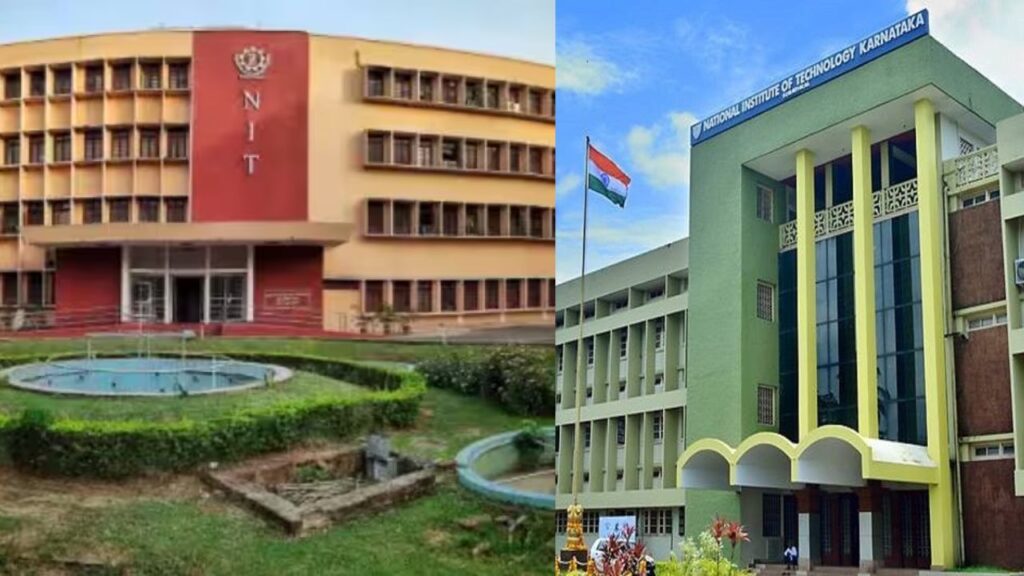
NIT Karnataka: Students can also choose NIT according to their convenient location because it is situated in many states. NIT has already made a good impression in industries both national and international because of its perfect culture of education and research in technical science. MTech from NIT can give you the chance to settle in a large company with an average salary package of Rs. 50 LPA.

Fee (Approx.)₹65,000 – ₹1,20,000 per semester
M.Tech SpecializationsMarine Structures, Machine Design, Digital Electronics, Signal Processing, VLSI, Power Systems, Structural Engineering, Computer Science
Placement %90%+
Top SectorsMicrosoft, Oracle, Amazon, Bosch, L&T, Qualcomm, Cisco, Texas Instruments
Average to Highest Salary Package₹10 to ₹52 LPA

Read More 👉 Medical vs Engineering: Which Career Will Make You More Successful in 2025

Anna University

Anna University

Anna University: This university is located in Tamil Nadu which is the best in all over the state because engineering students who have pursued their technical degrees are also mentioned that they provide the best education with research-oriented facilities. Campus also offers excellent technical fests that help students to cover extra knowledge to use in industries.

Fee (Approx.)₹15,000 – ₹30,000 per semester
M.Tech SpecializationsEnvironmental Engineering, Structural Engineering, Remote Sensing, Embedded Systems, Industrial Engineering, Power Systems, Bio-Medical
Placement %75–80%
Top SectorsZoho, Wipro, TCS, Mahindra, Tata, L&T, Cognizant
Average to Highest Salary Package₹6 to ₹22 LPA

Banaras Hindu University, Varanasi

Banaras college

BHU campus is huge and provides the best educational environment for students who want the best education in chemical, electrical & metallurgy engineering. Most of the colleges don’t provide a strong faculty and innovation area for these fields of engineering. So, BHU has a strong hand in this kind of field which makes it unique for students.

Fee (Approx.)₹75,000 – ₹1,25,000 per semester
M.Tech SpecializationsCeramics, Metallurgy, Structural Engineering, Chemical Engineering, Computer Science, Electrical Machines, Material Science
Placement %85%+
Top SectorsGoldman Sachs, Google, Tata Steel, Paytm, Microsoft, Infosys, Oracle
Average to Highest Salary Package₹10 to ₹45 LPA

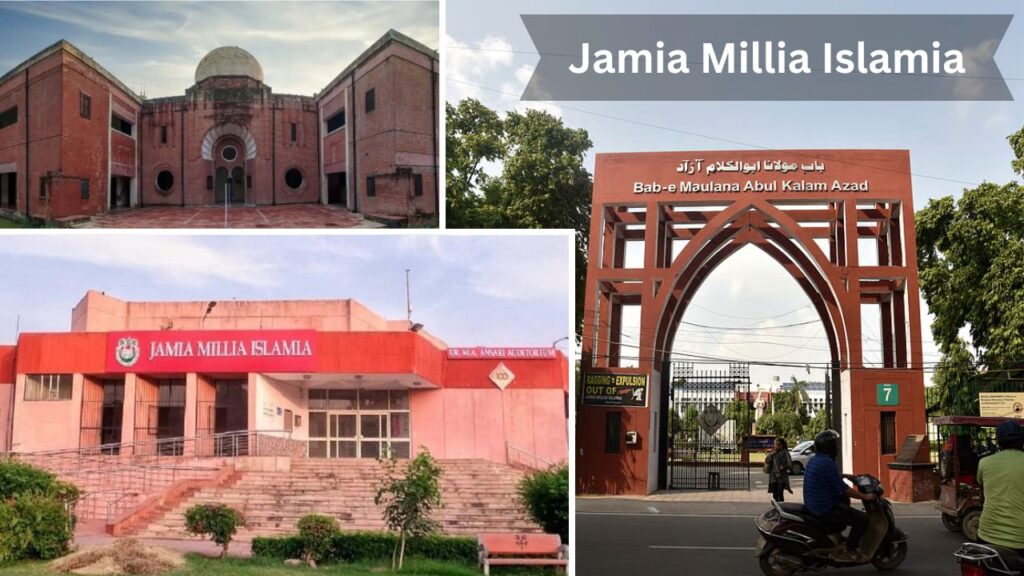
Aligarh Muslim University

Aligarh Muslim University

Aligarh Muslim University: This is the biggest university which offers a diverse range of courses in every field. Engineering is one of its best departments, ideal for students who want to get the best education with rich resources like placements and research facilities in the campus. It delivers core engineering programs at low fees. No limitation for students who want advanced engineering learning but don’t have that kind of money.

Fee (Approx.)₹6,000 – ₹15,000 per semester
M.Tech SpecializationsElectrical Machines, Structural Engineering, Thermal Engineering, Electronics, Environmental Engineering, Civil, Mechanical
Placement %65–70%
Top SectorsPublic Sector Units, Wipro, TCS, Byju’s, Indian Railways, DRDO
Average to Highest Salary Package₹5 to ₹20 LPA

Conclusion

By exploring these top government MTech colleges in India can help you to decide which college you can prefer to go. The decision does not depend on the single factor but all the factors such as your budget, location, and career stability matters while deciding for your professional degree. 

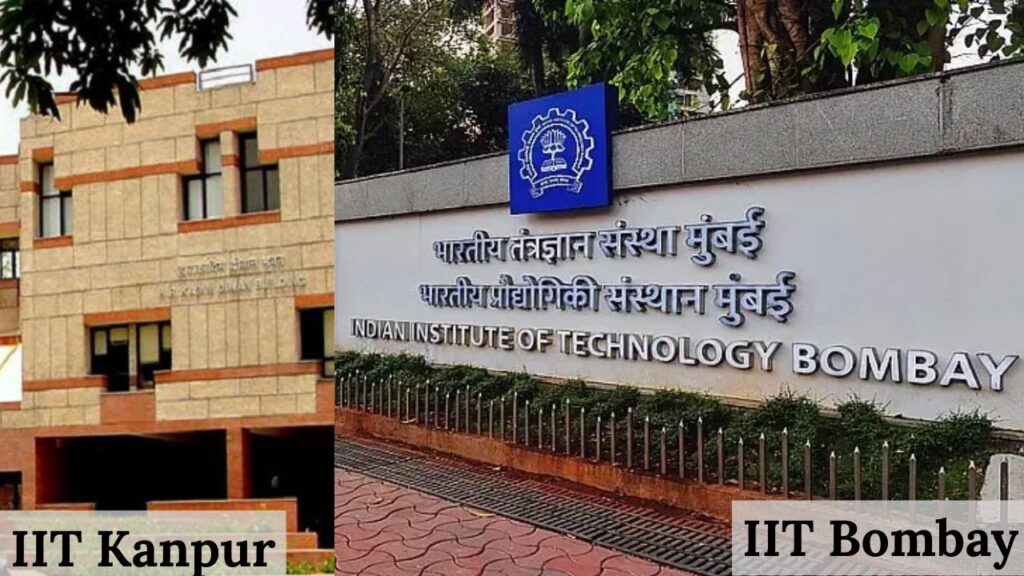
IITs and NITs are the best engineering colleges all over India but other government colleges is also provide you the best quality education and other benefits. 

Leave a Comment

Your email address will not be published. Required fields are marked *

Bihar Vidhan Parishad PA, DEO, LDC & Steno Recruitment 2026

Bihar Vidhan Parishad

Bihar Vidhan Parishad BVP Recruitment 2025: Bihar Vidhan Parishad (BVP) under Government Of Bihar has invited BVP Recruitment application for 64 vacancies of Personal Assistant, Data Entry Operator (DEO), Lower Division Clerk (LDC), Stenographer posts. Eligible candidates can apply from 28 November 2025 to 05 January 2026. The applicant must be above 18 years of age and there is an age limit for maximum which is 42 years on 01 August 2025. For more information, candidates can visit the official website or read the notification. 

If you are an intermediate pass or graduate or a sure shot middle class, you are sure to get posts in Bihar Vidhan Parishad: the door is open for all. 

Dates, Application Fee & Short Details of Bihar Vidhan Parishad Recruitment

OrganizationBihar Vidhan Parishad
PostsPersonal Assistant, DEO, LDC & Stenographer Post
Vacancy 64
Application FeeRs. 100/
Last Date To Apply05/January/2026
Fee Payment Last Date07/January/2026
Exam DateUpdate Soon
Official WebsiteClick Here
PositionVacanciesMinimum QualificationStarting Salary of a Candidate
Personal Assistant—PA7UG Degree/Stenography 100 wpm & also Typing Speed 30 wpm₹44,900 accor. to 7th pay Level 7
Data Entry Operator—DEO35Intermediate Marksheet/133 keystrokes per minute₹25,500 accor. To the (Level 4)
Lower Division Clerk—LDC10Intermediate Marksheet/Speed should be 30 wpm₹19,900 – ₹63,200 (Level 2)
Stenographer12Graduation/Stenography 80 wpm/Typing 30 wpm₹25,500 – ₹81,100 (Level 4)

The position of DEO is undoubtedly the star of this recruitment with a staggering 35 vacancies – your chances of selection are truly bright! But don’t rule out the PA position if you have the stenographic skills, the pay is unbelievable at Level 7, it affords the best financial package of any job. 

Read More :- A Complete Guide to Cybersecurity Courses for Beginners and Career Switchers

Age Limit For Bihar Vidhan Parishad Recruitment

Minimum Age Limits

PostMinimum Age
DEO / LDC18 Years
Steno / PA21 Years

Maximum Age Limits

CategoryMaximum Age
General / EWS Male37 Years
General / EWS Female40 Years
BC / EBC (Male & Female)40 Years
SC / ST (Male & Female)42 Years

Follow These Instructions to Apply For These Posts

  1. Interested and eligible candidates may apply online for Bihar Vidhan Parishad posts on 05 January 2026.
  2. Click under the “Apply Online” tab in the Useful Links section below to redirect to the submission page.
  3. Or, Apply directly from the official website of Bihar Vidhan Parishad for the post. 
  4. Submit the application form after you finish carefully. 
Useful Links
Apply OnlineClick Here
Download NotificationClick Here
Official WebsiteClick Here

Leave a Comment

Your email address will not be published. Required fields are marked *

Scroll to Top