Top B.Tech Colleges in India: Latest Ranking & Admission Guide

BTech Colleges in India

When thinking about starting a career in engineering then choosing among the top BTech Colleges in India is the priority for every student. The race for a Bachelor of Technology (BTech) course has gotten much tougher and thrilling as there are plethora of options for would-be engineers across the country. If you’re a Class 12 student planning to appear for entrance exams or a parent navigating the admissions maze, this one-stop guide will give you an overview of the current scenario of top BTech colleges in India, their rankings, placements and admission criteria. 

Understanding the Current Landscape: NIRF Rankings 2025

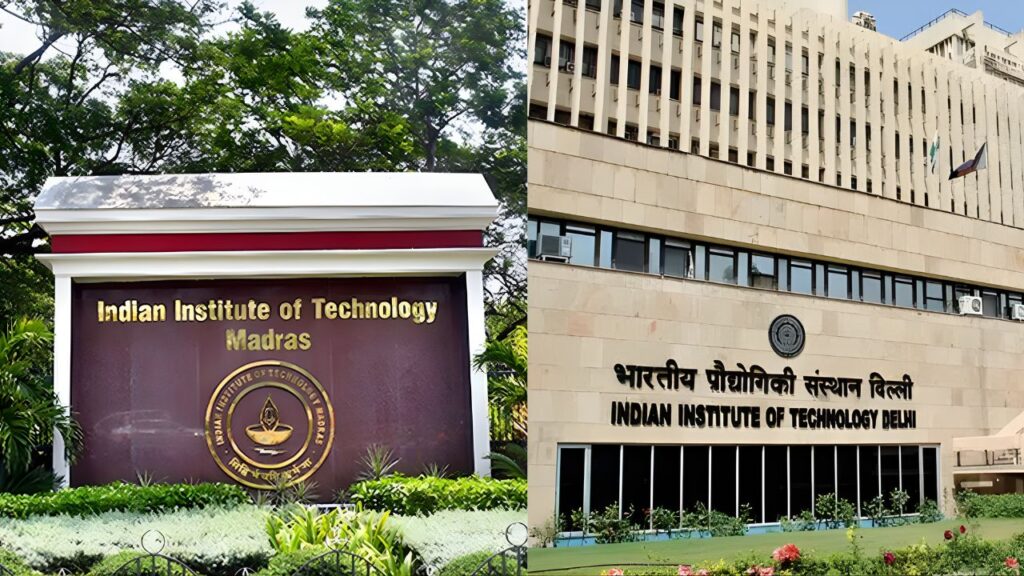
Indian BTech Colleges NIRF Ranking 2025 is considered as the standard for deciding the best BTech colleges in India. As per the updated list, IIT Madras ranked 1st once again for the ninth straight year, further consolidating its hold on engineering. The top five Engineering institutes in India according to NIRF 2025 are IIT Madras, IIT Delhi, IIT Bombay, IIT Kanpur, and IIT Kharagpur.​

 IIT Madras, IIT Delhi

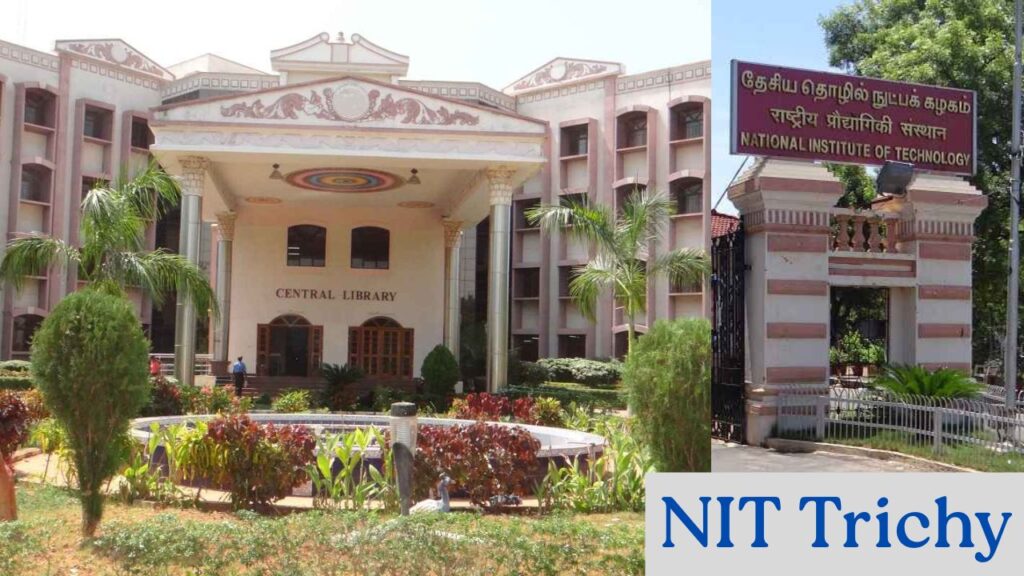
But the story is not all IITs, the NIRF Rankings are not limited to the only IITs. As far as the National Institutes of Technology (NITs) are considered, only NIT Trichy emerges among the top 10 at rank 9 in the list, which speaks about the immense competition in rankings. Following NIT Trichy we have the older NITs like NIT Roorkela, NIT Suralgkal, we have NIT Calicut who all regularly get top 25! 
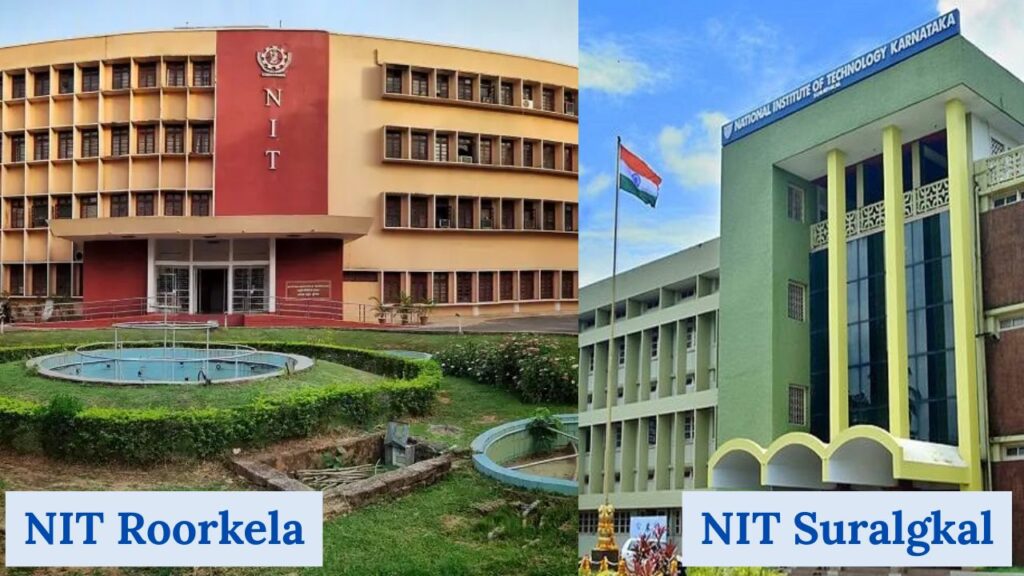
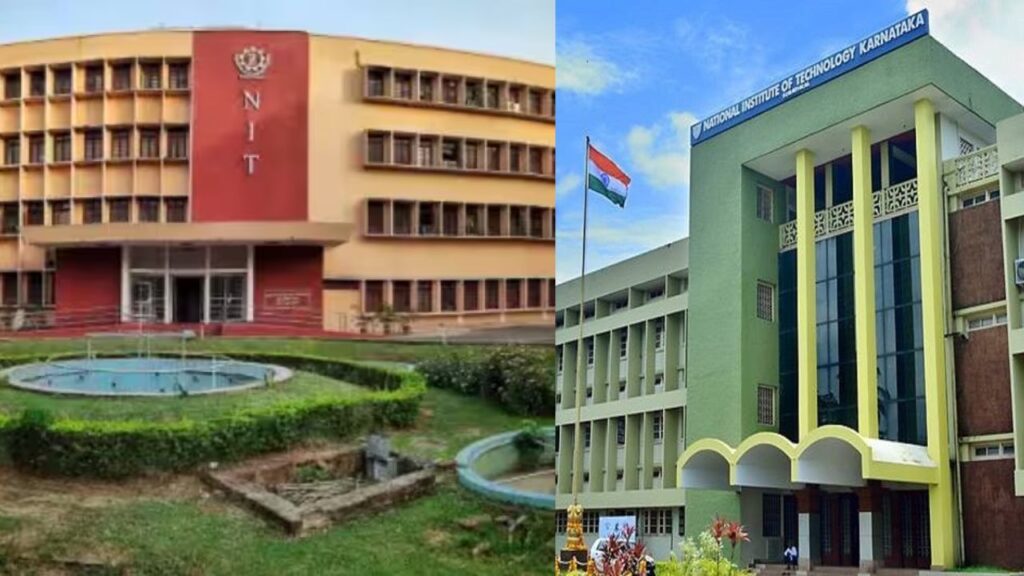
NIT Roorkela and NIT Suralgkal

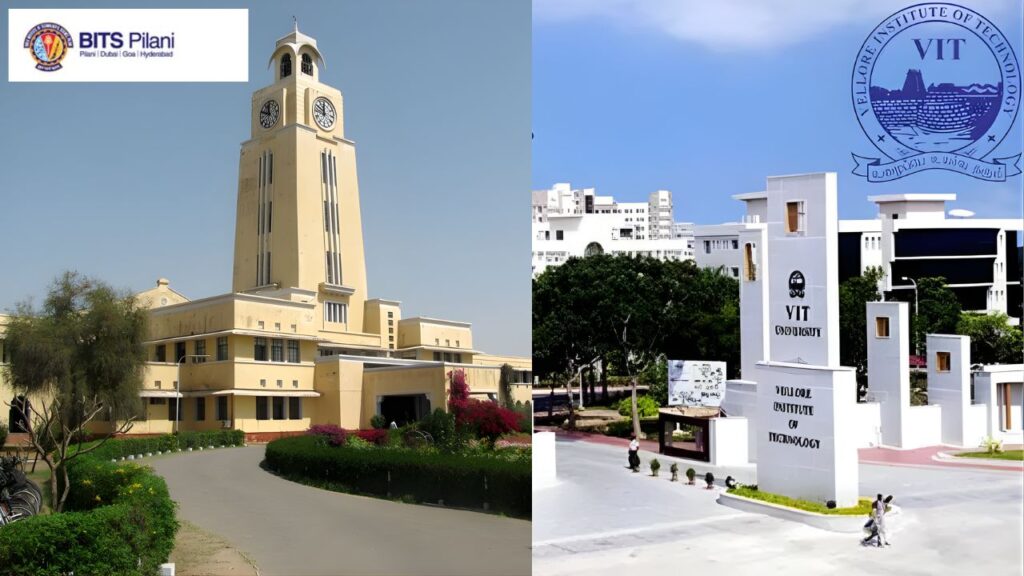
Private institutes have also made a place for themselves, with BITS Pilani at Rank 11 and VIT Vellore at Rank 16 in NIRF 2025. These colleges are no joke, they do provide a world class education and you will have no problem finding employment. 

The Tier System

In addition to the usual rankings, a number of industry insiders grade schools according to tiers based on placement results, presence of recruiters, and number of competitive cutoffs. This gives a more refined sense of the college pecking-order. 

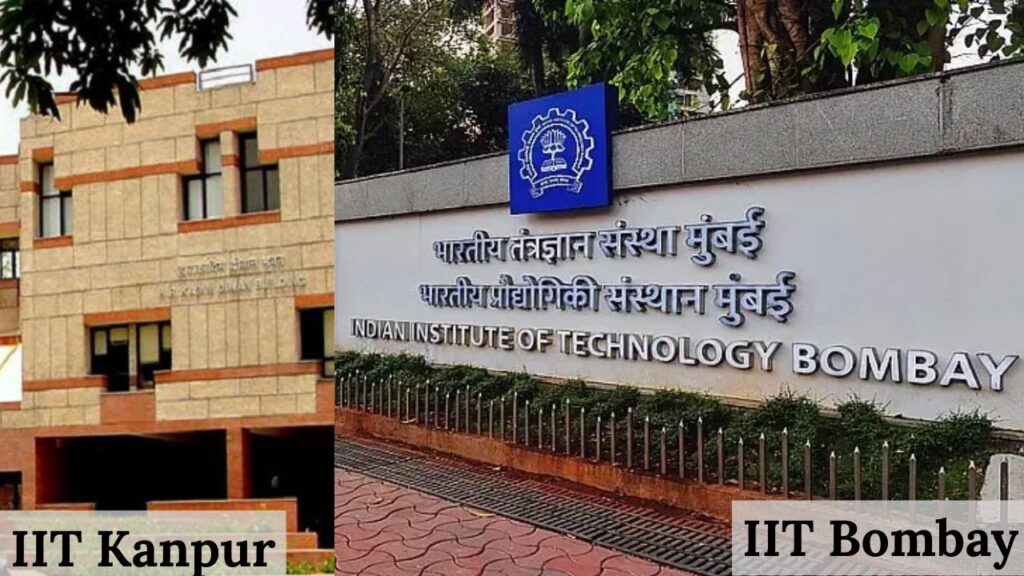
Tier 1 (Premier Institutes) consists of the legendary IITs such as IIT Bombay, IIT Delhi, IIT Madras, IIT Kanpur, IIT Kharagpur, IIT Roorkee, IIT Hyderabad, and IIT Guwahati. These are also engineering colleges which dream destinations for most engineering aspirants. Indian academics are tough and placement records are also excellent.​

IIT Kanpur and IIT Bombay

Tier 1.5 (Strong and Competitive) has institutes such as IIT BHU (Varanasi), IIT Indore, BITS Pilani, IIT Ropar, IIT Gandhinagar, NIT Trichy, NIT Surathkal, and NIT Warangal. These universities have good academics and employment potential and have gained significant traction in reputation. 

Tier 2 (Well established with Consistent Track Records) Institutes of the second tier like IIT Mandi, IIT Jodhpur, IIT Bhubaneswar, IIT ISM Dhanbad, NIT Rourkela, NIT Calicut, BITS Goa, BITS Hyderabad, and the likes, boast of consistent placement records coupled with strong alumni network. These are established institutes and provide assured opportunities for students for career growth and links with industry.  

Placement Statistics

While selecting a college, the chief concern is usually the placement. Let’s dig into the real figures. The average salary package at IIT Bombay soared to ₹23.5 LPA in the 2024 placement drive, showing a 7.7% rise from last year’s ₹21.8 LPA. The highest package at IIT Bombay soared to a staggering ₹3.67 crore, with 22 students bagging offers scaling the ₹1 crore per annum mark. 

The placement rate for IIT Bombay’s BTech programme is a healthy 74.53%, with 1,475 students placed out of 1,979 registered. Curiously, Computer Science Engineering is the most in demand branch with 230 offers, then closely matched by Electrical Engineering (232) and again by Mechanical Engineering (229).​

The average package at IIT Kanpur hiked up to ₹26.27 LPA, whereas IIT Delhi saw an average package of ₹17.60 LPA with a highest package of ₹2.05 crore. These statistics attest to the amazing value top engineering colleges provide their students. 

Admission Process For B.Tech

Anyone with ambitions to be a part of these institutions should know the process of meteoric rise, which is Understanding the process of admissions is essential for any aspirant who wants to get into these esteemed organizations. The route for BTech admission in India: Your Class 12 results and entrance exams largely decide your fate.​

NIT Trichy

An all India examination termed JEE Main is required to be passed by the candidates for admission to the institutes like IITs, NITs. Candidates are required to qualify in JEE Advanced, which is the next level after JEE Main, for seeking admission to IITs. JEE Advanced for admission to IITs can be attempted only by JEE Main rank holders (JEE Main is qualifying exam for JEE Advanced), and seat allotment in IITs is done on the basis of JEE Advanced ranks alone. 

The eligibility criteria is simple, but important: candidates should have completed class 12th (science stream with physics, chemistry, and mathematics) with minimum marks of 50% to 75% which varies as per the institute and category. For reserved category contenders the qualification is generally 65%.​

Admission Process For B.Tech

The BTech admission schedule is designed in a manner that helps you to plan well in advance. Application period: It may be from November to March of next year, subject to specific entrance examination. 

Entrance exams are generally held in April-June, followed by counselling and seat allotment after the exams then classes usually start around August or September. 

Cutoff Ranks Matters

In top colleges, an applicant with a JEE Main rank less than 5,000 can expect to get one of the top five NITs. For example, NIT Trichy’s Computer Science Engineering has an opening and closing rank of 1000-2000 in general category, NIT Surathkal’s CSE has ranks in the range of 1500-3500. 

General 91-95
EWS 79-83
OBC-NCL77-81
SC 58-62
ST 44-48

Under this category, the likely cutoff percentile for JEE Main 2025 is General (91-95), EWS (79-83), OBC-NCL (77-81), SC (58-62), ST (44-48). But, all these are predictions based on the past year’s trends of the exam, the actual figure of cutoff may be different. 

Popular BTech Specializations

The present day BTech courses are not only confined to traditional engineering branches. Computer Science Engineering (CSE) leads the list as the most preferred branch for a bright career in software development, data science and cybersecurity. 
Popular BTech Specializations

But today the BTech branches in the specializations are far more than the CSE. Mechanical Engineering, Civil Engineering, ECE (Electronics and Communication Engineering), and IT (Information Technology) are still the standard choice but some new fields are emerging that are taking over the engineering world. AI and Data Science, Cyber Security, Cloud Computing, Biomedical Engineering, and Robotics and Automation Engineering are the courses currently making waves owing to high demand in industry. ​

Emerging disciplines such as these are the future of engineering, and firms looking to attract the best graduates in those niche are already hard-pressed to come up with competitive salary packages. 

Understanding the Financial Reality

It is also necessary to consider the expenses related to BTech. The entire course fee amount for government colleges like NITs and IITs is generally between ₹8.35 lakhs and ₹9.17 lakhs which is really affordable considering the kind of opportunities these institutes offer.​

Private universities such as BITS Pilani have much higher fees at ₹23.9 lakh for the full course, although they do have a variety of advantages such as more flexible curricula and better placement results.​

With a low fee structure of ₹8.35 lakh, IIT BHU, Varanasi also has the highest ROI of 239.52%, due to a median package of ₹20 LPA. 

Conclusion

Selecting a BTech college is among the most crucial decisions in your academic life. Despite the importance of rankings and placement statistics, you must keep in mind your interests, what you want to do in your career and your personal circumstances. If you’re going for the elite IITs, the perpetually decently performing NITs, or the private ones like BITS Pilani, do remember that your success depends as much on how hard you work as how good your education institution is.

Start your JEE Main preparation today, aim for a good rank, and keep track of the dates of the admission process. After all the efforts and proper guidance, it’s not going to be long before you’re striding down the hallways of the top engineering colleges in India, ready to make a mark on the world. 
Leave a Comment

Your email address will not be published. Required fields are marked *

RRB Technician Notification 2025 Out – Huge Vacancy! Apply Online for 6180 Posts

RRB-Technician-Notification-2025-Out

RRB Technician Notification 2025: If you’re waiting for the railway job vacancy then the wait is over as the RRB Technician Notification has been released now. If you’re interested in a technical job posting in the railway sector, you can apply now. Online application starts from 28 June, candidates should fill the form before 28 July 2025. There are a total of 6180 posts for the technician Grade-I & Grade-III. 

ExamRRB Technician
Conducting BodyRRB
PostTechnical
VacancyTechnician Grade 1: 180 | Grade 3: 6000
Mode of ExamOnline
Official WebsiteClick Here
Application Fee
General/OBC/EWS500/-
SC/ST/PH/Female (all Cat.)250/-
Correction charges250/-

The short notice for railway recruitment has been released. You can check the notification for the Grade–1 & Grade–3 Technician posts. Candidates who have been waiting should now prepare for the examination because the online application will start soon. The competition is high so you must prepare well to beat the process and get selected.

RRB Technician Key Dates

Notification dateJune-2025
Application starts28-June-2025
Application ends28-July-2025
Fee submission last date28 July 2025
Admit CardUpdated Soon
Exam DateUpdated Soon

Eligibility for RRB Technician Post

Grade–1 TechnicianBE/B.Tech in Engineering, Diploma Or EquivalentB.Sc in engineering Or equivalent
Grade–3 Technician10th Passed + ITI Equivalent or diploma
For more Detailed Information Download the Notification
CategoryAge Limit
Grade–118–33 years
Grade–318–30 years

Salary for RRB Technician 2025

Salary for Grade–1Rs. 52,297 – Rs. 46,457
Salary for Grade–3Rs. 35,654 – Rs. 31,674

Selection Process for the RRB Technician 2025

The Railway recruitment board will start the application form on 28-June-2025. The registered candidate will have to attempt the written examination online. The shortlisted candidates will be selected for further process of document verification and medical examination. The process is a gateway to the post so candidates must pass through this. Candidates must have passed all three stages only then their name will come on the final selection List.

Direct Links

Apply OnlineUpdate Soon
Telegram ChannelClick Here
Official WebsiteClick Here

Leave a Comment

Your email address will not be published. Required fields are marked *

How to Take Admission in Delhi University in 2025 – Full Process Explained!

How to Take Admission in Delhi University

Delhi University is a great university for UG, PG and doctoral programs which attracts thousands of candidates from all over the country. If you are planning to take admission to the most popular university then you must know about the admission process. So, here’s a guide for you which helps you get ready for the procedure.

DU offers a plenty of programs for Arts, Science, and Commerce students. First, know your interest that aligns with the future goal. It will help you select the field of study and decide which program you have to take admission. Admission process is same but eligibility criteria and cutoff marks is different on most of the programs.

DU offers multiple courses in every stream through the entrance exams for the particular field. So, score well in exams to get a admission in Delhi University, here are the following exams: 

  • CUET Examination

DU offers UG courses such as BA, B.Com, B.Sc, BBA, MA, MCA, M.Sc, and B.Ed through the Common University Entrance Test.  

  • JEE Main

Candidates who are willing to take admission in the Engineering programs such as B.Tech have to appear in the JEE examination.

  • CAT Examination

DU offers an MBA program through the CAT examination, you must appear in the examination and score well in that to get an admission.

  • CLAT Examination

For LLB and LLM programs, candidates have to pass the CLAT exam.

  • UGC NET/CSIR NET/NTA 

These are the examinations for admission in PhD.

Candidates must have cleared the entrance exam for their courses then register for CSAS. Its full form is Common Seat Allocation System and this is the stage where you have to fill your college preferences and courses.


This round takes time because it’s a lengthy process, seat allotment based on your scores of the entrance exam, preference you fill, and category you belong to. Seat availability is critical in some cases, you can freeze your seat if you are satisfied with the given seat or wait for the next round.

Once you freeze the seat which is offered by the university. Your admission is confirmed after your acceptance. 

Read More 👉 Top 10 MBA Colleges in Lucknow You Shouldn’t Miss in 2025

Check your eligibility for the particular program you are choosing to take admission. For UG courses you must pass 12th class, for PG courses, it requires a graduation marksheet. Admission in PG courses may require a CUET PG score.

  1. Visit the official website of DU. 
  2. Search for the SOL admission portal, when you click on that the registration page will appear then click on the registration link.
  3. Enter your information in the form carefully to complete the registration.
  4. Log in with your registration number and password.
  5. Fill out the rest of the details with correct information to further proceed.
  6. Carefully fill in the details, so it cannot be incorrect.
  7. Attach the required documents required for the application in your admission.
  8. Submit application fee then download the copy.
  9. You can check application status from your account.

DU offers plenty of programs for students to study higher education. DU offers programs in streams like Arts, Science, Commerce, Management, Law, and Engineering. The admission in these streams through their entrance exams respectively.

If you are a working professional, parent, or any other responsibilities, you can pursue degrees such as BA, B.Com, MA, M.Com, and M.Sc without any entrance exam. SOL is beneficial for most of the students who can’t attend the college regularly due to any reason. 

NCWEB is designed specially for women who cannot attend full time courses due to responsibilities, work, or any other reasons. Women who prefer weekends or evening classes to complete their education can take admission but it happens through merit score. 

Students who want specializations in any field can also think of Delhi University as the best option for them. The various fields of specializations which DU offers are – English, Hindi, Economics, and Political Science, Physics, Chemistry, Mathematics, Law, and Management.

Delhi University primarily takes students through entrance exams but there are certain programs and modes of study where students can take admission without appearing in the entrance exam. 

SOL – It is designed to provide education for students who cannot attend the regular classes due to work, distance, or any other reason. SOL offers many UG & PG programs without an entrance exam.

CoursesAdmission processMode
BA, B.Com, MA, M.Com, M.ScAdmission is based on MeritDistance education

Some UG Courses based on Merit – DU affiliated colleges are offering some UG programs like B.Com, BA, and many other courses without an entrance exam.

Read More 👉 Top Government Jobs After MBA | Best Careers 2025 Guide

Course NameWho Can Apply?How Selection Happens?
BA OR BA (Hons)10+12th from any stream  (50% score minimum)Through CUET UG + CSAS Counselling
B.Sc OR B.Sc (Hons)10+12th (50% score minimum) in science streamThrough CUET UG + CSAS Counselling
B.Com OR B.Com (Hons)Passed 12th (50% score minimum) in commerce streamThrough CUET UG + CSAS Counselling
B.Tech Passed 12th with PCM, minimum 60% marksJEE Main + JAC Counselling
BA LLB / BBA LLBAccomplish 12th or equivalent (50% score minimum) CLAT UG + CLAT Counselling
BBA10+12th or equivalent (50% score minimum) Through CUET UG + CSAS Counselling
B.El.EdAccomplish 12th or equivalent with 50%Through CUET UG + CSAS Counselling
BFAAccomplish 12th or equivalent (45% score minimum)Through CUET UG + CSAS Counselling
B.Lib.I.ScAccomplish 12th or equivalent (45% score minimum)Through CUET UG + CSAS Counselling
Course NameWho Can Apply?How Selection Happens?
MABachelor’s degree (50% score minimum)CUET PG + CSAS Counselling OR Merit-Based
M.ComB.Com/B.Com (Hons) (50% score minimum)CUET PG + CSAS Counselling
M.ScB.Sc in relevant subject with at least 50% marksCUET PG + CSAS Counselling
MBABachelor’s degree in any discipline CUET PG + Group Discussion & Interview 
MCABCA or equivalent degreeCUET PG + CSAS Counselling
B.EdGraduation degree (50% score minimum)CUET PG + CSAS Counselling
LLBUG OR PG degree in any with at least 50% marksCUET PG + CSAS Counselling
LLMLLB (3-year or 5-year) (50% score minimum)CUET PG + CSAS Counselling
M.TechB.Tech/BE in relevant field (60% score minimum)CUET PG + CSAS Counselling
M.EdB.Ed/B.El.Ed or equivalent (60% score minimum)CUET PG + CSAS Counselling
Points Details
Who can apply?– Master’s degree (55% score minimum) marks – 5% relaxation for reserved category
How do you get selected?First Option  – Through UGC-NET, UGC-CSIR NET, DBT-JRF, ICMR-JRF, once you pass this, you can appear directly for an interview.Second Option  – You must appear for the CUET-PhD entrance test. If you don’t want to take the first option.  – Next step for selected candidates is an interview.  – Everyone (including exempted candidates) must attend the interview.
What happens after selection?– Merit list is prepared based on entrance and interview performance.- Selected candidates must verify original documents in person at the department.- Seats are filled as per department’s decision and university norms.
Other important points– Final subject relevance is decided by the Departmental Research Committee (DRC).- No PhD through distance mode at DU.

Leave a Comment

Your email address will not be published. Required fields are marked *

BPSC AE Admit Card 2025 Out Today – Download Now at bpsc.bihar.gov.in | Gov Update Wala

Candidates who applied for the assistant engineer post can now download their admit card through the link here. Candidates should check their exam dates to be well-prepared. BPSC AE Admit Card 2025 has elements such as Name, Father’s name, DOB, Examination Centre, Exam Date, Roll Number, etc. Candidates can download the notification for the examination.

Candidates should download their admit card for examination on 17, 18, & 19 July. They have to get a card to enter the examination hall. After the exam, candidates who pass the exam can be eligible for the interview round.

Short Detail For BPSC AE Admit Card 2025

Post NameAssistant Engineer
Exam Conducting BodyBihar Public Service Commission
PurposeBPSC is selecting candidates through this exam for 1024 vacancies as Assistant Engineers for various departments.
Vacancies1024
Notification Date10 July 2025
Official WebsiteClick Here

BPSC AE Admit Card 2025 Key Dates

BPSC Exam Notice08/July/2025
Admit Card Notice10/July/2025
Admit Card Issued14/July/2025
Exam Date17 July – 19 July 2025
Result DateUpdate Soon

Read More 👉 Bihar Police Constable Admit Card 2025 Released – Download in 1 Minute from csbc.bihar.gov.in

Steps to Download BPSC AE Admit Card 2025

  1. Go to the official website of BSPC which is mentioned in the article.
  2. Check the Notice section, Go to “BPSC AE Admit Card 2025”.
  3. Enter roll number and password, admit card will show up.
  4. Download the admit card and print it out to take to the examination centre.
Application Fee
General/OBC/EWSRs. 600
SC/ST/PWD/FemaleRs. 150
Payment ModeOnline
Age Limit
Minimum Age21 years
Maximum Age37 years

Useful Links For BPSC AE Admit Card 2025

Admit CardClick Here
Download NotificationClick Here
Official WebsiteClick Here

Leave a Comment

Your email address will not be published. Required fields are marked *

Delhi Police Vacancy 2025: Apply Online for 7565 Constable Posts

Staff Selection Commission is recruiting candidates for filling out the Delhi police vacancy 2025. This organization officially announced the recruitment process and the official notification is also released for the candidates to check every detail regarding the post or online application. There are a total of 7565 positions vacant for this post, candidates can apply for this till 21 October 2025. You can find the direct link for the application in the article. 

Delhi Police Vacancy 2025 Short details

OrganizationStaff Selection Commission
Exam NameDelhi Police Constable
PostConstable 
VacanciesFemale: 2496, Male: 5069Total: 7565
Online Application Date22 September – 21 October 2025
SalaryRs. 21,700 – Rs. 69,100/-
Official websiteClick Here

Dates to Remember for delhi police vacancy 2025

Notification release22 September 2025
Application Starts on22 September 2025
Application Ends on21 October 2025 
Online fee submission22 October 2025
Correction Date29–31 October 2025
Admit Card Update Soon
Exam DateUpdate Soon

How to apply for Delhi Police Constable

Candidates who are applying for the Delhi police vacancy 2025 could meet the eligibility criteria for this position. Must apply for this position before the last day of registration or else he or she will not be able to apply anymore.

Follow these steps to apply online:

  1. Visit Delhi police official website which is mentioned in the article.
  2. After visiting the official page, search for the New Registration option to click.
  3. Once you click that, the box will appear on your screen.
  4. Fill them with your correct information and carefully check again.
  5. After registration, you can login with your registration number and password, then you can fill out the application form for delhi police vacancy 2025
  6. Preview the form before the final submit and download the copy for reference.

Read More 👉 IBPO PO Preliminary Examination Result Out Soon – Check 2025 Updates

Eligibility for delhi police vacancy 2025

Educational Qualification10+2 passed with a proven marksheet from a recognised board. 
Age limitMaximum: 25 yearsMinimum: 18 years
Age relaxationCheck the official notification for age relaxation to reserved category.
Quick Links 
Notification DownloadClick Here
Application Online Click Here
Official WebsiteClick Here

Leave a Comment

Your email address will not be published. Required fields are marked *

How to Crack State PSC Exams in First Attempt: Strategy & Resources

Govt. jobs are undoubtedly one of the most safe and respected career options in India and passing the State Public Service Commission (PSC) exam in first attempt is a dream for many aspirants. As the competition is rising and the syllabus is vast, it sometimes feels like a difficult mountain to scale. But, with the right approach, intelligent study techniques, and diligent efforts, passing the exam is not an impossible dream. The crux is to understand the syllabus in depth, follow the right resources and adhere to a disciplined schedule that would cover both prelims & mains preparation.

Quick Thoughts Gathering to Begin With

  1. Download official syllabus + all past papers of 8 years.
  2. Make a list of books you own/need (start with NCERTs).
  3. Select optional subject.
  4. Put together a weekly schedule you can live with.
  5. Create a one-pager daily current affairs file.
  6. Enroll in test series / good coaching (online/offline) and commit to weekly mocks.
  7. Start your NCERTs (goal: 2–3 chapters/day).

Big-picture study strategy (what to study & why)

Build bedrock knowledge first: NCERTs (6–12) for History, Geography, Economics, and Pol. These give a clean conceptual base.

Proceed to standard books for each subject (more below). Read for understanding, not rote.

Current affairs daily — newspaper + short notes. Link events to static syllabus.

Notes + revision cycle — Make short revision notes (1–2 pages) per topic; revise them frequently.

Practice smartly: MCQs for prelims + answer writing under time pressure for mains. Mains wins jobs — practice answer structure & linking facts to syllabus keywords.

Mocks & feedback: Do full length mocks and get answers evaluated (peer/mentor) and you improve your answer style and technique of scoring.

Recommended core resources (common, high-utility) 

(You will need to add in your state-specific books / local history that you must have from your state board / PSC Recommended Readings)

  1. Cover Basics 

NCERTs 6–12 — History, Geography, Pol. Science, Economics (start here).

Indian Polity — M. Laxmikanth (efficient + concise for governance & state-centred comparative questions).

Modern Indian History — Spectrum’s A Brief History of Modern India / Bipin Chandra (for depth).

Indian Economy — Ramesh Singh or any good concise economy book, supplemented with RBI / Economic Survey summaries.

Geography — Certificate Physical & Human Geography (G.C. Leong) or equivalent concise books.

Environment & Ecology — normal environment compendium/ class notes, track Recent Events.

State-specific history & polity — whatever books your PSC cites, in addition to local gazetteers and state government documents.

  1. Current affairs & general reading

One daily national newspaper (The Hindu / Indian Express) or their summaries. Government releases: Press Information Bureau (PIB), state government portals, official reports (for schemes and facts). Monthly magazines or current affairs compendiums (good for revision).

  1. Practice

Collection of previous years’ PSC papers (must have). A good questionbank or mock test series (free/paid) for practicing in time bound manner. Answer writing notebooks (keep one for mains answers). 

Sample schedules — choose according to the time you have

If you have 12 months

1st to 4th month: complete NCERTs + standard books for GS I–III fundamentals; decide optional & finish fundamentals.

Months 5 to 8: Complete other standard books + begin consolidating notes; begin on PYQs.

9th and 10th months: High-intensity test series – full-length prelim mock test every week; augments revision of weak topics.

Months 11–12: Final run through + daily PYQs + last-mile current affairs. Mains answer practice (if prelim cleared).

If you have 6 months

1st month: Preparation for NCERTs + syllabus mapping + optional selection.

2nd to 4th month: Read standard books, prepare short notes, solve MCQs and PYQs.

Month 5: Rigorous mock tests (prelim-benchmarked); Time management to be calibrated.

Month 6: Re-visit everything + frequent mock tests + current affairs wrap-up.

If you have three months

  • Fast NCERT reading + priority standard book chapters on some important subjects.
  • Study 7-10 hours a day: current affairs in the morning, theory in bulk in mid-day, MCQs + past papers in the evening.
  • Mocks repeatedly at intervals of 3-4 days Analyze each. 

Prelims strategy (objective test)

A good preparation strategy would be to start with the NCERTs along with one standard book per subject to establish a strong base. While learning content, same importance should be given to speed and accuracy by daily practicing MCQs gradually going to 500 – 1000 in a week. To gain maximum returns in minimum time, concentrate on high-yield topics such as Polity, the Constitution, Economy (primarily basic indices), Geography (with emphasis on map work), Environment, and Current Affairs. The Previous Year Questions (PYQs should be backbone of your preparation as it helps you to identify the areas/themes which the exam repeatedly tests). 

Also Read : Top 10 List of Exams Conducted by UPSC After Graduation in 2025

Mains strategy (subjective / descriptive)

Start writing answers from the early days of preparation, while upgrading yourself with the ability to write a good structured answer that has an introduction, a well-structured body (with headings or bullet points, if necessary) and a brief conclusion or way forward. Static knowledge and linking current affairs with theoretical knowledge need to be a part of answers as they give depth and relevance to answers. At the mid-stage of your preparation, doing a full answer paper every week – both essays and GS papers — is useful in developing regularity and you can increase the frequency as the exam comes closer. Regular assessment or peer review also is necessary, as it improves presentation as well as the density of content, leading to more effective answers. 

Interview / personality test

Prepare short biographical stories related to: accomplishments, academic projects, work experience and expertise in optional subjects. Stay informed on regional issues and national affairs. Conduct mock interviews with mentors or peers, concentrate on clear communication, serenity, and concise responses. 

Common Mistakes to Avoid

  • Learning everything superficially diminishes its utility; depth is much more valuable than breadth across different fields at surface level isn’t very rewarding.
  • Disregarding previous years’ papers is the biggest blunder as these papers bring out the themes that repeat, the patterns of questions and the areas to be concentrated.
  • Not timing yourself while you practise MCQs or while writing answers results in bad speed and poor accuracy in the exam.
  • Too many resources create noise and confusion, while focusing one’s attention on too few resources creates blind spots. A small set of high quality, reliable resources is the best bet for clarity and retention.
  • Avoiding regular revision destroys the power of retention; one should revise systematically and at frequenter intervals to be able to recite confidently and be assured of long term recall. 

Conclusion

How to Study Smart for First Attempt State PSC (Public Service Commission) Exam It is not about studying for countless hours, but it is about studying smart by keeping focus and being consistent. This trip requires a very clear mind, discipline, and a problem-solving attitude. Candidates with the right resources and guidance, along with consistent practice and revision, can not only cram for the exam but gain the confidence to ace at the Interview round. Wait for it… Success in the competitive exam is for those who start early, prepare strategically and have a firm belief till last that they will pass the exam. 

Leave a Comment

Your email address will not be published. Required fields are marked *

Scroll to Top