Top 7 Engineering Colleges in Delhi You Must Consider in 2025!

Top 7 Engineering Colleges in Delhi

Finishing off your Intermediate with PCM must be relieving, but life after school is very unpredictable sometimes. Choosing a stable career is crucial to assess the privilege of a good life. Delhi is a great choice for faster career growth as it offers opportunities, especially IIT aspirants. These top 7 Engineering Colleges in Delhi offer you the best education, solid placement, and affordable for everyone. 

Engineering is all about math and reasoning, so if you find yourself in that group of people which are good at numbers then you can choose this career. To establish professional growth, you need to take the first step wisely. Good Engineering Colleges will provide you with an academic environment, assessment based on real world problems, strong syllabus curriculum, and network to the global companies.

I have made a list of the best government colleges for engineering in 2025, based on rankings, real placement stats, and overall student experience.

Top 7 Engineering Colleges in Delhi 

1. Indian Institute of Technology Delhi (IIT Delhi)

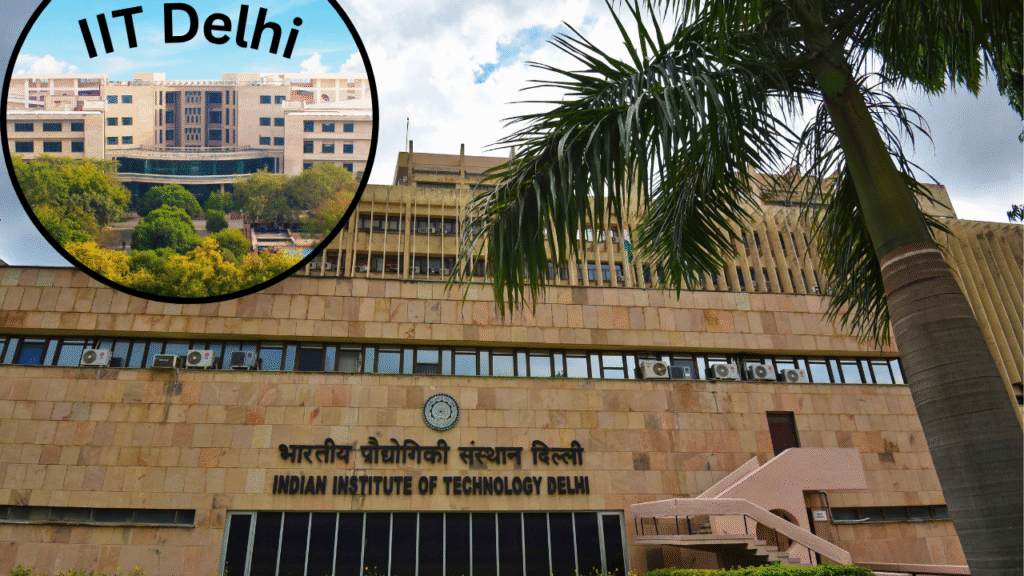
Engineering education isn’t that easy, you must study hard to remember the concepts and theorems. Logical thinking helps you to innovate and solve real world problems. IIT Delhi is one of the dream colleges for many students but getting an admission isn’t that easy. You can get world-class faculty and research opportunities from here. If you’re looking for the environment that helps you to establish your career, it is the right option for you. 
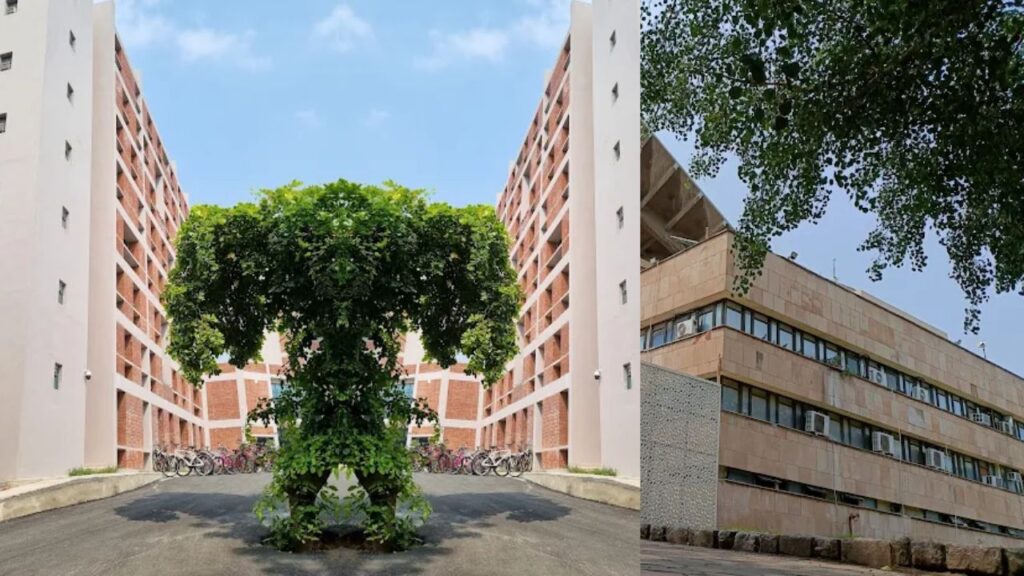
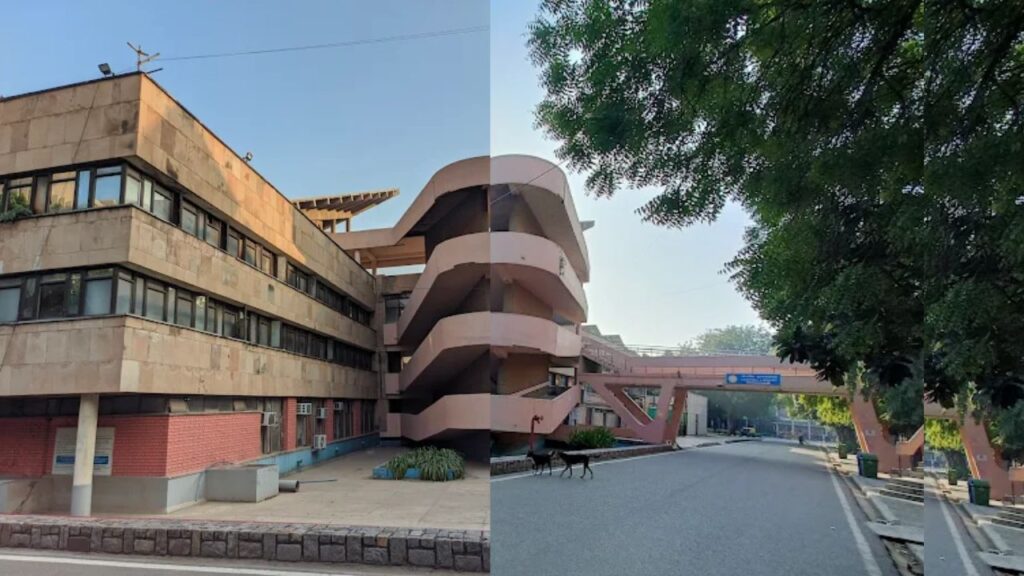
IIT Delhi

Why IIT Delhi is not like any normal college, just because of its global recognition. A strong alumni network and international collaborations is making this college far from normal college. It opens up new journey towards your strong career. Students get the chance to get placement from abroad with packages exceeding ₹2 crore. 

2. Jamia Millia Islamia

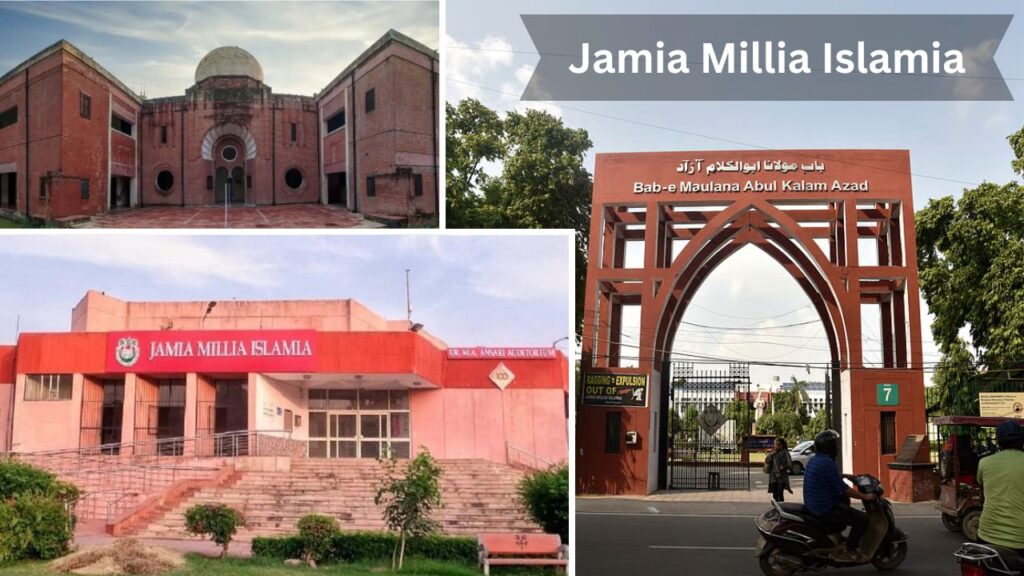
Students who can afford private colleges because of their heavy price can choose to study in JMI. The Faculty of Engineering & Technology here has seen rapid growth, especially in terms of placements record and research output.
Jamia Millia Islamia

It offers world-class education with strict discipline rules, diversity, and a proper environment. Jamis is what many students dream of because it provides many further opportunities at the global level. It is the most reputed college, cost-effective, and the campus is wonderful.

3. Delhi Technological University

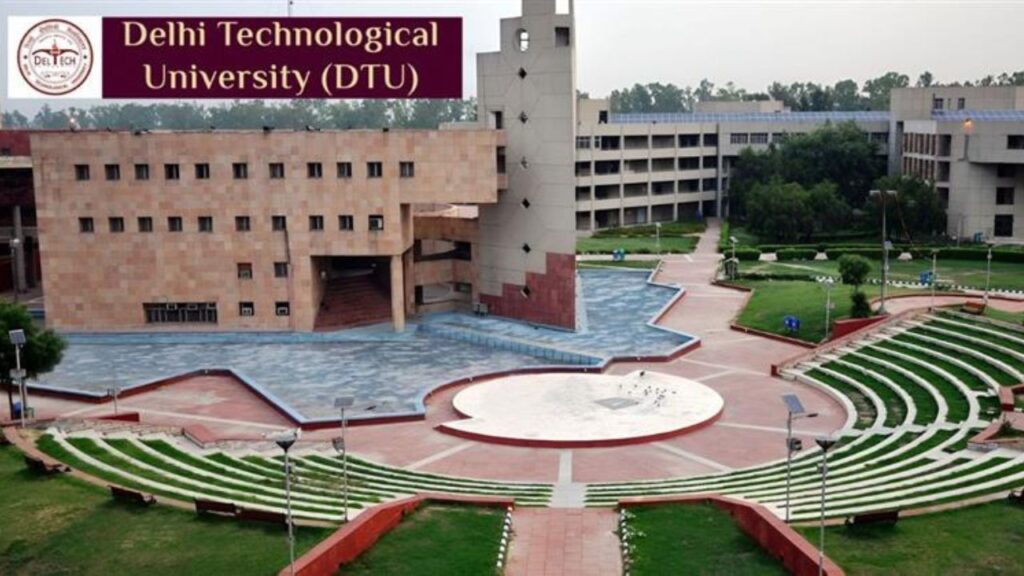
DTU (formerly DCE) is also delivering engineering programs with a fantastic blend of theory and practical application. It also offers the student clubs, fests, hackathons, and tech societies DTU miraculously provides real-world experience that employers love.
Delhi Technological University

Many students accomplished in their lives, there are CEOs, top bureaucrats, and leaders in tech. It’s a top pick for those looking to balance rigorous academics with extracurricular excellence.

4. National Institute of Technology 

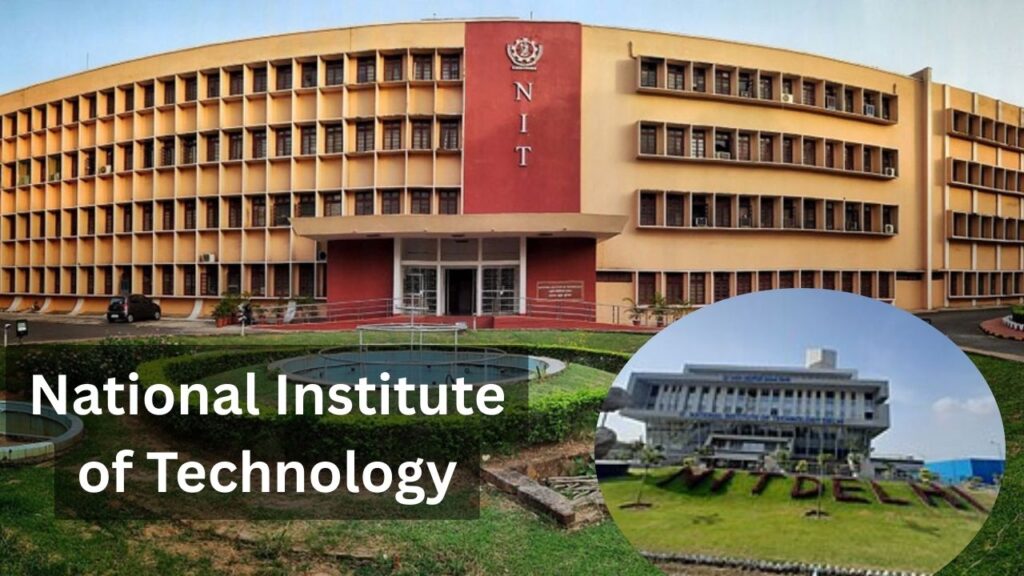
NIT also has great value in terms of providing the best engineering degree. It’s known for its strict academic curriculum and promising placement records. Both national and International companies are beginning to recruit from here consistently.
National Institute of Technology

The infrastructure of the NIT is growing rapidly as it’s a new institute, and its location in Delhi NCR makes it ideal for internships and industry exposure.

5. Netaji Subhas University of Technology 

One of the best colleges which is gaining traction quickly nowadays, especially in tech-focused streams like CSE and ECE. Known for its active student community, coding culture, and supportive faculty, NSUT is a strong contender for students who want big opportunities without IIT pressure.
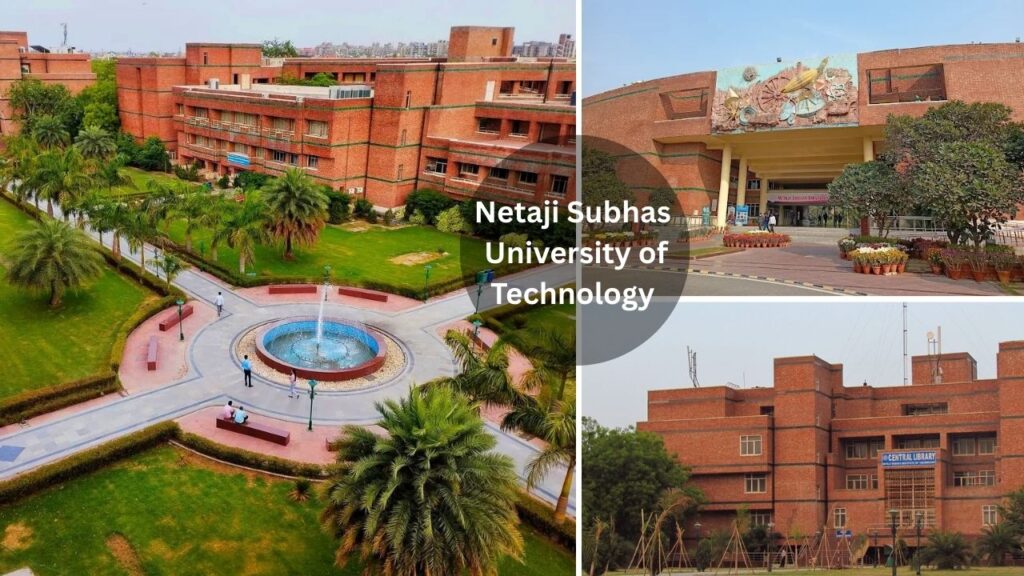
Netaji Subhas University of Technology 

The placement scene is impressive, and offers touching ₹1 crore, especially for tech roles in big MNCs. If you’re driven and proactive, NSUT gives you the ecosystem to shine.

6. Indraprastha Institute of IT

IIIT Delhi is not your average college. If you want to build the strong skills required for the real world project, you can polish your mind with its strong research orientation, especially in Computer Science, AI, Data Science, and Computational Biology. The syllabus is modern, the faculty has PhDs from top global universities, and the culture is liberal yet performance-driven.
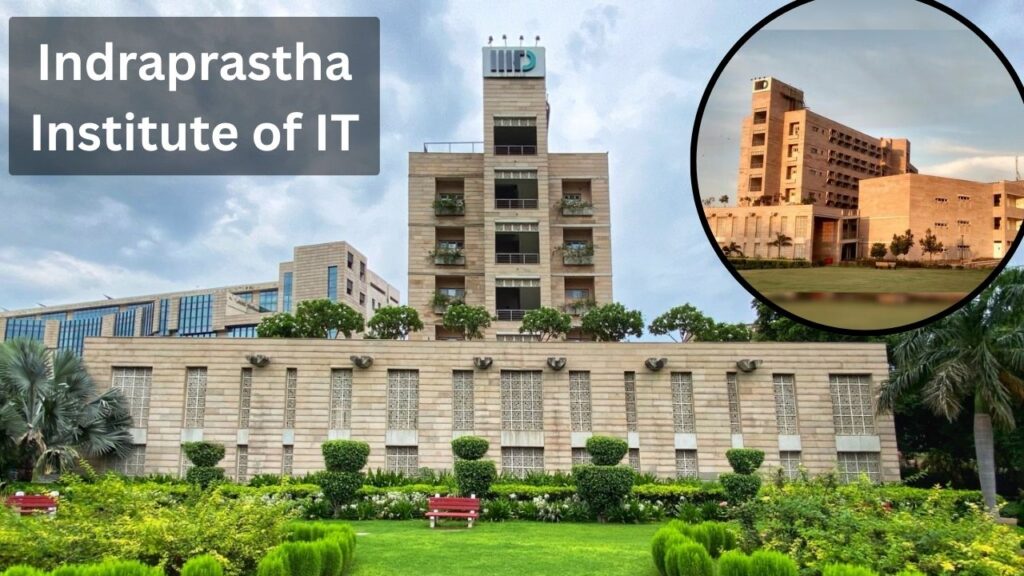
Indraprastha Institute of IT

Despite being relatively new, IIIT Delhi students are landing international roles with packages over ₹1 crore. The institute has a great reputation for the startup scene and incubation programs are also noteworthy.

7. IGTU for Women in Delhi

Women who want to step into engineering, IGDTUW is the best option for them. Engineers can be a man and woman, there’s no difference and focusing on gender inclusivity in engineering, the college provides a safe, academically rich environment. Girls can build a strong curriculum from this university. If offers the placement in a tech giants like Microsoft, Accenture, and Amazon actively recruit from here.

Many  female students wanted a top-tier technical education with a community-driven vibe, IGDTUW is a great option for them.

Overall Comparison of Top 7 Engineering Colleges in Delhi

College NameNIRF Rank (India)Avg. Package (LPA)Highest Package (LPA)Fees (Approx/Year)Admission Mode
IIT Delhi2₹19.08₹200 (International)₹2.2 LakhJEE Advanced
Jamia Millia Islamia 24₹13.78₹25₹16,150JEE Main
Delhi Technological University 27₹14.1₹85.3₹1.9 LakhJEE Main + JAC
National Institute of Technology 45₹15.59₹62₹1.6 LakhJEE Main + JoSAA
Netaji Subhas University of Technology 57₹17.75₹100₹1.9 LakhJEE Main + JAC
IIIT Delhi85₹18₹109 (International)₹2.4 LakhJEE Main + UCEED
IGDTUWN/A₹10–12 (est.)₹40+₹1.2 LakhJEE Main + JAC

How To Choose The Right Engineering College?

This is the major decision for students’ lives and it can’t be answered right away. It depends on the student interests, budget, and location preferences. The most important point is their career goal. 

If you don’t use your resources fully and not give your full potential in your career goal then no matter where you study, you cannot achieve that. These colleges are the top engineering colleges in Delhi and provide the best opportunities to their students. 

Conclusion

For making a decision on which college is best for you, think about your goals and potential. Here, I have shared a list of top 7 engineering colleges in Delhi 2025, based on their ranks, academic influence, placement records, and fees. You can target your list and start preparing for entrance exams to get shortlisted in the best engineering college. Set your future high and work hard to achieve your goal.


Leave a Comment

Your email address will not be published. Required fields are marked *

Railway Protection Force Constable: Salary, Selection, and Exam Details – complete guide

Railway Protection Force Constable

RPF is one of the most popular and important central forces of India, providing a secured career and good remuneration both for male and female aspirants. If you are dreaming of getting a prestigious government job which provides security for your job and financial stability, RPF Constable is your stepping stone for a bright future. So let’s go deep down to the bottom with everything you need to know about this great career. 

Understanding RPF Constable Salary

The compensation package is fairly competitive for those who do not have a long track record in government employment. An RPF constable gets a basic pay of Rs. 21,700 per month for an RPF constable which looks low at first, but with various allowances the total amount becomes pretty attractive. 

Your salary after allowances addition is usually between Rs.26,000 to Rs.32,000 per month with the variation being based on the city of posting and the type of allowance you are entitled to. The consolidated monthly remuneration (all-inclusive) is between Rs. 37,420 and Rs. 44,460 which is equal to Rs. 3.12 lakhs to Rs. 3.84 lakhs annually.

There are different components of salary in the salary structure that makes your take-home pay higher. You get a Dearness Allowance (DA) of Rs 10,850 which is 50 per cent of your basic pay as a you help me keep pace with inflation. The HRA depends upon your place of posting and it lies between 8 – 30 percent of your basic salary. Transport Allowance and City-wise Others benefits add further to your income. 

The RPF salary becomes more alluring because of the regular increments, which are granted at the end of every year of the service. Moreover, you also avail medical facilities, pension schemes as per 7th Pay Commission recommendations and many more benefits which ensure financial stability for life. 

Read More 👉 Top B.Tech Colleges in India: Latest Ranking & Admission Guide

The Selection Process

The process to become an RPF Constable from a wannabe has a selection process that is fairly straightforward and designed to winnow out the best and fittest. Knowing the steps will give you a strategic edge in your preparation and you can rest assured when you go through the recruitment. 

Stage 1: Computer-Based Test (CBT)

The first barrier is the Computer-Based Test, which is the entirety of the selection process. The CBT comprises a 120 marks, 120 multiple-choice questions exam, and you are given 90 minutes to take it. You get one mark for each right answer, but here is the catch: you get one-third of a mark deducted for every wrong one, so choose wisely.​

The exam is held in Hindi, English, and in some regional languages so that aspirants from all backgrounds can take it without any difficulty. The level is of 10th standard but don’t take it lightly as questions asked would be based on your overall learning not only from memorizing. 

Stage 2: Mandatory Physical Efficiency Test and Physical Measurement Test (PET & PMT) For Candidates

Only the candidates, who qualify the CBT, are called for the Physical Test, This phase has two parts, which are both important in your selection.​

The Strength, Endurance and Fitness test tries out your strength, stamina and fitness through real activities. Male candidates are required to run 1600 meters in 5 minutes 45 seconds while female candidates are required to run 800 meters in 3 minutes 40 seconds. You only get one try for the running event—no second chances here, so train hard. And you also have the long jump and high jump tests where you’re given two tries. 

Leaping 14 feet in the long jump and 4 feet in the high jump is a requisite for male candidates. Female aspirants have much relaxed parameters: 9 feet for long jump and 3 feet for high jump. Note: ex-servicemen are not required to take the PET but they do have to clear the PMT.​

The Physical Measurement Test (PMT) measures your height and chest measurements against certain standards. The male applicants must hold a minimum height of 165 cm (160 cm for SC/ST categories), with an unexpanded chest measurement of 80 cm and an expanded chest measurement of 85 cm. Height requirements for Female Candidates is 157 cm (152 cm for SC/ST Categories). These measurements are to make sure you comply with the physical standards exigent of this job. 

Stage 3: Document Verification (DV)

Those who qualify in the PET and PMT are called for document verification, where your eligibility stands verified. You need to submit the originals for age proof, educational qualification, caste certificate (if any) and identity proof. 

Stage 4: Medical Examination

The end stage in selection is a medical examination in) depth by RPF medical officers. You should be fit according to medical category ‘B-1’ as per Indian Railway medical manual in order to consider for the post. 

RPF Constable Syllabus

First analyze the syllabus then start your preparations accordingly. The RPF Constable CBT syllabus consists of three crucial components considered equal in weightage covering other aspects of your aptitude.​

General Awareness (50 questions)

Here, you will be examined on the things happening now, history of India, geography, polity, Indian economy and general science. Topics such as Indian Constitution, fundamental rights and duties, directive principles, economic theories, environment, sports, art and culture and major breakthroughs in science are part of the Topics. So keep yourself updated with the current affair and a little bit knowledge of Indian history, geography and general knowledge for this section.  

Arithmetic (35 questions)

Mathematics is not only an instrument of calculation here, nevertheless it is also a matter of thinking and reasoning. The maths section covers number system, percentage, ratio and proportion, simple and compound interest, profit and loss, mensuration, time and work, speed and distance along with elementary algebra. Most of the questions focus on testing your conceptual understanding of math that you can relate to real-life, so it’s always better to have an idea on concepts than mug up formulas.  

General Intelligence & Reasoning (35 questions)

Your Mind & Reasoning ability are tested on topics like Analogies, Coding-Decoding, Number Series, Syllogism, Blood Relations, Seating Arrangement, and Non-Verbal Reasoning. Your performance in this region will get a healthy boost from developing logical thinking and practicing pattern recognition. 

Preparing Strategically for Success

To crack RPF Constable Exam, do preparation in a systematic way. Firstly, comprehend the syllabus in depth, then solve previous year papers on a large scale. Divide your time according to the level of each question in study time since each topic has equal weight. Information is updated frequently at the official RPF website (rpf.indianrailways.gov.in/RPF), so keep visiting for more notifications.

Don’t wait until the date of the PET slowly approaching for physical preparation. Start your workout regimen now—running, jumping and strength training should be daily activities. Academics are important, but so is physical fitness in this selection. 

Your RPF Constable career is tough but highly satisfying. After all, a little planning, hard work and a bit of luck is all you need to make your way through this process and reach a coveted post that will provide you not only with financial security and job stability, but respect in society, as well. Begin preparing now and earn your living in the Railway Protection Force. 

Conclusion

Being an RPF Constable is not only a government job but a career to serve in among the most disciplined and respected central forces of India. The financial outlook is good and long-term because you get a good starting salary with allowances, plus regular increments, medical benefits and pension security.

The selection procedure, although tough, transparent is doable with the right mix of brains and brawn. Having a knowledge of syllabus, daily practice for CBT and starting physical training for PET/PMT at an early stage will help you a lot in achieving success. 

If you have the right attitude, are disciplined, and able to concentrate hard, then the RPF Constable post can provide you with the pride and social standing besides financial independence and job security. Begin your preparation today, be consistent, and march confidently towards a bright future with RPF. 

Leave a Comment

Your email address will not be published. Required fields are marked *

Best IIT College in Uttar Pradesh – Complete Ranking & Admission Guide

Best IIT College in Uttar Pradesh

Selecting the Best IIT Colleges in Uttar Pradesh is the largest challenge to face any engineering aspirant. The state has only two IITs – IIT Kanpur and IIT (BHU) Varanasi – but its institutions have perennially churned out India’s top engineers, researchers, innovators and global leaders. The two colleges have excellent reputations on both national and international scales, world-class faculties, state-of-the-art labs, and one of the best placement records in the nation.

Whether you’re shooting for a top-300 JEE Advanced rank or making your way to a legacy-rich IIT with great future prospects, this guidance narrates rankings, fees, application process, placements and career outcomes, helping you make a smart and informed choice. So, let’s take a look at the top engineering colleges in Uttar Pradesh. 

IIT Kanpur: The Engineering Powerhouse

Founded in 1959, IIT Kanpur is now the best engineering school in UP. Ranked #4 in NIRF Engineering Rankings 2025, It always manages to be among the best universities making it as top engineering schools in India. The institute provides a high quality of education with its sprawling 1037-acre campus in Kalyanpur, Kanpur. 

IIT Kanpur
Image credit: IIT Kanpur

Admission and Eligibility

The admissions in the undergraduate B.Tech courses of IIT Kanpur are through JEE Advanced only. The cutoff for cse (computer science and engineering) for the year 2025 was 271 in very high competitions. Along with your JEE Advanced score you should have a minimum of 75% in Class 12 (65% for SC/ST categories). The institute accepts GATE scores for some of the postgraduate programmes (depending on the discipline), as well as IIT JAM and CAT scores. 

Fee Structure 

B.Tech fees is ₹ 2.30 – 2.50 lakhs per year, and ₹ 20,000 to ₹ 30,000 a semester for mess and hostel. So, a higher secondary B.Tech Degree will cost around Rs 8.6 lakhs, which is reasonable for quality education. Apart from these the institute has several other scholarships such as Merit-cum-Means (MCM) Scholarship, schemes for SC/ST students etc. 

Career Prospects & Placements  

Placement record of IIT Kanpur is known to be excellent. The average package for the B.Tech graduates is between ₹ 26.90 and ₹ 30.86 LPA while the highest package is ₹ 1.9 crore per annum. Top recruiters such as Google, Microsoft, Amazon, Tata Steel etc. ensure good options in core and tech industries. 

IIT (BHU) Varanasi: The Heritage Institution

IIT (BHU) Varanasi was formed in 1919 to deliver vast education to new generations and is still doing it. Its one purpose is served well as everyone can see with their own eyes on the alumni network of IIT BHU. It is also grounded in a tradition of academic excellence spanning centuries, even now it actually tops on the edge and holds 10th position, according to NIRF Engineering Rankings 2025.

IIT (BHU) Varanasi
Image credit: BHU

Admissions Process & Eligibility Requirement

BHU conducts admissions through JEE Advanced as well, similar to IIT Kanpur. The closing rank for CSE in 2025 was around 2,500, however the cutoff is significantly lower. This means that if you take the JEE via BHU, you could get into a good IIT even if you don’t make a very high rank. For students of general category, minimum 75% is required in class 12 fulfilling the eligibility criteria. 

BHU B.Tech Fees

Banaras Hindu University B.Tech program fees range from 3.17 L to 8.51 L for full course, whereas tuition fee is in the range of 1,00,000 to 1,20,000 per semester and hostel fee ranges between 25,000 to 28,000. With this, it rates somewhere around or even less expensive than IIT Kanpur, depending on the branch. 

Career Prospects & Placements

BHU has no less amazing placement figures. The highest package is ₹1.68 crore per annum and the average package is ₹22.77 LPA. Over 80% of students were placed in 2024, and the CSE average lies within ₹25-₹28 LPA. Google, Qualcomm, Uber and Goldman Sachs are the top recruiters. 

Read More 👉 Bihar DElEd Entrance Result 2025 OUT: Check Marks, Rank & Admission Status

Making Your Choice

The selection is on the basis of your JEE Advanced score but both colleges are great for education. IIT Kanpur has a slightly better average package as well as branding if you fall under the top 300–400. Then, IIT (BHU) Varanasi is your best bet if your rank lies between 1,500 and 3,000. It combines legacy with excellent career outcomes. In both situations you are paying for the brightest engineering futures in India, twice. 

Comparison Between IIT BHU & IIT Kanpur

The top JEE advanced students looking for a slightly better average package and brand name in a tier 2 engineering college should go with IIT Kanpur. It has a good number of students with a rank below 500, as the the #4 ranking for NIRF along with the world class facilities attracts students from all over the country.

IIT BHU Varanasi is equally competitive and is a great choice, though it does have a lower ranking (#15). Owing to a much lower cutoff rank (~2,500 as compared to ~271 for CSE), a lot more students qualify for it and yet it boasts great placement stats. The history of the institution is over 100 years and that provides some historical prestige but that many applicants doesn’t value. 

Comprehensive Comparison of IIT Kanpur and IIT BHU Varanasi

Both universities provide good scholarship opportunities, have good placement and see participation from best global companies. Your decision should be based on your JEE Advanced rank, finances, and if you place more value in brand (Kanpur) or accessibility + heritage (BHU Varanasi). 

Conclusion

These are the best IIT colleges in Uttar Pradesh which offer outstanding core academics, research, placements, and student life. If you are a high ranked aspirant and looking for an elite brand name with more research options and slightly higher average packages then IIT Kanpur is the clear winner.

But for hot IIT rank holders in the range of 1,500–3,000 and who want an IIT that combines tradition with bang for your bucks, a rock solid faculty and stellar placements year in and year out, IIT (BHU) Varanasi is the way to go. 

Whichever institution you opt for, both pave the way to brilliant careers, worldwide prospects and a life-changing four-year experience of engineering. 

Leave a Comment

Your email address will not be published. Required fields are marked *

BSc Radiology and Imaging Technology: Course, Eligibility, Fees & Career

BSc Radiology and Imaging Technology

BSc Radiology and Imaging Technology is a three-year program (with one-year internship that is mandatory in most of the institutions) that equips the students with the knowledge of medical imaging. The core science portion of the curriculum (focusing on physics, chemistry, and biology) is integrated with clinical imaging courses including: anatomy and pathology, radiographic procedures, sonography techniques, ultrasound physics, computed tomography (CT), magnetic resonance imaging (MRI), and radiation protection. 

The Bachelor of Science in Medical Radiology and Imaging Technology is becoming the backbone of diagnostic medicine today. This transformation is being driven by three coalescing factors: the full enforcement of National Commission for Allied and Healthcare Professions (NCAHP) Act 2021, the adoption of advanced artificial intelligence (AI) in diagnostic workflow, and the growing world-wide need for expert imaging technologists. 

The course is intended to prepare competent technologists (“radiographers”) who will be well versed in the operation of contemporary imaging equipment and have a solid foundation in the science of diagnostic radiology. 

Who is a Radiology Technologist?

The Radiology Technologist/Radiographer is a clinical scientist who holds at least a B.Sc. or M.Sc. degree in Radiography. They don’t just know how to run the machines, they understand the physics behind the formation of images, the physiological basis of pathology and the important issues surrounding patient safety and radiation protection. 

Why Has This Course Become Important in Diagnostics?

Imaging is at the heart of diagnostics, which are critical to contemporary medicine; more than 80% of hospital care relies on them. B.Sc. In addition to machinery handling the Technician holder needs to perform a large part in the day to day imaging workflow by the year 2026 MRIT graduates holders can expect to be involved with state of the Art technology like PET-MRI, SPECT-CT, Protocol Optimization, Post Processing, QC. 

Also this line job is work during recession. There is a long-term demand for skilled radiographers, particularly those trained in PACS and RIS, as the population of India grows older, lifestyle ailments become more common, and digital healthcare is enhanced under the ‘Ayushman Bharat Digital Mission’. 

Entrance Exams & Eligibility Details For Admission 

NEET UG 2026

National Eligibility cum Entrance Test (NEET UG) shall be the single entrance examination for admission to all the undergraduate allied and healthcare courses like BSc Radiology and Imaging Technology from the academic year 2026-27, according to NCAHP. 

AIIMS — 2026 Paramedical Entrance Test

Along with NEET, there is the AIIMS entrance Test which is held by AIIMS for paramedical courses leading to B.Sc. and M.Sc. The date of AIIMS B.Sc. Paramedical 2026 exam is tentatively on 30 May 2026. 

Note:- Candidates are requested to cross-check this with official notification as some calendars mention July for Examination, however May is the only projected window as per academic calendar.

How to apply:

  • Basic Registration: The schedules released in 2026 March/April. You can create a Registration ID.
  • Final Registration: Involves the generation of a Unique Code (RUC), payment of application fee, usually in May 2026.

Test Format: This computer-based test will consist of 90 multiple-choice questions (MCQs) on biology/mathematics, chemistry, and physics and will last for 90 minutes. Any wrong answer can take away ⅓ marks.

Admissions at JIPMER & PGIMER

JIPMER (Puducherry): B.Sc admissions The admissions to the B.Sc shall be The Allied Health Science at JIPMER (Puducherry) for the year 2026 will be on the basis of the NEET UG scores. JIPMER normally holds its own counseling for these seat(s). 

PGIMER (Chandigarh): The institution holds a separate CBE, these are usually conducted in the months of August/September. The process of application normally commences in June. 

State and Private University Tests

CUET (Common University Entrance Test): Central universities, such as Banaras Hindu University (BHU), utilise the CUET. The essential subject combination for Radiology is Physics, Chemistry, and Biology / Mathematics.

Manipal: in MAHE, Phase 1 is scheduled for April 2026 for admission test, and the next Phase 2 for May 2026. 

CMC Vellore: It is a tough Institute level CBT (Computer Based Test) followed by a Step-2 evaluation (Practical tests and interviews.) 

Eligibility Criteria 2026

Educational qualification: Should be passed class 12th board with physics, chemistry and biology (pcb) and English. Some of the institutes like AIIMS allow mathematics (pcm) for Radiology courses.

Minimum Marks: For the general/EWS/OBC category, it is 50% aggregate and for the SC/ST category, it is 45%.

Read More:- Supreme Court Law Clerk Recruitment 2026 Notification Details

List of Colleges For BSc Radiology and Imaging Technology

There are 140+ colleges around India that offer BSc Radiology and Imaging Technology without taking too much fees, especially in government colleges. If you have interest in lab technologies or figuring out body structures and making reports then take admission for securing your career in this field.

CollegeLocationApprox. FeesNotes 
AIIMS—New DelhiDelhi₹4,500Elite training facility as it is Top-ranked college
PGIMERChandigarh₹10,500Members are mindful and placements opportunities
JIPMERPuducherry₹94,000Excellent internships
AIIMS—RishikeshUttarakhand₹46,000High packages up to ₹24L
GMCHChandigarh₹39,000Affordable govt option
Integral UniversityLucknow, UP₹3.15LGood infra, local pick
Parul UniversityVadodara₹4.6LPrivate, placements ₹6L avg
SGT UniversityGurgaonVariesModern facilities

Academic Curriculum for the Course 

Theory and laboratory practice are included in the curriculum of BSc Radiology and Imaging Technology. The following topics were covered: Human anatomy/physiology, Imaging Physics, General Radiography, Ultrasound Imaging, CT Scanning, MRI Basics, Radiobiology and Radiation Protection, Digital Image Processing, and General Patient Care. 

BSc Radiology and Imaging Technology is a four year degree course. The first three years were spent attending didactic lectures, practical laboratory courses, and clinical observations. The fourth year is a required, full-time clinical internship during which the student serves as a student technologist at a hospital. 

PhaseDurationFocus Areas
Year 1Semesters 1-2Basic Medical Sciences, Communication Skills, Computer Basics
Year 2Semesters 3-4Core Radiography, Radiation Physics, Conventional Imaging
Year 3Semesters 5-6CT, MRI, USG, etc Interventional Radiology
Year 4Semesters 7-8Clinical Internship, Logbook, Project Work

The 2026 Curriculum is intended to establish progressively developing competencies. 

Year 1: The Foundation

The goal is to give the student a foundation in the human body and the hospital setting.

  • Human Anatomy & Physiology: This Is Not a “Fly By” Tour Students are required to study detailed osteology (bones) to learn how to position for radiographic.
  • They are taught body systems physiology to understand how to administer contrast media.
  • General Physics: The basic laws of physics applicable to the production of radiation.
  • Clinical Pathology & Biochemistry: Basics of blood tests (creatinine, urea) which are important prior to contrast administration.
  • English & Communication: Necessary to describe techniques to patients and to calm them. 

Year 2: The Core

Students access the realm of diagnostic imaging in BSc Radiology and Imaging Technology.

  • Radiation physics: The production of X-rays, their interaction with matter, and the design of X-ray tubes.
  • Radiographic Positioning, the science and art of positioning the patient to radiograph the body part (i.e. Towne’s view for skull, Skyline view for patella).
  • Darkroom to Digital: Darkrooms may be a thing of the past, but knowing the history is key. Emphasis is placed upon Computer Radiography (CR) and Direct Digital Radiography (DR) modalities.
  • Radiation Protection: Students learn the ALARA (As Low As Reasonably Achievable) concept along with shielding and dose limit for worker and patient. 

Year 3: The Advanced Frontier

This is the year when the high-end modalities that shape contemporary radiology are covered.

  • Computed Tomography (CT): CT Physics, generations of scanners, helical vs. axial scanning, and protocols for different body regions.
  • Magnetic Resonance Imaging (MRI): Principles of the complicated physics of nuclear magnetic resonance, safety issues related to ferromagnetic materials, and pulse sequences.
  • Ultrasonography (USG): Essentials of acoustics, transducer design, and the technologist’s function in the operation of the sonographer.
  • Interventional Radiology (IR): Orientation to the Cath Lab Sterility and Equipment utilized in Angiography.   
  • Radiation and Radioactivity in Nuclear Medicine Basics of PET-CT Handling of Radioisotopes including Technetium-99m. 

Year 4: The Internship

The purpose of the internship is to transition a student to a worker. Interns rotate through different departments, including X-ray, CT, MRI, Emergency and ICU. They need to keep a logbook of cases they have done, and are evaluated on their technical skills and dealing with patients. 

BSc Radiology and Imaging Technology Career Scope & Salary

Skilled radiographic professionals are sought after in India’s growing healthcare sector. Radiology technicians also work in public and private hospitals, diagnostic laboratories (pathology and imaging centres), government health schemes, private practitioners and emerging digital health platforms including teleradiology and artificial intelligence (AI) imaging start-ups. 

BSc Radiology and Imaging Technology

Clinical Roles

  • Radiologic Technologist: The typical baseline position. Duties are to perform x-rays, triage patients and maintain radiation safety .
  • CT Technologist: So, what’s the place in the hierarchy. Knowledge of cross-sectional anatomy and contrast administration is required.
  • MRI Technologist: A step up. MRI scanners are complicated, and patient safety (screening for metal) is critical. The technologists here typically make 20-30% more than a general radiographer.
  • IR Technologist: The Cath Lab Experience. In a stressful environment, high volume dealing with cardiac and vascular interventions. You’ve got to wear thick lead aprons for long hours – but when you’re done, you’re king and you’ve got money in your pocket.
  • Mammographer: Expert in breast imaging. Because of the sensitive nature of the exam, female technologists are preferred for this position. 

Sector & Role Wise Salary (2026)

RoleExperienceSectorApprox. Monthly Salary (INR)
Jr Technologist0-2 YearsPrivate sector Hospital Rs 18–25k
Jr Technologist0-2 YearsAIIMS/Govt (Contract)Rs 25–35k
Sr Technologist5+ YearsCorporate HospitalRs 45–60k
MRI Specialist3-5 YearsDiagnostic ChainRs 35–50k
Application Specialist2-5 YearsMedical Device Co.Rs 50–80k + other allowance
Govt. PermanentEntry LevelGovernmentRs 45–55k (Initial + Allowance)

Who is Ideal For this Course?

BSc Radiology and Imaging Technology course is for students who like science and technology and want to work in the health sector. The ideal candidate: is detail oriented, is able to follow protocols which are critical for safety, is comfortable using computers and complex machinery, and can interact with patients (explain procedures, position patients). A BSc radiology student should be well versed with biology and physics and should also be calm and responsible because any mistake in imaging can impact the diagnosis. 

Future Value of BSc Radiology and Imaging in Healthcare

In India’s upcoming healthcare scenario, BSc Radiology and Imaging Technology are a must-have. With the proliferation of private hospitals and diagnostic chains in Tier II/III cities, the need for imaging services is on the rise.

Technologies, such as AI-based image analysis, hybrid imaging (e.g. PET/CT), etc, indicate that the profession will continue to be hitech. So BSc (Hons) in Radiography graduates will play a vital role in connecting technology and patient care. The course produces practical professionals who can contribute immediately to hospitals’ diagnostic teams, which is critical in a country like India, where there is a shortage of doctors. 

Conclusion

In a day and age when technology and medicine are coming together closer than ever, the Radiology Technologist is at the controls of the medical world’s most powerful machines. For individuals who are detail-oriented, have a caring nature, and technical mind, BSc Radiology and Imaging Technology offers a fulfilling, stable and ever-changing career. 

Leave a Comment

Your email address will not be published. Required fields are marked *

Top AI & ML Colleges in Delhi: Courses, Eligibility Fees & Placements

AI and ML Colleges in Delhi

If you are dreaming to write your own algorithm for faces, business trend predictions, automation power then artificial intelligence and machine learning from best AI and ML Colleges in Delhi is the best option for you. If you’re a student in Delhi preparing for engineering entrance exams, you’re in luck. Artificial intelligence, and machine learning are transforming entire industries, and Delhi boasts a few truly outstanding establishments to educate the future AI engineer.

Now let me take you on a complete tour of best AI and ML colleges in Delhi— the ones that are not only making engineers but innovators who have already started making ripples in global tech companies. 

Why AI & ML Education Matters Now More Than Ever

Before entering into colleges, let’s get why AI and ML are the hottest career them right now. So, you can find AI talent in every industry – healthcare, finance, automobiles, entertainment. Data scientists make somewhere between ₹6-10 lakh per year, ML engineers fetch ₹7-11 LPA, and niche AI engineers are making ₹8-12 LPA straight out of college. The top performers? They are getting packages in crores from the likes of Google, Microsoft and Goldman Sachs.

But here is the reality: that’s no guarantee that all college degrees are the same. Not only will the institute you choose impact what you learn, but also the opportunities that come your way. 

Delhi’s Top AI & ML Colleges

Delhi's Top AI & ML Colleges

Comprehensive Comparison of Top AI and ML Colleges in Delhi NCR

1. IIIT Delhi: The Gold Standard

If there’s one institute that is known for offering world class AI and IT education in Delhi, it would be IIIT Delhi. This New Delhi-based government institute is essentially the IIT for information technology — prestigious, rigorous, and without a doubt excellent.​

Why IIIT Delhi Stands Out:

IIIT Delhi is not simply offering instruction in AI, it is doing cutting-edge research in machine intelligence. With professors who are active researchers and the average batch size small enough to actually mentor the students, the exposure here is none other than a startup and not a classroom. 

IIIT Delhi The Gold Standard

Academics & Curriculum:

The curriculum is demanding – involving data structures, algorithms, machine learning basics in Year 1-2, and then delving into deep learning, computer vision, and specialized options in Years 3-4. What makes it special? Real-world projects in which students solve meaningful problems, internships at such places as Google and Amazon, and an emphasis on research as well as engineering. 

Salary packages and Placement:

Average Package₹20.76 LPA
Highest PackageFrom ₹51.31 LPA to ₹1.09 Crore
Placement Rate89.32%
RecruitersMicrosoft, Adobe, Goldman Sachs, Google
Total 4-Year Cost₹2.5-15.04 lakhs

Admission

The IIIT Delhi admission cutoff is tough and it is usually based on a good rank in JEE Main/Advanced in the range of 1000-2000 for general category students. But the precise cutoff keeps on changing year to year.  

2. IGDTUW: The Rising Star for Women Engineers

Being at a very convenient location at Kashmere Gate , the IGDTUW (Indira Gandhi delhi Technical university for women) is the good government engineering college only for girls and is biting the dust some of the best engineers in delhi.

A Game Changer for Women in Tech:

IGDTUW is known for producing women engineers who are not content to take part in tech—they lead it. The B.Tech in AI & Machine Learning course in this university is contemporary and aligned with industry needs. 

Affordability: A 4-year degree will cost you just ₹7.07 lakhs—bringing quality AI education within your reach.

Excellent Placement Record : Highest package of ₹1 crore, average CTC of ₹18.36 LPA

Close-Knit Community: Denser batches bring better mentorship and community standardship

Government College Quality: Top faculty, rigorous curriculum, zero compromise on standards 

IGDTUW The Rising Star for Women Engineers

Placement Excellence

With full-time offers amounting to 463, pre-placement offers stacking to 128, and 95+ internship offers, IGDTUW is truly proving that government colleges can match the pace and offer of private institutes. 

Major recruiters: Amazon, Google, TCS and Infosys.

Admission: Delhi University entrance exam or JEE cut-off. 10+2 with PCM with minimum 50% marks.

Several students neglect to opt for IGDTUW considering government colleges are an old-age tag. Wrong. This place has state-of-the-art labs, faculty that is connected to the industry, and a record that shows women engineers from here are being hired by every single major tech company. 

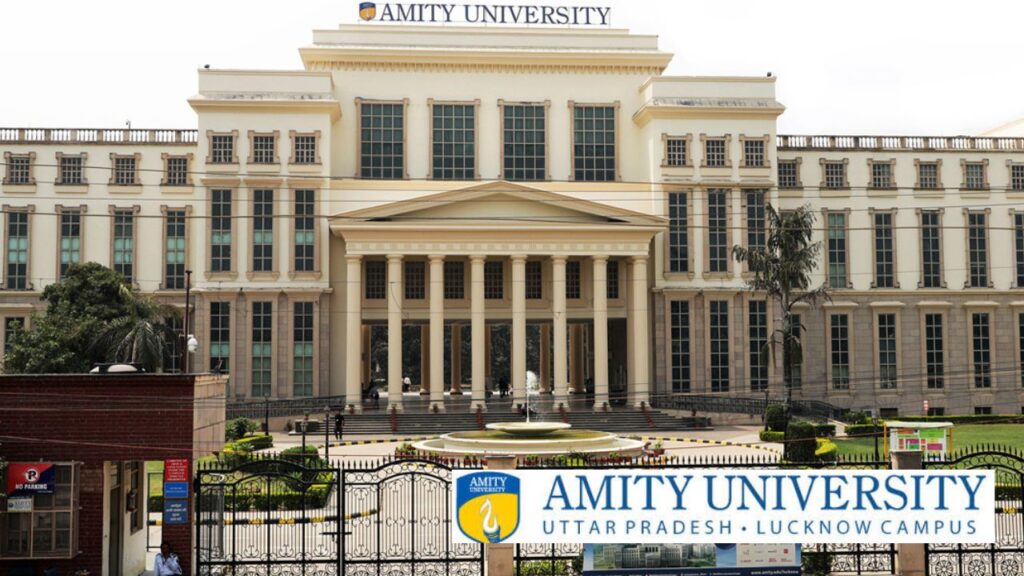
3. Amity University Gurugram

If you want a private college that has a good industry connection with a flexible mode of learning, the B.Tech in AI & ML Amity offer in Gurugram (near Delhi) is one to check out.

What Amity Offers:

Amity boasts its corporate tie-ups and curriculum within the industry. The campus feels less like a traditional college and more like a corporate campus — with modern facilities, industry mentors and tech talks.

Course Structure:

The teaching includes Python, machine learning algorithms, deep learning, computer vision and hands-on projects starting from Year 1. They focus on theory as well as coding. 

Amity University Gurugram

The Reality of Placements

Average Package₹4.8 LPA
Fee Range for entire course₹9.36-12.6 lakhs
IndustriesWipro, TCS, Amazon

Amity University is less stringent in terms of the admission process as compared to IIIT Delhi, IGDTUW etc. The average salary provided by Amity might be less but the university concentrates on different learning patterns and discourages students from multiple competitive entrance exams.  

Students can get admission through JEE Main, CUET or through merit-based with 60% in 12th class exam. This may be a good option for people who want to study at a reputable college but without the heat of entrance exams. 

4. DIT University (AI, ML & Robotics Focus)

Though located in Dehradun, DIT University emerged as a preferred foray for students from Delhi in the domain of AI, ML and Robotics. 

The curriculum here is specifically made for AI/ML/Robotics – so the electives and specializations are focused like a laser beam on making specialists, rather than generalists. 

DIT University

Program Highlights:

  • Robotic integration from Year2
  • AI ethics and responsible AI (growing in importance)
  • Industry partners with tech startups
  • A full 4-year program spanning a variety of aspects 

Fees & Placements:

Fees₹16.02 lakhs
Scholarships14% for Uttarakhand domicile; merit-based scholarships available
Average Package₹8-12 LPA

5. GGSIPU Affiliated Colleges Network

Guru Gobind Singh Indraprastha University (GGSIPU) the nod to B.Tech AI & ML in its affiliated colleges in Delhi/NCR, and this has been one of the most affordable options for AI education.

GGSIPU Affiliated Colleges Network

Popular GGSIPU Colleges:

Echelon Institute of Technology (Faridabad): GGSIPU affiliated, 17.5 acres campus, placements with TCS, Infosys, Wipro

GNIT IPU: (Greater Noida): Top 150, Modern Labs, Affordable Fees

MAIT (Maharaja Agrasen Institute): Established, well known GGSIPU college in delhi 

AdvantageBasic programming (C, Python, Java) (3)Machine learning algorithms such as Support Vector Machines, Random Forest, neural networks to analyze and model complex datasets.Advancements in Deep Learning have significantly enhanced capabilities in fields like Natural Language ProcessingMachine learning, computer vision and roboticsEthical considerations for AI.Practical projects in every term. 
Fees₹3.15-6.08 lakhs
Placement Range₹4-8 LPA , top performers can get up to Rs. 12 LPA
AdmissionIPU CET (entrance exam)/ merit-based

Admission Process For Government Colleges

  1. Clear JEE Main or appear for Delhi University cut off exam
  2. Participate in JoSAA counseling
  3. Submit choices, verify documents, pay seat confirmation fees
  4. Report to college

Admission Process For Private Colleges (Amity, DIT, GGSIPU):

  1. Take entrance exam (JEE Main, CUET or an exam conducted by college)
  2. A few colleges provide direct admission on basis of 12th marks
  3. Management quota seats are available with additional fees
  4. Installments for payments is generally available 

Read More :- Courses for Interior Designing in India: Admission, Colleges & Careers

Course Curriculum—-What You’ll Learn

Years 1-2 (Basics)Main Topic of Mathematics such as Calculus, Linear AlgebraStatisticsPhysics and ChemistryProgramming in C, fundamentals of computingBasic engineering concepts
Year 2 (Specialization Begins)DSA–Data Structures and AlgorithmsDatabase Management SystemsOOPsFoundations of Machine LearningIntroduction to AI
Year 3 (Core AI/ML)Vision & Neural StudyDeep Machine LearningNatural Language ProcessingOperating SystemsInternet of ThingsDesign and Analysis of Algorithms
Year 4 (Internship)Industry exposureAdvanced Computer VisionDifferent categories field such as Blockchain, Cyber Security, RoboticsMajor projects and internships

Fee Comparison Of AL & ML Colleges in Delhi

CollegeType4-Year Total FeeAffordability
IIIT DelhiGovernment₹2.5-15.04 LHighly Affordable
IGDTUWGovernment₹7.07 LMost Affordable
GGSIPU CollegesPrivate-Affiliated₹3.15-6.08 LVery Affordable
DIT UniversityPrivate₹16.02 LPremium
Amity GurugramPrivate₹9.36-12.6 LModerate

Breakdown of AI & ML Fee Structure

Study—materials₹20,000-30,000
Software—licenses₹10,000-15,000
Project equipment and competition participation₹15,000-25,000
Hostel (if required)It will be ₹40,000 — 80,000 yearly

Scholarships Available

Fee Waivers – Merit based fee waivers are available for top JEE scorers ranging from 25-50% in fees. 

Also, read – How to apply for Government schemes scholarship for students on the National Scholarship Portal. 

Companies such as Tata Trusts and Aditya Birla Foundation also offer corporate scholarships. 

Placement After Graduation

Placements are everyone’s priority, so here is the Tier-wise list of the highest placement growth: 

Top Tier (IIIT Delhi)89%+ placement rate₹20.65 LPA averageEvery major tech company hires hereInternational opportunities common
Strong Tier (IGDTUW, Top GGSIPU Colleges)95%+ placement rate₹8-18 LPA averageGood mix of startups and MNCsGrowing international placements
Good Tier (Amity, DIT, Other GGSIPU)75-85% placement rate₹4-12 LPA averageMore startup heavySlower path to top-tier companies

Conclusion

The AI & ML revolution isn’t coming—it’s already here. Every company is creating an AI team – whether a startup or a Fortune 500. Where you go to college will affect your career path, but keep in mind: the college opens doors, but you have to walk through them.

Get good grades, build projects, contribute to open-source, and network with industry professionals. Whether you are studying at IIIT Delhi or a GGSIPU college, it is your hustle and curiosity, not the college name on your degree that will take you places.

The top AI & ML colleges in Delhi for you aren’t necessarily the most expensive or the most prestigious—it’s the one that fits your goals, your budget, and your learning style. Delhi has it all for every student. Make the right decisions, and put in your sweat, and who knows? You might just be the next AI engineer building the algorithms that change the world. 

Leave a Comment

Your email address will not be published. Required fields are marked *

Top 10 Central Universities in India 2025 – NIRF Ranking with Full Details

10 Central Universities in India

The Public Universities that run under the Ministry of Education are known as Central Universities. Several frameworks ranked these universities according to their teaching and resources, research, placement record, campus facilities. Let’s look into these Top 10 Central Universities in India 2025 according to their NIRF ranking with their full details.

Jawaharlal Nehru is on the top of this list as it is the most reputed central university in India. These regional factors to define its ranking are important for efficient outcome to decide the most reputed, research and innovation based university for higher education.

Students who want to achieve a stable career, strong research support, professional growth, and excellent placement package. For admission, students must clear the entrance exam.

Top 10 Central Universities in India Overview

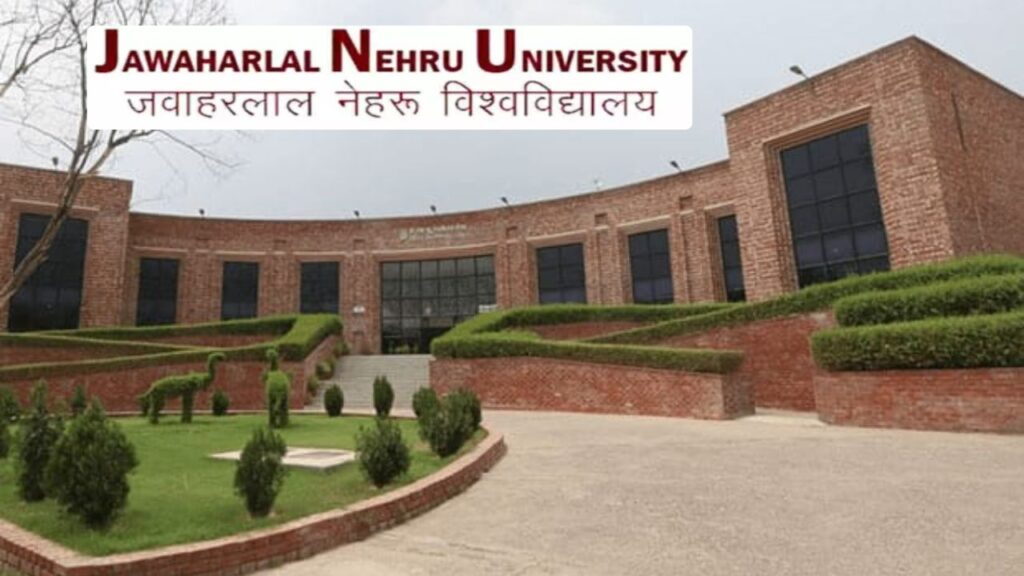
1. Jawaharlal Nehru University 

Jawaharlal Nehru University

#1 central university in India which offers many courses in each field including Arts, Science, and Commerce. The fee structure is dependent on the course – some have low tuition fees and some are high such as engineering, postgraduate, and doctoral courses. JNU is situated in New Delhi and known for its world-class education with strong faculty and training programs.

2. Delhi University

Delhi University

Delhi University is a research central university which offers undergraduate, postgraduate, diploma, and doctoral courses. The total of 201 courses available with 86 departments. Strong and experienced faculty holds the status of the campus at 2nd position in the NIRF ranking among central universities.  

3. Banaras Hindu University

Banaras Hindu University

It’s on the 3rd position among universities with its culturally rich learning. Students most probably prefer BHU to pursue engineering and medical courses. Admission processed through the CUET exam and offering a diverse range of courses in each field.

Read More 👉 MTech vs MBA in 2025: Who Earns More and Why? Find Out Now!

4. Jamia Millia Islamia

Jamia Millia Islamia

Jamia Millia Islamia: It was established in 1920, and ideal for those students who want to achieve good quality education at low fees. The institution focuses on research and specializations, offers a diverse range of advanced courses which help students to make a good career. Campus offers a wide range of facilities such as Extensive library, WIFI-enabled, 100 workstation online resources, MOOCs courses for their students to enhance their learning.

5. Hyderabad University

Hyderabad University

Hyderabad central university is well-known for its dynamic education support and research. It is located in Gachibowli, Hyderabad. Ideal for those who aspire for postgraduation and research. Most popular programs are MBA, B.Tech, M.Tech, and M.Sc that also involves high specialization in research and fields like biology also dedicated to the research area. So, this university is best for these programs but other than these there are a total 120 programs.

6. Aligarh Muslim University

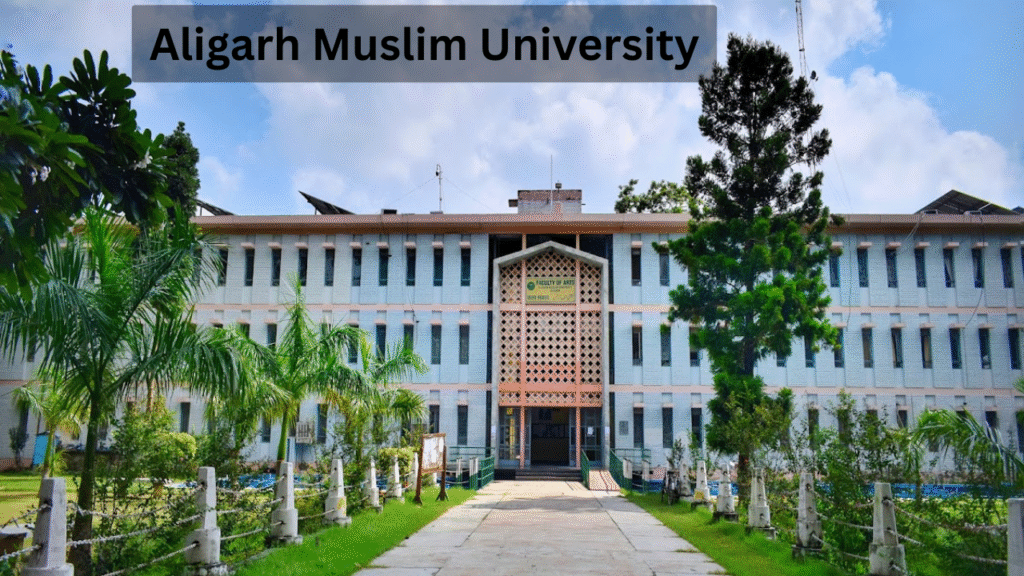
Aligarh Muslim University

AMU has offered a diverse range of courses across different fields such as engineering, agriculture, medicine, law, management, and business. AMU admits students through entrance exams such as NEET, JEE, CUET, and GATE. University offers strong faculty support, placement opportunities, hostel facilities, and extensive library at very low fees. 

7. Central University of Punjab

Central University of Punjab

Central University of Punjab: This university was established in 2009 in bhatinda, Punjab but is growing fast with its wider range of courses in each stream such as science, arts, commerce, and humanities. There are some popular courses like B.Pharm, M.Pharm, B.Ed, LLB, and B.Tech. Students who are located near Punjab can take admission here through an entrance exam for a particular course.

8. Central University of Himachal Pradesh

Central University of Himachal Pradesh

CUHP offers various courses in science, business, technology, and many others. The flagship courses are MBA and B.Sc, students who want to pursue graduation and postgraduation degree can take admission through CUET and registration to website portal of CUHP. The process is simple and easy for the admission. 

9. The Indira Gandhi National Tribal University 

The Indira Gandhi National Tribal University

IGNTU offers research and cultural studies such as computer science, biotechnology, political science, and social work. Many other courses are also offered there, students from tribal communities can have a great option to study in this vibrant campus.  

10. Pondicherry University

Pondicherry University: The largest university in the Pondicherry territory that focuses on research-based curriculum and offering unique programs such as Study India Programme. Admission approved through the CUET exam for UG courses and CUET PG for postgraduate courses. It offers full student support and a wifi enabled library with a large variety of books.

Read More 👉 Medical vs Engineering: Which Career is Better?

Top 10 Central Universities in India With Fee, Admission, & Placement Details

University (Rank 2025)Fees (UG/PG Major Courses)Admission ProcessTop Placement PackageAverage PackagePlacement % (Approx)
JNU, Delhi (1)UG: ₹881–₹5.51LPG: ₹533–₹12LCUET UG/PG for UG/PG Courses₹33 LPA UG: ₹6.5 LPA/PG: ₹9.5 LPA40–65%
Delhi University (2)UG: ₹360–₹73,985PG: ₹360–₹55,0007CUET UG/PG, Merit/Entrance + Cutoff₹35 LPA ₹7–9 LPA 60–95% 
BHU, Varanasi (3)UG: ₹1,700–₹7.23LPG: ₹4,000–₹6LCUET UG/PG, NEET, JEE (as per course)₹17–21 LPA ₹7–9 LPA (Median UG)60–80%
Jamia Millia Islamia, Delhi (4)UG: ₹5,700–₹4.28LPG: ₹13,400–₹1.61LCUET UG, PG: various entrance depend on courses₹25–30 LPA ₹8–11 LPA 70–80% (BTech)
University of Hyderabad (5)UG: ₹43.3K–3.39LPG: ₹18.6K–5.88LCUET UG/PG, CAT (MBA), GATE (MTech)₹17.89 LPA ₹6–8 LPA 65–80%
Aligarh Muslim University (6)UG: ₹800–16L (major UG: ₹25.5K–40.5K)CUET UG/PG, NEET, JEE, GATE (course-wise)₹21 LPA ₹7–8 LPA 60–80%
Central Univ. of Punjab (7)UG: ₹20–85KPG: ₹16–102KCUET UG/PG, Course-specific entrance₹6 LPA ₹2–4 LPA 50–90% (course-wise)
Central Univ. of Himachal Pradesh (8)UG/PG: ₹1,000–14,400CUET UG/PG, Online registration₹5.5 LPA ₹2–3.5 LPA 60–75%
Indira Gandhi Nat. Tribal Univ. (IGNTU) (9)UG: ₹2.7K–8.2KPG: ₹2.7K–2.73LCUET UG/PG, CAT/MAT for MBA₹5–6 LPA ₹2–3.5 LPA 55–75%
Pondicherry University (10)UG: ₹23.6K–2.72LPG: ₹6.3K–1.66LCUET UG/PG, CAT (MBA), GATE (MTech)₹10–12 LPA ₹3.5–6 LPA 55–75%

Conclusion

By exploring these Top 10 Central Universities in India, you can assess the good quality education and placement options in future to build your life more stable. Many students don’t want to just hold a degree but they want industry exposure, research opportunity, and academic environment.

Leave a Comment

Your email address will not be published. Required fields are marked *

Scroll to Top