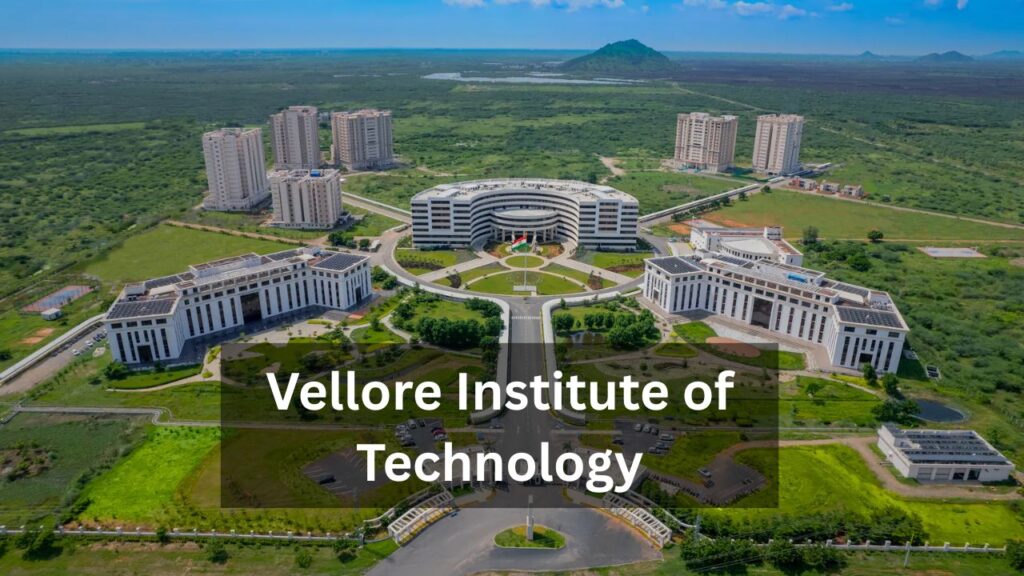
There are several Best MTech Colleges in India without Gate, you can take admission with other entrance exams and personal interviews. Some top colleges of India for MTech are IITs, NITs, Anna University, Delhi University, Banaras University, and some private universities such as BITS Pilani, VIT, SRM, and Jamia Millia Islamia. Let’s explore the best colleges in India which can offer you an MTech degree.
You don’t have to go through the GATE exam but still you need to score in their respective entrance exam. Some private institutes like VIT and SRM can offer MTech on merit. These colleges not just provide degrees but also offer placement opportunities to their students.
Best M Tech Colleges in India Without GATE
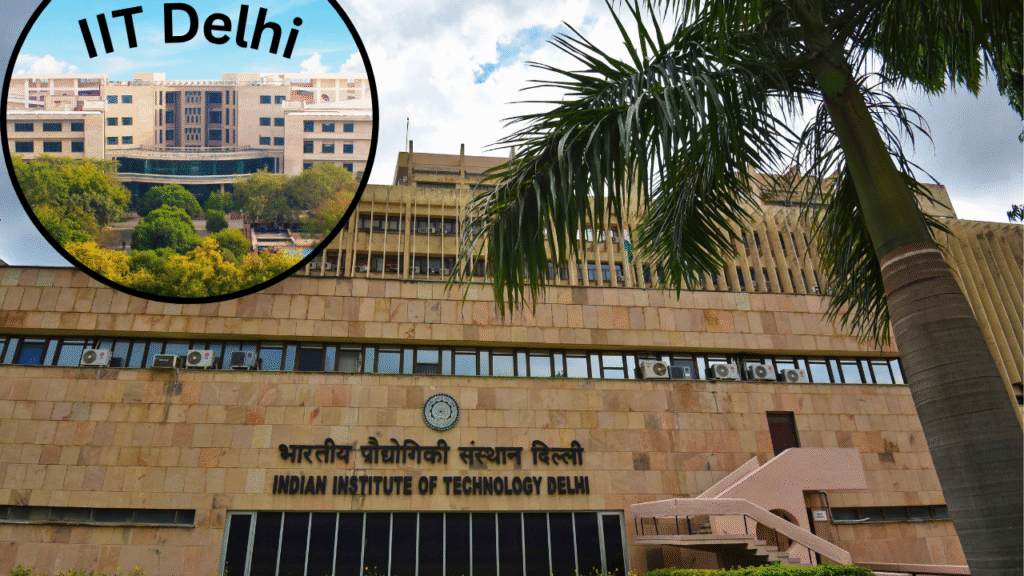
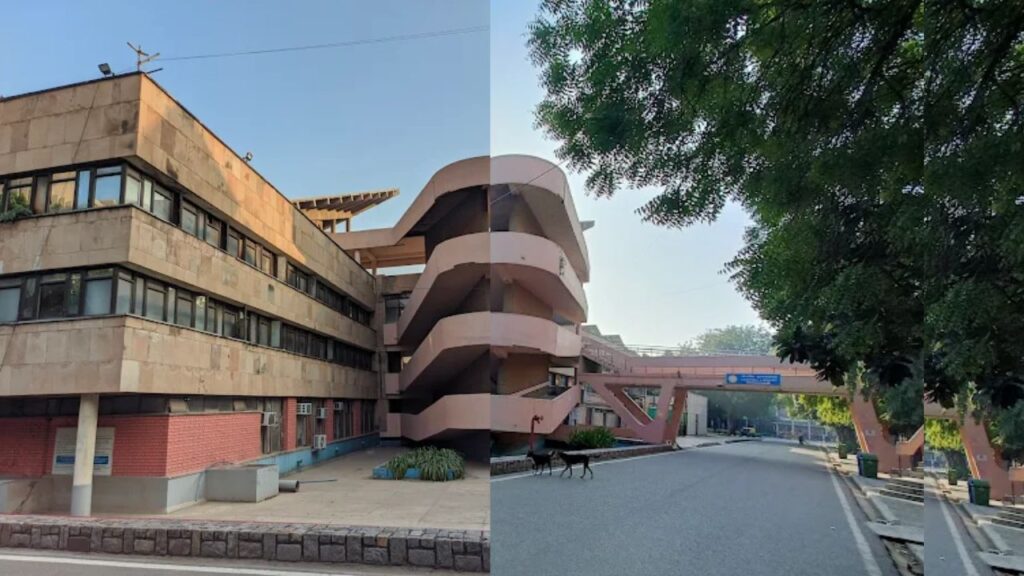
IIT Delhi
IIT Delhioffers admission through GATE but some seats are vacant for the industry-sponsored candidates for MTech. It also offers a part-time MTech program for working professionals. You may have to clear their own entrance exam to get admission. Your graduation CGPA also matters as a part of the admission process.
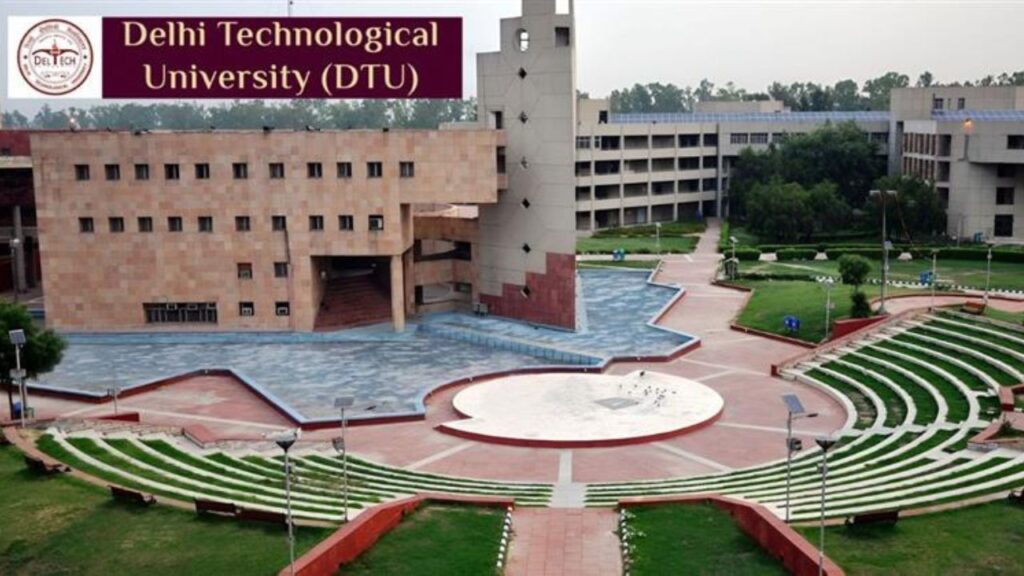
If you are searching for the best college for MTech program in Delhi then this is one of the best in engineering where you can get quality education and placement opportunities. If candidates do not have GATE scores then they must pass the entrance test for the admission. DTU approves candidates with above 60% marks in their Bachelor’s degree.
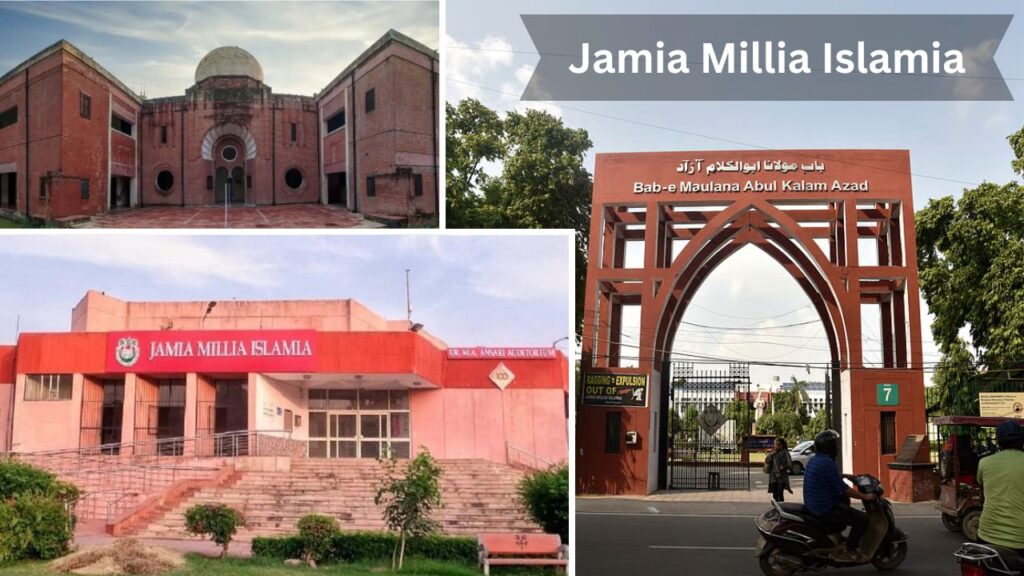
Jamia Milliam Islamiais one of the oldest universities that offers various programs. MTech from this college will be worth your career opportunities. Admission is conducted via GATE but it also offers MTech through their own entrance exam.
Fee (Approx.)
₹18,350–₹56,590
MTech Specialization
Computer Engineering, Env. Science & Engineering, ECE, Mechanical, Nanotechnology, Power Systems, Control Systems, Data Processing, Thermal Engineering, Energy Science, Production & Industrial, Earthquake Engg.
Average to Highest Placement
₹5–₹22 LPA
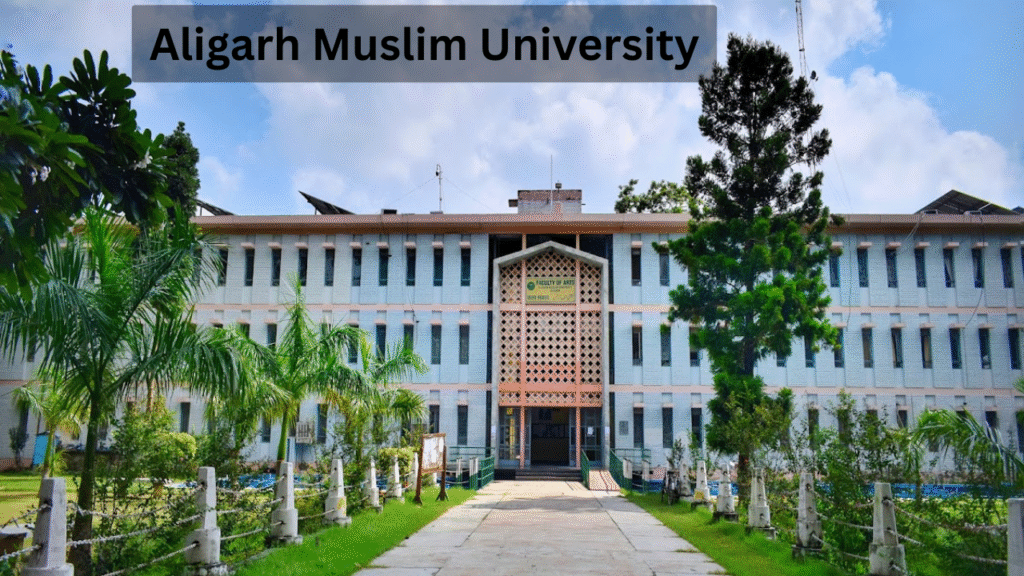
Aligarh Muslim University
MTech offers vast opportunities to the AMU students with good placement opportunities. That’s not it, AMU offers a professional program on a low budget so every student can get equal opportunity for higher education. The admission is done through GATE or their own entrance exam. You can take that entrance exam and secure your seat in MTech.
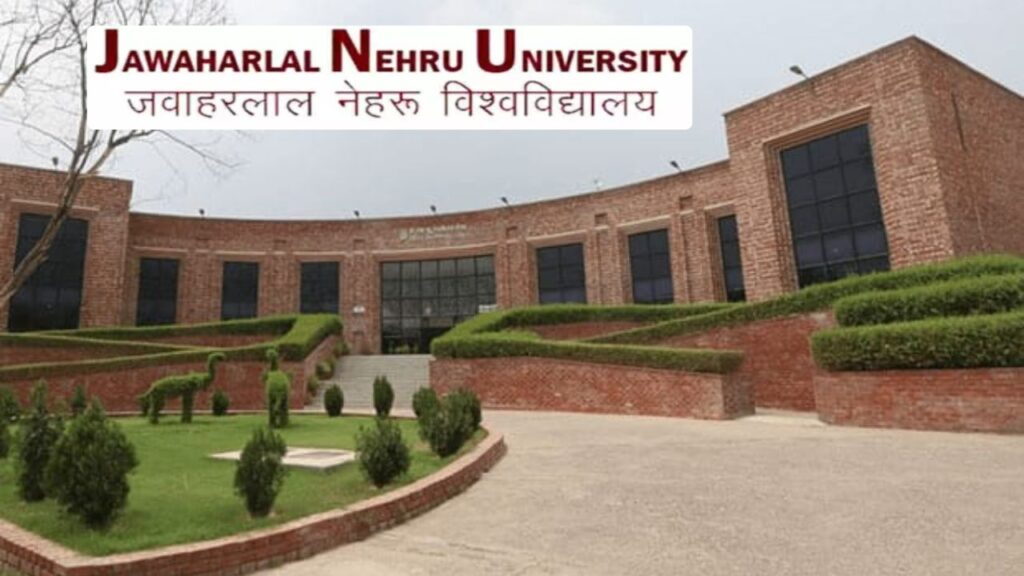
JNU offers MTech at lower price, students can easily pursue their higher education but they must have cleared the JNU entrance exam for the admission. Candidates must score 55% above in graduation.
Fee (Approx.) for MTech in other field
₹1.28 Lakhs for entire course
Fee (Approx.) for MTech in CS
₹385 per year
MTech Specialization
Computer Science & Technology is a key specialization available at JNU. Other specializations are limited as JNU primarily focuses on niche areas.
Average to Highest Placement
₹11 to ₹33 LPA
SRM Institute of Science and Technology
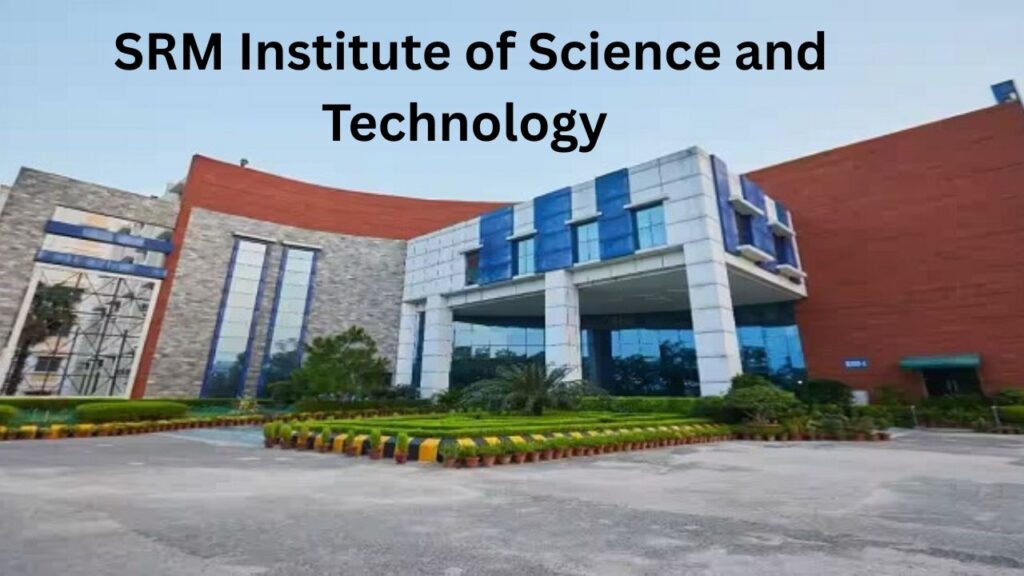
This is a private institute which offers MTech in Computer Science, Electronics, and many more. A degree is valuable if you want a good position in the industry, many companies hiring students from this college with a good package. The admission is done through SRMJEEE PG entrance exam other than GATE.
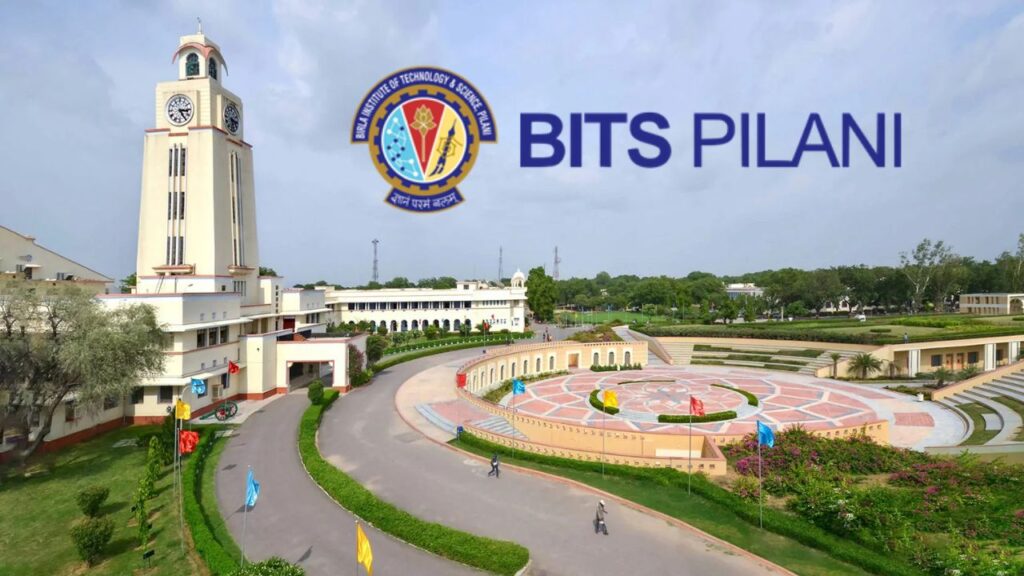
BITS Pilani: This is one of the best colleges for MTech programs, you can get admission through your GATE score or BITS HD Test. If you hold a bachelor’s degree with above 60% score in engineering then you are eligible for this program.
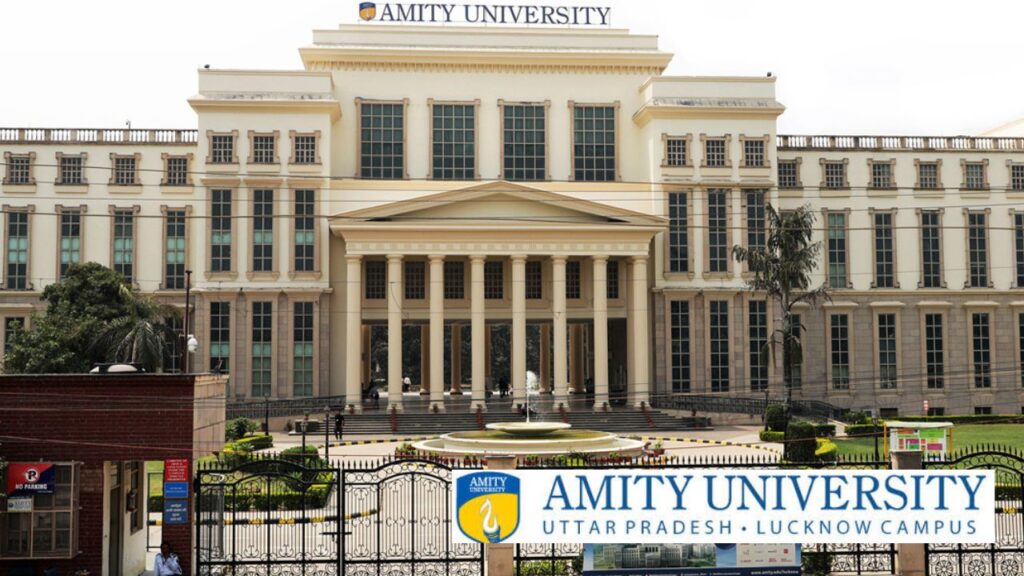
Amity is also a private university and offers a good education to the MTech students. Students can get admission through other entrance exams and it depends on your graduation marks. The campus is a good and well-oriented research facility for students.
VIT also takes industry-sponsored students and its highly advanced courses are in demand for the industries. An MTech from VIT is worth your career growth and high salary. The admission is done through their own entrance exam.
Fee (Approx.)
₹3.85 Lakh for 2 years
MTech Specialization
Mechanical, Computer Science, Civil, Electronics, Advanced IT programs
Average to Highest Placement
₹9 to ₹60 LPA
Conclusion
There are Best MTech Colleges in India without GATE which can open doors to the best opportunities in the top companies. They offer a good salary package because the colleges have provided quality education and industry exposure through their assessments that make them smart and adaptive in industry work.
Whether you choose Government or private college for admission in MTech. Kindly check their exam fees and admission dates on their official websites. The fee and placement packages we mentioned here are based on approximate data. You must check on their official procedures before applying.
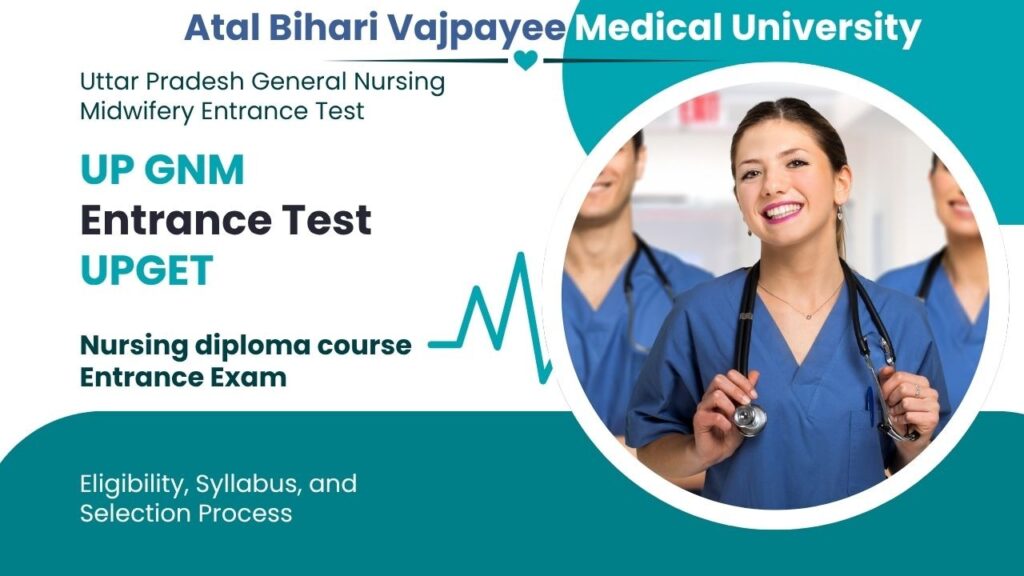
UP GNM Entrance Test UPGET is conducted for the aspiring Nurse. Nursing is a field of taking care of injured, weakened, and fighting for life in the hospital or private care center. It is considered as the most respected and important field in the medical field. If you enjoy helping people, being a nurse can provide a lot of personal reward and job security.
In the case of students of Uttar Pradesh who want to pursue this noble field, it is the best way to begin with the General Nursing and Midwifery (GNM) diploma course.
But how to get admission in the best nursing college in UP? That is exactly where the UP GNM Entrance Test (UPGET) enters the scene.
If you are a student perplexed about the UPGET, thinking who is it for, for what reason is it conducted or what to prepare, you have landed at the right place. In this complete guide for UPGET, we will cover each and every information regarding the UPGET exam, which will provide you with the latest updates as well as a clear path for your career.
What Is The UPGET Exam?
UP GNM Entrance Test UPGET is a way to proceed admission for those selected candidates who prefer to study 3 years General Nursing and Midwifery (GNM) diploma course.
Earlier the norms for GNM course admission were merit-wise based on the marks a student scored in their 10th and 12th board exams in uttar pradesh. But now, in a bid to make the admissions process more transparent and uniform, the Atal Bihari Vajpayee Medical University (ABVMU), Lucknow has been given the responsibility to conduct the UPGET.
This examination is for one time for all. After passing the UPGET, students will be admitted to any of the Government GNM Training Centers and Private Nursing Colleges.
(Latest Update: ABVMU officially conducting UPGET 2026 for the students, form portal is active from 29th April 2026 and exam will be held on 16th June 2026.)
Who Is This Test For?
UPGET is conducted for those candidates who aspire for a career in nursing and healthcare but not for 4-year B.Sc. Nursing degree. The UPGET is designed for the candidates who want to pursue a career in nursing and healthcare but do not wish to take the route for a four years B.Sc.Nursing course or are not qualified for the same.
Recent 12th Graduates: Those who have completed 12th standard (Intermediate) recently and want to enter the healthcare workforce at the earliest by opting for a 3-year diploma.
Students from Diverse Academic Backgrounds: Science students are the most preferred for medical fields, but through UPGET the GNM course opens doors for students belonging to Arts and Commerce stream too to apply for the same if they have English as one of the core subject and other minimum percentage bar is met.
Registered ANMs: Registered Auxiliary Nurse Midwives (ANMs) who wish to upgrade their qualification and career path can take this exam to shift to the higher GNM post.
Why Is The UPGET Conducted?
You may be thinking why an additional entrance examination is necessary when 12th-board marks are already there. Changing from a merit-based system to an entrance-exam system (UPGET) went through for several very compelling reasons:
Different education boards (CBSE, ICSE, UP Board) follow their own set of marking schemes. Some are very strict, some a bit lazy. UPGET is a fair examination where all candidates are assessed on the same question paper.
Nurses are going to deal with human lives. The government also wants to test students for a basic proficiency in science, logical thinking and English before they can enter government-run hospitals and the best private ones.
Students though would no longer have to run from private college to private college seeking to pay heavy donation fees, UPGET ushers a system of centralized counselling. You appear for one exam, get one rank and then you choose your college online on the basis of merit.
Eligibility Criteria For UP GNM Entrance Test UPGET
You must be above 17 years old and have no max age limit for this exam.
Intermediate passed candidates are eligible for this exam, with above scoring of 40% marks.
You must know basic English or study it as a subject in 12th.
Alternative Eligibility for ANMs
If you have passed the vocational course of ANM with a minimum of 40% marks or if you are registered as ANM and have qualifying marks, then you can apply for the UPGET.
Citizenship
Only Indian citizens are eligible for this exam. Possession of a valid Uttar Pradesh domicile certificate also assists in availing the benefits of state-sponsored reservations (SC/ST/OBC/EWS).
Syllabus: What To Study For UPGET?
The good thing about UPGET is that the syllabus is manageable, as opposed to NEET. It evaluates your fundamentals. Try each question (100 MCQs) as there is no negative marking.
Syllabus breakdown for right preparation:
1. General Science (Class 10th Level)
Basic aspects of Physics, Chemistry and Biology are discussed in this section. Nurses therefore understand the human body and chemicals at a fundamental level, so focus heavily on Biology (human anatomy, diseases, nutrition, cells) with a bit of basic Physio as well.
The questions on physics and chemistry are very basic—like motion, light, simple chemical reactions, and acids/bases. NCERT Science textbooks from Class 9 and Class 10 are very helpful to prepare yourself.
2. English (Class 12th Level)
A nurse needs to read medical charts, know what a prescription says and talk to people. Basic grammar rules, vocab, syno/anto-nyms, and correcting the sentences basically checks your ability to check the fundamentals of English.
3. General Knowledge & Current Affairs (Class 12th Level)
This part tests your general knowledge. It is on basic Indian history, geography, civics and some of the major current affairs(especially in health, science, and national news). Specially focus on healthcare schemes launched by the UP Government and the Central Government that are currently in progress.
Passing Marks & Required Score
Due to no negative marking for the UPGET exam, the average marks are on the higher side. But the criteria vary for the Government College and for a Private College.
There are required marks for the admission, 50% for Unreserved/General categories candidates and 40% for those who belong to SC/ST/OBC category.
You need to secure a seat with a higher score, Out of 100, aiming for a score of 75 to 85+ to take a chance. Private institutes will take you if you pass the cutoff marks along with the counseling process.
Step-by-Step Selection Process
Step 1: Candidates should visit the ABWMU Official website when the notification is out (Expected in April/May). You have to register,mention your personal and educational details,upload a live photograph and signature and pay the examination fee.
Step 2: Admit cards are mandatory as they act as an entry card in the examination. Candidates need to download them when the official release is declared a few days before the exam and visit their allotted examination center.
Step 3: The results will be declared by ABVMU on their portal. According to the scores, a state-wide Merit List is formed. Your position in this list is everything.
Step 4: Qualified applicants will apply for online counseling. You need to fill your “Choices” (Colleges you want to opt in the order of preference).
Step 5: Your college will be allotted to you on the basis of your rank, category and the options submitted. You have to accept the seat and then go to the college along with your original documents (12th mark sheet, Aadhar Card, Caste Certificate, Domicile) for verification and submission of fee.
What to Do If You Don’t Clear UPGET?
Failing an entrance exam can seem like the end of the world but in medicine, setbacks are par for the course. You have plenty of good backup options if you don’t get a high enough score for admission:
Take a Drop and Re-attempt, a dedicated 6-month preparation plan will almost guarantee a great rank next year.
You can also consider a 2-year ANM diploma course which is actually easier to get into.
There are other diploma courses which are highly demanded and are offered by the UP State Medical Faculty, including D.Pharma, DMLT, X-Ray Technician, or Physiotherapy.
If you are willing to pay a slightly higher fee, you can approach private institutions directly to inquire if they accept direct admissions without a top UPGET rank
Conclusion
The UP GNM Entrance Test UPGET is a big chance for the one who wants to make career in nursing and serving the people in the state of Uttar Pradesh. As the state government switches to entrance test system, it would now be merit-based and allowing students from diverse background to compete and make it to the top nursing institutions.
The way to success in UPGET is to know the syllabus, read the basic 10th science, refresh your English and keep updated with GK.
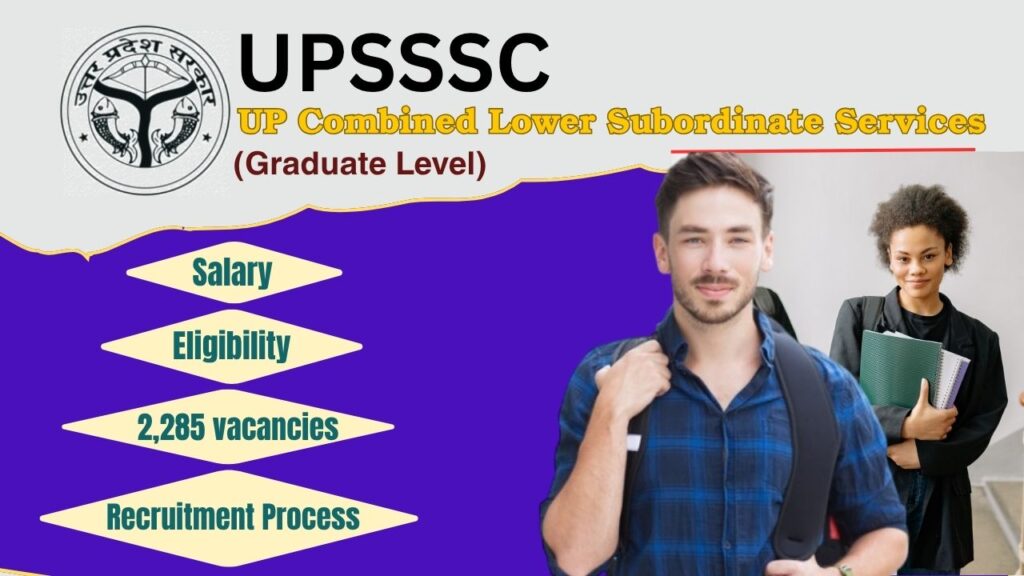
Get ready to secure a UPSSSC Lower PCS job to enjoy purposeful life in Uttar Pradesh. UPSSSC UP Combined Lower Subordinate Services (Graduate Level) recruitment is live right now, you can fill the application now. But you must understand each phase of selection, eligibility and preparation to pass the exam.
With 2,285 vacancies up for grabs, this is one of the biggest opportunities of the year for graduates looking to secure a Group ‘C’ administrative foothold in the state.
What is UPSSSC Lower Subordinate Services? (Job Profile)
The Lower Subordinate Services recruitment fills different positions in state government offices. There are most common job roles such as executive, supervisory, and auditing that require candidates who can immediately step into the work to handle public services, implementing government schemes, and making sure rules and policies are followed properly.
The roles are just simple desk jobs, they offer executive authority to tackle every task. Depending on your qualification and ranking, you could land any of these roles:
Executive Officer (Municipal Administration): Manages urban local bodies, public civic amenities, and local revenue collection.
Mandi Supervisor / Amin: Oversees agricultural market regulations, auction fair play, and revenue reporting for the Mandi Parishad.
Assistant Consolidation Officer (Chakbandi): Resolves land disputes, manages agricultural land redistribution, and maintains accurate land maps.
Who Can Apply? (Eligibility Criteria)
Before you hit apply, ensure you tick all the structural requirements set by the UPSSSC:
Educational Qualification
Mandatory Foundation: You must hold a Bachelor’s Degree from a recognized Indian university.
The PET Gateway: The Main exam needs a valid PET scorecard otherwise they will not let you enter in the exam hall.
Post-Specific Extras:
For Auditor/Accountant: You must hold a B.Com degree.
For Mandi Supervisor: Degree in Agriculture, Commerce, or Economics with a minimum of 50% marks.
Executive Officer: A computer ‘O’ Level diploma is required for service confirmation.
Age Limit (As of July 1, 2026)
Minimum
21 years
Maximum
40 years.
Age relaxation given to reserved categories ( OBC, SC, ST, )and Ex-Servicemen
Important Dates & How to Apply
The application window is brief, so do not leave things to the final day when servers traditionally crawl to a halt.
Application Starts
29/May/2026
Last Date to Apply
18/June/2026
Correction Window Last Date
25/June/2026
Admit Card
Update Later
Step-by-Step Application Process
The Commission relies heavily on your existing PET data to make authentication seamless:
Authentication via PET: Go to the official portal at upsssc.gov.in. Use your PET-2025 Registration Number to login for UPSSSC Lower PCS.
Check Details: Information about your qualification, photograph, caste category are automatically filled from the PET database. Verify everything carefully and fill out any pending post-specific preferences.
Submit Processing Fees: Pay the standard online processing fee of ₹25 for all categories via net banking, UPI, or credit/Debit cards. Note: Shortlisted candidates will pay the structural Main Exam fee later.
Final Printout: Review your final application form, submit it, and download/print the confirmation form for verification rounds.
Vacancy Matrix (2,285 Posts)
The vacancies span several state departments, providing brilliant diversity in career paths. Here is how the open positions look across major segments:
Department / Board
Post Name
Vacancies
Directorate of Treasury, UP
Assistant Treasury Accountant
548
Cooperative Societies & Panchayat
Accounts Inspector / Auditor
419
State Agriculture Mandi Parishad
Amin / Auctioneer / Clerk
552
Municipal Administration Directorate
Executive Officer
238
Office of Consolidation Commissioner
Assistant Consolidation Officer
168
Other Allied Departments
Technical Assistants / Supervisors
360
Selection Process & Exam Pattern
Getting selected requires navigating a clear, objective framework. There are no interviews for these Group ‘C’ cadres. Your merit relies entirely on written execution.
Step 1: Get UPSSSC PET 2025 Scorecard first
Step 2: Give Main exam and secure good marks
Step 3: Document Verification to check all the information is valid in your application.
The Exam Blueprint
Prepare yourself with understanding the topics that are important in this exam, Lower PCS exam pattern includes:
General Intelligence & Reasoning: to test your logic ability and analytical thinking.
General Knowledge (GK): knowing about your Uttar Pradesh is important to handle any work regarding the state. So increase knowledge in Indian History, Geography, Polity, Economy, and Uttar Pradesh’s History, Administration, and Culture.
General Science & Arithmetic: basic level physics, chemistry, biology, and math.
General Hindi: Focuses on comprehensive reading, letter writing, grammar (Sandhi, Samas, Muhavare), and vocabulary translation.
Strategic Preparation Plan
The competition is high so you have to make a plan that helps you achieve good scores over fractions of marks. Here is a realistic roadmap:
Own the UP Specific Section: Knowledge of the state will let you secure 20-25% of GK questions. Research and keep updated with Uttar Pradesh’s budget, schemes, geography, and cultural folklore. Dedicate solid hours to local current affairs.
Do Not Avoid Hindi: General Hindi is highly scoring. Mastering basic grammar rules and practicing official letter formats can drastically push your score above average cut-offs.
Analyze Mock Tests Weekly: Build your speed and precision. Track where you lose marks to negative scoring and adjust your accuracy levels accordingly.
Let’s talk about the rewards. Apart from massive social prestige, these positions offer financial stability governed by the 7th Pay Commission.
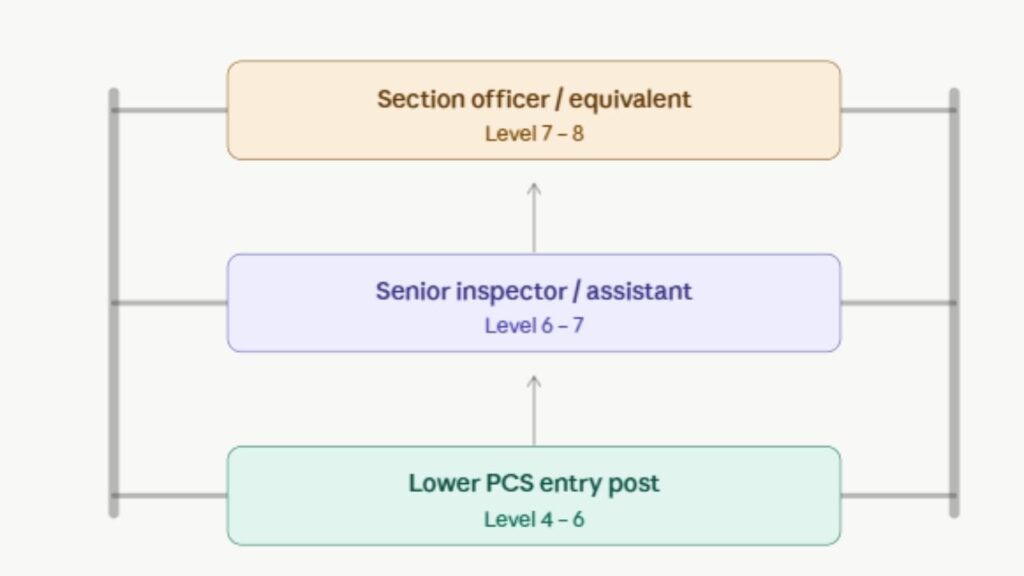
The salary of Uttar Pradesh. Combined Lower Subordinate Services (Graduate Level) are based on their job profile and experience but it ranges between Pay Level 4 to Level 6.
Level 4 (Clerks/Typists)
₹25,500 – ₹81,100
Level 5 (Accountants/Amin)
₹29,200 – ₹92,300
Level 6 (Executive Officers/ACO)
₹35,400 – ₹1,12,400
In-Hand salary will increase because of the multi allowance you will get once you are assigned to your job. So the entry-level gross salaries range from ₹35,000 to ₹55,000 per month depending on city tiers.
The Promotion Ladder
Your career trajectory doesn’t stall. Junior officers systematically advance through departmental reviews and service experience:
Conclusion
The UPSSSC UP Combined Lower Subordinate Services (Graduate Level) Recruitment is a cycle that ends in a few days and you need to fill the form if you don’t want to miss this opportunity to secure a career in Uttar Pradesh. The competition is very high for the 2,285 seats, so the right strategy to prepare for the exam is mandatory.
Ensure your application goes through successfully before June 18, lock down your study desk, and start structured preparation today. For a comprehensive breakdown of the syllabus, safe score metrics, and targeted departmental tactics, check out this detailed UPSSSC Lower PCS Strategy Guide which covers exactly how to maximize your score in the Mains exam.
The IIT Delhi MBA is considered one among the best return on investment management course in India. Offering a perfect blend of quality education, good industry connect at a manageable fee, it enables students to dream big without the fear of being burdened with debts in private b-school cost. For 2025-27 batch, the total IIT Delhi MBA Fees 2025 is 12.17 lakhs which makes it one of the cost effective option in top management institutes of India.
IIT Delhi makes quality affordable with a transparent detailed batch-wise payment plan, clearly defined hostel and academic fees, and several options for financial assistance. In addition, the program provides a good return on investment (ROI) as the average placement package is ₹25.82 LPA, which further adds to the enunciation as a top choice for prospective business leaders.
IIT Delhi MBA Fee Structure
IIT Delhi MBA fee is ₹ 12.17 lakhs for 2025-27 batch and this makes it one of the least expensive top Indian b-schools. The fee is designed so that the students can derive maximum benefit from it, but still, it should be within the reach of students coming from varied financial backgrounds.
Complete Breakdown of Detailed Fee Components
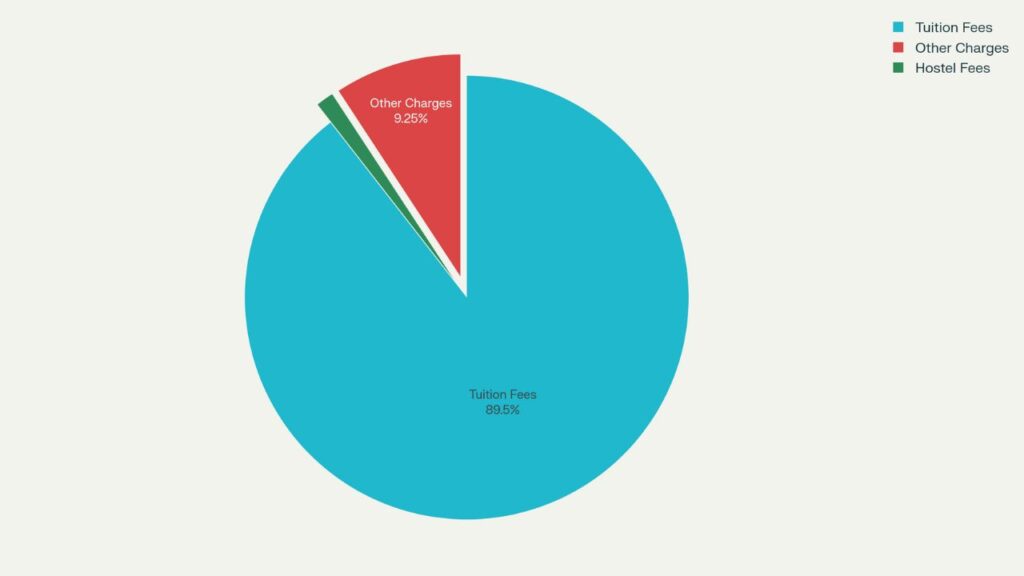
The tuition fee for the two-year course is ₹12,00,000, which is payable in four equal installments of ₹3,00,000 per semester. All the education fees, materials for courses and learning resources and even the use of campus facilities are covered by these fees. The total cost of accommodation in the dormitory for two years is Rs. 17,200 or 8,600 per semester.
Mess fees are to be paid extra and they vary according to consumption, hostel fees are Rs 8,600 per semester. Semester fees are 22,400 for academic and administrative purposes which include the use of internet, sports equipment, library and student-welfare programs.
Total tuition fees
₹12,00,000
Per semester
₹3,00,000
Total hostel
₹17,200
Per semester hostel
₹8,600
Academic charges
₹22,400
First Semester Payment Structure
The admission fee structure is categorized based on the candidate’s classification. The fee for the first term for candidates in the General, OBC, and EWS categories is ₹3,31, 000, inclusive of hostel fees and other relevant expenditure like tuition. Those who belong to the SC, ST or PwD categories, however, get a Tuition Fee Waiver. First term fees are drastically reduced for these categories to Rs 31, 000, which is only for the hostel and other miscellaneous expenses. This tiered fee system also reflects a commitment to ensuring equitable access to education, as well as to financial viability for marginalized populations.
How IIT Delhi MBA Fees Compare with Other Top Colleges
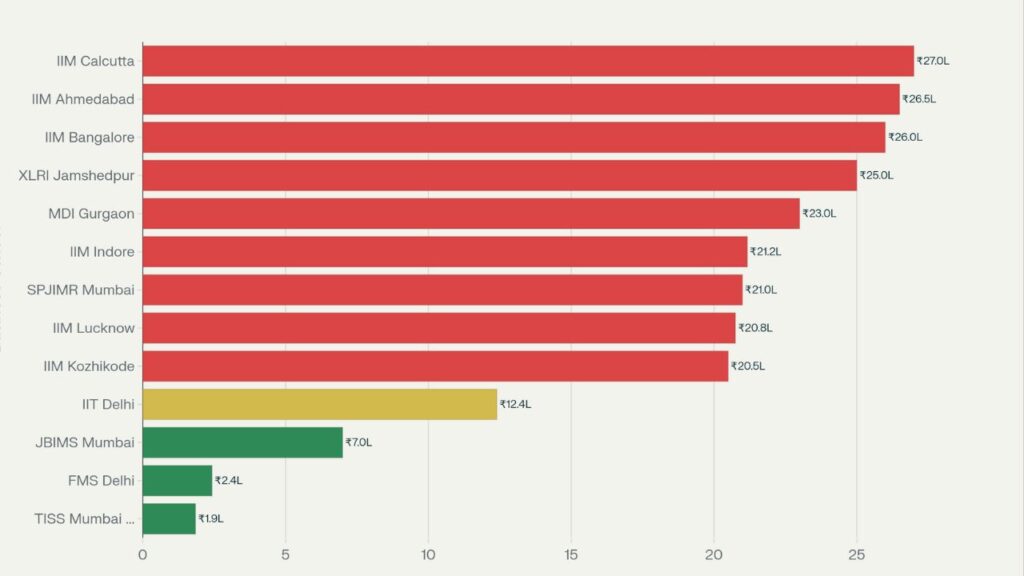
Comparison of MBA Fees Across Top Indian Colleges
IIT Delhi offers great value for money as compared to other top b-schools in India. The fee structure makes it a kind of cross between the premium IIMs and the dirt cheap government ones.
Old IIMs (Higher Fee Range)
IIM Calcutta
₹27.00 lakhs
IIM Bangalore
₹26.00 lakhs
IIM Ahmedabad
₹26.50 lakhs
Newer IIMs (Moderate Fee Range)
IIM Lucknow
₹20.75 lakhs
IIM Kozhikode
₹20.50 lakhs
IIM Indore
₹21.17 lakhs
Private B-Schools
XLRI (Xavier School of Management) Jamshedpur
₹25.00 lakhs
ISB (Indian School of Business) Hyderabad
₹40.50 lakhs
MDI (Management Development Institute) Gurgaon
₹23.00 lakhs
SPJIMR (Shreyans Prasad Jain Institute of Management & Research ) Mumbai
₹21.00 lakhs
Budget-Friendly Government Colleges
FMS (Faculty of Management Studies) Delhi
₹2.43 lakhs
JBIMS (Jamnalal Bajaj Institute of Management Studies) Mumbai
₹7.00 lakhs
TISS (Tata Institute of Social Sciences) Mumbai
₹1.85 lakhs
Although these institutes charge very minimal fees, IIT Delhi gives a middle path with a reasonable fee structure and excellent results.
IIT Delhi MBA Program Cost Breakdown (Total ₹12.17 Lakhs)
Return on Investment Analysis
The exceptional 2024 Placement Performance demonstrates that IIT Delhi’s MBA Program offers a tremendous return on investment (ROI). Graduates are offered an average salary package of ₹25.82 LPA, the highest package is an impressive ₹41.13 LPA while the median package is ₹24.45 LPA. The program’s remarkable 100 percent placement record is a testament to its strong industry relations and career support. It is the most lucrative choice for an aspiring management professional for a total programme fee of ₹ 12.17 Lakhs. Students have managed their expenses for a few months after they start working.
Financial Support and Scholarship Options
IIT Delhi provides several support to the students who want to pursue MBA to ensure that everyone gets a chance of education. SC/ST/PwD students are entitled for 100% tuition fee waiver under category based benefits except for hostel and other fees. Furthermore, meritorious students are also eligible for merit scholarships, which are awarded on the basis of their programme-wide academic performance. Also, due to prestige of the institute, education loan for MBA course can be availed from all major banks. And given the school’s elite status, those loans typically carry competitive interest rates.
Payment Schedule and Methods
In order to ensure transparency and ease of understanding for all students, the fee payment follows a semester-wise structured format. As per the schedule of payment, the fee for the 1st semester is to be paid at the time of admission. Fees are payable at the beginning of each subsequent semester. For your convenience, the fee can also be paid in two installments over two years, making finances a little easier to manage.
Multiple modes of payments are available for easy transactions. Students can pay online from the time of official portals which ensures the safe and efficient process. Bank loans are disbursed by demand drafts. To suit different taste, there is also bank transfer payment option. This systematic procedure keeps the payment process formal and transparent, at the same time ensuring flexibility and accessibility to the students.
Why Choose IIT Delhi MBA
Academic Excellence
The institute, which was ranked 4th in Management by NIRF 2024, is renowned for its outstanding academics and is supported by a strong faculty having rich research and industry experience. The curriculum is broad-based and focuses on experiential learning to ensure that the students are well-prepared to face real-world challenges.
Industry Connections
It has great industry connections, and excellent placement support with top recruiters due to its vast alumni network in prestige companies, recurring industry interactions and guest lectures.
Facilities & Location Advantage
The modern facilities on the state of the art campus include a well-equipped library, state of the art computer laboratories, sports and leisure facilities. Opportunity to work in corporate offices and the institution is located strategically in Delhi NCR, the emerging business hub of India making it the best for commerce studies.
For Indian business schools, the IIT Delhi MBA delivers the best price, quality and outcomes combination you can get. With a total fee of Rs 12.17 lakhs, it holds itself at a higher standard than many of the private IIMs while giving exceptional value for money when compared with the ones that are more prestigious. Given the reputed brand, good placements and affordable fees, it is an excellent value for money for MBA aspirants.
Transparent breakdowns of fees and category-wise concessions ensure accessibility to students from diverse backgrounds. When viewed from the perspective of ROI, career opportunities and ranking experience, IIT Delhi MBArr its place among the topmost feasible options in India in business school arena.
If you hold a food technology degree and have been waiting for Haryana FSO Recruitment 2026 then fill the form because it closes on 19 October at 5:00 PM. The Haryana Public Service Commission (HPSC) published Advertisement No. 25/2026 on 19 September for 45 Food Safety Officer (Group-B) posts in the Food & Drugs Administration Department.
Take a look at eligibility criteria before applying and get ready the required documents to fill the correct information. After applying, prepare yourself according to the FSO Recruitment 2026 Food Safety Officer exam pattern and selection process.
FSO Recruitment 2026: Dates and Vacancies
Event
Date
Notification published
19 September 2026
Online applications open
28 September 2026
Last date to apply and pay fee
19 October 2026, 5:00 PM
All 45 posts sit under a single designation. The category-wise split (General, SC, BC, EWS and so on) is in the PDF.
HPSC Haryana Category-wise Posts
Category
Vacancies
Unreserved (UR)
22
Deprived Scheduled Castes (DSC)
5
Other Scheduled Castes (OSC)
5
Backward Classes-A (BC-A)
5
Backward Classes-B (BC-B)
3
EWS
5
Total
45
HPSC Food Safety Officer Eligibility: Qualification and Age
The commission accepts degrees in food-related disciplines, and the list is wider than most candidates expect. It includes:
Food Technology
Food Engineering
Food Processing and Preservation
Food Biotechnology
Food Safety and Quality Management
Food Plant Operations Management
Process and Food Engineering
Food Nutrition and Dietetics
If your degree title isn’t on that list word for word, check the notification’s equivalence clause before paying a rupee. A rejected application doesn’t get the fee back.
Age is counted on the closing date, 19 October 2026. The limit is 18 to 42 years, with relaxation for reserved categories under the Haryana government. A General category candidate who turned 43 on 1 October is out, even by a few weeks.
One more disqualifier gets overlooked. If the candidate has a food business, or any kind of relation with food import or sale food articles, they will not be qualified for this post.
Salary and Career Path
Selected candidates get ₹35,400 per month under the Level 6 of the Haryana pay matrix. The total amount may be higher because of additional allowances and benefits. The pay level will increase with time and experience for all the Food Safety Officers.
On the ground, the job means inspecting food businesses, drawing samples and enforcing the Food Safety and Standards Act, 2006. It’s regulatory work, closer to a field inspector’s than a lab technician’s.
HPSC FSO Selection Process
The HPSC FSO Recruitment 2026 selection process doesn’t depend on a single paper. There are three stage processes starting with a screening test which highly matters. The next stage will be a Subject Knowledge Test, an interview and one most important thing to understand is that HPSC can change how it limits candidates called forward.
How to Apply Online For HPSC FSO Recruitment 2026
The process has four stages: registration, filling particulars, fee payment and final submission of the signed form.
Register on hpsc.gov.in with a personal email ID and mobile number, and keep both active until recruitment ends.
Fill in your details and pay the category-wise fee online by net banking, debit card or credit card.
Print the submitted form, sign it, then upload the signed copy with your documents.
Step 4 is where applications die. The commission rejects forms that skip the signed upload, so don’t close the tab after payment. Download your e-admit card later from the HPSC site, since nothing is posted to you.
Candidate category
Application fee
All remaining candidates, including General/UR male candidates and candidates from other states
DESM candidates of Haryana belonging to their vertical reserved category
₹250
DESM candidates of Haryana belonging to UR category
₹1,000
Haryana candidates with benchmark disability (PwBD), at least 40% disability
Nil
Conclusion
Apply if your degree matches the listed disciplines, you’re within 18–42 on 19 October, and you have no stake in a food business. Do it before 5:00 PM, because the portal tends to slow down in the final hours.
Don’t start with the syllabus, concentrate on the Food Safety and Standards Act, learn the regulations and labeling, licensing and limits. Candidates must explain what to do when the sample fails, not just how the process works in a Subject Knowledge Test. Your degree gets you through the door, but the Act is what the interviewers will probe.
If you’re reading this after the deadline, the next step is to keep the Act and the sampling procedures warm and watch hpsc.gov.in for the next FSO cycle, since the 2026 pattern may not repeat on the same schedule.
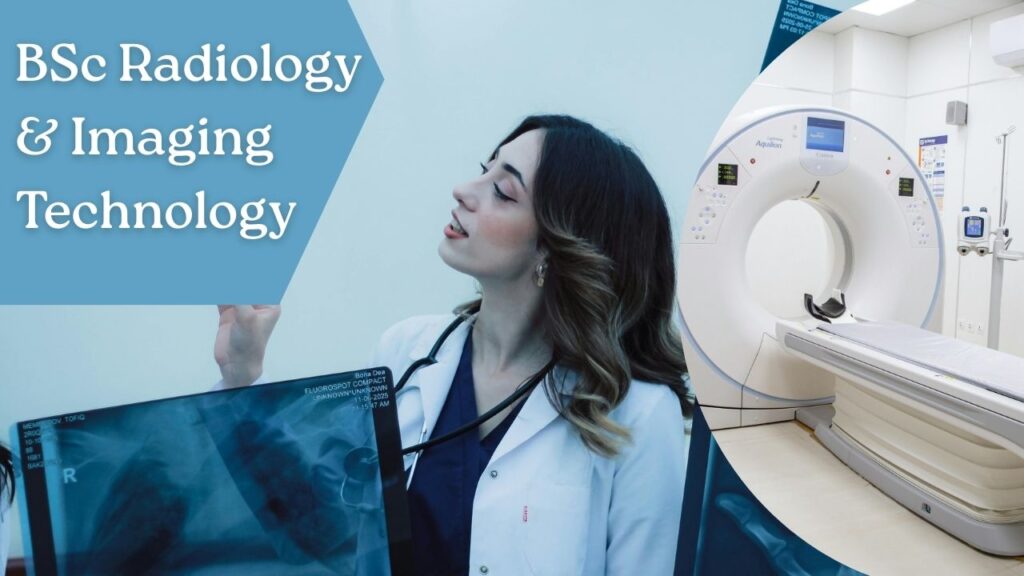
BSc Radiology and Imaging Technology is a three-year program (with one-year internship that is mandatory in most of the institutions) that equips the students with the knowledge of medical imaging. The core science portion of the curriculum (focusing on physics, chemistry, and biology) is integrated with clinical imaging courses including: anatomy and pathology, radiographic procedures, sonography techniques, ultrasound physics, computed tomography (CT), magnetic resonance imaging (MRI), and radiation protection.
The Bachelor of Science in Medical Radiology and Imaging Technology is becoming the backbone of diagnostic medicine today. This transformation is being driven by three coalescing factors: the full enforcement of National Commission for Allied and Healthcare Professions (NCAHP) Act 2021, the adoption of advanced artificial intelligence (AI) in diagnostic workflow, and the growing world-wide need for expert imaging technologists.
The course is intended to prepare competent technologists (“radiographers”) who will be well versed in the operation of contemporary imaging equipment and have a solid foundation in the science of diagnostic radiology.
Who is a Radiology Technologist?
The Radiology Technologist/Radiographer is a clinical scientist who holds at least a B.Sc. or M.Sc. degree in Radiography. They don’t just know how to run the machines, they understand the physics behind the formation of images, the physiological basis of pathology and the important issues surrounding patient safety and radiation protection.
Why Has This Course Become Important in Diagnostics?
Imaging is at the heart of diagnostics, which are critical to contemporary medicine; more than 80% of hospital care relies on them. B.Sc. In addition to machinery handling the Technician holder needs to perform a large part in the day to day imaging workflow by the year 2026 MRIT graduates holders can expect to be involved with state of the Art technology like PET-MRI, SPECT-CT, Protocol Optimization, Post Processing, QC.
Also this line job is work during recession. There is a long-term demand for skilled radiographers, particularly those trained in PACS and RIS, as the population of India grows older, lifestyle ailments become more common, and digital healthcare is enhanced under the ‘Ayushman Bharat Digital Mission’.
Entrance Exams & Eligibility Details For Admission
NEET UG 2026
National Eligibility cum Entrance Test (NEET UG) shall be the single entrance examination for admission to all the undergraduate allied and healthcare courses like BSc Radiology and Imaging Technology from the academic year 2026-27, according to NCAHP.
AIIMS — 2026 Paramedical Entrance Test
Along with NEET, there is the AIIMS entrance Test which is held by AIIMS for paramedical courses leading to B.Sc. and M.Sc. The date of AIIMS B.Sc. Paramedical 2026 exam is tentatively on 30 May 2026.
Note:- Candidates are requested to cross-check this with official notification as some calendars mention July for Examination, however May is the only projected window as per academic calendar.
How to apply:
Basic Registration: The schedules released in 2026 March/April. You can create a Registration ID.
Final Registration: Involves the generation of a Unique Code (RUC), payment of application fee, usually in May 2026.
Test Format: This computer-based test will consist of 90 multiple-choice questions (MCQs) on biology/mathematics, chemistry, and physics and will last for 90 minutes. Any wrong answer can take away ⅓ marks.
Admissions at JIPMER & PGIMER
JIPMER (Puducherry): B.Sc admissions The admissions to the B.Sc shall be The Allied Health Science at JIPMER (Puducherry) for the year 2026 will be on the basis of the NEET UG scores. JIPMER normally holds its own counseling for these seat(s).
PGIMER (Chandigarh): The institution holds a separate CBE, these are usually conducted in the months of August/September. The process of application normally commences in June.
State and Private University Tests
CUET (Common University Entrance Test): Central universities, such as Banaras Hindu University (BHU), utilise the CUET. The essential subject combination for Radiology is Physics, Chemistry, and Biology / Mathematics.
Manipal: in MAHE, Phase 1 is scheduled for April 2026 for admission test, and the next Phase 2 for May 2026.
CMC Vellore: It is a tough Institute level CBT (Computer Based Test) followed by a Step-2 evaluation (Practical tests and interviews.)
Eligibility Criteria 2026
Educational qualification: Should be passed class 12th board with physics, chemistry and biology (pcb) and English. Some of the institutes like AIIMS allow mathematics (pcm) for Radiology courses.
Minimum Marks: For the general/EWS/OBC category, it is 50% aggregate and for the SC/ST category, it is 45%.
List of Colleges For BSc Radiology and Imaging Technology
There are 140+ colleges around India that offer BSc Radiology and Imaging Technology without taking too much fees, especially in government colleges. If you have interest in lab technologies or figuring out body structures and making reports then take admission for securing your career in this field.
College
Location
Approx. Fees
Notes
AIIMS—New Delhi
Delhi
₹4,500
Elite training facility as it is Top-ranked college
PGIMER
Chandigarh
₹10,500
Members are mindful and placements opportunities
JIPMER
Puducherry
₹94,000
Excellent internships
AIIMS—Rishikesh
Uttarakhand
₹46,000
High packages up to ₹24L
GMCH
Chandigarh
₹39,000
Affordable govt option
Integral University
Lucknow, UP
₹3.15L
Good infra, local pick
Parul University
Vadodara
₹4.6L
Private, placements ₹6L avg
SGT University
Gurgaon
Varies
Modern facilities
Academic Curriculum for the Course
Theory and laboratory practice are included in the curriculum of BSc Radiology and Imaging Technology. The following topics were covered: Human anatomy/physiology, Imaging Physics, General Radiography, Ultrasound Imaging, CT Scanning, MRI Basics, Radiobiology and Radiation Protection, Digital Image Processing, and General Patient Care.
BSc Radiology and Imaging Technology is a four year degree course. The first three years were spent attending didactic lectures, practical laboratory courses, and clinical observations. The fourth year is a required, full-time clinical internship during which the student serves as a student technologist at a hospital.
Phase
Duration
Focus Areas
Year 1
Semesters 1-2
Basic Medical Sciences, Communication Skills, Computer Basics
The 2026 Curriculum is intended to establish progressively developing competencies.
Year 1: The Foundation
The goal is to give the student a foundation in the human body and the hospital setting.
Human Anatomy & Physiology: This Is Not a “Fly By” Tour Students are required to study detailed osteology (bones) to learn how to position for radiographic.
They are taught body systems physiology to understand how to administer contrast media.
General Physics: The basic laws of physics applicable to the production of radiation.
Clinical Pathology & Biochemistry: Basics of blood tests (creatinine, urea) which are important prior to contrast administration.
English & Communication: Necessary to describe techniques to patients and to calm them.
Year 2: The Core
Students access the realm of diagnostic imaging in BSc Radiology and Imaging Technology.
Radiation physics: The production of X-rays, their interaction with matter, and the design of X-ray tubes.
Radiographic Positioning, the science and art of positioning the patient to radiograph the body part (i.e. Towne’s view for skull, Skyline view for patella).
Darkroom to Digital: Darkrooms may be a thing of the past, but knowing the history is key. Emphasis is placed upon Computer Radiography (CR) and Direct Digital Radiography (DR) modalities.
Radiation Protection: Students learn the ALARA (As Low As Reasonably Achievable) concept along with shielding and dose limit for worker and patient.
Year 3: The Advanced Frontier
This is the year when the high-end modalities that shape contemporary radiology are covered.
Computed Tomography (CT): CT Physics, generations of scanners, helical vs. axial scanning, and protocols for different body regions.
Magnetic Resonance Imaging (MRI): Principles of the complicated physics of nuclear magnetic resonance, safety issues related to ferromagnetic materials, and pulse sequences.
Ultrasonography (USG): Essentials of acoustics, transducer design, and the technologist’s function in the operation of the sonographer.
Interventional Radiology (IR): Orientation to the Cath Lab Sterility and Equipment utilized in Angiography.
Radiation and Radioactivity in Nuclear Medicine Basics of PET-CT Handling of Radioisotopes including Technetium-99m.
Year 4: The Internship
The purpose of the internship is to transition a student to a worker. Interns rotate through different departments, including X-ray, CT, MRI, Emergency and ICU. They need to keep a logbook of cases they have done, and are evaluated on their technical skills and dealing with patients.
BSc Radiology and Imaging Technology Career Scope & Salary
Skilled radiographic professionals are sought after in India’s growing healthcare sector. Radiology technicians also work in public and private hospitals, diagnostic laboratories (pathology and imaging centres), government health schemes, private practitioners and emerging digital health platforms including teleradiology and artificial intelligence (AI) imaging start-ups.
Clinical Roles
Radiologic Technologist: The typical baseline position. Duties are to perform x-rays, triage patients and maintain radiation safety .
CT Technologist: So, what’s the place in the hierarchy. Knowledge of cross-sectional anatomy and contrast administration is required.
MRI Technologist: A step up. MRI scanners are complicated, and patient safety (screening for metal) is critical. The technologists here typically make 20-30% more than a general radiographer.
IR Technologist: The Cath Lab Experience. In a stressful environment, high volume dealing with cardiac and vascular interventions. You’ve got to wear thick lead aprons for long hours – but when you’re done, you’re king and you’ve got money in your pocket.
Mammographer: Expert in breast imaging. Because of the sensitive nature of the exam, female technologists are preferred for this position.
Sector & Role Wise Salary (2026)
Role
Experience
Sector
Approx. Monthly Salary (INR)
Jr Technologist
0-2 Years
Private sector Hospital
Rs 18–25k
Jr Technologist
0-2 Years
AIIMS/Govt (Contract)
Rs 25–35k
Sr Technologist
5+ Years
Corporate Hospital
Rs 45–60k
MRI Specialist
3-5 Years
Diagnostic Chain
Rs 35–50k
Application Specialist
2-5 Years
Medical Device Co.
Rs 50–80k + other allowance
Govt. Permanent
Entry Level
Government
Rs 45–55k (Initial + Allowance)
Who is Ideal For this Course?
BSc Radiology and Imaging Technology course is for students who like science and technology and want to work in the health sector. The ideal candidate: is detail oriented, is able to follow protocols which are critical for safety, is comfortable using computers and complex machinery, and can interact with patients (explain procedures, position patients). A BSc radiology student should be well versed with biology and physics and should also be calm and responsible because any mistake in imaging can impact the diagnosis.
Future Value of BSc Radiology and Imaging in Healthcare
In India’s upcoming healthcare scenario, BSc Radiology and Imaging Technology are a must-have. With the proliferation of private hospitals and diagnostic chains in Tier II/III cities, the need for imaging services is on the rise.
Technologies, such as AI-based image analysis, hybrid imaging (e.g. PET/CT), etc, indicate that the profession will continue to be hitech. So BSc (Hons) in Radiography graduates will play a vital role in connecting technology and patient care. The course produces practical professionals who can contribute immediately to hospitals’ diagnostic teams, which is critical in a country like India, where there is a shortage of doctors.
Conclusion
In a day and age when technology and medicine are coming together closer than ever, the Radiology Technologist is at the controls of the medical world’s most powerful machines. For individuals who are detail-oriented, have a caring nature, and technical mind, BSc Radiology and Imaging Technology offers a fulfilling, stable and ever-changing career.