Top Government MTech Colleges in India You Must Know in 2025

top government MTech colleges in India

There are many students who are interested in further studies after B.Tech or BCA, I saw most of the students choose M.Tech for updating their profile with masters in engineering. These Top Government MTech Colleges in India will help you pursue the degree at lower fees. It is profitable for their career growth as it contains more deep concepts of specific fields. Industries offer higher packages for students who have M.Tech degree than just B.Tech, another crucial point is skills for that particular field to be industry-ready.

Whether you want to work in the industry or just go with the research and innovation, M.tech is valuable if you have pursued it from a well-oriented research university. Let’s look into this list of colleges which offer the best quality education, well-research facilities, and strong faculty to improve your knowledge on core engineering concepts.

Top Government MTech Colleges in India

IIT Madras
IIT Madras

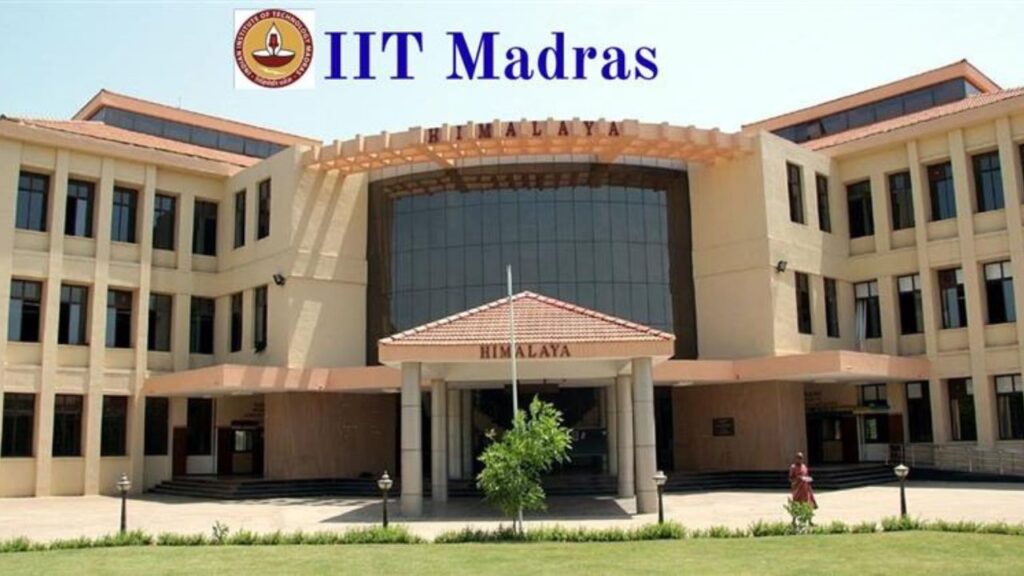
IIT Madras: One of the best Indian Institute of Technology which provides the best research and technical programs to the students. With your potential of learning and innovative mind, you can get the facilities such as education quality, faculty support, and placement opportunities to build your stable career. Ideal for students who are interested in engineering programs including B.tech, M.Tech, MS, PhD, etc. 

Fee (Approx.)Rs. 65,402 to 11,5402 per semester
M.Tech SpecializationsAerospace, Biomedical, Chemical, Civil, Computer Science, Electrical, Mechanical, Applied Mechanics, Metallurgical, Polymer Science & Technology, Marine, Biotechnology, Industrial Mathematics & Scientific Computing
Placement %75%+
Top Sectors Qualcomm, Microsoft, Tata, Google, Morgan, Infosys, Capital One, Apple, Reliance, Boston
Average to Highest Salary PackageRs 9 to 54 LPA

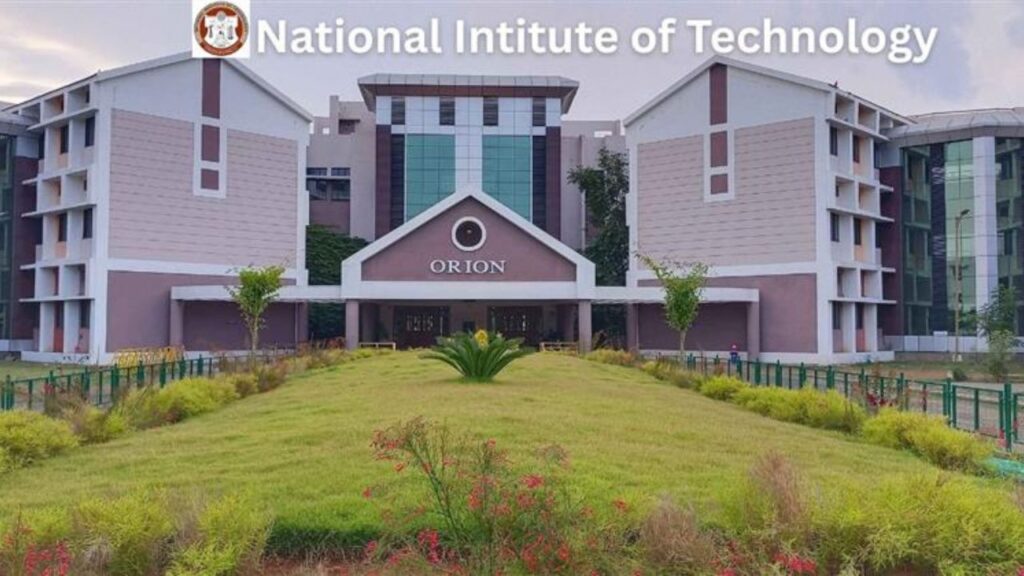
NIT Trichy

NIT Trichy

NIT Trichy: There are many NITs but this one is located in Tiruchirappalli, its reputation is just higher than all the other NITs. Whether you want to pursue B.Tech, M.Tech, BS, MS, or many more courses which not only provide you best education but also practical training, placement opportunities, and faculty support. Students can apply for admission to build their careers in engineering masters programs for more high salary packages. 

Fee (Approx.)₹70,000 – ₹1,25,000 per semester
M.Tech SpecializationsStructural Engg, Thermal, VLSI, Data Analytics, Power Electronics, Manufacturing, Transportation Engg, Computer Science, Communication Systems
Placement %85%+
Top SectorsInfosys, Deloitte,  Intel, Capgemini, Amazon, Texas, Amazon, Dell, HCl, TCS
Average to Highest Salary Package₹9 to ₹49 LPA

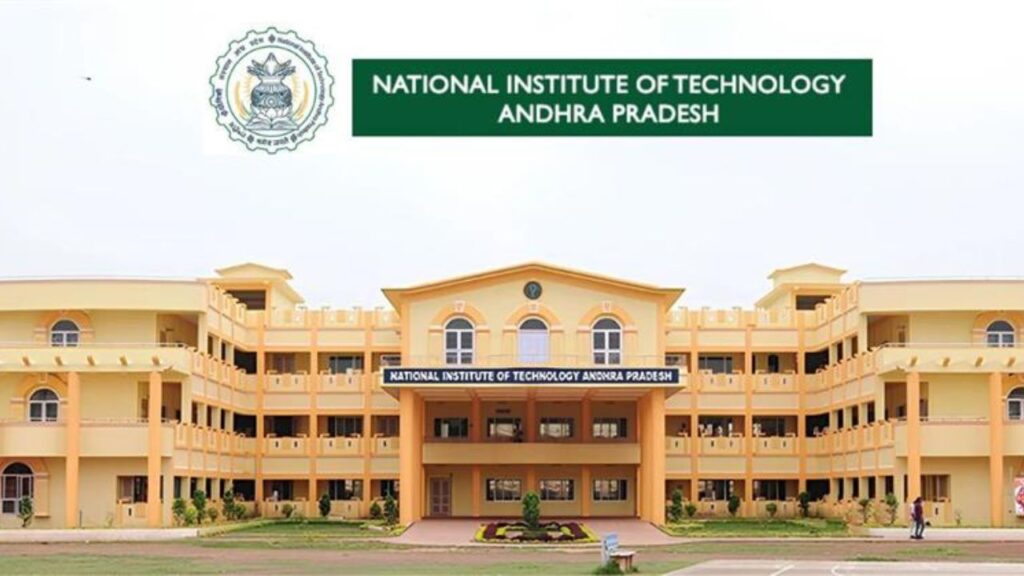
NIT Andhra Pradesh

NIT Andhra Pradesh

NIT Andhra Pradesh: It’s a fast growing NITs and rapidly making its reputation high. With supporting faculty and government, its placement rate becomes good and it is evolving in the advanced courses to keep students industry ready. These are the main factors for NIT to become the most successful and best top engineering college in India. It also gives chances to the students for international offers.

Fee (Approx.)₹62,500 – ₹1,12,500 per semester
M.Tech SpecializationsPower Electronics, Geotechnical Engg, Manufacturing, Communication & Signal Processing, Computer Science
Placement %60%+ (still developing)
Top SectorsInfosys, Wipro, Cognizant, TCS, Tech Mahindra, Byju’s
Average to Highest Salary₹5 to ₹18 LPA

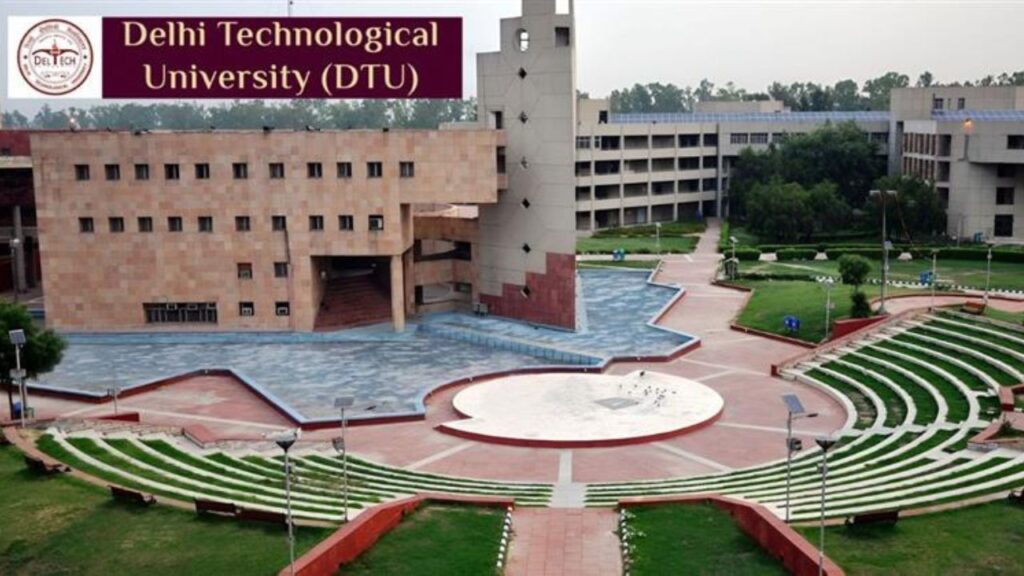
Delhi Technological University

Delhi Technological University

Delhi is the best option for students to start their journey to make a bright career as it is convenient for middle class people. If you want to pursue a valuable degree in engineering, especially masters then Delhi Technological University is best for students. Here you got industry exposure, coding culture, and hiring from top companies.

Fee (Approx.)₹90,000 – ₹1,60,000 per semester
M.Tech SpecializationsSoftware Engg, Control & Instrumentation, VLSI Design, Thermal Engg, Structural Engg, Signal Processing
Placement %90%+
Top SectorsGoogle, Microsoft, ZS, Adobe, Flipkart, DE Shaw, Samsung, Hero, Qualcomm
Average to Highest Salary₹10 to ₹60 LPA

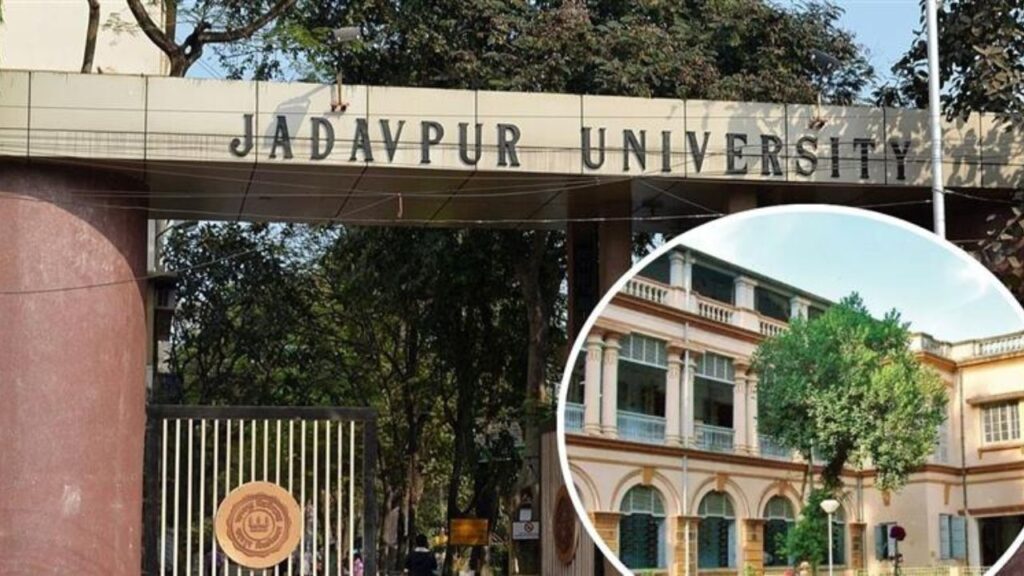
Jadavpur University

Jadavpur University

Jadavpur University: The best university for technical studies, students who don’t want just a degree but also want to grab hands-on research and innovation environments then it is best. It offers rigorous facilities and academic culture to engineering students with low fees and impressive placement opportunities. 

Fee (Approx.)₹2,400 – ₹6,000 per semester (Yes, it’s that low!)
M.Tech SpecializationsChemical, Civil, Electrical, Food Technology, Instrumentation, Power Engg, Mechanical, Computer Science
Placement %80–85%
Top SectorsMicrosoft, Tata Steel, Cognizant, GAIL, Wipro, Tata Steel, Siemen, Flipkart, OLA, TCS, Orient
Average to Highest Salary₹6 to ₹45 LPA

NIT Karnataka 

NIT Karnataka 

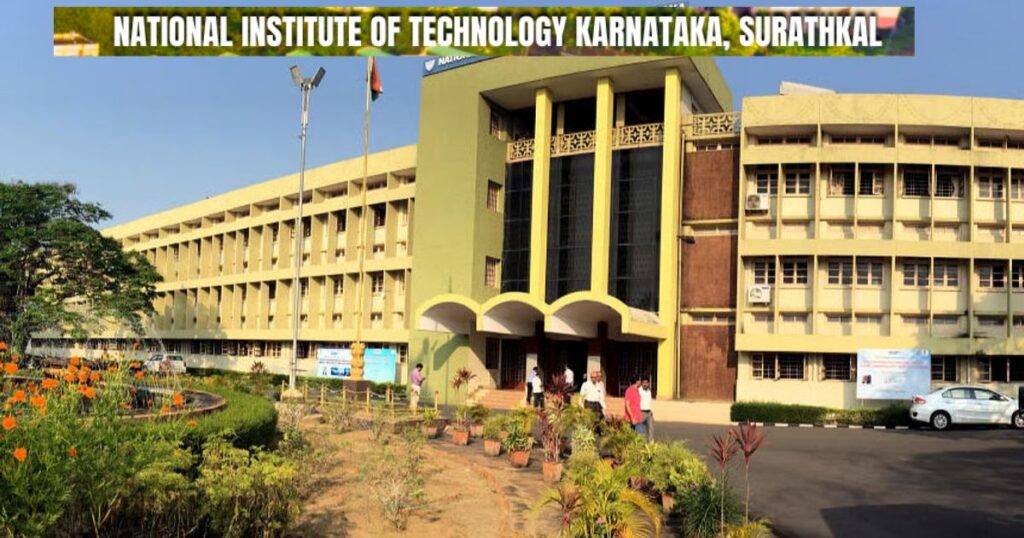
NIT Karnataka: Students can also choose NIT according to their convenient location because it is situated in many states. NIT has already made a good impression in industries both national and international because of its perfect culture of education and research in technical science. MTech from NIT can give you the chance to settle in a large company with an average salary package of Rs. 50 LPA.

Fee (Approx.)₹65,000 – ₹1,20,000 per semester
M.Tech SpecializationsMarine Structures, Machine Design, Digital Electronics, Signal Processing, VLSI, Power Systems, Structural Engineering, Computer Science
Placement %90%+
Top SectorsMicrosoft, Oracle, Amazon, Bosch, L&T, Qualcomm, Cisco, Texas Instruments
Average to Highest Salary Package₹10 to ₹52 LPA

Read More 👉 Medical vs Engineering: Which Career Will Make You More Successful in 2025

Anna University
Anna University

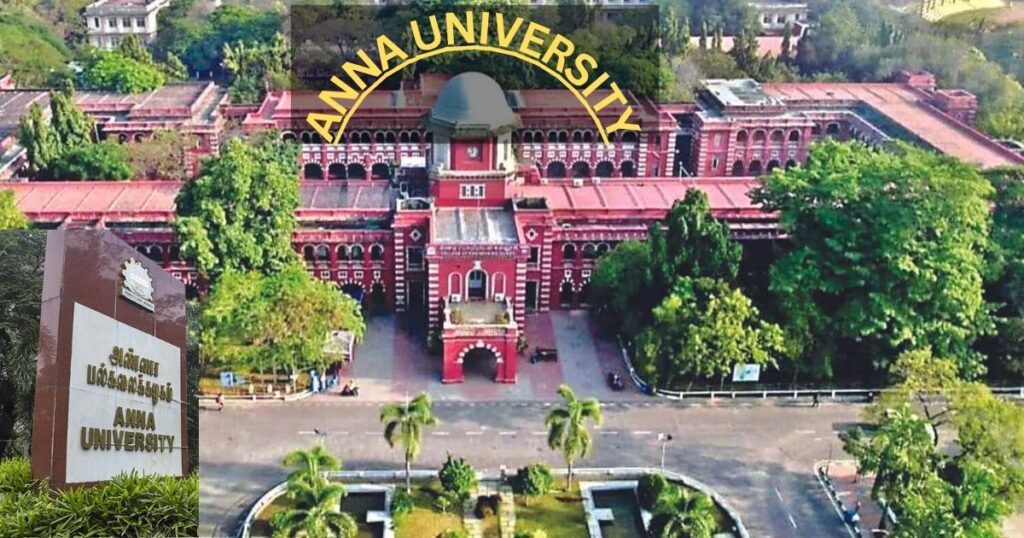
Anna University: This university is located in Tamil Nadu which is the best in all over the state because engineering students who have pursued their technical degrees are also mentioned that they provide the best education with research-oriented facilities. Campus also offers excellent technical fests that help students to cover extra knowledge to use in industries.

Fee (Approx.)₹15,000 – ₹30,000 per semester
M.Tech SpecializationsEnvironmental Engineering, Structural Engineering, Remote Sensing, Embedded Systems, Industrial Engineering, Power Systems, Bio-Medical
Placement %75–80%
Top SectorsZoho, Wipro, TCS, Mahindra, Tata, L&T, Cognizant
Average to Highest Salary Package₹6 to ₹22 LPA

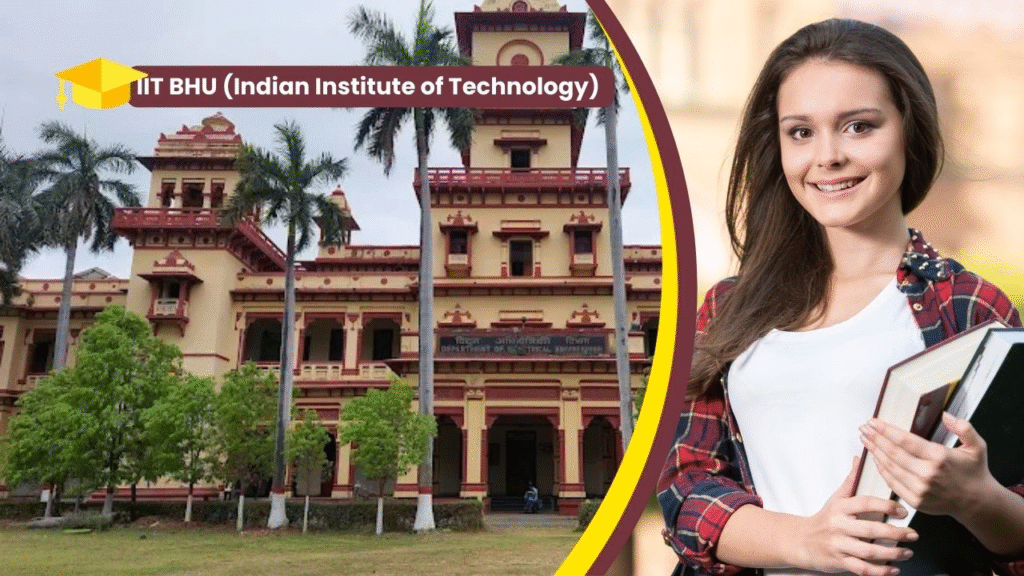
Banaras Hindu University, Varanasi

Banaras college

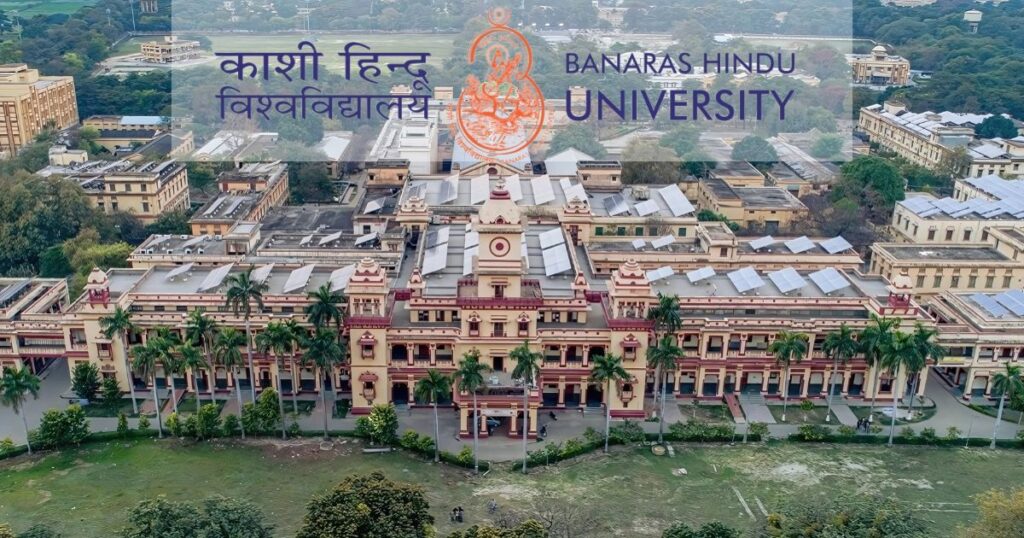
BHU campus is huge and provides the best educational environment for students who want the best education in chemical, electrical & metallurgy engineering. Most of the colleges don’t provide a strong faculty and innovation area for these fields of engineering. So, BHU has a strong hand in this kind of field which makes it unique for students.

Fee (Approx.)₹75,000 – ₹1,25,000 per semester
M.Tech SpecializationsCeramics, Metallurgy, Structural Engineering, Chemical Engineering, Computer Science, Electrical Machines, Material Science
Placement %85%+
Top SectorsGoldman Sachs, Google, Tata Steel, Paytm, Microsoft, Infosys, Oracle
Average to Highest Salary Package₹10 to ₹45 LPA

Aligarh Muslim University

Aligarh Muslim University

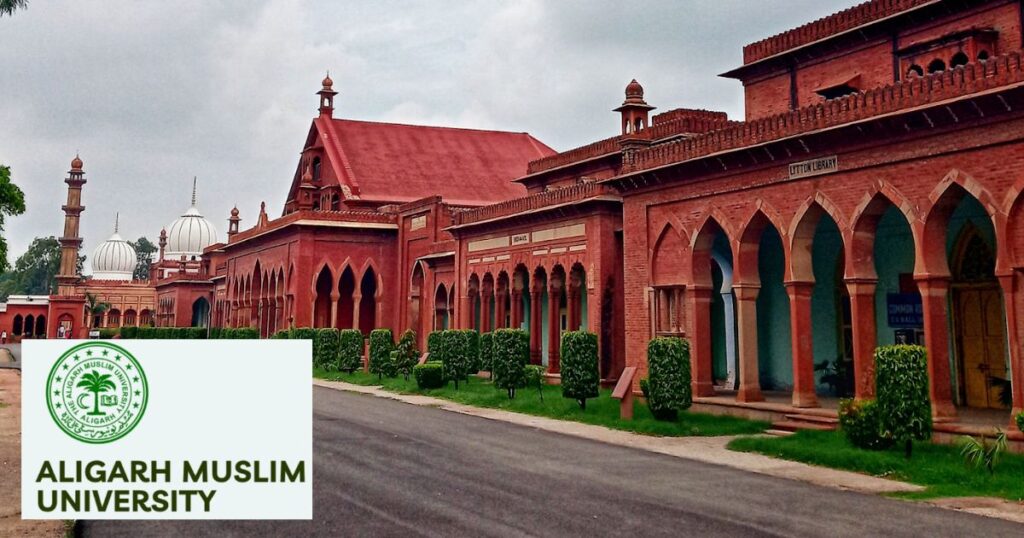
Aligarh Muslim University: This is the biggest university which offers a diverse range of courses in every field. Engineering is one of its best departments, ideal for students who want to get the best education with rich resources like placements and research facilities in the campus. It delivers core engineering programs at low fees. No limitation for students who want advanced engineering learning but don’t have that kind of money.

Fee (Approx.)₹6,000 – ₹15,000 per semester
M.Tech SpecializationsElectrical Machines, Structural Engineering, Thermal Engineering, Electronics, Environmental Engineering, Civil, Mechanical
Placement %65–70%
Top SectorsPublic Sector Units, Wipro, TCS, Byju’s, Indian Railways, DRDO
Average to Highest Salary Package₹5 to ₹20 LPA

Conclusion

By exploring these top government MTech colleges in India can help you to decide which college you can prefer to go. The decision does not depend on the single factor but all the factors such as your budget, location, and career stability matters while deciding for your professional degree. 

IITs and NITs are the best engineering colleges all over India but other government colleges is also provide you the best quality education and other benefits. 
Leave a Comment

Your email address will not be published. Required fields are marked *

ICSI CSEET Result 2025 OUT: Direct Link to Download July Scorecard Now!

ICSI CSEET Result 2025 OUT

ICSI announced the results for the Company Secretary Executive Entrance Test which was held 5th & 7th of July. candidates who are present in ICSI CSEET exam can now check their result through the link in the article. You can see your subject-wise scores in a scorecard, subjects included Quantitative aptitude, Reasoning and General awareness, Business communication, legal aptitude, and business environment. 

Candidates must secure a 40% score in each subject for clearing this exam and 75% students have passed in may session. Candidates can re appear in the examination when the next session is announced in November 2025.

Highlights of the ICSI CSEET Result 2025

Exam NameCSEET 2025

Conducting Body
Institute of Company Secretary of India
Exam Date05 & 07 July, 2025
Result ModeOnline
Official WebsiteClick Here

ICSI CSEET Result 2025 – Important Dates

ICSI CSEET Result Date16/July/2025
Registration Starts for November 16/June/2025
Last Date for November Session15/October/2025
CSEET November Exam Date9/November/2025

Read More 👉 TS POLYCET Seat Allotment 2025 Phase 1 Declared – Check Your College Now!

Steps To See Scorecard For ICSI CSEET 2025

To check the result, you can simple go to the ICSI website:

  1. Find the July Result 2025 Link (mostly present on the notice section).
  2. Once the link is active you can click on it
  3. The page will appear to enter your ID and DOB. 
  4. After log in check the Result of ICSI CSEET 2025.
  5. Download and save it on your device.

ICSI CSEET 2025 Eligibility

  • 12th completed OR entered in the graduation students are eligible for the exam.
  • Only those who have a bachelor’s degree are eligible to apply directly for the CS executive position.
Important Dates
Result noticeClick Here
Download ResultUpdate Soon
Official WebsiteClick Here

Leave a Comment

Your email address will not be published. Required fields are marked *

B.Sc Agriculture Government Jobs – Career Options, Salary & Exams

B.Sc Agriculture Government Jobs

B.Sc Agriculture Government Jobs offers high salary, security, and professional growth then consider applying in the government sector. In India, government jobs offer many additional perks that private jobs can’t offer. BSc Agriculture opens you a vast range of options in the agricultural sector of India, it offers roles based on research, administration, and field officers.

But getting selected for one of the government jobs is really tough. By preparing hard and strategically, you can achieve your goal. 

Students who have a background in agriculture can be appointed to these roles including Agriculture Officer, Lab Assistant, Forest Officer, AFO, and Specialist. However, clearing out the competitive exams for these roles is still a big deal. 

There are various job opportunities in different sectors like rural development, agriculture research, and many more. Those who are interested in working in agricultural development can take these job roles. 

B.Sc Agriculture Government Jobs – Best Career Options

The field of agriculture offers many options for career, especially in the government sector. You can explore jobs in agriculture that offer stability, high salaries, and contribution to the nation’s development. B.Sc students can grab any of the options in which they find interest. But choosing the job which aligns with your skills is the right decision.

Agriculture Officer 

The Agriculture Officer works for agriculture production by providing techniques and advice to the farmers. To get potential output they implement government policies. 

ResponsibilitiesGood crop selection, pesticide control techniques, irrigation, agriculture development schemes implementation, and inspections.
Recruitment ExamIBPS SO or state-level exam
Salary RangeRs. 40,000 to Rs. 70,000 per month

National Seed Corporation Roles

In this category, there are various roles for BSc Agriculture graduates including Seed Analyst or Assistant Manager. But overall work is related to maintaining seed quality and production of the field.

ResponsibilitiesEnsuring Quality and production, Seed certification, and promoting certified seeds.
Recruitment ExamNSC recruitment exam
Salary RangeRs. 35,000 to Rs. 65,000 per month

Agriculture Research Scientist

Agriculture Research Scientists are very helpful to this industry, they focus on research to provide better options for farming and resolve problems in agriculture.

ResponsibilitiesResearching, innovating, developing varieties of crops, and experimenting with disease-resistant crops.
Recruitment ExamICAR ARS/NET recruitment exam
Salary RangeRs. 60,000 to Rs. 80,000 per month

Field Officer in Fertilizer and Agricultural Companies

There are multiple companies in the public sector that work for agriculture fertilizers and agri-inputs to ensure proper seeding of the crops. The field officer is responsible for distributing them properly in all the different lands. 

CompaniesIFFCO, NFL, and FCI 
Recruitment ExamCompanies recruit field officers through separate exams
Salary RangeRs. 35,000 to Rs. 60,000 per month

State Agricultural Department

Students after BSc in Agriculture can work in different roles for the state agricultural department. The work in these departments is rural development, implementing welfare schemes, and providing field support to farmers.

PostsTechnologists, Agriculture Officer, Development Officer
Recruitment ExamRecruitment through PSC exam
Salary RangeRs. 30,000 to Rs. 55,000 per month

Read More 👉 Government Job vs Private Job: Which Career Offers a Better Future in 2025?

Other Career Options After B.Sc Agriculture

Further Studies: Students can pursue a masters degree in agriculture for more professional growth. Acquire specialization in Agronomy, soil science, and plant breeding can help them solve bigger problems in the agriculture sector. 

Private Sector Jobs: Agro-based companies can hire candidates with a BSc in agriculture for food processing firms, and biotech-related roles.

Entrepreneurship: Start-up ideas are good in the agricultural sector, if you are interested in this, there are options like farming ventures, organic farming, and agritech businesses.

Competitive Exams: UPSC exams like IFS Indian Forest Service will help you get a better job in the government sector with a high salary and additional perks.

Additionally, BSc Agriculture graduates can work as Block Development Officers, Plantation Managers, Food Safety Officers, and Agricultural Banks. These roles can pay you enough to settle down but the starting salary range is not high, 3 to 7 lakh per annum for beginners, it will increase with experience.

Core Agricultural RolesAgricultural Officer, Field Officer, Plantation Manager, Agriculture Technologist
Research & InnovationICAR Scientist, Junior/Senior Research Fellow, Agricultural Research Assistant, Project Associate, Plant Breeder, Animal Breeder, Seed Technologist
Business & Market-FocusedAgricultural Analyst, Agricultural Sales Officer, Marketing Executive
Agricultural Bank JobsLoan Officer, Rural Development, Field Officer, Junior Associate, Probationary Officer.

Teaching and Research Scientist Government Jobs

Many students like to teach and research while being interested in agriculture or farming. Students can get a different post in government jobs. Becoming a teacher in agricultural universities is a great option but check the selection process to get every detail and be prepared. The Pay scale range is Rs. 40,000-70,000 per month. You can level up your position to senior lecturers or researchers. 

Why Pursue a BSc Agriculture

BSc Agriculture is designed to shape students’ skills to become professionals in their respective roles. To achieve your goal, whether it’s research, entrepreneurship, or field officer. You need to polish your skills to keep the agricultural industry on the right track. Providing the best options to minimize the risk and new challenges with crops.

High Demand: With growing demand for food, India has a very large production of food crops. So, it required advancement in the agricultural industry to fulfill the need for crops. 

Good Salary: The average salary package for technologists is 3 LPA and Agriculture Officer is around 9 LPA. The Indian population’s livelihood depends 40% on agriculture. 

Affordable Education: BSc Agriculture is a budget-friendly course. Anyone can afford it, the fee range is 15,000 to 1,00,000. 

Conclusion

BSc Agriculture Government Job is a seamless offer for students to make an impactful career. It opens up a gate to many roles from research and fieldwork to administration and entrepreneurship. This field is largely to secure a job in any role. Students can apply after graduation through competitive exams. These jobs not only provide financial security but a chance for professional growth and future security.

Leave a Comment

Your email address will not be published. Required fields are marked *

Regular vs Distance Education: Which Is Better for You?

Student comparing Regular vs Distance Education with books and a laptop, symbolizing classroom learning and online flexibility

Choosing the right educational path after 12th with any stream is confusing. Many students want to work while pursuing their higher education and some of them want to focus on their studies properly. Regular vs Distance Education is best in their own perspective, whether you have an educational background in science, commerce or arts. Let’s look into this topic further to differentiate both the topics in more detail. To resolve the confusion, analyze – Which one holds more value? Which option is best for your career? 

I have seen many students and parents discussing this issue and get confused. Let me tell you one thing, it depends on your degree. Theoretical degree – you can get from distance but not MBBS or B.Tech because it requires practical experience.

In this article, we will look at both options by giving every detail of both education, so you can make a smart choice that fits your life, your goals, and your budget.

What is Regular Education?

Think of regular education as the traditional “college life” you see in movies. You have to:

  • Attend classes on a fixed schedule.
  • Go to a physical campus every day.
  • Talk and be responsive to your teachers and classmates face-to-face.
  • Some colleges are strict about the 75% attendance percentage.

Students who aim to learn not from just books but also from being part of a college community, participating in events, and living the campus life. 

What is Distance Education?

Distance education, also known as Open and Distance Learning (ODL), is all about flexibility. 

  • You study further in your choice of career from anywhere in India.
  • Take resources at your preference such as online materials, videos, and books.
  • You can study at your preferred time and have no issues with attending daily classes.
  • No face-to-face Interaction with teachers and students. Interaction happens mostly on online platforms or weekends.
  • You can manage work and study parallely. 

Top government-recognized universities like IGNOU and private ones like Symbiosis are offering distance education in India.

Quick Comparison for Regular vs Distance Education

FeatureRegular EducationDistance Education
LocationFixed CampusAnywhere in India
ScheduleDaily classesFlexible
CostVery High (Tuition + Living)Very Low (Mainly tuition)
InteractionFace-to-face with teachers/peersVirtual (Online forums, email)
DisciplineDriven by teachers & timetableRequires high self-discipline
Best ForPractical, lab-based coursesTheory-based courses, upskilling

Regular Education – Pros & Cons

Pros:

  • Networking Growth: You can have a chance to grow your network in the same field for more career benefits. Strong relations to both students and teaching can develop your communication skills.
  • Direct Teacher Guidance: You can respond to teacher’s questions and ask them individually to clear your doubt. Some teachers are good at encouraging students for their career.
  • Campus Life: Extra curricular activities and sports can be beneficial for your mental and physical health. Overall development is something you only get on campus.

Cons:

  • Expensive: Some students can’t afford college fees, but they need to hold the degree to grow in their career. 
  • No Flexibility: You cannot work a full-time job if you are attending regular classes. Part-time jobs can give you any experience for your career. If you want to prepare for any competitive exam then distance education is a good option.
  • Relocation for Studies: Students who live in lower regions have to move out for studies and it will be difficult for them.

Read More 👉 BTech vs BSc vs BA in 2025: Which Degree Offers the Best Future Scope?

Distance Education – Pros & Cons

Pros:

  • Affordable: Anyone can afford distance education fees because these are half of the regular degree fees.
  • Earn While You Learn: You can do both at the same time – working full time and take your lessons whenever you get free. 
  • Prepare for Competitive Exam: You can also prepare for the competitive exams.
  • Accessible from Anywhere: A student from a small town can get a degree from a top university in Delhi without leaving their hometown.

Cons:

  • Needs Self-Discipline: You need to focus on self-study because there is no teacher to push you.
  • The Digital Divide: While Improving, Still many students do not have laptop or wifi access to their home for study.
  • Limited Practical Labs: You can pursue master degree or theoretical education from distance education but for engineering and medical, you need hands-on lab experience.

Who Should Choose Regular Education?

  • Recent School Pass-outs (12th Graders): If you are young and want the full college experience, and your family can afford it, regular mode is a great choice.
  • Students Pursuing Technical/Lab Courses: For degrees like B.Tech, MBBS, or pure sciences, the hands-on practical training in a regular college is essential. These courses are not valuable for career and UGC also prohibits them.
  • Structured Environment: Many students are not able to study on their own so they need big support from teachers to help them stay on track.

Who Should Choose Distance Education?

  • Working Professionals: If you are already in a job and want to upskill for a promotion (e.g., getting an MBA), distance education is perfect.
  • Homemakers: women who can’t afford to attend regular classes because of their responsibilities can choose to continue their study from distance education 
  • Competitive Exam Aspirants: UPSC, SSC, Railways or banking aspirants often take a distance B.A. or B.Com degree to meet the eligibility criteria while focusing on their main preparation.
  • Students in Rural: They mostly need to move out for education and some students can afford this, they can get quality education at their doorstep.

Career Scope & Recognition in India

This is the most important part. The University Grants Commission (UGC), the main body for higher education in India, has officially stated that degrees from Regular, Distance (ODL), and Online modes are to be treated as equivalent.

This means if a job requires a B.Com degree, a B.Com from IGNOU is just as valid as a B.Com from Delhi University for applying to that job, including government jobs. In 2025, Indian companies care more about your skills and whether your degree is from a UGC-recognized university, not the mode you studied in.

Universities Delivers Regular & Distance Education

Top Universities for Regular Degree

Read More 👉 MTech vs MBA in 2025: Who Earns More and Why? Find Out Now!

Top Universities for Distance Degree

Top Universities for Both (Distance & Regular)

  • NMIMS 
  • Amity University
  • Lovely Professional University

Conclusion

There is no single answer for this confusion, you must think about the option that aligns with your career, situation and budget.

Choose Regular Education if: 

  • You can afford
  • You are a recent school graduate
  • You want an immersive campus experience

Choose Distance Education if: 

  • You need flexibility
  • want to study while working 
  • limited budget
  • focused on a competitive exam.

In today’s India, both paths can give you a better career if you have developed skills in yourself. There is no 100% guarantee in both education that you can get a placement. What can give you guarantee is your hard work and improved skills. The right path is the one that takes you to your destination without derailing your life.

Leave a Comment

Your email address will not be published. Required fields are marked *

UPPSC APO Admit Card 2026 Out: Check Exam Center and Date

UPPSC APO Admit Card 2026

The wait has ended for thousands of law graduates in Uttar Pradesh. UPPSC APO Admit Card 2026 Out – Download Uttar Pradesh Public Service Commission Assistant Prosecution Officer Hall Ticket at official website of UPPSC. If you’ve been studying the books, memorizing sections of the newly written laws, and keeping track of every notification, this is the “green light” you’ve been waiting for.

The post of Assistant Prosecution Officer (APO) is among the most prestigious posts in the state’s legal system, and with 182 vacancies this year, the competition is fierce as ever. This is your ultimate guide to everything on the admit card, about the exam and how to survive the last days of your preparation. 

Key Dates for UPPSC APO 2026

EventImportant Date
Admit Card Release Date12/March/2026
Exam Date22/March/2026
Exam Timing9:00 AM – 11:30 AM (Single Shift)
Official WebsiteClick Here

UPPSC APO eligibility

Candidates should have done LLB from a recognised university by UGC and approved by Bar Council of India. They should be citizens of India (or in case of special provisions for subjects of Nepal/Bhutan, Tibetan refugees prior to 1962, or certain migrants). The reservation benefits are applicable for the Uttar Pradesh Domicile holders only, rest of the candidates will be treated in unreserved category. 

Age Criteria

From 21-40 years old candidates are allowed for this exam and age relaxation detail given below: 

CategoryAge RelaxationMax Age
SC/ST/OBC (UP)+5 years45
PwD (UP)+15 years55
Women (UP domicile)+5 years45
Ex-servicemenService yearsPer 

The 2026 Exam Pattern

This year is crucial as the syllabus is revised to include the repeal of old colonial-era laws and their replacement with the new Indian legal regimes. The Prelims are a screening test, your marks for them will not get added to your final merit list, but you will have to clear the cut-off for them to be eligible for Mains. 

Prelims Structure (150 Marks)

General Knowledge (50 Marks): This section includes Indian History, National Movement, World Geography and Current Affairs.

Law (100 marks): The big change here is you’re no longer tested on the old IPC, CrPC and Evidence Act, but on the Bharatiya Nyaya Sanhita (BNS), Bharatiya Nagarik Suraksha Sanhita (BNSS) and Bharatiya Sakshya Adhiniyam (BSA).

Add U.P. Police Act and the Indian Constitution both for better preparation.

Beware of Negative Marking! There is a penalty or mark deduction of 0.33 (1/3rd) for every incorrect answer. If you don’t know the answer, you’re usually better off not guessing blindly. 

Follow These Steps to Download Your UPPSC APO Admit Card 2026

The process has been made digital and is fairly simple to execute through the One-Time Registration (OTR). How to download hall ticket without any glitch:-

  1. Go to the Portal: Visit the website of UPPSC.
  2. Locate the Link: Find the “Important Alerts” section. A link will be available to Download UPPSC APO Admit Card 2026.
  3. Input Your Information: To retrieve your hall ticket, you must have OTR number, Date of Birth and Gender.
  4. Confirmation: Type Captcha as is or select Captcha as you are told to from the screen.
  5. Download, Print and Save: As soon as your admit card is displayed on your screen, download it. 
  6. Pro-tip: Print at least 2–3 copies. Put one in your bag, one in your house for backup. 
CategoryFee (₹)
General/OBC/EWS125
SC/ST/Ex-Servicemen65
PwD25

Selection Stages

  • Preliminary Exam: Paper objective type with negative marking (150 marks, 2 hours) on General Knowledge and Law; only for screening, with 0.33 negative marking.
  • Mains Exam: 500 marks of question paper came which you have to solve in Descriptive manner. It contains law and general studies questions and its important one as the marks are included in the final merit list.
  • Interviews (50 marks) are given on the basis of their interview which is conducted mostly on legal knowledge, communication and suitability.

Read More:- Indian Navy Agniveer SSR / MR Recruitment 2026: Eligibility, Dates, Salary & Apply Online

Merits Stage-Wise

StageMarksPurpose
Prelims150 (qualifying)Screening
Mains500Core evaluation
Interview50Personality 

Success Roadmap

Next StepsAction
TodayDownload/print admit card (OTR no. + DOB needed)
Daily (Mar 16-21)2 mocks + weak area revision (new laws priority)
Exam DayCarry ID and Admit Card, Arrive on Time

Preparation Tips

It’s important to prepare well for 150-mark prelims as it’s an entry gate for the mains and avoid guesses because of 0.33 negative marking. After prelims, focus on descriptive Mains (500 marks) where your legal depth will shine, and an interview of 50 marks that tests clarity and conviction. You’ve already the qualification, and you have paid the fees, and you’ve cleared the first hurdle — now take the plunge with discipline for one of 182 most coveted legal posts in UP. 

Conclusion

The UPPSC APO Admit Card 2026 release is coming near and it is a final chance for those follower who is wants to get 182 APPO post in Uttar Pradesh. The exam is set to be held on March 22, so candidates can now gear up for their last phase of preparation by revising important legal concepts, attempting mock tests, and making sure that they have all the requisites for the exam day. 

Leave a Comment

Your email address will not be published. Required fields are marked *

BSc Emergency and Trauma Care: Get Trained to Serve in Emergencies

BSc Emergency and Trauma Care

In the intense hospital setting, there is a place where seconds count and the word “routine” hasn’t been uttered in years. It’s the Emergency Room (ER) after BSc Emergency and Trauma Care. Although the faces with which we most commonly associate life saving are those of the doctors and nurses, there is an equally specialised group of para-professionals working with them: Emergency and Trauma Care Technologists.

Requirement for BSc Emergency and Trauma Care

A candidate must possess 10+2 in Science (PCMB/PCMC) & it’s important to know that some colleges asked for a 45%- 55% minimum score. This course prepares students to pursue a career on an emergency basis like when an urgent requirement of a doctor arise in an emergency room, on an operating table etc.

English is normally compulsory subject in class 12th and you should be minimum of 17 years of age at the time of the admission, medical fitness certificate is also required at times. 

Duration and Course Subjects

The 3-­4-year BSc Emergency and Trauma Care course enables students with the necessary skills and knowledge to deliver care to the traumatized and the emergency patient. The content sequentially increases in complexity starting with the basic sciences and advancing to clinical interventions.

The following topics are repeatedly addressed:

Basic Sciences

  • Human Anatomy 
  • Physiology 
  • Biochemistry 
  • Pathology 
  • Microbiology

Emergency Care 

  • Emergency Medical Services 
  • Pre-hospital Trauma Life Support 
  • CPR & Airway Management 
  • Hemorrhage Control

Clinical Emergencies 

  • Medical Emergencies 
  • Trauma & Surgical Emergencies 
  • Pediatric and Special Population Emergencies 
  • Critical Care Technology

The program is focused on theoretical and clinical training, designed to equip students to manage high-stakes trauma environments with both assurance and thoroughness. 

Semester Breakdown

SemesterCore Subjects
1st/2ndAnatomy, Physiology, Biochemistry, Intro to EMS, Pharmacology
3rd/4thMedical Emergencies, Trauma Emergencies, Pathology, Biostatistics
5th/6thDisaster Management, Patient Monitoring, Advanced Life Support

Mail Skill You Must Have

While the “BSc” part of the title sounds academic, the job is deeply emotional. You will become a patient’s life-saver on the worst day of their life.

Empathy in the moment is a talent they don’t always rate you on, but it’s the most important one you’ll have. You’re not just treating a body but also confronting the panic and worry and sorrow of the people surrounding it. Those relatives, too, are often in over their heads, and those patients are frightened. You’ve got to be a genuinely kindhearted person to remain calm, tell them everything will be all right and comfort them while you are doing something like firing up a ventilator.  

Career Goal 

The demand for graduates from the BSc Emergency and Trauma Care course continues to grow within the health care industry, with opportunities for employment with both public and private providers, transport­ focused roles in emergency situations, and roles such as the immediate stabilization of patients. It is one of the best courses which open your professional way with good packages because experience in this field has many different responsibilities. 

Roles & Responsibility 

RoleResponsibility
Trauma TechnicianTake part in Trauma Cases with surgeons and ER doctors to stand as a pillar on saving lives.
Emergency Medical Technician (EMT)Quick Response to save life’s on the spot emergencies techniques. 
Flight ParamedicWorking on air ambulances or rescue helicopters for remote locations.
Critical Care AssistantManaging patients in the ICU who require constant monitoring.
Disaster Management OfficerWorking with Social Work Organisations like NGOs or governments to plan responses to natural disasters.

Top Employers

SectorExamples
HospitalsApollo, Fortis, Max Healthcare, Medanta
Ambulance ServicesGVK EMRI, Air Ambulance
Government/OtherIndian Red Cross, Fire Department Emergencies, Disaster Organizations

Jobs Salary After BSc Emergency & Trauma Care

The BSc Emergency and Trauma Care salary in India varies as per the job position, skills, experience, work location (metros like Delhi, Bangalore provide higher salary) and type of the company. For 3 to 5 years of experience, the salary can be 5 — 8 lakhs per year along with allowances for shifts or overtime. 

Salary by Role

RoleFresher Salary (₹/month)Experienced salary in LPA
Emergency Medical Technician20,000-40,0003-7
Trauma Care Technician25,000-50,0005-8
ER Coordinator30,000-55,0005-9
Disaster Specialist40,000-70,0006-10

How to Get Government Jobs After This Degree

For government job after BSc Emergency and Trauma Care, concentrate on the paramedical recruitment in state health departments, NHM, and hospitals as these are the very places that consider this as a preferred degree for EMT and trauma-related Jobs.

Preparation includes watching portals, acquiring certifications such as BLS/ACLS, and passing written tests or interviews. 

Steps to make a career in government healthcare or allied services: 

  1. Get updated: Get into the habit of visiting the official websites regularly i.e. NHM, State Health Society, ESIC, AIIMS, and 108 Ambulance Services. These sites raise alerts for complainants for job notification, recruitment-related news and other information which might help you get one step closer to your dream job.
  2. Boost your profile: Having professional certification can do wonders in polishing up your resume. Courses like BLS (Basic Life Support), ACLS (Advanced Cardiovascular Life Support) and ITLS (International Trauma Life Support) bring weightage to your profile. Along with these certifications, relevant field experience 1-2 years will make a great difference in your selection. 
  3. Apply and Prepare: Apply online for exams that generally comprise multiple choice questions (MCQs) on anatomy, emergency care, and general information. 
RecruiterRoles7th CPC Salary
NHM/State Health Societies EMT/ParamedicRs 25500—81100 at Level-4 Rs 35400—1,12,400 at Level-6 
AIIMS/Government Hospitals and ESICTrauma Technician, ER AssistantRs 25000—50,000 entry role
Armed Forces/Disaster BodiesAmbulance TechnicianVaries by level

The Future of Emergency Care

As medicine becomes more specialized, the need for full-time trauma providers is growing exponentially. We are going from “general” care to “specialized,” rapid response. With the advent of smart ambulances and telemedicine, an BSc Emergency and Trauma Care alumnus is no longer a mere “aide”, they are a high-tech clinician leading the cutting-edge of medicine.

 Read more: MPESB Group 5 Paramedical Recruitment 2026

Conclusion

A BSc Emergency and Trauma Care is not just an academic qualification; it is a key which opens the door to the human condition. It is a profession for the strong, the fast-thinking and the kind. If you’re looking for a career in which you’ll keep on learning, and where you can tell people, “You really needed me today,” this is the road for you. 

Leave a Comment

Your email address will not be published. Required fields are marked *

Scroll to Top