Meet the Best Current Affairs Teacher for SSC CGL Who Can Boost Your Score

For the students preparing for the SSC CGL exam, the Current Affair section is important to cover up. Many students think that it is an easy section and it will get your score with a little preparation and strategy. These Best Current Affairs Teachers for SSC CGL will help you make every update remember their context. 

They’re not only helping you in keeping updated but they also gave you SSC CGL relevant current events which can come in the exam. Check news daily, read newspaper or e-news, follow social media news channels, read magazines and make revision for each topic.

Previous year papers might be not helpful so try mock quizzes and practice questions daily. These teachers have also shared a lot of MCQs, you can try and improve your speed and accuracy.

You better be consistent through your preparation, otherwise it won’t be helpful if you forgot everything you learn.

Gaurav Sir (Adda247)
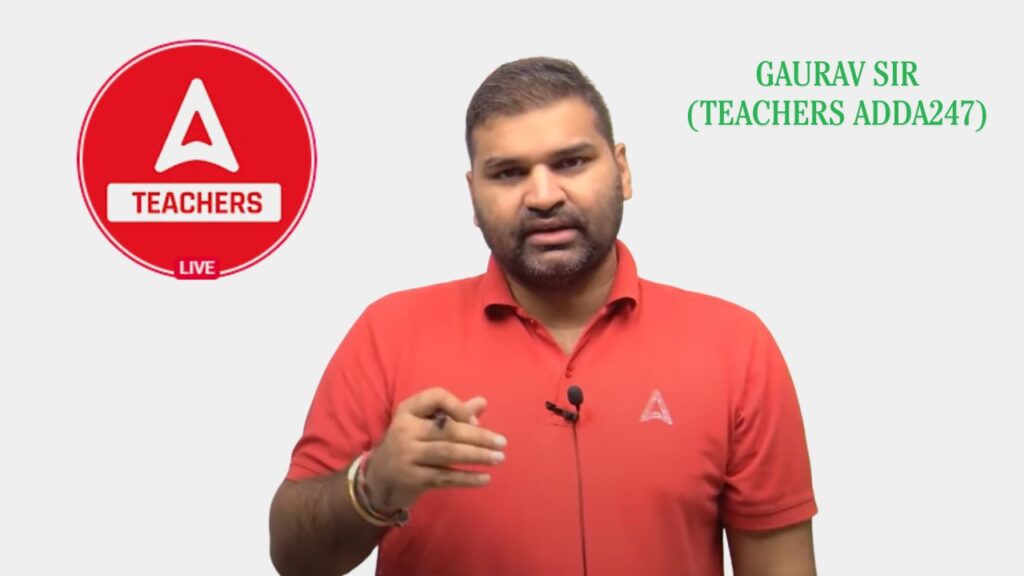
Gaurav Sir (Adda247) best current affairs teacher for SSC CGL preparation

Gaurav Sir is known for his ability of connecting current events to static GK which help students to memorize everything. He encouraged a comprehensive understanding of current events rather than just rote memorization. His engaging and interactive teaching style involves deep explanations and real-life examples to elaborate concepts that help understanding complex topics easily.

Ideal for those students who want to understand the “why” behind the news. Gaurav Sir will help you to understand every topic beyond the headline. He is teaching serious topics in a friendly way that will be remembered by every student with a deep understanding of context. He also provides revision classes to keep tracking the previous sessions.

Richa Sharma (Parcham Classes)

Richa Sharma is best to help SSC aspirants for concise and exam-oriented preparation. Richa Ma’am’s teaching style is clear and structured which helps every student to understand current events that are relevant to SSC CGl. She specifically makes point-to-point notes for easy memorization and applies other techniques such as mnemonics to help in revision.
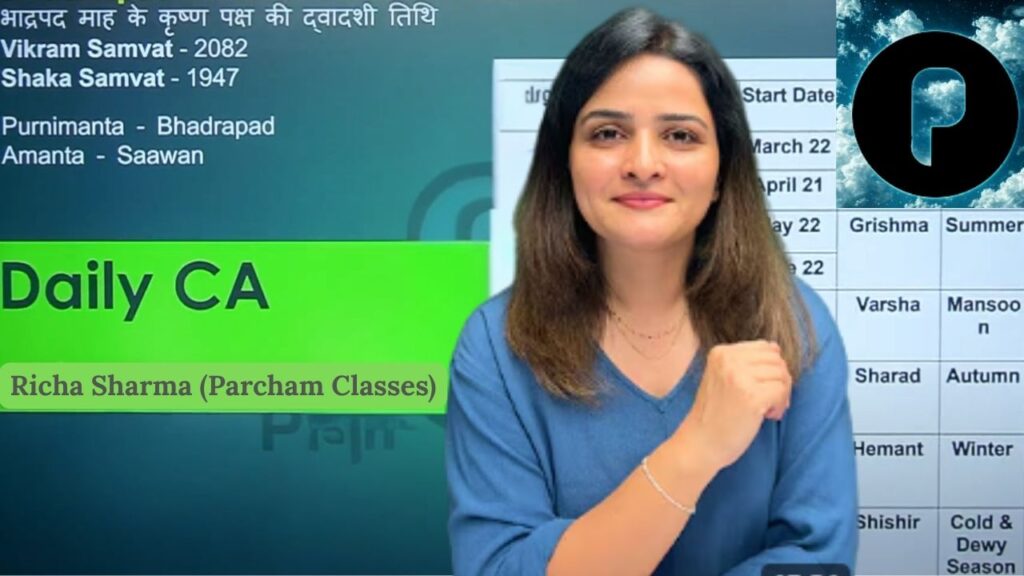
Richa Sharma (Parcham Classes) best current affairs teacher for SSC CGL

She is best for those students who prefer to prepare the current affair section with less time & efforts. It’s hard for many students to remember dates, names, and numbers. Richa Ma’am fits them because she uses simple flowcharts and bullet points to simplify the topic. You can easily remember them and cover all the topics within a short period of time.

Bhunesh Sharma (Class24)

Bhunesh Sharma is experienced and popular for his lucid explanation which helps to understand complex topics of current affairs easily. He uses visuals and diagrams in its teaching to memorize every concept. Most importantly, it’s easily available for every student who is preparing for the SSC CGL Exam. 
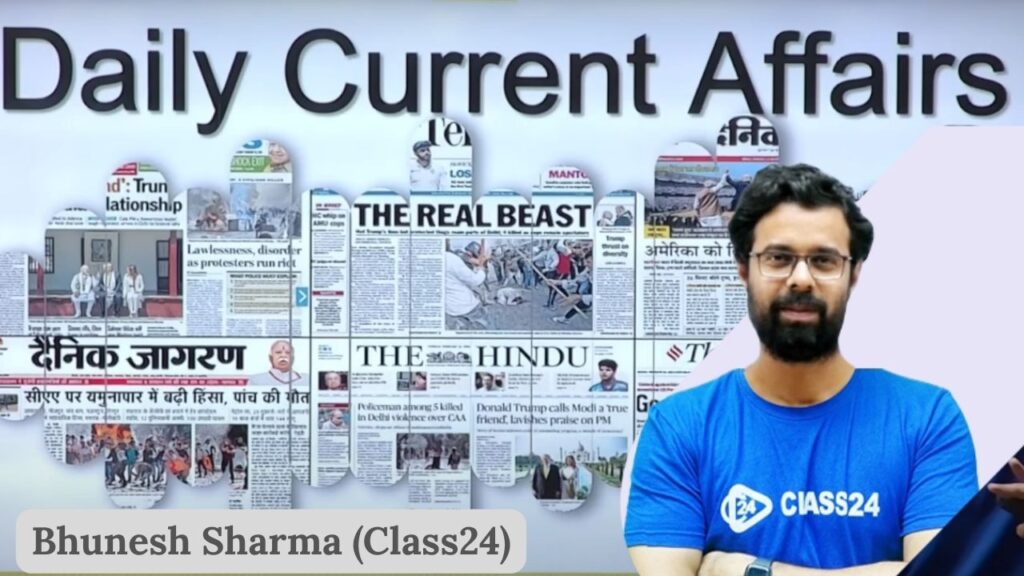
Bhunesh Sharma (Class24) best current affairs teacher for SSC CGL

If you have a problem in understanding current affairs then Bhunesh Sir is best, he simplifies every topic with his friendly teaching style. Be ready for the In=depth analysis on a complex topic which can help you understand its core reasons, making you able to solve every question confidently.

Gaurav Maurya from Testbook

For daily current affairs updates, watch Gaurav Maurya sir lectures because he gives updates in a very good explanation which helps many students to understand it. The factual accuracy and exam relevant topic in his sessions makes it a more precise choice for SSC CGL aspirants. He will prepare you for the exam in a short period of time.

Gaurav Maurya from Testbook best current affairs teacher for SSC CGL

He focuses on relevant information which can come in the SSC’s objective exam. Students can score well in current affairs sections if they cover all the Gaurav Maurya sessions. He prepares students for the competition with quizzes and practice questions in his classes. You can get all the daily information in one place. 

Krati Ma’am by SSC Wallah
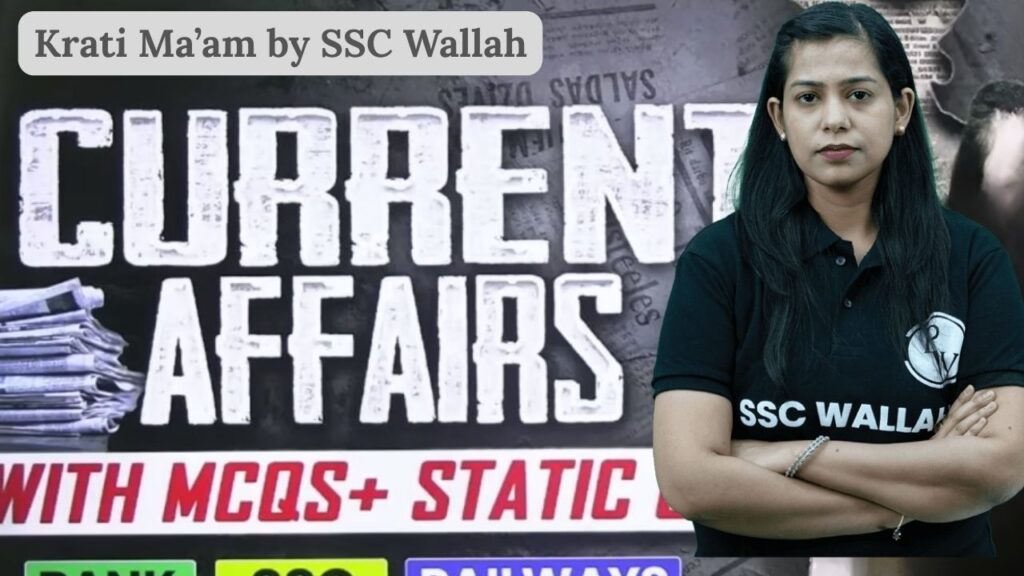
Krati Ma’am by SSC Wallah best current affairs teacher for SSC CGL

Krati Ma’am is a perfect teacher for students who get bored easily. Her intrusive way of teaching can help SSC CGL aspirants to memorize each current affairs topic with interactive elements and discussion. She keeps you motivated for your preparation and guides you through the entire session. 

Her fun and energetic session is excellent for students who get distracted easily. Krati Ma’am focuses on motivating and encouraging students to follow their journey with focus and positivity. Her teacher methods including storytelling, playing quizzes, and interactions are excellent. 

Finding Your Ideal Current Affairs Guru: A Personalized Approach

It is hard to find the best teacher for current affairs. This section seems easy but it is not, many students try so hard to remember each event but can’t help themselves. A short guide to help you make a right choice:

Know Your Needs

Level of Understanding: Current affairs is your weakness or you are a  beginner then understanding each and every thing with deep-analysis is important.

Time Commitment: Each subject needs time but decide how much time you can give to the Current Affairs section to cover every topic.

Learning Style: Know which teaching style helps you understand complex topics easily — engaging, visualising, or quick facts.

Exam Focus: These SSC CGL focused teachers can help you prepare fast and easily, you just have to know which one can simplify fast for you. 

Explore and Experiment

Watch Demo Lectures: if you are still confused which one is right for you, watch demo sessions of a few teachers so you can see their teaching style.

Check Reviews and Testimonials: Many students who have already taken their lectures have shared their feedback on social media. You can have their opinion.

Consider Multiple Sources: once you select any teacher, it doesn’t mean you can’t access another teacher’s resources or study material. You can take one or two teachers’ lessons and notes to get well-rounded daily updates.

Evaluate Effectiveness

Assess Your Retention: practice questions and solve test series to know about your memorization. It helps to understand if you forgot the information taught by the teacher.

Track Your Progress: observing changes in your current event knowledge and performance in mock test

Stay Updated on Exam Trends: It’s important that your teacher prepares you for the SSC CGL new exam pattern. 

Conclusion

If you are thinking about clearing SSC CGL examination and score well, focus on every section including current affairs is important. Best Current Affairs Teacher for SSC CGL will help you get ahead on the preparation and enhance your chances of success in the examination. You must understand the fact that each teacher brings a unique strength to the table and the “best” one for you is the one that aligns with your preferences. 

Leave a Comment

Your email address will not be published. Required fields are marked *

7 Tips to Get a Scholarship as an Indian Student That Actually Work in 2026

Scholarship

Whether you’re dreaming of an IIT, a top private university in India, or a fully funded degree in Germany or Canada, the cost of education can feel like a wall. But students can fulfill their dreams with the help of thousands of crores worth of scholarship money that goes unclaimed every year because students don’t know how to apply, or they apply the wrong way.

So with the help of this blog, you can learn what is necessary to apply for different websites that help you get higher studies. These are 7 real, practical tips that really can increase your chances of getting a scholarship – be it a government scheme, grant from a private foundation, or an international prize. 

Why Scholarships Matter For Indian Students

Education costs in India have gone up significantly. A four-year private engineering degree can cost anywhere between ₹4 lakh to ₹15 lakh. Study abroad? That easily runs into ₹30–₹60 lakh for a master’s degree.

Scholarships are not just for “toppers” or students from economically weak backgrounds. There are scholarships for:

  • Merit-based students (high percentages)
  • Need-based students (family income criteria)
  • SC/ST/OBC/Minority students
  • Girls in STEM
  • Students from specific states
  • Students applying for specific courses like law, medicine, engineering

The point is — there’s likely a scholarship for you. You just have to find it and apply smartly.

Don’t Miss this Career Boost Guide: Skill Development Course For Indian Students

Tip 1: Start Early — To Avoid Last Minute Server Down

The most common mistake of Indian Students is that they found this opportunity and the application portal was already closed. 

International scholarships give 6 to 18 months to fill the application before the academic session begins. Search and fill the scholarship 6 months before applying to study abroad in the next year. 

If students want to study in India and are looking for a government scholarship then the National Scholarship Portal (NSP) is a good option. The applications typically open around June–July for the upcoming academic year. The portal hosts 50+ central government schemes — from pre-matric scholarships for Class 9-10 students to post-matric scholarships covering graduation and post-graduation.

What you should do right now:

  • Bookmark scholarships.gov.in (NSP’s official website)
  • Make a spreadsheet of 5–10 scholarships you’re eligible for
  • Note down their deadlines and set calendar reminders 2–3 months in advance

Get your all valid documents ready, don’t wait for “scholarship season” to begin for preparing documents. 

Tip 2: Match the Scholarship to YOUR Profile 

A lot of students waste their time by applying for the scholarship without providing qualifying criteria as eligibility for every scholarship is mandatory. Some common ones include:

  • Minimum percentage in study — usually 60% to 85% in your last qualifying exam
  • Low income family — government scholarships ask about your annual family income, as they give scholarships to students whose family income is below ₹2.5 lakh to ₹8 lakh.
  • Category reservation — students belong to SC/ST/OBC/EWS/Minority-specific schemes that’s why they get scholarships easily.
  • Course and college type — some scholarships are only for students admitted to IITs, NITs, or government colleges
  • State of domicile — many state scholarships require you to be a resident of that state

Before applying, make a simple checklist:

  • Do I meet the academic requirement? 
  • Does my family income fall within the limit? 
  • Am I in the right course/college category? 
  • Is this scholarship open to my state/category?

If all boxes are checked — apply. If any one of the things you missed then don’t apply and stop wasting your time. Get on to the next one. Applying to well-matched scholarships gives you a higher success rate.

👉 Which Job is Best SSC or Banking See Full Details

Tip 3: Keep Your Documents Ready Before the Deadline

Here’s something nobody tells you: bad documentation gets you rejected even if you qualify perfectly.

A common and painful example — many students get rejected on the NSP because they submitted an outdated income certificate. The government requires that your income certificate be issued on or after April 1st of the current financial year. A certificate from January of the same year? Technically invalid.

These small document errors can silently kill your application.

Documents you typically need for Indian scholarships:

  • Class 10 and 12 mark sheets
  • College admission letter or bonafide certificate
  • Family income certificate (issued by a Tehsildar or SDM)
  • Caste certificate (if applicable)
  • Aadhaar card
  • Aadhaar-linked and NPCI-seeded bank account passbook
  • Passport-size photograph
  • Domicile certificate (for state scholarships)

International scholarships eligibility:

  • Valid passport
  • University admission offer letter
  • Statement of Purpose (SOP)
  • Letters of Recommendation (LORs)
  • Good scores in any one of these – IELTS/TOEFL/GRE depending on the country.

Tip 4: Write a Killer SOP or Personal Statement

There are a lot of students who also are applying like you. To stand among thousands of students, you must need your unique Statement of Purpose (SOP) or personal essay that can make or break your application.

Most of the Indian students write something like:

“I am a top student and good in studies with a 90% ranking. I come from a humble family. I want to pursue engineering to serve my country.”

That’s not a personal statement. That’s a template that sounds like thousands of other applications.

What a strong SOP actually looks like:

  • It tells your specific story — a challenge you overcame, a moment that shaped your goals
  • It clearly explains why you chose this particular course and institution.
  • It shows what you will do with this education — not just for yourself, but for others.
  • It connects your past experiences to your future plans in a logical, compelling way.
  • It answers: “Why do you deserve this scholarship over others?”

Don’t prolong each topic, just be specific. Scholarship committees read hundreds of applications — so they are experienced to understand generic essays in a second.

If you are not good at English, you can write the draft in your own language first, and then translate and refine it. It is more important to be genuine than to have perfect grammar. 

Tip 5: Apply on Multiple Platforms 

Don’t apply single application if you want to increase your chances to get a scholarship then apply on 2-3 platforms. You just have to know how to apply.

Government Sources:

  • NSP — Most common and easily accessible under various Central government schemes
  • State government portals — State-wise scholarships like UP Scholarship Portal, Maharashtra Scholarship Portal, and more.
  • AICTE/UGC scholarships — Specifically provide every year for engineering and university students
  • PM Scholarship Scheme — For wards of ex-servicemen

Private & Corporate Scholarships:

  • Reliance Foundation Scholarship is the most popular and bigger private scholarships
  • Tata Scholarship — Low income families students can approach it easily
  • Aditya Birla Scholarships — To study at top IITs, IIMs, and law schools
  • L’Oréal India For Young Women in Science — For women in STEM

International Scholarships (for study abroad):

  • Fulbright-Nehru Fellowship — For postgraduate studies in the USA
  • Chevening Scholarship — UK government scholarship for master’s programs
  • DAAD Scholarship — Fully funded studies in Germany
  • MEXT Scholarship — Japanese government scholarship
  • Türkiye Burslari — Fully funded scholarship in Turkey (no IELTS required for many programs)

Useful Platforms to Discover More:

Tip 6: Don’t Ignore Internal College Scholarships

This is one of the most underrated tips and most students completely miss it. Almost every college and university in India whether they are private or government has its own internal merit scholarships, fee waivers, and financial aid programs. You may not know because they don’t advertise them loudly.

A lot of these scholarships go unclaimed every year simply because students never ask.

How Can You Get Scholarship From College?

  • During admission, go to the scholarship office in a college to check and ask about scholarships.
  • See if your college has connections with foundations or corporates for special scholarships
  • Ask seniors – they usually are aware of opportunities that aren’t officially listed 

Also have a look at your university’s official portal in the pages under “Financial Aid”, “Scholarships” or “Students Welfare.” A large university may have half a dozen scholarships based on alumni gifts or CSR funding that are never publicized. 

A 10-minute conversation with the right person in your college can sometimes save you lakhs in fees.

Tip 7. Nail the NSP Registration Process 

If you want to apply for any central government scholarship in India, visit National Scholarship Portal (NSP) official website. You can find the application in a scholarship tab. 

But here’s the thing — the NSP process has a few technical steps that trip up a lot of first-time applicants.

Step 1 — OTR (One Time Registration). The government has made OTR mandatory to prevent fraud. You need to download the “NSP OTR App” (official NIC app) and complete face authentication to generate a unique 14-digit Student Reference ID.

Step 2 — Aadhaar-Seeded Bank Account. Your bank account must be linked (seeded) with Aadhaar on the NPCI server before you apply. This is required because scholarship money is transferred via Direct Benefit Transfer (DBT). Just having a bank account isn’t enough — it must be specifically NPCI-seeded.

Step 3 — Fresh Income Certificate. If you’re applying for income-based scholarships, your income certificate must be issued on or after April 1st of the current financial year. An older certificate — even a valid one — can cause a “document mismatch” error and get your application rejected.

Step 4 — Institute Verification. When you submit your application, it is sent to your college/institute for verification. If your institute fails to verify it in time, your application will not be processed. Follow up with your institution’s scholarship coordinator — don’t assume it will happen automatically.

Read More 👉 Allahabad High Court RO / ARO / CA Recruitment 2026 For 543 Seats

Common mistakes to avoid on NSP:

  • Using old documents from the previous academic year
  • Entering wrong Aadhaar or bank details
  • Waiting for the last day to apply (server issues are common)
  • Not following up with your institute for verification
  • Applying in the wrong scheme/category

Quick Scholarship Checklist for Indian Students 

  • I meet the eligibility criteria 
  • All documents are current and valid 
  • Income certificate is issued after April 1 (if applicable) 
  • Bank account is Aadhaar-seeded on NPCI 
  • SOP/personal essay is specific and genuine 
  • I’m applying through the official website 
  • I’ve noted the deadline and set a reminder 
  • I’ve informed my institute/college to verify 

Conclusion

Getting a scholarship isn’t just about being the smartest student in the room. It’s about being the most prepared and most strategic student.

Start early. Pick scholarships that fit your profile. Keep your documents airtight. Write an honest, specific SOP. And don’t overlook the less obvious opportunities — internal college scholarships, private foundation grants, and international programs that many students don’t even know exist.

Scholarship money is out there. It’s waiting for students who take the effort to find it and apply properly.

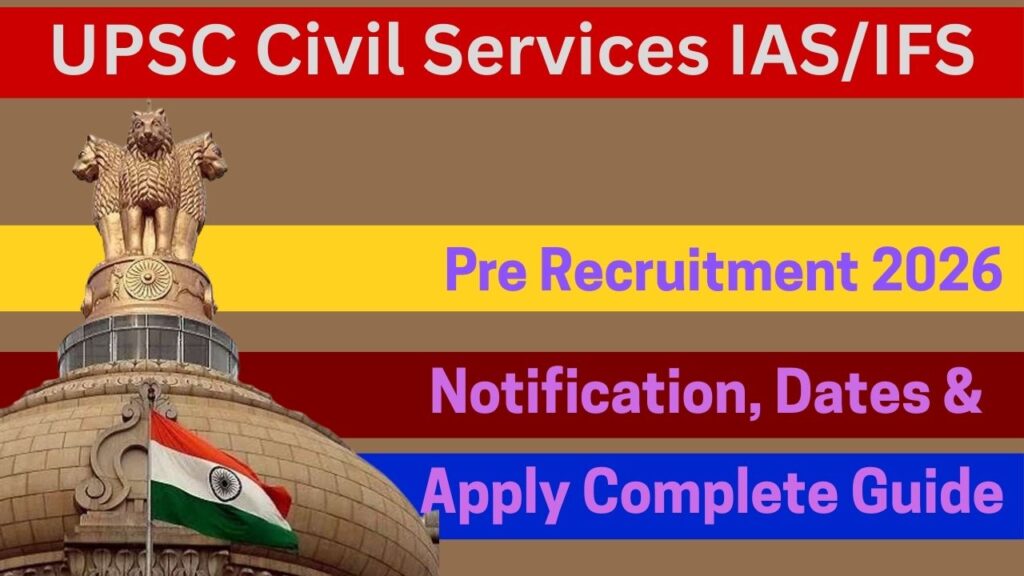
UPSC Civil Services IAS/IFS Pre Recruitment 2026:  Notification, Dates & Apply Complete Guide

UPSC Civil Services IAS IFS

Union Public Service Commission (UPSC) has released the Civil Services (IAS) and Indian Forest Service (IFS) Prelim 2026 notification, now apply for 933 prestigious Union Government posts in Civil Services (IAS) and IFS 2026.

The online application process to fill up the posts began on February 04, 2026. Eligible candidates who aspire to join India’s top administrative services can apply through the official website on or before February 24, 2026. 

Prelims will be held on 24 May 2026, Admit cards to be issued soon. Mains follow in August, but focus on Prelims first. 

Follow These Event Dates For UPSC Civil Services IAS/IFS Pre Recruitment 2026

EventDate
Online Apply Start Date04/February/2026
Last Date for Fee Payment24/February/2026
Pre Exam Date24/May/2026
Admit CardBefore Exam
Result DateUpdated Soon
Application Fees
General/OBC/EWS,₹100
SC/ST/PwD/womenNIL

Eligibility Essentials

  • You should have a bachelor’s degree from a recognized university. 
  • Age Limit: The age of the applicants for this post should be between 21 to 32 Years (as on 01/August/2026) i.e. they should not be born before 02 August 1994 and after 01/August/2005.
  • Age Relaxation: As per Govt. Norms, the relaxation in age will be given- 3 yrs for OBC candidate, 5 yrs for SC/ST candidate, more relaxation would be admissible for PwD and Ex-servicemen candidates. 
  • Citizenship: The rules are applicable for Indian citizens or as. 

Read More:- BSc Medical Laboratory Technology (MLT): Course, Fees, Career & Scope in India

How to Apply: Step-by-Step

  1. Go to the official website (upsc.gov.in) to apply. or upsconline.nic.in. 
  2. Apply through the pre-registration (One-Time Registration or OTR) if new
  3. Complete Part I (personal information) and Part II (upload photograph and signature, pay fee). 
  4. Charges: ₹100 for General/OBC/EWS, no charge for SC/ST/PwD/women. 
  5. Verify all before you submit the application. 
  6. Print the form for future reference

What is Exam Pattern

Prelims consists of two papers: GS Paper I (200 marks, counts for merit) and CSAT (qualifying). There is also negative marking, so approach is important. It’s your way to Mains — only rankers move ahead. 

Useful Links
Apply NowClick Here
Download NotificationClick Here
Official WebsiteClick Here

UP Police Constable Recruitment 2026: Apply Online for 32,679 Posts

UP Police Constable Recruitment 2026

The UP Police Constable Recruitment 2026 Board has published a new UP Police Constable Recruitment for the year 2026 in Uttar Pradesh. There are 32,679 posts that need to be filled. Dec 31, 2025 Last date for online submission of applications Jan 30, 2026. Interested candidates can download the application form and detailed notification from the official website of UPPRPB.

You can check all the details including eligibility, application fee, age limit, pay scale & selection procedure before applying. Ensure that you apply within the deadline so that you do not miss this opportunity. For more details and updates, login the official portal. 

OrganizationUP Police Recruitment Board
Post UP Police Constable
Vacancies32,679
Last Date30/Jan/2026
Application FeeRs 400—500
Age Limit18—22 years;18—25 years
Official WebsiteClick Here

Dates To Remember For Apply To This Position

Notification Date31 December 2026
Application Start Date31 December 2026
Last Date to Apply30 January 2026
Fee Payment Last Date30 January 2026
Exam DateUpdate Soon

Who Is Eligible for This Position?

The qualification condition is quite simple and easy to understand. You should have cleared 12th standard (10+2) from a known board. Male candidates can apply till an age of 25 years and female candidates can apply till an age of 28 years, relaxation in upper age limit will be provided as per category. This means if you are studying for competitive exams presently, or just finished your 12th, you’re just about right. 

Read More :- How to Join Indian Army — Your Complete Guide to Serving the Nation

The Application Process

UPPRPB has started a revolutionary “One Time Registration (OTR)” system for the convenience of the applicants. These days where you no longer have to fill in the same forms over and over again for every recruitment — you just register once, and your data is saved for use in future applications. It is a reflection of the board’s dedication to making the process candidate-friendly.”  

  1. Visit the Official Site: Go to uppbpb.gov.in and search for the notification link related to UP Police Constable Recruitment 2026.
  2. ​Complete OTR Registration: Fill in your Preliminary information like name, father’s name, date of birth, contact details and education qualifications.
  3. Submit the Application: After the registration is complete, login and submit the application form with the necessary details.
  4. Upload Documents: You will be required to upload a passport-size photo and signature in the specified format.
  5. Submit the Application Fee: Pay the fee via debit/credit card, net banking and UPI. 

Salary Package Receive For Constable Position

As a newly selected UP Police Constable, you will receive the basic pay of ₹21,700 per month with the grade pay of ₹2,000. Your salary per month would be something between Rs 30,000 to 40,000 so far as you hold the gross (with all the allowances like DA, HRA, TA etc) salary.

This salary scale is not just frozen, it increases with time. After years of diligent service and good performances, you can get paid up to ₹69,100. Plus the government has been pursuing the implementation of the 8th Pay Commission that might increase your earnings by 20-30% in the next few years. 

Important Links
Apply NowClick Here
Download NotificationClick Here
Official WebsiteClick Here

UPSSSC UP Combined Lower Subordinate Services (Graduate Level) Recruitment Process, Eligibility, And Salary

UPSSSC UP Combined Lower Subordinate Services

Get ready to secure a UPSSSC Lower PCS job to enjoy purposeful life in Uttar Pradesh. UPSSSC UP Combined Lower Subordinate Services (Graduate Level) recruitment is live right now, you can fill the application now. But you must understand each phase of selection, eligibility and preparation to pass the exam.

With 2,285 vacancies up for grabs, this is one of the biggest opportunities of the year for graduates looking to secure a Group ‘C’ administrative foothold in the state.

What is UPSSSC Lower Subordinate Services? (Job Profile)

The Lower Subordinate Services recruitment fills different positions in state government offices. There are most common job roles such as executive, supervisory, and auditing that require candidates who can immediately step into the work to handle public services, implementing government schemes, and making sure rules and policies are followed properly. 

The roles are just simple desk jobs, they offer executive authority to tackle every task. Depending on your qualification and ranking, you could land any of these roles:

  • Executive Officer (Municipal Administration): Manages urban local bodies, public civic amenities, and local revenue collection.
  • Assistant Treasury Accountant / Auditor: Ensures fiscal health, monitors departmental budgets, and conducts financial audits.
  • Mandi Supervisor / Amin: Oversees agricultural market regulations, auction fair play, and revenue reporting for the Mandi Parishad.
  • Assistant Consolidation Officer (Chakbandi): Resolves land disputes, manages agricultural land redistribution, and maintains accurate land maps.

Who Can Apply? (Eligibility Criteria)

Before you hit apply, ensure you tick all the structural requirements set by the UPSSSC:

Educational Qualification

  • Mandatory Foundation: You must hold a Bachelor’s Degree from a recognized Indian university.
  • The PET Gateway: The Main exam needs a valid PET scorecard otherwise they will not let you enter in the exam hall. 
  • Post-Specific Extras:
    • For Auditor/Accountant: You must hold a B.Com degree. 
    • For Mandi Supervisor: Degree in Agriculture, Commerce, or Economics with a minimum of 50% marks.
    • Executive Officer: A computer ‘O’ Level diploma is required for service confirmation.

Age Limit (As of July 1, 2026)

Minimum 21 years
Maximum 40 years.
Age relaxation given to reserved categories ( OBC, SC, ST, )and Ex-Servicemen 

Important Dates & How to Apply

The application window is brief, so do not leave things to the final day when servers traditionally crawl to a halt.

Application Starts29/May/2026
Last Date to Apply18/June/2026
Correction Window Last Date25/June/2026
Admit CardUpdate Later

Step-by-Step Application Process

The Commission relies heavily on your existing PET data to make authentication seamless:

  1. Authentication via PET: Go to the official portal at upsssc.gov.in. Use your PET-2025 Registration Number to login for UPSSSC Lower PCS.
  2. Check Details: Information about your qualification, photograph, caste category are automatically filled from the PET database. Verify everything carefully and fill out any pending post-specific preferences.

  3. Submit Processing Fees: Pay the standard online processing fee of ₹25 for all categories via net banking, UPI, or credit/Debit cards. Note: Shortlisted candidates will pay the structural Main Exam fee later.
  4. Final Printout: Review your final application form, submit it, and download/print the confirmation form for verification rounds.

Vacancy Matrix (2,285 Posts)

The vacancies span several state departments, providing brilliant diversity in career paths. Here is how the open positions look across major segments:

Department / BoardPost NameVacancies
Directorate of Treasury, UPAssistant Treasury Accountant548
Cooperative Societies & PanchayatAccounts Inspector / Auditor419
State Agriculture Mandi ParishadAmin / Auctioneer / Clerk552
Municipal Administration DirectorateExecutive Officer238
Office of Consolidation CommissionerAssistant Consolidation Officer168
Other Allied DepartmentsTechnical Assistants / Supervisors360

Selection Process & Exam Pattern

Getting selected requires navigating a clear, objective framework. There are no interviews for these Group ‘C’ cadres. Your merit relies entirely on written execution.

Step 1: Get UPSSSC PET 2025 Scorecard first

Step 2: Give Main exam and secure good marks

Step 3: Document Verification to check all the information is valid in your application.

The Exam Blueprint

Prepare yourself with understanding the topics that are important in this exam, Lower PCS exam pattern includes:

  1. General Intelligence & Reasoning: to test your logic ability and analytical thinking.
  2. General Knowledge (GK): knowing about your Uttar Pradesh is important to handle any work regarding the state. So increase knowledge in Indian History, Geography, Polity, Economy, and Uttar Pradesh’s History, Administration, and Culture.
  3. General Science & Arithmetic: basic level physics, chemistry, biology, and math.
  4. General Hindi: Focuses on comprehensive reading, letter writing, grammar (Sandhi, Samas, Muhavare), and vocabulary translation.

Strategic Preparation Plan

The competition is high so you have to make a plan that helps you achieve good scores over fractions of marks. Here is a realistic roadmap:

  • Own the UP Specific Section: Knowledge of the state will let you secure 20-25% of GK questions. Research and keep updated with Uttar Pradesh’s budget, schemes, geography, and cultural folklore. Dedicate solid hours to local current affairs.
  • Do Not Avoid Hindi: General Hindi is highly scoring. Mastering basic grammar rules and practicing official letter formats can drastically push your score above average cut-offs.
  • Analyze Mock Tests Weekly: Build your speed and precision. Track where you lose marks to negative scoring and adjust your accuracy levels accordingly.

Read More 👉 Quick Preparation Guide for UP Polytechnic JEECUP 2026

Salary and Career Growth

Let’s talk about the rewards. Apart from massive social prestige, these positions offer financial stability governed by the 7th Pay Commission.

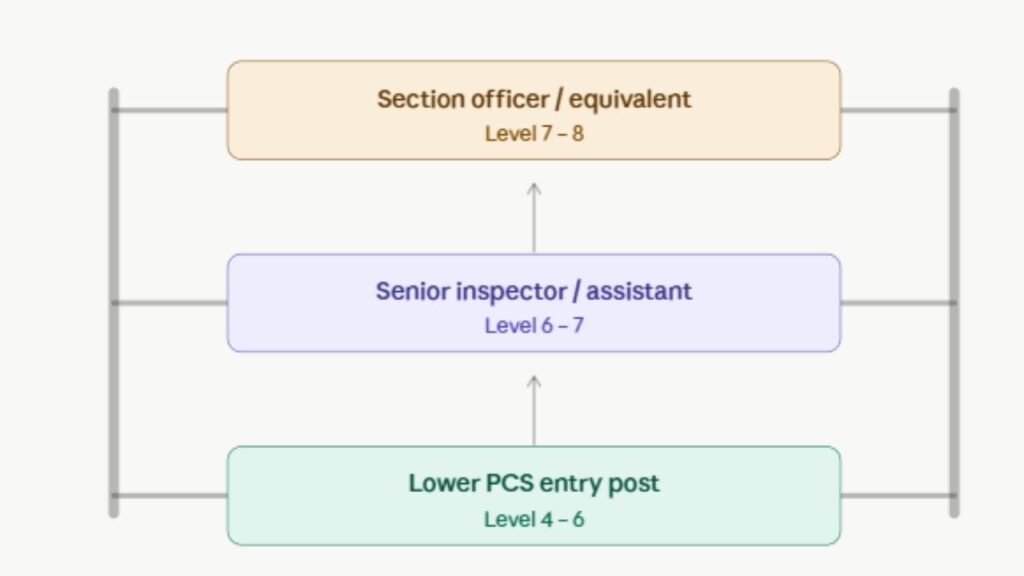
The salary of Uttar Pradesh. Combined Lower Subordinate Services (Graduate Level) are based on their job profile and experience but it ranges between Pay Level 4 to Level 6.

Level 4 (Clerks/Typists)₹25,500 – ₹81,100
Level 5 (Accountants/Amin)₹29,200 – ₹92,300
Level 6 (Executive Officers/ACO)₹35,400 – ₹1,12,400

In-Hand salary will increase because of the multi allowance you will get once you are assigned to your job. So the entry-level gross salaries range from ₹35,000 to ₹55,000 per month depending on city tiers.

The Promotion Ladder

Your career trajectory doesn’t stall. Junior officers systematically advance through departmental reviews and service experience:

Conclusion

The UPSSSC UP Combined Lower Subordinate Services (Graduate Level) Recruitment is a cycle that ends in a few days and you need to fill the form if you don’t want to miss this opportunity to secure a career in Uttar Pradesh. The competition is very high for the 2,285 seats, so the right strategy to prepare for the exam is mandatory.

Ensure your application goes through successfully before June 18, lock down your study desk, and start structured preparation today. For a comprehensive breakdown of the syllabus, safe score metrics, and targeted departmental tactics, check out this detailed UPSSSC Lower PCS Strategy Guide which covers exactly how to maximize your score in the Mains exam.

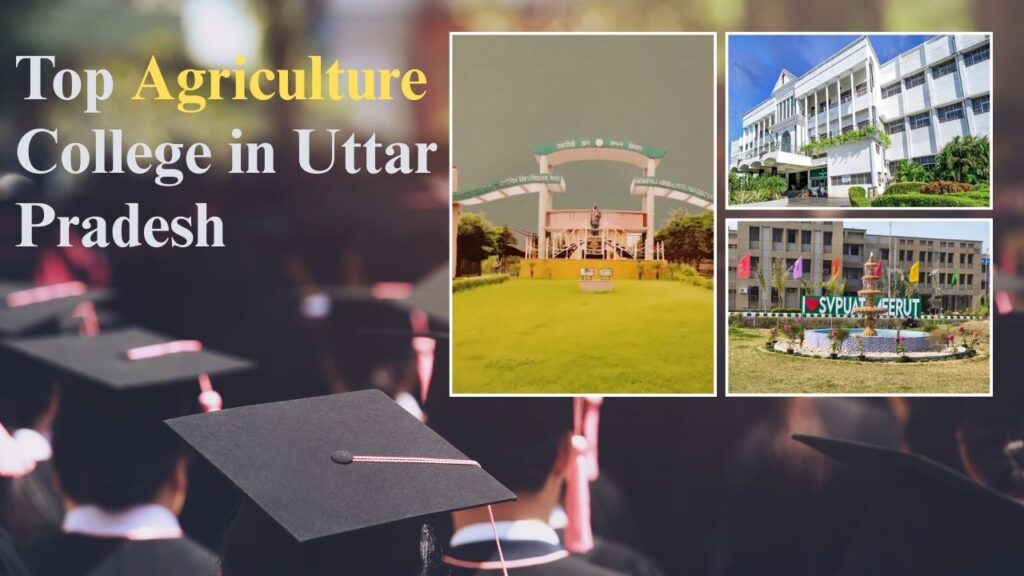
Top Agriculture College in Uttar Pradesh: Courses, Fees & Admission Details

Top Agriculture College in Uttar Pradesh

Uttar Pradesh is one of the most agriculturally capable states in India and its Top Agriculture Colleges in Uttar Pradesh are a testimony to this heritage. Whether you are a student passionate about sustainable farming, agricultural innovation, or agribusiness, Uttar Pradesh state has some of the best centers to develop your career in this important sector. If you want to study agriculture in UP, this blog is for you to see the list of top colleges, know about courses, fee structure and the admission process. 

Why Choose Agriculture Education in Uttar Pradesh?

Farming in Uttar Pradesh isn’t just small-scale ploughing anymore. The state’s agricultural schools combine research and state-of-the-art technology with practical work in the field to give students the skills necessary for 21st-century farming. 

In areas such as crop science, agricultural engineering, agribusiness and sustainable farming methods, these colleges provide students with the tools to become leaders in the agricultural industry. 

The Top Agriculture Colleges in Uttar Pradesh

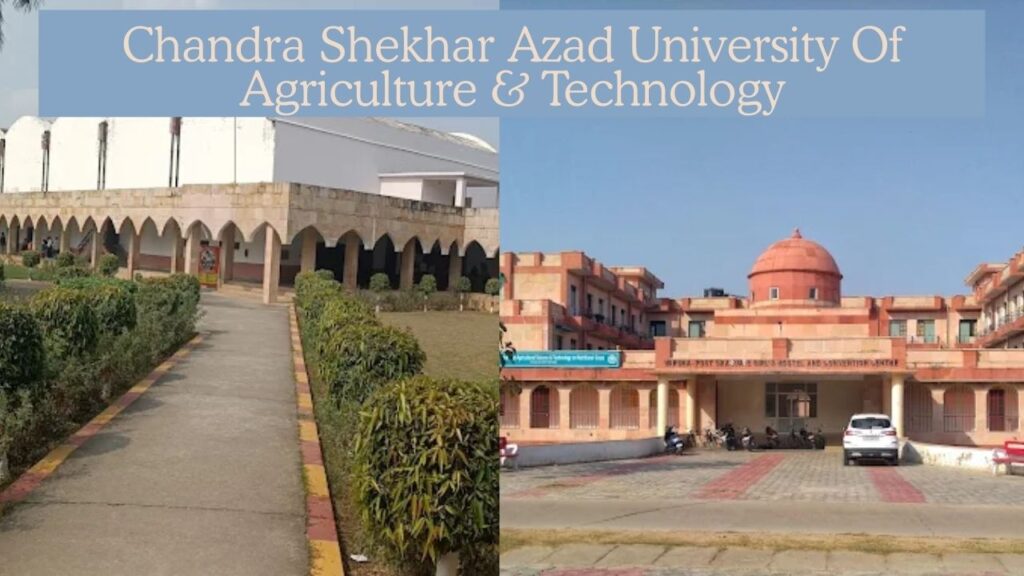
1. Chandra Shekhar Azad University — (CSAUAT), Kanpur

The CSAUAT is a leading Indian agricultural university and played a pivotal role in laying the foundation for the development of the university system of agriculture in the state right from the beginning in 1975. Located in the heart of the agro-based state of Uttar Pradesh, this Government institute has built a name for itself for a long time now.​ 

Chandra Shekhar Azad University

Courses Available – B.Sc.(Hons) Agriculture, B.Tech in Dairying Technology, B.Tech Dairying, M.Sc. Agri in different specializations like Agronomy, Plant Pathology, Soil Science, and Ph.D. courses. 

Fees: The B.Sc. (hons.) The annual fees of B.Sc Agriculture is about ₹1.07 lakhs per semester (The total fee is ₹4.28 lakhs for 4 years), which is very reasonable under this course. B.Tech courses are charged at about ₹1.50-1.64 lakhs per annum.​

Admission: Applicants can apply if they are passed 10+2 with 50% minimum marks (with PCM/PCB subjects) and applicable for the UPCATET entrance exam. The counseling procedure is on merit.​

Placement & Career Growth: It will let you earn around ₹3-5 LPA package which is quite enough for freshers. Some even receive packages as high as ₹7 LPA, depending on their skills. 

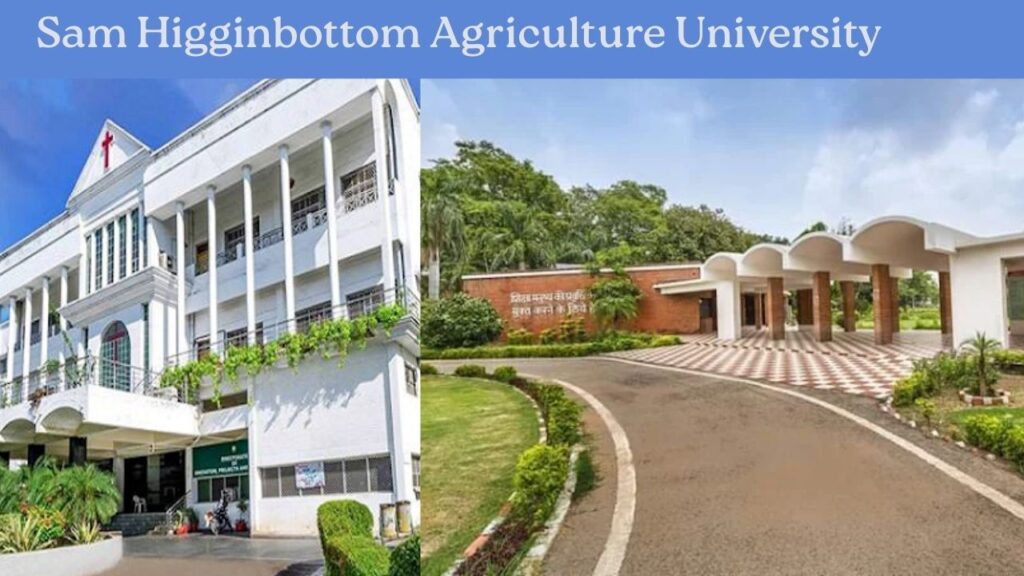
2. Sam Higginbottom Agriculture University, Prayagraj

A leading private deemed university, SHUATS is recognized for its integrated approach of farming systems and industry relevant curriculum. The campus is located at Prayagraj and has state of the art infrastructure for imparting agricultural education.​

Sam Higginbottom Agriculture University

Courses are B.Sc Agriculture, B.Tech in Agricultural Engineering, M.Sc Agriculture in various disciplines, PG Diploma/ Diploma in food technology. 

Fees: B.Sc. (Hons.) Agriculture fees is ₹1,08,000-1,20,000 per year at various universities in India. But SHUATS is much better when it comes to scholarships, candidates who are eligible can get waivers ranging from 30-40% on the fees, plus additional concessions for christian students.​

Eligibility: Candidates must have passed 10+2 in PCM/PCMB/PCB with minimum of 45% marks. The admission is merit based on an entrance test conducted by the university, usually in the month of May.​

Placement & Career Prospects: The salary package is exceptional, the one can earn around ₹6.20 lakhs. The package is based on the skills of the students that can be up to ₹3 LPA. 

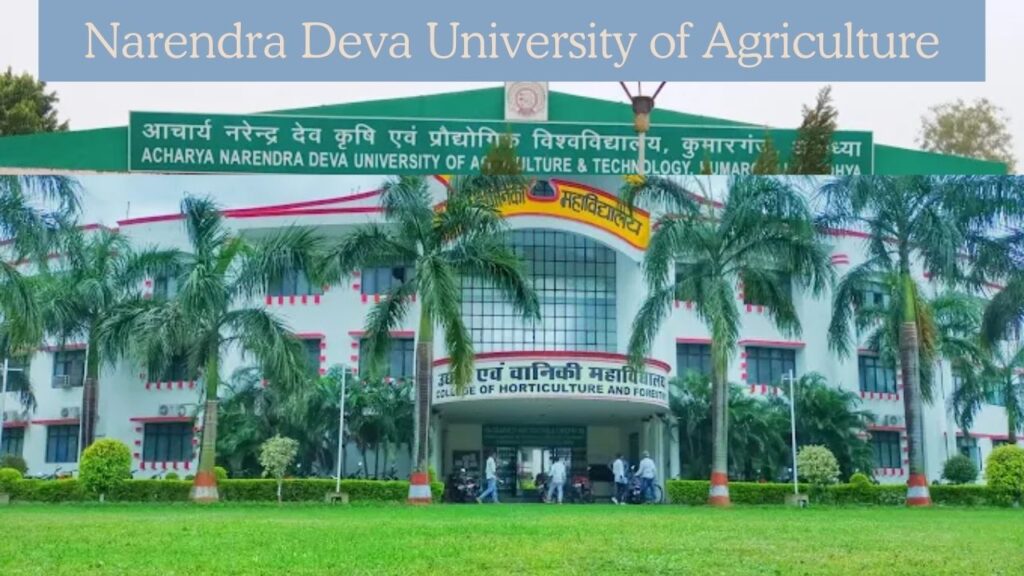
3. NDUAT — Narendra Deva University of Agriculture 

The NDUAT is an agricultural university, It focuses primarily on horticulture and crop science. It is a government institution in Ayodhya and provides good quality education at low cost.​

Narendra Deva University of Agriculture 

Courses available: B.Sc. (Hons) in Agriculture, B.Tech specialisations, M.Sc. courses in B.V.Sc. & A.H. (Veterinary), as well as B.F.Sc. (Forestry).​

Fees: The B.Sc. (Hons.) Agriculture course fee is around ₹1.05 lakhs for 4 years, while B.Tech fees range between ₹1.64-1.70 lakhs. 

Admissions: The minimum qualification is 10+2 with 50% marks in the PCB/PCM group of subjects. Admission is based on UPCATET entrance examination and then counseling on merit.​

Placement & Career Prospects: The candidates who graduated have a placement with an average package of ₹3 LPA in both private and government sectors. 

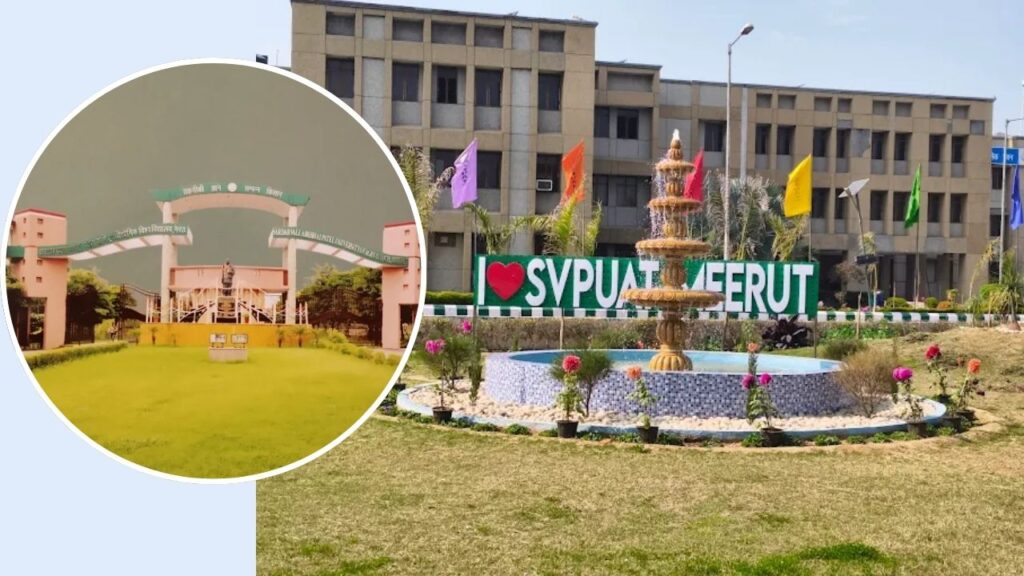
4. Sardar Vallabhbhai Patel Agriculture University  

SVPUAT is the best university which is located in Meerut, making it easy for students. With all the government funding support, SVPUAT is known for its research on crop improvement and agriculture mechanization.

Fees: The fees for the whole course in AY is around ₹45,000 which is one of the cheapest in the state.

Placement: The strong ties with agribusiness companies, research institutes and government agencies enable graduates to obtain good placements. 

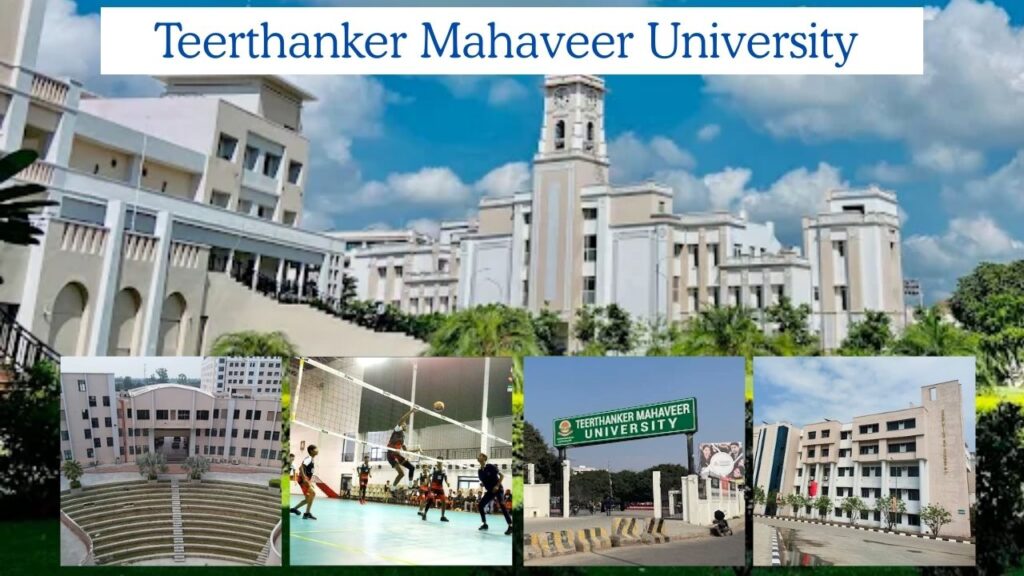
5. Teerthanker Mahaveer University (TMU), Moradabad

TMU is one of the best private universities in uttar pradesh with world class infrastructure and industry oriented syllabus.​

Teerthanker Mahaveer University

Course Offered: B.Sc. Agriculture, M.Sc. Agriculture courses based on ICAR norms.​

Fees details: The total duration of B.Sc. (Hons. ) Agriculture at TMU is 4 years The fees for B.Sc. (Hons.) The duration of B.Sc Agriculture is 3 years and for M.Sc. Agriculture 2 years. The tuition fee is Rs 45,000 per semester for MSc Agronomy. 

Facilities: There are world-class labs, practical training, and strong linkages with the industry, in the university. 

Understanding the UPCATET Entrance Exam

Most of the government agricultural universities in Uttar Pradesh take their admissions via UPCATET(Uttar Pradesh Combined Agriculture and Technology Entrance Test). 

Here’s what you need to know:​

Exam Details: The exam is held every year in offline mode by the universities. For UG courses, the exam is generally conducted in June. 

Eligibility: 10+2 passed students having science subject (PCM, PCB or with Agriculture subject) with a minimum of 50% marks are eligible to apply. There is a benefit for reserved category students, they can get marks relaxation up to 5%.​

Exam Pattern: The UPCATET contains 200 questions from general knowledge, agriculture science, mathematics, and English. The examination will last for 3 hours.​

Age Limit: Applicants must be aged between 16-22 years for UG courses at the time of admission. 

Read More:- ITI Admission Fees in Government College: Complete Fee Structure Guide

Course Overview

The first years of agriculture in UP colleges are generally the basic courses in crop production, soil science, plant pathology, entomology and agricultural economics. Students specialize as well, choosing from such options as horticulture, seed technology, agricultural extension, agricultural engineering. 

A number of courses have fieldwork components and the Rural Agricultural Work Experience (RAWE) allows students to work with farmers as they confront challenges of farming in the field.  

Career Growth & Salary Package 

There are many opportunities for the graduates of agriculture. For the freshers agriculture college students —- the packages will be near about ₹20,000-35,000 per month for job profiles like agricultural assistant and farm supervisor etc in the entry level The amount varies with the university from which students have passed. 

Professionals at an intermediate level with 2-3 years of experience can earn around ₹40,000-60,000 per month. The salary of Agriculture Officer or Agriculture Development Officer in the government lies between 35,000 – 60,000 Rs per month. 

Conclusion

Selecting an agriculture college in Uttar Pradesh is all about shaping the future of India. Be it a renowned government college like CSAUAT or a up-to-the-minute private university like SHUATS, you will find a route that leads you both with practical experience in the real world of life and a theoretical academic purity. 

With manageable fees, quality faculty, research opportunities and robust placements, the agriculture colleges in UP prove to be the best when it comes to anyone with a zeal and passion to bring a change in the agriculture scenario of India. 

Scroll to Top