Uttar Pradesh Public Service Commission (UPPSC) has released the notification for Samiksha Adhikari (RO) / Sahayak Samiksha Adhikari (ARO) and other posts under Advertisement No. A-4/E-1/2026. A total of 501 vacancies have been announced. The online application process started on 26 October 2026, and eligible candidates can apply until 26 November 2026. Candidates should read the official notification carefully before filling out the application form.
UPPSC RO / ARO Online Form 2026 – Started
UPPSC RO / ARO Recruitment 2026: Short Details
Important Dates
Online Apply Start Date :
26 October 2026
Online Apply Last Date :
26 November 2026
Last Date for Fee Payment :
26 November 2026
Correction Date :
03 December 2026
Examination Date :
To Be Notified
Admit Card Date :
Before the Examination
Result Date :
To Be Updates
Candidates are advised to verify all dates on the official UPPSC website.
Application Fee
General / OBC / EWS:
₹125/-
SC / ST :
₹65/-
Persons with Disabilities (PwD):
₹25/-
Payment Mode: Online, as available on the official application portal.
UPPSC RO / ARO Recruitment 2026: Age Limit
Total Post
Age Limit as on 01 July 2026
Minimum Age: 21 Years
Maximum Age: 40 Years
Age Relaxation: Applicable to eligible categories according to UPPSC rules and the official notification.
501 Post
UPPSC RO / ARO Recruitment 2026: Vacancy Details
Post/Selection Type
Vacancies
General Selection
495
Special Selection
6
Total
501
The recruitment includes RO, ARO and other posts specified in the official advertisement. Check the notification for the exact post-wise vacancy distribution.
UPPSC RO / ARO Recruitment 2026: Eligibility
Candidates must possess a Bachelor’s degree from a recognized university for posts where graduation is prescribed.
Additional computer qualifications, Hindi typing skills or other specific qualifications may be required for particular posts.
Candidates should check the detailed notification for post-wise eligibility before applying.
How to Fill UPPSC RO / ARO Online Form 2026
Visit the official UPPSC website.
Open the recruitment notification for Advertisement No. A-4/E-1/2026.
Complete One Time Registration (OTR), if not already completed.
Log in to the application portal using the prescribed details.
Fill in the required personal and educational information.
Upload the required documents, photograph and signature as instructed.
Pay the applicable examination fee.
Review the application form and submit it before the last date.
Download or print the submitted application for future reference.
Note: Candidates should carefully check their details and eligibility before submitting the application.
UPPSC RO / ARO Recruitment 2026: Mode of Selection
Preliminary Examination
Main Examination
Typing / Computer Skill Test, wherever applicable
Document Verification
The final selection stages will be as prescribed in the official notification for the relevant post.
Disclaimer: Candidates should refer to the official UPPSC advertisement for complete details regarding fees, age relaxation, educational qualifications, vacancy distribution and selection rules. In case of any discrepancy, the official notification will prevail.
Selecting the appropriate MBA college is the most important decision in your career path. You can get quality management education in India without emptying your pockets. A number of good private MBA colleges provide a fantastic combination of pocket friendly fees, excellent placements and industry relevant curriculum which can truly transform your career.
The MBA Dream Doesn’t Have to Be Expensive
The Indian MBA domain has changed dramatically over the years. Although prestigious institutions like ISB Hyderabad charge anywhere from ₹35 lakhs, there is a whole ecosystem of private MBA colleges that offer great value for money. This is the message we are seeing from these schools, they are saying that you can have great education and great value for money.
The trick is to find those schools that have developed strong ties with industry, that are academically rigorous, and that have consistent placement results.
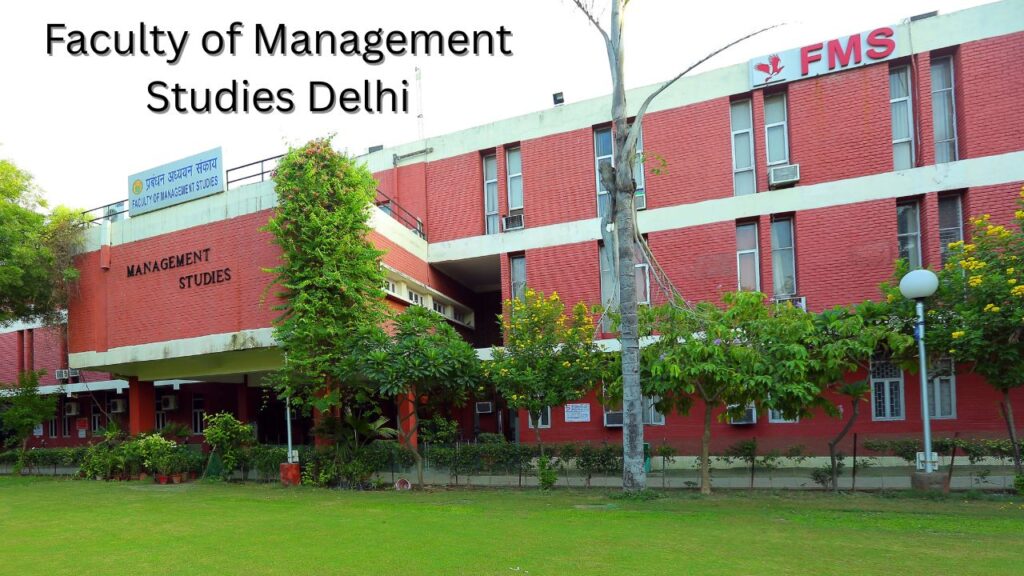
FMS Delhi: The Benchmark for Value
Talking about best MBA colleges in India for a good placement that are also not too heavy on pocket, Faculty of Management Studies Delhi leads the pack. FMS is affiliated to Delhi University and it has nominal fees of just ₹2.32 lakh for the full two years’ MBA program which is one of the cheapest anywhere in the country. What makes this truly remarkable is FMS Delhi, which regularly has 100% placements with a package of ₹34.1 LPA – a figure that is comparable to top-level schools.
The FMS placement witnessed 283 offers being made to the batch in which more than 80 companies participated. In the consulting and general management areas, top recruiters such as McKinsey, Bain, BCG, Deloitte, Amazon, and Microsoft were actively recruiting FMS graduates. FMS Delhi is just unmatchable if you’re a student looking for the best return on your investment.
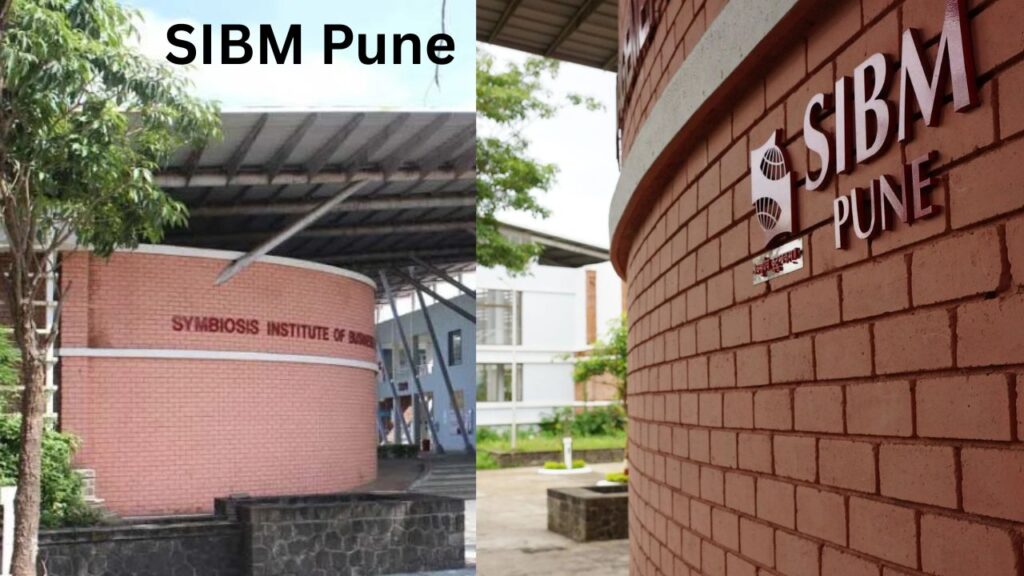
SIBM Pune: Premium Quality at Reasonable Costs
Symbiosis Institute of Business Management Pune is a great option for those who want quality and can afford to compromise a bit on the cost. With a fee of around ₹18.5-22 lakh for two years, SIBM Pune comes as a breath of fresh air on the cost structure amongst the best private business schools. The placement narrative is no less dramatic.
During the placement drive in 2025, SIBM Pune had an highest package of ₹53.58 LPA and the average package was ₹28.83 LPA. The institute has witnessed participation from almost 109+ companies from various sectors. The data for placements shows healthy upward trend with an average package rising from Rs 17.48 LPA in 2019 to Rs 28.83 LPA in 2025 – an indicator of the growing industry relevance of the Institute and growing competitiveness of its students.
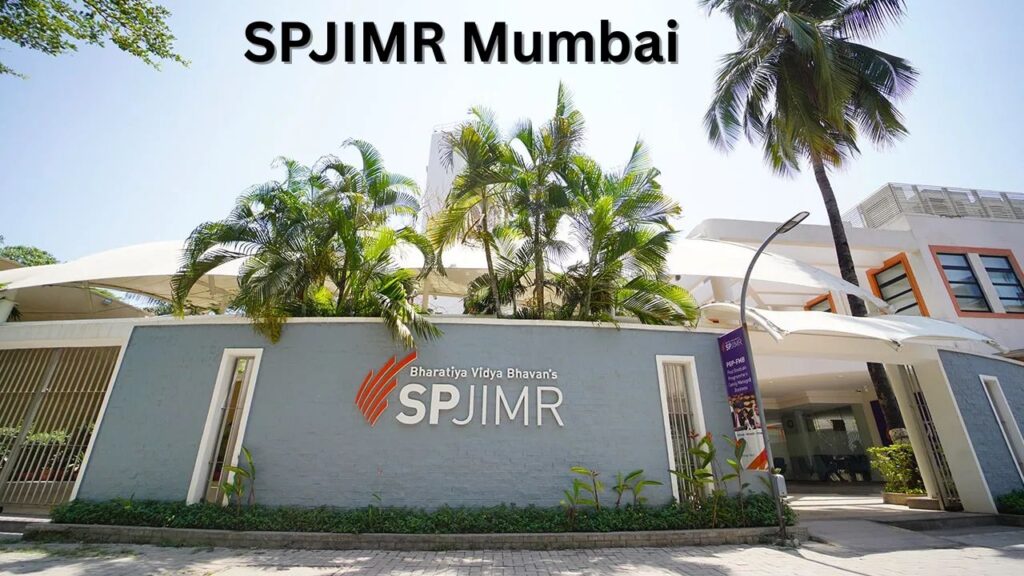
SPJIMR Mumbai: The Excellence Quotient
S.P. Jain Institute of Management and Research (SPJIMR) Mumbai The has the honour of being placed amongst the best MBA colleges in India. Though the fees is between ₹24-26 lakhs, the placement result makes it worth it. SPJIMR witnessed yet another successful pan India recruits 100% during 2025 placements with average domestic package of ₹33 LPA and highest package of ₹81 LPA.
Why is SPJIMR the best? Here’s the good news, the institute finds itself ranked among the top 50 business schools in the world as per the master in management rankings of the Financial Times! Its curriculum focuses on consulting skills and top recruiters, including BCG, Accenture Strategy, and many other global consulting firms, come to the campus.
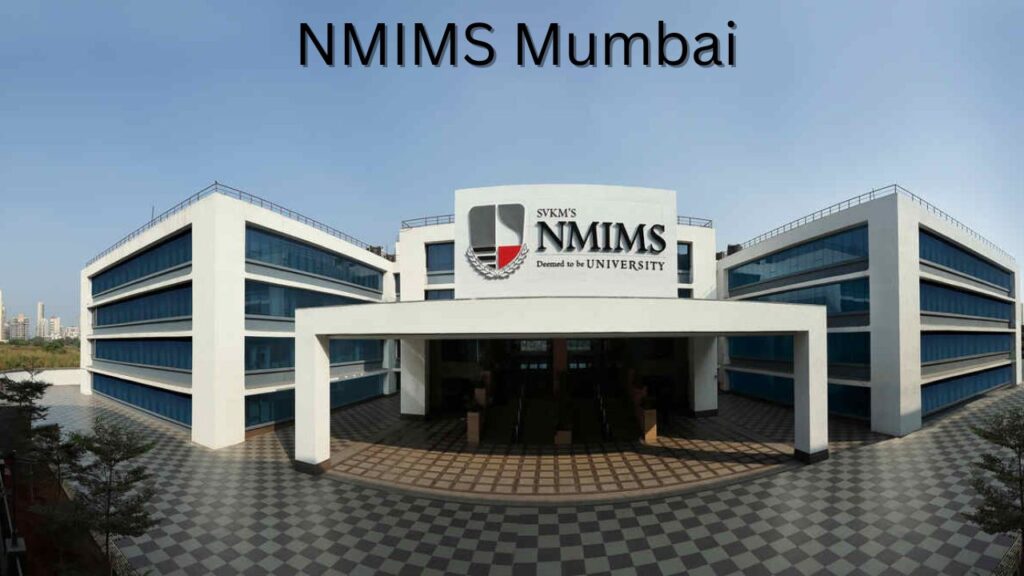
NMIMS Mumbai: Balanced Approach to Education
Narsee Monjee Institute of Management Studies Mumbai is a great option for MBA seekers. With a fee of around ₹19-23 lakhs, NMIMS has kept its placement results competitive with the average package hovering around ₹26.63 LPA. NCC accepts NMAT scores and has established itself as a leader in numerous industry sectors, including finance, consulting and technology.
The vast NMIMS alumni base facilitates a strong industry network and leading recruiters like JP Morgan, KPMG, IBM, and Deloitte among others visit the campus on a regular basis for recruitment. The alumni edge better placements and career progression for today’s students.
XLRI Jamshedpur
Here are a few noteworthy names, comers and goers, to watch out for, in human resources and business leadership, India’s Xavier School of Management (XLRI) in Jamshedpur should not be overlooked. XLRI’s average package is ₹27 LPA and its fee ranges between 25-27 lakhs, with a large number of graduates finding jobs in HR and general mgmt domain.
This specialization in HR can be the difference for candidates aspiring to make a career in organizational development, talent management, or leadership consulting. The placement drive is represented by Fortune 500 companies on a regular basis in search of HR talent.
Emerging Gems: Cost-Effective Alternatives
Outside the top-tier private colleges, a handful of new-age colleges give you mind-blowing value for money. Christ University Bangalore is an unaided University, it attracts a nominal fees of ₹4.75 — 7.5 lakhs for the MBA program and the university has had placement records with average packages reaching around ₹7 LPA which is a great deal of delivering quality education for such an affordable fee.
Likewise, Birla Institute of Technology Mesra anticipates ₹5.55 lakhs in fees for MBA with average placements of ₹10.10 LPA and PIBM Pune expects ₹8.75 lakhs with average placements of ₹12 LPA. These colleges show that you can get quality education and decent placements even if the fees are lower.
Making the Right Choice
When you are considering MBA colleges, think about a number of things apart from just the fees and average packages. Check the placement rate (should be 100%), type of recruiting companies, specialization options, and whether your career goals match the strength areas of the college.
In your budget and for consulting jobs only, SPJIMR or FMS Delhi should be your #1. For candidates who want to work in finance, SIBM Pune or NMIMS are good choices. If you are looking at value for money education, Christ University or Birla Institute of Technology are two such places where you need not second-in your mind, the quality is there.
Conclusion
The Indian MBA arena now provides the budding managers with more windows of opportunity than ever before. Now, it’s not a choice between affordable or quality. Top tier private MBA colleges like FMS Delhi, SIBM Pune, SPJIMR Mumbai, NMIMS Mumbai have proven time and again , that you can get world class education, industry relevant training and impeccable placement support without shelling out an arm and a leg.
Remember, your MBA is an investment in your future, and they’ll make sure you get a great return on it. With so many low-cost quality MBA programs available in India, money should never come between you and quality business education.
If you’re an engineering graduate eyeing a career in uniform, the wait is over. Indian Army SSC Technical 68th Men Recruitment is going on. The Indian Army has thrown open applications for the 68th Short Service Commission (Technical) Course, Men, set to commence in April 2027. Alongside it, the 39th SSCW Tech entry has been announced for women candidates. Together, the two intakes will fill 381 vacancies, and this piece breaks down everything a male candidate needs to know before hitting submit.
How Many Seats Are Actually Available
There are overall 381 posts, out of which 350 are for SSC Tech 68th Course for male candidates and 31 posts are for SSCW Tech 39th Course for female candidates. That’s a meaningful jump from recent cycles, where vacancy counts hovered in the double digits, so this is genuinely one of the larger technical intakes the Army has floated in a while.
Important Dates You Cannot Miss
The online application portal for male candidates opens from 9/July/2026 to 7/August/2026. That’s a short window for filling out the application form.
Item
Details
Opening date (male)
9/July/2026
Closing date (male)
7/August/2026
Duration
Less than 30 days
Applications are submitted exclusively through the official Join Indian Army website, joinindianarmy.nic.in. No offline forms, no third-party portals — anything else claiming to process your application should be treated as a scam.
Who Can Apply
Eligibility is fairly specific, and getting it wrong is the easiest way to get your application rejected at the shortlisting stage itself.
Age limit: Candidates must be between 20 and 27 years old as reckoned against the course commencement benchmark.
Educational qualification: You need a B.E./B.Tech degree in a relevant engineering discipline from a recognized university. Final-year students aren’t excluded either — they can apply provided they submit proof of having cleared the degree, along with semester-wise mark sheets, by the time the selection process demands it.
Marital status: The entry is open only to unmarried male candidates.
Nationality: Applicants must be Indian citizens, or in specific cases, subjects of Nepal or Bhutan, or persons of Indian origin holding the requisite eligibility certificate.
The Selection Process For Indian Army SSC Technical 68th Men Recruitment
Here’s something that surprises a lot of first-time applicants — there’s no written entrance test for SSC Tech entries. Selection runs entirely on academic merit and a structured evaluation process. Once your application is cleared based on your records which you have provided, you’re called for the Services Selection Board interview.
The SSB interview is conducted over several days that takes assessment step-by-step to check the candidate’s leadership potential and mental resilience. There are group tasks, and personal interview rounds that are structured in a way that test skills of candidates rather than just textbook knowledge.
Those who clear the SSB are required to appear for medical examination, and the medical board recommends the merit list after taking medical fitness into consideration.
Where and How Long the Training Runs
Candidates who qualify in the final merit list will be put through the 49 weeks training at Officers Training Academy(OTA), Gaya, Bihar. Should the course commence as planned in April 2027, the training would end in the beginning of 2028 and exact training calendar will be confirmed by the Indian Army closer to the start of the course.
During training, cadets receive a monthly stipend of ₹56,100, which cushions the transition before commissioning.
On successful completion of the training, candidates are commissioned as Lieutenants in Pay Level 10 having a minimum pay of ₹56,100 which can go up to ₹1,77,500 in Level 10 as per the 7th CPC Pay Matrix. With military allowances and field area pay, and other perks added, a fresh lieutenant’s effective pay package normally works out to about the ₹17-18 lakh per annum figure although that doesn’t include free medical coverage or travel concessions.
As officers move up the ranks — Captain, Major, and beyond — pay levels rise accordingly, all the way up to the Chief of Army Staff at Level-18.
Conclusion
If you’re an engineering graduate looking for a career that combines technical work with leadership responsibility and long-term financial security, this is one of the more accessible entry points into the Indian Army officer cadre — no written exam, a straightforward merit-based shortlisting process, and one of the larger vacancy counts seen in recent SSC Tech cycles. The application window is short, though, so candidates planning to apply should start gathering their engineering mark sheets and eligibility documents well before 9 July 2026.
Your resignation letter is signed, the new offer is accepted, and you’re ready for switching Jobs but what happens to the EPF account and should the new company’s NPS enrollment change anything about how you’re already investing through mutual funds? Don’t Ignore your EPF, NPS and Mutual Fund which most people already are doing.
The EPF vs NPS vs mutual funds decision isn’t really one choice — it’s three separate accounts with three different rules, and a job switch is exactly the moment most people either transfer things correctly or lose track of money they’ve already earned.
What Is EPF, NPS, and Mutual Funds
EPF — 8.25% for FY 2025-26, third year running at that rate, govt-backed, EEE (contribution, interest, withdrawal all tax-free if you cross 5 years’ continuous service). Mandatory for salaried staff at covered establishments; you don’t really “choose” this one, you’re already in it.
NPS — Market-linked, mix of equity/debt/govt bonds you can allocate; extra ₹50,000 deduction under 80CCD(1B) on top of the 80C limit. At exit, minimum 40% of the corpus must go into an annuity — you don’t get the whole pot in cash, and annuity payout rates in India have historically been mediocre (5–6% range).
Mutual funds — No lock-in except ELSS (3 years); LTCG/STCG taxed, no EEE treatment. Best long-run equity return potential of the three, but zero forced discipline — nothing stops you from redeeming during a panic.
Don’t Ignore Your EPF, NPS, and Mutual Funds After Switching Job
Your EPF doesn’t “carry over” automatically. A lot of people assume EPF just follows them to the new job. It doesn’t — not unless you actually transfer it.
When you leave a company, your EPF account under that employer becomes inactive. Your new employer opens a fresh account. If you don’t link the two using your UAN (Universal Account Number), you end up with multiple EPF accounts scattered across your career. Each one earns interest for a while, but an account that stays inactive for 36 months stops earning interest altogether.
How To Set Up Your EPF Account After Job Switch
Use the “One Employee One EPF Account” (OEEOA) transfer request on the EPFO portal, or let your new employer initiate it.
Don’t withdraw your EPF just because it feels like “extra cash” during the job switch. Withdrawing before 5 years of continuous service makes it taxable, and you lose out on decades of compounding.
Check your UAN is correctly linked to Aadhaar and your new employer’s establishment ID — half of all transfer delays come from mismatched KYC details.
The instinct to cash out is understandable when you’re between Jobs and expenses are piling up. But EPF is one of the few instruments giving you a stable, tax-free return over the long run. Treat withdrawal as a last resort, not a bonus.
Your NPS account isn’t tied to your employer at all. It’s tied to you, through your PRAN (Permanent Retirement Account Number). So technically, nothing needs to be “transferred.”
But there’s a catch. If your NPS contribution was happening through your employer under the corporate NPS model, that contribution stops the day you resign. Your new employer may or may not offer an NPS benefit. If they don’t, your account doesn’t close but it goes silent unless you start contributing on your own through the eNPS platform or a POP (Point of Presence).
What to check:
Confirm your new employer’s NPS deduction is active and linked to your existing PRAN — don’t let them create a second one by mistake.
If your new company doesn’t offer NPS, decide if you want to keep contributing voluntarily. Many people simply let it sit, which defeats the purpose of consistent, long-term retirement investing.
Update your bank and nominee details after the switch — this is the most commonly skipped step.
NPS rewards discipline more than any other retirement product because of how compounding and low fund management costs stack up over 20-30 years. A gap of even a couple of years in contributions has a real, measurable impact on your final corpus.
Mutual funds: the SIPs nobody remembers to check
Job switches usually come with a change in salary account, and that’s where mutual fund SIPs quietly break. If your SIP auto-debit was linked to your old salary account and you close that account (or stop maintaining the minimum balance), your SIP simply fails. Most people don’t notice for months — until they check their portfolio and realize three or four SIP cycles never went through.
What to do immediately after switching:
Re-link your SIP mandates to your new primary bank account, or keep enough balance in the old one until the transition is smooth.
Review your asset allocation. A new job often means a new salary, new expenses, maybe new financial goals (relocation, higher rent, a shorter or longer commute cost). Your SIP amounts should reflect your current life, not your old one.
If you got a signing bonus or relocation allowance, resist the urge to let it sit in a savings account. Even a lump sum top-up into an existing fund puts that money to work instead of losing value to inflation.
What Happens If You Neglect These Procedures
None of this is complicated. It’s just easy to postpone because nothing about it feels urgent in the middle of a job change. But delayed EPF transfers lose interest. Paused NPS contributions lose compounding years you can’t get back. Broken SIPs mean missed market cycles.
A Jobs switch is one of the few moments where you’re forced to look at your entire financial setup at once — new salary, new perks, new expenses. Use that moment. Spend one weekend afternoon logging into EPFO, checking your PRAN, and confirming your SIPs are active. It’s boring, unglamorous work. It’s also the difference between a retirement corpus that actually reflects your career and one that has quiet, unexplained gaps in it.
Your new job deserves your excitement. Your old investments deserve five minutes of your attention before you move on.
Switching Jobs is exciting but don’t ignore your EPF, NPS, and mutual funds investment as it is a chance to reset your financial checklist. Your EPF needs to be transferred, your NPS needs to stay linked to your PRAN, and your mutual fund SIPs need to keep running without interruption.
You don’t have to choose between EPF vs NPS vs mutual funds, understanding the role each plays in your long-term financial plan is important. EPF provides retirement stability, NPS adds a dedicated retirement investment option, while mutual funds offer greater flexibility and growth potential.
If you have ever been curious as to how the planes you ride on stay in the air or how a rocket can travel all the way to space, then you think like an aerospace engineer. From Aerospace Engineering Courses, eligibility criteria to future scope and interesting specializations available, this all you need to know guide will help you make an informed decision which you take for pursuing aerospace engineering course in India.
The Indian aerospace industry is booming. ISRO, DRDO, HAL, and a host of private companies are actively hunting for talented engineers to design, build and fly planes and spacecraft. With increasing demand and attractive salary packages, this is the way to your dream career.
What Exactly is Aerospace Engineering?
Aerospace engineering is the primary engineering discipline concerned with the design, construction, science and technology of aircraft and spacecraft. It is a combination of physics, mathematics, materials science, and advanced tech that address real life problems in the fields of aviation and space travel.
The range of activities in this field is so broad that it divides into four key specializations:
Aeronautics — This pertains to air within the atmosphere and includes such things as commercial jets, military planes, helicopters, drones (UAVs), and blimps. Aeronautical engineers study flow-air, aircraft design, motion, and propulsion.
Astronautics — A subject of business such as astronauts, rockets, satellites and all the stuff that goes beyond the atmosphere. Astronautical engineers specialize in orbital mechanics, satellite communications, rocket propulsion, and space exploration missions.
Avionics — These are the electronics and computers used in an aircraft and spacecraft. Avionics engineers create the system software of navigation, communication and autopilot systems, etc., in raw air borne machines.
Defense Technologies — This area concentrates on military, and its ability to develop and deploy new systems involving missiles, defense technologies, military drones and weaponized technology. This is important part of national security and defense system.
Aerospace Engineering Courses
Now let’s move on to the various types of courses under aero space engineering. Whether you are a high school beginner or already have a bachelor’s degree, there is a path for you.
1.Diploma in Aerospace Engineering (3 Years)
If you are looking forward to pursue a career in aerospace engineering, you can opt for the Diploma in Aerospace Engineering from a reputable board after 10th class.
This is good to start if you have done your 10th grade. It is not really theoretical but ‘practical’ which provides aerospace technologies experience.
Aspect
Details
Duration
3 years
Eligibility
10th pass with Mathematics and Science (minimum 50% marks)
Focus
Practical skills and industry-ready training
Career Path
Can pursue B.Tech (lateral entry) or start working
Average Fees
₹2-4 Lakh for the entire program
2. Bachelors in Aerospace Engineering — B.Tech (4 Years)
It serves the largest client base and is considered the gateway course for professional aerospace. It is a bachelor’s degree course and the eligibility is 10+2 with Physics, Chemistry and Mathematics (PCM).
Aspect
Details
Duration
4 years (8 semesters)
Eligibility
12th pass with PCM (minimum 50-60% depending on college)
Admission
Based on JEE Main Score, state-level exams, or direct merit
Average Fees
₹ 2-2.5 Lakh/year in government; ₹5-10 Lakh/year in Private colleges
Total Program Cost
₹4-40 Lakh depending on college type
The B.Tech is an all-inclusive course which includes theory and practical based knowledge. Subjects like mathematics, physics, and general engineering will be included in your first two years for foundation then you can choose specializing in aerospace-related subjects in your third year.
3. M.Tech in Aerospace Engineering (2 Years)
M.Tech in Aerospace suits better for those who want a higher level of education in aerospace engineering. Building a professional level career internationally, you must need this degree.
Aspect
Details
Duration
2 years (4 semesters)
Eligibility
B.Tech/BE in Aerospace or related field with 55% minimum marks
Admission
Through GATE exam (for government colleges) or merit-based (private)
Average Fees
₹40,000-1 Lakh/year in Government; ₹2-4 Lakh/year in Private colleges
Career Advantage
Higher salaries, research opportunities, senior positions
Job opportunities for M.Tech graduates are applicable in research, designing and higher level management. Top companies and research centres look for M.Tech holders for their specialised projects.
4. Ph.D. in Aerospace Engineering (3-5 Years)
“This Is for the Research and Innovative Curious”. It’s the top aerospace engineer qualification for those who want to know how to research and innovate.
Aspect
Details
Duration
3-5 years
Eligibility
M.Tech or equivalent with GATE qualification
Focus
Original research and innovation
Opportunity
Teaching, research at ISRO, universities, private labs
5. Aerospace Engineering Few Months Certification Courses
In just 6 months to 1 year duration, you can enhance knowledge or skills in certain areas. It is best for hands-on experience in a specific field.
Course Type
Duration
Cost
Suitable For
CAD and Aircraft Design
6 months
₹20,000-50,000
Working professionals, students
Avionics Systems
6-8 months
₹30,000-60,000
Interested in Electronics
Propulsion Systems
3-6 months
₹15,000-40,000
Engineers wanting specialization
Aerospace Materials
4-6 months
₹25,000-50,000
Manufacturing professionals
B.Tech Aerospace Engineering Core Subjects
Year
Semesters
Essential Subjects
1st Year
Sem 1-2
Mathematics/Physics/Chemistry help develop problem-solving skillsEngineering Mechanics/Thermodynamics/Fluid Mechanics/ and Basic Electronics introduce how physical laws apply to real engineering systems.
2nd Year
Sem 3-4
Gas Dynamics and Aerodynamics, which explain how air behaves around aircraftPropulsion and Aircraft Structures teach how engines work and how aircraft are builtStrength of Materials and Computer Programming strengthen technical and analytical skills.
3rd Year
Sem 5-6
You study higher-level aerodynamics, flight dynamics, and structural analysis Heat Transfer and Avionics.
4th Year
Sem 7-8
You learn advanced tools like Computational Fluid Dynamics (CFD)Aircraft Design and Systems
Aerodynamics describes how air moves around air and is an important factor in the level of efficiency of airflow around the wings.
Propulsion: Discussion of jet engines, rockets, turboprops
Structures deals with building an aircraft to be as strong as possible but still as light as possible.
Stability and control the motion of an aircraft.
CFD Computational Fluid Dynamics: Uses computers to emulate airflow — a modern necessity
Aircraft Design: All of the above are brought to bear on realistic, total aircraft design projects.
Most B.Tech courses will involve a lot of lab work, wind tunnel testing, simulators and a capstone design project where you actually design an aircraft or spacecraft.
Who Are Eligible For Aerospace Engineering
B.Tech (Undergraduate)
Need to pass 12th class with PCMB or PCB and should have obtained 50 to 60% marks Meet the age criteria of 17 to 28 yearsEntrance exams such as JEE Main, State Level Exam etc
M.Tech (Postgraduate)
Hold a valid B.Tech/BE degree in Aerospace or equivalent with 55% marks Valid GATE score (for government colleges)
Diploma
After 10th with Mathematics and Science having 50% marks as a minimum15 years as a minimum age
Lateral Entry to B.Tech
3-year engineering diplomaBSc in Physics, Chemistry, Mathematics
Where Will Aerospace Engineers Work?
Organization
Type
Specialization
Salary Range (Fresh)
ISRO
Government
Satellites, space missions, rocket development
₹8-10 LPA
DRDO
Government
Defense systems, missile technology
₹7-10.5 LPA
HAL (Hindustan Aeronautics)
Government
Aircraft manufacturing, defense
₹7-9.5 LPA
Boeing India
International
Aircraft systems, defense solutions
₹8-12 LPA
Airbus India
International
Aircraft manufacturing, maintenance
₹7-10 LPA
GE Aviation
International
Aerospace engine design
₹7-9 LPA
Rolls-Royce India
International
Propulsion systems
₹8-11 LPA
Tata Advanced Systems
Private
Aircraft components, defense
₹7-11 LPA
Godrej Aerospace
Private
Space and defense hardware
₹5.5-7.5 LPA
Salary & Career Growth
Aerospace Engineering Salary Progression in India
Levels
Salary — LPA
Monthly Income
Stages
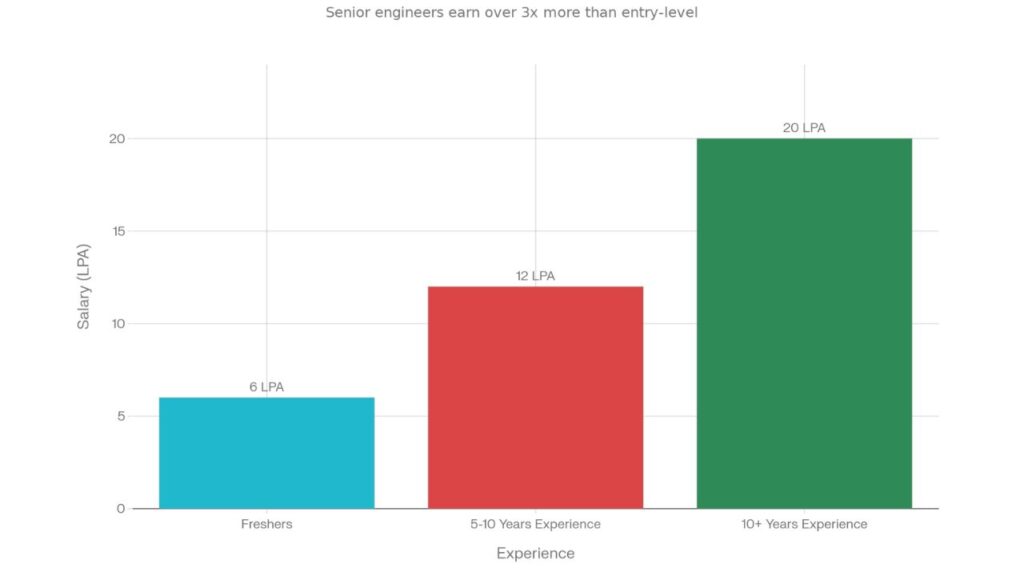
Fresher (0-1 year)
₹4.5-7
₹37,500-58,333
Graduate joining first job
2-5 years
₹8-12
₹66,667-1,00,000
Intermediate engineer
5-10 years
₹8-15
₹66,667-1,25,000
Senior engineer or team lead
10+ years
₹15-25+
₹1,25,000-2,08,000+
Manager, specialist, researcher
Salary by Sector:
Sector
Fresher Package
Experienced Package
Government (ISRO, DRDO, HAL)
₹7-10 LPA
₹20+ LPA
Private Indian Companies
₹5-9 LPA
₹12-18 LPA
International Companies (Boeing, Airbus)
₹8-12 LPA
₹20-28+ LPA
Startups & Newer Companies
₹4.5-6.5 LPA
₹10-14 LPA
The Future Looks Bright
India’s aerospace engineering salary will increase by 20-25% by 2030 and is highly influenced by demand in electric aircraft, AI integration, space exploration, and green aviation related technologies, suggest the industry projections. .
The initial two years are dedicated to core subjects such as mathematics, physics and general engineering. These years are tough, but necessary. If you have a strong base in these stuff, then you can understand high level stuff in aero easily later on.
Year 3: Where Aerospace Engineering Gets Exciting
In year 3, the real aerospace journey begins. You then go on to such specialised areas as aerodynamics, propulsion and aircraft structures.
Year 4: Major Project and Real-World Problem Solving
Senior year is spent mostly on a senior project. You could design an airplane, build spacecraft systems, or even study a real problem in aerospace engineering. Many of these projects are sponsored by industry, giving students real-world experience and making them more employable.
Internships: The Key to Career Growth
The majority of aerospace engineering programs require 2 to 3 internships, such as summer and at times semester-long training. Top organizations including ISRO, HAL and Boeing hire interns on a regular basis. This hands on experience is invaluable and it contributes a lot in building a strong resume and career in future.
Choose Your Specializations
Specialization
Focus
Scope
Preferred Companies
Aerodynamics
Airflow, drag reduction, aircraft efficiency
Aircraft design, research
ISRO, Airbus, NASA etc
Propulsion
Engines in Jet engines, space rockets
Engine design, space missions
GE Aviation, Rolls-Royce, ISRO
Flight Dynamics & Control
Aircraft stability, autopilots, guidance systems
Control systems, UAVs
Boeing, HAL, Airbus
Aircraft Structures
Materials, stress analysis, lightweight design
Design Structure, & aerospace manufacturing
Airbus, HAL
Avionics
Radio System, navigation, Electronics
UAVs & Avionics
Boeing, DRDO
Best Aerospace Engineering Colleges in India
College
Type
Location
Specialization
IIT Bombay
Government
Mumbai
All specializations
IIT Madras
Government
Chennai
Aircraft & Space
IIT Kharagpur
Government
West Bengal
All specializations
IIT Kanpur
Government
Uttar Pradesh
All specializations
Mahindra University
Private
Hyderabad
Comprehensive curriculum
SRM IST
Private
Chennai
Modern labs & industry focus
Chandigarh University
Private
Punjab
Industry-driven curriculum
Ramaiah Institute
Private
Bangalore
Well-equipped facilities
Manipal Academy
Private
Bangalore
Research-oriented
Conclusion
Aerospace Engineering Courses aren’t simple, it’s a journey through innovation, precision and human ability. Whether you want to design the next generation of commercial planes, put satellites into space, or work on autonomous drones, this is a field with limitless options.
The Indian aerospace industry is poised for growth. With ISRO’s ambitious space programs, HAL’s indigenous aircraft development and international partnerships with Boeing and Airbus, there is no dearth of opportunities. And if you are in the top performers, the world is your sky.
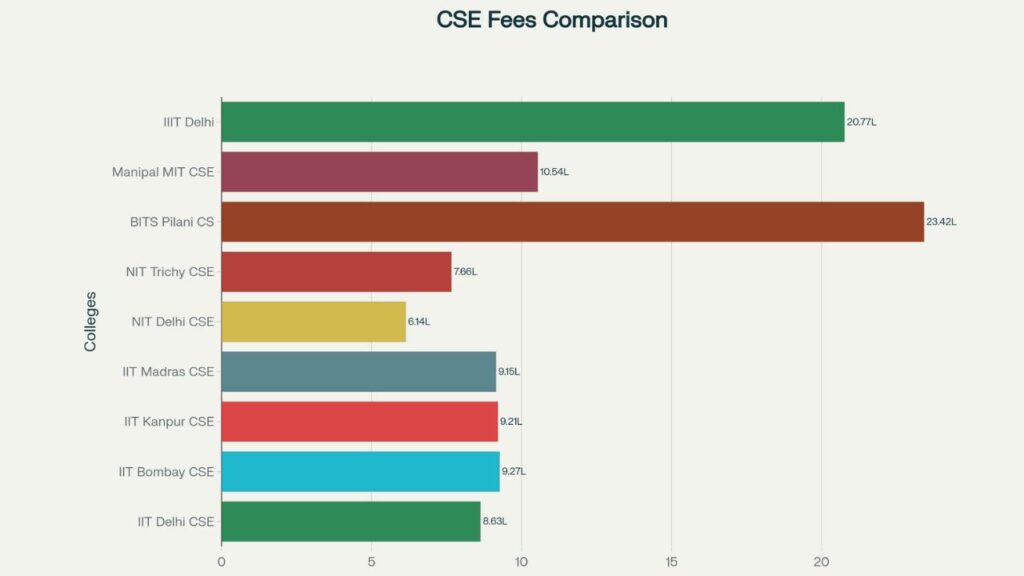
B.Tech CSE Fees at IIT Delhi is one of the best quality top engineering program in India which is given at a very affordable fee. It is the cheapest for the top tier IITs with an overall 4-year cost of ₹8.63 lakhs. For SC/ ST students and MCM scholarship holders, the amount could come down by the fee till ₹4.5 lakhs and 5.3 lakhs respectively. IIT Delhi offers great value for money in education, in comparison to private universities such as BITS Pilani (₹23.42 lakhs) and IIIT Delhi (₹20.77 lakhs).
Total Course Fees For IIT Delhi B.Tech CSE
Tuition Fee
8,00,000
Caution Deposit
8,000
Registration, Library, Exam Fees
54,550
Total Academic Fees
8,63,000
Full fee ₹2.28 lakh for the first year payable in installments at two end semesters. This covers tuition and a set of one-time fees. From the second year on, you will be required to pay around ₹2 lakh per year.
Total Cost For The Entire B.Tech Course From IIT Delhi
Category-Wise Fee Structure
General and OBC Students
₹8.63 lakhs for 4 years
SC/ST/PwD
₹62,550 for 4-year
The perks include a full waiver on the tuition fees, which is a saving of ₹8 lakhs. Also, the hostel seat rent is waived for the students whose family income is below Rs 8 lakhs per annum, thus assuring affordable accommodation. Added to this, basic free messing, which includes the core meals of the hostellers. In addition to this, there is also a pocket allowance of ₹1,000 a month to cover incidentals.
Hostel and Living Expenses
Old Hostels
38,580 for one Semester
New Hostels (Non-AC)
41,580 for one Semester
New Hostels (AC)
52,980 for one Semester
The rule for most first year students is to stay in hostels, and they are levied per semester with mess services included. Based on the hostel chosen, the fees for 4 years or 8 semesters are somewhere in the range of ₹3,10,000 to ₹4,20,000. It also includes a one time hostel deposit of ₹22,000 that has a refundable security deposit of ₹15,000 and a non-refundable BHM fee of ₹7,000.
Complete 4-Year Cost Estimate
Academics
8,63,000
Hostel
3,50,000
Grand Total
1,213,000
Various Scholarship Options For IIT Delhi Students
Merit-cum-Means Scholarship
Students who belong to the low income family and want to pursue B.Tech, M.A, M.Sc, and MPP can access this scholarship for their studies. A monthly stipend of Rs 4,000, or Rs 48,000 per year is given to almost 25% of students. The tuition fee waiver of 8 lakhs completely for the entire course is a huge support. The maintenance of the minimum CGPA or SGPA of 6.0 and a valid proof of income are the prerequisites for renewal of the financial aid. The aim of the program is to encourage bright and ambitious students to pursue higher education and reduce their financial difficulty.
Donor-Funded Scholarships
Scholarship Name
Annual Amount
Key Eligibility
ABB Scholarship
Up to ₹1,00,000
Merit & financial need
Bina Dewan Singh Scholarship
Up to ₹1,00,000
Female students, financial need
Budhwanti Mrig Memorial Award
Up to ₹1,00,000
Exceptional merit
Buti Foundation Scholarship
Up to ₹75,000
Specific criteria
CS&E 1998 Batch Scholarship
Varies
CSE students specifically
Keswani Scholarship
Up to ₹1,00,000
Merit-based
IITDAA Scholarship
Up to ₹1,00,000
Alumni-funded, merit-based
IIT Delhi vs Other Top Engineering Colleges Fees
B.Tech CSE Fees Comparison Across Top Engineering Colleges in India
IIT vs IIT Comparison
IIT
B.Tech CSE Tuition (₹L)
Total 4-Year Cost (₹L)
Rank
IIT Delhi
8.00
8.63
#1 (Most Affordable)
IIT Madras
8.00
9.15
#2
IIT Bombay
8.50
9.27
#3
IIT Kanpur
8.50
9.21
#4
IIT vs NIT Comparison
College
Total 4-Year Cost (₹L)
Average Placement (₹ LPA)
ROI Advantage
IIT Delhi CSE
8.63
₹20-25
Best balance
NIT Delhi CSE
6.14
₹15-18
Lower package
NIT Trichy CSE
7.66
₹14-17
Lower package
IIT vs Private Colleges Comparison
College
Total 4-Year Cost (₹L)
Cost Relative to IIT Delhi
IIT Delhi CSE
8.63
Baseline
BITS Pilani CS
23.42
272% Higher
IIIT Delhi BTech
20.77
240% Higher
Manipal MIT CSE
10.54
122% Higher
BITS Pilani is costly by ₹14.79 lakhs in comparison to IIT Delhi for the same course. BITS, which charges higher fees also does not have the global brand value or the placement numbers of IIT Delhi.
Fee Payment Schedule for semester-wise
To simplify budgeting for families, the fee is charged twice a year on a per semester basis. The tuition fees for 1st semester is ₹1,00,000. There are also one-time charges between ₹25,000 and ₹30,000.
The fees for students who choose hostel accommodation is from 38,580 to 52,980. So, the total charges for the first semester will be between ₹1,63,000 and ₹1,83,000. The main fees range is around ₹1,38,000 including hostel fees from the second semester because the tuition fee is Rs. 1,00,000 per semester and a one time charge of Rs. ₹25,000-30,000 is removed.
Similar structure continues for all the semester throughout the course.
IIT Delhi’s CSE Program Worth the Cost
Outstanding Placement Record
The top tech firms are known to offer packages in the ballpark of 70+ lakhs per annum, and the program has an amazing average package of 20-25 LPA which is among the best in India. It still has over 98% amazing placement with prestigious, elite firms. Graduates typically recoup their ₹8.63 lakh outlay by four to five months post-graduation, ensuring substantial returns on though investment (ROI). The alumni base is also global and large too, with alums working at top companies including Google, Microsoft, Apple, Amazon, Goldman Sachs, McKinsey, and the list goes on.
Research and Innovation Ecosystem
Students get access to world-class labs and research facilities Opportunities in AI, cybersecurity, cloud computing and other emerging tech areas. Partnerships with industry and government; externally funded research projects Industry collaborations and funded research projects.
Conclusion
IIT Delhi’s B.Tech CSE program provides the highest return on investment in India for all the engineering courses. While the total 4-year fee is a bargain at around ₹8.63 lakhs compared to the pricier private schools like BITS Pilani or IIIT Delhi, in exchange, students get world-class teaching, cutting-edge research and excellent placement opportunities.
Top recruiters are packing in an average of ₹20-25 LPA and up to ₹70 LPA. The B.Tech CSE at IIT Delhi is considered to be the best and most lucrative engineering degree in India owing to its high placement rate and affordable tuition fees.