UPSSSC Jobs List with Salary 2025 – Check Top High-Paying Posts & Pay Scale

UPSSSC jobs list with salary

If you are looking for jobs that come with high salary, security, and lifetime growth for your career. You must check out UPSSSC Jobs List with Salary range. In 2025, there are a lot of opportunities in the government sector to start your career but be ready to prepare for their exams. 

Choose the job that aligns with your interest and skills, government jobs offer you a good salary package for even a junior assistant job. So, trust your guts and know which exam you clear out.

UPSSSC is a state-level organization which offers multiple positions to ensure government work runs smoothly and stable. 

Becoming an engineer is many people’s dream, you can be an engineer in the government sector too. With a Degree or Diploma in engineering, apply for the Junior Engineer post that gives you job security and stability. Whether in Civil or Electrical, JEs play a crucial role for planning, execution, and maintenance of government infrastructure projects. 

DetailsInformation
Salary₹35,400 – ₹1,12,400 (Level-6) + allowances
QualificationB.Tech OR Diploma in Civil OR Electrical Engineering 
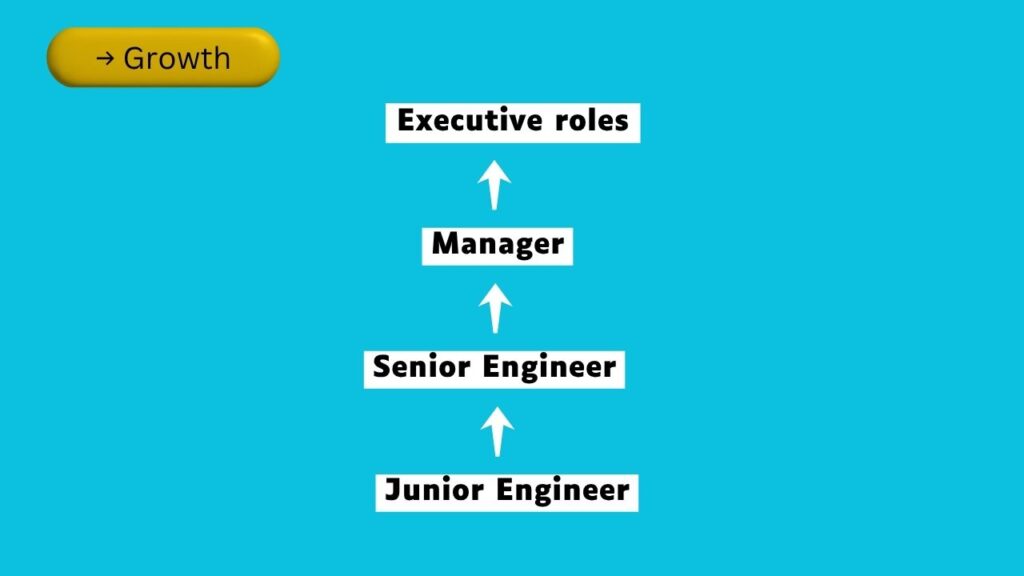
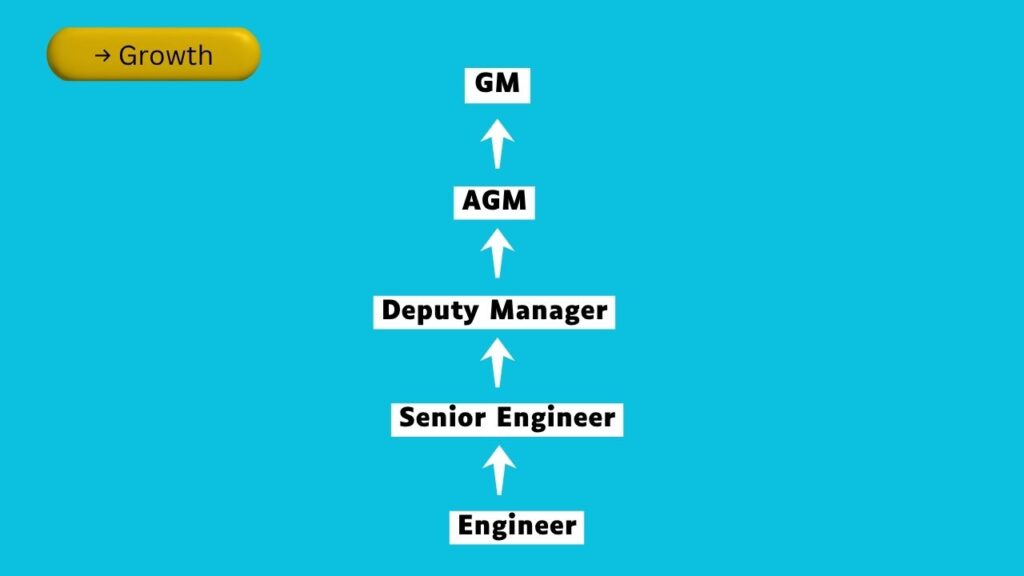
Career GrowthJunior → Assistant → Executive Engineer

This comes in one of the popular jobs because of its clerical nature. If you are seeking desk jobs in state secretariats, especially in Uttar Pradesh. This job is the best option for you.

DetailsInformation
Salary₹47,600 – ₹1,51,100 (Level-8) + DA, HRA, etc.
QualificationGraduate in any stream + Basic Computer Skills
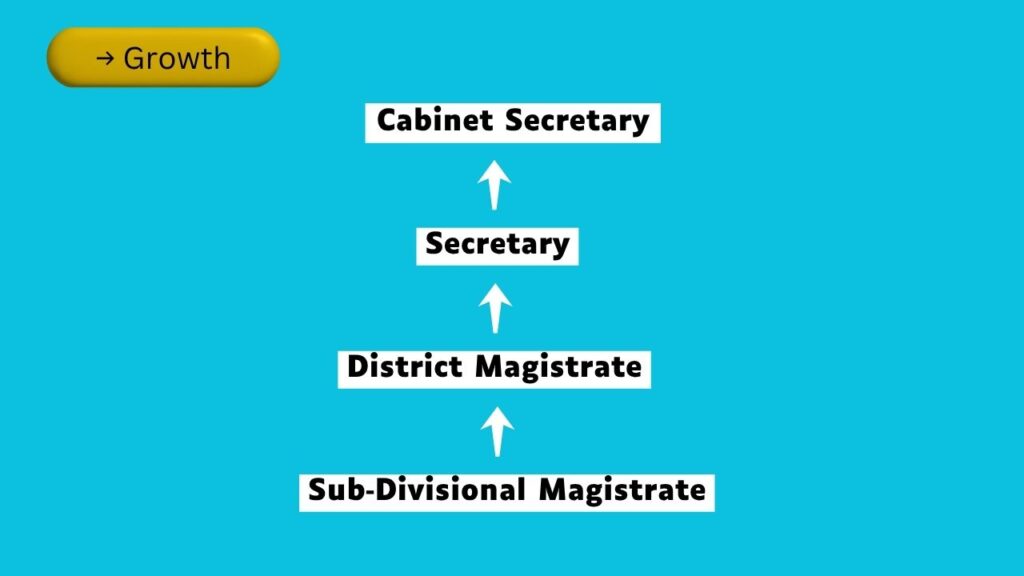
GrowthRO → SO → Secretary 

Mukhya Sevika is also called Head Female Supervisor and known for leading Anganwadi, supervising health and nutrition programs to ensure women and children are getting the benefit of government schemes.

DetailsInformation
Salary₹29,200 – ₹92,300 
QualificationGraduation in any stream such as preferably Sociology OR Social Work
GrowthMukhya Sevika → Child Development Project Officer (CDPO) → District Program Officer (DPO)

If you are good in math and keen eye for detail, choosing to become an Internal Accountant is the best option for you. You’ll be responsible for maintaining financial records and ensuring that government spending is tracked and reported accurately.

DetailsInformation
Salary₹29,200 – ₹92,300
QualificationB.Com / M.Com / CA / ICWA
GrowthInternal Accountant → Senior Accountant → Accounts Officer

Auditors help maintain transparency in how government money is spent. Auditing reports, checking errors, and misuse of funds are responsibilities which come under this role. 

DetailsInformation
Salary₹29,200 – ₹92,300
QualificationB.Com / M.Com / MBA (Finance) / CA
GrowthAuditor → Senior Auditor → Audit Officer

A Laboratory Technician in hospitals and diagnostic centers are necessary to handle instruments that help in diagnosing. This role offers responsibilities such as medical tests on blood and urine samples, making accurate diagnosis reports, and also helping doctors. Lab technician course fee is low but salary is high.

DetailsInformation
Salary₹29,200 – ₹92,300
QualificationDiploma or B.Sc in Medical Laboratory Technology
GrowthLab Technician → Senior Technician → Lab In-Charge

This job involves working closely with farmers of sugarcane fields to ensure production improvement. Working in agriculture is not that bad because it has many responsible roles to handle on fields other than farmers. 

DetailsInformation
Salary₹25,500 – ₹81,100
QualificationB.Sc in Agriculture
GrowthSupervisor → District Officer → Regional Officer

Lekhpal is a field-level officer who collects data of land and revenues in rural or urban areas. Their job is to do surveys, and keeping that data records. 

DetailsInformation
Salary₹21,700 – ₹69,100
Qualification12th pass + Basic Computer Course
GrowthLekhpal → Revenue Inspector → Naib Tehsildar

Read More 👉 UPSSSC Mukhya Sevika Final Result 2025

VDO is responsible for ensuring village people government schemes benefits. From sanitation to employment initiatives, all schemes should be provided by the VDO. 

DetailsInformation
Salary₹21,700 – ₹69,100
QualificationGraduate + Computer Knowledge
Career GrowthVDO → BDO → DDO

Healthcare services are increasing day by day because of consistently growing diseases. This role allows you to provide community service to work closely with women and children in villages. You are responsible to provide them medical care, vaccination, and health awareness programs.

DetailsInformation
Salary₹21,700 – ₹69,100
QualificationANM Diploma + State Nursing Council Registration
Career GrowthANM → Lady Health Visitor → Health Supervisor

This job is perfect for freshers with typing and administrative skills. Your role is required to handle office daily tasks and maintain records of the office.

DetailsInformation
Salary₹21,700 – ₹69,100
Qualification12th pass + Typing skills + Computer knowledge
GrowthJunior Assistant → Senior → SO

This job involves operating imaging equipment in hospitals for scanning any injuries internally. It helps doctors to cure patients after diagnosing. 

DetailsInformation
Salary₹21,700 – ₹69,100
QualificationDiploma in Radiology 
GrowthTechnician → Senior Technician → Radiology Officer

This role is all about protecting wildlife from unnecessary occurrences,  preventing illegal activities, and maintaining safety. If you love adventure and looking for a defense job then this is the right option.

DetailsInformation
Salary₹19,900 – ₹63,200
Qualification12th pass
GrowthForest Guard → Forester → Range Officer

If you are interested in helping farmers adopt modern farming techniques and make the best use of government schemes, then it is the best role for you. It’s a field-level job with real impact.

DetailsInformation
Salary₹29,200 – ₹92,300
QualificationB.Sc or Diploma Agriculture 
GrowthTechnical Assistant → Agri Officer → D.A.O

There are various options for you in UPSSSC, it is a state-level government body to recruit for these positions. So, you have to prepare well for the exam to get any of these job roles. Choose wisely from the UPSSSC job list with salary 2025 before you shape your future with your choice.

Leave a Comment

Your email address will not be published. Required fields are marked *

Top B.Tech Colleges in India: Latest Ranking & Admission Guide

BTech Colleges in India

When thinking about starting a career in engineering then choosing among the top BTech Colleges in India is the priority for every student. The race for a Bachelor of Technology (BTech) course has gotten much tougher and thrilling as there are plethora of options for would-be engineers across the country. If you’re a Class 12 student planning to appear for entrance exams or a parent navigating the admissions maze, this one-stop guide will give you an overview of the current scenario of top BTech colleges in India, their rankings, placements and admission criteria. 

Understanding the Current Landscape: NIRF Rankings 2025

Indian BTech Colleges NIRF Ranking 2025 is considered as the standard for deciding the best BTech colleges in India. As per the updated list, IIT Madras ranked 1st once again for the ninth straight year, further consolidating its hold on engineering. The top five Engineering institutes in India according to NIRF 2025 are IIT Madras, IIT Delhi, IIT Bombay, IIT Kanpur, and IIT Kharagpur.​

 IIT Madras, IIT Delhi

But the story is not all IITs, the NIRF Rankings are not limited to the only IITs. As far as the National Institutes of Technology (NITs) are considered, only NIT Trichy emerges among the top 10 at rank 9 in the list, which speaks about the immense competition in rankings. Following NIT Trichy we have the older NITs like NIT Roorkela, NIT Suralgkal, we have NIT Calicut who all regularly get top 25! 

NIT Roorkela and NIT Suralgkal

Private institutes have also made a place for themselves, with BITS Pilani at Rank 11 and VIT Vellore at Rank 16 in NIRF 2025. These colleges are no joke, they do provide a world class education and you will have no problem finding employment. 

The Tier System

In addition to the usual rankings, a number of industry insiders grade schools according to tiers based on placement results, presence of recruiters, and number of competitive cutoffs. This gives a more refined sense of the college pecking-order. 

Tier 1 (Premier Institutes) consists of the legendary IITs such as IIT Bombay, IIT Delhi, IIT Madras, IIT Kanpur, IIT Kharagpur, IIT Roorkee, IIT Hyderabad, and IIT Guwahati. These are also engineering colleges which dream destinations for most engineering aspirants. Indian academics are tough and placement records are also excellent.​

IIT Kanpur and IIT Bombay

Tier 1.5 (Strong and Competitive) has institutes such as IIT BHU (Varanasi), IIT Indore, BITS Pilani, IIT Ropar, IIT Gandhinagar, NIT Trichy, NIT Surathkal, and NIT Warangal. These universities have good academics and employment potential and have gained significant traction in reputation. 

Tier 2 (Well established with Consistent Track Records) Institutes of the second tier like IIT Mandi, IIT Jodhpur, IIT Bhubaneswar, IIT ISM Dhanbad, NIT Rourkela, NIT Calicut, BITS Goa, BITS Hyderabad, and the likes, boast of consistent placement records coupled with strong alumni network. These are established institutes and provide assured opportunities for students for career growth and links with industry.  

Placement Statistics

While selecting a college, the chief concern is usually the placement. Let’s dig into the real figures. The average salary package at IIT Bombay soared to ₹23.5 LPA in the 2024 placement drive, showing a 7.7% rise from last year’s ₹21.8 LPA. The highest package at IIT Bombay soared to a staggering ₹3.67 crore, with 22 students bagging offers scaling the ₹1 crore per annum mark. 

The placement rate for IIT Bombay’s BTech programme is a healthy 74.53%, with 1,475 students placed out of 1,979 registered. Curiously, Computer Science Engineering is the most in demand branch with 230 offers, then closely matched by Electrical Engineering (232) and again by Mechanical Engineering (229).​

The average package at IIT Kanpur hiked up to ₹26.27 LPA, whereas IIT Delhi saw an average package of ₹17.60 LPA with a highest package of ₹2.05 crore. These statistics attest to the amazing value top engineering colleges provide their students. 

Admission Process For B.Tech

Anyone with ambitions to be a part of these institutions should know the process of meteoric rise, which is Understanding the process of admissions is essential for any aspirant who wants to get into these esteemed organizations. The route for BTech admission in India: Your Class 12 results and entrance exams largely decide your fate.​

NIT Trichy

An all India examination termed JEE Main is required to be passed by the candidates for admission to the institutes like IITs, NITs. Candidates are required to qualify in JEE Advanced, which is the next level after JEE Main, for seeking admission to IITs. JEE Advanced for admission to IITs can be attempted only by JEE Main rank holders (JEE Main is qualifying exam for JEE Advanced), and seat allotment in IITs is done on the basis of JEE Advanced ranks alone. 

The eligibility criteria is simple, but important: candidates should have completed class 12th (science stream with physics, chemistry, and mathematics) with minimum marks of 50% to 75% which varies as per the institute and category. For reserved category contenders the qualification is generally 65%.​

Admission Process For B.Tech

The BTech admission schedule is designed in a manner that helps you to plan well in advance. Application period: It may be from November to March of next year, subject to specific entrance examination. 

Entrance exams are generally held in April-June, followed by counselling and seat allotment after the exams then classes usually start around August or September. 

Cutoff Ranks Matters

In top colleges, an applicant with a JEE Main rank less than 5,000 can expect to get one of the top five NITs. For example, NIT Trichy’s Computer Science Engineering has an opening and closing rank of 1000-2000 in general category, NIT Surathkal’s CSE has ranks in the range of 1500-3500. 

General 91-95
EWS 79-83
OBC-NCL77-81
SC 58-62
ST 44-48

Under this category, the likely cutoff percentile for JEE Main 2025 is General (91-95), EWS (79-83), OBC-NCL (77-81), SC (58-62), ST (44-48). But, all these are predictions based on the past year’s trends of the exam, the actual figure of cutoff may be different. 

Popular BTech Specializations

The present day BTech courses are not only confined to traditional engineering branches. Computer Science Engineering (CSE) leads the list as the most preferred branch for a bright career in software development, data science and cybersecurity. 

Popular BTech Specializations

But today the BTech branches in the specializations are far more than the CSE. Mechanical Engineering, Civil Engineering, ECE (Electronics and Communication Engineering), and IT (Information Technology) are still the standard choice but some new fields are emerging that are taking over the engineering world. AI and Data Science, Cyber Security, Cloud Computing, Biomedical Engineering, and Robotics and Automation Engineering are the courses currently making waves owing to high demand in industry. ​

Emerging disciplines such as these are the future of engineering, and firms looking to attract the best graduates in those niche are already hard-pressed to come up with competitive salary packages. 

Understanding the Financial Reality

It is also necessary to consider the expenses related to BTech. The entire course fee amount for government colleges like NITs and IITs is generally between ₹8.35 lakhs and ₹9.17 lakhs which is really affordable considering the kind of opportunities these institutes offer.​

Private universities such as BITS Pilani have much higher fees at ₹23.9 lakh for the full course, although they do have a variety of advantages such as more flexible curricula and better placement results.​

With a low fee structure of ₹8.35 lakh, IIT BHU, Varanasi also has the highest ROI of 239.52%, due to a median package of ₹20 LPA. 

Conclusion

Selecting a BTech college is among the most crucial decisions in your academic life. Despite the importance of rankings and placement statistics, you must keep in mind your interests, what you want to do in your career and your personal circumstances. If you’re going for the elite IITs, the perpetually decently performing NITs, or the private ones like BITS Pilani, do remember that your success depends as much on how hard you work as how good your education institution is.

Start your JEE Main preparation today, aim for a good rank, and keep track of the dates of the admission process. After all the efforts and proper guidance, it’s not going to be long before you’re striding down the hallways of the top engineering colleges in India, ready to make a mark on the world. 

Leave a Comment

Your email address will not be published. Required fields are marked *

NEET PG 2025 City Slip Released: Check Your Exam Centre Now!

NEET PG 2025 City Slip Released

The NEET PG exam city slip has been released with only the details of the city, the exact location of the exam centre will be provided later. Candidates can download NEET PG 2025 exam city slip from the official website of National Board of examination in Medical Sciences. The admit card will be released on 31/July/2025 for more details of the exam. You can download your exam city slip and admit card from the official website.

Exam NameNational Eligibility cum Entrance Test Postgraduate 
Exam Conducting BodyNational Board of Examination in Medical Sciences
Status Exam City Slip Released
PurposeEntrance exam for admission in postgraduate medical courses like MD or MS.
Official WebsiteClick Here

NEET PG 2025 City Slip – Important Dates

Test City Slip Date21/July/2025
Admit Card Date31/July/2025
Exam Date03/Aug/2025
Result Date03/Sept/2025

Steps to Download The Exam City Slip 2025

  1. You can download the exam city slip by visiting the official website.
  2. Navigate the NEET PG section and click on it.
  3. Click on the application link → click on “To Login” → the new log in page will appear.
  4. Please enter valid and correct details before clicking on submit.
  5. Exam city slip will be shown, you can download and save it.

Eligibility Criteria for NEET PG 2025

Education: NMC recognized degree of MBBS.

Certification: Internship certificate after MBBS, State Medical Council registration certificate.

Age Limit: No maximum age is declared. 

Number of Attempts: No limit

Selection Process 

After qualifying the exam, candidates are eligible for the next stage which is a counselling process for seat allocation. The NEET PG Counselling conducts on various stages – Registration, Choice filing, Seat Allotment, then reporting. After the seat allotment candidates must confirm the seat to complete the admission process

Important Links
Log inClick Here
Download InformationClick Here
Official WebsiteClick Here

Leave a Comment

Your email address will not be published. Required fields are marked *

Best Government Jobs After 10th

Best Government Jobs After 10th

There are many government jobs in various sectors that require minimum qualifications candidates can apply after they pass 10th with any recognised board.

  1. Asha worker
  2. Para legal volunteer
  3. ICTC driver
  4. PGT or TGT
  5. Data entry operator
  6. Medical Officer
  7. Staff Nurse
  8. Peon
  9. Attendee
  10. FLC Counsellor
  11. Caseworker
  12. ITI Trade Apprentice
  13. Apprentice
  14. Constable
  15. Tax Assistant
  16. Havaldar
  17. General Duty Attendant
  18. Electrician
  19. Office Assistant

Step 1: Go to the official Government and select the location and position you want to apply for.
Step 2: Jump to the dashboard to find the online application link and click on it.
Step 3: Some empty blanks show on the screen to get your information including contact number, username, and password then complete verification.
Step 4: Follow up on the notification and upload a photograph (passport size, no filter), and signature within the prescribed format.
Step 5: To complete the process pay an application fee.
Step 6: Preview the form for any mistakes.

Note: There may be some changes in the application form according to the position in which you are applying for. So, check well before filling out the details in the form.

Also Read: SSC CGL Syllabus 2025 Explained

  • Candidates must pass 10th standard from a recognized board.
  • Candidates must score above 50% score in the 10th standard to apply in the sectors including Railways, Defence, and Banking.
  • Candidate age should be 18 or above, some posts may require an age between 36 and 40 years. Check the official notification for the specific post to confirm the age limit.
  • Age relaxation is provided for SC/ST, candidates from the general category may not have that. Reserved category candidates should check their age relaxation on the official government website.
  • The Candidate must be an Indian Citizen.

The salary range depends on the position and location of the candidates, it may differ in various sectors. However, the government gives some other benefits along with the salary which are medical expenses, pension plans, and bonuses.

Most entry-level government jobs starting salary in the range of ₹5,200 to ₹20,000

  • Railway Track Maintainer :- ₹18,000 – ₹22,000
  • Postman :- ₹20,000 – ₹25,000
  • Paramedical workers :- ₹10,000
  • Gramin Dak Sewak :- ₹10,000 – ₹14,000
  • Defence Soldier :- ₹25,000 – ₹30,000
  • Clerk/Assistant :- ₹25,000 – ₹30,000

If you are applying for the Railway Group D posts, it includes:

  • Computer Based Test (CBT)
  • Physical test
  • document verification

It is mandatory to clear the exam for the position you applied for

  • Railway: Track maintainer, Helper, Technician, Assistant.
  • SSC Multi-tasking Staff (MTS): Conducted by Staff Selection Commission.
  • Indian Army Soldier: Soldier (General duty), soldier Technical, Clerk.
  • Indian Navy Tradesman Mate & Matrix Recruitment (MR): Tradesman Mate and Matric Recruit in the Indian Navy.
  • Indian Air Force Group C Civilian Posts: Multi Tasking Staff, lower division clerk, Cook
  • State Police Constable Exam
  • Indian Post Gramin Dak Sevak (GDS): Postal department jobs including GDS are open for 10th pass.
  • Border Security Force (BSF) Constable Tradesman
  • Central Reserve Police Force (CRPF) Constable
  • Indian Coast Guard Navik
  • Polytechnic Entrance Exams: entrance exam for diploma in engineering courses.
  • Olympiads (NSO, IMO, IEO, NCO): both on national and international level exams.
  • Indian Navy SSR & MR: To enter the Indian Navy entry level jobs.All India Entrance Exam for Scholarship (AIEES): scholarship exam for 10 class students.

Many students want to do a government job. In India, people want to grab the opportunity as soon as possible. After 10th anyone (Indian Citizen) can apply for entry-level positions in sectors including Railway, Medical Staff, Apprentice, Postal and Defense.

Can I apply for railway jobs after 10th-pass?

Yes, You can apply for railway jobs in India after 10th. Indian Railway offers many entry-level jobs for 10th-pass candidates, particularly in Group D.

Which government exams can I take after 10th?

After 10th you can apply for Railway jobs, Apprentice, postal, and defense. These are the sectors you can get into after clearing the exams.

Is there any police job available after 10th class?

Yes, there are many jobs in defense you can apply for after 10th. The most common entry-level position is a Police Constable.
There are available posts after 10th in Police: Constable (General Duty), Senior Police Constable, Junior Constable, Technical and Tradesman Posts (in some forces), Auxiliary Police, and Firemen.

What is the salary of 10th pass government jobs?

The starting salary range for the 10th pass government employee is ₹5,200 to ₹20,000. The salary is increasing after the promotion of the candidate in a particular sector.

Leave a Comment

Your email address will not be published. Required fields are marked *

PA, DEO, LDC & Steno Posts Exam Date 2026 is Out Check Bihar Vidhan Parishad Site

Bihar Vidhan Parishad

For Bihar students, a stable, prestigious government job is what defines success in life and as such many are drawn to the Bihar Vidhan Parishad (Legislative Council) for it. It’s been a long preparation but finally, the air is starting to clear. If you have been constantly refreshing the official website and browsing notification bars, you have already filled the application forms.

Now the exam dates for the recruitment for the posts of Personal Assistant (PA), Data Entry Operator ( DEO ), Lower Division Clerk ( LDC ), and Stenographer are now declared. 

Schedule for Exam

The preliminary exam is being held on 05/April/2026 for PA, DEO, and LDC posts which is being filled with the aspirants who score best in this exam.

Starts Apply 28/November/2025
Ends on 05/January/2026
Last Date For Fee07/January/2026
Exam Date05/April/2026

Eligibility For Exam

Applying for Personal Assistant (PA): You must have a degree of a valid university in your hand from any stream and Stenography speed of 100 words per minute (wpm).

For the Stenographer: Stenography speed of 80 wpm with the degree of graduation.

Data Entry Operator (DEO): 8000 words with accuracy per hour speed of typing is required with 12th Certification.

Applying for Lower Division Clerk (LDC): You must have 12th marksheet and 30 wpm of typing speed in both Hindi and English.

Vacancy and Salary Level

This single-day agenda offers some clarity for the 64 vacancies that thousands have applied for. Although the application process ended in January 2026 following a number of extensions, the attention is now firmly on the home straight of revision. 

Post NameTotal VacanciesPay Scale (Level)Key Qualification
Personal Assistant (PA)07Level-07 (₹44,900–1,42,400)Graduate + 100 wpm Steno
Data Entry Operator (DEO)35Level-04 (₹25,500–81,100)12th Pass + 8000 key-depressions/hr
Stenographer12Level-04 (₹25,500–81,100)Graduate + 80 wpm Steno
Lower Division Clerk (LDC)10Level-02 (₹19,900–63,200)12th Pass + 30 wpm Typing

Selection Process

It is not only a written test competition in this recruitment; it is also a competition of knowing the technique of running on the ground. Since these posts are of administrative and technical nature, the Bihar Vidhan Parishad conducts the following stages:

  1. Preliminary/Written Examination: This is the first hurdle. It is basically a general awareness general arithmetic, reasoning and language (Hindi or English).
  2. Skill Tests For PA and Stenographers: You will appear for a shorthand (Stenography) test which is tough as it requires 80–100 wpm.

For DEO, and LDC: Must clear Typing Tests and Computer Tests. Be it key depressions of the hour or the words per minute, accuracy is equally important as speed.

  1. Document Verification & Medical: The end of the road to qualify for meeting all legal and physical condition for the state government. 

Admit Card Download

The admit card is going to be released in March 2026 before the exam so students can download it from the official website. It is a ticket to your exam which is not going to appear on your doorstep. 

Follow these Steps to download: 

  1. Check out to the official site
  2. Login to check your admit card.
  3. Put in your Registration Number and Date Of Birth/Password to login.
  4. Download, have it laminated and get a colour print out.

Note: It will be available five days before the exam so keep checking on the site. It may not show sometimes due to high traffic on the server. 

Read More:- UPPSC APO Admit Card 2026 Out: Check Exam Center and Date

Preparation Strategy

If you have a little time for preparation or you want to revise over three weeks. Here are a few things you can do to beat this examination:

  • Keep A Watch On Current Affairs: Bihar related current affairs and Indian polity are all time favorites in Vidhan Parmanch exams. Revise the recent laws and the state’s schemes.
  • Practice Typing/Steno Daily: The pressure of the exam hall is different from doing practice at home.
  • Practice Papers: Begin untimed with full-length test papers with the clock ticking. This will allow you to make during the General Awareness, Reasoning and Time Sessions.
  • Revise Computer fundamentals: For DEO and LDC posts, questions on MS Office shortcuts, internet protocols, and basic hardware are frequently asked. 

What to Carry to the Exam Center?

  • Admit Card with fully laminated
  • Adhaar or Pan Card copy
  • Passport photo of yours

Conclusion

Bihar Vidhan Parishad Recruitment Exam 2026 is very important for those aspirants who want to make their career in Government Sector. Now that the exam date is out, the entire attention should be on smart revision, regular practice and time management. PA, DEO, LDC, and Stenographer post in UPSC documents, each form is precise and fast at each stage of the application process. Follow the instructions and stay up to date with official notifications, download your admit card on time and have all necessary documents ready. If you eat the right strategy and commitment, this could be your door for a successful career in the Bihar legislative arm. 

Leave a Comment

Your email address will not be published. Required fields are marked *

O Level Course 2025: Complete Guide to Fees, Syllabus, Duration & Job Benefits

O Level Course 2025

Students who are interested in the Technical Field can achieve great heights in their career after pursuing NIELIT ‘O’ Level. It opens up the door in both private and government sectors as the requirement of an IT employee is needed everywhere. The world is evolving more into digitalization which has made this field wider and open more vacancies for the candidates. If you also want to make your career stable with a good career path, high-salary, and less hectic job then grab this course now.

Why NIELIT ‘O’ Level Matters in the Digital Age

Chasing after stable and well-paying jobs in India, job-seekers are often driven towards the public sector, where security of jobs and strong perks are widely considered as givens. In today’s increasingly digitised world, being in possession of a recognized and accredited Information technology qualification is not just an advantage – it is a requirement. The NIELIT ‘O’ Level course is at the Midnight of this requirement. 

It is officially considered the same as a Foundation Level CA course. This government approval is really important and gives you the edge that private not accredited courses can never get. The value of this certification is further ratified with its inclusion in the national framework, having been recognized under the National Skills Qualifications Framework (NSQF) at Level 4. 

What Job Roles Can You Get After NIELIT ‘O’ Level

The O Level was structured in such a way as to be responsive to the short-term technical needs of the then contemporary public and private sectors. The stated goal is to prepare students with the skills needed to work in today’s IT-enabled jobs. Among these targeted profiles are User Interface (UI) Designer, Web Designer, Web Publication Assistant, Office Automation Assistant, and IoT Application Integrator.These intentional integration with operational IT rather than simple clerical data entry clearly situates the course as a practical instrument for aspirants to take on current digital workplace requirements. 

Detailed Eligibility Criteria

The basic eligibility criteria require either passing 10+2, or holding a one-year ITI Certificate after Class 10, along with a minimum of one year of experience in the area related to the IT industry. 

The applicants who have passed second year of polytechnic engineering diploma after 10th standard from a government recognized institute are also eligible to apply. 

O’Level Course Duration 

The six-month timeline for graduates enables them to get this commonly required IT credential quickly, thereby reducing the amount of career time lost while waiting for certification. Hence, the ‘O’ Level serves as an important means for enhancing one’s eligibility in a short span of time after the completion of the degree. However, this registration remains valid for five years.

Why Is O’Level Course Value Increasing Day-By-Day?

Mastery in the Revised Syllabus

The importance of NIELIT ‘O’ Level certification in the present high technology world is that O level syllabus is regularly revised and updated which in turn helps to keep the students updated with the latest information and technology available. This syllabus is much beyond the basic knowledge of computing which is now considered old to cater to the demand of the industry for the skills and the industries supported the potential of having high paying jobs. 

Structure and Examination Pattern

The course is staffed with four core theoretical modules, the compulsory practical component, and a project. The four theory modules are:

M1-R5: Information Technology Tools and Network Basics

M2-R5: Web Designing & Publishing

M3-R5: Programming and Problem Solving through Python

M4-R5: Internet of Things and its Applications 

Detailed Module Analysis

All theory subjects will be assessed by a three hours written examination carrying 100 marks. Besides these theory papers candidates are required to pass one full practical examination (PR1-R5) based on the contents of all 4 theory modules, also carrying 100 marks and of three hours duration. Practical work is usually done at the institutionally approved places offering the course. A Project Work (PJ1-R5) is also necessary for certification. 

Read More 👉 Which Entrance Exam Is Best for MBA Abroad in 2025?

Official NIELIT Fees 

The cost a candidate has to bear when applying directly through NIELIT (without availing external tuition) is surprisingly small:

  • Registration Fee is Rs.500 and this registration is valid for 5 years. 
  • A Fee of ₹100.00 is applicable for processing exam applications per examination cycle.
  • The O’ level course fees for each module in the Revision 5 is 1,000 Rs. The total of four modules fee is Rs 4,000.
  • O Level Project Fee (once only for PJ1-R5 submission) The compulsory O Level project fee PJ1-R5 is only ₹100. 

Candidates pursuing O’Level courses from private institutions can get different fees or entire course fees. So, check the total fees amount for this course from the institutions you choose.

Career Pathways in the Private Sector and High-Paying Roles

The NIELIT O Level certification is an address both for private and government jobs. Although the public sector is considered to be the most stable, the private sector has many points of entry and is an important source of early career experience. 

Target Job Profiles 

The level of competence proven through ‘O’ Level is very applicable. There are plenty of O level benefits in government jobs. The roles targeted include vital gating roles such as UI Designer, Web Designer and IoT Application Integrator. Outside these roles, the certification still strongly validates the holder’s knowledge of key IT skills, such as being computer literate, managing data efficiently, using office automation tools, creating simple web applications, and handling databases. These skills are necessary for help desk, IT support, and web maintenance positions in a broad range of private industry. 

Salaries Offered by IT Sector

The average O level course jobs salary in the Private Sector after doing NIELIT ‘O’ Level is around 3 LPA (Lakhs Per Annum). This base figure amounts to roughly ₹ 25,000 per month which is considered as the minimum expectation for blue-collar jobs at the level of data entry operators, junior IT support, or clerical jobs with some know-how of office automation. 

However, In the government sector, For certain technical posts, including Scientific Assistant and some Assistant Programmer positions, that require or consider the O Level equivalency, the Basic Pay can be as high as ₹35,400 even at the entry level. The resulting In-Hand Salary typically settles between ₹45,000 and ₹50,000 per month.  

The Future After O’Level Course 

The NIELIT ‘O’ Level is not a standalone qualification, but it is the essential beginning in a standardized, government-approved system of IT certification that focuses on sustained career advancement. This Systematic faire up Turn is called the DOEACC octuplet. 

From ‘O’ to ‘A’ Level: Advanced Diploma Equivalence

Students may take NIELIT ‘A’ Level after successful completion of ‘O’ Level based on NIOS. This allowed the applicants to expand their skill set to a great extent in specialized areas like Advanced Post Graduate Diploma in Computer Application (APCDCA) or Advanced Diploma (AD) in Computer Hardware Maintenance and Networking. Passing of ‘A’ Level also allows access to mid-level private sector work and makes one more eligible for higher grade government technical posts. 

‘B’ Level and MCA Equivalence

For aspirants to senior management, software developer or research positions the NIELIT route ends with the B Level course. The ‘B’ Level is the high-end among the course level certifications of NIELIT and is professionally recognized by MHRD to be equivalent to Master of Computer Applications (MCA) Degree Course. 

Conclusion

The NIELIT ‘O’ Level is the anchor, pocket friendly and the only entry-level based examination for aspirants who aim at getting a high paying job along with stable income from Indian Public Sector IT for immediate term. It is the basic qualification that enables the accredited path to further study that is comparable to a Master’s degree, so a career begun in government IT isn’t just safe, it has a well-defined and boldly optimistic path for growth. 

Leave a Comment

Your email address will not be published. Required fields are marked *

Scroll to Top