Top 10 Central Universities in India 2025 – NIRF Ranking with Full Details

10 Central Universities in India

The Public Universities that run under the Ministry of Education are known as Central Universities. Several frameworks ranked these universities according to their teaching and resources, research, placement record, campus facilities. Let’s look into these Top 10 Central Universities in India 2025 according to their NIRF ranking with their full details.

Jawaharlal Nehru is on the top of this list as it is the most reputed central university in India. These regional factors to define its ranking are important for efficient outcome to decide the most reputed, research and innovation based university for higher education.

Students who want to achieve a stable career, strong research support, professional growth, and excellent placement package. For admission, students must clear the entrance exam.

Top 10 Central Universities in India Overview

1. Jawaharlal Nehru University 
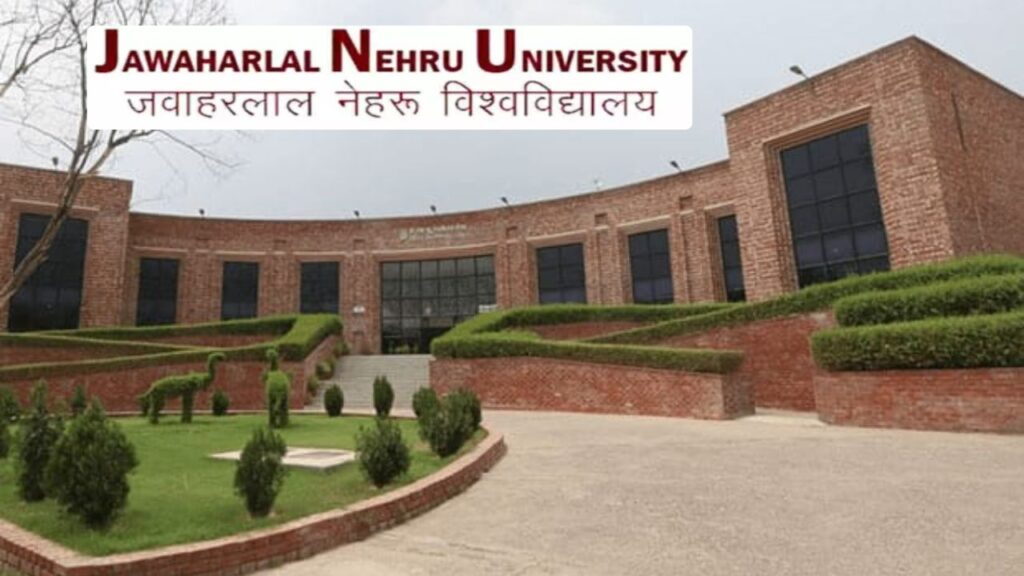
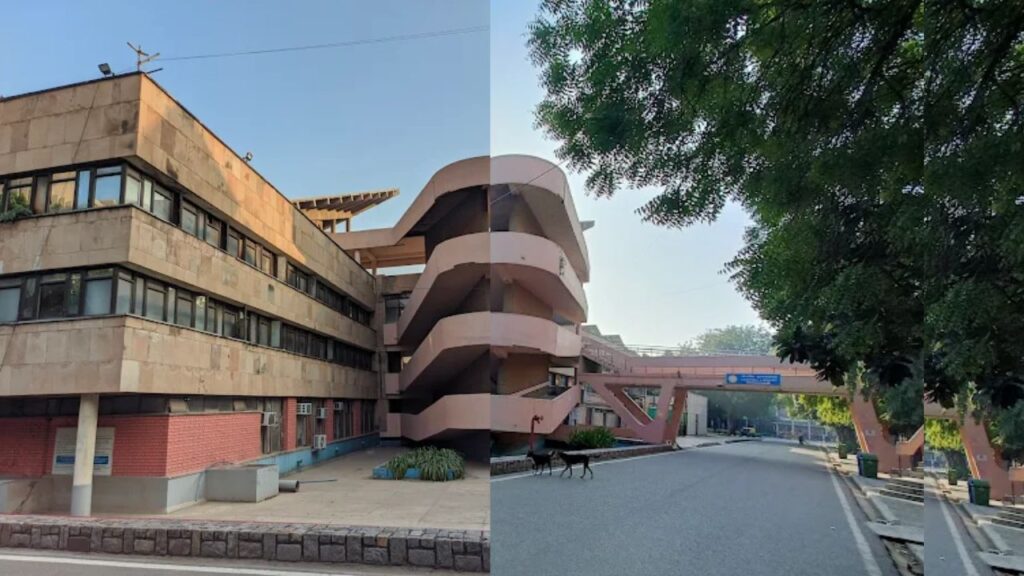
Jawaharlal Nehru University

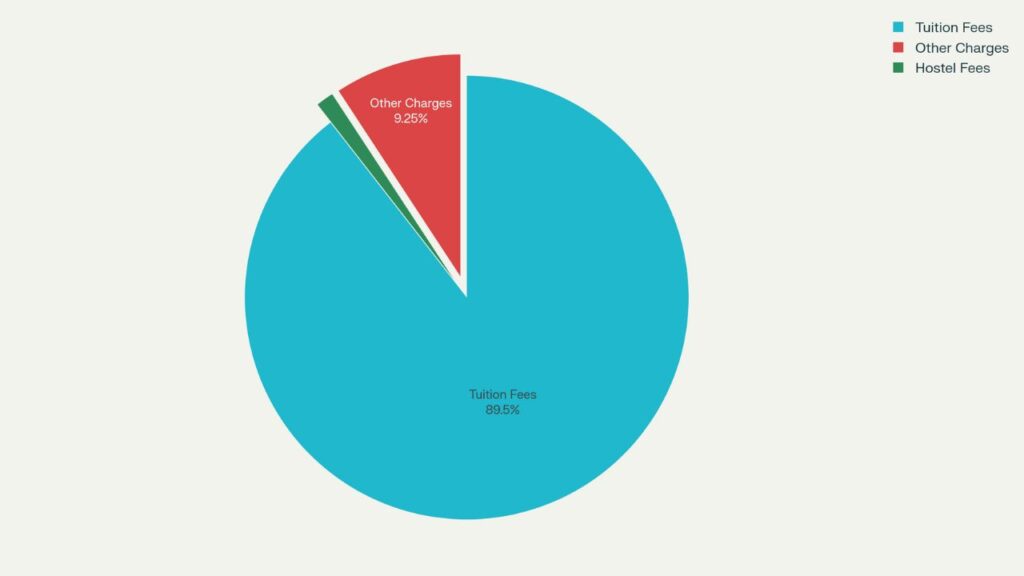
#1 central university in India which offers many courses in each field including Arts, Science, and Commerce. The fee structure is dependent on the course – some have low tuition fees and some are high such as engineering, postgraduate, and doctoral courses. JNU is situated in New Delhi and known for its world-class education with strong faculty and training programs.

2. Delhi University
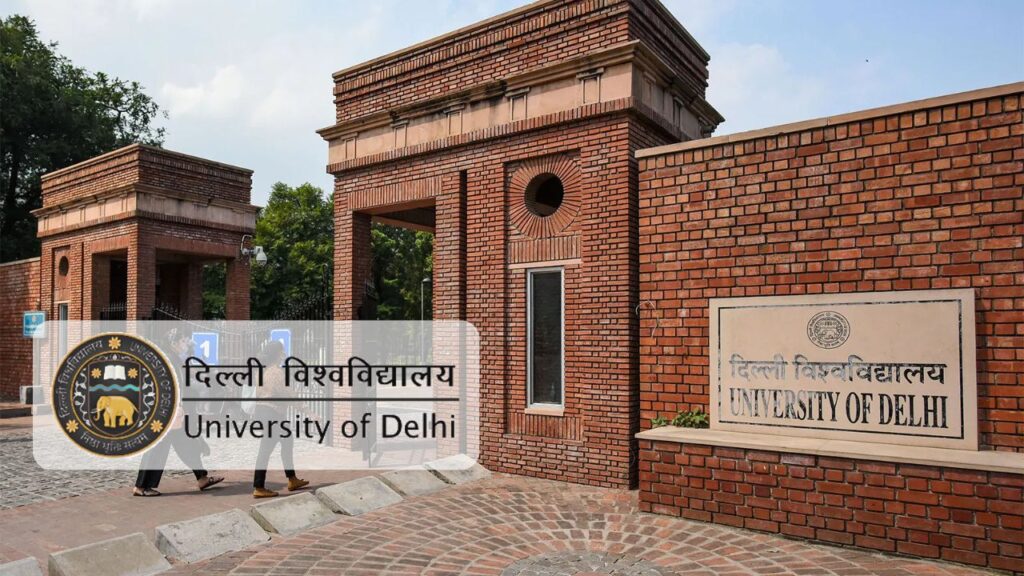
Delhi University

Delhi University is a research central university which offers undergraduate, postgraduate, diploma, and doctoral courses. The total of 201 courses available with 86 departments. Strong and experienced faculty holds the status of the campus at 2nd position in the NIRF ranking among central universities.  

3. Banaras Hindu University
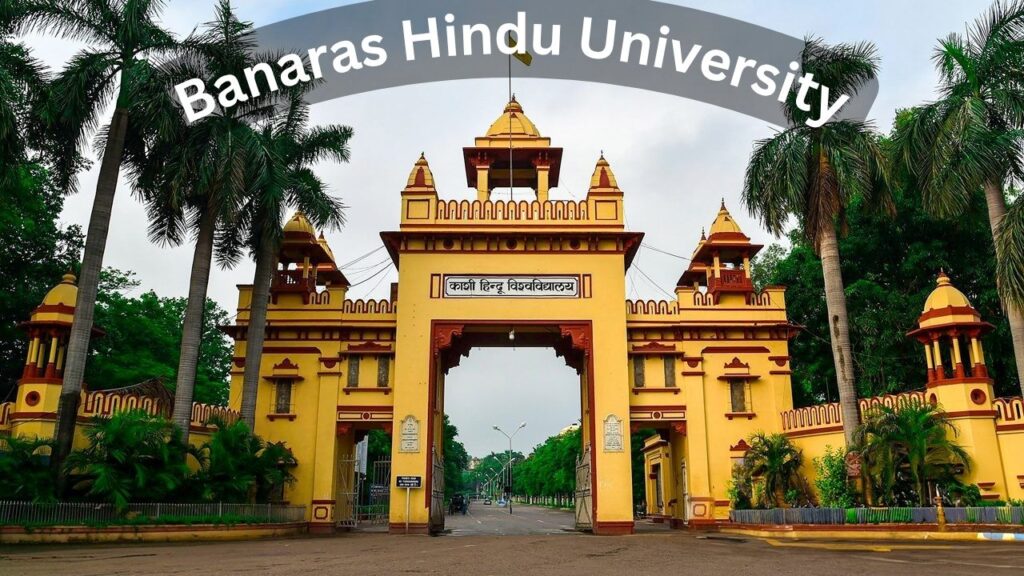
Banaras Hindu University

It’s on the 3rd position among universities with its culturally rich learning. Students most probably prefer BHU to pursue engineering and medical courses. Admission processed through the CUET exam and offering a diverse range of courses in each field.

Read More 👉 MTech vs MBA in 2025: Who Earns More and Why? Find Out Now!

4. Jamia Millia Islamia
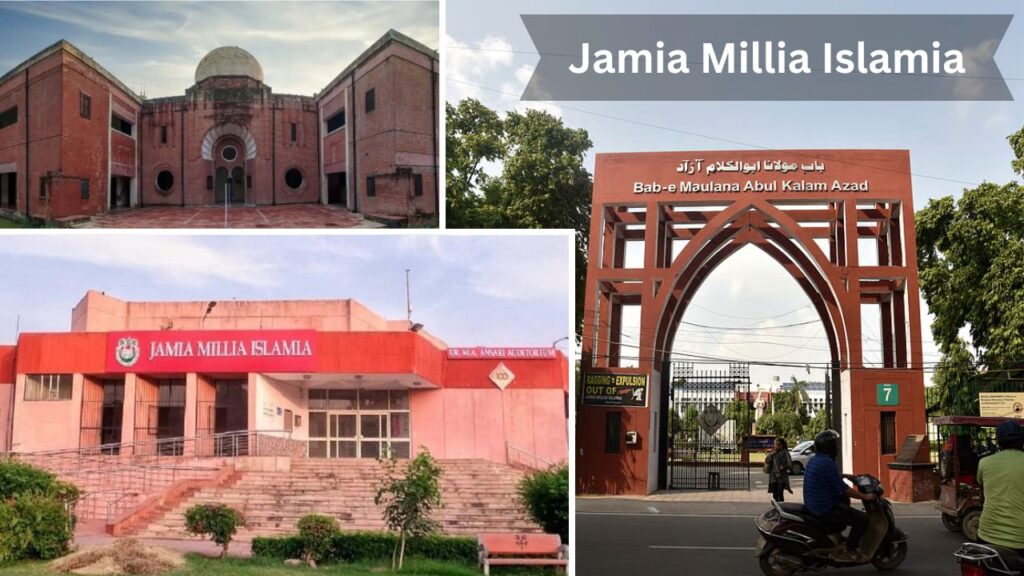
Jamia Millia Islamia

Jamia Millia Islamia: It was established in 1920, and ideal for those students who want to achieve good quality education at low fees. The institution focuses on research and specializations, offers a diverse range of advanced courses which help students to make a good career. Campus offers a wide range of facilities such as Extensive library, WIFI-enabled, 100 workstation online resources, MOOCs courses for their students to enhance their learning.

5. Hyderabad University
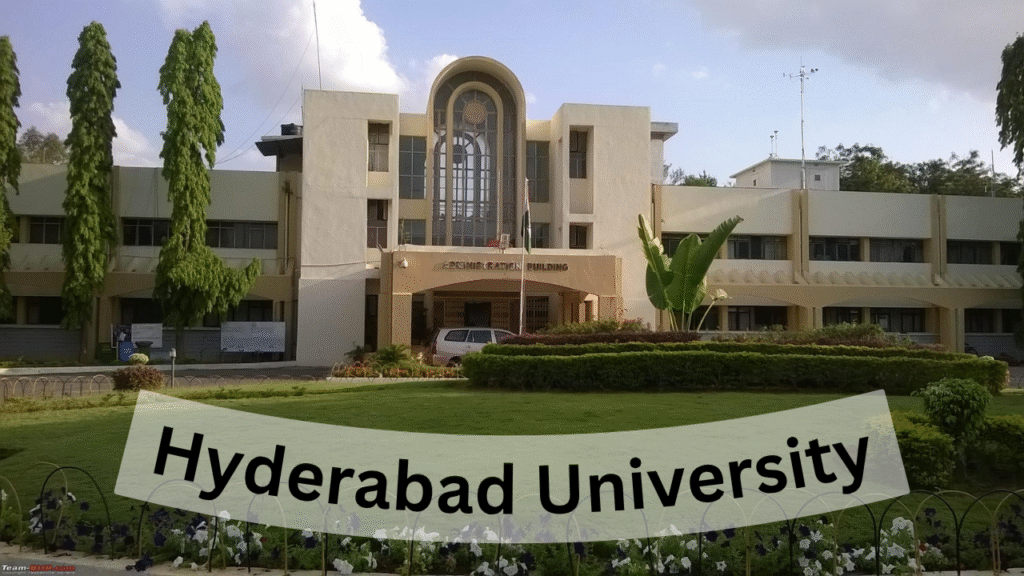
Hyderabad University

Hyderabad central university is well-known for its dynamic education support and research. It is located in Gachibowli, Hyderabad. Ideal for those who aspire for postgraduation and research. Most popular programs are MBA, B.Tech, M.Tech, and M.Sc that also involves high specialization in research and fields like biology also dedicated to the research area. So, this university is best for these programs but other than these there are a total 120 programs.

6. Aligarh Muslim University
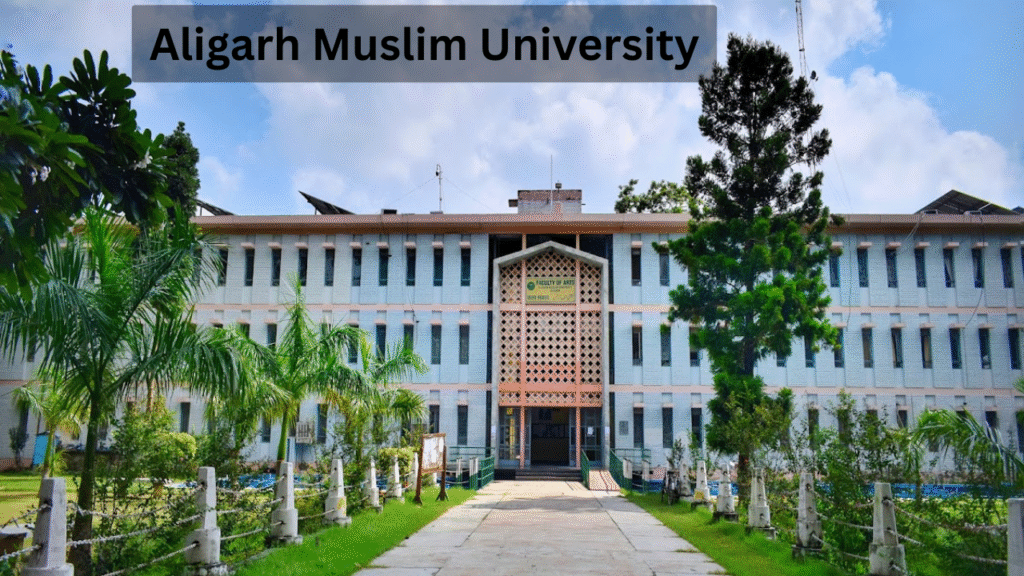
Aligarh Muslim University

AMU has offered a diverse range of courses across different fields such as engineering, agriculture, medicine, law, management, and business. AMU admits students through entrance exams such as NEET, JEE, CUET, and GATE. University offers strong faculty support, placement opportunities, hostel facilities, and extensive library at very low fees. 

7. Central University of Punjab
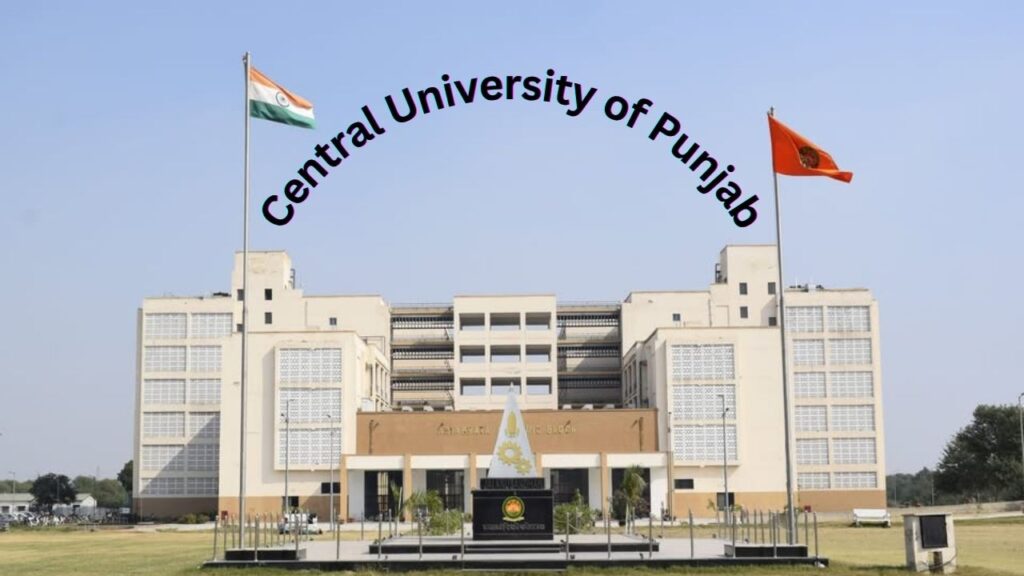
Central University of Punjab

Central University of Punjab: This university was established in 2009 in bhatinda, Punjab but is growing fast with its wider range of courses in each stream such as science, arts, commerce, and humanities. There are some popular courses like B.Pharm, M.Pharm, B.Ed, LLB, and B.Tech. Students who are located near Punjab can take admission here through an entrance exam for a particular course.

8. Central University of Himachal Pradesh
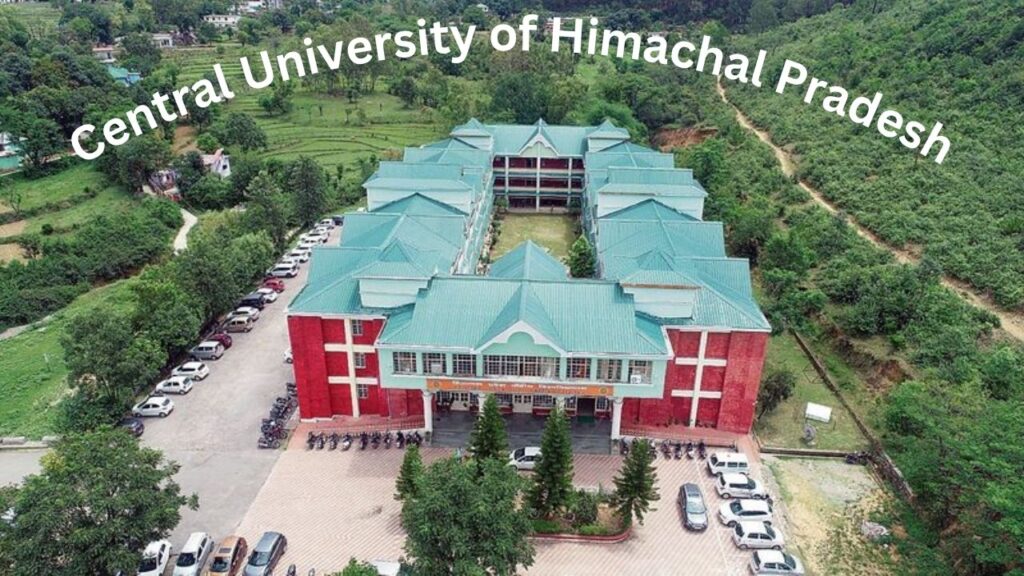
Central University of Himachal Pradesh

CUHP offers various courses in science, business, technology, and many others. The flagship courses are MBA and B.Sc, students who want to pursue graduation and postgraduation degree can take admission through CUET and registration to website portal of CUHP. The process is simple and easy for the admission. 

9. The Indira Gandhi National Tribal University 
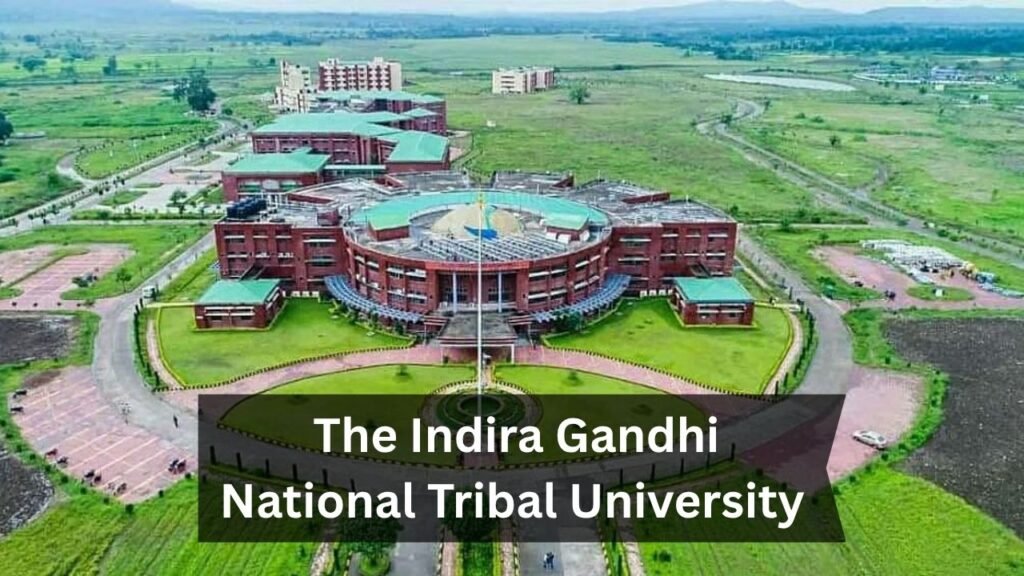
The Indira Gandhi National Tribal University

IGNTU offers research and cultural studies such as computer science, biotechnology, political science, and social work. Many other courses are also offered there, students from tribal communities can have a great option to study in this vibrant campus.  

10. Pondicherry University

Pondicherry University: The largest university in the Pondicherry territory that focuses on research-based curriculum and offering unique programs such as Study India Programme. Admission approved through the CUET exam for UG courses and CUET PG for postgraduate courses. It offers full student support and a wifi enabled library with a large variety of books.

Read More 👉 Medical vs Engineering: Which Career is Better?

Top 10 Central Universities in India With Fee, Admission, & Placement Details

University (Rank 2025)Fees (UG/PG Major Courses)Admission ProcessTop Placement PackageAverage PackagePlacement % (Approx)
JNU, Delhi (1)UG: ₹881–₹5.51LPG: ₹533–₹12LCUET UG/PG for UG/PG Courses₹33 LPA UG: ₹6.5 LPA/PG: ₹9.5 LPA40–65%
Delhi University (2)UG: ₹360–₹73,985PG: ₹360–₹55,0007CUET UG/PG, Merit/Entrance + Cutoff₹35 LPA ₹7–9 LPA 60–95% 
BHU, Varanasi (3)UG: ₹1,700–₹7.23LPG: ₹4,000–₹6LCUET UG/PG, NEET, JEE (as per course)₹17–21 LPA ₹7–9 LPA (Median UG)60–80%
Jamia Millia Islamia, Delhi (4)UG: ₹5,700–₹4.28LPG: ₹13,400–₹1.61LCUET UG, PG: various entrance depend on courses₹25–30 LPA ₹8–11 LPA 70–80% (BTech)
University of Hyderabad (5)UG: ₹43.3K–3.39LPG: ₹18.6K–5.88LCUET UG/PG, CAT (MBA), GATE (MTech)₹17.89 LPA ₹6–8 LPA 65–80%
Aligarh Muslim University (6)UG: ₹800–16L (major UG: ₹25.5K–40.5K)CUET UG/PG, NEET, JEE, GATE (course-wise)₹21 LPA ₹7–8 LPA 60–80%
Central Univ. of Punjab (7)UG: ₹20–85KPG: ₹16–102KCUET UG/PG, Course-specific entrance₹6 LPA ₹2–4 LPA 50–90% (course-wise)
Central Univ. of Himachal Pradesh (8)UG/PG: ₹1,000–14,400CUET UG/PG, Online registration₹5.5 LPA ₹2–3.5 LPA 60–75%
Indira Gandhi Nat. Tribal Univ. (IGNTU) (9)UG: ₹2.7K–8.2KPG: ₹2.7K–2.73LCUET UG/PG, CAT/MAT for MBA₹5–6 LPA ₹2–3.5 LPA 55–75%
Pondicherry University (10)UG: ₹23.6K–2.72LPG: ₹6.3K–1.66LCUET UG/PG, CAT (MBA), GATE (MTech)₹10–12 LPA ₹3.5–6 LPA 55–75%

Conclusion

By exploring these Top 10 Central Universities in India, you can assess the good quality education and placement options in future to build your life more stable. Many students don’t want to just hold a degree but they want industry exposure, research opportunity, and academic environment.

Leave a Comment

Your email address will not be published. Required fields are marked *

Bank PO vs SSC CGL: Which Offers Better Salary and Career Growth?

In India, the two powerful career paths in government jobs have always been in debate — Bank PO vs SSC CGL, both are highly competitive, prestigious, and give assurance for lifetime financial stability. Students aiming for a government job will probably get confused in one question – which one is better? By exploring both Bank PO and SSC CGL post details will help you make a decision, but make sure that your interest aligns with the job.

What is Bank PO?

A Bank PO is an entry-level job in the government banks. Candidates must clear the main exams including IBPS PO and SBI PO to get selected and complete the training and probation period to become Assistant Manager. 

What is SSC CGL?

SSC CGL is offering Group B and Group C posts in different central government departments. The recruitment process is conducted by Staff Selection Commission through exams for jobs in ministries, CBI, tax department and more.

Eligibility Criteria For a Bank PO & SSC CGL

It has some eligibility criteria, for this job candidate’s must match to this criteria:

The nationality of the candidate must be Indian. Candidates subjected to Nepal/Bhutan and Tibetan refugees who came before 1 january 1962 to Indian permanently are also eligible for this post. 

Candidates completed their graduation from a recognised university or college are eligible for a Bank PO job. Age limit must vary between 20 to 30 years, as per government rules age relaxation is given to reserved category. 

For SSC CGL, candidates must have a degree of graduation in any field and age must vary between 18 and 32 years old. 

Also Read: Best Online Coaching for Bank Exam

The Financial Showdown: Salary and Allowance

This is often the main point for the comparison in these two job posts because of their attractive salaries. Here is the detailed salary structure for your help in this decision.

Bank PO Salary

The entry-level job in various ministries is offering an attractive pay, especially in leading banks like the SBI or IBPS. The initial salary for an entry-level is around Rs. 48,480. It will become higher when you add allowance and perks. 

The total monthly salary will be around Rs 70,000 to Rs 85,000 for a new Bank PO. It also provide very generous perks of this job that includes:

Dearness Allowance: Due to inflation, regular adjustment in the basic pay will happen on the basis of your salary package. 

House Rent Allowance: Banks often provided House to PO, especially on relocations.

City Compensatory Allowance: Bank will provide compensation for higher cost of living in metro cities.

Medical Finances: For any health issues, you can get 100% medical coverage.

Low-Interest Loans: Bank PO can get the most beneficial offer of availability of personal, home, and car loans with lower interest.

Other allowances like travel can also provide you.

Also Read: IBPS PO vs SBI PO Which Is Better?

SSC CGL Salary

The SSC CGL salary varies upon the level -– 7th Pay Commission. But its salary is based on the specific post and Pay Level it falls under. Overall, Pay-Level includes the highest paying job is Assistant Audit Officer and Assistant Accounts Officer offers basic pay salary around Rs 47,600 which falls under the Pay Level 8. Posts like Inspector of Income Tax or Assistant Section Officer have a basic pay around Rs. 44,900 that falls into Pay Level 7. 

In-hand salary for a high-level SSC CGL post can range between Rs. 65,000 and Rs 70,000. It can go higher with the experience and post level that will reach around Rs. 75,000 to Rs 80,000 per month. The allowance pay also given to employee:

Dearness Allowance: Based on the percentage of the basic pay.

House Allowance: It is given to almost every SSC CGL employee according to the city, it gets higher for metro cities.

Transport Allowance and Other Allowance like leave travel concession, medical coverage are also given.

Career Growth and Promotions

Aspirants need to check growth opportunities, not just paycheck because now these two paths have different roads.

Bank PO Career Growth

Career growth is fast in the banking sector as it depends on the candidate’s performance and experience. A PO can aspire to become a Manager of the Bank’s branch by clearing internal exams. The promotion can be stepped up with hard work and dedication. Candidates can reach to the higher positions like Deputy General Manager within a few years of hard work. It’s proven that most of the managing directors in public sector banks started their career as Probationary Officer (PO).

The promotion hierarchy (lowest to higher positions) for a Bank PO is as follows:

  • Probationary Officer (Assistant Manager)
  • Deputy Manager
  • Manager
  • Chief Manager
  • Assistant General Manager
  • Deputy General Manager
  • General Manager

SSC CGL Career Growth

Central government jobs have slower career growth, the promotion is based on the years of commanding and departmental exams. It varies upon the department’s number of vacancies. An Income Tax Inspector can get their first promotion after 7-9 years experience. Job security and financial stability is guaranteed but rapid promotions are not as fast as the Banking sector. SSC CGL freshers will have to spend long years to reach the highest level position.

The promotion hierarchy for SSC CGL employee as (Inspector in a department)

  • Inspector
  • Income Tax Officer/Superintendent
  • Assistant Commissioner
  • Deputy Commissioner
  • Commissioner
FeatureBank PO (SBI/IBPS etc.)SSC CGL Officer (AAO/Income Tax/Excise/Other posts)
Job ProfileManagerial, customer-facing, target-drivenMostly administrative, desk-based, or inspection-focused
Starting Salary (in-hand)₹70k – ₹85k+ with attractive perks₹65k – ₹75k+ depending on post and location
Career GrowthVery fast, performance-based. Quick promotions possibleSlower, mostly seniority-based. Predictable but gradual
Work-Life BalanceLess balanced, long hours, high pressureGenerally good, fixed hours, comparatively stress-free
TransfersFrequent, including rural postingsLess frequent, relatively more stable
Ideal For…Ambitious, dynamic individuals aiming at fast career growthThose preferring stability, work-life balance and job security

How to Make the Right Choice?

No definite answer for this because it depends on the candidate’s personal perspective and life priorities.

If a candidate wants to thrive quickly and handle a target-driven environment can choose a Bank PO job. It offers rapid career growth and high income. When the priority is work-life balance and job security, you have to patiently wait for career growth. So, candidates who are willing to settle down with a desk-job in one place can choose the SSC CGL path.

Conclusion

It has always been a Bank PO vs SSC CGL because both offer respectable career paths and financial stability for entire life. This article will provide you with detailed information on the salary and career growth for both professional paths. It helps you to make the right decision for your career. The right choice will shape your life, so make it correct.

Leave a Comment

Your email address will not be published. Required fields are marked *

How to Verify If a Job Offer Is Real or Fake? Top 7 Signs to Watch!

How to Verify If a Job Offer Is Real or Fake

In the new digitized India, fake job offers are becoming common. Let’s take a look at how to verify if a Job Offer is real or fake. Whether a private or government job, scams often happen in both sectors. Mostly, freshers get wrapped up in scammer’s false offer letters because they don’t have a clue from the real industry. Scammers often use real companies’ names to fool you out and ask for money as a security deposit. Here are the signs that can help you to spot a fake job offer and protect yourself.

Always remember the fact that real companies never ask for any kind of money from you. They hire on the basis of a person’s qualifications and skills. If they ask you any of the following:

  • Registration Fee
  • Internship Fee
  • Security Deposit
  • Job Guarantee

They‘re scamming you, and freshers get stuck into this thing once in their lifetime because they are easily manipulated by seeing a chance to start their career. No reputable company charges you to give a job, whether it’s a government or private. 

If they are offering Rs. 50,000 or Rs. 1 Lakh per month for just entry-level jobs. Think about it, getting a job with such a salary and without any experience is kind of a miracle, and miracles don’t happen in real time. These are usually fake because real companies check your skills and experience before offering big packages.

Real companies always hire you after an interview session whether it’s a government or private sector. If they say “NO INTERVIEW REQUIRED”, they are a red flag. Even if they ask for an interview on WhatsApp or Google Meet, you must check their company’s visibility on Google or LinkedIn. If they are not seen on any of the social platforms then it is a fake company. There are several rounds in the selection process:

  • Application review
  • HR round
  • Written Test
  • Technical Interview (if applying in the technical round)
  • Assessment
  • Experience Proof (if you have any)
  • Document Verification when you get selected after the interview.

Fake company’s emails or offer letters does not contain any of the following:

  1. Email ID: Fake company has emails including gmail.com or yahoo.com. However real companies own their domains like tcs.com or hdfcbank.com 
  2. Grammar Mistakes: You can check the spelling mistakes or errors in their mail or offer letter because they usually do that. If the scammers are pro they can send you a fluent message. So, try other things to check.
  3. Company Logo or details: Real offer letters always present their logo and company details like location, contact, and terms are clearly written on the letter.

If you are suspicious about the job offer, you must check their company name, details, and address. People who were scammed before by the same company also shared reviews on social media platforms. Search for the company first and don’t just be impressed by vague job descriptions like “work from home” or online project”.

If they say that job vacancies will be filled up sooner and accept the offer letter now. It is a really big fish in the pond, real companies always will give you time to think about it. So, take your time to check everything out about the company. Fake recruiters often say these things:

  • Hurry! Limited seats.
  • Confirm today or you will lose the job.
  • Register now with half payment. 
  • They ask you to pay anything like a security fee.

If they post online about the hiring check their company page, people reviews, or employees. If others have been cheated they usually post on social media for others to be aware of the scam. Real company has an official website, LinkedIn profile, and no bad reviews.

If a company asks for your Aadhaar Card, PAN Card, or Bank Details before the interview or official joining. It’s a fake company that wants to take advantage, freshers or experienced are advised to not share any personal details before the official joining. 

Try to use a trusted platform for the job:

Big companies review your resume on these websites and then ask for the interview round if they’re satisfied with your resume. The interviews are usually taken by the interviewer on screening or on-site.

Read More 👉 UP Lekhpal Vacancy 2025 – 7994 Posts Opening Soon! Eligibility, Exam Dates & How to Apply

Government Jobs often recruit candidates by a competitive examination by the particular organization. The announcement of the vacancies on the various posts will be presented on the official website. 

There are a lot of advertising papers on the wall in India that promise government jobs without an exam or get selected directly for government jobs. They are scamming you surely, making money in the name of a government job is common in India. 

If you ever cross paths with any agent who claims to get you hired because he has some connection on the inside in any sector like Railways/SSC/UPSC. They ask you to pay 50k or 60k for direct selection, never give them money.

Government jobs are only given through the examination and any details about the job process or list of candidates that are selected always came through from an official website for every government organization. There is no middleman who can get you a job.

Scammers copy the real website that looks like the real website and fool people around. Here is an example of a fake and real website difference:

  • Fake: sscrecruitment.com
  • Real: ssc.nic.in

Spot fake claims from coaching centres like:

  • 100% job guarantee in SSS/Railway.
  • Get placement after the course.

Be alert of these scams because no coaching centres can guarantee to give you a government job or help you get one. Only your exam performance and qualifications decide your selection for a government job.

You can apply for a government job through their official website. Whether you are applying in Railways, Scientist, Clerk, IAS, IPS, or any other post. The official websites for government jobs are:

If you are applying for a private job or government job, always double-check the offer letter and recruitment process. In both sectors, people are hired only by their performances, whether it’s experience, assessment, or merit list. The candidates who clear out the rounds of the selection process can get a job. If you don’t know How to Verify If a Job Offer Is Real or Fake? You can check out the signs to spot fake offers. Getting a real job takes effort, no shortcut can replace that.

Leave a Comment

Your email address will not be published. Required fields are marked *

HR Professional Courses: Get Complete Guide on Career Path, Salary & Growth

HR Professional Courses

If you’re curious about what it takes to be a Human Resources (HR) professional, you’re in the right place. Over the past 10 years, the HR Professional Courses has undergone significant transformation, shifting away from an administrative role to gaining importance and recognition as a strategic business partner in organizational culture, employee satisfaction and business performance. This all-in-one resource will take you through the Need to Knows of building a fulfilling HR career in India, whether you are a fresher exploring career options or a career changer seeking a meaningful direction. 

What Does an HR Professional Actually Do?

Before we get into courses and salaries, let’s demystify the day-to-day life of a HR professional. Despite the stereotype that human resources is just paperwork and policies, HR employees today wear many hats. You will participate in strategic talent acquisition to seek and recruit candidates aligned with company values and who will drive growth. You’ll design and deliver programs to upskill the employees, mentor junior staff, and help them grow their career within the company. 

On the compliance and policy side, you will be monitoring the company’s compliance with labour laws, conducting employee relations with tact, mediating disputes equitably and managing the full spectrum of employee life from hiring to offboarding. Compensation and benefits policies are your domain too: You develop the strategies, coordinate the performance reviews, and you can even assist with organizational development by working with your leaders on future staffing and succession planning. In today’s world of data and analytics, many HR professionals are also utilizing analytics to monitor indicators such as employee engagement, retention rates and hiring effectiveness to drive additional business improvements. 

The joy of human resources is that each day is different, with issues ranging from handling a difficult employee complaint to developing a creative new-hire program or spearheading an organization-wide change effort. 

Educational Roadmap To Become HR Professional

HR career paths

The great thing about HR career paths is that there is no single “correct” path. To your education and current level of career aspirations, you can add several points of entry: 

After 12th Grade

If you have completed the high school you can go for the Diploma in Human Resource Management. These 1-3 year courses are available at a cost of Rs 50,000 to Rs 2,00,000 according to the classification of institution as a government or a private one. Alternatively, you can do 3 years of Bachelor’s degree (BBA, BA, BS) in HR or something related. Government College fee is goes from ₹1-8.5 lakhs and for private college fee is from ₹3-16.25 lakhs.The eligibility criterion is generally 50-60% in 12th class. 

For Graduates

If you already hold a bachelor’s degree (in any stream as per your undergraduate major), you can go forward for professional certificates or a post graduate diploma. A professional certificate of 6-12 months costs between ₹20,000 and ₹1,00,000, while a post graduate diploma for 1-2 years is valued at ₹50,000-₹1,20,000. These courses are great if you want to make a move into HR for then a full 2 year MBA. 

MBA / PGDM Route

If you are looking for an overall business education with focus on HR, a 2 year MBA or PGDM in Human Resources fees vary from ₹ 2-27 lakhs based on the tier of the college and the location. These programs on the repel need entrance exams as CAT, SNAP, MAT, or XAT. Top tier institutions such as IIM, XLRI have higher fee yet provide excellent placement package and networking. 

Professional Certifications

Professional certification is also valuable in addition to formal education. The popular certification include CHRG (Certified Human Resource Generalist) which has fees of ₹50,000-₹2, 00,000.

The CHRM (Certificate in Human Resource Management) is priced at ₹90,000-₹8,00,000 and the CHRP (Certified Human Resource Professional) costs ₹80,000-₹4, 00,000.Two globally-oriented credentials that also have value on an international basis are the SHRM-CP (Society for Human Resource Management Certified Professional) and the aPHR (Associate Professional in Human Resources) both of which are recognized by employers in many countries around the world.   

Eligibility Requirements You Need to Know

  • For Diploma Courses: You need to pass 12th grade exam with minimum 45% in aggregate.
  • ​For Bachelor’s Degrees: Obtain 50-60% in 12 grade; some colleges require entrance exams.
  • ​For M.B.A. Directly after 10+2: Achieved a minimum of 60% in your 12th grade exams; passed entrance exams such as CAT, MAT, SNAP, or XAT.
  • ​HR-Related Certifications: Many certifications such as SHRM-CP have prerequisites of at least 3 years of HR work experience in an HR function, whereas entry-level aPHR caters to HR novices or individuals beginning their journey in HR. 

Starting Salary For HR

Entry level HR professionals in India get a good pay as per market standard. An HR fresher gets a salary in the range of ₹15,000-₹30,000 per month, which comes around ₹3-5 LPA per annum. However, this might differ drastically depending on a few things such as: 

  • By Role: HR recruiters and coordinators normally begin with salaries of ₹18,000–₹26,000 per month and HR analysts with good technical skills can make ₹25,000–₹35,000 per month from the very start.
  • By Education: Tier-1 MBA (HR) pass-outs have high salary prospects of ₹30,000–₹40,000 per month and BBA or BA grad can make ₹18,000–₹25,000 per month.
  • By Industry: It is not always that an HR company gives you a chance but you can get IT, finance and e-commerce industries offer for an HR with starting pay of ₹28, 000 to ₹35, 000. 
  • By Location: Metrocities like Bengaluru and Delhi offer great pay to HR Professionals.  

Career Growth

Indian HR salaries have increased 24% from 2019, this is higher compared to IT sector’s 6.5% CAGR. This signals the rising level of strategic importance that HR has in organizations. 

Indian HR salaries

Career Progression Timeline

Start as an HR Assistant or Coordinator (0-2 years), then advance to HR Generalist or Specialist (2-10 years) in areas such as L&D Manager or Recruiter, then go to HR Manager or HR Business Partner (5-10 years) and subsequently to executive positions which include Director, Head of HR, or CHRO (10+ years).   

Salary Growth by Experience

A fresher can typically expect a starting salary of ₹3–5 LPA. As you gain more experience, this can be anywhere from ₹11-15 LPA at HR Manager level, ₹20-25 LPA in senior specialist roles and anywhere between ₹40-150+ LPA for CHRO of a large company. The steepest rise in salary is generally seen between 10 to 13 years of experience- whereby the median CTC varies around ₹38 LPA.   

Emerging High-Growth Specializations

For maximum growth, strategic HR roles are the way to go. HR Analytics Managers earn ₹40-60 LPA, Salary & Benefits Managers earn ₹28-42 LPA, and Diversity & Inclusion Managers earn close to ₹20 LPA. These positions are growing at 15-22% per year because they have a direct effect on business results. 

Conclusion

The Job growth of approximately 7% over the next ten years will add about 17,400 new jobs and is expected for the HR occupation. Instead of being automated out of existence like some admin jobs, strategic HR roles are increasingly precious. You get to work with people, solve truly complex organizational issues, shape company culture, and have a tangible impact on whether employees are happy at work.

​”The investment, be it ₹50,000 for a diploma or ₹20 lakhs for an MBA, gets returned fast in the form of a competitive pay package and strong career growth. More than who you’re working for, it is the work, financial and personal fulfilment you are creating.

First, decide on the HR professional Courses that best matches your current qualifications and your career timeline, learn core HR skills to get started, and don’t overlook the impact certifications can have in helping you stand out. 

Leave a Comment

Your email address will not be published. Required fields are marked *

UPSC CDS 1 Recruitment 2026 Notification, Eligibility, Application Dates Guide

UPSC CDS 1 Recruitment 2026

The Union Public Service Commission (UPSC) has notified the Combined Defence Services (CDS) Examination 1 for the year 2026. This recruitment is for a number of academies that are the Indian Military Academy (IMA), Indian Naval Academy, Air Force Academy and Officer Training Academy and the number of vacancies is 450+.

The application form filling process will start from 10th/December/2025 and the last date to apply for the UPSC CDS 1 2025 will be 30th/December/2025. Interested and Eligible candidates are advised to read the official notification before apply online for understand the eligibility, Application Fee, Age Limit, Salary, Selection Process before applying for it.

Candidates need to visit the UPSC official website for detailed information and application. Before the time ends, you need to make sure that each one of the necessary information is filled accurately. 

Follow These Dates To Apply

Application Start10/December/2025
Last Date For Application30/December/2025
Fee Payment last date30/December/2025
Correction DateUpdate Soon
Admit Card DateUpdate Later
Exam Date12/April/2026

UPSC CDS 1 Age Limit & Application Fee

CategoryAge LimitPosts Expected
IMA & INA 19 — 24 years450+
Air Force 20 —- 24 years
OTA 19 —- 25 years
Gen/ OBC/ EWS₹200
SC/ ST0

UPSC CDS 1 Vacancy & Educational Qualification

The courtesy details of UPSC CDS 1 Eligibility 2025 are mentioned below:

  1. Indian Military Academy (IMA): The candidate will have to hold a Bachelor’s Degree in any discipline/stream from any recognized University/Institution in India.
  2. Indian Naval Academy: The candidate must hold a Bachelor’s Degree in Engineering or equivalent from a recognized university/institute in India.
  3. Air Force Academy: Candidate should have passed 10+2 with Physics and Mathematics in any stream from a recognized board or have a Bachelor of Engineering/Bachelor of Technology or similar qualification from recognized university.
  4. Officer Training Academy: The Candidate must have a Bachelor’s degree in any Discipline/stream from any recognized university or Institution in India.

For more and latest updates you can go through the official UPSC CDS 1 Recruitment 2025 Exam Notification. 

Read More 👉 Railway Protection Force Constable: Salary, Selection, and Exam Details – complete guide

Salary & Allowances

The candidate can earn up to Rs 1,77,500 per month with allowances as per government norms. The starting salary can be less with Rs 56,100 for entry level candidates.

Guide to Apply UPSC CDS 1 Online

How to Apply for UPSC CDS 1 Recruitment 2025: Apply Online through the official website of UPSC.

1. Know Details from UPSC CDS 1 Notification 2025 PDF.

2. Click on the “apply online” link or go to the Official UPSC website: upsc.gov.in.

3. Fill UPSC CDS 1 2025 Online Application Form.

4. Upload all the documents as per the notification.

5. Remit the requisite application fee by one of the modes available.

6. Take a print out of the application form once it is filled for your records. 

Apply OnlineLink Activate Soon
Download NotificationLink Activate Soon
Official WebsiteClick here

Leave a Comment

Your email address will not be published. Required fields are marked *

Meet the Best Hindi Teacher for Competitive Exams Who Can Boost Your Success

Best Hindi Teachers for Competitive Exams – SSC, UPSC, Railway & State Level

Best Hindi Teacher: If you aim to clear the competitive exams like SSC, UPSC, RRB, & state-level exam, right guidance for best scoring is important. And for that, the choice of a teacher matters. While preparing for other subjects likeGeneral Knowledge, Mathematics, Reasoning, and English. Don’t forget to focus on Hindi because it is most important in many government exams. Hindi teachers not only help you by providing the core syllabus but they will prepare strategically for the exam. These teachers have a unique teaching style that will help you understand grammar, comprehension, Letter Writing, Unseen Passages and vocabulary.  

Aspirants can learn easily through their guidance including exam pattern, mock test, and shortcut methods that will help you to memorize. Few teachers provide live sessions, recorded videos, notes, and quizzes, so you can easily prepare for the examination. 

Mock test series will help you in revision and remember that every teacher has their unique way to explain hindi. Take a demo class to select the right teacher whose explanation reaches into your mind. 

Explore best Hindi teachers, they are known for their deep knowledge, best teaching style and make complex concepts of grammar easy for students.

Nitin Sir

Nitin Sir from Study91 is known for clear explanations with a practical approach. He doesn’t just explain from books but tries to relate with real-life examples from newspapers or stories to make the hardest grammar rules easy for students to understand.

Nitin Sir Hindi Teacher Study91

Students easily memorize it, but most importantly they understand why grammar rules are used. He also gives plenty of questions to practice which is the real key to success.

Vivek Sir

Vivek Sir’s creative style of teaching makes him one of the best Hindi teachers in India. Hindi is a language of culture and creativity, according to Vivek Sir. That clearly showed his mastery of story-based teaching style which makes grammar memorable. He uses humour, short stories that don’t make students bored in Hindi classes.

Vivek Sir Hindi Teacher for SSC, Railway, TET

Ideal for those who don’t memorize anything easily and it’s hard for preparing Hindi for exams like Railway, SSC or TET. His method is effective to recall in exams quickly, so these techniques will make students remember even under pressure.

Dr. Ajay Anurag

Dr. Ajay Anurag is a best educator of Study IQ and reputed for his deep knowledge in Hindi grammar and literature. Students looking for one teacher who can teach them both grammar and literature, Ajay Sir is the best choice.

His concept-based teaching makes you understand each topic easily in minimum duration. But he doesn’t rush topics, he explains “why” behind every grammar rule.

Students who don’t just want to learn but understand Hindi topics can easily access his systematic and well-structured lessons. He also provides study material which is so detailed and exam-focused that it makes it easier for the students who are preparing for government exams.

Jitendra Soni (KGS – Khan Global Studies)

He is the best educator of KGS who is extremely popular for his Hindi Foundation Batch. Jitendra Soni is focused on friendly-tone, conduct doubt-clearing sessions, and handwritten notes.

Jitendra Soni Hindi Teacher KGS

Students can simply understand every topic due to his explanation of lengthy stories, complex topics of grammar, and comprehension. Once you have taken his demo class or follow on YouTube, you will know how interactive and energetic his sessions are.

Vishal Sir (Mission Selection) 

Vishal Sir is a well-known Hindi teacher on the growing platform Mission Selection. Vishal Sir is popular among the students because of his exam-oriented preparation method. His short explanations are impactful, he helped many students with shortcuts, tricks, and practical approaches.

Vishal Sir Hindi Teacher Mission Selection

He is the best teacher for Police, SSC GD, Railway, Constable, and state-level exams preparations. Students who want to complete this subject within less time, they can follow Vikas Sir.

Arun Sir

Arun Sir is an excellent teacher who teaches many students for the competitive exams. He focuses on Hindi grammar complex topics to provide a detailed explanation which can help students to understand Hindi in more depth. His command over vocabulary, comprehension, and writing are valuable for the exams like SSC, Railway, and UPSC. 

Arun Sir Hindi Teacher for SSC and UPSC

Students can easily understand his way of teaching as breaking complex topics into simpler parts including real-life examples. He helps students to practice mock tests and previous year questions for building their strong foundation on Hindi.

Naveen sir

Naveen Sir is a master of answer writing, if you are preparing for UPSC or state exam then you should make your descriptive writing good in Hindi. You will become an expert in essay writing, letter writing, and precise writing in Hindi with his consistent training.

Naveen Sir Hindi Teacher for UPSC Answer Writing

He is an ideal teacher for students who want to improve their writing skills and present their answers in clean, structured, and detailed.

Other Recommended Hindi Teachers

Apart from the above names, there are a few more respected teachers who can provide you best lessons for Hindi in competitive exams:

Dr Vikas Divyakirti (Drishti IAS) – He teaches Hindi Literature with depth and clarity, making him ideal for UPSC aspirants.

Alok Sir (Adda247) – Alok Sir is focused on short-trick and not go for lengthy explanations that makes him ideal for SSC aspirants

Ritesh Sir – he also helps students to prepare for the SSC exam because he makes Hindi grammar easy through continuous practice.

Read More 👉 Meet the Best Current Affairs Teacher for SSC CGL Who Can Boost Your Score

Why these teachers stand out

Apart from their unique teaching styles, they have the same common qualities that make them best Hindi teachers.

Simple explanation – they explain every topic in easy language that helps every student to understand easily.

Practical Approach – their style including examples from newspapers, current events, and daily-life that make Hindi more understandable.

Focus on Practice – continuous practice of questions from previous year and test series, they ensure that every student solves enough questions to mentally prepare for the exam.

Motivation & Support – Hindi is so difficult for some students who came from convent schools, these teachers inspire them to make learning enjoyable.

Read More: Best Online Coaching for Bank Exam: Master Every Topic for Success

Final Thoughts

When students are focusing on tough subjects to clear competitive exams, they often forget to prepare Hindi to fuel their score. With the right teacher, Hindi can become your strongest subject. These Best Hindi Teachers for Competitive Exams have already taught many successful students now you could become next.

If you give you full potential for your exam with their guidance, you can clear the most toughest exams. They focus on exam patterns and important topics that need to be prepared well for government exams.

Leave a Comment

Your email address will not be published. Required fields are marked *

Scroll to Top