If you aim to become a doctor then choosing the right medical college is one of the most important decisions in a student’s life, especially in India, where quality education often comes with a heavy budget. However, not all top medical colleges are expensive. Some of the best government medical colleges in India offer world-class education at low fees. In this article, we’ve listed the top 10 best medical colleges in India with low fees in 2025.
You can explore all their details on courses, fees, and admission process along with their ranking among medical colleges. If you’re a NEET aspirant looking for an affordable medical college this guide will help you to choose the right college for yourself.
We also instruct you on how to choose the right college, even among all the medical colleges delivering high-quality education.
Top 10 Best Medical Colleges in India with Low Fees
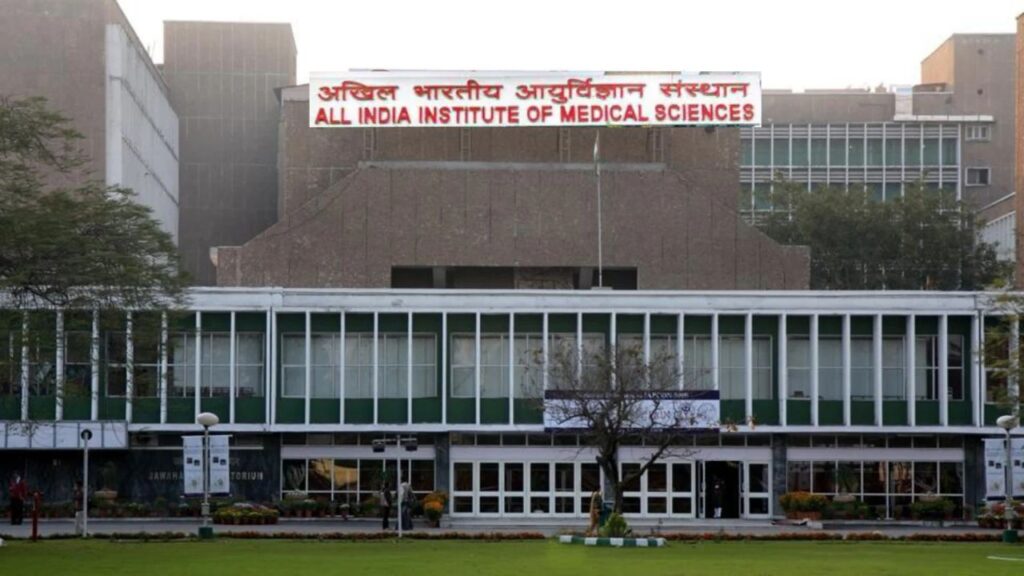
1. All India Institute of Medical Sciences
Source: AIMS
Ranking
#1 in NIRF Medical Rankings 2025
Annual Fees
₹1,628 (MBBS)
Admission
NEET-UG for MBBS, INICET for PG courses
Courses
MBBS, MD, MS, B.Sc. Nursing, MDS
Why AIIMS?
AIIMS Delhi is India’s most prestigious medical college. If you want to be perfect in practical training then it is the best option for you. It provides unmatched clinical exposure, research opportunities, and global recognition with low fees. It offers UG and PG medical programs that deliver enhanced biomedical concepts and training.
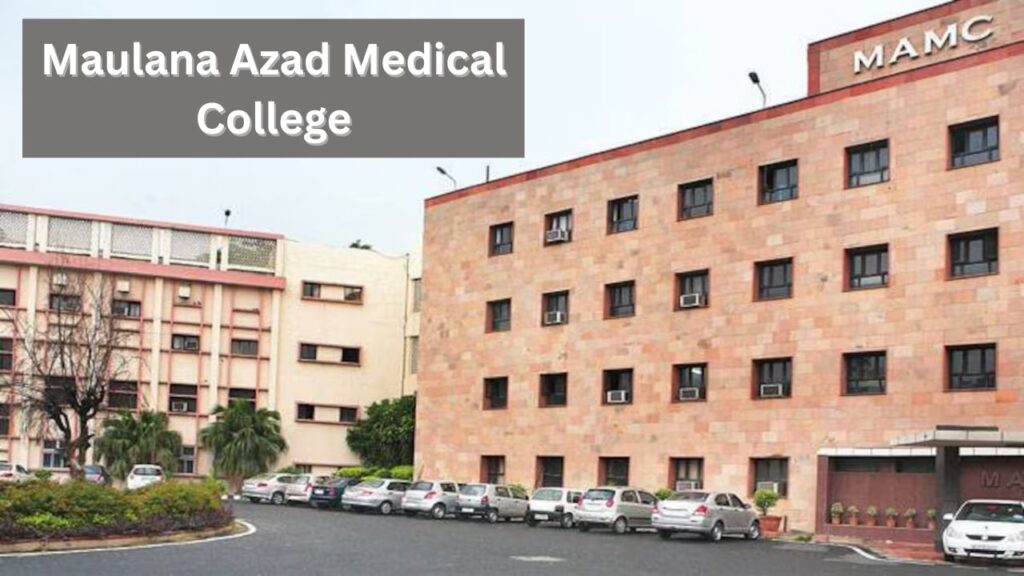
2. Maulana Azad Medical College – MAMC
source: MAMC
Ranking
Among the top 5
Annual Fees
₹2,445
Admission
NEET-UG + Delhi University counselling
Courses
MBBS, MD, MS, Diploma courses
Why MAMC?
MAMC is known for its excellent faculty and top-notch medical training. It’s ideal for those who want the best training for medical procedures. It offers the best clinical exposure due to its affiliation with top hospitals such as LNJP and GB Pant, giving students rich clinical exposure. It also has one of the highest PG entrance success rates in the country.
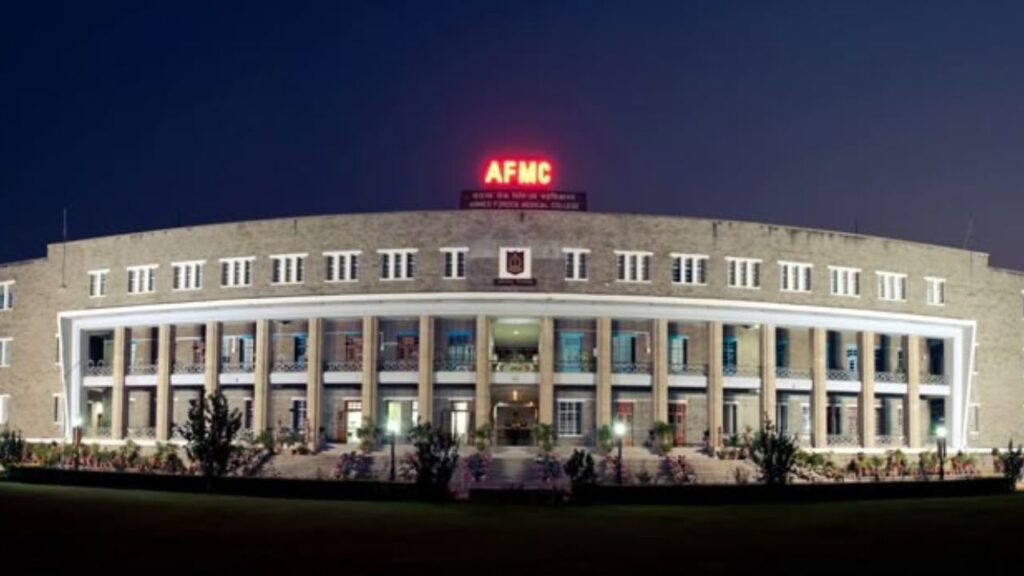
3. Armed Forces Medical College
source: AFMC
Ranking
Top 3 medical college for disciplined training
Annual Fees
₹31,000 (including hostel and mess)
Admission
NEET-UG + AFMC screening (interview + medical fitness)
Courses
MBBS, Nursing, PG Diplomas
Why AFMC?
Students who want to be assured of their placement, the AFMC offers students an opportunity in the Armed Forces Medical Services after graduation. Training is best, discipline, and reputation can open up your medical career chances at the next level. However, there is a compulsory service bond after completing MBBS. Students can also get scholarships.
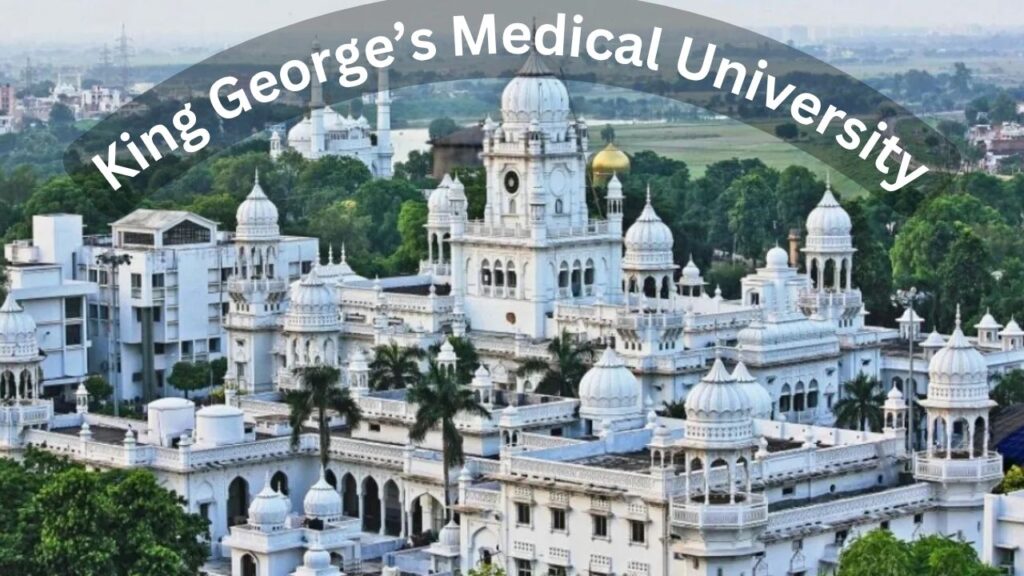
4. King George’s Medical University, Lucknow
Source: KGMU
Ranking
Top 10 as per NIRF 2025
Annual Fees
₹54,000
Admission
NEET-UG for MBBS or other undergraduate programs, NEET-PG for postgraduate
Courses
MBBS, BAMS, Speciality, BDS, MD, MS, Nursing
Why KGMU?
KGMU is one of the best medical colleges for practical training. Thousands of NEET aspirants try to get there for medical courses. It offers advanced labs, highly experienced faculty, and strong placements in both the government and private sectors.
5. Grant Medical College, Mumbai
Source: Grant Medical College
Ranking
Among the top 15 government medical colleges
Annual Fees
₹97,800
Admission
NEET-UG through Maharashtra State Quota and AIQ
Courses
MBBS, MD, MS, Nursing
Why Grant?
This college is affiliated with JJ Hospital, providing excellent exposure to diverse clinical cases in Mumbai. The disciplined faculty system includes some of the best doctors in the state.
6. Bangalore Medical Research Institute
Source: BMRIC
Ranking
Top 15 in NIRF
Annual Fees
₹70,170
Admission
NEET-UG via Karnataka KEA counselling
Courses
MBBS, MD, MS, B.Sc. Nursing
Why BMCRI?
BMCRI is one of South India’s best government colleges for NEET aspirants. It is located in Bangalore and is attached to major hospitals like Victoria Hospital and Bowring Hospital. Students mostly wanted to go to this college for postgraduate degrees.
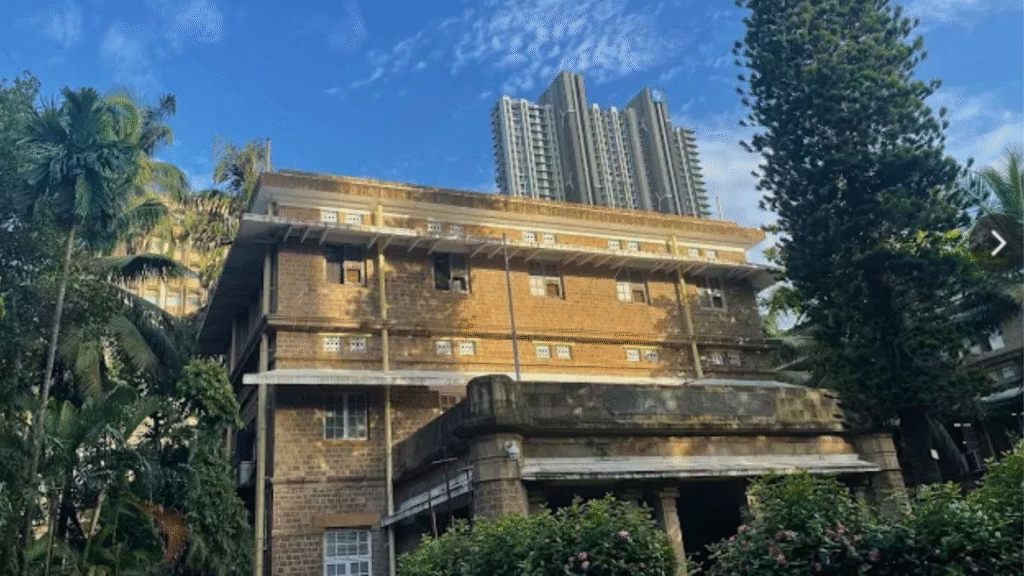
7. Seth GS Medical College, Mumbai
Source: Seth GS Medical College
Ranking
Among the top 15 medical colleges
Annual Fees
₹98,000
Admission
NEET-UG via Maharashtra CET counselling
Courses
MBBS, MD, MS, Super Specialities
Why Seth GS?
Best medical college in Mumbai for MBBS and other medical programs with its research enhancement. Seth GS Medical College is attached to KEM Hospital, so it delivers advanced education in the medical field. To train their students in the best way possible for hospitals.
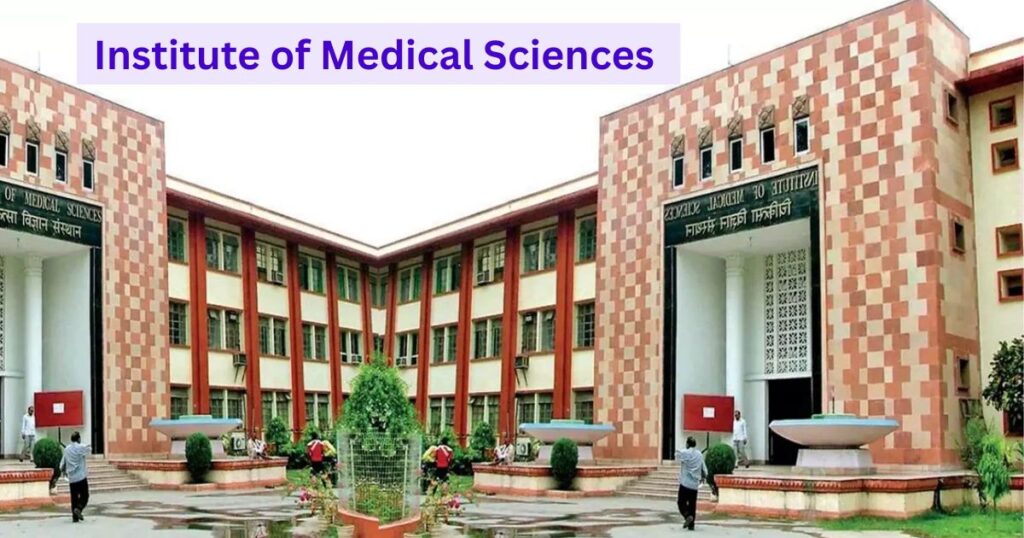
8. Institute of Medical Sciences – Varanasi
Source: IMS-BHU
Ranking
Top 10
Annual Fees
₹13,000
Admission
NEET-UG + JoSAA/BHU internal counselling
Courses
MBBS, MD, BDS, B.Sc. Nursing
Why BHU-IMS?
BHU-IMS is an academic environment for the medical students to get well-trained. To become a doctor is what many students dream of, now it’s possible with a low fee structure. It offers strong research support and is ideal for Uttar Pradesh aspirants.
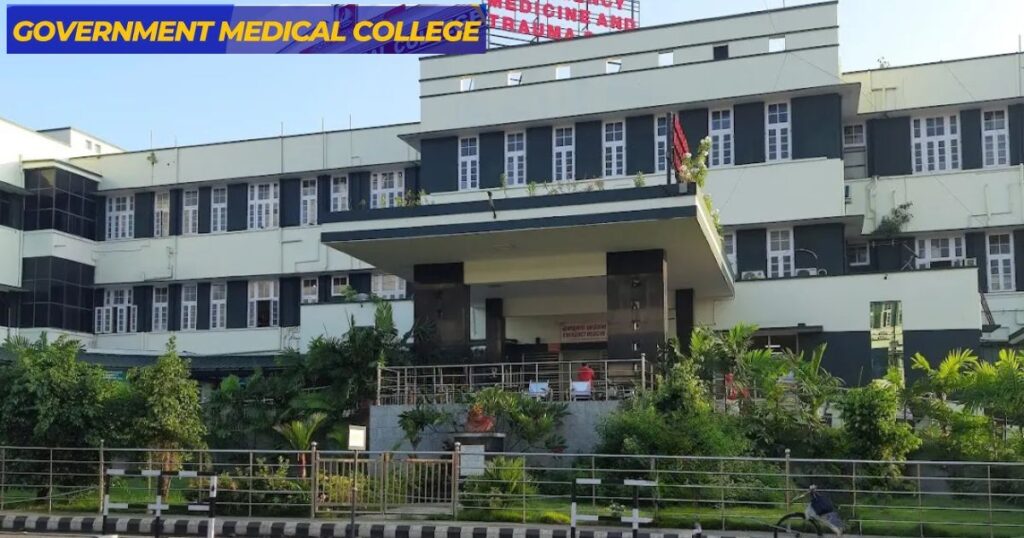
9. Government Medical College, Kerala
Source: Government Medical College
Ranking
Among top 20
Annual Fees
₹22,000
Admission
NEET-UG via Kerala KEAM counselling
Courses
MBBS, MD, MS, Paramedical
Why GMC-TVM?
One of Kerala’s oldest and most reputed medical colleges. Students who want to study in an academic environment can get admission to this college. It creates some of the highest-scoring PG aspirants and is known for its patient inflow, excellent teaching, and disciplined academic culture.
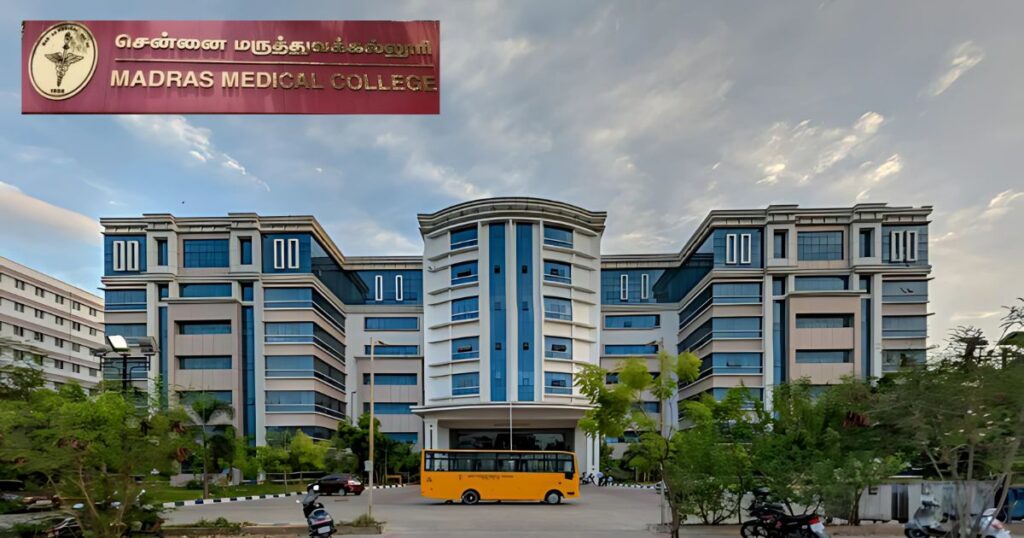
10. Madras Medical College, Chennai
Source: Madras Medical College
Ranking
Among top 15
Annual Fees
₹13,610
Admission
NEET-UG via Tamil Nadu State Quota + AIQ
Courses
MBBS, MD, MS, Nursing, Super Speciality
Why MMC?
MMC college was founded in 1835 and is known for its best medical education. It continues to provide outstanding training and is attached to major hospitals like the Rajiv Gandhi Government General Hospital. Graduates are highly respected in both the government and private sectors.
Note: For exact fee details you can visit the official website of the college and check out.
How to Get Admission in These Colleges?
1. Clear NEET-UG: This is mandatory for all MBBS and other courses in medical admissions in India.
2. Register for Counselling: You can choose either AIQ through MCC or State Quota via the respective state portals.
3. Get your step into the Choice Filling & Seat Allotment
4. The last part after you get shortlisted is Document Verification & Admission Confirmation.
Note: For top colleges like AIIMS, AFMC, and MAMC, your NEET rank should ideally be within the top 1000–5000.
Career Scope After MBBS
Completing MBBS from a reputed government college gives you several career options, that is the reason why choosing the right college for a medical degree is important:
Further studies in the medical field like MD/MS/DM in India or abroad through exams like NEET-PG, USMLE, PLAB
Government Jobs in various departments such as AIIMS, ESIC, Railways, State or city Hospitals, Army Hospitals, and many more. It offers you lifetime financial stability and security.
Become a doctor in Private Hospitals, or Join Corporate Hospitals, and own the clinic.
You can also choose your career in medical research.
Health Administration is also an option for you. As a medically certified doctor, you can be an instructor or health reporter.
Conclusion
You don’t always need to pay lakhs to get a quality medical education. These top government colleges prove that quality education, hospital exposure, and low fees can go hand-in-hand. If you’re serious about a medical career in 2025, start preparing for NEET with full dedication, and keep these Top 10 Best Medical Colleges in your target list.
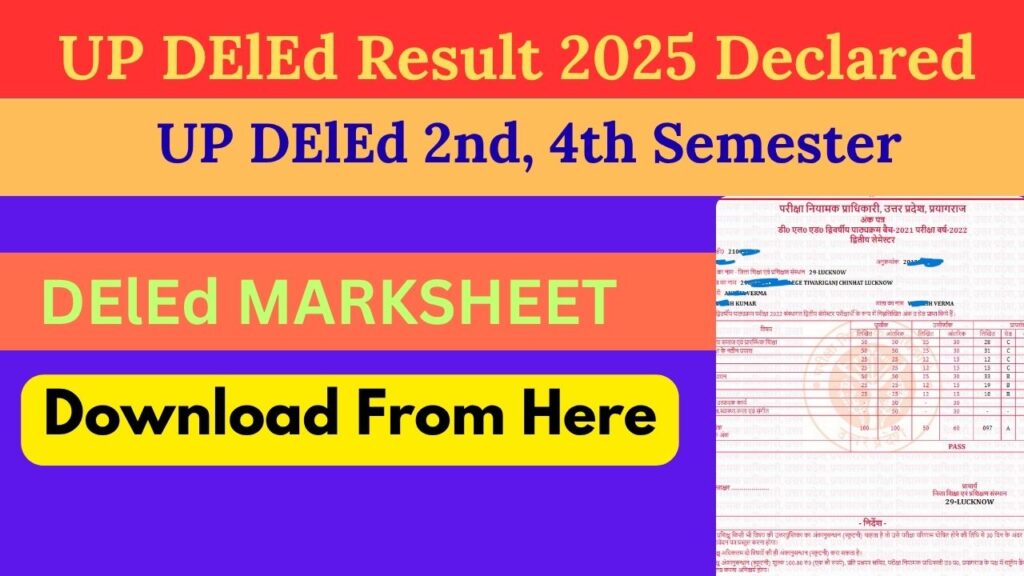
UP DElEd Result 2025 Declared by the Uttar Pradesh Regulatory Authority for 2nd and 4th semester exam. Students who want to download their result from the official website or the link mentioned in the article below. Batch 2022 and 2023 students can break their patience to see their result.
If you have appeared in the examination then check your result from the direct link.
There are a total of 2,33,350 seats available for the DElEd. The total number of students of batch 2023 present in the examination is 160159 but 102408 students have passed this exam and 57691 have failed. 246 students did not appear in the exam, 44 results have not been completely declared, 13 results were stopped by the council and 3 have been caught cheating.
Whereas, fourth semester students of 2022 batch are 57,415 in numbers but 45,528 students have passed in the examination.
If you are the type of person who regularly moves your furniture around, cleans windows to get the perfect paint color, or critiques lighting in every restaurant you dine in, maybe you have a calling. Your Search for Courses for Interior Designing starts when the question pops up: How do you get paid to have that passion?
In these days, interior design is no longer just about “making things look pretty.” It is a complex mix of architecture, psychology, technology, and art. Whether you are a high school graduate looking to pursue a degree or a working professional residing in Lucknow wanting to make a creative pivot, this guide is your blueprint. Let’s talk about everything you need to know to about the interior design courses, colleges, and careers.
Why Formal Education Matters
Let’s be real for a second. You may have a great eye for decorating, but professional interior design is a whole other story. It deals with strength of materials, building codes, ergonomics, and space planning.
A formal course will teach you the “grammar” of design. You are taught to talk with contractors, architects and clients. You go from saying, “I think this blue looks nice,” to, “This particular shade of teal offsets the warm undertones of the timber flooring and captures the natural light coming in from the north-facing window.”
Types of Courses
Course Type
Duration
Eligibility
What You’ll Get
Bachelor’s —B.Des / B.Sc
3-4 Years
B.Sc Or B.Des require 10th & 12th marksheet from Science Stream
In-depth technical knowledge related to Designing
Diploma / Advanced Diploma
1-2 Years
Key Formula for fast entry in career
Focused on Practical more than theory, Skill Polishing
Certificate Courses
3-6 Months
Hobbyists or professionals adding a specific skill (like CAD or V-Ray).
Specific skills only. Prefer for less professional people
Professional Level (M.Des / M.Sc)
2 Years
After having a degree of B.Des/B.Arch. These masters courses offered for specific specialization
Research-oriented, higher leadership roles, and teaching opportunities.
Your course will probably be part art and part engineering. There’s a chance that you will be spending your first year hours hand-sketching and studying Color Theory. In your final year, you will be making hyper-realistic 3D renders that look like photographs.
The “Hard” Skills (Tech You Need to Master in 2025):
To make it in the business these days, you have to know your way around a computer. These are the software tools you’ll probably end up knowing inside and out when you graduate:
AutoCAD - 2D blueprints industry standard It’s non-negotiable.
SketchUp: The Simplest 3D Building Tool Out There. Consider it as digital clay.
Revit / BIM – essential on large commercial jobs where you need to work closely with architects.
AI Homestyler: more recent and cloud based AI tools that are rising in popularity as they render fast.
Hospitality Designer: Hotels, cafes, restaurants. (Very creative, high visibility).
Set Designer: Design sets for movie or tv (Big in Mumbai/Hyderabad).
Salary Expectations
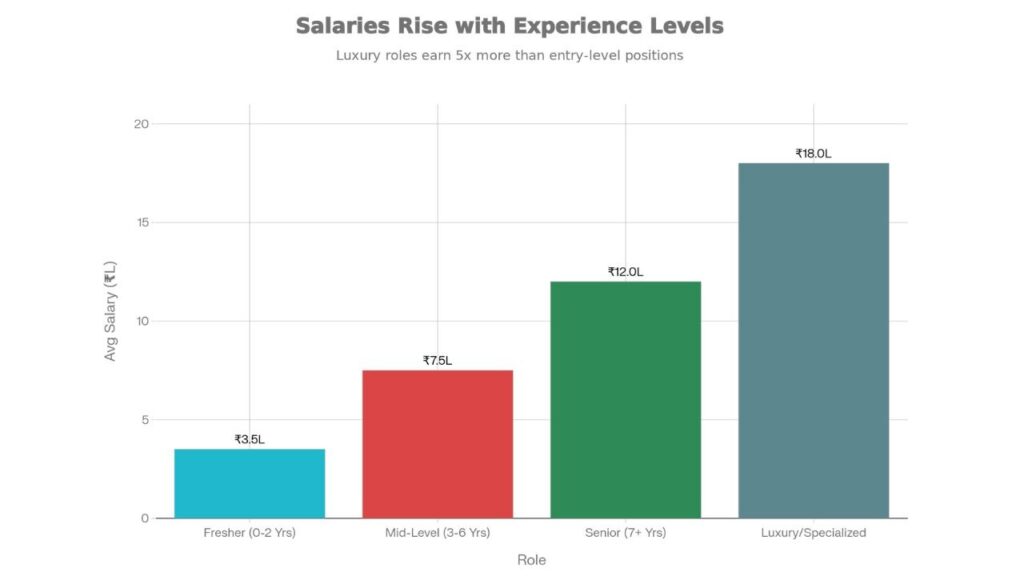
Entry-level compensation can be humdrum, but expansion is meteoric once you acquire a portfolio. Specialized positions, particularly in Luxury or Commercial sectors, offer much greater pay.
The chart exhibits how, even though you may begin as a junior at about ₹3.5 Lakhs per annum, it does pay off after all. A Senior Designer with 7+ years of experience can earn comfortably north of ₹12 Lakhs, and if you start your own firm or get into luxury consulting, the sky’s the limit (₹18 Lakhs+).
Admission Procedure For B.Des/M.Des in Major Colleges
For premiere govt colleges (like NID) you will have to appear for entrance exams like NID DAT or UCEED. They test your drawing ability, creativity, and spatial logic.
In case of private universities (such as Amity or Integral in Lucknow), admissions are essentially on the basis of marks secured in 12th and DAT (Design Aptitude Test) or portfolio review.
And build a portfolio, even if you’re not studying design. Draw a corner of your room. Redesign your kitchen on paper. Capture the textures you like. Your potential and passion matters, not perfection.
Conclusion
Courses for Interior designing are not for the weak hearted. Dusty job sites, demanding clients, and nights spent staring at a computer screen. But it is also hugely gratifying. There is a unique thrill in walking into a space you designed — watching people live, laugh and work in a place that began as a sketch in your notebook.
If you like to mix creativity with logic, and art with engineering, this is the year to look forward to for starting out. Whether you opt for a degree from Amity Lucknow or a diploma to begin your career at the earliest, the world is holding its breath for your designs.
GSEB HSC Supply Result 2025 is released today. If you also appeared in the 12th science examination held from 23 June to 30 June, 2025 then check it out on the official website. You can follow the steps to check the result of Gujarat Board examination 2025.
GSEB HSC Supply Result 2025 Check Now
Students can follow a step-by-step guide to check the GSEB HSC supply result 2025. Students can also check their result from the direct link provided in the article.
Go to the official website, link is given in the article.
When you appear on the website, click on the link “HSC Supply Result 2025”.
Enter the details such as roll number and password and click on enter.
If you have completed 12th with a science subject and are interested to join the Uttar Pradesh Police Force then this is the chance to transform your life! The application process has begun for the Uttar Pradesh Police Recruitment & Promotion Board (UPPRPB) Computer Operator Grade-A vacancies – the total number of vacancies is 1,352. So, let’s get into all that we need to know about this golden opportunity.
A career with UP Police is an excellent opportunity for youth having technology savvy to establish their bright future in law-enforcement. With 1,352 vacancies available and a good pay scale of Level-4 (₹25,500 – ₹81,100), this job is not only offering colorful career but also financial security. The registration is valid for both men and women across the UP, so the whole terrain of the state could participate in it.
Mark Your Calendar With These Dates
Event
Date
Online Application Start
December/16/2025
Registration Deadline
January/15/2026
Fee Payment Last Date
January/15/2026
Fee Correction Window
January/16-18/2026
Exam Date
To be notified
Admit Card Release
Notify Later
Do You Qualify For This Post?
Requirement
Details
Age Limit
18-28 years
Educational Qualification
10+2 with Physics & Mathematics
Computer Certification
DOEACC ‘O’ Level OR Diploma in IT/Computer/Electronics Engineering
The procedure of application for Uttar Pradesh Police Recruitment and Promotion Board (UPPBPB) is easy and in online mode only. Step by step instructions are provided below:
1. Visit the official page of UPPBPB at the official website which is also mentioned in the article.
2. Sign up with a valid mobile number and email id.
3. Follow the guidelines to complete the One-Time Registration (OTR).
4. Fill in the details in the application form correctly related to your Personal and Educational Qualification etc.
5. Attach all relevant documents, i.e. mark sheets, certificates, a recent photograph and the signature.
6. Submit the application fee as applicable through the online mode.
7. Complete this and then apply with your full application and print the confirmation page for your document.
Make sure that all the information they are providing is true and correct, and that the files they upload are according to the size, format, etc. specified above so that they don’t have to face any trouble.
Application Fee
General/OBC/EWS
₹500
SC/ST
₹400
Selection Process
Stage
Description
Written Examination
200 MCQ questions (400 marks)
Typing Test
Hindi & English typing skill test
Document Verification
Authenticate original certificates
Final Merit List
Based on written exam performance
Exam Pattern
The question paper has a General Hindi, General Knowledge, Mental Aptitude/Reasoning and Computer Science section. All the three sections contain 50 questions and every question carries two marks thereby the maximum score for the paper is 100 marks.
Most of the students join the corporate sector but private jobs won’t provide security, high-salary, and additional perks which the government sector offers to the employees. But position matters in government jobs too if you have a higher position in the department, your salary will be more and other perks. There are many government jobs after graduation in India in the different departments.
But you must understand which department suits you best. Let’s look into the details of each government job after graduation. Don’t rush, just focus on what you want to achieve in life.
Why Government Jobs Still Matter
People who spent years working in a public sector bank or Ministry of finance described that money attracts you but the major reason is you never have to worry about if you’ll have a job next year or not.
If you watch it closely, you are going to understand — A government job in India isn’t just a paycheck. It comes with job security that private companies rarely match. It comes with a pension through the National Pension System, so the years after retirement aren’t a financial scramble. Government jobs offer fixed working hours, but there are exceptions. Defence and UPSC is tougher and no fixed hours. Most jobs are not that tough so you can give time to your family. In India, society gives more respect to government employees than private employees.
There is one more thing, if you belong to SC, ST, OBC, and EWS categories, government recruitment includes reservation benefits that make the competition a little more balanced than it is in the open private market.
None of this means government jobs are easy to get. But it explains why so many students keep this door open, even while exploring others.
Government Jobs After Graduation in India
There is no one big exam for a government job, it gives you job security and high salaries that makes it tough to compete with lakhs of students and being selected.
IBPS conducts the PO and Clerk exams for most public sector banks, while State Bank of India runs its own separate recruitment for similar roles.
If you want something closer to economic policy, RBI hires for Grade B officer and Assistant positions, and NABARD focuses specifically on rural and agricultural banking.
Job Title
Minimum Qualifications
Example Employers / Recruiting Bodies
Accountant / Junior Accountant
Bachelor’s degree in Commerce (B.Com) or equivalent; some posts accept diploma in accounting
State departments, municipal corporations, central ministries, cultural institutions
B.Com, proficiency in Tally / Govt accounting rules
Department of Economic Affairs, ministries, central govt offices
Treasury Officer / Cashier (Treasury)
B.Com; sometimes specific treasury certificates
State treasuries, municipal treasuries
Internal Revenue Agent / Revenue Inspector
Graduation; specialized departmental exams
Tax departments, revenue directorates
Central Government Jobs
The Staff Selection Commission runs several exams worth knowing. SSC CGL is the big one, opening doors to positions like Income Tax Inspector and Assistant Audit Officer. SSC CHSL leads to roles like Data Entry Operator or Lower Division Clerk.
If you studied engineering, SSC JE is built specifically for you. And if you can take dictation quickly, there’s SSC Stenographer.
Job / Exam
Minimum Qualification
Common Extra Requirement
SSC CGL
Graduation degree
Post-wise age and skill test requirements
SSC CHSL
12th pass OR Graduation
Typing/skill test for some posts
SSC MTS
10th pass OR Graduation
Age relaxation as per category
SSC JE
Diploma or B.E./B.Tech in relevant field
Technical qualification in engineering branch
SSC CPO
Graduation in any stream
Fitness and medically fit
Railways, Largest Employer in the Country
RRB NTPC opens up roles like Station Master and Traffic Assistant for general graduates. RRB ALP is for those drawn to operating trains as Assistant Loco Pilots.
RPF handles railway security and law enforcement. And RRB JE, again, is the engineering route.
Railway Job Post
Main Work
Basic Eligibility
Usual Recruitment Route
Station Master
Controls train movement and station operations
Graduation in any stream
RRB NTPC Graduate-level exam
Goods Train Manager
Manages goods train operations and coordination
Graduation in any stream
RRB NTPC Graduate-level exam
Senior Clerk cum Typist
Handles records, typing, office work, and data entry
Graduation with typing skill where required
RRB NTPC Graduate-level exam
Junior Accounts Assistant cum Typist
Accounts work, billing, clerical finance tasks
Graduation, usually commerce preferred
RRB NTPC Graduate-level exam
Commercial cum Ticket Clerk
Ticketing, passenger support, commercial counters
Graduation in any stream
RRB NTPC Graduate-level exam
Trains Clerk
Train records, movement entries, office coordination
Graduation in any stream
RRB NTPC Graduate-level exam
Traffic Apprentice
Supports railway operations and traffic control work
Graduation in any stream
RRB recruitment / NTPC-related notifications
Section Controller
Monitors train operations and sectional control
Graduation; often a high-responsibility post
RRB notification / senior railway recruitment
Junior Engineer (JE)
Technical supervision in civil, electrical, mechanical, signal, etc.
the exam that produces IAS and IPS officers. It’s open to graduates from any stream, but it’s also the toughest exam in this entire list, with three stages testing not just knowledge but stamina and patience.
Each state also runs its own version through its Public Service Commission. UP has UPPSC, Bihar has BPSC, Madhya Pradesh has MPPSC, and so on, each recruiting for state-level administrative roles.
UPSC Service / Post
Group
Main Work
Basic Eligibility
Indian Administrative Service (IAS)
All India Service
District administration, policy implementation, public welfare, law and order coordination
Graduation in any stream
Indian Police Service (IPS)
All India Service
Internal security, policing, crime control, public order
Graduation in any stream
Indian Foreign Service (IFS)
Group A
Diplomacy, foreign relations, embassies, international representation
Central government accounting and financial reporting
Graduation in any stream
Indian Defense Accounts Service (IDAS)
Group A
Defence finance, budgeting, accounts management
Graduation in any stream
Indian Railway Protection Force Service (if allotted through UPSC-related services)
Group A/B depending on cadre
Security and protection of railway property and passengers
Graduation in any stream
Central Civil Services Group A
Group A
Administration in central ministries and departments
Graduation in any stream
Central Civil Services Group B
Group B
Assistant-level administrative and policy work
Graduation in any stream
Defense Jobs
If discipline and service appeal to you more than office work, the defence sector offers CDS for officer entry into the Army, Navy, and Air Force, and AFCAT specifically for the Air Force.
Defence Job / Entry
Main Role
Basic Eligibility
Selection Route
Indian Army Officer
Lead troops, field operations, administration
Graduation in any stream
CDS / SSC (Non-Technical) / other officer entries
Indian Navy Officer
Naval operations, technical or executive duties
Graduation; engineering degree for technical entries
CDS / SSC Executive / technical entries
Air Force Officer
Flying, ground duty, administration, support roles
Graduation in any stream for many entries
AFCAT / CDS / NCC special entry
Short Service Commission Officer
Temporary officer role in Army, Navy, or Air Force
Graduation; post-specific rules apply
SSC entry routes
CDS Officer Entry
Commissioned officer in Army, Navy, or Air Force
Graduation in any stream
CDS written exam, SSB, medical
AFCAT Officer Entry
Air Force officer in flying, technical, or ground duty branches
Graduation in any stream; technical branches need relevant degree
AFCAT, interview, medical
NCC Special Entry
Officer entry for NCC cadets
Graduation + NCC certificate requirements
Direct officer selection, no written AFCAT/CDS in some cases
Teaching has its own path too. CTET or your state’s TET exam qualifies you to teach in schools, while UGC NET is for those who want to lecture at the college level. KVS and Navodaya Vidyalaya recruitment also fall in this teaching bucket.
Important Tip: You didn’t need to pick just one. Many students prepare for two or three of these at the same time, since the subjects often overlap.
Teaching Job
Level
Basic Eligibility
Main Exam / Route
Primary Teacher (PRT)
Class 1–5
Graduation in some cases, usually with D.El.Ed / B.El.Ed; CTET Paper 1 for central jobs
CTET / TET + recruitment exam
Trained Graduate Teacher (TGT)
Class 6–10
Graduation in relevant subject + B.Ed; CTET Paper 2 for central schools
CTET / TET + recruitment exam
Guest Teacher
School / institute
Graduation, sometimes B.Ed preferred
Local government recruitment / walk-in / contract basis
Special Educator
School level
Graduation + special education qualification
Recruitment through education department / DSSSB / state boards
Who Can Actually Apply
The good news is that most of these exams simply ask for a graduation degree, in any subject. You don’t need a specific stream unless the job itself is technical, like engineering posts in SSC JE or RRB JE, which obviously expect an engineering background.
Most exams accept candidates roughly between 18 and 32, though SC, ST, and OBC candidates usually get age relaxation, and the exact numbers shift slightly from year to year.
You also need to be an Indian citizen for nearly all of these roles, and for defence or paramilitary jobs like CDS or RPF, there are physical fitness standards on top of everything else.
Never assume for the exam updates. Dates are extended sometimes and shifts every year. Every government organization publishes its own official notification that declares eligibility and process. Rules shift slightly year to year, so do not rely on people’s words or what happened last year.
Once you decide which field you are going to join, you have to figure out the process itself, which felt confusing the first time but became simple once he broke it down.
It starts with tracking official notifications. Websites like ssc.nic.in,ibps.in, rrbcdg.gov.in, and upsc.gov.in post recruitment notifications which include detailed instruction and a timeline to open the portal where you can apply. It happens every year, so checking them regularly matters.
Once a notification drops, the first step is registering online, usually with just a mobile number and email. Then comes the actual application form, where personal details, educational background, category, and post preferences need to be filled in carefully.
Remember that correction windows are short, so a careless mistake here can follow you for the whole process. After that, documents like your photograph, signature, and category certificates need to be scanned and uploaded.
Then there’s the application fee, though SC, ST, PWD, and female candidates often get a waiver or discount here. Once everything is submitted, the admit card becomes available a few weeks before the exam date, and then it’s just down to showing up and going through whatever stages that particular exam has, whether that’s a single test or a longer chain of prelims, mains, and interview.
How To Prepare For Government Exams?
Once you know that these exams exist doesn’t mean you are fully prepared for it. You need to read the syllabus properly instead of skimming it.
Every exam leans on a mix of Current Affairs, Simple Mathematics, Logic and Reasoning, and English or Hindi, but the weight given to each section changes depending on the exam.
After you study the topics of a specific exam, check previous year papers, not to memorize answers, but to understand the pattern, the difficulty level, and how questions are usually framed and paired with regular mock tests.
This technique will teach you how to manage time under pressure, since most of these exams are brutally time-bound. Make Current affairs a daily habit too, especially since banking and SSC exams lean heavily on it. If your exam has more weightage on Current Affairs then prepare well for it day-by-day.
What made the real difference, though, was a basic timetable. Not a rigid one, just something that kept you showing up every day instead of cramming in bursts. And you had to decide between coaching and self-study. Most students who cracked their exams recommend choosing both. As some subjects are hard that need guidance and some are easy, you can prepare it by yourself. There’s no universal right answer here. It depends on how you learn best.
For decades, students have been doing wrong while preparing for the government exams which can be put away and made aware future generations to stop going wrong.
Some students put all their effort into one single exam and ignore everything else, which is risky given how competitive these exams are.
Others miss notification deadlines simply because they weren’t checking regularly.
A lot of students skip mock tests entirely, only to be blindsided by time pressure on the actual exam day.
And many treat current affairs as optional, which costs them marks in exams where it’s actually a major scoring section.
Conclusion
There are massive numbers of vacancies every year in government jobs after graduation in India. If you also finish your college this year or previous year, you can apply for any of the jobs which fits into your profile.
Check the official notifications daily to find the dates for application, admit card, and exam date. Some exams take multiple phases to get selected but some require a simple exam. Students who can stay consistent, give hours to study, and set their goals can achieve it by going through a tough process of selection.