Best BTech Colleges in Lucknow: Fees, Placements, and Admission Reality for 2026

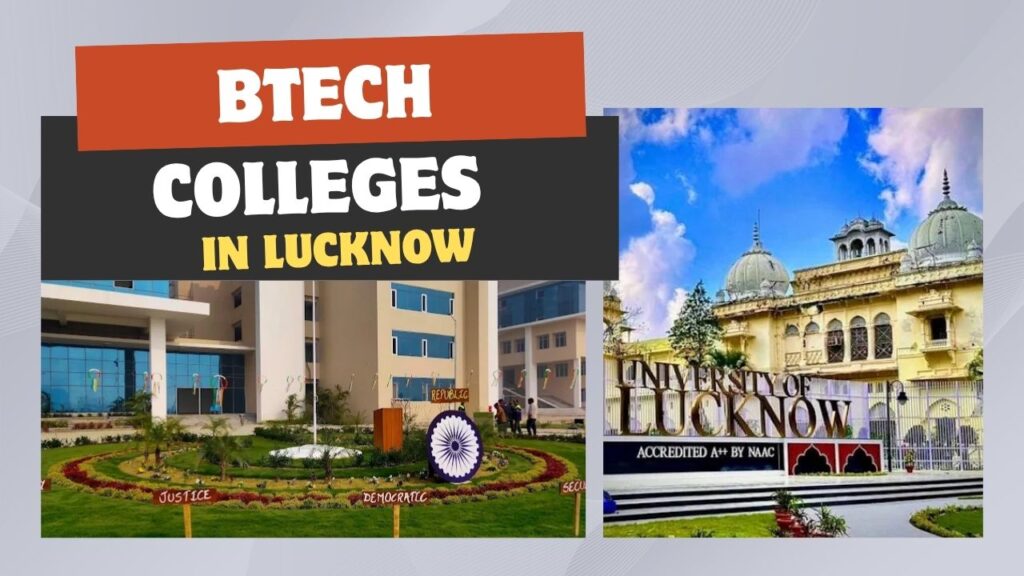
BTech Colleges in Lucknow

If you are scrolling through countless lists of btech colleges in lucknow and thinking, which one actually provides placements, then you are thinking the right way. The divide between the top government institutes and a run-of-the-mill private college in Lucknow isn’t just a matter of name-brand — it’s a 4x difference in average salary packages. 

For a family with a moderate income that is spending ₹4–15 lakh on a four-year degree, that gap makes the difference between the degree paying for itself in two years or becoming a drain on their finances. 

The Two-Tier Reality of BTech Education in Lucknow

The engineering scene in Lucknow operates on two parallel tracks with little coming of its divergence. 

On one end is IIIT Lucknow, an Institute of National Importance operating under a PPP model between the Ministry of Education, Government of Uttar Pradesh and UP Electronics Corporation. That institute reported an average BTech package of ₹33.71 LPA for 2025, with the highest offer reaching ₹145 LPA — figures that give a run for their money to the mid-tier IITs. 

Besides this, there are 53 private engineering colleges, the majority of which are affiliated to Dr. A.P.J. Abdul Kalam Technical University (AKTU) with average packages of ₹4–6 LPA. In between these two is IET Lucknow which is the premier state govt college under AKTU offers 8.2 LPA total fee is just 3.44-4.04 lacs for 4years. 

This isn’t just about prestige. The JEE Main rank for IIIT Lucknow Computer Science branch closed at 8,540 (General All India) in 2025, while IET Lucknow’s CSE closed at around the rank of 35,763 via UPTAC counselling. The difference of 27,000 ranks corresponds to around 1.5 percentile points.

Top Government BTech Colleges in Lucknow

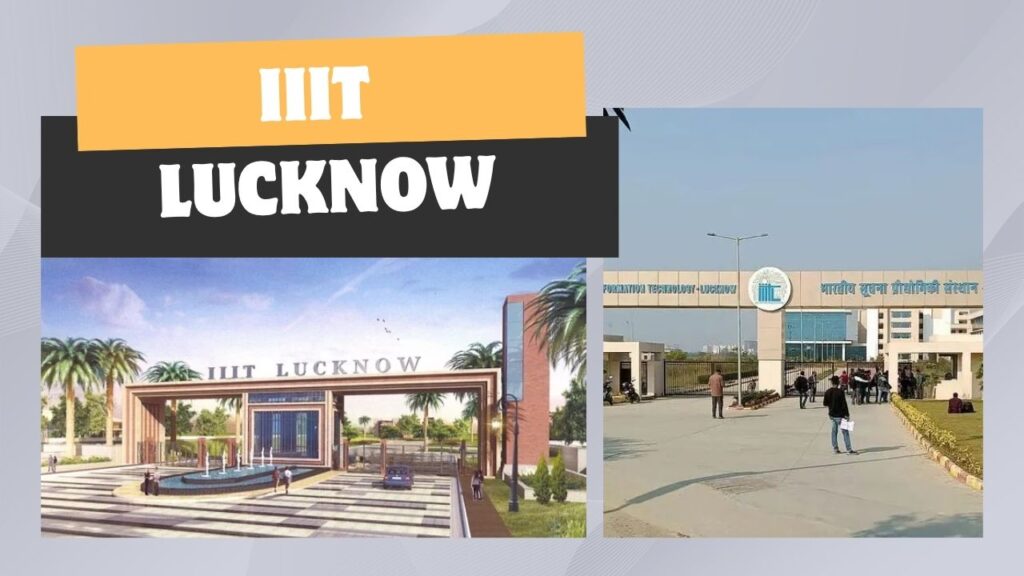
IIIT Lucknow (Indian Institute of Information Technology)

IIIT Lucknow is an Institute of National Importance operating under PPP model, formed in 2015-16 by the Government of UP, with the financial support from the MHRD, Government of India along with UP Electronics Corporation. The institute offers only BTech programs in computer science based areas – Computer Science & Engineering, Information Technology, CS-AI and CS-Business. 

Entry to these institutes is through JEE Main and then JoSAA counselling — just like the NITs and IITs. 96.17 % of students (201/209) of BTech got placed in the 2025 placement season with a median package of ₹26 LPA. The tuition fees for the entire four-year course ranges from ₹9.6 —- 10.23 lakhs, excluding the cost of hostel. 

The culture of coding here has been likened to that in top NITs. In contrast to regular state colleges, IIIT-L has a laser focused curriculum on software engineering, algorithms and data science. Companies like Microsoft, Goldman Sachs, Google, LinkedIn, and Directi have come to these colleges for placement drives. 

IET Lucknow (Institute of Engineering and Technology)

IET Lucknow is listed in the top colleges of Engineering colleges of Lucknow, established in 1984. This government institute is administered by AKTU’s Executive Council and offers eight different fields in BTech. Those eight disciplines are Computer Science, Electronics & Communication, Civil, Mechanical, Electrical, Chemical, and Information Technology. 
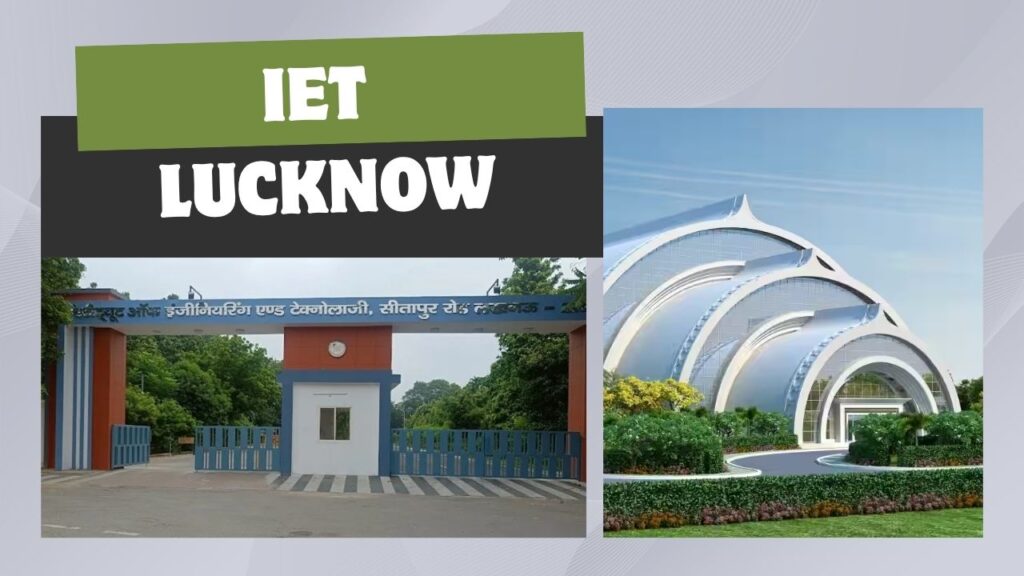

The admission process is tough as students have to go through UPTAC counselling (not JoSAA) after passing JEE Mains. Previous year students get placement packages up to ₹8.2 LPA and the highest package goes up to ₹49 LPA shown in the record. Total four year fees of IET-L sit between ₹3.44–4.04 lakhs that make up to ROI, you pay roughly ₹4 lakhs and routinely secure placements averaging above ₹8 LPA.

The campus environment is academic and advanced, providing the strongest ecosystem in the city for students who are targeting core engineering branches to settle down in government jobs.

University of Lucknow 

University of Lucknow is every engineering first choice as it serves various disciplines in engineering programs. Students settle down with an average package of ₹6.5 – 8.0 LPA and this four year degree costs ₹1.2 – 1.4 lakhs, which is a good choice for a middle class person. Admission routes include JEE Main and LUGET. 
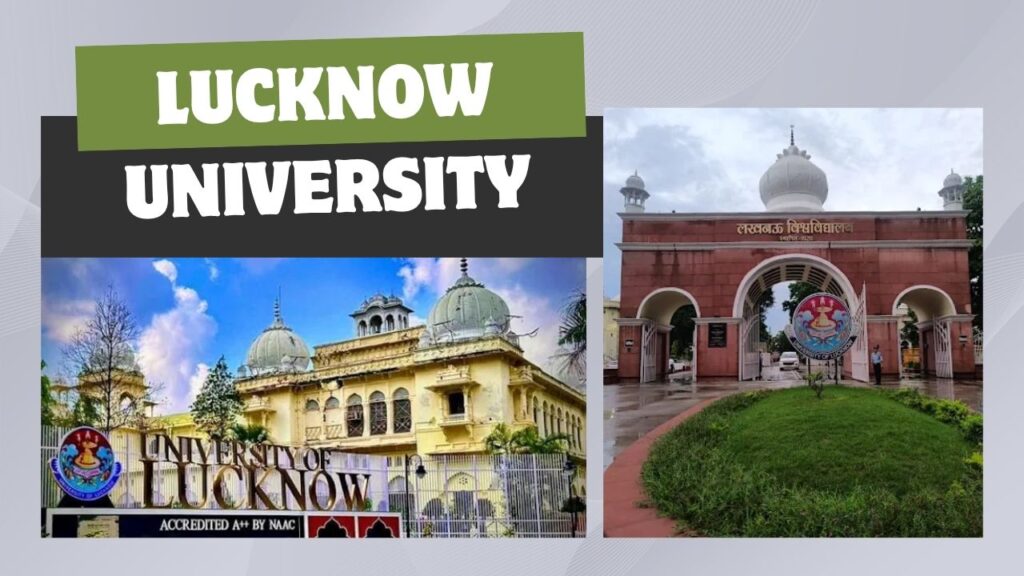

The campus environment is surrounded with technical studies, civil services or management exam preparation. It balanced the core culture of academic and practicality, making it a perfect choice for UPSC aspirants who want an engineering degree as a backup. 

CIPET Lucknow (Central Institute of Petrochemicals Engineering and Technology) 

CIPET operates under the Ministry of Chemicals and Fertilizers, the best choice for students who want to build a career in chemical engineering. The institute focuses on plastics engineering and manufacturing technology while maintaining the strong connection to industries in automotive, packaging, and petrochemicals sectors where demand for specialized engineering talent is high.
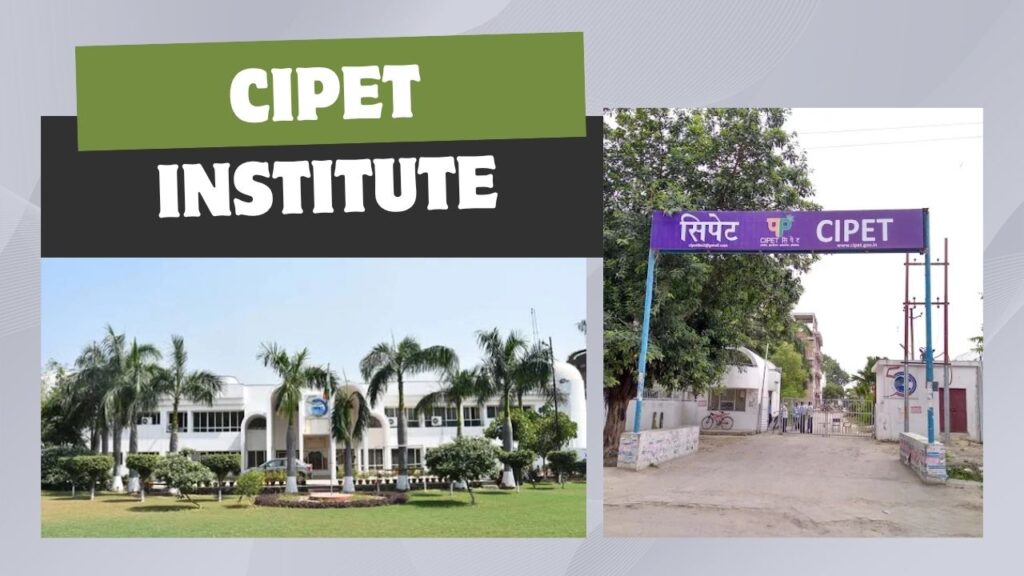

The annual fees of course sits between ₹75,000–85,000 and delivers exceptional ROI for students in future. The placement rate is also high in this field, near-100% in manufacturing sectors.

Leading Private BTech Colleges in Lucknow

Integral University

Integral University became one of the best Lucknow engineering colleges after it came into the NIRF 2025 Engineering ranking bands (201–300). Its unique position is built upon the faculty strength and curriculum of the university in research infrastructure and emerging specializations like Cloud Computing and AI. 
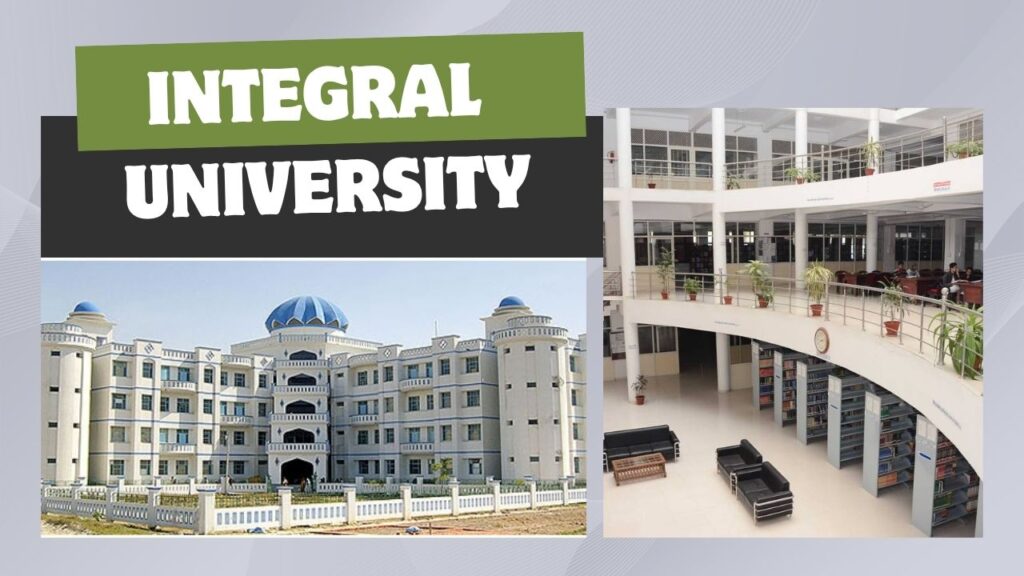

These advanced choices are growing the university’s reputation world-wide and best for students who plan to pursue higher education or research careers. This institution carries NAAC A+ and provides a higher academic environment which gets students average packages of ₹4.5 – 7.2 LPA shown in reports. The annual fees of ₹1.5 –1.7 lakhs

Amity University Lucknow

Amity University got NAAC A+ accreditation with corporate-level infrastructure that gives students an opportunity for learning with soft-skills training, global immersion programs, and placement drives featuring TCS, Wipro, HCL, and IBM. Reports say the average package students can get is up to ₹6.5 LPA and annual fees is ₹3.1 —- 4.5 lakhs.
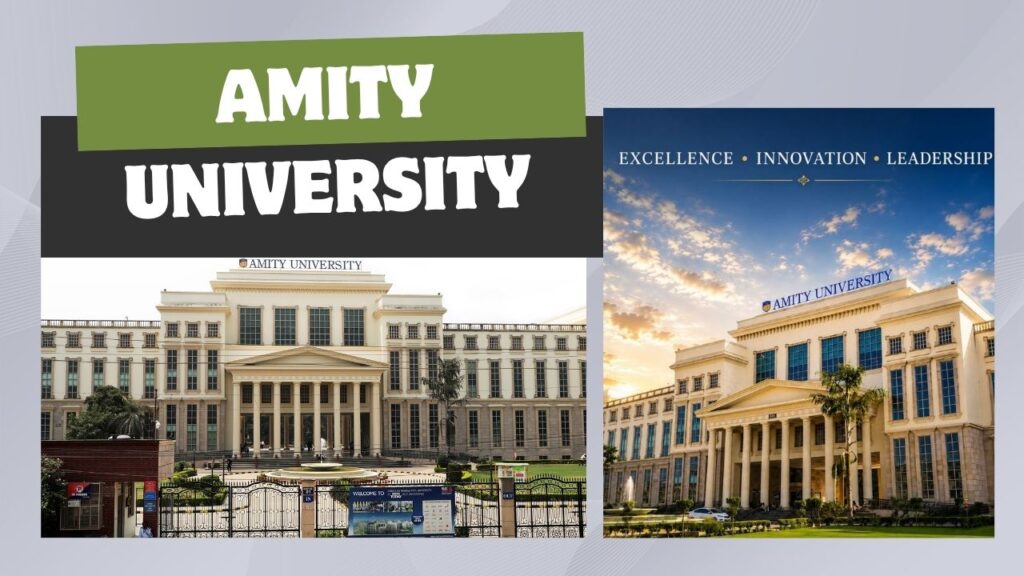

Amity builds their students with strong communication skills — a profile that consulting firms and client-facing tech roles value. But it can be affordable for some students as its total fees for four years is ₹16–20 lakhs.

Babu Banarasi Das University (BBDU)

BBDU is one of the biggest universities in Lucknow with a wider range of programs. It offers BTech courses in multiple disciplines at ₹1.4 — 1.8 lakhs fees annually. Students can get an average package on their placement is around ₹5.2 —- 6.8 LPA but students have to pass JEE Main or BBDU-ET entrance exam.

If students miss IET Lucknow, after getting 35,000–60,000 in JEE Main can get admission in BBDU as it offers a reliable middle-of-the-funnel option without exorbitant fees.

R.R. Group of Institutions (RRGI/RITM)

RRGI/RITM offers a strong curriculum and practical exposure for BTech students which polishes their skills in specific disciplines. ₹4.5 – 6.0 LPA range of package after finishing four year degree which cost students ₹80,000 – 1.1 lakhs per year.
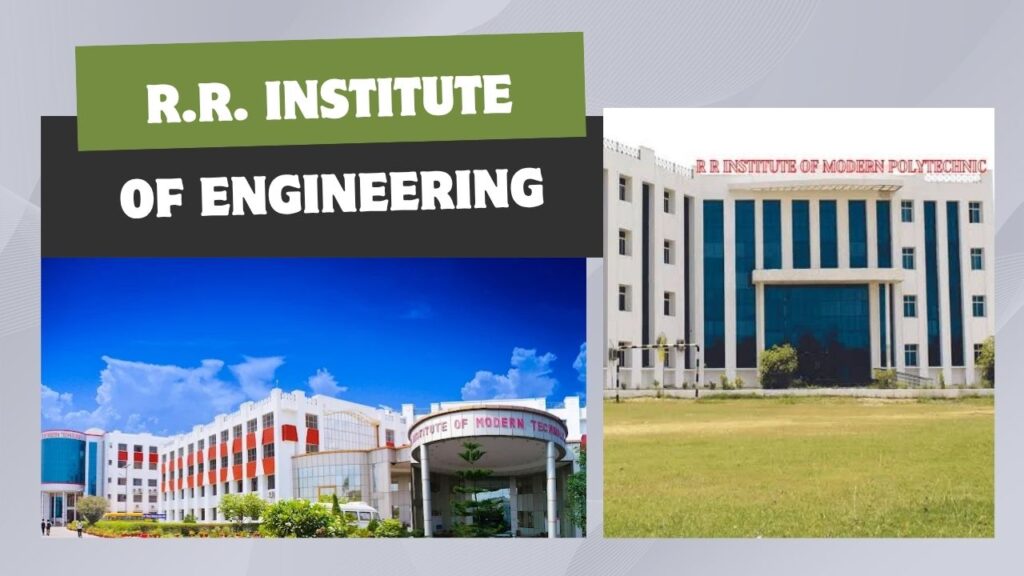

If students miss a seat in government college, they can get admission here. It’s a practical option for middle class families since its ROI is also good, and a consistent placement record.

Comparison of Best BTech Colleges in Lucknow: Fees vs. Placement ROI

College NameOwnershipTotal 4-Year Fee2025-26 Avg PackageBest Specialization
IIIT LucknowGovt (PPP)₹9.6–10.23 L₹33.71 LPACSE, AI, IT
IET LucknowState Govt₹3.44–4.04 L₹8.2 LPACore Engg, CSE
Lucknow UniversityState Govt₹4.8–5.6 L₹7.5 LPACivil, Electrical
Amity UniversityPrivate₹16–20 L₹7.8 LPABiotech, Cyber
Integral UniversityPrivate (Deemed)₹6–7 L₹5.5 LPACloud, AI
BBDUPrivate₹5.6–7.2 L₹6.0 LPAData Science
RRGIPrivate₹3.2–4.4 L₹4.8 LPAMech, CSE
CIPETCentral Govt₹2 L₹5.0 LPAPlastics Engg

If software engineering at product-based companies is your goal, IIIT Lucknow operates in a different league. For core engineering with government job preparation, IET Lucknow delivers unmatched ROI. 

BTech Admission Process in Lucknow: JoSAA vs. UPTAC

There is a rule to take admission in BTech — whether you choose government or private college, the pathway is critical but it is mandatory to test your knowledge.

JoSAA (Joint Seat Allocation Authority) 

Students can take admission through JoSAA counselling to IIIT Lucknow, IITs, NITs, and IIITs nationwide. It happens every year in June, you can register and be ready for counselling rounds. It will finish till July last week but you must have a JEE Main 2026 score and 75% aggregate in Class 12. The portal is josaa.nic.in

UPTAC (Uttar Pradesh Technical Admission Counselling) 

If students want to take admission in any 60+ AKTU-affiliated colleges across Uttar Pradesh then registering UPTAC is the best choice. Registration happens every year in mid-June on uptac.admissions.nic.in. You must have a JEE Main 2026 score with 45% in PCM with valid documents. 

Read More 👉 MPPSC ADPO Recruitment 2026: Everything Law Graduates Need to Know 

Critical Distinction 

IIIT Lucknow uses JoSAA only. IET Lucknow and all private AKTU colleges use UPTAC only. You must register for both systems separately if you want to keep both options open.

Meanwhile many private universities run their own entrance exam for admission or offer direct admission on merits of students in 12th. So you must secure above 60% in PCM to be eligible for BTech course.

JEE Main 2025 Cutoffs: What Ranks Actually Got In

IIIT Lucknow CSE (General All India): 8,540 (Round 1)

IIIT Lucknow CS-AI (General All India): 8,844 (Round 1)

IET Lucknow CS-AI (General): 35,388 (Round 1)

IET Lucknow CSE (General): 35,763 (Round 4)

IET Lucknow ECE (Open State): 48,263

IET Lucknow Electrical (Open State): 59,465

IET Lucknow Mechanical (Open State): ~1,00,306

Placement Reality: Beyond the “Highest Package” Marketing

College catalogs are full of boasts about the ₹62 LPA or ₹145 LPA offers from abroad. That’s important, but the numbers don’t tell you what the median looks like. IIIT Lucknow’s median package (26 LPA) is more telling than its highest package (145 LPA). The IET Lucknow median of 6.15 (NIRF 2024 data) LPA is a much better reflection of what one can expect than the highest offer of 49 LPA. 

Private Lucknow colleges claim ₹4-6 LPA as average package and ₹15-20 LPA as maximum IT package for top performers. It is the placement percentage — the ratio of students who got a job to those eligible to get a job — that is more important than the maximum package. The 96.17% placement record of IIIT Lucknow (201 / 209 students) is outstanding. IET Lucknow reports 60% to 70% placement, 50+ recruiters. Private colleges are a mixed bag, some find it hard to place even 50% of their batch. 

Read More 👉 IBPS PO MT XVI Recruitment 2026: What Every Banking Aspirant Needs to Know

Lowest-Fee BTech Options in Lucknow

For the cost-conscious and less brand-conscious, Lucknow has many government and government-aided schools: 

College FeesAdmission ThroughPackage
BSP Lucknow (Bhabha Polytechnic) ₹69,000 total for four years UPTAC₹3 LPA 
AIET Lucknow (Ambalika Institute) ₹1–1.4 lakhs UPTAC ₹4 LPA
CIPET Lucknow ₹2 lakhs total for four years UPTAC ₹3 LPA
IET Lucknow ₹3.44–4.04 lakhs total UPTAC ₹3.5 LPA

Eligibility Criteria for BTech Admission in Lucknow

  • Students must have physics, chemistry, and math in their class 12th with a score above 60%. 
  • JEE Mains is mandatory for most colleges.
  • UP domicile candidates get preference under the home state quota in UPTAC counselling.

Conclusion 

If you have finished your 12th with PCM and want to pursue BTech, that means you need to prepare yourself for challenges and competition. This is a vast field with multiple opportunities but there are thousands of students who pass every year from these Best BTech Colleges in Lucknow and secure a well-paying job in multinational companies.

You can also join the government sector (Railway technician, Airlines, ISRO) by getting admission in government college, it doesn’t mean that private colleges won’t make you eligible, government colleges have a wider range of placement drives. Understand the process of admission before making a decision because most students fail to keep the track.

Students can check fees and salary packages that companies offer as it matters to build a secure career.

Leave a Comment

Your email address will not be published. Required fields are marked *

DUVASU Mathura PVT Online Form And Full Details On Admissions, Eligibility, and Preparation

DUVASU Mathura PVT Online Form

DUVASU Mathura PVT Online Form can give you the opportunity to set your future as a veterinarian, biotechnologist, or agricultural scientist, by getting into a top university is the first important step on the path to your dream job. U.P. Pandit Deen Dayal Upadhyaya Pashu Chikitsa Vigyan Vishwavidyalaya Evam Go-Anusandhan Sansthan (DUVASU), situated at Mathura, is the best university for veterinary and allied sciences in India. 

Thousands of students contest for a place in DUVASU’s prestigious UG (Undergraduate), PG (Postgraduate), and diploma courses annually. The entrance to these courses is the Mathura PVT (Pre-Veterinary Test), which is held in a sky-high format under the UGEE (Undergraduate Entrance Examination), DEE (Diploma Entrance Examination), PGEE (Postgraduate Entrance Examination). 

Managing the process of admission may appear to be a daunting task at times. If you are going to get admission in 2026-27, in this article we are going to tell you everything to know that how you can apply for DUVASU Mathura PVT 2026 online form, how to check your eligibility, important dates and more. 

Why Choose DUVASU Mathura?

Before getting into the application process, let’s take a look at what makes DUVASU so desirable to students. It is not only just another veterinary university but a premier institute for veterinary education, animal science and research established by the Government of Uttar Pradesh. DUVASU has multiple constituent colleges, excellent infrastructure, faculty, and experiential clinical training, making it a comprehensive institute that draws aspirants from across India. 

Be it DUVASU or any other veterinary university (which is a regular university having agriculture and veterinary stream), you are guaranteed to graduate with theoretical knowledge, stringent practical work, and a degree that is well respected in the public (government veterinary officers) and private (dairy farms, biotech companies and pharmaceuticals) sectors. 

Important Dates for DUVASU Admission 2026

EventDate/Details
Online Application Starts15/February/2026
Last Date to Apply Online15/April/2026
Last Date for Fee Payment15/April/2026
Admit Card Release DateExpected in May/2026
UGEE 2026 Exam Date (UG)Update later (Usually late May/June)
DEE 2026 Exam Date (Diploma)Update later
PGEE 2026 Exam Date (PG)Update later

Courses Offered Through DUVASU Mathura PVT Online Form

The DUVASU offers many courses to cater the requirement of all these educational background and career related dreams.The main courses which you can apply for are: 

Undergraduate Degree Programmes (UGEE)Diploma Programmes (DEE)Postgraduate & Ph.D. Programmes (PGEE)
B.V.Sc. & A.H. (Bachelor of Veterinary Science and Animal Husbandry)B.Tech. (Biotechnology)B.Tech. (Dairy Technology)B.F.Sc. (Bachelor of Fisheries Science)Diploma in Veterinary Pharmacy (DVP)Diploma in Livestock Extension (DLE)M.V.Sc. and Ph.D. in Veterinary ScienceM.Sc. / M.Tech. / Ph.D. in BiotechnologyM.F.Sc. in Fisheries ScienceM.Sc. / M.Tech. in Dairy Science

Educational Qualifications and Age Limit for UG Programs

Students’ age must lie in the range of 17 to 25 years though it is relaxable by 5 years for the SC, ST and OBC candidates according to the state government rules. 

  • B.V.Sc. & A.H. / B.Tech (Biotechnology) / B.F.Sc: PCB students with 12th Marksheet.
  • B.Tech (Dairy Technology): PCM/PCB students with 12th Marksheet.
  • Marks Requirement Minimum: General, EWS and OBC students must have 60% marks and 55% for SC/ST students in their 12th marksheet. 

Educational Qualifications for Diploma Programs

To take admission in a Diploma course, candidates must have a passed certificate and marksheet of 10th and 12th with good scores in Physics, Chemistry, Biology and English.

Scores should be above 50% for General, EWS, OBC and 45% for SC/ST students.

Domicile Requirement

It should be brought to the notice that the candidate must be a resident of Uttar Pradesh for various state-quota seats, more so for the Diploma courses. Always verify with the official prospectus for course-specific domicile related instructions. 

Step-by-Step Guide to Filling the DUVASU Mathura PVT Online Form

DUVASU Application Form procedure is online only. The VARC does not entertain any hard copies of the registration form. Read the instructions below for a detailed step by step process to register as well as apply. 

Step 1: Gather Your Documents

  • A valid and active personal email ID & mobile number (The link, OTP and all other official communication will be sent to the email ID).
  • Class 10th Marksheet & Certificate (for Date of Birth Proof).
  • Class 12th Marksheet ( if passed ; candidates who are appearing can also apply, but they have to produce their marksheet at the time of counseling).
  • A recent passport-size color photograph with a white or light coloured background must be scanned.
  • A scanned copy of your signature (sign with a black or blue pen on a white sheet of paper).
  • Aadhaar Card or other valid government-issued ID.
  • Category Certificate (in case applying under SC/ST/OBC/ EWS Quotas). 

Step 2: Online Registration

  • Browse the university official portal: www.upvetuniv.edu.in or www.duvasu.com.
  • Click on Admission 2026-2027 – Apply Online under “Admission 2026-2027” menu.
  • Choose the level of Entrance exam you are going to appear for (UGEE for Bachelors, DEE for Diploma, PGEE for Masters/Ph.D.).
  • Enter your Basic details: Name, Father’s Name, Date of Birth, E-mail and Mobile No .
  • Submit the registration from You will get a unique Registration ID and Password on your mobile and Email Id. Keep this safe as you will need this to download your admit card.” 

Step 3: Complete the Application Form

  • Re-login to the portal using your new Registration ID and Password.
  • Complete the in-depth application form. This consists of the personal information, permanent and communication address, and educational qualifications.
  • Take your time here. Make sure your name is exactly as that given in your 10th certificate. A small spelling error can give you big headaches at the time of document verification. 

Step 4: Uploading Documents

Upload your scanned photograph and signature. Size and format must be in the given limit (usually less than 50-100 KB), do not upload blur or colourful pictures as it will be rejected.

Step 5: Pay the Application Fee

DUVASU Mathura PVT Application Fee is same for all candidates. Whether you belong to General, OBC, SC, ST, EWS, you have to submit Rs. 1800/- through online payment mode.

Step 6: Final Review and Submission

After submitting the payment, download and print the final confirmation page. Keep a physical copy of it safe in your admission folder — you need not send it to the university but take it to counseling. 

Understanding the Exam Pattern and Syllabus

Preparing for Mathura PVT, Hard work should be combined with a smart strategy. Knowing exam pattern is your blue print to win the game.

  • Method of Exam: The UGEE and DEE exams have, in the past, been conducted offline(i.e. Pen and Paper based) with the help of OMR sheets.
  • Question Type: Objective type (MCQs)
  • Subjects Covered: Physics, Chemistry And Biology. Instead of Biology, Math students have Mathematics.
  • Syllabus: It’s simple as you have already studied 10+2 UP board or CBSE syllabus. NCERT textbooks are more valuable to you for preparations.

What Happens After the Exam? (Counseling and Document Verification)

Once the examinations are completed, the answer keys will be made available by DUVASU and then the results will be announced through the same portal. The candidates will be ranked on the basis of marks secured in the exam and a merit list will be released.

If your name comes in the merit list then you will be called for offline counseling at DUVASU Mathura campus. This is wherein your readiness works off. You need to be present for the counseling with the original documents. 

Read More:- BPSC AEDO Syllabus, Recommended Books, Pattern, Job Profile & Skills Required

Preparation Strategy

Getting a seat in DUVASU Mathura involves a combination of timely application and good academic performance. Fill the DUVASU Mathura PVT online form at first, to avoid last day rush or server breakdown or payment gateway malfunction.

After you have filled the form, focus on preparation with all your might. Consider the NCERT books of Physics, Chemistry and Biology as your bible. Practice old question papers and do timed mock tests to enhance your speed and accuracy. 

Conclusion

Applying for the DUVASU Mathura PVT online form is an important step to enter in your interested field to study veterinarian, biotechnologist, or agricultural scientist. This is an opportunity for the interested candidates because DUVASU is an excellent university with a strong curriculum and experienced faculty. Most importantly is that it is a government university so you need to qualify the entrance exam to take an admission in this university and take a step forward towards your career.

Leave a Comment

Your email address will not be published. Required fields are marked *

BSc Physiotherapy (BPT): Course Details, Eligibility, Fees & Career Scope

BSc Physiotherapy

BSc physiotherapy is a 4-year undergraduate professional course, that can be opted by those students who wish to pursue a career in healthcare services or wish to provide care to patients through physical rehabilitation and therapeutic care. The course gives you a thorough knowledge of human body anatomy, movement science and modern physiotherapy techniques as medical science and clinical practice. Due to increasing emphasis on physical well-being, rehabilitation, and sports medicine, physiotherapy has become a well-established and sought after profession and BSc Physiotherapy is a particularly good academic option for students who take interest in patient care, science of recovery and holistic health. 

Overview of BSc Physiotherapy

The bachelor’s degree in physiotherapy is an application of clinical and science based physiotherapy. This course is conducted for four years both for theoretical sessions and practical training where the course participants learn basics of anatomy and physiology as well as methodology of physical therapy. 

Students also complete clinical placements or internships where they have the opportunity to work with patients who have a range of bodily ailments. This practical experience is key to acquiring the skills you need to become a physiotherapist. 

Course Curriculum for BSc Physiotherapy

The BSc Physiotherapy course combines theory and practice in equal measure to develop sound clinical and professional competence. It begins with core modules in anatomy, physiology, biochemistry, pharmacology, assessment techniques, research methodologies, and communication skills in order to build a robust base.

Students also take higher-level courses in rehabilitation techniques, therapeutic interventions, sports physiotherapy, kinesiology, and biomechanics in the second year. It also involves clinical training with practical placements, enabling students to put their knowledge into practice in real-life healthcare environments. Assessment of learning in physiotherapy is by written papers and practical examinations and project work, all of which are designed to ensure students’ all-round competence in the practice of physiotherapy. 

Eligibility for BSc Physiotherapy

The requirements for admission to a Bachelor of Science (BSc) in Physiotherapy would vary from one institute to another and is subject to the individual decisions of the institute. 

Basic academic requirement: candidates generally should have completed their 12th-grade higher secondary education with not less than 50% aggregate in science stream. 

Eligibility for BSc Physiotherapy

Requirements for Subjects: Apart from the total percentage, he/she has to compulsorily pursue some core subjects in class 12. The essential subjects to be studied usually are:

  • Physics
  • Chemistry
  • Biology

These are important subjects because they help you learn basics which are required to know the human body, its functions and scientific rules which are applied in physiotherapy. 

Further Information: Vocational qualifications such as BTECs may be accepted by some institutions in addition to or in place of equivalent qualifications, subject to their individual application requirements. 

The best universities might also have additional requirements such as entrance examinations (NEET, CUET, or state-level exams) or interviews to assess candidates. 

Admission Process in Best Universities of India

Admission for the BSc Physiotherapy course is based on entrance exam conducted either by individual colleges or through centralized examination system. 

These are the most common entrance exams: 

  • NEET 
  • CUET 
  • KCET 
  • IPU CET 
  • LPU NEST 

Application Process

  1. Get/Download the Application Form: Students can either download the application form for the respective college or university from the official website or they can get the application form from the college or university itself by visiting the institute. 
  2. Submission of Documents: Documents to be submitted are usually the Class 10 and Class 12 mark sheets, photographs, identity proof, etc. as per the norms of the institution.
  3. Entrance Exam: Aspirants need to take the designated entrance test by the specified deadlines of the college/university.
  4. Cut-off list/Interview: When the entrance examinations are over, the college may announce a cut-off list/interview for finalizing the admission on the basis subject and other criteria.
  5. Confirm Admission: After this, the qualified candidates have to confirm their admission by submitting the requisite fee and the formalities for the same are provided by the concerned institution. 

Fees Range in India’s Best Colleges

In India, the BSc Physiotherapy course fees in the top institutes are generally in a range of INR 50,000 – 3,00,000 per year depending on whether it is a government or private institution. 

Some of the top ranks such as All India Institute of Medical Sciences (AIIMS) and Christian Medical College (CMC) can command fees on the higher end of this, while others have much lower overall costs of training due to government subsidies.

All in all, the expenditure of Bsc Physiotherapy Education varies in different countries and institutions and it is recommended to explore each college for further information about tuition fee and living expenditure. 

Future Opportunities

Career Focus with BSc Physiotherapy in India

BSc Physiotherapy is a good career option and has a very bright future in India as the demand of qualified physiotherapists is increasing all over the world. Graduates have several options to choose from, including options that are designed to work with patients that have different needs and in different healthcare environments. 

Clinical Physiotherapy

One of the primary career opportunities is that of a Clinical Physiotherapist, which allows the graduates to work in hospitals, clinics and rehabilitation centers. Physiotherapists assess and treat patients in institutions, but may also be employed as independent consultants. Students can assess as orthopedics, neurology, pediatrics, geriatrics, and cardiopulmonary physiotherapy. 

Sports Physiotherapy

Another important area is Sports Physiotherapy which relates the treatment and prevention of sports injuries. Sports physiotherapists work with athletes to improve performance and prevent injuries and they may be found working with sports teams and gymnasiums. 

Rehabilitation Therapy

Rehabilitative is a key discipline the physiotherapists are concerned with rehabilitation and restoration of motion and function to people. Physiotherapy is important for post operative rehabilitation after surgery. It helps to regain function, manage pain and discourage complications, which are essential elements in the promotion of the best recovery. 

Academic and Research Opportunities

The graduates can also go for academics, and teach the candidates in Physiotherapy in colleges and universities. Opportunities for higher education like MPT (Master of Physiotherapy) or even PhD will also add on to career options. 

Government and Private Sector

BSc Physiotherapy graduates can apply for jobs in both the government and private sector. Qualified physiotherapists are in demand in government hospitals, health campaigns, non-governmental organizations (NGO), but they also have important positions in private clinics, companies, health care programs and sports clubs. 

Career Focus with BSc Physiotherapy Abroad

Working abroad can increase chances of finding a job for physiotherapy graduates. Countries like Australia, Canada, Germany and Switzerland are very friendly to international physiotherapists and in many cases allow for foreign trained professionals to obtain licensure.

Professional Growth

Professional development is necessary in the field of physiotherapy. Additional to the physiotherapy degree, many physiotherapists also get specialised qualification/education in the field of paediatric physiotherapy, geriatrics or rehabilitation to name a few.

Work within international physiotherapy organizations and/or attend workshops or conferences in a foreign country to further your career development and to acquire a competitive advantage make you more marketable as a graduate when you’re seeking employment. 

Salary Expectations

In India, a physiotherapist’s average annual salary is INR 1,018,527 (USD 12,300). Fresher physiotherapists are paid around INR 15,000 to 25,000 per month (varies as per employer and city conditions) or can get a stipend from the higher education institute from where they had studied. 

With more experience, salaries are estimated at INR 50,000 – 80,000 per month. 

Canadian physiotherapists can count on earning from $70,000 to 85,000 USD, which is quite a high salary when compared to that of other countries. Newly graduated physiotherapists in Australia generally earn a salary of around AUD 65,000 which grows significantly for more finding its way to up to around AUD 140,000 in senior positions or clinical educators.

Physiotherapists in Gulf countries like Saudi Arabia, UAE, Qatar, also enjoy good pay scales. Staff physical therapists in these areas typically make between USD 3,500 and 5,000, while senior therapists could be paid up to 6,000 USD or more per month.

The salary forecasts for physiotherapists indicate a wide range depending on region of work, sector specialisation and level of experience. 

BSc Physiotherapy Comparison with BPT

The BSc physiotherapy is more a scientifically based approach covering a wide range, but the Bachelor of Physiotherapy (BPT) is also mixed with a considerable amount of practical training, which focuses on the therapeutic procedures and assessment methods required in the industry. BPT courses may also focus on the use of physiotherapy in different clinical areas so graduates can find employment there too. 

BSc Physiotherapy Comparison with BPT

The BPT course is innovatively crafted which equips students not only with theoretical knowledge but also with practical expertise required to evaluate, diagnose and treat various physical disorders, thus it is a good option for students who want to pursue a career in which they help patients regain mobility and quality of life vision enabled by physical rehabilitation. 

Overall, BSc and the BPT in physiotherapy provide different routes to a career in physiotherapy BSc offers a wider scientific base and BPT concentrates more on clinical aspects and therapeutic procedures. Both courses could lead to rewarding careers in the ever changing area of physiotherapy, specific to the interests and talents of the graduates. 

Conclusion

BSc Physiotherapy is a great opportunity to explore what a rewarding healthcare career could be like, with well-rounded knowledge in sciences, clinical practice and career types. Physiotherapy today is a dynamic and expanding profession all over the world including our country with multifaceted activities starting from hospital, sports rehabilitation to research, academic and international exposure.

Whether students are going into clinical practice, further education, or opportunities abroad, they will graduate from this program with the knowledge, skills and confidence to guide their growth. In essence, BSc Physiotherapy it not just a degree—it is a journey to a rewarding career dedicated to improving mobility, health and quality of life. 

Leave a Comment

Your email address will not be published. Required fields are marked *

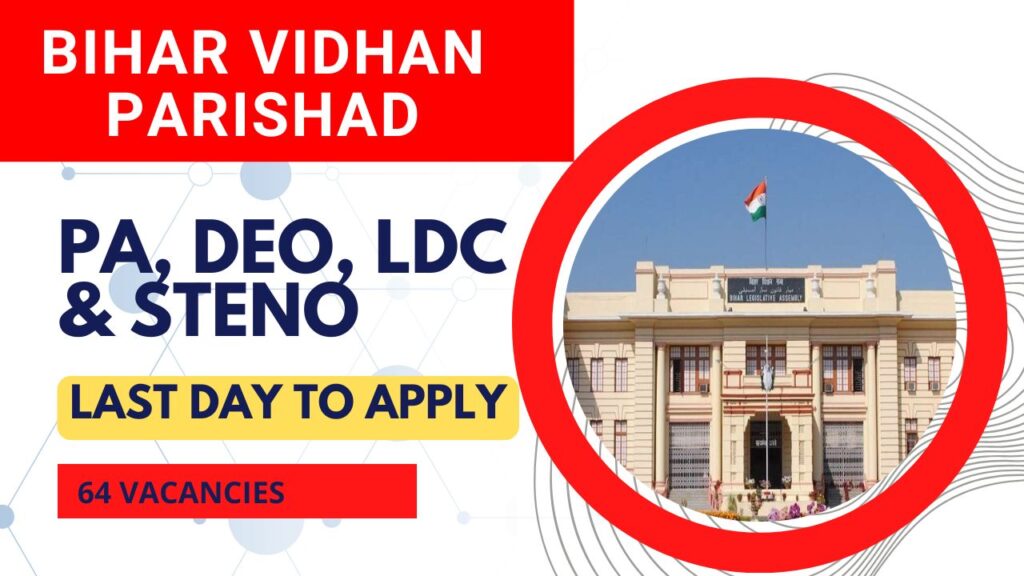
PA, DEO, LDC & Steno Posts Exam Date 2026 is Out Check Bihar Vidhan Parishad Site

Bihar Vidhan Parishad

For Bihar students, a stable, prestigious government job is what defines success in life and as such many are drawn to the Bihar Vidhan Parishad (Legislative Council) for it. It’s been a long preparation but finally, the air is starting to clear. If you have been constantly refreshing the official website and browsing notification bars, you have already filled the application forms.

Now the exam dates for the recruitment for the posts of Personal Assistant (PA), Data Entry Operator ( DEO ), Lower Division Clerk ( LDC ), and Stenographer are now declared. 

Schedule for Exam

The preliminary exam is being held on 05/April/2026 for PA, DEO, and LDC posts which is being filled with the aspirants who score best in this exam.

Starts Apply 28/November/2025
Ends on 05/January/2026
Last Date For Fee07/January/2026
Exam Date05/April/2026

Eligibility For Exam

Applying for Personal Assistant (PA): You must have a degree of a valid university in your hand from any stream and Stenography speed of 100 words per minute (wpm).

For the Stenographer: Stenography speed of 80 wpm with the degree of graduation.

Data Entry Operator (DEO): 8000 words with accuracy per hour speed of typing is required with 12th Certification.

Applying for Lower Division Clerk (LDC): You must have 12th marksheet and 30 wpm of typing speed in both Hindi and English.

Vacancy and Salary Level

This single-day agenda offers some clarity for the 64 vacancies that thousands have applied for. Although the application process ended in January 2026 following a number of extensions, the attention is now firmly on the home straight of revision. 

Post NameTotal VacanciesPay Scale (Level)Key Qualification
Personal Assistant (PA)07Level-07 (₹44,900–1,42,400)Graduate + 100 wpm Steno
Data Entry Operator (DEO)35Level-04 (₹25,500–81,100)12th Pass + 8000 key-depressions/hr
Stenographer12Level-04 (₹25,500–81,100)Graduate + 80 wpm Steno
Lower Division Clerk (LDC)10Level-02 (₹19,900–63,200)12th Pass + 30 wpm Typing

Selection Process

It is not only a written test competition in this recruitment; it is also a competition of knowing the technique of running on the ground. Since these posts are of administrative and technical nature, the Bihar Vidhan Parishad conducts the following stages:

  1. Preliminary/Written Examination: This is the first hurdle. It is basically a general awareness general arithmetic, reasoning and language (Hindi or English).
  2. Skill Tests For PA and Stenographers: You will appear for a shorthand (Stenography) test which is tough as it requires 80–100 wpm.

For DEO, and LDC: Must clear Typing Tests and Computer Tests. Be it key depressions of the hour or the words per minute, accuracy is equally important as speed.

  1. Document Verification & Medical: The end of the road to qualify for meeting all legal and physical condition for the state government. 

Admit Card Download

The admit card is going to be released in March 2026 before the exam so students can download it from the official website. It is a ticket to your exam which is not going to appear on your doorstep. 

Follow these Steps to download: 

  1. Check out to the official site
  2. Login to check your admit card.
  3. Put in your Registration Number and Date Of Birth/Password to login.
  4. Download, have it laminated and get a colour print out.

Note: It will be available five days before the exam so keep checking on the site. It may not show sometimes due to high traffic on the server. 

Read More:- UPPSC APO Admit Card 2026 Out: Check Exam Center and Date

Preparation Strategy

If you have a little time for preparation or you want to revise over three weeks. Here are a few things you can do to beat this examination:

  • Keep A Watch On Current Affairs: Bihar related current affairs and Indian polity are all time favorites in Vidhan Parmanch exams. Revise the recent laws and the state’s schemes.
  • Practice Typing/Steno Daily: The pressure of the exam hall is different from doing practice at home.
  • Practice Papers: Begin untimed with full-length test papers with the clock ticking. This will allow you to make during the General Awareness, Reasoning and Time Sessions.
  • Revise Computer fundamentals: For DEO and LDC posts, questions on MS Office shortcuts, internet protocols, and basic hardware are frequently asked. 

What to Carry to the Exam Center?

  • Admit Card with fully laminated
  • Adhaar or Pan Card copy
  • Passport photo of yours

Conclusion

Bihar Vidhan Parishad Recruitment Exam 2026 is very important for those aspirants who want to make their career in Government Sector. Now that the exam date is out, the entire attention should be on smart revision, regular practice and time management. PA, DEO, LDC, and Stenographer post in UPSC documents, each form is precise and fast at each stage of the application process. Follow the instructions and stay up to date with official notifications, download your admit card on time and have all necessary documents ready. If you eat the right strategy and commitment, this could be your door for a successful career in the Bihar legislative arm. 

Leave a Comment

Your email address will not be published. Required fields are marked *

Allied Medical Courses Roadmap 2026: Eligibility, NEET, Courses & Career Scope

Allied Medical Courses Roadmap 2026: Eligibility, NEET, Courses & Career Scope

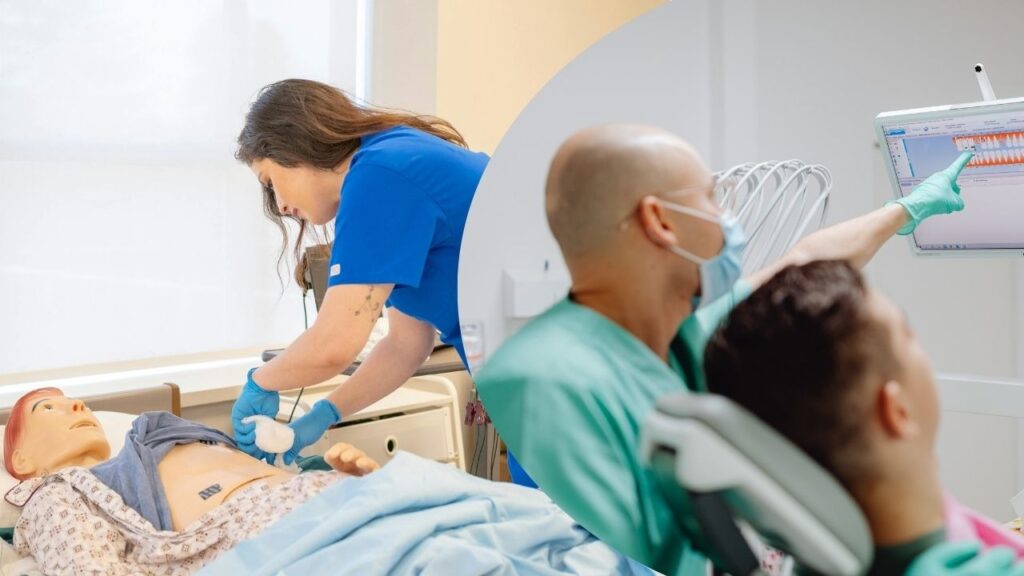
In the constantly changing healthcare environment, the focus is changing. Doctors and nurses may be the public face of medicine, but there is a whole engine room of professionals holding the system together: the Allied Health Professionals. To become one, you need to break down the Allied Medical Courses Roadmap.

If you have ever asked yourself questions like “who runs that fancy MRI machine?”, “who handles the complex chemistry of a pathology lab?”, or “who assists a runner to walk again after a devastating injury?”, you have now become the proud owner of a glimpse into the world of Allied Health. 

As the 2026 Union Budget announced the addition of ten new allied health disciplines and targets to train one lakh professionals in five years, there is no better time to chart your path in this domain. 

What are Allied Medical Courses?

Allied Health Sciences (AHS) are career options in the healthcare sector where professionals work in tandem with doctors and provide diagnostic, technical, therapeutic and other support services. These courses are specialized rather than comprehensive like an MBBS. They’re the hands-on, practical side of medicine—taking the technology and therapy and making them work to save lives. 

Who Can Choose Allied Medical Courses?

These are the courses that are available for science stream students after 12th, and they consist of theory, practicals and also internships. Unlike MBBS, they are open (3-4 years), cheap (₹50k-₹5 lakhs total), and now NEET-compulsory under NCAHP for uniformity. Perfect for students looking at colleges like King George’ Medical University or the privates. 

Allied Medical Courses Roadmap

Charting a course for this vocation from high school to the hospital is going to be a bit of a balancing act, particularly with new rules set to be implemented in 2026. 

1. The Foundation (Class 12)

Allied health programs require a science core including physics, chemistry, and biology (PCB). Although certain diploma courses earlier admitted students from other streams, the drift in 2026 is towards making science a single stream for clinical jobs. 

2. The Entrance Era (NEET 2026 onwards)

As per the notification of National Commission for Allied and Healthcare Professions, NCAHP dated 31st May 2023 NEET UG is going to be made compulsory for admissions in various undergraduate allied courses from 2026-27. It implies that the “non-NEET” option to some of the best institutes is being gradually closed, which will help enhance the quality and professional recognition of the graduates. 

3. Choosing Your Path: Degree vs. Diploma

Bachelor’s Degree (B.Sc./BPT): Normally 3 to 4.5 years. They offer more theoretical knowledge and are oftentimes necessary for obtaining work permits in other countries.

Diploma (DMLT/DRT): 2 years in general. These “accelerated” tracks offer a practical focus on talent for students interested in moving quickly into the workforce. 

Read More:- UPSC Civil Services IAS/IFS Pre Recruitment 2026:  Notification, Dates & Apply Complete Guide

Top Allied Medical Specializations for 2026

CourseFocus AreaRole
BSc (MLT) — Medical Lab Technology Studying samples like blood, tissue, and other body fluids.Lab Technologist
Bachelor of Physiotherapy — BSc (BPT)Helping in regaining strength through Physical rehabilitation Physiotherapist
BSc with Radiology & ImagingScanning through X-rays, CT scans, and MRIs to detect injuriesRadiology Technologist
B.Sc. Anaesthesia & OT TechSupporting surgeons and managing ICUs.OT Technician
B.Sc. Cardiac Care TechnologyMonitoring heart health and ECGs.Cardiac Technician

Why Choosing an Allied Medical Courses Roadmap is Right?

Entry to workforce more quickly

While an MBBS requires 5.5 years (plus specializations), most allied health programmes make you career-ready within 3 to 4 years. This is your lane if you just want to start making a difference and earning sooner.

High Demand

There is a massive demand for healthcare technicians worldwide and skilled professionals capable of meeting that demand are difficult to find, making it a path to high opportunity around the globe. Expansion of the Regional Medical Hubs (introduced in 2026 Budget) is expected to generate thousands of jobs in diagnostics and rehabilitation in India alone. 

Technological Integration

If you’re a gadget geek or tech enthusiast, then Allied Health is the way to go. You don’t just read charts, you’re running some of the most sophisticated AI-enabled machines on the earth. 

Future Scope and Salary

The era when Allied Health was considered a “plan B” is behind us. By 2026, the starting salaries of freshers can vary from ₹2.5L per annum to ₹5L per annum based on the specialization. Specialized positions such as Perfusionists or Cardiac Technicians also attract even higher premiums.

Additionally these degrees have great international mobility. Countries such as the UK, the UAE and Canada have specific visa tracks for Allied Health workers, so this is really your ticket to a global career. 

Conclusion 

The Allied Medical Courses Roadmap isn’t a secret trail anymore — it’s a fast moving highway. With a government emphasis on skilling and the standardization of entrance exams, these professions are enjoying a newfound prestige.

If you love science but don’t want to go to medical school for ten years, the Allied Health track is a balanced, tech-forward, and profoundly satisfying way to go. 

Leave a Comment

Your email address will not be published. Required fields are marked *

BSc Emergency and Trauma Care: Get Trained to Serve in Emergencies

BSc Emergency and Trauma Care

In the intense hospital setting, there is a place where seconds count and the word “routine” hasn’t been uttered in years. It’s the Emergency Room (ER) after BSc Emergency and Trauma Care. Although the faces with which we most commonly associate life saving are those of the doctors and nurses, there is an equally specialised group of para-professionals working with them: Emergency and Trauma Care Technologists.

Requirement for BSc Emergency and Trauma Care

A candidate must possess 10+2 in Science (PCMB/PCMC) & it’s important to know that some colleges asked for a 45%- 55% minimum score. This course prepares students to pursue a career on an emergency basis like when an urgent requirement of a doctor arise in an emergency room, on an operating table etc.

English is normally compulsory subject in class 12th and you should be minimum of 17 years of age at the time of the admission, medical fitness certificate is also required at times. 

Duration and Course Subjects

The 3-­4-year BSc Emergency and Trauma Care course enables students with the necessary skills and knowledge to deliver care to the traumatized and the emergency patient. The content sequentially increases in complexity starting with the basic sciences and advancing to clinical interventions.

The following topics are repeatedly addressed:

Basic Sciences

  • Human Anatomy 
  • Physiology 
  • Biochemistry 
  • Pathology 
  • Microbiology

Emergency Care 

  • Emergency Medical Services 
  • Pre-hospital Trauma Life Support 
  • CPR & Airway Management 
  • Hemorrhage Control

Clinical Emergencies 

  • Medical Emergencies 
  • Trauma & Surgical Emergencies 
  • Pediatric and Special Population Emergencies 
  • Critical Care Technology

The program is focused on theoretical and clinical training, designed to equip students to manage high-stakes trauma environments with both assurance and thoroughness. 

Semester Breakdown

SemesterCore Subjects
1st/2ndAnatomy, Physiology, Biochemistry, Intro to EMS, Pharmacology
3rd/4thMedical Emergencies, Trauma Emergencies, Pathology, Biostatistics
5th/6thDisaster Management, Patient Monitoring, Advanced Life Support

Mail Skill You Must Have

While the “BSc” part of the title sounds academic, the job is deeply emotional. You will become a patient’s life-saver on the worst day of their life.

Empathy in the moment is a talent they don’t always rate you on, but it’s the most important one you’ll have. You’re not just treating a body but also confronting the panic and worry and sorrow of the people surrounding it. Those relatives, too, are often in over their heads, and those patients are frightened. You’ve got to be a genuinely kindhearted person to remain calm, tell them everything will be all right and comfort them while you are doing something like firing up a ventilator.  

Career Goal 

The demand for graduates from the BSc Emergency and Trauma Care course continues to grow within the health care industry, with opportunities for employment with both public and private providers, transport­ focused roles in emergency situations, and roles such as the immediate stabilization of patients. It is one of the best courses which open your professional way with good packages because experience in this field has many different responsibilities. 

Roles & Responsibility 

RoleResponsibility
Trauma TechnicianTake part in Trauma Cases with surgeons and ER doctors to stand as a pillar on saving lives.
Emergency Medical Technician (EMT)Quick Response to save life’s on the spot emergencies techniques. 
Flight ParamedicWorking on air ambulances or rescue helicopters for remote locations.
Critical Care AssistantManaging patients in the ICU who require constant monitoring.
Disaster Management OfficerWorking with Social Work Organisations like NGOs or governments to plan responses to natural disasters.

Top Employers

SectorExamples
HospitalsApollo, Fortis, Max Healthcare, Medanta
Ambulance ServicesGVK EMRI, Air Ambulance
Government/OtherIndian Red Cross, Fire Department Emergencies, Disaster Organizations

Jobs Salary After BSc Emergency & Trauma Care

The BSc Emergency and Trauma Care salary in India varies as per the job position, skills, experience, work location (metros like Delhi, Bangalore provide higher salary) and type of the company. For 3 to 5 years of experience, the salary can be 5 — 8 lakhs per year along with allowances for shifts or overtime. 

Salary by Role

RoleFresher Salary (₹/month)Experienced salary in LPA
Emergency Medical Technician20,000-40,0003-7
Trauma Care Technician25,000-50,0005-8
ER Coordinator30,000-55,0005-9
Disaster Specialist40,000-70,0006-10

How to Get Government Jobs After This Degree

For government job after BSc Emergency and Trauma Care, concentrate on the paramedical recruitment in state health departments, NHM, and hospitals as these are the very places that consider this as a preferred degree for EMT and trauma-related Jobs.

Preparation includes watching portals, acquiring certifications such as BLS/ACLS, and passing written tests or interviews. 

Steps to make a career in government healthcare or allied services: 

  1. Get updated: Get into the habit of visiting the official websites regularly i.e. NHM, State Health Society, ESIC, AIIMS, and 108 Ambulance Services. These sites raise alerts for complainants for job notification, recruitment-related news and other information which might help you get one step closer to your dream job.
  2. Boost your profile: Having professional certification can do wonders in polishing up your resume. Courses like BLS (Basic Life Support), ACLS (Advanced Cardiovascular Life Support) and ITLS (International Trauma Life Support) bring weightage to your profile. Along with these certifications, relevant field experience 1-2 years will make a great difference in your selection. 
  3. Apply and Prepare: Apply online for exams that generally comprise multiple choice questions (MCQs) on anatomy, emergency care, and general information. 
RecruiterRoles7th CPC Salary
NHM/State Health Societies EMT/ParamedicRs 25500—81100 at Level-4 Rs 35400—1,12,400 at Level-6 
AIIMS/Government Hospitals and ESICTrauma Technician, ER AssistantRs 25000—50,000 entry role
Armed Forces/Disaster BodiesAmbulance TechnicianVaries by level

The Future of Emergency Care

As medicine becomes more specialized, the need for full-time trauma providers is growing exponentially. We are going from “general” care to “specialized,” rapid response. With the advent of smart ambulances and telemedicine, an BSc Emergency and Trauma Care alumnus is no longer a mere “aide”, they are a high-tech clinician leading the cutting-edge of medicine.

 Read more: MPESB Group 5 Paramedical Recruitment 2026

Conclusion

A BSc Emergency and Trauma Care is not just an academic qualification; it is a key which opens the door to the human condition. It is a profession for the strong, the fast-thinking and the kind. If you’re looking for a career in which you’ll keep on learning, and where you can tell people, “You really needed me today,” this is the road for you. 

Leave a Comment

Your email address will not be published. Required fields are marked *

Scroll to Top