Best Medical Colleges in South India for MBBS You Can’t Miss in 2025!

Best Medical Colleges in South India with top MBBS programs and affordable fees

There are world-class Best Medical Colleges in South India for MBBS which provides quality education and excellent training to produce doctors. The well-established states including Karnataka, Tamil Nadu, Kerala, Andhra Pradesh, and Telangana come under the region of South India. Taking admission in any of these colleges is the right choice for starting your medical journey. South India offers both private and government colleges in a wider range. 

Let’s look into these prestigious colleges which offer both theoretical and practical medical education for students. 

How Did They Become the Best Colleges?

They are equipped with strict regulations to provide strong curriculum, advanced training, hospital exposure, experienced faculty, and support for career growth. After monitoring college prospects and record of successful students, NIRF ranked them as the top colleges of India. The ranking made it easy for students to choose their best college for their higher education. 

Top Government Medical Colleges

Christian Medical College

Christian Medical College, Vellore is private but offers the best education at affordable fees of just Rs. 13,500 yearly for MBBS. This college became a crown jewel of South India and ranked at 3rd position domestically by NIRF due to its top education and low fees.
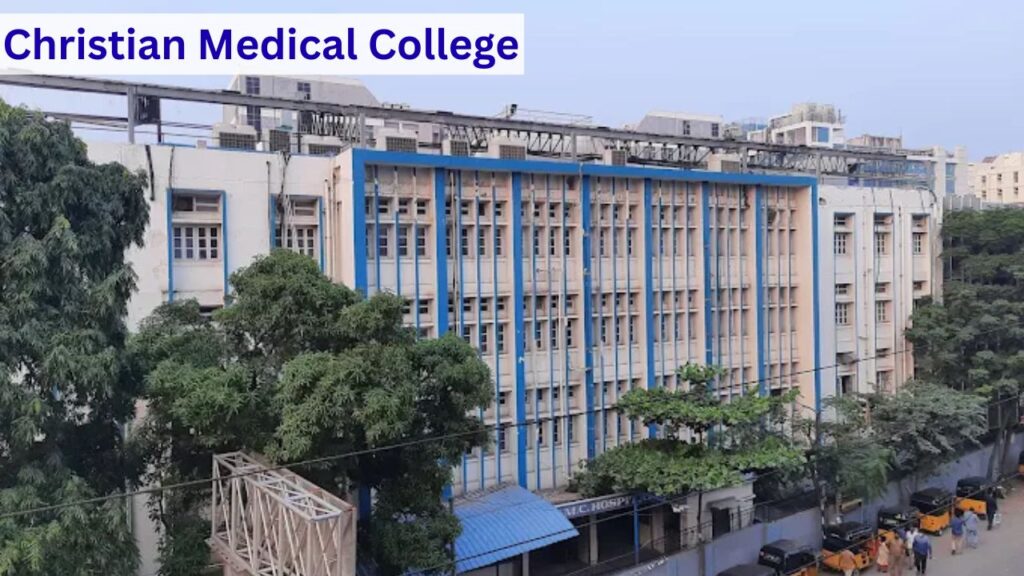
Christian Medical College Vellore best medical college in South India

Image credit: Christian Medical College

JIPMER Poducheery

Jawaharlal Institute of Postgraduate Medical Education and Research became a best known college for MBBS as it has a strong alumni network. It produces world-class doctors at low fees around Rs. 6000 yearly. It ranked at 4th position in NIRF 2025 due to its exceptional medical education. It is the top medical college of South India, but students need to score well in NEET to get admission here.
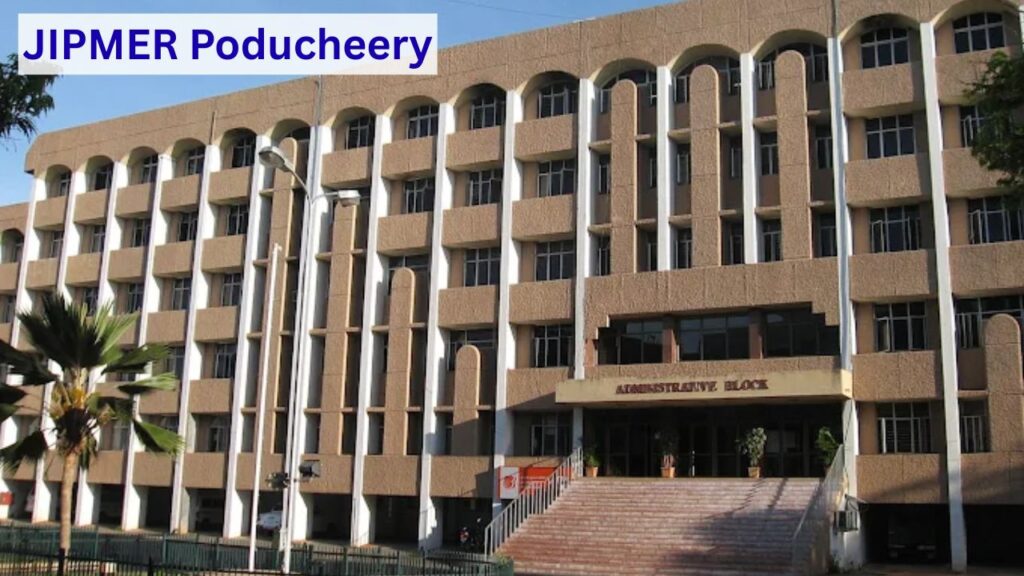
JIPMER Puducherry best government medical college in South India

Image credit: JIPMER

Madras Medical College

Chennai offers best government colleges including Madras Medical College which was established in 1835 and ranked at 16th among top medical institutions in India. Students need to score around AIR 944 in NEET for securing a position among 250 MBBS seats. 
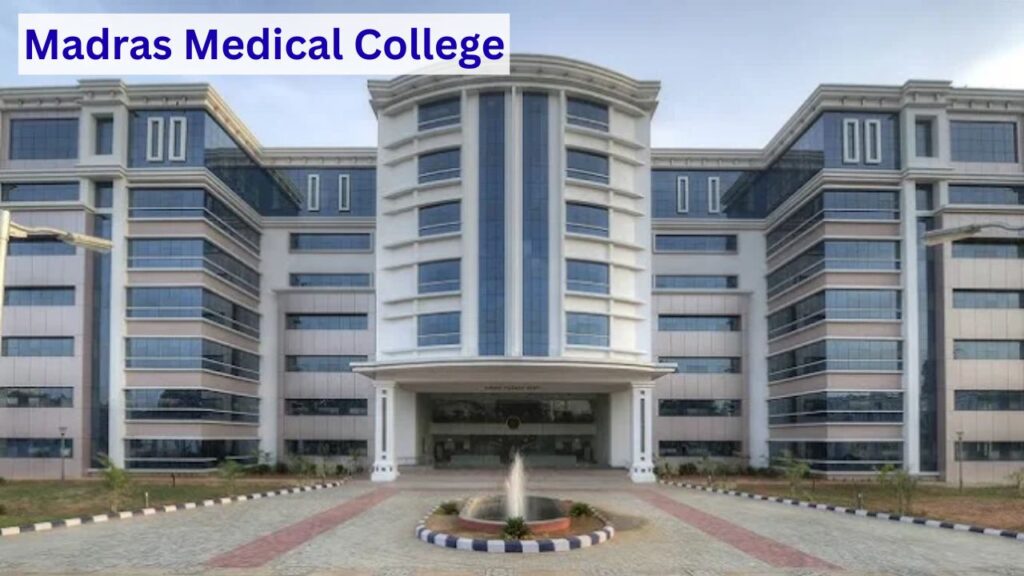
Madras Medical College Chennai top government medical college in South India

Image credit: Madras Medical College

AIIMS Network in South India

All India Institute of Medical Sciences has set its footprints in the South India region with highly ranking among global medical institutions. Students aiming to get their MBBS degree from AIIMS can turn their dream into reality without relocation. 

AIIMS Mangalari

AIIMS Mangalari – Andhra Pradesh has become the 29th best medical institution in India by NIRF ranking. It offers a strong curriculum and practical training in a 5 years MBBS program at low fees of around Rs. 15,760 yearly.
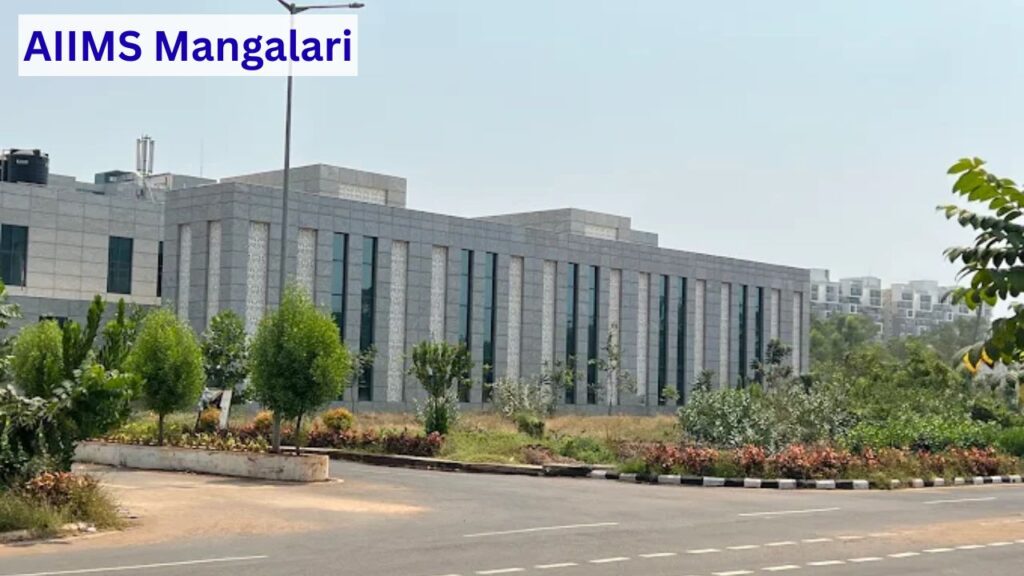
AIIMS Mangalagiri top medical college in South India for MBBS

Image credit: AIIMS Mangalari

AIIMS Bibinagar

Telangana also has the best medical college and hospital — AIIMS to provide students hospital exposure for getting real knowledge. This one was established recently but still manages to rank in the top medical institutions of India.
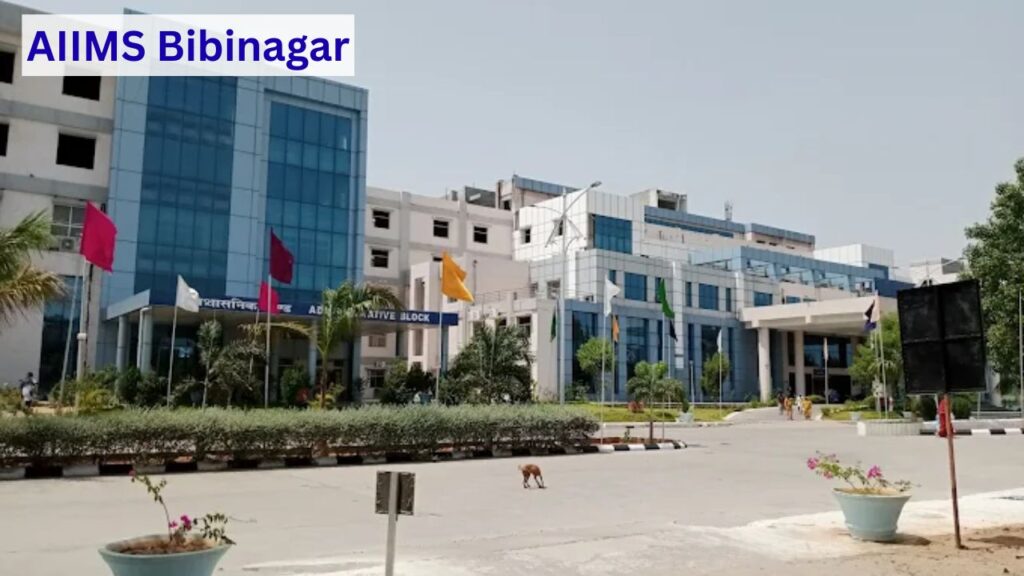
AIIMS Bibinagar best government medical college in South India

Image credit: AIIMS Bibinagar

State-wise Government College For MBBS

Tamil Nadu

There are more than 39 government colleges in Tamil Nadu but the top medical colleges can establish your career faster and stronger.

  • Madras Medical College
  • Stanley Medical College
  • Coimbatore Medical College
  • Government Kilpauk Medical College

Karnataka

  • Bangalore Medical College
  • Mysore Medical College
  • Karnataka Institute of Medical Sciences

Kerala

  • Government Medical College, Kozhikode
  • Government Medical College, Thiruvananthapuram
  • Government Medical College, Kottayam

Telangana

  • AIIMS Bibinagar
  • Gandhi Medical College, Hyderabad 
  • Osmania Medical College, Hyderabad

Andhra Pradesh

  • AIIMS Mangalagiri
  • Sri Venkateswara Medical College, Tirupati 
  • Andhra Medical College, Visakhapatnam

Top Private Medical Colleges

Kasturba Medical College

Kasturba Medical College is ranked under top 10 manipal medical institutions for its top-tier education. It offers MBBS at annual fees of around Rs. 17,80,000 and KMC Mangalore also has the same fee structure but both colleges have different cutoffs. KMC Manipal accepts students with AIR 40,258 and KMC Mangalore accepts at AIR 57,207 NEET cutoff.

Amrita School of Medicine

Amrita School of Medicine is located in Kochi and offers best medical education to their students. They have experienced faculty and strong curriculum, making it the highest-ranked private medical college in South India. It has ranked at 9th in NIRF ranking and it offers MBBS at fees around Rs. 18,50,000. 

St. John’s Medical College

St. John’s Medical College of Bangalore offers MBBS program at fees around Rs. 8,11,285 yearly. It ranked 30th among Indian medical institutions and needed a cutoff AIR 11,483 for admission in the course.

MS Ramaiah Medical College

MS Ramaiah Medical College is also located in Bangalore and comes under top 50 in medical colleges. It offers MBBS at cost Rs. 25,15,750 approx. It is the best college because of its excellent faculty, attached to multi-speciality hospital, and strong alumni network. 

JSS Medical College

JSS Medical College, Mysore is also a top medical college that provides MBBS around Rs. 18,86,900. Admission is accepted for students who do have a cutoff around AIR 122,228 in NEET.

Sri Ramachandra Medical College

Chennai best college – Sri Ramachandra Medical College, ranks among best medical colleges. It is best for MBBS education at fees. Rs. 10,00,000. Students need AIR 313,535 cutoff for admission in this college.

Admission Requirements & NEET Cutoffs

Government colleges are more strict on the NEET cutoffs because of their top-tier education in low fees. They categorized from top to mid-tier colleges, colleges like AIIMS and JIPMER need AIR 1000–5000 NEET cutoffs for students’ admission. While mid-tier colleges require AIR 5000–15,000 NEET cutoffs for admission.

Private colleges have wider variation in NEET cutoffs, top private colleges require AIR 10,000–50,000 and some colleges need AIR 50,000 — 200,000.

But NEET cutoffs significantly depend on the state, year and college type, so check out the college official brochure for admission that mentioned exact NEET score for admission.

Fee Structure Analysis

Government colleges such as AIIMS and top-tier central institutions have offered MBBS programs in a lower range of fees Rs 6000 – Rs 16,000 annually. While state government colleges have a slightly higher range from Rs. 60,000 to 110,000 annually for MBBS. According to the management quota, government college fees range between Rs 6–12 lakh annually.

Private colleges have divided their range between Deemed university and Private colleges, according to management quota which significantly ranges between Rs. 25 lakh to 50 lakh annually. It may slightly lower around Rs. 8 – 12 lakhs in some private colleges. 

Conclusion 

South India’s Medical colleges offer prestigious opportunities for aspiring doctors to take their MBBS degree at an affordable price. Private institutions fees are higher, so aim for the government colleges which offer both excellent academic resources and clinical exposure to medical graduates. These Best Medical Colleges in South India for MBBS will provide you not only a degree but the best education and research ecosystem to become a doctor.

Leave a Comment

Your email address will not be published. Required fields are marked *

BSc Radiology and Imaging Technology: Course, Eligibility, Fees & Career

BSc Radiology and Imaging Technology

BSc Radiology and Imaging Technology is a three-year program (with one-year internship that is mandatory in most of the institutions) that equips the students with the knowledge of medical imaging. The core science portion of the curriculum (focusing on physics, chemistry, and biology) is integrated with clinical imaging courses including: anatomy and pathology, radiographic procedures, sonography techniques, ultrasound physics, computed tomography (CT), magnetic resonance imaging (MRI), and radiation protection. 

The Bachelor of Science in Medical Radiology and Imaging Technology is becoming the backbone of diagnostic medicine today. This transformation is being driven by three coalescing factors: the full enforcement of National Commission for Allied and Healthcare Professions (NCAHP) Act 2021, the adoption of advanced artificial intelligence (AI) in diagnostic workflow, and the growing world-wide need for expert imaging technologists. 

The course is intended to prepare competent technologists (“radiographers”) who will be well versed in the operation of contemporary imaging equipment and have a solid foundation in the science of diagnostic radiology. 

Who is a Radiology Technologist?

The Radiology Technologist/Radiographer is a clinical scientist who holds at least a B.Sc. or M.Sc. degree in Radiography. They don’t just know how to run the machines, they understand the physics behind the formation of images, the physiological basis of pathology and the important issues surrounding patient safety and radiation protection. 

Why Has This Course Become Important in Diagnostics?

Imaging is at the heart of diagnostics, which are critical to contemporary medicine; more than 80% of hospital care relies on them. B.Sc. In addition to machinery handling the Technician holder needs to perform a large part in the day to day imaging workflow by the year 2026 MRIT graduates holders can expect to be involved with state of the Art technology like PET-MRI, SPECT-CT, Protocol Optimization, Post Processing, QC. 

Also this line job is work during recession. There is a long-term demand for skilled radiographers, particularly those trained in PACS and RIS, as the population of India grows older, lifestyle ailments become more common, and digital healthcare is enhanced under the ‘Ayushman Bharat Digital Mission’. 

Entrance Exams & Eligibility Details For Admission 

NEET UG 2026

National Eligibility cum Entrance Test (NEET UG) shall be the single entrance examination for admission to all the undergraduate allied and healthcare courses like BSc Radiology and Imaging Technology from the academic year 2026-27, according to NCAHP. 

AIIMS — 2026 Paramedical Entrance Test

Along with NEET, there is the AIIMS entrance Test which is held by AIIMS for paramedical courses leading to B.Sc. and M.Sc. The date of AIIMS B.Sc. Paramedical 2026 exam is tentatively on 30 May 2026. 

Note:- Candidates are requested to cross-check this with official notification as some calendars mention July for Examination, however May is the only projected window as per academic calendar.

How to apply:

  • Basic Registration: The schedules released in 2026 March/April. You can create a Registration ID.
  • Final Registration: Involves the generation of a Unique Code (RUC), payment of application fee, usually in May 2026.

Test Format: This computer-based test will consist of 90 multiple-choice questions (MCQs) on biology/mathematics, chemistry, and physics and will last for 90 minutes. Any wrong answer can take away ⅓ marks.

Admissions at JIPMER & PGIMER

JIPMER (Puducherry): B.Sc admissions The admissions to the B.Sc shall be The Allied Health Science at JIPMER (Puducherry) for the year 2026 will be on the basis of the NEET UG scores. JIPMER normally holds its own counseling for these seat(s). 

PGIMER (Chandigarh): The institution holds a separate CBE, these are usually conducted in the months of August/September. The process of application normally commences in June. 

State and Private University Tests

CUET (Common University Entrance Test): Central universities, such as Banaras Hindu University (BHU), utilise the CUET. The essential subject combination for Radiology is Physics, Chemistry, and Biology / Mathematics.

Manipal: in MAHE, Phase 1 is scheduled for April 2026 for admission test, and the next Phase 2 for May 2026. 

CMC Vellore: It is a tough Institute level CBT (Computer Based Test) followed by a Step-2 evaluation (Practical tests and interviews.) 

Eligibility Criteria 2026

Educational qualification: Should be passed class 12th board with physics, chemistry and biology (pcb) and English. Some of the institutes like AIIMS allow mathematics (pcm) for Radiology courses.

Minimum Marks: For the general/EWS/OBC category, it is 50% aggregate and for the SC/ST category, it is 45%.

Read More:- Supreme Court Law Clerk Recruitment 2026 Notification Details

List of Colleges For BSc Radiology and Imaging Technology

There are 140+ colleges around India that offer BSc Radiology and Imaging Technology without taking too much fees, especially in government colleges. If you have interest in lab technologies or figuring out body structures and making reports then take admission for securing your career in this field.

CollegeLocationApprox. FeesNotes 
AIIMS—New DelhiDelhi₹4,500Elite training facility as it is Top-ranked college
PGIMERChandigarh₹10,500Members are mindful and placements opportunities
JIPMERPuducherry₹94,000Excellent internships
AIIMS—RishikeshUttarakhand₹46,000High packages up to ₹24L
GMCHChandigarh₹39,000Affordable govt option
Integral UniversityLucknow, UP₹3.15LGood infra, local pick
Parul UniversityVadodara₹4.6LPrivate, placements ₹6L avg
SGT UniversityGurgaonVariesModern facilities

Academic Curriculum for the Course 

Theory and laboratory practice are included in the curriculum of BSc Radiology and Imaging Technology. The following topics were covered: Human anatomy/physiology, Imaging Physics, General Radiography, Ultrasound Imaging, CT Scanning, MRI Basics, Radiobiology and Radiation Protection, Digital Image Processing, and General Patient Care. 

BSc Radiology and Imaging Technology is a four year degree course. The first three years were spent attending didactic lectures, practical laboratory courses, and clinical observations. The fourth year is a required, full-time clinical internship during which the student serves as a student technologist at a hospital. 

PhaseDurationFocus Areas
Year 1Semesters 1-2Basic Medical Sciences, Communication Skills, Computer Basics
Year 2Semesters 3-4Core Radiography, Radiation Physics, Conventional Imaging
Year 3Semesters 5-6CT, MRI, USG, etc Interventional Radiology
Year 4Semesters 7-8Clinical Internship, Logbook, Project Work

The 2026 Curriculum is intended to establish progressively developing competencies. 

Year 1: The Foundation

The goal is to give the student a foundation in the human body and the hospital setting.

  • Human Anatomy & Physiology: This Is Not a “Fly By” Tour Students are required to study detailed osteology (bones) to learn how to position for radiographic.
  • They are taught body systems physiology to understand how to administer contrast media.
  • General Physics: The basic laws of physics applicable to the production of radiation.
  • Clinical Pathology & Biochemistry: Basics of blood tests (creatinine, urea) which are important prior to contrast administration.
  • English & Communication: Necessary to describe techniques to patients and to calm them. 

Year 2: The Core

Students access the realm of diagnostic imaging in BSc Radiology and Imaging Technology.

  • Radiation physics: The production of X-rays, their interaction with matter, and the design of X-ray tubes.
  • Radiographic Positioning, the science and art of positioning the patient to radiograph the body part (i.e. Towne’s view for skull, Skyline view for patella).
  • Darkroom to Digital: Darkrooms may be a thing of the past, but knowing the history is key. Emphasis is placed upon Computer Radiography (CR) and Direct Digital Radiography (DR) modalities.
  • Radiation Protection: Students learn the ALARA (As Low As Reasonably Achievable) concept along with shielding and dose limit for worker and patient. 

Year 3: The Advanced Frontier

This is the year when the high-end modalities that shape contemporary radiology are covered.

  • Computed Tomography (CT): CT Physics, generations of scanners, helical vs. axial scanning, and protocols for different body regions.
  • Magnetic Resonance Imaging (MRI): Principles of the complicated physics of nuclear magnetic resonance, safety issues related to ferromagnetic materials, and pulse sequences.
  • Ultrasonography (USG): Essentials of acoustics, transducer design, and the technologist’s function in the operation of the sonographer.
  • Interventional Radiology (IR): Orientation to the Cath Lab Sterility and Equipment utilized in Angiography.   
  • Radiation and Radioactivity in Nuclear Medicine Basics of PET-CT Handling of Radioisotopes including Technetium-99m. 

Year 4: The Internship

The purpose of the internship is to transition a student to a worker. Interns rotate through different departments, including X-ray, CT, MRI, Emergency and ICU. They need to keep a logbook of cases they have done, and are evaluated on their technical skills and dealing with patients. 

BSc Radiology and Imaging Technology Career Scope & Salary

Skilled radiographic professionals are sought after in India’s growing healthcare sector. Radiology technicians also work in public and private hospitals, diagnostic laboratories (pathology and imaging centres), government health schemes, private practitioners and emerging digital health platforms including teleradiology and artificial intelligence (AI) imaging start-ups. 

BSc Radiology and Imaging Technology

Clinical Roles

  • Radiologic Technologist: The typical baseline position. Duties are to perform x-rays, triage patients and maintain radiation safety .
  • CT Technologist: So, what’s the place in the hierarchy. Knowledge of cross-sectional anatomy and contrast administration is required.
  • MRI Technologist: A step up. MRI scanners are complicated, and patient safety (screening for metal) is critical. The technologists here typically make 20-30% more than a general radiographer.
  • IR Technologist: The Cath Lab Experience. In a stressful environment, high volume dealing with cardiac and vascular interventions. You’ve got to wear thick lead aprons for long hours – but when you’re done, you’re king and you’ve got money in your pocket.
  • Mammographer: Expert in breast imaging. Because of the sensitive nature of the exam, female technologists are preferred for this position. 

Sector & Role Wise Salary (2026)

RoleExperienceSectorApprox. Monthly Salary (INR)
Jr Technologist0-2 YearsPrivate sector Hospital Rs 18–25k
Jr Technologist0-2 YearsAIIMS/Govt (Contract)Rs 25–35k
Sr Technologist5+ YearsCorporate HospitalRs 45–60k
MRI Specialist3-5 YearsDiagnostic ChainRs 35–50k
Application Specialist2-5 YearsMedical Device Co.Rs 50–80k + other allowance
Govt. PermanentEntry LevelGovernmentRs 45–55k (Initial + Allowance)

Who is Ideal For this Course?

BSc Radiology and Imaging Technology course is for students who like science and technology and want to work in the health sector. The ideal candidate: is detail oriented, is able to follow protocols which are critical for safety, is comfortable using computers and complex machinery, and can interact with patients (explain procedures, position patients). A BSc radiology student should be well versed with biology and physics and should also be calm and responsible because any mistake in imaging can impact the diagnosis. 

Future Value of BSc Radiology and Imaging in Healthcare

In India’s upcoming healthcare scenario, BSc Radiology and Imaging Technology are a must-have. With the proliferation of private hospitals and diagnostic chains in Tier II/III cities, the need for imaging services is on the rise.

Technologies, such as AI-based image analysis, hybrid imaging (e.g. PET/CT), etc, indicate that the profession will continue to be hitech. So BSc (Hons) in Radiography graduates will play a vital role in connecting technology and patient care. The course produces practical professionals who can contribute immediately to hospitals’ diagnostic teams, which is critical in a country like India, where there is a shortage of doctors. 

Conclusion

In a day and age when technology and medicine are coming together closer than ever, the Radiology Technologist is at the controls of the medical world’s most powerful machines. For individuals who are detail-oriented, have a caring nature, and technical mind, BSc Radiology and Imaging Technology offers a fulfilling, stable and ever-changing career. 

Leave a Comment

Your email address will not be published. Required fields are marked *

Top Government Jobs for Medical Students in 2025 You Shouldn’t Miss!

Top Government Jobs for Medical Students in 2025

Choosing a government job after a medical degree is a wise option for your career. Find top government jobs for medical students and stay updated on the recruitment notification. The competition is high, and it’s not easy to get a job in the medical field. The selection process might be difficult with a lot of competition but keep focus on preparation. With the right preparation, you can be a medical officer in defense or other public sectors.

Medical Officer

Becoming a Medical Officer is worth the MBBS degree. Many MBBS graduates prefer to become a Medical Officer in a government hospital rather than in any private hospital. The role requires the responsibility to provide healthcare services, manage the hospital, and treat patients.

Government hospitals recruit medical officers through examinations such as the State Public Service Commission, the Union Public Service Commission, and the National Health Missions.
This post allows you to diagnose patients, manage hospitals, and lead junior staff. Rural areas require such types of public services for health care.

Eligibility: You must have an MBBS degree and valid registration in any medical council.
Salary range: The starting salary is 50,000 and rises to 100,000/month. Government hospitals pay the doctors according to their experience and location.
Selection Process: The recruitment for this job starts with the written exam, and then the shortlisted candidates are called for an interview. After these processes, candidates will be selected for a medical officer position if they clear the interview.

Armed Forces Medical Services

If you want your future to be a little more adventurous, join the Armed Forces Medical Services. It provides medical services to the Army, Navy, and Air Force medical units to heal them during national emergencies. If you are physically and medically fit then this post is a good match for you. It’s a respectable post and has a great pay-scale. After clearing the examination, you will be called for an interview and then a medical examination. You must meet the medical standards of this position even if you passed all the stages.

Eligibility: MBBS graduate and valid certification from MCI.
Salary range: Medical officers in the army have starting salaries of 75,000, plus additional benefits. The salary will increase with experience and performance.
Selection Process: Candidates shortlisted for the interview are given a level of commissioned officer.

Combined Medical Services

MBBS graduates can work with the central government agencies UPSC CMS exam. Combined Medical Services gives roles like General Duty Medical Officer (GDMO), etc. The work depends on the job role but mostly involves outpatient care, emergency, and administration. These roles are assigned in organizations like the Railway, Municipal Corporations, and the Central Health Services.
The recruitment process happens each year, and candidates should have prepared well to clear the exam and achieve their goals. These roles offer a stable career, respect, and a chance to secure long-term benefits.

Eligibility: Graduate with MBBS with valid registration from MCI.
Salary range: 56,100 to 1,77,500 per month, salary range varies on the candidate’s experience.
Selection process: After clearing the UPSC exam, candidates are shortlisted for the interview and selected for their role.

AIIMS and Other Central Government Institutes

JIPMER, AIIMS, and PGIMER are the exam-conducting bodies that recruit medical professionals for roles like Junior Resident, Senior Resident, and Medical Officers. These jobs are well-paid and reputed jobs for Indian doctors.

Working with these research centers is the best chance to improve practical skills and exposure to medical research.

Posts: Doctor, healthcare professional, research scientist, administrative.
Eligibility: MBBS or MD graduates with medical certificate.
Salary range: These posts give a huge pay scale once you get experience. Candidate’s starting salary is 35,000 then rise to 1,77,500 with additional benefits.
Selection process: Written Exam, Interview for the respective post.

Indian Council of Medical Research

If you want to go into the research and public health field not just clinical practice then explore various opportunities by ICMR. It has a big role playing in biomedical research. If you’re interested in epidemiology, clinical trials can step into this role. You can apply for roles like Research Officer, Project Associate, or Scientist but it offers a promotion with more experience.

You have to focus and study hard to be able to beat this competition and secure a role for your lifetime stability.

Posts: Scientists B/C/D, Research (Junior, Senior), Administrator.
Salary range: These posts have a good pay-scale. Candidate’s starting salary is 35,000 and with experience it will increase to 1,77,500 per month.
Selection process: Screening test, Interview.

State Health Services

There are several health departments in India that frequently announce vacancies for doctors, dentists, and practitioners. Some states often offer posts including Community Health, Rural Medical Officer, or District Medical Officer. Recruitment for these roles is through state PSCs. If you wish to have a good salary and job security, you can consider applying for this role after MBBS.

Posts: Medical Officer, District Medical Officer
Salary range: Candidate’s starting salary is 50,000 and with performance, it will increase to 1,00,000 per month.
Selection process: The candidates are recruited through exams then they are shortlisted for an interview.

Public Sector Undertakings (PSUs)

Not just engineers but PSUs also recruit for medical field candidates where companies like Coal India, ONGC, BHEL, NTPC, and GAIL give the posts according to the interview base. Many students score well in MBBS so they’re recruited directly by PSUs but interview is mandatory for these roles. If you’re seeking a less hectic medical career then this is the perfect role for you. The pay scale is highly impressive and also has additional perks.

Posts: The work involves implementing government schemes for healthcare and other initiatives.
Salary range: The salary ranges between 40,000 to 1,20,000 per month.
Selection process: Recruited by public health sectors like NTPC or BHEL.

Conclusion

Working in government organizations after a medical degree is a great deal of pride. You serve the nation whether as an army medical officer or just in a government hospital. People who can’t afford private hospital expenses come to the government hospital. Your work directly affects public health, especially for the rural people. However, it is difficult to secure a government job in the medical field but you can achieve it with the right preparation and stay updated for the latest jobs. Keep an eye on recruitment notifications on official websites to apply for government jobs.

Leave a Comment

Your email address will not be published. Required fields are marked *

DFCCIL Answer Key 2025 OUT: Download Response Sheet & Raise Objections Till July 22!

DFCCIL Answer Key 2025 OUT Direct Link to Check Now

Candidates can check the DFCCIL Answer Key 2025 on the official website of the Dedicated Freight Corridor Corporation of India Limited and raise an objection before the result. The DFCCIL Answer Key uploaded on the official website on 18 July 2025. The portal will open till 22 July 2025, download the Answer Key for MTS, Junior Manager, and Executive recruitment exam.

Candidates can download the answer key 2025 by login on the official website. You can find the direct login link in the Links Section of the article. 

Post NameMulti-Tasking Staff, Executive, Junior Manager
Exam Conducting BodyDedicated Freight Corridor Corporation of India Limited
Vacancies642
Exam Date10 & 11 July, 2025
Official WebsiteClick Here

Read More 👉 RPSC Various Post Recruitment 2025: 12121 Vacancies Out – Grab Your Chance to Apply Today!

DFCCIL Answer Key Important Dates

Answer Key Release Date18/July/2025
Exam Date10 & 11 July 2025
Raise Objection Date18 July 2025
Raise Objection last date22 July 2025
Result dateUpdate Soon

Guide to Download the DFCCIL Answer Key

  1. Click on the official website link to redirect on DFCCIL official website.
  2. Click on Log in, the page will appear, enter your ID and Password.
  3. Submit to log in with your account, the Answer Key will appear on the screen. 
  4. Download the answer key and match your responses.

Raise Objection for DFCCIL Answer Key

If you  find any error, you can raise an objection only if you can prove the right answer with reliable sources or proof. You can raise an objection till the last date after that the final answer will be declared and no objection will be raised after that. The result will be declared after the objection has been reviewed. 

Important Links
Answer Key LoginClick Here
Download NoticeClick Here
Official WebsiteClick Here

Leave a Comment

Your email address will not be published. Required fields are marked *

Rajasthan High Court Peon Recruitment 2025 Out for 5670 Posts – Apply Online Now!

Rajasthan High Court Peon Recruitment 2025

Candidates who are waiting to apply for the Peon post in various departments such as Rajasthan High Court, State Judicial Academy, Legal Services, District Court, and District Legal Services can apply now. Rajasthan High Court Peon Recruitment 2025 process starts from 27 June 2025. Candidates are advised to fill out the application form before the last date of registration.  

Post Peon
OrganizationRajasthan High Court
Vacancies5670
Application Starts 27 June 2025
Application Ends26 July 2025
Initial Salary for this postRs. 17,700 to Rs. 56,200 per month
Official WebsiteClick Here

Recruitment Steps for the Rajasthan High Court Peon Recruitment 

The selection for this post happens in 5 stages – written exam, candidates who have passed the exam are eligible for the interview. Document verification, Medical examination, and when candidates have passed all these stages, his/her name is shortlisted in the list.

Read More 👉 Bihar Police Constable Admit Card 2025 Released – Download in 1 Minute from csbc.bihar.gov.in

Steps to Apply Online Form

  • Click on the link given on the official website or directly from this article.
  • Fill out the empty boxes with the required details.
  • Attach the necessary documents with the application.
  • You have to pay an application fee to complete your application and submit it.
  • Save it for future reference.

Eligibility For Rajasthan High Court Peon

Candidates must pass their 10th for applying to this position. Good knowledge of Devnagri and Rajasthan culture. Candidates are advised to check these eligibility details more from the notification.

Application Fee
Gen/OBC Rs. 640
SC/ST/PWDRs. 450
NCL (OBC/MBC/EWSRs. 550
Important Links
Online RegistrationClick Here
Download NotificationClick Here
Official WebsiteClick Here

Leave a Comment

Your email address will not be published. Required fields are marked *

Top 10 Best Medical Colleges in India with Low Fees [2025 List]

If you aim to become a doctor then choosing the right medical college is one of the most important decisions in a student’s life, especially in India, where quality education often comes with a heavy budget. However, not all top medical colleges are expensive. Some of the best government medical colleges in India offer world-class education at low fees. In this article, we’ve listed the top 10 best medical colleges in India with low fees in 2025.

You can explore all their details on courses, fees, and admission process along with their ranking among medical colleges. If you’re a NEET aspirant looking for an affordable medical college this guide will help you to choose the right college for yourself. 

We also instruct you on how to choose the right college, even among all the medical colleges delivering high-quality education. 

Top 10 Best Medical Colleges in India with Low Fees 

1. All India Institute of Medical Sciences 

Source: AIMS

Ranking#1 in NIRF Medical Rankings 2025
Annual Fees₹1,628 (MBBS)
AdmissionNEET-UG for MBBS, INICET for PG courses
CoursesMBBS, MD, MS, B.Sc. Nursing, MDS

Why AIIMS?

AIIMS Delhi is India’s most prestigious medical college. If you want to be perfect in practical training then it is the best option for you. It provides unmatched clinical exposure, research opportunities, and global recognition with low fees. It offers UG and PG medical programs that deliver enhanced biomedical concepts and training.

2. Maulana Azad Medical College – MAMC

source: MAMC

RankingAmong the top 5 
Annual Fees₹2,445
AdmissionNEET-UG + Delhi University counselling
CoursesMBBS, MD, MS, Diploma courses

Why MAMC?

MAMC is known for its excellent faculty and top-notch medical training. It’s ideal for those who want the best training for medical procedures. It offers the best clinical exposure due to its affiliation with top hospitals such as LNJP and GB Pant, giving students rich clinical exposure. It also has one of the highest PG entrance success rates in the country.

3. Armed Forces Medical College 

source: AFMC

RankingTop 3 medical college for disciplined training
Annual Fees₹31,000 (including hostel and mess)
AdmissionNEET-UG + AFMC screening (interview + medical fitness)
CoursesMBBS, Nursing, PG Diplomas

Why AFMC?

Students who want to be assured of their placement, the AFMC offers students an opportunity in the Armed Forces Medical Services after graduation. Training is best, discipline, and reputation can open up your medical career chances at the next level. However, there is a compulsory service bond after completing MBBS. Students can also get scholarships.

4. King George’s Medical University, Lucknow

Nursing students at King George’s Medical University in Lucknow during clinical training

Source: KGMU

RankingTop 10 as per NIRF 2025
Annual Fees₹54,000
AdmissionNEET-UG for MBBS or other undergraduate programs, NEET-PG for postgraduate
CoursesMBBS, BAMS, Speciality, BDS, MD, MS, Nursing

Why KGMU?

KGMU is one of the best medical colleges for practical training. Thousands of NEET aspirants try to get there for medical courses. It offers advanced labs, highly experienced faculty, and strong placements in both the government and private sectors.

5. Grant Medical College, Mumbai

Grant Medical College, Mumbai

Source: Grant Medical College

RankingAmong the top 15 government medical colleges
Annual Fees₹97,800
AdmissionNEET-UG through Maharashtra State Quota and AIQ
CoursesMBBS, MD, MS, Nursing

Why Grant?

This college is affiliated with JJ Hospital, providing excellent exposure to diverse clinical cases in Mumbai. The disciplined faculty system includes some of the best doctors in the state.

6. Bangalore Medical Research Institute 

Bangalore Medical Research Institute

Source: BMRIC

RankingTop 15 in NIRF
Annual Fees₹70,170
AdmissionNEET-UG via Karnataka KEA counselling
CoursesMBBS, MD, MS, B.Sc. Nursing

Why BMCRI?

BMCRI is one of South India’s best government colleges for NEET aspirants. It is located in Bangalore and is attached to major hospitals like Victoria Hospital and Bowring Hospital. Students mostly wanted to go to this college for postgraduate degrees. 

7. Seth GS Medical College, Mumbai

Seth GS Medical College, Mumbai

Source: Seth GS Medical College

RankingAmong the top 15 medical colleges
Annual Fees₹98,000
AdmissionNEET-UG via Maharashtra CET counselling
CoursesMBBS, MD, MS, Super Specialities

Why Seth GS?

Best medical college in Mumbai for MBBS and other medical programs with its research enhancement. Seth GS Medical College is attached to KEM Hospital, so it delivers advanced education in the medical field. To train their students in the best way possible for hospitals. 

8. Institute of Medical Sciences – Varanasi

Institute of Medical Sciences – Varanasi

Source: IMS-BHU

RankingTop 10
Annual Fees₹13,000
AdmissionNEET-UG + JoSAA/BHU internal counselling
CoursesMBBS, MD, BDS, B.Sc. Nursing

Why BHU-IMS?

BHU-IMS is an academic environment for the medical students to get  well-trained. To become a doctor is what many students dream of, now it’s possible with a low fee structure. It offers strong research support and is ideal for Uttar Pradesh aspirants.

9. Government Medical College, Kerala

Government Medical College, Kerala

Source: Government Medical College

RankingAmong top 20
Annual Fees₹22,000
AdmissionNEET-UG via Kerala KEAM counselling
CoursesMBBS, MD, MS, Paramedical

Why GMC-TVM?

One of Kerala’s oldest and most reputed medical colleges. Students who want to study in an academic environment can get admission to this college. It creates some of the highest-scoring PG aspirants and is known for its patient inflow, excellent teaching, and disciplined academic culture.

10. Madras Medical College, Chennai

 Madras Medical College, Chennai

Source: Madras Medical College

RankingAmong top 15
Annual Fees₹13,610
AdmissionNEET-UG via Tamil Nadu State Quota + AIQ
CoursesMBBS, MD, MS, Nursing, Super Speciality

Why MMC?

MMC college was founded in 1835 and is known for its best medical education. It continues to provide outstanding training and is attached to major hospitals like the Rajiv Gandhi Government General Hospital. Graduates are highly respected in both the government and private sectors.

Note: For exact fee details you can visit the official website of the college and check out.

How to Get Admission in These Colleges?

1. Clear NEET-UG: This is mandatory for all MBBS and other courses in medical admissions in India.

2. Register for Counselling: You can choose either AIQ through MCC or State Quota via the respective state portals.

3. Get your step into the Choice Filling & Seat Allotment

4. The last part after you get shortlisted is Document Verification & Admission Confirmation.

Note: For top colleges like AIIMS, AFMC, and MAMC, your NEET rank should ideally be within the top 1000–5000. 

Career Scope After MBBS

Completing MBBS from a reputed government college gives you several career options, that is the reason why choosing the right college for a medical degree is important:

  • Further studies in the medical field like MD/MS/DM in India or abroad through exams like NEET-PG, USMLE, PLAB
  • Government Jobs in various departments such as AIIMS, ESIC, Railways, State or city Hospitals, Army Hospitals, and many more. It offers you lifetime financial stability and security.
  • Become a doctor in Private Hospitals, or Join Corporate Hospitals, and own the clinic.
  • You can also choose your career in medical research.
  • Health Administration is also an option for you. As a medically certified doctor, you can be an instructor or health reporter.

Conclusion

You don’t always need to pay lakhs to get a quality medical education. These top government colleges prove that quality education, hospital exposure, and low fees can go hand-in-hand. If you’re serious about a medical career in 2025, start preparing for NEET with full dedication, and keep these Top 10 Best Medical Colleges in your target list.

Leave a Comment

Your email address will not be published. Required fields are marked *

Scroll to Top