UPSSSC PET Exam 2025 is conducted by Uttar Pradesh Subordinate Service Selection Commission. Candidates can fill the application form for the job recruitment of Group C and Group D before the last day of registration. Candidates should check the syllabus of the examination through this article to prepare according to exam pattern. Candidates can fill the application form before 17 June 2025.
UPSSSC PET Exam 2025 Important Dates To Follow Up
Exam Name
Pre Examination Test UPSSSC PET 2025
Organization Name
Uttar Pradesh Subordinate Service Selection Commission
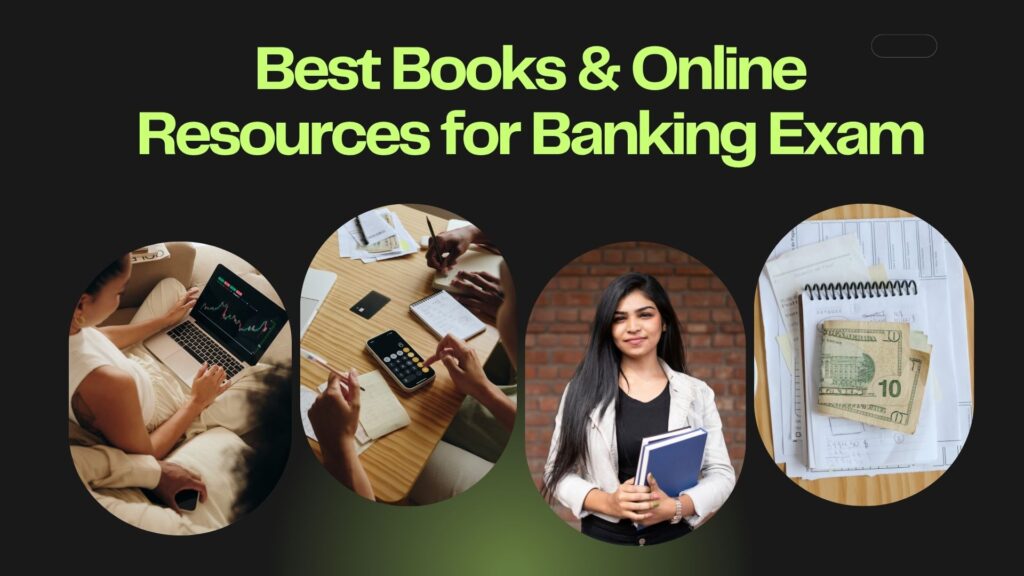
The preparation of banking exams starts with the best books banking exam because it is a hard task and at the same time interesting for the aspirants who want to establish their career in the finance domain. Every year 1 lakhs plus aspirants appear for these competitive exams like IBPS, SBI, RBI and other banking exams at state level. What can you do to give yourself the best chance to succeed among such fierce competition?
What Started Out as a 100% Prep for the 2025 Exam Has Now Evolved Into a Prep with Traditional Materials and a Little Bit of Technology of the Digital Age.. If you are seeking professional-endorsed textbooks or want to enjoy online courses, apps for mobile or interactive, view these product selections loaded with high quality.
The banking exams are considered to be the toughest competitive exam in India. The way to success is to choose the right study books and make use of the good online study materials. Here is a complete list of the best books and online resources that you can use to enhance your chances of success in banking exams 2025.
Essential Books for Banking Exam Preparation
Quantitative Aptitude & Data Interpretation
R.S. Aggarwal’s “Quantitative Aptitude for Competitive Examinations” is the only quantitative exam preparation guidebook for competitive exam preparation. This all-inclusive book comprises all the basic topics from arithmetic, algebra, geometry and data interpretation along with a plethora of practice problems with their solutions and explanations. The updated 2025 edition features more than 10,000 practice questions and 40 video lessons.
Rajesh Verma’s “Fast Track Objective Arithmetic” is a very good book for shortcuts and tricks which are very important for time limited banking exams. The strength of the book is based on tricks and shortcuts which have vital importance in success in competitive exam.
Arihant’s “Data Interpretation & Data Sufficiency” also ensures depth preparation for the techniques to solve DIs based on Pie charts, Bar charts, Line charts, Caselets. This approach is more result-oriented and can help candidates to perform better in or break this one of the highest scoring sections of banking exams.
English Language
S.P. Bakshi “Objective General English” is a step by step guide to grammar and comprehension which help the students to understand the way of writing and based on that How to use. This is the most appreciated and recommended book for the topic Sentence Correction and Reading Comprehension.
“Word Power Made Easy” – Norman Lewis is Still the Best Vocab Builder. A Quick Review of. Its drill-and-kill approach to vocabulary building will help anyone crushing banking exams.
High School English Grammar and comprehension. Wren and Martin This book contains basic grammar which is needed for the banking exam. This classic text strengthens and solidifies essential grammatical principles, both simple and complex, that serve as the foundation of English language mastery.
Reasoning Ability
R.S. Aggarwal’s A Modern Approach To Verbal & Non-Verbal Reasoning is a very good book which covers the whole verbal and non verbal reasoning topics in depth with good number of questions. This complete coverage of the book allows you to attempt all kinds of reasoning question in the banking exams.
M.K. Pandey’s “Analytical Reasoning” is all about analytical reasoning with detailed solutions and higher order problems. This book is great for most challenging puzzles and most difficult seating arrangements.
Kiran Prakashann Reasoning Books comprises of topic wise syllabus specifically for banking exams with solutions which are easy to understand and tricks to save the time in solving.
Banking Awareness & General Knowledge
“Banking Awareness” published by Arihant is the best book to study from for the section of banking awareness, it covers all the topics related to banking, financial awareness and general current affairs. The revised edition 2025 includes Union Budget 2025-26 and Economic Survey 2024-25 and is very useful for today’s exam patterns.
Now “Banking Awareness” by Disha Experts is all new revised content with solutions of previous years’ questions. This book is written specifically for the banking exams with live examples of the banking sector.
The latest national and international affairs are like annotated with his General Knowledge Books Manohar Pandey. These books will enable the aspirants to keep pace with the fast-moving current affairs.
Testbook provides a complete mock test series including thousands of tests for different types of banking examinations. Their platform consists of a wealth of information with analysis of performance, tests for each section and simulations with unlimited tries possible along with guidance of professionals.
Oliveboard powers analytics using AI and enables adaptive learning on their mock test platform. The exam style tests are meticulously prepared for the candidates to practice with simulated environment to enhance their speed, accuracy and confidence.
PracticeMock provides candidates with the opportunity to practice with a series of full-length and section-wise tests, each simulating the actual test with explanations and other features to assist you in your preparation for the exam.
Video Learning Platforms
Adda247 is the most sought after Indian government exam preparation platform with more than 9 million subscribers on Youtube. They provide well-structured courses, live classes, class recordings and all subject study materials for banking exams.
Unacademy lets you study from the best teachers in India and courses for various languages. Their platform features live and recorded classes and provides very good explanations and a detailed coverage of banking exam syllabus.
Physics Wallah (PW) has dedicated courses for banking – IBPS, SBI, RBI, and NABARD with live classes, video lectures, mock tests, and study materials.Their Bank Mahapack caters to 20+ exams comprising of 100+ batches and 2000+ live classes.
Free Online Resources
Youtube has offered a wider range of tutorials on Banking Exam Preparations. Students can start preparing for free with a good internet connection and dedication. Some of the most popular tutorials are — Saurav Sir from Adda247, Ashish Arora from Studified, BE BANKER, Bankers Point and BANKERS BUDDY cover everything about banking exam preparation through free video content. These channels give you live session regularly concept explanation and current affairs.
Free Mock Tests and PDFs
Download PDFs and take daily mock tests for free from Smartkeeda & Cracku. IIKD Online is offering free coaching classes for the students through more than 200 video lectures, 20+ mock tests and 5,000+ practice questions.
Conclusions
Succeeding in a banking exam is not a cup of tea, it requires a lot of hard work but not just hard work as strategizing is also very important. The best books banking exam and online resources featured in this article will provide a comprehensive base material for your study process starting from conceptual clarity to timed practice.
Select your study material carefully according to the exam you want to take – IBPS, SBI, RBI and so on, and what learning mode works best for you. Take the best of traditional reading and the best of technology and you can’t go far wrong.
Remember: Consistency + Quality = Success
With a seemingly right mindset and study plan, your dream for banking exam in 2025 is definitely achievable.
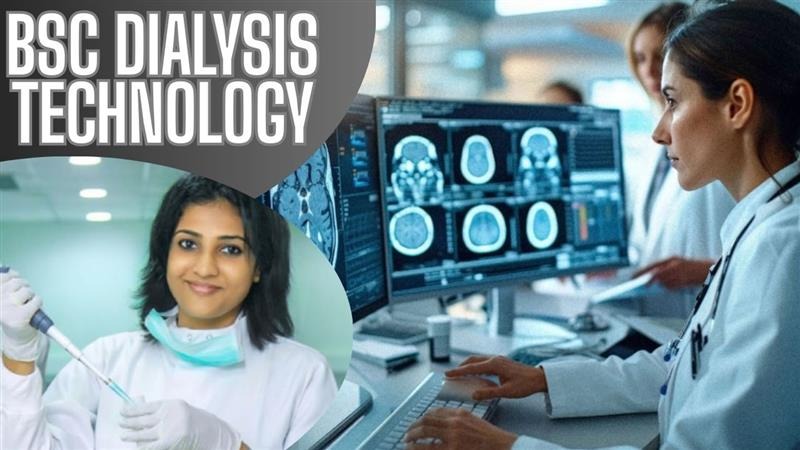
BSc Dialysis Technology course is recognized a professional course under the regimen of which the students are prepared and polished to serve in the field of renal care and dialysis. The course duration is 3 to 4 years and is a mix of theoretical concepts as well as practical training. Subjects studied include anatomy, physiology, renal pathology, dialysis techniques, biochemistry and pharmacology. Also, patient care management is stressed so that graduates will be able to function at a high level in clinical environments, such as hospitals and dialysis centers.
Eligibility and Admission
Requirements for the Admission in BSc Dialysis Technology courses are the possession of higher secondary education with a science background. Some colleges may also demand entrance tests and/or interviews as a part of the application process. Here is the full breakdown of Eligibility for Bsc Dialysis Technology:
Educational Background:
Candidates are generally expected to have passed their 10+2 or an equivalent higher secondary education examination with science stream (with the subjects of Physics, Chemistry, and Biology (PCB)) from a recognized board.45% to 60% in aggregate in these subjects is required by most institutions coming with variations as per applicant category i.e. general,sc/st or obc.
Entrance Exams:
BSc Dialysis Technology programs entrance examination may differ from one college to another, however, many colleges conduct B.Sc in dialysis technician examination for admission, to check the candidate’s knowledge and comprehension of basic scientific concepts related to the field of dialysis-tech. So, they accept admissions through their merit scores.
The mentioned premier institutions including JIPMER, SGPGI and Jamia Hamdard have started admitting students on the basis of entrance exams like NEET, CUET, KCET (Karnataka Common Entrance Test), KEAM (Kerala Engineering Architecture Medical).
But most of the colleges accept students on their 10+2 scores with subjects including physics, chemistry and biology or mathematics.
Admission Process
Check the colleges that offer BSc Dialysis Technology courses then visit their official website to enroll yourself.
The admission portal opens for a short period of time, mostly in April and March. Students need to apply with supportive documents which includes marksheets and certificates of qualifications. Please fill the application carefully while applying for admission.
If there is any entrance exam required during the admission then the notification will be released for the examination, you must check carefully.
Some programs may also require an interview after the entrance exam to determine if the candidate is truly interested and if he or she would be a good fit for the field of dialysis technology.
Institutions generally prepare a merit list considering aggregate performance in the written-test, interview (if applicable) and the qualifying examination which is used for offering the admission to the applicants.
BSc Dialysis Technology Syllabus Details
The educational content of the BSc Dialysis Technology syllabus is designed to be comprehensive for developing required skills in students to carry out dialysis procedures and patient care. The course duration is 3 years which may extend to 4 years including internships and practice-based activities. Important topics are:
You’re going to learn the human body’s systems, mainly the renal system, so you know how dialysis works on your body.
Renal Pathology: How the kidneys work, what goes wrong in the different kinds of kidney illnesses.
Understanding Different Dialysis Modalities: Obtain specialized knowledge about various dialysis modalities, including hemodialysis and peritoneal dialysis, such as machine operation, procedures, and patient care during treatment.
Biochemistry Metabolic alterations in patients with kidney diseases and the contribution of dialysis to these biochemical alterations.
Pharmacology Medications used in renal care: Drug interactions and patient safety during dialysis.
The objective of the syllabus is to make the student well versed with the theoretical and practical aspects of the dialysis technology profession.
Practical Training
Besides the core subjects the curriculum also includes practical modules, which enable the students to become familiar with the real work situation. This training is frequently conducted in the following settings:
Clinical Rotations: Students complete clinical rotations in hospitals or in specialized dialysis centers, offering hands-on experience with the dialysis processes and patient care procedures.
Simulation Labs: Numerous programs include simulation training to train students in a simulated environment prior to working with real patients.
Elective Modules
In some universities, optional courses are available where students can develop their knowledge in particular fields, as:
Nutritional Support in Renal Disease: This study unit focuses on the dietary management of renal patients, including those receiving dialysis.
Advanced Renal Nursing (Beginners) Suitable for residents who wish to further their nursing knowledge in renal care.
Investigations in Dialysis Technology: This section considers new developments and breakthroughs in the renal procedure.
Assessment Methods
The syllabus often involves different methods of assessment including the following:
Written examinations: To test knowledge of theoretical subject areas.
Practical tests: At clinical rotations or labs, you will undergo testing.
Projects: To promote research and investigation on particular subjects in the field of dialysis technology.
Skills Acquired in BSc Dialysis Technology
Dialysis Technicians are an important part of the healthcare team, especially in caring for patients with kidney disease that must undergo dialysis. What they need to learn are technical skills as well as interpersonal skills.
Dialysis technicians require a suitable combination of technical skills and people skills. Technically, they have to operate dialysis machines, watch patient vital signs, handle vascular access and interpret lab results to deliver safe and efficient care.
They must also be empathetic and possess the ability and skills to communicate with patients, attend to emergencies and work with medical teams. They serve an educational role, as well, teaching patients about treatment, lifestyle and managing illness, so patients can become active participants in their care.
Career Opportunities & Future Scope
Dialysis technicians are a subset of technologists, who work with the machines located at a dialysis center, the dialysis machine. Indraprastha Apollo Hospitals (New Delhi), Fortis Memorial Research Institute (Gurgaon) and Max Hospital (Several locations) are among the best employers, offering vacancies for patient care technicians and clinical managers.
Hospitals: Dialysis Technicians may work in a hospital setting, providing care to patients who require dialysis. These specialized technicians are essential to deliver safe and effective treatment.
Travel Placement: Something a few travel dialysis tech are able to do, is to work on a travel basis at various locations. Companies like Nephro Plus help these travel positions, typically with great pay and benefits.
Home Dialysis: Or in some cases, technicians work in the home care arena. Companies like DCDC Kidney Careaiding patients that dialyze in their own homes. They assist with instructions and follow-up care, monitoring that patients operate their equipment safely.
Some of the top global Dialysis Hospitals and Companies that offer first class patient care, not only this but they hire in a massive figure from India too. So, students can also apply outside of India. There are few top Dialysis centers including AMN Healthcare, Aya Healthcare, Cross Country Healthcare etc.
Career Advancement
Specialization: Dialysis technicians may further specialize, and become a certified dialysis technician (CDT). This certification could improve employment opportunities and generally results in higher salaries and more advanced positions.
Additional Education: Further education, such as an associate’s degree in nursing or supplemental certifications in nephrology, may qualify you for more advanced positions as registered nurse roles.
Management Opportunities: Senior technicians or lead in-centre technicians frequently go on to management, they may manage teams, manage patient care provision, and day-to-day logistics of dialysis clinics – center operations management.
Dialysis technician salaries may be different according to various factors like the location, the experience, and the nature of the organization they work in.
Dialysis Technicians in India make about ₹2,00,000 to ₹4,00,000 a year. Our the ceiling is 5,00,000 which is not unrealistic for a technician with 8+ years of experience.
It is normal for people living in or around the cities of Delhi, Chennai etc to have a higher demand for health care. A skilled technician can make between ₹4,00,000 and ₹6,00,000 annually in these regions.
Also, earning specialized training – such as hemodialysis or peritoneal dialysis certification, salaries can also go up. They may earn the opportunity to further increase their income.
In the US, the average dialysis technician salary is $25 per hour which is about $51,316 per year. For example, in California, the wage per hour for a dialysis technician is about $26.47.
Conclusion
BSc Dialysis Technology is tailor made for Students who are aspiring to be a Backbone of Renal Healthcare Sector. This combination of theoretical and practical knowledge enables the graduate to confidently perform advanced procedures such as dialysis, patient care and clinical work.
Due to the increasing number of patients suffering from kidney disorders in India as well as all over the world, the opportunity for trained Dialysis Technicians is also increasing. From hospitals and dialysis units to home-care agencies and world health services, job prospects are varied—and growing.
For students seeking a secure, respected and impactful healthcare career with immense potential for growth, BSc Dialysis Technology is a winning choice that will not just help them reach their professional goals, but also provide them the satisfaction of being able to make a real difference to the lives of patients.
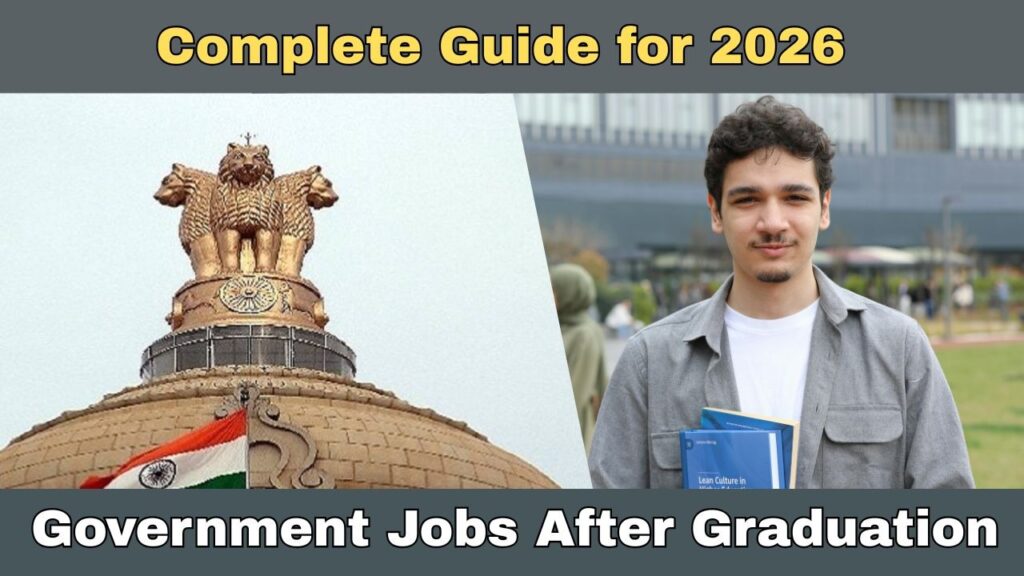
Most of the students join the corporate sector but private jobs won’t provide security, high-salary, and additional perks which the government sector offers to the employees. But position matters in government jobs too if you have a higher position in the department, your salary will be more and other perks. There are many government jobs after graduation in India in the different departments.
But you must understand which department suits you best. Let’s look into the details of each government job after graduation. Don’t rush, just focus on what you want to achieve in life.
Why Government Jobs Still Matter
People who spent years working in a public sector bank or Ministry of finance described that money attracts you but the major reason is you never have to worry about if you’ll have a job next year or not.
If you watch it closely, you are going to understand — A government job in India isn’t just a paycheck. It comes with job security that private companies rarely match. It comes with a pension through the National Pension System, so the years after retirement aren’t a financial scramble. Government jobs offer fixed working hours, but there are exceptions. Defence and UPSC is tougher and no fixed hours. Most jobs are not that tough so you can give time to your family. In India, society gives more respect to government employees than private employees.
There is one more thing, if you belong to SC, ST, OBC, and EWS categories, government recruitment includes reservation benefits that make the competition a little more balanced than it is in the open private market.
None of this means government jobs are easy to get. But it explains why so many students keep this door open, even while exploring others.
Government Jobs After Graduation in India
There is no one big exam for a government job, it gives you job security and high salaries that makes it tough to compete with lakhs of students and being selected.
IBPS conducts the PO and Clerk exams for most public sector banks, while State Bank of India runs its own separate recruitment for similar roles.
If you want something closer to economic policy, RBI hires for Grade B officer and Assistant positions, and NABARD focuses specifically on rural and agricultural banking.
Job Title
Minimum Qualifications
Example Employers / Recruiting Bodies
Accountant / Junior Accountant
Bachelor’s degree in Commerce (B.Com) or equivalent; some posts accept diploma in accounting
State departments, municipal corporations, central ministries, cultural institutions
B.Com, proficiency in Tally / Govt accounting rules
Department of Economic Affairs, ministries, central govt offices
Treasury Officer / Cashier (Treasury)
B.Com; sometimes specific treasury certificates
State treasuries, municipal treasuries
Internal Revenue Agent / Revenue Inspector
Graduation; specialized departmental exams
Tax departments, revenue directorates
Central Government Jobs
The Staff Selection Commission runs several exams worth knowing. SSC CGL is the big one, opening doors to positions like Income Tax Inspector and Assistant Audit Officer. SSC CHSL leads to roles like Data Entry Operator or Lower Division Clerk.
If you studied engineering, SSC JE is built specifically for you. And if you can take dictation quickly, there’s SSC Stenographer.
Job / Exam
Minimum Qualification
Common Extra Requirement
SSC CGL
Graduation degree
Post-wise age and skill test requirements
SSC CHSL
12th pass OR Graduation
Typing/skill test for some posts
SSC MTS
10th pass OR Graduation
Age relaxation as per category
SSC JE
Diploma or B.E./B.Tech in relevant field
Technical qualification in engineering branch
SSC CPO
Graduation in any stream
Fitness and medically fit
Railways, Largest Employer in the Country
RRB NTPC opens up roles like Station Master and Traffic Assistant for general graduates. RRB ALP is for those drawn to operating trains as Assistant Loco Pilots.
RPF handles railway security and law enforcement. And RRB JE, again, is the engineering route.
Railway Job Post
Main Work
Basic Eligibility
Usual Recruitment Route
Station Master
Controls train movement and station operations
Graduation in any stream
RRB NTPC Graduate-level exam
Goods Train Manager
Manages goods train operations and coordination
Graduation in any stream
RRB NTPC Graduate-level exam
Senior Clerk cum Typist
Handles records, typing, office work, and data entry
Graduation with typing skill where required
RRB NTPC Graduate-level exam
Junior Accounts Assistant cum Typist
Accounts work, billing, clerical finance tasks
Graduation, usually commerce preferred
RRB NTPC Graduate-level exam
Commercial cum Ticket Clerk
Ticketing, passenger support, commercial counters
Graduation in any stream
RRB NTPC Graduate-level exam
Trains Clerk
Train records, movement entries, office coordination
Graduation in any stream
RRB NTPC Graduate-level exam
Traffic Apprentice
Supports railway operations and traffic control work
Graduation in any stream
RRB recruitment / NTPC-related notifications
Section Controller
Monitors train operations and sectional control
Graduation; often a high-responsibility post
RRB notification / senior railway recruitment
Junior Engineer (JE)
Technical supervision in civil, electrical, mechanical, signal, etc.
the exam that produces IAS and IPS officers. It’s open to graduates from any stream, but it’s also the toughest exam in this entire list, with three stages testing not just knowledge but stamina and patience.
Each state also runs its own version through its Public Service Commission. UP has UPPSC, Bihar has BPSC, Madhya Pradesh has MPPSC, and so on, each recruiting for state-level administrative roles.
UPSC Service / Post
Group
Main Work
Basic Eligibility
Indian Administrative Service (IAS)
All India Service
District administration, policy implementation, public welfare, law and order coordination
Graduation in any stream
Indian Police Service (IPS)
All India Service
Internal security, policing, crime control, public order
Graduation in any stream
Indian Foreign Service (IFS)
Group A
Diplomacy, foreign relations, embassies, international representation
Central government accounting and financial reporting
Graduation in any stream
Indian Defense Accounts Service (IDAS)
Group A
Defence finance, budgeting, accounts management
Graduation in any stream
Indian Railway Protection Force Service (if allotted through UPSC-related services)
Group A/B depending on cadre
Security and protection of railway property and passengers
Graduation in any stream
Central Civil Services Group A
Group A
Administration in central ministries and departments
Graduation in any stream
Central Civil Services Group B
Group B
Assistant-level administrative and policy work
Graduation in any stream
Defense Jobs
If discipline and service appeal to you more than office work, the defence sector offers CDS for officer entry into the Army, Navy, and Air Force, and AFCAT specifically for the Air Force.
Defence Job / Entry
Main Role
Basic Eligibility
Selection Route
Indian Army Officer
Lead troops, field operations, administration
Graduation in any stream
CDS / SSC (Non-Technical) / other officer entries
Indian Navy Officer
Naval operations, technical or executive duties
Graduation; engineering degree for technical entries
CDS / SSC Executive / technical entries
Air Force Officer
Flying, ground duty, administration, support roles
Graduation in any stream for many entries
AFCAT / CDS / NCC special entry
Short Service Commission Officer
Temporary officer role in Army, Navy, or Air Force
Graduation; post-specific rules apply
SSC entry routes
CDS Officer Entry
Commissioned officer in Army, Navy, or Air Force
Graduation in any stream
CDS written exam, SSB, medical
AFCAT Officer Entry
Air Force officer in flying, technical, or ground duty branches
Graduation in any stream; technical branches need relevant degree
AFCAT, interview, medical
NCC Special Entry
Officer entry for NCC cadets
Graduation + NCC certificate requirements
Direct officer selection, no written AFCAT/CDS in some cases
Teaching has its own path too. CTET or your state’s TET exam qualifies you to teach in schools, while UGC NET is for those who want to lecture at the college level. KVS and Navodaya Vidyalaya recruitment also fall in this teaching bucket.
Important Tip: You didn’t need to pick just one. Many students prepare for two or three of these at the same time, since the subjects often overlap.
Teaching Job
Level
Basic Eligibility
Main Exam / Route
Primary Teacher (PRT)
Class 1–5
Graduation in some cases, usually with D.El.Ed / B.El.Ed; CTET Paper 1 for central jobs
CTET / TET + recruitment exam
Trained Graduate Teacher (TGT)
Class 6–10
Graduation in relevant subject + B.Ed; CTET Paper 2 for central schools
CTET / TET + recruitment exam
Guest Teacher
School / institute
Graduation, sometimes B.Ed preferred
Local government recruitment / walk-in / contract basis
Special Educator
School level
Graduation + special education qualification
Recruitment through education department / DSSSB / state boards
Who Can Actually Apply
The good news is that most of these exams simply ask for a graduation degree, in any subject. You don’t need a specific stream unless the job itself is technical, like engineering posts in SSC JE or RRB JE, which obviously expect an engineering background.
Most exams accept candidates roughly between 18 and 32, though SC, ST, and OBC candidates usually get age relaxation, and the exact numbers shift slightly from year to year.
You also need to be an Indian citizen for nearly all of these roles, and for defence or paramilitary jobs like CDS or RPF, there are physical fitness standards on top of everything else.
Never assume for the exam updates. Dates are extended sometimes and shifts every year. Every government organization publishes its own official notification that declares eligibility and process. Rules shift slightly year to year, so do not rely on people’s words or what happened last year.
Once you decide which field you are going to join, you have to figure out the process itself, which felt confusing the first time but became simple once he broke it down.
It starts with tracking official notifications. Websites like ssc.nic.in,ibps.in, rrbcdg.gov.in, and upsc.gov.in post recruitment notifications which include detailed instruction and a timeline to open the portal where you can apply. It happens every year, so checking them regularly matters.
Once a notification drops, the first step is registering online, usually with just a mobile number and email. Then comes the actual application form, where personal details, educational background, category, and post preferences need to be filled in carefully.
Remember that correction windows are short, so a careless mistake here can follow you for the whole process. After that, documents like your photograph, signature, and category certificates need to be scanned and uploaded.
Then there’s the application fee, though SC, ST, PWD, and female candidates often get a waiver or discount here. Once everything is submitted, the admit card becomes available a few weeks before the exam date, and then it’s just down to showing up and going through whatever stages that particular exam has, whether that’s a single test or a longer chain of prelims, mains, and interview.
How To Prepare For Government Exams?
Once you know that these exams exist doesn’t mean you are fully prepared for it. You need to read the syllabus properly instead of skimming it.
Every exam leans on a mix of Current Affairs, Simple Mathematics, Logic and Reasoning, and English or Hindi, but the weight given to each section changes depending on the exam.
After you study the topics of a specific exam, check previous year papers, not to memorize answers, but to understand the pattern, the difficulty level, and how questions are usually framed and paired with regular mock tests.
This technique will teach you how to manage time under pressure, since most of these exams are brutally time-bound. Make Current affairs a daily habit too, especially since banking and SSC exams lean heavily on it. If your exam has more weightage on Current Affairs then prepare well for it day-by-day.
What made the real difference, though, was a basic timetable. Not a rigid one, just something that kept you showing up every day instead of cramming in bursts. And you had to decide between coaching and self-study. Most students who cracked their exams recommend choosing both. As some subjects are hard that need guidance and some are easy, you can prepare it by yourself. There’s no universal right answer here. It depends on how you learn best.
For decades, students have been doing wrong while preparing for the government exams which can be put away and made aware future generations to stop going wrong.
Some students put all their effort into one single exam and ignore everything else, which is risky given how competitive these exams are.
Others miss notification deadlines simply because they weren’t checking regularly.
A lot of students skip mock tests entirely, only to be blindsided by time pressure on the actual exam day.
And many treat current affairs as optional, which costs them marks in exams where it’s actually a major scoring section.
Conclusion
There are massive numbers of vacancies every year in government jobs after graduation in India. If you also finish your college this year or previous year, you can apply for any of the jobs which fits into your profile.
Check the official notifications daily to find the dates for application, admit card, and exam date. Some exams take multiple phases to get selected but some require a simple exam. Students who can stay consistent, give hours to study, and set their goals can achieve it by going through a tough process of selection.
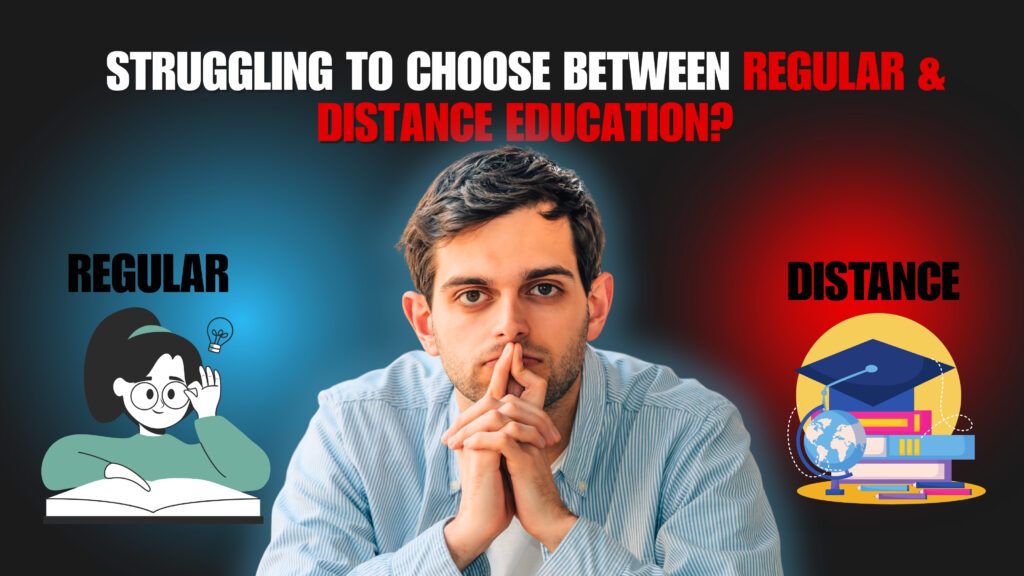
Choosing the right educational path after 12th with any stream is confusing. Many students want to work while pursuing their higher education and some of them want to focus on their studies properly. Regular vs Distance Education is best in their own perspective, whether you have an educational background in science, commerce or arts. Let’s look into this topic further to differentiate both the topics in more detail. To resolve the confusion, analyze – Which one holds more value? Which option is best for your career?
I have seen many students and parents discussing this issue and get confused. Let me tell you one thing, it depends on your degree. Theoretical degree – you can get from distance but not MBBS or B.Tech because it requires practical experience.
In this article, we will look at both options by giving every detail of both education, so you can make a smart choice that fits your life, your goals, and your budget.
What is Regular Education?
Think of regular education as the traditional “college life” you see in movies. You have to:
Attend classes on a fixed schedule.
Go to a physical campus every day.
Talk and be responsive to your teachers and classmates face-to-face.
Some colleges are strict about the 75% attendance percentage.
Students who aim to learn not from just books but also from being part of a college community, participating in events, and living the campus life.
What is Distance Education?
Distance education, also known as Open and Distance Learning (ODL), is all about flexibility.
You study further in your choice of career from anywhere in India.
Take resources at your preference such as online materials, videos, and books.
You can study at your preferred time and have no issues with attending daily classes.
No face-to-face Interaction with teachers and students. Interaction happens mostly on online platforms or weekends.
You can manage work and study parallely.
Top government-recognized universities like IGNOU and private ones like Symbiosis are offering distance education in India.
Quick Comparison for Regular vs Distance Education
Feature
Regular Education
Distance Education
Location
Fixed Campus
Anywhere in India
Schedule
Daily classes
Flexible
Cost
Very High (Tuition + Living)
Very Low (Mainly tuition)
Interaction
Face-to-face with teachers/peers
Virtual (Online forums, email)
Discipline
Driven by teachers & timetable
Requires high self-discipline
Best For
Practical, lab-based courses
Theory-based courses, upskilling
Regular Education – Pros & Cons
Pros:
Networking Growth: You can have a chance to grow your network in the same field for more career benefits. Strong relations to both students and teaching can develop your communication skills.
Direct Teacher Guidance: You can respond to teacher’s questions and ask them individually to clear your doubt. Some teachers are good at encouraging students for their career.
Campus Life: Extra curricular activities and sports can be beneficial for your mental and physical health. Overall development is something you only get on campus.
Cons:
Expensive: Some students can’t afford college fees, but they need to hold the degree to grow in their career.
No Flexibility: You cannot work a full-time job if you are attending regular classes. Part-time jobs can give you any experience for your career. If you want to prepare for any competitive exam then distance education is a good option.
Relocation for Studies: Students who live in lower regions have to move out for studies and it will be difficult for them.
Affordable: Anyone can afford distance education fees because these are half of the regular degree fees.
Earn While You Learn: You can do both at the same time – working full time and take your lessons whenever you get free.
Prepare for Competitive Exam: You can also prepare for the competitive exams.
Accessible from Anywhere: A student from a small town can get a degree from a top university in Delhi without leaving their hometown.
Cons:
Needs Self-Discipline: You need to focus on self-study because there is no teacher to push you.
The Digital Divide: While Improving, Still many students do not have laptop or wifi access to their home for study.
Limited Practical Labs: You can pursue master degree or theoretical education from distance education but for engineering and medical, you need hands-on lab experience.
Who Should Choose Regular Education?
Recent School Pass-outs (12th Graders): If you are young and want the full college experience, and your family can afford it, regular mode is a great choice.
Students Pursuing Technical/Lab Courses: For degrees like B.Tech, MBBS, or pure sciences, the hands-on practical training in a regular college is essential. These courses are not valuable for career and UGC also prohibits them.
Structured Environment: Many students are not able to study on their own so they need big support from teachers to help them stay on track.
Who Should Choose Distance Education?
Working Professionals: If you are already in a job and want to upskill for a promotion (e.g., getting an MBA), distance education is perfect.
Homemakers: women who can’t afford to attend regular classes because of their responsibilities can choose to continue their study from distance education
Competitive Exam Aspirants: UPSC, SSC, Railways or banking aspirants often take a distance B.A. or B.Com degree to meet the eligibility criteria while focusing on their main preparation.
Students in Rural: They mostly need to move out for education and some students can afford this, they can get quality education at their doorstep.
Career Scope & Recognition in India
This is the most important part. The University Grants Commission (UGC), the main body for higher education in India, has officially stated that degrees from Regular, Distance (ODL), and Online modes are to be treated as equivalent.
This means if a job requires a B.Com degree, a B.Com from IGNOU is just as valid as a B.Com from Delhi University for applying to that job, including government jobs. In 2025, Indian companies care more about your skills and whether your degree is from a UGC-recognized university, not the mode you studied in.
There is no single answer for this confusion, you must think about the option that aligns with your career, situation and budget.
Choose Regular Education if:
You can afford
You are a recent school graduate
You want an immersive campus experience
Choose Distance Education if:
You need flexibility
want to study while working
limited budget
focused on a competitive exam.
In today’s India, both paths can give you a better career if you have developed skills in yourself. There is no 100% guarantee in both education that you can get a placement. What can give you guarantee is your hard work and improved skills. The right path is the one that takes you to your destination without derailing your life.
The PCS exam is the most hardest exam in India which offers many prestigious level jobs in the government sector. PCS Rank Wise Post is allotted according to the candidates marks in the exam. It offers many higher level administrative posts like SDM, DSP, BDP, CTO, and others. This exam is held annually to recruit thousands of candidates for different posts, and prepare strategically for higher rank posts.
Let’s explore the PCS exam and posts for understanding their authority and power in administration.
What Is The PCS Exam?
Provisional Civil Services offers a diverse range of posts in the government sector and is conducted by different State Public Services Commissions including UPPSC, BPSC, MPPSC, RPSC, etc. But the post name and exam pattern will be the same in all the states. Posts rank may slightly differ from each other but posts are related to state administration and law enforcement. The exam pattern includes:
Prelims
Mains
Interview
How Are Posts Allotted in PCS Exams?
There are various factors for allotting the post on different level, let’s look into these factors:
Final rank in the merit list (Mains + Interview). Selection is based on the PCS state-level exam rank. If the two candidates have the same score then the cast-category of the candidates will decide in the selection process. The third factor is the number of vacancies in that post.
PCS Rank Wise Post List 2025
Likely Rank
Post Name
1
Deputy Collector (Sub Divisional Magistrate/SDM)
2
Deputy Superintendent of Police (DSP)
3
Block Development Officer (BDO)
4
Assistant Commissioner (Commercial Tax)
5
District Commandant, Home Guards
6
Subordinate Revenue Officer
7
Assistant Regional Transport Officer
8
District Social Welfare Officer
9
District Panchayat Raj Officer
10
Accounts Officer
Special PCS Posts And Their Powers
Don’t you wonder? Why does the PCS Rank Wise Post matter? Because a candidate’s post determines their authority, power, responsibility, and salary within the state administrative system.
The powerful posts allotted to top rankers in the PCS exam. The top three posts are Sub Divisional Magistrate (SDM), Deputy SuperIntendent of Police, and Deputy Collector are all administrative powers and control district level operations directly impact governance and policy implementation.
Higher powers such as SDM, DSP, & CTO are placed on the top level of the government administration of the state because they are responsible for revenue management, development works, jurisdiction over law and order and public service delivery.
Meanwhile, lower ranked positions are also responsible for government department works and administrative jurisdiction but they have less authority and power for taking decisions.
Higher positions rankers get fast promotion while initial posting and lower rankers have to face slower growth to become on the post like Indian Administrative Services (IAS). The salary and additional perks are good on a higher level with social recognition, they have more prestiges compared to lower level.
Other Top Level Posts in PCS Exam
Block Development Officer
He has authority within the block in rural or semirural areas to lead administration for the development of projects for public welfare and implementation in government schemes. He supervises both state and central government policies in that area.
District Commandant, Home Guards
District Commandant is a head of Home Guard volunteers and works with the police and administration for law and order for handling disaster and public safety.
Subordinate Revenue Officer
He is responsible for collecting and saving the data of land in the sub-district. Government schemes implementation also comes under the Subordinate Revenue Officer responsibility for agriculture and land reforms. These decisions are directed by the higher revenue officials and SDMs.
Assistant Regional Transport Officer
He enforces public travel law and order to resolve issues of driving license, permission for transport, and registrations of vehicles. Assistant Regional Transport officer is responsible for road safety campaigns and accident investigations.
District Social Welfare Officer
District level authority and power to manage and implement welfare schemes for low cast and schedule tribes communities. Works as a mediator between communities and district administration for their well-being.
District Panchayat Raj Officer
Panchayat councils of villages are supervised by District Panchayat Raj Officer. Implantation for rural development schemes are monitored by him and he is responsible for these operations running smoothly in the area.
Account Officer
Account officer handling the government department’s account and financial administration to manage budget and deliver financial reports to the government administrations.
SDM vs DSP – Which Is Better?
SDM and DSP both positions are highly respectable but their work and authority is different from each other –
Sub Divisional Magistrate– SDM:
This is the highest administrative officer post in the department to ensure the governance runs smoothly under the law and order. This involves both desk and field duties and offering great professional growth to ADM then DM level.
Deputy Superintendent of Police – DSP:
He is the head of the police subdivision and has authority for law enforcement. A very respectable uniformed post, DSP is responsible for commanding over police stations and getting promoted to SP and DIG.
How to Get Top Rank for SDM or DSP Post?
The higher posts are responsible to change and implement governance that is why they are placed at the higher places in the state hierarchy.
Your rank must lie within top 100 to get SDM or DSP post.
To score on that level you must focus on high-scoring subjects.
Practice and learn consistently for Mains.
Improve english grammar and take mock tests daily.
Keep updated with events, current affairs, and government policies.
Conclusion
PCS Rank Wise Post is important to understand if you are preparing for PCS exams because your exam scores will decide your position. If your goal is SDM or DSP then you should get 70-100 rank (General Category) and 120-160 rank (reserved category). With the right strategy you can prepare smartly for this exam and get the position.
PCS rank not just decides your job but also your future of growth, salary, and authorities. So, start aiming your goal with smart strategy and hard work.