UPSSSC Agriculture Technical Assistant Preparation: Complete Guide to Cracking AGTA Exam

UPSSSC Agriculture Technical Assistant preparation

If you are an agriculture graduate from UP and want to grab a secure government job, then UPSSSC Agriculture Technical Assistant Preparation is crucial to get this golden opportunities. With 3,446 posts announced recently in the recruitments, this Group-C job with the Department of Agriculture not only offers you secure job in India’s largest state but also a meaningful work in serving the farmers of the state.

But here is the reality check: clearing this exam is not just about being B.Sc. The competition is stiff, the syllabus is vast and the exam pattern itself has some quirks that can take you by surprise. Having reviewed the new notification and strategies adopted by the successful candidates, I have tried to make this guide exhaustive to help you in your preparation journey. 

Are You Qualified?

You must fulfill the UPSSSC Eligibility Criteria to apply for the UPSSSC. As on the date of notification, your age should be 21 years to 40 years. But the SC/ST/OBC candidates are allowed to get the relaxation on age as per the rule of the state government. Applications received from ineligible candidate(s) will be rejected, so check your eligibility before applying. 

Degree: Graduation in the Agricultural field is required as your knowledge is beneficial for a job. It must come from a recognized university or college.

List of course are good choice for your degree:

  • B.Sc. (Hons.) Agriculture
  • B.Sc. Horticulture / B.Sc. (Hons.) Horticulture
  • B.Sc. Forestry / B.Sc. (Hons.) Forestry
  • B.Tech (Agriculture Engineering)
  • B.Sc. (Hons.) Science from a University of Agriculture and Technology

The PET catch: Since 2022, UPSSSC has made the UP Preliminary Eligibility Test (PET) mandatory for every candidate to pass this exam with required score then applying for any main exam of AGTA.

Exam Pattern Decoded

There are no multiple phases for the AGTA, you just have to clear this one and the powerful UPSSSC Agriculture Technical Assistant recruitment exam with document verification and grab your chance for a government job. 

  • Total Questions: 100 objective-type MCQs
  • Total Marks: 100 
  • 1 Question = 1 Mark
  • Duration: 2 hours 
  • For incorrect answer, ¼ mark will be deduct

This marking system indicates that you need accuracy in your answer rather than attempting.

Subject-wise Distribution

SubjectQuestionsMarks
Crop Science2525
Biotechnology, Plant Breeding & Crop Physiology1010
Soil & Water Conservation1515
Agriculture Extension55
Agriculture Economics & Schemes55
Dairy & Animal Husbandry55
Computer Concepts & IT1515
General Information of Uttar Pradesh2020
TOTAL100100

What You Actually Need to Study

Part 1: Core Agriculture (65 Marks)

Crop Science involves the Study of various cereals, pulses, and oilseeds and also covers modern agricultural practices such as integrated, natural and organic farming. So you have to know about seed production, about pest management, about post-harvest technology and storage systems. Let’s get real—what is a field officer going to tell farmers?

Biotechnology & Plant Breeding covers Genetics Concepts, Photophosphorylation, Respiration, and Plant Metabolism. ISE don’t memorize definitions; actually understand what biotechnology is and how it works, and how it’s used in agriculture now.

Soil & Water Conservation involves Master soil properties, erosion control, fertilizer classification, irrigation, and watershed management.. I think the 15 questions are generally easy if you have your basics clear.

Agriculture Extension covers rural development concepts, farmer’s schemes issued by the Government, and training methods. This ties right into what you’re doing in your future job.

Agricultural Economics has MBA contents such as MSP (Minimum Support Price) of various Crops, Agriculture commodities trading, import-export strategies and UP’s One Trillion Economy plan. Be a regular user of agri policies.

Dairy & Animal Husbandry includes a lot of practical training but what’s the right way to do Animal Breeds, Feed management, Milk production, Poultry farming, Diseases management. Even if you were a crop science major, don’t sleep on this 5-mark question. 

Part 2: Computer and IT (15 Marks)

This isn’t just basic computer know-how anymore. The syllabus cover crucial IT related questions which means you need study hard:

  • It involves from Hardware, software and operating system to MS Word and MS Excel operations
  • Internet Protocol and Email Management
  • Digital financial instruments and e-Governance
  • New technologies – AI, Machine Learning, Big Data, IOT and India’s IT feats

You don’t have to think that new technologies are not needed, the first rule for the tech engineer is opting for new technologies every year. So, AI and Machine Learning are now part of an agriculture exam. The UPSSSC needs officers with a flair for technology who can put traditional farming together with digital India. 

Part 3: UP General Knowledge of 20 marks

To succeed in this field, one should have deep knowledge of history, culture, art and architecture of Uttar Pradesh. A good understanding of its physical geography with its climatic differences, soil groups, forest, wild life and mineral resources, will be found helpful. 

Also, a good knowledge of the state economy in terms of agriculture, industry and commercial conditions is essential. Keeping abreast with the day’s news and the work of the state government you shall further enrich yourself and make yourself even more capable. 

Selection Process

After clarifying the written test, candidates need to verify their documents (ID, Marksheets, DOB certificate, etc). The written test passing score is depending on your category. Final merit list will be made upon these scores not on interview as there is no interview.

UPSSSC Agriculture Technical Assistant Preparation Strategy

Crop Science and Soil Science is a very important part as they hold maximum marks in the exam. So, prepare well with understanding, not rote learning. BSc notes and NCERT agriculture textbooks are very helpful as resources for your study.

  • After clearing your basics, dive deeper with “A Textbook of Agricultural Field Crops” by V. Venkataraman to prepare for the Crop Science subject. 
  • And “Soil Science” by D.K. Das is a perfect option for Soil Science.
  • Many students recommended “Uttar Pradesh General Knowledge” by Dr. C.L. Khanna for increasing UP knowledge.
  • Try Youtube or free resources online to learn about Computers assets and other new techs related to the agriculture field.

The last Months 4-6 is given for the Practice & Revision of previous year papers for making a speed to solve fast in the exam. Weekly mock tests are best for your preparations. Everything is available on the internet, so do not stress about the resources. To avoid mark deduction, master to Maintain an error log.

Read More:- BSNL Recruitment 2026: Apply Online for 120 SET Vacancies, Eligibility & Full Details

What Makes This Exam Challenging?

There is a strategy and of course general scoring strategies are applicable too that candidates must follow to win in this agriculture based exams. What several candidates tend to miss is the fact there are non-agricultural parts like Computer (15 marks) and UP GK (20 marks), which have a big weightage of marks. Disregarding these can drastically hit your overall results.

How to approach the Stage II exams, Time Management is very helpful for Effective preparation. Although two hours is more than enough time, candidates often find themselves stuck on difficult questions, for instance in biotechnology, with not enough time left at the end to tackle items such as UP GK. so that way you can avoid that.

Also, academic knowledge from one’s degree is no place to rely on. The focus is not on theoretical understanding, but on practical application and problem-solving at field level. 

Before you start preparing for the AGTA exam, you must be aware that you must meet all the eligibility requirements (like qualifying the PET) for the same. Non-compliance of such requisites may result in jeopardizing a candidate’s whole preparation and risk that nothing has been achieved in all those years toiling. A complete scan of the eligibility dates is hence highly recommended to avoid any last minute surprises. 

Conclusion

The UPSSSC Agriculture Technical Assistant is one such post which will help in this regard. The active UPSSSC Agriculture Technical Assistant Recruitment 2026 Advertisement is a good opportunity for the job seekers. You should go for 6-8 Months UPSSSC Agriculture Technical Assistant Preparation to increase your chances of selection and should Follow the Syllabus Strictly. Your position on the merit list can be decided by the marks obtained. Get started on your preparation now with full dedication and consistency to get success in this very competitive selection. 

Leave a Comment

Your email address will not be published. Required fields are marked *

Top 10 MBA Colleges in India with Fees, Ranking & Placement 2025

Top MBA Colleges in India with Fees

If you are planning to pursue an MBA in 2025, you must know that there are the most prestigious management institutes in India which acquire the best education and placement opportunities around the globe. Here’s the top 10 MBA colleges in India that provide you complete education that opens the door to global careers.

Whether you graduate in BBA/BCA or B.Com or any other degree, you can pursue Master’s in Business Administration. You must understand that holding a degree is not valuable if it’s not from colleges that opens the career goals. They provide top education, assessments, and advanced concepts for business management. They built you a job ready degree holder and companies like Accenture and Microsoft are recruiting candidates from these colleges.

IIM Ahmedabad (IIM-A) is a top-notch college for MBA program that offers opportunity at global level. Its Post Graduate Programme in Management (PGP) is highly known for global recognition. Students from IIM colleges have settled in well known industries because of their knowledge and skills. Taking admission in this college is hard, you must clear the entrance exam i.e. CAT, WAT (written Ability Test) and Personal Interview.

ParameterDetails
FeesThe IIM-A fee is around ₹25 lakhs
NIRF Ranking#1
Average Package₹35.68 LPA
Top CompaniesMcKinsey, BCG, Goldman Sachs, Bain

IIM-B is built to establish a student’s career by providing PGP. The high ranking students from this college have become successful businessmen. The courses offered by this college are PGP and EPGP. The same process goes with this college too, students have to take admission through CAT, WAT, PI. 

ParameterDetails
Fees₹24.5 lakhs
NIRF Ranking 2024#2
Average Package₹35.31 LPA
Top CompaniesAmazon, Accenture, Deloitte

Indian Institute of Management in Calcutta also high in ranking, by getting admission into this college can open gates for career growth. You must prepare hard to clear the CAT exam. It has a valuable stand off on the international industries, and you can stand a chance to work in one of them. curriculum. It offers a flagship PGP program. Admission is processed the same, CAT, followed by PI and WAT.

ParameterDetails
FeesThe IIM-C fee is around ₹27 lakhs
NIRF RankingThis college ranks in the top 5
Average PackageAround ₹35.07 LPA (last year’s top students)

If you are a professional with 2+ years experience and want to grow up your level in industry, it requires an MBA from top institutes. You can pursue a one year program from ISB, Hyderabad/Mohali. You can take admission by clearing GMAT/GRE. Academic profile, and work experience also required for the admission.

ParameterDetails
Fees₹42 lakhs
Average Package₹34.08 LPA
Top RecruitersGoogle, Kearney, Microsoft, Tata

MBA or PGP from IIM Lucknow is the best choice as it is a top management college. Taking admission in one of the best management colleges is tough but placement packages are worth it. Admission is through CAT, followed by PI.

ParameterDetails
Fees₹12 lakhs
NIRF Ranking#7
Average Package₹32.2 LPA
Top RecruitersAxis Bank, OLA, HUL, Amazon

Notable alumni like Harit Nagpal and Anupama Verma are proof that FMS, Delhi University has a reputation globally. You can take admission after clearing the CAT exam, extempore, PI, academic background is also required for admission in FMS. It offers ROI for its MBA program with less fee.

ParameterDetails
Fees₹2.32 lakhs
NIRF RankingTop Tier
Average Package₹34.1 LPA
Top RecruitersBCG, ITC, Nestle

By getting admission into XLRI college in Jamshedpur can establish your career on the next level. This is the oldest institute for management courses, still in rank due to their high quality education and placement packages. The admission process for XLRI is based on the entrance exam score. 

ParameterDetails
Fees₹15 – ₹30 lakhs (for management courses)
NIRF RankingUnder top 10
Average Package₹27 LPA
Top RecruitersTata Steel, HUL, Deloitte

NMIMS in Mumbai is the best college. This is the best choice for students who can’t afford expensive colleges. It offers management courses that include sectors like finance, marketing, analytics, and HR. The course itself is a training that polishes your mind to work in industries. Getting into this college by scoring in the NMAT entrance exam.

ParameterDetails
Fees₹12–14 lakhs
NIRF Ranking#21
Average Package₹10 LPA
Top RecruitersWipro, Infosys, and TCS

SPJIMR focuses on values-based learning. Students who want to acquire knowledge on real-time management systems can get admission into this college. It also offers practical orientation. It also offers family-managed business programs. The admission in this college happens through CAT/XAT/GMAT, followed by WAT and PI.

ParameterDetails
FeesAround ₹20.4 lakhs
NIRF Ranking#20
Average Package₹33 LPA
Top RecruitersTata, Deloitte, Godrej, BCG, and Accenture

MDI offers PGDM, PPM, HRM, and IB programs. MDI is one of the top colleges in post graduation programs especially management courses. It is a great option for students to build their career by taking admission. The admission through CAT + GD/PI.

ParameterDetails
FeesAround ₹18.5 lakhs
NIRF Ranking#11
Average Package₹26.7 LPA
Top CompaniesMaruti Suzuki, automobile companies, EY

Read More 👉 Government Job vs Private Job: Which Career Offers a Better Future in 2025?

  •    For IIMs, FMS, MDI: Take CAT (Common Admission Test) examination.
  •    For XLRI: You need to clear XAT for admission.
  •    ISB: Score in GMAT or GRE.
  •    For SPJIMR: You can take any of these exams – CAT/XAT/GMAT.
  •    Aim for 98+ percentile for top IIMs
  •    Top 95 percentile for FMS and IIM-A/B/C
  •    Above 710 score needed for the admission in SBI.

When you aim high your scores get well absolutely in the 80s but the competition is high. So, better prepare for top 90s to get shortlisted for admission in IIMs. 

  •     Written Ability Test and Personal Interview are important. 
  •     Focus on communication, current affairs, academic knowledge
  •     Get online resources for preparation to pass this last process.
  •    Good academic scores
  •    Work experience (for ISB, SPJIMR preferred)
  •    Extracurriculars, leadership roles, certifications
  •    IIMs release applications right after CAT registration
  •    ISB follows separate cycles: Early Entry, Cycle 1, and Cycle 2

The final selection is based on Score in CAT/XAT/GMAT + WAT/PI + Academics. If you are a working professional then your work experience is also considered.

These top 10 MBA colleges in India can transform your career path from student to MBA professional. They offer seamless management education that builds up your knowledge power. You can get excellent placement packages, and lifelong networking opportunities.

Admission process is challenging, you need to focus on consistency in preparing for their entrance exams. To clear Interview, you need to adapt discipline and current affairs. Whether you are a graduate student or a working professional, to get admission in these colleges by focusing on building your profile, cracking the entrance exams, and acing the interview rounds.

Leave a Comment

Your email address will not be published. Required fields are marked *

Aerospace Engineering Courses: Complete Guide to Soar into the Sky with the Right Education

Aerospace Engineering Courses

If you have ever been curious as to how the planes you ride on stay in the air or how a rocket can travel all the way to space, then you think like an aerospace engineer. From Aerospace Engineering Courses, eligibility criteria to future scope and interesting specializations available, this all you need to know guide will help you make an informed decision which you take for pursuing aerospace engineering course in India.

The Indian aerospace industry is booming. ISRO, DRDO, HAL, and a host of private companies are actively hunting for talented engineers to design, build and fly planes and spacecraft. With increasing demand and attractive salary packages, this is the way to your dream career. 

What Exactly is Aerospace Engineering?

Aerospace engineering is the primary engineering discipline concerned with the design, construction, science and technology of aircraft and spacecraft. It is a combination of physics, mathematics, materials science, and advanced tech that address real life problems in the fields of aviation and space travel. 

The range of activities in this field is so broad that it divides into four key specializations:

Aeronautics — This pertains to air within the atmosphere and includes such things as commercial jets, military planes, helicopters, drones (UAVs), and blimps. Aeronautical engineers study flow-air, aircraft design, motion, and propulsion.

Astronautics — A subject of business such as astronauts, rockets, satellites and all the stuff that goes beyond the atmosphere. Astronautical engineers specialize in orbital mechanics, satellite communications, rocket propulsion, and space exploration missions.

Avionics — These are the electronics and computers used in an aircraft and spacecraft. Avionics engineers create the system software of navigation, communication and autopilot systems, etc., in raw air borne machines.

Defense Technologies — This area concentrates on military, and its ability to develop and deploy new systems involving missiles, defense technologies, military drones and weaponized technology. This is important part of national security and defense system. 

Aerospace Engineering Courses

Now let’s move on to the various types of courses under aero space engineering. Whether you are a high school beginner or already have a bachelor’s degree, there is a path for you.

1.Diploma in Aerospace Engineering (3 Years) 

If you are looking forward to pursue a career in aerospace engineering, you can opt for the Diploma in Aerospace Engineering from a reputable board after 10th class.

This is good to start if you have done your 10th grade. It is not really theoretical but ‘practical’ which provides aerospace technologies experience. 

AspectDetails
Duration3 years
Eligibility10th pass with Mathematics and Science (minimum 50% marks)
FocusPractical skills and industry-ready training
Career PathCan pursue B.Tech (lateral entry) or start working
Average Fees₹2-4 Lakh for the entire program

2. Bachelors in Aerospace Engineering — B.Tech (4 Years)

It serves the largest client base and is considered the gateway course for professional aerospace. It is a bachelor’s degree course and the eligibility is 10+2 with Physics, Chemistry and Mathematics (PCM). 

AspectDetails
Duration4 years (8 semesters)
Eligibility12th pass with PCM (minimum 50-60% depending on college)
AdmissionBased on JEE Main Score, state-level exams, or direct merit
Average Fees₹ 2-2.5 Lakh/year in government; ₹5-10 Lakh/year in Private colleges
Total Program Cost₹4-40 Lakh depending on college type

The B.Tech is an all-inclusive course which includes theory and practical based knowledge. Subjects like mathematics, physics, and general engineering will be included in your first two years for foundation then you can choose specializing in aerospace-related subjects in your third year.

3. M.Tech in Aerospace Engineering (2 Years)

M.Tech in Aerospace suits better for those who want a higher level of education in aerospace engineering. Building a professional level career internationally, you must need this degree.

AspectDetails
Duration2 years (4 semesters)
EligibilityB.Tech/BE in Aerospace or related field with 55% minimum marks
AdmissionThrough GATE exam (for government colleges) or merit-based (private)
Average Fees₹40,000-1 Lakh/year in Government; ₹2-4 Lakh/year in Private colleges
Career AdvantageHigher salaries, research opportunities, senior positions

Job opportunities for M.Tech graduates are applicable in research, designing and higher level management. Top companies and research centres look for M.Tech holders for their specialised projects. 

4. Ph.D. in Aerospace Engineering (3-5 Years)

“This Is for the Research and Innovative Curious”. It’s the top aerospace engineer qualification for those who want to know how to research and innovate. 

AspectDetails
Duration3-5 years
EligibilityM.Tech or equivalent with GATE qualification
FocusOriginal research and innovation
OpportunityTeaching, research at ISRO, universities, private labs

5. Aerospace Engineering Few Months Certification Courses 

In just 6 months to 1 year duration, you can enhance knowledge or skills in certain areas. It is best for hands-on experience in a specific field.

Course TypeDurationCostSuitable For
CAD and Aircraft Design6 months₹20,000-50,000Working professionals, students
Avionics Systems6-8 months₹30,000-60,000Interested in Electronics
Propulsion Systems3-6 months₹15,000-40,000Engineers wanting specialization
Aerospace Materials4-6 months₹25,000-50,000Manufacturing professionals

B.Tech Aerospace Engineering Core Subjects

YearSemestersEssential Subjects
1st YearSem 1-2Mathematics/Physics/Chemistry help develop problem-solving skillsEngineering Mechanics/Thermodynamics/Fluid Mechanics/ and Basic Electronics introduce how physical laws apply to real engineering systems.
2nd YearSem 3-4Gas Dynamics and Aerodynamics, which explain how air behaves around aircraftPropulsion and Aircraft Structures teach how engines work and how aircraft are builtStrength of Materials and Computer Programming strengthen technical and analytical skills.
3rd YearSem 5-6You study higher-level aerodynamics, flight dynamics, and structural analysis Heat Transfer and Avionics.
4th YearSem 7-8You learn advanced tools like Computational Fluid Dynamics (CFD)Aircraft Design and Systems

Aerodynamics describes how air moves around air and is an important factor in the level of efficiency of airflow around the wings.

  • Propulsion: Discussion of jet engines, rockets, turboprops
  • Structures deals with building an aircraft to be as strong as possible but still as light as possible.
  • Stability and control the motion of an aircraft.
  • CFD Computational Fluid Dynamics: Uses computers to emulate airflow — a modern necessity
  • Aircraft Design: All of the above are brought to bear on realistic, total aircraft design projects.
  • Most B.Tech courses will involve a lot of lab work, wind tunnel testing, simulators and a capstone design project where you actually design an aircraft or spacecraft. 

Who Are Eligible For Aerospace Engineering

B.Tech (Undergraduate)Need to pass 12th class with PCMB or PCB and should have obtained 50 to 60% marks Meet the age criteria of 17 to 28 yearsEntrance exams such as JEE Main, State Level Exam etc
M.Tech (Postgraduate)Hold a valid B.Tech/BE degree in Aerospace or equivalent with 55% marks Valid GATE score (for government colleges)
DiplomaAfter 10th with Mathematics and Science having 50% marks as a minimum15 years as a minimum age
Lateral Entry to B.Tech 3-year engineering diplomaBSc in Physics, Chemistry, Mathematics

Where Will Aerospace Engineers Work?

OrganizationTypeSpecializationSalary Range (Fresh)
ISROGovernmentSatellites, space missions, rocket development₹8-10 LPA
DRDOGovernmentDefense systems, missile technology₹7-10.5 LPA
HAL (Hindustan Aeronautics)GovernmentAircraft manufacturing, defense₹7-9.5 LPA
Boeing IndiaInternationalAircraft systems, defense solutions₹8-12 LPA
Airbus IndiaInternationalAircraft manufacturing, maintenance₹7-10 LPA
GE AviationInternationalAerospace engine design₹7-9 LPA
Rolls-Royce IndiaInternationalPropulsion systems₹8-11 LPA
Tata Advanced SystemsPrivateAircraft components, defense₹7-11 LPA
Godrej AerospacePrivateSpace and defense hardware₹5.5-7.5 LPA

Salary & Career Growth 

India's aerospace engineering salary

Aerospace Engineering Salary Progression in India

LevelsSalary — LPAMonthly IncomeStages
Fresher (0-1 year)₹4.5-7₹37,500-58,333Graduate joining first job
2-5 years₹8-12₹66,667-1,00,000Intermediate engineer
5-10 years₹8-15₹66,667-1,25,000Senior engineer or team lead
10+ years₹15-25+₹1,25,000-2,08,000+Manager, specialist, researcher

Salary by Sector:

SectorFresher PackageExperienced Package
Government (ISRO, DRDO, HAL)₹7-10 LPA₹20+ LPA
Private Indian Companies₹5-9 LPA₹12-18 LPA
International Companies (Boeing, Airbus)₹8-12 LPA₹20-28+ LPA
Startups & Newer Companies₹4.5-6.5 LPA₹10-14 LPA

The Future Looks Bright

India’s aerospace engineering salary will increase by 20-25% by 2030 and is highly influenced by demand in electric aircraft, AI integration, space exploration, and green aviation related technologies, suggest the industry projections. .

Read More 👉 HR Professional Courses: Get Complete Guide on Career Path, Salary & Growth

The Roadmap To Become Aerospace Engineer

Year 1 & 2: Begin From Basics

The initial two years are dedicated to core subjects such as mathematics, physics and general engineering. These years are tough, but necessary. If you have a strong base in these stuff, then you can understand high level stuff in aero easily later on. 

Year 3: Where Aerospace Engineering Gets Exciting

In year 3, the real aerospace journey begins. You then go on to such specialised areas as aerodynamics, propulsion and aircraft structures.  

Year 4: Major Project and Real-World Problem Solving

Senior year is spent mostly on a senior project. You could design an airplane, build spacecraft systems, or even study a real problem in aerospace engineering. Many of these projects are sponsored by industry, giving students real-world experience and making them more employable. 

Internships: The Key to Career Growth

The majority of aerospace engineering programs require 2 to 3 internships, such as summer and at times semester-long training. Top organizations including ISRO, HAL and Boeing hire interns on a regular basis. This hands on experience is invaluable and it contributes a lot in building a strong resume and career in future. 

Choose Your Specializations

SpecializationFocusScopePreferred Companies
AerodynamicsAirflow, drag reduction, aircraft efficiencyAircraft design, researchISRO, Airbus, NASA etc
PropulsionEngines in Jet engines, space rocketsEngine design, space missionsGE Aviation, Rolls-Royce, ISRO
Flight Dynamics & ControlAircraft stability, autopilots, guidance systemsControl systems, UAVsBoeing, HAL, Airbus
Aircraft StructuresMaterials, stress analysis, lightweight designDesign Structure, & aerospace manufacturingAirbus, HAL
AvionicsRadio System, navigation, ElectronicsUAVs & Avionics Boeing, DRDO

Best Aerospace Engineering Colleges in India

CollegeTypeLocationSpecialization
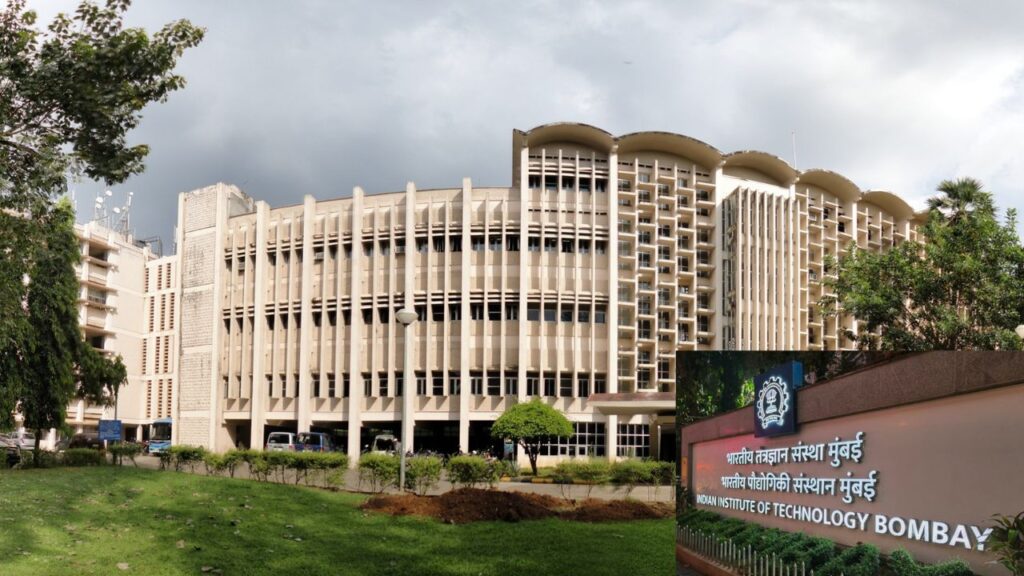
IIT BombayGovernmentMumbaiAll specializations
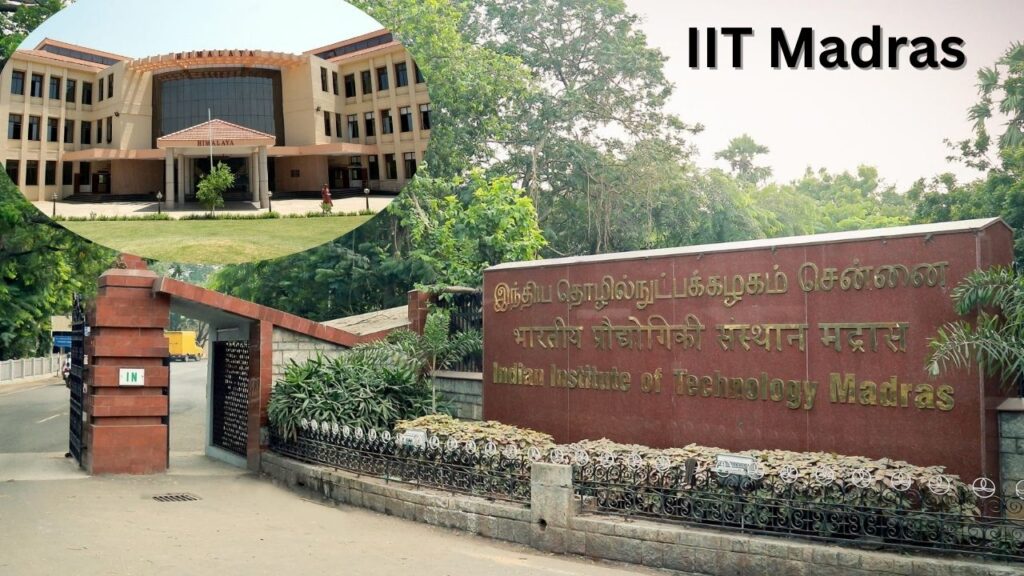
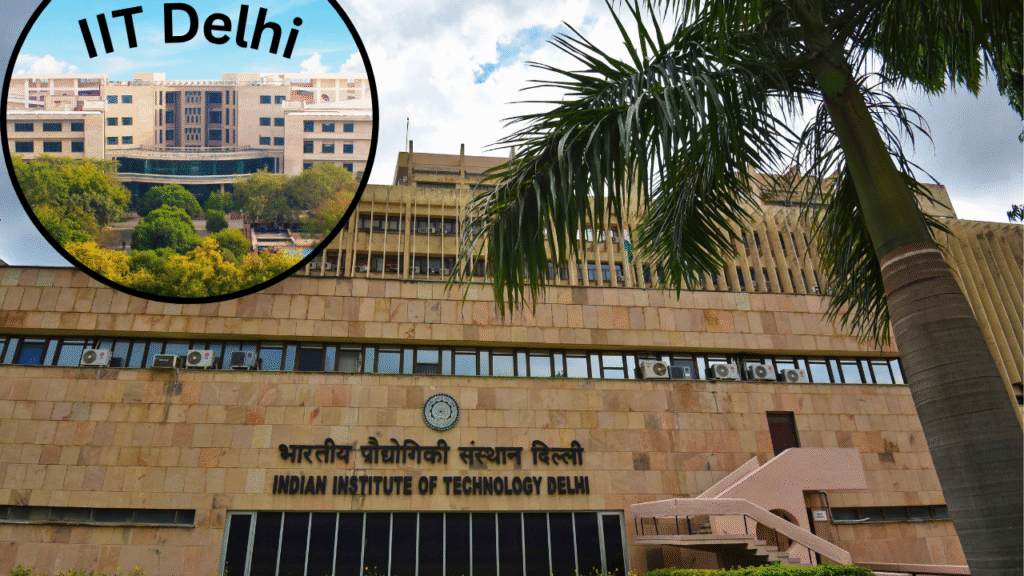
IIT MadrasGovernmentChennaiAircraft & Space
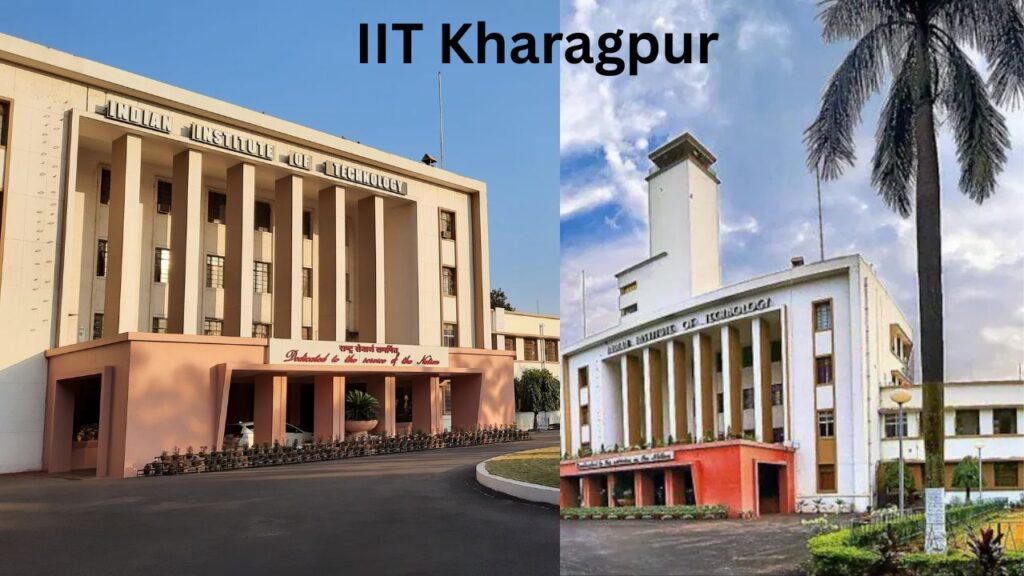
IIT KharagpurGovernmentWest BengalAll specializations
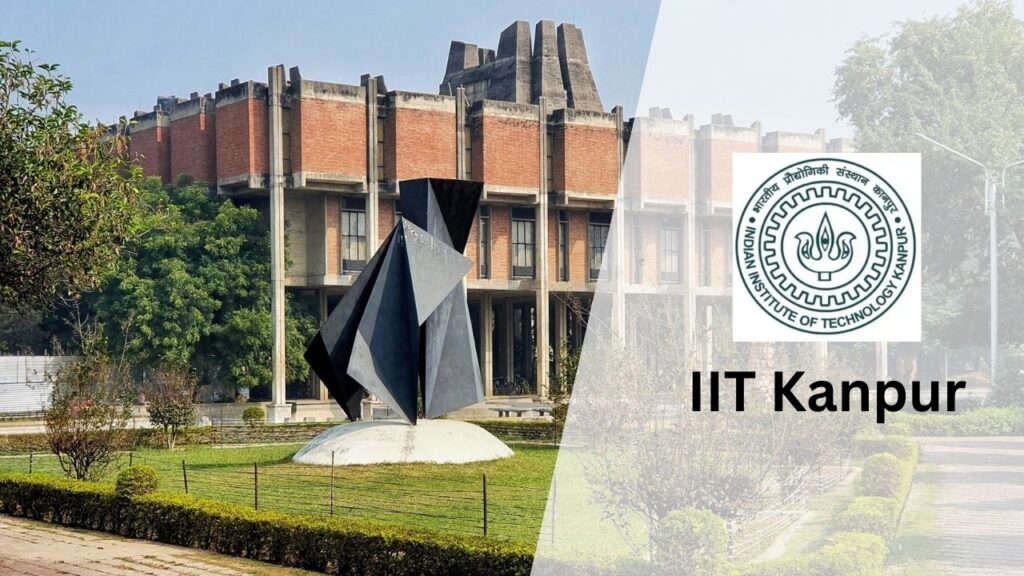
IIT KanpurGovernmentUttar PradeshAll specializations
Mahindra UniversityPrivateHyderabadComprehensive curriculum
SRM ISTPrivateChennaiModern labs & industry focus
Chandigarh UniversityPrivatePunjabIndustry-driven curriculum
Ramaiah InstitutePrivateBangaloreWell-equipped facilities
Manipal AcademyPrivateBangaloreResearch-oriented

Conclusion

Aerospace Engineering Courses aren’t simple, it’s a journey through innovation, precision and human ability. Whether you want to design the next generation of commercial planes, put satellites into space, or work on autonomous drones, this is a field with limitless options.

The Indian aerospace industry is poised for growth. With ISRO’s ambitious space programs, HAL’s indigenous aircraft development and international partnerships with Boeing and Airbus, there is no dearth of opportunities. And if you are in the top performers, the world is your sky. 

Leave a Comment

Your email address will not be published. Required fields are marked *

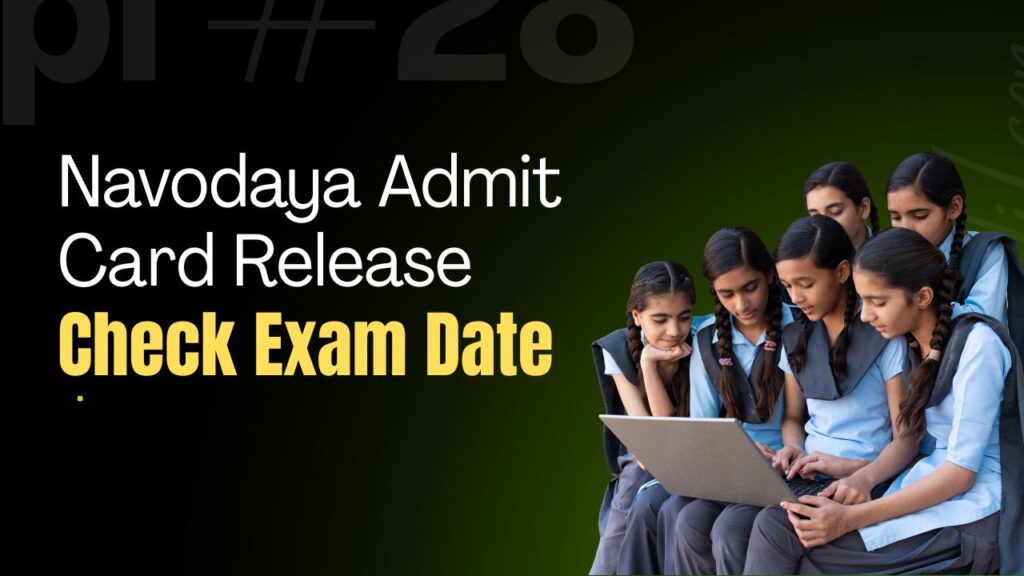
Navodaya Admit Card Release – Check Exam Date & Download Steps

Navodaya Admit Card Release your social media.

NVS Class 6 Admit Card 2025: NVS (Navodaya Vidyalaya Samiti) released the NVS Class 6 Admit Card 2025 for the JNV 6 Selection Test Download. The Class 6 entrance written exam date is October 11, 2025, 654 places are available. Candidates can now also download the exam city intimation slip for the NVS Lateral Entry 5th Class from the official website after entering their further details. These documents can be found at the direct link here or from the official site. 

Official Dates For Navodaya Vidyalaya NVS Class 6

EventDate
Notification Date30 May 2025 
Application Start30 May 2025 
Apply Online Last Date27 August 2025 
Exam City AvailableUpdate Soon
Admit Card17 November 2025 
Exam Date13 December 2025 
Result Date Notify Soon

Total Seats and Age Limit

Seats654
Students Born Between01-05-2014 to 30-07-2016
Past Education Passed 5th from any recognized school

Exam Details For Navodaya Vidyalaya NVS Class 6

Subject QuestionsMarksDuration
Mental Ability Test405060 Minutes
Arithmetic Test202530 Minutes
Language Test202530 Minutes
Total10010002 Hours

Additional Exam Details:

  • Exam Mode: OMR Based
  • Exam Medium: English / Hindi
  • Negative Marking: No

Step-by-Step Guide to Download Admit Card For NVS Class 6

How to Download Navodaya Vidyalaya NVS Class 6 Admit Card 2025 follow these steps:

1. Go to the official site @navodaya.gov.in or the direct link given.

2. Click on “Navodaya Vidyalaya NVS Class 6 Admit Card/ Hall Ticket 2025” Link.

3. Fill in your Application Number and Date of Birth.

4. Click on the Submit button.

5. After this, you will get your admit card on your computer screen. DownloadH, save or print your admit card for further reference.

6. Don’t forget to take printout of your admit card and one valid photo id to the examination centre. 

Useful Links
Download Admit CardClick Here
LoginClick Here
Download ProspectusClick Here
Official WebsiteClick Here

Leave a Comment

Your email address will not be published. Required fields are marked *

Difference Between Central Government and State Government Jobs – Full Comparison Revealed!

Difference Between Central Government and State Government Jobs

If you are seeking a job in the public sector, it may be useful to know that there are some differences between central government and state government jobs. This guide is for you to understand these differences, Government employees are responsible for controlling and monitoring public rights, administration, and discipline within the country. State government employees work for the individual state and central government employees act at the national level. 

The government employee acts under the service laws that regulate the conditions of work including authority, recruitment, promotion, transfer, and other perks. The recruitment bodies for central government employees are UPSC, RRB, and SSC, and for state governments are UPPSC, TNPSC, and MPPSC, etc.

In the central government, employees can be transferred across the country but state government employees can serve within the state. Transfers typically happen.

State Government Objectives:

  • State governments function at the regional level, operating within the boundaries of individual states.
  • They handle police, agriculture, and public order by implementing laws.
  • According to the state’s situation, a legislative body can pass the law.
  • Each state has a Chief Minister, who leads the administration of the state.
  • He is the highest authority of an individual state that manages the budget, expenditure, and ensures the development projects run smoothly.
  • States can make their own rules but it doesn’t mean that they can violate any central laws. 
  • They have to align with the legal boundaries and National objectives.

Central Government Objectives:

  • The central government functions at a national level and administers the entire nation.
  • It makes laws on union list topics under the Constitution such as defense, foreign relations, and banking among others.
  • The prime minister is responsible for national administration as he is the executive head and holds the highest authority. 
  • State governance works have been monitored by the central government under the constitution. 
  • Central government develops and executes policies at the national level. Supports national budgets, funds, and foreign issues.

Read More 👉 Madras University Result 2025 Declared – Download Scorecard & Direct Link

Difference Between Central Government and State Government

Authority: Central government employees get more power than the state-level employees because the state-level are set to rule the state and region of the country. The central government covers the whole country’s operations.

Legal Powers: According to the Indian constitution, the state government can work in the department for the items that come under the state list. Meanwhile, the central government can take action under national security, foreign affairs, and banking. 

Powers that both have: Some powers are given to both for some important areas like healthcare, education, and criminal laws. They work together as they share responsibility and the coordination helps to run operations smoothly.

Central Government JobsState Government Jobs
Indian Administrative ServiceState Administrative Service: Tehsildar, Sub-Divisional Magistrate 
Indian Police ServiceState Police Service (DSP, SI, Constable)
Indian Revenue Service (IRS) OfficerState Public Service Commission (PSC) – Administrative & Technical posts
Indian Foreign Service (IFS) OfficerState Education Department: Government School Teacher, Lecturer, Principal
Banking Sector: Probationary Officer (PO), Clerk, Specialist Officer (SO) in nationalized banks (IBPS, SBI)State Health Department: Medical Officer, Nurse, Pharmacist, Lab Technician
Railways: Assistant Loco Pilot, Junior Engineer, Ticket Collector, Group D postsJob for State Forest: Assistant Conservator, Guard, Wildlife officer, Forest Ranger
Defence Services: Indian Army, Air Force, Indian NavyState Transport Department: Traffic Management, Transport Sub Inspector, licensing
Through Staff Selection Commission: Junior Engineer, Income Tax Officer, Multi-Tasking Staff, Lower Divisional Clerk, Translator, Assistant Section Officer,  Assistant Sub-Inspector, JSAIn the State Judiciary department: Judges, Court Clerk, Legal Assistant, Stenographer
Public Sector Undertakings: Trainee, Managers, Executive roles, Engineer, OfficersState Revenue Department: Officer, Revenue Inspector, Lekhpal, Deputy, Clerk
Central Departments: Assistant Director, Scientist, specialist, Engineer, Regional OfficerState PSUs: Engineer, Technician, Assistant in state-run corporations
Postal Services: Assistant, PostmanLocal Bodies: JE, Clerk, Sanitary Inspector
Teaching: Central University Faculty, Professor, School teacher.Agriculture Department: Agriculture Officer, Development Officer, and Extension Officer

Why Central Government Jobs Offer Better Career Growth Than State Jobs

When it comes to professional growth for long-term development and a high salary, central government jobs often have the upper hand over state-level positions. Let’s look into the factors that backed up this statement: 

1. Wider Career Scope

Central government employees usually get the chance to work on nationwide projects and schemes. The nationwide projects provided larger benefits such as expanding their work experience, providing a diverse and high-level career path for their professional growth. So, these perks come with central government jobs, not from state departments. 

2. Faster and Transparent Promotions

The larger project initiatives often provide a quality of experience to the person that can help in fast promotion. Internal promotions through departmental examination often happen and deserving candidates can usually get the chance to climb the career ladder faster. In many state services where the process can be slower or less systematic.

3. National Recognition of Experience

Another major point is that the experience of central government employees is more valued than state department employees. If someone decides to switch roles and departments then it is harder for a state-level employee than a central-level employee as it carries more weight in their resume. 

4. Exposure to a Global Network

Working in the central government, dealing with foreign affairs sometimes opens a wider range of interactions and helps build a network from various departments. This act helps them develop their mind with administrative skills and also helps build valuable connections that can support future growth and collaborations.

5. Pay Scale

State government jobs have followed the central pay commission. It may vary depending on the state’s financial growth and decisions. Meanwhile, central government jobs have to pay under the 7th Pay Commission.

Conclusion 

Whether you are preparing for a job as an engineer or officer in the government sector. You can decide which job you can apply for that aligns with your future goal after learning the difference between central government and state government jobs. Their salaries, posts, authorities, and many more. You must know the differences between the two for your career growth.

Leave a Comment

Your email address will not be published. Required fields are marked *

SBI Clerk Recruitment 2025 Out – 5000+ Vacancies! Apply Now Before Last Date

SBI Clerk Recruitment 2025

The SBI Clerk Recruitment 2025 is started as it was released officially on the SBI website. You can check the notification for the entire process details of the recruitment. The examination is expected to happen on 20th September 2025, if you want to apply for this post then fill the form before the closing date. 

Short Details for SBI Clerk Recruitment 2025

Post NameClerk
OrganizationState Bank of India
Vacancy6589
Exam ModeOnline
Recruitment ProcessPrelims, Mains, Language Proficiency Test
SalaryRs. 46,000 
Official WebsiteClick Here

Key Dates for SBI Clerk Recruitment 2025

Notification Release Date5th/August/2025
Application Starts On6/ August/2025
Application Ends On26/August/2025
Exam Date (prelims)20–28 September 2025 (expected)
Exam Date (mains)15–16 November 2025 (expected)

Eligibility Criteria for SBI Clerk Recruitment 2025

Education: Candidates must have a valid graduation degree from a recognized university or college. Final year students can also apply but they must have proof of the passed graduation exam at the time of selection.

Age Limit20 to 28 years
Age Relaxation
OBC/EWS3 years
SC/ST5 years
Disabled Gen10 years
Disabled OBC13 years
Disabled SC/ST15 years
Widowed/Divorced females7 years

Also Read: IBPS PO vs SBI PO Which Is Better? Full Comparison 2025

How to Apply Online?

  1. You need to visit the official website of the Bank mentioned in the article.
  2. Click on the recruitment for SBI clerk 2025
  3. First register yourself with your name and phone number then fill out the entire application.
  4. Enter the valid details in the application form.
  5. Attach the documents with the application to click on submit
  6. Once the application is done, you can download its copy on your device.
Important Links
Download NotificationClick Here
Apply OnlineClick Here
Official WebsiteClick Here

Leave a Comment

Your email address will not be published. Required fields are marked *

Scroll to Top