Top IT Government Jobs in India You Must Apply for in 2025

Top IT Government Jobs in India

If you are an IT graduate or tech enthusiast looking for a well-paying and stable career then you can consider IT Government Jobs in India. This is the best option for job security and competitive salaries but also offers career growth and work-life balance. There are top  IT government jobs in India that you should know before applying and check the eligibility criteria, salary, and the selection process for each job. If you are scared from sudden layoffs in the private sector or no retirement benefits. You can choose this path for an excessive amount of perks.

Best IT Government Jobs in India 

Scientist/Technical Assistant – National Informatics Centre (NIC)

This is the top-tier position in the government involving high-end projects for national development. IT professionals are selected by the NIC in the government sector. Vacancy notice is presented on the NIC official website. The job roles are Scientific Officer, Technical Assistants, Scientist-B, these roles offer a great salary and benefits.

DepartmentMinistry of Electronics & Information Technology
RoleSoftware Development, System Management, Cybersecurity
EligibilityProfessional degree is required for this roleB.TechMasters in Computer Application (MCA)M.Sc (IT or CS)
Career GrowthPromotion to Scientist ‘C’,  Scientist ‘DProgression to Senior Technical Assistant or Scientist roles 

Important Skills

  • Candidates should be experts in coding.
  • Command on concepts of cybersecurity, cloud computing, and AI.
  • Ability to Collaborating with teams.
  • Problem-solving and analytical thinking are mandatory skills for this role.

Selection Process

Written ExaminationObjective test focusing on logical reasoning, quantitative aptitude, and IT/Computer Science
Skill TestShortlisted candidates has to give Hands-on assessment of IT skills 
InterviewAssessment of domain expertise, problem-solving skills, and understanding of IT solutions.

Assistant Programmer OR Data Processing Assistant 

This post is filled through the competitive exams like SSC CGL or SSC Selection Post. The positions come under the Group B or C but have fixed hours, growth, posting, or promotion to the next level and also increase salary according to the level. 

DepartmentSSC (Staff Selection Commission)
RoleSoftware coding, troubleshooting, database maintenance
EligibilityBachelor’s in Computer Science/IT, Certifications in programming, networking.
ExperienceFreshers are eligible for entry-level positions
Age LimitGenerally between 18 to 30 years
Career GrowthPromotion to Senior Programmer, System Analyst, Data Manager and Technical Officer roles

Important Skills

  • Expert in programming languages like PHP, Java, Python.
  • Understanding of MYSQL or Oracle.
  • Candidates should be able to solve IT issues within a minimum time period.
  • Problem-solving and analytical thinking.

Selection Process

Written ExaminationObjective test focusing on logical reasoning, quantitative aptitude, and Computer Science
Skill TestShortlisted candidates has to give technical assessment 
InterviewOn technical skills and job responsibility

ISRO Scientist/Engineer – SC (Computer Science)

ISRO is one of the top popular IT developers because it has developed top level projects. The job in ISRO required professional skills in a specific field. The recruitment process occurs to fill the vacancies and is completed by the written test and interview.  IT Professional’s top-notch choice for their career as a ISRO Scientist. There are opportunities for the ISRO workers such as Work on Space, Excellent training programs, Growth, housing, and medical allowances.

DepartmentIndian Space Research Organisation
RoleSoftware development, control systems, data analytics
EligibilityB.E/B.Tech in CS or IT with 65%+
Age LimitMaximum 28 years for Gen, SC/ST has 5 years relaxation, OBC has 3 years relaxation
Career GrowthPromoted to Higher scientific roles, Promotions are based on years of experience and performanceOpportunity for Specialization in space applications, AI, cybersecurity

Important Skills

  • Good knowledge in software development tools and environments.
  • Candidates should be proficient in programming languages.
  • Candidates should be Expert in networking, and cybersecurity.
  • Problem-solving and analytical thinking.
  • AI and ML knowledge would be good for understanding current time tasks.

Selection Process

Written ExaminationObjective test focusing on Operating Systems, Networking, and DSA.
InterviewTechnical round and HR round
Medical ExaminationCandidates must meet ISRO’s medical and fitness standards

Read More 👉 Top Government Jobs After MBA in 2025 You Shouldn’t Miss!

DRDO – Scientist ‘B’ or Technical Officer

If you can clear the GATE exam and get a high score then you can be considered a DRDO scientist or technical officer. Just apply through the official website of DRDO for these job roles, there are a large number of vacancies for technical officers. You can also take the CEPTAM exam for this job role. You can get a chance to work on High-tech defence-related IT project. The Research-oriented environment is actually the impressive Secure government job with attractive pay.

DepartmentDefence Research & Development Organisation
RoleSecure AI/ML-based projects
EligibilityB.Tech/M.Tech in any field like electronics or mechanical
Age LimitGenerally up to 35 years
Career GrowthScientist ‘B’ promoted to Scientist ‘C’, ‘D’, Technical Officers promoted to Senior Technical Officer and Chief Technical Officer positions.

Selection Process

Written ExaminationTechnical paper based on IT concepts
InterviewShortlisted candidates are called for an interview. This process checks the ability in their technical expertise 

IB ACIO (Assistant Central Intelligence Officer) – Tech

The Assistant Central Intelligence Officer is a high position in the IB, you have to maintain your technical skills for this role. You must have technical expertise as the role demands advanced skills to handle the government task related to intelligence and security. Position also involves strategic-level cybersecurity work, management of technical equipment, Handsome salary with risk allowances, and coordinated intelligence efforts.

DepartmentIntelligence Bureau
RoleCyber surveillance, network monitoring, IT analysis
EligibilityB.Tech in Computer Science/IT/ECEKnowledge of cybersecurity, networking, or Command on computer language
Age Limit18-27 years (age relaxation for reserved category)
Career GrowthPromotion to senior level deputy positions

Important Skills

  • Good knowledge of networking and cybersecurity.
  • Candidates should be able to handle data analysis tools.
  • Have a good knowledge in surveillance technologies.
  • Ability to work under pressure in confidential and high-stakes scenarios.

Selection Process

Written ExaminationA technical paper based on the expertise mention by the candidate
InterviewShortlisted candidates are called for an interview. This process checks the ability in their Skills
Medical Fitness TestIB has some medical standards, candidates should meet the requirement.

Tips to Crack IT Government Exams in 2025

Check out the official website of government recruitments for these job roles. Notices updated on the website to fill the vacancies.

Prepare yourself for technical and aptitude tests. Most of the exams have the same topic like reasoning, GK, and technical topics.

Prepare with online resources because they offer great test series.

Code consistently for coding roles, Especially for NIC, ISRO, and DRDO roles.

Conclusion

IT government jobs will come in a large number of vacancies. Grab the opportunity now for the technical roles in the government sector as soon as possible and enjoy the lifetime freedom from private sectors incapability of providing high salaries to the developers or engineers. If you are good in coding or IT concepts you should consider the government roles for better career growth and also start preparation to beat the interview and skill test to get selected for the job roles.

Leave a Comment

Your email address will not be published. Required fields are marked *

Railway RRC WR Apprentice Recruitment 2026 – Apply Online

Railway RRC WR Apprentice Recruitment 2026

The Railway RRC WR Apprentice Recruitment 2026 notification for the posts of RRC WR Apprentice by Railway Recruitment Cell of Western Railways has been released now, 5349 vacancies are available in this zone. This massive recruitment drive is part of Indian Railways’ continuing efforts to enhance skill development and provide real career options to young aspirants in the railway system.

You need to have class 10th marksheet and ITI certificate that is relevant for the job. Check the registration dates before applying because the portal will be closed on 23/March/2026 Candidates who are interested may apply online through the official site of Railway RRC WR Apprentice Recruitment 2026 or direct link given in this blog. 

DetailInformation
PostRRC WR Apprentice 
Vacancy5349
Notification Date18/February/2026
Application Start Date21/February/2026
Application Last Date23/March/2026
Application Fee Payment Deadline23/March/2026
Application Fee₹100 for General and OBC candidates
Age Limit15 to 24 years as of 23/March/2026 

Who can Apply for a Railway Apprentice?

The railway apprentice program asks for your 10th marksheet so you should have gained atleast 50% marks in aggregate & an ITI certificate in the concerned trade. These two are necessary qualifications for the job.

Applications are invited from the Students who cleared the National Apprenticeship Certificate (NAC) as well. Further, those who have pursued an Act Apprenticeship in any related field to this already, are eligible to participate in the Hiring. 

Candidates should meet other eligibility conditions as mentioned in the official recruitment notification besides the educational qualifications and age limits including good physical condition and having the required documents to justify their application. 

Read More:- Indian Police Service IPS: How to Crack and Become IPS Officer

Steps for Application Process

  1. Download the online application form from the official website of the Railway RRC WR Apprentice Recruitment 2026 Cell (RRC). If you are a new user, Please Register at the portal by furnishing all the required details and generating your login ID and password. 
  2. With all that set, sign in to the web site and complete your application. 
  3. Please Verify the authenticity of the information provided to your knowledge as even an iota of mistake may cause problems in subsequent processes. 
  4. Then, upload whatever documents are needed, usually it’s: 

Educational certificates in original and photocopy (attested).

ITI certificates

Caste certificate (if applicable)

Recent passport-size photograph

  1. Then, pay the fee online. The fee may differ for your category.

After checking everything and the documents, submit your application. Please make a photocopy of your application so you should possess proof for the future.

Selection Process

The aim of the Railway RRC WR Apprentice Recruitment 2026 is to ensure that the best and most suitable candidates are selected for 5,349 apprentices posts in various railway trades. There are a series of stages, starting with the simple checks for eligibility, with tests of know-how and practical skills. 

Stages of Selection

Check of Eligibility: First of all, the candidates should have the requisite qualification. It generally implies completing an ITI course in the relevant trade and also adhering to the specified age limit as mentioned in the official notification.

Written Exam: The first big hurdle is the written test. This exam assesses your general knowledge and abilities, and covers such topics as general knowledge, mathematics, reasoning and technical subjects related to your trade. It takes out those who have sound academic and technical knowledge. 

Interview Round: Candidates that qualify the written test are invited for an interview. This round is to test your communication, technical knowledge, confidence and your overall suitability for the apprentice position. It’s also where they can evaluate how much real-world know-how and practical experience you have in a trade.

Medical Examination: Selected candidates have to undergo a medical test after the interview. It ensures that they are fit to be employed in technical and operational railway posts, wherein health and fitness are vital for the safety and performance. 

List of Successful Candidates: A merit list is drawn on the basis of the written exam, interview and medical. Top scorers among the candidates are ranked highest and are selected for the apprenticeship posts. 

Useful Links
Download NotificationClick Here
Apply NowClick Here
Official NotificationClick Here

GovUpdatewala is your trusted source for real-time updates on government exams and jobs in India. We provide verified info on SSC, UPSC, Banking, Railways, Defense, and Teaching exams. From syllabus and patterns to important dates and career tips — we support aspirants at every step.

7 Tips to Get a Scholarship as an Indian Student That Actually Work in 2026

Scholarship

Whether you’re dreaming of an IIT, a top private university in India, or a fully funded degree in Germany or Canada, the cost of education can feel like a wall. But students can fulfill their dreams with the help of thousands of crores worth of scholarship money that goes unclaimed every year because students don’t know how to apply, or they apply the wrong way.

So with the help of this blog, you can learn what is necessary to apply for different websites that help you get higher studies. These are 7 real, practical tips that really can increase your chances of getting a scholarship – be it a government scheme, grant from a private foundation, or an international prize. 

Why Scholarships Matter For Indian Students

Education costs in India have gone up significantly. A four-year private engineering degree can cost anywhere between ₹4 lakh to ₹15 lakh. Study abroad? That easily runs into ₹30–₹60 lakh for a master’s degree.

Scholarships are not just for “toppers” or students from economically weak backgrounds. There are scholarships for:

  • Merit-based students (high percentages)
  • Need-based students (family income criteria)
  • SC/ST/OBC/Minority students
  • Girls in STEM
  • Students from specific states
  • Students applying for specific courses like law, medicine, engineering

The point is — there’s likely a scholarship for you. You just have to find it and apply smartly.

Don’t Miss this Career Boost Guide: Skill Development Course For Indian Students

Tip 1: Start Early — To Avoid Last Minute Server Down

The most common mistake of Indian Students is that they found this opportunity and the application portal was already closed. 

International scholarships give 6 to 18 months to fill the application before the academic session begins. Search and fill the scholarship 6 months before applying to study abroad in the next year. 

If students want to study in India and are looking for a government scholarship then the National Scholarship Portal (NSP) is a good option. The applications typically open around June–July for the upcoming academic year. The portal hosts 50+ central government schemes — from pre-matric scholarships for Class 9-10 students to post-matric scholarships covering graduation and post-graduation.

What you should do right now:

  • Bookmark scholarships.gov.in (NSP’s official website)
  • Make a spreadsheet of 5–10 scholarships you’re eligible for
  • Note down their deadlines and set calendar reminders 2–3 months in advance

Get your all valid documents ready, don’t wait for “scholarship season” to begin for preparing documents. 

Tip 2: Match the Scholarship to YOUR Profile 

A lot of students waste their time by applying for the scholarship without providing qualifying criteria as eligibility for every scholarship is mandatory. Some common ones include:

  • Minimum percentage in study — usually 60% to 85% in your last qualifying exam
  • Low income family — government scholarships ask about your annual family income, as they give scholarships to students whose family income is below ₹2.5 lakh to ₹8 lakh.
  • Category reservation — students belong to SC/ST/OBC/EWS/Minority-specific schemes that’s why they get scholarships easily.
  • Course and college type — some scholarships are only for students admitted to IITs, NITs, or government colleges
  • State of domicile — many state scholarships require you to be a resident of that state

Before applying, make a simple checklist:

  • Do I meet the academic requirement? 
  • Does my family income fall within the limit? 
  • Am I in the right course/college category? 
  • Is this scholarship open to my state/category?

If all boxes are checked — apply. If any one of the things you missed then don’t apply and stop wasting your time. Get on to the next one. Applying to well-matched scholarships gives you a higher success rate.

👉 Which Job is Best SSC or Banking See Full Details

Tip 3: Keep Your Documents Ready Before the Deadline

Here’s something nobody tells you: bad documentation gets you rejected even if you qualify perfectly.

A common and painful example — many students get rejected on the NSP because they submitted an outdated income certificate. The government requires that your income certificate be issued on or after April 1st of the current financial year. A certificate from January of the same year? Technically invalid.

These small document errors can silently kill your application.

Documents you typically need for Indian scholarships:

  • Class 10 and 12 mark sheets
  • College admission letter or bonafide certificate
  • Family income certificate (issued by a Tehsildar or SDM)
  • Caste certificate (if applicable)
  • Aadhaar card
  • Aadhaar-linked and NPCI-seeded bank account passbook
  • Passport-size photograph
  • Domicile certificate (for state scholarships)

International scholarships eligibility:

  • Valid passport
  • University admission offer letter
  • Statement of Purpose (SOP)
  • Letters of Recommendation (LORs)
  • Good scores in any one of these – IELTS/TOEFL/GRE depending on the country.

Tip 4: Write a Killer SOP or Personal Statement

There are a lot of students who also are applying like you. To stand among thousands of students, you must need your unique Statement of Purpose (SOP) or personal essay that can make or break your application.

Most of the Indian students write something like:

“I am a top student and good in studies with a 90% ranking. I come from a humble family. I want to pursue engineering to serve my country.”

That’s not a personal statement. That’s a template that sounds like thousands of other applications.

What a strong SOP actually looks like:

  • It tells your specific story — a challenge you overcame, a moment that shaped your goals
  • It clearly explains why you chose this particular course and institution.
  • It shows what you will do with this education — not just for yourself, but for others.
  • It connects your past experiences to your future plans in a logical, compelling way.
  • It answers: “Why do you deserve this scholarship over others?”

Don’t prolong each topic, just be specific. Scholarship committees read hundreds of applications — so they are experienced to understand generic essays in a second.

If you are not good at English, you can write the draft in your own language first, and then translate and refine it. It is more important to be genuine than to have perfect grammar. 

Tip 5: Apply on Multiple Platforms 

Don’t apply single application if you want to increase your chances to get a scholarship then apply on 2-3 platforms. You just have to know how to apply.

Government Sources:

  • NSP — Most common and easily accessible under various Central government schemes
  • State government portals — State-wise scholarships like UP Scholarship Portal, Maharashtra Scholarship Portal, and more.
  • AICTE/UGC scholarships — Specifically provide every year for engineering and university students
  • PM Scholarship Scheme — For wards of ex-servicemen

Private & Corporate Scholarships:

  • Reliance Foundation Scholarship is the most popular and bigger private scholarships
  • Tata Scholarship — Low income families students can approach it easily
  • Aditya Birla Scholarships — To study at top IITs, IIMs, and law schools
  • L’Oréal India For Young Women in Science — For women in STEM

International Scholarships (for study abroad):

  • Fulbright-Nehru Fellowship — For postgraduate studies in the USA
  • Chevening Scholarship — UK government scholarship for master’s programs
  • DAAD Scholarship — Fully funded studies in Germany
  • MEXT Scholarship — Japanese government scholarship
  • Türkiye Burslari — Fully funded scholarship in Turkey (no IELTS required for many programs)

Useful Platforms to Discover More:

Tip 6: Don’t Ignore Internal College Scholarships

This is one of the most underrated tips and most students completely miss it. Almost every college and university in India whether they are private or government has its own internal merit scholarships, fee waivers, and financial aid programs. You may not know because they don’t advertise them loudly.

A lot of these scholarships go unclaimed every year simply because students never ask.

How Can You Get Scholarship From College?

  • During admission, go to the scholarship office in a college to check and ask about scholarships.
  • See if your college has connections with foundations or corporates for special scholarships
  • Ask seniors – they usually are aware of opportunities that aren’t officially listed 

Also have a look at your university’s official portal in the pages under “Financial Aid”, “Scholarships” or “Students Welfare.” A large university may have half a dozen scholarships based on alumni gifts or CSR funding that are never publicized. 

A 10-minute conversation with the right person in your college can sometimes save you lakhs in fees.

Tip 7. Nail the NSP Registration Process 

If you want to apply for any central government scholarship in India, visit National Scholarship Portal (NSP) official website. You can find the application in a scholarship tab. 

But here’s the thing — the NSP process has a few technical steps that trip up a lot of first-time applicants.

Step 1 — OTR (One Time Registration). The government has made OTR mandatory to prevent fraud. You need to download the “NSP OTR App” (official NIC app) and complete face authentication to generate a unique 14-digit Student Reference ID.

Step 2 — Aadhaar-Seeded Bank Account. Your bank account must be linked (seeded) with Aadhaar on the NPCI server before you apply. This is required because scholarship money is transferred via Direct Benefit Transfer (DBT). Just having a bank account isn’t enough — it must be specifically NPCI-seeded.

Step 3 — Fresh Income Certificate. If you’re applying for income-based scholarships, your income certificate must be issued on or after April 1st of the current financial year. An older certificate — even a valid one — can cause a “document mismatch” error and get your application rejected.

Step 4 — Institute Verification. When you submit your application, it is sent to your college/institute for verification. If your institute fails to verify it in time, your application will not be processed. Follow up with your institution’s scholarship coordinator — don’t assume it will happen automatically.

Read More 👉 Allahabad High Court RO / ARO / CA Recruitment 2026 For 543 Seats

Common mistakes to avoid on NSP:

  • Using old documents from the previous academic year
  • Entering wrong Aadhaar or bank details
  • Waiting for the last day to apply (server issues are common)
  • Not following up with your institute for verification
  • Applying in the wrong scheme/category

Quick Scholarship Checklist for Indian Students 

  • I meet the eligibility criteria 
  • All documents are current and valid 
  • Income certificate is issued after April 1 (if applicable) 
  • Bank account is Aadhaar-seeded on NPCI 
  • SOP/personal essay is specific and genuine 
  • I’m applying through the official website 
  • I’ve noted the deadline and set a reminder 
  • I’ve informed my institute/college to verify 

Conclusion

Getting a scholarship isn’t just about being the smartest student in the room. It’s about being the most prepared and most strategic student.

Start early. Pick scholarships that fit your profile. Keep your documents airtight. Write an honest, specific SOP. And don’t overlook the less obvious opportunities — internal college scholarships, private foundation grants, and international programs that many students don’t even know exist.

Scholarship money is out there. It’s waiting for students who take the effort to find it and apply properly.

Meet the Best GS Teacher for SSC CGL Who Can Skyrocket Your Scores

Starting to prepare for the SSC CGL exam to establish your career in the government job is the dream success in many student’s lives. But understanding how you can achieve this success among the lakh of students is important. Many students give up because it is hard to achieve high rank for post selection. There — Best GC Teacher for SSC CGL is needed to strategically prepare and cover every topic.

Many students make a mistake to take the General Studies section lightly and get doomed. This part is crucial in this exam to boost your final score. Unlike Math or Reasoning, GS covers many subjects —

  • History
  • Geography
  • Indian Polity
  • General Science
  • Economics’
  • Static GK 

So, let’s explore the Best GS teachers for SSC CGL exam, their unique styles and platforms.

Khan Sir

Khan Sir is an Indian educator who offers a wider range of courses through Youtube which makes 19 million subscribers within three years and is still consistently growing. He provides both offline and online coaching glasses with extensive coverage of core subjects. His general studies courses are designed for strategic preparation for competitive exams like SSC CGL. He motivates students through his lectures. He is using practical examples for simplifying the complex concepts of subjects including History (Ancient, Medieval, Modern), Geography (Physical, Indian, World), Polity (Indian Constitution), Economics, Science, and Current Affairs.  

The “GS Crash Course by Khan Sir & Team,” is basically designed for SSC CGL aspirants to understand more precisely concepts. Khan Global Studies offers test series, daily quizzes, sessions for solving doubts, previous year questions and a vast range of study material. 

Many students praised his teaching style and ability to explain every concept with real world examples which makes it easier to learn for students. KGS delivers high-quality education at an affordable price which makes it a well-equipped facility for rural students who are unable to join offline classes. 

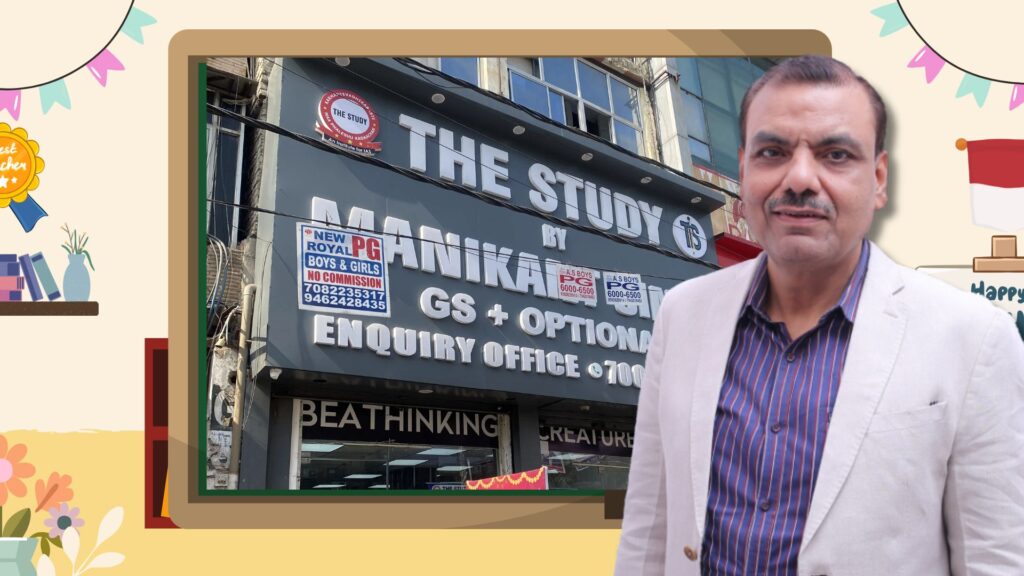
Manikant sir (The Study IAS)

Manikant Singh is an experienced educator who offers a wider range of lectures which focuses on core subjects for competitive exams like SSC CGL. His strong fundamental pursuit of General Studies, especially History which is beneficial for the aspirants. The Study IAS offers both offline and online platforms for students to access all the available resources for the exam. 

Students are showing good response because of his teaching style to explain each concept with clarity through his experience. His strong potential to provide strategic requirements for the preparation of SSC CGL exam is helpful. 

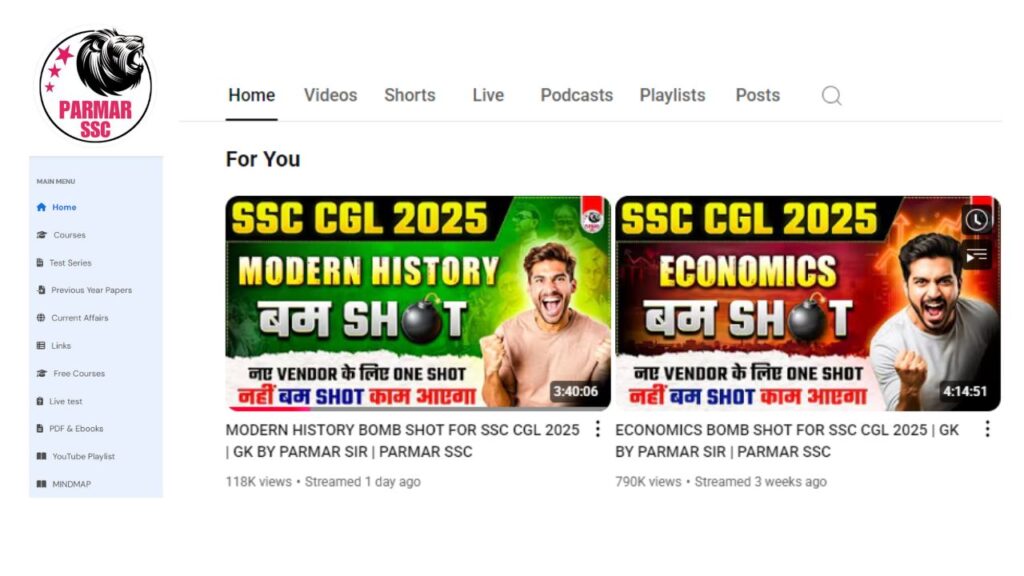
Parmar Sir (Parmar SSC)

Parman sir is highly recommended by most of the former students who have appeared in SSC CGL exam. His experienced knowledge of General Studies is basically providing the core content that is relevant to this competitive exam. His teaching style is different and also offers a variety of courses and test series through Youtube channel and Parmar Academy. 

The course is specifically designed to cover subjects like Basic GK, History, Polity, Geography, and Science. His content is focused on strategic preparation by analyzing and solving previous year’s questions.  Students can learn every core topic in both languages (Hindi & English).

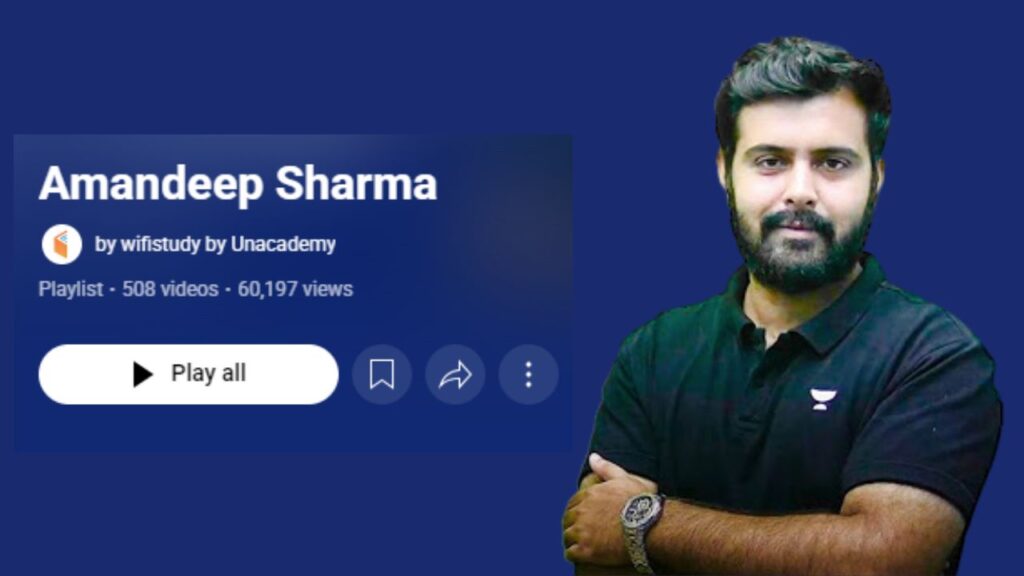
Amandeep Sharma 

Amandeep Sharma specializes in General Studies and provides online education though learning platforms like Unacademy and Testbook. He is also known for his teaching ability to make complex problems easily understandable for the students through previous year questions technique and explanation style. 

He has more than 5 years experience teaching over 100,000 students for many competitive exams, especially SSC CGL. Some of his lectures are also available on Youtube where students can start preparing for SSC CGL. 

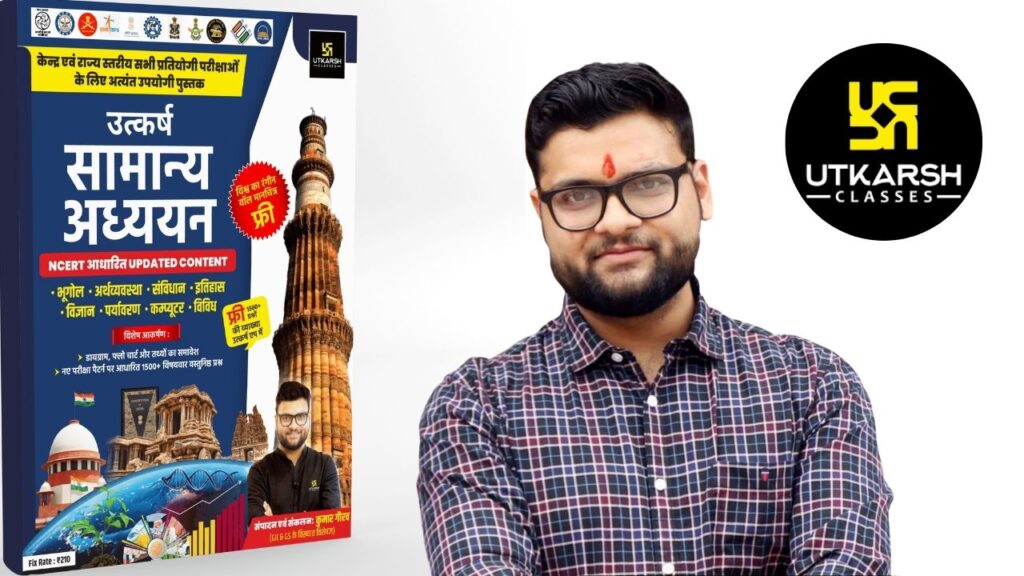
Gaurav Kumar by Utkarsh

Gaurav Kumar is a General Studies educator who focuses on current affairs as well to provide every topic detailed explanation for SSC aspirants. He is providing online classes focused on topics such as history, geography, polity, static GK, and basic science, integrating them with current affairs. Ideal for students who want to cover every topic with deeper knowledge and relevant current events. 

His engaging style often uses storytelling, mnemonics, and unique examples to make learning more easier. Classes are both free & paid through Utkarsh Classes app and on youtube. 

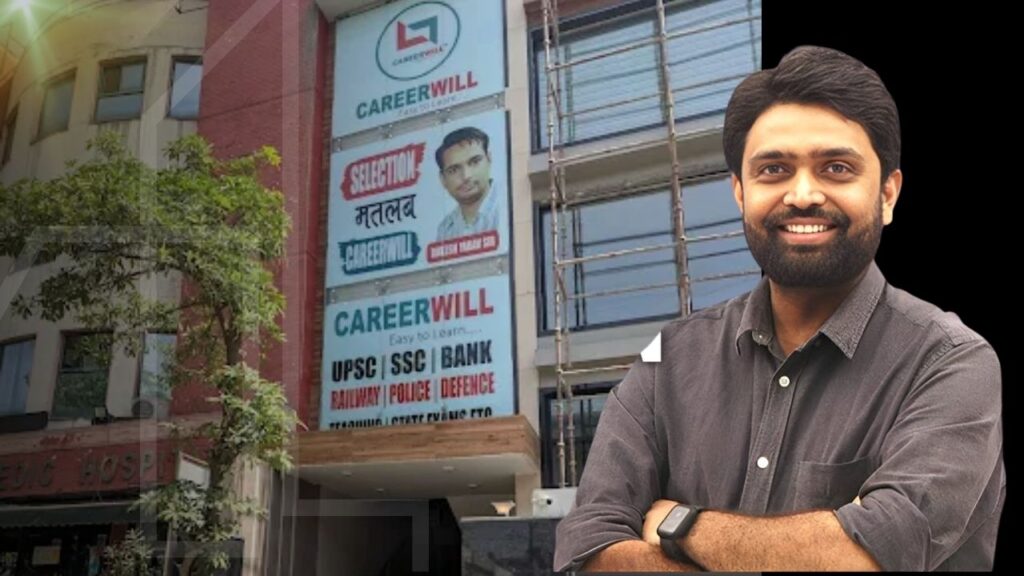
Abhishek Suman by Careerwill

Abhishek Suman is an online educator with proficient knowledge of General Studies to prepare students for competitive exams like SSC CGL. His history lessons are not boring, this unique ability makes him the best history teacher. He covers variety of topics which comes in a question paper including Polity, Static GK, and modern and ancient history. 

Students who want to study with detailed explanations for each topic can consider taking his lessons. He is teaching on Careerwill and also prepares previous year questions for helping students to simplify the complex topics with a vast range of GK syllabus.

Smart Preparation Strategy and Time Management

You can’t just read every topic in GS, you need to prepare strategically. Just remember these factors while learning:

Weightage of the section: check previous year’s papers to analyze questions and which topic has covered up more. While Polity and Static GK has come more often and covers vast areas of the section.

Focus on Concepts: don’t just rote learning, understanding each concept will help remember for a long time.

Make Short Notes: Short notes, bullet points, and charts are helpful to remember and in quick revision.

Daily revision: Take 20-40 minutes extra for revising everything you have studied. 

PYQ’s Practice: practice makes a man perfect, applies on the competitive exam, solving previous year questions will help you analyze how much you understand the topic.

Time Management: you have to divide your time accordingly for all topics and give extra time to your weak concepts.

TeacherSpecialty SubjectTeaching StyleAssociated PlatformBest For
Khan SirGeneral Studies (All Subjects)Explains complex concepts with real-world examples.Khan Global Studies (KGS)Comprehensive preparation, conceptual clarity.
Manikant SirHistoryStrong conceptual focus, detailed lectures.The Study IASIn-depth historical knowledge.
Parmar SirGeneral KnowledgeExam-oriented, focus on previous year questions.Parmar SSC (YouTube & Academy)Quick and focused preparation.
Amandeep SharmaGeneral Studies, General SciencePYQ-based, simplifies complex topics.Unacademy, TestbookEasy understanding, exam-oriented clarity.
Gaurav KumarCurrent Affairs, Static GKEngaging style, uses mnemonics.Utkarsh ClassesDaily current affairs + static GK.
Abhishek SumanHistory, PolityDetailed and explanatory teaching.CareerwillIn-depth study of history and polity.

Conclusion

General Studies is an important section of SSC CGL exam paper which students have to prepare. But it’s hard to prepare without a mentor. These Best GS Teachers for SSC CGL are delivering each topic in detail with a unique way of teaching to help you beat the competition.

RRB ALP Syllabus 2025: CBT‑1, CBT‑2 & CBAT Exam Topics

RRB ALP Syllabus 2025: CBT‑1, CBT‑2 & CBAT Exam Topics

Candidates who wish to crack this exam should understand the complete RRB ALP Syllabus 2025 to stay first step ahead. Knowing the crucial topic will help you to focus on smart preparation and beat the competition. Assistant Loco Pilot is a competitive exam by RRB for job recruitment in the Indian Railway sector.

RRB ALP Exam Pattern 2025

FeaturesCBT 1CBT 2 – Part ACBT 2 – Part B
Duration60 min90 min60 min
Total number of Questions7510075 
SubjectsMathematics, Reasoning, General Science, and Current AffairsMathematics, Reasoning, Science, Basic EngineeringPost-specific question ( based on selected postQualifying minimum marks 35%
Negative MarkingYes, 1/3rd marks deducted for wrong answer

RRB ALP Syllabus 2025: Detailed Section-Wise Exam Topics

CBT 1 Syllabus 2025: Topic-Wise

MathematicsNumber System: Natural numbers, whole, integer, rational & irrational
Bodmas: Application of order, Power, roots, division, multiplication, add, sub
Decimal & Fraction: Operations, Conversion, Comparison, Simplification
LCM & HCF: including word problem
Ratio and Proportion: Calculation, application in problem-solving
Percentage: Increase & decrease of percentage, various contexts
Mensuration: Measurement of Areas and volume, and geometric shapes
Time, Work & Distance: Speed, distance, time work done, relative speed, average speed
Profit and Loss: cost price, selling price, profit, loss, discount
Algebra: Basic algebraic operations, linear equations and quadratic
Simple and Compound Interest:principal, rate, and time for both simple and compound
Geometry and Trigonometry: geometric figures, angles, triangles, circles, trigonometric ratios
Statistics: Mean, median, mode
Square Root, Age Calculations
Reasoning & General IntelligenceAnalogies: identifying and figuring out  relationships between pairs of words, numbers
Alphabetical and Number Series: Recognize patterns in sequences
Coding and Decoding: Decode messages or words based on a given pattern
Mathematical Operations: basic mathematical rules or operations to numbers, letters
Relationships: identifying relationships from given information.
Syllogism: analyzing the statements and deduce logical theory
Jumbling: Rearrange jumbled words or sentences 
Venn Diagram: Use Venn diagrams to solve set relations, and logical grouping.
Data Interpretation and Sufficiency: Analyze and interpret data presented in various forms (tables, charts, etc.)
Conclusions and Decision Making: Draw valid conclusions from given statements or given information in the statements
Similarities and Differences: examine the similarity and difference  among words, numbers,
Analytical Reasoning: Solve complex logical problems involving patterns and sequences
Classification, Directions, Statement: Arguments & assumptions
General SciencePhysics: Concepts of motion, speed, velocity, Laws of Motion and Force, Work, Power, Energy, Heat & TemperatureLight: Reflection, RefractionSound, Electricity, Magnetism, Simple Machines, atmospheric pressure
Chemistry: Elements, Compounds, chemical bonding, atomic structure, acid, base, salts, metals & non-metals, Periodic Table, Environment Chemistry, Water Properties
Biology: Human body systems & functions, photosynthesis, reproduction, microorganism, nutrition & Health, Reproduction, Basics of genetics
General AwarenessCurrents Affairs: day-to-day national & International topics, 
Science & Technologies: latest discoveries, innovations Sports: tournaments, related news
Culture: heritage of India
Strong Personalities: political leaders, richest man
Economic: Policies, global economy, surveysPolitics,
Awards, Art & Culture and Government Schemes

CBT 2 (Part – A) Syllabus 

The CBT 2 Part A questions contained mostly the topics of CBT 1 syllabus. The slight difference in CBT 2 Part A is more advanced concepts on the same topics and more number of questions in the examination. It requires more effort and time on each section: Mathematics, Reasoning, General Awareness, General Science. 

CBT 2 (Part B) – Post-Specific Syllabus

This section involves the post specific test which is required in the field of choosing by the candidates at the time of registration. Some popular posts mentioned below and their key topics to cover in the CBT 2 Part B exam. Make sure you study from your ITI Trade books and NCVT curriculum for this part-

ElectricalElectrical Instrument, Refrigeration, Mechanic
Mechanical EngineeringFitter, Turner, maintenance, Refrigerator
Mechanic (Motor/Diesel)Tractor Mechanic, Heat Engine, Air-conditioning
Electronics MechanicalRadio and TV, Electronic Mechanic

CBAT – Computer-Based Aptitude Test (For ALP Only)

After clearing CBT 2 candidates will reach the next stage of CBAT. No negative marking in this test but require at least 42 marks in each test battery to clear out the exam. Focusing on exam syllabus and exam pattern will help you to beat this competition among lakhs of candidates. Your final merit for ALP will be based 70% on CBT 2 Part A + 30% on CBAT.

Conclusion 

To secure a government job you must study hard and stay focused on the preparation. The exam pattern and syllabus topic help you to learn strategy wise. The RRB ALP 2025 syllabus might look vast, but with smart planning and consistent efforts, you can master it. Keep practicing the aptitude question on each section and stay updated with Current Affairs.

BCA vs BTech – Which Course Offers Better Career Opportunities in 2025?

BCA vs BTech 

Among the first questions that a prospective student aiming for a career in the field of technology wants to know is which option is better BCA vs BTech. While they are not the same in terms of learning format, technical detail, and career trajectory, both degrees lead to great jobs in software and IT. BTech vs BCA where BTech is more focused on engineering principles, hardware systems, and complex programming whereas BCA focuses more on applications development, software and other IT tools. 

In 2025, the tech industry is evolving faster than ever, with cybersecurity, data science, and artificial intelligence leading the charge. Because of this, it is important to know how these two courses complement each other with respect to your goals. The following comparison will help you to ascertain whether BCA or BTech is the best route for kickstarting your dream career, be it for rushing straight into the IT field with hands-on application or pursuing core engineering roles with advanced specialization. 

BCA & BTech Course Learning Approach

ParameterBCABTech
Duration3 years4 years
FocusSoftware application & IT toolsEngineering in both software & hardware development, operating systems
CurriculumCoding, website/application development, DBMS, practical projectsAlgorithms & data structures, maths, hardware, Coding
DepthApplication & programmingIn depth technical & engineering involve programming
FlexibilityRegular or Often available onlineMainly available offline (online BTech degree doesn’t have any value)
Feeaffordable for many students (approx 3 lakh – 4 lakh)Higher (approx. 8 lakh – 10 lakh)
EligibilityQualified 12th with from any stream but some colleges required mathsQualified 12th in science with math as a mandatory subject
Admission ProcessMerit-based entrance (some colleges need entrance test)Entrance test (JEE Main, CET, other) score is required for the admission

BCA is a practical course and is best suited for those who want to make a quick entry into the world of software. BTech gives you deep technical and engineering knowledge for specialised roles, and a wider technology career. 

Industry Demand After the Course

Both degrees are highly demanded in 2025 because they hold knowledge of advanced technology. Candidates who want to enter the tech field can prefer to have any one of the degrees as per their future goals but they lead to different types of roles and levels of specialization.

BCA Career Options

  • Software (Web/App) Developer, 
  • Network Administrator
  • Database Administrator
  • IT Support
  • Cybersecurity Analyst
  • Digital Marketer

Candidates can upskill while pursuing the degree with other valuable certificates like Google, AWS, IBM. IT companies, startups, web & app firms, digital agencies, government IT departments look forward first to the candidates who hold upskill certificates.

BTech Career Options

  • Software Engineer
  • Data Scientist
  • System Architect
  • Network and security engineer
  • AI/ML Engineer
  • R&D and core engineering roles

BTech students get hired through placement in top companies like TCS, Infosys, Wipro from India’s best colleges. Other tech companies also hired BTech students who have passed with good scores and clear interview sessions.

BTech allows you to go for core, technical and high end jobs and BCA is good for entry level jobs in software, IT and application fields. Specialized and senior roles generally choose BTech holders, but you can grow with time if you are an ambitious BCA graduate with some certifications or MCA degree. 

Read More :- RRB NTPC 2025 Exam – Application Dates, Eligibility & Vacancy Details

Salary Difference in BCA vs BTech

DegreeStarting SalaryHigher End
BCA₹2–8 LPAUp to ₹10 LPA
BTech₹4–9 LPAUp to ₹20 LPA

Especially from top-notch universities or in technical role, BTech students get better pay starting point and better growth in salary. The market seems to clearly favour BTech at the junior and mid level, but BCA holders can bridge the gap by way of additional study (MCA) and relevant certifications. 

Technical Depth & Industry Alignment

AspectBCABTech
Programmingmostly coding for softwareAdvanced programming, plus theory and engineering in both software & hardware
HardwareLimited to noneIn-depth (circuits, architecture, hardware)
MathModerate levelHigh level
AI/ML, Data ScienceBasic introduction in some collegesMandatory, core to the topic
Projectacademic projectsRegular labs, real-world projects, mandatory major project
InternshipOptional (applicable in some colleges)Usually mandatory for industry exposure

Eligibility and Career Growth 

Most of the students can afford BCA and it is available in a wider range, so it’s easy to access this degree. No difficult exams have to pass to get the admission. It is a better option for students who are weaker in maths and they can get quick entry in the job market as it finishes in three years.

Students who want a higher starting salary and they can afford a higher cost of the degree. But they must pass highly competitive exams to get the admission for four years course as it is valued for core technical and leadership tracks.

Both degrees allow for further studies:

BCA → MCA, MBA, MSc

BTech → Masters, MS, PhD for Research, MBA (Digital Marketing)

Which Degree Offers Better Career Opportunities?

Eventually, BTech has more broad, profound and lucrative prospects, especially for people who wish to become leaders in engineering and core technology, R&D or specialized areas.

BCA is an excellent option for the students who want to make a career in software and IT industry and earn full quick entry in the industry at affordable practical education. It is suitable for application developers, IT support, and those who intend to taking up an MCA or MBA in future owing to its three year duration, ease of enhancement in form of certifications and focus on practical knowledge. 

Conclusion

BTech, on the other hand, still offers better career options in the long run, better salary prospects and a possibility of more options of technical specialization. That said, for students who prioritized affordability, speed in entering the workforce, or niche IT/application roles. BCA remains a sensible pick. Think about your strengths and long-term goals, your time and financial investment, and your interest and ability in core engineering vs. applied software. If both degrees were done with determination and continued education along with adaptability in the fast paced tech world, they can both lead to successful careers. 

Scroll to Top