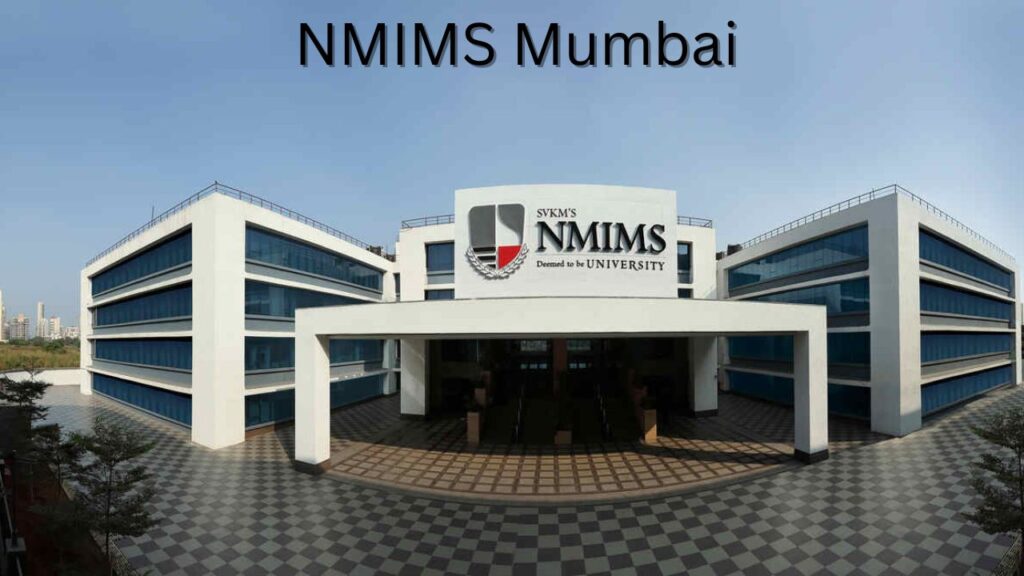
10 Best IIT College to Target for Engineering Success in 2025

The Indian Institutions of Technology (IITs) are top institutes to provide advanced education in technology, business, and research to produce the country’s most world-class scientists, engineers, and technologists. These 10 Best IIT Colleges are best for engineering after Intermediate. Choosing IIT for your higher education is an excellent option for your career scope. 

It provides you the chance to get selected in the top IT companies. Millions of students are preparing hard to secure a seat in IIT to make their future divine. 

IIT was established in 1951 in Kharagpur by the Indian Government, now there are a total of 23 institutes all over India. Students who do not want to study in just engineering college but want an environment like innovation hubs for developing more critical thinking. IITs provide their students with real-world problems and a chance to contribute to society through research, entrepreneurship, and leadership.

10 Best IIT College to Target for Engineering

These institutes are marvelously distributing education to produce engineers. The Top 10 ranked IIT institutes are below for providing education consistently in Engineering, Technology, and Business.

IIT Madras
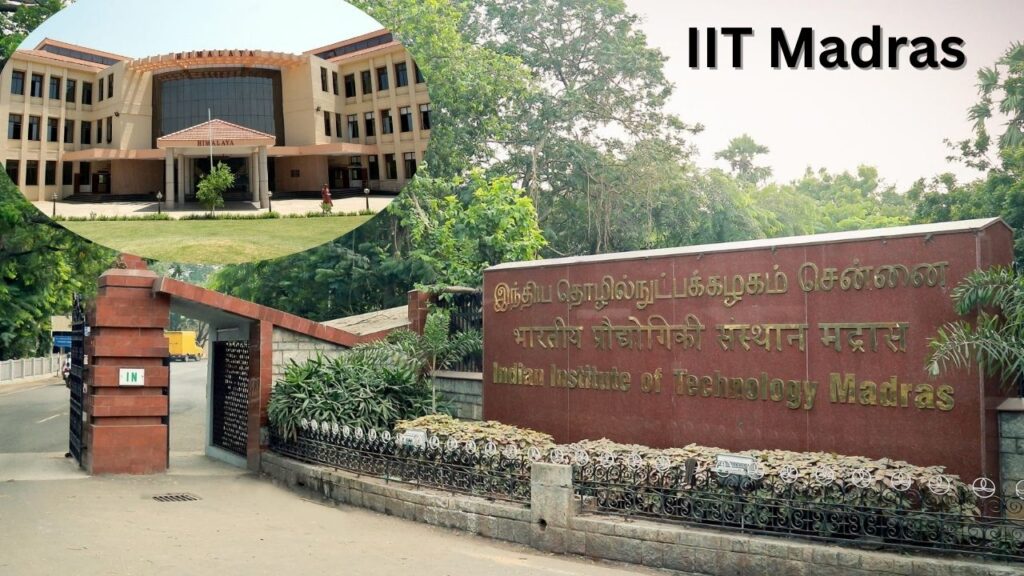
Top IIT college for engineering in Chennai, Tamil Nadu. Best institute for providing engineering courses. If you want to study at IIT Madras, good option! Clear out the entrance exam for admission. Students are selected for jobs with high pay because they also tie up with large companies to solve their problems.

IIT Delhi
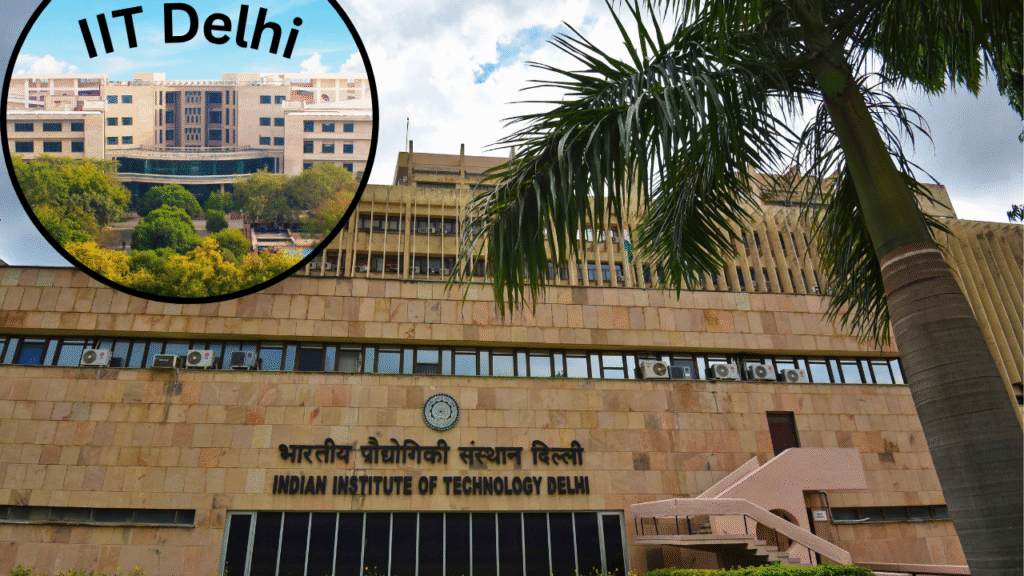
IIT Delhi

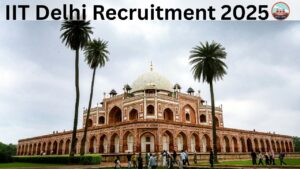
IIT Delhi is highly ranked nationally and internationally, with institutes having vibrant students from all over India. It is a highly respected institute for providing top-level education for millions of students.

IIT Bombay
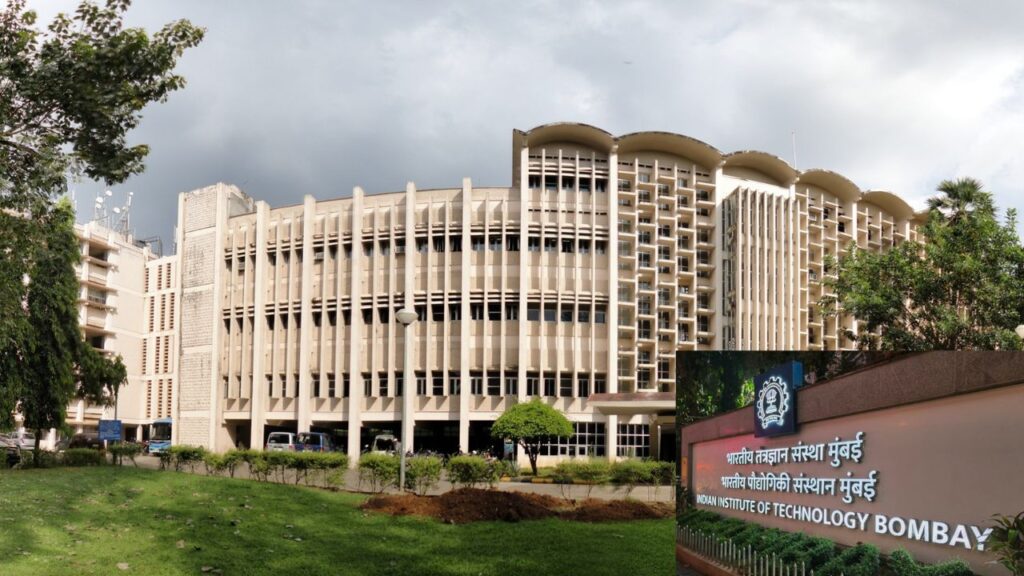
IIT Bombay is also an old institute and has a good reputation across the world. The old institute has a very good ranking all over the world as it provides various engineering disciplines such as Aerospace, Chemical, Civil, Computer, Electrical, and more. It provides students a chance to grow around establishing an environment of research and innovation.

IIT Kanpur
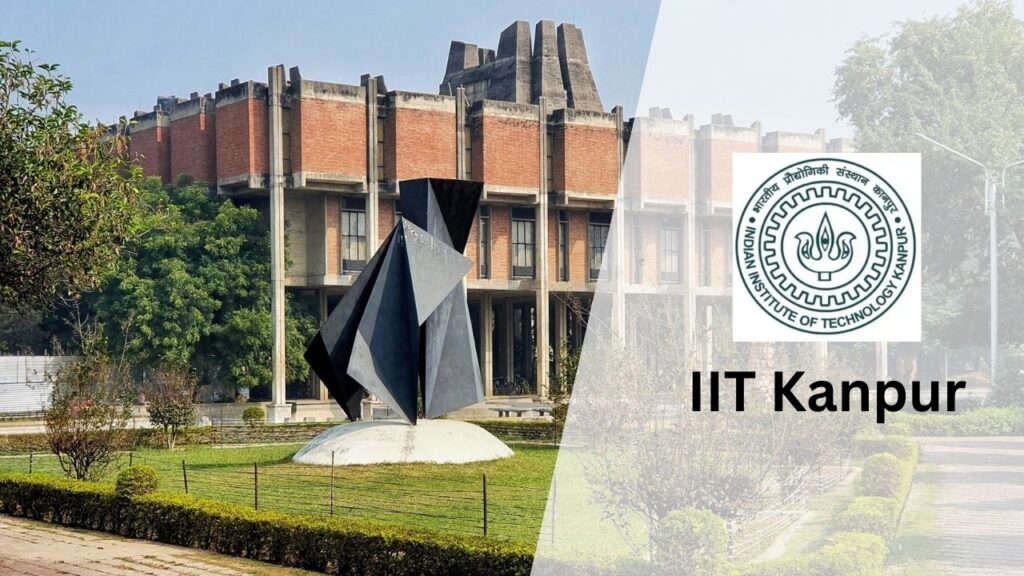
IIT Kanpur started in a small room at Harcourt Butler Technological Institute in Kanpur and later moved on to a large campus which you can see currently. This is the first institute among IITs that started to offer computer science education to their students for advanced technology demand. 

IIT Kharagpur
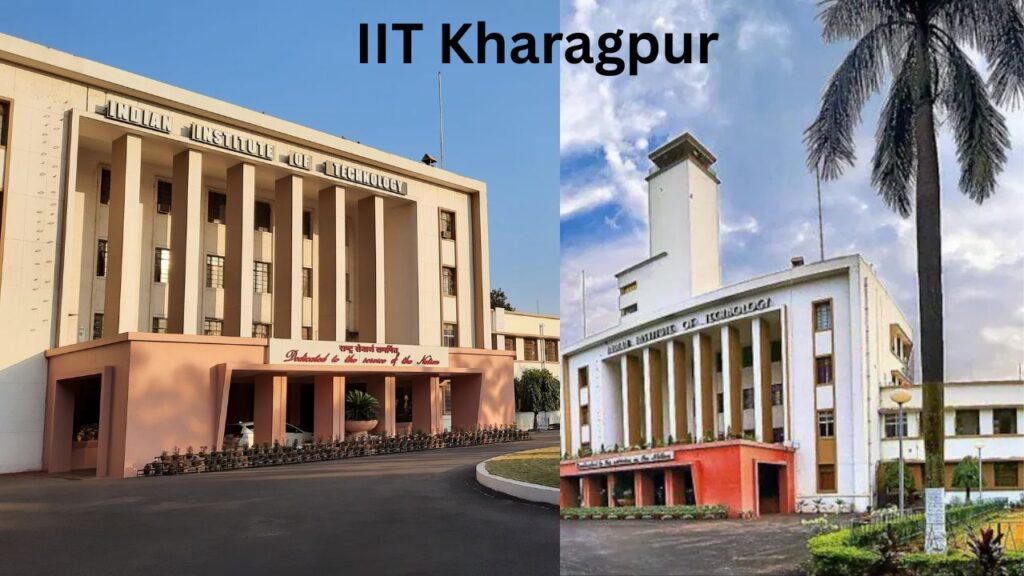
This institute holds a special status of National Importance for its academic programs and rich history. This was built after World War 2, and since then it has been developing and maintaining its education qualification. Notable Alumni of IIT Kharagpur like Kejriwal and Vinod Gupta.

IIT Roorkee
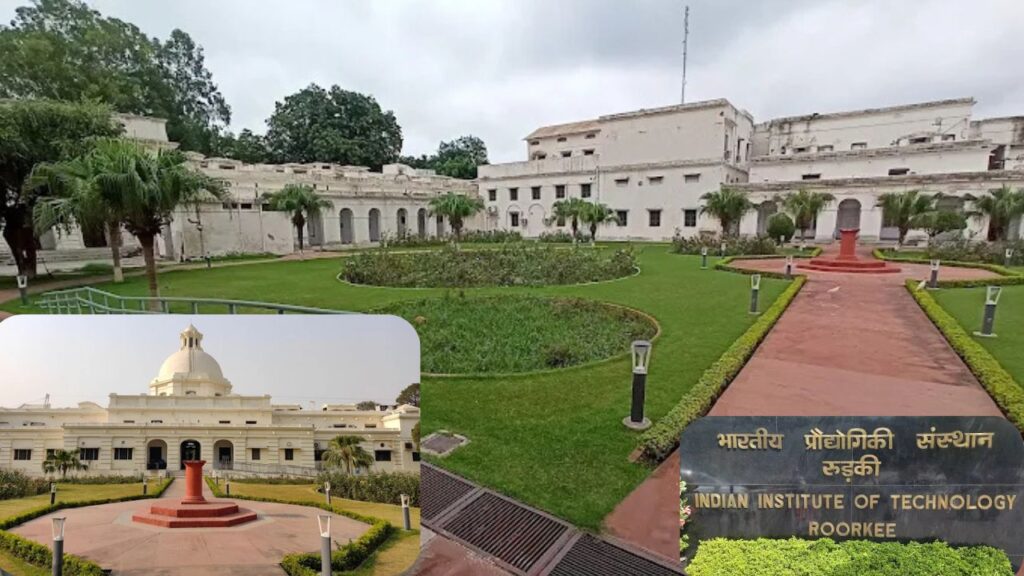
This institute has 22 departments that include education in engineering, applied science, and management. IIT Roorkee is the best option for students who want to command in their engineering subjects.

IIT Guwahati
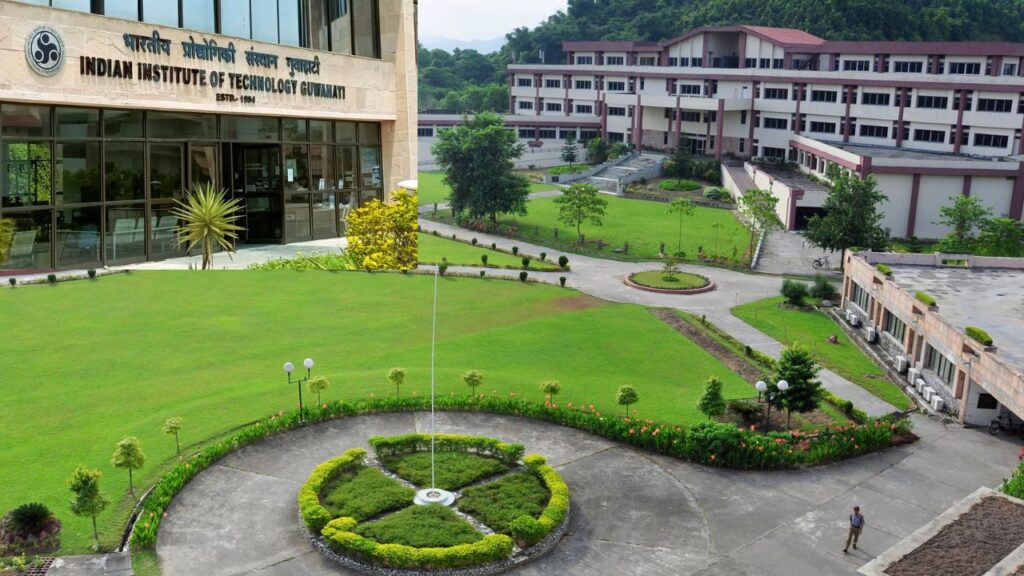
This institute is also one of the best IIT institutes that provides programs like nanotechnology, biotechnology, and artificial intelligence. Students can build a strong foundation in these fields in this institute.

IIT Hyderabad
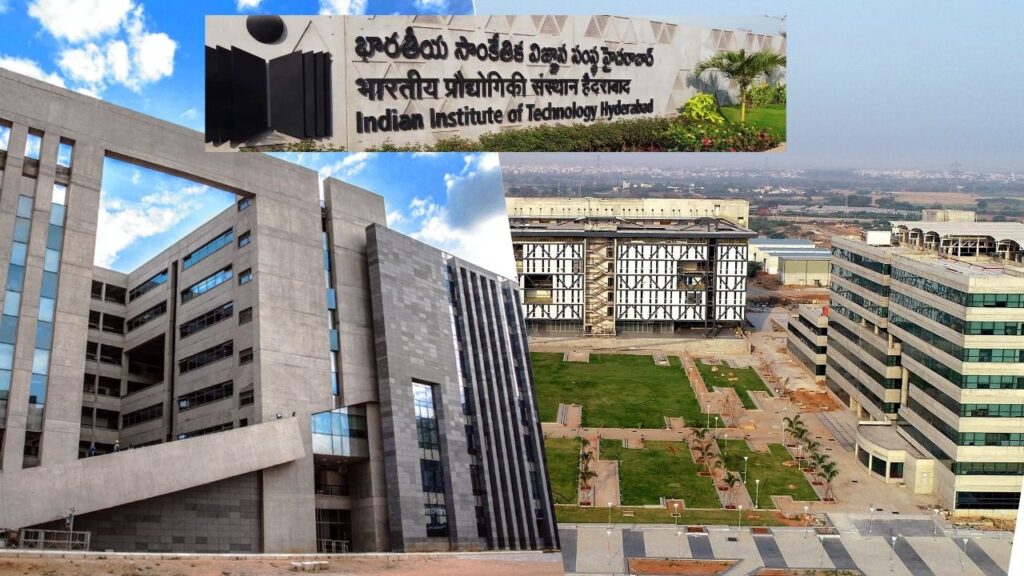
IIT Hyderabad is highly strong on programs in science, technology, and humanities. It offers engineering with real-world concepts to provide students to think logically and innovate things.

IIT Varanasi
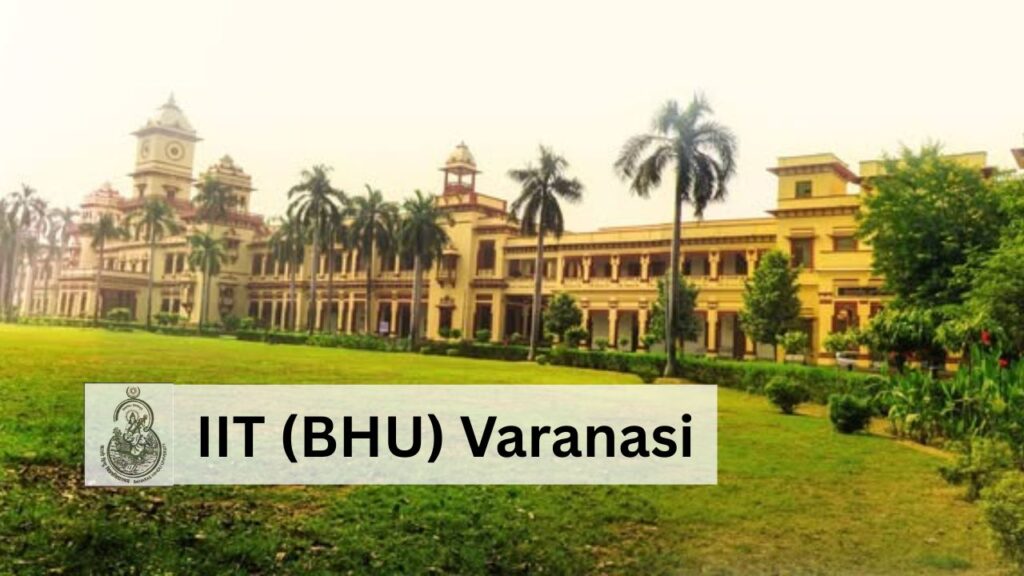
IIT BHU: It was founded in 1919 as Benares Engineering College (BHU), Varanasi students mostly wanted to study in this college because of their advanced educational concepts for engineering students.

IIT ISM Dhanbad
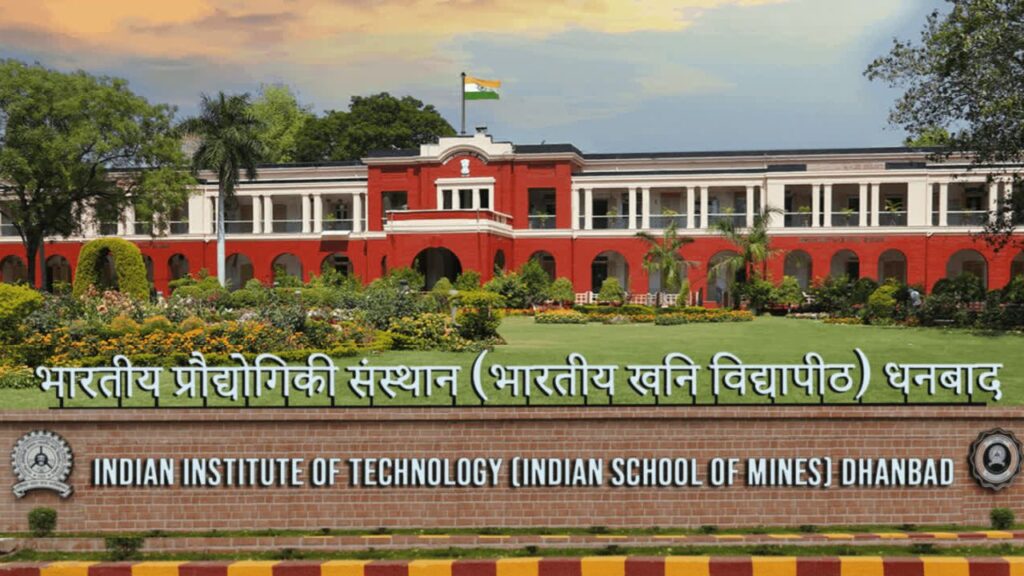
IIT ISM Dhanbad expanded its academic programs like petroleum engineering, applied geophysics, and electronics engineering. Students with high skills and abilities can go to IIT College to enter the industry.

NIRF Rank Name of IIT Location
1IIT MadrasChennai, TN
2IIT DelhiNew Delhi
3IIT BombayMumbai
4IIT KanpurKanpur
5IIT-KharagpurKharagpur, WB
6IIT RoorkeeRoorkee, UK
7IIT-GuwahatiGuwahati, AS
8IIT HyderabadHyderabad 
9IIT VaranasiVaranasi
10IIT ISM DhanbadDhanbad, JH

Courses Offered at IITs

B.Tech: It is a 4 years professional program with specializations such as Mechanical, Civil, Computer Science, Electrical, and more. 

Dual Degree: This offers B.Tech + M.Tech, a total 5-year integrated program, containing both UG and PG degrees.

B.Sc, B.Des, B.Arch: IITs offer bachelor’s programs in science, design, and architecture. Students can have a degree for the best career opportunities.

M.Tech: Students who already have a B.tech or BCA degree can acquire a professional degree in technology.

M.Sc, M.Des, MBA: These are the master’s programs, students who already have graduated in science, design, or business programs can apply for these courses.

PhD: Doctoral research program, this degree holds value in many areas like engineering, science, humanities, and social sciences.

Who Studies at IITs?

Students belonging to urban, and rural, and from abroad come to study here as they have the potential to qualify for entrance and get admission here. Their hard work is making them unite under the passion for science, technology, and innovation. 

IITs are selected through the JEE Advanced exam, this entrance test is hard and includes questions from basic academic, logical thinking, analytical, and perseverance. IIT alumni are today’s top scientists, entrepreneurs, CEOs, professors, and policymakers, leaders.

Read More 👉 Top High Salary Courses After 12th Science PCM You Must Know in 2025

10 Best IITs Campus Life Beyond Academics

The best facilities are provided to the students at IIT, and the community supports innovation and technology. From Coding to AI, dancing and debates. There is something for every field of students. 

Some technical festivals like IIT Bombay’s Techfest, and Delhi’s Tryst are organized by IITians. Also, sports competitions can provide a focus on physical fitness. Entrepreneurship cells that support start-ups by the IITians related to any field.

Why Choosing IT For UG & PG Programs?

Excellent education involves strong building concepts on real-world problems. Research chances for practical learning, enhance the ability to think out of the box and deliver the best solutions. 

The worldwide value of IIT, you can get a placement in big tech companies like Infosys, Cognizant, Wipro, and many more. 

Conclusion

10 Best IIT Colleges to Target for Engineering to secure your chance to work in large companies. IITians can get jobs in multinational and international companies. Students who want to establish their careers as engineers can pursue courses like B.Tech, M.Tech, Or integrated programs with a strong innovative environment for mind growth.
Leave a Comment

Your email address will not be published. Required fields are marked *

UPSSSC PET Syllabus 2026 PDF: Subject-wise Topics & Exam Pattern

UPSSSC PET Syllabus

If you are among the lakhs of aspirants who are going to appear in the UPSSSC PET Syllabus 2026 exam, you are already aware of the procedure — this exam is the filter. Clear it and a plethora of Group B and Group C government jobs in Uttar Pradesh awaits you. If you fail to clear it, and none of those Mains exams even become an option. 

This is why having a proper understanding of the syllabus From day one is more important than just diving in and doing some random practice sets. 

So, let’s analyze the UPSSSC PET Syllabus 2026. What is asked in the exam, marks distribution of each section and how you should prepare to crack the exam. 

What Exactly Is UPSSSC PET?

UPSSSC PET refers to the Preliminary Eligibility Test, which is organized by the Uttar Pradesh Subordinate Services Selection Commission. Think of it less as a “final” recruitment test and more as a preliminary screen. 

It’s compulsory — you cannot even fill out the application form without a valid PET scorecard. If you pass the PET test, your score is good for three years, so you can use it to apply for multiple positions during that period without having to retake the test. 

The examination is offline on pen and paper using OMR sheet and it is for basic level aptitude and general awareness and not for anything very technical or domain specific. 

Exam Pattern: The Numbers You Need to Know

Before diving into subjects, it helps to understand the shape of the paper:

FeatureDetails
Total questions100
Total marks100 (1 mark per question)
Duration2 hours
Negative marking0.25 marks deducted for every wrong answer
Question typeObjective, multiple-choice with four options

That quarter of a mark negative marking is worth remembering — guessing blindly can damage your score, so accuracy is as important as speed here. 

Subject-Wise Breakdown

The UPSSSC PET Syllabus is spread across roughly 15 sections, each with a fixed number of questions and marks. Here’s how it typically looks:

Indian History & Indian National Movement (5 questions, 5 marks each — 10 total) This spans a broad history, including the Indus Valley Civilization, Vedic culture, Jainism/ Buddhism, and leaves off at the Maurya, Gupta, Mughal dynasties and the freedom struggle. Questions on the Swadeshi Movement, Civil Disobedience Movement and the rise of revolutionary nationalism, the Quit India Movement, personalities like Netaji Subhash Chandra Bose and the Azad Hind Fauj. 

Geography (5 questions, 5 marks) Topography of India and the world, lakes and rivers and their valleys, underground water, Himalayas, deserts, minerals, political mapping, weather conditions, India Times, and population trends and movements of people. 

Indian Economy (5 questions, 5 marks) This is a narrative of India’s economic path from 1947 to 1991 and thereafter — the Five-Year Plans, the mixed economy model, the green revolution, bank nationalization, the 1991 economic reforms, and more recently GST and post-2014 structural/sector reforms. 

Indian Constitution & Public Administration (5 questions, 5 marks) The Fundamental Rights and Duties, Directive Principles, parliamentary and federal system, relations between the Union and the States, the judiciary, and local government through Panchayati Raj institutions. 

General Science (5 questions, 5 marks) Basic Physics, Chemistry, and Biology — roughly at a Class 12 difficulty level, so nothing too advanced, but you do need conceptual clarity.

Elementary Arithmetic (5 questions, 5 marks) Integers, percentages, basic calculations, square and cube roots, powers, means and such basic and general topics in math. 

General Hindi (5 questions, 5 marks) Grammar-related — synonyms, antonyms, one-word substitutions, gender differentiation, homophones, idioms, and proverbs, frequent mistakes, and quizzes on famous writers and their productions. 

General English (5 questions, 5 marks) Basic grammar rules along with an unseen passage to test comprehension.

Logical Reasoning (5 questions, 5 marks) A fairly mixed bag — blood relations, coding-decoding, number series, syllogisms, venn diagrams, direction sense, puzzles, statement-conclusion questions, and hysteresis. .

Current Affairs (10 questions, 10 marks) World and national events — that’s where being on top of the recent news really serves you well. 

General Awareness (10 questions, 10 marks) A miscellany of neighboring countries, capitals and currencies, Indian states and UTs, national and international day, sports, art and culture, awards, famous books and authors and environment related issues. 

Hindi Unseen Passages (10 questions, 10 marks) Two comprehension passages in Hindi to test reading and interpretation skills.

Graph Interpretation (10 questions, 10 marks) Two graphs, testing your ability to read and analyze data quickly.

Table Interpretation (10 questions, 10 marks) Similar to graph analysis, but with tabular data instead.

The following three sections — passages in Hindi, graphs and tables — carry 30 marks in total. That’s almost a third of your total marks, and it’s often the section that candidates underestimate the most. 

Read More 👉 Best BTech Colleges in Lucknow: Fees, Placements, and Admission Reality for 2026

How to Approach Your Preparation

Considering how dispersed this syllabus is, trying to learn everything at the last minute is just not going to cut it. A better way to think about this is to think of this as a marathon, not a sprint: 

  • Prioritize the data interpretation sections. As graphs, tables and Hindi passages are for 30 marks, regular practice in this section can give you an advantage over other candidates who concentrate only on GK. 
  • Don’t skip static GK for the sake of current affairs. History, geography, economy, and polity constitute 20 marks, and these topics remain static — once you study them thoroughly, they are yours forever. 
  • Revise Hindi grammar rules actively. Many candidates, especially those confident in Hindi, tend to get careless here. Small grammatical nuances trip people up more often than expected.
  • Practice with a timer. Two hours for 100 questions sounds comfortable, but data interpretation and comprehension sections eat up time fast if you’re not used to them.
  • Use previous year papers. They’re one of the best ways to understand the actual difficulty level and question framing, rather than relying purely on assumptions about what “might” come.

Read More 👉 IBPS PO MT XVI Recruitment 2026: What Every Banking Aspirant Needs to Know

Conclusion

The UPSSSC PET Syllabus isn’t designed to be intimidating — it’s designed to test whether you have a well-rounded, functional understanding of general knowledge, basic aptitude, and language skills. The trick isn’t studying harder in isolation; it’s studying smart, giving weight to sections based on their actual mark share, and revising consistently rather than in bursts.

Leave a Comment

Your email address will not be published. Required fields are marked *

Top 10 MCA Colleges in Bangalore – Best Picks for 2025

MCA colleges in Bangalore

If you’re planning to pursue MCA and are confused about the colleges that offer MCA programs with top education. Check out the top 10 MCA Colleges in Bangalore, and know their fee and specialty to clear out your confusion. You can get more confused with more options. There are a lot of institutions making big promises, and choosing the right college isn’t easy. I have put together a genuine list of the top MCA colleges to help you make a practical and informed decision. 

Top 10 MCA Colleges in Bangalore – Updated for 2025

You can get to know the top-tier colleges in Bangalore that have great reputations and genuine placement offers. Their records of placement are high in the past and offer an academic environment. Their fees are high but worth it for your stable career.

1. New Horizon College of Engineering 

The NHCE is affiliated with AICTE and UGC which offers MCA programs to the students who want to establish their career in tech. The education provides strong industry concepts. MCA toppers who scored in PGCET or KCET can get a 50% scholarship. If you want to study in this college then prepare well for the entrance exam. MCA fee is around 2-4 lakh annually. This college got an A from NAAC. It offers a strong placement package with Rs. 7-8 LPA from top companies like TCS, Wipro, and Cognizant.

2. RV College of Engineering

RV College offers an MCA program for around Rs. 1.2 lakhs per year (gov quota). Students who get admission through management quota, a fee of 4.5 lakhs annually. Admission through PGCET and KMAT for non-Karnataka candidates. The average placement package is around Rs. 5–8 LPA. 

3. Christ University, Bengaluru

Christ University is a top-tier college, A+ accredited by NAAC. This university offers an MCA program of around Rs. 4.6 lakhs. By clearing their entrance exam, shortlisted candidates will go to the assessment round. The college rules are strict to train their students industry-ready. It offers placement packages with 5-6 LPA by top companies like Amazon, Deloitte, and Google.

4. Presidency College

It is a fully private college, ideal for those who want direct placement after MCA. 90% of students get placement with an average package of 8 LPA. The MCA fee for this college is about 3-4 lakhs for 2 years. Admission through PGCET/KMAT or entrance exam. It is the best option for UG students who want an MCA degree for their career growth. It offers strong faculty support and soft-skills training.

5. Kristu Jayanti College 

This college is a good choice for an MCA program. Students can get their MCA degree with a Rs. 1.8–2.20 lakh fee. The ranking of this college is A++ accredited by NAAC. Top #2 universities in Bangalore offer smart classrooms, auditoriums, libraries, and hostels. To get admission to this university, you must clear KMAT or PGCET and then Interview. Top recruiters including IBM, Capgemini, and Morgan offer an average package of 4–5 LPA.

6. PES University 

UG students who want to study in PES’s MCA program if they want direct placement in MNCs. The fee is Rs. 3.5 – 4 lakhs for 2 years. To get admission to this university, clear the entrance exam, and then interview. PES university students get an average placement package for 6-12 LPA from companies like Amazon, TCS, and Cognizant.

Also Read: Government Job vs Private Job: Which Career Offers a Better Future in 2025?

7. Mount Carmel College 

It got an A+ from NAAC, and Mount Carmel College offers an MCA program. To get admission in this course you must clear the entrance exam and then interview. It offers a placement package of 4 LPA by the top tech companies. MCA fee is 2-3 lakhs in Mount Carmel College. 

8. M. S. Ramaiah Institute of Technology 

This college got an A accredited by NAAC. Total tuition fee is around 4.9 lakh for 2 years. Admission through entrance tests like PGCET/KMAT, counseling, and fee submission. This university does not offer direct admission. It offers placement packages from companies like Wipro and Infosys of 6-8 LPA. 

9. CMR Institute of Technology 

This is one of the top engineering colleges in Bangalore, accredited by NAAC A++. CMRIT offers a 3-year MCA program at a fee of Rs. 9-11 lakhs. The admission process happens via PGCET or KMAT scores. So, the merit list will decide your admission to this college. After that, the counselling process for every candidate happens at VTU. The placement package is 6.24 LPA for MCA students from top recruiters like Infosys and Deloitte.

10. Jain University

This university conducts direct admission through its entrance exam. Fee offered by Jain University is Rs. 3.9 lakhs approx. It offers a modern curriculum and focuses on delivering advanced techies for companies like Google, Amazon, and Dell. For MCA students, there are 90% placement offers with 6.7 LPA from tech companies. 

Read More 👉 Top 10 MBA Colleges in India with Fees, Ranking & Placement 2025

Quick Comparison Table:

College NameMCA Fee (Total/Annual)Entrance Exams (Main)Placement % / Avg. Package (LPA)Top RecruitersKey Highlights
New Horizon College of Engineering₹2–4 lakh/yearPGCET, KCETAvg: ₹7–8 LPATCS, Wipro, Cognizant50% scholarship for toppers, strong industry connect
RV College of EngineeringGovt: ₹1.2 lakh/yearMgmt: ₹4.5 lakh/yearPGCET, KMATAvg: ₹5–8 LPAInfosys, DellFull-semester industry internship
Christ University, Bengaluru₹4.6 lakh (total)University EntranceAvg: ₹5–6 LPAAmazon, Deloitte, GoogleStrict rules, industry-ready training, assessment round
Presidency College₹3–4 lakh (2 years)PGCET, KMAT, Entrance90% placed, Avg: ₹8 LPAInfosys, TCSStrong soft-skills training, direct placements focus
Kristu Jayanti College₹1.8–2.4 lakh Entrance exam (PGCET), InterviewAvg: ₹4–5 LPAIBM, Capgemini, MorganTop #2 in Bangalore, modern campus, smart classrooms
PES University₹3.5–4 lakh (2 years)University Entrance, InterviewAvg: ₹6–12 LPAHCL, TCS, CognizantDirect MNC placement, advanced tech curriculum
Mount Carmel College₹2.5–3 lakh (total)Entrance, InterviewAvg: ₹4 LPAInfosys, Amazon, FlipkartWomen’s college, modern infrastructure
M. S. Ramaiah Institute of Tech.₹4.9 lakh (2 years)PGCET, KMAT, CounsellingAvg: ₹6–8 LPAWipro, InfosysNo direct admission, strong placement support
CMR Institute of Technology₹9–11 lakh (3 years)PGCET, KMATAvg: ₹6.24 LPAInfosys, Deloitte3-year MCA, top recruiters, modern campus
Jain University₹3.9 lakh (total)University Entrance90% placed, Avg: ₹6.7 LPAGoogle, Amazon, DellModern curriculum, high placement rate

How to Get Admission in These Colleges?

1. Through Entrance Exams

Most of the top colleges’ admissions happened through PGCET and KMAT examinations. You can take the PGCET exam if you belong to another state, not from karnataka. Here is the following list for each exam:

  • Karnataka PGCET 
  • KMAT
  • CUET (for Christ)
  • JET (Jain University)
  • PESSAT (PES University)

2. Eligibility

  • Candidates must have a Bachelor’s degree such as BSc/BCA in CS, IT, Or equivalent.
  • Minimum 50% marks especially in maths & physics (45% for reserved category)
  • Some colleges require Math in 12th or graduation.

Tips to Choose the Right MCA College

Masters in CS or IT to get placement in top companies is a good choice but it’s hard to choose which college is best. You must remember the following points to select the right college which opens up the path for your career. 

  1. History about the college and their placement rate, reviews on social media with proof.
  2. Look at Faculty Experience, and the top educator’s style of teaching. 
  3. If you are a resident of Bangalore then Visit the Campus If Possible.
  4. Getting in touch with Current Students or Alumni through platforms like LinkedIn will help you understand more better.
  5. Prefer MCA from colleges that offer coding and internship support.

Conclusion

Bangalore is already a tech hub so colleges are prepared to offer high-quality and real-world industry exposure. If you are serious about establishing a tech career then these top 10 MCA Colleges in Bangalore will help train you for industry-ready. MCA is a master’s degree to become a software engineer. So, choose the right college for your career growth. 

Leave a Comment

Your email address will not be published. Required fields are marked *

UPSSSC Mukhya Sevika Final Result 2025

UPSSSC Mukhya Sevika Final Result 2025

Mukhya Sevika posts are selected by the UPSSSC. The role is managing the workers of the Anganwadi. Students who have filled out the application form for the Mukhya Sevika post can see their result. There are a total of 2693 posts, Candidates can check their results through the link provided in the links section. 

ExamUPSSSC
PostsMukhya Sevika 
Vacancies2693
Salary Approx.Rs. 29,200 per month
Result Date02/July/2025
Download Result Click Here
Official WebsiteClick Here

Read More 👉 UPSSSC PET Exam 2025 – Syllabus, Dates & Updates

How to Download Results?

  1. Click on the link provided in the article.
  2. The result will be downloaded in your browser’s downloads option.
  3. Print the result for future reference.

Note: The Final result is available for Mukhya Sevika on the official website. You can follow the link of the official website to get there and download the result.

Leave a Comment

Your email address will not be published. Required fields are marked *

UPSSSC Pharmacist Eligibility, Selection Process, How To Prepare For Exam 2026

UPSSSC Pharmacist

Understanding UPSSSC Pharmacist Eligibility is essential for students from the science stream who want to secure a government pharmacy job. Pharmacists are important for the hospitals, medical centres, and healthcare facilities for distributing the right dosage to the patients and providing them instructions to take those medicines. 

The demand for educated pharmacists in UP is heavily growing because lack of knowledge can let the patient suffer. So the recruitment board set some rules to the recruitment drive for picking up qualified healthcare professionals.

The result of the PET exam will be released soon on the official site of UPSSSC. Candidates can refresh the page to check the result and only shortlisted candidates can go to the main exam.

If you missed this chance, you can apply for the next recruitment cycle. But before applying, know every detail about the eligibility criteria, exam syllabus for the right preparation strategy.

What Is This Job Actually About UPSSSC Pharmacist? 

Uttar Pradesh Subordinate Services Selection Commission Pharmacist is a Group C government job which offers you to work in the government hospital, health centre, district hospital. You are responsible for the medicine management there.

You have to provide medicines to patients and clear instructions for dosage after getting a job.

In logistics, you have to keep detailed records of maintained stock, counsel for patients on how to take their medication, vaccination camps, and take part in disease control programs.

It’s a responsible and well-compensated job for you, if you want stability and long-term career growth.

UPSSSC Pharmacist Eligibility

Basic requirements for the allopathic pharmacist post:

You must pass your 10th and 12th with Science (PCM or PCB) along with Diploma in Pharmacy (D.Pharma) from a Pharmacy Council of India approved institution. Students who have these educational certificates can apply for this job. Register yourself in the State Pharmacy Council of Uttar Pradesh as it is mandatory. 

Your age doesn’t matter but still students above the age of 18 can apply. You are not welcome if you are above 40 years old.

Can B.Pharm or M.Pharm holders apply without a D.Pharm? 

D.Pharma is compulsory for this job as per the Supreme Court set this rule right under Article 309 of the Constitution. Even Higher degree holders must hold D.Pharma. This clearly makes sense as the Diploma curriculum covers over 500 hours of practical hospital dispensing training. 

B.Pharma and M.Pharma programs focused on research and pharma manufacturing, they don’t train you for the actual hospital dispensing but D Pharma offers that training. So if you have B.Pharma but also hold D.Pharma then you can apply.

There are also cadres for other systems of medicine:

  • Homeopathic Pharmacist: Diploma in Homeopathic Pharmacy is required within the 21 to 40 age group.
  • Ayurvedic Pharmacist: Diploma in Ayurvedic Pharmacy including Bheshaj Kalpana is required within the 18 to 40 age group.
Pharmacy SpecializationMandatory Technical QualificationRegistration Board RequirementAge Range Parameter
Allopathic PharmacistDiploma in Pharmacy (D.Pharm) from a PCI-approved institutionState Pharmacy Council, Uttar Pradesh18 to 40 Years
Homeopathic PharmacistTwo-year Diploma in Homeopathic Pharmacy or three years of state-approved trainingHomeopathic Medicine Board, Uttar Pradesh21 to 40 Years
Ayurvedic PharmacistDiploma in Ayurvedic Pharmacy (including study of Bheshaj Kalpana)State Ayurvedic and Unani Medicine Board, Uttar Pradesh18 to 40 Years

The Mandatory PET Qualification

The recruitment architecture uses a two-tier screening process. UPSSSC doesn’t allow you to appear directly in the main written examination. You have to score in the Preliminary Eligibility Test first.

General, OBC, SC and EWS candidates required a minimum PET score of 10.25 to become eligible. The cutoff for ST was 2.29. As a result, 25,859 candidates were selected and can now take the main test, which is scheduled on June 21, 2026. 

So, appearing in PET is the first thing to do then secure a valid score to enter in the main pharmacist exam.

Here’s the category-wise vacancy split: 

CategoryVacancies
Unreserved (UR)224
OBC151
SC118
EWS56
ST11
Total560

Application Procedure For UPSSSC Pharmacist

Follow the instructions step-by-step to apply for UPSSSC Pharmacist role and application is Rs. 25 for everyone.

  1. Candidates must log in using the same email linked to their PET registration.
  2. There’s no need to fill every detail from scratch because the system retrieves the candidate’s personal details from the PET database. But check the address and everything again.
  3. Enter your educational details or if any detail is missing or mistaken, you can fill out the details.
  4. Recheck and verify then pay the fee.
  5. Submit the application form to get an 11-digit registration number at the end. 

Recruitment Cycle and Detailed Schedule 

Phase MilestoneDate Scheduled
Official Recruitment Notification PublicationFebruary 28, 2026
Commencement of Online Application and Fee Deposit9/March/2026
Concluding Date for Online Application Submission29/March/2026
Last Date for Application Fee Submission5/April/2026
Last Date for Application Details Correction7/April/2026
Release of PET-2025 Shortlisting Results and Cut-offs18/May/2026
Closing Date for downloading qualifying scorecard7/June/2026
Main Written Examination21/June/2026

Evaluation Structure and Examination Pattern

Exam ModeOffline
Question TypeMultiple Choice Question
Total Question100
Duration120 minutes
Negative Marking0.25 marks

There are total three parts in the paper: 

Part 1 — Pharmacy (65 questions)

The D.Pharma curriculum covers Pharmaceutics, Pharmacognosy, Biochemistry and Clinical Pathology, Pharmacology and Toxicology, Human Anatomy and Physiology, Health Education and Community Pharmacy, Pharmaceutical Jurisprudence, Drug Store and Business Management, Hospital and Clinical Pharmacy.

Part 2 — Computer and IT (20 questions)

It covers common knowledge of computer systems which helps your workflow in future. There are four basic topics such as MS Word and Excel basics, Internet, IP addresses, email, Digital payments and e-governance in UP, AI, Machine Learning, IoT, Big Data. 

Part 3 — Uttar Pradesh General Knowledge (15 questions)

Focusing on Uttar Pradesh history and culture which helps you gain 15 marks. So do not neglect the UP GK part because it is easy and marks gaining. Just focus on daily news, history, geography, and culture which covers most of the question. Then cover Industrial hubs, state schemes and river systems of UP.

Salary and Perks 

Pay scale is Level 5 under the 7th Pay Commission. The initial salary starts at ₹29,200 then after some years of experience you can get up to ₹92,300.

So, the basic salary of a fresher after adding allowances can be around ₹48,180. After tax deduction, your in-hand salary would be approximately at ₹43,000–₹44,000 per month

Overall pay level is good for a pharmacist. Just prepare yourself and join but remember one thing that salary range may vary depending on your working region or centres.

Career progression looks like this:

You start as a Pharmacist (Level 5). Then move up to the next higher position with some increment, when you get on Pharmacy Officer position after 10 years which is Level 7 pay grade which means your salary will increase. 

How To Prepare For UPSSSC Pharmacist Exam

For 1–4 weeks: Focus on Pharmaceutics, Pharmacology, and Pharmacognosy as these cover most of the questions in Part 1. Don’t just read, write notes, comparison tables, and understand chapter by chapter. 

Build your foundation on Routes of drug administration and how drugs act on the central nervous system, Classification of drugs of natural origin, Inorganic compounds, acids, bases, buffers, antioxidants, gastrointestinal agents etc.

For 5–6 weeks: Take previous years papers for practice and do MCQs, try 100 Questions at least. Cover Pharmaceutical Jurisprudence, UP GK and Computer IT after practice.

For 7–8 weeks: Take a 120 minute test for yourself to prepare yourself for exams. It’s revision time and you have to spend as much time on review after each mock test. Find errors and mistakes then understand why you made that mistake. The pattern of your mistakes will tell you exactly where to spend your remaining time. 

Read More:- RRB NTPC Graduate New Vacancy Notification 2026 — Check Every Detail

Books worth using:

Subject areaRecommended book/resourcePurpose / Strength
Pharmacy corePharmacist Recruitment Exam Guide — Sunil BakliwalConceptual review; explains core pharmacy topics clearly
Pharmacy MCQ practicePharmacist at Your Fingertips — GDCExtensive multiple-choice practice and exam-style questions
Uttar Pradesh General Knowledge (UP GK)UP Sar Sankalan — Pariksha VaniStandard reference for UP-specific current affairs and static GK
Computer / IT (basic)Lucent’s Computer AwarenessCovers fundamental computer concepts and basics
Computer / IT (advanced, pharmacist-specific)GPT Sir / Wonderslate materialAdvanced topics and targeted practice tailored to pharmacist exams

Conclusion

The vacancy for government pharmacist jobs in UP is rare. 560 posts for a whole state, with above 25,000 eligible candidates appearing for the main exam — the competition is real. But it’s not unbeatable. The syllabus is defined. The pattern is known. It’s a simple game plan for preparing. 

Anyone who starts preparing now can crack the exam and secure the position for a high salary and stable career.

Leave a Comment

Your email address will not be published. Required fields are marked *

Rajasthan High Court Peon Recruitment 2025 Out for 5670 Posts – Apply Online Now!

Rajasthan High Court Peon Recruitment 2025

Candidates who are waiting to apply for the Peon post in various departments such as Rajasthan High Court, State Judicial Academy, Legal Services, District Court, and District Legal Services can apply now. Rajasthan High Court Peon Recruitment 2025 process starts from 27 June 2025. Candidates are advised to fill out the application form before the last date of registration.  

Post Peon
OrganizationRajasthan High Court
Vacancies5670
Application Starts 27 June 2025
Application Ends26 July 2025
Initial Salary for this postRs. 17,700 to Rs. 56,200 per month
Official WebsiteClick Here

Recruitment Steps for the Rajasthan High Court Peon Recruitment 

The selection for this post happens in 5 stages – written exam, candidates who have passed the exam are eligible for the interview. Document verification, Medical examination, and when candidates have passed all these stages, his/her name is shortlisted in the list.

Read More 👉 Bihar Police Constable Admit Card 2025 Released – Download in 1 Minute from csbc.bihar.gov.in

Steps to Apply Online Form

  • Click on the link given on the official website or directly from this article.
  • Fill out the empty boxes with the required details.
  • Attach the necessary documents with the application.
  • You have to pay an application fee to complete your application and submit it.
  • Save it for future reference.

Eligibility For Rajasthan High Court Peon

Candidates must pass their 10th for applying to this position. Good knowledge of Devnagri and Rajasthan culture. Candidates are advised to check these eligibility details more from the notification.

Application Fee
Gen/OBC Rs. 640
SC/ST/PWDRs. 450
NCL (OBC/MBC/EWSRs. 550
Important Links
Online RegistrationClick Here
Download NotificationClick Here
Official WebsiteClick Here

Leave a Comment

Your email address will not be published. Required fields are marked *

Scroll to Top