List of Government Jobs for Commerce Students You Must Know in 2025

Government Jobs for Commerce Students

It is confusing to choose the right path for your career being a commerce student, here is the list of government jobs for commerce students. If you want to establish a stable career for your future growth and high salary consider this is an opportunity to apply to any of these government jobs. Let’s take a look into eligibility, salary, and perks of having a government job in any sector. 

List of government jobs in India for commerce student 

Income Tax Officer 

If you are interested in financial or economic content you can apply for the income tax officer role as it is a high level job and offer big perks of the role. Being an income tax officer, your responsibility is heavy because it becomes nasty sometimes and needs a strict rule followed under the law. The respect and power are worth for this hectic job.

DepartmentIncome Tax Department
EligibilityB.Com
How to applyThrough SSC CGL Exam
Approx Salary₹44,900/month + allowance

Assistant Audit Officer

One of the most paying jobs in India and recruitment for this job role is through the SSC exam. Those who are interested in Auditing and checking government expenditure can apply for this. The work is not hectic and anyone can do the job if they pass the exam. 

DepartmentComptroller & Auditor General 
EligibilityB.Com
How to applyThrough SSC CGL Exam
Approx Salary₹47,600/month + housing allowance + dearness allowance

Bank Probationary Officer

This job was that hectic but nowadays it becomes a more critical and pressurized job because it has sales targets, but it is some relief in the government sector. Government sector offers good work and high salary, also great professional growth. 

BanksRBI, CBI, Canara, and Punjab Bank
EligibilityB.Com
How to applyThrough IBPS PO / SBI PO exam
Approx Salary₹41,960/month + allowance

Chartered Account in Government sector 

Other than corporate, CA is required to handle the work in public sectors and ministries. If you are CA qualified and looking for a stable career, consider this a golden opportunity for you. Organizations like GAIL and ONGC are recruiting candidates to fill the vacancies in the department.

DepartmentPublic Sector Undertakings
EligibilityCA from ICAI
RecruitmentBy BHEL, ONGC, GAIL, Indian Railways
Approx Salary₹50,000 to ₹1,20,000/month

Finance Officer

This job role is very valuable for your future if you have a bachelor’s or Masters in Finance. The work is related to the management of budgets, accounts and government expenditure. This work is office related so it is peaceful for women too as it require skilled mind who can be able to use numbers perfectly and good in accounting

DepartmentRailways, DRDO, ISRO
EligibilityB.Com, MBA in Finance, M.Com
How to applyThrough UPSC, State PSC
Approx Salary₹45,000 – ₹75,000/month

UPSC Civil Services

There is a future for you to become IAS, IRS, and IES. YES, you can apply for this position if you are interested in serving the nation but recruitment for this position is through UPSC Exam and it is the most toughest exam across the globe.

DepartmentUnion Public Service Commission
EligibilityB.Com
How to applyThrough UPSC Exam
Approx Salary₹56,100 – ₹2,50,000/month

RBI Grade B Officer

Individuals who have interest in finance and are passionate about working in RBI should consider to lay a hand on this job role. This is not just a bank but a monetary policy that works for the country. This is beneficial for a long-term career so is a highly respectable position in India. You can get a job in banks if you have a better understanding of accounting. 

DepartmentReserve Bank of India
EligibilityB.Com with 60% marks
How to applyExam for recruitment 
Approx Salary₹83,254/month 

PSU Jobs in Account and Finance

Your career is set if you are thinking about getting a job in PSUs but it is highly competitive so you have to prepare well to be selected in this job role. The recruitment happens through exams like GATE or UGC NET so, you have to prepare well in this exam and score high. After clearing these exams, you become qualified for this job opportunity and check the vacancies on the official website of the organizations.

DepartmentSAIL, GAIL, NTPC
EligibilityB.Com, M.Com, CA (finance related)
How to applyThrough GATE or UGC NET Exam
Approx Salary₹50,000 to ₹1.5 lakh per month

State Govt Clerk Jobs

The Tax Assistant and Clerk job posts are the simple jobs, more like less stressful and have a great work balance for the future. These roles have one flaw for those candidates who want fast promotions. However, it is a great opportunity for those who want to settle in their hometown.

DepartmentState PSCs
EligibilityB.Com
How to applyRecruited by UPPSC, MPPSC
Approx Salary₹25,000 – ₹60,000 per month

SSC Auditor 

This job offers a great pay in regular hours of working. If you want a peaceful job and fixed hours consider this job is for you. The recruitment is processed by SSC. Various departments need good auditors so if you have done your B.com you can apply for this job.

DepartmentRailways, Ministries
EligibilityB.Com
How to applyThrough SSC CGL Exam
Approx Salary₹29,200 – ₹92,300/month

Preparation Tips 

  • Choose the department or job post wisely before you start preparing for the recruitment exam. 
  • Use online resources and previous year questions for the exam pattern understanding.
  • Solve test series and schedule your time for your studies.
  • Go on slowly but consistently and stay focused.
  • Keep updated on vacancies so you do not miss any application process before the exam.
  • Start revising yourself before the exam.

Exams for Commerce students 

SSC CGL

This exam has a static syllabus but is lengthy. So you can take this exam if you have clear concepts in basics because it is a safe option. It is not as hard as the banking or UPSC exam but opens up many opportunities in the government sector for commerce students. You must start preparing along with your graduation so you can pass the exam.

Banking Exam 

This is highly competitive and you have to prepare for it with full focus and sharp mind. It contains topics related to finance, and policies. You prepare yourself well atleast give 1 to 2 years for preparation. It has arithmetic, general awareness, and reasoning questions but you can get high scores when your answer will be correct, the negative marking in these questions will deduct your score.

UPSC

It is the hardest exam so you must give 2 or 3 years to prepare yourself for this exam. It is time taking but worth it. If you want to grab a high reward of your full potential then you can take this exam. Focus on easy topics first because negative marking in the exam will deduct your score and you will not be able to crack this exam. 

Conclusion

As a commerce student you have a vast amount of opportunities in the government sector. You have to prepare your skills in Finance, Accounting, Taxation, and Policy Execution for securing a government job after graduation or Master’s. Here the list of government jobs for commerce students but choose the right path for yourself. The career in which you are passionate and skilled.

Leave a Comment

Your email address will not be published. Required fields are marked *

RRB Section Controller 2026: Job Role, Eligibility, Salary, and How to Apply

RRB Section Controller 2026

RRB Section Controller is the one who monitors every train to keep them on track without turning it into a chaos. The responsibility is hard but the salary is very good which comes with additional benefits. To hold the position, you must meet the eligibility criteria and understand everything about the job before applying for its application.

The good thing is this is the right time to know about this role and selection process because the Railway Recruitment Board is opening a fresh cycle for 2026.

Who Is an RRB Section Controller?

A Section Controller job is to handle the schedule of running trains. They are the ones who decide which train gets priority at a junction and which one has to wait on a line. The train moves on a signal, that signal is given by the section controller. Indian Railways trust only section controllers to move and stop the train.

It is a desk job with a practical responsibility, it comes with high punctuality and safety of the passengers. So sitting in a control room and making decisions in real time needs the full attention and focus of the person.

Indian Railways put this role under the Operating department and considered as mistakes are non-negotiable terms in this. 

RRB Section Controller Eligibility 2026

This post has higher eligibility criteria compared to other RRB non technical posts as this post demands good judgement and coordination which is a higher requirement. 

Educational qualification: You need a graduate degree from a recognised university, and the discipline does not matter. No matter if you are from commerce, arts, science, or engineering, you are eligible as long as the degree is completed. Aspirants awaiting their final year results cannot apply this cycle, so if your degree is ongoing, this will not be your chance now. 

Age limit: The age of the candidates should be between 20 and 33 years (as on 1st January, 2026), standard age relaxation shall be applicable for reserved categories as per government rules. If you are near either limit, it is worth verifying the exact cutoff date once the detailed notification is out, since a few weeks can make/break eligibility. 

Medical standard: candidates must meet the A2 medical standard to hold this position as it requires sustained attention and quick decision-making which includes specific vision and hearing benchmarks. This is more strict than a lot of other railway positions so it is worth getting a basic medical check up early on rather than be surprised later on in the process. 

Nationality: Applicants should be Indian nationals or subjects of Nepal or Bhutan, Tibetan refugees who came to India before 1962.

Selection Process for RRB Section Controller

To become an RRB Section Controller, involves clearing four distinct stages. Each stage evaluates different skills and reduces the number of applicants.

It begins with a Computer-Based Test (CBT) that tests candidates on general awareness, reasoning, mathematics and general science and also the subject knowledge related to railway operations. 

The aspirants who qualify the CBT are eligible to appear for Computer Based Aptitude Test (CBAT), a stage exclusive for posts of safety and control. This is not a test of theoretical knowledge, rather an examination of your ability to make decisions, maintain situational awareness and stay calm under pressure – all important attributes for a Section Controller. 

Candidates who clear both rounds are called for Document Verification in which original certificates, proofs of category, and date of birth are verified with respect to the application. 

The last step is a Medical Examination to ascertain the level of A2 fitness. Only those candidates who successfully clear all the stages are considered for the final merit list and merit is decided based on the aggregate performance in the CBT and fulfilling all the eligibility criteria at each stage. 

Read More 👉 How To Prepare For Railway RRB ALP Exam And Secure High-Paying Government Job

Work Responsibility of a Section Controller

On a daily basis, a Section Controller keeps track of trains running in their section with control charts and communication devices and remains in continuous communication with station masters, loco pilots, and other controllers on the route. 

In case of a delay, a breakdown, or an unusual event such as a signal failure, it is the controller who makes the decisions in terms of rerouting or reprioritising trains to reduce the impact of disturbances not on the immediate line but on the total traffic. 

It’s also a job with real accountability. The decisions a controller makes influence on-time performance statistics, freight movement goals, and, in certain cases, passenger safety itself. 

It is a position that rewards those who can think multiple moves ahead and keep their composure when multiple things are going wrong at once, and that’s precisely why the CBAT phase is part of the selection process. 

RRB Section Controller Salary and Benefits

The selected individuals are appointed on Pay Level 6 of 7th CPC having the starting basic pay of Rs. 35,400/month. In addition to the basic salary, employees are eligible for Dearness Allowance, House Rent Allowance, Travel Allowance, and other railway-related benefits such as free or concessional journey passes for the staff and their dependents. 

ComponentDetails
Pay LevelLevel 6, 7th CPC
Basic PayRs. 35,400 per month
Job TypePermanent, Central Government
PerksDA, HRA, TA, railway travel passes, pension benefits

Advantages of Becoming a Section Controller

Apart from the pay, this is a Central Government job which brings the usual job stability, pension benefits and future security, which is what makes the railway recruitment a preferred choice for most of the graduates to begin with. 

Section controllers can be promoted to senior controller and divisional posts in due course and the operational experience obtained at this level is highly regarded throughout the Traffic branch. For those who are looking for a government job that involves intellectually engaging, this post is like the best option through RRB. 

Latest RRB Section Controller Recruitment 2026

The Railway Recruitment Board has confirmed 119 approved vacancies for this cycle under CEN 03/2026, spread across railway zones such as East Central Railway, which currently holds the highest zone-wise allocation. 

Events Details
Recruitment cycleRailway Recruitment Board CEN 03/2026
PostSection Controller
Approved vacancies119
Highest zone-wise allocationEast Central Railway
Short notice released23 June 2026
Detailed notification released14 July 2026
Online application start date15 July 2026
Online application last date14 August 2026

This year vacancies are lesser than previous year for Section Controller so candidates should treat this as a genuinely competitive recruitment and prepare with the right strategy to beat the exam.

Read More 👉 RRB RPF New Vacancy Notification 2026: Details Explained For RPF Constable

How to Apply for RRB Section Controller 2026

You need to apply entirely online through the website of the Railway Recruitment Board of your region. When you visit the official website, you can find this notification on the homepage or in the recruitment section. 

  • Open Section Controller notification link and read all the necessary points before clicking on the apply now button.
  • Login with registration number and DOB, if you are new then register yourself with a valid phone number or email ID. 
  • Don’t forget your password, write it somewhere to login again and fill the entire application with correct information for yourself.
  • Upload the required photograph and signature, pay the applicable examination fee around INR 250–500, and submit the form before the deadline. 
  • It is worth downloading and saving a copy of the final submitted application and payment receipt for your own records.

Conclusion

The RRB Section Controller job is among those railway jobs which never get discussed as much as RRB NTPC or Group D, but it really should as it has more workload, salary, and long term job stability. 

With 119 vacancies open under CEN 03/2026 and applications starting 15th July 2026, graduates who meet the eligibility criteria have a real window to build a serious career inside Indian Railways. The preparation period is brief, so if this position aligns with your interests, the best place to start is now for the CBT rather than later when the notification fully sinks in. 

Leave a Comment

Your email address will not be published. Required fields are marked *

Latest UPSC Notification & Exam Pattern Changes For 2025

UPSC Notification & Exam Pattern Changes

If you are preparing for the UPSC exam then getting every update for the exam is necessary to appear in the exam and achieve your goal. Get UPSC Notification for UPSC CSE 2025 Exam which will happen in 3 phases—Prelims, Mains, and Interview. Aspirants should prepare according to the exam pattern. You can check the eligibility criteria, and exam pattern in this article.

Highlights Of The UPSC Exam

Conducting ByUnion Public Service Commission
Exam NameUPSC Civil Service Exam
PostsGroup A & B Officers
Vacancy1129
Selection ProcessPrelims, Mains, Interview
Starting SalaryRs. 56,100 per Month
Notification Release22/January/ 2025
Application Starts On 22/January/ 2025
Application Ends On11/February/ 2025
UPSC Prelims Exam Date25/ May/ 2025
UPSC Mains Exam Dates 22, 23, 24, 30, & 31/August/2025
Final Result Update Soon

Exam Pattern for UPSC Exam 2025

Prelims: General Studies and CSAT, the two objective types of paper are conducted in prelims. Candidates must complete the first paper within 2 hours, the same duration applies to 2nd paper 2 too. Each paper is holding 200 marks, negative marking of 1/3 for every wrong answer. 

CSAT Qualifying: 33% is the least to get in Paper 2 (CSAT) for clearing the exam and there is no change in the marking scheme. 

Mains: Nine papers descriptive in terms 3 hours each, total marks 1750. 

Interview: Personality Test is conducted of 275 marks

No major changes: In exam pattern for 2025, just procedural changes happen this year and you can find the updates on the official website.

Read More 👉 RBI Grade B Admit Card 2025 – Direct Download Link, Exam Date & Instructions

Eligibility Criteria

Age LimitGeneral: 21 to 32 years
Age Relaxation for Reserved categoryOBC: up to 35 yearsSC/ST: up to 37 yearsPwBD: up to 42 years
Education QualificationGraduate degree or final-year students eligible but they must provide proof of their education until Mains stage
Attempts6 (General), 9 (OBC), unlimited for SC/ST

Useful Links

NoticeClick Here
NotificationClick Here
Official WebsiteClick Here

Leave a Comment

Your email address will not be published. Required fields are marked *

BPSC AEDO Syllabus, Recommended Books, Pattern, Job Profile & Skills Required

BPSC AEDO

BPSC AEDO Syllabus: It gives me immense pleasure to believe that a graduate can make such a difference by choosing to be in the education sector or education administration and directly impacting the lives of so many students. The Bihar Public Service Commission (BPSC) has recently made the entry for the position of Assistant Education Development Officer (AEDO). With 935 posts available, this is a golden chance for the candidates who want to get permanent and reputed government jobs in Bihar. l

But clearing a state level competitive exam is not a cakewalk. It needs a very strategic planning, strong study schedule and well understanding of examination pattern. Decoding the BPSC AEDO Syllabus is your starting line and most vital step, however attaining the job also depends on knowing fully the position that you are going to fill. 

This is the complete guide for BPSC AEDO syllabus in which you can get each and every information regarding this exam. From understanding the job profile and expected salary to analyzing the syllabus and best books, this article is your guide for everything you should know. 

What is the BPSC AEDO Job Profile?

The reality of the job must be understood before beginning preparation. The Assistant Education Development Officer (AEDO) post is a combined administrative and supervisory post. The AEDO is the vital link between the state’s education department and the schools at the ground level. 

As an Assistant Education Development Officer, you ensure the execution of educational policies and keep a watch on schools in that area to see if they adhere to the minimum standards of education and infrastructure. 

Key Responsibilities of an AEDO:

  • Educational Supervision: AEDO officers must check the working of government schools in their region consistently to speed things.
  • Scheme Implementation: Monitoring every government schemes to be implemented properly.
  • Analysis & Reporting: To generate believable reports with information such as student enrollments, attendance rates, dropout rates, and pass rates for students across courses.
  • Administrative Mediation: Redressing grievances of teaching staff, resolving logistical issues, ensuring adequate supplies and proper functioning of schools.
  • Quality Control: To conduct inspections for up keep the good quality in teaching and to ensure the syllabus is covered as per the state board. 

There is no typical desk day in this position. You’ll need to be out in the field or on campus, talking regularly with staff at schools, and taking the lead on identifying and addressing any administrative roadblocks. 

Salary and Perks: Why is the AEDO Role Highly Sought After?

Apart from the prestige and societal level impact associated with the post, the BPSC AEDO post provides very good salary and excellent job security. 

Salary is given under the Pay Level 5 as the government’s pay matrix.

Basic Pay: ₹29,200 per month.

Allowances:

  • Dearness Allowance (DA), 
  • House Rent Allowance (HRA), 
  • Travel Allowance (TA), 
  • Medical Allowances

The initial in-hand salary ranges between ₹40,000 to ₹45,000 per month.

Growth/Promotion: One can become a DEO or take up other high administrative posts in the Bihar Education Department from an AEDO with the experience of years and departmental promotions. 

Eligibility Criteria and Essential Skills Required

Educational & Age Criteria:

CategoryMinimum AgeMaximum Age
Educational QualificationAny Stream’s Bachelor’s Degree in any discipline from a recognized university 
Unreserved (UR) Male21 years37 years
Women (All Categories)21 years40 years
OBC/EBC21 years40 years
SC/ST21 years42 years

Essential Skills for Success:

  • Fluency in Hindi and English: You need to have good communication skills in Hindi and English while dealing with teachers, government officials and the public.
  • Analysis: Reporting requires you to collect data on student enrollment, for example, or financial records then analyze that information to come to conclusions.
  • Leadership and Mediation: You may need to negotiate disputes within administration to hold the line on discipline and maintain orderly learning conditions.
  • Versatility: You were to expect to go and work at different blocks, and more than you expects at getting curve balls in logistics. 

Complete BPSC AEDO Syllabus and Exam Pattern

Understanding the exam pattern very well will only help you to crack the written exam. Here is a brief about BPSC AEDO exam pattern 

The BPSC AEDO papers are in the objective type questions (MCQs) format spread over three papers. The two-hour papers are of 100 marks each. 

Guideline on Negative Marking: 1/3rd of the mark allocated to the question will be deducted for each wrong answer. Precision is just as important as the number of tries. 

PaperSubjectTotal MarksDurationNature of Exam
Paper 1General Language (English – 30, Hindi – 70)1002 HoursQualifying (Min. 30% in both separately)
Paper 2General Studies1002 HoursEvaluated for Merit
Paper 3General Aptitude1002 HoursEvaluated for Merit

The Detailed BPSC AEDO Syllabus

A focused plan of preparation depends on the exclusive understanding of the given official BPSC AEDO Syllabus. Let us now discuss each paper:

Paper 1: General Language (Qualifying)

This exam is to check your basic grammar knowledge. You will have to obtain a minimum score of 30% in both English and Hindi parts minimum for your other papers to be evaluated. 

English (30 Marks): 

  • Basic Grammar, 
  • Vocabulary, 
  • Synonyms & Antonyms, 
  • Idioms & Phrases, 
  • Sentence Correction, 
  • Reading Comprehension.

Hindi (70 Marks): 

  • Hindi Vyakaran (Grammar), 
  • Sandhi, 
  • Samas, 
  • Paryayvachi Shabd (Synonyms), 
  • Vilom Shabd (Antonyms), 
  • Muhavare (Idioms), 
  • Unseen passages.

Paper 2: General Studies (Merit-Based)

  • History: Indian History both old and new. Bihar contribution in Independence of India. 
  • Geography: Indian Geography. Focus on Bihar economic and physical geography which covers Drainage, soil and mineral wealth of Bihar. 
  • Indian Polity & Economics: Indian Constitution, governance and Policies implemented by the Central Government. 
  • Basic Science: Biology, Physics, and Chemistry of 10th class. 
  • Current affairs & General Knowledge: Big events and global summit of India specifically current events of Bihar in last 10-12 months. 

Paper 3: General Aptitude (Merit-Based)

General Quantitative Aptitude should best be learned by building your fundamentals with clear concepts of class 6th to 8th level books that are worked on in a very plain and simple way on all the necessary things. Concentrate on the following Chapters – Number Systems, Ratio and Proportion, Simplification, Averages, Profit and Loss, Percentages, Simple and Compound Interest, Time and Work, Speed and Distance and some Basic of Mensuration (2D and 3D). 

Also, reasoning plays a vital role, so you must practice topics like Number and Alphabet Series, Analogies, Coding Decoding, Blood Relations, Syllogism and non-verbal reasoning topics like Mirror Images & Paper Folding on a regular basis. 

The data interpretation is also very important aspect in the exams, where you have to frame questions on the basis of tabular data, pie chart and bar graph and solve them, so on these fronts you need along with gre speed you also require gre accuracy. 

Best Books for BPSC AEDO Preparation

With so much information out there, it’s natural to feel intimidated about where to start. The trick is to have a small number of dependable books, go through them a few times and not to hoard too much revision material. Below are some of the best books recommended for each section: 

For General Language:

  • Objective General English by S.P. Bakshi (Arihant Publications)
  • Samanya Hindi by Lucent Publications

For General Studies:

  • General Knowledge by Lucent Publications
  • Bihar Samanya Gyan by Manohar Pandey or Crown Publications
  • NCERT Books (Class 6th to 12th)
  • Monthly Current Affairs Magazines or News Paper

For General Aptitude:

  • Quantitative Aptitude for Competitive Examinations by R.S. Aggarwal (S. Chand)
  • Fast Track Objective Arithmetic by Rajesh Verma (Arihant)
  • A Modern Approach to Verbal & Non-Verbal Reasoning by R.S. Aggarwal

Pro Preparation Strategy to Crack the Exam

Having the right textbooks and knowing the syllabus is only half the battle. How you organize your daily study routine, now that’s the killer, that’s what’s really going to make or break you.

Don’t Disregard Paper 1: Many students end up underestimating the language paper because it is “acting as a gatekeeper”. But if you are not getting minimum 30 per cent in both Hindi and English, you will be disqualified no matter how many marks you are getting in others papers. Form a habit of completing at least 45 minutes language sessions daily.

Concentrate on Bihar-centric issues: Geography, history and current affairs of Bihar carry more weightage in GS. Consider “Bihar Special” as a separate paper and study accordingly. 

Be good at managing your time: You have 100 questions in the Aptitude section to be solved in 120 minutes. It provides you 1 minute for each question. Practice learning to skip the harder and more time-consuming questions and answering the simpler questions first. 

Mock Tests are non-negotiable: Start taking full-length mock tests not later than 2 months prior to the exam. It will get you used to the 1/3rd negative marking pattern. Analyze the questions you get wrong to see where you are weak and to improve your guessing. 

Revise Consistently: Use your weekends to go over everything you learned during the week. Keep your notes brief and clear so you can quickly review them in the last weeks.  

Read More :- UPSSSC Excise Constable Recruitment 2026 Complete Guide to Prepare Early

Conclusion

BPSC AEDO exam is a good way to get a respected and secure job in government service. The competition will be hard but well disciplined based on complete knowledge of BPSC AEDO Syllabus and Exam Pattern will make you ahead from the rest. Get your material, prepare a realistic timetable and start your preparation now. To qualify the state level public service exams, constancy counts more than severity. 

Leave a Comment

Your email address will not be published. Required fields are marked *

BTech vs BSc vs BA in 2025: Which Degree Offers the Best Future Scope?

BTech vs BSc vs BA in 2025: Which Degree Offers the Best Future Scope?

In today’s world, students must choose their field in which they have interest. Whether you choose BTech vs BSc vs BA in 2025, the future scope is consistently growing, if you follow the right direction. The right direction means if you are interested in teaching then BSc and BA is a good option but if you want to grow in the tech industry then BTech is the right option for you. Focus and the right college is also a matter to build your established career. 

Graduation is the first step in your career so take it wisely. The primary focus of BTech is Engineering & Technology. While BSc opens a path for you in science and research areas. BA is leading you towards further education to get a specialization in any specific subject. Students who are preparing for government exams can also pursue BA after 12th but many posts require other degrees. Before taking any action, you must check eligibility carefully for your future scope. 

Tips To Choose the Field for Graduation

Remember your passion, what you want to become in future? By acknowledging these questions, you can find the answer within yourself and then check the path to reach there. Once you know where to go, you will not get confused about your education. BA and BSc are easy courses, meanwhile BTech is hard, so if you want to become an engineer then you must pursue a BTech degree. 

If you want to become a Teacher, Journalist, Social Worker, HR, or Government Employee then BA is the best option for you. You can pursue other Technical courses and Specializations after BA. If you are interested in Teaching Science, Research, Nursing, or Higher Degrees, you can pursue a BSc. 

Comparison of BTech vs BSc vs BA

BTech (Bachelor of Technology), BSc (Bachelor of Science), and BA (Bachelor of Art) are highly demanding careers which offer a wider range of opportunities to the students. Their comparison is primarily focused on the career scope, course duration, course fees, eligibility and course curriculum.

Course Content of BTech vs BSc vs BA

BTech is a professional degree to deliver hands-on learning for engineering and technology. To advance technology with innovative minds is the motive of the industries. Colleges maintain their curriculum of BTech with application-based skills to get their students industry ready. It covers technical and applied aspects of specific engineering disciplines such as Mechanical, Civil, Computer Science, Chemical, Electrical, and Information Technology.

BSc is a graduation degree with more theoretical education in pure science like Physics, Chemistry, Zoology, Botany, Computer Science, IT, Statistics, Economic, Aeronautics, etc. It offers core concepts on the theories of science & technologies which get you focused on more research methodologies and theoretical understanding.

BA is involved in more Literature, History, Economics, Psychology, Sociology, Political Science, Geography, Journalism, Public Administration, and Social Work. It focuses on more theoretical concepts, creative writing and analytical skills, that is why it is perfect for those who want to become a professor in any of the subjects.

Read More:- SSC JE vs RRB JE: Which Govt Job Offers Better Salary, Growth & Stability in 2025?

Courses Duration 

  • BTech is entirely four years with one year internship. 
  • Standard BSc is a three year course which can be extended in specific programs such as Integrated program or BSc Honors.
  • BA standard degree is a total of three years course but BA honors is extended for four years. 

Eligibility for BTech, BSc, BA Courses

BTech & BSc graduation requires a 10+2 marksheet with science subjects including Physics, Chemistry, Biology & Mathematics. Admission in BSc can be done through an entrance test or direct admission. During BTech admission, you may have to clear JEE Mains/ Advanced which is hard to score well.

Students can take admission in BA after completing their 10+2 in any stream. It is not necessarily important to come from a science or commerce background. Students from arts, commerce, or science are eligible for BA.

Best Future Scope for BTech vs BSc vs BA

BTech Graduates are developing skills in engineering roles in departments of IT, Manufacturing, Chemical, Electrical, Production, Civil, Biomedical. After BTech, students can get a high salary in engineering roles from the top companies like Tata, IBM, Amazon, TCS, Infosys, Cisco, Godrej, and Siemens.

BSc Graduates are offering students a diverse range of opportunities to become job ready but for a higher scope, you should consider a master’s degree after BSc. There are some other specializations in technical courses, data science, and machine learning that can be helpful for getting a job in tech industries. You can also pursue higher education in pure science to become a lecturer or professor.

BA degree is offering many opportunities in further education for research, teaching, nursing, and creative arts & writing. Students can take a BA degree to establish a career in any specific field of subject. It offers many opportunities in the departments like HR, Media & Journalism, Social Work, Event Management, Hotel Management, Content Writer, Digital Marketing, Business Analyst, and Government Sector. Some of these require a diploma or certificate course for applying to the particular role.

How Can You Choose the Best Course?

There is a final answer for that because it all depends on your interest and budget. Let’s start from the lower budget course to the highest budget course:

Choose BA if:

  • You want to become a teacher, professor, analyst, content creator, digital marketing, sales executive, owning a business or preparing for a government job. 
  • You can’t afford the heavy expenses of the course.
  • You are working professionally and want to continue your education.
  • You want to pursue another degree (MA, BEd, LLB) or diploma and don’t want to burden yourself with a ton of syllabus.

Choose BSc if:

  • You are interested in science and want to research into this field.
  • You want to become a professor in a science subject.
  • You cannot afford BTech so you can choose BSc with a technical subject.
  • You are not prepared for the entrance tests, direct admission can happen in BSc.
  • You want further studies after graduation.

Choose BTech if:

  • You want to become an Engineer, interested in Physics, Chemistry, and mathematics.
  • You can afford to study from a recognized college.
  • You want the highest salary package after graduation.
  • You want a structured program to grab industry opportunities. 
  • Higher education like MTech for leadership roles in tech-driven industries. 

How do BTech, BSc, and BA degrees differ in career prospects

A comparison table will be good to observe the differences easily among them:

DegreeKey Career ProspectsTypical RolesSalary and Opportunities
BTechTechnology, engineering, IT, manufacturingSoftware engineer, mechanical engineer, data scientist, IT consultantHigher starting salaries, strong industry demand, direct recruitment in technical roles
BScResearch, academia, pharmaceuticals, environment, governmentResearch scientist, lab technician, data analyst, teacherModest starting salaries, very good with advanced qualifications, flexible career paths
BAHumanities, social sciences, media, civil servicesJournalist, teacher, public relations officer, civil servantGenerally requires higher studies for career growth, diverse but less technical roles

Conclusion

Whether it is a debate of BTech vs BSc vs BA, you can choose your degree according to your interest and need for your career scope. Let’s explore the differences in each degree’s details and career scope which can help you to decide the right degree for you. It’s a turning point of your life after 12th, you can’t decide just in a second. You have to list out your choices, interest, and budget then come back to this article to explore every detail for the BTech, BSc, and BA degree future scope.

Leave a Comment

Your email address will not be published. Required fields are marked *

Top 10 MBA Colleges in India with Fees, Ranking & Placement 2025

Top MBA Colleges in India with Fees

If you are planning to pursue an MBA in 2025, you must know that there are the most prestigious management institutes in India which acquire the best education and placement opportunities around the globe. Here’s the top 10 MBA colleges in India that provide you complete education that opens the door to global careers.

Whether you graduate in BBA/BCA or B.Com or any other degree, you can pursue Master’s in Business Administration. You must understand that holding a degree is not valuable if it’s not from colleges that opens the career goals. They provide top education, assessments, and advanced concepts for business management. They built you a job ready degree holder and companies like Accenture and Microsoft are recruiting candidates from these colleges.

IIM Ahmedabad (IIM-A) is a top-notch college for MBA program that offers opportunity at global level. Its Post Graduate Programme in Management (PGP) is highly known for global recognition. Students from IIM colleges have settled in well known industries because of their knowledge and skills. Taking admission in this college is hard, you must clear the entrance exam i.e. CAT, WAT (written Ability Test) and Personal Interview.

ParameterDetails
FeesThe IIM-A fee is around ₹25 lakhs
NIRF Ranking#1
Average Package₹35.68 LPA
Top CompaniesMcKinsey, BCG, Goldman Sachs, Bain

IIM-B is built to establish a student’s career by providing PGP. The high ranking students from this college have become successful businessmen. The courses offered by this college are PGP and EPGP. The same process goes with this college too, students have to take admission through CAT, WAT, PI. 

ParameterDetails
Fees₹24.5 lakhs
NIRF Ranking 2024#2
Average Package₹35.31 LPA
Top CompaniesAmazon, Accenture, Deloitte

Indian Institute of Management in Calcutta also high in ranking, by getting admission into this college can open gates for career growth. You must prepare hard to clear the CAT exam. It has a valuable stand off on the international industries, and you can stand a chance to work in one of them. curriculum. It offers a flagship PGP program. Admission is processed the same, CAT, followed by PI and WAT.

ParameterDetails
FeesThe IIM-C fee is around ₹27 lakhs
NIRF RankingThis college ranks in the top 5
Average PackageAround ₹35.07 LPA (last year’s top students)

If you are a professional with 2+ years experience and want to grow up your level in industry, it requires an MBA from top institutes. You can pursue a one year program from ISB, Hyderabad/Mohali. You can take admission by clearing GMAT/GRE. Academic profile, and work experience also required for the admission.

ParameterDetails
Fees₹42 lakhs
Average Package₹34.08 LPA
Top RecruitersGoogle, Kearney, Microsoft, Tata

MBA or PGP from IIM Lucknow is the best choice as it is a top management college. Taking admission in one of the best management colleges is tough but placement packages are worth it. Admission is through CAT, followed by PI.

ParameterDetails
Fees₹12 lakhs
NIRF Ranking#7
Average Package₹32.2 LPA
Top RecruitersAxis Bank, OLA, HUL, Amazon

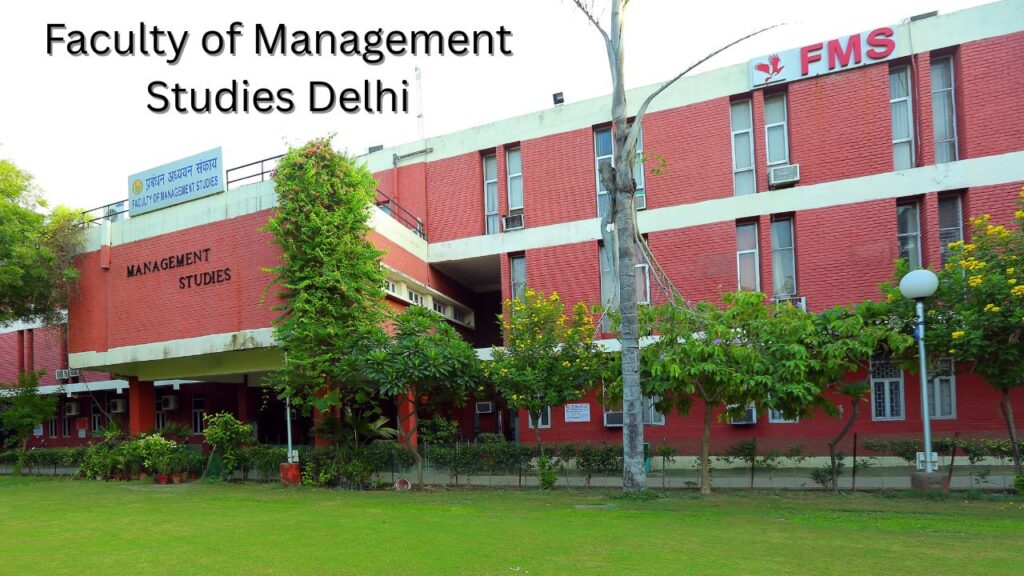
Notable alumni like Harit Nagpal and Anupama Verma are proof that FMS, Delhi University has a reputation globally. You can take admission after clearing the CAT exam, extempore, PI, academic background is also required for admission in FMS. It offers ROI for its MBA program with less fee.

ParameterDetails
Fees₹2.32 lakhs
NIRF RankingTop Tier
Average Package₹34.1 LPA
Top RecruitersBCG, ITC, Nestle

By getting admission into XLRI college in Jamshedpur can establish your career on the next level. This is the oldest institute for management courses, still in rank due to their high quality education and placement packages. The admission process for XLRI is based on the entrance exam score. 

ParameterDetails
Fees₹15 – ₹30 lakhs (for management courses)
NIRF RankingUnder top 10
Average Package₹27 LPA
Top RecruitersTata Steel, HUL, Deloitte

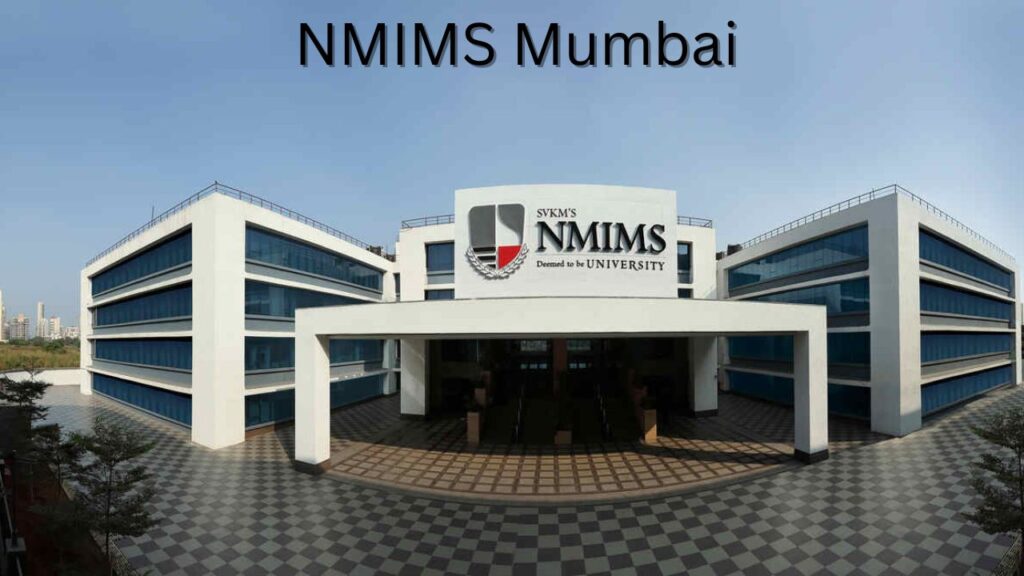
NMIMS in Mumbai is the best college. This is the best choice for students who can’t afford expensive colleges. It offers management courses that include sectors like finance, marketing, analytics, and HR. The course itself is a training that polishes your mind to work in industries. Getting into this college by scoring in the NMAT entrance exam.

ParameterDetails
Fees₹12–14 lakhs
NIRF Ranking#21
Average Package₹10 LPA
Top RecruitersWipro, Infosys, and TCS

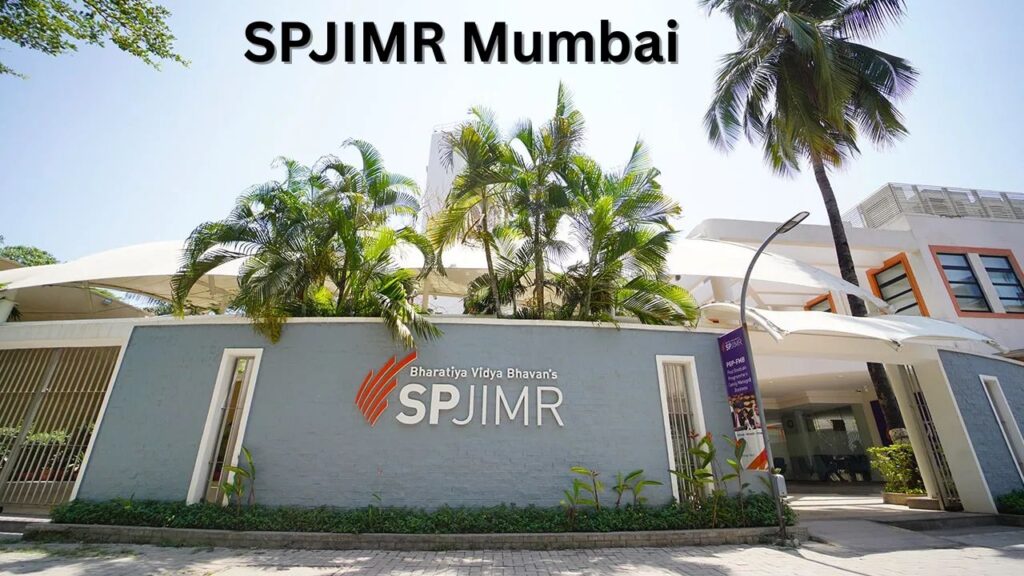
SPJIMR focuses on values-based learning. Students who want to acquire knowledge on real-time management systems can get admission into this college. It also offers practical orientation. It also offers family-managed business programs. The admission in this college happens through CAT/XAT/GMAT, followed by WAT and PI.

ParameterDetails
FeesAround ₹20.4 lakhs
NIRF Ranking#20
Average Package₹33 LPA
Top RecruitersTata, Deloitte, Godrej, BCG, and Accenture

MDI offers PGDM, PPM, HRM, and IB programs. MDI is one of the top colleges in post graduation programs especially management courses. It is a great option for students to build their career by taking admission. The admission through CAT + GD/PI.

ParameterDetails
FeesAround ₹18.5 lakhs
NIRF Ranking#11
Average Package₹26.7 LPA
Top CompaniesMaruti Suzuki, automobile companies, EY

Read More 👉 Government Job vs Private Job: Which Career Offers a Better Future in 2025?

  •    For IIMs, FMS, MDI: Take CAT (Common Admission Test) examination.
  •    For XLRI: You need to clear XAT for admission.
  •    ISB: Score in GMAT or GRE.
  •    For SPJIMR: You can take any of these exams – CAT/XAT/GMAT.
  •    Aim for 98+ percentile for top IIMs
  •    Top 95 percentile for FMS and IIM-A/B/C
  •    Above 710 score needed for the admission in SBI.

When you aim high your scores get well absolutely in the 80s but the competition is high. So, better prepare for top 90s to get shortlisted for admission in IIMs. 

  •     Written Ability Test and Personal Interview are important. 
  •     Focus on communication, current affairs, academic knowledge
  •     Get online resources for preparation to pass this last process.
  •    Good academic scores
  •    Work experience (for ISB, SPJIMR preferred)
  •    Extracurriculars, leadership roles, certifications
  •    IIMs release applications right after CAT registration
  •    ISB follows separate cycles: Early Entry, Cycle 1, and Cycle 2

The final selection is based on Score in CAT/XAT/GMAT + WAT/PI + Academics. If you are a working professional then your work experience is also considered.

These top 10 MBA colleges in India can transform your career path from student to MBA professional. They offer seamless management education that builds up your knowledge power. You can get excellent placement packages, and lifelong networking opportunities.

Admission process is challenging, you need to focus on consistency in preparing for their entrance exams. To clear Interview, you need to adapt discipline and current affairs. Whether you are a graduate student or a working professional, to get admission in these colleges by focusing on building your profile, cracking the entrance exams, and acing the interview rounds.

Leave a Comment

Your email address will not be published. Required fields are marked *

Scroll to Top