Meet the Best GS Teacher for SSC CGL Who Can Skyrocket Your Scores

Starting to prepare for the SSC CGL exam to establish your career in the government job is the dream success in many student’s lives. But understanding how you can achieve this success among the lakh of students is important. Many students give up because it is hard to achieve high rank for post selection. There — Best GC Teacher for SSC CGL is needed to strategically prepare and cover every topic.

Many students make a mistake to take the General Studies section lightly and get doomed. This part is crucial in this exam to boost your final score. Unlike Math or Reasoning, GS covers many subjects —

  • History
  • Geography
  • Indian Polity
  • General Science
  • Economics’
  • Static GK 

So, let’s explore the Best GS teachers for SSC CGL exam, their unique styles and platforms.

Khan Sir

Khan Sir is an Indian educator who offers a wider range of courses through Youtube which makes 19 million subscribers within three years and is still consistently growing. He provides both offline and online coaching glasses with extensive coverage of core subjects. His general studies courses are designed for strategic preparation for competitive exams like SSC CGL. He motivates students through his lectures. He is using practical examples for simplifying the complex concepts of subjects including History (Ancient, Medieval, Modern), Geography (Physical, Indian, World), Polity (Indian Constitution), Economics, Science, and Current Affairs.  
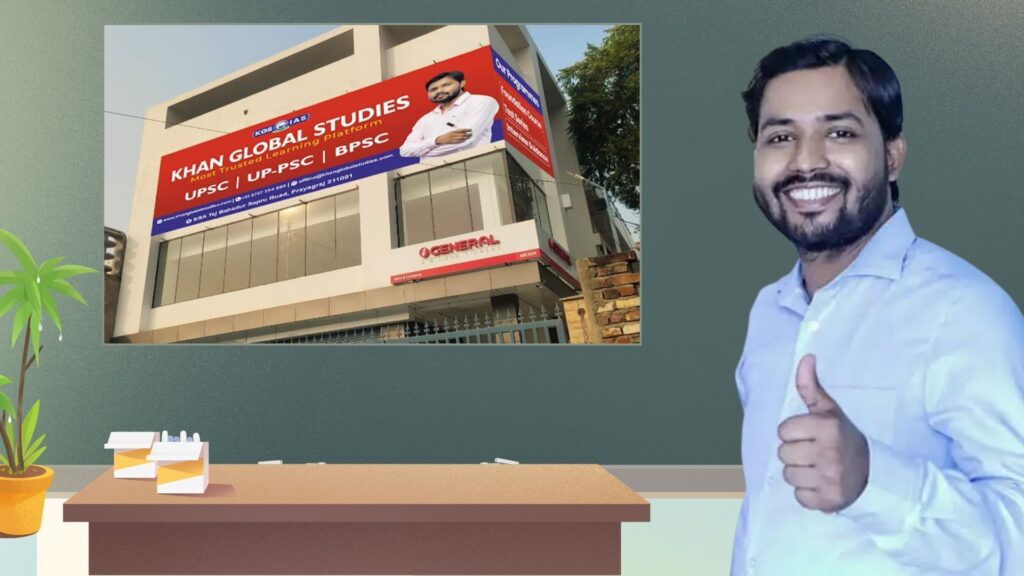
The “GS Crash Course by Khan Sir & Team,” is basically designed for SSC CGL aspirants to understand more precisely concepts. Khan Global Studies offers test series, daily quizzes, sessions for solving doubts, previous year questions and a vast range of study material. 

Many students praised his teaching style and ability to explain every concept with real world examples which makes it easier to learn for students. KGS delivers high-quality education at an affordable price which makes it a well-equipped facility for rural students who are unable to join offline classes. 

Manikant sir (The Study IAS)

Manikant Singh is an experienced educator who offers a wider range of lectures which focuses on core subjects for competitive exams like SSC CGL. His strong fundamental pursuit of General Studies, especially History which is beneficial for the aspirants. The Study IAS offers both offline and online platforms for students to access all the available resources for the exam. 
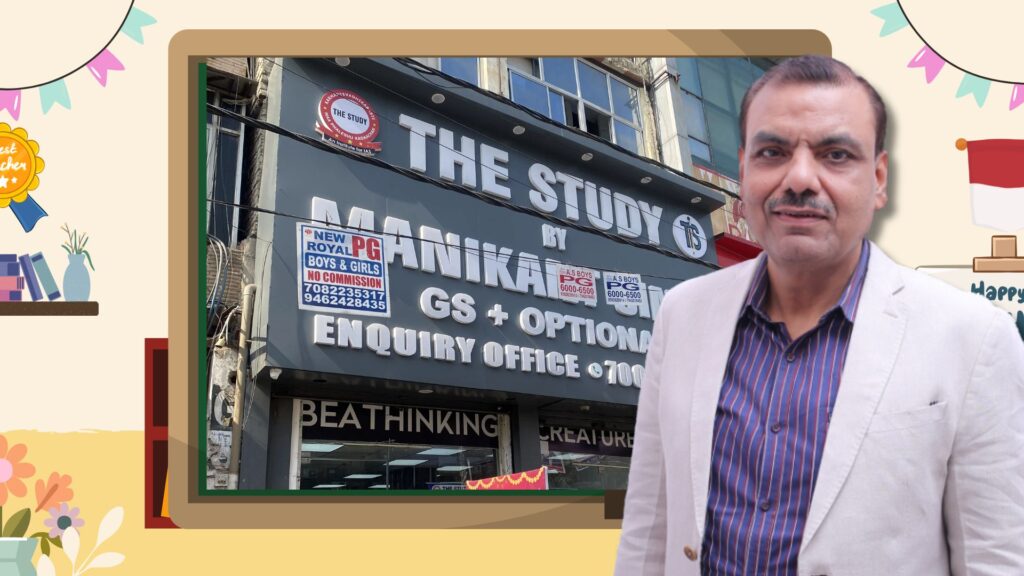
Students are showing good response because of his teaching style to explain each concept with clarity through his experience. His strong potential to provide strategic requirements for the preparation of SSC CGL exam is helpful. 

Parmar Sir (Parmar SSC)

Parman sir is highly recommended by most of the former students who have appeared in SSC CGL exam. His experienced knowledge of General Studies is basically providing the core content that is relevant to this competitive exam. His teaching style is different and also offers a variety of courses and test series through Youtube channel and Parmar Academy. 
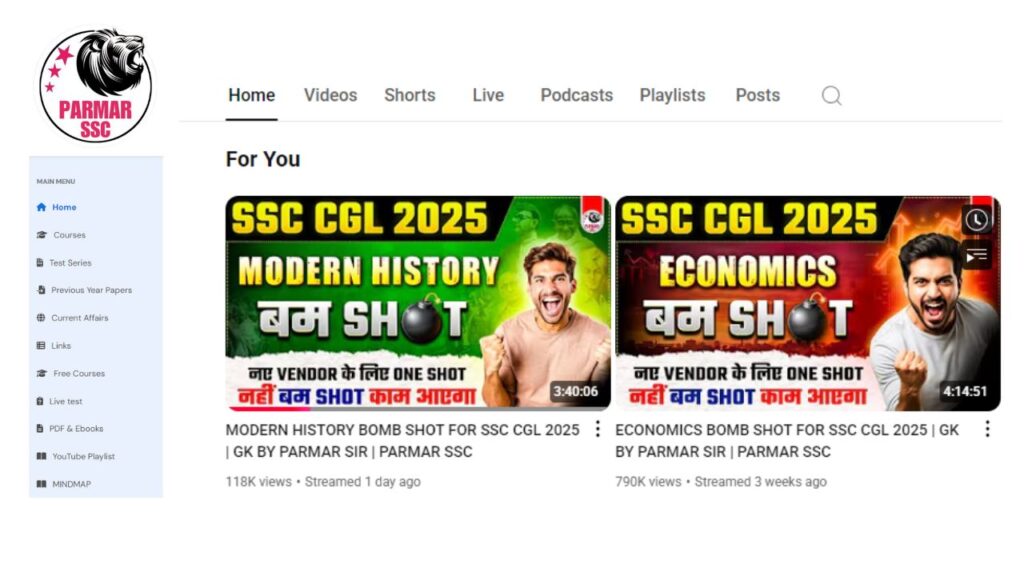
The course is specifically designed to cover subjects like Basic GK, History, Polity, Geography, and Science. His content is focused on strategic preparation by analyzing and solving previous year’s questions.  Students can learn every core topic in both languages (Hindi & English).

Amandeep Sharma 

Amandeep Sharma specializes in General Studies and provides online education though learning platforms like Unacademy and Testbook. He is also known for his teaching ability to make complex problems easily understandable for the students through previous year questions technique and explanation style. 
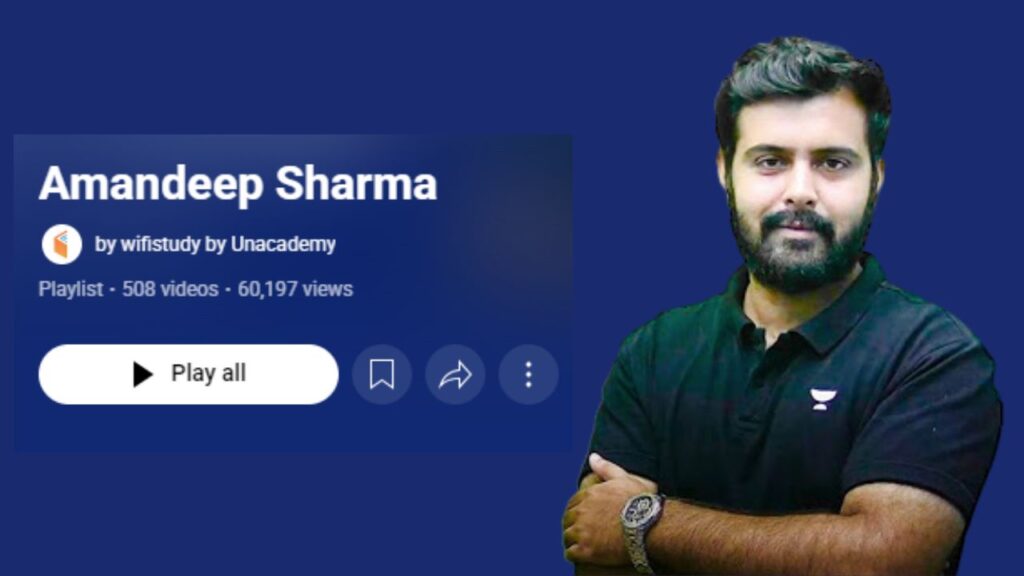
He has more than 5 years experience teaching over 100,000 students for many competitive exams, especially SSC CGL. Some of his lectures are also available on Youtube where students can start preparing for SSC CGL. 

Gaurav Kumar by Utkarsh

Gaurav Kumar is a General Studies educator who focuses on current affairs as well to provide every topic detailed explanation for SSC aspirants. He is providing online classes focused on topics such as history, geography, polity, static GK, and basic science, integrating them with current affairs. Ideal for students who want to cover every topic with deeper knowledge and relevant current events. 
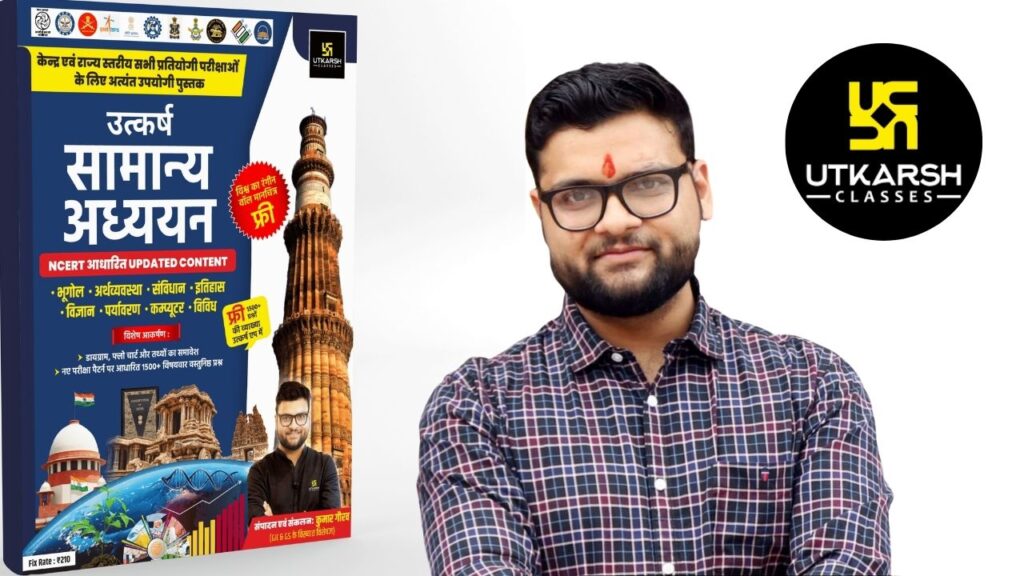
His engaging style often uses storytelling, mnemonics, and unique examples to make learning more easier. Classes are both free & paid through Utkarsh Classes app and on youtube. 

Abhishek Suman by Careerwill

Abhishek Suman is an online educator with proficient knowledge of General Studies to prepare students for competitive exams like SSC CGL. His history lessons are not boring, this unique ability makes him the best history teacher. He covers variety of topics which comes in a question paper including Polity, Static GK, and modern and ancient history. 
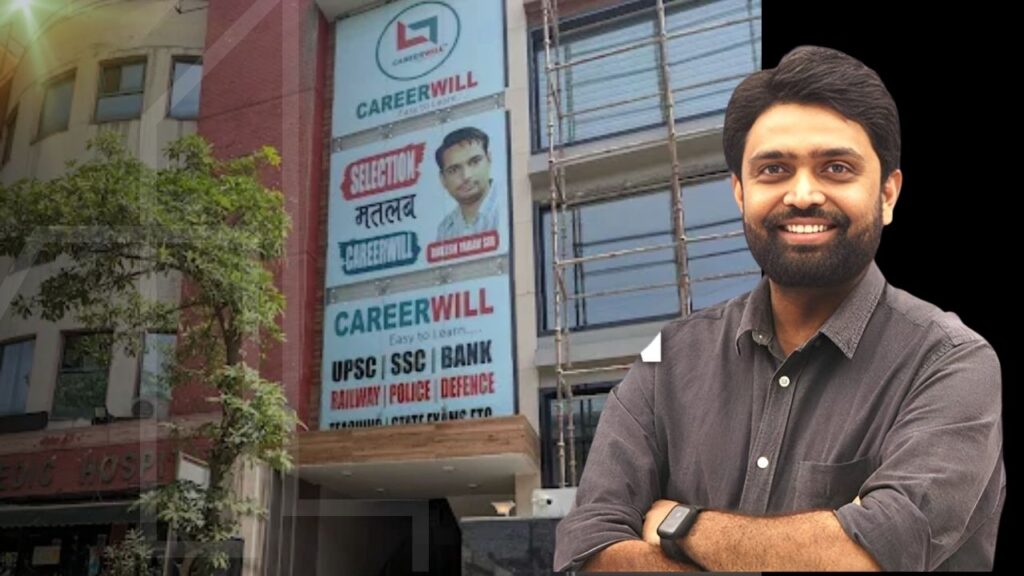
Students who want to study with detailed explanations for each topic can consider taking his lessons. He is teaching on Careerwill and also prepares previous year questions for helping students to simplify the complex topics with a vast range of GK syllabus.

Smart Preparation Strategy and Time Management

You can’t just read every topic in GS, you need to prepare strategically. Just remember these factors while learning:

Weightage of the section: check previous year’s papers to analyze questions and which topic has covered up more. While Polity and Static GK has come more often and covers vast areas of the section.

Focus on Concepts: don’t just rote learning, understanding each concept will help remember for a long time.

Make Short Notes: Short notes, bullet points, and charts are helpful to remember and in quick revision.

Daily revision: Take 20-40 minutes extra for revising everything you have studied. 

PYQ’s Practice: practice makes a man perfect, applies on the competitive exam, solving previous year questions will help you analyze how much you understand the topic.

Time Management: you have to divide your time accordingly for all topics and give extra time to your weak concepts.

TeacherSpecialty SubjectTeaching StyleAssociated PlatformBest For
Khan SirGeneral Studies (All Subjects)Explains complex concepts with real-world examples.Khan Global Studies (KGS)Comprehensive preparation, conceptual clarity.
Manikant SirHistoryStrong conceptual focus, detailed lectures.The Study IASIn-depth historical knowledge.
Parmar SirGeneral KnowledgeExam-oriented, focus on previous year questions.Parmar SSC (YouTube & Academy)Quick and focused preparation.
Amandeep SharmaGeneral Studies, General SciencePYQ-based, simplifies complex topics.Unacademy, TestbookEasy understanding, exam-oriented clarity.
Gaurav KumarCurrent Affairs, Static GKEngaging style, uses mnemonics.Utkarsh ClassesDaily current affairs + static GK.
Abhishek SumanHistory, PolityDetailed and explanatory teaching.CareerwillIn-depth study of history and polity.

Conclusion

General Studies is an important section of SSC CGL exam paper which students have to prepare. But it’s hard to prepare without a mentor. These Best GS Teachers for SSC CGL are delivering each topic in detail with a unique way of teaching to help you beat the competition.


Leave a Comment

Your email address will not be published. Required fields are marked *

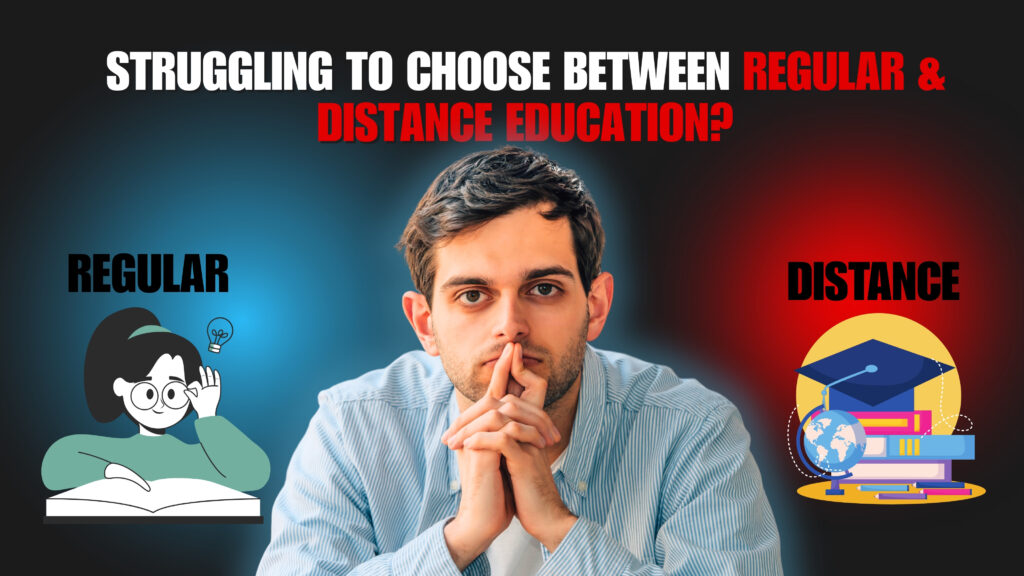
Regular vs Distance Education: Which Is Better for You?

Student comparing Regular vs Distance Education with books and a laptop, symbolizing classroom learning and online flexibility

Choosing the right educational path after 12th with any stream is confusing. Many students want to work while pursuing their higher education and some of them want to focus on their studies properly. Regular vs Distance Education is best in their own perspective, whether you have an educational background in science, commerce or arts. Let’s look into this topic further to differentiate both the topics in more detail. To resolve the confusion, analyze – Which one holds more value? Which option is best for your career? 

I have seen many students and parents discussing this issue and get confused. Let me tell you one thing, it depends on your degree. Theoretical degree – you can get from distance but not MBBS or B.Tech because it requires practical experience.

In this article, we will look at both options by giving every detail of both education, so you can make a smart choice that fits your life, your goals, and your budget.

What is Regular Education?

Think of regular education as the traditional “college life” you see in movies. You have to:

  • Attend classes on a fixed schedule.
  • Go to a physical campus every day.
  • Talk and be responsive to your teachers and classmates face-to-face.
  • Some colleges are strict about the 75% attendance percentage.

Students who aim to learn not from just books but also from being part of a college community, participating in events, and living the campus life. 

What is Distance Education?

Distance education, also known as Open and Distance Learning (ODL), is all about flexibility. 

  • You study further in your choice of career from anywhere in India.
  • Take resources at your preference such as online materials, videos, and books.
  • You can study at your preferred time and have no issues with attending daily classes.
  • No face-to-face Interaction with teachers and students. Interaction happens mostly on online platforms or weekends.
  • You can manage work and study parallely. 

Top government-recognized universities like IGNOU and private ones like Symbiosis are offering distance education in India.

Quick Comparison for Regular vs Distance Education

FeatureRegular EducationDistance Education
LocationFixed CampusAnywhere in India
ScheduleDaily classesFlexible
CostVery High (Tuition + Living)Very Low (Mainly tuition)
InteractionFace-to-face with teachers/peersVirtual (Online forums, email)
DisciplineDriven by teachers & timetableRequires high self-discipline
Best ForPractical, lab-based coursesTheory-based courses, upskilling

Regular Education – Pros & Cons

Pros:

  • Networking Growth: You can have a chance to grow your network in the same field for more career benefits. Strong relations to both students and teaching can develop your communication skills.
  • Direct Teacher Guidance: You can respond to teacher’s questions and ask them individually to clear your doubt. Some teachers are good at encouraging students for their career.
  • Campus Life: Extra curricular activities and sports can be beneficial for your mental and physical health. Overall development is something you only get on campus.

Cons:

  • Expensive: Some students can’t afford college fees, but they need to hold the degree to grow in their career. 
  • No Flexibility: You cannot work a full-time job if you are attending regular classes. Part-time jobs can give you any experience for your career. If you want to prepare for any competitive exam then distance education is a good option.
  • Relocation for Studies: Students who live in lower regions have to move out for studies and it will be difficult for them.

Read More 👉 BTech vs BSc vs BA in 2025: Which Degree Offers the Best Future Scope?

Distance Education – Pros & Cons

Pros:

  • Affordable: Anyone can afford distance education fees because these are half of the regular degree fees.
  • Earn While You Learn: You can do both at the same time – working full time and take your lessons whenever you get free. 
  • Prepare for Competitive Exam: You can also prepare for the competitive exams.
  • Accessible from Anywhere: A student from a small town can get a degree from a top university in Delhi without leaving their hometown.

Cons:

  • Needs Self-Discipline: You need to focus on self-study because there is no teacher to push you.
  • The Digital Divide: While Improving, Still many students do not have laptop or wifi access to their home for study.
  • Limited Practical Labs: You can pursue master degree or theoretical education from distance education but for engineering and medical, you need hands-on lab experience.

Who Should Choose Regular Education?

  • Recent School Pass-outs (12th Graders): If you are young and want the full college experience, and your family can afford it, regular mode is a great choice.
  • Students Pursuing Technical/Lab Courses: For degrees like B.Tech, MBBS, or pure sciences, the hands-on practical training in a regular college is essential. These courses are not valuable for career and UGC also prohibits them.
  • Structured Environment: Many students are not able to study on their own so they need big support from teachers to help them stay on track.

Who Should Choose Distance Education?

  • Working Professionals: If you are already in a job and want to upskill for a promotion (e.g., getting an MBA), distance education is perfect.
  • Homemakers: women who can’t afford to attend regular classes because of their responsibilities can choose to continue their study from distance education 
  • Competitive Exam Aspirants: UPSC, SSC, Railways or banking aspirants often take a distance B.A. or B.Com degree to meet the eligibility criteria while focusing on their main preparation.
  • Students in Rural: They mostly need to move out for education and some students can afford this, they can get quality education at their doorstep.

Career Scope & Recognition in India

This is the most important part. The University Grants Commission (UGC), the main body for higher education in India, has officially stated that degrees from Regular, Distance (ODL), and Online modes are to be treated as equivalent.

This means if a job requires a B.Com degree, a B.Com from IGNOU is just as valid as a B.Com from Delhi University for applying to that job, including government jobs. In 2025, Indian companies care more about your skills and whether your degree is from a UGC-recognized university, not the mode you studied in.

Universities Delivers Regular & Distance Education

Top Universities for Regular Degree

Read More 👉 MTech vs MBA in 2025: Who Earns More and Why? Find Out Now!

Top Universities for Distance Degree

Top Universities for Both (Distance & Regular)

  • NMIMS 
  • Amity University
  • Lovely Professional University

Conclusion

There is no single answer for this confusion, you must think about the option that aligns with your career, situation and budget.

Choose Regular Education if: 

  • You can afford
  • You are a recent school graduate
  • You want an immersive campus experience

Choose Distance Education if: 

  • You need flexibility
  • want to study while working 
  • limited budget
  • focused on a competitive exam.

In today’s India, both paths can give you a better career if you have developed skills in yourself. There is no 100% guarantee in both education that you can get a placement. What can give you guarantee is your hard work and improved skills. The right path is the one that takes you to your destination without derailing your life.

Leave a Comment

Your email address will not be published. Required fields are marked *

How to Join Indian Army — Your Complete Guide to Serving the Nation

How to join Indian Army

How to join Indian Army: It’s not just a job, a profession or a service, it’s a way of life to be in the Indian Army and a lifetime commitment to the nation. For millions of young Indians, the olive-green uniform stands for honor, meaning and pride that far surpasses any regular jobs. But the path to joining the Indian Army isn’t a smooth one it requires vision, preparation, stamina and the knowledge of different entry points available. 

Whether you are a 10 or 12 student, a graduate or one aspiring to get commissioned, the Indian Army has multiple avenues to make that dream a reality. Unique in this sense, this guide shows you everything from entry schemes, through selection stages, fitness, documents, medical standards, ensuring that you can prepare as best you can to help you realise your own dream to serve the nation with pride.  

Understanding Your Entry Options

There are hardly any rigid models for recruitment of the Indian Army. The company understands that people with potential can come from anywhere educationally and that is why it has different entry schemes. If you are a class 12 passer, the Agniveer scheme is for you. If you’re a graduate or an engineer, you can apply for the Short Service Commission (SSC) or the Technical Graduate Course (TGC). For people still in class 12 with strong academics, the NDA is a well-known route that leads to officer-level commissions.

What I like about Indian Army recruitment is its open door policy. For soldiers and officers, technical and manpower roles for that matter, there is something for everyone. Your starting point might be different from your colleague’s, but the destination – serving the nation – is the same. 

The Most Popular Route: Agniveer Scheme

For most hopefuls it has become like the Agniveer scheme and this is the only option going forward. Introduced to recruit a younger, more dynamic force into the Armed Forces, the scheme is available for men and women aged 17.5 to 21 years. You must have passed class 10th/12th from a recognized board with minimum 50% marks in aggregate.

The submission of the application is easy. Go to the official site joinindianarmy.nic.in and register providing your basic details, e-mail and mobile number. You will fill up application details with your 10th certificate with as per rules. After you have submitted, you will be given a registration number—hold on to this, it is the key to the next step. 

Read More 👉 UPSSSC Lekhpal Online Form 2025: Apply Online for 7,994 Revenue Posts

The Three-Phase Selection Gauntlet

After the registration you must prepare yourself for three intense stages. The first state is the Common Entrance Exam (CEE), a written test conducted offline. This test examines your understanding of General Knowledge, Mathematics, Science and Reasoning. It’s not like you need to memorize stuff, the exam is on your logical thinking and problem solving skill.

If you clear the CEE, then you will be invited for the second stage: the Recruitment Rally. This is your physical fitness moment! The rally comprises a Physical Fitness Test (PFT) which is truly exhausting. You must run 1.6 km in 5 minutes and 45 seconds, do at least 6 pull-ups, jump a 9-foot ditch, and complete a zig-zag balance test. They’re not just random drills, they’re meant to test whether or not your body can keep up with the rigors of military life.

The third stage is the medical test and document confirmation. Medical examinations are extensive – they examine your vision, hearing, bone density, heart health, and your general well-being. The Army needs soldiers who aren’t just strong but also medically able to go where it’s hard to go. 

Physical Fitness

Being physically fit matters, and you really can’t ignore your way through it. If you really want to join, start your fitness regimen now. Running is your foundation—start with distances you can handle and slowly increase your speed and distance. Do interval training by alternating between high-intensity bursts and recovery intervals.

For pull-ups, who you are is more important than how many you can do right now. If you have no pull-ups yet, use resistance bands/assisted pull-ups or work on negatives to start building strength. Add push-ups, sit-ups and squats for full body strength. Flexibility and balance are also important for many candidates don’t realise, but it is this which is tested in the zig-zag test. Add yoga and agility drills to your training.

Nutrition-related matters are just as vital/nutrition matters are just as vital/nutrition is just as vital Nutrition & hydration are equally important Nutrition Jones in Sydney opined: “it is not only the training [that is important], nutrition is [also]. Fuel your body with protein, complex carbohydrates, fruits and vegetables. Keep hydrated as you train, and stay away from junk food that zaps your energy. 

The Officer Route: A Different Path

If you are a class 12 student with good academic record and want to join Indian Army, consider the Technical Entry Scheme (TES for NDA) or the National Defence Academy (NDA). The NDA is conducted by the Union Public Service Commission (UPSC) and the applicants must be aged between 16.5 and 19.5 years have qualified 10+2 to be eligible. The competition is stiff with only 5 to 10 percent getting selected but the reward is a three year training at the National Defence Academy and then a permanent commission in the Indian Army.

​For graduates, the Combined Defence Services (CDS) exam, which leads to Indian Military Academy (IMA). Male and female candidates who are graduates are also eligible and the selection procedure consists of a written exam and then the infamous Services Selection Board (SSB) interview.

The SSB Interview: The Ultimate Test

If there is a stage that divides the dreamers and the doers it is the SSB interview. This isn’t your run-of-the-mill job interview; you’ll be subjected to a five-day psychological and personality test to determine how officer-like you are. You will be having the Officer Intelligence Rating (OIR) test, Picture perception and discussion (PPDT), psychological tests, group discussions, outdoor tasks and a personal interview.

Leadership, teamwork, bravery, and the capacity to think on your feet are the qualities that the SSB wants. It evaluates the consistency between what you think, what you say and what you do — an idea based on the ancient “Manasa, Vacha Karmana” principle. The interviewing officer will question your background, your motivation for enlisting, your knowledge of current events, and your capacity to stress. 

Documents Required For This Position

  • 10th and 12th mark sheets and certificates
  • Domicile certificate with photograph
  • Caste certificate
  • Religion certificate
  • School character certificate
  • Unmarried certificate (if below 21 years)
  • Aadhar card or ID proof
  • 20 passport-size color photographs
  • Any NCC certificates or sports achievements

The Medical Examination

After passing the physical and mental evaluations, you will have a full medical check-up. The Army requires its soldiers to withstand harsh environments, so the standards are tough. After you cross this last barrier, you will get your joining letter and will be sent to the respective training academy. 

Conclusion

Enrolling in the Indian Army is not just about getting a job and a stable source of income. You’d be serving your country, joining a brotherhood that has stayed vigilant over the nation for generations, and doing something that’s bigger than you are. The path is tough, the competition is fierce and the training will test you to your limits.

But here is what makes it so worthwhile: the privilege of wearing the uniform, the gratification of serving one’s country, and the realization that you are a member of an organization that has influenced the future of the nation. If you have the passion, if you have the resolve, and if you can run – the Indian Army awaits you. Start today, hold fast, and who knows maybe, just maybe, a year from now you’ll be standing tall in that uniform, serving the nation with pride. 

Leave a Comment

Your email address will not be published. Required fields are marked *

SBI Clerk Recruitment 2025 Out – 5000+ Vacancies! Apply Now Before Last Date

SBI Clerk Recruitment 2025

The SBI Clerk Recruitment 2025 is started as it was released officially on the SBI website. You can check the notification for the entire process details of the recruitment. The examination is expected to happen on 20th September 2025, if you want to apply for this post then fill the form before the closing date. 

Short Details for SBI Clerk Recruitment 2025

Post NameClerk
OrganizationState Bank of India
Vacancy6589
Exam ModeOnline
Recruitment ProcessPrelims, Mains, Language Proficiency Test
SalaryRs. 46,000 
Official WebsiteClick Here

Key Dates for SBI Clerk Recruitment 2025

Notification Release Date5th/August/2025
Application Starts On6/ August/2025
Application Ends On26/August/2025
Exam Date (prelims)20–28 September 2025 (expected)
Exam Date (mains)15–16 November 2025 (expected)

Eligibility Criteria for SBI Clerk Recruitment 2025

Education: Candidates must have a valid graduation degree from a recognized university or college. Final year students can also apply but they must have proof of the passed graduation exam at the time of selection.

Age Limit20 to 28 years
Age Relaxation
OBC/EWS3 years
SC/ST5 years
Disabled Gen10 years
Disabled OBC13 years
Disabled SC/ST15 years
Widowed/Divorced females7 years

Also Read: IBPS PO vs SBI PO Which Is Better? Full Comparison 2025

How to Apply Online?

  1. You need to visit the official website of the Bank mentioned in the article.
  2. Click on the recruitment for SBI clerk 2025
  3. First register yourself with your name and phone number then fill out the entire application.
  4. Enter the valid details in the application form.
  5. Attach the documents with the application to click on submit
  6. Once the application is done, you can download its copy on your device.
Important Links
Download NotificationClick Here
Apply OnlineClick Here
Official WebsiteClick Here

Leave a Comment

Your email address will not be published. Required fields are marked *

Courses for Interior Designing in India: Admission, Colleges & Careers

Courses for Interior Designing in India

If you are the type of person who regularly moves your furniture around, cleans windows to get the perfect paint color, or critiques lighting in every restaurant you dine in, maybe you have a calling. Your Search for Courses for Interior Designing starts when the question pops up: How do you get paid to have that passion? 

In these days, interior design is no longer just about “making things look pretty.” It is a complex mix of architecture, psychology, technology, and art. Whether you are a high school graduate looking to pursue a degree or a working professional residing in Lucknow wanting to make a creative pivot, this guide is your blueprint. Let’s talk about everything you need to know to about the interior design courses, colleges, and careers. 

Why Formal Education Matters

Let’s be real for a second. You may have a great eye for decorating, but professional interior design is a whole other story. It deals with strength of materials, building codes, ergonomics, and space planning.

A formal course will teach you the “grammar” of design. You are taught to talk with contractors, architects and clients. You go from saying, “I think this blue looks nice,” to, “This particular shade of teal offsets the warm undertones of the timber flooring and captures the natural light coming in from the north-facing window.” 

Types of Courses

Course TypeDurationEligibilityWhat You’ll Get
Bachelor’s —B.Des / B.Sc3-4 YearsB.Sc Or B.Des require 10th & 12th marksheet from Science StreamIn-depth technical knowledge related to Designing
Diploma / Advanced Diploma1-2 YearsKey Formula for fast entry in careerFocused on Practical more than theory, Skill Polishing
Certificate Courses3-6 MonthsHobbyists or professionals adding a specific skill (like CAD or V-Ray).Specific skills only. Prefer for less professional people
Professional Level (M.Des / M.Sc)2 YearsAfter having a degree of B.Des/B.Arch. These masters courses offered for specific specializationResearch-oriented, higher leadership roles, and teaching opportunities.

Top Colleges 

  • NID—National Institute of Design
  • CEPT University—Ahmedabad
  • IIT Delhi, Bombay
  • VIT
  • IIAD—Indian Institute of Art & Design
  • IMS Design
  • Amity University, Lucknow
  • Integral University
  • Gov. Girls Polytechnic
  • Babu Banarasi Das University 

What Will You Actually Learn?

Your course will probably be part art and part engineering. There’s a chance that you will be spending your first year hours hand-sketching and studying Color Theory. In your final year, you will be making hyper-realistic 3D renders that look like photographs. 

The “Hard” Skills (Tech You Need to Master in 2025):

To make it in the business these days, you have to know your way around a computer. These are the software tools you’ll probably end up knowing inside and out when you graduate:

AutoCAD - 2D blueprints industry standard It’s non-negotiable.

SketchUp: The Simplest 3D Building Tool Out There. Consider it as digital clay.

Revit / BIM – essential on large commercial jobs where you need to work closely with architects.

AI Homestyler: more recent and cloud based AI tools that are rising in popularity as they render fast. 

Read More :- UP Police Computer Operator Grade-A Online Form 2025: Apply, Dates & Eligibility

The “Soft” Skills:

  • Client Management: How to tell a client their idea won’t work without offending them.
  • Budgeting: planning of champagne dreams on a beer budget.
  • Project Management: Getting the plumbers, electricians and carpenters to not kill each other. 

Career Scope & Salary

Driven by an expanding middle class and real estate boom, India is witnessing an upsurge in the interior designing industry.

Various paths for a Interior Designers:

Residential Designer: Homes, apartments, villas. (High emotional connection with clients).

Commercial/Corporate Designer: Offices, co-working spaces. (Higher budgets, strict deadlines).​

Hospitality Designer: Hotels, cafes, restaurants. (Very creative, high visibility).

Set Designer: Design sets for movie or tv (Big in Mumbai/Hyderabad). 

Salary Expectations

Entry-level compensation can be humdrum, but expansion is meteoric once you acquire a portfolio. Specialized positions, particularly in Luxury or Commercial sectors, offer much greater pay.

The chart exhibits how, even though you may begin as a junior at about ₹3.5 Lakhs per annum, it does pay off after all. A Senior Designer with 7+ years of experience can earn comfortably north of ₹12 Lakhs, and if you start your own firm or get into luxury consulting, the sky’s the limit (₹18 Lakhs+).

Admission Procedure For B.Des/M.Des in Major Colleges

For premiere govt colleges (like NID) you will have to appear for entrance exams like NID DAT or UCEED. They test your drawing ability, creativity, and spatial logic.

In case of private universities (such as Amity or Integral in Lucknow), admissions are essentially on the basis of marks secured in 12th and DAT (Design Aptitude Test) or portfolio review. 

And build a portfolio, even if you’re not studying design. Draw a corner of your room. Redesign your kitchen on paper. Capture the textures you like. Your potential and passion matters, not perfection.

Conclusion

Courses for Interior designing are not for the weak hearted. Dusty job sites, demanding clients, and nights spent staring at a computer screen. But it is also hugely gratifying. There is a unique thrill in walking into a space you designed — watching people live, laugh and work in a place that began as a sketch in your notebook.

If you like to mix creativity with logic, and art with engineering, this is the year to look forward to for starting out. Whether you opt for a degree from Amity Lucknow or a diploma to begin your career at the earliest, the world is holding its breath for your designs. 

Leave a Comment

Your email address will not be published. Required fields are marked *

Top 6 Best Engineering Colleges in Varanasi You Must Know in 2025

Best Engineering Colleges in Varanasi with admission, fees, and placement details 2025

After completing 12th with Physics, Chemistry and Mathematics, students are looking for engineering colleges to secure their seat early in Top 6 Best Engineering Colleges in Varanasi. Whether you are a citizen of Varanasi or another city, these best colleges will help you get quality education, faculty support, industry exposure, and exquisite training with their quality resources. They provide a strong curriculum for students to assess every knowledge and get ready for a job in top companies. 

Explore the full details on these colleges admission insights, fee and placement record. It will help you decide to choose the one for yourself.

1.IIT BHU (Indian Institute of Technology, Banaras Hindu University) 

IIT BHU : The oldest university in Varanasi which is well-known for its specializations and academic values. It offers world-class education in every field of students. The largest university for technical studies, students from other states came to study here because of their strong curriculum and placement opportunities. 

Admission Insights

For B.Tech: JEE Main and JEE Advanced exam is mandatory to clear, 12th completed with at least 75% score in Physics, Chemistry, Math. admission is also based on JoSAA counselling, seat allocated according to the counseling.

For MTech: GATE score is necessary for the proceedings of admission which followed COAP counseling to allocate seats. 

Other courses: Entrance exams like IIT JAM for MSc required for the admission. 

Specializations Offered

IIT offers a wider range of programs in each field, some of them are incredibly popular due to their worldwide demand. The various specializations are Computer, Electronics, Mechanical, Electrical, Chemical, Metallurgy, Mining, Ceramic, Pharmaceutical, Civil engineering. 

These specializations come on both undergraduate or postgraduate level. Undergraduate degree (B.Tech) is a 5 year course and postgraduate degree (M.Tech) is a 2 year course. Many other courses including MSc, BPharma, MPharma, and PhD programs are also offered in this college.

Placement and Fees

For BTech: Fee is approximately Rs. 8.35 lakhs for the entire program, it may vary on the course’s specializations. Hostel and extra fee are excluded from the entire fee.

Its placement record is good, and offers opportunities around the globe for engineering students. The salary packages vary depending on the students’ placement, ranging from 7 LPA to 14 LPA.

2.Kashi Institute of Technology (KIT)

Kashi Institute of Technology is popular among students for delivering a strong curriculum and training sessions for engineering students. It offers technology, science, and management courses for students to establish their career in their respective field.

Admission Insights

JEE Main is accepted for BTech admission. Another entrance exam is required for the specific courses in this university. 12th percentage must be above 45% with physics, chemistry, math at least to get an admission in BTech. 

Specializations Offered

Undergraduate: B.Tech in various specializations including CS, Mechanical, Civil, Machine Learning, Biotechnology, IT, AI, Electronics, and Electrical engineering. MCA, BCA courses are also available in Kashi Institute of Technology. Diploma in engineering are also available in CS, electrical, and IT at low fees.

Also Read : Top 10 High Salary Courses After 12th Science Without NEET

Placement and Fees

B.Tech fee is around Rs. 1.25 Lakhs for a year and it varies on the specific field of specialization. Diploma courses cost you around Rs. 1.8 lakhs for the entire course.

Placement opportunity for all the students is higher, recorded around 70% placement done in previous year. The salary package for BTech graduates in any specific field ranges between Rs. 3.36 – 4.8 LPA. The package is also dependent on the company size and specialization course of the students, it can go up to 18 LPA. 

3.Ambition Institute of Technology

Ambition Institute of Technology is a well-known university for engineering courses. Many students prefer to get a higher education in specific specializations. Polytechnic and diploma courses are available in this institute for engineering. 

Admission Insights

For admission in this institute, students must meet the eligibility criteria of university. It requires 35% in 10th marksheet and entrance exams should be cleared by the students like JEECUP. 

Specializations Offered

Polytechnic and diploma courses in various specializations included computer science, electrical, mechanical, electronic, chemical, electrical, automobile, production engineering, and information technology. These courses duration is 3 years. 

Placement and Fees

The total fee for the 3 year diploma course is around Rs. 1,00,800. Placements are offered for every student with a good percentage from the top companies. Major industries like Suzuki Motor, Bajaj, and Reliance offer salary packages around Rs. 3 LPA but international companies can offer up to Rs. 20 LPA.

4.Ashoka Institute of Technology and Management

Ashoka Institute of Technology and Management was established in 2010 offering engineering and management courses across various fields. It is affiliated with A.P.J. Abdul Kalam University and approved by AICTE. It provides good infrastructure with labs, smart classrooms, library, auditorium, and sports field, medical facility, and cafeteria. Strong curriculum with experienced faculty to deliver quality education.

Admission Insights

JEE Main and advanced scores are mandatory for engineering programs and AKTU counselling is a final selection round for admission in BTech. 10+2 with PCM percentage must be above 60% for general and above 55% for reserved category. 

For Postgraduation: Graduation degree is necessary with 50% score, UPCET PG and CUET score are required for the admission in master program

Specializations Offered

BTech in various Specializations — Computer Science, Civil, Mechanical, Electronics, Electrical, Biotechnology / Artificial Intelligence & Machine Learning. 

Placement and Fees

B.Tech fee for the entire course is around Rs. 5.16 lakhs. Training and soft skills fee is included but it may fluctuate as it depends on the specific courses. Check the official website of the college for exact details.

Placement offers are high, around Rs. 4.5 LPA but salary package depends on the recruiters that can be up to Rs. 7.6 lakhs.

5.MP Institute of Management and Computer Application

MP is a private institution providing Management and Computer Application advanced education. It was established in 2004 in Varanasi and approved by AICTE. It is well-known for high-quality education delivered through various programs.

Admission Insights

Admission in BCA is done on the merits of students. It is mandatory to complete 10+2 with a good score and Mathematics as a subject in 12th. 

Specializations Offered

MP Institute of Management and Computer Application offers Bachelor of Computer Science and postgraduation in Data Science and Artificial Intelligence. PGDM courses available to open further opportunities.

6.Saraswati Higher Education and Technical College of Engineering

Saraswati Higher Education and Technical College of Engineering is a private college with a wider range of courses. It was established in 2008 and approved by AICTE to provide world-class education. It offers not only theoretical lectures but Lab projects and workshops to develop students’ skills. The college also provides a huge library, sports field, cafeteria, shuttle services, medical and ATM facilities. 

Admission Insights

Admission is based on the scores of entrance exams such as UPSEE or AKTU entrance test for BTech and MTech.

The seat allotted after the examination results through counseling. For BTech, students must complete their 10 and 12th with above 60% and Math, Physics, Chemistry must have as a subject in 12th. GATE or UPSEE score is required for MTech program, it must be above 50%.

Specializations Offered

BTech offers various specializations: Civil, Electrical, Electronics, Mechanical, Computer Science & Information Technology. The college also provided these specializations at the post graduate level. 

Diploma courses are also available in the engineering field but admission process and fee may differ to each other.

Placement and Fees

BTech fee depends on the specific specialization, it varies from Rs. 3 Lakh to Rs. 15 lakh. BCA fee is around Rs. 3.40 lakh for 3 year degree program.

This college performs placement drives for students after training modules, mock interviews, and prepares them to connect with recruiters such as TCS, Banks, Bajaj, Reliance etc. Previous year students got placement packages around Rs. 6.42 LPA from HikeEdu and the highest package around Rs. 12 LPA from Tata. 

Conclusion

Choosing the right college totally depends on your budget and preferences, while these Top 6 Best Engineering Colleges in Varanasi will provide strong syllabus, excellent teaching style, and real-world projects to assess every knowledge for the specific field. BTech or MTech is not an easy degree, it requires focus and right support to score well and understand every concept of the deeper topics to become an engineer. That is why the right college is important to choose for engineering.

Leave a Comment

Your email address will not be published. Required fields are marked *

Scroll to Top