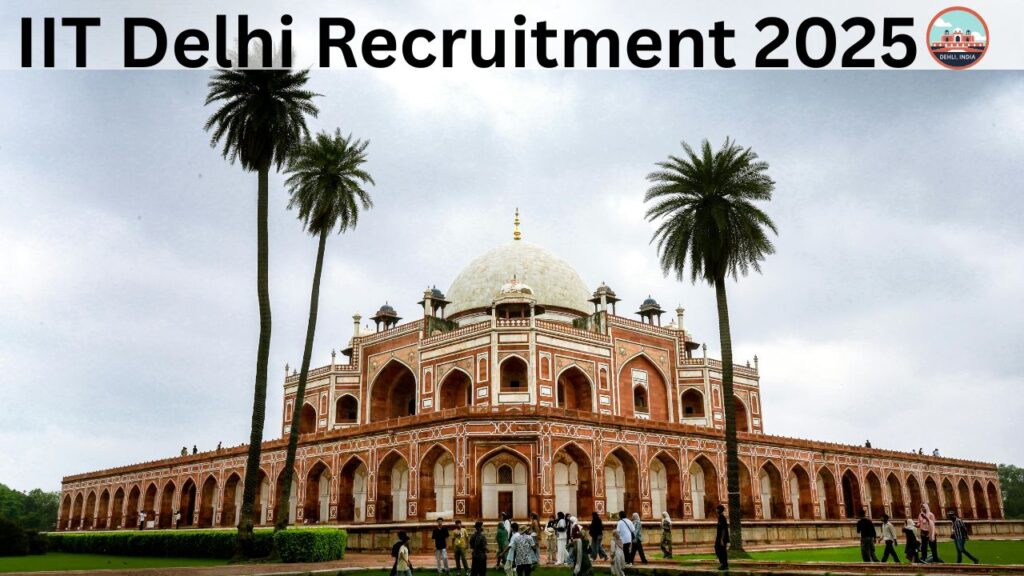
IIT Delhi Recruitment 2025: Latest Job Vacancies, Eligibility, and Application Process

IIT Delhi Recruitment 2025

Do you aspire to work at India’s leading institutions? The Indian Institute of Technology IIT Delhi Recruitment 2025is a golden chance for engineers, scientists, and academicians to excel in research, teaching or technical support. This year’s recruitment drive has plenty of jobs for freshers as well as experienced professionals. Here’s all you need to help build a great application. 

The Opportunity Awaits

Tuck yourself in among the green corridors of IIT Delhi, bookended by the finest brains in India. The hiring there is more than just filling vacancies. It is interested in motivated individuals who will advance science and technology.  

The institute have positions ranging from Senior Project Scientist to Project Attendant and faculty positions including Assistant Professor.Whether you are a senior seasoned professional or a new graduate, there is a role that could spark your career 

Decoding the Vacancies

The announcement describes eight project vacancies for several technical positions. Here’s a snapshot:

  • Senior Scientist: If you’ve got an M.Tech in Computer Science and a flair for pioneering work, this is your ticket. ​
  • Senior Assistant/Junior Assistant: For B.Tech or BE in Computer Science holders, these are stepping stones to a research oriented future.​
  • Scientist (Civil Engineering): If civil structures are your passion and you have a minimum of 3 years experience in the field, you’re in!​
  • Attendant: Just like aspirants of the position of Technician in the IITs, this is also an inclusive call considering even those with an experience of three years post 12th standard, which makes it easy to apply for a lot of people.​
  • Project Manager: If you’ve 8–12 years of experience & leadership is your essence, then you have a chance in there. 

There are vacancies for faculty, mainly Assistant Professors, in numerous departments (with Grade distinctions according to experience) for those holding a doctorate and possessing teaching skills. 

Selection: More than Just a Test

The scrutiny at Iit Delhi is but a fair one. Project posts are decided on the basis of your academic record, past experience and by how you come across in the personal interview. For numerous jobs in technology, the walk-in interview style is straightforward and more fun, no drawing it out. 

Academic and certain administrative roles have a two-stage process: testing and a presentation and a panel interview, to assess your knowledge of the subject and your teaching style. Good time management and clear communication also go a long way here. 

Are You Eligible?

Every position has different educational requirements. Senior positions require you to possess a Master’s or a PhD. B.Tech/BE candidates apply for project posts, while support posts offer chances to all those who have completed their 12th standard, provided they have work experience. This kind of approach is coming IIT Delhi’s ecosystem with a diverse team. 

The faculty and executive positions involve not only academic milestones but also practical experience in well-known organizations or the industry. Be sure to read the notification properly — this is the key to losing out on your dream job on a technicality. 

Read More 👉 WBSSC Result 2025 Declared – Direct Link to Check Your Score & Rank

How to Apply: Step-by-Step Guide

Follow Notification: Initially you can grab the official notification from the IIT Delhi site.​

Get your documents in order: You should have your educational certificates, mark sheets, experience letters, and ID proofs in a file that you can submit.

Attend the Interview: For most project posts, walk-in interviews mean that you just need to appear at the institute’s address on a particular date.

Online/Offline Application: Certain positions require online applications—access the application form using the recommended browser, and complete the form with exact details as mentioned in the notification. For special notifications (e.g. Project Manager) please attend the offline process before deadlines.

Check the Eligibility: Before applying make sure that you fulfill all the eligibility criteria- it will save your time as well as disappointment. 

Tips for Success

  • Walk in interviews for which you need to Arrive early; Punctuality always makes a good first impression.
  • If you’re invited for an interview, have crisp answers ready about your projects, your strengths, and your goals.
  • Study technical topics related to your position, as the interviewers will like that you know more than the basics.
  • Have your documents all in order, in both digital and hard copy format. 

The Promise of IIT Delhi

Work at IIT Delhi is the perfect combination of rigorous academics and real social impact. You will be joining new projects, training new leaders, and collaborating with experts from abroad. The transparent and objective selection process assesses each candidate on skills, past work, and goals. 

The Closing date for IIT Delhi Recruitment 2025 Application is on the way. So get ready, give it your all and prepare to be transformed. 

Conclusion

The IIT Delhi placement 2025 will give you an opportunity to get into one of the best institutes in India. The result is a spirit of innovation, excellence and focus that permeates every aspect of daily activity. Whether you’re a new graduate seeking your first research position or an experienced professional ready to lead teams, the numerous job opportunities cater to all skill sets. The fair wages, solid job growth, and inspiring work place make this more than just a job. It enables you to contribute to creating a narrative which directs India’s science and tech development. Be prepared well, keep visiting for updates and all the best for a bright career at IIT Delhi. 

Leave a Comment

Your email address will not be published. Required fields are marked *

Which Entrance Exam Is Best for MBA Abroad in 2025? 

Best for MBA Abroad

For too many future leaders, a foreign MBA is not just an academic ambition—it is the gateway to a global career, prestige, and personal growth. If an international MBA is at the top of your 2025 goals, you must have asked yourself “Which entrance exam do Is Best for MBA Abroad in 2025? 

The major MBA Entrance Exams for Studying Abroad in 2025 include GMAT, GRE, IELTS, TOEFL and each vary on the basis of the eligibility, scope and impact on career. Prestigious universities overseas need you to have good percentile score in GMAT or GRE for taking MBA admissions and also IELTS or TOEFL as a proof of your English language proficiency. The decision on which exam to take depends on your educational background, the universities you want to apply to, and your career aspirations. 

Let’s travel to a geographical imagination in this important choice to keep it straight forward and practical in a way that fits today’s environment. 

Why Entrance Exams Matter for MBA Abroad

Why do these tests matter so much? Top schools abroad like Harvard and Wharton, London Business School and INSEAD, use standardized test scores as a way to compare applicants from every country, profession and educational background. And they have to make sure that a student can handle a tough workload, add to the class and succeed in a cutthroat atmosphere.

So, selecting your entrance test is one of the major early decisions you’ll have to make in your MBA journey. 

GMAT: The Classic Choice, Still Reigning in 2025

The Graduate Management Admission Test (GMAT) has been the MBA admissions boss for decades—and it remains the best option this year. GMAT scores are accepted by more than 2,400 business schools worldwide. The test’s emphasis on critical thinking, quantitative ability and analytical writing is tailored to the needs of typical business classes. 

Who should choose GMAT?

  • Applicants with the clear intent to attend a full time MBA program, particularly in the USA, UK, Canada, Europe, and Asia Pacific.
  • Those ready to put some effort into business logic, data sufficiency, and analytical writing—the very same writing and logical thinking skills that B-school professors rave about.
  • Students who want their competitive nature captured in a single score. Top schools tend to like GMAT scores ranging from 700 to 740.

The GMAT is tough, but it’s a fair test. It consists of Quantitative Reasoning, Verbal Reasoning, Integrated Reasoning and Analytical Writing. A number of dedicated test-takers have reported that their GMAT studying not only helped with admissions, but with classwork as well. 

GRE: The Flexible, Multi-Path Option

The Graduate Record Examination (GRE) used to be the obscure relative in business school admissions. Now it’s a key competitor — particularly at top schools. Why? Universities seek more diverse cohorts and numerous candidates are considering multiple programs — from MBA to MS, PhD, or even public policy or engineering degrees. 

Why pick GRE?

  • You’re also applying to other graduate programs (not the MBA) that require GRE scores.
  • You have strong verbal and analytical skills – the verbal section of the GRE is more vocabulary intensive than the GMAT.
  • You like math a little more straight forward as you don’t get the infamously tricky data sufficiency section in GRE quant questions.

The tide of data is turning: 41% of Harvard Business Schools have recently begun to admit a larger proportion of students with GRE scores, an increase from 12% just seven years ago. Almost all top MBA schools in the world accept both exams now. That being said, look up the individual trends at each school before you apply to see if they are more GMAT or GRE score friendly. 

Executive Assessment for Experienced Professionals

If you are a busy professional seeking an Executive MBA (EMBA) program, here is a new and growing alternative—the Executive Assessment (EA). The EA is more than 100 top business schools, is much shorter (90 minutes), and is designed for people with advanced professional expertise as opposed to those who have recently been involved in academic study. 

Should you choose EA?

  • You are applying for an EMBA, not the regular full-time MBA.
  • You have been working for at least 8 to 10 years, maybe even more, a few might already have some leadership roles.
  • Select your target schools list that includes EA among accepted exams and don’t rely on it as a backup option.

The best EA scores are around 155-160 for the top programs of the world, but always check the averages for each school as you would for GMAT or GRE. 

A New Trend: Test Waivers for Qualified Candidates

Here’s good news for many candidates — The number of MBA colleges offering waivers for GMAT, GRE, or EA in 2025 is expected to increase even further in 2025 after the pandemic and with the overwhelming number of mature professionals desirous of getting seats for the next batch. Well-ranked schools, including MIT Sloan, NYU Stern, Michigan Ross and others, now waive requirements for applicants with strong academic backgrounds, advanced degrees, major professional certifications (such as CFA or CPA), or significant work experience.

A waiver isn’t a sure admission. but it can help you save some precious time, take some pressure off and get your focus on other parts of what you need to apply—like essays and interviews. 

No Test Is Complete Without Language Proficiency

In addition to GMAT, GRE or EA, nearly all foreign MBA programs will require evidence of your English language ability. This is in the form of TOEFL, IELTS, or PTE results. Minimum requirements vary, but top schools generally want 100-110 in TOEFL and 7.0-7.5 in IELTS.

A few MBA colleges are now also offering waivers for the language test if you have studied predominantly in English in your undergraduate program or have got high verbal scores in GMAT / GRE. 

Read More 👉 PhD Entrance Exam Eligibility 2025: Everything You Must Know About Qualifications, Age Limit & Admission Rules

How Should You Decide? 

With all these options, how do you decide what’s right for you for your future?

Step 1: Narrow down your list to a few target schools. See which tests they need, like, and the average grades they posted last year.

Step 2: Take practice GMAT and GRE exams on the Internet. Find out which one plays to your strengths.

Step 3: Determine you may be eligible for test waivers based on your transcripts, degrees, certifications, and professional experience.

Step 4: Set your timeline Schedule for the size Up Keep in mind that the GMAT / GRE can be taken more than once (after a waiting period of 16 days, and 21 days for the GRE), so start your preparation early for maximum results. 

Step 5: Don’t forget about English proficiency and TOEFL/IELTS waiver possibilities. 

Personalizing Your Strategy: GMAT vs GRE vs IELTS vs TOEFL

  • GMAT is the most sought after exam for global MBA programs, more so for full-time MBA at the top universities. It tests the fundamental quantitative, reasoning, and analytical writing abilities necessary to study management of business. Most top schools such as Stanford, Harvard, London having Business School and INSEAD, expect scores in excess of 720.
  • GRE is now accepted at all top MBA programs, as well as thousands of other graduate programs (MS, PhD). That said, it’s not just business schools that it caters to: It’s a good choice for those who want more options. GRE’s verbal section tests your vocabulary, while its quantitative section is simpler than GMAT for many test takers.
  • The exams are necessary for non-native English speakers. IELTS is more popular in the UK, Europe, Canada and Australia due to the fact that it has a face-to-face speaking part and is more flexible in its format. It’s the standard for US and Canadian institutions, and now it’s fully computer-based.
  • Executive Assessment (EA) — The Executive Assessment is tailored for busy professionals who are considering EMBA or mid-career MBA programs, recognized by over 100 leading schools around the globe. Test Waivers- Several business schools these days also waive the GMAT/GRE/EA and English language proficiency examinations for candidates with outstanding academic qualifications or work experience. Always verify with each school, since policies change regularly. 

MBA Abroad Entrance Exams: Comparison Table

ExamEligibilityScope/UseStructure/ScoreCareer Tips/Impact
GMATGraduates; 2+ yrs work often preferredGlobal MBA and business schoolsQuant, Verbal, IR, AWA; 200-800, valid 5 yrsWidely accepted at top B-schools, strong quantitative and reasoning skills valued
GREGraduates; flexible for dual-applicantsMBA, MS, PhD, other grad coursesVerbal, Quant, Writing; 260-340, valid 5 yrsUseful for multi-program applicants; check school preference for MBA
IELTSFor non-native English speakersAll study levels, visa, jobsReading, Writing, Listening, Speaking; bands 1–9, valid 2 yrsUK, Canada, Australia, Europe prefer IELTS. Face-to-face speaking section
TOEFLFor non-native English speakersUS/Canada, global schoolsReading, Listening, Speaking, Writing; 0–120, valid 2 yrsUS, Canada schools favor TOEFL; computer-based format
EAExperienced professionals Executive MBA Condensed GMAT-style testAccepted at EMBA programs; short exam

Which Entrance Exam Is Best for MBA Abroad in 2025?

  • The GMAT remains the gold standard for the traditional MBA aspirant, especially for those targeting the best programs globally. 
  • GRE is more suitable for candidates with wider graduate options, or who have strength in vocabulary/verbal reasoning.
  • IELTS is suitable for applying to the UK, Australia, Canada and Europe; TOEFL is good for the US/Canada and other regions that have a preference for digital format.
  • Executive Assessment (EA) is a specialised exam for seasoned professionals applying for an EMBA.
  • For those with outstanding credentials, test waivers may be granted – always check the latest rules of each university. 

Conclusion

Select the exams based on your MBA target location, school requirements, personal strengths, and the Zukunftscope of your career. Develop your application as a whole, starting with strong test scores, and then building compelling essays and a vibrant profile to maximize your chances for admission and career success. 

Leave a Comment

Your email address will not be published. Required fields are marked *

UPSSSC PET Exam Date 2025 Announced – Syllabus, Eligibility & Full Schedule Inside!

UPSSSC PET Exam Date 2025

The UPSSSC PET Exam Date 2025 is announced for various Group B and C posts in Uttar Pradesh. The exam date notice was officially released on the official website of Uttar Pradesh Subordinate Services Selection Commission. You can check exam dates, syllabus and eligibility criteria for this exam in the article. 

Exam NameUPSSSC PET
Conducting BodyUttar Pradesh Subordinate Services Selection Commission
Exam Date6–7 September 2025
Exam LevelState-Level
Exam ModeOffline
Official WebsiteClick Here

UPSSSC PET Exam Date 2025 – Key Dates

Applications Starts On14/May/2025
Last Date For Application17/June/2025
Last Date For Fee Payment17/June/2025
Last Date For Correction24/June/2025
Exam Date06–07 September 2025

UPSSSC PET Exam Date 2025 Syllabus

The UPSSSC PET exam date is 6th and 7th of September in 2025. Students must prepare for the examination and check their admit card before the exam date. Shift timings for the exam are: 

  • 1st Shift – 10am to 12pm
  • 2nd Shift – 3pm to 5pm  

The syllabus for the PET Exam:

  • History of India
  • Geography 
  • Civics
  • Indian Economy
  • General Science
  • Basic Mathematics
  • Logic & Reasoning
  • Indian National Movement
  • Indian Constitution. 

Read More 👉 BTEUP Result 2025 Declared – Download Your Even Semester Scorecard Now!

UPSSSC PET Eligibility Details

  • 10th exam or have equivalent qualification is mandatory for the candidate to be eligible for Pre Examination Test 2025.
  • Or you must hold a higher qualification.
  • 18 years is the minimum age. 
  • 40 years is the maximum age for the candidates.
Application Fee
General/OBCRs. 185
SC/STRs. 95
PHRs. 25
Payment ModeOnline

UPSSSC PET 2025 Important Links

Apply OnlineClick Here
Download Exam NoticeClick Here
Notification DownloadClick Here
Official WebsiteClick Here

Leave a Comment

Your email address will not be published. Required fields are marked *

B.Sc Agriculture Government Jobs – Career Options, Salary & Exams

B.Sc Agriculture Government Jobs

B.Sc Agriculture Government Jobs offers high salary, security, and professional growth then consider applying in the government sector. In India, government jobs offer many additional perks that private jobs can’t offer. BSc Agriculture opens you a vast range of options in the agricultural sector of India, it offers roles based on research, administration, and field officers.

But getting selected for one of the government jobs is really tough. By preparing hard and strategically, you can achieve your goal. 

Students who have a background in agriculture can be appointed to these roles including Agriculture Officer, Lab Assistant, Forest Officer, AFO, and Specialist. However, clearing out the competitive exams for these roles is still a big deal. 

There are various job opportunities in different sectors like rural development, agriculture research, and many more. Those who are interested in working in agricultural development can take these job roles. 

B.Sc Agriculture Government Jobs – Best Career Options

The field of agriculture offers many options for career, especially in the government sector. You can explore jobs in agriculture that offer stability, high salaries, and contribution to the nation’s development. B.Sc students can grab any of the options in which they find interest. But choosing the job which aligns with your skills is the right decision.

Agriculture Officer 

The Agriculture Officer works for agriculture production by providing techniques and advice to the farmers. To get potential output they implement government policies. 

ResponsibilitiesGood crop selection, pesticide control techniques, irrigation, agriculture development schemes implementation, and inspections.
Recruitment ExamIBPS SO or state-level exam
Salary RangeRs. 40,000 to Rs. 70,000 per month

National Seed Corporation Roles

In this category, there are various roles for BSc Agriculture graduates including Seed Analyst or Assistant Manager. But overall work is related to maintaining seed quality and production of the field.

ResponsibilitiesEnsuring Quality and production, Seed certification, and promoting certified seeds.
Recruitment ExamNSC recruitment exam
Salary RangeRs. 35,000 to Rs. 65,000 per month

Agriculture Research Scientist

Agriculture Research Scientists are very helpful to this industry, they focus on research to provide better options for farming and resolve problems in agriculture.

ResponsibilitiesResearching, innovating, developing varieties of crops, and experimenting with disease-resistant crops.
Recruitment ExamICAR ARS/NET recruitment exam
Salary RangeRs. 60,000 to Rs. 80,000 per month

Field Officer in Fertilizer and Agricultural Companies

There are multiple companies in the public sector that work for agriculture fertilizers and agri-inputs to ensure proper seeding of the crops. The field officer is responsible for distributing them properly in all the different lands. 

CompaniesIFFCO, NFL, and FCI 
Recruitment ExamCompanies recruit field officers through separate exams
Salary RangeRs. 35,000 to Rs. 60,000 per month

State Agricultural Department

Students after BSc in Agriculture can work in different roles for the state agricultural department. The work in these departments is rural development, implementing welfare schemes, and providing field support to farmers.

PostsTechnologists, Agriculture Officer, Development Officer
Recruitment ExamRecruitment through PSC exam
Salary RangeRs. 30,000 to Rs. 55,000 per month

Read More 👉 Government Job vs Private Job: Which Career Offers a Better Future in 2025?

Other Career Options After B.Sc Agriculture

Further Studies: Students can pursue a masters degree in agriculture for more professional growth. Acquire specialization in Agronomy, soil science, and plant breeding can help them solve bigger problems in the agriculture sector. 

Private Sector Jobs: Agro-based companies can hire candidates with a BSc in agriculture for food processing firms, and biotech-related roles.

Entrepreneurship: Start-up ideas are good in the agricultural sector, if you are interested in this, there are options like farming ventures, organic farming, and agritech businesses.

Competitive Exams: UPSC exams like IFS Indian Forest Service will help you get a better job in the government sector with a high salary and additional perks.

Additionally, BSc Agriculture graduates can work as Block Development Officers, Plantation Managers, Food Safety Officers, and Agricultural Banks. These roles can pay you enough to settle down but the starting salary range is not high, 3 to 7 lakh per annum for beginners, it will increase with experience.

Core Agricultural RolesAgricultural Officer, Field Officer, Plantation Manager, Agriculture Technologist
Research & InnovationICAR Scientist, Junior/Senior Research Fellow, Agricultural Research Assistant, Project Associate, Plant Breeder, Animal Breeder, Seed Technologist
Business & Market-FocusedAgricultural Analyst, Agricultural Sales Officer, Marketing Executive
Agricultural Bank JobsLoan Officer, Rural Development, Field Officer, Junior Associate, Probationary Officer.

Teaching and Research Scientist Government Jobs

Many students like to teach and research while being interested in agriculture or farming. Students can get a different post in government jobs. Becoming a teacher in agricultural universities is a great option but check the selection process to get every detail and be prepared. The Pay scale range is Rs. 40,000-70,000 per month. You can level up your position to senior lecturers or researchers. 

Why Pursue a BSc Agriculture

BSc Agriculture is designed to shape students’ skills to become professionals in their respective roles. To achieve your goal, whether it’s research, entrepreneurship, or field officer. You need to polish your skills to keep the agricultural industry on the right track. Providing the best options to minimize the risk and new challenges with crops.

High Demand: With growing demand for food, India has a very large production of food crops. So, it required advancement in the agricultural industry to fulfill the need for crops. 

Good Salary: The average salary package for technologists is 3 LPA and Agriculture Officer is around 9 LPA. The Indian population’s livelihood depends 40% on agriculture. 

Affordable Education: BSc Agriculture is a budget-friendly course. Anyone can afford it, the fee range is 15,000 to 1,00,000. 

Conclusion

BSc Agriculture Government Job is a seamless offer for students to make an impactful career. It opens up a gate to many roles from research and fieldwork to administration and entrepreneurship. This field is largely to secure a job in any role. Students can apply after graduation through competitive exams. These jobs not only provide financial security but a chance for professional growth and future security.

Leave a Comment

Your email address will not be published. Required fields are marked *

Regular vs Distance Education: Which Is Better for You?

Student comparing Regular vs Distance Education with books and a laptop, symbolizing classroom learning and online flexibility

Choosing the right educational path after 12th with any stream is confusing. Many students want to work while pursuing their higher education and some of them want to focus on their studies properly. Regular vs Distance Education is best in their own perspective, whether you have an educational background in science, commerce or arts. Let’s look into this topic further to differentiate both the topics in more detail. To resolve the confusion, analyze – Which one holds more value? Which option is best for your career? 

I have seen many students and parents discussing this issue and get confused. Let me tell you one thing, it depends on your degree. Theoretical degree – you can get from distance but not MBBS or B.Tech because it requires practical experience.

In this article, we will look at both options by giving every detail of both education, so you can make a smart choice that fits your life, your goals, and your budget.

What is Regular Education?

Think of regular education as the traditional “college life” you see in movies. You have to:

  • Attend classes on a fixed schedule.
  • Go to a physical campus every day.
  • Talk and be responsive to your teachers and classmates face-to-face.
  • Some colleges are strict about the 75% attendance percentage.

Students who aim to learn not from just books but also from being part of a college community, participating in events, and living the campus life. 

What is Distance Education?

Distance education, also known as Open and Distance Learning (ODL), is all about flexibility. 

  • You study further in your choice of career from anywhere in India.
  • Take resources at your preference such as online materials, videos, and books.
  • You can study at your preferred time and have no issues with attending daily classes.
  • No face-to-face Interaction with teachers and students. Interaction happens mostly on online platforms or weekends.
  • You can manage work and study parallely. 

Top government-recognized universities like IGNOU and private ones like Symbiosis are offering distance education in India.

Quick Comparison for Regular vs Distance Education

FeatureRegular EducationDistance Education
LocationFixed CampusAnywhere in India
ScheduleDaily classesFlexible
CostVery High (Tuition + Living)Very Low (Mainly tuition)
InteractionFace-to-face with teachers/peersVirtual (Online forums, email)
DisciplineDriven by teachers & timetableRequires high self-discipline
Best ForPractical, lab-based coursesTheory-based courses, upskilling

Regular Education – Pros & Cons

Pros:

  • Networking Growth: You can have a chance to grow your network in the same field for more career benefits. Strong relations to both students and teaching can develop your communication skills.
  • Direct Teacher Guidance: You can respond to teacher’s questions and ask them individually to clear your doubt. Some teachers are good at encouraging students for their career.
  • Campus Life: Extra curricular activities and sports can be beneficial for your mental and physical health. Overall development is something you only get on campus.

Cons:

  • Expensive: Some students can’t afford college fees, but they need to hold the degree to grow in their career. 
  • No Flexibility: You cannot work a full-time job if you are attending regular classes. Part-time jobs can give you any experience for your career. If you want to prepare for any competitive exam then distance education is a good option.
  • Relocation for Studies: Students who live in lower regions have to move out for studies and it will be difficult for them.

Read More 👉 BTech vs BSc vs BA in 2025: Which Degree Offers the Best Future Scope?

Distance Education – Pros & Cons

Pros:

  • Affordable: Anyone can afford distance education fees because these are half of the regular degree fees.
  • Earn While You Learn: You can do both at the same time – working full time and take your lessons whenever you get free. 
  • Prepare for Competitive Exam: You can also prepare for the competitive exams.
  • Accessible from Anywhere: A student from a small town can get a degree from a top university in Delhi without leaving their hometown.

Cons:

  • Needs Self-Discipline: You need to focus on self-study because there is no teacher to push you.
  • The Digital Divide: While Improving, Still many students do not have laptop or wifi access to their home for study.
  • Limited Practical Labs: You can pursue master degree or theoretical education from distance education but for engineering and medical, you need hands-on lab experience.

Who Should Choose Regular Education?

  • Recent School Pass-outs (12th Graders): If you are young and want the full college experience, and your family can afford it, regular mode is a great choice.
  • Students Pursuing Technical/Lab Courses: For degrees like B.Tech, MBBS, or pure sciences, the hands-on practical training in a regular college is essential. These courses are not valuable for career and UGC also prohibits them.
  • Structured Environment: Many students are not able to study on their own so they need big support from teachers to help them stay on track.

Who Should Choose Distance Education?

  • Working Professionals: If you are already in a job and want to upskill for a promotion (e.g., getting an MBA), distance education is perfect.
  • Homemakers: women who can’t afford to attend regular classes because of their responsibilities can choose to continue their study from distance education 
  • Competitive Exam Aspirants: UPSC, SSC, Railways or banking aspirants often take a distance B.A. or B.Com degree to meet the eligibility criteria while focusing on their main preparation.
  • Students in Rural: They mostly need to move out for education and some students can afford this, they can get quality education at their doorstep.

Career Scope & Recognition in India

This is the most important part. The University Grants Commission (UGC), the main body for higher education in India, has officially stated that degrees from Regular, Distance (ODL), and Online modes are to be treated as equivalent.

This means if a job requires a B.Com degree, a B.Com from IGNOU is just as valid as a B.Com from Delhi University for applying to that job, including government jobs. In 2025, Indian companies care more about your skills and whether your degree is from a UGC-recognized university, not the mode you studied in.

Universities Delivers Regular & Distance Education

Top Universities for Regular Degree

Read More 👉 MTech vs MBA in 2025: Who Earns More and Why? Find Out Now!

Top Universities for Distance Degree

Top Universities for Both (Distance & Regular)

  • NMIMS 
  • Amity University
  • Lovely Professional University

Conclusion

There is no single answer for this confusion, you must think about the option that aligns with your career, situation and budget.

Choose Regular Education if: 

  • You can afford
  • You are a recent school graduate
  • You want an immersive campus experience

Choose Distance Education if: 

  • You need flexibility
  • want to study while working 
  • limited budget
  • focused on a competitive exam.

In today’s India, both paths can give you a better career if you have developed skills in yourself. There is no 100% guarantee in both education that you can get a placement. What can give you guarantee is your hard work and improved skills. The right path is the one that takes you to your destination without derailing your life.

Leave a Comment

Your email address will not be published. Required fields are marked *

Top 6 Best Engineering Colleges in Varanasi You Must Know in 2025

Best Engineering Colleges in Varanasi with admission, fees, and placement details 2025

After completing 12th with Physics, Chemistry and Mathematics, students are looking for engineering colleges to secure their seat early in Top 6 Best Engineering Colleges in Varanasi. Whether you are a citizen of Varanasi or another city, these best colleges will help you get quality education, faculty support, industry exposure, and exquisite training with their quality resources. They provide a strong curriculum for students to assess every knowledge and get ready for a job in top companies. 

Explore the full details on these colleges admission insights, fee and placement record. It will help you decide to choose the one for yourself.

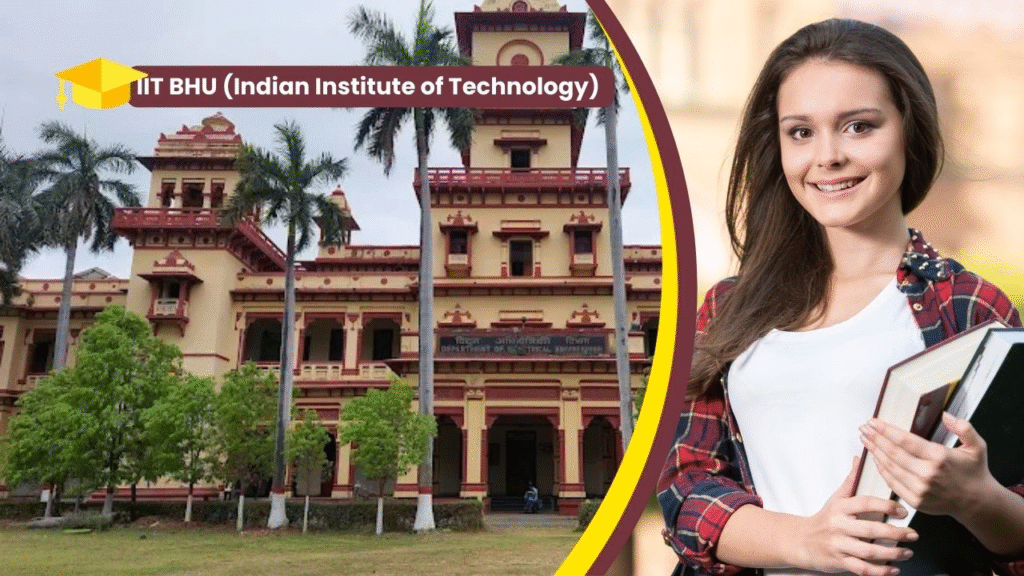
1.IIT BHU (Indian Institute of Technology, Banaras Hindu University) 

IIT BHU : The oldest university in Varanasi which is well-known for its specializations and academic values. It offers world-class education in every field of students. The largest university for technical studies, students from other states came to study here because of their strong curriculum and placement opportunities. 

Admission Insights

For B.Tech: JEE Main and JEE Advanced exam is mandatory to clear, 12th completed with at least 75% score in Physics, Chemistry, Math. admission is also based on JoSAA counselling, seat allocated according to the counseling.

For MTech: GATE score is necessary for the proceedings of admission which followed COAP counseling to allocate seats. 

Other courses: Entrance exams like IIT JAM for MSc required for the admission. 

Specializations Offered

IIT offers a wider range of programs in each field, some of them are incredibly popular due to their worldwide demand. The various specializations are Computer, Electronics, Mechanical, Electrical, Chemical, Metallurgy, Mining, Ceramic, Pharmaceutical, Civil engineering. 

These specializations come on both undergraduate or postgraduate level. Undergraduate degree (B.Tech) is a 5 year course and postgraduate degree (M.Tech) is a 2 year course. Many other courses including MSc, BPharma, MPharma, and PhD programs are also offered in this college.

Placement and Fees

For BTech: Fee is approximately Rs. 8.35 lakhs for the entire program, it may vary on the course’s specializations. Hostel and extra fee are excluded from the entire fee.

Its placement record is good, and offers opportunities around the globe for engineering students. The salary packages vary depending on the students’ placement, ranging from 7 LPA to 14 LPA.

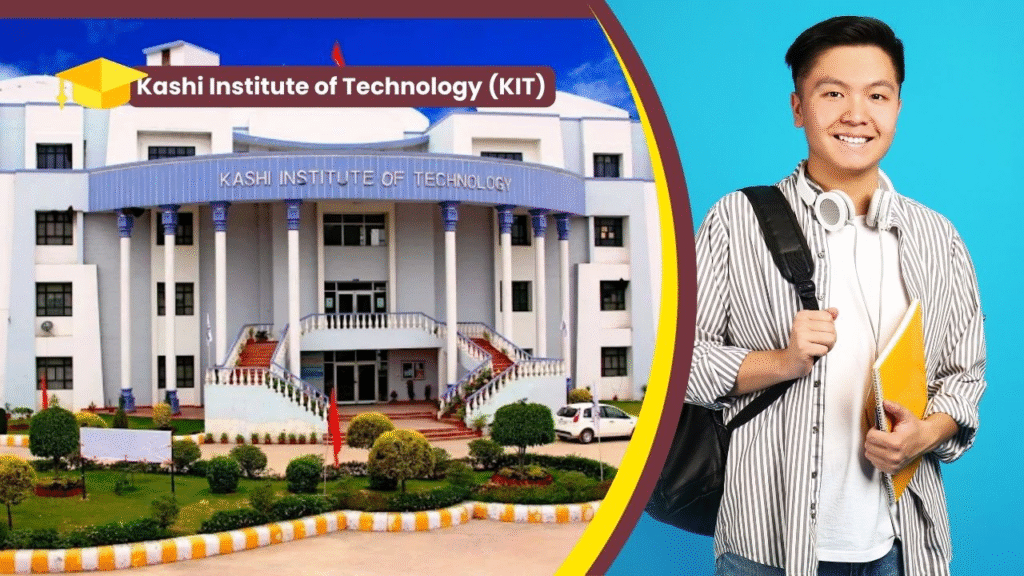
2.Kashi Institute of Technology (KIT)

Kashi Institute of Technology is popular among students for delivering a strong curriculum and training sessions for engineering students. It offers technology, science, and management courses for students to establish their career in their respective field.

Admission Insights

JEE Main is accepted for BTech admission. Another entrance exam is required for the specific courses in this university. 12th percentage must be above 45% with physics, chemistry, math at least to get an admission in BTech. 

Specializations Offered

Undergraduate: B.Tech in various specializations including CS, Mechanical, Civil, Machine Learning, Biotechnology, IT, AI, Electronics, and Electrical engineering. MCA, BCA courses are also available in Kashi Institute of Technology. Diploma in engineering are also available in CS, electrical, and IT at low fees.

Also Read : Top 10 High Salary Courses After 12th Science Without NEET

Placement and Fees

B.Tech fee is around Rs. 1.25 Lakhs for a year and it varies on the specific field of specialization. Diploma courses cost you around Rs. 1.8 lakhs for the entire course.

Placement opportunity for all the students is higher, recorded around 70% placement done in previous year. The salary package for BTech graduates in any specific field ranges between Rs. 3.36 – 4.8 LPA. The package is also dependent on the company size and specialization course of the students, it can go up to 18 LPA. 

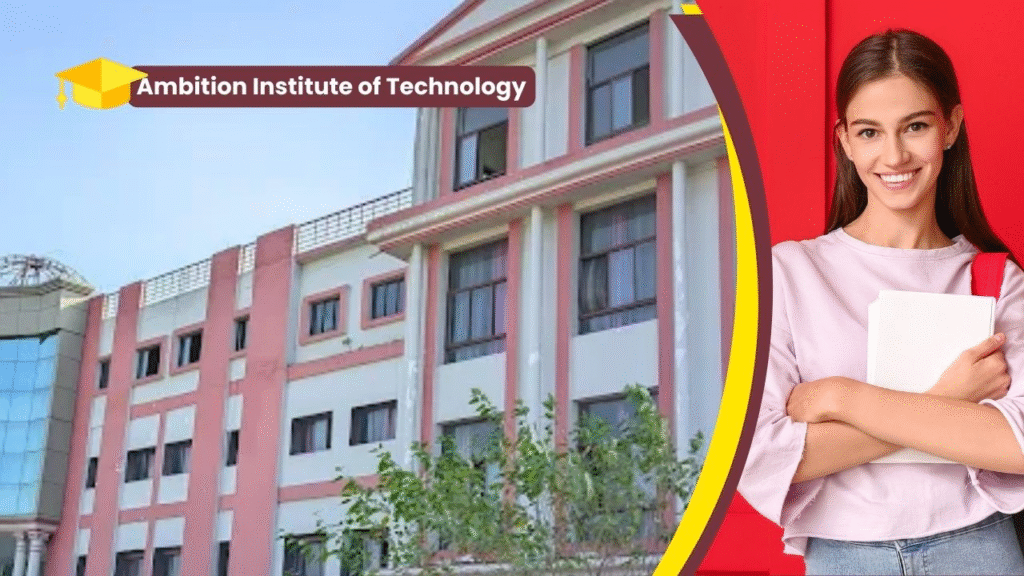
3.Ambition Institute of Technology

Ambition Institute of Technology is a well-known university for engineering courses. Many students prefer to get a higher education in specific specializations. Polytechnic and diploma courses are available in this institute for engineering. 

Admission Insights

For admission in this institute, students must meet the eligibility criteria of university. It requires 35% in 10th marksheet and entrance exams should be cleared by the students like JEECUP. 

Specializations Offered

Polytechnic and diploma courses in various specializations included computer science, electrical, mechanical, electronic, chemical, electrical, automobile, production engineering, and information technology. These courses duration is 3 years. 

Placement and Fees

The total fee for the 3 year diploma course is around Rs. 1,00,800. Placements are offered for every student with a good percentage from the top companies. Major industries like Suzuki Motor, Bajaj, and Reliance offer salary packages around Rs. 3 LPA but international companies can offer up to Rs. 20 LPA.

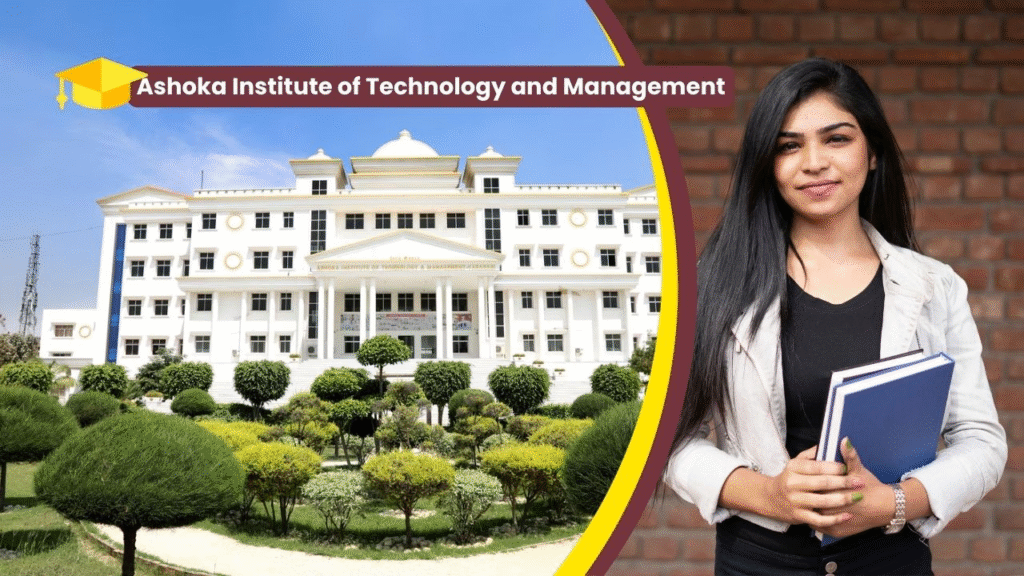
4.Ashoka Institute of Technology and Management

Ashoka Institute of Technology and Management was established in 2010 offering engineering and management courses across various fields. It is affiliated with A.P.J. Abdul Kalam University and approved by AICTE. It provides good infrastructure with labs, smart classrooms, library, auditorium, and sports field, medical facility, and cafeteria. Strong curriculum with experienced faculty to deliver quality education.

Admission Insights

JEE Main and advanced scores are mandatory for engineering programs and AKTU counselling is a final selection round for admission in BTech. 10+2 with PCM percentage must be above 60% for general and above 55% for reserved category. 

For Postgraduation: Graduation degree is necessary with 50% score, UPCET PG and CUET score are required for the admission in master program

Specializations Offered

BTech in various Specializations — Computer Science, Civil, Mechanical, Electronics, Electrical, Biotechnology / Artificial Intelligence & Machine Learning. 

Placement and Fees

B.Tech fee for the entire course is around Rs. 5.16 lakhs. Training and soft skills fee is included but it may fluctuate as it depends on the specific courses. Check the official website of the college for exact details.

Placement offers are high, around Rs. 4.5 LPA but salary package depends on the recruiters that can be up to Rs. 7.6 lakhs.

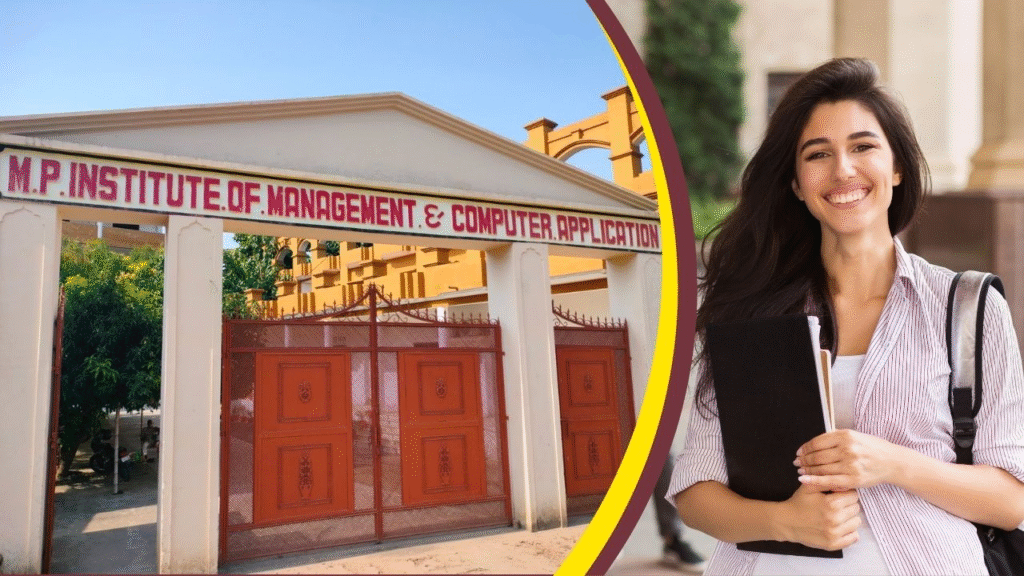
5.MP Institute of Management and Computer Application

MP is a private institution providing Management and Computer Application advanced education. It was established in 2004 in Varanasi and approved by AICTE. It is well-known for high-quality education delivered through various programs.

Admission Insights

Admission in BCA is done on the merits of students. It is mandatory to complete 10+2 with a good score and Mathematics as a subject in 12th. 

Specializations Offered

MP Institute of Management and Computer Application offers Bachelor of Computer Science and postgraduation in Data Science and Artificial Intelligence. PGDM courses available to open further opportunities.

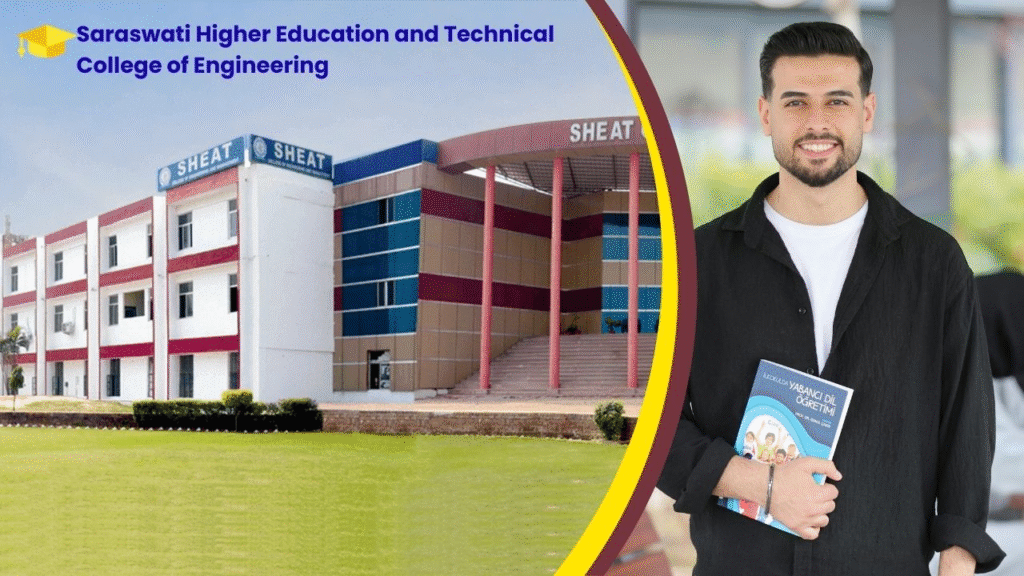
6.Saraswati Higher Education and Technical College of Engineering

Saraswati Higher Education and Technical College of Engineering is a private college with a wider range of courses. It was established in 2008 and approved by AICTE to provide world-class education. It offers not only theoretical lectures but Lab projects and workshops to develop students’ skills. The college also provides a huge library, sports field, cafeteria, shuttle services, medical and ATM facilities. 

Admission Insights

Admission is based on the scores of entrance exams such as UPSEE or AKTU entrance test for BTech and MTech.

The seat allotted after the examination results through counseling. For BTech, students must complete their 10 and 12th with above 60% and Math, Physics, Chemistry must have as a subject in 12th. GATE or UPSEE score is required for MTech program, it must be above 50%.

Specializations Offered

BTech offers various specializations: Civil, Electrical, Electronics, Mechanical, Computer Science & Information Technology. The college also provided these specializations at the post graduate level. 

Diploma courses are also available in the engineering field but admission process and fee may differ to each other.

Placement and Fees

BTech fee depends on the specific specialization, it varies from Rs. 3 Lakh to Rs. 15 lakh. BCA fee is around Rs. 3.40 lakh for 3 year degree program.

This college performs placement drives for students after training modules, mock interviews, and prepares them to connect with recruiters such as TCS, Banks, Bajaj, Reliance etc. Previous year students got placement packages around Rs. 6.42 LPA from HikeEdu and the highest package around Rs. 12 LPA from Tata. 

Conclusion

Choosing the right college totally depends on your budget and preferences, while these Top 6 Best Engineering Colleges in Varanasi will provide strong syllabus, excellent teaching style, and real-world projects to assess every knowledge for the specific field. BTech or MTech is not an easy degree, it requires focus and right support to score well and understand every concept of the deeper topics to become an engineer. That is why the right college is important to choose for engineering.

Leave a Comment

Your email address will not be published. Required fields are marked *

Scroll to Top