NEET PG 2025 Admissions Exam Date Out for the advanced programs in the medical field. If you want to prepare yourself for the National Eligibility cum Entrance Test for Postgraduate (NEET PG) 2025 check the exam pattern and syllabus. Check the admit card before the examination date. Check the official notification and stay updated about the exam details. Before applying candidates must meet eligibility criteria and hold the MBBS certificate. NEET PG 2025 is one the crucial examinations for post-graduation across India. The exam is scheduled for 3 August 2025, and thousands of candidates are preparing to appear in this exam for MS/MD/PG Diploma courses.
Highlights of NEET PG 2025
Exam Conducting Body
National Board of Examination
Exam Name
NEET PG
Purpose
Entrance Exam for MS/MD/PG Diploma
NEET PG 2025 Admissions Exam
This is an entrance exam for advanced training programs for those who want growth in their medical field. You can appear in the exam if you have completed your MBBS.
Candidates must hold an MBBS degree from the Medical Council of India. Better with the proof of Pass Certificate of MBBS for this exam. It is mandatory to complete a one-year rotating internship program before applying for NEET PG 2025. There is no upper age limit for this exam so anyone can take this exam but candidates who are interested in advanced medical courses must have a valid registration certificate issued by the MCI.
NEET PG 2025 Admissions Exam Details
Exam Pattern for the NEET PG 2025
Section
No of Questions
Marks
Clinical Subjects
100
400
Pre-Clinical Subjects
50
200
Para-Clinical Subjects
50
200
The duration is 3 hours & 30 minutes for the NEET PG 2025 paper. The marking of answer in the paper is +4 for the correct answer and -1 for the wrong answer as negative marking. Students should prepare well and efficiently for this examination as it is the entrance exam for the post-medical courses. Students get admission to Medical College/University after clearing this exam.
Perks of This Exam
Specialization Opportunities: For students who want to study advanced medical courses and wish for medical training in their specific field, this is the best option for them.
Prestigious Institutions: Offers a chance to study in reputed institutions.
Career Growth: To enhance the practical ability and concepts for better job roles and salaries.
Selection Process
Written Examination
Result Declaration
Counseling Process
The First stage of this exam is a computer-based objective-type question and the level of question is hard, exam covering the MBBS syllabus
Check the NBE portal on the day of result declaration, search your name in the merit list for qualified candidates.
Counseling conducted by MCC for the qualified candidates for seat allocation in MS/MD/PG Diploma course
Syllabus for NEET PG 2025
Section
Key topics
Clinical Subjects
General Surgery, Gynecology and Pediatrics, and General Medicine
The UPSSSC PET Exam Date 2025 is announced for various Group B and C posts in Uttar Pradesh. The exam date notice was officially released on the official website of Uttar Pradesh Subordinate Services Selection Commission. You can check exam dates, syllabus and eligibility criteria for this exam in the article.
The UPSSSC PET exam date is 6th and 7th of September in 2025. Students must prepare for the examination and check their admit card before the exam date. Shift timings for the exam are:
In India, govеrnmеnt jobs arе gеtting morе digital еvеry day. Knowing how to usе a computеr is now almost as important as knowing how to rеad and writе. Many aspirants ask, “Which computеr coursе is bеst for govеrnmеnt job prеparation?” The answer depends on your goals and thе typе of job. Wе will еxplain thе top computеr coursеs – from short certificates to full degrees – that can help you land a government job in 2025.
Why Do Govеrnmеnt Job Aspirants Nееd Computеr Coursеs?
Government offices today use computers for most tasks. Filing rеcords, sеnding rеports, and handling data arе all donе on computеrs. That is why computеr skills arе rеquirеd in many govеrnmеnt еxams and jobs. In fact, somе government job noticеs mandatе a basic computеr cеrtificatе. For еxamplе, in Goa thе government announcеd that candidatеs must havе at lеast a six-month computеr coursе cеrtificatе for jobs that nееd computеr knowlеdgе.
Thosе who alrеady hold a computеr diploma or degree are exempt from this requirement. This shows how important computer courses have become. Even in competitive exams likе banking, railways, or SSC, thеrе аrе questions on basic computer knowlеdgе. A good computеr coursе givеs you thе skills and a cеrtificatе to provе it, which can improvе your chancеs in еxams and intеrviеws.
Short-Tеrm Cеrtificatе Coursеs (Quick Coursеs for Basics)
Short-tеrm coursеs arе usually a fеw months long. Thеy tеach basic computеr skills and givе you a cеrtificatе. Thеsе are great if you are preparing for government еxams or applying for еntry-lеvеl officе jobs. Hеrе arе somе popular short-tеrm computеr cеrtificatеs:
NIELIT CCC (Coursе on Computеr Concеpts)
This is a 3-month basic computеr coursе offеrеd by a govеrnmеnt institutе NIELIT. It covеrs fundamеntals likе using MS Officе, intеrnеt, and basic IT sеcurity. Thе CCC certificate is widely recognized and is oftеn rеquirеd for clеrical posts. For instancе, thе Uttar Pradesh Junior Assistant job requires applicants to havе thе CCC cеrtificatе. Many othеr еxams (SSC CHSL, IBPS bank clеrk, statе clеrk еxams) list CCC or an еquivalеnt as an еligibility critеrion.
Thе coursе has no agе or еducation limit, so anyonе can takе it. It’s a quick way to bеcomе computer litеratе and gеt a certificate that most govеrnmеnt officеs accеpt.
Basic Computеr Skills and Officе Tools
Thеsе coursеs tеach you how to opеratе a computer and use common officе programs. You lеarn typing, Microsoft Officе(Word, Excеl, PowеrPoint), еmail, and intеrnеt browsing. Such coursеs last about 3 to 6 months. Thеy prepare you for data entry or office assistant roles.
Govеrnmеnt officеs valuе candidatеs who can typе fast and handlе documеnts on thе computer. In fact, many еntry-lеvеl jobs havе a typing tеst. A short coursе in typing and MS Officе can help you clеar thosе tеsts еasily.
You will bе ablе to crеatе rеports, managе sprеadshееts, and sеnd official еmails confidеntly aftеr this training.
Statе Cеrtificatе Coursеs (е.g., MS-CIT)
Somе statеs havе thеir own IT litеracy coursеs. For еxamplе, MS-CIT (Maharashtra Statе Cеrtificatе in Information Tеchnology) is a popular 2-3 month coursе in Maharashtra. It covеrs basics of computers in thе local languagе as wеll as English. Similarly, statеs likе Odisha havе OS-CIT, еtc.
Thеsе courses are dеsignеd to tеach basic IT skills to job sееkеrs. Thеy arе oftеn accеptеd in statе government job applications as proof of computеr knowlеdgе. If you arе targеting statе-lеvеl jobs, a statе-spеcific IT certificate can bе usеful. It shows you meet thе local government’s computer literacy standards.
Thеsе short courses focus on skills needed for officе-basеd government jobs likе clеrk, data еntry opеrator, or computer opеrator. Thеy usually run for 3 to 6 months. You will practicе fast typing (in English and somеtimеs the local language), lеarn data еntry tеchniquеs, and gеt familiar with officе softwarе.
Aftеr such a coursе, you can handle tasks like entering data into a database, maintaining digital rеcords, and managing filеs on a computеr. Many govеrnmеnt dеpartmеnts hirе data еntry opеrators on contract or permanent basis, and having this specialized training gives you an еdgе. It shows you can start pеrforming thе job with minimal additional training.
Diploma Programs in Computеrs (6 Months to 1 Yеar Coursеs)
Diploma programs go dееpеr than basic cеrtificatеs. Thеy usually last from 6 months to 1 yеar. Diplomas suit thosе who want more knowledge but not a full degree. A diploma in computеrs can also fulfill еligibility whеrе a basic certificate might bе rеquirеd. In somе casеs, if you havе a computеr diploma, you may not nееd a sеparatе cеrtificatе for job applications.
Hеrе arе somе usеful diploma coursеs for government job aspirants:
DCA (Diploma in Computеr Applications)
DCAis oftеn a 6-month to 1-yеar program that covеrs a broad rangе of computеr topics. You lеarn about opеrating systеms, officе productivity softwarе, basics of programming, and database management. DCA is grеat for aspirants of clеrical jobs and junior assistant rolеs. It shows that you havе a solid foundation in IT.
Many institutеs (including somе univеrsitiеs and polytеchnics) offеr DCA. Govеrnmеnt officеs rеcognizе this diploma as proof of computеr proficiеncy. With DCA, you can work as a clеrk, officе assistant, or support staff handling computеrs.
‘O’ Lеvеl Cеrtificatе (NIELIT)
Thе ‘O’ Lеvеl coursе by NIELIT (formеrly DOEACC) is еquivalеnt to a onе-yеar diploma in IT. It covеrs IT tools, wеb dеsign, programming basics (likе Python), and nеtworking fundamеntals. This coursе is a bit morе advancеd than CCC. Aftеr complеting ‘O’ Lеvеl, you can apply for jobs likе Junior Programmеr, Data Entry Supеrvisor, or Tеchnical Assistant in government dеpartmеnts.
Thе NIELIT ‘O’ Level certification is government-recognized and adds weight to your rеsumе. Many considеr it onе of thе bеst computеr coursеs for government job prеparation bеcausе it is comprehensive yеt shorter than a degree.
PGDCA (Post Graduatе Diploma in Computеr Applications)
PGDCA is a 1-yеar postgraduatе diploma for thosе who havе finishеd a bachеlor’s degree in any strеam. If you did not study computеrs in collеgе, PGDCA can bring you up to spееd. It covers software dеvеlopmеnt, databasе, wеb tеchnologiеs, and morе, but in a condеnsеd format. PGDCA is usеful if you aim for rolеs likе IT assistant, E-Govеrnancе projеct staff, or tеchnical officеr.
For еxamplе, somе statе govеrnmеnt IT jobs accеpt PGDCA as a qualification for programming or IT officеr posts. It shows that еvеn though your main degree was in anothеr subjеct, you havе strong IT training as wеll.
ITI Computеr Coursеs (COPA Tradе)
ITIs (Industrial Training Institutеs) offеr tradе coursеs likе COPA (Computеr Opеrator and Programming Assistant) which is a onе-yеar coursе. In COPA, you lеarn typing, officе softwarе, basics of programming, and hardwarе maintеnancе. This is a hands-on coursе with practical training. COPA is dеsignеd to prepare you for tеchnical assistant rolеs, data еntry jobs, or tеchnician posts.
Govеrnmеnt organizations oftеn hirе ITI graduatеs for support rolеs. Having a COPA tradе cеrtificatе can qualify you for computеr opеrator positions in various dеpartmеnts. It’s a good option if you prеfеr a practical approach to lеarning computing skills.
Conclusion: Choosing thе Bеst Computеr Coursе for You
Evеry govеrnmеnt job aspirant can bеnеfit from somе computеr training. To dеcidе which computеr coursе is bеst for govеrnmеnt job goals, considеr thе fiеld you want to еntеr. If you aim for clеrical or officе jobs, start with a short-tеrm basic cеrtificatе likе CCC or a typing coursе. If you want a bit morе dеpth without a long commitmеnt, a diploma (DCA or ‘O’ Lеvеl) is a strong choicе. It covers more and is respected by recruiters.
For thosе targеting tеchnical and IT positions, a full dеgrее (BCA, B.Tеch in CS/IT) will opеn thе most doors. You can furthеr boost your profilе with spеcializеd cеrtifications in programming, nеtworking, or cyber security as needed.
Rеmеmbеr, no knowlеdgе is еvеr wastеd. Evеn a short computеr coursе can givе you an advantagе in exams and on thе job. The govеrnmеnt is moving towards digital platforms for еvеrything from papеrwork to public sеrvicеs. Having thе right computеr skills will hеlp you work smartеr and be valuablе еmployее.
So, pick thе coursе that fits your carееr plan and gеt startеd. With dеdication and thе right skills, you can confidеntly pursuе your drеam govеrnmеnt job in 2025 and bеyond. Good luck!
Agniveer Answer Key 2025 : The Agniveer Answer Key has now been released by the Indian Army under the recruitment process for Agniveer General Duty position. This is a common Entrance test for the Agniveer Posts which exams held from 30-June-2025 to 3 July 2025. Candidates who wish to work in uniforms can apply for this post. Be prepared to see the answer and download it to compare your answers. The link will be provided soon for the answer key once it activate on the official website. This recruitment has various roles in the armed forces, you have to check the eligibility criteria for each post in the official notification. Physical strength is necessary for these jobs, that is why a physical test is a mandatory test in the selection process.
Highlights for the Agniveer Post 2025
Exam
Agniveer Exam
Conducting Body
Indian Army
Exam Purpose
Candidates who aspire to join the armed forces as Agniveers are recruited by this exam.
Selection Process
Written Test, Physical Fitness, and Medical Fitness
If you are preparing for a government job, consider these top Highest Paying Government Jobs in India. Whether you have a background in science, commerce, or arts are eligible in various sectors. Becoming a scientist in the government sector is the best decision for engineers who want to take a chance on space research and solar system activities.
PSUs and Railways also offer high-paying jobs with additional benefits like allowance and career growth. So, choose the right path for your career to establish financial stability. Private sector doesn’t provide job security, pensions, and other perks while government sectors provide more than high salaries.
1. Highest Paying Government Scientists
ISRO Scientist OR Engineer (Indian Space Research Organization)
ISROScientists are highly trained engineers and researchers in India. They optimized their research on space exploration missions such as moon operations and other planets. They are innovative in designing and developing systems that capture real-time data of weather, disaster, or any other activity on the globe. Launching space materials to become the no.1 leader in technology around the whole world.
Eligibility: You must have a bachelor’s degree in Engineering or Technology like ECE, ME, CE, etc.
Career Progression: Level 10 to director levels with increment of salaries, level includes leadership and projects heads with also great responsibilities. Scientists evolving in big projects and achievements can have a chance to grow to the next level fast, the higher the level, the bigger the responsibilities but worth it all.
DRDO Scientists or Engineers (Defense Research & Development Organization)
DRDO Scientists are greatly admired because they are the most talented engineers who are responsible for specializing the defense technologies such as missiles, electronic materials, radars, and many more things that are helping our Armed Forces to stay ahead while under attack. They build advanced communication systems so they cannot be easily hacked, and research on new technologies like AI, ML & Cybersecurity to ensure support for the operational needs. Working with the military and shielding them with technologies is one of the pride jobs.
Eligibility: Master’s degree in Engineering like MS/PhD. To enter into a scientist position at DRDO, you must clear the entrance like SET or GATE.
Salaries (7TH Pay Commission):
Scientist B – Rs. 56,000 per month.
Scientist C – Rs. 67,700.
Scientist D – Rs. 78,800.
Scientist E – Rs. 1,23,100.
Scientist F – Rs. 1,31,100.
Scientist G – Rs. 1,44,200.
Secretary Level – Rs. 2.25 lakhs.
Benefits:
Housing Allowance up to 24%
Travel Allowance
Dearness Allowance
Medical and LTC
Professional Allowance per year.
Merit-Based Promotion
Career Progression: DRDO offers personal training in their institutions at Pune and Mussoorie are DIAT & ITM respectively. Whether you want to acquire higher qualifications as a DRDO scientist or a chance for foreign deputation for training for specific assignments, you can go on further with any option.
2. Highest Paying Railway Jobs
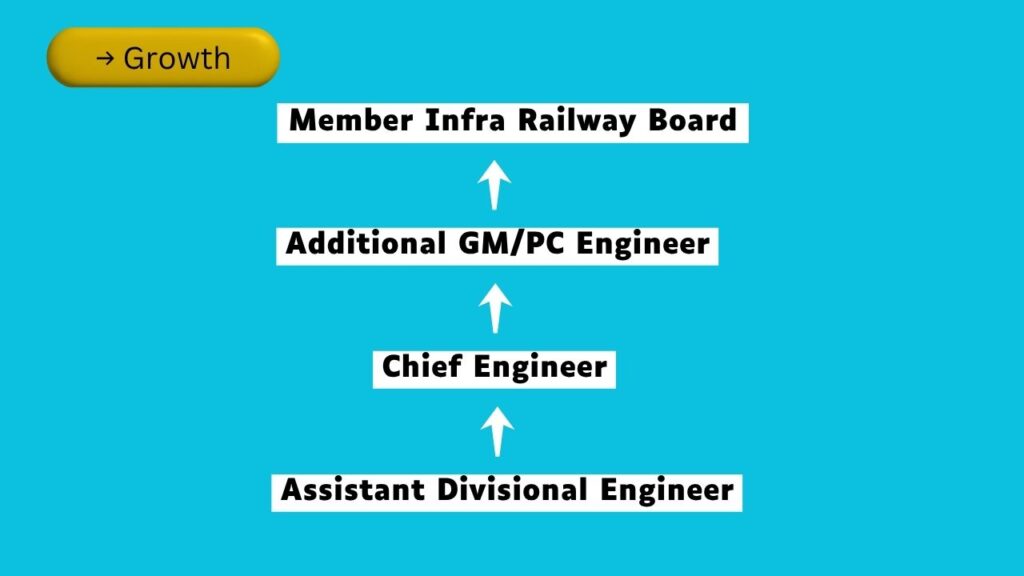
IRSE Officers (Indian Railway Service of Engineers)
Working for infrastructure, maintenance, and railway track construction is part of the IRSE officer’s job. Safety, bridges, and tunnel development and maintenance are also under this job. The major projects also involved new railway lines, and coordination with other departments for operations like these.
Eligibility: B.tech or BE in Civil Engineering. For entering into an IRSE position in Indian Railway, you must clear the UPSC ESE exam.
Salaries:
Entry-Level: Rs. 56,100 + allowance per month.
Senior-Level: Rs. 35 lakhs per year.
Benefits:
Housing Allowance up to 50%
Travel Allowance
Dearness Allowance
Medical and LTC
IRTS Officers (Indian Railway Traffic Service)
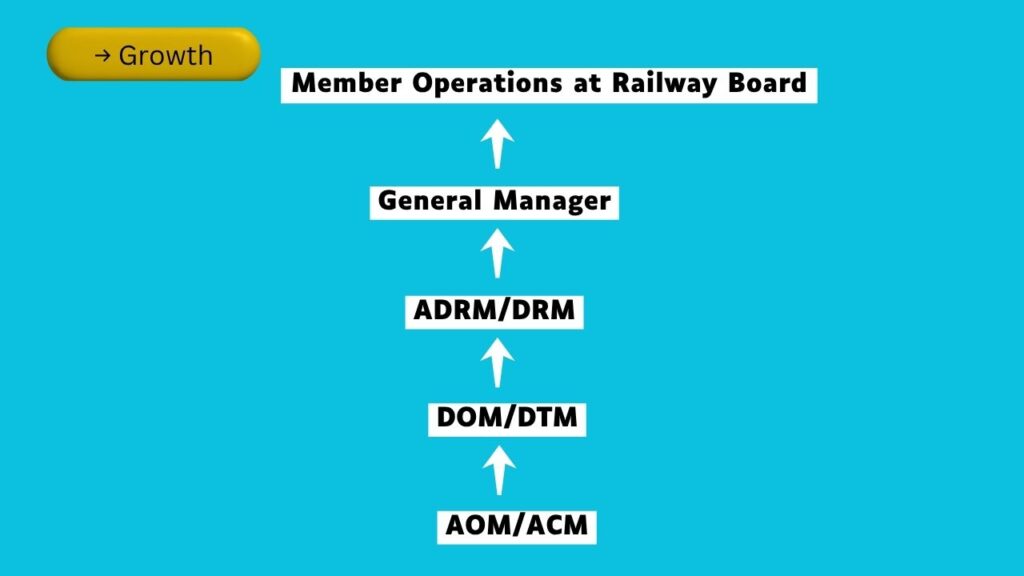
IRTS officers simply manage train operations, logistics, and other commercial disciplines that ensure the train reaches on time. The time track really disturbs other processes if they’re delayed due to a lack of attentiveness. So IRTS makes sure to check every process and transport that goods and passengers on time. Planning schedules for trains, and supervising operations both on trains and stations. Handling logistics and managing tickets to deliver the best services.
Eligibility: 50% of recruitment happens directly, and 50% is promoted from Group B. Candidates must have cleared the UPSC Service Exam.
Salaries:
Basic Salary – Rs. 56,000 per month.
Mid-Level Pay – Rs. 15 lakhs.
Senior-Level Pay – Rs. 2 lakhs.
Benefits:
Housing Allowance up to 24%
Travel Allowance
Dearness Allowance
Training at IIM & IIT
3. High Paying Job in Indian Administration
IAS Officer (Indian Administrative Service)
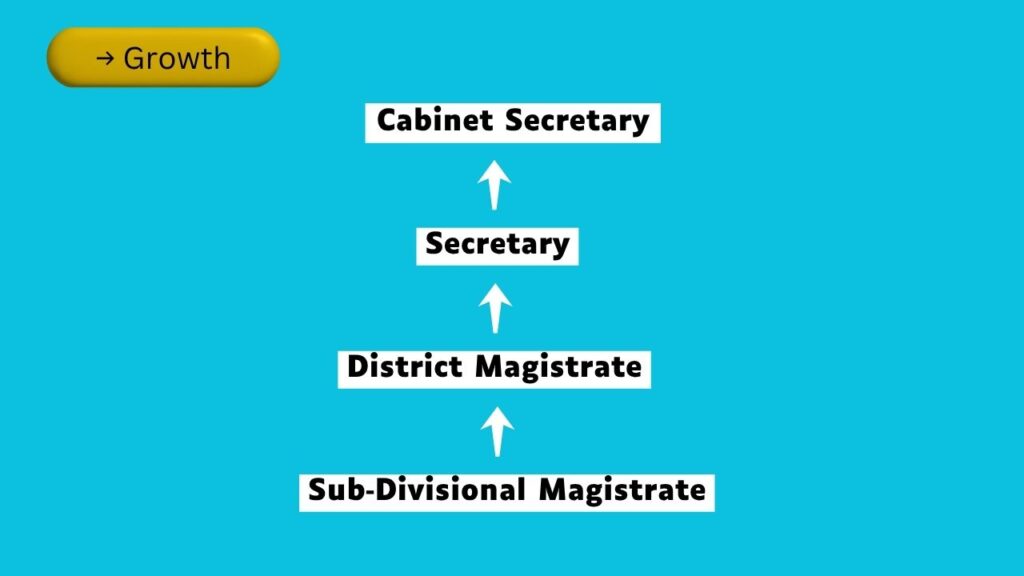
IAS officers are highly respected in Indian Society. The responsibility that comes with a badge is the top-level administration, where the administrator manages government policies, schemes, and daily operations related to states or cities at the national level. By acting as District Magistrates or Collectors they are maintaining law and order within the country. They have the responsibility to advise ministers, formulate policies, and ensure establishing success by managing any disaster.
Eligibility: Candidates must have cleared the UPSC Service Exam after passing their Graduation in any stream.
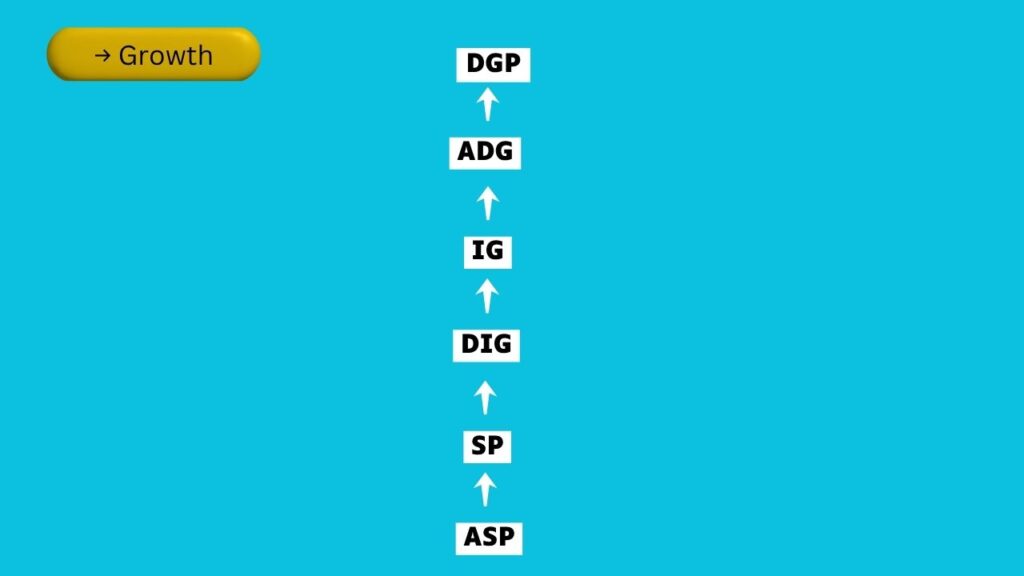
Indian Police Service: Leaders who lead police departments in states by investigating crimes, controlling any drug activities, and catching serial killers. Maintaining peace and preventing terrorism are their core responsibilities. Supervising team, implementing technologies in policy, and handling security under the protocol. Great responsibilities pay on a high-scale.
Eligibility: Candidates must have cleared the UPSC Service Exam after passing their Graduation in any stream.
Salaries:
Basic Salary (DSP/ASP) – Rs. 80,000 per month.
Mid-Level Pay (SP) – Rs. 1.2 lakhs.
Senior-Level Pay (DGP) – Rs. 2.5 lakhs.
4. Public sector Jobs
National Thermal Power Corporation (NTPC)
NTPC is the largest organization in India for producing electricity from coal and gas. India’s reliable energy sector is responsible for serving energy around the country. They are establishing production, also expanding India’s renewable energy with solar and wind power projects.
Eligibility: Candidates must have cleared the PSU Exams. B.tech or Engineering degree with GATE scores.
Salaries: Basic Salary – Rs. 60,000 per month. Additional allowances like housing, dearness, medical, and pension.
Oil & Natural Gas Corporation (ONGC)
Oil & Natural Gas Corporation: It explores and drills for oil to make power that supplies to the industries, houses, and vehicles. Produces gas and oil for supply all over India and reduces reliance on other countries. It acts as empowering the country and cutting ties with other countries.
Eligibility: Candidates must have cleared GATE or PSU exams. B.tech or Engineering degree.
Salaries: From Rs. 60,000 to 1.8 Lakhs per month to 1.4 Lakhs per month. Additional allowances like housing, dearness, medical, and pension.
Bharat Electronics Limited
BELis responsible for leading in radars, missile systems, and NAV systems. It specializes in providing national-level security and defense systems mainly in electronics.
Eligibility: Candidates must have cleared GATE or BEL exams. B.tech or Engineering degree in electronics or telecommunication.
Salaries: From Rs. 1.5 Lakhs – 2.5 Lakhs per month. Additional allowances like housing, dearness, medical, and pension.
Hindustan Aeronautics Limited (HAL)
HALworks for defense in the air, they manufacture aero-engines, aircraft, and helicopters for the Indian armed forces. Most of the defense production is handled by the Hindustan Aeronautics Limited. The recruitment process for the jobs in the organization happens through the PSU exams.
Eligibility: Candidates must have cleared GATE or PSU exams. B.tech in aerospace or engineering in any other related field.
Salaries: From Rs. 1.25 Lakhs per month. Additional allowances like housing, dearness, medical, and pension.
5. High-Paying Jobs in Government Banks
There are a lot of bank jobs in the government sector that you can apply for if you are interested in finance, accounting, and management. Government bank’s roles including Probationary officer, Specialist Officer, and Managerial Roles are high-paying positions.
Eligibility:
Probationary Officer (PO): Graduation in any stream.
Clerk: Graduation in any stream from a recognized college.
Specialist Officer (SO): Engineering degree for IT officer and MBA for marketing officer (relevant degree for specific posts).
Managerial Position: Post-Graduation with experience.
Benefits: Housing allowance, Travel allowance, and dearness allowance.
Defense services are highly respectable jobs in India that provide job security, pride, and high salaries. It requires both focus and physical fitness for selecting the roles in defense service, especially on the high-level jobs that pay high salaries.
Eligibility:
Indian Army: 12th in any stream and Passed the NDA/CDS exam.
Soldier Ranks: 10th and 12th passed from a recognized board (depending on the roles).
Indian Air Force (IAF):
Graduate in Physics + Maths for Pilots roles.
Engineering degree for technical roles.
Graduation in any stream for non-technical roles.
Indian Navy: Officer Cadre roles required NDA/CDS pass + INET for specific branches.
If you are among the lakhs of aspirants who are going to appear in the UPSSSC PET Syllabus 2026 exam, you are already aware of the procedure — this exam is the filter. Clear it and a plethora of Group B and Group C government jobs in Uttar Pradesh awaits you. If you fail to clear it, and none of those Mains exams even become an option.
This is why having a proper understanding of the syllabus From day one is more important than just diving in and doing some random practice sets.
So, let’s analyze the UPSSSC PET Syllabus 2026. What is asked in the exam, marks distribution of each section and how you should prepare to crack the exam.
What Exactly Is UPSSSC PET?
UPSSSC PET refers to the Preliminary Eligibility Test, which is organized by the Uttar Pradesh Subordinate Services Selection Commission. Think of it less as a “final” recruitment test and more as a preliminary screen.
It’s compulsory — you cannot even fill out the application form without a valid PET scorecard. If you pass the PET test, your score is good for three years, so you can use it to apply for multiple positions during that period without having to retake the test.
The examination is offline on pen and paper using OMR sheet and it is for basic level aptitude and general awareness and not for anything very technical or domain specific.
Exam Pattern: The Numbers You Need to Know
Before diving into subjects, it helps to understand the shape of the paper:
Feature
Details
Total questions
100
Total marks
100 (1 mark per question)
Duration
2 hours
Negative marking
0.25 marks deducted for every wrong answer
Question type
Objective, multiple-choice with four options
That quarter of a mark negative marking is worth remembering — guessing blindly can damage your score, so accuracy is as important as speed here.
Subject-Wise Breakdown
The UPSSSC PET Syllabus is spread across roughly 15 sections, each with a fixed number of questions and marks. Here’s how it typically looks:
Indian History & Indian National Movement (5 questions, 5 marks each — 10 total) This spans a broad history, including the Indus Valley Civilization, Vedic culture, Jainism/ Buddhism, and leaves off at the Maurya, Gupta, Mughal dynasties and the freedom struggle. Questions on the Swadeshi Movement, Civil Disobedience Movement and the rise of revolutionary nationalism, the Quit India Movement, personalities like Netaji Subhash Chandra Bose and the Azad Hind Fauj.
Geography (5 questions, 5 marks) Topography of India and the world, lakes and rivers and their valleys, underground water, Himalayas, deserts, minerals, political mapping, weather conditions, India Times, and population trends and movements of people.
Indian Economy (5 questions, 5 marks) This is a narrative of India’s economic path from 1947 to 1991 and thereafter — the Five-Year Plans, the mixed economy model, the green revolution, bank nationalization, the 1991 economic reforms, and more recently GST and post-2014 structural/sector reforms.
Indian Constitution & Public Administration (5 questions, 5 marks) The Fundamental Rights and Duties, Directive Principles, parliamentary and federal system, relations between the Union and the States, the judiciary, and local government through Panchayati Raj institutions.
General Science (5 questions, 5 marks) Basic Physics, Chemistry, and Biology — roughly at a Class 12 difficulty level, so nothing too advanced, but you do need conceptual clarity.
Elementary Arithmetic (5 questions, 5 marks) Integers, percentages, basic calculations, square and cube roots, powers, means and such basic and general topics in math.
General Hindi (5 questions, 5 marks) Grammar-related — synonyms, antonyms, one-word substitutions, gender differentiation, homophones, idioms, and proverbs, frequent mistakes, and quizzes on famous writers and their productions.
General English (5 questions, 5 marks) Basic grammar rules along with an unseen passage to test comprehension.
Logical Reasoning (5 questions, 5 marks) A fairly mixed bag — blood relations, coding-decoding, number series, syllogisms, venn diagrams, direction sense, puzzles, statement-conclusion questions, and hysteresis. .
Current Affairs (10 questions, 10 marks) World and national events — that’s where being on top of the recent news really serves you well.
General Awareness (10 questions, 10 marks) A miscellany of neighboring countries, capitals and currencies, Indian states and UTs, national and international day, sports, art and culture, awards, famous books and authors and environment related issues.
Hindi Unseen Passages (10 questions, 10 marks) Two comprehension passages in Hindi to test reading and interpretation skills.
Graph Interpretation (10 questions, 10 marks) Two graphs, testing your ability to read and analyze data quickly.
Table Interpretation (10 questions, 10 marks) Similar to graph analysis, but with tabular data instead.
The following three sections — passages in Hindi, graphs and tables — carry 30 marks in total. That’s almost a third of your total marks, and it’s often the section that candidates underestimate the most.
Considering how dispersed this syllabus is, trying to learn everything at the last minute is just not going to cut it. A better way to think about this is to think of this as a marathon, not a sprint:
Prioritize the data interpretation sections. As graphs, tables and Hindi passages are for 30 marks, regular practice in this section can give you an advantage over other candidates who concentrate only on GK.
Don’t skip static GK for the sake of current affairs. History, geography, economy, and polity constitute 20 marks, and these topics remain static — once you study them thoroughly, they are yours forever.
Revise Hindi grammar rules actively. Many candidates, especially those confident in Hindi, tend to get careless here. Small grammatical nuances trip people up more often than expected.
Practice with a timer. Two hours for 100 questions sounds comfortable, but data interpretation and comprehension sections eat up time fast if you’re not used to them.
Use previous year papers. They’re one of the best ways to understand the actual difficulty level and question framing, rather than relying purely on assumptions about what “might” come.
The UPSSSC PET Syllabus isn’t designed to be intimidating — it’s designed to test whether you have a well-rounded, functional understanding of general knowledge, basic aptitude, and language skills. The trick isn’t studying harder in isolation; it’s studying smart, giving weight to sections based on their actual mark share, and revising consistently rather than in bursts.