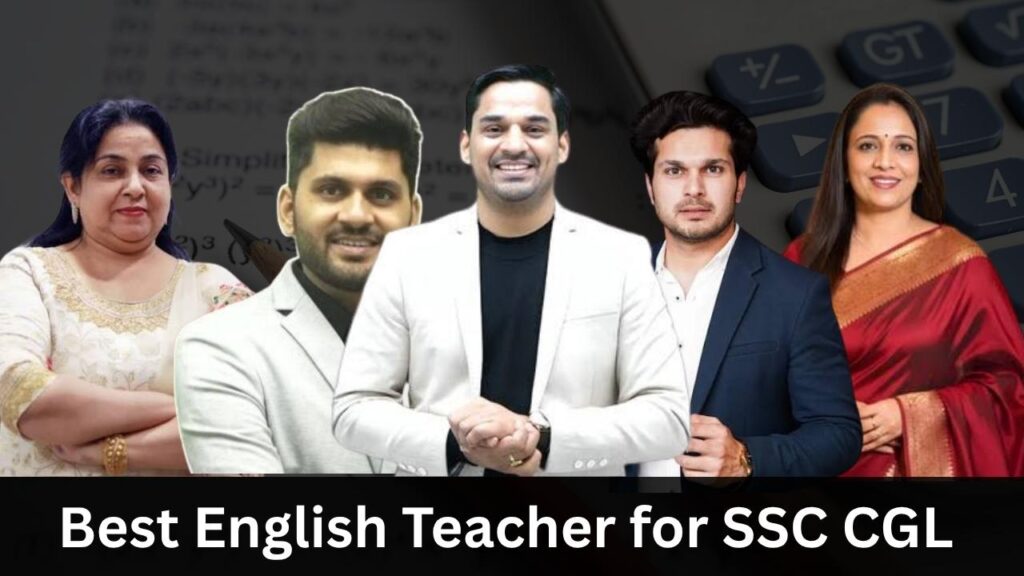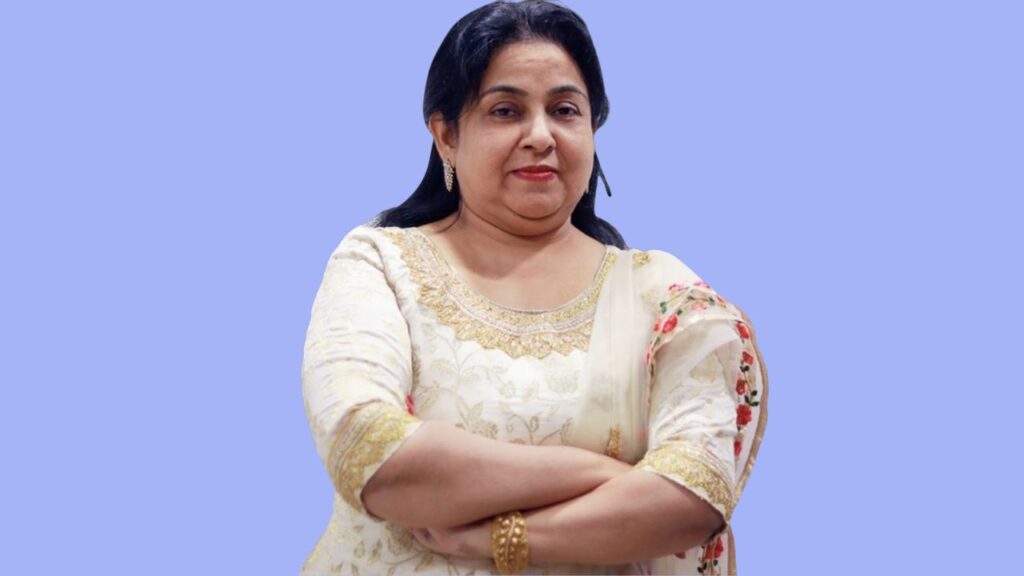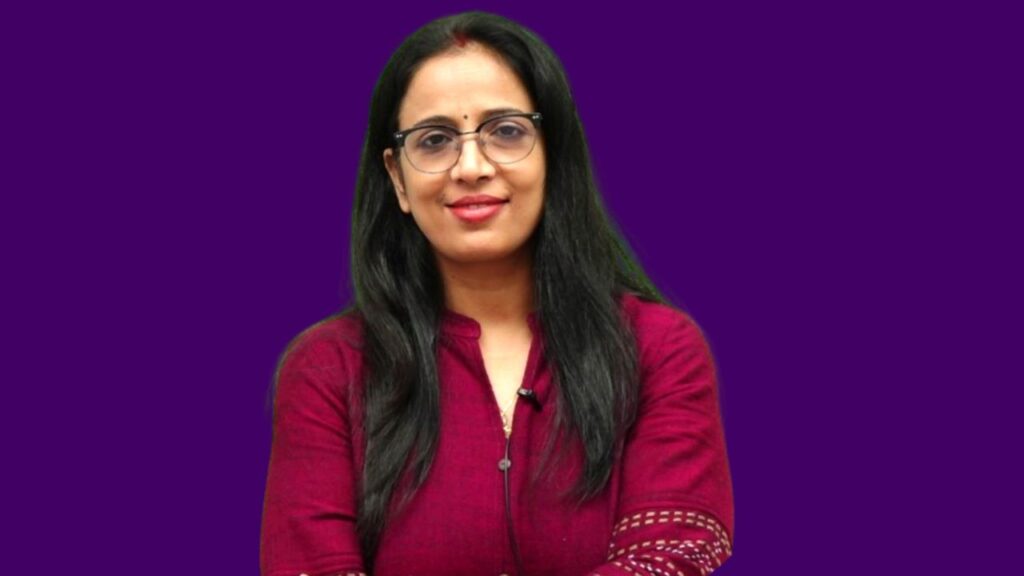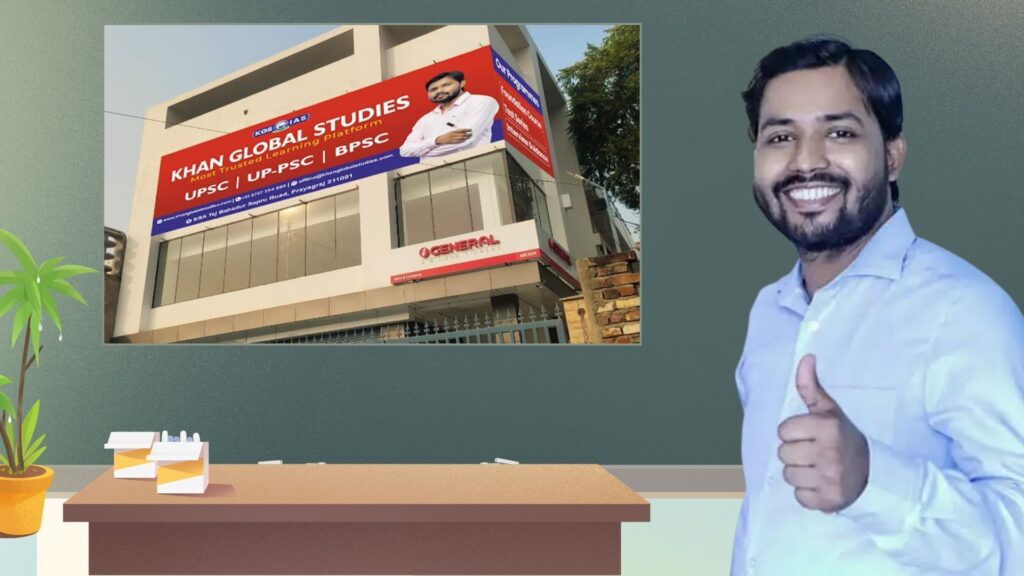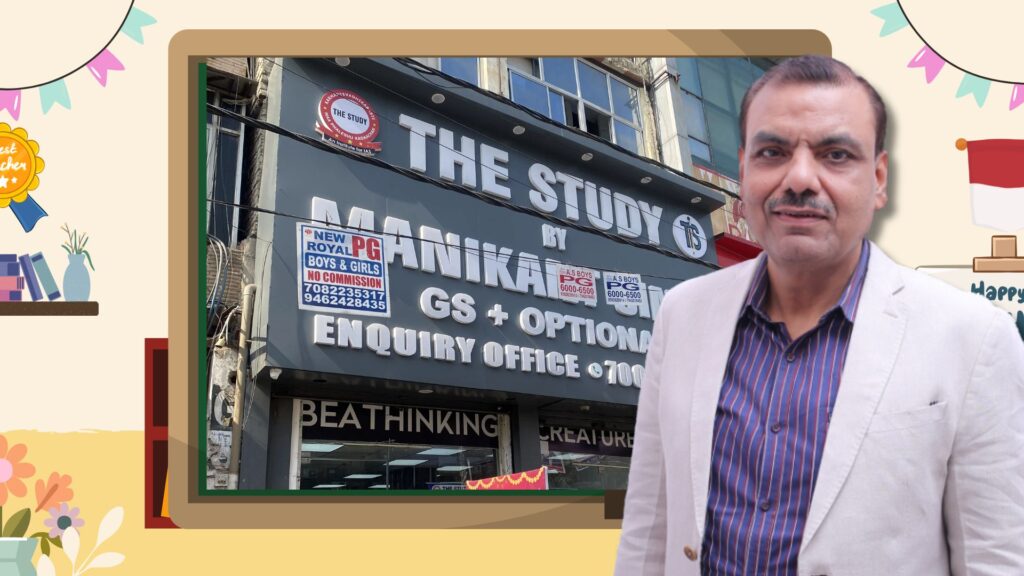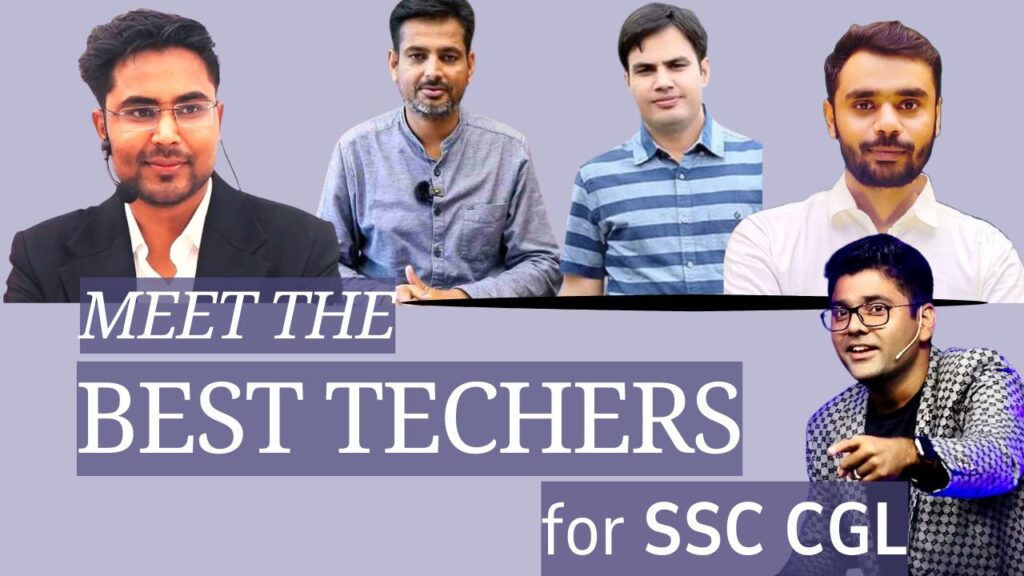
Meet the Best Math Teachers for SSC CGL – Crack Quant in 2025!

best math teacher for SSC CGL

Math or Quantitative Aptitude is one of the most scoring sections in the SSC CGL exam. If you want to crack SSC CGL in 2025, strong math preparation is very important. Questions are hard and books are not enough, you need right guidance. Meet the Best Math Teachers for SSC CGL because it matters a lot. They help thousands of students with their experience and skills to clear SSC CGL.

In this article, I am sharing teachers techniques and methods of teaching, their background, and why they are best for, and where you can learn from them.

Why the Right Teacher Matters

Before we go to the list, it’s important to understand that the SSC syllabus is not very tough, but the competition is high. When competitors are in lakhs, beating this exam becomes hard, even with 1 mark matters to pass this exam. The books are almost the same but the real difference comes from who you are learning from, how you are learning, and how deeply you understand the topics.

A good teacher not only teaches concepts but also improves your schedule to manage every topic, gives smart tricks, keeps you motivated, and helps you practice properly.

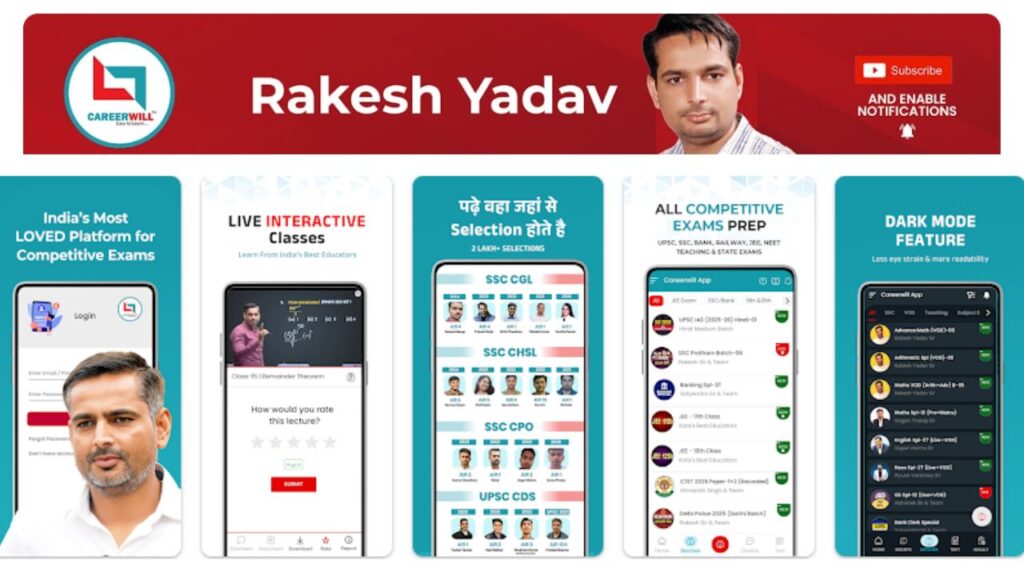
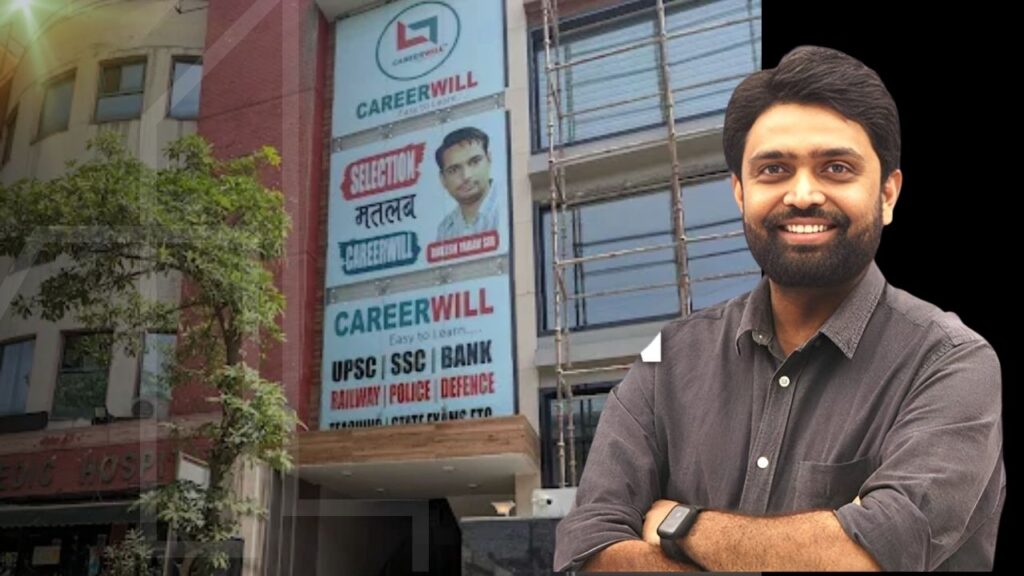
Rakesh Yadav – Master of Basics

About Him:

Rakesh Yadav is #1 educator who helped most of the students to beat this exam. He is a trusted and reliable teacher for those who wanted to top. He published a book with 7300+ Questions Book that SSC aspirants must have, it contains exam level questions. 

Teaching Style:

  • Focuses on building clear concepts.
  • Step-by-step guide through basic to advanced.
  • No language barriers, uses both hindi and english.
  • Explains each topic in a simple and broken-down manner.

Why He’s Special:

  • Exam Level Questions Books are best to practice.
  • He is active both on YouTube and in classroom coaching.
  • He delivers topic wise preparation with deeper practice 

Where to Learn from Him:

YouTube: Rakesh Yadav Readers Publication

App: Careerwill

Books: Available on Amazon, Flipkart, coaching shops

Offline Coaching: Delhi-based institute

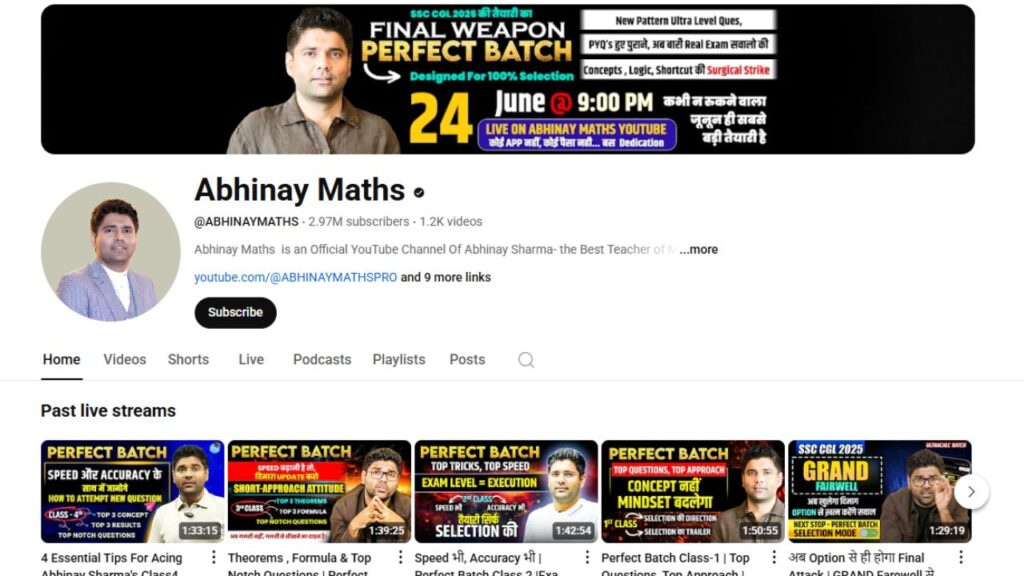
Abhinay Sharma – Expert in Tricks and Speed
About Him:

Students who prefer friendly-style teachers, Abhinay Sharma is very popular among SSC students in this area. Some students find difficulty in understanding that’s why his classes are helpful for those who are afraid of Maths.

Teaching Style:

  • He focuses on short tricks and mental calculations.
  • To be more creative he uses humor and real-life examples in class.
  • To understand clearly he shows both shortcut and traditional methods for every topic.

Why He’s Special:

  • Preparing how to calculate in mind without wasting the time on one question. 
  • Perfect for quick revision and time-saving tricks.
  • Spreading positive energy keeps students motivated.

Where to Learn from Him:

YouTube: Abhinay Maths

App: Abhinay Maths App

Offline Coaching: Delhi

3. Gagan Pratap – Clear Concept of Basics
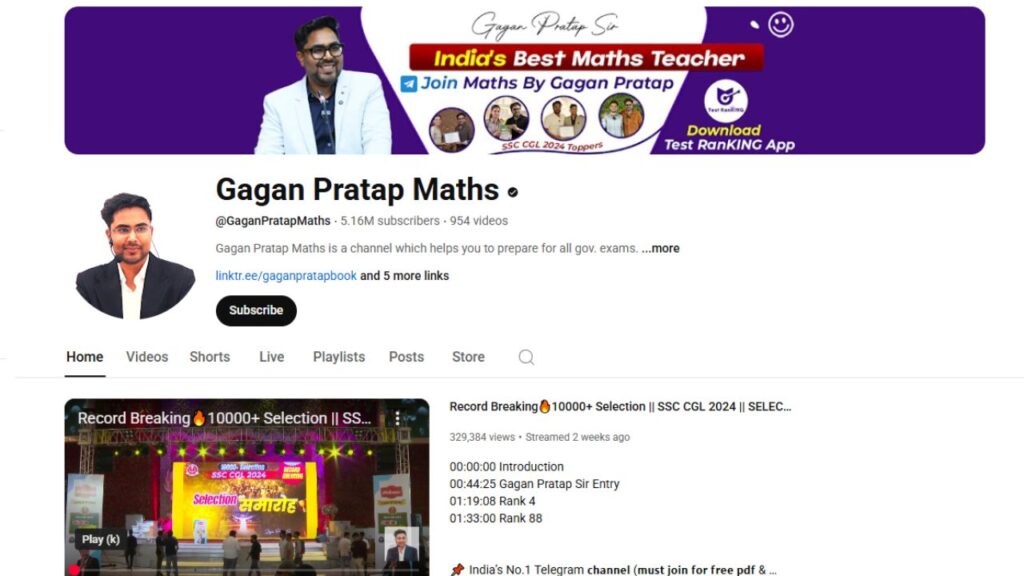
Gagan Pratap – Clear Concept of Basics

About Him:

Gagan Pratap is a best teacher for students who want to clear their concepts. He became very popular through his “Zero to Hero” series on YouTube which covers beginner level questions to advanced level. He is the best choice for students who want to start from the basics.

Teaching Style:

  • He focuses on basic and step-by-step moving to advanced.
  • Solves maximum topic wise questions.
  • Teaches in a calm and clear voice, making it easy to understand.

Why He’s Special:

He is the best option for beginners.

Provides live doubt sessions which helps clear any doubts in any topic.

Focuses on both tricks and test series.

Where to Learn from Him:

YouTube: Gagan Pratap Maths

App: Gagan Pratap Maths App

Read More 👉 SSC CGL Syllabus 2025 Explained: Tier 1 & Tier 2 Subject-Wise Topics to Crack the Exam

4. Aditya Ranjan – Expert in Both Math and Reasoning
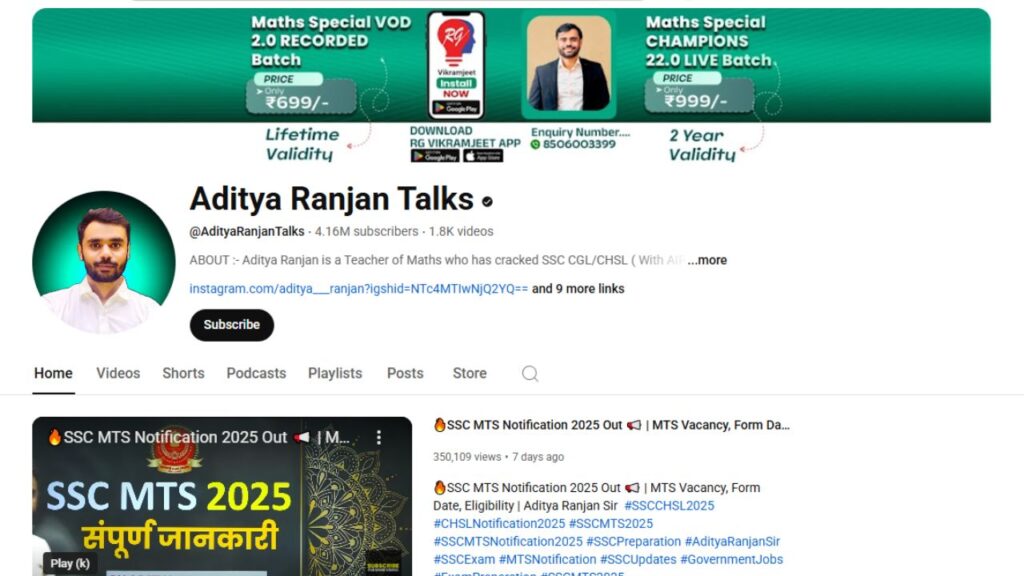
Aditya Ranjan – Expert in Both Math and Reasoning

About Him:

Aditya Ranjan is a good teacher for both Maths and Reasoning. He focuses on detailed topics and methods to help students understand topics fully.

Teaching Style:

Explains topics with real-life examples.

He is strongly target and good in Data Interpretation, Algebra, and Geometry.

Gives equal importance to theory and practice.

Why He’s Special:

  • Covers every topic in a complete and deep way.
  • Solves real SSC previous year questions in class.
  • Actively solves doubts and motivates students.

Where to Learn from Him:

YouTube: Aditya Ranjan

App: Aditya Ranjan Classes

Offline Coaching: Patna, Delhi

5. Pawan Rao – Practical SSC-Based Teaching
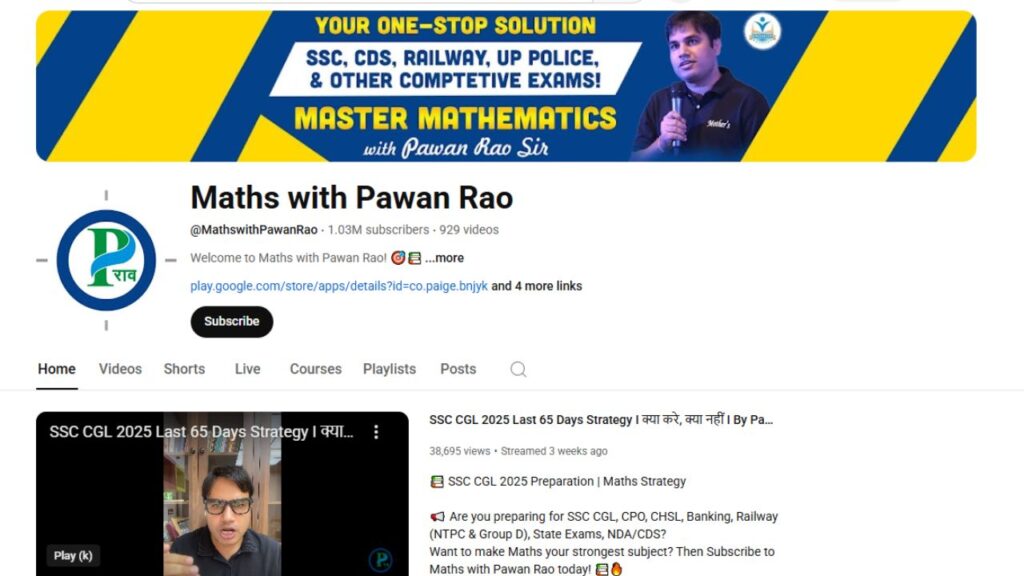
 Pawan Rao – Practical SSC-Based Teaching

About Him:

Pawan Rao is a former SSC officer, so he has real exam experience. He is best for SSC exam preparation and most reliable to the students. He is perfect, if you are weaker in maths.

Teaching Style:

  • Practical approach for concepts, shows how to solve questions quickly.
  • Explains the logic behind every question.
  • Focuses on the exam pattern and expected questions.

Why He’s Special:

  • Guidance from a former SSC aspirant is a golden opportunity.
  • Great for students who are preparing for the SSC exam.
  • Teaches both concepts and smart tricks together.

Where to Learn from Him:

YouTube: Pawan Rao Sir

App: Paramount Coaching App

Offline Coaching: Paramount Coaching Centres (Delhi)

Online platforms are best for students who can’t attend coaching classes due to:

  • Living in remote areas.
  • Working professionals, they aren’t available to attend offline coaching.
  • Can’t afford expensive coaching, prefer free learning.
  • Aspirants who prefer watching recorded videos or live sessions.

Everyone knows the math exam is always a tough paper at every level but with right guidance many students can master the math. If you also want to clear your basic and clear SSC examination, then join any of the above educators for preparation. Pick any Best Math Teachers for SSC CGL, they can help you prepare fast. From mastering in basics by Rakesh Yadav to focus on exam pattern by Pawan Rao. Understand what makes you weaker in math, then choose the best teacher.

Leave a Comment

Your email address will not be published. Required fields are marked *

 Banking Job vs SSC Job: Details On The Top Government Jobs 

Bank job vs SSC job

Between Bank job vs SSC job which one to choose, this is the real matter of dilemma for all the Government Job aspirants in India. The two career paths are stable, respected, and come with good perks—but that’s about where the similarity ends. Work culture, salary structure, growth, work life balance, everything, Banking jobs and SSC jobs are quite different and these differences can have a telling impact on your lifestyle and long term goals. It is necessary to know about these differences, before you active your years of preparation in for either path.  

Work Culture of Banking Job vs SSC Job 

If you live for adrenaline and aren’t afraid of a high velocity environment, banking may be for you. As a Probationary Officer (PO) or a Clerk, you are the face of the bank. You’ll be handling customers, you’ll be handling cash flows, you’ll be giving and clearing loans. 

New challenges and new people every day. However, let’s not sugarcoat it — it’s a high-stress job in banking. The stereotypical “9-to-5” government job doesn’t really exist here anymore. Now there are targets including loan targets, account opening targets, insurance cross-selling. And you will be responsible for branch performance. 

SSC, on the other hand, is the very embodiment of bureaucracy. If you clear SSC CGL, you get very lucrative posts in central ministries, the CBI, Income Tax or Customs. 

This place has a very different culture of working. It is predominantly administrative. You are part of the massive machinery that runs the country. You will be drafting policies, keeping records, or maybe even conducting field inspections if you pick an Inspector profile. It’s more even-tempered, the deadlines aren’t as crazy, and you almost never have to field irate customers hollering about a failed UPI transaction. 

Salary And Allowances For Bank job vs SSC job

Both Bank job vs SSC job offer good salary and allowances to their employees in the government sector but a small difference is the right perks with right duty is a great combo.

Right from the beginning, a Bank PO generally earns more than a starting SSC CGL officer, more so if you get into SBI. The allowance is fantastic. You get lease accommodation (which is huge in metro cities), medical benefits, petrol allowances and even newspaper allowances.

Bank Employee Salary

Government BanksMonthly Salary
Probationary Officer (PO) ₹52,000 to ₹60,000 
₹30,000 (Perks)
Clerk ₹30,000 and ₹35,000 
Specialist Officer (SO) ₹52,000 to ₹58,000 

But the single biggest perk of being a banker? If you’re buying a house, a car, or paying for an education, you get loans at wildly subsidized interest rates. Over the course of a lifetime, that’s lakhs of rupees you save. 

The SSC salary is decent and the deciding factor for that matter is the Central pay commission only. Though the starting salary you take home may be a little lesser compared to a Bank PO, the perks are out of the world.

SSC CGL Salary 

Pay LevelEntry Basic PayTypical PostsApprox. In-Hand (Metro)
Level 8₹47,600Assistant Audit/Accounts Officer₹75,000 – ₹85,000
Level 7₹44,900ASO, Income Tax Inspector, Excise Inspector₹65,000 – ₹72,000
Level 6₹35,400Divisional Accountant, Sub-Inspector (NIA)₹52,000 – ₹58,000
Level 5₹29,200Auditor, Accountant₹42,000 – ₹48,000
Level 4₹25,500Tax Assistant, UDC₹36,000 – ₹42,000

Then there is the Central Government Health Scheme (CGHS), which offers almost free medical treatment in premier private hospitals to you and your dependents. You get exact DA hikes, HRA, travel concessions(Domestic and International). Additionally, the salary structure in SSC rises exponentially with higher pay bands and ranks. 

SSC CHSL Salary 

PostPay LevelApprox. In-Hand Salary
LDC / JSALevel 2₹27,000 – ₹32,000
DEO (Grade A)Level 4₹37,000 – ₹42,000
DEO (Level 5)Level 5₹40,000+

Work-Life Balance and Peace of Mind

This is where the divergence between the Bank job vs SSC job paths becomes painfully obvious.

In banking, it’s easy to feel like work-life balance is a myth, particularly in your first few years as a PO. You could be clocking out of your branch at 7 or 8 PM on busy days. And then there is the fact that bank jobs mean you get shifted around frequently. You will be shifting base and moving to a new city, at times to a rural village, for your mandatory rural posting every three to five years. 

SSC wins the work-life balance debate of Bank job vs SSC job, hands down. The majority of jobs in ministries are Monday to Friday and you have full, undisturbed weekends. You are out of the office at 5:30 p.m., and the work stays in the office. There are transfers, of course, in SSC, but not anything like in banking, and many secretariat posts can see you through an entire career in Delhi. 

Career Growth 

Bank job vs SSC job have good growth options as the field is huge and it has senior posts as well.

If you want to become a general manager before you get old, go for banking. The pace of promotion in public sector banks is quick and depends on merit to a great extent. Do well, clear your internal JAIIB/CAIIB exams and opt for tough postings, and you can scale the ladders really fast. The Chairman of SBI usually begins their journey as a normal Probationary Officer. 

Probationary Officer (Scale I) → Assistant Manager

Scale II (Manager) — usually 2–3 years

Scale III (Senior Manager) — 5–7 years

Scale IV (Chief Manager)

Scale V–VII (AGM, DGM, GM)

Advancement in SSC is generally end of term and largely seniority based with the number of vacancies available. It’s a slow burn. You can come in as an ASO (Assistant Section Officer) and retire as a Joint Secretary after 30 years. It’s a respectable place to be and you know you’re never going to be laid off, but don’t expect to be leapfrogging up the ladder because you worked extra-hard one year. 

Inspector (Level 7)

Superintendent/ITO (Level 8) — 5–8 years

Assistant Commissioner (Level 10) — 12–15 years

Deputy/Joint Commissioner (Level 11–13) — 18–25 years

Eligibility of Public Sector Banks And SSC Jobs 

Nationality: Citizen of India 

Educational Qualification for Public Sector Banks : A Bachelor’s Degree for any bank post, for clerk post, you must hold a Computer certificate. 

Age Required : 20 years is minimum and maximum is based on the role, for PO, it is 30 years. And for Clerk, it is a 28 years limitation. Now, you have given a chance to work for more years if you belong any of the categories: 

SC/ST: 5 years.

OBC (Non-Creamy Layer): 3 years.

PwBD: 10 years.

Educational Qualification for SSC Jobs : In SSC CGL, candidates are required to have any degree, but for Junior Statistical Officer roles required Math in 12th and Statistics in graduation as a subject.

Age required : 18 to 32 years.

Meanwhile, SSC CHSL candidates required 12th class marksheet, but Data Entry Operator role requires Science stream with Mathematics. 

18 to 27 years is an age criteria for most posts. 

So, every position needs some additional skills, it’s better to check official notification for eligibility in specific posts. 

Skills You Need For These Jobs

Both Bank job vs SSC job need particular skills for the job responsibilities to ensure a smooth workflow.

All of these are about speed and accuracy. The questions aren’t necessarily absurdly difficult, but you only have a few seconds to answer each one. It involves a lot of calculation and data interpretation, some reading comprehension and complex seating arrangement. If you have quick reflexes and don’t mind a ticking clock, bank exams are definitely for you. 

SSC tests your depth of knowledge. Time is a factor, not nearly as brutal as in banking. Here you have to know high-level maths (trigonometry, geometry, algebra), English grammar rules by heart and a ton of Static GK and Current Affairs. If you enjoy memorising a lot and love researching topics, SSC is your playground. 

Read More:- Junior Hindi Translator Recruitment: Exam Pattern, Eligibility, And Salary Details

Conclusion

So, there is no one answer to which one is right for you between Bank job vs SSC job. If you like to work in a dynamic environment, and take pressure with great pay then banking is for you. But if you like to work in a stable environment with predictable timings and want to have a balanced life with job security, SSC jobs surprisingly are best. 

Ultimately, the one you should go between Bank job vs SSC job depends on your own personality, priorities and future plans for your career – so you take a little time to think about what’s most important to you, and then make an informed decision.

Leave a Comment

Your email address will not be published. Required fields are marked *

Meet the Best Current Affairs Teacher for SSC CGL Who Can Boost Your Score

For the students preparing for the SSC CGL exam, the Current Affair section is important to cover up. Many students think that it is an easy section and it will get your score with a little preparation and strategy. These Best Current Affairs Teachers for SSC CGL will help you make every update remember their context. 

They’re not only helping you in keeping updated but they also gave you SSC CGL relevant current events which can come in the exam. Check news daily, read newspaper or e-news, follow social media news channels, read magazines and make revision for each topic.

Previous year papers might be not helpful so try mock quizzes and practice questions daily. These teachers have also shared a lot of MCQs, you can try and improve your speed and accuracy.

You better be consistent through your preparation, otherwise it won’t be helpful if you forgot everything you learn.

Gaurav Sir (Adda247)

Gaurav Sir (Adda247) best current affairs teacher for SSC CGL preparation

Gaurav Sir is known for his ability of connecting current events to static GK which help students to memorize everything. He encouraged a comprehensive understanding of current events rather than just rote memorization. His engaging and interactive teaching style involves deep explanations and real-life examples to elaborate concepts that help understanding complex topics easily.

Ideal for those students who want to understand the “why” behind the news. Gaurav Sir will help you to understand every topic beyond the headline. He is teaching serious topics in a friendly way that will be remembered by every student with a deep understanding of context. He also provides revision classes to keep tracking the previous sessions.

Richa Sharma (Parcham Classes)

Richa Sharma is best to help SSC aspirants for concise and exam-oriented preparation. Richa Ma’am’s teaching style is clear and structured which helps every student to understand current events that are relevant to SSC CGl. She specifically makes point-to-point notes for easy memorization and applies other techniques such as mnemonics to help in revision.

Richa Sharma (Parcham Classes) best current affairs teacher for SSC CGL

She is best for those students who prefer to prepare the current affair section with less time & efforts. It’s hard for many students to remember dates, names, and numbers. Richa Ma’am fits them because she uses simple flowcharts and bullet points to simplify the topic. You can easily remember them and cover all the topics within a short period of time.

Bhunesh Sharma (Class24)

Bhunesh Sharma is experienced and popular for his lucid explanation which helps to understand complex topics of current affairs easily. He uses visuals and diagrams in its teaching to memorize every concept. Most importantly, it’s easily available for every student who is preparing for the SSC CGL Exam. 

Bhunesh Sharma (Class24) best current affairs teacher for SSC CGL

If you have a problem in understanding current affairs then Bhunesh Sir is best, he simplifies every topic with his friendly teaching style. Be ready for the In=depth analysis on a complex topic which can help you understand its core reasons, making you able to solve every question confidently.

Gaurav Maurya from Testbook

For daily current affairs updates, watch Gaurav Maurya sir lectures because he gives updates in a very good explanation which helps many students to understand it. The factual accuracy and exam relevant topic in his sessions makes it a more precise choice for SSC CGL aspirants. He will prepare you for the exam in a short period of time.

Gaurav Maurya from Testbook best current affairs teacher for SSC CGL

He focuses on relevant information which can come in the SSC’s objective exam. Students can score well in current affairs sections if they cover all the Gaurav Maurya sessions. He prepares students for the competition with quizzes and practice questions in his classes. You can get all the daily information in one place. 

Krati Ma’am by SSC Wallah

Krati Ma’am by SSC Wallah best current affairs teacher for SSC CGL

Krati Ma’am is a perfect teacher for students who get bored easily. Her intrusive way of teaching can help SSC CGL aspirants to memorize each current affairs topic with interactive elements and discussion. She keeps you motivated for your preparation and guides you through the entire session. 

Her fun and energetic session is excellent for students who get distracted easily. Krati Ma’am focuses on motivating and encouraging students to follow their journey with focus and positivity. Her teacher methods including storytelling, playing quizzes, and interactions are excellent. 

Finding Your Ideal Current Affairs Guru: A Personalized Approach

It is hard to find the best teacher for current affairs. This section seems easy but it is not, many students try so hard to remember each event but can’t help themselves. A short guide to help you make a right choice:

Know Your Needs

Level of Understanding: Current affairs is your weakness or you are a  beginner then understanding each and every thing with deep-analysis is important.

Time Commitment: Each subject needs time but decide how much time you can give to the Current Affairs section to cover every topic.

Learning Style: Know which teaching style helps you understand complex topics easily — engaging, visualising, or quick facts.

Exam Focus: These SSC CGL focused teachers can help you prepare fast and easily, you just have to know which one can simplify fast for you. 

Explore and Experiment

Watch Demo Lectures: if you are still confused which one is right for you, watch demo sessions of a few teachers so you can see their teaching style.

Check Reviews and Testimonials: Many students who have already taken their lectures have shared their feedback on social media. You can have their opinion.

Consider Multiple Sources: once you select any teacher, it doesn’t mean you can’t access another teacher’s resources or study material. You can take one or two teachers’ lessons and notes to get well-rounded daily updates.

Evaluate Effectiveness

Assess Your Retention: practice questions and solve test series to know about your memorization. It helps to understand if you forgot the information taught by the teacher.

Track Your Progress: observing changes in your current event knowledge and performance in mock test

Stay Updated on Exam Trends: It’s important that your teacher prepares you for the SSC CGL new exam pattern. 

Conclusion

If you are thinking about clearing SSC CGL examination and score well, focus on every section including current affairs is important. Best Current Affairs Teacher for SSC CGL will help you get ahead on the preparation and enhance your chances of success in the examination. You must understand the fact that each teacher brings a unique strength to the table and the “best” one for you is the one that aligns with your preferences. 

Leave a Comment

Your email address will not be published. Required fields are marked *

SSC Job List 2026: Complete Guide to SSC Posts, Exams and Eligibility

SSC Job List 2026

For decades, a government job has been the most lucrative career option in India. These SSC Job List 2026 will help you to take the right direction of your career. As we head into 2026, the Staff Selection Commission (SSC) still remains the dream gate for lakhs of aspirants to get their foot into stability, respect and serving the nation.

If you are preparing your career roadmap for this year, then getting to know about the huge range of SSC jobs is step one! From the Central Secretariat to paramilitary forces, desk-bound jobs to high-octane field jobs, the SSC 2026 calendar is bulging.

So, here is the detailed information of Your SSC Job List 2026 by Exams and Qualification. 

SSC Combined Graduate Level (CGL) 

The SSC CGL which is popularly known as ‘Mini-IAS’ exam is the most reputed exam for selection to Group B and C posts in various SSC Job List 2026 in ministries and departments. Candidates need to have a Bachelor’s Degree in any stream to be eligible. 

Some of the SSC Job List 2026 under SSC CGL are: 

1. Assistant Section Officers (ASOs) watchful policy realization in the Central Secretariat Service (CSS) in the Ministry of External Affairs (MEA), or Intelligence Bureau (IB) or the ASOs business is largely on one’s table at any rate!Desk based post of execution policy.

2. Roles in the Ministry of Finance related to taxation that are high-paying and profitable are Income Tax Inspector and GST Inspector.

3. AAO or Assistant Audit Officer – Indian CAG This is the Gazetted post In SSC CGL under the Indian Comptroller and Auditor General (CAG) and working with the Indian Comptroller & Auditor General this post is unique.

4. Sub-Inspector in CBI: This post is for those who are willing to serve in the National Investigative Agency. 

SSC Combined Higher Secondary Level

SSC CHSL is a great opportunity for 12th pass candidates to get an entry level post in the government sector. 

Job Roles:

1. These posts (Junior Secretariat Assistant and Lower Divisional Clerk) are the best paying jobs at entry level which are the backbone of office administration and are indispensable to the smooth working of the office.

2. Data Entry Operator (DEO): Hold the responsibility for maintenance of essential Government files, up-to-date and complete, with accuracy. 

This examination leads to secure and respectable employment within government organizations. 

SSC MTS & Havaldar 

This is an excellent opportunity to enter in the Multi Tasing Staff job role or Havaldar, 10th pass candidates can get a central government job/staff.

Job Roles:

MTS (Multi Tasking Staff): It serves as a kind of general office support, some such duties include, running files, pushing files from one desk to another, housekeeping in office space, across various government ministries.

Havaldar: Havaldar post Candidate Should belong to Central Board of Indirect Taxes & Customs (CBIC) and Central Bureau of Narcotics (CBN). The duties of the security personnel are all field-based i.e. they are related to security and watch and ward. 

SSC GD Constable

The SSC GD Constable 2026 Recruitment if you would like to serve in uniform and keep yourself physically fit, then consider it. The exam is held for recruitment to various Paramilitary forces like:

  • BSF —-Border Security Force  
  • CISF —-Central Industrial Security Force  
  • CRPF —-Central Reserve Police Force  
  • ITBP —-Indo-Tibetan Border Police  
  • SSB —-Sashastra Seema Bal  
  • AR —Assam Rifles  

Qualification Criteria: The applicants must have cleared 10th standard with some physical standards in order to be eligible for the recruitment. 

SSC CPO

The SSC CPO exam is a good chance for the ones who want to be a Sub-Inspector (SI). It is a tough but rewarding path to take. Candidates are required to have a graduation degree and Qualify Physical Endurance Test to be eligible. 

Selected candidate have the opportunity to serve in prestigious position like Sub-Inspector in Delhi Police (which is considered one of the most orderly police service) or Sub-Inspector in Central Armed Police Forces (CAPFs) – BSF, CRPF and more. 

SSC Specialized Exams

Stenographer (Grade C & D)

If you are good at shorthand typing and can crack SSC Exam then SSC Stenographer may be a door for you to enter into government jobs. 

Via this exam candidate is selected for the post of Stenographer in various ministries, departments and organizations of Government. 

The core responsibilities of this role involve providing dictation assistance to senior officials, drafting official documents, processing correspondence and carrying out administrative tasks. 

They frequently are called upon to assist higher-ranking officers, making it a key supporting position in the government system. You can get a great pay from this job role as it requires your skills. 

Junior Engineer 

The SSC Junior Engineer exam is disputed for the candidates who have a Diploma/Degree from the recognized board in a relevant field of engineering i.e. Civil, Mechanical, Electrical etc. 

The result of SSC Junior Engineer Exam contains qualified candidates who are selected for appointment in various government departments, organizations such as public works, infrastructure, etc. 

They also oversee such projects as cleaning and maintaining government buildings and roads, write technical reports, and verify that engineering projects conform to safety and quality requirements. 

SSC Selection Posts (Phase XIV):

The Staff Selection Commission Selection Post Exam is a good opportunity to get a government job for the person who has educational qualification of 10th pass 12th pass and Graduates. 

Unlike other SSC exams which appoint the candidates for common posts, this exam appoints candidates for distinct and specialised posts in various central government departments. 

These posts can be for Scientific Assistant or Laboratory Attendant or even Library Clerk, Data Entry Operator or Technical Assistant. Every post has different eligibility criteria and different skills that are needed as per the requirement of department. 

Due to the wide range of posts, the Selection Post examination is an ideal platform for the people who are having professional or vocational qualifications and interested to work in a particular domain in the government sector. 

Read More:- BSc Operation Theatre Technology: Course Guide, Fees, Career & Salary

Why SSC Job List 2026 is Important?

  1. Job Security: Students can rely on their jobs for lifetime as it is not like private jobs undisputed, particularly in times of economic downturn.
  2. Work-Life Balance: There are public holidays and weekends leave can be more relaxful and also on the weekdays you have to work only 9 to 5.
  3. Salary and Perks: The salary is very competitive with the 7th Pay Commission norms. Benefits such as HRA (House Rent Allowance), DA (Dearness Allowance) and medical benefits for family are some of the major highlights.
  4. Social Prestige: It is a centrally administered ministry, so it has a good standing in society to serve in it or the national police force. 

SSC Job List 2026 Exam Timeline

The SSC Job List 2026 exam timeline is given for the students to take an idea to begin their journey, accurate date and time are declared by the official website of SSC. Students who are interested in any of these job posts can check the official notice of the exam on the official website.

Exam Name (2026)Notification Date (Expected)Exam Month
CGL March/2026May—June/2026
CHSL April/2026July—Sept/2026
MTS June/2026Sept—Nov/2026
CPO May/2026Oct–-Nov/2026
GD Sept//2026Jan—March/2027

Conclusion

Whether you are a 10th-pass student or a postgraduate engineer, the SSC Job List 2026 has all the opportunities for you. The only question you must ask yourself is which post defines my personality better? If you love discipline and being outdoors, go for CPO or GD, if you love a quiet office and wielding admin powers, go for CGL. 

Leave a Comment

Your email address will not be published. Required fields are marked *

SSC vs UPSC: The Ultimate Showdown for India’s Most Demanding Government Job Exams

SSC vs UPSC

This is not merely a comparison of two exams — SSC vs UPSC, it’s a life long career decision which makes you a completely different person in a very different category. But preparation for each exam is tougher than you can think of. So, if you are investing your time, money, mind and health in building something then choose wisely after a deep research.

Oh, I’ve seen people lose their mid-20s to these books. To assist you in determining which “beast” is worth your sanity, let’s take a look under the hood of what you will actually be asked to do on these exams in 2026. 

The Nature of the Struggle

Government jobs are a result of both, but the type of mental strength needed is different.

UPSC: The Marathon of Depth UPSC isn’t an exam, it’s a personality overhaul. It wants you to have an opinion on the morality of AI and the irrigation regimes of the 16th century. This is a three-stage process which requires your ability to think.

SSC: The Sprint of Precision

SSC CGL is like being a human calculator with the reflexes of a pro gamer. It’s a “Group B” and a “Group C” race where velocity is primacy. Solving, strategic methods, and puzzle-like questions are given for UPSC to check the ability of candidates. 

Numbers Matters in SSC vs UPSC

In SSC

The UPSC examination is considered the “rock face” in the mountain climbing of exam-taking required fortitude to overcome it. Whereas the SSC CGL is compared to a fast-flowing river, representing a different type of challenge because of the sheer number of applicants. With a mind boggling 15 to 20 lakh candidates competing for a mere 8,000 to 10,000 seats, the contest is cutthroat and requires equal parts of strategy and determination. 

It’s like repulsive physics up here. There are a lot of competitors out there and you have to beat them (1000) to secure your space in UPSC but SSC have only 200 to beat. “Better odds,” right? Not exactly. Since the SSC syllabus is more “teachable,” the difference between the topper and the person who misses out is often as little as half a mark. One bad day, one slow calculation, and you’re out. 

In UPSC

UPSC seems like a high-brow, high stakes game of poker. There are 10 to 12 lakh people applying every year. The final list is made up of only around 1,000. That equates to a success rate of 0.1%. 

To give you some perspective, you are more likely to be struck by lightning in some parts of the world than to find your name in the PDF. It’s a “predictable brutality” — you know the mountain is cruel, you know most people fall off, and you accept heartbreak as part of the journey. 

The Intellectual Demands

UPSC doesn’t matter whether you have memorised a date; it wants to know whether you know why that date changed history.

The Connection Game: You are not just learning Economics; you’re learning how a global oil crunch pinches a farmer in Vidarbha. You are not just studying Geography; you are seeing how climate change is redrawing political maps.

The “Mains” Marathon: Think 20 essay-style answers, in three hours — again, for five days in a row. You have to sound like a policy analyst, a philosopher and a centrist bureaucrat all at once.

Most former aspirants have said that It’s not the facts you need to know, It’s an opinion that sounds both brash and impeccably centrist. You have to give them exactly what they want and not make it look like you’re trying too hard. 

If UPSC is a philosophical discussion then SSC is like 100 meter race. Raw, mechanical speed is far more important than intellectual “depth.”

The Human Calculator: In the Quantitative Aptitude section, you are required to solve 25 difficult problems in 15 minutes. There’s no time to “think” about the beauty of a formula; you either know the shortcut, or you’re out.

The “Autocorrect” Reflex: The English portion is not about enjoying literature. It’s about finding a grammatical mistake faster than a spell-checker.

It’s less about “understanding the world” and more about pattern recognition. You practice until your hands are faster than your mind. 

The Duration of Torture

That is where SSC will tend to actually trump in “demanding” level status, ironically enough.

An informed crack at UPSC lasts 12 to 18 months. If you flop Prelims, you start the cycle all over next year. If you crash Mains, you wait for another year. It’s a sadistic but a defined loop.

The SSC exams in 2017 were also postponed to the year of 2022, that means you can be stuck for three years with no reason in just one attempt due to paper leaks and re-exams. The unpredictability as to when one’s work will be judged is in stark contrast to the regimented, mechanical routine of the UPSC exams, which prevent candidates from experiencing such wait-weariness. 

Fees and Investments

Prepping for the UPSC is like holding a blue-chip stock that might plummet to zero. The Price Tag: Between coaching fees and the rent exploding in Delhi, you’re talking about ₹2-3 lakhs a year, no sweat.

The “Social Contract”: What it means for most families is a dowry or a deposit on a house. They’ll for 2 or 3 tries because the payoff—the white curtained car, the bungalow, the prestige—is the ultimate Indian trophy.

The Normalized Sacrifice: The ecosystem has made it “okay” to miss out on your mid-twenties making zero rupees as your parents raid their retirement accounts. It’s a visible, high-stakes investment. 

SSC preparation is “cheaper” in theory, but it exacts a much higher price from you: your energy. An Income Tax Inspector or a CBI Sub-Inspector draws a decent, respectable income. But let’s get real: you don’t get the mandatory red beacon and the massive government complex that signify “success” in the local Whatsapp group.

As a result of the stakes feeling “lower,” a lot of SSC aspirants don’t have the luxury of studying for 12 hours in a library. They study on the Metro, they do math problems on lunch breaks at a soul-crushing 9-to-5, they record English vocabulary to listen to on their commutes.

The tiring juggle of working a dead-end job and studying for a high-speed competitive exam goes unseen. Nobody throws a party for the guy who hit the books after working a 10-hour day, but that mental fatigue is totally unbeatable. 

FactorUPSC InvestmentSSC Investment
Financial CostHigh (Coaching + Living)Low to Medium
Time Cost3–5 years of “Gap”1–2 years (often while working)
Social PayoffGenerational ShiftUpward Mobility
Safety NetUsually Parent-fundedUsually Self-funded

Mental Health is Also at Risk

Above all the books and the balances, there is a still, psychological tax that these exams extract every day. It’s the sort of stress that doesn’t appear on a marksheet, but you can see it in the way an aspirant’s posture evolves over three years. 

The UPSC doesn’t merely consume your days, it seeks to consume your spirit. After five years of informing relatives that you are “preparing,” you stop being a person who has hobbies, a favorite sport, or a personality. You become a “Potential Officer.” Your entire worth is tied to a PDF list that comes out once a year.

Losing is not just about getting fired; it feels like the universe is telling you that you’re not good enough. The Interview (Personality Test) is the ultimate mind-game. You sit opposite senior bureaucrats who will determine whether you possess “Officer Like Qualities” in a 30-minute conversation. It makes you question everything you say, every way you sit, and, eventually, who you really are. 

While UPSC is a question of identity, SSC is a matter of looking over the shoulder all the time. It’s an anxiety rooted in volume and mathematical enigma.

The Notification Trap: CGL, CHSL, MTS, GD, Stenographer— the notifications never end. It seems like you’re always “missing out” on something. If you are not submitting it, you are running late. It’s what makes life feel like an endless assembly line of exams.

The “Normalization” Nightmare: This is where the despair kicks in. Comprising multiple rounds of examination in several shifts, the commission “normalizes” everyone’s scores. You could get 180/200 on a “hard” shift and 190/200 on an “easy” shift and still not know how you did.

Mathematical helplessness: You can calculate your raw marks the moment the answer key comes out, but you have no idea whether the “system” will lift you up or knock you down. It’s like running a race where you determine the finish line by how everyone else ran. 

Read More:- Bihar Public Service Commission (BPSC): Full Form, Exam, Eligibility & Selection Process

Honest Truth Nobody Tells You

That’s what the coaching institutes don’t tell you: both exams are turning out to be less about merit and more about stamina. What separates someone who clears these exams from someone who doesn’t is often not intelligence, but the means to sit at a desk for 10 hours a day, to put off weddings and festivals, to see friends get promoted while you take mock tests.

The hardest exam is the one that you’re failing right now. That one that keeps you up at night wondering whether you burned out your best years. It’s the one that your parents increasingly ask “beta, backup plan kab banaoge?”.

In my opinion, do not move towards picking what others say, just analyze what’s right for you. Which type of job role you are interested in and the kind of life you want. UPSC gives you the authority to shape policy. SSC gives you the security to design your own life. Both are valid. Both are brutal. Both will take everything you have — and then ask you for more. 

Conclusion

SSC vs UPSC If intellectual rigor and prestige pressure are what make the examination “demanding,” then UPSC wins hands down. You have to read newspapers as if they were religious texts, you have to learn subjects ranging from anthropology to zoology, and you have to gain the ability to talk about Indo-China relations with diplomatic nuance.

But if “demanding” means the intensity of competition, the unpredictability, and the absolute pain of outlasting millions, then SSC could be even more brutal these days. The exam has turned into a default choice for every graduate who wants a government job security without the elitist obstacle of the UPSC. The result is a bloodbath of competition, where even 99 percentile scores sometimes do not guarantee selection.

Leave a Comment

Your email address will not be published. Required fields are marked *

SSC MTS Syllabus 2025 Out! Get Full Syllabus & New Pattern Details Here

SSC MTS Syllabus 2025

The SSC MTS Syllabus 2025 is updated and it gives you a better understanding of the most important topic ideas. This exam is your gateway to the non-technical role in a government job. Whether you’re a new or repeat aspirant. Here is the breakdown of the SSC MTS Syllabus, and exam pattern to guide you well.

Introduction

This is a national-level recruitment process in India, the candidates who are interested in non-technical roles can appear for this exam. If the aspirants get a good score in the exam they can be selected for the government job. They recruit for non-technical jobs, and Group C positions in different ministries, organizations, and departments. Anyone can take the SSC MTS exam after the 10th pass.

It is important to know that understanding the updates of the syllabus will help you guide the overall important topics which you have to cover first and you must know the exam pattern from the previous year questions. Aspirants who want to crack SSC MTS 2025 must understand the exam pattern before they start preparation.

SSC CGL Syllabus 2025

Read Also: SSC CGL Syllabus 2025 Explained: Tier 1 & Tier 2 Subject-Wise Topics to Crack the Exam

Exam Structure for the SSC MTS 2025

Topics in SSC MTS 2025

It has two sessions, in the first session topics are more likely related to the candidates ability for logical thinking and how far they can get to the answer. The topics are Mathematical, Ability, Reasoning Ability, and Problem-Solving, and session 2 has General Awareness, English Language, and Comprehension. Both sessions are mandatory to attempt and this is a computer-based test.

Marking and duration of the SSC MTS 2025

The total of 90 questions in this paper, where the 40 questions from session 1 and 50 questions from session 2. The Total mark of the paper is 270 and the total duration is 90 minutes (extra time for scribe users). Aspirants can take this exam in their regional language. Session I has no negative marking, while Session II penalizes wrong answers by 1 mark each.

Detailed SSC MTS Syllabus 2025

  1. Reasoning Ability & Problem Solving
    This subject includes a very important topic for testing your logical thinking and problem-solving skills. Alphanumeric series, coding-decoding, analogy, and Odd one out. They are very simple topics but have very impressive and creative methods to improve logical thinking. Non-verbal reasoning (mirror image), Directions and Ranking, Syllogism, Matrix, Mathematical Calculations, and Order of words are the topics in this subject.
  2. Numerical and Mathematical Ability
    Integers, Whole Numbers, LCM, HCF, Decimals, Fractions, Percentages, Ratios & Proportions, and Averages, are the topics covered in this subject because they are the basic concepts. Then there are more topics that involve the understanding of aspirant mind abilities. Work and time, time and distance, profit and loss, simple interest, discount, area and perimeter, geometry, mensuration, data interpretation, square roots, algebra, and basic trigonometry. This section assesses your numerical aptitude and mathematical understanding.
  3. English Language and Comprehension
    This subject focuses on vocabulary, sentence structure, synonyms & Antonyms, error spotting, cloze tests, and reading comprehension. These topics help to understand the words and phrases with different meanings or their expression of feelings. These abilities are helpful in many government jobs in various sectors. Having a good command of English will enhance the ability to interpret written and verbal passages.
  4. General Awareness
    This subject covers topics related to current affairs for both national and international. Recent events, history, geography, art and culture, civics, economics, general science, environmental studies, Indian constitution, sports, and static general knowledge. These are the topics that involve high possibility in the exam.

All four subjects are the overall syllabus to prepare for the SSC MTS examination 2025. Aspirants can get online resources and books on these topics for preparation.

Preparation Tips for SSC MTS 2025

Aspirants check the exam pattern and syllabus before preparing for the examination. Split each subject for the same duration daily so that you can prepare each subject equally and efficiently. Choose the easy topic first and complete then get to the second topic. This strategy will help you cover most of the topic in less time.

Practice mock tests and previous year’s papers to understand the exam pattern and difficulty level. You should also join the coaching classes if you want but you have to do self-study. Don’t waste too much time on a single topic. Stay updated with the current affairs daily.

Conclusion

The SSC MTS Syllabus 2025 can help you crack the exam and open the chance to get a government job in a non-technical role. Aspirants should learn the updated syllabus before preparation even if they are repeat aspirants. It changes every year to make the exam relevant and has value. Make sure to check the pattern of question papers along with a detailed syllabus.

Leave a Comment

Your email address will not be published. Required fields are marked *

Scroll to Top