Top 10 MBA Colleges in Lucknow You Shouldn’t Miss in 2025

Top 10 MBA Colleges in Lucknow You Shouldn’t Miss in 2025

If you are interested in the field of management then pursuing an MBA is a great thought while there are a bunch of options for your career after an MBA. Top 10 MBA Colleges in Lucknow that offer an MBA program, it is a professional degree in management education. You don’t have to relocate for your masters, because Lucknow is emerging as a growing city for higher education. 

MBA offers quality education and strong placements to establish a balanced lifestyle. Whether you’re aiming for India’s top-ranked IIM or looking for a college with good ROI and decent exposure, this article will help you explore the top 10 MBA colleges in Lucknow in 2025.

The list is based on the rankings, fees, and placement percentage from these universities. Investing two precious years of your life in an MBA program should be effective for future growth.

 Indian Institute of Management (IIM-L)
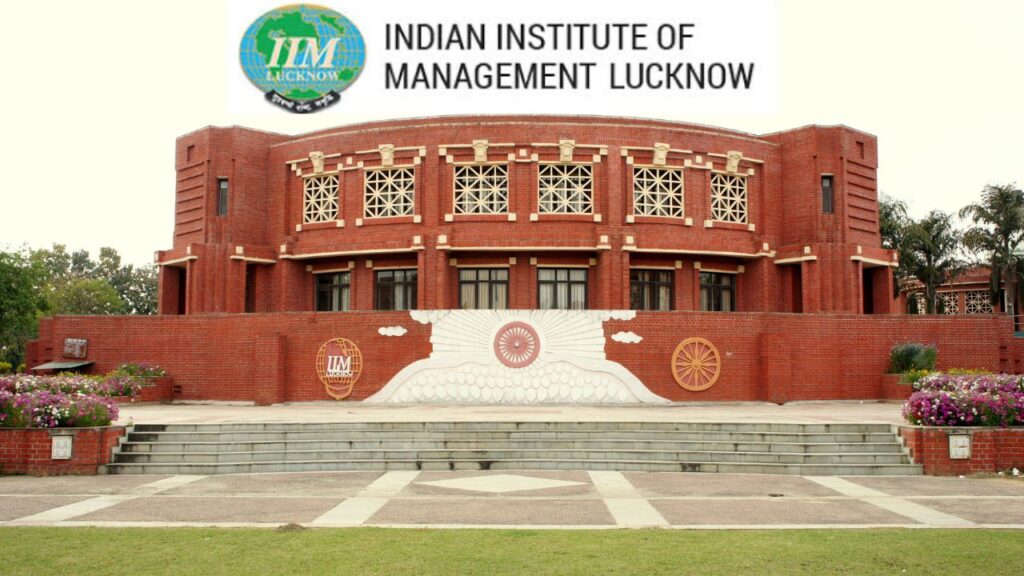
IIM-L has a great reputation around the world since 1984, it’s one of the top IIMs in India. This institute is listed in the top 10 colleges in NIRF and Business Today rankings. Pursuing an MBA from this college could open up many opportunities. IIM Lucknow is best for students who aim for leadership roles in global companies.

Fees₹19–21 lakhs
Average Package₹30 LPA+ (with international offers crossing ₹1 Cr)
AdmissionCAT + Personal Interview
Why Choose IIM-L?Top Level Faculty, Global companies exposure, unmatched placements, IIM prestigehttps://www.iiml.ac.in/

2. Jaipuria Institute of Management (JIM)
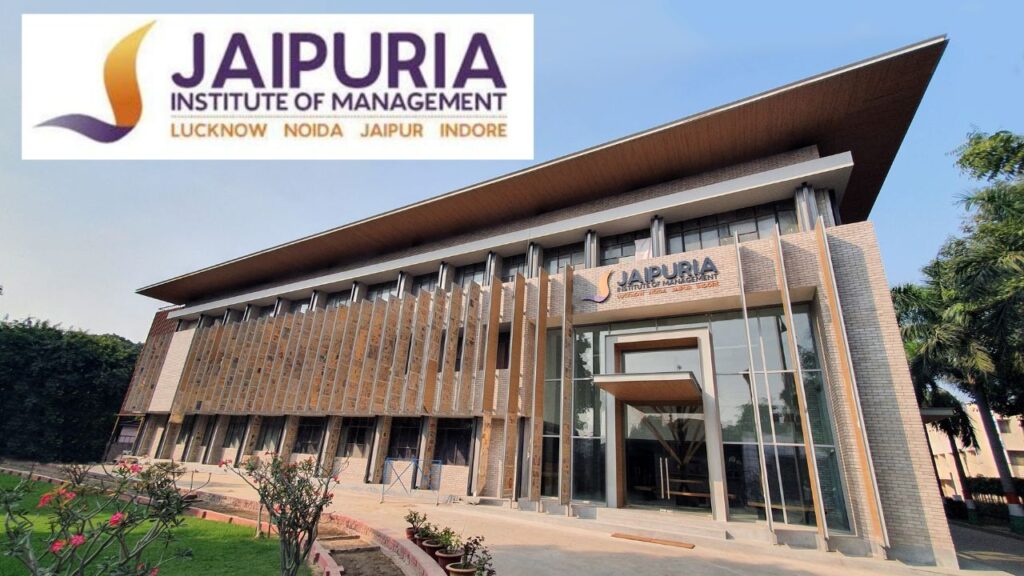
 Jaipuria Institute of Management (JIM)

Jaipuria is a private business school for those who don’t want to be pressured by heavy competition in IIM-L. Jaipuria Lucknow is recognized by its advanced education techniques including practical learning, industry level projects, and decent placements. Ideal for those who want to establish their education strong.

Fees₹10–14 lakhs
Average Package₹7.5 LPA
AdmissionCAT/XAT/CMAT/MAT
Why Choose?Good balance of brand, placements, and industry-oriented curriculum

3. University of Lucknow – Institute of Management Sciences
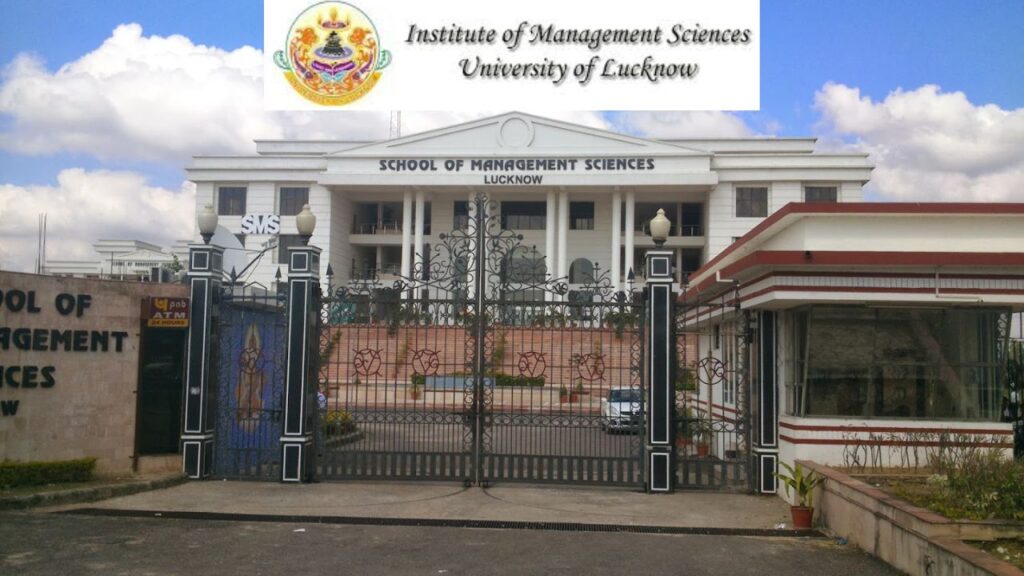
University of Lucknow - Institute of Management Sciences

IMS is a great option for those who can’t afford expensive colleges for MBA programs. It is affordable and offers government-affiliated MBA programs. Lucknow university maintains its management department quite well to provide masters that polishes students’ minds. If you have a potential but don’t have a budget, it has a good value and quality education.

Fees₹1.5–3 lakhs
Average Package₹5–6 LPA
AdmissionLUMET (University-level entrance exam)
Why Choose?High return on investment, stable government-backed education, decent placements

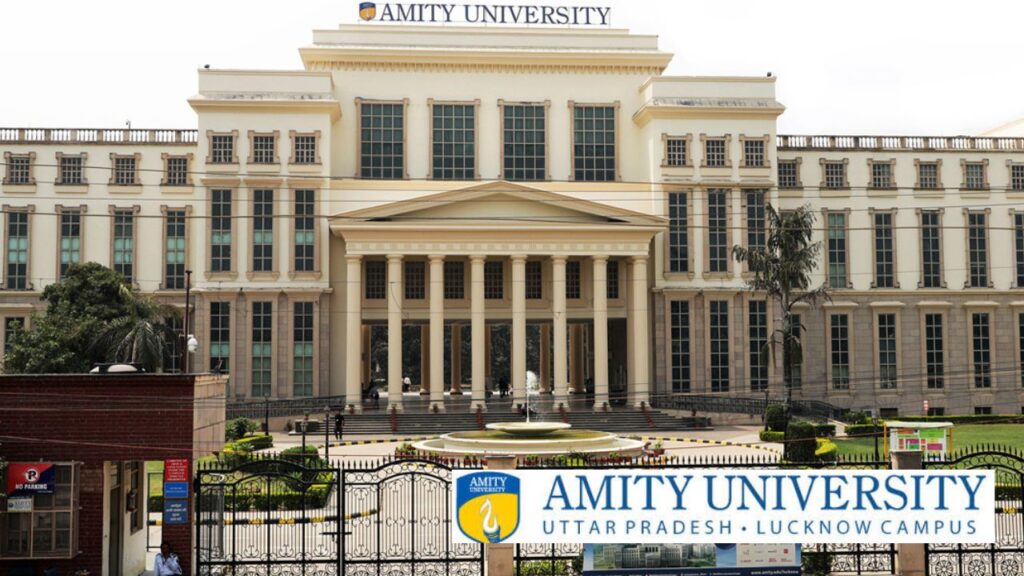
4. Amity University, Lucknow Campus

Amity University, Lucknow Campus

Amity University is private but has a national reputation. Students who are looking for academic quality with a modern campus, it is the best option for them. It offers a glamorous MBA experience with good infrastructure, international tie-ups, and exposure to corporate culture.

Fees₹7–13 lakhs
Average Package₹6 LPA
AdmissionCAT/MAT/XAT/CMAT OR Amity entrance
Why Choose Amity?Its alumni network and advanced educational techniques

5. Shri Ramswaroop Memorial University – SRM University
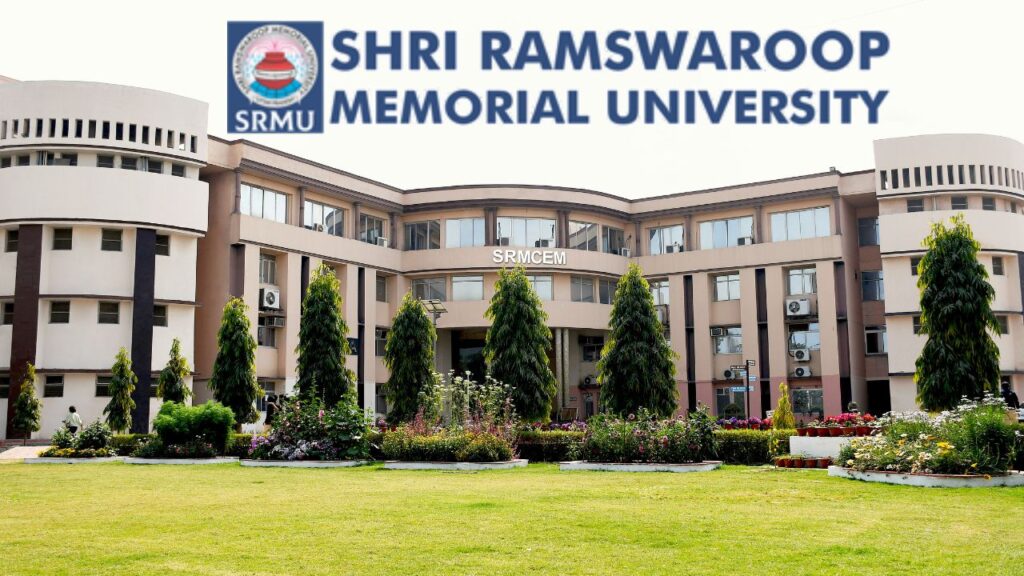
Shri Ramswaroop Memorial University - SRM University

An emerging private university in Lucknow, SRMU provides the best education in every field. It has been doing great work so it comes to an attention for its updated MBA curriculum and growing industry connect.

Fees₹2.4–3 lakhs
Average Package₹4.8 LPA
AdmissionMAT/CAT/CMAT
Why Choose SRMU?Value for money, modern teaching methods, and focus on industry level education

Read More 👉 Top 10 MCA Colleges in Bangalore – Best Picks for 2025

6. Babu Banarasi Das University – BBD University
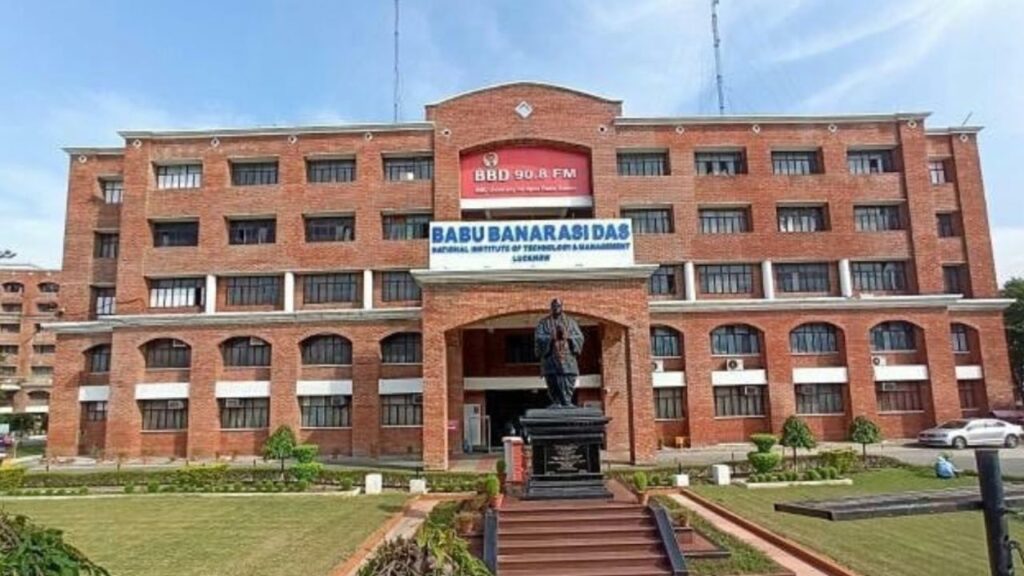
Babu Banarasi Das University - BBD University

BBD university offers an MBA program which is well known for its stability and affordability. Students who want a good campus life and an MBA degree, it’s a good option for admission in 2025. 

Fees₹2.1–3 lakhs
Average Package₹4–4.5 LPA
AdmissionDirect or through entrance exams
Why Choose?Well-known brand locally, decent infrastructure, moderate placements

7. Babasaheb Bhimrao Ambedkar University – BBA University
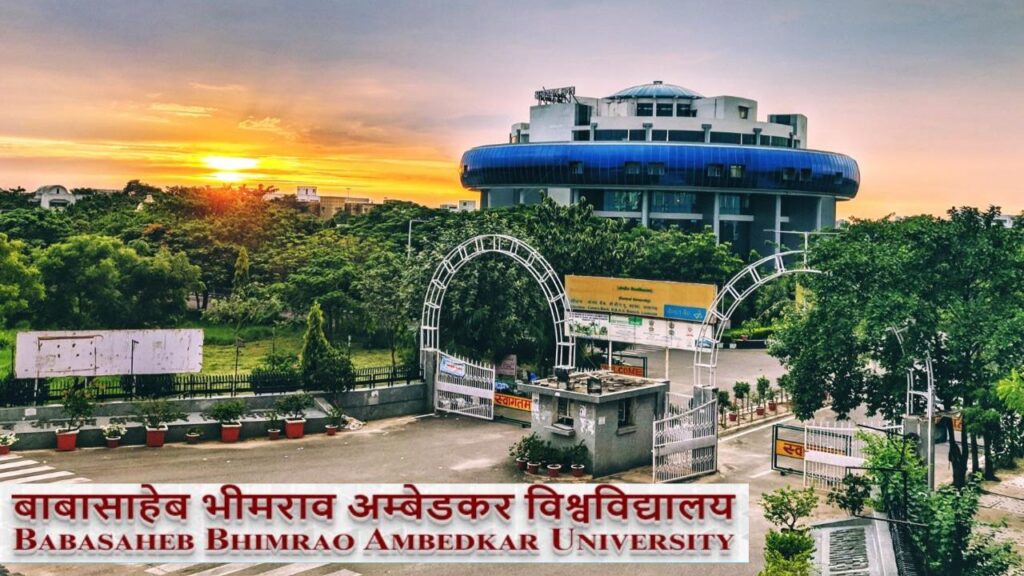
Babasaheb Bhimrao Ambedkar University - BBA University

BBAU offers a wide range of courses, but its MBA program is delivering quality education which empowers student’s careers. This university was founded in 1996, the best university for those who want to pursue an MBA program from a government university and focus on working in the government sector. 

Fees₹1–1.8 lakhs
Average Package₹7.9 LPA (higher than many private colleges!)
AdmissionCUET PG
Why Choose?High ROI, strong academic environment, and growing placement record

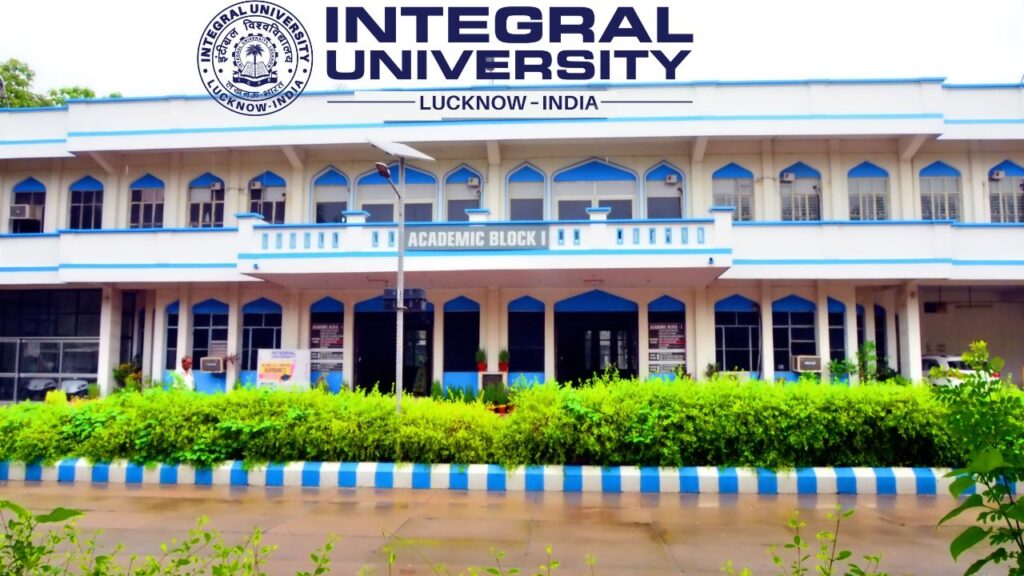
8. Integral University, Lucknow

 Integral University, Lucknow

Integral University, Lucknow: A UGC-approved university is a better option for an MBA. This is impactful for careers in management and technical fields. It acquires the position to deliver the best education in their programs. Ideal for those who want a diverse skill set along with an MBA.

Fees₹2–4.5 lakhs
Average Package₹3–3.5 LPA
AdmissionCAT/MAT/IUET/CUET
Why Choose?Offers dual degree options and specializations in niche sectors

9. Ambalika Institute of Management & Technology
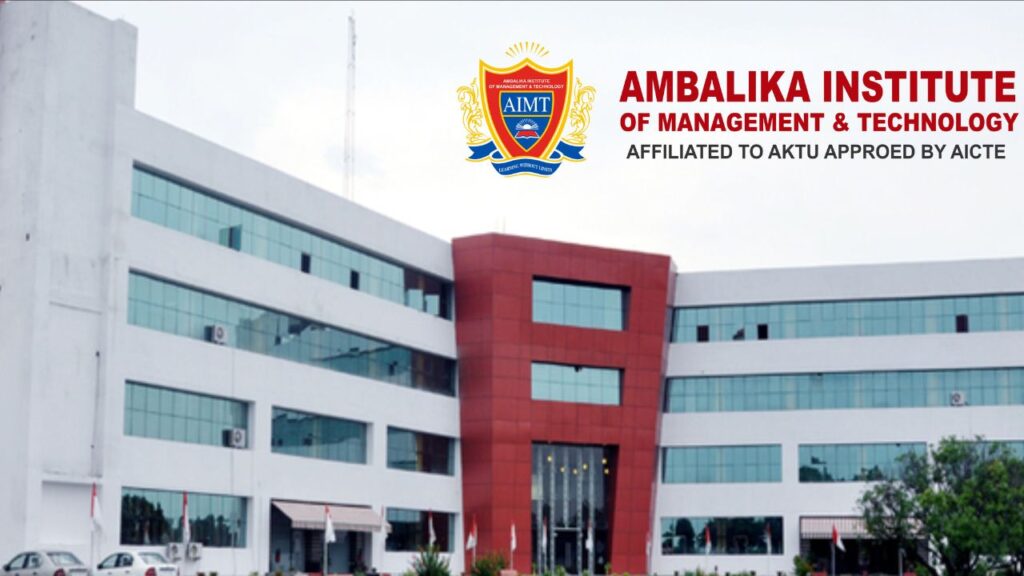
Ambalika Institute of Management & Technology

This institute is good for those who want to focus on management education with knowledge of technical concepts. It offers practical concepts rather than just theory. Smaller town students can achieve their goal with its personalized learning.

Fees₹1.7–2 lakhs
Average Package₹3.8 LPA
AdmissionCAT/XAT/MAT
Why Choose?Industry level projects, personalized trained student, batch size is not too large 

10. School of Management Sciences (SMS), Lucknow
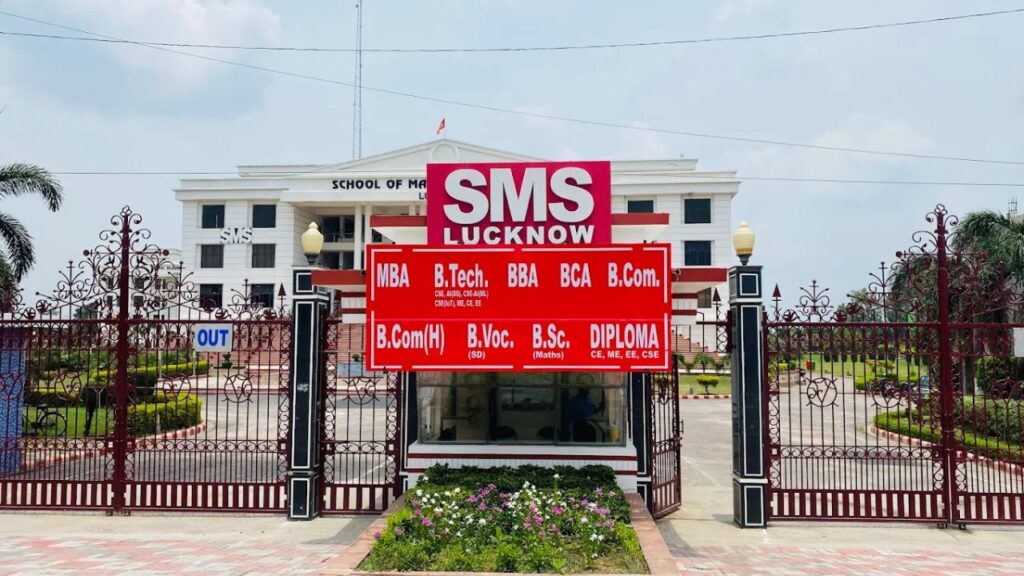
School of Management Sciences (SMS), Lucknow

Who want to focus on preparing for industry based management and get job-ready can choose this college. SMS is a name that’s becoming quite known for its industry-aligned teaching and good connections with mid-level companies.

Fees₹1.5–2 lakhs
Average Package₹3.5–4 LPA
AdmissionCAT/MAT/CMAT
Why Choose?Skill-building focused curriculum and consistent placement efforts

There’s not an exact answer here. It depends on your financial status, potential, and preparation. To get admission in a top college like IIM, you must clear the exam but it clears your goal as top consulting or global roles. But not everyone has a ₹20 lakh budget or the CAT score to match. That’s where private colleges step into for an MBA program. These colleges are also top-tier in lucknow, Jaipuria, IMS-LU, and BBAU provide strong value-for-money programs.

Before choosing a college, consider:

Priorities like Budget

Your professional goals

Entrance Preparation

Campus life and culture

To ensure all of the following before selecting these top 10 MBA Colleges in Lucknow, visit the campus and take feedback from the current students of the college.
Leave a Comment

Your email address will not be published. Required fields are marked *

Best Govt Teacher Jobs in India You Shouldn’t Miss in 2025

Best Govt Teacher Jobs in India

If you are considering teaching as a career option, here are some of the best govt teacher jobs you can look into. Government teachers are very respectable and offer high salaries with career stability. You can choose this profession if you are interested in teaching, there are several opportunities for aspiring teachers you can explore in this article. First of all, government jobs provide high perks such as a large pay scale, job security, promotions, and pensions. Second, it is not a very hectic profession. You can easily educate youngsters on specific subjects.

Top Government Teacher Jobs in India

1. Primary School Teachers (PRT)

EligibilityB.Ed is compulsory or D.Ed
CTET-qualified or STET-qualified
SalaryStarting pay from ₹30,000 to ₹40,000 per month.
Allowance benefit

Recruitment Process for Primary School Teachers

If you are eligible to be a primary school teacher, you can apply for this position after passing the eligibility test conducted by the government. This is a written exam that includes the basics of the subjects. After passing the exam the next stage is document verification and interview. The interview is taken by the school or college directly after the document verification. 

2. Trained Graduate Teachers

EligibilityGraduate with any relevant subject
B.Ed degree and CTET certification. Both are required 
SalaryStarting pay from ₹40,000 – ₹55,000 per month.
Dearness Allowance and House Rent Allowance

Requirement Process

The organizations like DSSSB, KVS, and state education are taking the exam for this role. Only the qualified teachers are eligible to teach in the Schools. If you are planning to establish a career as a government teacher then start preparing for the exam and beat the competition for securing a job role. 

3. Post Graduate Teachers 

EligibilityPost-graduate degree in a specific subject
B.Ed qualification 
CTET preferred in some states
SalaryStarting pay from ₹60,000 – ₹80,000 per month.

Recruitment Process

By clearing the National-Level exams like KVS, NVS, or any other state-specific, you can get a position as the post-graduate teacher in a school. It depends on your subject choice which teacher you can become and how much teaching experience you have. 

Specialized Teaching Roles

Assistant Professors in Colleges

Assistant Professor is the first stage position as a teacher in any college or university. The candidate has to gain experience through this position for teaching as an associate professor. The requirement of experience is required in some colleges but a master’s degree is compulsory for this position. The qualification of PhD is mandatory, if you clear the NET are eligible for this role without the PhD. The NET/SLET qualified candidates are eligible for this position. 

EligibilityMaster’s degree with at least 55% marks
NET or PhD qualification 
SalaryStarting pay from ₹70,000 – ₹1,20,000 per month.
Research opportunity

Recruitment Process

The selection process for Assistant Professors in Colleges happened after clearing the UGC-NET exam or state-level exam. You will be selected for the next stage for an interview directly from college. Both stages are mandatory for assistant professor positions in any college.

Special Education Teachers

The special teachers are delivering education to those students who do not understand easily as they have a lack of development, intelligence, and emotional disabilities. The aim is to support these children in learning and help the students achieve their full potential in academic and social settings. 

EligibilityBachelor’s/Master’s degree with at least 55% marks in Special education 
RCI registration (Rehabilitation Council of India)
SalaryStarting pay from ₹45,000 – ₹60,000 per month.

Recruitment Process

The recruitment for the special education teacher is conducted by the state board or CBSE. NGOs are involved in this process too. This role requires teaching certification of specific special education, maybe it is not required by some states. Training is preferred for assessing knowledge of various disabilities like autism, dyslexia, or ADHD because it helps teachers to understand the child problem.

Centralized Teaching Jobs

Kendriya Vidyalaya Sangathan Teacher

The Kendriya Vidyalaya Sangathan is the organization under the government of India. The KVS teachers are responsible for this education system of all the schools under the central government, sometimes we call KVS teachers the heart of this system.

EligibilityPRT: Graduation in a relevant subject (B.Ed/D.Ed, CTET)
TGT: Graduation with a B.Ed/D.Ed, CTET
PGT: Post-Graduation in a relevant subject + B.Ed
Age: 18-40 years
SalarySalaries are as per the 7th pay commission, ranges between 40,000 to 90,000
Other benefits such as allowance and medical coverage is given to the teachers

Recruitment Process

The candidates have to take the written examination test for this position. The PRT, TGT, and PGT positions are require some specific examination clearance. You must clear the written exam then you go to the interview stage if you are selected in these two stages only then come on to the next stage which is the Skill Test. The Skill test is based on the specific post you are applying for like music, dance teacher, or any other category.

Navodaya Vidyalaya Samiti Teachers

The Navodaya Vidyalaya Samiti is also under the Ministry of education, which is the central government organization specializing in providing quality education to children from rural areas. This is a free education providing talented children. The motive of the teacher is to develop academic excellence in every area of the country.

EligibilityTGT: Graduation with B.Ed/D.Ed, CTET
PGT: Post-Graduation in any relevant subject + B.Ed
Age: 18-50 years
SalarySalary range between 40,000 to 85,000
Other benefits like allowance, and professional development

Recruitment process

You have to take the written examination that evaluates subjects of knowledge in aptitude, reasoning, and general awareness. The next step is an interview, if you are selected in the first step you are eligible for the interview. The last and final stage is a skill test which is taken for specific posts like music, art, or physical education. The recruitment for this position is published on the NVS official website.

State Government Teaching Jobs

State Education Board Teachers

The various state governments in India are recruiting teachers for the state education board education. The State Education Board Teacher has a responsibility to teach students according to the syllabus and exam pattern. The students came from urban and rural areas on this board. Teachers must maintain lesson plans and assist in implementing state-level education initiatives. 

Types of State Education Board Teachers

Primary School Teachers Teach students from 1 to 5
Upper Primary School TeachersTeach students from 6 to 8
Secondary and Higher Secondary TeachersTeach grades 9 to 12 specialized subjects such as Mathematics History, English, etc
Prepare them for the state exam

Recruitment Exams for Teacher Jobs

Central Teacher Eligibility Test (CTET)This test is taken by the CBSE for PRT and TGT teachers.
State Teacher Eligibility Test (TET)This exam is a state-specific exam taken under the state board like UPTET, HTET, etc.
Other Exams:DSSSB (Delhi Subordinate Service Selection Board)KVS/NVS examsUGC-NET 

Conclusion

There are a plethora of govt teacher jobs in India for you, whether you aim for teaching or government jobs, this is the best opportunity for you to teach in either school, college, or university. Check the eligibility criteria and selection process before applying for the teaching job. Keep track of the application process through the official website https://www.ncs.gov.in/ for these job roles.

Leave a Comment

Your email address will not be published. Required fields are marked *

RSSB Clerk Jr-II / Junior Assistant Recruitment 2026 — Get Links & Important Details 

RSSB Clerk Jr-II / Junior Assistant Recruitment 2026

RSSB Clerk Jr-II / Junior Assistant Recruitment 2026: Rajasthan Staff Selection Board (RSSB) has given an employment notification for the post of Clerk Grade-II/Jr Assistant. The application period will start on 15/January/2026 and end on 13/February/2026. The age limit to apply for SSB recruitment is minimum 18 years and maximum 40 years for the candidates as on 1st/January/2027. Interested candidates may please go through the detailed advertisement (Advt. No. 04/2026) for the complete details of the recruitment process. 

Check Out These Dates To Apply

EventDate
Online Apply Start Date15/January/2026
Online Apply Last Date13/February/2026
Last Date For Fee Payment13/February/2026
Exam Date05-06/July/2026 (Tentative)
Admit CardBefore Exam
Result DateWill Be Updated Here Soon

Application Fee Details For the Application

CategoryFee Amount
General, EWS, OBC (Creamy Layer)₹ 600/-
EWS, OBC (Non Creamy Layer)₹ 400/-
SC, ST, PH₹ 400/-
Correction Charge₹ 300/-

Age Limit & Education Required For This Post

Candidates between 18 and 40 years of age can apply for the Jr-II / Junior Assistant post of Clerk. Applicants should be passed 12th (Senior Secondary) from a recognized board and possess one of the following: NIELIT O/CCC, COPA/DPCS, a Diploma/Degree/Certificate in Computer Science or Computer Applications. 

12th with Computer as subject, Polytechnic Diploma in CS, HSCIT, or any other equivalent qualification as recognized by the government. 

Also, they should be conversant with Hindi in Devanagari script and have rudimentary knowledge of Rajasthani. 

Read Also: How to Apply for Bihar Police SI Recruitment 2026

Follow These Points to Apply Online for RSSB Clerk Jr-II / Junior Assistant Recruitment 2026

  • Interested candidates can apply for the Rssb post at the latest by 13/February/2026. 
  • Use the “Click Here” link given below under Important Links to apply online directly, or you can also visit the official website of RSSB to access the online application form. 
  • Fill your details in those empty boxes and re-check it.
  • Attach documents to confirm your claim.
  • Submit the form on time to avoid any hassle at the end. 
Important Links 
Apply NowUpdate Soon
Download NotificationClick Here
Official WebsiteClick Here

Leave a Comment

Your email address will not be published. Required fields are marked *

Bihar DElEd Entrance Result 2025 OUT: Check Marks, Rank & Admission Status

Bihar DElEd Entrance Result 2025 OUT

On November 26, 2025, the BSEB Bihar DElEd Result 2025 was formally announced by the authority. Candidates who filled the applications in a period from January 11, 2025, to February 5, 2025 can check their result for Bihar D.El.Ed 2025 from the link given below. You need the date of birth and roll number to access the scorecard. Now the result is here of those applicants, so visit the official website to download the scorecard and check merit list/cut off marks or copy the link given below & paste it in the new tab of the window. 

Application Start Date11/January/2025
Application Last Date05/February/2025
Fee Payment Last Date06/February/2025
Correction Date13 —- 17 May/2025
Exam Date26/August/2025
Answer Key Date11 —- 13/October/2025
Result Date26/November/2025

Eligibility & Application Fee Key Details For BSEB DElEd

The two-year Bihar DElEd course is open to the candidates who have passed 12th standard or an equivalent examination from a recognized board or institution in India. Candidates who are above 17 years old can apply and there is no age limit. 

Reserved category candidates are required to pay ₹760, and those belonging to the General/OBC/EWS categories are required to pay ₹960. It is advised to read BSEB Bihar DElEd Exam Notification 2025 for full fledged details. 

Read More 👉 IIT BHU Fees for BTech: Tuition, Hostel & Other Charges Explained

Step-By-Step Guide to Download Result 

The result of the diploma is on The Bihar School Examination Board (BSEB) Patna official website. For the marks print out you need to kindly follow these steps:

1. Go to the official website which is mentioned in the below section.

2. Link with naming “BSEB Bihar DElEd Result 2025” is posted, you can find and click on it.

3. Fill in the roll number/ application number and date of birth.

4. Press the “Submit” button.

5. Now BSEB Bihar DElEd Result 2025 will be appeared on your screens.

6. Download and take a printout of your scorecard or keep it for future reference.

Make sure to have all the necessary credentials in order to make the process hassle-free. 

Useful Links
Check ResultClick Here
NotificationClick Here
Official WebsiteClick Here

Leave a Comment

Your email address will not be published. Required fields are marked *

Top 10 Best Medical Colleges in India with Low Fees [2025 List]

If you aim to become a doctor then choosing the right medical college is one of the most important decisions in a student’s life, especially in India, where quality education often comes with a heavy budget. However, not all top medical colleges are expensive. Some of the best government medical colleges in India offer world-class education at low fees. In this article, we’ve listed the top 10 best medical colleges in India with low fees in 2025.

You can explore all their details on courses, fees, and admission process along with their ranking among medical colleges. If you’re a NEET aspirant looking for an affordable medical college this guide will help you to choose the right college for yourself. 

We also instruct you on how to choose the right college, even among all the medical colleges delivering high-quality education. 

Top 10 Best Medical Colleges in India with Low Fees 

1. All India Institute of Medical Sciences 

Source: AIMS

Ranking#1 in NIRF Medical Rankings 2025
Annual Fees₹1,628 (MBBS)
AdmissionNEET-UG for MBBS, INICET for PG courses
CoursesMBBS, MD, MS, B.Sc. Nursing, MDS

Why AIIMS?

AIIMS Delhi is India’s most prestigious medical college. If you want to be perfect in practical training then it is the best option for you. It provides unmatched clinical exposure, research opportunities, and global recognition with low fees. It offers UG and PG medical programs that deliver enhanced biomedical concepts and training.

2. Maulana Azad Medical College – MAMC

source: MAMC

RankingAmong the top 5 
Annual Fees₹2,445
AdmissionNEET-UG + Delhi University counselling
CoursesMBBS, MD, MS, Diploma courses

Why MAMC?

MAMC is known for its excellent faculty and top-notch medical training. It’s ideal for those who want the best training for medical procedures. It offers the best clinical exposure due to its affiliation with top hospitals such as LNJP and GB Pant, giving students rich clinical exposure. It also has one of the highest PG entrance success rates in the country.

3. Armed Forces Medical College 

source: AFMC

RankingTop 3 medical college for disciplined training
Annual Fees₹31,000 (including hostel and mess)
AdmissionNEET-UG + AFMC screening (interview + medical fitness)
CoursesMBBS, Nursing, PG Diplomas

Why AFMC?

Students who want to be assured of their placement, the AFMC offers students an opportunity in the Armed Forces Medical Services after graduation. Training is best, discipline, and reputation can open up your medical career chances at the next level. However, there is a compulsory service bond after completing MBBS. Students can also get scholarships.

4. King George’s Medical University, Lucknow

Nursing students at King George’s Medical University in Lucknow during clinical training

Source: KGMU

RankingTop 10 as per NIRF 2025
Annual Fees₹54,000
AdmissionNEET-UG for MBBS or other undergraduate programs, NEET-PG for postgraduate
CoursesMBBS, BAMS, Speciality, BDS, MD, MS, Nursing

Why KGMU?

KGMU is one of the best medical colleges for practical training. Thousands of NEET aspirants try to get there for medical courses. It offers advanced labs, highly experienced faculty, and strong placements in both the government and private sectors.

5. Grant Medical College, Mumbai

Grant Medical College, Mumbai

Source: Grant Medical College

RankingAmong the top 15 government medical colleges
Annual Fees₹97,800
AdmissionNEET-UG through Maharashtra State Quota and AIQ
CoursesMBBS, MD, MS, Nursing

Why Grant?

This college is affiliated with JJ Hospital, providing excellent exposure to diverse clinical cases in Mumbai. The disciplined faculty system includes some of the best doctors in the state.

6. Bangalore Medical Research Institute 

Bangalore Medical Research Institute

Source: BMRIC

RankingTop 15 in NIRF
Annual Fees₹70,170
AdmissionNEET-UG via Karnataka KEA counselling
CoursesMBBS, MD, MS, B.Sc. Nursing

Why BMCRI?

BMCRI is one of South India’s best government colleges for NEET aspirants. It is located in Bangalore and is attached to major hospitals like Victoria Hospital and Bowring Hospital. Students mostly wanted to go to this college for postgraduate degrees. 

7. Seth GS Medical College, Mumbai

Seth GS Medical College, Mumbai

Source: Seth GS Medical College

RankingAmong the top 15 medical colleges
Annual Fees₹98,000
AdmissionNEET-UG via Maharashtra CET counselling
CoursesMBBS, MD, MS, Super Specialities

Why Seth GS?

Best medical college in Mumbai for MBBS and other medical programs with its research enhancement. Seth GS Medical College is attached to KEM Hospital, so it delivers advanced education in the medical field. To train their students in the best way possible for hospitals. 

8. Institute of Medical Sciences – Varanasi

Institute of Medical Sciences – Varanasi

Source: IMS-BHU

RankingTop 10
Annual Fees₹13,000
AdmissionNEET-UG + JoSAA/BHU internal counselling
CoursesMBBS, MD, BDS, B.Sc. Nursing

Why BHU-IMS?

BHU-IMS is an academic environment for the medical students to get  well-trained. To become a doctor is what many students dream of, now it’s possible with a low fee structure. It offers strong research support and is ideal for Uttar Pradesh aspirants.

9. Government Medical College, Kerala

Government Medical College, Kerala

Source: Government Medical College

RankingAmong top 20
Annual Fees₹22,000
AdmissionNEET-UG via Kerala KEAM counselling
CoursesMBBS, MD, MS, Paramedical

Why GMC-TVM?

One of Kerala’s oldest and most reputed medical colleges. Students who want to study in an academic environment can get admission to this college. It creates some of the highest-scoring PG aspirants and is known for its patient inflow, excellent teaching, and disciplined academic culture.

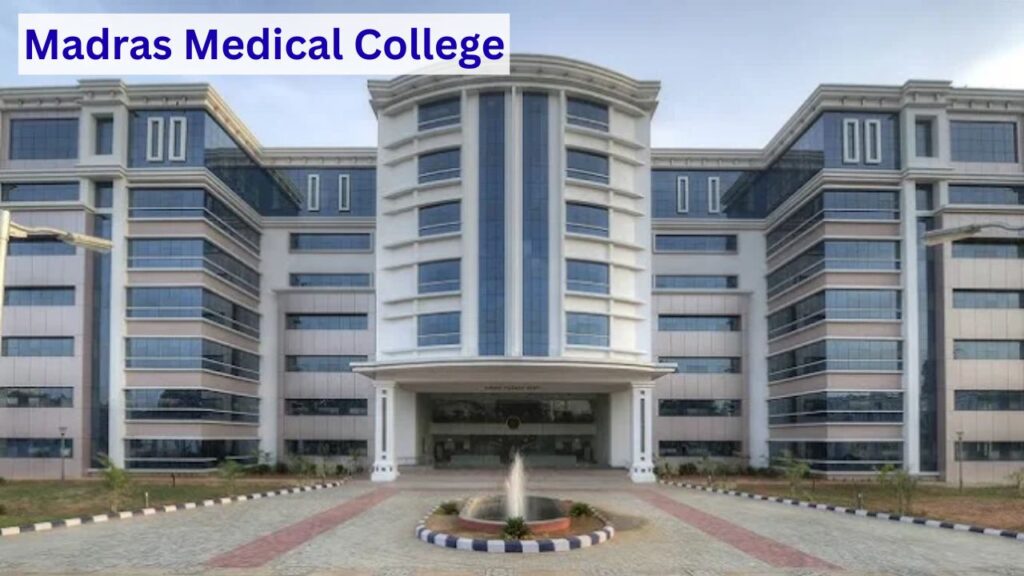
10. Madras Medical College, Chennai

 Madras Medical College, Chennai

Source: Madras Medical College

RankingAmong top 15
Annual Fees₹13,610
AdmissionNEET-UG via Tamil Nadu State Quota + AIQ
CoursesMBBS, MD, MS, Nursing, Super Speciality

Why MMC?

MMC college was founded in 1835 and is known for its best medical education. It continues to provide outstanding training and is attached to major hospitals like the Rajiv Gandhi Government General Hospital. Graduates are highly respected in both the government and private sectors.

Note: For exact fee details you can visit the official website of the college and check out.

How to Get Admission in These Colleges?

1. Clear NEET-UG: This is mandatory for all MBBS and other courses in medical admissions in India.

2. Register for Counselling: You can choose either AIQ through MCC or State Quota via the respective state portals.

3. Get your step into the Choice Filling & Seat Allotment

4. The last part after you get shortlisted is Document Verification & Admission Confirmation.

Note: For top colleges like AIIMS, AFMC, and MAMC, your NEET rank should ideally be within the top 1000–5000. 

Career Scope After MBBS

Completing MBBS from a reputed government college gives you several career options, that is the reason why choosing the right college for a medical degree is important:

  • Further studies in the medical field like MD/MS/DM in India or abroad through exams like NEET-PG, USMLE, PLAB
  • Government Jobs in various departments such as AIIMS, ESIC, Railways, State or city Hospitals, Army Hospitals, and many more. It offers you lifetime financial stability and security.
  • Become a doctor in Private Hospitals, or Join Corporate Hospitals, and own the clinic.
  • You can also choose your career in medical research.
  • Health Administration is also an option for you. As a medically certified doctor, you can be an instructor or health reporter.

Conclusion

You don’t always need to pay lakhs to get a quality medical education. These top government colleges prove that quality education, hospital exposure, and low fees can go hand-in-hand. If you’re serious about a medical career in 2025, start preparing for NEET with full dedication, and keep these Top 10 Best Medical Colleges in your target list.

Leave a Comment

Your email address will not be published. Required fields are marked *

BSc Radiology and Imaging Technology: Course, Eligibility, Fees & Career

BSc Radiology and Imaging Technology

BSc Radiology and Imaging Technology is a three-year program (with one-year internship that is mandatory in most of the institutions) that equips the students with the knowledge of medical imaging. The core science portion of the curriculum (focusing on physics, chemistry, and biology) is integrated with clinical imaging courses including: anatomy and pathology, radiographic procedures, sonography techniques, ultrasound physics, computed tomography (CT), magnetic resonance imaging (MRI), and radiation protection. 

The Bachelor of Science in Medical Radiology and Imaging Technology is becoming the backbone of diagnostic medicine today. This transformation is being driven by three coalescing factors: the full enforcement of National Commission for Allied and Healthcare Professions (NCAHP) Act 2021, the adoption of advanced artificial intelligence (AI) in diagnostic workflow, and the growing world-wide need for expert imaging technologists. 

The course is intended to prepare competent technologists (“radiographers”) who will be well versed in the operation of contemporary imaging equipment and have a solid foundation in the science of diagnostic radiology. 

Who is a Radiology Technologist?

The Radiology Technologist/Radiographer is a clinical scientist who holds at least a B.Sc. or M.Sc. degree in Radiography. They don’t just know how to run the machines, they understand the physics behind the formation of images, the physiological basis of pathology and the important issues surrounding patient safety and radiation protection. 

Why Has This Course Become Important in Diagnostics?

Imaging is at the heart of diagnostics, which are critical to contemporary medicine; more than 80% of hospital care relies on them. B.Sc. In addition to machinery handling the Technician holder needs to perform a large part in the day to day imaging workflow by the year 2026 MRIT graduates holders can expect to be involved with state of the Art technology like PET-MRI, SPECT-CT, Protocol Optimization, Post Processing, QC. 

Also this line job is work during recession. There is a long-term demand for skilled radiographers, particularly those trained in PACS and RIS, as the population of India grows older, lifestyle ailments become more common, and digital healthcare is enhanced under the ‘Ayushman Bharat Digital Mission’. 

Entrance Exams & Eligibility Details For Admission 

NEET UG 2026

National Eligibility cum Entrance Test (NEET UG) shall be the single entrance examination for admission to all the undergraduate allied and healthcare courses like BSc Radiology and Imaging Technology from the academic year 2026-27, according to NCAHP. 

AIIMS — 2026 Paramedical Entrance Test

Along with NEET, there is the AIIMS entrance Test which is held by AIIMS for paramedical courses leading to B.Sc. and M.Sc. The date of AIIMS B.Sc. Paramedical 2026 exam is tentatively on 30 May 2026. 

Note:- Candidates are requested to cross-check this with official notification as some calendars mention July for Examination, however May is the only projected window as per academic calendar.

How to apply:

  • Basic Registration: The schedules released in 2026 March/April. You can create a Registration ID.
  • Final Registration: Involves the generation of a Unique Code (RUC), payment of application fee, usually in May 2026.

Test Format: This computer-based test will consist of 90 multiple-choice questions (MCQs) on biology/mathematics, chemistry, and physics and will last for 90 minutes. Any wrong answer can take away ⅓ marks.

Admissions at JIPMER & PGIMER

JIPMER (Puducherry): B.Sc admissions The admissions to the B.Sc shall be The Allied Health Science at JIPMER (Puducherry) for the year 2026 will be on the basis of the NEET UG scores. JIPMER normally holds its own counseling for these seat(s). 

PGIMER (Chandigarh): The institution holds a separate CBE, these are usually conducted in the months of August/September. The process of application normally commences in June. 

State and Private University Tests

CUET (Common University Entrance Test): Central universities, such as Banaras Hindu University (BHU), utilise the CUET. The essential subject combination for Radiology is Physics, Chemistry, and Biology / Mathematics.

Manipal: in MAHE, Phase 1 is scheduled for April 2026 for admission test, and the next Phase 2 for May 2026. 

CMC Vellore: It is a tough Institute level CBT (Computer Based Test) followed by a Step-2 evaluation (Practical tests and interviews.) 

Eligibility Criteria 2026

Educational qualification: Should be passed class 12th board with physics, chemistry and biology (pcb) and English. Some of the institutes like AIIMS allow mathematics (pcm) for Radiology courses.

Minimum Marks: For the general/EWS/OBC category, it is 50% aggregate and for the SC/ST category, it is 45%.

Read More:- Supreme Court Law Clerk Recruitment 2026 Notification Details

List of Colleges For BSc Radiology and Imaging Technology

There are 140+ colleges around India that offer BSc Radiology and Imaging Technology without taking too much fees, especially in government colleges. If you have interest in lab technologies or figuring out body structures and making reports then take admission for securing your career in this field.

CollegeLocationApprox. FeesNotes 
AIIMS—New DelhiDelhi₹4,500Elite training facility as it is Top-ranked college
PGIMERChandigarh₹10,500Members are mindful and placements opportunities
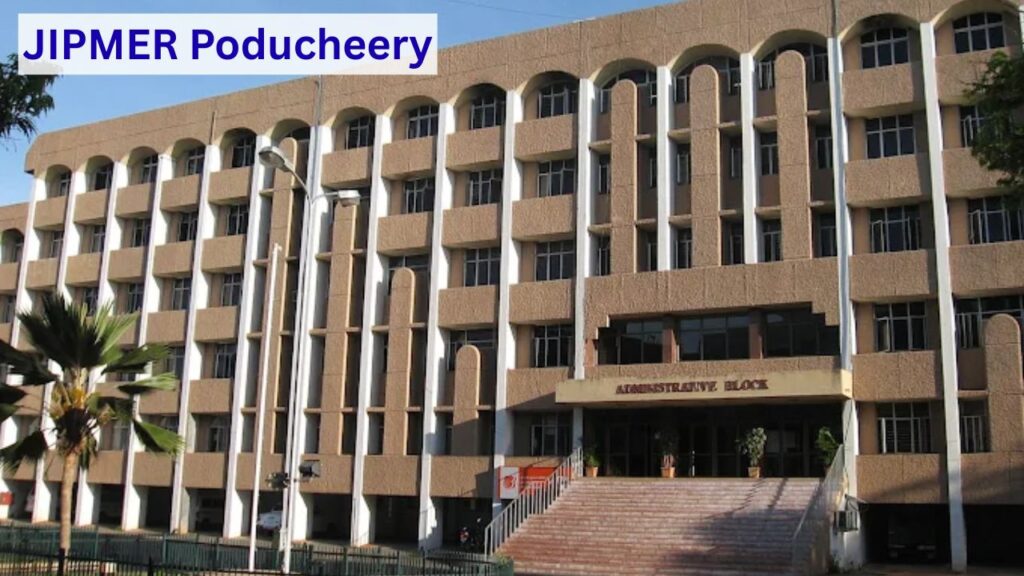
JIPMERPuducherry₹94,000Excellent internships
AIIMS—RishikeshUttarakhand₹46,000High packages up to ₹24L
GMCHChandigarh₹39,000Affordable govt option
Integral UniversityLucknow, UP₹3.15LGood infra, local pick
Parul UniversityVadodara₹4.6LPrivate, placements ₹6L avg
SGT UniversityGurgaonVariesModern facilities

Academic Curriculum for the Course 

Theory and laboratory practice are included in the curriculum of BSc Radiology and Imaging Technology. The following topics were covered: Human anatomy/physiology, Imaging Physics, General Radiography, Ultrasound Imaging, CT Scanning, MRI Basics, Radiobiology and Radiation Protection, Digital Image Processing, and General Patient Care. 

BSc Radiology and Imaging Technology is a four year degree course. The first three years were spent attending didactic lectures, practical laboratory courses, and clinical observations. The fourth year is a required, full-time clinical internship during which the student serves as a student technologist at a hospital. 

PhaseDurationFocus Areas
Year 1Semesters 1-2Basic Medical Sciences, Communication Skills, Computer Basics
Year 2Semesters 3-4Core Radiography, Radiation Physics, Conventional Imaging
Year 3Semesters 5-6CT, MRI, USG, etc Interventional Radiology
Year 4Semesters 7-8Clinical Internship, Logbook, Project Work

The 2026 Curriculum is intended to establish progressively developing competencies. 

Year 1: The Foundation

The goal is to give the student a foundation in the human body and the hospital setting.

  • Human Anatomy & Physiology: This Is Not a “Fly By” Tour Students are required to study detailed osteology (bones) to learn how to position for radiographic.
  • They are taught body systems physiology to understand how to administer contrast media.
  • General Physics: The basic laws of physics applicable to the production of radiation.
  • Clinical Pathology & Biochemistry: Basics of blood tests (creatinine, urea) which are important prior to contrast administration.
  • English & Communication: Necessary to describe techniques to patients and to calm them. 

Year 2: The Core

Students access the realm of diagnostic imaging in BSc Radiology and Imaging Technology.

  • Radiation physics: The production of X-rays, their interaction with matter, and the design of X-ray tubes.
  • Radiographic Positioning, the science and art of positioning the patient to radiograph the body part (i.e. Towne’s view for skull, Skyline view for patella).
  • Darkroom to Digital: Darkrooms may be a thing of the past, but knowing the history is key. Emphasis is placed upon Computer Radiography (CR) and Direct Digital Radiography (DR) modalities.
  • Radiation Protection: Students learn the ALARA (As Low As Reasonably Achievable) concept along with shielding and dose limit for worker and patient. 

Year 3: The Advanced Frontier

This is the year when the high-end modalities that shape contemporary radiology are covered.

  • Computed Tomography (CT): CT Physics, generations of scanners, helical vs. axial scanning, and protocols for different body regions.
  • Magnetic Resonance Imaging (MRI): Principles of the complicated physics of nuclear magnetic resonance, safety issues related to ferromagnetic materials, and pulse sequences.
  • Ultrasonography (USG): Essentials of acoustics, transducer design, and the technologist’s function in the operation of the sonographer.
  • Interventional Radiology (IR): Orientation to the Cath Lab Sterility and Equipment utilized in Angiography.   
  • Radiation and Radioactivity in Nuclear Medicine Basics of PET-CT Handling of Radioisotopes including Technetium-99m. 

Year 4: The Internship

The purpose of the internship is to transition a student to a worker. Interns rotate through different departments, including X-ray, CT, MRI, Emergency and ICU. They need to keep a logbook of cases they have done, and are evaluated on their technical skills and dealing with patients. 

BSc Radiology and Imaging Technology Career Scope & Salary

Skilled radiographic professionals are sought after in India’s growing healthcare sector. Radiology technicians also work in public and private hospitals, diagnostic laboratories (pathology and imaging centres), government health schemes, private practitioners and emerging digital health platforms including teleradiology and artificial intelligence (AI) imaging start-ups. 

BSc Radiology and Imaging Technology

Clinical Roles

  • Radiologic Technologist: The typical baseline position. Duties are to perform x-rays, triage patients and maintain radiation safety .
  • CT Technologist: So, what’s the place in the hierarchy. Knowledge of cross-sectional anatomy and contrast administration is required.
  • MRI Technologist: A step up. MRI scanners are complicated, and patient safety (screening for metal) is critical. The technologists here typically make 20-30% more than a general radiographer.
  • IR Technologist: The Cath Lab Experience. In a stressful environment, high volume dealing with cardiac and vascular interventions. You’ve got to wear thick lead aprons for long hours – but when you’re done, you’re king and you’ve got money in your pocket.
  • Mammographer: Expert in breast imaging. Because of the sensitive nature of the exam, female technologists are preferred for this position. 

Sector & Role Wise Salary (2026)

RoleExperienceSectorApprox. Monthly Salary (INR)
Jr Technologist0-2 YearsPrivate sector Hospital Rs 18–25k
Jr Technologist0-2 YearsAIIMS/Govt (Contract)Rs 25–35k
Sr Technologist5+ YearsCorporate HospitalRs 45–60k
MRI Specialist3-5 YearsDiagnostic ChainRs 35–50k
Application Specialist2-5 YearsMedical Device Co.Rs 50–80k + other allowance
Govt. PermanentEntry LevelGovernmentRs 45–55k (Initial + Allowance)

Who is Ideal For this Course?

BSc Radiology and Imaging Technology course is for students who like science and technology and want to work in the health sector. The ideal candidate: is detail oriented, is able to follow protocols which are critical for safety, is comfortable using computers and complex machinery, and can interact with patients (explain procedures, position patients). A BSc radiology student should be well versed with biology and physics and should also be calm and responsible because any mistake in imaging can impact the diagnosis. 

Future Value of BSc Radiology and Imaging in Healthcare

In India’s upcoming healthcare scenario, BSc Radiology and Imaging Technology are a must-have. With the proliferation of private hospitals and diagnostic chains in Tier II/III cities, the need for imaging services is on the rise.

Technologies, such as AI-based image analysis, hybrid imaging (e.g. PET/CT), etc, indicate that the profession will continue to be hitech. So BSc (Hons) in Radiography graduates will play a vital role in connecting technology and patient care. The course produces practical professionals who can contribute immediately to hospitals’ diagnostic teams, which is critical in a country like India, where there is a shortage of doctors. 

Conclusion

In a day and age when technology and medicine are coming together closer than ever, the Radiology Technologist is at the controls of the medical world’s most powerful machines. For individuals who are detail-oriented, have a caring nature, and technical mind, BSc Radiology and Imaging Technology offers a fulfilling, stable and ever-changing career. 

Leave a Comment

Your email address will not be published. Required fields are marked *

Scroll to Top