Meet the Best GS Teacher for SSC CGL Who Can Skyrocket Your Scores

Starting to prepare for the SSC CGL exam to establish your career in the government job is the dream success in many student’s lives. But understanding how you can achieve this success among the lakh of students is important. Many students give up because it is hard to achieve high rank for post selection. There — Best GC Teacher for SSC CGL is needed to strategically prepare and cover every topic.

Many students make a mistake to take the General Studies section lightly and get doomed. This part is crucial in this exam to boost your final score. Unlike Math or Reasoning, GS covers many subjects —

  • History
  • Geography
  • Indian Polity
  • General Science
  • Economics’
  • Static GK 

So, let’s explore the Best GS teachers for SSC CGL exam, their unique styles and platforms.

Khan Sir

Khan Sir is an Indian educator who offers a wider range of courses through Youtube which makes 19 million subscribers within three years and is still consistently growing. He provides both offline and online coaching glasses with extensive coverage of core subjects. His general studies courses are designed for strategic preparation for competitive exams like SSC CGL. He motivates students through his lectures. He is using practical examples for simplifying the complex concepts of subjects including History (Ancient, Medieval, Modern), Geography (Physical, Indian, World), Polity (Indian Constitution), Economics, Science, and Current Affairs.  
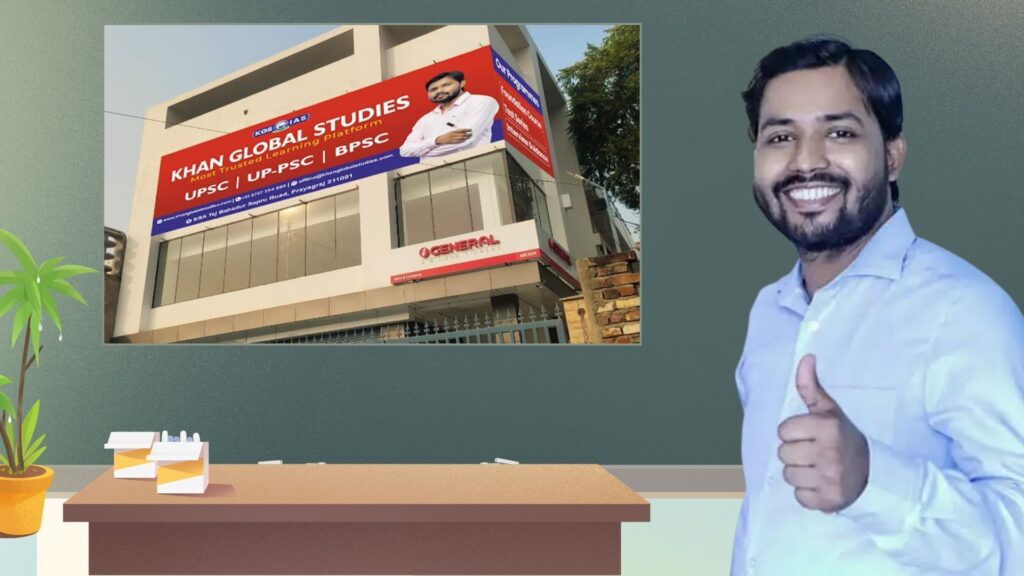
The “GS Crash Course by Khan Sir & Team,” is basically designed for SSC CGL aspirants to understand more precisely concepts. Khan Global Studies offers test series, daily quizzes, sessions for solving doubts, previous year questions and a vast range of study material. 

Many students praised his teaching style and ability to explain every concept with real world examples which makes it easier to learn for students. KGS delivers high-quality education at an affordable price which makes it a well-equipped facility for rural students who are unable to join offline classes. 

Manikant sir (The Study IAS)

Manikant Singh is an experienced educator who offers a wider range of lectures which focuses on core subjects for competitive exams like SSC CGL. His strong fundamental pursuit of General Studies, especially History which is beneficial for the aspirants. The Study IAS offers both offline and online platforms for students to access all the available resources for the exam. 
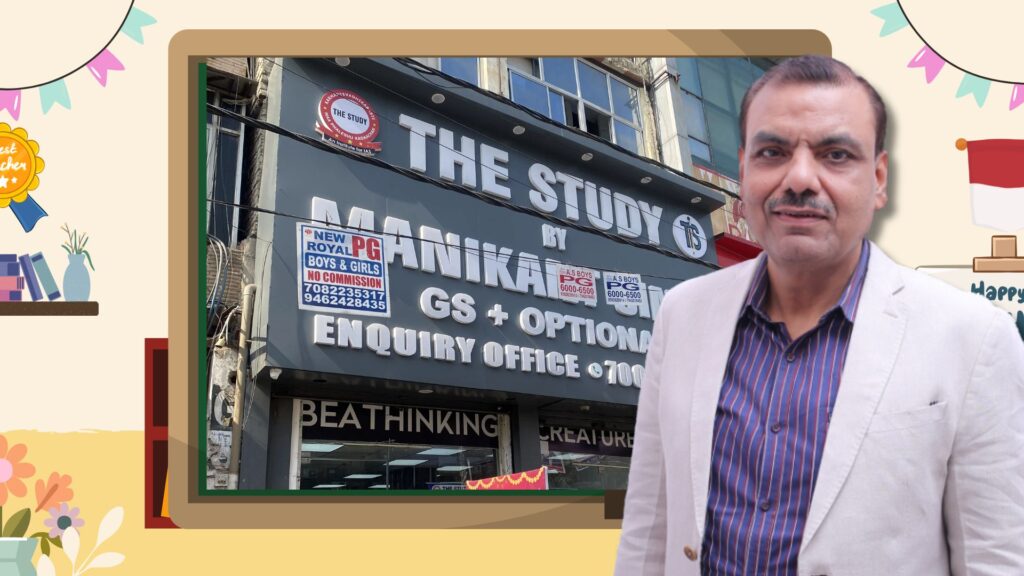
Students are showing good response because of his teaching style to explain each concept with clarity through his experience. His strong potential to provide strategic requirements for the preparation of SSC CGL exam is helpful. 

Parmar Sir (Parmar SSC)

Parman sir is highly recommended by most of the former students who have appeared in SSC CGL exam. His experienced knowledge of General Studies is basically providing the core content that is relevant to this competitive exam. His teaching style is different and also offers a variety of courses and test series through Youtube channel and Parmar Academy. 
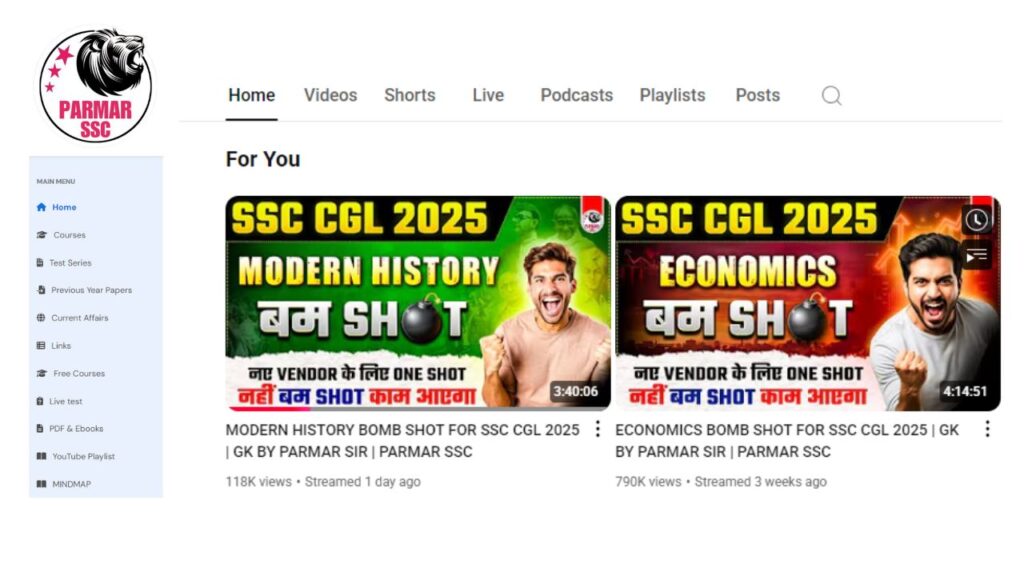
The course is specifically designed to cover subjects like Basic GK, History, Polity, Geography, and Science. His content is focused on strategic preparation by analyzing and solving previous year’s questions.  Students can learn every core topic in both languages (Hindi & English).

Amandeep Sharma 

Amandeep Sharma specializes in General Studies and provides online education though learning platforms like Unacademy and Testbook. He is also known for his teaching ability to make complex problems easily understandable for the students through previous year questions technique and explanation style. 
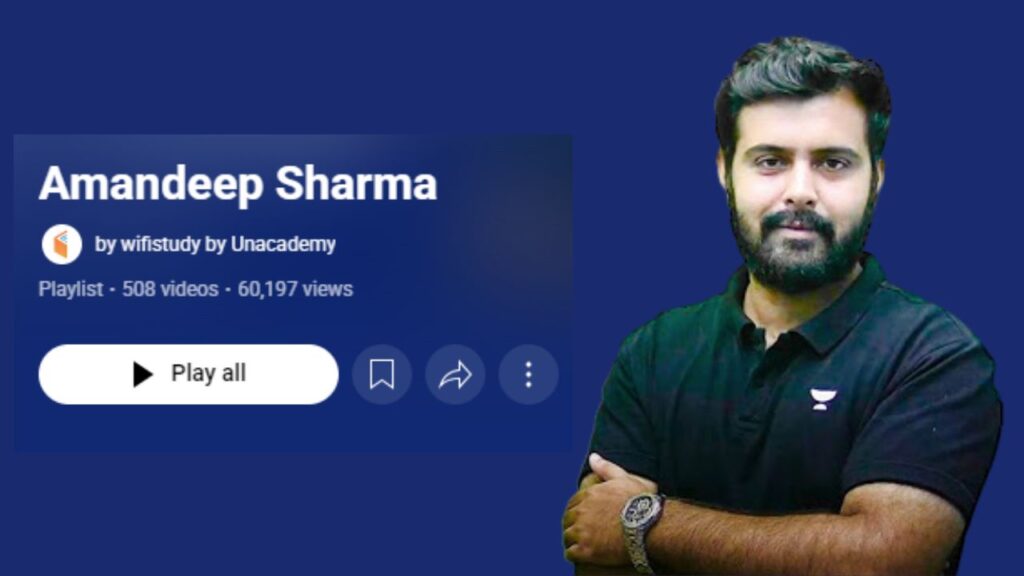
He has more than 5 years experience teaching over 100,000 students for many competitive exams, especially SSC CGL. Some of his lectures are also available on Youtube where students can start preparing for SSC CGL. 

Gaurav Kumar by Utkarsh

Gaurav Kumar is a General Studies educator who focuses on current affairs as well to provide every topic detailed explanation for SSC aspirants. He is providing online classes focused on topics such as history, geography, polity, static GK, and basic science, integrating them with current affairs. Ideal for students who want to cover every topic with deeper knowledge and relevant current events. 
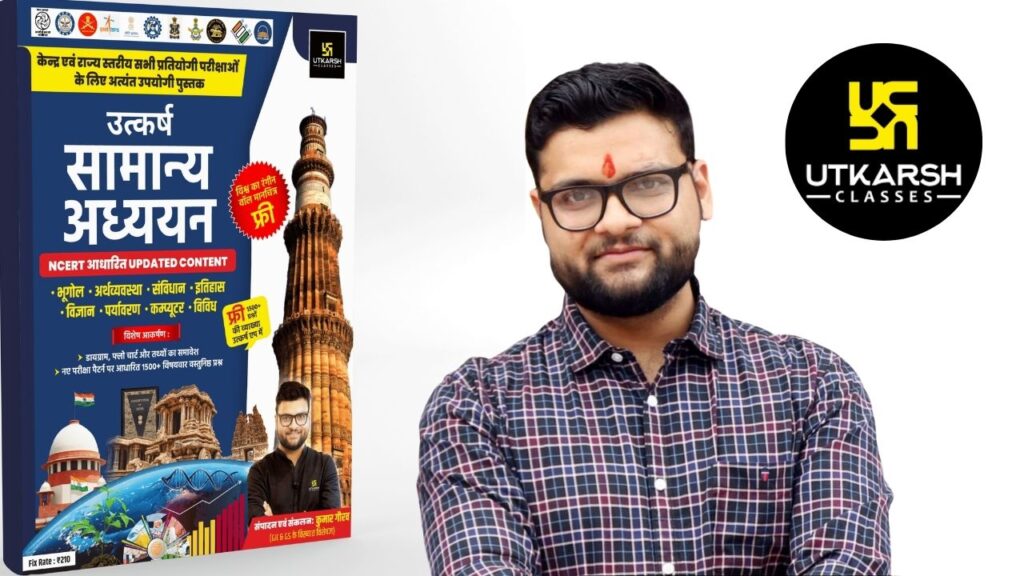
His engaging style often uses storytelling, mnemonics, and unique examples to make learning more easier. Classes are both free & paid through Utkarsh Classes app and on youtube. 

Abhishek Suman by Careerwill

Abhishek Suman is an online educator with proficient knowledge of General Studies to prepare students for competitive exams like SSC CGL. His history lessons are not boring, this unique ability makes him the best history teacher. He covers variety of topics which comes in a question paper including Polity, Static GK, and modern and ancient history. 
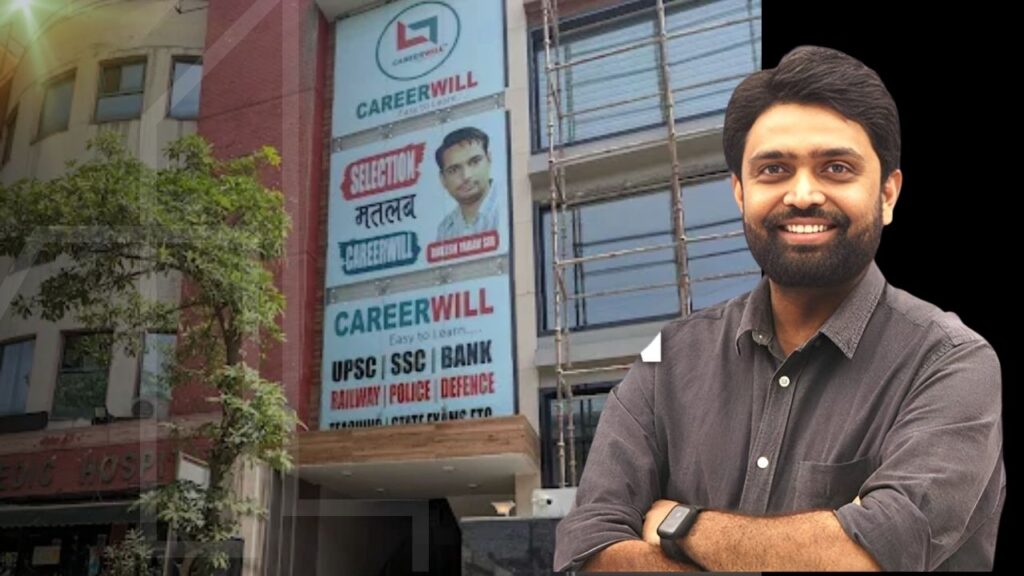
Students who want to study with detailed explanations for each topic can consider taking his lessons. He is teaching on Careerwill and also prepares previous year questions for helping students to simplify the complex topics with a vast range of GK syllabus.

Smart Preparation Strategy and Time Management

You can’t just read every topic in GS, you need to prepare strategically. Just remember these factors while learning:

Weightage of the section: check previous year’s papers to analyze questions and which topic has covered up more. While Polity and Static GK has come more often and covers vast areas of the section.

Focus on Concepts: don’t just rote learning, understanding each concept will help remember for a long time.

Make Short Notes: Short notes, bullet points, and charts are helpful to remember and in quick revision.

Daily revision: Take 20-40 minutes extra for revising everything you have studied. 

PYQ’s Practice: practice makes a man perfect, applies on the competitive exam, solving previous year questions will help you analyze how much you understand the topic.

Time Management: you have to divide your time accordingly for all topics and give extra time to your weak concepts.

TeacherSpecialty SubjectTeaching StyleAssociated PlatformBest For
Khan SirGeneral Studies (All Subjects)Explains complex concepts with real-world examples.Khan Global Studies (KGS)Comprehensive preparation, conceptual clarity.
Manikant SirHistoryStrong conceptual focus, detailed lectures.The Study IASIn-depth historical knowledge.
Parmar SirGeneral KnowledgeExam-oriented, focus on previous year questions.Parmar SSC (YouTube & Academy)Quick and focused preparation.
Amandeep SharmaGeneral Studies, General SciencePYQ-based, simplifies complex topics.Unacademy, TestbookEasy understanding, exam-oriented clarity.
Gaurav KumarCurrent Affairs, Static GKEngaging style, uses mnemonics.Utkarsh ClassesDaily current affairs + static GK.
Abhishek SumanHistory, PolityDetailed and explanatory teaching.CareerwillIn-depth study of history and polity.

Conclusion

General Studies is an important section of SSC CGL exam paper which students have to prepare. But it’s hard to prepare without a mentor. These Best GS Teachers for SSC CGL are delivering each topic in detail with a unique way of teaching to help you beat the competition.
Leave a Comment

Your email address will not be published. Required fields are marked *

SEBI Officer Grade A Recruitment 2025: Key Dates and Application Process 

SEBI Grade A Officer 2025

The SEBI Grade A recruitment 2025 notification has been released by Securities and Exchange Board of India (SEBI) for the General, Legal, Information Technology, Research, Official Language, Engineering (Electrical), and Engineering (Civil) posts. There are 110 vacancies are announced and the online application for the same has been started from 30 October 2025 from the website. Aspirants should go through the full notification for knowledgability eligibility criteria, application fees, age limit, pay scale, selection process, and more. More details and SEBI Grade A Online Registration Application Form 2025 are available from the link given on this blog and also on the official website. 

Dates & Application Fee For Online Form For SEBI Grade A Recruitment 2025 

EventDate
Short Notification Date08/October/2025
Application Start30/October/2025
Apply Online Last DateUpdate Soon
Correction DateUpdate Soon
Exam DateUpdate Soon
Application Fee
Gen/ OBC/ EWS₹1180/-
SC/ ST/ PWD₹118/-

Age Limit: Any hopefuls should be no older than 30 years as of September 30, 2025. This implies that their date of birth should be on or after October 1, 1995

Read More :- Navodaya Admit Card Release – Check Exam Date & Download Steps

Number of Vacancies With Required Eligibility Details

Post NameVacancyRequired Qualification
Grade A General56Master’s/PG Diploma (2 yrs) in Any Discipline, OR Bachelor in Law/Engineering, OR CA/CFA/CS/CMA, OR Equivalent from Recognized University/Board
Grade A Legal20Bachelor in Law OR Equivalent from Recognized University/Board, with 2 years Advocate experience
Grade A Information Tech22Bachelor in Engineering (Any Branch) OR Bachelor’s + PG in Computer Science/IT/Applications, OR Equivalent from Recognized University/Board
Grade A Research4Master’s/PG Diploma (2 yrs) in Economics, Commerce, Finance, Statistics, Data Science, etc., OR Equivalent from Recognized University/Board
Grade A Official Language3Master in Hindi/Hindi Translation with English OR in English/Sanskrit/Commerce/Economics with Hindi at Graduation, OR Equivalent from Recognized University/Board
Grade A Engineering (Electrical)2Bachelor in Electrical Engineering or equivalent; experience in electronic systems, maintenance, and project administration
Grade A Engineering (Civil)3Civil Engineering degree or equivalent, professional, project management, and CAD/CAM design

Exam Pattern 

Phase IOnline Examination (Two Papers)
Phase IIOnline Examination (Two Papers).
Phase IIIInterview

Salary And Benefits

The salary range is ₹62,500 to ₹1,26,100 per month, along with additional perks such as NPS Contribution, DA, Family, Local, Learning & Special Allowances, Medical benefits, LTC, Furnishing Scheme, Subsidized Lunch, and more.

Step-by-Step Guide for the SEBI Grade A Recruitment 2025 

  1. Read the details and instructions in the SEBI Grade A Notification 2025 PDF. 
  2. Just Get to the official website or click on the Apply Online link which is provided here. 
  3. Fill in the SEBI Grade A Online Application Form 2025 with correct details. 
  4. Upload the required documents as detailed in the notification. 
  5. Pay the fee for application, if any. 
  6. Make a print of the application as it is needed in the future. 
Useful Links
Apply NowClick Here
NotificationClick Here
Official WebsiteClick Here

Leave a Comment

Your email address will not be published. Required fields are marked *

PFRDA Grade A Recruitment 2025 Out – Apply Online for Assistant Manager Post

PFRDA Grade A Recruitment 2025

The application process for PFRDA Grade A Recruitment 2025 ends on 6th August 2025. Fill out the form before the last date of application. The portal is open on 23rd June 2025 to apply online and the link will activate soon. Official notification has been released, you can download it through the link mentioned in the article. A total of 20 vacancies for the Assistant Manager which you can apply for. If you are willing to build your career in the government sector, it is time to fill out an application on the official website.

Pension Fund Regulatory and Development Authority selects candidates through a 3-stage selection process. Candidates should pass the Preliminary exam (1st stage), Main Exam (2nd stage), and Interview (3rd stage). Those candidates who clear out these three stages will be selected for the Assistant Manager Post.

OrganizationPension Fund Regulatory and Development Authority 
PostAssistant Manager
Number of Vacancies20
Apply OnlineClick Here
Official websiteClick Here

Dates To Remember For PFRDA Grade A Recruitment

Notification Date23rd June 2025
Application Starts On23rd June 2025
Application Ends On6th August 2025
Fee Submission Last Date6th August 2025
Exam Date6th September 2025
Application Fee
General/EWS/OBCRs. 1000/-
SC/ST/PWD/Female0/-

Read More 👉 Top Courses After 12th Arts With High Salary – Best Career Paths Revealed!

Vacancy For Assistant Manager PFRDA 2025

StreamsVacancies
General 8
Finance & Accounts2
Information Technology2
Research (Statistics)2
Research (Economics)1
Actuary2
Legal2
Official Language1
Total20

Eligibility for PFRDA Grade A Recruitment

Age Limit 
Minimum Age18 years
Maximum Age30 years
Education Required
GeneralPost Graduation in any relevant subject, Graduate in Law/Engineering from any recognized board, ACA/FCA from ICAI, ACS/FCS from ICSI, CFA from the institute, OR ACMA/FCMA from ICMAI
Information TechnologyUG with Engineering (cs, electrical, electronics), PG with Computer Application, UG with any discipline + PG in CS/IT, OR UG/PG/Diploma in AI & ML 
Finance & AccountsUG with ACA/FCA from ICAI, ACS/FCS from ICSI,  CFA from CFA institute, ORACMA/FCMA from ICMAI.
Research (Statistics)Post Graduation in Finance/Economics/Statistics
Research (Economics)Post Graduation in Statistics/Economics/Commerce
ActuaryBachelor’s in Core subjects of Actuaries of India examination
LegalGraduation in Law from any recognized college.
Official LanguageUG & PG with Hindi, English OR Mater’s in Sanskrit/Economic/Commerce with Hindi as a subject at Bachelor’s level from any recognized college.

Important Links for PFRDA Grade A Recruitment

Apply OnlineClick Here
Join Telegram ChannelClick Here
Official websiteClick Here

Leave a Comment

Your email address will not be published. Required fields are marked *

How to Crack State PSC Exams in First Attempt: Strategy & Resources

Govt. jobs are undoubtedly one of the most safe and respected career options in India and passing the State Public Service Commission (PSC) exam in first attempt is a dream for many aspirants. As the competition is rising and the syllabus is vast, it sometimes feels like a difficult mountain to scale. But, with the right approach, intelligent study techniques, and diligent efforts, passing the exam is not an impossible dream. The crux is to understand the syllabus in depth, follow the right resources and adhere to a disciplined schedule that would cover both prelims & mains preparation.

Quick Thoughts Gathering to Begin With

  1. Download official syllabus + all past papers of 8 years.
  2. Make a list of books you own/need (start with NCERTs).
  3. Select optional subject.
  4. Put together a weekly schedule you can live with.
  5. Create a one-pager daily current affairs file.
  6. Enroll in test series / good coaching (online/offline) and commit to weekly mocks.
  7. Start your NCERTs (goal: 2–3 chapters/day).

Big-picture study strategy (what to study & why)

Build bedrock knowledge first: NCERTs (6–12) for History, Geography, Economics, and Pol. These give a clean conceptual base.

Proceed to standard books for each subject (more below). Read for understanding, not rote.

Current affairs daily — newspaper + short notes. Link events to static syllabus.

Notes + revision cycle — Make short revision notes (1–2 pages) per topic; revise them frequently.

Practice smartly: MCQs for prelims + answer writing under time pressure for mains. Mains wins jobs — practice answer structure & linking facts to syllabus keywords.

Mocks & feedback: Do full length mocks and get answers evaluated (peer/mentor) and you improve your answer style and technique of scoring.

Recommended core resources (common, high-utility) 

(You will need to add in your state-specific books / local history that you must have from your state board / PSC Recommended Readings)

  1. Cover Basics 

NCERTs 6–12 — History, Geography, Pol. Science, Economics (start here).

Indian Polity — M. Laxmikanth (efficient + concise for governance & state-centred comparative questions).

Modern Indian History — Spectrum’s A Brief History of Modern India / Bipin Chandra (for depth).

Indian Economy — Ramesh Singh or any good concise economy book, supplemented with RBI / Economic Survey summaries.

Geography — Certificate Physical & Human Geography (G.C. Leong) or equivalent concise books.

Environment & Ecology — normal environment compendium/ class notes, track Recent Events.

State-specific history & polity — whatever books your PSC cites, in addition to local gazetteers and state government documents.

  1. Current affairs & general reading

One daily national newspaper (The Hindu / Indian Express) or their summaries. Government releases: Press Information Bureau (PIB), state government portals, official reports (for schemes and facts). Monthly magazines or current affairs compendiums (good for revision).

  1. Practice

Collection of previous years’ PSC papers (must have). A good questionbank or mock test series (free/paid) for practicing in time bound manner. Answer writing notebooks (keep one for mains answers). 

Sample schedules — choose according to the time you have

If you have 12 months

1st to 4th month: complete NCERTs + standard books for GS I–III fundamentals; decide optional & finish fundamentals.

Months 5 to 8: Complete other standard books + begin consolidating notes; begin on PYQs.

9th and 10th months: High-intensity test series – full-length prelim mock test every week; augments revision of weak topics.

Months 11–12: Final run through + daily PYQs + last-mile current affairs. Mains answer practice (if prelim cleared).

If you have 6 months

1st month: Preparation for NCERTs + syllabus mapping + optional selection.

2nd to 4th month: Read standard books, prepare short notes, solve MCQs and PYQs.

Month 5: Rigorous mock tests (prelim-benchmarked); Time management to be calibrated.

Month 6: Re-visit everything + frequent mock tests + current affairs wrap-up.

If you have three months

  • Fast NCERT reading + priority standard book chapters on some important subjects.
  • Study 7-10 hours a day: current affairs in the morning, theory in bulk in mid-day, MCQs + past papers in the evening.
  • Mocks repeatedly at intervals of 3-4 days Analyze each. 

Prelims strategy (objective test)

A good preparation strategy would be to start with the NCERTs along with one standard book per subject to establish a strong base. While learning content, same importance should be given to speed and accuracy by daily practicing MCQs gradually going to 500 – 1000 in a week. To gain maximum returns in minimum time, concentrate on high-yield topics such as Polity, the Constitution, Economy (primarily basic indices), Geography (with emphasis on map work), Environment, and Current Affairs. The Previous Year Questions (PYQs should be backbone of your preparation as it helps you to identify the areas/themes which the exam repeatedly tests). 

Also Read : Top 10 List of Exams Conducted by UPSC After Graduation in 2025

Mains strategy (subjective / descriptive)

Start writing answers from the early days of preparation, while upgrading yourself with the ability to write a good structured answer that has an introduction, a well-structured body (with headings or bullet points, if necessary) and a brief conclusion or way forward. Static knowledge and linking current affairs with theoretical knowledge need to be a part of answers as they give depth and relevance to answers. At the mid-stage of your preparation, doing a full answer paper every week – both essays and GS papers — is useful in developing regularity and you can increase the frequency as the exam comes closer. Regular assessment or peer review also is necessary, as it improves presentation as well as the density of content, leading to more effective answers. 

Interview / personality test

Prepare short biographical stories related to: accomplishments, academic projects, work experience and expertise in optional subjects. Stay informed on regional issues and national affairs. Conduct mock interviews with mentors or peers, concentrate on clear communication, serenity, and concise responses. 

Common Mistakes to Avoid

  • Learning everything superficially diminishes its utility; depth is much more valuable than breadth across different fields at surface level isn’t very rewarding.
  • Disregarding previous years’ papers is the biggest blunder as these papers bring out the themes that repeat, the patterns of questions and the areas to be concentrated.
  • Not timing yourself while you practise MCQs or while writing answers results in bad speed and poor accuracy in the exam.
  • Too many resources create noise and confusion, while focusing one’s attention on too few resources creates blind spots. A small set of high quality, reliable resources is the best bet for clarity and retention.
  • Avoiding regular revision destroys the power of retention; one should revise systematically and at frequenter intervals to be able to recite confidently and be assured of long term recall. 

Conclusion

How to Study Smart for First Attempt State PSC (Public Service Commission) Exam It is not about studying for countless hours, but it is about studying smart by keeping focus and being consistent. This trip requires a very clear mind, discipline, and a problem-solving attitude. Candidates with the right resources and guidance, along with consistent practice and revision, can not only cram for the exam but gain the confidence to ace at the Interview round. Wait for it… Success in the competitive exam is for those who start early, prepare strategically and have a firm belief till last that they will pass the exam. 

Leave a Comment

Your email address will not be published. Required fields are marked *

TS POLYCET Seat Allotment 2025 Phase 1 Declared – Check Your College Now!

TS POLYCET Seat Allotment 2025

TS POLYCET Seat Allotment 2025 Phase-1 complete counselling details are given in the article. Candidates can check their seat allotment through the direct link, if they had registered for the phase-1 counselling. Get a step-by-step guide to check your TS POLYCET seat allotment 2025. Candidates can assess the full details in the official notification.

After the TS POLYCET Seat Allotment, candidates must submit the processing fee and complete self reporting to hold the seat. Candidates can register for phase-2 counselling if they didn’t get the seat.

Short Details on TS POLYCET Seat Allotment 2025

Exam NamePolytechnic Common Entrance Test
Conducting BodyThe Directorate of Technical Education of Telangana
Fee Payment & Self Reporting Date15 July – 18 July, 2025
Allotment Result 15/July/2025
Official WebsiteClick Here

Follow the Steps to KnowTS POLYCET Seat Allotment 2025 

  1. Go to the official website of TGPOLYCET.
  2. Navigate to the log in tab and enter your credentials to log in.
  3. Candidates must know the roll number and password to enter then click on submit.
  4. After submitting, candidates can check their seat allotment details.
  5. Download your provisional allotment letter.

Also Read: Reserve Bank RBI Officers Grade B Online Form 2025 Released

Counselling Date for TS Polytechnic 2025

Phase-1
Registration, Processing Fee & Slot Booking for selection24–28/June/2025
Certification Verification26–29/June/2025
Freezing Option1/July/2025
Provisional Seat Allotment15/July/2025
Payment of Fee & Self Reporting15–18/July/2025
Phase-2
Registration, Processing Fee & Slot Booking for selection23/July/2025
Certificate Verification for already Slot Booked candidates in the Final Phase24/July/2025
Exercising Option24–25/July/2025
Freezing Option25/July/2025
Provisional allotment of seats28/July/2025
Fee payment, self reporting28–29/July/2025
Reported at the allotted college 28–30/July/2025
Orientation28–30/July/2025

TS POLYCET Seat Allotment 2025 Direct Links

Important Links
Revised Details NotificationClick Here
Check Seat allotmentClick Here
Official WebsiteClick Here

Leave a Comment

Your email address will not be published. Required fields are marked *

HTET 2025 Admit Card Out: Download Now from bseh.org.in for 30-31 July Exam

HTET 2025 Admit Card Out

Candidates who are waiting for the HTET 2025 Admit Card can now download from the official website of the Board of School Education, Haryana. You can download the notification for more details about this exam. The official date is 22/July/2025 for declaration of the admit card for examination on 30th to 31st July, 2025. By passing this state-level government exam, candidates are eligible for teaching in haryana government schools. 

Short Details on HTET 2025

ExamHaryana Teachers Eligibility Test
BoardBoard of School Education
Level of ExamState-Level
PurposeHTET is a state-level government exam to assess the knowledge of candidates for teaching.
Exam Duration2 hours 30 minutes
Exam ModeOMR/Offline
Admit CardClick Here
Official WebsiteClick Here

HTET 2025 Admit Card Dates

HTET Admit Card22/July/2025
PGT Level 3 Exam Date30/July/2025
TGT Level 2 Exam Date31/July/2025
PRT Level 1 Exam Date31/July/2025

Read More 👉 UPPSC Assistant Teacher Online Form 2025 Released for 7466 Posts

Eligibility For HTET Admit Card

This is a state-level government exam which makes you eligible for teaching positions in Haryana government schools and colleges. But there are some educational qualifications which are required for this examination.

There are three different levels of teachers – level 1 (primary teacher), level 2 (TGT Teacher), and level 3 (PGT Lecturer). With 10+12 marksheets, you need some higher education for this position. Here is the detail:

Primary TeacherMarksheet of 12th & Pass Certificate of D.Ed/B.El.Ed
TGT TeacherGraduation Degree & B.Ed/ Integrated Bachelor’s with B.Ed
PGT LecturerMaster Degree & B.Ed/ Integrated program

Steps To Download HTET Admit Card

Step 1Click on the link to the official website. The link will redirect you to the official website of Board of School Education, Haryana.
Step 2 Scroll down & Click on the “Haryana TET Admit Card” link.
Step 3Click on Login, the new page will open.
Step 4Enter Registration or Phone Number & Password to log in.
Step 5Admit Card will be shown, now you can download it.
Step 6Save your Admit card in your mobile or laptop for printout.
Important Links
Admit CardClick Here
Download NotificationClick Here
Official WebsiteClick Here

Leave a Comment

Your email address will not be published. Required fields are marked *

Scroll to Top