The application process for PFRDA Grade A Recruitment 2025 ends on 6th August 2025.Fill out the form before the last date of application. The portal is open on 23rd June 2025 to apply online and the link will activate soon. Official notification has been released, you can download it through the link mentioned in the article. A total of 20 vacancies for the Assistant Manager which you can apply for. If you are willing to build your career in the government sector, it is time to fill out an application on the official website.
Pension Fund Regulatory and Development Authority selects candidates through a 3-stage selection process. Candidates should pass the Preliminary exam (1st stage), Main Exam (2nd stage), and Interview (3rd stage). Those candidates who clear out these three stages will be selected for the Assistant Manager Post.
Post Graduation in any relevant subject, Graduate in Law/Engineering from any recognized board, ACA/FCA from ICAI, ACS/FCS from ICSI, CFA from the institute, OR ACMA/FCMA from ICMAI
Information Technology
UG with Engineering (cs, electrical, electronics), PG with Computer Application, UG with any discipline + PG in CS/IT, OR UG/PG/Diploma in AI & ML
Finance & Accounts
UG with ACA/FCA from ICAI, ACS/FCS from ICSI, CFA from CFA institute, ORACMA/FCMA from ICMAI.
Research (Statistics)
Post Graduation in Finance/Economics/Statistics
Research (Economics)
Post Graduation in Statistics/Economics/Commerce
Actuary
Bachelor’s in Core subjects of Actuaries of India examination
Legal
Graduation in Law from any recognized college.
Official Language
UG & PG with Hindi, English OR Mater’s in Sanskrit/Economic/Commerce with Hindi as a subject at Bachelor’s level from any recognized college.
Distance Education offers a degree without attending regular classes which makes it easier for students who are working professionals, homemakers or living abroad. Sometimes it’s hard to keep your study going with any of these circumstances, so Distance Learning is the best option to learn and grow in your interested career. But you must understand it properly before applying for it.
In this guide, we’ll learn about distance education, is it meaningful or not, which programs are worth your time, and where it can take your career.
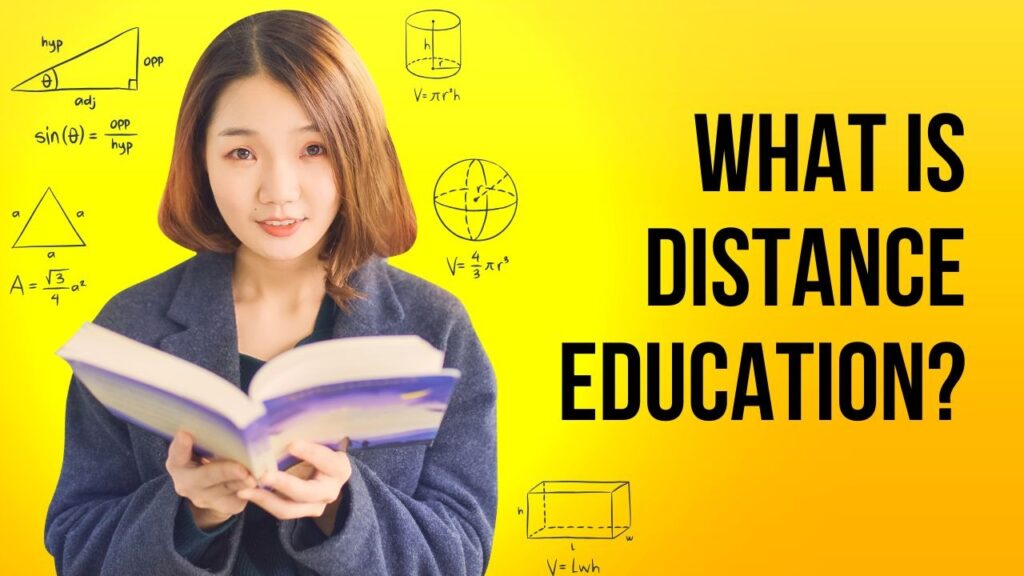
What Is Distance Education?
Distance education is a different way of learning the same curriculum as in regular studies. In this mode, you must become responsible for your studies and exams because nobody is going to push you or motivate you for it. Students and Instructors are physically separated from each other but connected through online groups. All the lecture videos, study material, and exams conducted on a digital platform in Distance education.
This concept was practiced back in the days when universities began offering correspondence courses through postal mail. But everything becomes so quick and easy by accessing the internet. Now, distance education is backed by the government and offered undergraduate, postgraduate, diploma, and certificate.
“Distance education is not about removing the classroom — it’s about removing the barriers that stop people from entering one.”
Distance Education vs. Online Education
Some people think these are the same but both have differences. Distance Education is a bigger level learning concept which includes proper online classes, various courses, and hybrid modes.
Meanwhile, Online education is free and paid both, but it delivers lessons online only live or pre-recorded lectures.
In India, institutions like IGNOU offer recognised distance education degrees that are accepted the same as regular university degrees for most government and private sector jobs.
How Does Distance Education Work?
At its core, attendance won’t matter so you can study in your free time. You must know how typical distance education journey works:
Enrollment & Study Material
Students enroll online or through physical study centres. After admission, they receive study material access with downloadable PDFs and e-books. The material is designed in a way that anyone can understand easily and learn independently, without a teacher explaining every concept in real time.
Learning Platforms & Digital Tools
Most modern distance education programs now use a Learning Management System (LMS) — platforms like Moodle, Blackboard, or custom university portals. These platforms host video lectures, assignment portals, notice boards, and sometimes even live sessions with faculty.
Assignments & Exams
Students submit regular assignments and Term End Examinations online or designated exam centres. Online proctored exams are also available in many courses which allow students to complete from anywhere.
Contact Sessions & Study Centres
Some programs include optional or mandatory contact sessions — short workshops or doubt-clearing sessions held at study centres. These are especially helpful for subjects requiring practical training or face-to-face interaction.
There are many benefits for students who take a distance education degree when it’s hard to get a regular one. This is a smart choice for millions of students:
Flexibility in Schedule: Open study material and start studying at your own free time. No need to rush for 8’o clock class.
More Affordable: Regular degrees are more expensive than Distance degrees. No hostel fees, no transport costs, fewer hidden expenses.
Access from Anywhere: Many top universities offer distance courses which are valuable in your career. And it can be accessible from anywhere.
Work While You Study: The biggest benefit of distance learning is that working professionals can earn a degree without quitting their jobs.
Wide Course Selection: From graduation in B.Com to Masters inMBA, there are hundreds of programs are now available in distance mode.
Recognised Degrees: UGC-approved distance degrees are recognised by employers, government bodies, and higher education institutions.
Benefits for Working Professionals
One of the biggest wins of distance education is for people already in the workforce. People who want to level up their position in a multinational company or government sector, they need a masters degree but can’t leave their jobs. So, Distance Education offers them a chance to upskill themselves in their profession. To switch industries, or add a specialisation — all while holding down a full-time job.
Life doesn’t always follow a straight academic path. Whether you had to pause your education due to family responsibilities, financial constraints, or health — distance education gives you a genuine second chance. There’s no age bar in most programs, no pressure of daily attendance, and no commute to manage.
Distance Learning Programs Available in India
The variety of programs available through distance education has expanded dramatically. You’re no longer limited to a handful of arts and commerce degrees.
Program
Duration
Popular Courses
Level
Bachelor’s Degree (BA/B.Com/BCA)
3 Years
BA English, B.Com, BCA, BA Sociology
UG
Master’s Degree (MA/MBA/MCA)
2 Years
MBA, MA Psychology, MCA, MSc IT
PG
B.Ed / M.Ed
2 Years
Bachelor & Master of Education
Professional
Diploma Programs
6–12 Months
Journalism, Event Mgmt, HR, Nutrition
Diploma
Certificate Courses
3–6 Months
Cyber Security, Digital Marketing, TEFL
Certificate
Ph.D. / Research Programs
3–5 Years
Management, Humanities, Social Sciences
Doctoral
Top Institutions Offering Distance Education
Choose the right institution for your distance degree because recognition of the institution matters a great deal. The most trusted universities are:
IGNOU (Indira Gandhi National Open University) — First and prestigious university in India which offers more that 200 distance programs in different streams.
Annamalai University — This one is the oldest but private open university, its degrees hold real values.
Symbiosis Centre for Distance Learning (SCDL) — Known for top-tier MBA and business programs.
Osmania University Distance Learning — A strong option for South Indian students seeking commerce and science degrees.
NMIMS Global Access — Highly regarded for MBA and management programs in the private sector.
Always verify that the institution is approved by UGC-DEB (University Grants Commission – Distance Education Bureau) before enrolling. This ensures your degree is legally recognised.
Career Opportunities in Distance Education
Distance degree will help you in almost every sector:
Corporate Sector & Management Roles
A distance MBA from a recognised university allows the applicant to apply for various roles such as HR, marketing, operations and finance in the corporate world. Many organizations do not differentiate between full-time and distance learning MBA graduates for mid and senior level positions.
Teaching & Academic Careers
A B.Ed or M.Ed distance education course is the requisite qualification to be able to teach in schools. Along with UGC-NET, distance PG programmes can also lead you to the posts of college lectureship.
Government & Public Sector Jobs
Government recruitment boards such as SSC, UPSC, and state PSCs, accept degrees earned through distance education from recognised universities. Your distance degree is as valid as any regular degree for these exams.
IT & Technology Careers
BCA, MCA, and B.Sc IT through distance mode are popular routes into the tech industry. Many software companies hire on the basis of skill and certification portfolios, making a distance IT degree a perfectly valid entry point.
Media, Journalism & Communication
In this fast paced digital world, skills matter more than degree. So, distance programs are a good choice for candidates who want to join mass communication, journalism, and public relations. Even skilled students can take a degree while working in PR agencies, digital marketing firms, and content creation for switching to other companies.
Freelancing & Entrepreneurship
Distance education is ideal for graphic design, digital marketing, content writing, and event management jobs as it provides a certificate to add value in your resume for getting freelance work and launching small businesses.
Social Work & NGO Sector
MSW (Master of Social Work) and related degrees offered through distance mode prepare students for roles in NGOs, community development, government welfare departments, and international organisations like UNICEF.
Distance education gives you freedom — but with freedom comes the responsibility of self-discipline. Here’s what actually works:
Set a Fixed Study Schedule: Take your time for studies daily and stick to it. Even two focused hours a day will take you far over a semester.
Don’t Wait for the Last Minute: Don’t wait for the exam dates, stay consistent and complete your entirestudy material until exams are around the corner. Break your syllabus into monthly and weekly targets from day one.
Use Online Communities: Join other students online through college groups for exchanging notes and guidance.You’ll find past papers, important updates, and peers who are going through the same journey.
Take Advantage of Contact Sessions: Some programs offer saturday and sunday classes, go and join if you are free or through an online platform. Clear your doubts and seek opportunities.
Supplement with Online Courses: Platforms like Coursera, Simplilearn, and Swayam offer free courses that perfectly complement most distance education syllabuses. Pairing your degree with relevant certifications makes your profile significantly stronger in the job market.
Conclusion
Distance education is no longer a Plan B. For millions of students such as working professionals, homemakers, students in remote towns, and people switching careers — it is the most practical, accessible, and respectful route toward a degree and a brighter future.
The world is changing rapidly. Skills are more important than ever and the good news is that you don’t have to be in the right city or have the right amount of time to access “high-quality” education anymore. Distance learning has flung those doors wide, you just have to walk through them.
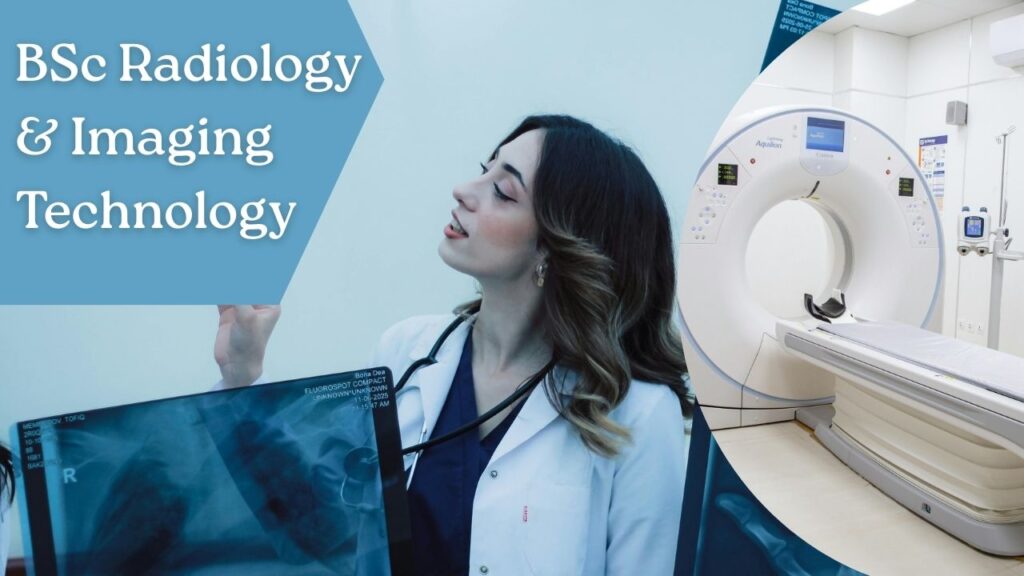
BSc Radiology and Imaging Technology is a three-year program (with one-year internship that is mandatory in most of the institutions) that equips the students with the knowledge of medical imaging. The core science portion of the curriculum (focusing on physics, chemistry, and biology) is integrated with clinical imaging courses including: anatomy and pathology, radiographic procedures, sonography techniques, ultrasound physics, computed tomography (CT), magnetic resonance imaging (MRI), and radiation protection.
The Bachelor of Science in Medical Radiology and Imaging Technology is becoming the backbone of diagnostic medicine today. This transformation is being driven by three coalescing factors: the full enforcement of National Commission for Allied and Healthcare Professions (NCAHP) Act 2021, the adoption of advanced artificial intelligence (AI) in diagnostic workflow, and the growing world-wide need for expert imaging technologists.
The course is intended to prepare competent technologists (“radiographers”) who will be well versed in the operation of contemporary imaging equipment and have a solid foundation in the science of diagnostic radiology.
Who is a Radiology Technologist?
The Radiology Technologist/Radiographer is a clinical scientist who holds at least a B.Sc. or M.Sc. degree in Radiography. They don’t just know how to run the machines, they understand the physics behind the formation of images, the physiological basis of pathology and the important issues surrounding patient safety and radiation protection.
Why Has This Course Become Important in Diagnostics?
Imaging is at the heart of diagnostics, which are critical to contemporary medicine; more than 80% of hospital care relies on them. B.Sc. In addition to machinery handling the Technician holder needs to perform a large part in the day to day imaging workflow by the year 2026 MRIT graduates holders can expect to be involved with state of the Art technology like PET-MRI, SPECT-CT, Protocol Optimization, Post Processing, QC.
Also this line job is work during recession. There is a long-term demand for skilled radiographers, particularly those trained in PACS and RIS, as the population of India grows older, lifestyle ailments become more common, and digital healthcare is enhanced under the ‘Ayushman Bharat Digital Mission’.
Entrance Exams & Eligibility Details For Admission
NEET UG 2026
National Eligibility cum Entrance Test (NEET UG) shall be the single entrance examination for admission to all the undergraduate allied and healthcare courses like BSc Radiology and Imaging Technology from the academic year 2026-27, according to NCAHP.
AIIMS — 2026 Paramedical Entrance Test
Along with NEET, there is the AIIMS entrance Test which is held by AIIMS for paramedical courses leading to B.Sc. and M.Sc. The date of AIIMS B.Sc. Paramedical 2026 exam is tentatively on 30 May 2026.
Note:- Candidates are requested to cross-check this with official notification as some calendars mention July for Examination, however May is the only projected window as per academic calendar.
How to apply:
Basic Registration: The schedules released in 2026 March/April. You can create a Registration ID.
Final Registration: Involves the generation of a Unique Code (RUC), payment of application fee, usually in May 2026.
Test Format: This computer-based test will consist of 90 multiple-choice questions (MCQs) on biology/mathematics, chemistry, and physics and will last for 90 minutes. Any wrong answer can take away ⅓ marks.
Admissions at JIPMER & PGIMER
JIPMER (Puducherry): B.Sc admissions The admissions to the B.Sc shall be The Allied Health Science at JIPMER (Puducherry) for the year 2026 will be on the basis of the NEET UG scores. JIPMER normally holds its own counseling for these seat(s).
PGIMER (Chandigarh): The institution holds a separate CBE, these are usually conducted in the months of August/September. The process of application normally commences in June.
State and Private University Tests
CUET (Common University Entrance Test): Central universities, such as Banaras Hindu University (BHU), utilise the CUET. The essential subject combination for Radiology is Physics, Chemistry, and Biology / Mathematics.
Manipal: in MAHE, Phase 1 is scheduled for April 2026 for admission test, and the next Phase 2 for May 2026.
CMC Vellore: It is a tough Institute level CBT (Computer Based Test) followed by a Step-2 evaluation (Practical tests and interviews.)
Eligibility Criteria 2026
Educational qualification: Should be passed class 12th board with physics, chemistry and biology (pcb) and English. Some of the institutes like AIIMS allow mathematics (pcm) for Radiology courses.
Minimum Marks: For the general/EWS/OBC category, it is 50% aggregate and for the SC/ST category, it is 45%.
List of Colleges For BSc Radiology and Imaging Technology
There are 140+ colleges around India that offer BSc Radiology and Imaging Technology without taking too much fees, especially in government colleges. If you have interest in lab technologies or figuring out body structures and making reports then take admission for securing your career in this field.
College
Location
Approx. Fees
Notes
AIIMS—New Delhi
Delhi
₹4,500
Elite training facility as it is Top-ranked college
PGIMER
Chandigarh
₹10,500
Members are mindful and placements opportunities
JIPMER
Puducherry
₹94,000
Excellent internships
AIIMS—Rishikesh
Uttarakhand
₹46,000
High packages up to ₹24L
GMCH
Chandigarh
₹39,000
Affordable govt option
Integral University
Lucknow, UP
₹3.15L
Good infra, local pick
Parul University
Vadodara
₹4.6L
Private, placements ₹6L avg
SGT University
Gurgaon
Varies
Modern facilities
Academic Curriculum for the Course
Theory and laboratory practice are included in the curriculum of BSc Radiology and Imaging Technology. The following topics were covered: Human anatomy/physiology, Imaging Physics, General Radiography, Ultrasound Imaging, CT Scanning, MRI Basics, Radiobiology and Radiation Protection, Digital Image Processing, and General Patient Care.
BSc Radiology and Imaging Technology is a four year degree course. The first three years were spent attending didactic lectures, practical laboratory courses, and clinical observations. The fourth year is a required, full-time clinical internship during which the student serves as a student technologist at a hospital.
Phase
Duration
Focus Areas
Year 1
Semesters 1-2
Basic Medical Sciences, Communication Skills, Computer Basics
The 2026 Curriculum is intended to establish progressively developing competencies.
Year 1: The Foundation
The goal is to give the student a foundation in the human body and the hospital setting.
Human Anatomy & Physiology: This Is Not a “Fly By” Tour Students are required to study detailed osteology (bones) to learn how to position for radiographic.
They are taught body systems physiology to understand how to administer contrast media.
General Physics: The basic laws of physics applicable to the production of radiation.
Clinical Pathology & Biochemistry: Basics of blood tests (creatinine, urea) which are important prior to contrast administration.
English & Communication: Necessary to describe techniques to patients and to calm them.
Year 2: The Core
Students access the realm of diagnostic imaging in BSc Radiology and Imaging Technology.
Radiation physics: The production of X-rays, their interaction with matter, and the design of X-ray tubes.
Radiographic Positioning, the science and art of positioning the patient to radiograph the body part (i.e. Towne’s view for skull, Skyline view for patella).
Darkroom to Digital: Darkrooms may be a thing of the past, but knowing the history is key. Emphasis is placed upon Computer Radiography (CR) and Direct Digital Radiography (DR) modalities.
Radiation Protection: Students learn the ALARA (As Low As Reasonably Achievable) concept along with shielding and dose limit for worker and patient.
Year 3: The Advanced Frontier
This is the year when the high-end modalities that shape contemporary radiology are covered.
Computed Tomography (CT): CT Physics, generations of scanners, helical vs. axial scanning, and protocols for different body regions.
Magnetic Resonance Imaging (MRI): Principles of the complicated physics of nuclear magnetic resonance, safety issues related to ferromagnetic materials, and pulse sequences.
Ultrasonography (USG): Essentials of acoustics, transducer design, and the technologist’s function in the operation of the sonographer.
Interventional Radiology (IR): Orientation to the Cath Lab Sterility and Equipment utilized in Angiography.
Radiation and Radioactivity in Nuclear Medicine Basics of PET-CT Handling of Radioisotopes including Technetium-99m.
Year 4: The Internship
The purpose of the internship is to transition a student to a worker. Interns rotate through different departments, including X-ray, CT, MRI, Emergency and ICU. They need to keep a logbook of cases they have done, and are evaluated on their technical skills and dealing with patients.
BSc Radiology and Imaging Technology Career Scope & Salary
Skilled radiographic professionals are sought after in India’s growing healthcare sector. Radiology technicians also work in public and private hospitals, diagnostic laboratories (pathology and imaging centres), government health schemes, private practitioners and emerging digital health platforms including teleradiology and artificial intelligence (AI) imaging start-ups.
Clinical Roles
Radiologic Technologist: The typical baseline position. Duties are to perform x-rays, triage patients and maintain radiation safety .
CT Technologist: So, what’s the place in the hierarchy. Knowledge of cross-sectional anatomy and contrast administration is required.
MRI Technologist: A step up. MRI scanners are complicated, and patient safety (screening for metal) is critical. The technologists here typically make 20-30% more than a general radiographer.
IR Technologist: The Cath Lab Experience. In a stressful environment, high volume dealing with cardiac and vascular interventions. You’ve got to wear thick lead aprons for long hours – but when you’re done, you’re king and you’ve got money in your pocket.
Mammographer: Expert in breast imaging. Because of the sensitive nature of the exam, female technologists are preferred for this position.
Sector & Role Wise Salary (2026)
Role
Experience
Sector
Approx. Monthly Salary (INR)
Jr Technologist
0-2 Years
Private sector Hospital
Rs 18–25k
Jr Technologist
0-2 Years
AIIMS/Govt (Contract)
Rs 25–35k
Sr Technologist
5+ Years
Corporate Hospital
Rs 45–60k
MRI Specialist
3-5 Years
Diagnostic Chain
Rs 35–50k
Application Specialist
2-5 Years
Medical Device Co.
Rs 50–80k + other allowance
Govt. Permanent
Entry Level
Government
Rs 45–55k (Initial + Allowance)
Who is Ideal For this Course?
BSc Radiology and Imaging Technology course is for students who like science and technology and want to work in the health sector. The ideal candidate: is detail oriented, is able to follow protocols which are critical for safety, is comfortable using computers and complex machinery, and can interact with patients (explain procedures, position patients). A BSc radiology student should be well versed with biology and physics and should also be calm and responsible because any mistake in imaging can impact the diagnosis.
Future Value of BSc Radiology and Imaging in Healthcare
In India’s upcoming healthcare scenario, BSc Radiology and Imaging Technology are a must-have. With the proliferation of private hospitals and diagnostic chains in Tier II/III cities, the need for imaging services is on the rise.
Technologies, such as AI-based image analysis, hybrid imaging (e.g. PET/CT), etc, indicate that the profession will continue to be hitech. So BSc (Hons) in Radiography graduates will play a vital role in connecting technology and patient care. The course produces practical professionals who can contribute immediately to hospitals’ diagnostic teams, which is critical in a country like India, where there is a shortage of doctors.
Conclusion
In a day and age when technology and medicine are coming together closer than ever, the Radiology Technologist is at the controls of the medical world’s most powerful machines. For individuals who are detail-oriented, have a caring nature, and technical mind, BSc Radiology and Imaging Technology offers a fulfilling, stable and ever-changing career.
GSEB HSC Supply Result 2025 is released today. If you also appeared in the 12th science examination held from 23 June to 30 June, 2025 then check it out on the official website. You can follow the steps to check the result of Gujarat Board examination 2025.
GSEB HSC Supply Result 2025 Check Now
Students can follow a step-by-step guide to check the GSEB HSC supply result 2025. Students can also check their result from the direct link provided in the article.
Go to the official website, link is given in the article.
When you appear on the website, click on the link “HSC Supply Result 2025”.
Enter the details such as roll number and password and click on enter.
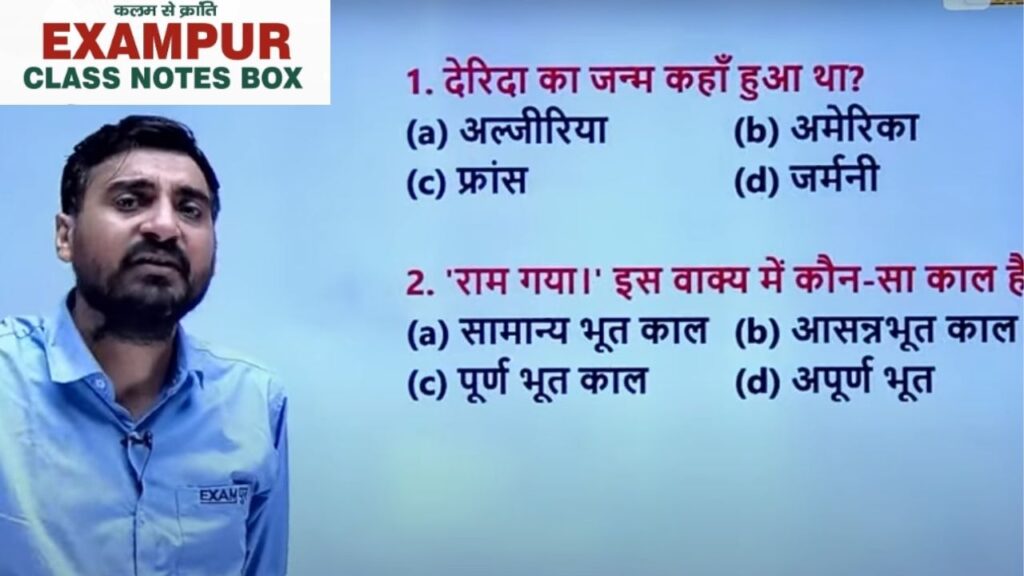
Best Hindi Teacher: If you aim to clear the competitive exams like SSC, UPSC, RRB, & state-level exam, right guidance for best scoring is important. And for that, the choice of a teacher matters. While preparing for other subjects likeGeneral Knowledge, Mathematics, Reasoning, and English. Don’t forget to focus on Hindi because it is most important in many government exams. Hindi teachers not only help you by providing the core syllabus but they will prepare strategically for the exam. These teachers have a unique teaching style that will help you understand grammar, comprehension, Letter Writing, Unseen Passages and vocabulary.
Aspirants can learn easily through their guidance including exam pattern, mock test, and shortcut methods that will help you to memorize. Few teachers provide live sessions, recorded videos, notes, and quizzes, so you can easily prepare for the examination.
Mock test series will help you in revision and remember that every teacher has their unique way to explain hindi. Take a demo class to select the right teacher whose explanation reaches into your mind.
Explore best Hindi teachers, they are known for their deep knowledge, best teaching style and make complex concepts of grammar easy for students.
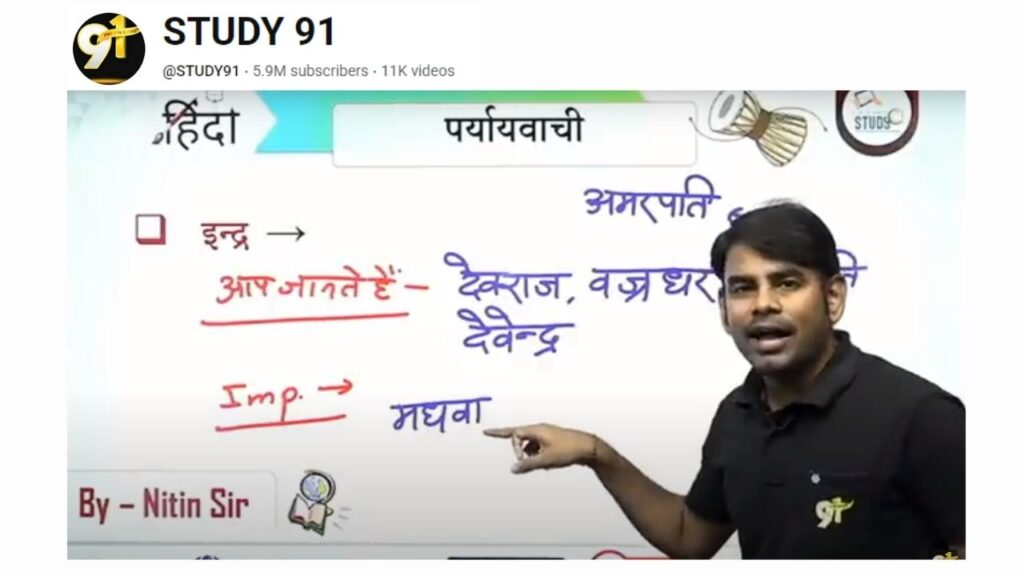
Nitin Sir
Nitin Sir from Study91 is known for clear explanations with a practical approach. He doesn’t just explain from books but tries to relate with real-life examples from newspapers or stories to make the hardest grammar rules easy for students to understand.
Students easily memorize it, but most importantly they understand why grammar rules are used. He also gives plenty of questions to practice which is the real key to success.
Vivek Sir
Vivek Sir’s creative style of teaching makes him one of the best Hindi teachers in India. Hindi is a language of culture and creativity, according to Vivek Sir. That clearly showed his mastery of story-based teaching style which makes grammar memorable. He uses humour, short stories that don’t make students bored in Hindi classes.
Ideal for those who don’t memorize anything easily and it’s hard for preparing Hindi for exams like Railway, SSC or TET. His method is effective to recall in exams quickly, so these techniques will make students remember even under pressure.
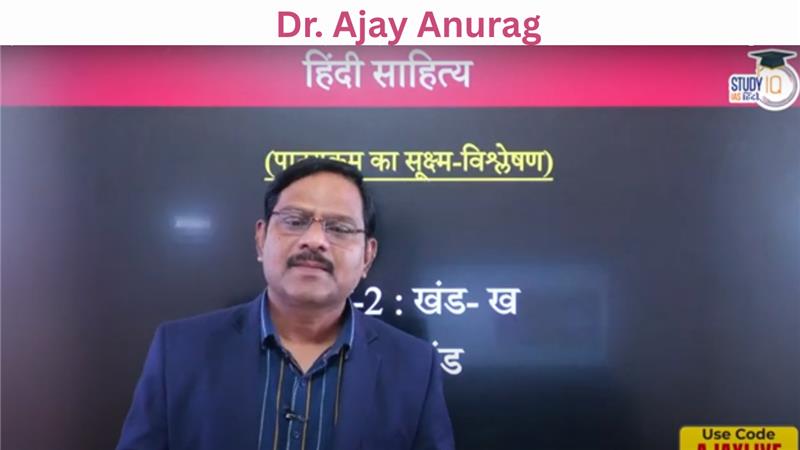
Dr. Ajay Anurag
Dr. Ajay Anurag is a best educator of Study IQ and reputed for his deep knowledge in Hindi grammar and literature. Students looking for one teacher who can teach them both grammar and literature, Ajay Sir is the best choice.
His concept-based teaching makes you understand each topic easily in minimum duration. But he doesn’t rush topics, he explains “why” behind every grammar rule.
Students who don’t just want to learn but understand Hindi topics can easily access his systematic and well-structured lessons. He also provides study material which is so detailed and exam-focused that it makes it easier for the students who are preparing for government exams.
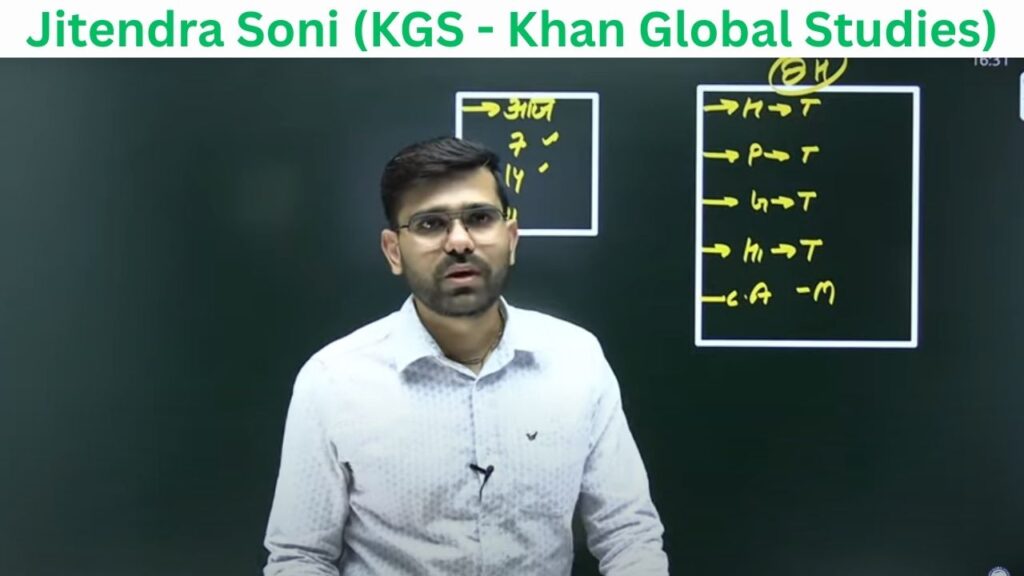
Jitendra Soni (KGS – Khan Global Studies)
He is the best educator of KGS who is extremely popular for his Hindi Foundation Batch. Jitendra Soni is focused on friendly-tone, conduct doubt-clearing sessions, and handwritten notes.
Students can simply understand every topic due to his explanation of lengthy stories, complex topics of grammar, and comprehension. Once you have taken his demo class or follow on YouTube, you will know how interactive and energetic his sessions are.
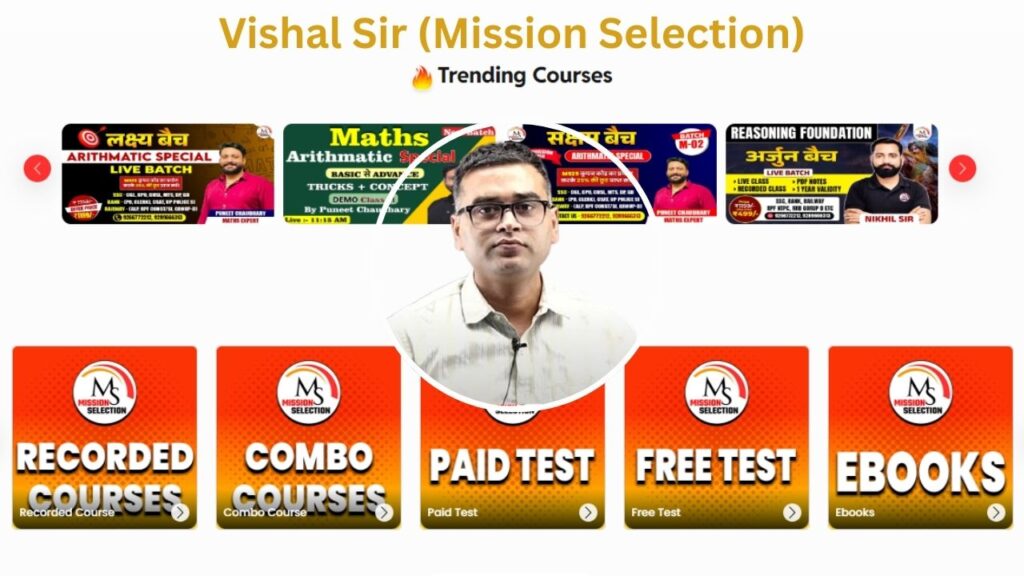
Vishal Sir (Mission Selection)
Vishal Sir is a well-known Hindi teacher on the growing platform Mission Selection. Vishal Sir is popular among the students because of his exam-oriented preparation method. His short explanations are impactful, he helped many students with shortcuts, tricks, and practical approaches.
He is the best teacher for Police, SSC GD, Railway, Constable, and state-level exams preparations. Students who want to complete this subject within less time, they can follow Vikas Sir.
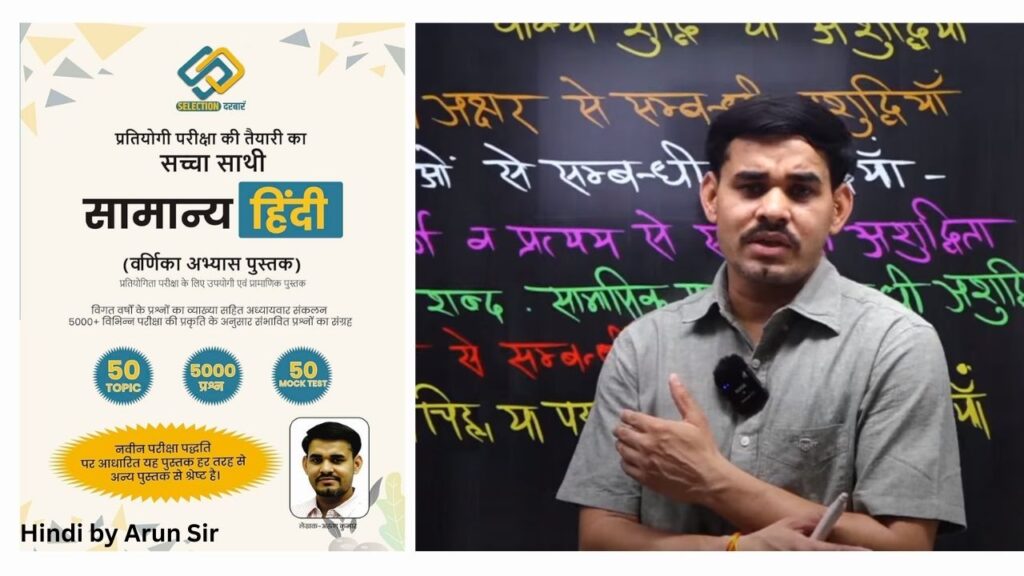
Arun Sir
Arun Sir is an excellent teacher who teaches many students for the competitive exams. He focuses on Hindi grammar complex topics to provide a detailed explanation which can help students to understand Hindi in more depth. His command over vocabulary, comprehension, and writing are valuable for the exams like SSC, Railway, and UPSC.
Students can easily understand his way of teaching as breaking complex topics into simpler parts including real-life examples. He helps students to practice mock tests and previous year questions for building their strong foundation on Hindi.
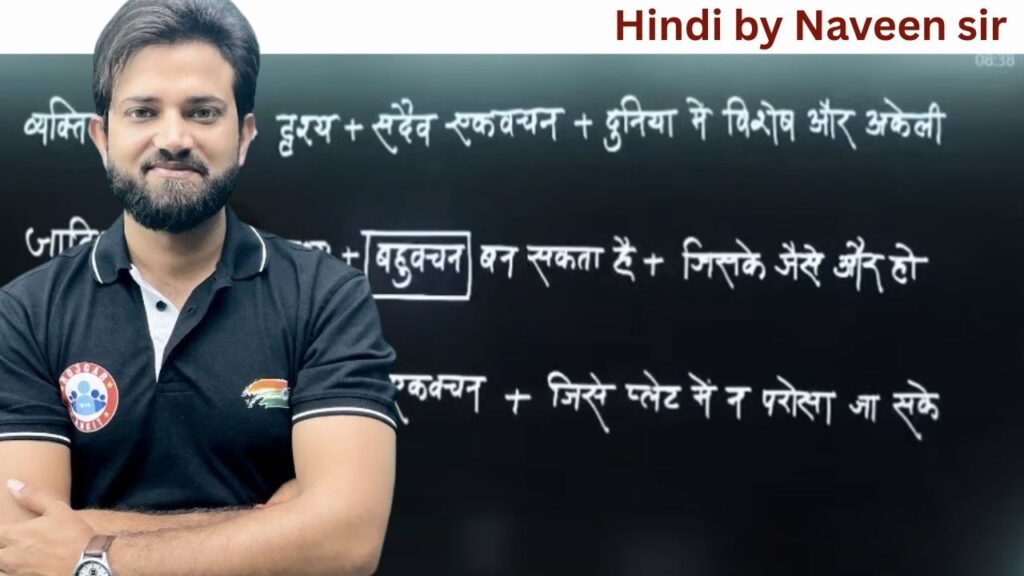
Naveen sir
Naveen Sir is a master of answer writing, if you are preparing for UPSC or state exam then you should make your descriptive writing good in Hindi. You will become an expert in essay writing, letter writing, and precise writing in Hindi with his consistent training.
He is an ideal teacher for students who want to improve their writing skills and present their answers in clean, structured, and detailed.
Other Recommended Hindi Teachers
Apart from the above names, there are a few more respected teachers who can provide you best lessons for Hindi in competitive exams:
Dr Vikas Divyakirti (Drishti IAS) – He teaches Hindi Literature with depth and clarity, making him ideal for UPSC aspirants.
Alok Sir (Adda247) – Alok Sir is focused on short-trick and not go for lengthy explanations that makes him ideal for SSC aspirants
Ritesh Sir – he also helps students to prepare for the SSC exam because he makes Hindi grammar easy through continuous practice.
Apart from their unique teaching styles, they have the same common qualities that make them best Hindi teachers.
Simple explanation – they explain every topic in easy language that helps every student to understand easily.
Practical Approach – their style including examples from newspapers, current events, and daily-life that make Hindi more understandable.
Focus on Practice – continuous practice of questions from previous year and test series, they ensure that every student solves enough questions to mentally prepare for the exam.
Motivation & Support – Hindi is so difficult for some students who came from convent schools, these teachers inspire them to make learning enjoyable.
When students are focusing on tough subjects to clear competitive exams, they often forget to prepare Hindi to fuel their score. With the right teacher, Hindi can become your strongest subject. These Best Hindi Teachers for Competitive Exams have already taught many successful students now you could become next.
If you give you full potential for your exam with their guidance, you can clear the most toughest exams. They focus on exam patterns and important topics that need to be prepared well for government exams.
Most of the students prefer to study in private colleges because of the faculty support in education, practical training, and placement opportunities. If you have completed 12th with PCB, you must pursue a medical degree from the best colleges. So, I have listed some of the Top Private Medical Colleges in South India.
If you are from South India and confused about the college for medical studies then this guide will help you select the one. Every student must clear NEET-UG before stepping into the medical field. It is the most common entrance exam for admission to colleges.
Top Private Medical Colleges in South India
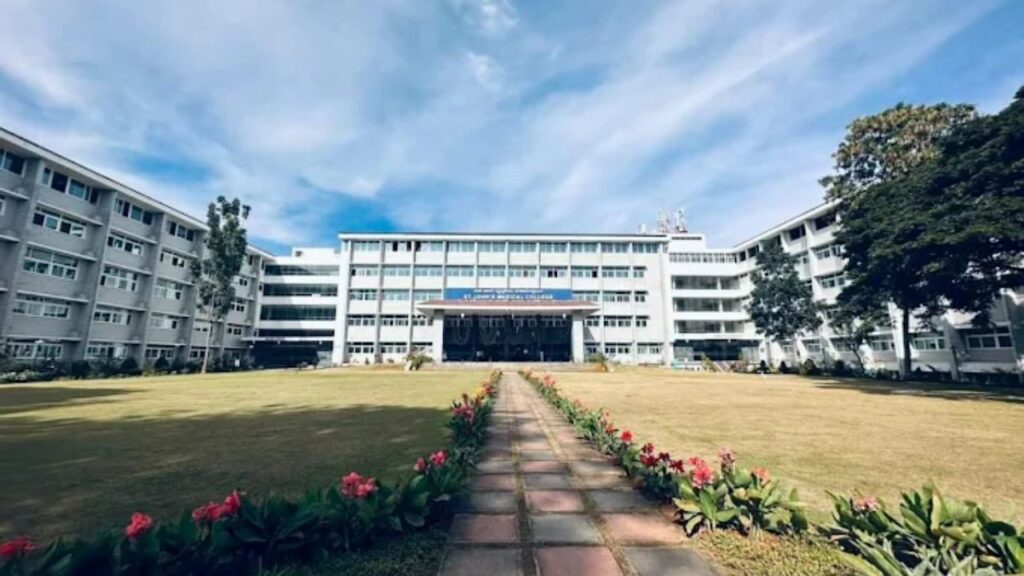
1. St. John’s Medical College
St. John’s Medical College: This private college is situated in Karnataka and is the oldest college. If you want to study in this reputed college then you should prepare for the entrance to take admission. It has a legacy of producing some of the finest medical professionals who serve both in India and abroad. The college is known for its value-based education, strong research backing, and vast hospital network.
Admission Process
Fee (General)
Placement & Package
NEET-UG required; apply via Karnataka state counseling (KEA); seats under General + Management quota
Approx ₹6.28 lakhs/year
Placements in St. John’s Hospital or through govt postings; avg. ₹7–10 LPA (PG); ₹20k–₹25k/month internship
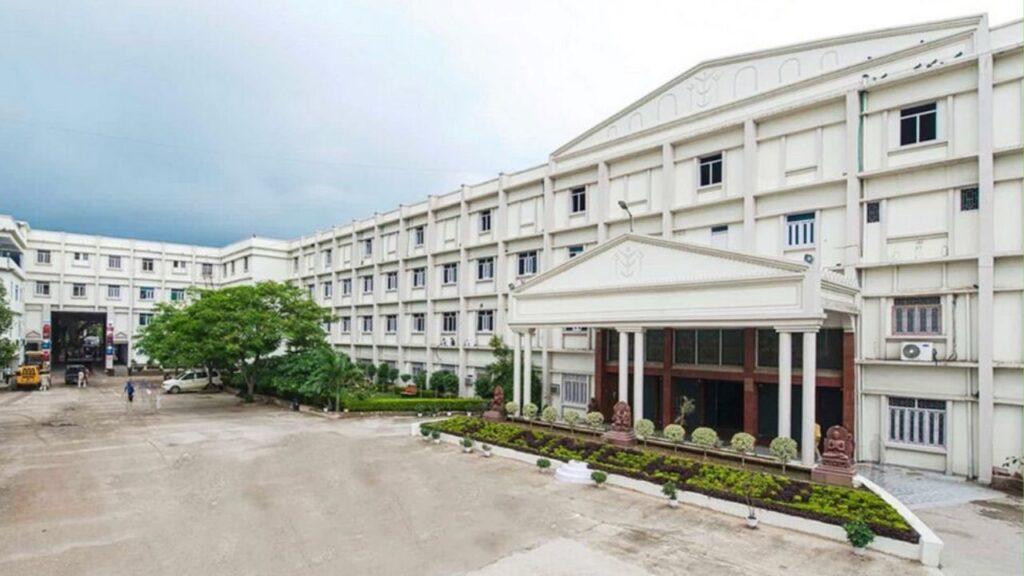
2. Narayana Medical College
Narayana Medical College in Andhra Pradesh. If you are a citizen of this state, you can take admission here. It also has a flow of patients as it integrates college and hospital which helps students gain real-time clinical experience. It has one of the largest private teaching hospitals in the region and offers advanced training in medicine and surgery.
Admission Process
Fee (General)
Fee (Management)
Placement & Package
NEET-UG mandatory; apply via Dr. NTRUHS counseling portal; management quota for non-local students
₹12.50 lakhs/year
₹24+ lakhs/year
Good absorption into Narayana Hospital network; avg. ₹6–8 LPA after PG; ₹15k–₹20k/month internship
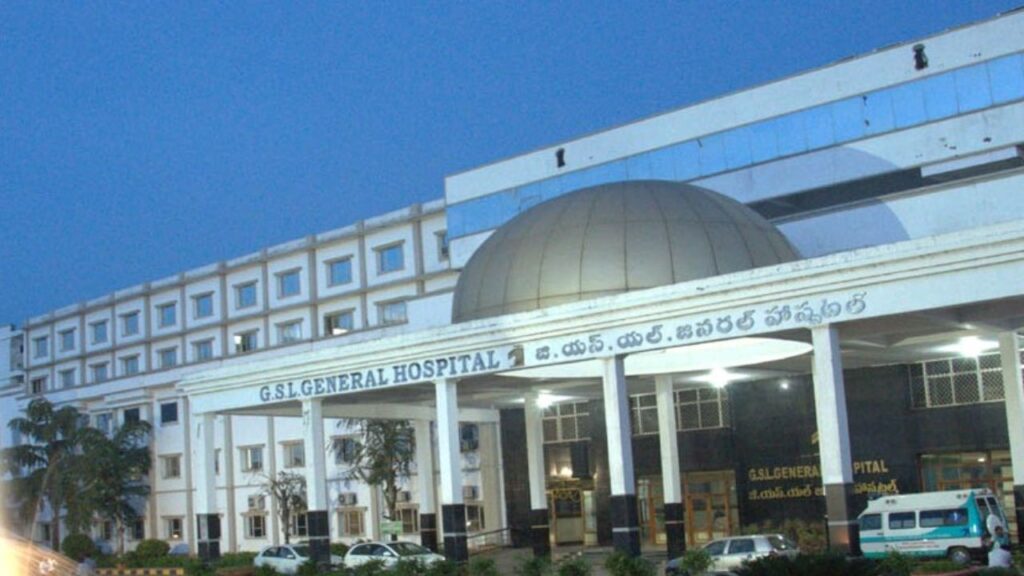
3. GSL Medical College, Rajahmundry
GSL Medical College is best for those students who want a good education but at an affordable fee. The infrastructure is modern, and the hospital on campus sees a good variety of patients, allowing students to learn practically from early on.
Admission Process
Fee (General)
Fee (Management)
Placement & Package
NEET-UG, Dr. NTRUHS counseling; management seats at higher fees
₹12 lakhs/year
₹24 lakhs/year
Andhra hospitals/PG; Avg. ₹5–6 LPA after PG; ₹18k/month internship
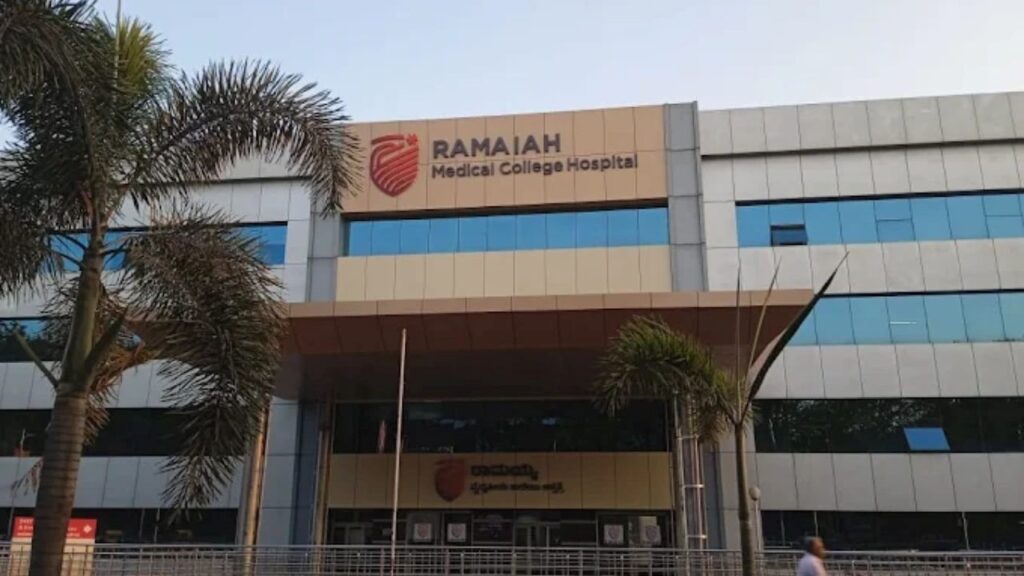
M.S. Ramaiah Medical College is offering high class education and advanced practical training to the future doctors. It’s known for high academic standards, overall world collaboration, and a strong hospital for clinical training.
Admission Process
Fee
Placement
Average Package
NEET-UG qualification is a must, Seat allotment happens through KEA-CET and All-India counseling. NRI and management quota are available.
₹10.9 lakhs for one year for general students ₹40+ lakhs for the Mgmt/NRI students.
Students can choose to study for further medical courses and medical opportunities also happen in the college.
The salary package depends on the skills and knowledge of the students. Average salary package is ₹8–12 LPA
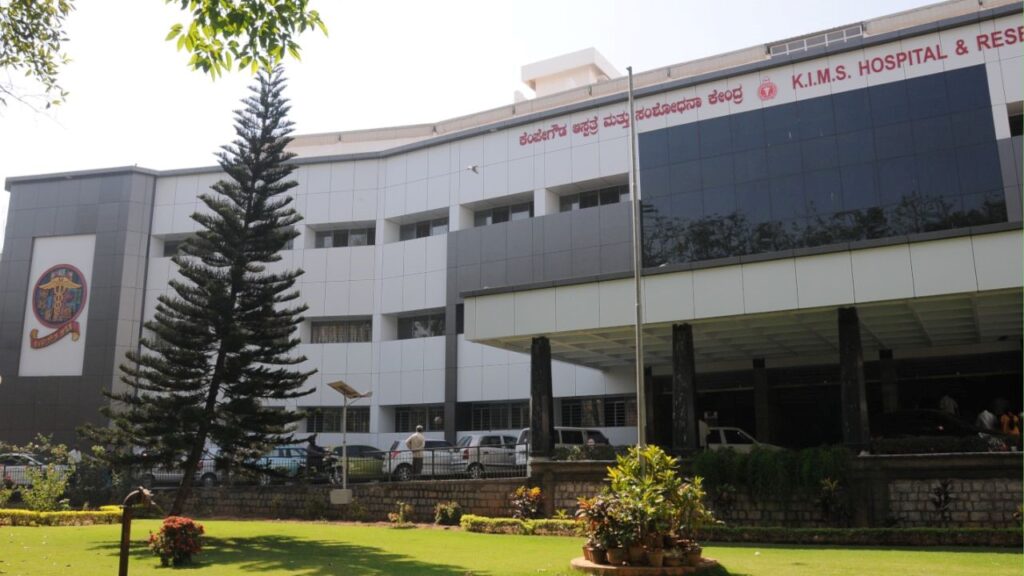
5. Kempegowda Institute of Medical Sciences
KIMS is a well-established private college with a strong hospital setup. Students have got the opportunity for practical training. The institution is affordable compared to other top private options, making it a favorite for middle-income families.
Admission Process
Fee
Placement
Average Package
Students have to clear NEET-UG and apply via KEA counseling (Karnataka). Management quota also available
₹7.1 lakhs per year (General), ₹35+ lakhs (Mgmt)
Self hospital offers and other hospital offers are also given to the students.
Students can have a lot of opportunities from this college and average package is around ₹5–8 LPA after PG; ₹20k/month during internship
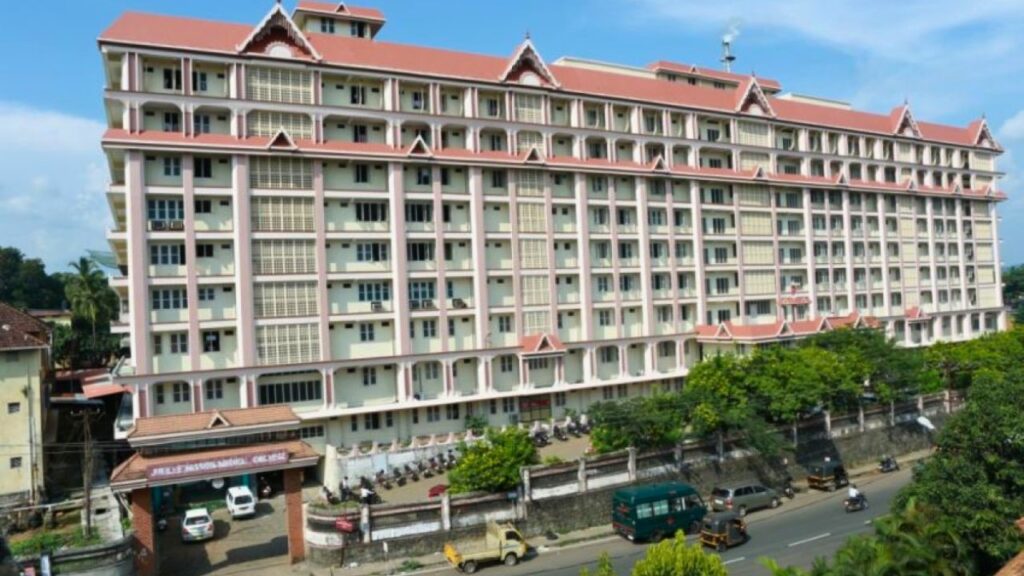
6. Jubilee Mission Medical College
Jubilee Mission Medical College: Jubilee Mission is a church-run institution known for its ethical approach to medicine and patient care. It offers quality education with emphasis on hands-on training and moral values.
Admission Process
Fee
Placement
Average Package
NEET-UG is required Apply through Kerala state counseling (CEE Kerala). Management and NRI quotas available
₹7.5 lakhs for one yearIt vary upon the courses
High number of students pursue PG; some absorbed into church-run hospitals
Students can get the salary package around ₹6–9 LPA (post-PG); ₹22k per month internship.
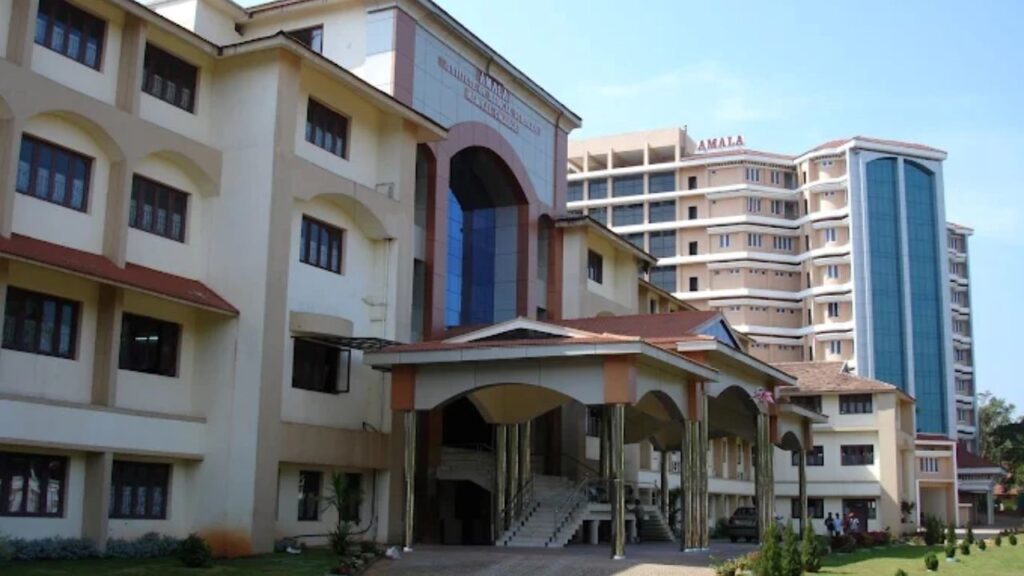
7. Amala Institute of Medical Sciences
Amala Institute of Medical Sciences: Amala offers medical courses such as MD, MS, and MBBS for students to establish their career in the medical field. It offers students practical training opportunities in a hospital environment. It provides a peaceful learning environment and good exposure through its well-equipped hospital.
Admission Process
Fee
Placement
Average Package
NEET-UG is mandatory.Students can apply via CEE Kerala. Seats under general, management, and NRI quotas
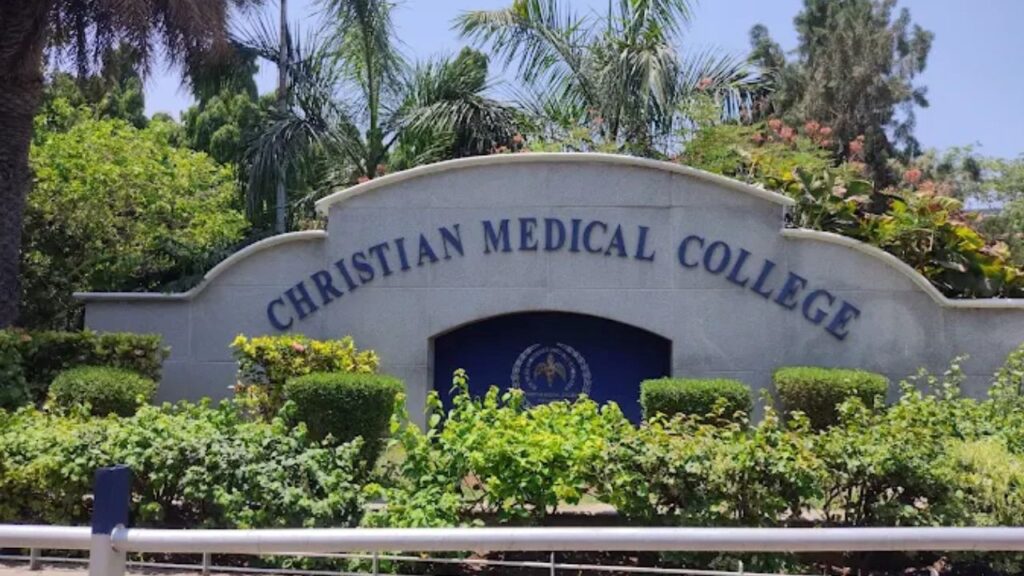
Christian Medical College (CMC): If you want to be a doctor in India’s best hospitals, this college provides excellent healthcare education and research. Although it’s a minority institution, it offers world-wide opportunities. With its top-notch education making it extremely hard to get into.
Admission Process
Fee
Placement
Average Package
NEET-UG required Must clear CMC’s own selection criteria after NEET Minority Christian candidates given preference
Approx ₹48,530/year (highly subsidized)
Top placements in India and abroad
₹10–15 LPA (PG level); internship ₹20–25k/month
9. SRM Medical College
SRM Medical Collegeis best in providing world class education and training to the students for improving their medical skills. It has good hostel facilities and student diversity.
Admission Process
Fee
Placement
Average Package
Admission via NEET-UG Apply through MCC AIQ or direct via SRM NRI quota available
₹25 lakhs/year (MBBS); ₹35–40 lakhs for PG
Absorption in SRM Hospital; good PG placements
₹6–8 LPA after PG; ₹20k/month during internship
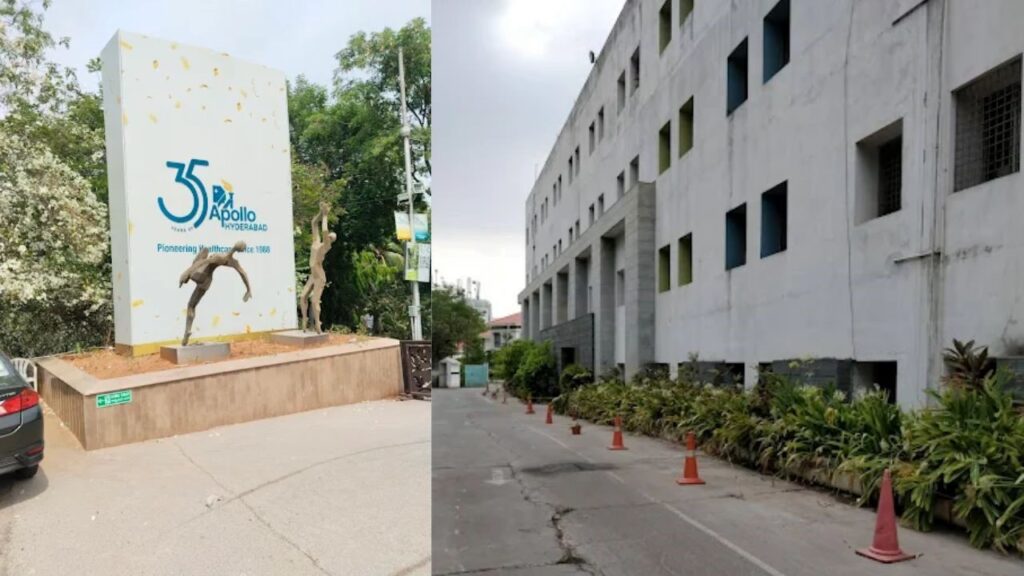
10. Apollo Institute of Medical Sciences and Research
Apollo Institute of Medical Sciences and Research: This institute offers one of the best corporate-style clinical exposures as it is connected to Apollo hospital. Students get trained under experienced doctors in a real-world hospital setting.
Admission Process
Fee
Placement
Average Package
Must qualify NEET-UG Apply through Telangana state counseling (KNRUHS) Management quota available
₹15.6 lakhs/year (General),
Apollo Group directly hires top interns and PGs
₹7–9 LPA; internship stipend around ₹25k/month
Conclusion
While deciding to grow in the medical field, the best college is the first step you consider for better opportunities and practical training. Choose according to your budget, goals, and career path among the Top Private Medical Colleges in South India.