What Is Distance Education? Benefits, Learning Programs, and Career Opportunities

what is Distance Education

Distance Education offers a degree without attending regular classes which makes it easier for students who are working professionals, homemakers or living abroad. Sometimes it’s hard to keep your study going with any of these circumstances, so Distance Learning is the best option to learn and grow in your interested career. But you must understand it properly before applying for it.

In this guide, we’ll learn about distance education, is it meaningful or not, which programs are worth your time, and where it can take your career. 

What Is Distance Education?

Distance education is a different way of learning the same curriculum as in regular studies. In this mode, you must become responsible for your studies and exams because nobody is going to push you or motivate you for it. Students and Instructors are physically separated from each other but connected through online groups. All the lecture videos, study material, and exams conducted on a digital platform in Distance education. 

This concept was practiced back in the days when universities began offering correspondence courses through postal mail. But everything becomes so quick and easy by accessing the internet. Now, distance education is backed by the government and offered undergraduate, postgraduate, diploma, and certificate.

“Distance education is not about removing the classroom — it’s about removing the barriers that stop people from entering one.”

Distance Education vs. Online Education

Some people think these are the same but both have differences. Distance Education is a bigger level learning concept which includes proper online classes, various courses, and hybrid modes. 

Meanwhile, Online education is free and paid both, but it delivers lessons online only live or pre-recorded lectures.  

In India, institutions like IGNOU offer recognised distance education degrees that are accepted the same as regular university degrees for most government and private sector jobs.

How Does Distance Education Work?

At its core, attendance won’t matter so you can study in your free time. You must know how typical distance education journey works:

Enrollment & Study Material

Students enroll online or through physical study centres. After admission, they receive study material access with downloadable PDFs and e-books. The material is designed in a way that anyone can understand easily and learn independently, without a teacher explaining every concept in real time.

Learning Platforms & Digital Tools

Most modern distance education programs now use a Learning Management System (LMS) — platforms like Moodle, Blackboard, or custom university portals. These platforms host video lectures, assignment portals, notice boards, and sometimes even live sessions with faculty.

Assignments & Exams

Students submit regular assignments and Term End Examinations online or designated exam centres. Online proctored exams are also available in many courses which allow students to complete from anywhere. 

Contact Sessions & Study Centres

Some programs include optional or mandatory contact sessions — short workshops or doubt-clearing sessions held at study centres. These are especially helpful for subjects requiring practical training or face-to-face interaction.

Read More👉 7 Tips to Get a Scholarship as an Indian Student That Actually Work in 2026

Benefits of Distance Education

There are many benefits for students who take a distance education degree when it’s hard to get a regular one. This is a smart choice for millions of students:

Flexibility in Schedule: Open study material and start studying at your own free time. No need to rush for 8’o clock class. 

More Affordable: Regular degrees are more expensive than Distance degrees. No hostel fees, no transport costs, fewer hidden expenses.

Access from Anywhere: Many top universities offer distance courses which are valuable in your career. And it can be accessible from anywhere.

Work While You Study: The biggest benefit of distance learning is that working professionals can earn a degree without quitting their jobs.

Wide Course Selection: From graduation in B.Com to Masters in MBA, there are hundreds of programs are now available in distance mode.

Recognised Degrees: UGC-approved distance degrees are recognised by employers, government bodies, and higher education institutions.

Benefits for Working Professionals

One of the biggest wins of distance education is for people already in the workforce. People who want to level up their position in a multinational company or government sector, they need a masters degree but can’t leave their jobs. So, Distance Education offers them a chance to upskill themselves in their profession. To switch industries, or add a specialisation — all while holding down a full-time job.

Read More 👉 CBSE vs State Board: Choose the Right Board For Primary Education

Benefits for Homemakers & Returning Learners

Life doesn’t always follow a straight academic path. Whether you had to pause your education due to family responsibilities, financial constraints, or health — distance education gives you a genuine second chance. There’s no age bar in most programs, no pressure of daily attendance, and no commute to manage.

Distance Learning Programs Available in India

The variety of programs available through distance education has expanded dramatically. You’re no longer limited to a handful of arts and commerce degrees. 

ProgramDurationPopular CoursesLevel
Bachelor’s Degree (BA/B.Com/BCA)3 YearsBA English, B.Com, BCA, BA SociologyUG
Master’s Degree (MA/MBA/MCA)2 YearsMBA, MA Psychology, MCA, MSc ITPG
B.Ed / M.Ed2 YearsBachelor & Master of EducationProfessional
Diploma Programs6–12 MonthsJournalism, Event Mgmt, HR, NutritionDiploma
Certificate Courses3–6 MonthsCyber Security, Digital Marketing, TEFLCertificate
Ph.D. / Research Programs3–5 YearsManagement, Humanities, Social SciencesDoctoral

Top Institutions Offering Distance Education

Choose the right institution for your distance degree because recognition of the institution matters a great deal. The most trusted universities are:

  • IGNOU (Indira Gandhi National Open University) — First and prestigious university in India which offers more that 200 distance programs in different streams. 
  • Annamalai University — This one is the oldest but private open university, its degrees hold real values.
  • Symbiosis Centre for Distance Learning (SCDL) — Known for top-tier MBA and business programs.
  • Osmania University Distance Learning — A strong option for South Indian students seeking commerce and science degrees.
  • NMIMS Global Access — Highly regarded for MBA and management programs in the private sector.

Always verify that the institution is approved by UGC-DEB (University Grants Commission – Distance Education Bureau) before enrolling. This ensures your degree is legally recognised.

Career Opportunities in Distance Education

Distance degree will help you in almost every sector:

Corporate Sector & Management Roles

A distance MBA from a recognised university allows the applicant to apply for various roles such as HR, marketing, operations and finance in the corporate world. Many organizations do not differentiate between full-time and distance learning MBA graduates for mid and senior level positions. 

Teaching & Academic Careers

A B.Ed or M.Ed distance education course is the requisite qualification to be able to teach in schools. Along with UGC-NET, distance PG programmes can also lead you to the posts of college lectureship. 

Government & Public Sector Jobs

Government recruitment boards such as SSC, UPSC, and state PSCs, accept degrees earned through distance education from recognised universities. Your distance degree is as valid as any regular degree for these exams. 

IT & Technology Careers

BCA, MCA, and B.Sc IT through distance mode are popular routes into the tech industry. Many software companies hire on the basis of skill and certification portfolios, making a distance IT degree a perfectly valid entry point. 

Media, Journalism & Communication

In this fast paced digital world, skills matter more than degree. So, distance programs are a good choice for candidates who want to join mass communication, journalism, and public relations. Even skilled students can take a degree while working in PR agencies, digital marketing firms, and content creation for switching to other companies. 

Freelancing & Entrepreneurship

Distance education is ideal for graphic design, digital marketing, content writing, and event management jobs as it provides a certificate to add value in your resume for getting freelance work and launching small businesses. 

Social Work & NGO Sector

MSW (Master of Social Work) and related degrees offered through distance mode prepare students for roles in NGOs, community development, government welfare departments, and international organisations like UNICEF. 

Read More 👉 Skill Development Courses For Indian Students

Tips to Succeed in Distance Learning

Distance education gives you freedom — but with freedom comes the responsibility of self-discipline. Here’s what actually works:

Set a Fixed Study Schedule: Take your time for studies daily and stick to it. Even two focused hours a day will take you far over a semester.

Don’t Wait for the Last Minute: Don’t wait for the exam dates, stay consistent and complete your entire study material until exams are around the corner. Break your syllabus into monthly and weekly targets from day one.

Use Online Communities: Join other students online through college groups for exchanging notes and guidance. You’ll find past papers, important updates, and peers who are going through the same journey.

Take Advantage of Contact Sessions: Some programs offer saturday and sunday classes, go and join if you are free or through an online platform. Clear your doubts and seek opportunities.

Supplement with Online Courses: Platforms like Coursera, Simplilearn, and Swayam offer free courses that perfectly complement most distance education syllabuses. Pairing your degree with relevant certifications makes your profile significantly stronger in the job market.

Conclusion 

Distance education is no longer a Plan B. For millions of students such as working professionals, homemakers, students in remote towns, and people switching careers — it is the most practical, accessible, and respectful route toward a degree and a brighter future.

The world is changing rapidly. Skills are more important than ever and the good news is that you don’t have to be in the right city or have the right amount of time to access “high-quality” education anymore. Distance learning has flung those doors wide, you just have to walk through them. 

Leave a Comment

Your email address will not be published. Required fields are marked *

Top 7 Best B Pharma Colleges in Lucknow You Must Know in 2025

Pursuing a BPharma means you are going to enter in the drugs and medicine fields. Students can make their career bright by choosing the best college for their further education because the best college not only offers a degree but also offers industry knowledge, support in their training, and strong curriculum. Top 7 Best B Pharma Colleges in Lucknow stand a chance to provide you placement opportunities in pharmaceutical companies with good salary packages.

Lucknow is a growing education hub in almost every field. So, let’s look into the college’s details to help you decide which one aligns with your requirement and meets the budget area. 

ERA University

Most of the students prefer to get admission in Era University for medical and pharmacy courses including B.Pharma. It is the best college in Lucknow for providing quality education with both theory and practical knowledge. BPharma 

Era University nursing lab with students learning under faculty supervision.

Era University fee, placement record, and admission process:

BPharma Total Fee₹5,60,000
Placement₹4 lakh per annum (achieve 90% placement rate)
Admission Process10+2 in Science stream (Biology, Physics, Chemistry)Test-based selection

Integral University

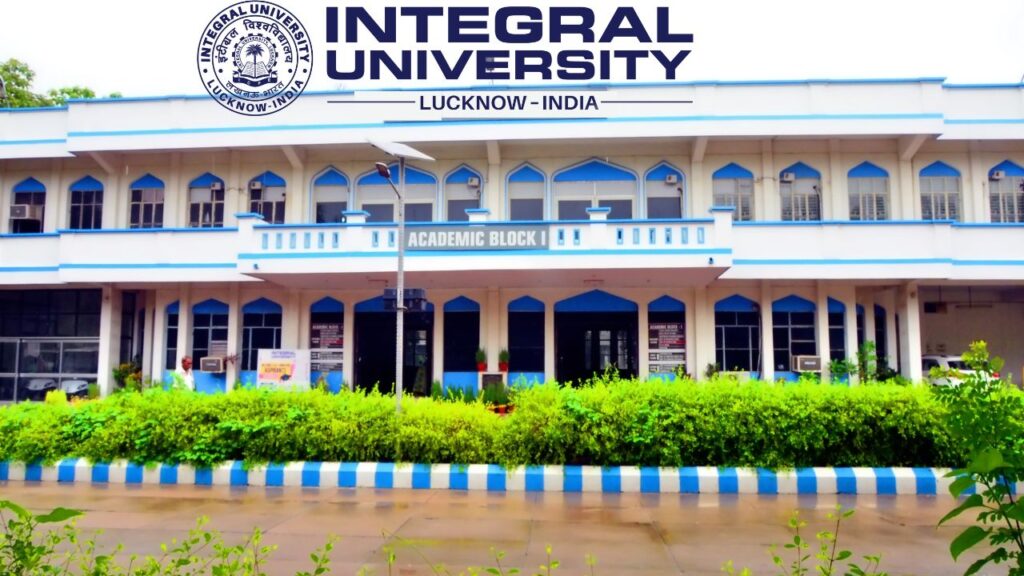
Integral University offers various courses across diverse fields. It has become the best university in Lucknow and offers a four year BPharma program with a quality education, practical assessments, and good placement to most of the students. 

Integral University, Lucknow

Integral University fee, placement record, and admission process:

BPharma Total Fee₹5,20,000 (additional fee may vary the final amount)
Placement₹3–4 lakh per annum (achieve 85% placement rate)Highest package can go up to ₹32.57 LPA
Admission Process10+2 in Science stream (Biology, Physics, Chemistry)Entrance: IUET (Integral University Entrance Test)100 seats for BPharma every year

Saroj Institute of Technology & Management

Saroj Institute of Technology is a private college which offers pharmacy courses that make your career shine in pharmaceuticals. Many companies hired students from this college through placement drives. Students can take admission in the popular programs including B.Pharma, D.Pharma, and M.Pharma.

Saroj Institute of Technology & management fee, placement record, and admission process:

BPharma Total Fee₹2.82 lakh (additional fee may vary the final amount)
DPharma Total Fee₹1 lakh
M.Pharma Total fee₹1.5 lakh
Placement₹3.8–4.2 LPA (achieve 90% placement rate)Highest package can go up to ₹7 lakh LPA
Admission Process10+2 in Science stream (Biology, Physics, Chemistry)Entrance: CUET scoreCounselling after selection

University of Lucknow

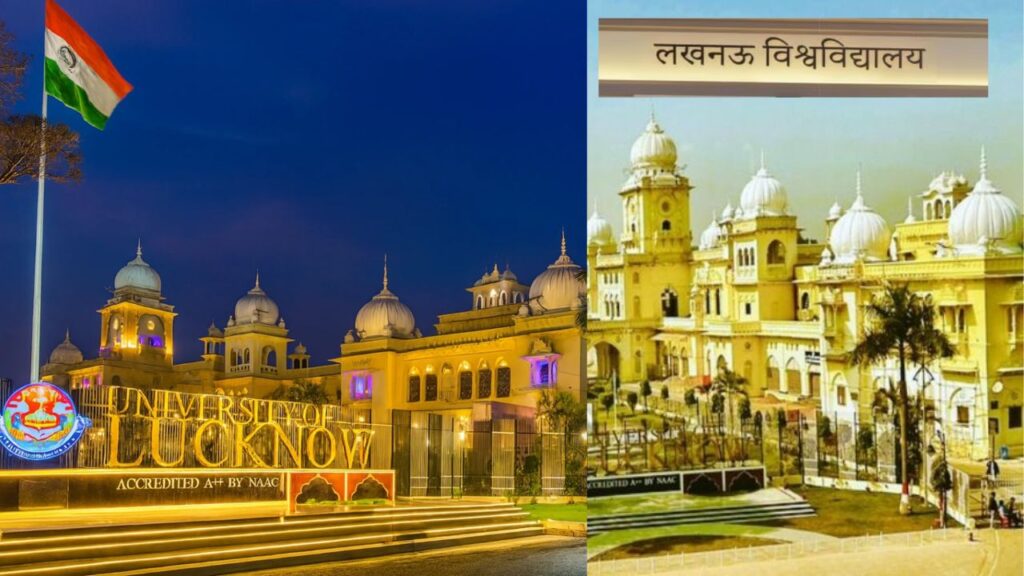
This well-known University of Lucknow offers students a better scope in their pharmacy field. This government university offers a four year BPharma program with a strong curriculum, training, and placement opportunities. Curriculum includes pharmacy practices, human anatomy, pharmaceutical analysis etc.

University of Lucknow fee, placement record, and admission process:

BPharma Total Fee₹4.8 lakh (additional fee may vary the final amount)
Placement₹3–4 LPA 
Admission Process10+2 with Physics, Chemistry, Biology/MathematicsEntrance: UPTAC counseling & UPSEE score

Amity University Lucknow Campus

Amity University is the most prestigious university of India which offers a diverse range of courses. Students can make their future brighter by pursuing BPharma course from this college. It can open up their opportunity in the pharmaceutical industry. It offers a strong curriculum with pharmacognosy, pharmaceutical analysis, health education, hospital training and placement support including skill-building workshops, strong industry connections, and internship opportunities.

Amity University, Lucknow Campus

Amity University Lucknow Campus fee, placement record, and admission process:

BPharma Total Fee₹6.8 (additional fee may vary the final amount)
Placement₹3–4 LPA it can go up to ₹6 LPAmajor pharmaceutical firms take part in Amity’s placement drives
Admission Process10+2 with Physics, Chemistry, Biology/MathematicsEntrance: scores from Amity JEE or any other national/state-level entrance exam score 

Babu Banarasi Das University

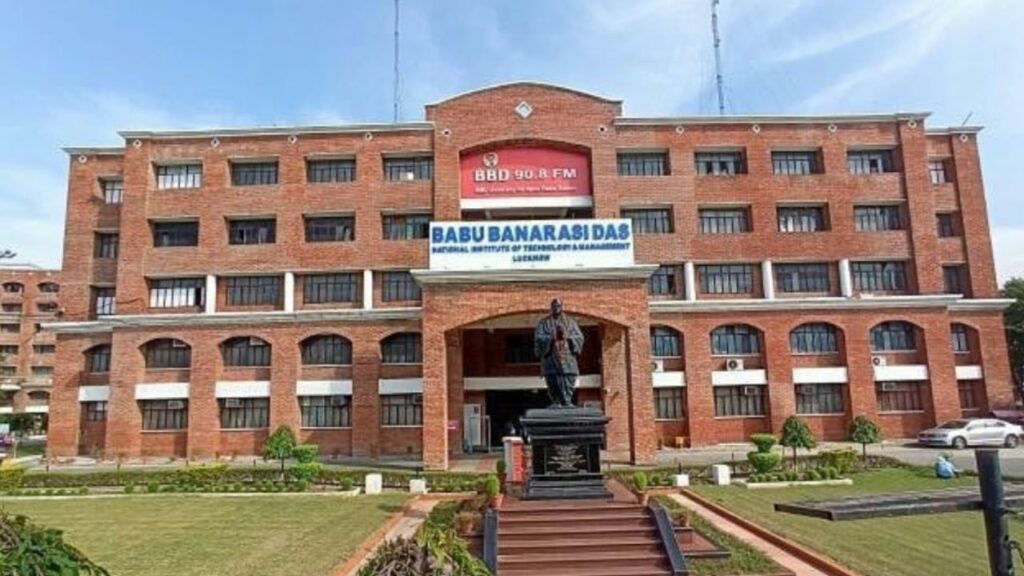
BBDU is considered as Lucknow’s best college which offers many programs including BPharma. It is a four year program designed for providing pharmaceutical careers to the students who are interested in pharmacy and drugs.

Babu Banarasi Das University - BBD University

Babu Banarasi Das University fee, placement record, and admission process:

BPharma Total Fee₹5.2–5.8 lakh (additional fee may vary the final amount)
Placement₹3–4 LPA it can go up to ₹6 LPAmajor pharmaceutical firms take part in Amity’s placement drives
Admission ProcessMinimum 50% in 10+2 with Physics, Chemistry, Biology/MathematicsEntrance: scores from NEET, UPSEE or any other national/state-level entrance exam score 100 seats for BPharma every year

T.S.Mishra University, Lucknow

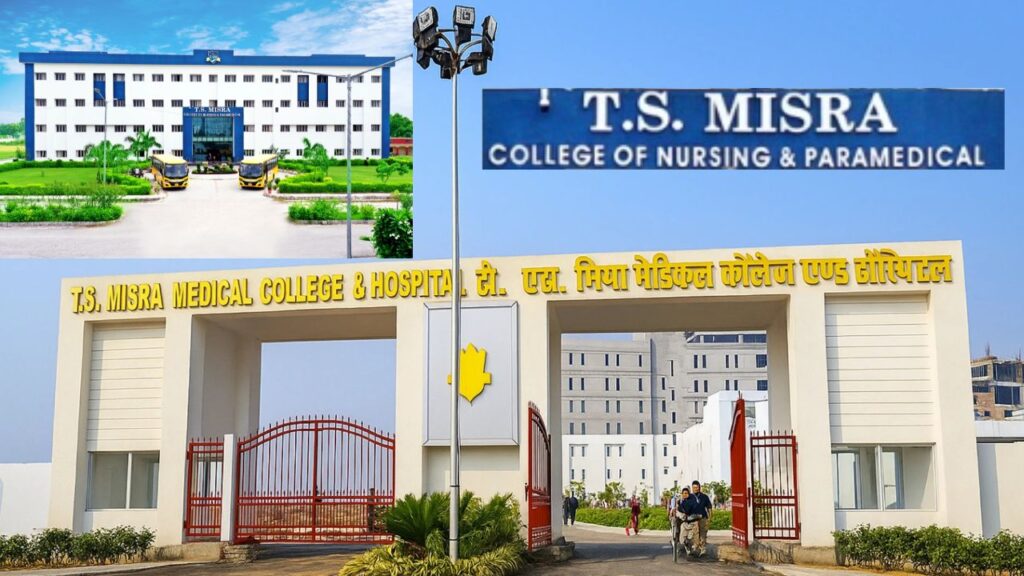
T.S Mishra University is a well-known university for BPharma course due to its strong curriculum, experienced faculty members, and practical approach. It produced industry-ready professionals with their designed course. It offers a 4 years BPharma course with 3 months of compulsory hospital training and 1 month of industrial training.

T.S.Mishra University fee, placement record, and admission process:

BPharma Total Fee₹4.1 lakh (additional fee may vary the final amount)
Placement₹3–4 LPA it can go up according to your resume
Admission Process10+2 with Physics, Chemistry, Biology/MathematicsEntrance: merit-based selectionUniversity’s entrance tests60 seats for BPharma every year

Conclusion 

Students can see all the best BPharma colleges in Lucknow in detail and choose the right one. These colleges offer practical and theoretical knowledge for pharmaceutical sciences which can help students to build their foundation in the field of medicine & Drugs.

A Complete Guide to Cybersecurity Courses for Beginners and Career Switchers

Cybersecurity Courses For Beginners

In a world in which nearly everything including banking, healthcare, shopping, even education takes place online, baking security into your skills is no longer just a nice-to-have, it’s a must-have. Make your career with Cybersecurity Courses for Beginners, from tiny startups to huge global governments, all are scrambling to defend their digital systems against ever more sophisticated cyber threats. Now that increasing demand is leading way for novices and career changers to get into one of the fastest-growing and best-paying tech fields around.

You don’t have to be a master coder or a long-time IT professional to throw your hat in the ring. With appropriate learning path, hands on training and industry approved certifications, anyone can pursue a fruitful career in Cybersecurity. This all-in-one handbook will tell you why now is the best time to start learning cybersecurity, how much you’ll be able to earn, the step-by-step learning path to go from knock (now) to job (soon), and the top cybersecurity courses to check out in 2026 — helping you make smart, confident career choices right out of the gate. 

Why Now Is the Perfect Time to Learn Cybersecurity

and the digital world is not getting any safer. Cyberattacks are more advanced, data breaches seem to be making headlines every week, and organizations of all kinds — from healthcare and banking, to retail and government — are frantically trying to find the right people to help them protect their digital assets. This isn’t hype, it’s reality. The need for cybersecurity professionals is so great that many organizations say anyone with the requisite skills and credentials can pretty much write their own ticket for employment.

But the really interesting thing about this career path is that it doesn’t just lead to job security. “You’re not just earning a paycheck when you’re a cybersecurity professional — you’re protecting people’s privacy, securing important infrastructure and keeping cybercriminals from causing tangible harm.” That’s meaningful work and it’s one you should consider. 

Salary Expectation For Cyber Security Specialist

The pay in cyber security is great yes, but the work is not. In the US, salaries for entry-level positions range from ₹61–₹91 lakh per year, while mid-level roles can earn from ₹95 lakh and ₹1.75. For those who are promoted to senior positions such as cybersecurity architects and specialists, salaries can rise as high as ₹1.25 crore–₹2.3 crore per year or even higher. 

The pattern is similarly positive in India where entry level certified professionals draw an annual salary of ₹6–8 lakhs, a solid 30–50% premium over general IT roles. These numbers illustrate how lucrative the cybersecurity field is for those with the right skills and qualifications. 

Learning Path From Zero To Hero

One-size-fits-all there: for-course Before you select a know that is following put on. Your path is unique, and the best information for you will depend on your background, how you learn, and your career plans. But it’s usually a structured path with three stages.

Phase 1: Build Your Foundation (Weeks 1-8)

You need to know how networking works, what kinds of straightforward cybersecurity threats (like malware and phishing), how basic encryption works, and how firewalls work. This isn’t glamorous—it’s the unglamorous foundation that separates professionals from pretenders.

​These days you can get beginner-friendlier introductions on platforms like Coursera’s Google Cybersecurity Professional Certificate, CompTIA Security+ training courses, and TryHackMe. The Google certificate, specifically, requires no background and can be completed in courtesy of 6 months by committing 5–10 hours of week. 

Budget-minded? You can find free courses on from basics to more advanced material on platforms like Cybrary, and core security concepts on SANS Cyber Aces.​ 

Read More 👉 UP Police Constable Recruitment 2026: Apply Online for 32,679 Posts

Phase 2: Develop Practical Skills (Weeks 8–20)

Reading up on cybersecurity is one thing doing it is another. This stage concentrates on labs and practical scenarios. Platforms such as TryHackMe and Hack The Box are game-changers in this aspect. They allow you to practice ethical hacking, vulnerability scanning and penetration testing on live systems in a sandbox environment. You’ll use Wireshark (network sniffing), Metasploit (pen testing), and Burp Suite (web vuln scanning).

If you are looking to boost your cybersecurity expertise and add industry-recognized credentials to your portfolio, certifications such as CompTIA Security+ and Certified Ethical Hacker (CEH) are great places to begin. These certifications are trusted by employers and can help you in getting a well paid cybersecurity job.

The cost of CompTIA Security+ course in India is approximately RS 95,000–RS 1,00,000 and most of the students complete the preparation in around 2 months. The CEH exam cost is around ₹1,55,000-₹1,65,000, which could be more or less based on the training provider and the exam packages.

Both certifications are an excellent investment in your career. They not only prove your technical expertise, but also lead to multiple roles in ethical hacking, network security and information security with high-profile organizations. 

Phase 3: Specialization Certification in 4 —12 Months 

After Basics, take command of one of the specializing that fits your interest and skills. You can specialize in things like incident response, network security, cloud security, or ethical hacking. Advanced courses by IIT Kanpur and IIIT Bangalore as well as through platforms such as Udemy contain special tracks in this discipline.

For a more comprehensive perspective, the Cybersecurity Expert Masters Program by Simplilearn (length: 4 months, price: ₹2.1 – ₹2.2 lakh) combines several industry-recognized certifications—CEH, CompTIA Security+, and CISSP, with hands-on capstone projects based on actual cyber incidents. 

Top Cybersecurity Courses for Beginners to Consider in 2026

Course NameDurationCostBest ForKey Strength
Google Cybersecurity Professional Certificate6 months (5-10 hrs/week)Free or ₹33,000/yearComplete beginnersNo experience required, employer partnerships
CompTIA Security+ 2 months₹95,000–₹1,00,000BeginnersFoundational credential, industry-standard
TryHackMe Cybersecurity Self-paced₹10,500–₹16,500/yearExperienced LearnersAdvanced labs, Interactive education
Certified Ethical Hacker (CEH) 2 months₹1,55,000–₹1,65,000More Growth in Ethical HackingPractical Training With using tools
Simplilearn Expert Masters Program​4 months₹2,10,000–₹2,20,000Career switchersIntegrated certifications, capstone projects

The Free vs. Paid Dilemma

Cybrary, TryHackMe’s free tier, Coursera’s audit mode and SANS Cyber Aces all provide legitimate and high-quality content without the need to hand over any cash. However, this is a critical certifications count. Employers want credentials that are verified. Free courses teach you skills, certifications demonstrate you have them.

A practical path: Experiment and establish a baseline understanding with free resources, then buy one or two trusted certs (Security+, or one of Google’s professional certs). The outlay usually pays for itself within a few months in increased starting salary. 

Conclusion

Studying Cybersecurity Courses for Beginners is time-consuming. For sure we had weird concepts that felt abstract at first. You’ll debug code you didn’t write. You’ll be looking at network packet captures, trying to figure out which one is the malicious traffic. But here’s the beautiful thing: every puzzle you solve, every vulnerability you find in a lab environment, every certification you earn brings you closer to a career that’s financially rewarding, intellectually stimulating, and truly has an impact.

The field of cybersecurity is not just hiring, it’s begging for talent. You may have to work for it, but your future is not in doubt — it’s safe. Literally. 

UPSSSC Mukhya Sevika Salary 2025 – Check Pay Level, Job Profile & Perks

UPSSSC Mukhya Sevika Salary 2025

For those prospective female candidates, Uttar Pradesh Subordinate Service Selection Commission (UPSSSC) Mukhya Sevika post is a great chance. Choosing a career in government service can alter the course of an individual’s life. But even as of 2025 this role remains a highly prestigious and solid one and keeps on with professional development and welfare of community and women empowerment. With the 2025 updates of UPSSSC Mukhya Sevika Salary and official information, you can choose the right path. Here are all the details including benefits, job description, eligibility, and recruitment process.

Mukhya Sevika (female head supervisor) job, in Child Development Services and Nutrition Department in Uttar Pradesh. This post entails monitoring Anganwadi centers, implementing welfare schemes for children and women, and ensuring smooth functioning in districts. The recruitment is conducted by the UPSSSC and the process is only for female graduates and has excellent potential for societal good and job security. 

UPSSSC Mukhya Sevika Salary Structure

The application of UPSSSC Mukhya Sevika comes with an princely sum of benefits under the 7th Pay Commission, so you can say that the salary is another compelling reason to apply for this post.Here is the latest details for 2025: 

Pay Level5 (Pay Band-1)
Grade Pay₹2,800
Basic Salary₹29,200/month
Dearness Allowance (DA, 38%)₹11,096/month
House Rent Allowance (HRA, 27%)₹7,884/month
In-hand Salary (Min.)₹39,596/month
Gross Salary (Est.)₹42,000–₹45,000/month
After Deductions₹37,000–₹43,000/month

The salary consists of the basic pay, dearness allowance as applicable from time to time and house rent allowance as per city classification. It also includes other state allowances and deductions. After standard cuts for pensions or NPS contributions, take-home pay can land anywhere between ₹37,000 and ₹43,000 a month. This makes it one of the highest paying graduate jobs in social work. 

Benefits and Perks

  • Pension
  • Insurance Coverage
  • Leave Travel Concession
  • Medical Reimbursement
  • Leave Encashment
  • Official Transport Allowance
  • Other Allowances

Every month employees are also sent a detailed salary slip where the salary, allowances and deductions are mentioned - this is necessary for availing loans and for other official work. 

Job Profile of Mukhya Sevika

A Mukhya Sevika in 2025 will have a host of responsibilities to be fullfilled besides being an office administrator. It involves supervision of Anganwadi Centers under the assigned blocks and ensuring successful implementation of various state and central schemes for women and child welfare. Supervision of Mukhya Sevika is also responsible for organizing training programs for Anganwadi workers and helpers. 

Among their priorities, they run awareness drives in rural and semi urban pockets focussing on educating the community on education, nutrition and health. They have to monitor and follow up on key activities related to immunization, nutrition and education outreach to ensure timely implementation and progress. To keep transparency and accountability, data and updates need to be reported regularly to the higher authorities. The position requires working closely with government departments and health offices to coordinate and monitor that the general development and assistance schemes are adequately being delivered to target populations. 

Read More 👉 BTech CSE Fees at IIT Delhi – Latest Fee Structure and Scholarships

How You Get Selected

Eligibility: This position is only for female candidates. Candidates should have a degree in Arts with subjects like Sociology, Social Work, Home Science, Nutrition and Child Development. Age Limit: 21 to 40 years as on July, 2022. Reserved categories are given relaxation in age. 

Preliminary Eligibility Test is mandatory to apply.

Written (Mains) Exam: Candidates have to appear in an OMR-based written exam of 2 hours, 100 questions (1 mark each) is conducted in a paper, with a ÂĽ mark penalty for wrong answers.

Document Verification: All the documents to prove your previous qualification, identity, and cast are necessary to attach.

Final Merit List: After the exam, candidates are shortlisted according to their scores with category-wise cut offs

UROBCSCSTEWS
67+62+56+47+58+

Opportunities After Joining—Career Development

Promotion from Seniority: Advancement into senior supervisory and management positions within Child Development Services is based on strong performance and years of experience.

Departmental Exams: Successfully completing additional examinations at the departmental or state level facilitates advancement to senior administrative positions.

Professional Training The Government offers regular training modules on community health, nutrition, management and leadership.

Lead Larger Teams: Agencies may also offer their best employees the opportunity to become Senior Mukhya Sevika or Block Supervisor to lead larger teams, and so on.

Transfers within the Government and Variety in Posts: Staff can apply to transfer to other districts for family reasons or professional development. 

Conclusion

UPSSSC Mukhya Sevika is a good career in the government sector with good salary, job security and service to the society. Since 2025, the company is known for having the best entry-level salaries and benefits for college graduates. And the job also establishes stronger local communities, because so much of child and women’s welfare work is done there. There’s a transparent hiring process, predictable promotion trajectory, and strong perks. This role is ideal for females seeking meaningful work that makes a difference and enduring career success. If you are eligible, prepare to take the lead in ushering change in Uttar Pradesh. 

How AI Could Change India’s Digital Public Infrastructure

Digital Public Infrastructure 

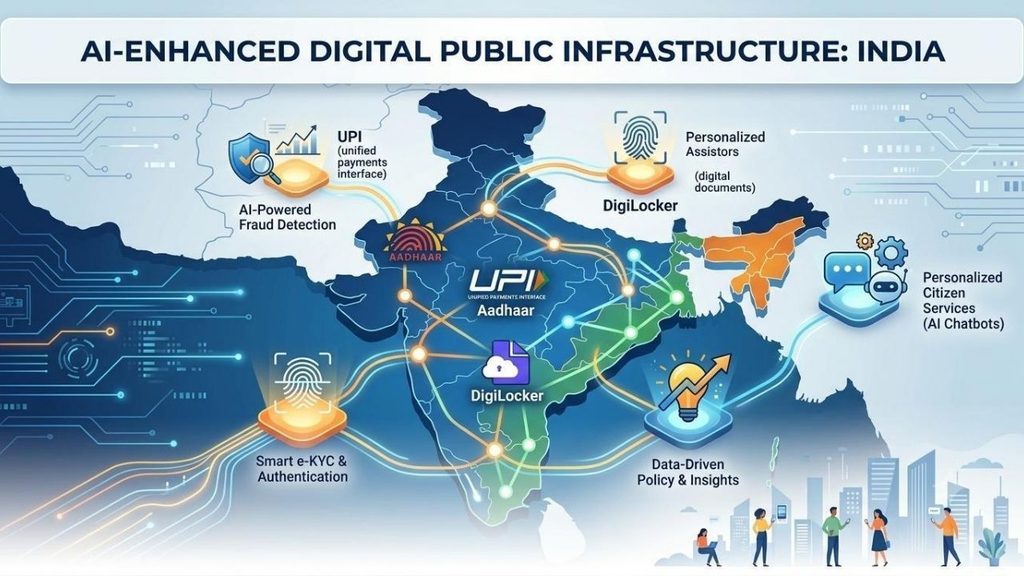
The shift from traditional systems to Digital India raises concerns about public privacy and security, as greater reliance on digital systems can create new opportunities for fraud and scams. Aadhaar is one pillar of what the government now calls India’s Digital Public Infrastructure and how AI could change that DPI for making it faster and more reliable is the biggest evolution.

Every month, close to 20 million people across India get turned away by a fingerprint scanner or a face-authentication camera that’s supposed to hand them a subsidised ration bag, a pension, or a bank withdrawal. That failure rate — a little over 6% of roughly 312 million Aadhaar-based authentications attempted monthly has stayed almost unchanged for a decade, according to UIDAI’s own parliamentary disclosures. 

It’s a strange fact to sit with, because DPI includes the stack of identity, payments, and data-sharing rails — Aadhaar, UPI, DigiLocker, Account Aggregator, ONDC — that more than a billion Indians touch, often without realising it. AI is now being wired into nearly every one of those rails. Some of it is already live and working. 

What Is India’s Digital Public Infrastructure 

Aadhaar is the identity layer — a biometric ID held by nearly every adult in the country. UPI is the payments layer, the real-time system that lets any bank app talk to any other. DigiLocker and Account Aggregator are the document and data-sharing layers, letting people share verified paperwork or consented financial records instead of photocopies. 


ONDC is the newest piece, an attempt to do for e-commerce what UPI did for payments: an open network any app can plug into, rather than one company owning the marketplace. 

Each of these was built as plumbing — deliberately boring, interoperable infrastructure. AI is the first layer being added on top that isn’t boring at all, and it’s arriving fastest in fraud detection, credit, language, and now shopping.

Fraud Detection at a Scale No Human Team Can Watch

UPI now clears more than 750 million transactions a day, a number NPCI expects to keep climbing toward a billion. At that volume, catching fraud after the money has moved is close to useless — NPCI’s fraud-detection platform processes roughly 2 terabytes of transaction data daily and needs to score risk within about 20 milliseconds, fast enough to block a payment before it settles. 

Its MuleHunter AI tool has already flagged more than 4.7 lakh mule accounts — the disposable, borrowed accounts fraud rings use to bounce stolen money through four to six hops before cashing out. 

NPCI is now piloting what it calls a “federated model” with three or four banks: instead of pooling everyone’s raw transaction data in one place, banks and NPCI compare AI-generated risk scores on a customer, getting the benefit of shared pattern-matching without centralising anyone’s actual financial history. 

NPCI’s leadership has said openly that the next leg of UPI’s growth depends on AI doing three jobs at once — catching fraud, extending credit based on payment history, and onboarding the next half-billion users through voice and regional-language interfaces instead of English-only screens.

Half of India Still Can’t Access Bank Credit

For decades, an MSME owner without three years of clean, bankable paperwork was mostly invisible to formal lenders — not un-creditworthy, just un-scoreable. 

The Account Aggregator framework, built on the RBI’s 2016 Master Direction and NITI Aayog’s Data Empowerment and Protection Architecture, changed the plumbing: with a customer’s explicit consent, a lender can now pull real bank statements, GST filings, and insurance records through a single encrypted pipe instead of chasing PDFs. 

As of the framework’s fourth anniversary in 2025, 112 financial institutions had gone live on both sides of that pipe, with hundreds more connected as data providers or users. AI models sit on top of that data flow, and lenders report the payoff is real: industry estimates put improvements in default-prediction accuracy at 15 to 25%, and processing times that used to run one to three weeks are increasingly settled same-day. 

This isn’t unregulated black-box lending, though — RBI’s digital lending rules require a lender to explain, in terms a risk officer or auditor can actually interrogate, why a model approved or rejected an application, which puts a real ceiling on how opaque these systems are allowed to get.

Read More 👉 Apple iPhone Duo Changes the Cost Effectively With These Methods

No More Language Barrier: Treating Language Like Infrastructure

India has more than one language and an AI layer that drops the barrier between languages is Bhashini. In India, MeitY’s National Language Translation Mission became fully AI-powered translation engines and it now sits underneath every government services app from January 2026. Portals like DigiLocker, UMANG, e-Shram running into 22 Indian languages. 


A Bhashini-powered voice assistant called Kumbh Sahaiyak used a Llama-based model to field pilgrim questions in 11 languages in real time — arguably the clearest proof yet that a DPI project can meet people in their own language at genuine crowd scale, not just in a pilot deck. If India’s Digital Public Infrastructure’s whole promise was ever about reaching people who can’t fill out an English form, Bhashini is the piece actually doing that, one API call at a time.

The Part AI Might Not Fix: Aadhaar’s Exclusion Problem

The government’s current bet is that AI-driven face authentication — rather than fingerprint or iris scanning, which struggle with a manual labourer’s worn fingerprints or an elderly person’s cataracts — will close that 6.5% failure gap. 

It’s already been tested at real scale with UIDAI ran a face-authentication proof of concept at NEET-UG 2025 exam centres with the NTA and NIC, and by 2026 similar AI-camera verification, backed by liveness checks and a fingerprint or manual fallback, was standard at UPSC exam halls. Officials describe the results as promising. 

Researchers who’ve actually gone door to door are less convinced: a survey across 32 villages in Jharkhand by economist Jean Drèze and co-authors found exclusion errors running as high as 20% in areas where biometric authentication was required for every ration purchase — and critics note that swapping fingerprints for face scans doesn’t remove the underlying design flaw, which is that a single biometric check, controlled by a ration dealer or bank teller rather than the beneficiary, decides whether someone eats that month. 

There’s a second, quieter concern sitting alongside is the more AI systems sit on top of Aadhaar-linked data — UPI payments, SIM registrations, app logins — the easier it becomes to assemble a detailed behavioural profile of someone, usually described publicly as fraud prevention rather than surveillance. Both things can be true at once. 

AI-based face authentication may genuinely cut into the 20-million-a-month failure count, and the same infrastructure may quietly expand what the state and private platforms can see about a person’s life. That tension, not a clean technical fix, is the actual story here.

Agents That Could Soon Shop and Transact for You

The newest layer is barely a layer yet. ONDC, India’s government-backed alternative to Amazon and Flipkart, runs on the open-source Beckn protocol, which had onboarded more than 900 network participants across grocery, food delivery, mobility, and financial services by 2026. 

FIDE, the nonprofit behind Beckn, has already demonstrated BecknGPT — an experimental agent that lets a ChatGPT-style assistant browse and complete an ONDC purchase on a shopper’s behalf and mainstream apps including Swiggy, BigBasket, and Flipkart have started exposing their catalogues directly to AI shopping assistants. 

It’s genuinely early, more demo than daily habit right now. But the direction matters: if UPI proved India could build a public payments rail that private apps compete on top of, ONDC plus AI agents is the government’s bet that the same model can work for commerce itself, without any single platform owning discovery.

Read More 👉 Bihar STET 2026 Online Form Out: Check Exam Syllabus and Pattern To Get Teacher Job

Why Other Countries Are Copying India’s Homework

Whatever India’s Digital Public Infrastructure domestic wrinkles, India has turned it into one of its more effective diplomatic exports. 

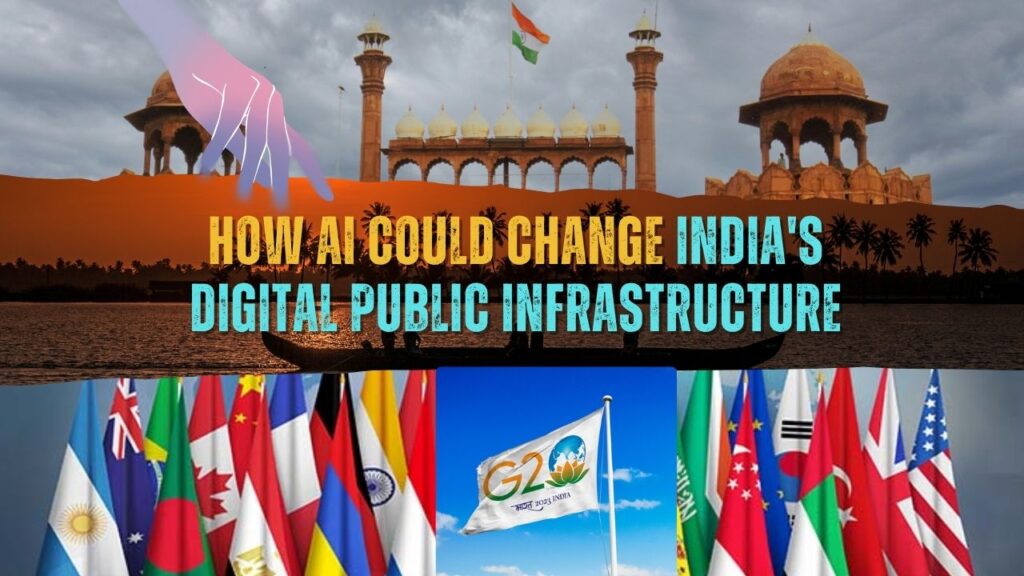
During its 2023 G20 presidency, India pushed Digital Public Infrastructure as a global development model, the framework receiving endorsement from 20 member nations. By 2026, the cooperation agreements between India and other 23—24 countries have been signed for helping them build their own version of Aadhaar, UPI, or DigiLocker by sharing open-source blueprints rather than selling a finished product. 


UPI itself is already live in eight-plus countries, from the UAE and Singapore to France and Mauritius, and Kenya is reportedly building a national digital-identity stack directly modelled on India’s approach. 

Analysts who track this call it the “Aadhaar Paradox”: India is exporting a model with real, unresolved problems at home — the exclusion numbers above, heavy market concentration in UPI apps, ongoing data-protection debates — alongside genuine, population-scale successes that few other countries have managed. 

Both halves of that sentence are true, and any AI layer India bolts onto its own DPI will likely travel abroad along with everything else.

What Determines Changing India’s Digital Public Infrastructure With AI Goes Well

A few concrete things to watch over the next year, rather than general optimism about AI transforming governance. 

First, whether NPCI’s 30% market-share cap for individual UPI apps — currently set to take effect December 31, 2026 — actually holds this time, since two apps still control more than 80% of transaction volume and AI-driven credit and voice features could widen that gap further or finally give smaller players something to compete on. 

Second, whether UIDAI’s AI-based face authentication measurably moves the 6.5% Aadhaar failure rate in its next couple of annual disclosures, or whether as analyzer expect — it just changes which biometric ends up failing people. 

None of these are settled yet. Both will tell you, faster than any government press release, whether AI made India’s Digital Public Infrastructure more inclusive, or just faster at doing the same thing to the same people.

Read More 👉 NBEMS NEET PG Answer Key 2026: How To Download & Calculate Your Score

Conclusion 

AI could make India’s Digital Public Infrastructure faster, more accessible, and better at handling problems that humans simply cannot manage at this scale. From spotting fraud across UPI transactions to helping lenders understand small businesses and breaking language barriers, the benefits are already becoming visible. 

But the bigger question isn’t whether AI can make India’s Digital Public Infrastructure more efficient. It’s whether it can make it more inclusive without creating new problems along the way. Aadhaar’s authentication failures, concerns around data profiling, and the risk of AI-powered systems becoming harder to challenge show why speed alone isn’t enough.

India has already built the digital rails. The next phase is about deciding how intelligently, transparently, and fairly AI runs on top of them. The success of that shift will depend not just on better models, but on whether the people using these systems actually have fewer barriers when they need them most.

Best Government Jobs in Himachal Pradesh in 2025

If you are looking for a government job in 2025 and want to build a safe and respected career by staying in Himachal Pradesh, then this information is very useful for you. There are many such posts in Best Government Jobs in Himachal Pradesh in 2025 which offer good salary, facilities and future stability.

The Himachal Pradesh government recruits thousands of posts in different departments every year. These include jobs like Patwari, Police Constable, Junior Office Assistant, Nurse, Engineer, Clerk, and Teacher. The educational qualification for these posts ranges from 10th, 12th pass to graduation and professional degree.

Below we have given a list of top 15 government jobs of 2025, by applying in which you can make a great start to your career. Information about the concerned department, eligibility and official website is also given with every job so that you get the right information in one place.

Top 15 Himachal Pradesh Government Jobs in 2025

S.No.Job TitleDepartment/OrganizationEligibilityOfficial Website
1PatwariRevenue Department, HP12th Pass + Patwari Traininghimachal.nic.in
2Junior Office Assistant (IT)HP Subordinate Services Selection Board (HPSSSB)12th Pass + 1 Year Diploma in Computerhpsssb.hp.gov.in
3Forest GuardForest Department, HP12th Passforp.hp.gov.in
4Staff NurseHealth & Family Welfare Department, HPDiploma/Degree in Nursingnrhmhp.gov.in
5Assistant Engineer (Civil)HP Public Works Department (PWD)B.E./B.Tech in Civil Engineeringhppwd.hp.gov.in
6Police ConstableHimachal Pradesh Police12th Pass + Physical Testcitizenportal.hppolice.gov.in
7Ayurvedic Medical OfficerAyush Department, HPBAMSayurveda.hp.gov.in
8HPAS OfficerHimachal Pradesh Public Service Commission (HPPSC)Graduation + HPAS Examhppsc.hp.gov.in
9ClerkHPSSSB12th Pass + Typing Skillhpsssb.hp.gov.in
10Junior Engineer (Electrical)HPSEBL (HP State Electricity Board)Diploma in Electrical Engineeringhpseb.in
11Language Teacher (Hindi/Sanskrit)Department of Education, HPB.A. + B.Ed in relevant languageeducation.hp.gov.in
12Veterinary PharmacistAnimal Husbandry Department, HP10+2 with Diploma in Veterinary Pharmacyhpagrisnet.gov.in
13Sub Inspector (Police)HP Police DepartmentGraduation + Physical Testcitizenportal.hppolice.gov.in
14Junior DraughtsmanTown & Country Planning Department, HP10th Pass + Draughtsman Coursetcp.hp.gov.in
15Multi-Tasking StaffVarious HP Govt Departments10th Passhimachal.nic.in

Scroll to Top