A Complete Guide to Cybersecurity Courses for Beginners and Career Switchers

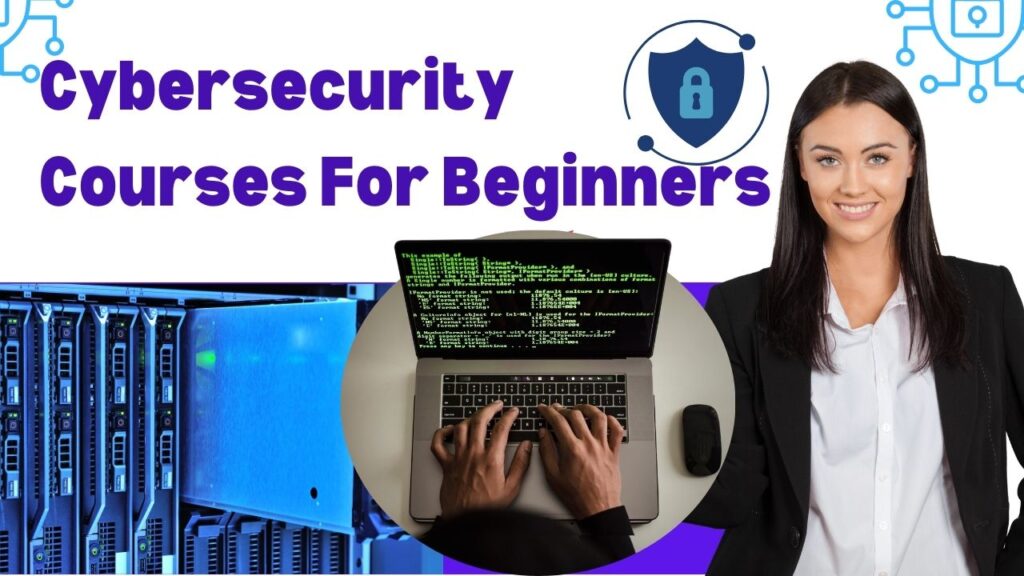
Cybersecurity Courses For Beginners

In a world in which nearly everything including banking, healthcare, shopping, even education takes place online, baking security into your skills is no longer just a nice-to-have, it’s a must-have. Make your career with Cybersecurity Courses for Beginners, from tiny startups to huge global governments, all are scrambling to defend their digital systems against ever more sophisticated cyber threats. Now that increasing demand is leading way for novices and career changers to get into one of the fastest-growing and best-paying tech fields around.

You don’t have to be a master coder or a long-time IT professional to throw your hat in the ring. With appropriate learning path, hands on training and industry approved certifications, anyone can pursue a fruitful career in Cybersecurity. This all-in-one handbook will tell you why now is the best time to start learning cybersecurity, how much you’ll be able to earn, the step-by-step learning path to go from knock (now) to job (soon), and the top cybersecurity courses to check out in 2026 — helping you make smart, confident career choices right out of the gate. 

Why Now Is the Perfect Time to Learn Cybersecurity

and the digital world is not getting any safer. Cyberattacks are more advanced, data breaches seem to be making headlines every week, and organizations of all kinds — from healthcare and banking, to retail and government — are frantically trying to find the right people to help them protect their digital assets. This isn’t hype, it’s reality. The need for cybersecurity professionals is so great that many organizations say anyone with the requisite skills and credentials can pretty much write their own ticket for employment.

But the really interesting thing about this career path is that it doesn’t just lead to job security. “You’re not just earning a paycheck when you’re a cybersecurity professional — you’re protecting people’s privacy, securing important infrastructure and keeping cybercriminals from causing tangible harm.” That’s meaningful work and it’s one you should consider. 

Salary Expectation For Cyber Security Specialist

The pay in cyber security is great yes, but the work is not. In the US, salaries for entry-level positions range from ₹61–₹91 lakh per year, while mid-level roles can earn from ₹95 lakh and ₹1.75. For those who are promoted to senior positions such as cybersecurity architects and specialists, salaries can rise as high as ₹1.25 crore–₹2.3 crore per year or even higher. 

The pattern is similarly positive in India where entry level certified professionals draw an annual salary of ₹6–8 lakhs, a solid 30–50% premium over general IT roles. These numbers illustrate how lucrative the cybersecurity field is for those with the right skills and qualifications. 

Learning Path From Zero To Hero

One-size-fits-all there: for-course Before you select a know that is following put on. Your path is unique, and the best information for you will depend on your background, how you learn, and your career plans. But it’s usually a structured path with three stages.

Phase 1: Build Your Foundation (Weeks 1-8)

You need to know how networking works, what kinds of straightforward cybersecurity threats (like malware and phishing), how basic encryption works, and how firewalls work. This isn’t glamorous—it’s the unglamorous foundation that separates professionals from pretenders.

​These days you can get beginner-friendlier introductions on platforms like Coursera’s Google Cybersecurity Professional Certificate, CompTIA Security+ training courses, and TryHackMe. The Google certificate, specifically, requires no background and can be completed in courtesy of 6 months by committing 5–10 hours of week. 

Budget-minded? You can find free courses on from basics to more advanced material on platforms like Cybrary, and core security concepts on SANS Cyber Aces.​ 

Read More 👉 UP Police Constable Recruitment 2026: Apply Online for 32,679 Posts

Phase 2: Develop Practical Skills (Weeks 8–20)

Reading up on cybersecurity is one thing doing it is another. This stage concentrates on labs and practical scenarios. Platforms such as TryHackMe and Hack The Box are game-changers in this aspect. They allow you to practice ethical hacking, vulnerability scanning and penetration testing on live systems in a sandbox environment. You’ll use Wireshark (network sniffing), Metasploit (pen testing), and Burp Suite (web vuln scanning).

If you are looking to boost your cybersecurity expertise and add industry-recognized credentials to your portfolio, certifications such as CompTIA Security+ and Certified Ethical Hacker (CEH) are great places to begin. These certifications are trusted by employers and can help you in getting a well paid cybersecurity job.

The cost of CompTIA Security+ course in India is approximately RS 95,000–RS 1,00,000 and most of the students complete the preparation in around 2 months. The CEH exam cost is around ₹1,55,000-₹1,65,000, which could be more or less based on the training provider and the exam packages.

Both certifications are an excellent investment in your career. They not only prove your technical expertise, but also lead to multiple roles in ethical hacking, network security and information security with high-profile organizations. 

Phase 3: Specialization Certification in 4 —12 Months 

After Basics, take command of one of the specializing that fits your interest and skills. You can specialize in things like incident response, network security, cloud security, or ethical hacking. Advanced courses by IIT Kanpur and IIIT Bangalore as well as through platforms such as Udemy contain special tracks in this discipline.

For a more comprehensive perspective, the Cybersecurity Expert Masters Program by Simplilearn (length: 4 months, price: ₹2.1 – ₹2.2 lakh) combines several industry-recognized certifications—CEH, CompTIA Security+, and CISSP, with hands-on capstone projects based on actual cyber incidents. 

Top Cybersecurity Courses for Beginners to Consider in 2026

Course NameDurationCostBest ForKey Strength
Google Cybersecurity Professional Certificate6 months (5-10 hrs/week)Free or ₹33,000/yearComplete beginnersNo experience required, employer partnerships
CompTIA Security+ 2 months₹95,000–₹1,00,000BeginnersFoundational credential, industry-standard
TryHackMe Cybersecurity Self-paced₹10,500–₹16,500/yearExperienced LearnersAdvanced labs, Interactive education
Certified Ethical Hacker (CEH) 2 months₹1,55,000–₹1,65,000More Growth in Ethical HackingPractical Training With using tools
Simplilearn Expert Masters Program​4 months₹2,10,000–₹2,20,000Career switchersIntegrated certifications, capstone projects

The Free vs. Paid Dilemma

Cybrary, TryHackMe’s free tier, Coursera’s audit mode and SANS Cyber Aces all provide legitimate and high-quality content without the need to hand over any cash. However, this is a critical certifications count. Employers want credentials that are verified. Free courses teach you skills, certifications demonstrate you have them.

A practical path: Experiment and establish a baseline understanding with free resources, then buy one or two trusted certs (Security+, or one of Google’s professional certs). The outlay usually pays for itself within a few months in increased starting salary. 

Conclusion

Studying Cybersecurity Courses for Beginners is time-consuming. For sure we had weird concepts that felt abstract at first. You’ll debug code you didn’t write. You’ll be looking at network packet captures, trying to figure out which one is the malicious traffic. But here’s the beautiful thing: every puzzle you solve, every vulnerability you find in a lab environment, every certification you earn brings you closer to a career that’s financially rewarding, intellectually stimulating, and truly has an impact.

The field of cybersecurity is not just hiring, it’s begging for talent. You may have to work for it, but your future is not in doubt — it’s safe. Literally. 

Leave a Comment

Your email address will not be published. Required fields are marked *

Top 10 High Salary Courses After 12th Science Without NEET – No Medical Exam Needed

Top 10 High Salary Courses After 12th Science Without NEET – No Medical Exam Needed

Many students are confused about their career choice. After completing 12th with science, if you’re looking for high paying opportunities that don’t involve NEET. Here, the top 10 High Salary Courses After 12th Science Without NEET will help you to achieve that. You need to choose the right path for your career in which you’re interested in. 

Role: This job role has a responsibility to assist doctors in diagnosing illness of the patient with the help of technological equipment for imaging the internal system. The work is crucial in healthcare, so the need for a radiologist. This is a good option if you understand the technical things easily.

Salary: The Radiology Technician pay scale is around  ₹4-6 LPA. The salary will increase with time the person gets more experience in the field. It can rise up to ₹20 LPA.
Eligibility: After 12th with PCB you can get a Diploma course or B.Sc in Radiology. For admission in the institute, there may be an entrance exam. 

Role: MLTs perform the lab tests so that the illness will be diagnosed easily at the right time. This is a crucial process in recent times and demand for the MLTs is high. If you’re interested in the job you can check the eligibility and apply for the right position to start in your career. This government job is a stable career option for you, if you understand the diagnostics and laboratory work. 

Salary: The MLTs salary is around 4 LPA at starting then it will increase with more experience and rise up to 15 LPA.
Eligibility: Students must have a Diploma in related field or B.Sc degree in Medical Lab Technology. Intermediate passing with PCB is mandatory.

Role: Pharmacists have a crucial role in medicine, good knowledge of drugs and medicine can advise in public hospitals. Pharmacists can work in the government hospitals pharmacy because they dispense medications. It is a very secure and respected profession with a lot of opportunities in various healthcare setups.

Salary: Pharmacists have a pay scale around 4-7 LPA and additional benefits also come with the salary as extra allowance. The advantage of government jobs are additional perks.
Eligibility: Students have to complete a four year degree of B.Pharma or Diploma in Pharmacy can also be accepted. Pharmacy Council certification required for pharmacists. 

Role: Patient care is under the nurse role, nurses have a good salary but not a fixed hours. Their shifts almost change and the role involves administrator medications, and assisting doctors. They are mostly taken care of by the doctors. If you have an interest in taking care of others, this job is the best option for you. 

Salary: Nurses in the government hospitals are earning up to 4-8 LPA, with additional benefits. Salary is good with a noble and stable job.
Eligibility: Students who hold the degree of B.Sc Nursing or General Nursing & Midwifery have a chance to get a job in government nursing but clearance of state or central nursing exam is crucial for this role.

Role: Occupational therapists are praised by their patients because they understand the patients inside thoughts. They help regain mobility and improve their quality of life by understanding the fear in the patients. This role is highly trendy in recent times, many people need to take rehabilitation services to improve their life.

Salary: Therapists salary ranges from 5 LPA, it will rise with more experience and on the services basis go up to 14 LPA. 
Eligibility: Bachelors in Occupational Therapy –  12th and Bachelors degree needed. Students who are interested in this role can apply for this government job after a bachelor’s degree.

Role: In the government sector, becoming a health inspector is an impactful choice. This role requires inspection skills that are needed for the job. They have to inspect the facilities and implement regulations for better working in the health sector. If you want job security and career stability then this option is best.

Salary: Health Inspector salary is starting from 3-5 LPA, and it offers professional growth and additional benefits. 
Eligibility: Students must complete their 12th with PCB, Diploma in Sanitary Health Inspector or related courses.

Role: Ayurvedic doctors have responsibility for providing the treatment that comes from an ancient time. You have to learn traditional concepts and ways of processing to cure the illness. This is a respected career path blending traditional and modern healthcare practices.

Salary: Ayurvedic Doctors in government hospitals earn 4-7 LPA and the professionals with experience can earn up to 12-15 LPA.
Eligibility: 12th and BAMS. If you want this role you need to complete the degree of BAMS.

Role: Food safety officers have responsibility to inspect the food items and pass regulations in the market. The improper food consumption can cause severe diseases so the responsibility of the food inspector ensures the safety and quality of food products by conducting inspection and enforcing regulations. 

Salary: Food Safety Officers have a starting salary of 4-6 LPA, and it will increase with time. Government jobs offer additional perks so this is a good role if you want to work in public health.
Eligibility: Completed 12th with PCB, having a Bachelor’s degree in Food Technology, Microbiology, or any related field can help you secure a job.

Role: Medical Coder translates patients data into standardized codes for healthcare billing. This is the demanding role in recent times because everything data is secured in codes especially in the hospitals. 

Salary: 4-6 LPA is the starting salary as a Medical coder and increases up to 12 LPA. So choose the path for the future security and stable income.
Eligibility: Students have to secure a certification in Medical Coding after passing 12th with PCB.

Read More 👉 UP Polytechnic JEECUP Results 2025 Declared – Check Rank, Result Date & Admission Info Now!

Role: Physiotherapists help patients recover from physical injuries or patients who have moved for a few years and now they are not able to walk. They need physiotherapists to improve their mobility. It is really a rewarding career in these times. If you are interested in rehabilitation and patient care then you must consider this role.

Salary: Physiotherapists starting salary is around 4-6 LPA and increase up to 12 LPA with more experience in this role. 
Eligibility: Students completed 12th with PCB and Bachelors in Physiotherapy BPT are eligible for this role. Physiotherapists should have good practical training even if they have the degree.

These top 10 High Salary Courses After 12th Science Without NEET are the best chance for you to secure a stable job and professional growth in the medical field without attempting the NEET exam. If you are interested in any of the programs, you can apply after pursuing the degree required for each role. First know your interest and skills then pursue the program for the specific role.

Leave a Comment

Your email address will not be published. Required fields are marked *

ICET Result 2025 Live: TS TG Rank Card Out, Download Your Scorecard Now!

ICET Result 2025 Live: TS TG Rank Card Out, Download Your Scorecard Now!

TSCHE has announced the result of the examination held on 8 June and 9 June, Candidates can now check their results online. This exam is an entrance key for admission to MCA and MBA programs across Telangana. Candidates can find the link to the official website in the article to check their results. 

If you don’t know how to download your result, there is a step-by-step guide to check and download your ICET result. After the result declaration, shortlisted candidates can now prepare for the counselling round. It will be announced later on the website. Keep checking for updates on the counselling process.

Details For The ICET Result 2025 

Conducting BodyTelangana State Council of Higher Education
Exam NameIntegrated Common Entrance Test
PurposeThe Telangana government conducts this exam as an entrance exam for admission in Universities and affiliated colleges across Telangana.
Total candidates64,398
Cut-Off score25%
Result release date 07/July/2025
Check ResultClick Here
Official WebsiteClick Here

Read More 👉 BBAU PG Admission 2025: Dates, Fees, Eligibility & Offered Courses Revealed!

How to Check TC ICET 2025 Result

  1. You can click on the link “Check Result”.
  2. Page appears on the official website on your browser.
  3. Enter your credentials to check the result. (Registration number, DOB)
  4. Result will show up on the screen.
  5. You save and download it for a hard copy.

Minimum Marks for ICET 2025

TSCHE has set some limitations for the examination qualifying marks. According to their rule, minimum qualifying marks for general and OBC candidates must be at least 50 marks out of 200. Meanwhile, there are no minimum marks for reserved categories like SC/ST. 

These minimums will have to be acquired by the students to secure admission in universities for MCA and MBA programmes. 

Leave a Comment

Your email address will not be published. Required fields are marked *

ITI Admission Fees in Government College: Complete Fee Structure Guide

ITI Admission Fees in Government College: Complete Fee Structure Guide Are you interested in Technical and Vocational Education Training (TVET) as a career option? A good Industrial Training Institutes(ITI) is a great way to learn a practical skill and get a job in a short span of time. How much does it really cost to join a government ITI? is probably among the most frequent questions that are buzzing in your mind if you have been looking for ITI courses. So let's get started with the full ITI Admission Fees in Government College details before jumping on the admission portal. Quick Overview of Fee Breakdown This is the fee structure in short for an Electrician course at a typical government ITI to make your career brighter. This will help you understand the budget of the two year course. Charge Amount Admission Fee –Given one time ₹100 Registration Fee –Given one time ₹50 Monthly Tuition ₹2,400 (₹100 × 24 months) Caution Money – given back later ₹250 Examination Fees ₹200 Student Welfare Funds ₹300 Total Approximate Cost ₹3,300 Note: The caution deposit is refundable on successful completion and your effective expenditure comes to approximately ₹3,050 for two years — Now that’s reasonably priced! Understanding the ITI Fee Structure The nice thing about government ITIs is that they are hilariously cheap when compared to private ones. With private ITI colleges charging fees ranging from ₹5,000 to more than ₹1,000,000 per year, fees of the government ITI colleges are affordable and it goes from ₹1,000 to ₹20,000 per year. So, students from all financial backgrounds can get quality technical education. But it's not just a single figure for the fee structure to pay and forget about it. The fees in government ITIs are divided into several heads, each of which is for a certain purpose. Knowing what all these entails will allow you to plan your finances so you don’t get a shock when it is time for admission. Tuition Fee: The Core Cost The tuition fee is the staple of your yearly outgoings. It is from ₹100 to ₹150 per month at most government ITIs in India which works out to be from ₹1,200 to ₹1,800 per year. For reference, the West Bengal government ITIs charge a total fee of ₹30 per month as a tuition fee, implying that you will be spending only ₹180 for the entire six-month course. These vary from state to state and institution to institution, so be mindful!​ The annual tuition fee for regular trainees, however, is Rs 1,800 (Rs 150 per month) at some government institutions such as the National Skill Training Institute (NSTI) in Patna. Yet if you are from SC/ST, you pay a lot less – just Rs 600 per year (Rs 50 per month). It is indicative of the government’s resolve to open the door of education to the underprivileged sections of the society. Admission Fee: One-Time Payment Consider the entry to the admission fees for the institution you are wants to apply. This is a one-time fee that you pay once you join and not every year. The admission fee is usually around ₹100 to ₹300 for most government ITIs. This is phenomenally low, and includes the cost of processing your application, verification of your documents, and the registration procedures.​ Interestingly, some institutes offer concessions to SC/ST students. For example, SC/ST students will have to pay Rs 25 instead of Rs 100 as admission fee. Registration Fee There is also a registration fee separate from the admission fee and the registration fee is usually between ₹30 to ₹200. This is for registering your enrolment with the records of the institute and getting you listed with the official registers. It’s a non-refundable fee which is paid generally at the time of verification of admission.​ Again, if you belong to SC/ST category you may get waived off from paying this fee in some institutes. Caution Money: A Security Deposit Important to understand: Caution money isn’t a fee that you are wasting. It’s a security deposit that is refunded. You pay it once (usually between ₹ 100 to ₹ 500) while admitting and you get it on successfully completing the course. This sum of money serves as a kind of insurance to keep students finishing their training and disciplined. Additional Funds and Charges In addition to the basic fees, the Govt ITI s also levies different student welfare and infrastructure enhancement funds which may be used for welfare activities of the students, for up-gradation or improvement in infrastructure. These might include: Gymkhana Fee Up to ₹100 To get along with sports and extracurricular activities Student Welfare Funds ₹50 to ₹375 Contributing to overall student development programs Placement Registration Fee Approximately ₹50 Helping the institute organize campus placements Smart Card Fund Around ₹200 For issuing digital identity cards Examination Fee At the time of examination, an institute usually levies a test fee of ₹25 to ₹100 per attempt. This includes the cost of holding exams, drafting question papers and conducting tests. Total Annual Cost For ITI Government Add all this up and see what the real number you’re looking at is. For a normal engineering trade class (say Electrician or Fitter) in a government ITI. First Year Fee is in range between ₹2,400 — ₹3,500 Subsequent Years As it vary on state, ₹1,500 to ₹2,000/year Delhi institute registration fee is Rs.200, so if you are applying there then this is the amount you have to pay at the time of verification along with the other applicable fees, which is quite nominal. Special Provisions and Exemptions For Girl Students A large number of Government ITIs provide relaxation to female trainees. Girl students are exempted from tuition fees as well as examination fees at institutes such as Patna's NSTI, rendering the course free for girls (the only exception being other compulsory deposits and fees). A few states have adopted similar policies to incentivize women to take up technical trades. For Reserved Categories There are hefty discounts for students who belong to the SC, ST, OBC or EWS category. Tuition is often waived or discounted to a token sum. In the ITIs of Odisha, the admission fees are waived for the trainees from SC, ST and women category whose family annual income is less than `2.5 lakhs, they have to pay only the caution money. For Persons with Disabilities (PwD) The government ITIs are said to extend exemptions and concessions to the special needs students, because 'they are handicapped and the financial burdens of study should be thrown off from their shoulders'. State-Wise Variations For the Fee of ITI One should note that the ITI fees vary according to states since education is a subject of state in Indian federalism. For instance, in Tamil Nadu, government ITIs charge anywhere between ₹5,000 and ₹7,000 per year, while in Himachal Pradesh, they charge between ₹6,000 and ₹8,000. With competition fees, states such as Bihar, Uttar Pradesh, and Rajasthan have the biggest network of government ITIs. Conclusion When you take into account that you are learning practical skills that are directly applicable to jobs in the public and private sectors, that is a huge amount of bang for your buck. Whether you are just finishing school and want to start your career or are planning a career change, government ITI courses provide a cost-effective, quality route to technical proficiency. The best way to get the most update on ITI Admission Fees in Government College is to go on your state’s ITI official website, check under what category you fit under for exemptions and email the best would be to the lucky one you want to attend for any questions. Your path to a rewarding career might be more affordable than you think! Meta title : ITI admission fee in government college. full fee guide 2025 Meta desc : Complete guide on ITI admission fees in government colleges: tuition, admission, exam fees, concessions for girls and reserved categories. Cost details for full 2 ​​years. Url : iti-admission-fees-in-government-college Focus Keyword : ITI Admission Fees in Government College Government ITI Fee Structure ITI Government College Fees 2025 ITI Course Fees in Government Institute ITI Fees for Girls & Reserved Category

Are you interested in Technical and Vocational Education Training (TVET) as a career option? A good Industrial Training Institutes(ITI) is a great way to learn a practical skill and get a job in a short span of time. How much does it really cost to join a government ITI? is probably among the most frequent questions that are buzzing in your mind if you have been looking for ITI courses. So let’s get started with the full ITI Admission Fees in Government College details before jumping on the admission portal.

Quick Overview of Fee Breakdown

This is the fee structure in short for an Electrician course at a typical government ITI to make your career brighter. This will help you understand the budget of the two year course.

ChargeAmount
Admission Fee –Given one time₹100
Registration Fee –Given one time₹50
Monthly Tuition ₹2,400 (₹100 × 24 months)
Caution Money – given back later₹250
Examination Fees₹200
Student Welfare Funds₹300
Total Approximate Cost₹3,300

Note: The caution deposit is refundable on successful completion and your effective expenditure comes to approximately ₹3,050 for two years — Now that’s reasonably priced! 

Understanding the ITI Fee Structure

The nice thing about government ITIs is that they are hilariously cheap when compared to private ones. With private ITI colleges charging fees ranging from ₹5,000 to more than ₹1,000,000 per year, fees of the government ITI colleges are affordable and it goes from ₹1,000 to ₹20,000 per year. So, students from all financial backgrounds can get quality technical education.

But it’s not just a single figure for the fee structure to pay and forget about it. The fees in government ITIs are divided into several heads, each of which is for a certain purpose. Knowing what all these entails will allow you to plan your finances so you don’t get a shock when it is time for admission. 

Tuition Fee: The Core Cost

The tuition fee is the staple of your yearly outgoings. It is from ₹100 to ₹150 per month at most government ITIs in India which works out to be from ₹1,200 to ₹1,800 per year. For reference, the West Bengal government ITIs charge a total fee of ₹30 per month as a tuition fee, implying that you will be spending only ₹180 for the entire six-month course. These vary from state to state and institution to institution, so be mindful!​

The annual tuition fee for regular trainees, however, is Rs 1,800 (Rs 150 per month) at some government institutions such as the National Skill Training Institute (NSTI) in Patna. Yet if you are from SC/ST, you pay a lot less – just Rs 600 per year (Rs 50 per month). It is indicative of the government’s resolve to open the door of education to the underprivileged sections of the society. 

Admission Fee: One-Time Payment

Consider the entry to the admission fees for the institution you are wants to apply. This is a one-time fee that you pay once you join and not every year. The admission fee is usually around ₹100 to ₹300 for most government ITIs. This is phenomenally low, and includes the cost of processing your application, verification of your documents, and the registration procedures.​

Interestingly, some institutes offer concessions to SC/ST students. For example, SC/ST students will have to pay Rs 25 instead of Rs 100 as admission fee. 

Read More 👉 CAT 2025 Exam Analysis: Difficulty Breakdown for VARC, DILR & QA

Registration Fee

There is also a registration fee separate from the admission fee and the registration fee is usually between ₹30 to ₹200. This is for registering your enrolment with the records of the institute and getting you listed with the official registers. It’s a non-refundable fee which is paid generally at the time of verification of admission.​

Again, if you belong to SC/ST category you may get waived off from paying this fee in some institutes.

Caution Money: A Security Deposit

Important to understand: Caution money isn’t a fee that you are wasting. It’s a security deposit that is refunded. You pay it once (usually between ₹ 100 to ₹ 500) while admitting and you get it on successfully completing the course. This sum of money serves as a kind of insurance to keep students finishing their training and disciplined.

Additional Funds and Charges

In addition to the basic fees, the Govt ITI s also levies different student welfare and infrastructure enhancement funds which may be used for welfare activities of the students, for up-gradation or improvement in infrastructure. These might include: 

Gymkhana FeeUp to ₹100To get along with sports and extracurricular activities
Student Welfare Funds₹50 to ₹375Contributing to overall student development programs
Placement Registration FeeApproximately ₹50Helping the institute organize campus placements
Smart Card FundAround ₹200For issuing digital identity cards

Examination Fee

At the time of examination, an institute usually levies a test fee of ₹25 to ₹100 per attempt. This includes the cost of holding exams, drafting question papers and conducting tests. 

Total Annual Cost For ITI Government

Add all this up and see what the real number you’re looking at is. For a normal engineering trade class (say Electrician or Fitter) in a government ITI. 

First YearFee is in range between ₹2,400 — ₹3,500
Subsequent YearsAs it vary on state, ₹1,500 to ₹2,000/year 

Delhi institute registration fee is Rs.200, so if you are applying there then this is the amount you have to pay at the time of verification along with the other applicable fees, which is quite nominal.  

Special Provisions and Exemptions

For Girl Students

A large number of Government ITIs provide relaxation to female trainees. Girl students are exempted from tuition fees as well as examination fees at institutes such as Patna’s NSTI, rendering the course free for girls (the only exception being other compulsory deposits and fees). A few states have adopted similar policies to incentivize women to take up technical trades. 

For Reserved Categories

There are hefty discounts for students who belong to the SC, ST, OBC or EWS category. Tuition is often waived or discounted to a token sum. In the ITIs of Odisha, the admission fees are waived for the trainees from SC, ST and women category whose family annual income is less than `2.5 lakhs, they have to pay only the caution money. 

For Persons with Disabilities (PwD)

The government ITIs are said to extend exemptions and concessions to the special needs students, because ‘they are handicapped and the financial burdens of study should be thrown off from their shoulders’. 

State-Wise Variations For the Fee of ITI

One should note that the ITI fees vary according to states since education is a subject of state in Indian federalism. For instance, in Tamil Nadu, government ITIs charge anywhere between ₹5,000 and ₹7,000 per year, while in Himachal Pradesh, they charge between ₹6,000 and ₹8,000. With competition fees, states such as Bihar, Uttar Pradesh, and Rajasthan have the biggest network of government ITIs. 

Conclusion

When you take into account that you are learning practical skills that are directly applicable to jobs in the public and private sectors, that is a huge amount of bang for your buck. Whether you are just finishing school and want to start your career or are planning a career change, government ITI courses provide a cost-effective, quality route to technical proficiency. 

The best way to get the most update on ITI Admission Fees in Government College is to go on your state’s ITI official website, check under what category you fit under for exemptions and email the best would be to the lucky one you want to attend for any questions. Your path to a rewarding career might be more affordable than you think! 

Leave a Comment

Your email address will not be published. Required fields are marked *

UPTET Online Form 2026: Eligibility, Timeline and Other Details

UPTET Online Form 2026

UPTET Online Form 2026 portal is open to receive applications from the interested candidates or who want to make a career in teaching. D.El.Ed students or you have been around looking for this moment can apply now on the official website. Because after 4 long years, a whole new set of rules will be established, UPTET Online Form 2026 might just be your opportunity to make a difference in education. 

Aspirants who wish to apply for these jobs in UP Schools must check their eligibility first, instructions, fees and the updates of this form. 

Keep The Dates Marked for UPTET Online Form 2026

EventDate
Notification Released20/March/2026
Online Applications Start27/March/2026
Application Deadline26/April/2026
Correction Window Close01/May/2026
Exam Dates2—4/July/2026

UPTET Certificates Validity

Before, the qualification lapsed after five years, compelling a lot of aspirants to appear again in the exam just to remain qualified. Now, once you clear UPTET 2026, you are good for life. No more worries about expire-dates and reappear-ing every two years.

Another important update: The requirements for eligibility have been relaxed. As per the recent notification, all the D.El.Ed trainees including in-service assistant teachers are eligible to apply. This brings to a big problem where previously nearly 3 lakh aspirants were left out. If you are training at present or you are teaching already, you can teach, you’re in the running. 

Understanding the Basics: Paper 1 vs. Paper 2

Before you are going to fill in the form in hurry, you should know that which paper is applicable to you:

  • Paper 1 is for candidates who wish to teach Classes 1 to 5 (Primary Level)
  • Paper 2 is applicable for aspirants who want to teach Classes 6 to 8 (Upper Primary Level)
  • Both Papers if you want to remain eligible from Class 1 to 8

Paper 1 is for people who adore the energy of young children and want to establish foundational skills. Paper 2 is tough because it is prepared for those teachers who can teach more deeper topics to older children. Taking both the examination is best shot if you are confused. 

Application Fees for UPTET Online Form 2026

CategoryOne PaperBoth Papers
General/OBC₹600₹1,200
SC/ST₹400₹800
Persons with Disabilities₹100₹200

Step-by-Step Guide to Fill The Form

Keep the valid documents, photo, ID ready to fill the application because one small error can lead you to miss this opportunity. 

  • Step 1: Visit the official portal, which is the official website of UPTET and register with email or phone, and generate your profile.
  • Step 2: Adhaar ID, Passport size photo, Signature on Paper, Marksheets of passed qualification be ready to be scanned or attached.
  • Step 3: Login on the site again to complete the UPTET Online Form 2026 application. 
  • Step 4: Fill every block of each section and re-check it then attach your valid documents.
  • Step 5: Submit the form with paying its fees through online payment methods.
  • Step 6: Make sure to keep the copy of the application with yourself in a hard copy.

Eligibility Details for the Applicants

For Paper 1 (Primary Level):

  • D.El.Ed/BTC pursuing or completed students are eligible to apply.
  • Any degree + B.Ed completed students with a minimum 50% score.
  • 12th + 4-year B.El.Ed completed course is required to fill this application.

For Paper 2 (Upper Primary)

  • 2-year D.El.Ed/BTC  + Any Degree
  • Graduation/Masters + B.Ed also required 
  • 4-year BSc/B.El.Ed course + 12th Marksheet

Candidates who are fit in this range 18 to 35 years can apply.

Read More:- UPSSSC Agriculture Technical Assistant Preparation: Complete Guide to Cracking AGTA Exam

Conclusion

The UPTET Online Application Form 2026 is your chance to make your dream to become a teacher come true. You can take this exam which is valid for lifetime now and its eligibility is expanded. So, apply before the timeline ends.

As you can face server crashes or document mishaps or panic while filling the form. Begin your preparation today, we will collect your documents this week and it further guide you through the entire process. 

Leave a Comment

Your email address will not be published. Required fields are marked *

Government Job vs Private Job: Which Career Offers a Better Future in 2025?

Government Job vs Private Job

Everyone gets confused about choosing their career path. When the context is about Government Jobs vs Private Jobs, there is always a debate among youths. While most people prefer having a good lifestyle, a stable career, and growth in their lives. With growing comparison of Which Career Offers a Better Future in 2025? It’s important to know about both of them so you can make a wise decision in your life.

Let’s explore the real differences between Government and Private Jobs, do not get confused about the path. This honest comparison will help you to decide which one is best for you.

When a local, state, or central government offers you a job in different ministries like defense, railways, PSUs, and teaching are called a government jobs.

Unmatched Job Security:

If you want to work in a safe environment with job security, government jobs are best. Once you clear the exam and get selected, there is no chance to be fired like in the private sector unless there is some serious misconduct.

Stable Work-Life Balance:

You have to work usually from 9 to 5 with weekends off. Those who wish to spend great time with family, and care about health, and mental peace, can consider a government job.

Retirement Benefits:

If you want to enjoy pension, gratuity, and GPF in a government job, choose this career. Retirement perks provide future stability. So, this is something that private jobs won’t offer you even if you are on a senior level.

Respect in Society:

Whether it’s an IAS officer, bank PO, railway officer, school teacher, or a professor, these roles are highly respectable in India. Everyone wants to be treated well, especially in small towns and rural India.

Perks and Allowances:

These jobs come with multiple benefits in your life that reshape your future. It offers HRA, DA, travel allowances, medical reimbursements, paid leaves, LTC, and more.

Very Competitive Entry

The competition is held among lakhs of candidates and you have to rank up for the job. So, it is hard but with smart preparation, you can clear any exam for a government job. There are thousands of vacancies each year in this sector. 

Slow Career Growth

Promotions are often based on seniority, not performance. You have to wait for a long time to get a promotion to a higher level. Some posts may need internal assessment for the higher position jobs. You could be waiting 10–15 years to move to a higher post.

Limited Learning

Most government jobs are routine-based. Except for scientist jobs, there is less innovation and opportunities to get into the government sector. No new experimenting for new projects, this is the reason why you cannot have career growth so easily. 

Transfers and Bureaucracy

Many government roles come with frequent transfers, especially in jobs like IAS, IPS, Armed Forces or bank roles. The relocation of the job is not good for family-oriented people. They have to leave everyone behind for their job. Also, the system which is outdated and has bureaucratic hurdles may give you headaches. 

Read More 👉 Top 10 High Salary Courses After 12th Science Without NEET – No Medical Exam Needed

Private jobs are offered by private companies, startups, MNCs, or international firms. These companies offer 8-29 LPA for those candidates who have experience and get to the senior level. The average salary package for the freshers is 2-3 LPA. Private jobs are available in different sectors such as IT, hospitals, education, finance, e-commerce, media, and more.

Higher Salaries and Incentives

With the right skills, especially in tech, finance, or management, you can earn ₹10–25 LPA with experience for a few years. You can go abroad for more packages due to currency value. Performance bonuses in the management sector are good, and stock options and incentives in sales and marketing are also common.

Faster Promotions

Private companies reward performance, not age or time. They promote you if you deliver results more innovative and useful. You can grow faster than the government employee and sometimes switching companies helps double your salary within a year.

New-Age Work Culture

This new implementation in the work environment of the private sector is incredible. People now have flexible hours, remote work, hybrid setups, and relaxed dress codes, that give them relief when they get stuck in any emergencies. It also offers open communication with management to consider employee affairs in the company with their work.

Global Opportunities

Working in MNCs means working on different projects and learning new skills. The remote-first companies give you exposure to international clients, travel, and even relocation chances abroad. So, either you can work from home for international firms that will pay you in dollars or you can go abroad and set up a life there.

Learning and Upskilling

They gave you a chance to teach or learn through an online platform for their next project. You always find a chance to innovate and explore new things. Either online training or offline private institutes to give training on skills, especially in areas like AI, coding, marketing, data analysis, etc.

Job Insecurity

Downsizing, layoffs, and recession are common these days. They are firing thousands of candidates due to AI establishment in many sectors. The need for employment is decreasing in numbers. Your job isn’t guaranteed unless you constantly perform and upgrade your skills.

Long Working Hours

Many roles demand 9–12 hour workdays, and there is no Saturday & Sunday off in many departments. Sometimes, people have to work overtime. 

No Pension After Retirement

Some rare companies are offering provident funds (EPF). It is a harsh reality but you’re mostly on your own after retirement. 

Corporate Pressure and Politics

There are a lot of events nowadays where people seem to be getting depressed from office politics and unfair promotions to those people who have connections. Managers put pressure on employees to give 100% performance on tasks within a period. These all hurt health and motivation.

FactorGovernment JobPrivate Job
Job SecurityExtremely HighMedium to Low
Starting Salary₹25,000 – ₹60,000₹30,000 – ₹1,50,000
Promotion SpeedSlow (seniority-based)Fast (performance-based)
Learning OpportunitiesLimitedExtensive
Work-Life BalanceGood VariableGood Variable
Transfer ChancesHigh in many rolesVery low
Pension/RetirementYes No
Entry ProcessThrough difficult examsInterviews/skills-based hiring
FlexibilityLowHigh (remote, hybrid options)
Social StatusStill respected highlyDepends on role & company

There’s no universal answer. This is a choice that depends on your goals, education, and risk-taking ability. If you want to shape your lifestyle better, point to your goal with less hectic jobs. 

You want a stable career by getting job security and peace of mind.

You’re okay with slow promotions because of long-term benefits with a fixed salary.

You’re the topper of your class due to your learning capabilities. You can prepare for competitive exams like UPSC, NTPC, SSC, RRB, or other exams.

You value retirement benefits like medical and house allowances, fixed hours, and respect in society.

You want fast career growth because you are a quick learner, high income, and have skill-based success.

Get bored with the same work, you can enjoy dynamic work environments in private jobs, new challenges, and global exposure.

You are willing to take risks, learn continuously, understand new concepts easily, and adapt to change.

You are not interested in preparing for a competitive exam, you’re interested in tech, marketing, finance, startups, or remote jobs.

Your future doesn’t decide in just one day. Take a breath and focus on the present, to achieve in the future you must start developing your skills now.

Think about what matters more to you. The energy you can put into specific work or subject. Examine yourself how hard you can work on any specific task, and point out that skill under your interests of work. Don’t decide right now just give it time like:

Invest in skills.

Even if you’re preparing for government exams, you can learn skills such as Excel, personality development, communication, coding, or digital marketing. Whether you decide on a private or government job, it will be required in both. They can be helpful anywhere.

Try Both If You Can.

While working in the private sector, start preparing yourself for government exams. Apply for a government job whenever you want to switch your career. Both paths are open if you’re strategic.

Don’t Fear Private Jobs.

The idea that private jobs are “unstable” is only true if you stop learning. Many professionals spend years in private jobs and then start their own businesses that provide great stability and income.

Build a Financial Backup.

Whatever job you do, if you are wasting your money that makes it impossible to save, invest, and plan for emergencies. That’s the real security.

So, instead of debating on Government Job vs Private Job. Know your strengths and motives, and take a wise option for your impeccable future.

Leave a Comment

Your email address will not be published. Required fields are marked *

Scroll to Top