BSc Emergency and Trauma Care: Get Trained to Serve in Emergencies

BSc Emergency and Trauma Care

If you ever observed those intense medical dramas in which doctors and nurses race down hospital hallways, defibrillator in tow, barking orders as they work to stabilize a patient who has just barreled through the doors of the ER, and it makes you excited then BSc Emergency and Trauma Care course is for you. That’s emergency and trauma care in action and it’s what brings thousands of students to BSc Emergency and Trauma Care every year.

But this isn’t Grey’s Anatomy. You work yourself raw, sleeping little, but you come home satisfied. So if you’re thinking about going down this route, you really want to know what you’re getting into. So we’ll break down everything there is to know about this degree from what you’ll learn to where it can take you. 

What is a BSc Emergency and Trauma Care?

BSc Emergency and Trauma Care is a program offered at the undergraduate level which may be completed in 3 or 4 years based on the country and university. Consider it your boot camp for handling life-or-death scenarios. 

It is not a general nursing with medicine course but one that is focused very closely in that so that you can say first moments of care. The golden hour following traumatic injury, the decisions made in those split seconds during cardiac arrests, the controlled chaos of a mass casualty event. You’ll be calm in someone else’s horrible weather.

It combines clinical medicine, emergency procedures, and real-life trauma management. This isn’t theory — you’re training your hands and eyes to initiate CPR instantly, intubate a patient in 30 seconds, identify the early signs of internal hemorrhaging before it’s too late. 

Breaking Down the Curriculum

First year is mostly about learning the basics: human anatomy and physiology and the rudimentary medical sciences. 

 You may also need to take general nursing basics and medical terminology. Do not underestimate this year—those anatomical minutiae you’re committing to memory? They will be essential when you’re trying to find a vein on a hypotensive trauma patient at 3 a.m.

Year Two is harder as you study emergency medical techniques, pharmacology and pathophysiology. Here you begin to know about some specific procedures with: airway management, wound care, bone stabilization and basic life support. You’ll probably spend a lot of time in simulation labs, getting practice with mannequins that can “die” if you screw up (no big pressure). 

Year Three and beyond include in-depth study of complex trauma, disaster medicine, and subspecialty emergency medicine. We’re talking pediatric emergencies, the obstetric crisis, toxicology and psychiatric emergencies. Clinical rotations are coming— you’ll spend weeks real-time in EDs, ambulances, and trauma centers.

These days many courses also cover modules of disaster response and management of mass casualties. In the wake of the pandemic and worsening natural disasters, hospitals are in dire need of experts to orchestrate care when they run out of resources. 

The Skills You’ll Actually Develop

Beyond science, this degree creates something else entirely: mental resiliency. You will learn how to survive under dire circumstances, make decisions using incomplete data, and speak with clarity in the middle of a breakdown.

Are there technical aspects that are important? Yes, you will be taught advanced cardiac life support (ACLS), trauma assessment, emergency medications, medical equipment, and more. 


soft skills are important, too: You need to defuse an irate patient, calm a scared family, function like a well-oiled machine with a group of paramedics, no matter what their specialty, and document everything, even as the room spins out of your control. 

Time management is your superpower. In EM you might be managing a dozen critical patients simultaneously, all yelling for your attention. You will get to triage to make tough decisions about who should be treated first on the basis of probabilities of survival. It’s emotionally exhausting and ethically challenging, but it has to be done. 

Where Can This Degree Take You?

BSc Emergency and Trauma Care graduates have a reasonably unexpected variety of options when it comes to their career path. Sure, they mostly work as emergency department nurses or techs in hospitals — but that’s really just the tip of the iceberg.

Emergency medical services (EMS) has positions for paramedics and emergency medical technicians (EMTs). They have been able to choose to be flight nurses, which is critical care while transporting a patient by air. Others may become disaster specialists working for groups such as the Red Cross or state emergency management offices. 

There are also increasing needs in industrial and corporate medical emergency services — such as oil rigs, mining operations, or large manufacturing plants that maintain on-site emergency response teams. Some graduates go on to work in emergency department management, where they oversee operations and quality improvement.

For the academically inclined, this degree also serves as a strong foundation for further study be that a Master’s in Emergency Medicine, Public Health, or even medical school. The clinical exposure and strong emergency medicine background really gave you a leg up. 

Read More:- Uttar Pradesh Public Service Commission Release Result for LT Grade 

Is BSc Emergency and Trauma Care Right for You?

The work hours are intense. Emergency medicine is a 24/7 endeavor, so nights, weekends, holidays are par for the course. The psychological impact is real, you will see death, massive trauma, and human misery on a regular basis. Rates of burnout are alarming in emergency medicine, and taking care of yourself isn’t optional, it’s survival.

The physical requirements have to be met as well. You’ll be running around on 12-hour shifts, hoisting patients, doing chest compressions that drain your whole body, and laboring in high-stress settings that send your cortisol through the roof. 

So, decide whether you can cope up with all the hard stuff or not because emergency treatment methods are not really tough to learn. Whether you are working in a government or private hospital, you are needed immediately whenever patients arrive.

If you are still confused then talk with active paramedics and emt’s. Shadow in an ER if you can. Read trauma nurse and emergency doctor memoirs. The more grounded your expectations are, the better you will be. 

Conclusion

A BSc Emergency and Trauma Care is not just a qualification, it is a promise to be there for people when it matters the most. It’s choosing to be competent under pressure rather than comfortable, team collaboration rather than individual glory, and patient outcomes rather than personal convenience.

The system could use some talented, empathetic emergency healthcare workers. If that’s you, this is your degree plan. Just be sure you’re running headlong after this career with your eyes open wide because once you get in that trauma bay, there’s no time to second-guess yourself. 

GovUpdatewala is your trusted source for real-time updates on government exams and jobs in India. We provide verified info on SSC, UPSC, Banking, Railways, Defense, and Teaching exams. From syllabus and patterns to important dates and career tips — we support aspirants at every step.

Leave a Comment

Your email address will not be published. Required fields are marked *

O Level Course 2025: Complete Guide to Fees, Syllabus, Duration & Job Benefits

O Level Course 2025

Students who are interested in the Technical Field can achieve great heights in their career after pursuing NIELIT ‘O’ Level. It opens up the door in both private and government sectors as the requirement of an IT employee is needed everywhere. The world is evolving more into digitalization which has made this field wider and open more vacancies for the candidates. If you also want to make your career stable with a good career path, high-salary, and less hectic job then grab this course now.

Why NIELIT ‘O’ Level Matters in the Digital Age

Chasing after stable and well-paying jobs in India, job-seekers are often driven towards the public sector, where security of jobs and strong perks are widely considered as givens. In today’s increasingly digitised world, being in possession of a recognized and accredited Information technology qualification is not just an advantage – it is a requirement. The NIELIT ‘O’ Level course is at the Midnight of this requirement. 

It is officially considered the same as a Foundation Level CA course. This government approval is really important and gives you the edge that private not accredited courses can never get. The value of this certification is further ratified with its inclusion in the national framework, having been recognized under the National Skills Qualifications Framework (NSQF) at Level 4. 

What Job Roles Can You Get After NIELIT ‘O’ Level

The O Level was structured in such a way as to be responsive to the short-term technical needs of the then contemporary public and private sectors. The stated goal is to prepare students with the skills needed to work in today’s IT-enabled jobs. Among these targeted profiles are User Interface (UI) Designer, Web Designer, Web Publication Assistant, Office Automation Assistant, and IoT Application Integrator.These intentional integration with operational IT rather than simple clerical data entry clearly situates the course as a practical instrument for aspirants to take on current digital workplace requirements. 

Detailed Eligibility Criteria

The basic eligibility criteria require either passing 10+2, or holding a one-year ITI Certificate after Class 10, along with a minimum of one year of experience in the area related to the IT industry. 

The applicants who have passed second year of polytechnic engineering diploma after 10th standard from a government recognized institute are also eligible to apply. 

O’Level Course Duration 

The six-month timeline for graduates enables them to get this commonly required IT credential quickly, thereby reducing the amount of career time lost while waiting for certification. Hence, the ‘O’ Level serves as an important means for enhancing one’s eligibility in a short span of time after the completion of the degree. However, this registration remains valid for five years.

Why Is O’Level Course Value Increasing Day-By-Day?

Mastery in the Revised Syllabus

The importance of NIELIT ‘O’ Level certification in the present high technology world is that O level syllabus is regularly revised and updated which in turn helps to keep the students updated with the latest information and technology available. This syllabus is much beyond the basic knowledge of computing which is now considered old to cater to the demand of the industry for the skills and the industries supported the potential of having high paying jobs. 

Structure and Examination Pattern

The course is staffed with four core theoretical modules, the compulsory practical component, and a project. The four theory modules are:

M1-R5: Information Technology Tools and Network Basics

M2-R5: Web Designing & Publishing

M3-R5: Programming and Problem Solving through Python

M4-R5: Internet of Things and its Applications 

Detailed Module Analysis

All theory subjects will be assessed by a three hours written examination carrying 100 marks. Besides these theory papers candidates are required to pass one full practical examination (PR1-R5) based on the contents of all 4 theory modules, also carrying 100 marks and of three hours duration. Practical work is usually done at the institutionally approved places offering the course. A Project Work (PJ1-R5) is also necessary for certification. 

Read More 👉 Which Entrance Exam Is Best for MBA Abroad in 2025?

Official NIELIT Fees 

The cost a candidate has to bear when applying directly through NIELIT (without availing external tuition) is surprisingly small:

  • Registration Fee is Rs.500 and this registration is valid for 5 years. 
  • A Fee of ₹100.00 is applicable for processing exam applications per examination cycle.
  • The O’ level course fees for each module in the Revision 5 is 1,000 Rs. The total of four modules fee is Rs 4,000.
  • O Level Project Fee (once only for PJ1-R5 submission) The compulsory O Level project fee PJ1-R5 is only ₹100. 

Candidates pursuing O’Level courses from private institutions can get different fees or entire course fees. So, check the total fees amount for this course from the institutions you choose.

Career Pathways in the Private Sector and High-Paying Roles

The NIELIT O Level certification is an address both for private and government jobs. Although the public sector is considered to be the most stable, the private sector has many points of entry and is an important source of early career experience. 

Target Job Profiles 

The level of competence proven through ‘O’ Level is very applicable. There are plenty of O level benefits in government jobs. The roles targeted include vital gating roles such as UI Designer, Web Designer and IoT Application Integrator. Outside these roles, the certification still strongly validates the holder’s knowledge of key IT skills, such as being computer literate, managing data efficiently, using office automation tools, creating simple web applications, and handling databases. These skills are necessary for help desk, IT support, and web maintenance positions in a broad range of private industry. 

Salaries Offered by IT Sector

The average O level course jobs salary in the Private Sector after doing NIELIT ‘O’ Level is around 3 LPA (Lakhs Per Annum). This base figure amounts to roughly ₹ 25,000 per month which is considered as the minimum expectation for blue-collar jobs at the level of data entry operators, junior IT support, or clerical jobs with some know-how of office automation. 

However, In the government sector, For certain technical posts, including Scientific Assistant and some Assistant Programmer positions, that require or consider the O Level equivalency, the Basic Pay can be as high as ₹35,400 even at the entry level. The resulting In-Hand Salary typically settles between ₹45,000 and ₹50,000 per month.  

The Future After O’Level Course 

The NIELIT ‘O’ Level is not a standalone qualification, but it is the essential beginning in a standardized, government-approved system of IT certification that focuses on sustained career advancement. This Systematic faire up Turn is called the DOEACC octuplet. 

From ‘O’ to ‘A’ Level: Advanced Diploma Equivalence

Students may take NIELIT ‘A’ Level after successful completion of ‘O’ Level based on NIOS. This allowed the applicants to expand their skill set to a great extent in specialized areas like Advanced Post Graduate Diploma in Computer Application (APCDCA) or Advanced Diploma (AD) in Computer Hardware Maintenance and Networking. Passing of ‘A’ Level also allows access to mid-level private sector work and makes one more eligible for higher grade government technical posts. 

‘B’ Level and MCA Equivalence

For aspirants to senior management, software developer or research positions the NIELIT route ends with the B Level course. The ‘B’ Level is the high-end among the course level certifications of NIELIT and is professionally recognized by MHRD to be equivalent to Master of Computer Applications (MCA) Degree Course. 

Conclusion

The NIELIT ‘O’ Level is the anchor, pocket friendly and the only entry-level based examination for aspirants who aim at getting a high paying job along with stable income from Indian Public Sector IT for immediate term. It is the basic qualification that enables the accredited path to further study that is comparable to a Master’s degree, so a career begun in government IT isn’t just safe, it has a well-defined and boldly optimistic path for growth. 

Leave a Comment

Your email address will not be published. Required fields are marked *

Top 6 Best Engineering Colleges in Varanasi You Must Know in 2025

Best Engineering Colleges in Varanasi with admission, fees, and placement details 2025

After completing 12th with Physics, Chemistry and Mathematics, students are looking for engineering colleges to secure their seat early in Top 6 Best Engineering Colleges in Varanasi. Whether you are a citizen of Varanasi or another city, these best colleges will help you get quality education, faculty support, industry exposure, and exquisite training with their quality resources. They provide a strong curriculum for students to assess every knowledge and get ready for a job in top companies. 

Explore the full details on these colleges admission insights, fee and placement record. It will help you decide to choose the one for yourself.

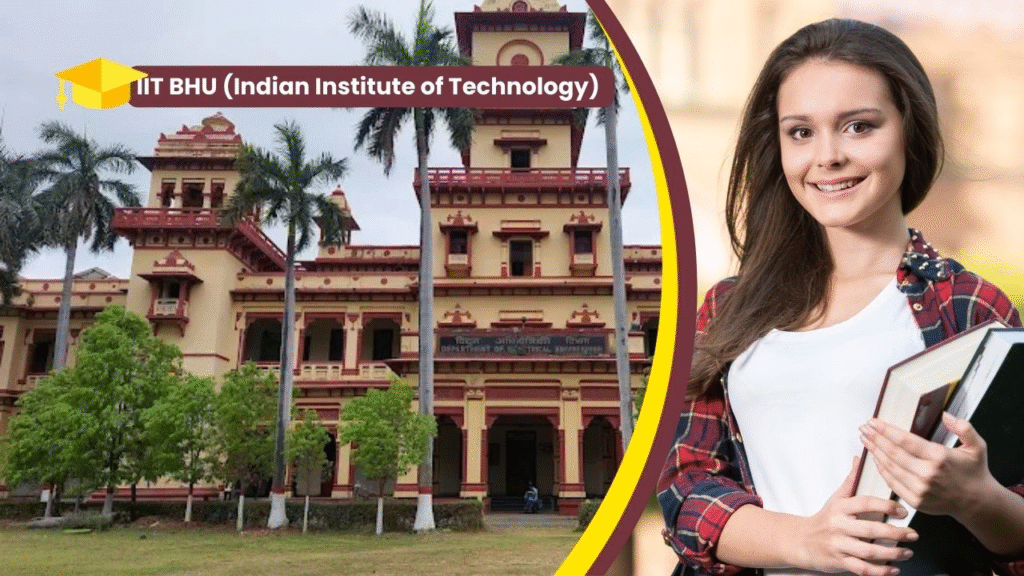
1.IIT BHU (Indian Institute of Technology, Banaras Hindu University) 

IIT BHU : The oldest university in Varanasi which is well-known for its specializations and academic values. It offers world-class education in every field of students. The largest university for technical studies, students from other states came to study here because of their strong curriculum and placement opportunities. 

Admission Insights

For B.Tech: JEE Main and JEE Advanced exam is mandatory to clear, 12th completed with at least 75% score in Physics, Chemistry, Math. admission is also based on JoSAA counselling, seat allocated according to the counseling.

For MTech: GATE score is necessary for the proceedings of admission which followed COAP counseling to allocate seats. 

Other courses: Entrance exams like IIT JAM for MSc required for the admission. 

Specializations Offered

IIT offers a wider range of programs in each field, some of them are incredibly popular due to their worldwide demand. The various specializations are Computer, Electronics, Mechanical, Electrical, Chemical, Metallurgy, Mining, Ceramic, Pharmaceutical, Civil engineering. 

These specializations come on both undergraduate or postgraduate level. Undergraduate degree (B.Tech) is a 5 year course and postgraduate degree (M.Tech) is a 2 year course. Many other courses including MSc, BPharma, MPharma, and PhD programs are also offered in this college.

Placement and Fees

For BTech: Fee is approximately Rs. 8.35 lakhs for the entire program, it may vary on the course’s specializations. Hostel and extra fee are excluded from the entire fee.

Its placement record is good, and offers opportunities around the globe for engineering students. The salary packages vary depending on the students’ placement, ranging from 7 LPA to 14 LPA.

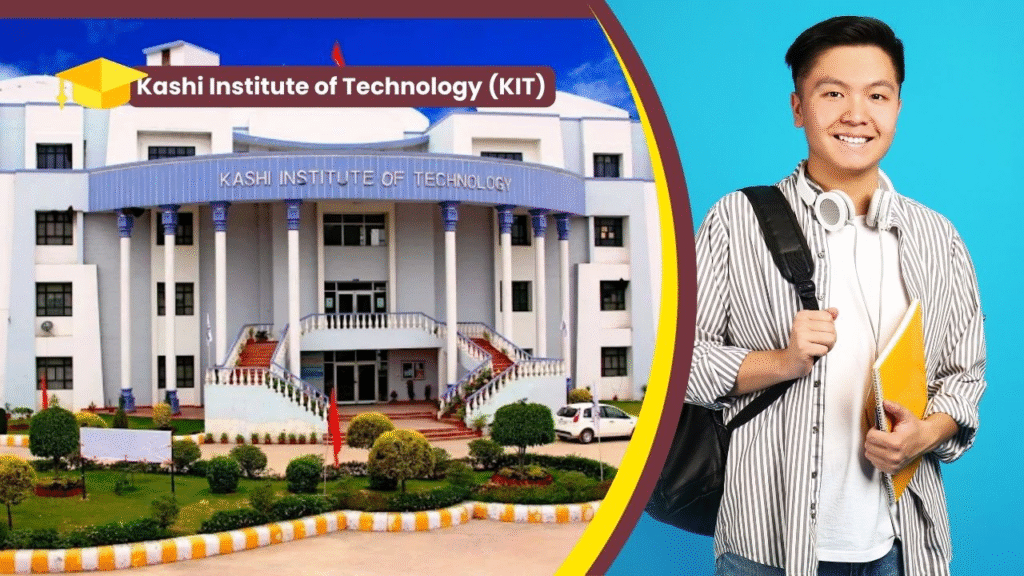
2.Kashi Institute of Technology (KIT)

Kashi Institute of Technology is popular among students for delivering a strong curriculum and training sessions for engineering students. It offers technology, science, and management courses for students to establish their career in their respective field.

Admission Insights

JEE Main is accepted for BTech admission. Another entrance exam is required for the specific courses in this university. 12th percentage must be above 45% with physics, chemistry, math at least to get an admission in BTech. 

Specializations Offered

Undergraduate: B.Tech in various specializations including CS, Mechanical, Civil, Machine Learning, Biotechnology, IT, AI, Electronics, and Electrical engineering. MCA, BCA courses are also available in Kashi Institute of Technology. Diploma in engineering are also available in CS, electrical, and IT at low fees.

Also Read : Top 10 High Salary Courses After 12th Science Without NEET

Placement and Fees

B.Tech fee is around Rs. 1.25 Lakhs for a year and it varies on the specific field of specialization. Diploma courses cost you around Rs. 1.8 lakhs for the entire course.

Placement opportunity for all the students is higher, recorded around 70% placement done in previous year. The salary package for BTech graduates in any specific field ranges between Rs. 3.36 – 4.8 LPA. The package is also dependent on the company size and specialization course of the students, it can go up to 18 LPA. 

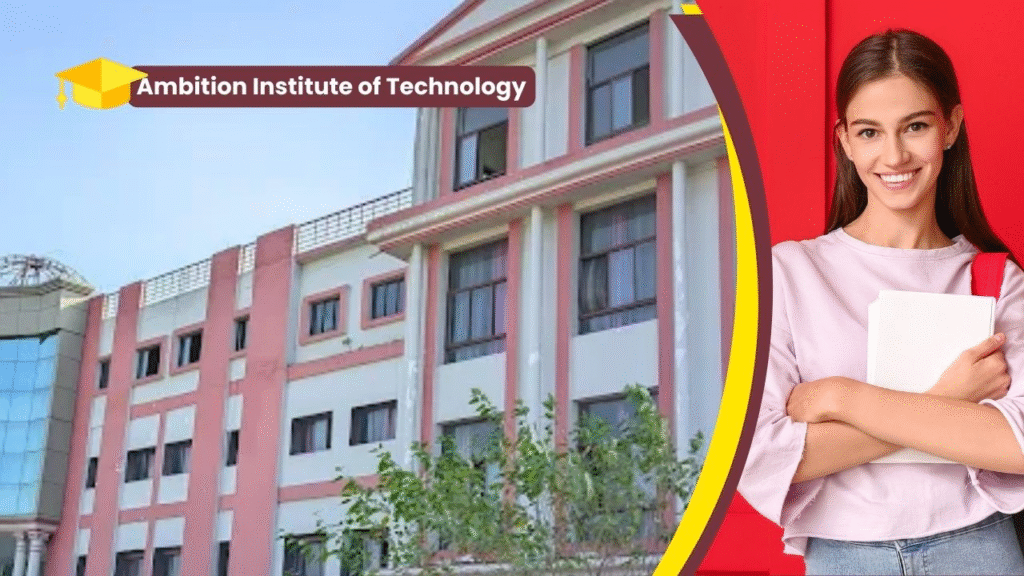
3.Ambition Institute of Technology

Ambition Institute of Technology is a well-known university for engineering courses. Many students prefer to get a higher education in specific specializations. Polytechnic and diploma courses are available in this institute for engineering. 

Admission Insights

For admission in this institute, students must meet the eligibility criteria of university. It requires 35% in 10th marksheet and entrance exams should be cleared by the students like JEECUP. 

Specializations Offered

Polytechnic and diploma courses in various specializations included computer science, electrical, mechanical, electronic, chemical, electrical, automobile, production engineering, and information technology. These courses duration is 3 years. 

Placement and Fees

The total fee for the 3 year diploma course is around Rs. 1,00,800. Placements are offered for every student with a good percentage from the top companies. Major industries like Suzuki Motor, Bajaj, and Reliance offer salary packages around Rs. 3 LPA but international companies can offer up to Rs. 20 LPA.

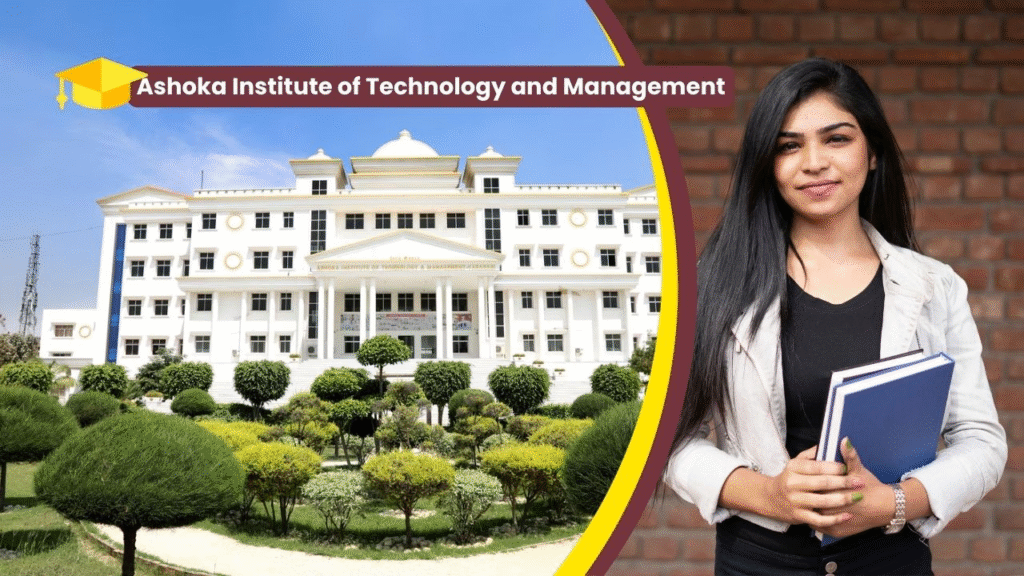
4.Ashoka Institute of Technology and Management

Ashoka Institute of Technology and Management was established in 2010 offering engineering and management courses across various fields. It is affiliated with A.P.J. Abdul Kalam University and approved by AICTE. It provides good infrastructure with labs, smart classrooms, library, auditorium, and sports field, medical facility, and cafeteria. Strong curriculum with experienced faculty to deliver quality education.

Admission Insights

JEE Main and advanced scores are mandatory for engineering programs and AKTU counselling is a final selection round for admission in BTech. 10+2 with PCM percentage must be above 60% for general and above 55% for reserved category. 

For Postgraduation: Graduation degree is necessary with 50% score, UPCET PG and CUET score are required for the admission in master program

Specializations Offered

BTech in various Specializations — Computer Science, Civil, Mechanical, Electronics, Electrical, Biotechnology / Artificial Intelligence & Machine Learning. 

Placement and Fees

B.Tech fee for the entire course is around Rs. 5.16 lakhs. Training and soft skills fee is included but it may fluctuate as it depends on the specific courses. Check the official website of the college for exact details.

Placement offers are high, around Rs. 4.5 LPA but salary package depends on the recruiters that can be up to Rs. 7.6 lakhs.

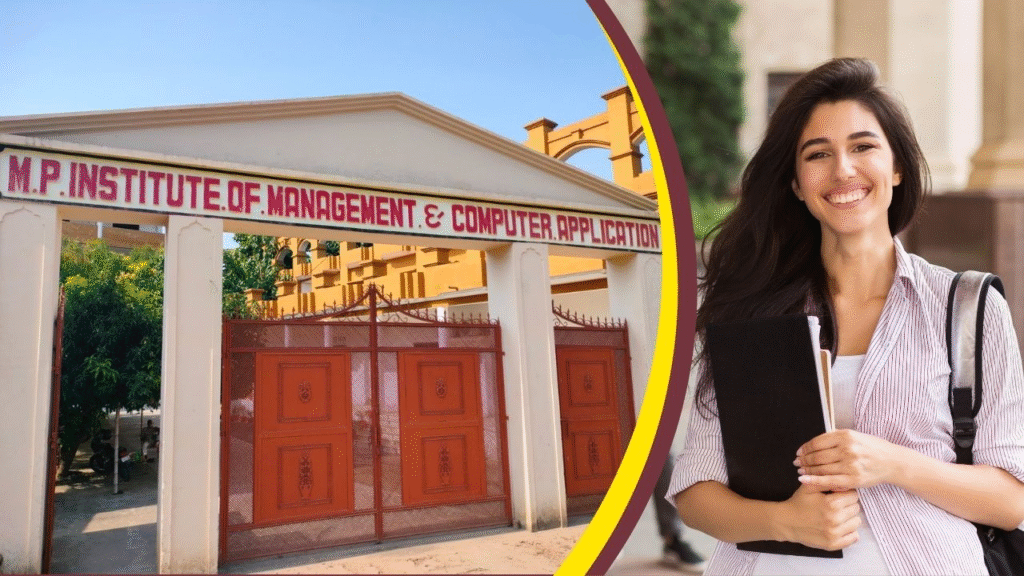
5.MP Institute of Management and Computer Application

MP is a private institution providing Management and Computer Application advanced education. It was established in 2004 in Varanasi and approved by AICTE. It is well-known for high-quality education delivered through various programs.

Admission Insights

Admission in BCA is done on the merits of students. It is mandatory to complete 10+2 with a good score and Mathematics as a subject in 12th. 

Specializations Offered

MP Institute of Management and Computer Application offers Bachelor of Computer Science and postgraduation in Data Science and Artificial Intelligence. PGDM courses available to open further opportunities.

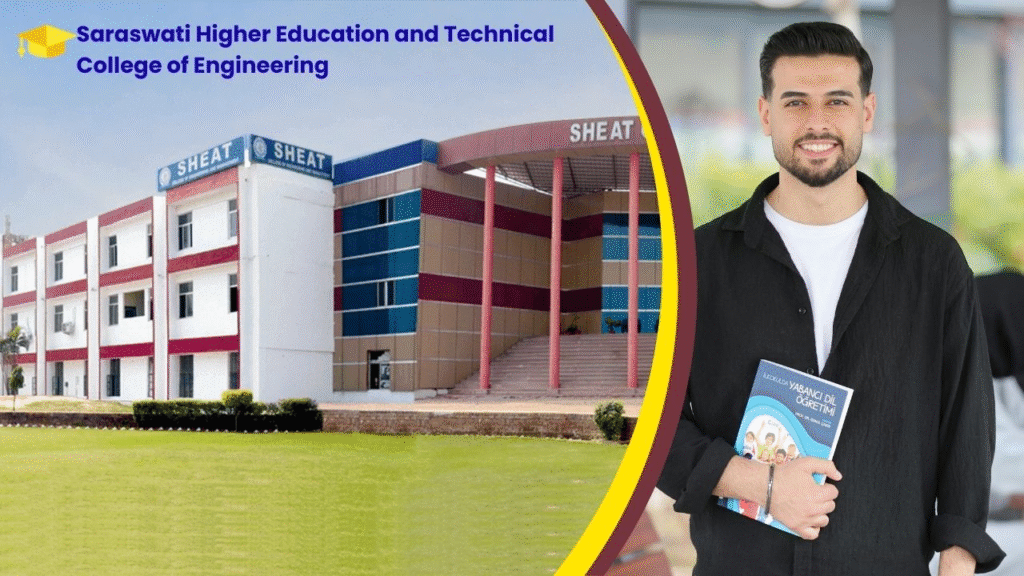
6.Saraswati Higher Education and Technical College of Engineering

Saraswati Higher Education and Technical College of Engineering is a private college with a wider range of courses. It was established in 2008 and approved by AICTE to provide world-class education. It offers not only theoretical lectures but Lab projects and workshops to develop students’ skills. The college also provides a huge library, sports field, cafeteria, shuttle services, medical and ATM facilities. 

Admission Insights

Admission is based on the scores of entrance exams such as UPSEE or AKTU entrance test for BTech and MTech.

The seat allotted after the examination results through counseling. For BTech, students must complete their 10 and 12th with above 60% and Math, Physics, Chemistry must have as a subject in 12th. GATE or UPSEE score is required for MTech program, it must be above 50%.

Specializations Offered

BTech offers various specializations: Civil, Electrical, Electronics, Mechanical, Computer Science & Information Technology. The college also provided these specializations at the post graduate level. 

Diploma courses are also available in the engineering field but admission process and fee may differ to each other.

Placement and Fees

BTech fee depends on the specific specialization, it varies from Rs. 3 Lakh to Rs. 15 lakh. BCA fee is around Rs. 3.40 lakh for 3 year degree program.

This college performs placement drives for students after training modules, mock interviews, and prepares them to connect with recruiters such as TCS, Banks, Bajaj, Reliance etc. Previous year students got placement packages around Rs. 6.42 LPA from HikeEdu and the highest package around Rs. 12 LPA from Tata. 

Conclusion

Choosing the right college totally depends on your budget and preferences, while these Top 6 Best Engineering Colleges in Varanasi will provide strong syllabus, excellent teaching style, and real-world projects to assess every knowledge for the specific field. BTech or MTech is not an easy degree, it requires focus and right support to score well and understand every concept of the deeper topics to become an engineer. That is why the right college is important to choose for engineering.

Leave a Comment

Your email address will not be published. Required fields are marked *

Top 10 Best Medical Colleges in India with Low Fees [2025 List]

If you aim to become a doctor then choosing the right medical college is one of the most important decisions in a student’s life, especially in India, where quality education often comes with a heavy budget. However, not all top medical colleges are expensive. Some of the best government medical colleges in India offer world-class education at low fees. In this article, we’ve listed the top 10 best medical colleges in India with low fees in 2025.

You can explore all their details on courses, fees, and admission process along with their ranking among medical colleges. If you’re a NEET aspirant looking for an affordable medical college this guide will help you to choose the right college for yourself. 

We also instruct you on how to choose the right college, even among all the medical colleges delivering high-quality education. 

Top 10 Best Medical Colleges in India with Low Fees 

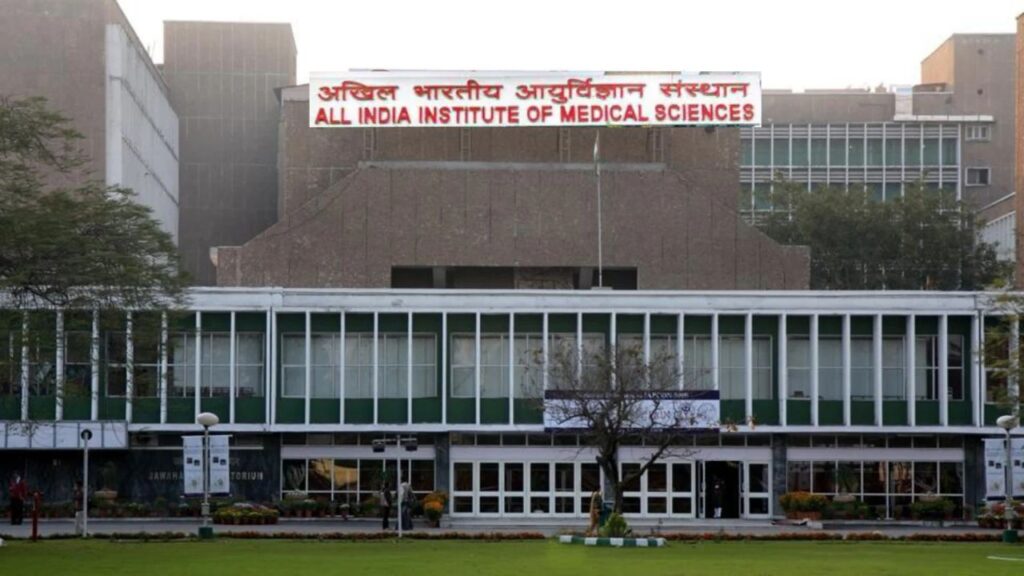
1. All India Institute of Medical Sciences 

Source: AIMS

Ranking#1 in NIRF Medical Rankings 2025
Annual Fees₹1,628 (MBBS)
AdmissionNEET-UG for MBBS, INICET for PG courses
CoursesMBBS, MD, MS, B.Sc. Nursing, MDS

Why AIIMS?

AIIMS Delhi is India’s most prestigious medical college. If you want to be perfect in practical training then it is the best option for you. It provides unmatched clinical exposure, research opportunities, and global recognition with low fees. It offers UG and PG medical programs that deliver enhanced biomedical concepts and training.

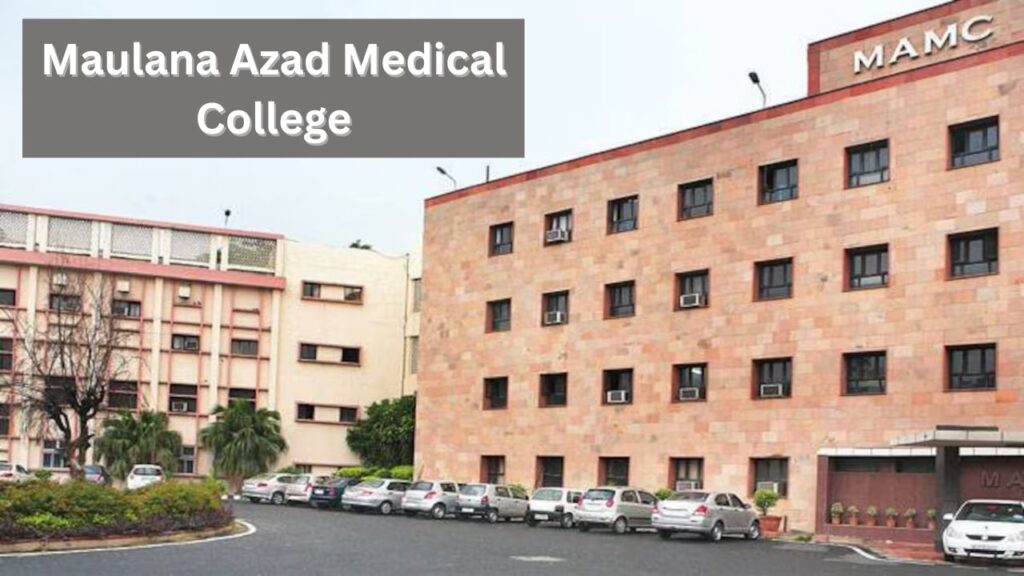
2. Maulana Azad Medical College – MAMC

source: MAMC

RankingAmong the top 5 
Annual Fees₹2,445
AdmissionNEET-UG + Delhi University counselling
CoursesMBBS, MD, MS, Diploma courses

Why MAMC?

MAMC is known for its excellent faculty and top-notch medical training. It’s ideal for those who want the best training for medical procedures. It offers the best clinical exposure due to its affiliation with top hospitals such as LNJP and GB Pant, giving students rich clinical exposure. It also has one of the highest PG entrance success rates in the country.

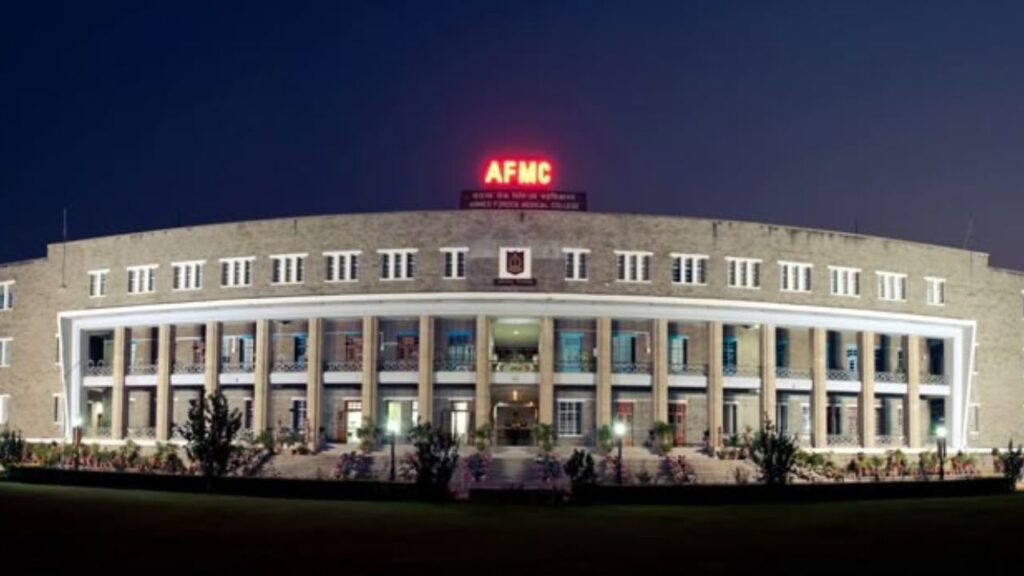
3. Armed Forces Medical College 

source: AFMC

RankingTop 3 medical college for disciplined training
Annual Fees₹31,000 (including hostel and mess)
AdmissionNEET-UG + AFMC screening (interview + medical fitness)
CoursesMBBS, Nursing, PG Diplomas

Why AFMC?

Students who want to be assured of their placement, the AFMC offers students an opportunity in the Armed Forces Medical Services after graduation. Training is best, discipline, and reputation can open up your medical career chances at the next level. However, there is a compulsory service bond after completing MBBS. Students can also get scholarships.

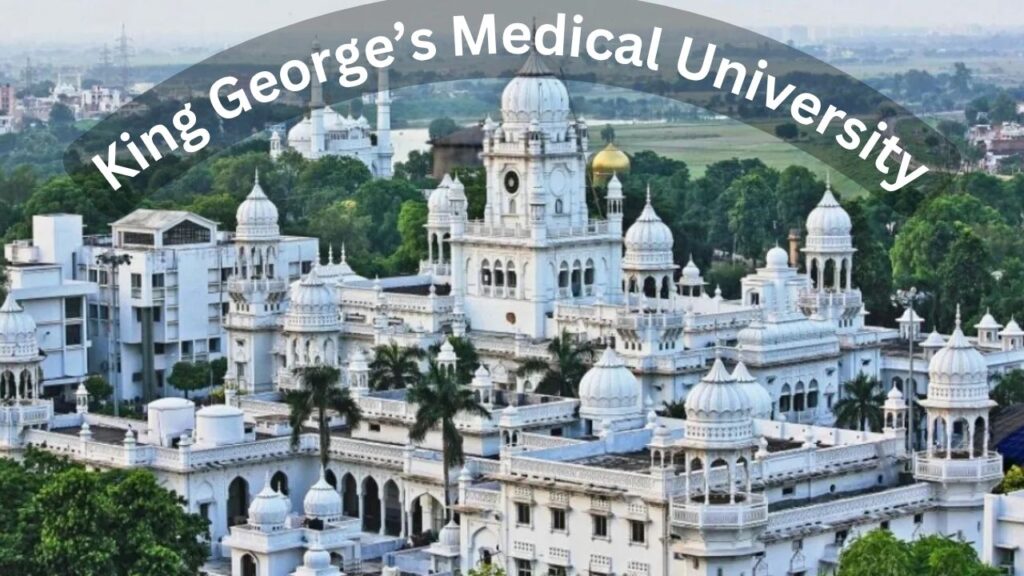
4. King George’s Medical University, Lucknow

Nursing students at King George’s Medical University in Lucknow during clinical training

Source: KGMU

RankingTop 10 as per NIRF 2025
Annual Fees₹54,000
AdmissionNEET-UG for MBBS or other undergraduate programs, NEET-PG for postgraduate
CoursesMBBS, BAMS, Speciality, BDS, MD, MS, Nursing

Why KGMU?

KGMU is one of the best medical colleges for practical training. Thousands of NEET aspirants try to get there for medical courses. It offers advanced labs, highly experienced faculty, and strong placements in both the government and private sectors.

5. Grant Medical College, Mumbai

Grant Medical College, Mumbai

Source: Grant Medical College

RankingAmong the top 15 government medical colleges
Annual Fees₹97,800
AdmissionNEET-UG through Maharashtra State Quota and AIQ
CoursesMBBS, MD, MS, Nursing

Why Grant?

This college is affiliated with JJ Hospital, providing excellent exposure to diverse clinical cases in Mumbai. The disciplined faculty system includes some of the best doctors in the state.

6. Bangalore Medical Research Institute 

Bangalore Medical Research Institute

Source: BMRIC

RankingTop 15 in NIRF
Annual Fees₹70,170
AdmissionNEET-UG via Karnataka KEA counselling
CoursesMBBS, MD, MS, B.Sc. Nursing

Why BMCRI?

BMCRI is one of South India’s best government colleges for NEET aspirants. It is located in Bangalore and is attached to major hospitals like Victoria Hospital and Bowring Hospital. Students mostly wanted to go to this college for postgraduate degrees. 

7. Seth GS Medical College, Mumbai

Seth GS Medical College, Mumbai

Source: Seth GS Medical College

RankingAmong the top 15 medical colleges
Annual Fees₹98,000
AdmissionNEET-UG via Maharashtra CET counselling
CoursesMBBS, MD, MS, Super Specialities

Why Seth GS?

Best medical college in Mumbai for MBBS and other medical programs with its research enhancement. Seth GS Medical College is attached to KEM Hospital, so it delivers advanced education in the medical field. To train their students in the best way possible for hospitals. 

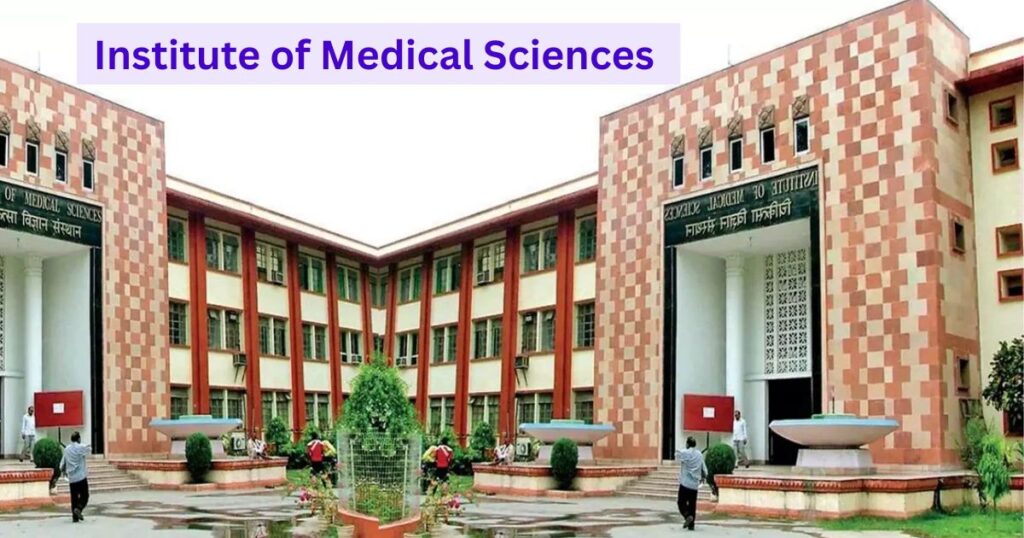
8. Institute of Medical Sciences – Varanasi

Institute of Medical Sciences – Varanasi

Source: IMS-BHU

RankingTop 10
Annual Fees₹13,000
AdmissionNEET-UG + JoSAA/BHU internal counselling
CoursesMBBS, MD, BDS, B.Sc. Nursing

Why BHU-IMS?

BHU-IMS is an academic environment for the medical students to get  well-trained. To become a doctor is what many students dream of, now it’s possible with a low fee structure. It offers strong research support and is ideal for Uttar Pradesh aspirants.

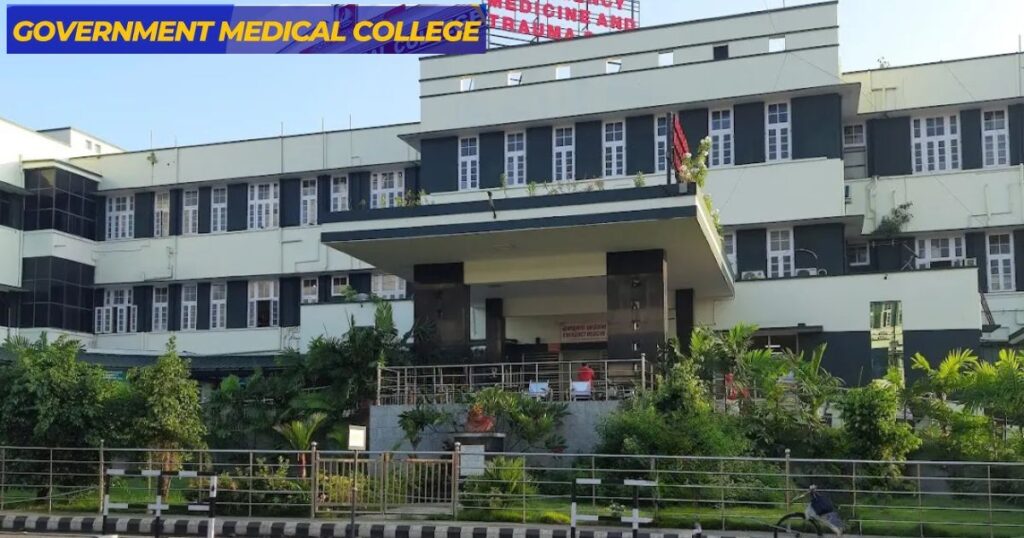
9. Government Medical College, Kerala

Government Medical College, Kerala

Source: Government Medical College

RankingAmong top 20
Annual Fees₹22,000
AdmissionNEET-UG via Kerala KEAM counselling
CoursesMBBS, MD, MS, Paramedical

Why GMC-TVM?

One of Kerala’s oldest and most reputed medical colleges. Students who want to study in an academic environment can get admission to this college. It creates some of the highest-scoring PG aspirants and is known for its patient inflow, excellent teaching, and disciplined academic culture.

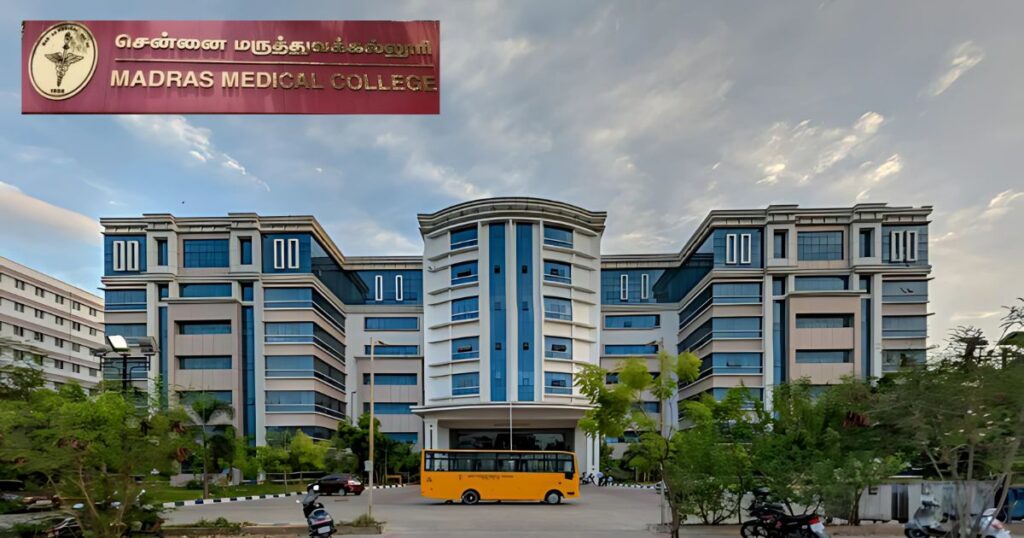
10. Madras Medical College, Chennai

 Madras Medical College, Chennai

Source: Madras Medical College

RankingAmong top 15
Annual Fees₹13,610
AdmissionNEET-UG via Tamil Nadu State Quota + AIQ
CoursesMBBS, MD, MS, Nursing, Super Speciality

Why MMC?

MMC college was founded in 1835 and is known for its best medical education. It continues to provide outstanding training and is attached to major hospitals like the Rajiv Gandhi Government General Hospital. Graduates are highly respected in both the government and private sectors.

Note: For exact fee details you can visit the official website of the college and check out.

How to Get Admission in These Colleges?

1. Clear NEET-UG: This is mandatory for all MBBS and other courses in medical admissions in India.

2. Register for Counselling: You can choose either AIQ through MCC or State Quota via the respective state portals.

3. Get your step into the Choice Filling & Seat Allotment

4. The last part after you get shortlisted is Document Verification & Admission Confirmation.

Note: For top colleges like AIIMS, AFMC, and MAMC, your NEET rank should ideally be within the top 1000–5000. 

Career Scope After MBBS

Completing MBBS from a reputed government college gives you several career options, that is the reason why choosing the right college for a medical degree is important:

  • Further studies in the medical field like MD/MS/DM in India or abroad through exams like NEET-PG, USMLE, PLAB
  • Government Jobs in various departments such as AIIMS, ESIC, Railways, State or city Hospitals, Army Hospitals, and many more. It offers you lifetime financial stability and security.
  • Become a doctor in Private Hospitals, or Join Corporate Hospitals, and own the clinic.
  • You can also choose your career in medical research.
  • Health Administration is also an option for you. As a medically certified doctor, you can be an instructor or health reporter.

Conclusion

You don’t always need to pay lakhs to get a quality medical education. These top government colleges prove that quality education, hospital exposure, and low fees can go hand-in-hand. If you’re serious about a medical career in 2025, start preparing for NEET with full dedication, and keep these Top 10 Best Medical Colleges in your target list.

Leave a Comment

Your email address will not be published. Required fields are marked *

IIT Delhi Recruitment 2025: Latest Job Vacancies, Eligibility, and Application Process

IIT Delhi Recruitment 2025

Do you aspire to work at India’s leading institutions? The Indian Institute of Technology IIT Delhi Recruitment 2025is a golden chance for engineers, scientists, and academicians to excel in research, teaching or technical support. This year’s recruitment drive has plenty of jobs for freshers as well as experienced professionals. Here’s all you need to help build a great application. 

The Opportunity Awaits

Tuck yourself in among the green corridors of IIT Delhi, bookended by the finest brains in India. The hiring there is more than just filling vacancies. It is interested in motivated individuals who will advance science and technology.  

The institute have positions ranging from Senior Project Scientist to Project Attendant and faculty positions including Assistant Professor.Whether you are a senior seasoned professional or a new graduate, there is a role that could spark your career 

Decoding the Vacancies

The announcement describes eight project vacancies for several technical positions. Here’s a snapshot:

  • Senior Scientist: If you’ve got an M.Tech in Computer Science and a flair for pioneering work, this is your ticket. ​
  • Senior Assistant/Junior Assistant: For B.Tech or BE in Computer Science holders, these are stepping stones to a research oriented future.​
  • Scientist (Civil Engineering): If civil structures are your passion and you have a minimum of 3 years experience in the field, you’re in!​
  • Attendant: Just like aspirants of the position of Technician in the IITs, this is also an inclusive call considering even those with an experience of three years post 12th standard, which makes it easy to apply for a lot of people.​
  • Project Manager: If you’ve 8–12 years of experience & leadership is your essence, then you have a chance in there. 

There are vacancies for faculty, mainly Assistant Professors, in numerous departments (with Grade distinctions according to experience) for those holding a doctorate and possessing teaching skills. 

Selection: More than Just a Test

The scrutiny at Iit Delhi is but a fair one. Project posts are decided on the basis of your academic record, past experience and by how you come across in the personal interview. For numerous jobs in technology, the walk-in interview style is straightforward and more fun, no drawing it out. 

Academic and certain administrative roles have a two-stage process: testing and a presentation and a panel interview, to assess your knowledge of the subject and your teaching style. Good time management and clear communication also go a long way here. 

Are You Eligible?

Every position has different educational requirements. Senior positions require you to possess a Master’s or a PhD. B.Tech/BE candidates apply for project posts, while support posts offer chances to all those who have completed their 12th standard, provided they have work experience. This kind of approach is coming IIT Delhi’s ecosystem with a diverse team. 

The faculty and executive positions involve not only academic milestones but also practical experience in well-known organizations or the industry. Be sure to read the notification properly — this is the key to losing out on your dream job on a technicality. 

Read More 👉 WBSSC Result 2025 Declared – Direct Link to Check Your Score & Rank

How to Apply: Step-by-Step Guide

Follow Notification: Initially you can grab the official notification from the IIT Delhi site.​

Get your documents in order: You should have your educational certificates, mark sheets, experience letters, and ID proofs in a file that you can submit.

Attend the Interview: For most project posts, walk-in interviews mean that you just need to appear at the institute’s address on a particular date.

Online/Offline Application: Certain positions require online applications—access the application form using the recommended browser, and complete the form with exact details as mentioned in the notification. For special notifications (e.g. Project Manager) please attend the offline process before deadlines.

Check the Eligibility: Before applying make sure that you fulfill all the eligibility criteria- it will save your time as well as disappointment. 

Tips for Success

  • Walk in interviews for which you need to Arrive early; Punctuality always makes a good first impression.
  • If you’re invited for an interview, have crisp answers ready about your projects, your strengths, and your goals.
  • Study technical topics related to your position, as the interviewers will like that you know more than the basics.
  • Have your documents all in order, in both digital and hard copy format. 

The Promise of IIT Delhi

Work at IIT Delhi is the perfect combination of rigorous academics and real social impact. You will be joining new projects, training new leaders, and collaborating with experts from abroad. The transparent and objective selection process assesses each candidate on skills, past work, and goals. 

The Closing date for IIT Delhi Recruitment 2025 Application is on the way. So get ready, give it your all and prepare to be transformed. 

Conclusion

The IIT Delhi placement 2025 will give you an opportunity to get into one of the best institutes in India. The result is a spirit of innovation, excellence and focus that permeates every aspect of daily activity. Whether you’re a new graduate seeking your first research position or an experienced professional ready to lead teams, the numerous job opportunities cater to all skill sets. The fair wages, solid job growth, and inspiring work place make this more than just a job. It enables you to contribute to creating a narrative which directs India’s science and tech development. Be prepared well, keep visiting for updates and all the best for a bright career at IIT Delhi. 

Leave a Comment

Your email address will not be published. Required fields are marked *

Top 10 Best Government Jobs in Bihar You Should Apply for in 2025!

Best Government Jobs in Bihar

Finding a stable, respected, and rewarding job in Bihar is not hard because government jobs can provide you with all of these features. I have maintained a list of the Best Government Jobs in Bihar along with their details. Whether you are a 10th, 12th pass, graduate, or even a postgraduate, there are roles in various government ministries and departments for different-level jobs. 

Government jobs are still the first choice for many because of job security, high salary, reputation, and long-term benefits like a pension. Whether you’re from a rural or urban background, Bihar has options for all.

Each job has different eligibility, salary, and exams for selection. Worth applying for any government job because it will also provide you with career growth. 

    This exam is designed to recruit high-level administrative roles. One of the best and hardest exams in Bihar. Popular posts include:

    • Deputy Collector
    • Block Development Officer (BDO)
    • Revenue Officer
    • DSP (Police Officer)
    • Supply Inspector
    EligibilityAge LimitSelectionSalary
    Graduate in any stream21–37 yearsPrelims → Mains → Interview₹50,000 – ₹70,000/month

    If you are interested in the defense sector then you can apply for this job. There are different roles in the Bihar Police Service:

    • Sub-Inspector 
    • Constable
    • Assistant Sub-Inspector 
    • Inspector
    EligibilityAge LimitSelection ProcessSalary
    12th pass to Graduation (depending on post)18–37 yearsWritten Test + Physical Efficiency Test + Medical Exam₹25,000 – ₹45,000/month

    If you want to work in a Peaceful job, with long holidays, ideal for women and parents, teaching jobs have gained a lot of attention in Bihar, especially among women with thousands of vacancies in recent years. Popular posts include:

    • Primary Teacher (Class 1–5)
    • Upper Primary (Class 6–8)
    • PGT (Higher Secondary)
    • TGT (Secondary School)
    EligibilitySelection ProcessSalary
    D.El.Ed/B.Ed + CTET/Bihar TETWritten Test conducted by BPSC₹30,000 – ₹50,000/month (based on class level)

    BSSC is another body that recruits thousands of candidates for various roles which offers plenty of vacancies and it’s easy to prepare. Popular posts include

    • Clerk
    • LDC (Lower Division Clerk)
    • Assistant
    • Data Entry Operator
    • Stenographer
    EligibilityAge LimitSelection ProcessSalary
    12th pass or Graduation18–37 yearsWritten Test + Skill Test (for some posts)₹20,000 – ₹40,000/month

    These are all office-based jobs which offer fixed working hours. Judiciary departments in Bihar offer non-legal posts like:

    • Clerk
    • Peon
    • Stenographer
    • Assistant
    • Court Manager
    EligibilitySelection ProcessSalary
    10th/12th pass or GraduationWritten Test + Typing/Skill Test₹22,000 – ₹40,000/month

    Read More 👉 Bihar Panchayati Raj Technical Assistant Recruitment 2025

    Various roles for local development recruited under schemes like MGNREGA and PMAY, Bihar Government hires for local development roles like:

    • Panchayat Secretary
    • Block Program Officer
    • Technical Assistant
    • Computer Operator
    • Rozgar Sevak
    EligibilitySelection ProcessSalaryWhy Apply
    Graduate or Diploma in a related fieldWritten Test + Document Verification/Interview₹20,000 – ₹35,000/monthLocal postings, social impact, and less stressful work

    If you are interested in working for the health department then Bihar health sector jobs are in demand after COVID, especially under the National Health Mission (NHM). Popular posts include:

    • Community Health Officer (CHO)
    • Staff Nurse
    • Pharmacist
    • ANM / GNM
    • Lab Technician
    EligibilitySelection ProcessSalary
    Diploma/Degree in Nursing OR PharmacyWritten Test + Document Verification₹25,000 – ₹40,000/month

    Government-funds schemes are implemented under this department. These schemes are initiated for the Bihar Development projects. You can apply for these roles if you are interested in office-based and project-related work. Some common posts are:

    • Gramin Awas Sahayak
    • Account Assistant
    • MIS Executive
    • Junior Civil Engineer
    EligibilitySelection ProcessSalary
    ITI/Diploma/GraduateWritten Test + Skill/Trade Test₹18,000 – ₹35,000/month

    If you want financial security and fast promotions then banking jobs can offer you that. The Bihar government recruits candidates for public banks each year. You can apply for the following common posts: 

    • Clerk (Office Assistant)
    • Probationary Officer (PO)
    • Officer Scale I, II, III
    EligibilitySelection ProcessSalary
    Graduation in any disciplineIBPS Prelims → Mains → Interview₹30,000 – ₹60,000/month

    Those with basic education can apply for Group D posts in the railways or post offices. There are several jobs that are common:

    • Railway Group D (Helper, Track Maintainer)
    • Postman/Gramin Dak Sevak
    • Peon, Watchman, Office Assistant in various departments
    EligibilitySelection ProcessSalary
    10th passMerit-based or a simple written test₹18,000 to ₹30,000 per month

    Start early Preparation: For common posts, Group D has easy exams that can be prepared within 4-6 months but some exams like BPSC or BSSC take 6–12 months of preparation.

    Know the syllabus and exam pattern: Focus on Bihar GK, Current Affairs, Math, and Reasoning more.

    Practice daily: To finish the exam in a given time you need to be prepared with practice like Mock tests.

    Stay updated: Check on recruitment announcement on the official Bihar Government website. Here are the websites for Bihar government job updates:

    bpsc.bih.nic.in

    bssc.bihar.gov.in

    state.bihar.gov.in

    Keep multiple options open: Know your interest in the field and then apply for the role but apply for at least 2-3 roles to increase chances.

    There is no shortage of good government jobs in Bihar if you are ready to prepare and stay consistent. Don’t waste your time thinking that you can’t beat the competition, the core syllabus and the right strategy for exams can help you get high level jobs. 

    Whether you’re aiming for a high-ranking BPSC officer post or want a peaceful teacher’s life, the Bihar government also gives a chance to 10th pass students who want to start earning early and become a government employee. Choose any of the Top 7 Best Government Jobs in Bihar that ensure respect, stability, and financial peace for the long term.

    Leave a Comment

    Your email address will not be published. Required fields are marked *

    Scroll to Top