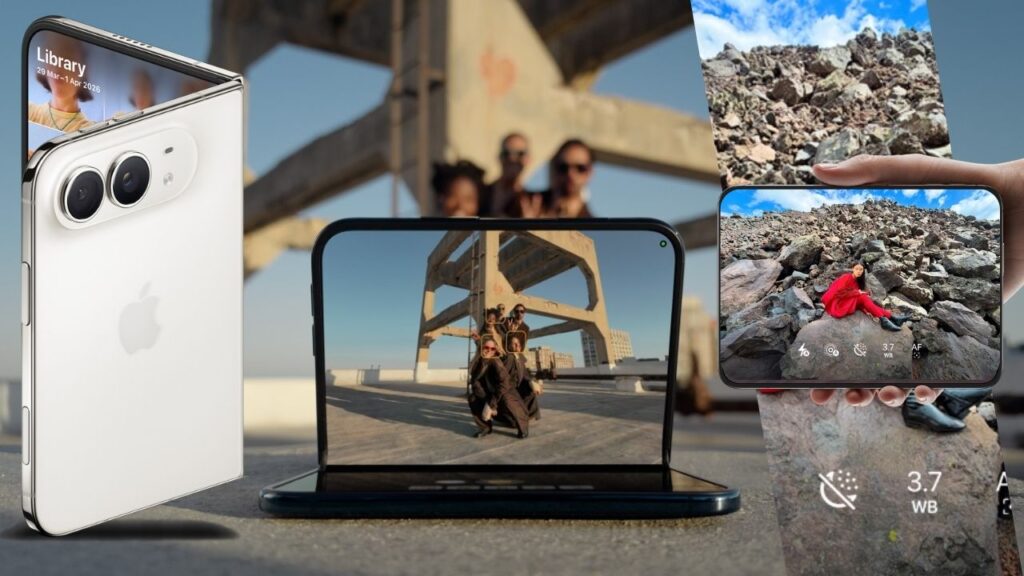
The Apple’s iPhone Duo is unlike any iPhone before with foldable versatility and 50% larger screen than iPhone 18 Pro Max. Apple iPhone Duo price started at ₹2,99,900 for a base 256GB model. The EMI run down to ₹48,817 a month sounds almost manageable until you realise that’s just for the base model if you want more space, the cost is going higher.
The top 2TB configuration crosses ₹4,49,900, either way, Apple’s first foldable is the most expensive iPhone the company has ever sold in India, and pre-orders open at 5:30 PM IST on October 16, with units shipping from October 23.
Between No Cost EMI, card cashback, and trade-in credit, there are real ways to bring the effective cost down, and just as many ways to misread the fine print and end up paying more than you expected.
What the Apple iPhone Duo Costs in India
Apple has published pricing for all four storage tiers of the Duo:
- 256GB — ₹2,99,900
- 512GB — ₹3,24,900
- 1TB — ₹3,74,900
- 2TB — ₹4,49,900
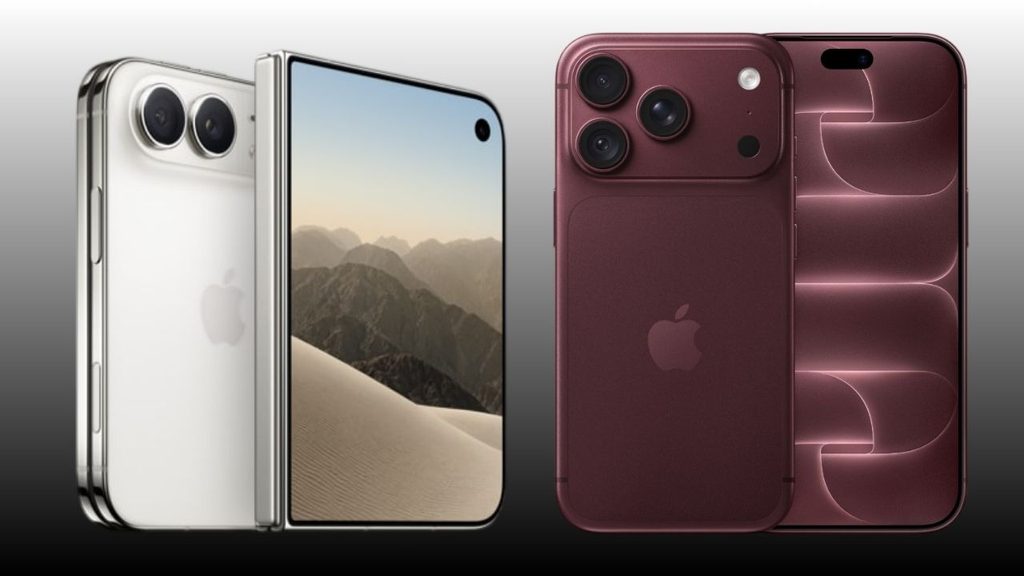
The iPhone 18 Pro starts at ₹1,64,900 and the iPhone 18 Pro Max at ₹1,79,900. The Duo’s entry price is roughly ₹1,35,000 above the Pro — not a small step up, and one reason Apple’s foldable debut in India has drawn as much attention for its billing as for its 7.6-inch inner display and A20 Pro chip.

Unlike the standard iPhone 18 line, the iPhone Duo isn’t manufactured locally, so import duty and GST land on top of a device that already costs more to make. In the US, the same phone starts at $1,999 (roughly ₹1.7 lakh at the going exchange rate) — a reminder that Indian pricing on the Duo carries a heavier markup than usual, even by iPhone standards.
Apple iPhone Duo EMI: What Costs You Per Month
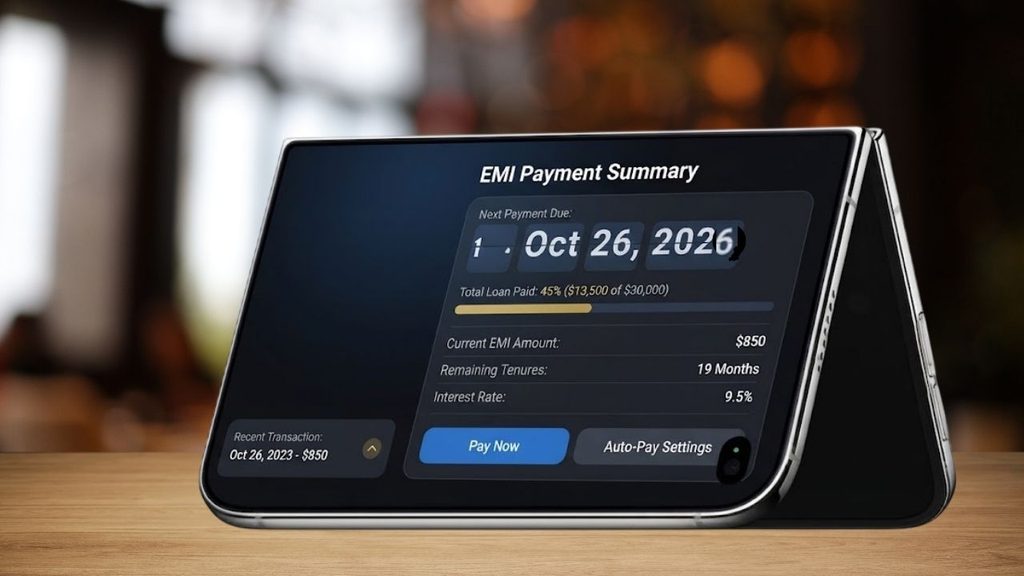
Apple’s No Cost EMI on the Duo runs over 3 or 6 months through most major card issuers — noticeably shorter than what Apple offers elsewhere. The US gets 24-month Apple Card Monthly Installments at roughly $83/month; the UK gets 30 months at 0% APR, working out to about £67/month. India’s 6-month cap is the shortest interest-free tenure Apple offers on the Duo anywhere, which is exactly why the monthly number here looks so heavy.
Published monthly EMI figure against each storage tier, and what six payments actually add up to versus the list price:
| Storage | Monthly EMI | 6-Month Total | Savings vs List Price |
| 256GB | ₹48,817 | ₹2,92,902 | ₹6,998 under |
| 512GB | ₹52,983 | ₹3,17,898 | ₹7,002 under |
| 1TB | ₹61,317 | ₹3,67,902 | ₹6,998 under |
| 2TB | ₹73,817 | ₹4,42,902 | ₹6,998 under |
The Cashback Catch: ₹15,000 Sounds Bigger Than It Is
Apple India advertises “up to ₹15,000 instant cashback” across its entire store for customers using eligible American Express, Axis Bank, or ICICI Bank cards. That ₹15,000 is a store-wide ceiling — it’s not a number attached to the Duo, or to any single product.
Run the EMI math above and the actual deduction baked into Apple’s Duo pricing lines up with ₹7,000, the same figure that’s been reported for the iPhone 18 Pro launch offer. Budget for that, not for ₹15,000.
A few conditions apply regardless of which figure you’re chasing:
- Minimum transaction value of ₹10,001
- Maximum two qualifying orders per rolling 90-day period
- Not available to Business Store customers, and can’t be stacked with Education or Corporate Employee Purchase Plan pricing
- Apple India explicitly reserves the right to revise or withdraw these terms without notice
Apple hasn’t published a cashback figure specific to the Duo, a list of exactly which card variants qualify, an AppleCare+ price for the folding display, or what a screen repair would cost outside warranty. If any of those numbers matter to your decision, wait for the October pre-order.
Read More 👉 Your Dollar Income Isn’t Fixed: How INR Volatility Changes Freelancers Earning
Turning Your Old iPhone Into a Down Payment
Apple’s exchange program advertises “save up to ₹62,000” when you trade in an eligible smartphone — available both online and in-store. Treat that ₹62,000 as a ceiling for a high-end device in excellent condition, not a number your specific phone will hit.
A three-year-old iPhone with a cracked back glass is not pulling anywhere near that figure. If trade-in is central to your plan, get an online valuation for your exact device and condition before pre-order day, so you’re not recalculating your budget at checkout.
Third-party platforms like Cashify have historically run parallel exchange bonuses on top of card-linked EMI offers — ICICI’s Instant EMI programme has combined a 24-month deferred payment structure with additional exchange bonuses up to ₹6,000 on older iPhone models.
The ICICI offer terms currently list iPhone 16 and 17-series devices, not the Duo. It’s reasonably expected that Duo-specific versions of these programmes will show up once pre-orders open.
Where You Can Buy Apple iPhone Duo
Apple India’s own store — with UPI, net banking, and EMI on eligible cards — is the confirmed channel from October 23. Authorized Apple resellers and large retail chains are expected to carry it too, based on how Apple has rolled out every recent flagship.
Amazon and Flipkart listings are widely expected to go live around the launch window, though neither platform has published Duo-specific financing or exchange terms as of now.
If a Bajaj Finserv No Cost EMI card or a Flipkart-specific bank offer matters to your plan, that’s one more thing to check on launch day rather than assume.
Apple iPhone Duo vs iPhone 18 Pro Max: Is the Jump Worth Financing?
The comparison that actually matters for your wallet isn’t Duo-to-Duo storage tiers — it’s Duo versus the iPhone 18 Pro Max, since that’s the next phone up in Apple’s current India lineup.
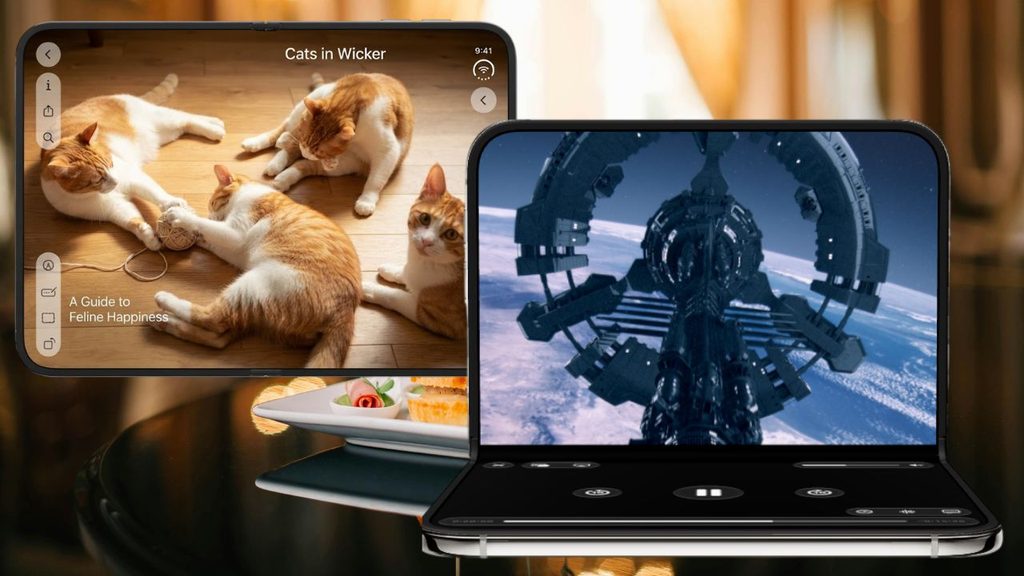
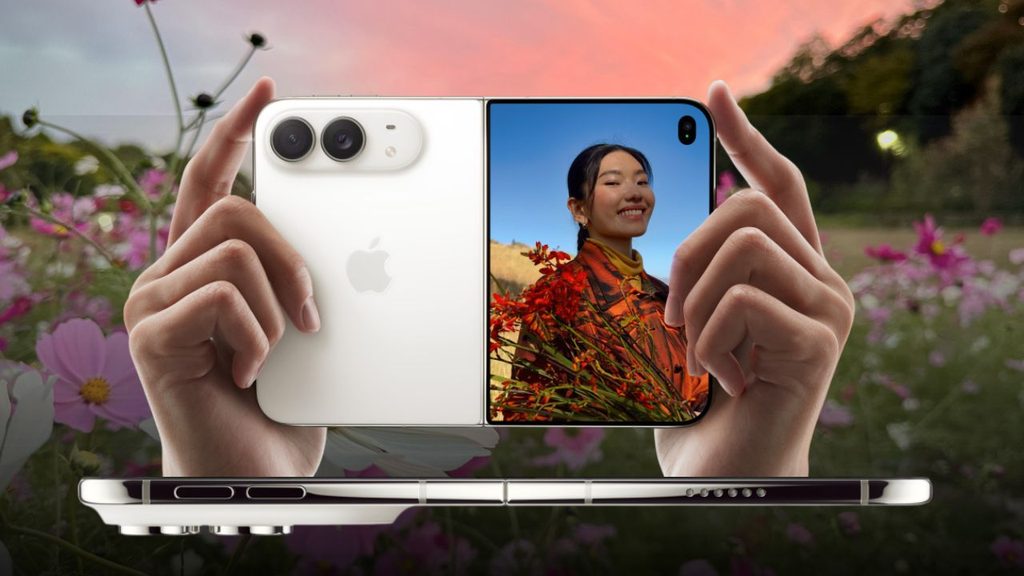
The iPhone 18 Pro Max starts at ₹1,79,900, less than two-thirds of the Duo’s ₹2,99,900 entry price, and runs on the same A20 Pro silicon. What you’re paying the extra ₹1,20,000 for is the fold itself: a 7.6-inch inner display Apple says is 50% larger than the Pro Max screen, a 5.4-inch cover display carrying over 90% of the Pro Max’s screen area when closed, and software in iOS 27 built specifically to adapt across open, half-folded, and closed states — split-screen Safari and Siri-driven multitasking that the Pro Max’s single flat screen can’t replicate.
That’s the real difference between these two smartphones. It’s a much harder case to make if your actual use is calls, camera, and social media, where the Pro Max’s flat 6.9-inch OLED does the job for a lot less money and without a hinge to eventually worry about. If the fold itself isn’t pulling you toward the Duo, the EMI math above becomes a much easier decision: skip it.
There’s also a first-generation-hardware question worth asking before you commit six months of EMI to it. The Duo’s hinge uses more than 100 parts and a magnet array to snap shut, sits under a titanium frame, and pairs Ceramic Shield 2 on the outer front with regular Ceramic Shield on the back — Apple’s most reinforced build on any iPhone. That’s a serious engineering effort, but it’s also Apple’s first attempt at a folding mechanism, with no multi-year track record the way the flat-screen Pro Max has.
If you’ve never owned a folding phone and are financing this on EMI you can’t easily walk away from, it’s worth being honest about whether you’re the kind of owner who’ll baby a hinge for two years, or the kind who’ll drop it once every four months.
Read More 👉 Foreign Education Loan Currency Explained: How INR Depreciation Can Increase Your Loan Cost
Apple’s eSIM-Only & 31 Hours Battery Power Doesn’t Affect On Duo Costs
The Apple iPhone Duo has no physical SIM tray, anywhere in the world. Every line runs on eSIM, with two eSIMs active at once and room to store eight or more profiles. Apple says this is part of why the phone manages up to 31 hours of video playback on the inner display and up to 44 hours on the outer one — the tray took up space that now goes to the dual-battery system instead.
That’s not a deal-breaker in India, where Jio, Airtel, and Vi have supported eSIM on postpaid and select prepaid plans for years. But it does mean two things worth planning around before you finance a ₹3-lakh phone.
First, if you’re switching from an Android phone with a physical SIM, you can’t just pop the card across — you’ll need to get an eSIM profile issued by your carrier, which usually means a store visit or an app-based request, not an instant swap.
Second, if your trade-in plan involves handing over your current iPhone the same day you activate the Duo, do the eSIM transfer before you box up the old phone, not after — Apple’s eSIM Quick Transfer works phone-to-phone, but only while both devices are in hand. Neither issue affects what the Duo costs, but both affect how smoothly your launch-day purchase goes, and a botched activation is a bad way to start a 6-month EMI commitment.
Read More 👉 SSC CPO SI CAPF Online Form 2026
Conclusion — Which Financing Route Fits You?
If you’ve got a recent flagship iPhone to trade in for Apple iPhone Duo, exchange + EMI is your cheapest real path — get the online trade-in estimate first, then layer 6-month No Cost EMI with an eligible Axis, ICICI, or Amex card on whatever balance is left.
If you don’t have a trade-in and want the lowest monthly hit, 6-month EMI beats 3-month by roughly half the monthly outflow for the same total cost — there’s no financial reason to choose the shorter tenure unless your card’s credit limit forces it.
If you’re on the fence about needing the fold at all, the iPhone 18 Pro Max buys you the same chip and most of the camera capability for ₹1,20,000 less, with a financing plan that’s easier on the wallet either way.
And if none of the current numbers work for your budget, waiting past October 16 costs you nothing — Apple, Amazon, and Flipkart have all historically added deeper festive-season offers on new iPhone within weeks of launch, and the Duo’s card-specific cashback terms are explicitly subject to change before then.