Best M Tech Colleges in India Without GATE You Can Apply to in 2025

best M Tech colleges in India without GATE

There are several Best MTech Colleges in India without Gate, you can take admission with other entrance exams and personal interviews. Some top colleges of India for MTech are IITs, NITs, Anna University, Delhi University, Banaras University, and some private universities such as BITS Pilani, VIT, SRM, and Jamia Millia Islamia. Let’s explore the best colleges in India which can offer you an MTech degree.

You don’t have to go through the GATE exam but still  you need to score in their respective entrance exam. Some private institutes like VIT and SRM can offer MTech on merit. These colleges not just provide degrees but also offer placement opportunities to their students. 

Best M Tech Colleges in India Without GATE

IIT Delhi
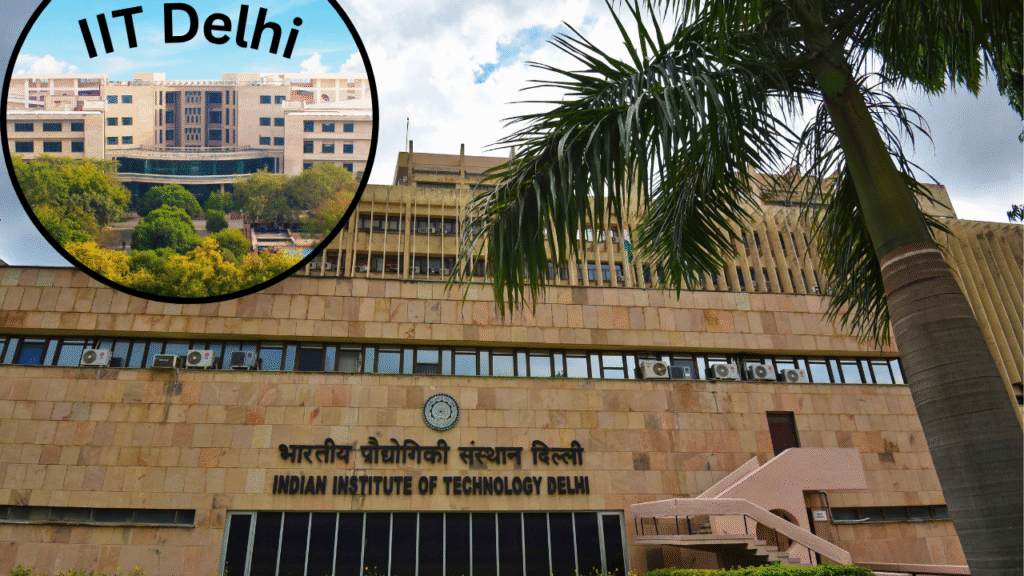
IIT Delhi

IIT Delhi offers admission through GATE but some seats are vacant for the industry-sponsored candidates for MTech. It also offers a part-time MTech program for working professionals. You may have to clear their own entrance exam to get admission. Your graduation CGPA also matters as a part of the admission process. 

Fee (Approx.)₹36,950 per semester
M.Tech SpecializationsComputer Science, VLSI, Data Science, Cyber Security, Structural Engg, Mechanical Design, others
Average to Highest Salary₹18.8LPA – ₹41.1LPA

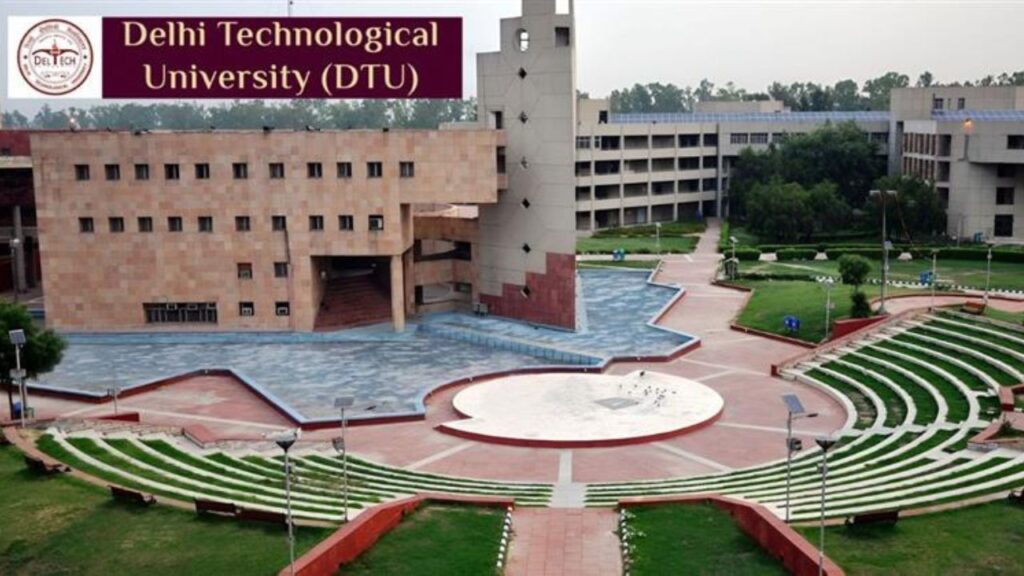
Delhi Technological University

Delhi Technological University

If you are searching for the best college for MTech program in Delhi then this is one of the best in engineering where you can get quality education and placement opportunities. If candidates do not have GATE scores then they must pass the entrance test for the admission. DTU approves candidates with above 60% marks in their Bachelor’s degree.

Fee (Approx.)₹90,000 – ₹1,60,000 per semester
M.Tech SpecializationsCS, IT, VLSI Design, Thermal, Structural, Manufacturing, Mechanical, Electronics, others
Average to Highest Salary₹10 to ₹60 LPA

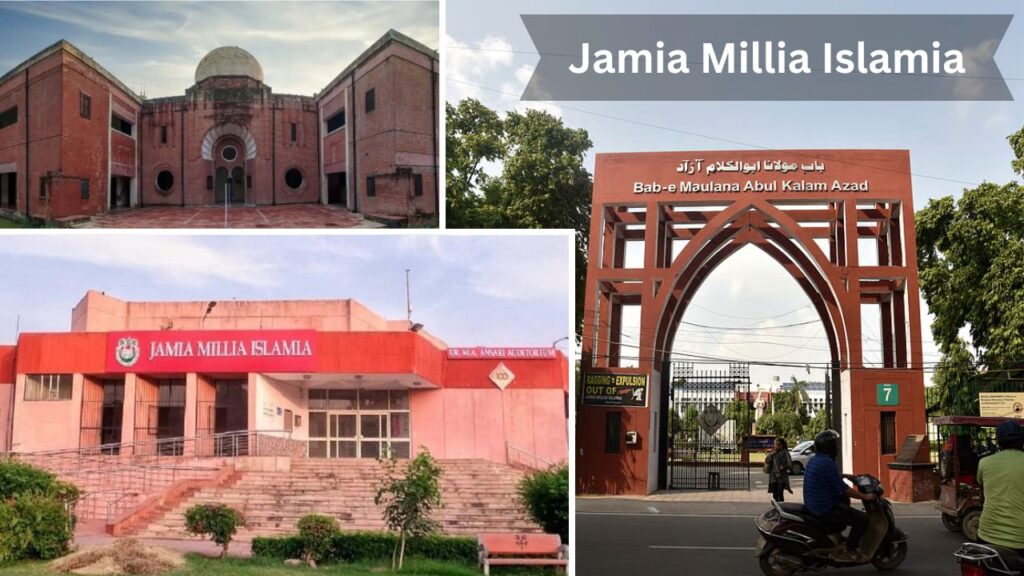
Jamia Millia Islamia

Jamia Millia Islamia

Jamia Milliam Islamia is one of the oldest universities that offers various programs. MTech from this college will be worth your career opportunities. Admission is conducted via GATE but it also offers MTech through their own entrance exam. 

Fee (Approx.)₹18,350–₹56,590
MTech SpecializationComputer Engineering, Env. Science & Engineering, ECE, Mechanical, Nanotechnology, Power Systems, Control Systems, Data Processing, Thermal Engineering, Energy Science, Production & Industrial, Earthquake Engg.
Average to Highest Placement ₹5–₹22 LPA

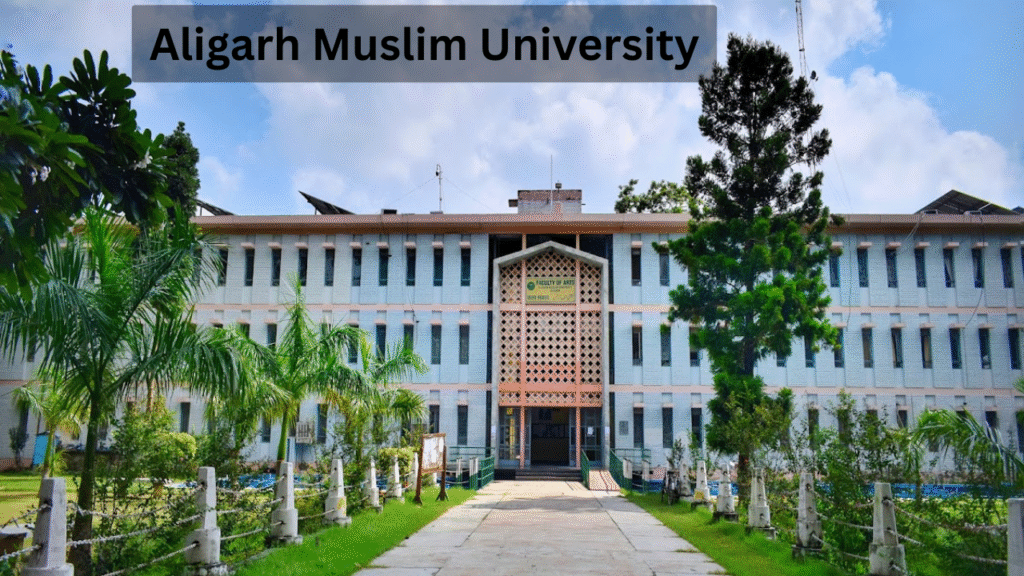
Aligarh Muslim University

MTech offers vast opportunities to the AMU students with good placement opportunities. That’s not it, AMU offers a professional program on a low budget so every student can get equal opportunity for higher education. The admission is done through GATE or their own entrance exam. You can take that entrance exam and secure your seat in MTech.

Fee (Approx.)₹6,000 – ₹15,000 per semester
M.Tech SpecializationsStructural, Electronics, Environmental, Civil, Mechanical, Electrical Machines, CS, others
Average to Highest Salary Package₹5 to ₹20 LPA

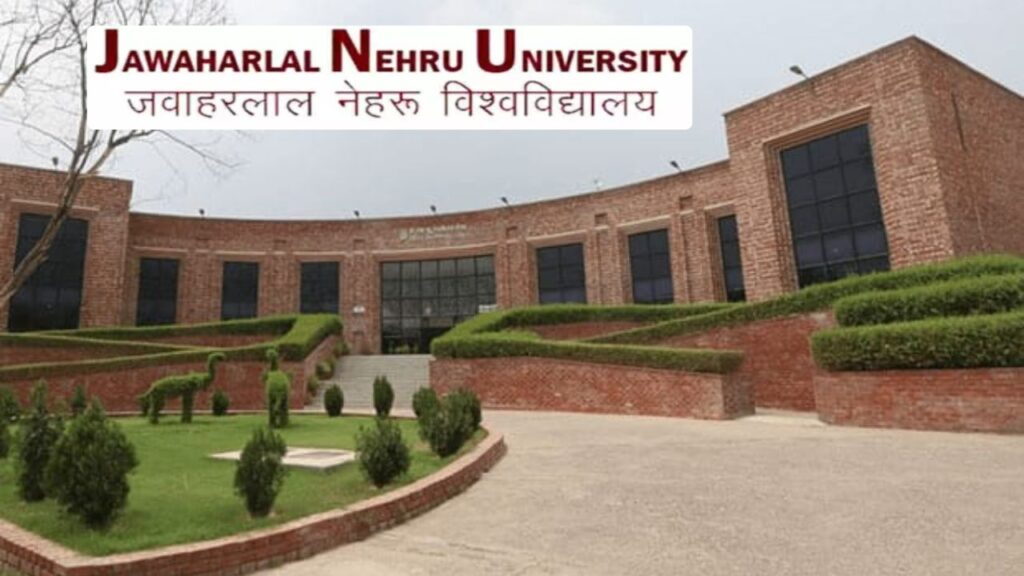
Jawaharlal Nehru University

Jawaharlal Nehru University

JNU offers MTech at lower price, students can easily pursue their higher education but they must have cleared the JNU entrance exam for the admission. Candidates must score 55% above in graduation. 

Fee (Approx.) for MTech in other field₹1.28 Lakhs for entire course
Fee (Approx.) for MTech in CS₹385 per year
MTech SpecializationComputer Science & Technology is a key specialization available at JNU. Other specializations are limited as JNU primarily focuses on niche areas.
Average to Highest Placement ₹11 to ₹33 LPA

SRM Institute of Science and Technology 
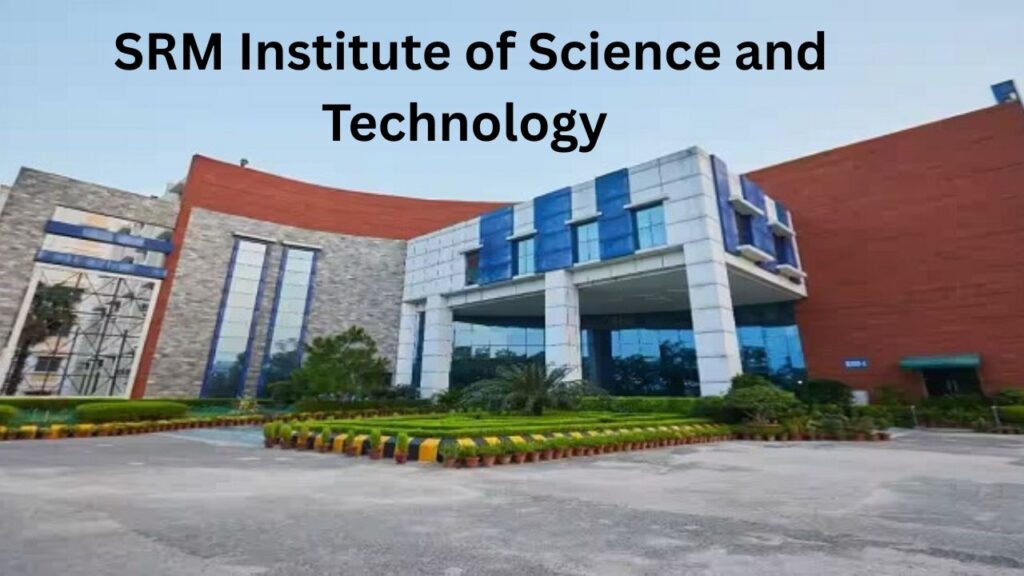
SRM Institute of Science and Technology

This is a private institute which offers MTech in Computer Science, Electronics, and many more. A degree is valuable if you want a good position in the industry, many companies hiring students from this college with a good package. The admission is done through SRMJEEE PG entrance exam other than GATE.

Fee (Approx.)₹1.12 to ₹3.2 lakhs per semester
MTech SpecializationCS, Mechatronics, Biomedical, Chemical, Electronics, IT, others
Average to Highest Placement ₹7 to ₹50 LPA

Read More:- Top Government MTech Colleges in India You Must Know in 2025

BITS Pilani
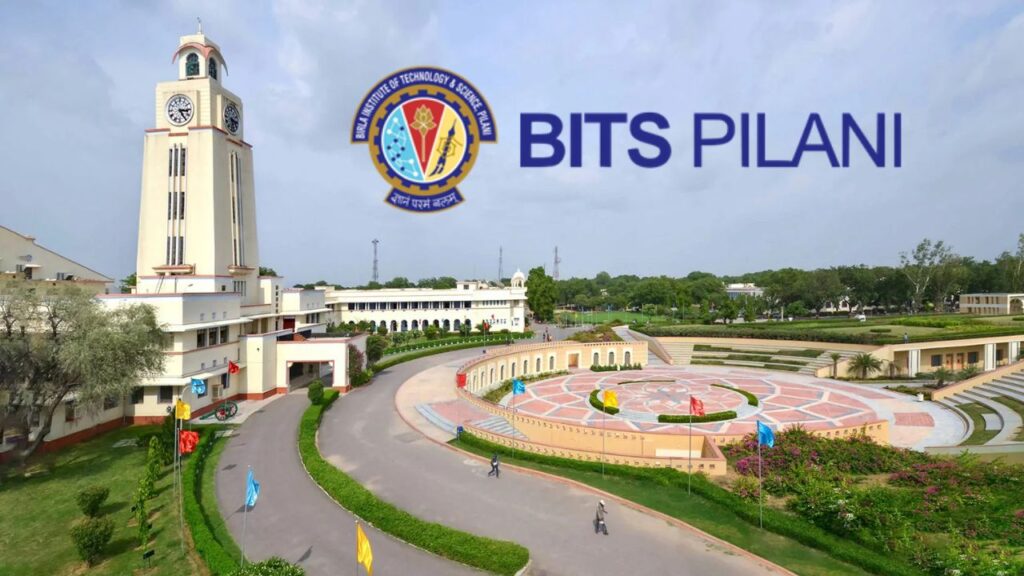
BITS Pilani

BITS Pilani: This is one of the best colleges for MTech programs, you can get admission through your GATE score or BITS HD Test. If you hold a bachelor’s degree with above 60% score in engineering then you are eligible for this program. 

Fee (Approx.)₹2.42 L to ₹10.38 L for entire program
MTech SpecializationBiotechnology, Civil, Chemical, Computer Science, Manufacturing, Microelectronics, Cloud Computing, others
Average to Highest Placement ₹14.45 to 21.6 LPA

Amity University

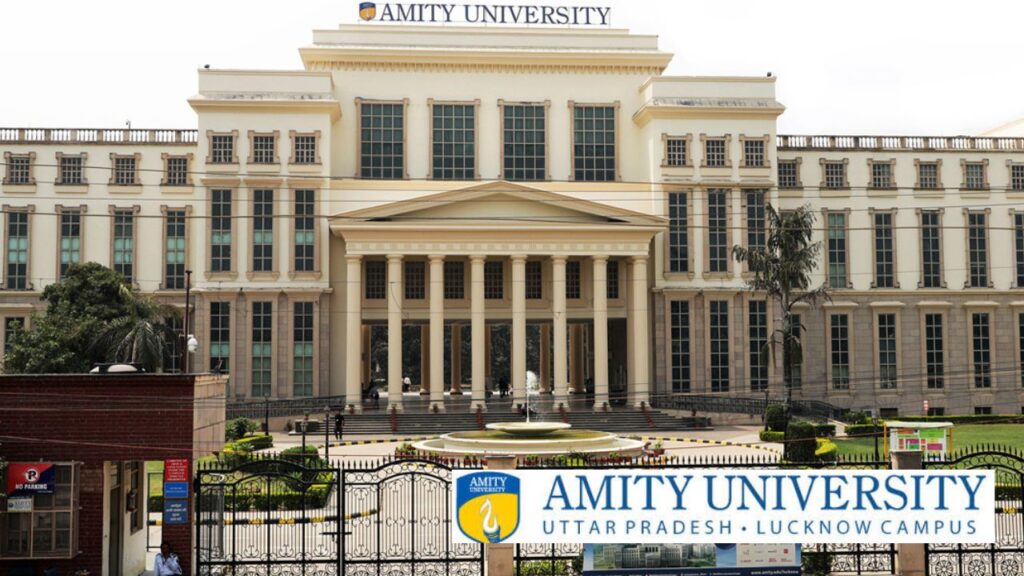
Amity University, Lucknow Campus

Amity is also a private university and offers a good education to the MTech students. Students can get admission through other entrance exams and it depends on your graduation marks. The campus is a good and well-oriented research facility for students.

Fee (Approx.)₹2.9 Lakhs for entire program
MTech SpecializationElectrical, Microelectronics, Mechanical, advanced programs
Average to Highest Placement ₹8 to ₹45 LPA

Vellore Institute of Technology

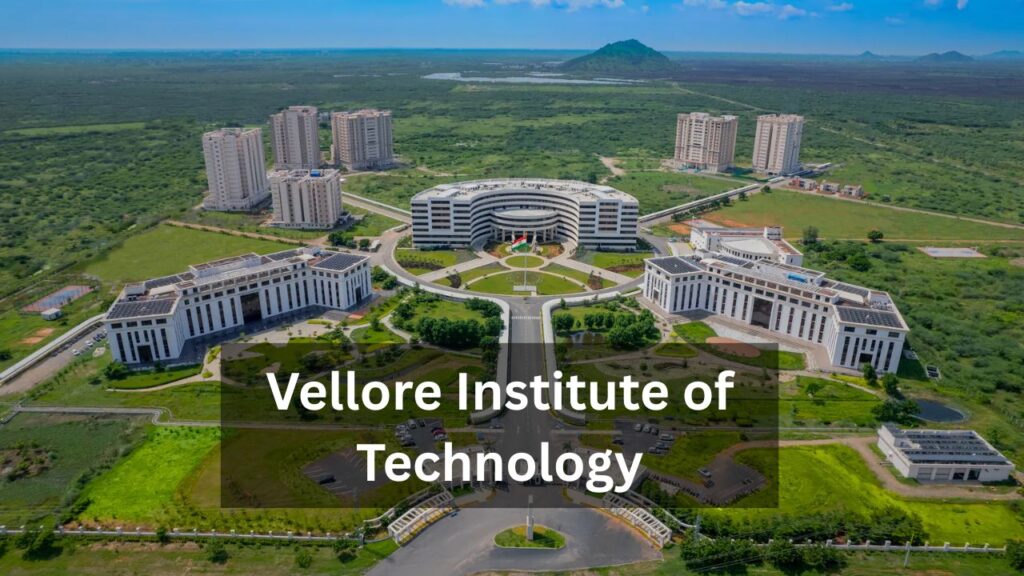
Vellore Institute of Technology

VIT also takes industry-sponsored students and its highly advanced courses are in demand for the industries. An MTech from VIT is worth your career growth and high salary. The admission is done through their own entrance exam. 

Fee (Approx.)₹3.85 Lakh for 2 years
MTech SpecializationMechanical, Computer Science, Civil, Electronics, Advanced IT programs
Average to Highest Placement ₹9 to ₹60 LPA

Conclusion

There are Best MTech Colleges in India without GATE which can open doors to the best opportunities in the top companies. They offer a good salary package because the colleges have provided quality education and industry exposure through their assessments that make them smart and adaptive in industry work. 

Whether you choose Government or private college for admission in MTech. Kindly check their exam fees and admission dates on their official websites. The fee and placement packages we mentioned here are based on approximate data. You must check on their official procedures before applying.


Leave a Comment

Your email address will not be published. Required fields are marked *

UP Lekhpal Vacancy 2025 – 7994 Posts Opening Soon! Eligibility, Exam Dates & How to Apply

The upcoming recruitment for Tehsildar and Lekhpal has been announced on the official website ( http://upsssc.gov.in/). The application form for the UP Lekhpal vacancy 2025 will be available soon. Candidates can apply for the position through the link once the link will be activated. Subordinate Service Selection Commission recruited candidates through PET score and Written exam for Uttar Pradesh Chakbandi Lekhpal. 

The Uttar Pradesh Lekhpal purpose is to survey and collect data on land & revenues. Implementing government schemes like crop insurance or land distribution. The purpose of collecting data is to help resolve matters of land through law & justice. 

If you are interested in surveys, analysis, or collecting data then this is the right job for you. You have to apply online once the link activates on the official website. Clear the examination to get shortlisted in the selected candidate’s list. 

PostLekhpal
OrganizationUttar Pradesh Subordinate Service Selection Commission 
PurposeUP Lekhpal plays a role in maintaining Land records and Revenue data from rural areas.
EligibilityPassed 12th from any recognized board
Application starts15-April-2025
Application ends15-May-2025
Exam Date27-July-2025
Salary RangeRs. 25000-35,000
Official WebsiteClick Here

UP Lekhpal Syllabus 2025

HindiVocabulary, Noun, Pronoun, Verb, Preposition, Adverb, Adjective, Word Formation for Sentences, Phrases, Proverbs, Idioms, Direct & Indirect.
MathematicsNumbers, Percentage, LCM & HCF, Profit/Loss, Linear, Quadratic equations, Geometry, Trigonometry, Mean, Ratio & Proportion, Simple & Compound Interest,  Median, Mode, Data Interpretation.
General AwarenessStatik GK, Basic of Physics, Chemistry, Biology, Indian Economy, Nation & International Affairs, Constitution, Public Policy, Geography of India, UP specific Geography, Indian History, Independence Movement.
Rural Development & Rural SocietyRural Development Programs & schemes, Society & Institutions in Rural Areas, Land Records, Revenue System UP specific, Agriculture, Rural Development, Rural Economy.

UP Lekhpal Vacancy 2025

In the total number of vacancies around 9640, the maximum number of vacancies will be at Lekhpal Post. So, be ready to apply online and prepare to clear out the examination for this post. Lekhpal recruitment can come out on around 7531 posts. 

Read More 👉 UP Polytechnic JEECUP Results 2025 Declared – Check Rank, Result Date & Admission Info Now!

UP Lekhpal Age Limit

Minimum Age18 years
Maximum Age40 years

Age relaxation will be provided for the candidates who belong to the reservation category as per official notification by UPSSSC.

How To Apply For UP Lekhpal Vacancy 2025

  1. Visit the official website.
  2. Use Credential details to log in or register yourself.
  3. Click on the application form for UP Lekhpal and fill out the form once it gets activated.
  4. Upload necessary documents such as mark sheets and aadhaar cards.
  5. Submit the fee of Rs. 25 to proceed with the application. 
  6. Download the copy to print it.

Leave a Comment

Your email address will not be published. Required fields are marked *

BSc Dialysis Technology: Course Details, Eligibility, Salary & Career Scope

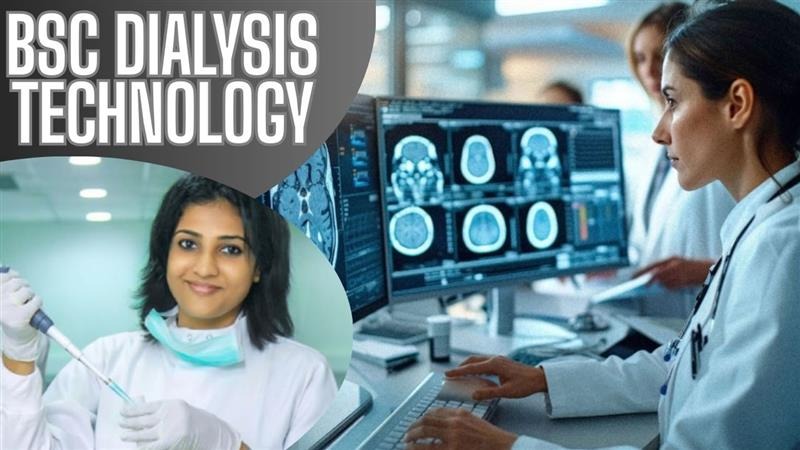
BSc Dialysis Technology

BSc Dialysis Technology course is recognized a professional course under the regimen of which the students are prepared and polished to serve in the field of renal care and dialysis. The course duration is 3 to 4 years and is a mix of theoretical concepts as well as practical training. Subjects studied include anatomy, physiology, renal pathology, dialysis techniques, biochemistry and pharmacology. Also, patient care management is stressed so that graduates will be able to function at a high level in clinical environments, such as hospitals and dialysis centers. 

Eligibility and Admission

Requirements for the Admission in BSc Dialysis Technology courses are the possession of higher secondary education with a science background. Some colleges may also demand entrance tests and/or interviews as a part of the application process. Here is the full breakdown of Eligibility for Bsc Dialysis Technology:

Educational Background:

Candidates are generally expected to have passed their 10+2 or an equivalent higher secondary education examination with science stream (with the subjects of Physics, Chemistry, and Biology (PCB)) from a recognized board.45% to 60% in aggregate in these subjects is required by most institutions coming with variations as per applicant category i.e. general,sc/st or obc. 

Entrance Exams:

BSc Dialysis Technology programs entrance examination may differ from one college to another, however, many colleges conduct B.Sc in dialysis technician examination for admission, to check the candidate’s knowledge and comprehension of basic scientific concepts related to the field of dialysis-tech. So, they accept admissions through their merit scores. 

The mentioned premier institutions including JIPMER, SGPGI and Jamia Hamdard have started admitting students on the basis of entrance exams like NEET, CUET, KCET (Karnataka Common Entrance Test), KEAM (Kerala Engineering Architecture Medical)

But most of the colleges accept students on their 10+2 scores with subjects including physics, chemistry and biology or mathematics.

Admission Process

Check the colleges that offer BSc Dialysis Technology courses then visit their official website to enroll yourself. 

  • The admission portal opens for a short period of time, mostly in April and March. Students need to apply with supportive documents which includes marksheets and certificates of qualifications. Please fill the application carefully while applying for admission.
  • If there is any entrance exam required during the admission then the notification will be released for the examination, you must check carefully.
  • Some programs may also require an interview after the entrance exam to determine if the candidate is truly interested and if he or she would be a good fit for the field of dialysis technology. 
  • Institutions generally prepare a merit list considering aggregate performance in the written-test, interview (if applicable) and the qualifying examination which is used for offering the admission to the applicants. 

BSc Dialysis Technology Syllabus Details

The educational content of the BSc Dialysis Technology syllabus is designed to be comprehensive for developing required skills in students to carry out dialysis procedures and patient care. The course duration is 3 years which may extend to 4 years including internships and practice-based activities. Important topics are:

  1. You’re going to learn the human body’s systems, mainly the renal system, so you know how dialysis works on your body.
  2. Renal Pathology: How the kidneys work, what goes wrong in the different kinds of kidney illnesses.
  3. Understanding Different Dialysis Modalities: Obtain specialized knowledge about various dialysis modalities, including hemodialysis and peritoneal dialysis, such as machine operation, procedures, and patient care during treatment.
  4. Biochemistry Metabolic alterations in patients with kidney diseases and the contribution of dialysis to these biochemical alterations.
  5. Pharmacology Medications used in renal care: Drug interactions and patient safety during dialysis.

The objective of the syllabus is to make the student well versed with the theoretical and practical aspects of the dialysis technology profession. 

Practical Training

Besides the core subjects the curriculum also includes practical modules, which enable the students to become familiar with the real work situation. This training is frequently conducted in the following settings:

  • Clinical Rotations: Students complete clinical rotations in hospitals or in specialized dialysis centers, offering hands-on experience with the dialysis processes and patient care procedures.
  • Simulation Labs: Numerous programs include simulation training to train students in a simulated environment prior to working with real patients. 

Elective Modules

In some universities, optional courses are available where students can develop their knowledge in particular fields, as:  

  • Nutritional Support in Renal Disease: This study unit focuses on the dietary management of renal patients, including those receiving dialysis.
  • Advanced Renal Nursing (Beginners) Suitable for residents who wish to further their nursing knowledge in renal care.
  • Investigations in Dialysis Technology: This section considers new developments and breakthroughs in the renal procedure. 

Assessment Methods

The syllabus often involves different methods of assessment including the following:

Written examinations: To test knowledge of theoretical subject areas.

Practical tests: At clinical rotations or labs, you will undergo testing.

Projects: To promote research and investigation on particular subjects in the field of dialysis technology. 

Skills Acquired in BSc Dialysis Technology

Dialysis Technicians are an important part of the healthcare team, especially in caring for patients with kidney disease that must undergo dialysis. What they need to learn are technical skills as well as interpersonal skills. 

Dialysis technicians require a suitable combination of technical skills and people skills. Technically, they have to operate dialysis machines, watch patient vital signs, handle vascular access and interpret lab results to deliver safe and efficient care. 

They must also be empathetic and possess the ability and skills to communicate with patients, attend to emergencies and work with medical teams. They serve an educational role, as well, teaching patients about treatment, lifestyle and managing illness, so patients can become active participants in their care. 

Career Opportunities & Future Scope

Dialysis technicians are a subset of technologists, who work with the machines located at a dialysis center, the dialysis machine. Indraprastha Apollo Hospitals (New Delhi), Fortis Memorial Research Institute (Gurgaon) and Max Hospital (Several locations) are among the best employers, offering vacancies for patient care technicians and clinical managers.

Hospitals: Dialysis Technicians may work in a hospital setting, providing care to patients who require dialysis. These specialized technicians are essential to deliver safe and effective treatment. 

Travel Placement: Something a few travel dialysis tech are able to do, is to work on a travel basis at various locations. Companies like Nephro Plus help these travel positions, typically with great pay and benefits.

Home Dialysis: Or in some cases, technicians work in the home care arena. Companies like DCDC Kidney Care aiding patients that dialyze in their own homes. They assist with instructions and follow-up care, monitoring that patients operate their equipment safely. 

Some of the top global Dialysis Hospitals and Companies that offer first class patient care, not only this but they hire in a massive figure from India too. So, students can also apply outside of India. There are few top Dialysis centers including AMN Healthcare, Aya Healthcare, Cross Country Healthcare etc.

Career Advancement

Specialization: Dialysis technicians may further specialize, and become a certified dialysis technician (CDT). This certification could improve employment opportunities and generally results in higher salaries and more advanced positions.

Additional Education: Further education, such as an associate’s degree in nursing or supplemental certifications in nephrology, may qualify you for more advanced positions as registered nurse roles.

Management Opportunities: Senior technicians or lead in-centre technicians frequently go on to management, they may manage teams, manage patient care provision, and day-to-day logistics of dialysis clinics – center operations management. 

Read More 👉 RRB ALP Admit Card 2026 Released: Download CBT-1 Hall Ticket Now

Dialysis Technician Salary Expectations

Dialysis technician salaries may be different according to various factors like the location, the experience, and the nature of the organization they work in.

Dialysis Technicians in India make about ₹2,00,000 to ₹4,00,000 a year. Our the ceiling is 5,00,000 which is not unrealistic for a technician with 8+ years of experience.

It is normal for people living in or around the cities of Delhi, Chennai etc to have a higher demand for health care. A skilled technician can make between ₹4,00,000 and ₹6,00,000 annually in these regions.

Also, earning specialized training – such as hemodialysis or peritoneal dialysis certification, salaries can also go up. They may earn the opportunity to further increase their income. 

In the US, the average dialysis technician salary is $25 per hour which is about $51,316 per year. For example, in California, the wage per hour for a dialysis technician is about $26.47

Conclusion

BSc Dialysis Technology is tailor made for Students who are aspiring to be a Backbone of Renal Healthcare Sector. This combination of theoretical and practical knowledge enables the graduate to confidently perform advanced procedures such as dialysis, patient care and clinical work. 

Due to the increasing number of patients suffering from kidney disorders in India as well as all over the world, the opportunity for trained Dialysis Technicians is also increasing. From hospitals and dialysis units to home-care agencies and world health services, job prospects are varied—and growing. 

For students seeking a secure, respected and impactful healthcare career with immense potential for growth, BSc Dialysis Technology is a winning choice that will not just help them reach their professional goals, but also provide them the satisfaction of being able to make a real difference to the lives of patients. 

Leave a Comment

Your email address will not be published. Required fields are marked *

Government Teaching Jobs in India 2026: Latest Vacancies, Eligibility & Recruitment Updates

Government Teaching Jobs in India

If you have ever wanted to impact society on a large scale and have a stable, secure job with great benefits, teaching for the government might be just right for you. In 2026, the government’s education department in India is experiencing a massive surge in job offerings and thousands of opportunities are available in schools and colleges across the country. Whether you’re a new graduate with a teaching degree, or a career changer, there has never been a better time to pursue a Government Teaching Jobs in India.

The beauty of governmental teaching jobs is not just the competitive salary packages, but the unbeatable job security, lifetime pension benefits, and the gratification of making a difference in the lives of young minds. With India making massive investments in education infrastructure, the need for qualified teachers has never been greater. 

The Current Recruitment Landscape

2026 is going to be a critical juncture for aspiring teachers in India. Big organizations are hiring at a scale that’s never been seen before:

Kendriya Vidyalaya Sangathan (KVS) has released the notification for 9126 posts for both teaching and non-teaching posts. These elite central government schools provide some of the best teaching jobs in the country for Trained Graduate Teachers (TGT) and Post Graduate Teachers (PGT) in several subjects.​

Navodaya Vidyalaya Samiti (NVS), which runs high standard residential schools all over rural India is also inviting application for 5841 posts. If you love to deliver quality education in rural areas and you have commitment then NVS is the best place to do that. 

Delhi Subordinate Services Selection Board (DSSSB), India’s largest recruiter, has thrown open the window with 5,346 vacancies for Trained Graduate Teachers and 1,180 vacancies for Primary Teachers. If you have your heart set on becoming a teacher in the capital of India, never let a spring pass without applying for some of the most competitive jobs on the planet.​

Uttar Pradesh, the most populous state in India, is also to recruit around 2 lakh (200,000) teachers in three phases by 2026. This montage of recruitment speaks volumes of the opportunities that exist for Indian teachers!

However outside of these large providers numerous Sainik Schools, state governments and educational boards release notifications throughout the year making teaching opportunities a steady flow. 

What You Need to Qualify

One of the biggest myths is that there are complex eligibility criteria to apply for teaching jobs. Actually the rest is simple, and the ones that are should have been enough to allow talented people to get into the profession.

When it’s About Becoming Primary Teachers 

Along with the 12th standard or its equivalent examination with at least 50% aggregate from a recognized board, you also need to clear the Central Teacher Eligibility Test (CTET) or your State Teacher Eligibility Test (TET) and have either a 2-year Diploma in Elementary Education (D.El.Ed. or 4-year Bachelor of Elementary Education (B.El.Ed.). 

When it’s About Becoming Trained Graduate Teachers 

You must have 50% marks in your subject along with B.Ed. You have to qualify CTET as well as state TET exam. TGT teachers usually teach classes 6-10. 

For Post-Graduate Teachers (PGT)

For the dreamers who still went for higher education. A minimum of 50% marks in a master’s degree in your subject along with the B.Ed qualification is required. Classes 11-12 and specialisations are handled by PGT teachers.​

For Railway and Sainik School Teaching Posts

The eligibility is almost same, but with minor changes as per organization type. Age limit varies from 21 to 40 years as per category.​

The CTET Advantage In Teaching Jobs

The Central Board of Secondary Education (CBSE) the Central Teacher Eligibility Test (CTET) is a boon for teachers in the making. Why it’s so good: 

Validity of CTET Score: It is now clear that CTET score validity has been increased – CTET scores will now be your lifelong companion, which means you don’t have to sit again for the exam even after years of so-called re-preparation.​

Pan-India Mobility : After qualifying CTET, you can apply to teach in central government schools such as Kendriya Vidyalayas, Navodaya Vidyalayas or union territory schools throughout the nation—not just in your native state.

Exams Advantage: Performing well in CTET examination also enhances your chances to get superior teaching job in central govt schools for which the pay and perks are the most lucrative.

The CTET examination for 2026 is scheduled for the 8th of February, and the application process is already open. The Paper I is conducted for the aspirants who want to teach classes 1 to 5 and Paper II is conducted for the aspirants want to teach 6 to 8 classes. Percentage required — You should a minimum of 60% to qualify! 

Salary and Benefits: Why Government Teaching Pays Off

Teaching is no longer a low paying job. Teaching professionals in India have a lot to smile now as they receive an extremely attractive pay scale:

Primary Teachers: A primary teacher will start with approx ₹35,400 as basic pay (₹42,000-₹45,000 with allowances) and can go up to ₹50,000+ in a decade through promotions and increments.​

Trained Graduate Teachers (TGT): with a basic pay of ₹44,900 (₹59,282 with allowances) and it can go up to ₹ 60,000-70,000 with incentives and experience. 

Post-Graduate Teachers (PGT) : Having the highest salaries at school level at a basic pay of ₹47,600 (₹ 56,320 with allowances) and may go beyond ₹75,000-80,000 per month with allowances and increments.​

Apart from the salary, teachers of the government get:

Dearness Allowance (DA): At present DA is about 38% of the Basic Pay and it is revised twice a year considering inflation

House Rent Allowance (HRA) : An additional monthly allowance is given to the employee based on his/her duty Station/location of post.

Transport Allowance: Very good for teachers and further higher in urban.

Medical Facility: Free medical treatment for you and your family in any hospital recognised by the bank’s medical cell.

Gratuity: A lump-sum amount on retirement

Pension Security: Immerse your lifestyle in wealth, NPS is the default pension plan for civil servants which guarantees a lifelong pension of fixed amount in return for financial security in old age.

Leave Benefits: Maternity Leave – 180 days, Paternity Leave – 15 days.

Benefits for Education of Your Children: Education benefits for your children, and your own kids’ education, consider scholarships and fee concessions. 

Read More 👉 Top IET Lucknow CSE Placements – Highest Packages, Recruiters & Career Growth in 2025

Types of Government Teaching Jobs

If you want to teach in India, these are some of the options that attract different types of teachers.

Central Government Schools 

KVS and NVS posts provide the most secure, stable and highest paid teaching jobs along with good perks and national level working.

State Government Schools 

Every state holds its own TET recruitment which provides the benefit of local stability and a home state posting ideally if you want to stay close to your family.

Railway Schools

Recruitment of teachers through Railway Recruitment Board (RRB) which invites applications from eligible candidates for the post of Teacher in various categories with attractive salary and benefits.

Sainik Schools

These elite military backed schools provide teacher with added advantage of working in a disciplined teaching, with great infrastructure and exposure to.

Delhi Government Schools 

The DSSSB recruitment leads to some of the best schools in India at Delhi, now opened for applications. 

The Selection Process

Knowing what to expect in the selection process enables you to be strategic in your preparation. Usually the procedure the candidates have to go through includes a written test to check your subject knowledge and teaching methodology (for TGT/PGT), verification of your qualification in which your educational certificates are scrutinized and in some cases a demo class/test on teaching is conducted where you have to teach a subject to a panel.​

This regimented process guarantees that only the most dedicated, and highest qualified teachers make it to the system. 

Preparation Tips

  • Start by preparing seriously for the CTET or your state TET – these are the pillars of your teaching career. 
  • Enroll in coaching centers if necessary, concentrate on the subject and solve the question papers on a regular basis. 
  • Have good communication skills and be aware of the policies of education. 
  • And more than anything, have a real love for teaching – that comes across waves in interviews and demo classes. 

Conclusion

Government teaching jobs in India will be more than just a job—they will provide a chance to contribute to building India’s future, along with monetary compensation and social prestige. With tens of thousands of vacancies, competitive pay, generous benefits, and a defined career ladder, now is an excellent time to enter this noble profession.

Whether it is the joy of imparting knowledge, the stable job and pension benefits, or the chance to do something for society, government teaching remains a profession that earns you respect for life. The options are there, the way is clear, and your teaching future is just around the bend. So take that leap of faith today—register for CTET, prepare well and stake your claim as an educator of India’s tomorrows. 

Leave a Comment

Your email address will not be published. Required fields are marked *

Aerospace Engineering Courses: Complete Guide to Soar into the Sky with the Right Education

Aerospace Engineering Courses

If you have ever been curious as to how the planes you ride on stay in the air or how a rocket can travel all the way to space, then you think like an aerospace engineer. From Aerospace Engineering Courses, eligibility criteria to future scope and interesting specializations available, this all you need to know guide will help you make an informed decision which you take for pursuing aerospace engineering course in India.

The Indian aerospace industry is booming. ISRO, DRDO, HAL, and a host of private companies are actively hunting for talented engineers to design, build and fly planes and spacecraft. With increasing demand and attractive salary packages, this is the way to your dream career. 

What Exactly is Aerospace Engineering?

Aerospace engineering is the primary engineering discipline concerned with the design, construction, science and technology of aircraft and spacecraft. It is a combination of physics, mathematics, materials science, and advanced tech that address real life problems in the fields of aviation and space travel. 

The range of activities in this field is so broad that it divides into four key specializations:

Aeronautics — This pertains to air within the atmosphere and includes such things as commercial jets, military planes, helicopters, drones (UAVs), and blimps. Aeronautical engineers study flow-air, aircraft design, motion, and propulsion.

Astronautics — A subject of business such as astronauts, rockets, satellites and all the stuff that goes beyond the atmosphere. Astronautical engineers specialize in orbital mechanics, satellite communications, rocket propulsion, and space exploration missions.

Avionics — These are the electronics and computers used in an aircraft and spacecraft. Avionics engineers create the system software of navigation, communication and autopilot systems, etc., in raw air borne machines.

Defense Technologies — This area concentrates on military, and its ability to develop and deploy new systems involving missiles, defense technologies, military drones and weaponized technology. This is important part of national security and defense system. 

Aerospace Engineering Courses

Now let’s move on to the various types of courses under aero space engineering. Whether you are a high school beginner or already have a bachelor’s degree, there is a path for you.

1.Diploma in Aerospace Engineering (3 Years) 

If you are looking forward to pursue a career in aerospace engineering, you can opt for the Diploma in Aerospace Engineering from a reputable board after 10th class.

This is good to start if you have done your 10th grade. It is not really theoretical but ‘practical’ which provides aerospace technologies experience. 

AspectDetails
Duration3 years
Eligibility10th pass with Mathematics and Science (minimum 50% marks)
FocusPractical skills and industry-ready training
Career PathCan pursue B.Tech (lateral entry) or start working
Average Fees₹2-4 Lakh for the entire program

2. Bachelors in Aerospace Engineering — B.Tech (4 Years)

It serves the largest client base and is considered the gateway course for professional aerospace. It is a bachelor’s degree course and the eligibility is 10+2 with Physics, Chemistry and Mathematics (PCM). 

AspectDetails
Duration4 years (8 semesters)
Eligibility12th pass with PCM (minimum 50-60% depending on college)
AdmissionBased on JEE Main Score, state-level exams, or direct merit
Average Fees₹ 2-2.5 Lakh/year in government; ₹5-10 Lakh/year in Private colleges
Total Program Cost₹4-40 Lakh depending on college type

The B.Tech is an all-inclusive course which includes theory and practical based knowledge. Subjects like mathematics, physics, and general engineering will be included in your first two years for foundation then you can choose specializing in aerospace-related subjects in your third year.

3. M.Tech in Aerospace Engineering (2 Years)

M.Tech in Aerospace suits better for those who want a higher level of education in aerospace engineering. Building a professional level career internationally, you must need this degree.

AspectDetails
Duration2 years (4 semesters)
EligibilityB.Tech/BE in Aerospace or related field with 55% minimum marks
AdmissionThrough GATE exam (for government colleges) or merit-based (private)
Average Fees₹40,000-1 Lakh/year in Government; ₹2-4 Lakh/year in Private colleges
Career AdvantageHigher salaries, research opportunities, senior positions

Job opportunities for M.Tech graduates are applicable in research, designing and higher level management. Top companies and research centres look for M.Tech holders for their specialised projects. 

4. Ph.D. in Aerospace Engineering (3-5 Years)

“This Is for the Research and Innovative Curious”. It’s the top aerospace engineer qualification for those who want to know how to research and innovate. 

AspectDetails
Duration3-5 years
EligibilityM.Tech or equivalent with GATE qualification
FocusOriginal research and innovation
OpportunityTeaching, research at ISRO, universities, private labs

5. Aerospace Engineering Few Months Certification Courses 

In just 6 months to 1 year duration, you can enhance knowledge or skills in certain areas. It is best for hands-on experience in a specific field.

Course TypeDurationCostSuitable For
CAD and Aircraft Design6 months₹20,000-50,000Working professionals, students
Avionics Systems6-8 months₹30,000-60,000Interested in Electronics
Propulsion Systems3-6 months₹15,000-40,000Engineers wanting specialization
Aerospace Materials4-6 months₹25,000-50,000Manufacturing professionals

B.Tech Aerospace Engineering Core Subjects

YearSemestersEssential Subjects
1st YearSem 1-2Mathematics/Physics/Chemistry help develop problem-solving skillsEngineering Mechanics/Thermodynamics/Fluid Mechanics/ and Basic Electronics introduce how physical laws apply to real engineering systems.
2nd YearSem 3-4Gas Dynamics and Aerodynamics, which explain how air behaves around aircraftPropulsion and Aircraft Structures teach how engines work and how aircraft are builtStrength of Materials and Computer Programming strengthen technical and analytical skills.
3rd YearSem 5-6You study higher-level aerodynamics, flight dynamics, and structural analysis Heat Transfer and Avionics.
4th YearSem 7-8You learn advanced tools like Computational Fluid Dynamics (CFD)Aircraft Design and Systems

Aerodynamics describes how air moves around air and is an important factor in the level of efficiency of airflow around the wings.

  • Propulsion: Discussion of jet engines, rockets, turboprops
  • Structures deals with building an aircraft to be as strong as possible but still as light as possible.
  • Stability and control the motion of an aircraft.
  • CFD Computational Fluid Dynamics: Uses computers to emulate airflow — a modern necessity
  • Aircraft Design: All of the above are brought to bear on realistic, total aircraft design projects.
  • Most B.Tech courses will involve a lot of lab work, wind tunnel testing, simulators and a capstone design project where you actually design an aircraft or spacecraft. 

Who Are Eligible For Aerospace Engineering

B.Tech (Undergraduate)Need to pass 12th class with PCMB or PCB and should have obtained 50 to 60% marks Meet the age criteria of 17 to 28 yearsEntrance exams such as JEE Main, State Level Exam etc
M.Tech (Postgraduate)Hold a valid B.Tech/BE degree in Aerospace or equivalent with 55% marks Valid GATE score (for government colleges)
DiplomaAfter 10th with Mathematics and Science having 50% marks as a minimum15 years as a minimum age
Lateral Entry to B.Tech 3-year engineering diplomaBSc in Physics, Chemistry, Mathematics

Where Will Aerospace Engineers Work?

OrganizationTypeSpecializationSalary Range (Fresh)
ISROGovernmentSatellites, space missions, rocket development₹8-10 LPA
DRDOGovernmentDefense systems, missile technology₹7-10.5 LPA
HAL (Hindustan Aeronautics)GovernmentAircraft manufacturing, defense₹7-9.5 LPA
Boeing IndiaInternationalAircraft systems, defense solutions₹8-12 LPA
Airbus IndiaInternationalAircraft manufacturing, maintenance₹7-10 LPA
GE AviationInternationalAerospace engine design₹7-9 LPA
Rolls-Royce IndiaInternationalPropulsion systems₹8-11 LPA
Tata Advanced SystemsPrivateAircraft components, defense₹7-11 LPA
Godrej AerospacePrivateSpace and defense hardware₹5.5-7.5 LPA

Salary & Career Growth 

India's aerospace engineering salary

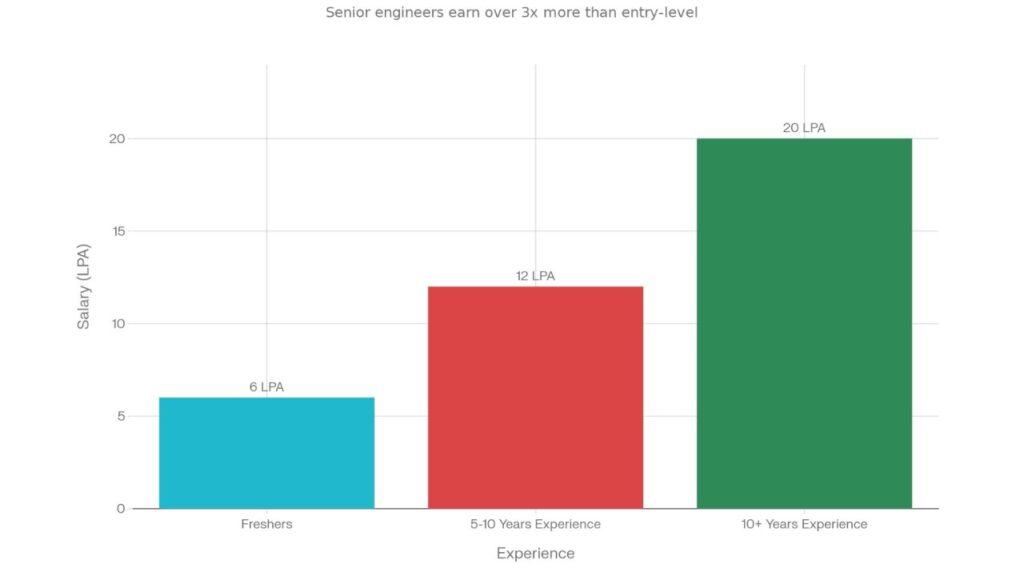
Aerospace Engineering Salary Progression in India

LevelsSalary — LPAMonthly IncomeStages
Fresher (0-1 year)₹4.5-7₹37,500-58,333Graduate joining first job
2-5 years₹8-12₹66,667-1,00,000Intermediate engineer
5-10 years₹8-15₹66,667-1,25,000Senior engineer or team lead
10+ years₹15-25+₹1,25,000-2,08,000+Manager, specialist, researcher

Salary by Sector:

SectorFresher PackageExperienced Package
Government (ISRO, DRDO, HAL)₹7-10 LPA₹20+ LPA
Private Indian Companies₹5-9 LPA₹12-18 LPA
International Companies (Boeing, Airbus)₹8-12 LPA₹20-28+ LPA
Startups & Newer Companies₹4.5-6.5 LPA₹10-14 LPA

The Future Looks Bright

India’s aerospace engineering salary will increase by 20-25% by 2030 and is highly influenced by demand in electric aircraft, AI integration, space exploration, and green aviation related technologies, suggest the industry projections. .

Read More 👉 HR Professional Courses: Get Complete Guide on Career Path, Salary & Growth

The Roadmap To Become Aerospace Engineer

Year 1 & 2: Begin From Basics

The initial two years are dedicated to core subjects such as mathematics, physics and general engineering. These years are tough, but necessary. If you have a strong base in these stuff, then you can understand high level stuff in aero easily later on. 

Year 3: Where Aerospace Engineering Gets Exciting

In year 3, the real aerospace journey begins. You then go on to such specialised areas as aerodynamics, propulsion and aircraft structures.  

Year 4: Major Project and Real-World Problem Solving

Senior year is spent mostly on a senior project. You could design an airplane, build spacecraft systems, or even study a real problem in aerospace engineering. Many of these projects are sponsored by industry, giving students real-world experience and making them more employable. 

Internships: The Key to Career Growth

The majority of aerospace engineering programs require 2 to 3 internships, such as summer and at times semester-long training. Top organizations including ISRO, HAL and Boeing hire interns on a regular basis. This hands on experience is invaluable and it contributes a lot in building a strong resume and career in future. 

Choose Your Specializations

SpecializationFocusScopePreferred Companies
AerodynamicsAirflow, drag reduction, aircraft efficiencyAircraft design, researchISRO, Airbus, NASA etc
PropulsionEngines in Jet engines, space rocketsEngine design, space missionsGE Aviation, Rolls-Royce, ISRO
Flight Dynamics & ControlAircraft stability, autopilots, guidance systemsControl systems, UAVsBoeing, HAL, Airbus
Aircraft StructuresMaterials, stress analysis, lightweight designDesign Structure, & aerospace manufacturingAirbus, HAL
AvionicsRadio System, navigation, ElectronicsUAVs & Avionics Boeing, DRDO

Best Aerospace Engineering Colleges in India

CollegeTypeLocationSpecialization
IIT BombayGovernmentMumbaiAll specializations
IIT MadrasGovernmentChennaiAircraft & Space
IIT KharagpurGovernmentWest BengalAll specializations
IIT KanpurGovernmentUttar PradeshAll specializations
Mahindra UniversityPrivateHyderabadComprehensive curriculum
SRM ISTPrivateChennaiModern labs & industry focus
Chandigarh UniversityPrivatePunjabIndustry-driven curriculum
Ramaiah InstitutePrivateBangaloreWell-equipped facilities
Manipal AcademyPrivateBangaloreResearch-oriented

Conclusion

Aerospace Engineering Courses aren’t simple, it’s a journey through innovation, precision and human ability. Whether you want to design the next generation of commercial planes, put satellites into space, or work on autonomous drones, this is a field with limitless options.

The Indian aerospace industry is poised for growth. With ISRO’s ambitious space programs, HAL’s indigenous aircraft development and international partnerships with Boeing and Airbus, there is no dearth of opportunities. And if you are in the top performers, the world is your sky. 

Leave a Comment

Your email address will not be published. Required fields are marked *

Bihar Panchayati Raj Technical Assistant Recruitment 2025

Bihar Panchayati Raj Technical Assistant Recruitment starts from 26 May 2025 in Bihar. Candidates who are willing to join a government job on a Technical Assistant post, this is the best time to take a chance for your career. There are a large number of candidates who wish to apply for this position as this is a golden opportunity for them. The department has announced the recruitment process for 2025 to fill the vacancies in the Technical Assistant Post.

Highlights of the Bihar Panchayati Raj Technical Assistant Recruitment

Exam Conducting BodyBihar Panchayati Raj Department
Post NameTechnical Assistant
Job LocationBihar
Bihar Panchayati Raj Technical AssistantIt is conducted to recruit for the Technical Assistant Post, especially in Bihar. Interested candidates can apply online to ensure their stable career.
Mode of ApplicationOnline
Application FeeNA
Apply OnlineClick Here
Official WebsiteClick Here
EventsDates
Notification Release26 May 2025
Application Starts26 May 2025
Application End Date25 June 2025
Admit Card ReleaseTo be Updated
Examination DateTo be Updated
Age Limit
Minimum age 18 years
Maximum age for Male37 years
Maximum age for Female40 years
Age relaxation is given as per the Bihar recruitment program

Bihar Panchayati Raj Technical Assistant Recruitment vacancy detail

The total number of vacancies is 942 for the Technical Assistant post. This post requires a diploma in Civil Engineering from any recognized university. Apply for this post if you wish to build a stable career and secure your future that will give you lifetime joy. Bihar Panchayati Raj Technical Assistant Recruitment starts on 26 May 2025 and ends on 25 June 2025. Apply online to grab the opportunity in this government job as soon as possible. Kindly check the all details on the official website mentioned in this article for documents required and Form filing or you can directly apply from the link provided in the article.

Bihar Panchayati Raj Technical Assistant Recruitment details

Exam Pattern for the Technical Assistant Post 

SectionNo of QuestionsMarks
Computer3030
Quantitative4040
Logical Reasoning2020
General Knowledge1010

Perks of This Role

  • Impressive Salary: Government jobs always have some perks so if you’re willing to take a chance apply right now for Technical Assistant.
  • Job Security:  Permanent government position.
  • Growth and Impact: Scope for promotion and Contribution to rural development

Selection Process

Written ExaminationSkill TestDocument VerificationFinal Merit List
Objective-type questions from the related subjectsFor assessing the technical ability of the candidates’Proof of academic qualification and other necessary documentsBased on the candidates’ performance in all the stages

Some Useful Links

Apply NowClick Here
Download NotificationClick Here
Whatsapp LinkClick Here
Telegram ChannelClick Here
Official WebsiteClick Here

Leave a Comment

Your email address will not be published. Required fields are marked *

Scroll to Top