The SEBI Grade A recruitment 2025 notification has been released by Securities and Exchange Board of India (SEBI) for the General, Legal, Information Technology, Research, Official Language, Engineering (Electrical), and Engineering (Civil) posts. There are 110 vacancies are announced and the online application for the same has been started from 30 October 2025 from the website. Aspirants should go through the full notification for knowledgability eligibility criteria, application fees, age limit, pay scale, selection process, and more. More details and SEBI Grade A Online Registration Application Form 2025 are available from the link given on this blog and also on the official website.
Dates & Application Fee For Online Form For SEBI Grade A Recruitment 2025
Event
Date
Short Notification Date
08/October/2025
Application Start
30/October/2025
Apply Online Last Date
Update Soon
Correction Date
Update Soon
Exam Date
Update Soon
Application Fee
Gen/ OBC/ EWS
₹1180/-
SC/ ST/ PWD
₹118/-
Age Limit: Any hopefuls should be no older than 30 years as of September 30, 2025. This implies that their date of birth should be on or after October 1, 1995.
Number of Vacancies With Required Eligibility Details
Post Name
Vacancy
Required Qualification
Grade A General
56
Master’s/PG Diploma (2 yrs) in Any Discipline, OR Bachelor in Law/Engineering, OR CA/CFA/CS/CMA, OR Equivalent from Recognized University/Board
Grade A Legal
20
Bachelor in Law OR Equivalent from Recognized University/Board, with 2 years Advocate experience
Grade A Information Tech
22
Bachelor in Engineering (Any Branch) OR Bachelor’s + PG in Computer Science/IT/Applications, OR Equivalent from Recognized University/Board
Grade A Research
4
Master’s/PG Diploma (2 yrs) in Economics, Commerce, Finance, Statistics, Data Science, etc., OR Equivalent from Recognized University/Board
Grade A Official Language
3
Master in Hindi/Hindi Translation with English OR in English/Sanskrit/Commerce/Economics with Hindi at Graduation, OR Equivalent from Recognized University/Board
Grade A Engineering (Electrical)
2
Bachelor in Electrical Engineering or equivalent; experience in electronic systems, maintenance, and project administration
Grade A Engineering (Civil)
3
Civil Engineering degree or equivalent, professional, project management, and CAD/CAM design
Exam Pattern
Phase I
Online Examination (Two Papers)
Phase II
Online Examination (Two Papers).
Phase III
Interview
Salary And Benefits
The salary range is ₹62,500 to ₹1,26,100 per month, along with additional perks such as NPS Contribution, DA, Family, Local, Learning & Special Allowances, Medical benefits, LTC, Furnishing Scheme, Subsidized Lunch, and more.
Step-by-Step Guide for the SEBI Grade A Recruitment 2025
Read the details and instructions in the SEBI Grade A Notification 2025 PDF.
Just Get to the official website or click on the Apply Online link which is provided here.
Fill in the SEBI Grade A Online Application Form 2025 with correct details.
Upload the required documents as detailed in the notification.
Pay the fee for application, if any.
Make a print of the application as it is needed in the future.
If you’re curious about what it takes to be a Human Resources (HR) professional, you’re in the right place. Over the past 10 years, the HR Professional Courses has undergone significant transformation, shifting away from an administrative role to gaining importance and recognition as a strategic business partner in organizational culture, employee satisfaction and business performance. This all-in-one resource will take you through the Need to Knows of building a fulfilling HR career in India, whether you are a fresher exploring career options or a career changer seeking a meaningful direction.
What Does an HR Professional Actually Do?
Before we get into courses and salaries, let’s demystify the day-to-day life of a HR professional. Despite the stereotype that human resources is just paperwork and policies, HR employees today wear many hats. You will participate in strategic talent acquisition to seek and recruit candidates aligned with company values and who will drive growth. You’ll design and deliver programs to upskill the employees, mentor junior staff, and help them grow their career within the company.
On the compliance and policy side, you will be monitoring the company’s compliance with labour laws, conducting employee relations with tact, mediating disputes equitably and managing the full spectrum of employee life from hiring to offboarding. Compensation and benefits policies are your domain too: You develop the strategies, coordinate the performance reviews, and you can even assist with organizational development by working with your leaders on future staffing and succession planning. In today’s world of data and analytics, many HR professionals are also utilizing analytics to monitor indicators such as employee engagement, retention rates and hiring effectiveness to drive additional business improvements.
The joy of human resources is that each day is different, with issues ranging from handling a difficult employee complaint to developing a creative new-hire program or spearheading an organization-wide change effort.
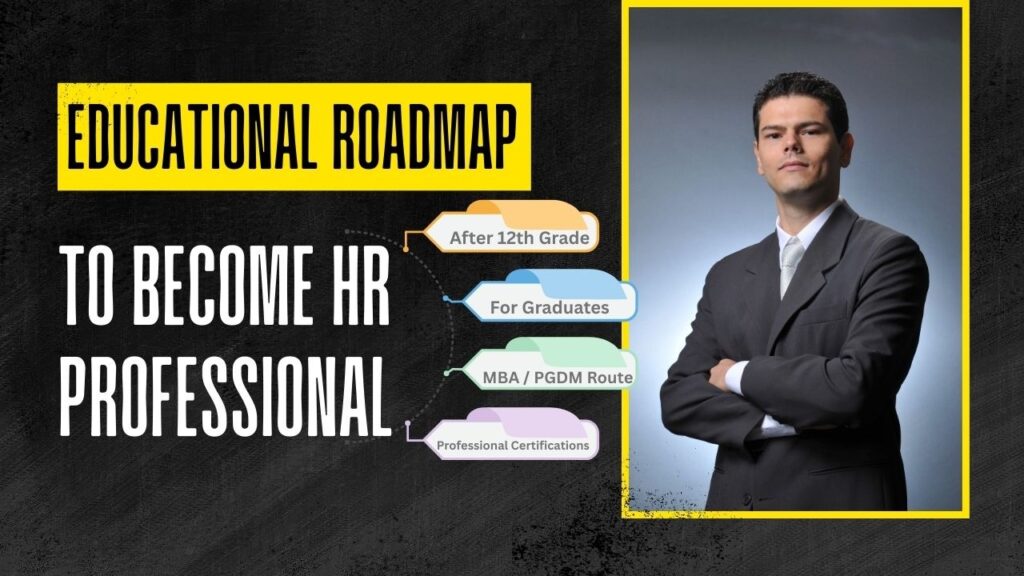
Educational Roadmap To Become HR Professional
The great thing about HR career paths is that there is no single “correct” path. To your education and current level of career aspirations, you can add several points of entry:
After 12th Grade
If you have completed the high school you can go for the Diploma in Human Resource Management. These 1-3 year courses are available at a cost of Rs 50,000 to Rs 2,00,000 according to the classification of institution as a government or a private one. Alternatively, you can do 3 years of Bachelor’s degree (BBA, BA, BS) in HR or something related. Government College fee is goes from ₹1-8.5 lakhs and for private college fee is from ₹3-16.25 lakhs.The eligibility criterion is generally 50-60% in 12th class.
For Graduates
If you already hold a bachelor’s degree (in any stream as per your undergraduate major), you can go forward for professional certificates or a post graduate diploma. A professional certificate of 6-12 months costs between ₹20,000 and ₹1,00,000, while a post graduate diploma for 1-2 years is valued at ₹50,000-₹1,20,000. These courses are great if you want to make a move into HR for then a full 2 year MBA.
MBA / PGDM Route
If you are looking for an overall business education with focus on HR, a 2 year MBA or PGDM in Human Resources fees vary from ₹ 2-27 lakhs based on the tier of the college and the location. These programs on the repel need entrance exams as CAT, SNAP, MAT, or XAT. Top tier institutions such as IIM, XLRI have higher fee yet provide excellent placement package and networking.
Professional Certifications
Professional certification is also valuable in addition to formal education. The popular certification include CHRG (Certified Human Resource Generalist) which has fees of ₹50,000-₹2, 00,000.
The CHRM (Certificate in Human Resource Management) is priced at ₹90,000-₹8,00,000 and the CHRP (Certified Human Resource Professional) costs ₹80,000-₹4, 00,000.Two globally-oriented credentials that also have value on an international basis are the SHRM-CP (Society for Human Resource Management Certified Professional) and the aPHR (Associate Professional in Human Resources) both of which are recognized by employers in many countries around the world.
Eligibility Requirements You Need to Know
For Diploma Courses: You need to pass 12th grade exam with minimum 45% in aggregate.
For Bachelor’s Degrees: Obtain 50-60% in 12 grade; some colleges require entrance exams.
For M.B.A. Directly after 10+2: Achieved a minimum of 60% in your 12th grade exams; passed entrance exams such as CAT, MAT, SNAP, or XAT.
HR-Related Certifications: Many certifications such as SHRM-CP have prerequisites of at least 3 years of HR work experience in an HR function, whereas entry-level aPHR caters to HR novices or individuals beginning their journey in HR.
Starting Salary For HR
Entry level HR professionals in India get a good pay as per market standard. An HR fresher gets a salary in the range of ₹15,000-₹30,000 per month, which comes around ₹3-5 LPA per annum. However, this might differ drastically depending on a few things such as:
By Role: HR recruiters and coordinators normally begin with salaries of ₹18,000–₹26,000 per month and HR analysts with good technical skills can make ₹25,000–₹35,000 per month from the very start.
By Education: Tier-1 MBA (HR) pass-outs have high salary prospects of ₹30,000–₹40,000 per month and BBA or BA grad can make ₹18,000–₹25,000 per month.
By Industry: It is not always that an HR company gives you a chance but you can get IT, finance and e-commerce industries offer for an HR with starting pay of ₹28, 000 to ₹35, 000.
By Location: Metrocities like Bengaluru and Delhi offer great pay to HR Professionals.
Career Growth
Indian HR salaries have increased 24% from 2019, this is higher compared to IT sector’s 6.5% CAGR. This signals the rising level of strategic importance that HR has in organizations.
Career Progression Timeline
Start as an HR Assistant or Coordinator (0-2 years), then advance to HR Generalist or Specialist (2-10 years) in areas such as L&D Manager or Recruiter, then go to HR Manager or HR Business Partner (5-10 years) and subsequently to executive positions which include Director, Head of HR, or CHRO (10+ years).
Salary Growth by Experience
A fresher can typically expect a starting salary of ₹3–5 LPA. As you gain more experience, this can be anywhere from ₹11-15 LPA at HR Manager level, ₹20-25 LPA in senior specialist roles and anywhere between ₹40-150+ LPA for CHRO of a large company. The steepest rise in salary is generally seen between 10 to 13 years of experience- whereby the median CTC varies around ₹38 LPA.
Emerging High-Growth Specializations
For maximum growth, strategic HR roles are the way to go. HR Analytics Managers earn ₹40-60 LPA, Salary & Benefits Managers earn ₹28-42 LPA, and Diversity & Inclusion Managers earn close to ₹20 LPA. These positions are growing at 15-22% per year because they have a direct effect on business results.
Conclusion
The Job growth of approximately 7% over the next ten years will add about 17,400 new jobs and is expected for the HR occupation. Instead of being automated out of existence like some admin jobs, strategic HR roles are increasingly precious. You get to work with people, solve truly complex organizational issues, shape company culture, and have a tangible impact on whether employees are happy at work.
”The investment, be it ₹50,000 for a diploma or ₹20 lakhs for an MBA, gets returned fast in the form of a competitive pay package and strong career growth. More than who you’re working for, it is the work, financial and personal fulfilment you are creating.
First, decide on the HR professional Courses that best matches your current qualifications and your career timeline, learn core HR skills to get started, and don’t overlook the impact certifications can have in helping you stand out.
Aspirants of competitive exams like UPSC, SSC, RRB, State PSC think history is the hardest subject, the truth, it is hard without the right guidance. To understand the facts behind the history instead of rote learning, you need the best history teachers for competitive exams. History is an important subject among all other subjects because it demonstrates the past events across the country, generations and world.
History is divided into its past in three periods — Ancient, Medieval, and Modern, so if you are preparing for a government exam then consider History is an important role in prelims, mains, and even interviews.
And the right teacher will simplify timelines, connect events and make you remember the logic behind every topic. This will help you remember quickly during the exam or interviews.
Let’s explore the details of these teachers to understand why they are the best:
Praveen Sir
Praveen Sir is the top ranked teacher for providing best lectures of History online. Many students cleared their exams because his clear explanations and structural approach is quite helpful. Students understand easily because he breaks down complex topics into simple storytelling with factual accuracy.
He makes hard topics like cultural development, Mughal administration, and freedom movement remembered with systematic notes and practical examples.
Abhishek Suman
Abhishek Suman is a popular History teacher and is growing his numbers by providing interesting History Lectures. He makes boring topics become interesting with his explanation of events, he elaborates them with reasoning and connecting them with the present. Students appreciate him for clearing small doubts, especially in modern history.
Khan Sir
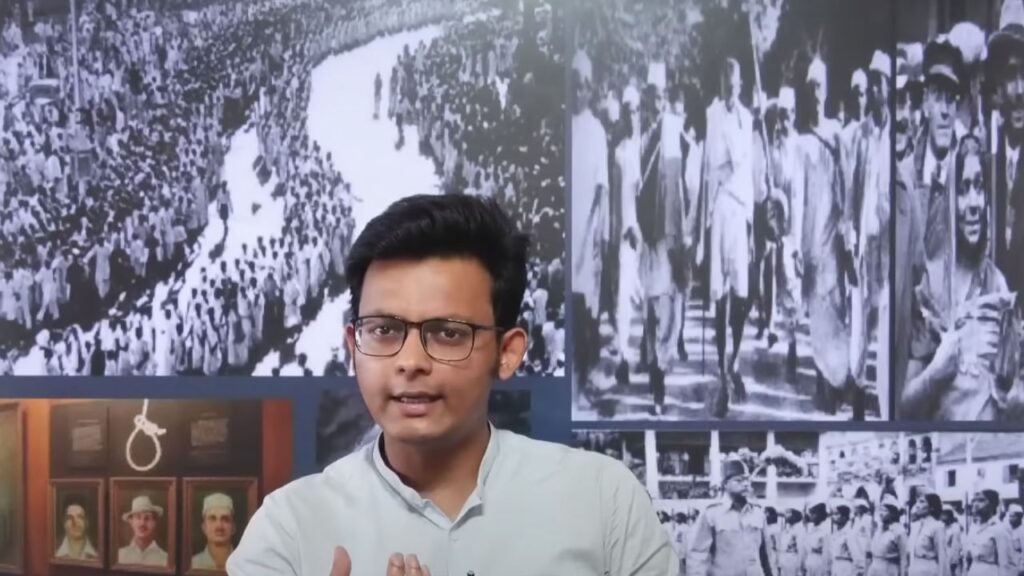
Every aspirant knows Khan Sir from Patna because he is the most famous and growing teacher for the preparation of competitive exams. His teaching style is funny but effective, using real life relatable examples and humour to make every tough topic easier. Students praised his lectures that helped them to understand world history & Modern History.
Awadh Ojha Sir
Awadh Ojha Sir is ideal for UPSC aspirants who struggle to understand modern Indian History. His deep analysis and straightforward teaching style make every student attentive through his lecture. Students admire his passion and dedication for Modern History. His in-depth explanation and motivation pushes students to stay consistent.
Rishabh Sir
Rishabh Sir is also a best history teacher, he focuses on strategically preparing for the government exam. He teaches in a structured way to get students ready for the History Exam. ideal for those students who don’t want to give big time for history but cover up every important topic. He also provides compact notes and highlights on youtube for Ancient, Medieval, and Modern History.
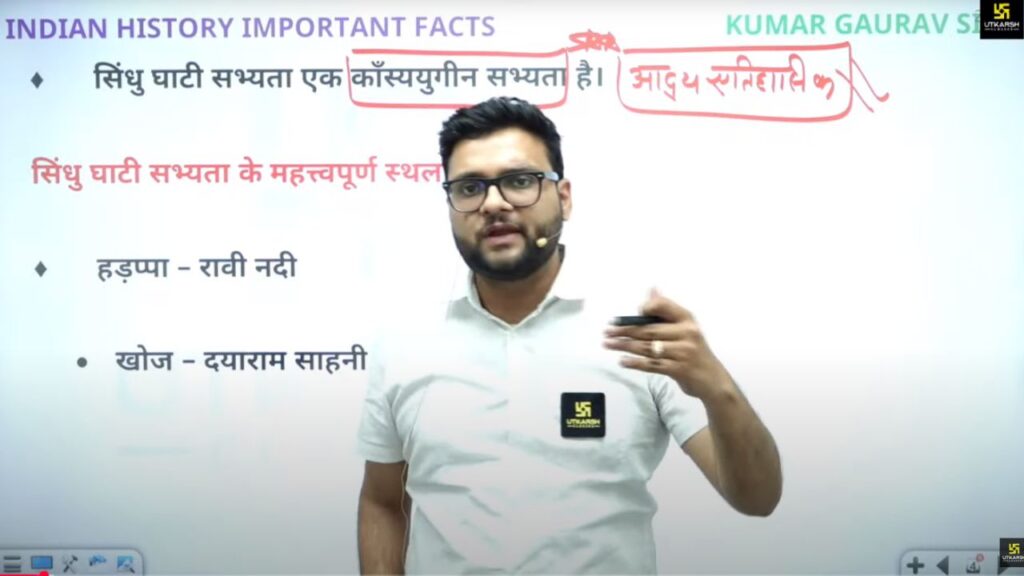
Kumar Gaurav
Kumar Gaurav’s methodological and calm teaching style is connecting events chronologically, it helps students to understand events without getting lost. He is the best for those who are not good with dates and events.
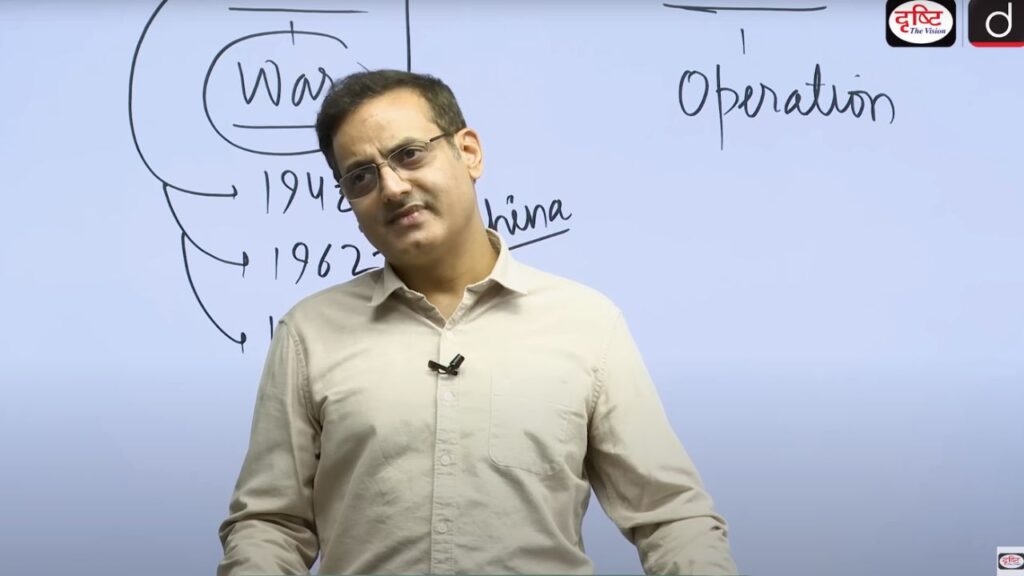
Dr. Vikas Divyakirti
Dr. Vikas Divyakirti is a founder of Drishti IAS, he motivates students to stay consistent. He emphasizes every event in History, connecting them with culture, society, and polity which makes it easier for students to understand easily. His deeper knowledge of history and integration with philosophy and polity make lectures a key success to interview stages.
Sumit Sir
Sumit Sir is focusing on exam-oriented teaching, stressing on previous year question practice to ensure students are aligned with the exam pattern. He helped clear the student’s confusion in difficult parts. He also provides exam notes and takes revision classes which is extremely useful before exams.
Why Choosing the Right History Teacher Matters
There is no single answer for the right teacher because it depends on the student’s mind and thinking. Some students get irritated or sleepy during History lessons because they get bored and don’t even understand the topic’s heading. The right teacher comes when you find the lessons more interesting and easy rather than difficult and boring.
These factors can help you find your right mentor
Teaching Style: Take a demo class of a few teachers and check which teacher’s explanation you understand better. Find the right mentor whose style aligns with your preparation needs. Exam Orientation: You prefer to study according to the exam pattern. Resources: Good teachers always provide concise notes, practice questions. Motivation: beyond just a teacher, they also inspire students to stay consistent.
History is not just a subject of delusion and theory, it is the journey of society, culture, and politics from years to years. The right teacher can make this interesting rather than boring events which makes it hard to remember.
Choose the right one in the list of Best History Teachers for Competitive Exams because he can make the burden go away. With the strong preparation in History can help you score high in any competitive exams.
Bachelor of Computer Applications is a great option for a career in the IT and software Industry. Many students get confused while choosing the top college for their undergraduate program, especially tech courses. A guide for BCA Colleges in Noida with Fee Structure will help them choose the right one. Not every college provides practical training, strong curriculum, and industry exposure which helps students to be prepared for the job in top tech companies like Amazon, Google, Infosys, Microsoft, HCL, TCS, and many others.
BCA is good for maintaining skills in coding, database management, web dev, and data structures and algorithms. So, if you are interested in any of these then you can choose this course but with the right college, you can get real knowledge and practice to acquire those skills.
There are no advantages to just having a degree, placement also matters when paying fees for your studies, studying hard to get a strong output then a good college matters the most.
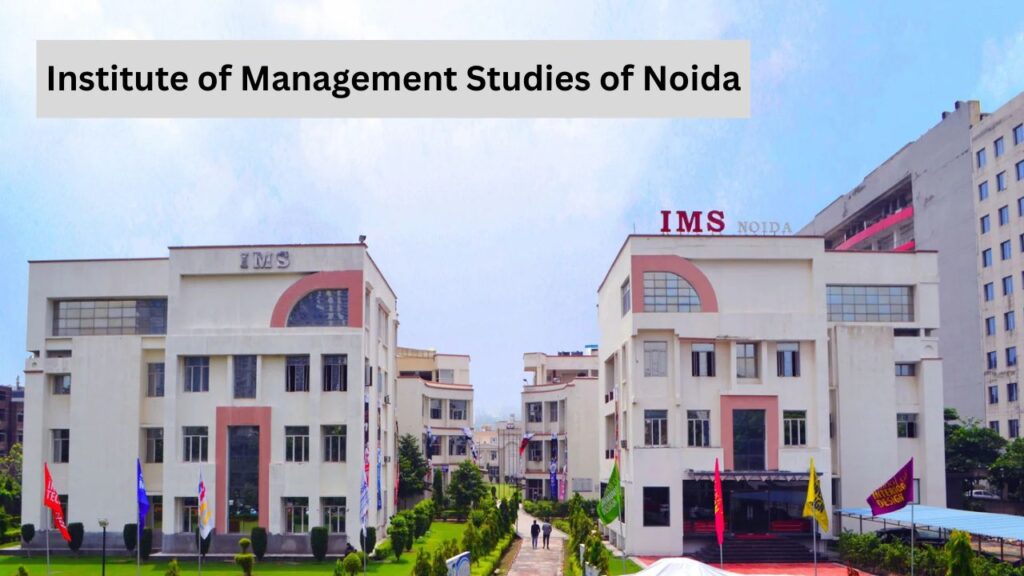
Institute of Management Studies of Noida
IMS is a private institute that offers various undergraduate and postgraduate courses. The BCA curriculum is as good as AKTU’s. If you have thought about choosing a career in tech then BCA is a good option. This college focuses on practical learning that helps students to polish their skills to be industry-ready. Industry exposure provides them with ideas of real-world projects and how to implement technical concepts to find solutions.
Admissions
For admission in BCA, this college selects students based on the Joint Entrance Exam. Students who are interested in the tech world and do not prefer B.Tech can take admission here.
Placements
IMS Noida is the top college for UG programs as it has a well-maintained record of placement and connection to industries. Students can get job opportunities after BCA and it is also ranked 2nd for offering BCA in Uttar Pradesh.
Fee
One-year fee for BCA in IMS is around Rs. 1.65 Lakhs. Candidates who can afford the fee expense can consider this college for BCA as it is best for that.
Jaypee Institute of Information Technology University
JIIT University is a great choice for students who want to join tech professionals. It offers world-class education and is recognized by the UGC. If you don’t want just a degree but also developed tech skills for industry purposes then BCA from this college is the right option for you. Computer science is a flagship department that focuses on advanced concepts such as AI, ML, Cloud Computing, and IoT.
Admission
This high-facility college selects its students through entrance exams and their 12th-class marks. Students can get their admission in this college if they have met the eligibility criteria of 60% merit score.
Placements
JIIT offers various opportunities to grow a career in the tech field. Many top tech companies are recruiting candidates from this college and offer a package of around 7 lakhs.
Fee
BCA fee is around 1.57 Lakhs for one year. Meanwhile, the B.Tech fee is double that of the BCA fee. So, students who want to study in this college but B.Tech is too expensive, consider BCA as a good option.
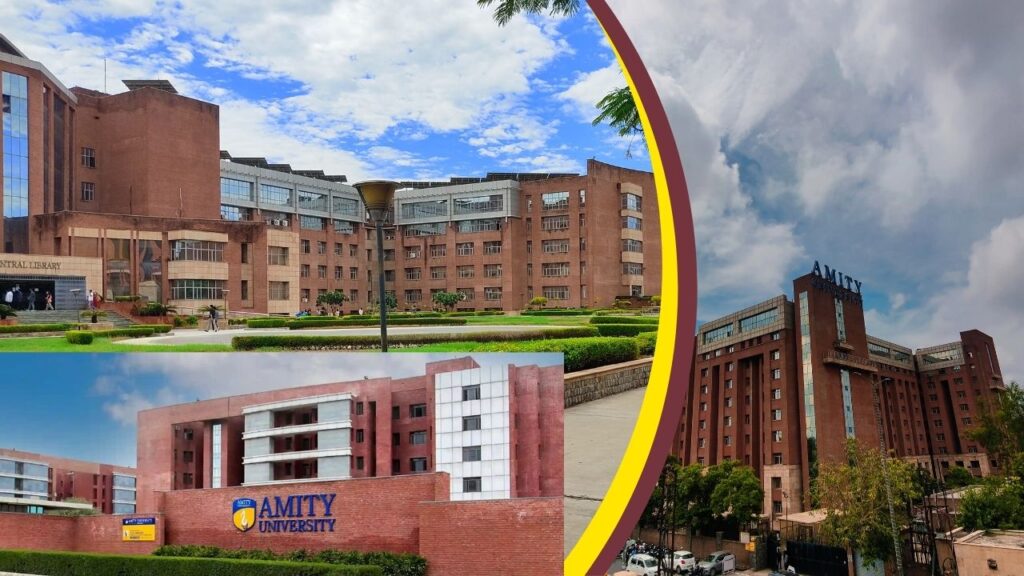
Amity University Noida
After 12th with science, students must get confused about where they should take admission for BCA. Amity University is a top university in Noida that offers high-tech labs, emphasizes innovation, and industry exposure. These are all best for the students who are learning to work in tech industries. College’s engineering programs accredited by IET. The top-ranked institution is a good option for BCA.
Admission
You want admission in air-conditioned stylish classrooms with a huge library then apply now. Admission in Amity University is based on merit of 12th.
Placement
Amity offers a strong alumni network and maintains good connections with the world leaders, giving students a chance to interact with them. MNCs like Wipro, TCS, and Accenture are recruiting from this campus.
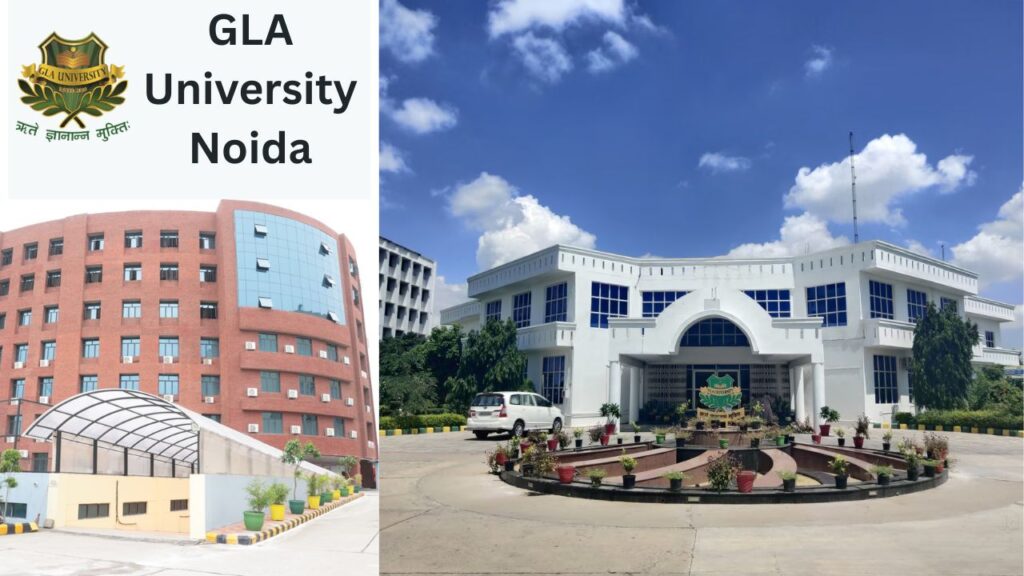
GLA University Noida
Focuses on advanced computer science and IT concepts to provide its students with great knowledge. They can get knowledge and skills required for the top industry placements.
Admission
Must have 12th class marksheet with 50% minimum score. The GLA entrance test is required for the BCA course.
Placement
The placement record is high with an average package of 7 LPA. Students can get a lot of opportunities as they are trained for industry-ready. Top recruiters are IBM, Infosys, HCL, and many more. You can get a chance to work abroad with a high package.
Fee
BCA total fee is nearly Rs. 4.8 lakhs. It’s half of the B.Tech fee of this college.
Bachelor of Computer Science is a great option for students who are interested in computer science and information technology. To work in this field requires enhanced skills and real knowledge of coding, networking, and media.
Admission
Admission is based on your 12th standard marks. Minimum 50% score from a recognized university by the student is required for the admission.
Placement
Placement chances are good, many Indian and global companies are recruiting from here. Average package is around 9.06 LPA for BCA students by companies like HCL, Yamaha, and others.
Fee
BCA fee is around Rs. 4.56 lakhs. It offers the best facilities and strong faculty support for students.
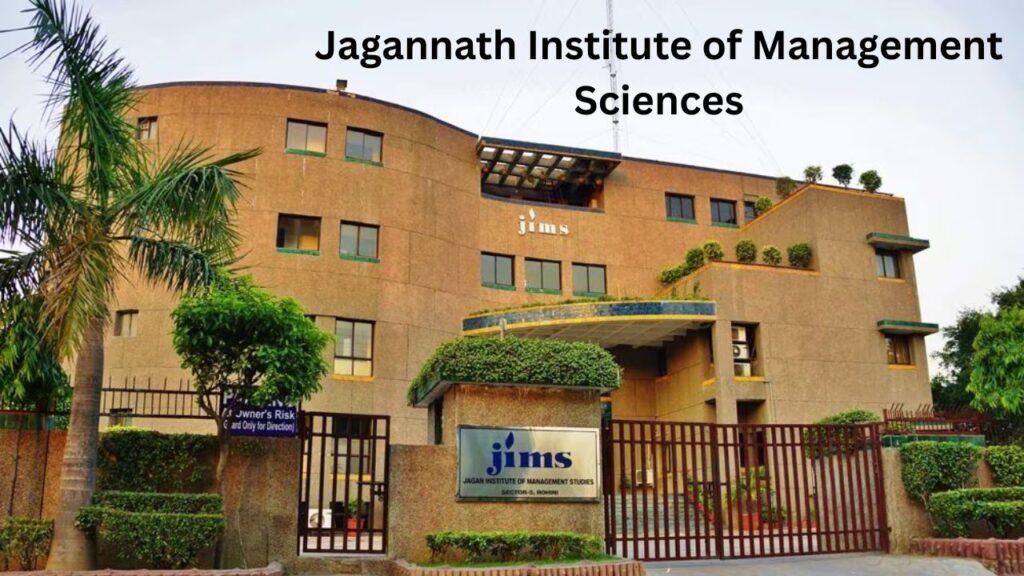
Jagannath Institute of Management Sciences
It offers industry-oriented curriculum to its students to improve their ability to provide innovative solutions to real-world problems. BCA is not just theory-based programme as it is related to tech then practical assignment is necessary for the students.
Admission
Apply now for admission in BCA through entrance test (JET) for BCA. Faculty provides full support and strong concepts in their curriculum. The decision for admission to this college is a great choice.
Placement
Strong placement record is proof that most students get a job in top companies that offer great salary packages. They can get the highest salary package of up to 9 LPA.
Fee
BCA fee is Rs 96,000 approximately. This is a one-year fee that offers a modern classroom, WiFi, hostel, and library. You can check the exact fee amount on their official website.
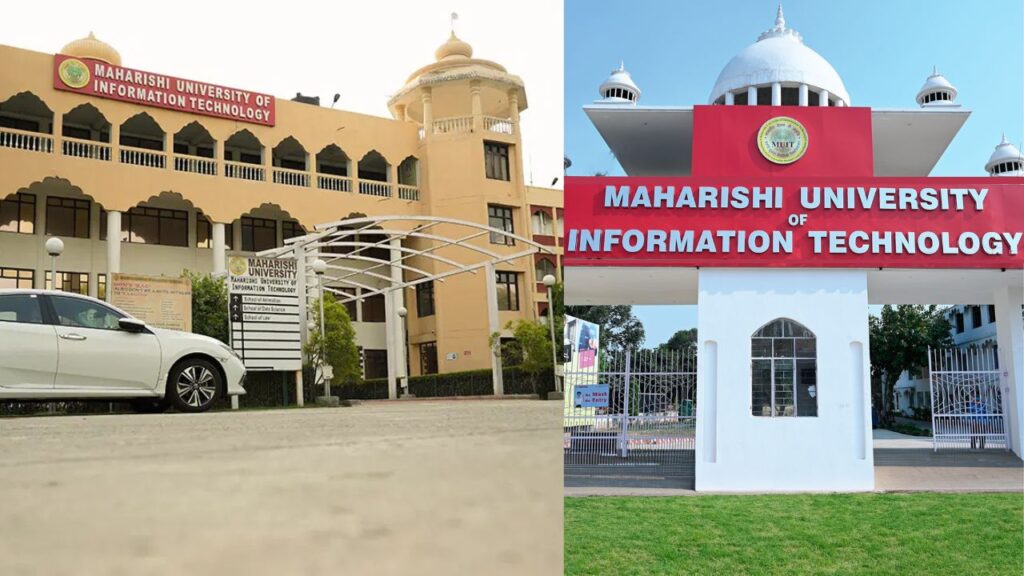
Maharishi University of Information Technology
This is a private university with many undergraduate and postgraduate programs. This university offers BCA programs with a strong curriculum, well-equipped labs, experienced faculty, and internship programs.
Admission
Students can get admission to this college based on their merit in 12th class. Apply online on their official website in the Computer Science Department. Check the admission dates then apply.
Placement
They offer great support in industry exposure to give students a chance to understand concepts of advanced technologies in companies. No worries about placement because the top tech companies like Intel, Mahindra, and Dell are recruiting from this college.
Fee
Maharishi University of Information Technology offers BCA around Rs. 80,000. It is a yearly fee for this course but some students can afford it.
Conclusion
If you are looking for an undergraduate program in computer science then these Top BCA Colleges in Noida with Fees, placement & Admission Details can help you choose the right college. This can be overwhelming when all top colleges are best in your interest, you can select one by aligning them with your budget, location preference, and faculty response.
Candidates who applied for the assistant engineer post can now download their admit card through the link here. Candidates should check their exam dates to be well-prepared. BPSC AE Admit Card 2025 has elements such as Name, Father’s name, DOB, Examination Centre, Exam Date, Roll Number, etc. Candidates can download the notification for the examination.
Candidates should download their admit card for examination on 17, 18, & 19 July. They have to get a card to enter the examination hall. After the exam, candidates who pass the exam can be eligible for the interview round.
Short Detail For BPSC AE Admit Card 2025
Post Name
Assistant Engineer
Exam Conducting Body
Bihar Public Service Commission
Purpose
BPSC is selecting candidates through this exam for 1024 vacancies as Assistant Engineers for various departments.
Central Board of Secondary Education (CBSE) is going to hold the Group A, B & C Tier-1 examination for various posts including Racing Officer, Assistant Secretary, Assistant Director, Accounts Officer, Junior Translation Officer, Junior Accountant, Junior Assistant, Assistant Professor and Superintendent. From 31 January 2026 To 01 February 2026. Candidates who will qualify the examination will be recruited for these posts as per the final result to be declared by CBSE.
In December 2025, the application form was filled and candidates who are waiting for the exams can now check their admit card. If the link is still not open then check again after a few hours on the official website of cbse.nic.in.
To download these, candidates will need the Application Number and Date of Birth. And no need to carry the exam hall ticket after downloading it for the exam.
CBSE Group A, B & C Important Dates
Event
Date
Notification Date
02/December/2025
Application Start
02/December/2025
Apply Online Last Date
27/December/2025 (Extended)
Fee Payment Date
27/December/2025
Correction Date
29 & 30/December/2025
Exam City Date (Tier-1)
17/January/2026
Admit Card Date (Tier-1)
Before Exam
Exam Date (Tier-1)
31/January/2026 to 01/February/2026
Result Date
Notify Later
CBSE Group A, B & C Recruitment – Age Limit
Criteria
Details
Minimum Age
18 Years
Maximum Age
27 / 30 / 35 Years (Post-wise)
Note
For detailed age relaxation rules, read the official CBSE Notification 2025
Group A Posts – Vacancy & Eligibility
Post Name
Vacancies
Study
Assistant Secretary
08
Undergraduate Required
Assistant Professor & AD (Academics)
12
PG Degree (55% marks) or equivalent from a recognised university (category-wise relaxation applicable)
Assistant Professor & AD (Training)
08
PG Degree or equivalent from a recognised university
Assistant Professor & AD (Skill Education)
07
PG Degree or equivalent from a recognised university
Accounts Officer
02
Graduate/postgraduate in Economics, Commerce, Accounts, Finance, Business Studies or Cost Accounting or any other professional qualification like MBA (Finance), CA, ICWA.
Group B Posts – Vacancy & Eligibility
Post Name
Vacancies
Study
Superintendent
27
Bachelor’s degree in any discipline having basic knowledge of computer and typing speed 35 WPM in English or 30 WPM in Hindi.
Junior Translation Officer
09
PG Degree in Hindi or English or equivalent
Group C Posts – Vacancy & Eligibility
Post Name
Vacancies
Study
Junior Accountant
16
Intermediate Marksheet; Necessary Subjects including Accountancy / Commerce / Economics / Business Studies / Finance with good typing speed
Junior Assistant
35
Intermediate Marksheet; speed of typing should be 35 WPM in English or 30 in WPM in Hindi.
How To Download Your CBSE Group A, B & C Admit Card 2026?
1. Visit the official CBSE website or tap on the direct link given below.
2. Search and click on the link for CBSE Group A, B & C Admit Card/Hall Ticket 2026 Download.
3. Fill in your Application Number and Date of Birth in the given column.
4. Press “Submit”.
5. Your admit card will be displayed on the screen. Save it or take a print out for future reference.
6. Bring with you a hard copy of your admit card and a valid photo ID when you appear for the examination and submit the same at the examination centre.