Top Highest Paying Government Jobs in India That Pay Like Private Sector!

top highest paying government jobs in India

If you are preparing for a government job, consider these top Highest Paying Government Jobs in India. Whether you have a background in science, commerce, or arts are eligible in various sectors. Becoming a scientist in the government sector is the best decision for engineers who want to take a chance on space research and solar system activities.

PSUs and Railways also offer high-paying jobs with additional benefits like allowance and career growth. So, choose the right path for your career to establish financial stability. Private sector doesn’t provide job security, pensions, and other perks while government sectors provide more than high salaries.

ISRO Scientists are highly trained engineers and researchers in India. They optimized their research on space exploration missions such as moon operations and other planets. They are innovative in designing and developing systems that capture real-time data of weather, disaster, or any other activity on the globe. Launching space materials to become the no.1 leader in technology around the whole world.

  • Eligibility: You must have a bachelor’s degree in Engineering or Technology like ECE, ME, CE, etc.
  • Salaries:
    • Entry-level pay – Rs. 56,000 – 70,000 per month.
    • Mid-Level Pay – Rs. 5 lakhs – 10 lakhs per month.
    • Senior Level Pay – Rs. 20 lakhs – 30 lakhs per month.
  • Benefits: 
  • Housing Allowance 
  • Travel Allowance
  • Dearness Allowance
  • Medical and LTC
  • Professional Growth
  • Career Progression: Level 10 to director levels with increment of salaries, level includes leadership and projects heads with also great responsibilities. Scientists evolving in big projects and achievements can have a chance to grow to the next level fast, the higher the level, the bigger the responsibilities but worth it all. 

DRDO Scientists are greatly admired because they are the most talented engineers who are responsible for specializing the defense technologies such as missiles, electronic materials, radars, and many more things that are helping our Armed Forces to stay ahead while under attack. They build advanced communication systems so they cannot be easily hacked, and research on new technologies like AI, ML & Cybersecurity to ensure support for the operational needs. Working with the military and shielding them with technologies is one of the pride jobs.

  • Eligibility: Master’s degree in Engineering like MS/PhD. To enter into a scientist position at DRDO, you must clear the entrance like SET or GATE.
  • Salaries (7TH Pay Commission):
    • Scientist B – Rs. 56,000 per month.
    • Scientist C – Rs. 67,700.
    • Scientist D – Rs. 78,800.
    • Scientist E – Rs. 1,23,100.
    • Scientist F – Rs. 1,31,100.
    • Scientist G – Rs. 1,44,200.
    • Secretary Level – Rs. 2.25 lakhs.
  • Benefits:
  • Housing Allowance up to 24%
  • Travel Allowance
  • Dearness Allowance
  • Medical and LTC
  • Professional Allowance per year.
  • Merit-Based Promotion
  • Career Progression: DRDO offers personal training in their institutions at Pune and Mussoorie are DIAT & ITM  respectively. Whether you want to acquire higher qualifications as a DRDO scientist or a chance for foreign deputation for training for specific assignments, you can go on further with any option.

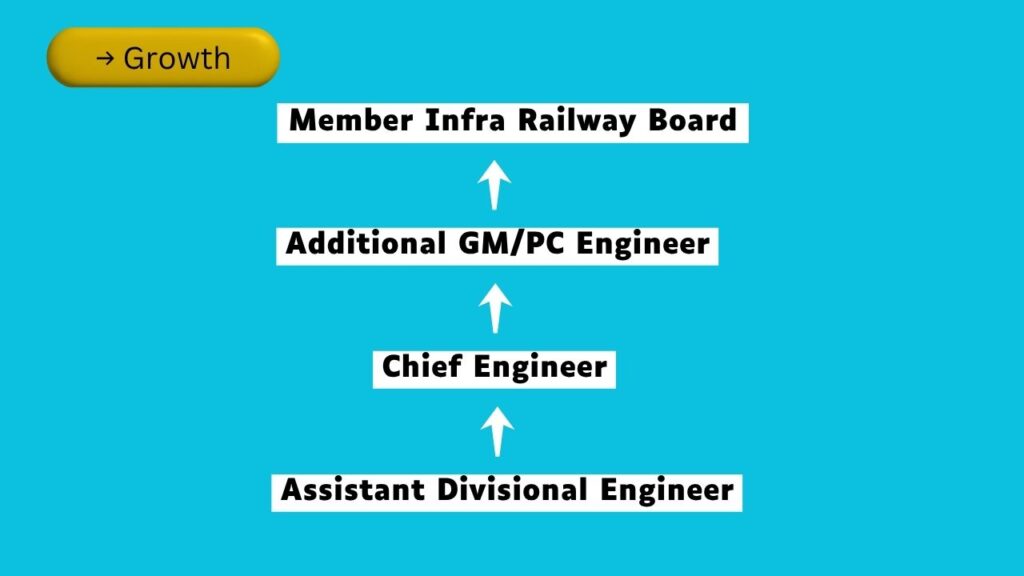
Working for infrastructure, maintenance, and railway track construction is part of the IRSE officer’s job. Safety, bridges, and tunnel development and maintenance are also under this job. The major projects also involved new railway lines, and coordination with other departments for operations like these.

  • Eligibility: B.tech or BE in Civil Engineering. For entering into an IRSE position in Indian Railway, you must clear the UPSC ESE exam.
  • Salaries:
    • Entry-Level: Rs. 56,100 + allowance per month.
    • Senior-Level: Rs. 35 lakhs per year. 
  • Benefits:
  • Housing Allowance up to 50%
  • Travel Allowance
  • Dearness Allowance
  • Medical and LTC
IRSE Officers (Indian Railway Service of Engineers)

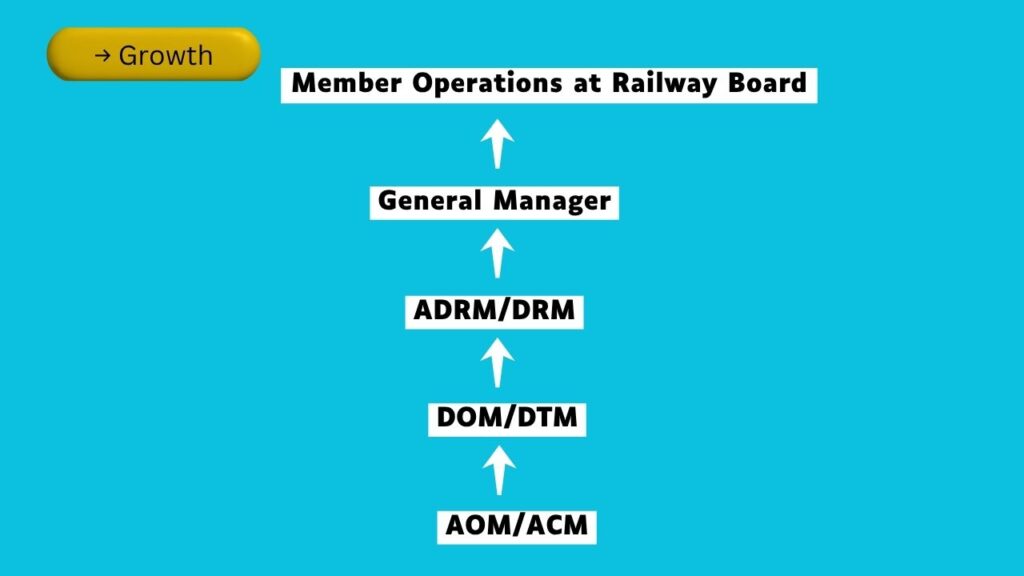
IRTS officers simply manage train operations, logistics, and other commercial disciplines that ensure the train reaches on time. The time track really disturbs other processes if they’re delayed due to a lack of attentiveness. So IRTS makes sure to check every process and transport that goods and passengers on time. Planning schedules for trains, and supervising operations both on trains and stations. Handling logistics and managing tickets to deliver the best services.

  • Eligibility: 50% of recruitment happens directly, and 50% is promoted from Group B. Candidates must have cleared the UPSC Service Exam.
  • Salaries:
    • Basic Salary – Rs. 56,000 per month.
    • Mid-Level Pay – Rs. 15 lakhs.
    • Senior-Level Pay – Rs. 2 lakhs.
  • Benefits:
  • Housing Allowance up to 24%
  • Travel Allowance
  • Dearness Allowance
  • Training at IIM & IIT
IRTS Officers

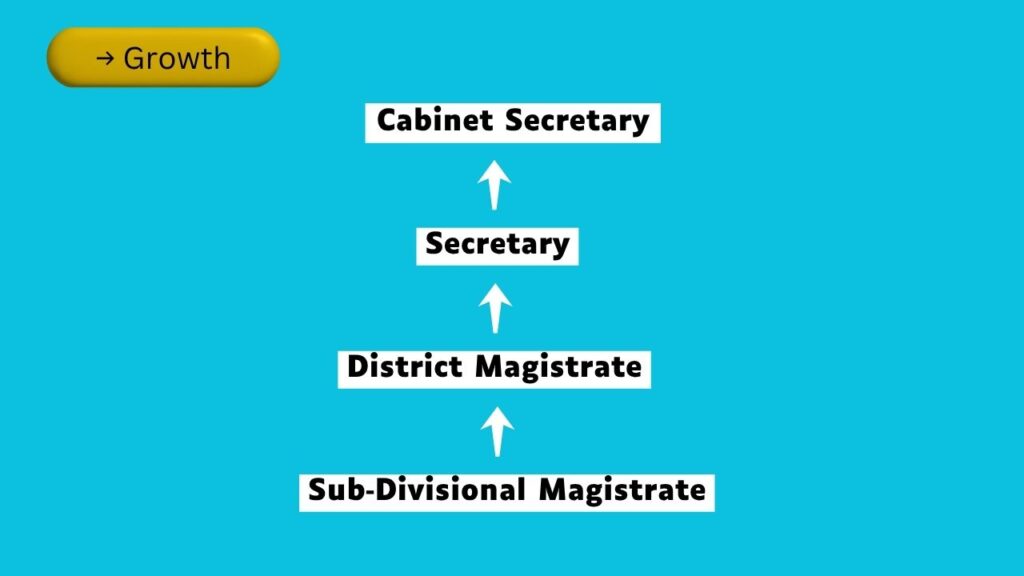
IAS officers are highly respected in Indian Society. The responsibility that comes with a badge is the top-level administration, where the administrator manages government policies, schemes, and daily operations related to states or cities at the national level. By acting as District Magistrates or Collectors they are maintaining law and order within the country. They have the responsibility to advise ministers, formulate policies, and ensure establishing success by managing any disaster.

  • Eligibility: Candidates must have cleared the UPSC Service Exam after passing their Graduation in any stream.
  • Salaries: 
  • Basic Salary – Rs.60,000 per month.
  • Mid-Level Pay (DM/Secretary) – Rs. 1.2 lakhs.
  • Senior-Level Pay (Cabinet Secretary) – Rs. 2.7 lakhs.
  • 50% dearness allowance
  • 8-24% housing allowance
IAS Officer

Indian Police Service: Leaders who lead police departments in states by investigating crimes, controlling any drug activities, and catching serial killers. Maintaining peace and preventing terrorism are their core responsibilities. Supervising team, implementing technologies in policy, and handling security under the protocol. Great responsibilities pay on a high-scale.

  • Eligibility: Candidates must have cleared the UPSC Service Exam after passing their Graduation in any stream.
  • Salaries: 
  • Basic Salary (DSP/ASP) – Rs. 80,000 per month.
  • Mid-Level Pay (SP) – Rs. 1.2 lakhs.
  • Senior-Level Pay (DGP) – Rs. 2.5 lakhs.
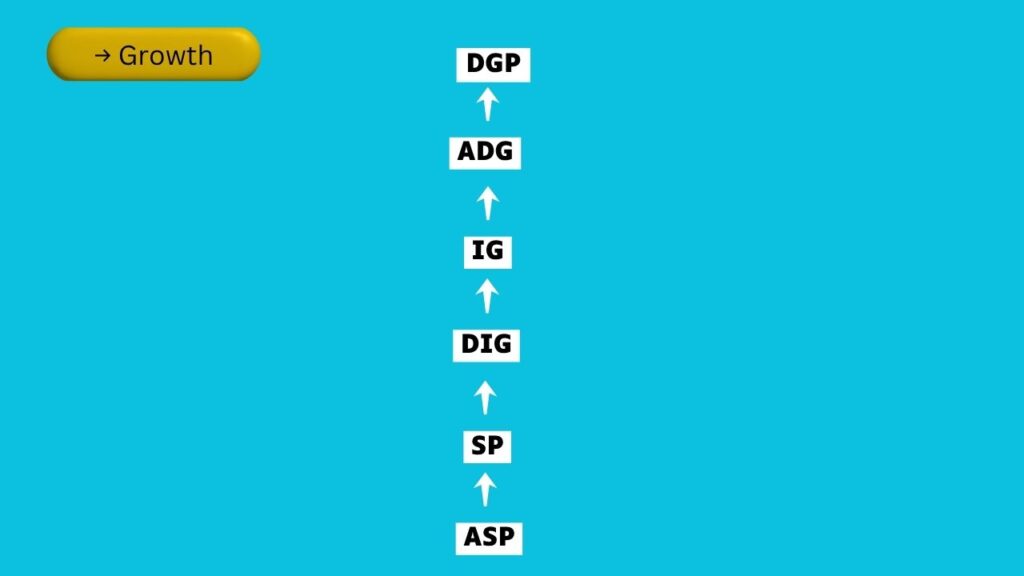
IPS Officers

NTPC is the largest organization in India for producing electricity from coal and gas. India’s reliable energy sector is responsible for serving energy around the country. They are establishing production, also expanding India’s renewable energy with solar and wind power projects.

  • Eligibility: Candidates must have cleared the PSU Exams. B.tech or Engineering degree with GATE scores. 
  • Salaries: Basic Salary – Rs. 60,000 per month. Additional allowances like housing, dearness, medical, and pension.

Oil & Natural Gas Corporation: It explores and drills for oil to make power that supplies to the industries, houses, and vehicles. Produces gas and oil for supply all over India and reduces reliance on other countries. It acts as empowering the country and cutting ties with other countries.

  • Eligibility: Candidates must have cleared GATE or PSU exams. B.tech or Engineering degree. 
  • Salaries: From Rs. 60,000 to 1.8 Lakhs per month to 1.4 Lakhs per month. Additional allowances like housing, dearness, medical, and pension.
Oil & Natural Gas Corporation

BEL is responsible for leading in radars, missile systems, and NAV systems. It specializes in providing national-level security and defense systems mainly in electronics.

  • Eligibility: Candidates must have cleared GATE or BEL exams. B.tech or Engineering degree in electronics or telecommunication. 
  • Salaries: From Rs. 1.5 Lakhs – 2.5 Lakhs per month. Additional allowances like housing, dearness, medical, and pension.
Bharat Electronics Limited

HAL works for defense in the air, they manufacture aero-engines, aircraft, and helicopters for the Indian armed forces. Most of the defense production is handled by the Hindustan Aeronautics Limited. The recruitment process for the jobs in the organization happens through the PSU exams.

  • Eligibility: Candidates must have cleared GATE or PSU exams. B.tech in aerospace or engineering in any other related field.
  • Salaries: From Rs. 1.25 Lakhs per month. Additional allowances like housing, dearness, medical, and pension.
Hindustan Aeronautics Limited (HAL)

There are a lot of bank jobs in the government sector that you can apply for if you are interested in finance, accounting, and management. Government bank’s roles including Probationary officer, Specialist Officer, and Managerial Roles are high-paying positions.

  • Eligibility: 
  • Probationary Officer (PO): Graduation in any stream.
  • Clerk: Graduation in any stream from a recognized college.
  • Specialist Officer (SO): Engineering degree for IT officer and MBA for marketing officer (relevant degree for specific posts).
  • Managerial Position: Post-Graduation with experience.
  • Benefits: Housing allowance, Travel allowance, and dearness allowance.
  • Salaries: Rs. 50,000 to ₹1,00,000 per month

Read More 👉 MPPSC Food Safety Officer Recruitment 2025 – High-Paying Govt Job! Apply Online Now

Defense services are highly respectable jobs in India that provide job security, pride, and high salaries. It requires both focus and physical fitness for selecting the roles in defense service, especially on the high-level jobs that pay high salaries.

  • Eligibility: 
  • Indian Army: 12th in any stream and Passed the NDA/CDS exam.
  • Soldier Ranks: 10th and 12th passed from a recognized board (depending on the roles).
  • Indian Air Force (IAF): 

Graduate in Physics + Maths for Pilots roles

Engineering degree for technical roles.

Graduation in any stream for non-technical roles.

  • Indian Navy: Officer Cadre roles required NDA/CDS pass + INET for specific branches.
  • Salaries: Rs. 56,000 to ₹2,50,000 per month.

Leave a Comment

Your email address will not be published. Required fields are marked *

Top 10 Best Government Jobs in Bihar You Should Apply for in 2025!

Best Government Jobs in Bihar

Finding a stable, respected, and rewarding job in Bihar is not hard because government jobs can provide you with all of these features. I have maintained a list of the Best Government Jobs in Bihar along with their details. Whether you are a 10th, 12th pass, graduate, or even a postgraduate, there are roles in various government ministries and departments for different-level jobs. 

Government jobs are still the first choice for many because of job security, high salary, reputation, and long-term benefits like a pension. Whether you’re from a rural or urban background, Bihar has options for all.

Each job has different eligibility, salary, and exams for selection. Worth applying for any government job because it will also provide you with career growth. 

    This exam is designed to recruit high-level administrative roles. One of the best and hardest exams in Bihar. Popular posts include:

    • Deputy Collector
    • Block Development Officer (BDO)
    • Revenue Officer
    • DSP (Police Officer)
    • Supply Inspector
    EligibilityAge LimitSelectionSalary
    Graduate in any stream21–37 yearsPrelims → Mains → Interview₹50,000 – ₹70,000/month

    If you are interested in the defense sector then you can apply for this job. There are different roles in the Bihar Police Service:

    • Sub-Inspector 
    • Constable
    • Assistant Sub-Inspector 
    • Inspector
    EligibilityAge LimitSelection ProcessSalary
    12th pass to Graduation (depending on post)18–37 yearsWritten Test + Physical Efficiency Test + Medical Exam₹25,000 – ₹45,000/month

    If you want to work in a Peaceful job, with long holidays, ideal for women and parents, teaching jobs have gained a lot of attention in Bihar, especially among women with thousands of vacancies in recent years. Popular posts include:

    • Primary Teacher (Class 1–5)
    • Upper Primary (Class 6–8)
    • PGT (Higher Secondary)
    • TGT (Secondary School)
    EligibilitySelection ProcessSalary
    D.El.Ed/B.Ed + CTET/Bihar TETWritten Test conducted by BPSC₹30,000 – ₹50,000/month (based on class level)

    BSSC is another body that recruits thousands of candidates for various roles which offers plenty of vacancies and it’s easy to prepare. Popular posts include

    • Clerk
    • LDC (Lower Division Clerk)
    • Assistant
    • Data Entry Operator
    • Stenographer
    EligibilityAge LimitSelection ProcessSalary
    12th pass or Graduation18–37 yearsWritten Test + Skill Test (for some posts)₹20,000 – ₹40,000/month

    These are all office-based jobs which offer fixed working hours. Judiciary departments in Bihar offer non-legal posts like:

    • Clerk
    • Peon
    • Stenographer
    • Assistant
    • Court Manager
    EligibilitySelection ProcessSalary
    10th/12th pass or GraduationWritten Test + Typing/Skill Test₹22,000 – ₹40,000/month

    Read More 👉 Bihar Panchayati Raj Technical Assistant Recruitment 2025

    Various roles for local development recruited under schemes like MGNREGA and PMAY, Bihar Government hires for local development roles like:

    • Panchayat Secretary
    • Block Program Officer
    • Technical Assistant
    • Computer Operator
    • Rozgar Sevak
    EligibilitySelection ProcessSalaryWhy Apply
    Graduate or Diploma in a related fieldWritten Test + Document Verification/Interview₹20,000 – ₹35,000/monthLocal postings, social impact, and less stressful work

    If you are interested in working for the health department then Bihar health sector jobs are in demand after COVID, especially under the National Health Mission (NHM). Popular posts include:

    • Community Health Officer (CHO)
    • Staff Nurse
    • Pharmacist
    • ANM / GNM
    • Lab Technician
    EligibilitySelection ProcessSalary
    Diploma/Degree in Nursing OR PharmacyWritten Test + Document Verification₹25,000 – ₹40,000/month

    Government-funds schemes are implemented under this department. These schemes are initiated for the Bihar Development projects. You can apply for these roles if you are interested in office-based and project-related work. Some common posts are:

    • Gramin Awas Sahayak
    • Account Assistant
    • MIS Executive
    • Junior Civil Engineer
    EligibilitySelection ProcessSalary
    ITI/Diploma/GraduateWritten Test + Skill/Trade Test₹18,000 – ₹35,000/month

    If you want financial security and fast promotions then banking jobs can offer you that. The Bihar government recruits candidates for public banks each year. You can apply for the following common posts: 

    • Clerk (Office Assistant)
    • Probationary Officer (PO)
    • Officer Scale I, II, III
    EligibilitySelection ProcessSalary
    Graduation in any disciplineIBPS Prelims → Mains → Interview₹30,000 – ₹60,000/month

    Those with basic education can apply for Group D posts in the railways or post offices. There are several jobs that are common:

    • Railway Group D (Helper, Track Maintainer)
    • Postman/Gramin Dak Sevak
    • Peon, Watchman, Office Assistant in various departments
    EligibilitySelection ProcessSalary
    10th passMerit-based or a simple written test₹18,000 to ₹30,000 per month

    Start early Preparation: For common posts, Group D has easy exams that can be prepared within 4-6 months but some exams like BPSC or BSSC take 6–12 months of preparation.

    Know the syllabus and exam pattern: Focus on Bihar GK, Current Affairs, Math, and Reasoning more.

    Practice daily: To finish the exam in a given time you need to be prepared with practice like Mock tests.

    Stay updated: Check on recruitment announcement on the official Bihar Government website. Here are the websites for Bihar government job updates:

    bpsc.bih.nic.in

    bssc.bihar.gov.in

    state.bihar.gov.in

    Keep multiple options open: Know your interest in the field and then apply for the role but apply for at least 2-3 roles to increase chances.

    There is no shortage of good government jobs in Bihar if you are ready to prepare and stay consistent. Don’t waste your time thinking that you can’t beat the competition, the core syllabus and the right strategy for exams can help you get high level jobs. 

    Whether you’re aiming for a high-ranking BPSC officer post or want a peaceful teacher’s life, the Bihar government also gives a chance to 10th pass students who want to start earning early and become a government employee. Choose any of the Top 7 Best Government Jobs in Bihar that ensure respect, stability, and financial peace for the long term.

    Leave a Comment

    Your email address will not be published. Required fields are marked *

    Latest UPSC Notification & Exam Pattern Changes For 2025

    UPSC Notification & Exam Pattern Changes

    If you are preparing for the UPSC exam then getting every update for the exam is necessary to appear in the exam and achieve your goal. Get UPSC Notification for UPSC CSE 2025 Exam which will happen in 3 phases—Prelims, Mains, and Interview. Aspirants should prepare according to the exam pattern. You can check the eligibility criteria, and exam pattern in this article.

    Highlights Of The UPSC Exam

    Conducting ByUnion Public Service Commission
    Exam NameUPSC Civil Service Exam
    PostsGroup A & B Officers
    Vacancy1129
    Selection ProcessPrelims, Mains, Interview
    Starting SalaryRs. 56,100 per Month
    Notification Release22/January/ 2025
    Application Starts On 22/January/ 2025
    Application Ends On11/February/ 2025
    UPSC Prelims Exam Date25/ May/ 2025
    UPSC Mains Exam Dates 22, 23, 24, 30, & 31/August/2025
    Final Result Update Soon

    Exam Pattern for UPSC Exam 2025

    Prelims: General Studies and CSAT, the two objective types of paper are conducted in prelims. Candidates must complete the first paper within 2 hours, the same duration applies to 2nd paper 2 too. Each paper is holding 200 marks, negative marking of 1/3 for every wrong answer. 

    CSAT Qualifying: 33% is the least to get in Paper 2 (CSAT) for clearing the exam and there is no change in the marking scheme. 

    Mains: Nine papers descriptive in terms 3 hours each, total marks 1750. 

    Interview: Personality Test is conducted of 275 marks

    No major changes: In exam pattern for 2025, just procedural changes happen this year and you can find the updates on the official website.

    Read More 👉 RBI Grade B Admit Card 2025 – Direct Download Link, Exam Date & Instructions

    Eligibility Criteria

    Age LimitGeneral: 21 to 32 years
    Age Relaxation for Reserved categoryOBC: up to 35 yearsSC/ST: up to 37 yearsPwBD: up to 42 years
    Education QualificationGraduate degree or final-year students eligible but they must provide proof of their education until Mains stage
    Attempts6 (General), 9 (OBC), unlimited for SC/ST

    Useful Links

    NoticeClick Here
    NotificationClick Here
    Official WebsiteClick Here

    Leave a Comment

    Your email address will not be published. Required fields are marked *

    ITI Admission Fees in Government College: Complete Fee Structure Guide

    ITI Admission Fees in Government College: Complete Fee Structure Guide Are you interested in Technical and Vocational Education Training (TVET) as a career option? A good Industrial Training Institutes(ITI) is a great way to learn a practical skill and get a job in a short span of time. How much does it really cost to join a government ITI? is probably among the most frequent questions that are buzzing in your mind if you have been looking for ITI courses. So let's get started with the full ITI Admission Fees in Government College details before jumping on the admission portal. Quick Overview of Fee Breakdown This is the fee structure in short for an Electrician course at a typical government ITI to make your career brighter. This will help you understand the budget of the two year course. Charge Amount Admission Fee –Given one time ₹100 Registration Fee –Given one time ₹50 Monthly Tuition ₹2,400 (₹100 × 24 months) Caution Money – given back later ₹250 Examination Fees ₹200 Student Welfare Funds ₹300 Total Approximate Cost ₹3,300 Note: The caution deposit is refundable on successful completion and your effective expenditure comes to approximately ₹3,050 for two years — Now that’s reasonably priced! Understanding the ITI Fee Structure The nice thing about government ITIs is that they are hilariously cheap when compared to private ones. With private ITI colleges charging fees ranging from ₹5,000 to more than ₹1,000,000 per year, fees of the government ITI colleges are affordable and it goes from ₹1,000 to ₹20,000 per year. So, students from all financial backgrounds can get quality technical education. But it's not just a single figure for the fee structure to pay and forget about it. The fees in government ITIs are divided into several heads, each of which is for a certain purpose. Knowing what all these entails will allow you to plan your finances so you don’t get a shock when it is time for admission. Tuition Fee: The Core Cost The tuition fee is the staple of your yearly outgoings. It is from ₹100 to ₹150 per month at most government ITIs in India which works out to be from ₹1,200 to ₹1,800 per year. For reference, the West Bengal government ITIs charge a total fee of ₹30 per month as a tuition fee, implying that you will be spending only ₹180 for the entire six-month course. These vary from state to state and institution to institution, so be mindful!​ The annual tuition fee for regular trainees, however, is Rs 1,800 (Rs 150 per month) at some government institutions such as the National Skill Training Institute (NSTI) in Patna. Yet if you are from SC/ST, you pay a lot less – just Rs 600 per year (Rs 50 per month). It is indicative of the government’s resolve to open the door of education to the underprivileged sections of the society. Admission Fee: One-Time Payment Consider the entry to the admission fees for the institution you are wants to apply. This is a one-time fee that you pay once you join and not every year. The admission fee is usually around ₹100 to ₹300 for most government ITIs. This is phenomenally low, and includes the cost of processing your application, verification of your documents, and the registration procedures.​ Interestingly, some institutes offer concessions to SC/ST students. For example, SC/ST students will have to pay Rs 25 instead of Rs 100 as admission fee. Registration Fee There is also a registration fee separate from the admission fee and the registration fee is usually between ₹30 to ₹200. This is for registering your enrolment with the records of the institute and getting you listed with the official registers. It’s a non-refundable fee which is paid generally at the time of verification of admission.​ Again, if you belong to SC/ST category you may get waived off from paying this fee in some institutes. Caution Money: A Security Deposit Important to understand: Caution money isn’t a fee that you are wasting. It’s a security deposit that is refunded. You pay it once (usually between ₹ 100 to ₹ 500) while admitting and you get it on successfully completing the course. This sum of money serves as a kind of insurance to keep students finishing their training and disciplined. Additional Funds and Charges In addition to the basic fees, the Govt ITI s also levies different student welfare and infrastructure enhancement funds which may be used for welfare activities of the students, for up-gradation or improvement in infrastructure. These might include: Gymkhana Fee Up to ₹100 To get along with sports and extracurricular activities Student Welfare Funds ₹50 to ₹375 Contributing to overall student development programs Placement Registration Fee Approximately ₹50 Helping the institute organize campus placements Smart Card Fund Around ₹200 For issuing digital identity cards Examination Fee At the time of examination, an institute usually levies a test fee of ₹25 to ₹100 per attempt. This includes the cost of holding exams, drafting question papers and conducting tests. Total Annual Cost For ITI Government Add all this up and see what the real number you’re looking at is. For a normal engineering trade class (say Electrician or Fitter) in a government ITI. First Year Fee is in range between ₹2,400 — ₹3,500 Subsequent Years As it vary on state, ₹1,500 to ₹2,000/year Delhi institute registration fee is Rs.200, so if you are applying there then this is the amount you have to pay at the time of verification along with the other applicable fees, which is quite nominal. Special Provisions and Exemptions For Girl Students A large number of Government ITIs provide relaxation to female trainees. Girl students are exempted from tuition fees as well as examination fees at institutes such as Patna's NSTI, rendering the course free for girls (the only exception being other compulsory deposits and fees). A few states have adopted similar policies to incentivize women to take up technical trades. For Reserved Categories There are hefty discounts for students who belong to the SC, ST, OBC or EWS category. Tuition is often waived or discounted to a token sum. In the ITIs of Odisha, the admission fees are waived for the trainees from SC, ST and women category whose family annual income is less than `2.5 lakhs, they have to pay only the caution money. For Persons with Disabilities (PwD) The government ITIs are said to extend exemptions and concessions to the special needs students, because 'they are handicapped and the financial burdens of study should be thrown off from their shoulders'. State-Wise Variations For the Fee of ITI One should note that the ITI fees vary according to states since education is a subject of state in Indian federalism. For instance, in Tamil Nadu, government ITIs charge anywhere between ₹5,000 and ₹7,000 per year, while in Himachal Pradesh, they charge between ₹6,000 and ₹8,000. With competition fees, states such as Bihar, Uttar Pradesh, and Rajasthan have the biggest network of government ITIs. Conclusion When you take into account that you are learning practical skills that are directly applicable to jobs in the public and private sectors, that is a huge amount of bang for your buck. Whether you are just finishing school and want to start your career or are planning a career change, government ITI courses provide a cost-effective, quality route to technical proficiency. The best way to get the most update on ITI Admission Fees in Government College is to go on your state’s ITI official website, check under what category you fit under for exemptions and email the best would be to the lucky one you want to attend for any questions. Your path to a rewarding career might be more affordable than you think! Meta title : ITI admission fee in government college. full fee guide 2025 Meta desc : Complete guide on ITI admission fees in government colleges: tuition, admission, exam fees, concessions for girls and reserved categories. Cost details for full 2 ​​years. Url : iti-admission-fees-in-government-college Focus Keyword : ITI Admission Fees in Government College Government ITI Fee Structure ITI Government College Fees 2025 ITI Course Fees in Government Institute ITI Fees for Girls & Reserved Category

    Are you interested in Technical and Vocational Education Training (TVET) as a career option? A good Industrial Training Institutes(ITI) is a great way to learn a practical skill and get a job in a short span of time. How much does it really cost to join a government ITI? is probably among the most frequent questions that are buzzing in your mind if you have been looking for ITI courses. So let’s get started with the full ITI Admission Fees in Government College details before jumping on the admission portal.

    Quick Overview of Fee Breakdown

    This is the fee structure in short for an Electrician course at a typical government ITI to make your career brighter. This will help you understand the budget of the two year course.

    ChargeAmount
    Admission Fee –Given one time₹100
    Registration Fee –Given one time₹50
    Monthly Tuition ₹2,400 (₹100 × 24 months)
    Caution Money – given back later₹250
    Examination Fees₹200
    Student Welfare Funds₹300
    Total Approximate Cost₹3,300

    Note: The caution deposit is refundable on successful completion and your effective expenditure comes to approximately ₹3,050 for two years — Now that’s reasonably priced! 

    Understanding the ITI Fee Structure

    The nice thing about government ITIs is that they are hilariously cheap when compared to private ones. With private ITI colleges charging fees ranging from ₹5,000 to more than ₹1,000,000 per year, fees of the government ITI colleges are affordable and it goes from ₹1,000 to ₹20,000 per year. So, students from all financial backgrounds can get quality technical education.

    But it’s not just a single figure for the fee structure to pay and forget about it. The fees in government ITIs are divided into several heads, each of which is for a certain purpose. Knowing what all these entails will allow you to plan your finances so you don’t get a shock when it is time for admission. 

    Tuition Fee: The Core Cost

    The tuition fee is the staple of your yearly outgoings. It is from ₹100 to ₹150 per month at most government ITIs in India which works out to be from ₹1,200 to ₹1,800 per year. For reference, the West Bengal government ITIs charge a total fee of ₹30 per month as a tuition fee, implying that you will be spending only ₹180 for the entire six-month course. These vary from state to state and institution to institution, so be mindful!​

    The annual tuition fee for regular trainees, however, is Rs 1,800 (Rs 150 per month) at some government institutions such as the National Skill Training Institute (NSTI) in Patna. Yet if you are from SC/ST, you pay a lot less – just Rs 600 per year (Rs 50 per month). It is indicative of the government’s resolve to open the door of education to the underprivileged sections of the society. 

    Admission Fee: One-Time Payment

    Consider the entry to the admission fees for the institution you are wants to apply. This is a one-time fee that you pay once you join and not every year. The admission fee is usually around ₹100 to ₹300 for most government ITIs. This is phenomenally low, and includes the cost of processing your application, verification of your documents, and the registration procedures.​

    Interestingly, some institutes offer concessions to SC/ST students. For example, SC/ST students will have to pay Rs 25 instead of Rs 100 as admission fee. 

    Read More 👉 CAT 2025 Exam Analysis: Difficulty Breakdown for VARC, DILR & QA

    Registration Fee

    There is also a registration fee separate from the admission fee and the registration fee is usually between ₹30 to ₹200. This is for registering your enrolment with the records of the institute and getting you listed with the official registers. It’s a non-refundable fee which is paid generally at the time of verification of admission.​

    Again, if you belong to SC/ST category you may get waived off from paying this fee in some institutes.

    Caution Money: A Security Deposit

    Important to understand: Caution money isn’t a fee that you are wasting. It’s a security deposit that is refunded. You pay it once (usually between ₹ 100 to ₹ 500) while admitting and you get it on successfully completing the course. This sum of money serves as a kind of insurance to keep students finishing their training and disciplined.

    Additional Funds and Charges

    In addition to the basic fees, the Govt ITI s also levies different student welfare and infrastructure enhancement funds which may be used for welfare activities of the students, for up-gradation or improvement in infrastructure. These might include: 

    Gymkhana FeeUp to ₹100To get along with sports and extracurricular activities
    Student Welfare Funds₹50 to ₹375Contributing to overall student development programs
    Placement Registration FeeApproximately ₹50Helping the institute organize campus placements
    Smart Card FundAround ₹200For issuing digital identity cards

    Examination Fee

    At the time of examination, an institute usually levies a test fee of ₹25 to ₹100 per attempt. This includes the cost of holding exams, drafting question papers and conducting tests. 

    Total Annual Cost For ITI Government

    Add all this up and see what the real number you’re looking at is. For a normal engineering trade class (say Electrician or Fitter) in a government ITI. 

    First YearFee is in range between ₹2,400 — ₹3,500
    Subsequent YearsAs it vary on state, ₹1,500 to ₹2,000/year 

    Delhi institute registration fee is Rs.200, so if you are applying there then this is the amount you have to pay at the time of verification along with the other applicable fees, which is quite nominal.  

    Special Provisions and Exemptions

    For Girl Students

    A large number of Government ITIs provide relaxation to female trainees. Girl students are exempted from tuition fees as well as examination fees at institutes such as Patna’s NSTI, rendering the course free for girls (the only exception being other compulsory deposits and fees). A few states have adopted similar policies to incentivize women to take up technical trades. 

    For Reserved Categories

    There are hefty discounts for students who belong to the SC, ST, OBC or EWS category. Tuition is often waived or discounted to a token sum. In the ITIs of Odisha, the admission fees are waived for the trainees from SC, ST and women category whose family annual income is less than `2.5 lakhs, they have to pay only the caution money. 

    For Persons with Disabilities (PwD)

    The government ITIs are said to extend exemptions and concessions to the special needs students, because ‘they are handicapped and the financial burdens of study should be thrown off from their shoulders’. 

    State-Wise Variations For the Fee of ITI

    One should note that the ITI fees vary according to states since education is a subject of state in Indian federalism. For instance, in Tamil Nadu, government ITIs charge anywhere between ₹5,000 and ₹7,000 per year, while in Himachal Pradesh, they charge between ₹6,000 and ₹8,000. With competition fees, states such as Bihar, Uttar Pradesh, and Rajasthan have the biggest network of government ITIs. 

    Conclusion

    When you take into account that you are learning practical skills that are directly applicable to jobs in the public and private sectors, that is a huge amount of bang for your buck. Whether you are just finishing school and want to start your career or are planning a career change, government ITI courses provide a cost-effective, quality route to technical proficiency. 

    The best way to get the most update on ITI Admission Fees in Government College is to go on your state’s ITI official website, check under what category you fit under for exemptions and email the best would be to the lucky one you want to attend for any questions. Your path to a rewarding career might be more affordable than you think! 

    Leave a Comment

    Your email address will not be published. Required fields are marked *

    CTET Exam Date 2026: Notification, Exam Schedule, Application Dates and Complete Details

    CTET Exam Date 2026

    The Central Board of Secondary Education (CBSE) has issued the notification for CTET Exam Date 2026. The candidates applying for the position of teachers in India should note the date for this important exam. The CTET 2026 21st edition is going to be held on Sunday, 8 February 2026. If you want to make your career in teaching, then this is a good national level eligibility test to check your abilities.  

    Dates To Follow For CTET Exam

    EventDate
    Application Start Date27/November/2025
    Last Date to Apply18/December/2025 
    Exam Date08/February/2026 (Sunday)
    Result (Tentative)March/2026

    Exam Pattern & Schedule

    Paper-19:30 AM — 12:00 PM
    Paper-22:30 PM — 5:00 PM

    Whereas Paper-1 is designed for class first to fifth, Paper-2 is structured from seventh to eighth class teacher. Both papers have 150 MCQs that carry 150 marks and the passing score is 60%. 

    Paper 1 Syllabus (Classes 1-5)Paper 2 Syllabus (Classes 6-8)
    Child Development & Pedagogy (30 marks) : Concepts of learning, psychology of the child.Language I & II (30 marks each) : ComprehensionMathematics (30 marks) : Numbers, shapes, operations.ENVIRONMENTAL STUDIES (30 marks) Family and Environment, Science Basics. An excellent knowledge of theories and practices in child development and pedagogy etc. is necessary for the implementation of inclusive education.Language I & II (30 marks each): Advanced comprehension.Mathematics and Science (60 marks): Algebra, physics, biology.OR SOCIAL STUDIES (60 MARKS) : HISTORY, CIVICS, GEOGRAPHY. 

    Read More :- Top NEET Colleges in Lucknow with High Ranks, Fees, Seats and Details

    Salary For CTET Exam Date 2026

    The level 1 position offers Rs 9,300 to Rs 34,800 along with the Grade along with the Grade Pay of Rs 4200. While candidates can earn up to Rs. 34,800 with Grade Pay of Rs 4600 at Level 2 position.

    Apply HereClick Here
    Exam NoticeClick Here
    Official WebsiteClick Here

    Leave a Comment

    Your email address will not be published. Required fields are marked *

    UPPSC APO Admit Card 2026 Out: Check Exam Center and Date

    UPPSC APO Admit Card 2026

    The wait has ended for thousands of law graduates in Uttar Pradesh. UPPSC APO Admit Card 2026 Out – Download Uttar Pradesh Public Service Commission Assistant Prosecution Officer Hall Ticket at official website of UPPSC. If you’ve been studying the books, memorizing sections of the newly written laws, and keeping track of every notification, this is the “green light” you’ve been waiting for.

    The post of Assistant Prosecution Officer (APO) is among the most prestigious posts in the state’s legal system, and with 182 vacancies this year, the competition is fierce as ever. This is your ultimate guide to everything on the admit card, about the exam and how to survive the last days of your preparation. 

    Key Dates for UPPSC APO 2026

    EventImportant Date
    Admit Card Release Date12/March/2026
    Exam Date22/March/2026
    Exam Timing9:00 AM – 11:30 AM (Single Shift)
    Official WebsiteClick Here

    UPPSC APO eligibility

    Candidates should have done LLB from a recognised university by UGC and approved by Bar Council of India. They should be citizens of India (or in case of special provisions for subjects of Nepal/Bhutan, Tibetan refugees prior to 1962, or certain migrants). The reservation benefits are applicable for the Uttar Pradesh Domicile holders only, rest of the candidates will be treated in unreserved category. 

    Age Criteria

    From 21-40 years old candidates are allowed for this exam and age relaxation detail given below: 

    CategoryAge RelaxationMax Age
    SC/ST/OBC (UP)+5 years45
    PwD (UP)+15 years55
    Women (UP domicile)+5 years45
    Ex-servicemenService yearsPer 

    The 2026 Exam Pattern

    This year is crucial as the syllabus is revised to include the repeal of old colonial-era laws and their replacement with the new Indian legal regimes. The Prelims are a screening test, your marks for them will not get added to your final merit list, but you will have to clear the cut-off for them to be eligible for Mains. 

    Prelims Structure (150 Marks)

    General Knowledge (50 Marks): This section includes Indian History, National Movement, World Geography and Current Affairs.

    Law (100 marks): The big change here is you’re no longer tested on the old IPC, CrPC and Evidence Act, but on the Bharatiya Nyaya Sanhita (BNS), Bharatiya Nagarik Suraksha Sanhita (BNSS) and Bharatiya Sakshya Adhiniyam (BSA).

    Add U.P. Police Act and the Indian Constitution both for better preparation.

    Beware of Negative Marking! There is a penalty or mark deduction of 0.33 (1/3rd) for every incorrect answer. If you don’t know the answer, you’re usually better off not guessing blindly. 

    Follow These Steps to Download Your UPPSC APO Admit Card 2026

    The process has been made digital and is fairly simple to execute through the One-Time Registration (OTR). How to download hall ticket without any glitch:-

    1. Go to the Portal: Visit the website of UPPSC.
    2. Locate the Link: Find the “Important Alerts” section. A link will be available to Download UPPSC APO Admit Card 2026.
    3. Input Your Information: To retrieve your hall ticket, you must have OTR number, Date of Birth and Gender.
    4. Confirmation: Type Captcha as is or select Captcha as you are told to from the screen.
    5. Download, Print and Save: As soon as your admit card is displayed on your screen, download it. 
    6. Pro-tip: Print at least 2–3 copies. Put one in your bag, one in your house for backup. 
    CategoryFee (₹)
    General/OBC/EWS125
    SC/ST/Ex-Servicemen65
    PwD25

    Selection Stages

    • Preliminary Exam: Paper objective type with negative marking (150 marks, 2 hours) on General Knowledge and Law; only for screening, with 0.33 negative marking.
    • Mains Exam: 500 marks of question paper came which you have to solve in Descriptive manner. It contains law and general studies questions and its important one as the marks are included in the final merit list.
    • Interviews (50 marks) are given on the basis of their interview which is conducted mostly on legal knowledge, communication and suitability.

    Read More:- Indian Navy Agniveer SSR / MR Recruitment 2026: Eligibility, Dates, Salary & Apply Online

    Merits Stage-Wise

    StageMarksPurpose
    Prelims150 (qualifying)Screening
    Mains500Core evaluation
    Interview50Personality 

    Success Roadmap

    Next StepsAction
    TodayDownload/print admit card (OTR no. + DOB needed)
    Daily (Mar 16-21)2 mocks + weak area revision (new laws priority)
    Exam DayCarry ID and Admit Card, Arrive on Time

    Preparation Tips

    It’s important to prepare well for 150-mark prelims as it’s an entry gate for the mains and avoid guesses because of 0.33 negative marking. After prelims, focus on descriptive Mains (500 marks) where your legal depth will shine, and an interview of 50 marks that tests clarity and conviction. You’ve already the qualification, and you have paid the fees, and you’ve cleared the first hurdle — now take the plunge with discipline for one of 182 most coveted legal posts in UP. 

    Conclusion

    The UPPSC APO Admit Card 2026 release is coming near and it is a final chance for those follower who is wants to get 182 APPO post in Uttar Pradesh. The exam is set to be held on March 22, so candidates can now gear up for their last phase of preparation by revising important legal concepts, attempting mock tests, and making sure that they have all the requisites for the exam day. 

    Leave a Comment

    Your email address will not be published. Required fields are marked *

    Scroll to Top