Top 10 Mobile Apps for Government Exam Preparation in 2025

Top 10 Mobile Apps for Government Exam Preparation

The struggle of preparing for competitive exams is a common issue, students find it hard to get helpful resources. The top 10 Mobile Apps for government exam preparation will be helpful for you. It’s not about knowing the apps but understanding which app has a particular resource for your exams is challenging, especially when you’re just starting. There may be dozens of apps promising “success” and “selection,” but let me be honest with you, only a few are genuinely helpful. 

Testbook – The All-Rounder You Can Trust
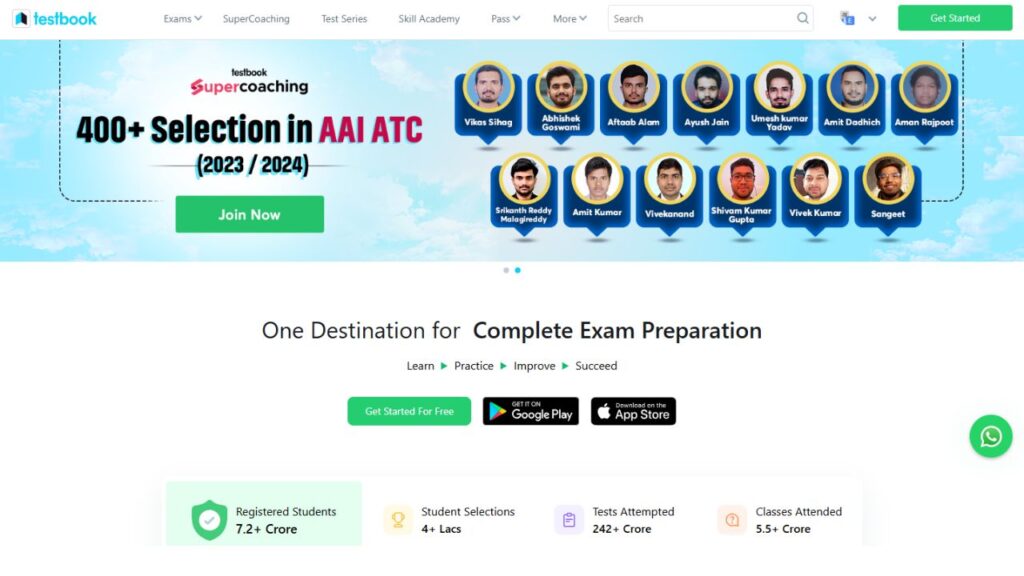
If you are someone who wants to prepare for SSC, PSUs, RRB, Defence, or even State-level exams, Testbook is your best starting point. This App has a simple design which makes it user-friendly and powerful mock tests. After each test you have, it generates a detailed performance report like where you’re weak and how much time you spent on each question. It’s used by more than 5 crore students across India. Even if you’re just in 10th or 12th now, you can start building your basics here slowly.

Adda247 – Best for Hindi Medium and Bilingual Students
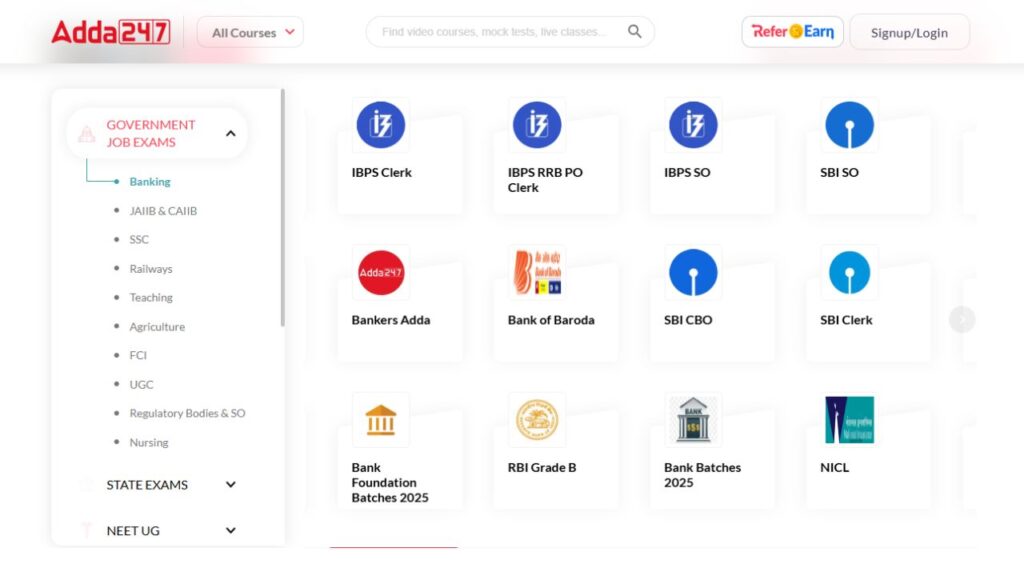
If you want to learn in your native language like Hindi or want preparation in both Hindi and English, Adda247 is a great option. It’s very popular for Government Exams. This app provides daily notes on current affairs, live video classes, free PDFs, and QAs. The best part is you will also find motivational sessions and free YouTube content from their teachers. Many girls from small towns mentioned that they prepare for their exams with this app on Google Reviews. 

Unacademy – Learn Live from Top Educators
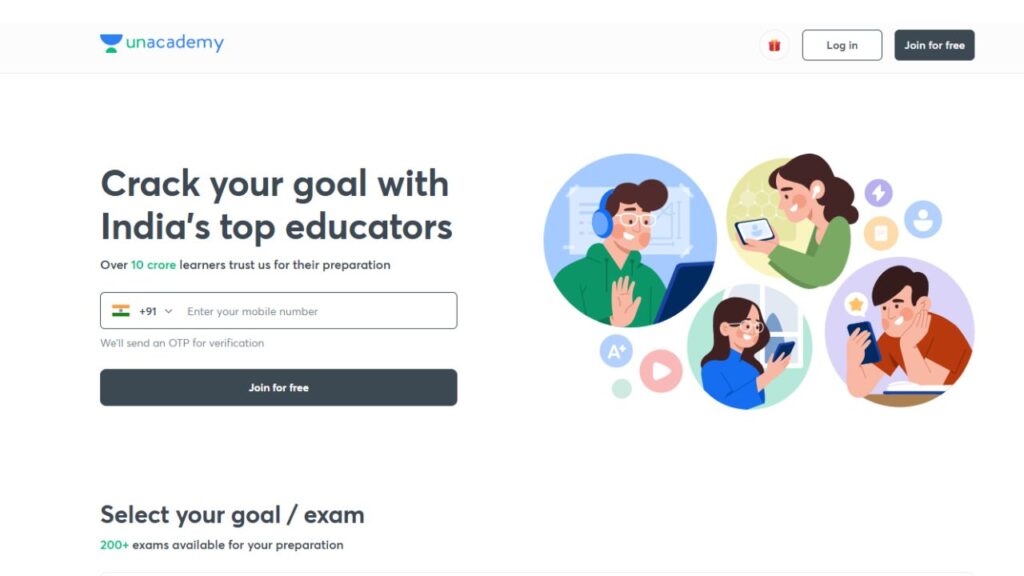
Unacademy is perfect if you like learning from live classes rather than just reading PDFs or solving MCQs. Some students are capable of learning by listening faster than notes. Concepts were explained by the top educators in a detailed manner. Whether it’s UPSC, SSC, Bank, or State PSC exams, you’ll get proper guidance. With this app, you can record a live session to watch later. The app offers more features in the paid version but many free classes are also available.

Careerwill App – Structured Courses for Serious Learners
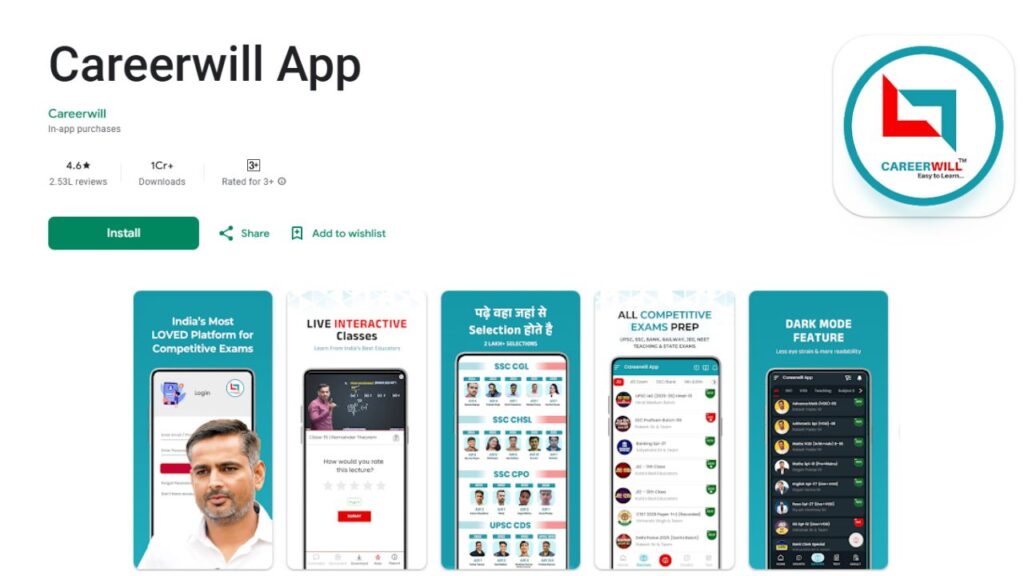
This app is preferred for senior people who want to switch their careers to a government job. If you like planning, schedules, and a fixed timetable, Carerwill can be a solid choice. Start preparing with the help of top educators on this app. They provide quality content and latest exam patterns to prepare fast and strategically to level up in competitive exams. It’s especially good for students who don’t want to get lost in a lot of syllabi but need the right direction.  

Smartkeeda – Best for Practice and Analysis
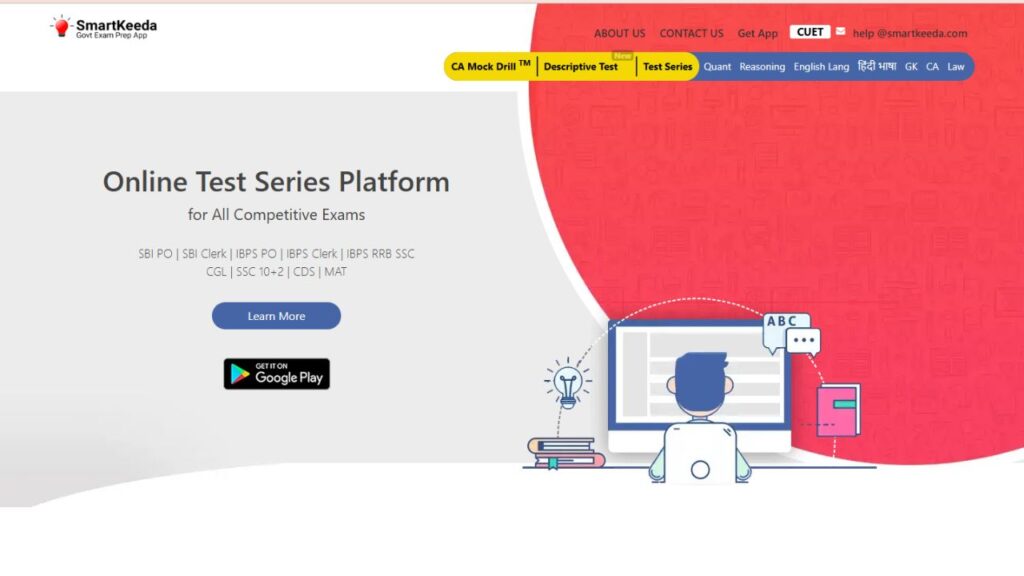
It’s not just about reading but you need strategic planning to cover all the points which help you clear out the exam. Practicing with Smartkeeda which prepared you for Banking, SSC, and Insurance exams. Their time-based analysis, solution quality, and explanation format are top-notch. Many toppers credit their success to Smartkeeda’s mocks. If you are full of knowledge and just need to polish your exam content then this is the best app.  

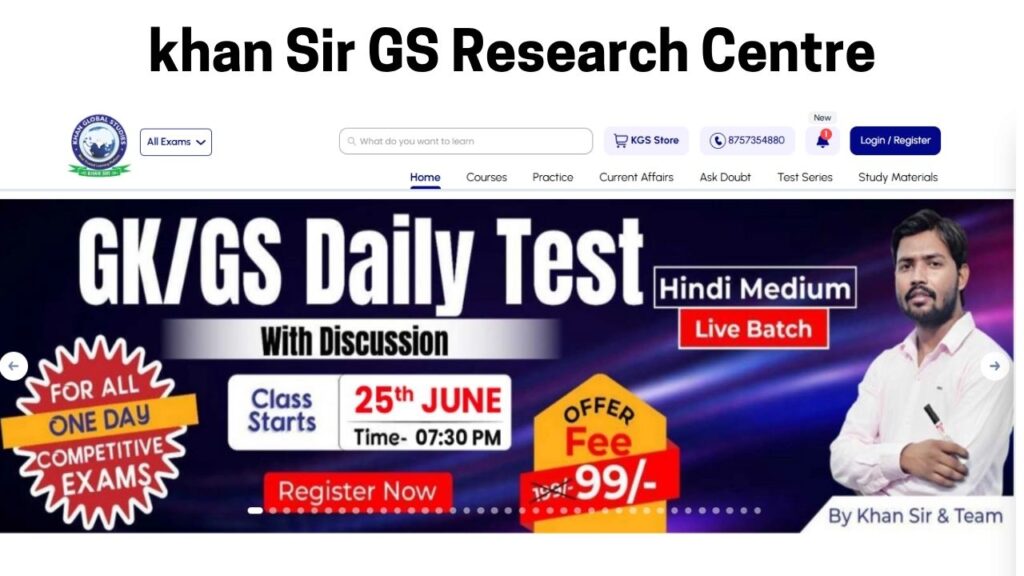
Khan Global studies is an ideal app for those who want to assess the deeper knowledge in each subject to score in 90 above. You must have to give time consistently to prepare for the competitive exams. It offers live lectures, test series, and study material for UPSC, MPPSC, RRB, SSC, PSU, NDA, CPF, AirForce, and many more. You can record lectures for later revision. This app is launched by Khan Sir, use this app to level up your preparations.

Students of primary classes have dreamed about becoming an IAS or IPS, and this app is perfect for them. The language is easy to understand and makes them prepare with time and effort. After following up with ClearIAS, the app focuses purely on civil services preparation. It gives current affairs, daily MCQs, subject-wise notes, and strategy sessions. 

If you’re someone already thinking of a future in the Banking sector, CrackitToday is made for specific banking exam preparation. This app includes daily quizzes, monthly PDFs, and a ranking system that tells you where you stand. So, be smart to download and start preparing today. The user interface is very beginner-friendly so anyone can use it easily. The app keeps updating its content with new trends and expected questions.

Another interesting option for daily practice is Kadmik. If you love challenging games then consider this app as your career saver. Start your study without getting bored. It also has the option for you to earn points, climb leaderboards, and revise previous mistakes. It has questions for SSC, Banking, and Aptitude tests. Ideal for those who want to engage in fun while studying.  

PW is well-designed and contains solid questions. Ideal for those who want to prepare seriously without wasting time. It is best for peaceful study for JEE, NEET, SSC, UPSC, GATE, and Railways exams. The App rating is 4.6 and many students praised its content quality.

Read More 👉 Top Highest Paying Government Jobs in India That Pay Like Private Sector!

Staying regular and starting early is a smart choice for students who want a career in government jobs. Don’t run here and there for resources just download the app according to your needs. Confusion begins when you start using too many apps at once. 

  • To get study materials and start preparing from scratch, use Testbook or Unacademy.
  • If you want to learn in Hindi, download Adda247.
  • Students preferring coaching structures and videos can go for Byju’s exam prep.
  • Help to build study habits, use Qudoo or Kadmik. 
  • Revised helpful apps: Smartkeeda and CrackitToday. These apps are masters in building your concepts solid.

Before you start your journey for a government job. Consider these apps on your mobile to help you get one step ahead in the competition. Many students had to search for books, ask teachers, and sit in crowded coaching classes. These top 10 Mobile Apps for government exam preparation are helpful to start your journey.

Don’t try too many questions in a single day, just try to be consistent and everything’s wrapped up naturally. Your journey may seem long now but with the right tools and mindset, you can achieve your goal. So choose your app smartly. Make a daily habit. Start small. And stick to it.


Leave a Comment

Your email address will not be published. Required fields are marked *

UPSSSC PET Syllabus 2026 PDF: Subject-wise Topics & Exam Pattern

UPSSSC PET Syllabus

If you are among the lakhs of aspirants who are going to appear in the UPSSSC PET Syllabus 2026 exam, you are already aware of the procedure — this exam is the filter. Clear it and a plethora of Group B and Group C government jobs in Uttar Pradesh awaits you. If you fail to clear it, and none of those Mains exams even become an option. 

This is why having a proper understanding of the syllabus From day one is more important than just diving in and doing some random practice sets. 

So, let’s analyze the UPSSSC PET Syllabus 2026. What is asked in the exam, marks distribution of each section and how you should prepare to crack the exam. 

What Exactly Is UPSSSC PET?

UPSSSC PET refers to the Preliminary Eligibility Test, which is organized by the Uttar Pradesh Subordinate Services Selection Commission. Think of it less as a “final” recruitment test and more as a preliminary screen. 

It’s compulsory — you cannot even fill out the application form without a valid PET scorecard. If you pass the PET test, your score is good for three years, so you can use it to apply for multiple positions during that period without having to retake the test. 

The examination is offline on pen and paper using OMR sheet and it is for basic level aptitude and general awareness and not for anything very technical or domain specific. 

Exam Pattern: The Numbers You Need to Know

Before diving into subjects, it helps to understand the shape of the paper:

FeatureDetails
Total questions100
Total marks100 (1 mark per question)
Duration2 hours
Negative marking0.25 marks deducted for every wrong answer
Question typeObjective, multiple-choice with four options

That quarter of a mark negative marking is worth remembering — guessing blindly can damage your score, so accuracy is as important as speed here. 

Subject-Wise Breakdown

The UPSSSC PET Syllabus is spread across roughly 15 sections, each with a fixed number of questions and marks. Here’s how it typically looks:

Indian History & Indian National Movement (5 questions, 5 marks each — 10 total) This spans a broad history, including the Indus Valley Civilization, Vedic culture, Jainism/ Buddhism, and leaves off at the Maurya, Gupta, Mughal dynasties and the freedom struggle. Questions on the Swadeshi Movement, Civil Disobedience Movement and the rise of revolutionary nationalism, the Quit India Movement, personalities like Netaji Subhash Chandra Bose and the Azad Hind Fauj. 

Geography (5 questions, 5 marks) Topography of India and the world, lakes and rivers and their valleys, underground water, Himalayas, deserts, minerals, political mapping, weather conditions, India Times, and population trends and movements of people. 

Indian Economy (5 questions, 5 marks) This is a narrative of India’s economic path from 1947 to 1991 and thereafter — the Five-Year Plans, the mixed economy model, the green revolution, bank nationalization, the 1991 economic reforms, and more recently GST and post-2014 structural/sector reforms. 

Indian Constitution & Public Administration (5 questions, 5 marks) The Fundamental Rights and Duties, Directive Principles, parliamentary and federal system, relations between the Union and the States, the judiciary, and local government through Panchayati Raj institutions. 

General Science (5 questions, 5 marks) Basic Physics, Chemistry, and Biology — roughly at a Class 12 difficulty level, so nothing too advanced, but you do need conceptual clarity.

Elementary Arithmetic (5 questions, 5 marks) Integers, percentages, basic calculations, square and cube roots, powers, means and such basic and general topics in math. 

General Hindi (5 questions, 5 marks) Grammar-related — synonyms, antonyms, one-word substitutions, gender differentiation, homophones, idioms, and proverbs, frequent mistakes, and quizzes on famous writers and their productions. 

General English (5 questions, 5 marks) Basic grammar rules along with an unseen passage to test comprehension.

Logical Reasoning (5 questions, 5 marks) A fairly mixed bag — blood relations, coding-decoding, number series, syllogisms, venn diagrams, direction sense, puzzles, statement-conclusion questions, and hysteresis. .

Current Affairs (10 questions, 10 marks) World and national events — that’s where being on top of the recent news really serves you well. 

General Awareness (10 questions, 10 marks) A miscellany of neighboring countries, capitals and currencies, Indian states and UTs, national and international day, sports, art and culture, awards, famous books and authors and environment related issues. 

Hindi Unseen Passages (10 questions, 10 marks) Two comprehension passages in Hindi to test reading and interpretation skills.

Graph Interpretation (10 questions, 10 marks) Two graphs, testing your ability to read and analyze data quickly.

Table Interpretation (10 questions, 10 marks) Similar to graph analysis, but with tabular data instead.

The following three sections — passages in Hindi, graphs and tables — carry 30 marks in total. That’s almost a third of your total marks, and it’s often the section that candidates underestimate the most. 

Read More 👉 Best BTech Colleges in Lucknow: Fees, Placements, and Admission Reality for 2026

How to Approach Your Preparation

Considering how dispersed this syllabus is, trying to learn everything at the last minute is just not going to cut it. A better way to think about this is to think of this as a marathon, not a sprint: 

  • Prioritize the data interpretation sections. As graphs, tables and Hindi passages are for 30 marks, regular practice in this section can give you an advantage over other candidates who concentrate only on GK. 
  • Don’t skip static GK for the sake of current affairs. History, geography, economy, and polity constitute 20 marks, and these topics remain static — once you study them thoroughly, they are yours forever. 
  • Revise Hindi grammar rules actively. Many candidates, especially those confident in Hindi, tend to get careless here. Small grammatical nuances trip people up more often than expected.
  • Practice with a timer. Two hours for 100 questions sounds comfortable, but data interpretation and comprehension sections eat up time fast if you’re not used to them.
  • Use previous year papers. They’re one of the best ways to understand the actual difficulty level and question framing, rather than relying purely on assumptions about what “might” come.

Read More 👉 IBPS PO MT XVI Recruitment 2026: What Every Banking Aspirant Needs to Know

Conclusion

The UPSSSC PET Syllabus isn’t designed to be intimidating — it’s designed to test whether you have a well-rounded, functional understanding of general knowledge, basic aptitude, and language skills. The trick isn’t studying harder in isolation; it’s studying smart, giving weight to sections based on their actual mark share, and revising consistently rather than in bursts.

Leave a Comment

Your email address will not be published. Required fields are marked *

IBPS PO MT XVI Recruitment 2026: What Every Banking Aspirant Needs to Know

IBPS PO MT XVI Recruitment

If you began your preparation for the IBPS PO with the mock tests of the last year, then your syllabus is already out of date with yesterday’s blueprint. The IBPS PO MT XVI cycle for 2026 has evolved quite a bit in terms of number of vacancies, in the Mains exam, and even in the rounds after the interview, so aspirants who do not revise their strategy might find themselves sitting in the exam hall solving a paper that is no more. 

Here are the real differences this time around and what that means for how you prepare. 

What Changed in IBPS PO MT XVI 2026

The IBPS PO MT XVI detailed notification was published on 30 June and 01 July 2026 on ibps.in, inviting applications for the posts of Probationary Officer and Management Trainee in 11 participating public sector banks for the recruitment year 2027–28. 

The total number of vacancies mentioned in the first notification was 6,715. That figure has since shifted — as per the 20 July 2026 update from IBPS, the number stands at 7,365, which is approximately 29% more than last year’s intake. 

Two banks, UCO Bank and Union Bank of India, had not yet submitted their vacancy numbers as of this update, so the final count may change once more before the end of the process. Bank of Baroda, Canara Bank, and Bank of Maharashtra currently have the largest number of vacancies. 

The date for application also got extended. It was initially scheduled to end on 21 July 2026 but IBPS extended the last date to 26 July 2026. This year also brings something new with effect: a two-day correction window post registration closure, so candidates who find an error in their form after submission are not doomed by it. 

Important Dates for IBPS PO MT XVI Recruitment 2026

MilestoneDate
Detailed notification released30 June – 1 July 2026
Online application window1 – 26 July 2026 (extended from 21 July)
Preliminary exam22 & 23 August 2026
Main exam4 October 2026
Personality Test / InterviewTo be announced

Treat the interview and personality test dates as provisional until IBPS confirms them closer to the Mains result — that stage of IBPS PO MT XVI typically gets scheduled bank-wise, so your call letter will carry the exact date and centre.

Eligibility Criteria

To apply for IBPS PO MT XVI Recruitment, you need a graduation degree in any discipline from a recognised university, with your mark sheet or provisional degree certificate in hand at the time of registration — IBPS doesn’t accept “result awaited” candidates. 

The age bracket is 20 to 30 years as on 1 July 2026; the usual government relaxations for reserved categories apply, but confirm the exact slab-wise relaxation against the official notification PDF rather than assuming it mirrors last year’s, since IBPS has been known to revise fine print between cycles.

The application fee is ₹175 for SC/ST/PwBD candidates and ₹850 for everyone else, payable online through the IBPS portal.

Salary and Pay Scale

An IBPS PO MT XVI Recruitment selected candidate shall begin at the basic pay of ₹48,480. When DA, HRA and other allowances are included, the salary comes to around ₹74,000-76,000 per month in-hand, although it may vary based on place of posting and allowances structure of individual banks. 

Read More :- UPSC Principal and Vice-Principal Recruitment 2026: Must Check Complete Details

The Exam Pattern For IBPS PO MT XVI Really Diverges From Last Year

Prelims remains the same. It’s still 100 questions for 100 marks on English Language, Quantitative Aptitude and Reasoning Ability, with 60 minutes for the duration which is divided into three separate timers of 20 minutes each. A ¼ mark will be deducted for each wrong answer and your Prelims score is only a qualifying hurdle — it is not taken into account for the final merit list. 

Mains is what makes IBPS PO MT XVI Recruitment seem an altogether different exam. The objective paper has increased from 145 questions to 170 questions, while the total marks remain 200 in a duration of 160 minutes. The English Language now asks more questions but awards fewer marks – 20, down from 40, so that each English question is worth less than it ever was.  

General/Economy/Banking/Digital/Financial Awareness has been increased to around 50 questions for 60 marks and is one of the heaviest sections in the exam and also Data Analysis & Interpretation has been given more marks.  

The subjective paper remains 25 marks for 30 minutes, although sources vary on whether it’s essay writing and comprehension or if it includes letter writing — do confirm this with your admit card and the official notice when released, don’t take either version for your final source of information. 

Selection Process: Four Stages, Not Three

Where IBPS PO MT XVI Recruitment used to run Prelims, Mains, and Interview, this cycle adds a fourth step: a Personality Test, conducted after Mains and before the interview. It’s mandatory for anyone shortlisted, but non-qualifying — its purpose is to hand the interview panel a personality profile rather than to filter candidates out on its own. 

The interview itself is still conducted by the individual participating banks, and you’ll need at least 40% to qualify (35% for SC/ST/OBC/PwD candidates). 

Final merit combines Mains and Interview scores in an 80:20 ratio — Prelims marks play no role beyond getting you through the door.

One Preparation Tip You Shouldn’t Skip 

Don’t wait until after Prelims to deal with the Mains shift. Because Banking Awareness and Data Analysis & Interpretation now carry noticeably more weight in IBPS PO MT XVI’s Mains paper, block out a fixed weekly slot — even 30 minutes, three times a week for RBI circulars, recent monetary policy changes, and current banking-sector news, starting today rather than after Prelims is done. 

Candidates who leave Banking Awareness for a last-minute cram before Mains are the ones most exposed by this year’s restructured weightage.

Read More:- MPPSC ADPO Recruitment 2026: Everything Law Graduates Need to Know 

Review These Details Before Applying

The vacancy count for IBPS PO MT XVI Recruitment isn’t fully locked yet, with two banks’ numbers still pending, and the interview-stage calendar hasn’t been released. Keep checking ibps.in directly rather than relying on secondhand vacancy figures as you get closer to results — in a cycle with this many moving parts, the official notification is the only version worth trusting completely.

Conclusion 

The IBPS PO MT XVI Recruitment 2026 notification came with more vacancies and a new selection process, so it is a good chance to grab for banking aspirants. Check your eligibility, apply online, and start preparing for Prelims and the revised Mains exam today. 

There might be updates for vacancies and schedules from IBPS’s side, so keep visiting the official site for the latest notifications and do not trust other websites. 

Leave a Comment

Your email address will not be published. Required fields are marked *

Best M Tech Colleges in India Without GATE You Can Apply to in 2025

best M Tech colleges in India without GATE

There are several Best MTech Colleges in India without Gate, you can take admission with other entrance exams and personal interviews. Some top colleges of India for MTech are IITs, NITs, Anna University, Delhi University, Banaras University, and some private universities such as BITS Pilani, VIT, SRM, and Jamia Millia Islamia. Let’s explore the best colleges in India which can offer you an MTech degree.

You don’t have to go through the GATE exam but still  you need to score in their respective entrance exam. Some private institutes like VIT and SRM can offer MTech on merit. These colleges not just provide degrees but also offer placement opportunities to their students. 

Best M Tech Colleges in India Without GATE

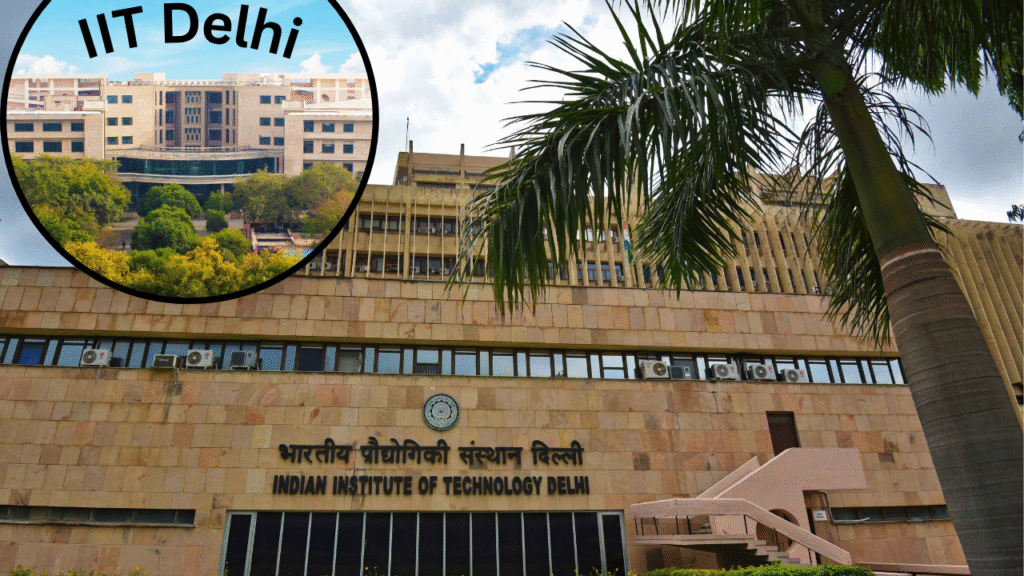
IIT Delhi

IIT Delhi

IIT Delhi offers admission through GATE but some seats are vacant for the industry-sponsored candidates for MTech. It also offers a part-time MTech program for working professionals. You may have to clear their own entrance exam to get admission. Your graduation CGPA also matters as a part of the admission process. 

Fee (Approx.)₹36,950 per semester
M.Tech SpecializationsComputer Science, VLSI, Data Science, Cyber Security, Structural Engg, Mechanical Design, others
Average to Highest Salary₹18.8LPA – ₹41.1LPA

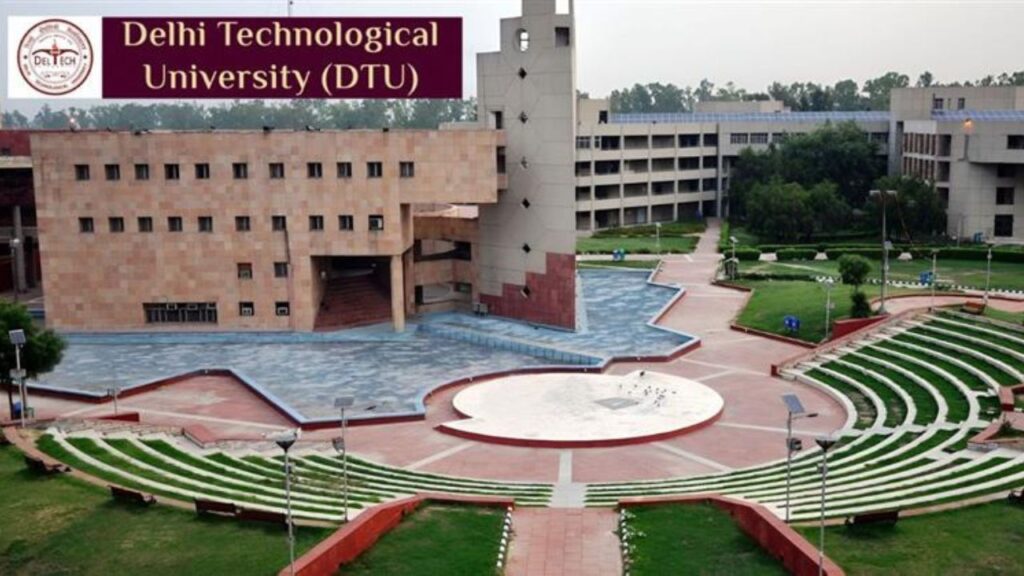
Delhi Technological University

Delhi Technological University

If you are searching for the best college for MTech program in Delhi then this is one of the best in engineering where you can get quality education and placement opportunities. If candidates do not have GATE scores then they must pass the entrance test for the admission. DTU approves candidates with above 60% marks in their Bachelor’s degree.

Fee (Approx.)₹90,000 – ₹1,60,000 per semester
M.Tech SpecializationsCS, IT, VLSI Design, Thermal, Structural, Manufacturing, Mechanical, Electronics, others
Average to Highest Salary₹10 to ₹60 LPA

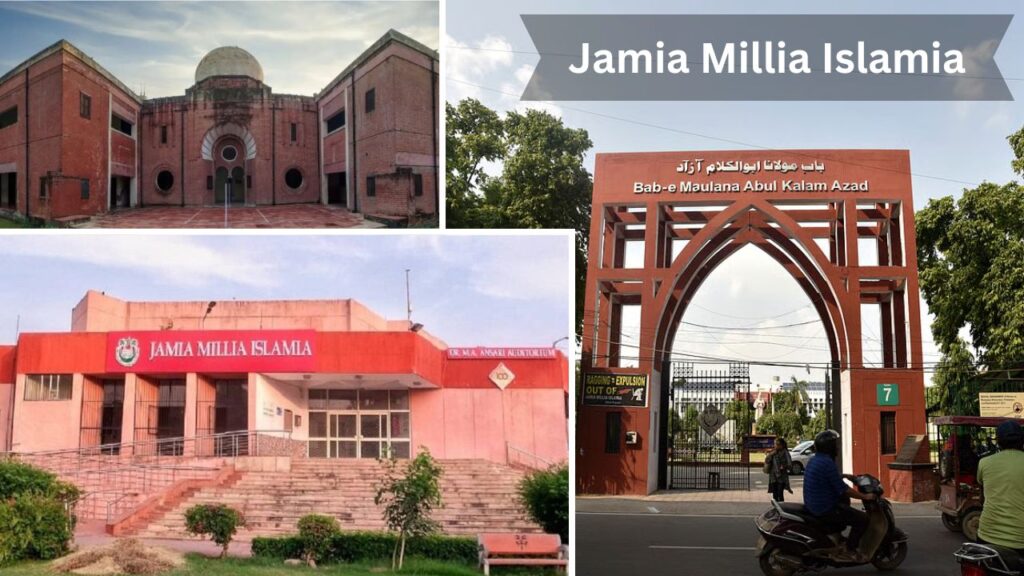
Jamia Millia Islamia

Jamia Millia Islamia

Jamia Milliam Islamia is one of the oldest universities that offers various programs. MTech from this college will be worth your career opportunities. Admission is conducted via GATE but it also offers MTech through their own entrance exam. 

Fee (Approx.)₹18,350–₹56,590
MTech SpecializationComputer Engineering, Env. Science & Engineering, ECE, Mechanical, Nanotechnology, Power Systems, Control Systems, Data Processing, Thermal Engineering, Energy Science, Production & Industrial, Earthquake Engg.
Average to Highest Placement ₹5–₹22 LPA

Aligarh Muslim University

MTech offers vast opportunities to the AMU students with good placement opportunities. That’s not it, AMU offers a professional program on a low budget so every student can get equal opportunity for higher education. The admission is done through GATE or their own entrance exam. You can take that entrance exam and secure your seat in MTech.

Fee (Approx.)₹6,000 – ₹15,000 per semester
M.Tech SpecializationsStructural, Electronics, Environmental, Civil, Mechanical, Electrical Machines, CS, others
Average to Highest Salary Package₹5 to ₹20 LPA

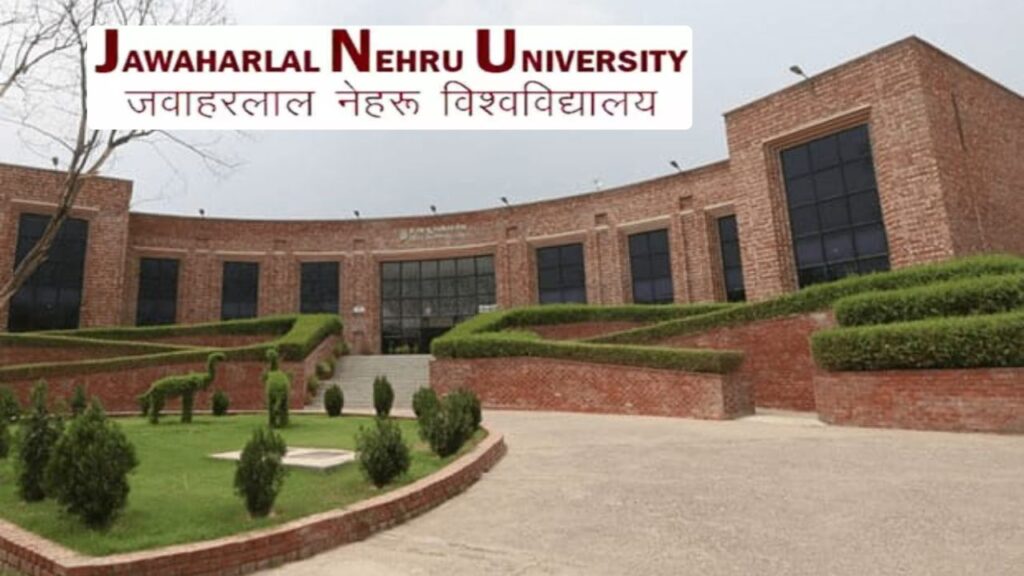
Jawaharlal Nehru University

Jawaharlal Nehru University

JNU offers MTech at lower price, students can easily pursue their higher education but they must have cleared the JNU entrance exam for the admission. Candidates must score 55% above in graduation. 

Fee (Approx.) for MTech in other field₹1.28 Lakhs for entire course
Fee (Approx.) for MTech in CS₹385 per year
MTech SpecializationComputer Science & Technology is a key specialization available at JNU. Other specializations are limited as JNU primarily focuses on niche areas.
Average to Highest Placement ₹11 to ₹33 LPA

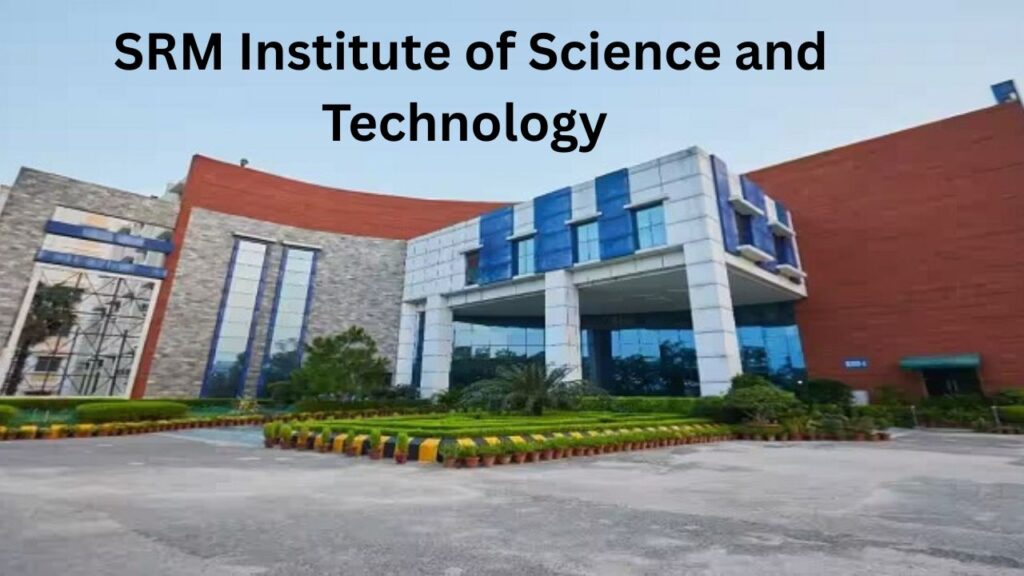
SRM Institute of Science and Technology 

SRM Institute of Science and Technology

This is a private institute which offers MTech in Computer Science, Electronics, and many more. A degree is valuable if you want a good position in the industry, many companies hiring students from this college with a good package. The admission is done through SRMJEEE PG entrance exam other than GATE.

Fee (Approx.)₹1.12 to ₹3.2 lakhs per semester
MTech SpecializationCS, Mechatronics, Biomedical, Chemical, Electronics, IT, others
Average to Highest Placement ₹7 to ₹50 LPA

Read More:- Top Government MTech Colleges in India You Must Know in 2025

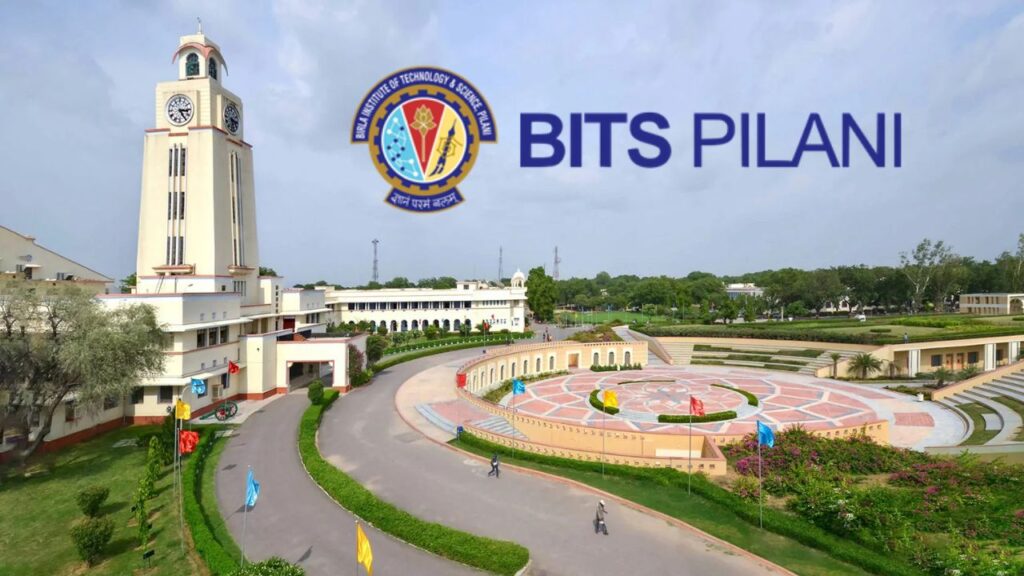
BITS Pilani

BITS Pilani

BITS Pilani: This is one of the best colleges for MTech programs, you can get admission through your GATE score or BITS HD Test. If you hold a bachelor’s degree with above 60% score in engineering then you are eligible for this program. 

Fee (Approx.)₹2.42 L to ₹10.38 L for entire program
MTech SpecializationBiotechnology, Civil, Chemical, Computer Science, Manufacturing, Microelectronics, Cloud Computing, others
Average to Highest Placement ₹14.45 to 21.6 LPA

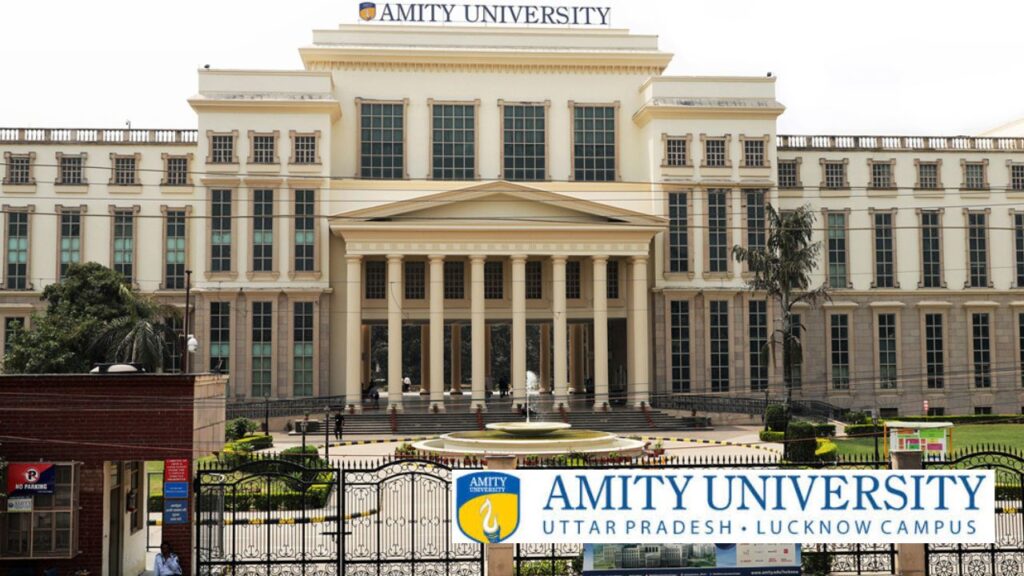
Amity University

Amity University, Lucknow Campus

Amity is also a private university and offers a good education to the MTech students. Students can get admission through other entrance exams and it depends on your graduation marks. The campus is a good and well-oriented research facility for students.

Fee (Approx.)₹2.9 Lakhs for entire program
MTech SpecializationElectrical, Microelectronics, Mechanical, advanced programs
Average to Highest Placement ₹8 to ₹45 LPA

Vellore Institute of Technology

Vellore Institute of Technology

VIT also takes industry-sponsored students and its highly advanced courses are in demand for the industries. An MTech from VIT is worth your career growth and high salary. The admission is done through their own entrance exam. 

Fee (Approx.)₹3.85 Lakh for 2 years
MTech SpecializationMechanical, Computer Science, Civil, Electronics, Advanced IT programs
Average to Highest Placement ₹9 to ₹60 LPA

Conclusion

There are Best MTech Colleges in India without GATE which can open doors to the best opportunities in the top companies. They offer a good salary package because the colleges have provided quality education and industry exposure through their assessments that make them smart and adaptive in industry work. 

Whether you choose Government or private college for admission in MTech. Kindly check their exam fees and admission dates on their official websites. The fee and placement packages we mentioned here are based on approximate data. You must check on their official procedures before applying.

Leave a Comment

Your email address will not be published. Required fields are marked *

PFRDA Grade A Recruitment 2025 Out – Apply Online for Assistant Manager Post

PFRDA Grade A Recruitment 2025

The application process for PFRDA Grade A Recruitment 2025 ends on 6th August 2025. Fill out the form before the last date of application. The portal is open on 23rd June 2025 to apply online and the link will activate soon. Official notification has been released, you can download it through the link mentioned in the article. A total of 20 vacancies for the Assistant Manager which you can apply for. If you are willing to build your career in the government sector, it is time to fill out an application on the official website.

Pension Fund Regulatory and Development Authority selects candidates through a 3-stage selection process. Candidates should pass the Preliminary exam (1st stage), Main Exam (2nd stage), and Interview (3rd stage). Those candidates who clear out these three stages will be selected for the Assistant Manager Post.

OrganizationPension Fund Regulatory and Development Authority 
PostAssistant Manager
Number of Vacancies20
Apply OnlineClick Here
Official websiteClick Here

Dates To Remember For PFRDA Grade A Recruitment

Notification Date23rd June 2025
Application Starts On23rd June 2025
Application Ends On6th August 2025
Fee Submission Last Date6th August 2025
Exam Date6th September 2025
Application Fee
General/EWS/OBCRs. 1000/-
SC/ST/PWD/Female0/-

Read More 👉 Top Courses After 12th Arts With High Salary – Best Career Paths Revealed!

Vacancy For Assistant Manager PFRDA 2025

StreamsVacancies
General 8
Finance & Accounts2
Information Technology2
Research (Statistics)2
Research (Economics)1
Actuary2
Legal2
Official Language1
Total20

Eligibility for PFRDA Grade A Recruitment

Age Limit 
Minimum Age18 years
Maximum Age30 years
Education Required
GeneralPost Graduation in any relevant subject, Graduate in Law/Engineering from any recognized board, ACA/FCA from ICAI, ACS/FCS from ICSI, CFA from the institute, OR ACMA/FCMA from ICMAI
Information TechnologyUG with Engineering (cs, electrical, electronics), PG with Computer Application, UG with any discipline + PG in CS/IT, OR UG/PG/Diploma in AI & ML 
Finance & AccountsUG with ACA/FCA from ICAI, ACS/FCS from ICSI,  CFA from CFA institute, ORACMA/FCMA from ICMAI.
Research (Statistics)Post Graduation in Finance/Economics/Statistics
Research (Economics)Post Graduation in Statistics/Economics/Commerce
ActuaryBachelor’s in Core subjects of Actuaries of India examination
LegalGraduation in Law from any recognized college.
Official LanguageUG & PG with Hindi, English OR Mater’s in Sanskrit/Economic/Commerce with Hindi as a subject at Bachelor’s level from any recognized college.

Important Links for PFRDA Grade A Recruitment

Apply OnlineClick Here
Join Telegram ChannelClick Here
Official websiteClick Here

Leave a Comment

Your email address will not be published. Required fields are marked *

RSSB Agriculture Supervisor Recruitment 2026 — Get Details & Link To Apply

Agriculture Supervisor Recruitment 2026

RSSB Agriculture Supervisor Recruitment 2026 has released the notification for 1100 Rajasthan Agriculture Supervisor Vacancy 2026. Submission of application will start from 13th/January/2026 and the deadline for submission of application is 11th/February/2026. All aspirants who want to avail this chance can visit the official website (rssb.rajasthan.gov.in) and download the detailed notification and apply through online mode for the same to check more about the eligibility, application fee, age limit, salary and selection procedure. 

Make sure to complete registration on or before the stated dates. The pay scale is between ₹29,200 and ₹92,300 per month, with allowances as per government rules. 

RSSB Agriculture Supervisor Recruitment Dates 

EventDate
Notification Date06/January/2026
Application Start Date13/January/2026
Application Last Date11/February/2026
Fee Payment Date11/February/2026
Correction Last Date14/February/2026
Admit Card DateBefore Exam
Exam Date18/April/2026
Result DateUpdateLater

Application Fee For the Online Form

CategoryFee Amount
Gen/ OBC/ EBC (CL)₹600/-
EBC/ OBC (NCL)/ EWS₹400/-
SC/ ST/ PH (Divyang)₹400/-
Correction Charge₹300/-

Rajasthan Agriculture Supervisor Age Limit & Education

Eligibility for Rajasthan Agriculture Supervisor Recruitment Exam 2026 for all candidates: 18-40 years. The applicant must be 12th Class passed with Agriculture or B.Sc. in Agriculture/Horticulture or equivalent from a recognized board/ university/ institution in India. Moreover the candidates need to know written Hindi in Devnagari script and should be familiar with Rajasthan culture. 

Read More:- Biomedical Engineering: Meaning, Scope, Career Opportunities & Future in Healthcare

Category-wise vacancy detail is as under: 

  • General: 346 
  • EWS: 93 
  • OBC: 46 
  • MBC: 195 
  • SC: 149 (79 seats reserved for Women) 
  • ST: 111 (60 seats reserved for Women) 
  • Baran District: 4

There are 944 vacancies in all out of which 156 seats are for women. For more information applicants are advised to go through the Official RSSB Rajasthan Agriculture Supervisor Recruitment Exam Notification 2026. 

Follow these Steps to Apply Online

The Rajasthan Staff Selection Board (RSMSSB) will release the detailed notification for RSSB Rajasthan Agriculture Supervisor Bharti 2026. rsmssb.nic.in) RSMSSB has started the submission of the online application from 13 January 2026. To apply for RSSB vacancies

1. Check Your Eligibility: Before file RSSB Rajasthan Agriculture Supervisor Notification 2026, To check your eligibility and requirements.

2. Go to the official website and apply online through the booking ‘Apply Online’.

3. Fill in the live RSSB Rajasthan Agriculture Supervisor Online Application Form 2026 accurately.

4. Insert the required documents as mentioned in the notification.

5. Submit the requisite application fee through the mode of payment prescribed.

6. After successful submission of the application you can take print out of the application form for future reference.

For more such resources such as mock test, practice materials, education books to help your study, and overview of government exams, check out tools to help you with your study. 

Useful Links
Apply NowClick Here
Download NotificationClick Here
Official WebsiteClick Here

Leave a Comment

Your email address will not be published. Required fields are marked *

Scroll to Top