Preparing for an MBA program to establish your career in the management sector might be tough but possible with the right college. Top colleges can give you a lot of opportunities right after completing your MBA program. CAT vs CMAT is a common debate that generated from the confusion among students. CAT (Common Admission Test) and CMAT (Common Management Admission Test) are entry tickets for great business schools. There is a slight difference in both exams, IIMs accept only CAT highest scores. So, it might be difficult to achieve the highest scores among lakhs of students.
Other top business schools can accept both CAT and CMAT scores for admission. The best way to achieve the best scores in these exams is the right strategy for preparation.
Get deeper details of their exams to clear out and get into yourself in the top business schools of India.
The CAT: Gatekeeper to the Elite
CAT is one of the tough exams for students who have eyes on a top-tier management career can start preparing for this exam. Students who work hard and learn properly are able to beat the competition. This exam is designed in three sections — Verbal & Reading Comprehension, Data Interpretation & Logical Reasoning, and Quantitative Aptitude.
Prestige and Recognition: CAT is an entrance exam to most of the reputed colleges, especially IIMs. IIM colleges are given to those students who got the highest scores. Beyond IIMs, other colleges also take the CAT score as mandatory procedure for the admission in MBA programs.
Test your True Potential: This test is not just a normal test but it checks your ability to think under pressure. Questions are tough and based on the purpose of assessing a candidate’s analytical ability and problem solving skills. CAT is a well-known test of your management aptitude.
Gateway to Top Placements: Business schools provide opportunities to their students with higher offers from top companies. Business schools who accept CAT scores for admission have a highly valuable and strong alumni network that can be helpful to find good jobs.
The CMAT: Smart & Strategic Choice
CAT is a risky but high-rewarding exam, it will open the gates to bigger opportunities. But if you are unable to clear, CMAT is a smart and strategic choice for those students. It also opens a wider range of opportunities for your career. It is easier than CAT but comes with five sections including Quantitative & Data Interpretation, Logical Reasoning, Language Comprehension, General Knowledge, Innovation & Entrepreneurship.
Why CMAT Matters
Wider Acceptance: there are 1000+ colleges in India accepting CMAT scores for admission. AICTE-approved thousands of colleges offering various programs, especially management.
Less Intense Competition: students who take CAT exams but not get selected for the IIM college, this is the best option because the competition for top seats is less intense. CMAT is a huge advantage for good students who aim for broader opportunities.
Focus on All-Round Knowledge: General Awareness is included in the CMAT exam which tests your ability of current world knowledge. The Innovation & Entrepreneurship section tests students’ ability for forward thinking that will be helpful in the business world.
Feature
CAT (Common Admission Test)
CMAT (Common Management Admission Test)
Difficulty
Very High
Moderate
Acceptance
IIMs & other Top-Tier B-Schools (FMS, MDI)
1,000+ AICTE-approved colleges (JBIMS, GIM)
Exam Pattern
3 sections with strict sectional time limits
5 sections with no sectional time limits
Skills Tested
Deep analytical, logical, and verbal skills
Foundational aptitude plus general knowledge
Career Prospects
Higher average salary, top placements
Good placements, strong ROI, broader options
CAT or CMAT: Which Exam is For You?
The decision is yours in the end because it depends on your strength and aim to clear these exams.
CAT is the right option for those who want to get into IIM or most reputed top Indian business schools. Students having confidence in their analytical skills, able to give proper time to establish a command on analytical thinking. Sure to clear the CAT exam with your preparation journey, so it will maximize your chances of high-paying jobs.
CMAT is a great and smart option for students to get admission in top business schools across India. Students can easily crack the exam without the stress of high competition. A wider range of options is a great benefit for students. A strong general knowledge is countable in a great skill that will make a huge impact.
Conclusion
It’s not fixed that there is only one exam you can take, you can take both CAT vs CMAT exams. CMAT is a solid backup for the CAT exam, many students are unable to clear CAT, they have a second option to enter into the management. The common thing is preparation, the only way for admission in an MBA program. It’s a journey for self-improvement and achieving your success with the right strategy.
Mukhya Sevika posts are selected by the UPSSSC. The role is managing the workers of the Anganwadi. Students who have filled out the application form for the Mukhya Sevika post can see their result. There are a total of 2693 posts, Candidates can check their results through the link provided in the links section.
The result will be downloaded in your browser’s downloads option.
Print the result for future reference.
Note: The Final result is available for Mukhya Sevika on the official website. You can follow the link of the official website to get there and download the result.
Everyone gets confused about choosing their career path. When the context is about Government Jobs vs Private Jobs, there is always a debate among youths. While most people prefer having a good lifestyle, a stable career, and growth in their lives. With growing comparison of Which Career Offers a Better Future in 2025? It’s important to know about both of them so you can make a wise decision in your life.
Let’s explore the real differences between Government and Private Jobs, do not get confused about the path. This honest comparison will help you to decide which one is best for you.
What Defines a Government Job?
When a local, state, or central government offers you a job in different ministries like defense, railways, PSUs, and teaching are called a government jobs.
Advantages of Government Jobs in 2025
Unmatched Job Security:
If you want to work in a safe environment with job security, government jobs are best. Once you clear the exam and get selected, there is no chance to be fired like in the private sector unless there is some serious misconduct.
Stable Work-Life Balance:
You have to work usually from 9 to 5 with weekends off. Those who wish to spend great time with family, and care about health, and mental peace, can consider a government job.
Retirement Benefits:
If you want to enjoy pension, gratuity, and GPF in a government job, choose this career. Retirement perks provide future stability. So, this is something that private jobs won’t offer you even if you are on a senior level.
Respect in Society:
Whether it’s an IAS officer, bank PO, railway officer, school teacher, or a professor, these roles are highly respectable in India. Everyone wants to be treated well, especially in small towns and rural India.
Perks and Allowances:
These jobs come with multiple benefits in your life that reshape your future. It offers HRA, DA, travel allowances, medical reimbursements, paid leaves, LTC, and more.
Disadvantages of Government Jobs
Very Competitive Entry
The competition is held among lakhs of candidates and you have to rank up for the job. So, it is hard but with smart preparation, you can clear any exam for a government job. There are thousands of vacancies each year in this sector.
Slow Career Growth
Promotions are often based on seniority, not performance. You have to wait for a long time to get a promotion to a higher level. Some posts may need internal assessment for the higher position jobs. You could be waiting 10–15 years to move to a higher post.
Limited Learning
Most government jobs are routine-based. Except for scientist jobs, there is less innovation and opportunities to get into the government sector. No new experimenting for new projects, this is the reason why you cannot have career growth so easily.
Transfers and Bureaucracy
Many government roles come with frequent transfers, especially in jobs like IAS, IPS, Armed Forces or bank roles. The relocation of the job is not good for family-oriented people. They have to leave everyone behind for their job. Also, the system which is outdated and has bureaucratic hurdles may give you headaches.
Private jobs are offered by private companies, startups, MNCs, or international firms. These companies offer 8-29 LPA for those candidates who have experience and get to the senior level. The average salary package for the freshers is 2-3 LPA. Private jobs are available in different sectors such as IT, hospitals, education, finance, e-commerce, media, and more.
Advantages of Private Jobs in 2025
Higher Salaries and Incentives
With the right skills, especially in tech, finance, or management, you can earn ₹10–25 LPA with experience for a few years. You can go abroad for more packages due to currency value. Performance bonuses in the management sector are good, and stock options and incentives in sales and marketing are also common.
Faster Promotions
Private companies reward performance, not age or time. They promote you if you deliver results more innovative and useful. You can grow faster than the government employee and sometimes switching companies helps double your salary within a year.
New-Age Work Culture
This new implementation in the work environment of the private sector is incredible. People now have flexible hours, remote work, hybrid setups, and relaxed dress codes, that give them relief when they get stuck in any emergencies. It also offers open communication with management to consider employee affairs in the company with their work.
Global Opportunities
Working in MNCs means working on different projects and learning new skills. The remote-first companies give you exposure to international clients, travel, and even relocation chances abroad. So, either you can work from home for international firms that will pay you in dollars or you can go abroad and set up a life there.
Learning and Upskilling
They gave you a chance to teach or learn through an online platform for their next project. You always find a chance to innovate and explore new things. Either online training or offline private institutes to give training on skills, especially in areas like AI, coding, marketing, data analysis, etc.
Disadvantages of Private Jobs
Job Insecurity
Downsizing, layoffs, and recession are common these days. They are firing thousands of candidates due to AI establishment in many sectors. The need for employment is decreasing in numbers. Your job isn’t guaranteed unless you constantly perform and upgrade your skills.
Long Working Hours
Many roles demand 9–12 hour workdays, and there is no Saturday & Sunday off in many departments. Sometimes, people have to work overtime.
No Pension After Retirement
Some rare companies are offering provident funds (EPF). It is a harsh reality but you’re mostly on your own after retirement.
Corporate Pressure and Politics
There are a lot of events nowadays where people seem to be getting depressed from office politics and unfair promotions to those people who have connections. Managers put pressure on employees to give 100% performance on tasks within a period. These all hurt health and motivation.
Comparison Table for Government vs Private Jobs in 2025
Factor
Government Job
Private Job
Job Security
Extremely High
Medium to Low
Starting Salary
₹25,000 – ₹60,000
₹30,000 – ₹1,50,000
Promotion Speed
Slow (seniority-based)
Fast (performance-based)
Learning Opportunities
Limited
Extensive
Work-Life Balance
Good Variable
Good Variable
Transfer Chances
High in many roles
Very low
Pension/Retirement
Yes
No
Entry Process
Through difficult exams
Interviews/skills-based hiring
Flexibility
Low
High (remote, hybrid options)
Social Status
Still respected highly
Depends on role & company
Which is Better in 2025 – Government or Private Job?
There’s no universal answer. This is a choice that depends on your goals, education, and risk-taking ability. If you want to shape your lifestyle better, point to your goal with less hectic jobs.
A Government Job is Better If:
You want a stable career by getting job security and peace of mind.
You’re okay with slow promotions because of long-term benefits with a fixed salary.
You’re the topper of your class due to your learning capabilities. You can prepare for competitive exams like UPSC, NTPC, SSC, RRB, or other exams.
You value retirement benefits like medical and house allowances, fixed hours, and respect in society.
A Private Job is Better If:
You want fast career growth because you are a quick learner, high income, and have skill-based success.
Get bored with the same work, you can enjoy dynamic work environments in private jobs, new challenges, and global exposure.
You are willing to take risks, learn continuously, understand new concepts easily, and adapt to change.
You are not interested in preparing for a competitive exam, you’re interested in tech, marketing, finance, startups, or remote jobs.
Real Advice for Job Seekers
Your future doesn’t decide in just one day. Take a breath and focus on the present, to achieve in the future you must start developing your skills now.
Think about what matters more to you. The energy you can put into specific work or subject. Examine yourself how hard you can work on any specific task, and point out that skill under your interests of work. Don’t decide right now just give it time like:
Invest in skills.
Even if you’re preparing for government exams, you can learn skills such as Excel, personality development, communication, coding, or digital marketing. Whether you decide on a private or government job, it will be required in both. They can be helpful anywhere.
Try Both If You Can.
While working in the private sector, start preparing yourself for government exams. Apply for a government job whenever you want to switch your career. Both paths are open if you’re strategic.
Don’t Fear Private Jobs.
The idea that private jobs are “unstable” is only true if you stop learning. Many professionals spend years in private jobs and then start their own businesses that provide great stability and income.
Build a Financial Backup.
Whatever job you do, if you are wasting your money that makes it impossible to save, invest, and plan for emergencies. That’s the real security.
So, instead of debating on Government Job vs Private Job. Know your strengths and motives, and take a wise option for your impeccable future.
When thinking about starting a career in engineering then choosing among the top BTech Colleges in India is the priority for every student. The race for a Bachelor of Technology (BTech) course has gotten much tougher and thrilling as there are plethora of options for would-be engineers across the country. If you’re a Class 12 student planning to appear for entrance exams or a parent navigating the admissions maze, this one-stop guide will give you an overview of the current scenario of top BTech colleges in India, their rankings, placements and admission criteria.
Understanding the Current Landscape: NIRF Rankings 2025
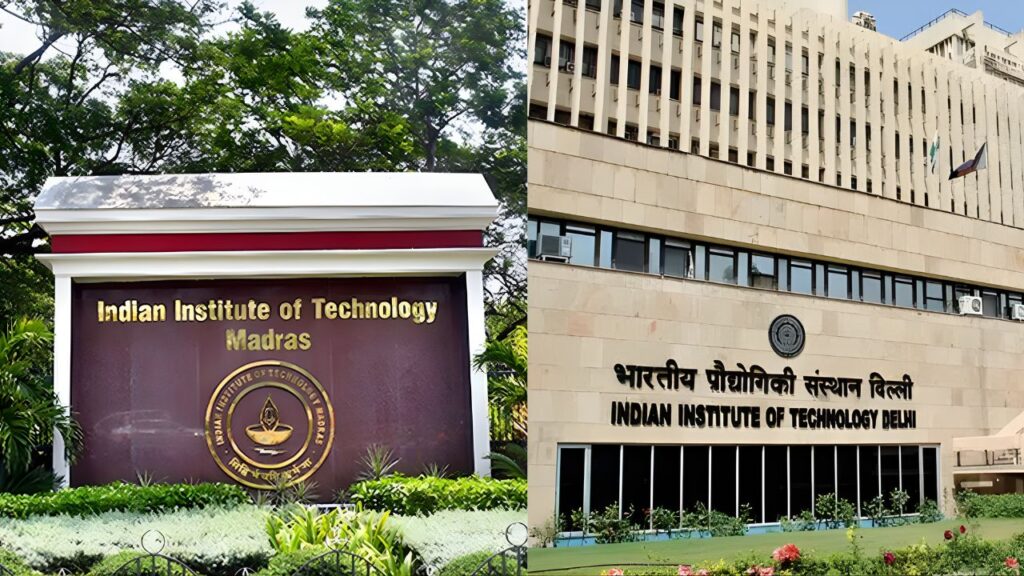
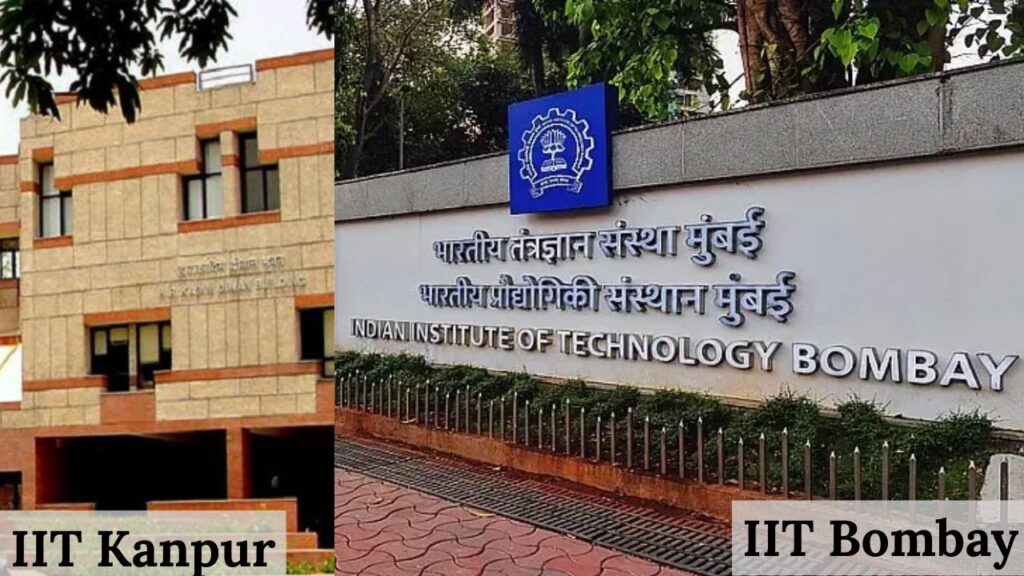
Indian BTech Colleges NIRF Ranking 2025 is considered as the standard for deciding the best BTech colleges in India. As per the updated list, IIT Madras ranked 1st once again for the ninth straight year, further consolidating its hold on engineering. The top five Engineering institutes in India according to NIRF 2025 are IIT Madras, IIT Delhi, IIT Bombay, IIT Kanpur, and IIT Kharagpur.
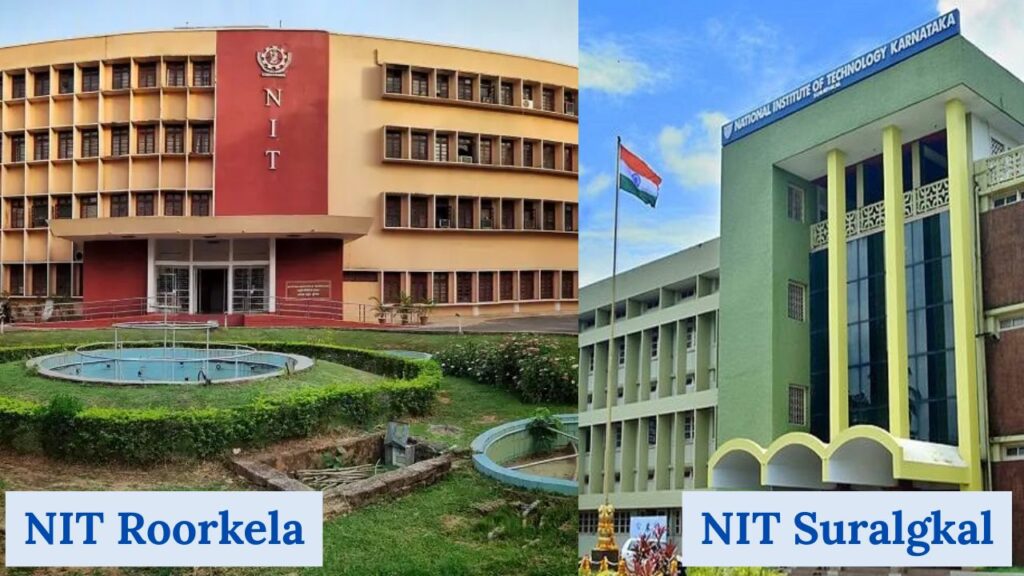
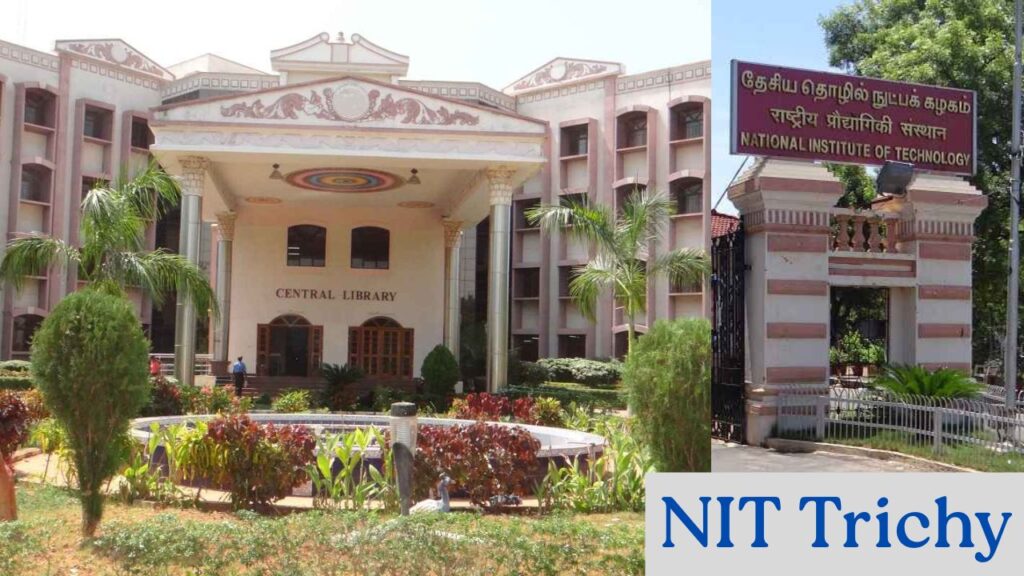
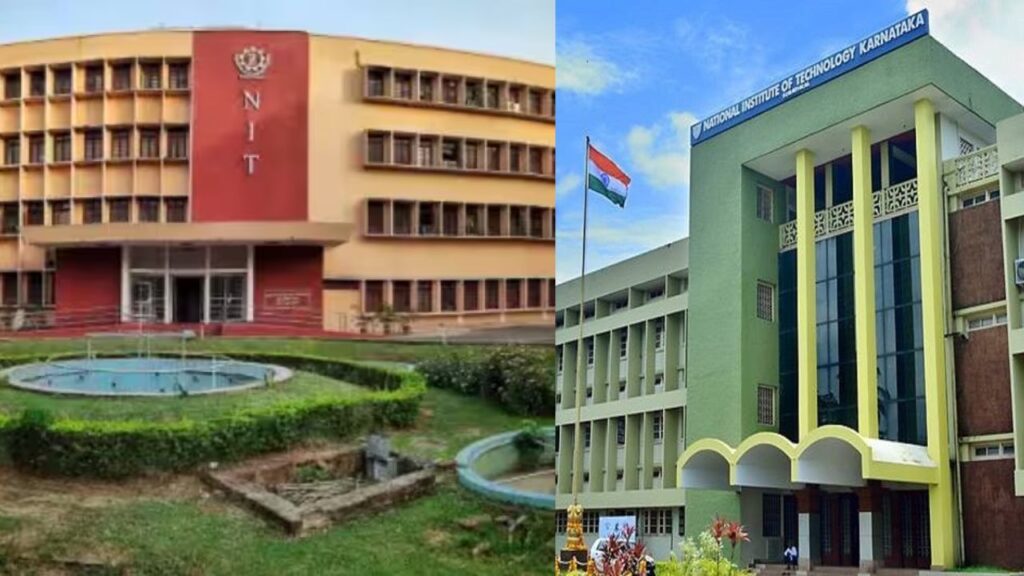
But the story is not all IITs, the NIRF Rankings are not limited to the only IITs. As far as the National Institutes of Technology (NITs) are considered, only NIT Trichy emerges among the top 10 at rank 9 in the list, which speaks about the immense competition in rankings. Following NIT Trichy we have the older NITs like NIT Roorkela, NIT Suralgkal, we have NIT Calicut who all regularly get top 25!
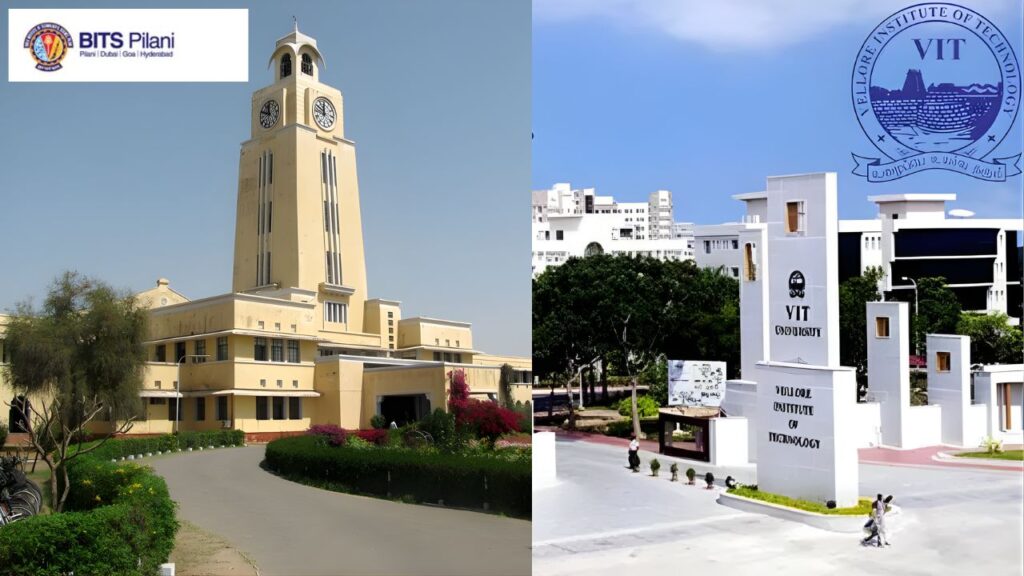
Private institutes have also made a place for themselves, with BITS Pilani at Rank 11 and VIT Vellore at Rank 16 in NIRF 2025. These colleges are no joke, they do provide a world class education and you will have no problem finding employment.
The Tier System
In addition to the usual rankings, a number of industry insiders grade schools according to tiers based on placement results, presence of recruiters, and number of competitive cutoffs. This gives a more refined sense of the college pecking-order.
Tier 1 (Premier Institutes) consists of the legendary IITs such as IIT Bombay, IIT Delhi, IIT Madras, IIT Kanpur, IIT Kharagpur, IIT Roorkee, IIT Hyderabad, and IIT Guwahati. These are also engineering colleges which dream destinations for most engineering aspirants. Indian academics are tough and placement records are also excellent.
Tier 1.5 (Strong and Competitive) has institutes such as IIT BHU (Varanasi), IIT Indore, BITS Pilani, IIT Ropar, IIT Gandhinagar, NIT Trichy, NIT Surathkal, and NIT Warangal. These universities have good academics and employment potential and have gained significant traction in reputation.
Tier 2 (Well established with Consistent Track Records) Institutes of the second tier like IIT Mandi, IIT Jodhpur, IIT Bhubaneswar, IIT ISM Dhanbad, NIT Rourkela, NIT Calicut, BITS Goa, BITS Hyderabad, and the likes, boast of consistent placement records coupled with strong alumni network. These are established institutes and provide assured opportunities for students for career growth and links with industry.
Placement Statistics
While selecting a college, the chief concern is usually the placement. Let’s dig into the real figures. The average salary package at IIT Bombay soared to ₹23.5 LPA in the 2024 placement drive, showing a 7.7% rise from last year’s ₹21.8 LPA. The highest package at IIT Bombay soared to a staggering ₹3.67 crore, with 22 students bagging offers scaling the ₹1 crore per annum mark.
The placement rate for IIT Bombay’s BTech programme is a healthy 74.53%, with 1,475 students placed out of 1,979 registered. Curiously, Computer Science Engineering is the most in demand branch with 230 offers, then closely matched by Electrical Engineering (232) and again by Mechanical Engineering (229).
The average package at IIT Kanpur hiked up to ₹26.27 LPA, whereas IIT Delhi saw an average package of ₹17.60 LPA with a highest package of ₹2.05 crore. These statistics attest to the amazing value top engineering colleges provide their students.
Admission Process For B.Tech
Anyone with ambitions to be a part of these institutions should know the process of meteoric rise, which is Understanding the process of admissions is essential for any aspirant who wants to get into these esteemed organizations. The route for BTech admission in India: Your Class 12 results and entrance exams largely decide your fate.
An all India examination termed JEE Main is required to be passed by the candidates for admission to the institutes like IITs, NITs. Candidates are required to qualify in JEE Advanced, which is the next level after JEE Main, for seeking admission to IITs. JEE Advanced for admission to IITs can be attempted only by JEE Main rank holders (JEE Main is qualifying exam for JEE Advanced), and seat allotment in IITs is done on the basis of JEE Advanced ranks alone.
The eligibility criteria is simple, but important: candidates should have completed class 12th (science stream with physics, chemistry, and mathematics) with minimum marks of 50% to 75% which varies as per the institute and category. For reserved category contenders the qualification is generally 65%.
The BTech admission schedule is designed in a manner that helps you to plan well in advance. Application period: It may be from November to March of next year, subject to specific entrance examination.
Entrance exams are generally held in April-June, followed by counselling and seat allotment after the exams then classes usually start around August or September.
Cutoff Ranks Matters
In top colleges, an applicant with a JEE Main rank less than 5,000 can expect to get one of the top five NITs. For example, NIT Trichy’s Computer Science Engineering has an opening and closing rank of 1000-2000 in general category, NIT Surathkal’s CSE has ranks in the range of 1500-3500.
General
91-95
EWS
79-83
OBC-NCL
77-81
SC
58-62
ST
44-48
Under this category, the likely cutoff percentile for JEE Main 2025 is General (91-95), EWS (79-83), OBC-NCL (77-81), SC (58-62), ST (44-48). But, all these are predictions based on the past year’s trends of the exam, the actual figure of cutoff may be different.
Popular BTech Specializations
The present day BTech courses are not only confined to traditional engineering branches. Computer Science Engineering (CSE) leads the list as the most preferred branch for a bright career in software development, data science and cybersecurity.
But today the BTech branches in the specializations are far more than the CSE. Mechanical Engineering, Civil Engineering, ECE (Electronics and Communication Engineering), and IT (Information Technology) are still the standard choice but some new fields are emerging that are taking over the engineering world. AI and Data Science, Cyber Security, Cloud Computing, Biomedical Engineering, and Robotics and Automation Engineering are the courses currently making waves owing to high demand in industry.
Emerging disciplines such as these are the future of engineering, and firms looking to attract the best graduates in those niche are already hard-pressed to come up with competitive salary packages.
Understanding the Financial Reality
It is also necessary to consider the expenses related to BTech. The entire course fee amountfor government colleges like NITs and IITs is generally between ₹8.35 lakhs and ₹9.17 lakhs which is really affordable considering the kind of opportunities these institutes offer.
Private universities such as BITS Pilani have much higher fees at ₹23.9 lakh for the full course, although they do have a variety of advantages such as more flexible curricula and better placement results.
With a low fee structure of ₹8.35 lakh, IIT BHU, Varanasi also has the highest ROI of 239.52%, due to a median package of ₹20 LPA.
Conclusion
Selecting a BTech college is among the most crucial decisions in your academic life. Despite the importance of rankings and placement statistics, you must keep in mind your interests, what you want to do in your career and your personal circumstances. If you’re going for the elite IITs, the perpetually decently performing NITs, or the private ones like BITS Pilani, do remember that your success depends as much on how hard you work as how good your education institution is.
Start your JEE Main preparation today, aim for a good rank, and keep track of the dates of the admission process. After all the efforts and proper guidance, it’s not going to be long before you’re striding down the hallways of the top engineering colleges in India, ready to make a mark on the world.
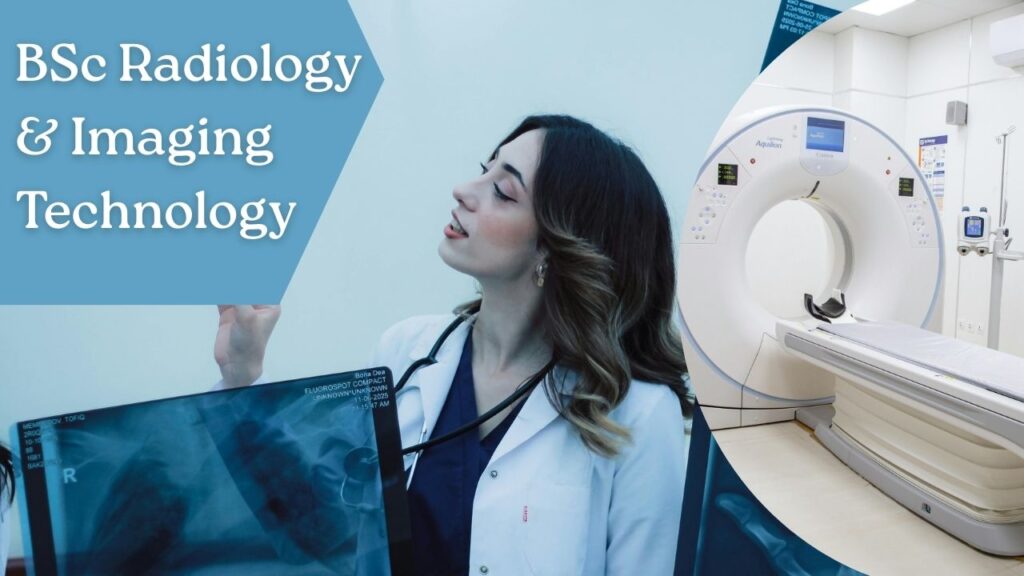
BSc Radiology and Imaging Technology is a three-year program (with one-year internship that is mandatory in most of the institutions) that equips the students with the knowledge of medical imaging. The core science portion of the curriculum (focusing on physics, chemistry, and biology) is integrated with clinical imaging courses including: anatomy and pathology, radiographic procedures, sonography techniques, ultrasound physics, computed tomography (CT), magnetic resonance imaging (MRI), and radiation protection.
The Bachelor of Science in Medical Radiology and Imaging Technology is becoming the backbone of diagnostic medicine today. This transformation is being driven by three coalescing factors: the full enforcement of National Commission for Allied and Healthcare Professions (NCAHP) Act 2021, the adoption of advanced artificial intelligence (AI) in diagnostic workflow, and the growing world-wide need for expert imaging technologists.
The course is intended to prepare competent technologists (“radiographers”) who will be well versed in the operation of contemporary imaging equipment and have a solid foundation in the science of diagnostic radiology.
Who is a Radiology Technologist?
The Radiology Technologist/Radiographer is a clinical scientist who holds at least a B.Sc. or M.Sc. degree in Radiography. They don’t just know how to run the machines, they understand the physics behind the formation of images, the physiological basis of pathology and the important issues surrounding patient safety and radiation protection.
Why Has This Course Become Important in Diagnostics?
Imaging is at the heart of diagnostics, which are critical to contemporary medicine; more than 80% of hospital care relies on them. B.Sc. In addition to machinery handling the Technician holder needs to perform a large part in the day to day imaging workflow by the year 2026 MRIT graduates holders can expect to be involved with state of the Art technology like PET-MRI, SPECT-CT, Protocol Optimization, Post Processing, QC.
Also this line job is work during recession. There is a long-term demand for skilled radiographers, particularly those trained in PACS and RIS, as the population of India grows older, lifestyle ailments become more common, and digital healthcare is enhanced under the ‘Ayushman Bharat Digital Mission’.
Entrance Exams & Eligibility Details For Admission
NEET UG 2026
National Eligibility cum Entrance Test (NEET UG) shall be the single entrance examination for admission to all the undergraduate allied and healthcare courses like BSc Radiology and Imaging Technology from the academic year 2026-27, according to NCAHP.
AIIMS — 2026 Paramedical Entrance Test
Along with NEET, there is the AIIMS entrance Test which is held by AIIMS for paramedical courses leading to B.Sc. and M.Sc. The date of AIIMS B.Sc. Paramedical 2026 exam is tentatively on 30 May 2026.
Note:- Candidates are requested to cross-check this with official notification as some calendars mention July for Examination, however May is the only projected window as per academic calendar.
How to apply:
Basic Registration: The schedules released in 2026 March/April. You can create a Registration ID.
Final Registration: Involves the generation of a Unique Code (RUC), payment of application fee, usually in May 2026.
Test Format: This computer-based test will consist of 90 multiple-choice questions (MCQs) on biology/mathematics, chemistry, and physics and will last for 90 minutes. Any wrong answer can take away ⅓ marks.
Admissions at JIPMER & PGIMER
JIPMER (Puducherry): B.Sc admissions The admissions to the B.Sc shall be The Allied Health Science at JIPMER (Puducherry) for the year 2026 will be on the basis of the NEET UG scores. JIPMER normally holds its own counseling for these seat(s).
PGIMER (Chandigarh): The institution holds a separate CBE, these are usually conducted in the months of August/September. The process of application normally commences in June.
State and Private University Tests
CUET (Common University Entrance Test): Central universities, such as Banaras Hindu University (BHU), utilise the CUET. The essential subject combination for Radiology is Physics, Chemistry, and Biology / Mathematics.
Manipal: in MAHE, Phase 1 is scheduled for April 2026 for admission test, and the next Phase 2 for May 2026.
CMC Vellore: It is a tough Institute level CBT (Computer Based Test) followed by a Step-2 evaluation (Practical tests and interviews.)
Eligibility Criteria 2026
Educational qualification: Should be passed class 12th board with physics, chemistry and biology (pcb) and English. Some of the institutes like AIIMS allow mathematics (pcm) for Radiology courses.
Minimum Marks: For the general/EWS/OBC category, it is 50% aggregate and for the SC/ST category, it is 45%.
List of Colleges For BSc Radiology and Imaging Technology
There are 140+ colleges around India that offer BSc Radiology and Imaging Technology without taking too much fees, especially in government colleges. If you have interest in lab technologies or figuring out body structures and making reports then take admission for securing your career in this field.
College
Location
Approx. Fees
Notes
AIIMS—New Delhi
Delhi
₹4,500
Elite training facility as it is Top-ranked college
PGIMER
Chandigarh
₹10,500
Members are mindful and placements opportunities
JIPMER
Puducherry
₹94,000
Excellent internships
AIIMS—Rishikesh
Uttarakhand
₹46,000
High packages up to ₹24L
GMCH
Chandigarh
₹39,000
Affordable govt option
Integral University
Lucknow, UP
₹3.15L
Good infra, local pick
Parul University
Vadodara
₹4.6L
Private, placements ₹6L avg
SGT University
Gurgaon
Varies
Modern facilities
Academic Curriculum for the Course
Theory and laboratory practice are included in the curriculum of BSc Radiology and Imaging Technology. The following topics were covered: Human anatomy/physiology, Imaging Physics, General Radiography, Ultrasound Imaging, CT Scanning, MRI Basics, Radiobiology and Radiation Protection, Digital Image Processing, and General Patient Care.
BSc Radiology and Imaging Technology is a four year degree course. The first three years were spent attending didactic lectures, practical laboratory courses, and clinical observations. The fourth year is a required, full-time clinical internship during which the student serves as a student technologist at a hospital.
Phase
Duration
Focus Areas
Year 1
Semesters 1-2
Basic Medical Sciences, Communication Skills, Computer Basics
The 2026 Curriculum is intended to establish progressively developing competencies.
Year 1: The Foundation
The goal is to give the student a foundation in the human body and the hospital setting.
Human Anatomy & Physiology: This Is Not a “Fly By” Tour Students are required to study detailed osteology (bones) to learn how to position for radiographic.
They are taught body systems physiology to understand how to administer contrast media.
General Physics: The basic laws of physics applicable to the production of radiation.
Clinical Pathology & Biochemistry: Basics of blood tests (creatinine, urea) which are important prior to contrast administration.
English & Communication: Necessary to describe techniques to patients and to calm them.
Year 2: The Core
Students access the realm of diagnostic imaging in BSc Radiology and Imaging Technology.
Radiation physics: The production of X-rays, their interaction with matter, and the design of X-ray tubes.
Radiographic Positioning, the science and art of positioning the patient to radiograph the body part (i.e. Towne’s view for skull, Skyline view for patella).
Darkroom to Digital: Darkrooms may be a thing of the past, but knowing the history is key. Emphasis is placed upon Computer Radiography (CR) and Direct Digital Radiography (DR) modalities.
Radiation Protection: Students learn the ALARA (As Low As Reasonably Achievable) concept along with shielding and dose limit for worker and patient.
Year 3: The Advanced Frontier
This is the year when the high-end modalities that shape contemporary radiology are covered.
Computed Tomography (CT): CT Physics, generations of scanners, helical vs. axial scanning, and protocols for different body regions.
Magnetic Resonance Imaging (MRI): Principles of the complicated physics of nuclear magnetic resonance, safety issues related to ferromagnetic materials, and pulse sequences.
Ultrasonography (USG): Essentials of acoustics, transducer design, and the technologist’s function in the operation of the sonographer.
Interventional Radiology (IR): Orientation to the Cath Lab Sterility and Equipment utilized in Angiography.
Radiation and Radioactivity in Nuclear Medicine Basics of PET-CT Handling of Radioisotopes including Technetium-99m.
Year 4: The Internship
The purpose of the internship is to transition a student to a worker. Interns rotate through different departments, including X-ray, CT, MRI, Emergency and ICU. They need to keep a logbook of cases they have done, and are evaluated on their technical skills and dealing with patients.
BSc Radiology and Imaging Technology Career Scope & Salary
Skilled radiographic professionals are sought after in India’s growing healthcare sector. Radiology technicians also work in public and private hospitals, diagnostic laboratories (pathology and imaging centres), government health schemes, private practitioners and emerging digital health platforms including teleradiology and artificial intelligence (AI) imaging start-ups.
Clinical Roles
Radiologic Technologist: The typical baseline position. Duties are to perform x-rays, triage patients and maintain radiation safety .
CT Technologist: So, what’s the place in the hierarchy. Knowledge of cross-sectional anatomy and contrast administration is required.
MRI Technologist: A step up. MRI scanners are complicated, and patient safety (screening for metal) is critical. The technologists here typically make 20-30% more than a general radiographer.
IR Technologist: The Cath Lab Experience. In a stressful environment, high volume dealing with cardiac and vascular interventions. You’ve got to wear thick lead aprons for long hours – but when you’re done, you’re king and you’ve got money in your pocket.
Mammographer: Expert in breast imaging. Because of the sensitive nature of the exam, female technologists are preferred for this position.
Sector & Role Wise Salary (2026)
Role
Experience
Sector
Approx. Monthly Salary (INR)
Jr Technologist
0-2 Years
Private sector Hospital
Rs 18–25k
Jr Technologist
0-2 Years
AIIMS/Govt (Contract)
Rs 25–35k
Sr Technologist
5+ Years
Corporate Hospital
Rs 45–60k
MRI Specialist
3-5 Years
Diagnostic Chain
Rs 35–50k
Application Specialist
2-5 Years
Medical Device Co.
Rs 50–80k + other allowance
Govt. Permanent
Entry Level
Government
Rs 45–55k (Initial + Allowance)
Who is Ideal For this Course?
BSc Radiology and Imaging Technology course is for students who like science and technology and want to work in the health sector. The ideal candidate: is detail oriented, is able to follow protocols which are critical for safety, is comfortable using computers and complex machinery, and can interact with patients (explain procedures, position patients). A BSc radiology student should be well versed with biology and physics and should also be calm and responsible because any mistake in imaging can impact the diagnosis.
Future Value of BSc Radiology and Imaging in Healthcare
In India’s upcoming healthcare scenario, BSc Radiology and Imaging Technology are a must-have. With the proliferation of private hospitals and diagnostic chains in Tier II/III cities, the need for imaging services is on the rise.
Technologies, such as AI-based image analysis, hybrid imaging (e.g. PET/CT), etc, indicate that the profession will continue to be hitech. So BSc (Hons) in Radiography graduates will play a vital role in connecting technology and patient care. The course produces practical professionals who can contribute immediately to hospitals’ diagnostic teams, which is critical in a country like India, where there is a shortage of doctors.
Conclusion
In a day and age when technology and medicine are coming together closer than ever, the Radiology Technologist is at the controls of the medical world’s most powerful machines. For individuals who are detail-oriented, have a caring nature, and technical mind, BSc Radiology and Imaging Technology offers a fulfilling, stable and ever-changing career.
The MPSC Group C jobs include important administrative and technical staff of the state government in Maharashtra. These are non-gazetted entry-to-mid level jobs under departments of the state which appeal an annual MPSC Group C Various Post Recruitment 2026.
These jobs are in high demand among the graduates and technical diploma holders who want to have a stable career with the state government.
Here is everything you need to know before you sit down to fill the form — what the posts actually involve, who qualifies, how the selection unfolds, and the dates that matter most.
What Falls Under MPSC Group C Various Post
Group C Different Post is not a single vacancy but a multiple recruitment for variety of positions under class III (non-gazetted) posts, which government department of maharashtra require every year. This year MPSC is issued for five posts:
Clerk-Typist holds the considerable number of vacancies at 1,864 posts and it also has the maximum competition among candidates. It is a desk-based administrative role — drafting, record-keeping, correspondence, and typing work across various government offices.
Tax Assistant with 282 vacancies is a job role within the state revenue and tax departments that includes assessment support, providing documentation, and other related tasks associated with tax collection and compliance.
Assistant Motor Vehicle Inspector (AMVI) has a total of 461 vacancies. This technical field post under the Motor Vehicles Department includes inspecting vehicles, testing for safety and emission standards, and supporting road transport regulation.
Industry Inspector is open for just 9 vacancies. The work under this position includes overseeing compliance and technical inspection duties tied to industrial establishments within the Directorate of Industries.
Technical Assistant rounds out the list with 3 vacancies. This is a hybrid responsibility, desk-and-technical role requiring both a degree and typing proficiency.
So that is 2,619 seats between them that are vacant — though as always with these things, there are thousands of candidates who are ready to take these role. If you wanna beat them, you just have to prepare yourself.
Eligibility: Who Can Actually Apply
Eligibility is divided by post, and this is also the reason why so many candidates waste time in applying for which they were never going to be even remotely eligible.
Education Qualification
For Clerk-Typist, Tax Assistant, and Technical Assistant, any bachelor degree is enough to apply for these positions. In addition, a typing test is required for Clerk-Typist and Technical Assistant. So if your typing speed needs some polishing, this is the time to start practising and not after the mains exam.
AMVI works differently — it does not need a full degree. A 10th pass certificate combined with a three-year diploma in Automobile or Mechanical Engineering gets you in the door, along with the department’s specific physical standards for the role.
Industry Inspector requires a degree or diploma in Civil Engineering.
Age Requirements
Age-wise, the general category window is 18 to 38 years, calculated as on 1 October 2026, while SC, ST, OBC, EWS, and sportsperson categories get relaxation up to 43 years, in line with standard government norms. If you are applying under a reserved category, make sure that box is ticked correctly on the form — MPSC has been explicit that reservation benefits will not be extended to anyone who fails to declare their category at the time of application.
One more thing worth flagging: candidates who are still waiting on results for their qualifying degree are not eligible to apply this cycle. The qualification has to be in hand, not in progress.
Selection Process: What the Journey Looks Like
MPSC runs Group C selection through a layered process, and each stage narrows the field further.
It starts with a Preliminary Examination — a 100-mark, 100-question, computer-based test on General Awareness, to be completed in 60 minutes, with a quarter-mark deducted for every wrong answer. This is purely a screening round; it does not count toward your final merit.
Clear the prelims, and you move to the Main Examination, which is where the real evaluation happens. It is split into three papers — a Language paper testing Marathi and English (100 marks combined, one hour), a General Knowledge paper (100 marks, one hour), and a Special Knowledge paper specific to your chosen post (100 marks, one hour), covering subject matter relevant to Clerk-Typist, Tax Assistant, Technical Assistant, or Industry Inspector roles.
From there, depending on the post you applied for, candidates go through a Skill or Physical Test — typing speed checks for Clerk-Typist and Technical Assistant, and physical standards verification for AMVI. This is followed by Document Verification, a Medical Examination, and finally the Final Merit List, after which selected candidates receive their joining letters.
It is a long process by design — MPSC is filtering thousands of applicants down to a few thousand seats, so patience and steady preparation across each stage matter more than trying to peak for just one round.
To lay it out plainly, here is how the 2,619 vacancies split across posts:
Post
Vacancies
Qualification Needed
Clerk-Typist
1,864
Bachelor’s degree + typing test
Tax Assistant
282
Bachelor’s degree
Assistant Motor Vehicle Inspector
461
10th pass + diploma in Automobile/Mechanical Engineering
Industry Inspector
9
Degree/diploma in Civil Engineering
Technical Assistant
3
Bachelor’s degree + typing test
Clerk-Typist is clearly where most of the competition — and most of the opportunity — lies this year, simply on volume alone.
Important Dates You Cannot Afford to Miss
Mark these dates in your calendar to not miss the event. If you have filled the form, start preparing for the exam but make sure to check on the official website for any update.
Events
Details
Application open date & time
27 June 2026
Application close date & time
17 July 2026
Note
If reading near closing date, treat as urgent
Fee — General category
₹544 (online payment only)
Fee — SC, ST, Female
₹344 (online payment only)
Accepted payment methods
Debit card, Credit card, Net banking
The Preliminary Examination will be held on 27 September 2026 as a computer-based test at the designated centres in Maharashtra which gives the candidates enough time to prepare.
Exam Pattern of MPSC Group C in Detail
With applications closed, the real preparation starts now, and it helps to understand exactly what each stage is testing before you open a single book.
The Preliminary Examination is a single 100-mark paper of 100 objective questions, to be finished in 60 minutes, with 0.25 marks deducted for every wrong answer. It exists purely to screen candidates through to the mains; your prelims score does not carry forward into the final merit, so the goal here is simply to clear the cut-off, not to maximise the score.
The Main Examination is where selection actually happens, and it is split into three papers. Paper 1 tests language ability — 60 marks from Marathi and 40 from English, both within a single one-hour sitting. Paper 2 is General Knowledge, another 100 marks in an hour, drawing from history, geography, polity, economy, and current affairs.
Paper 3 is Special Knowledge, post-specific and worth 100 marks in an hour, testing subject matter tied directly to the role — administrative and clerical knowledge for Clerk-Typist, taxation and civics-linked topics for Tax Assistant, and technical subject knowledge for Industry Inspector and Technical Assistant.
Candidates shortlisted for Clerk-Typist and Tax Assistant then go through a typing skill test, while AMVI candidates are evaluated against the department’s physical standards, before the process moves to document verification and medical examination.
Syllabus Breakdown of MPSC Group C Posts
The syllabus for prelims is vast and the syllabus is designed that way, which includes current affairs (national and state level), history with focus on Maharashtra and the Indian freedom struggle, geography of India and Maharashtra, Indian political system and Indian constitution, general science at the level of roughly Classes 8 to 10, simple arithmetic and numerical ability, and a reasoning or intelligence test portion that looks at how fast and accurately you can think through a problem.
The Language paper in the mains exams tests Marathi and English through grammar, vocabulary and comprehension – no exotic stuff, but here depth is not as important as consistency. The General Knowledge paper is an advance on prelims on the same general areas, but demands crisper memory and more awareness of current affairs, including government plans, developments in the economy and social issues.
The post-specific Special Knowledge paper is where the syllabus branches out. Clerk-Typist and similar administrative posts draw questions from general knowledge, reasoning, basic mathematics, and general science. Tax Assistant candidates can expect civics, constitutional provisions, current affairs, and questions tied to economic reforms and laws. Technical Assistant and Industry Inspector papers lean into subject-specific technical knowledge relevant to their departments, alongside a share of general aptitude and reasoning questions.
How to Prepare for MPSC Group C Posts
Given that the prelims exam falls on 27 September 2026, you are looking at roughly two and a half months from today — enough time to build a real strategy, provided you don’t spend the first month deciding where to start.
Start by treating current affairs as a daily habit rather than a last-week cram. A brief daily read of a newspaper involving national news and developments in Maharashtra, and a monthly review in the form of a compilation, generally serves this section better than any one book could.
For History & Geography, you must be ready with both the national syllabus as well as Maharashtra related topics as MPSC places a lot of importance on the history, culture and geography of the state. Standard Indian NCERT books are a must, but having one dedicated book on Maharashtra GK will give you an upper hand.
As far as Political Science is concerned, make the Indian Constitution, governance, public administration and some important concepts of public policy should be your study focus because these topics are most asked in both, Prelims and Mains exam.
Questions on general science do not go beyond the school-level knowledge, so NCERT-class 8 to 10 science is good for preparation. Mathematics and reasoning sections require the candidates to be both fast and accurate, so daily timed practice of arithmetic and reasoning problems is much more useful than irregular long study sessions.
Once understand the core syllabus, and start revising according to the pattern by solving previous years’ MPSC Group C papers and full-length mock tests under timed conditions. It makes you familiar with the 60-minute-pressure of each paper, and lets you know specific topics MPSC tends to repeat.
Everyone is curious what they can get in MPSC recruitment at Group C level. So the salary breakdown is mentioned in round-figures as the exact salary amount is only shared by the official members of the department.
Post
Pay Level
Salary (Basic Pay)
Assistant Motor Vehicle Inspector (AMVI)
S-14
₹38,600 – ₹1,22,800
Industry Inspector
S-13
₹35,400 – ₹1,12,400
Technical Assistant
S-10
₹29,200 – ₹92,300
Tax Assistant
S-8
₹25,500 – ₹81,100
Clerk-Typist (Marathi/English)
S-6
₹19,900 – ₹63,200
Conclusion
The MPSC Group C 2026 recruitment is a huge chance for anyone looking to join the Maharashtra state government, with over 2,600 positions up for grabs. Only apply for those posts for which you are eligible and interested, keep all required documents ready and submit the application well before the last date to avoid any problem at the end. An early application and concentrated study can do wonders for your chance of success.
If you have already submitted your application, practice and revise the core syllabus of your exam and beat the competition. Wait for the results and take a seat at the state’s department to have a stable life.