Top 10 Private Engineering Colleges in Bhopal You Must Know About in 2025!

Bhopal is emerging as a hub for higher education, it already has a reputation for its diverse institutes. Let’s look at these top 10 Private Engineering Colleges in Bhopal. These colleges not only offer the best quality education but also advanced labs, strong faculty support, and placement. Some students got high packages from top companies. 

If you’re planning to pursue B.Tech or M.Tech in 2025, these colleges will provide you with world-class education. Check out insights on faculty, academics, admissions, fees, and placements.

Top 10 Private Engineering Colleges in Bhopal 

1. IES College of Technology

IES provides a conducive academic environment for students who aspire to pursue engineering careers in top-level companies. The college focuses on technical skills along with soft skills, which helps students become industry-ready.

Faculty & Infrastructure
The faculty here is experienced, though a few departments might still benefit from more industry exposure. Labs and classrooms are well-equipped.

Admission & Fees
After clearing JEE Main, students must appear in the Madhya Pradesh Engineering Counselling. The total fee is around ₹2,63,000 for B.Tech.

Placements
Companies like TCS, Infosys, and Wipro visit regularly. The average package is between ₹3.5 and ₹4 LPA.

2. RKDF University Bhopal

RKDF offers a wide range of courses and flexible admission. It’s ideal for students looking for an affordable engineering option with decent facilities.
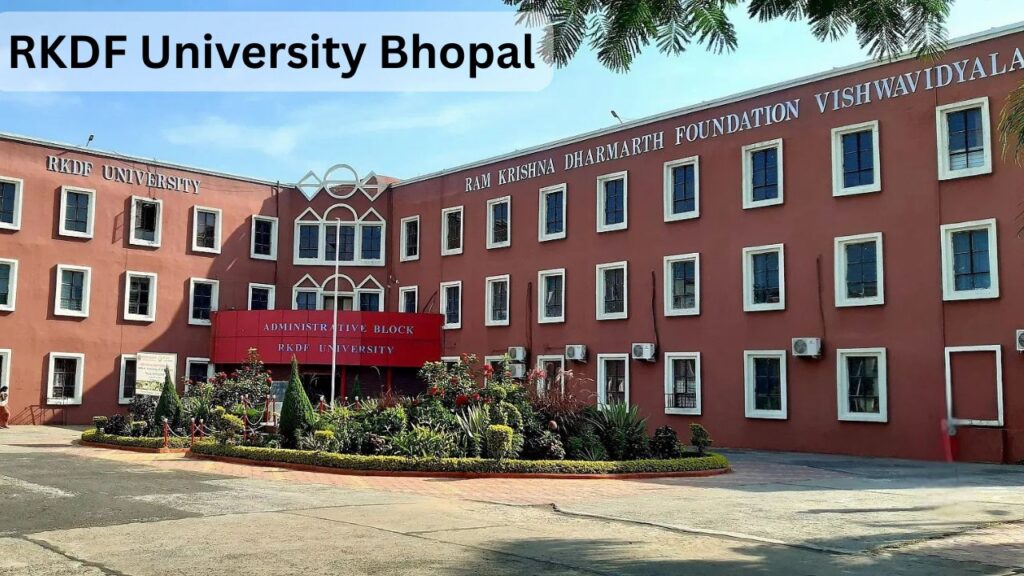
Faculty & Learning:
Faculty quality is average to moderate, but for self-motivated students, it can still be a good launchpad.

Admission Process:
Admissions are mostly merit-based or through direct admission. The total fees for the B.Tech course range between ₹2 Lakh and ₹2.6 Lakh.

Placement:
Campus placement support is available but mostly attracts local or small-scale recruiters. The average salary is ₹2.5 LPA.

Also Read : Best BCA Data Science Colleges in Chennai for a Future

3. VIT Bhopal University

VIT Bhopal is a top-tier college for engineering as it offers high-standard labs, global curriculum, and strong international tie-ups. Ideal for students who want to achieve top-class education.
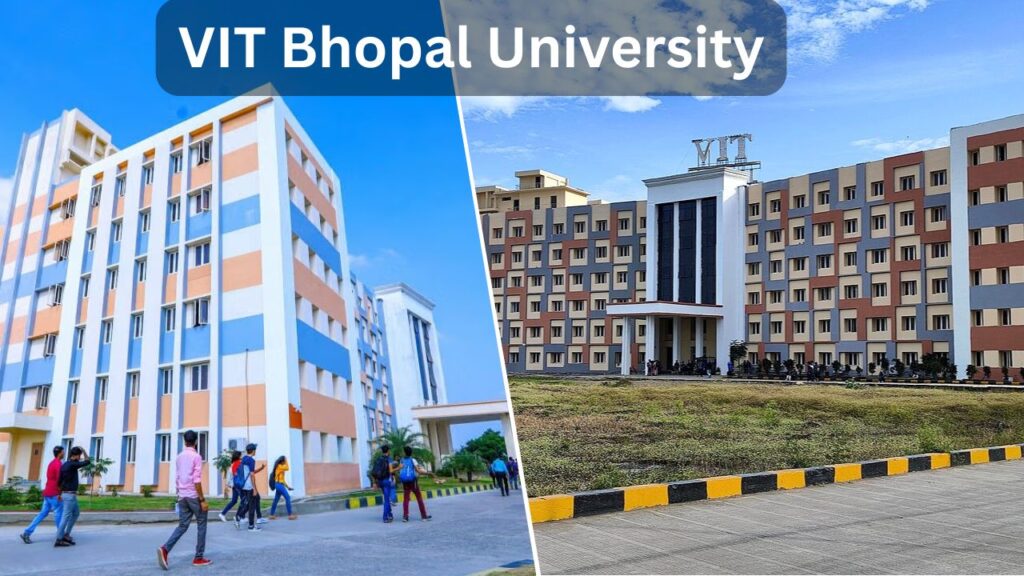
Faculty & Facilities
With a mix of academic and industry experience faculty is providing an advanced level of techniques and tips to guide their students. The college campus is modern, Wi-Fi-enabled, with smart classrooms and research labs.

Admission Criteria
Admissions are through VITEEE or JEE Main. The total fee is around ₹6.98 to ₹11.12 lakh for B.Tech.

Placements
Top companies such as Microsoft, Dell, and Cognizant participate. Highest packages have crossed ₹20 LPA, while average remains at ₹5–6 LPA.

4. Acropolis Institute of Technology & Research

Acropolis Institute of Technology & Research is a top-notch college for B.Tech. College’s innovative way of teaching and focus on practical assessment is what makes them iconic for those students who want to go into the research field. If students aim for entrepreneurship, this might be a good option for pursuing engineering.

Academics & Staff
Well-structured curriculum and helpful faculty. Some departments, like CSE and IT, are especially strong.

Admissions & Cost
Admission via JEE/MPTU counseling. The total fees lie around ₹2.94 to ₹3.72 lakh.

Placement Scenario
Offers good placements for tech branches, with average packages around ₹4 LPA. Mass recruiters like Wipro and Capgemini are common.

5. Bansal Institute of Research & Technology

This college has various placement opportunities due to its involvement in the larger Bansal group. The college maintained its reputation with an academic environment and technical training. It’s a safe choice for students who want structured learning.

Faculty
The faculty members provide support to students in developing their skills to maintain their resumes ready for jobs. Students did get guest lectures from industry professionals.

Admission Info
JEE Main scores are accepted for admission. Annual fees are approximately ₹90,000 – 3.68 Lakhs for B.Tech, depending upon the branch.

Placements:
Placement is fairly consistent, especially in CS, EC, and mechanical streams. Students can get an average package of around ₹3–4 LPA.

6. Technocrats Institute of Technology 

Technocrats Institute of Technology: This is a great option for students who don’t want to just pursue a degree but also want a chance to step into the industry with a good package. It has a huge alumni network and excellent infrastructure.
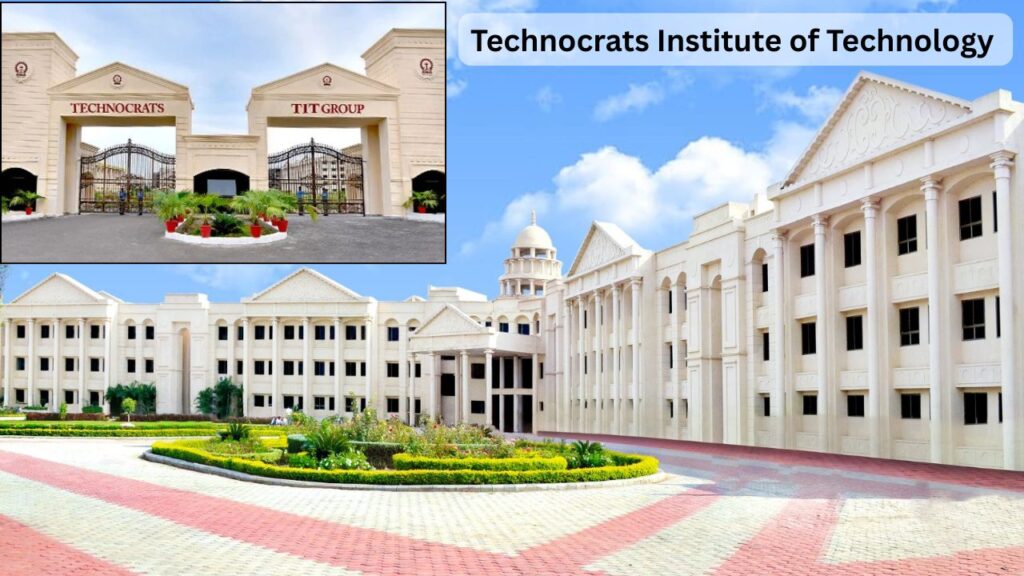
Faculty & Education:
Most departments have PhD-qualified professors. It offers not just theory but also encourages students for practical learning, coding bootcamps, and projects.

Admission Procedure:
Students must have a good score in JEE Mains. Selected candidates have to appear in the MP Online Counseling. Fees are around ₹1.8L for B.Tech.

Placement Overview
Excellent placement record, especially for CSE and IT. The college has a good placement record, students can get an average package of ₹4.5 LPA.

7. Sagar Institute of Science and Technology

SISTec is known for its student-centric approach, active coding culture, and good ROI. It focuses on both academic learning and personality development.
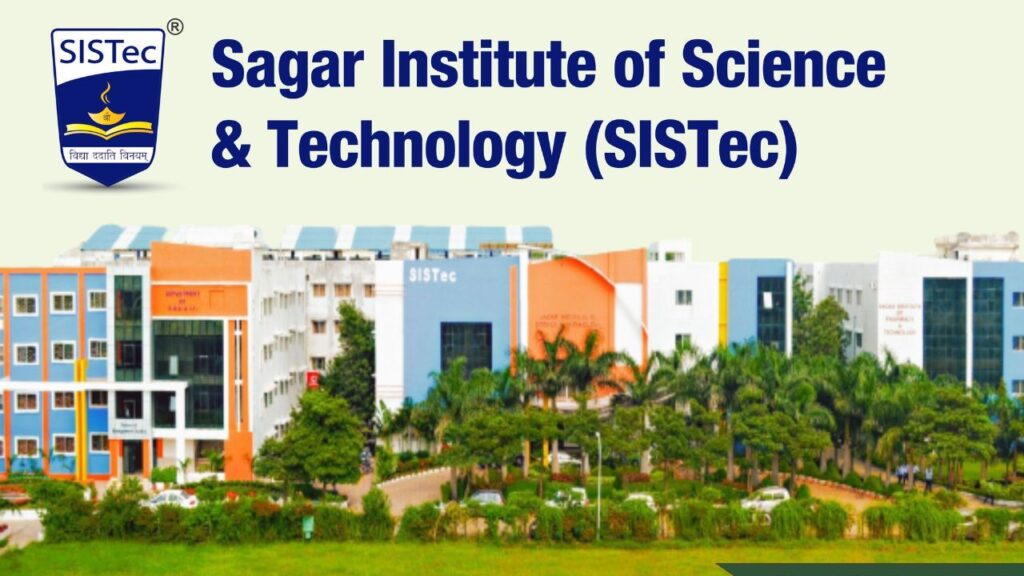
Faculty & Campus
The college offers experienced staff, supportive mentors, and regular tech fests to make their students more engaged with their engineering. A good option for engineering studies and college Infrastructure is above average.

Fees & Admission
The fee is about ₹2.1-3.6 Lakhs for B.Tech. Students need to clear the JEE Main with a good score for admission.

Placements
Offers decent placement in both core and IT sectors. Companies like TCS, HCL, and Byju’s visit the campus. Average CTC is ₹4 LPA.

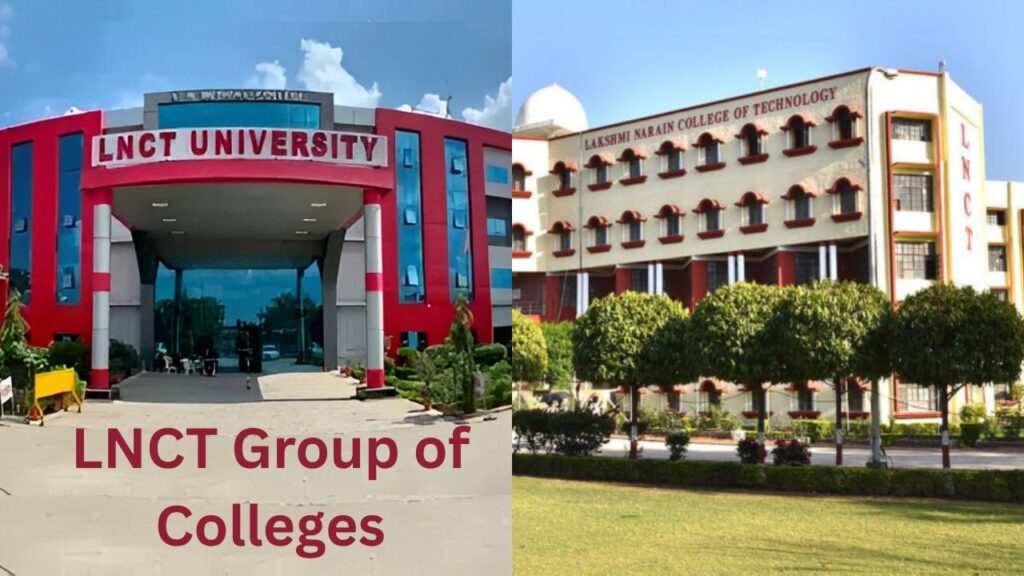
8. LNCT Group of Colleges

LNCT is a well-established name in Bhopal’s private education ecosystem. It has a reputation for being disciplined and result-oriented.
Teaching & Exposure
The faculty is one of the strongest in Bhopal’s private college circle. Labs, libraries, hostels and all meet modern standards.

Admission & Fee Structure
Admissions through JEE Main. Fees range from ₹2.39 to ₹3.25 lakhs for B.Tech, depending on the branch.

Placement Performance
LNCT has excellent placement stats with the highest package touching ₹19 LPA in 2024. The average package is around ₹5.5 LPA.

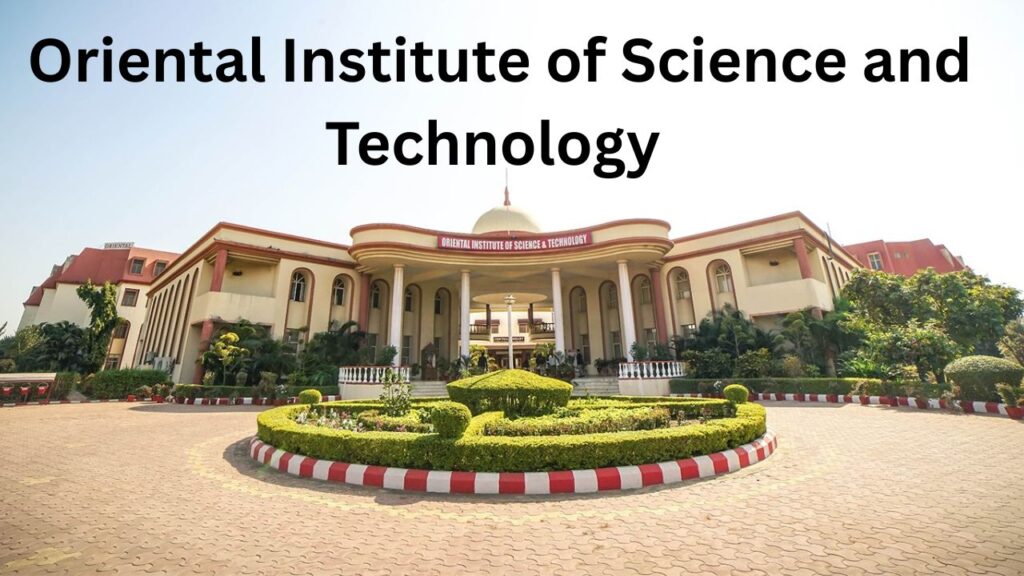
9. Oriental Institute of Science and Technology 

This is also a private college that has acquired a reputation for delivering engineering courses for years. Students get plenty of opportunities after having a B.Tech degree from this college. It offers excellent academic education and practical training.
Faculty & Infrastructure

The strong faculty is very supportive and the campus is amazing. Great infrastructure includes modern lecture rooms, research labs, and innovation centers where students can grow their ability to innovate and research.

Admission & Fees

JEE Main scores are acceptable for admission and MP DTE counselling. The fee is around Rs. 4.20 lakh, depending on the branch.

Placement Opportunity

The record of this college for placement of its students is high. If you want an average package around Rs. 4.2 LPA, then get the admission.

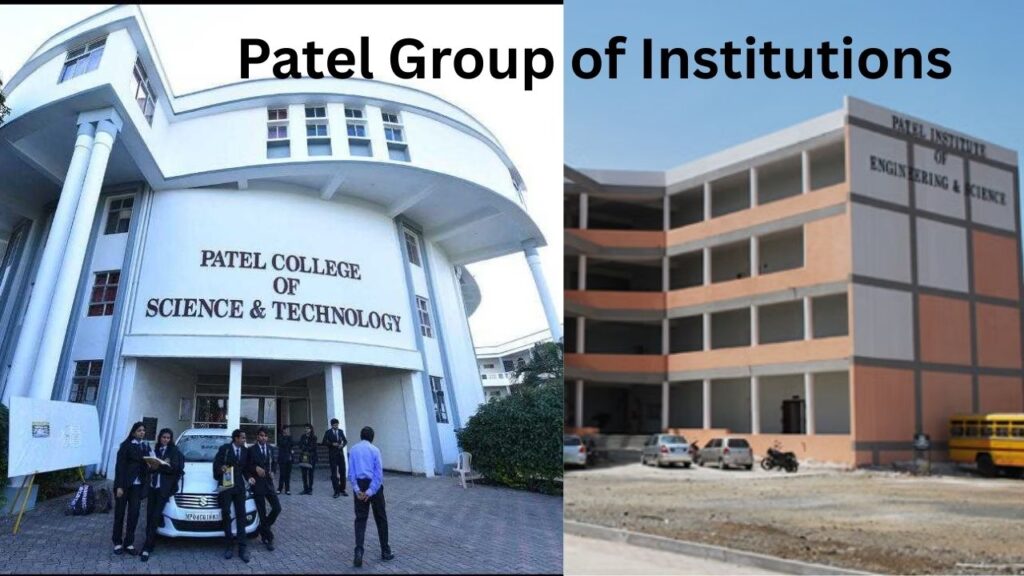
10. Patel Group of Institutions

If you are a resident of Bhopal, you can choose the Patel Group of institutions for B.Tech because it has a great reputation for providing industry-aligned technical education. Students can get their admission at a low fee here in comparison to others but they can get world-class education with regular training sessions.
Faculty & Infrastructure

Experienced faculty members encourage students to engage in project-based learning. It has decent infrastructure including, well-equipped labs, WiFi, and dedicated training programs.

Admission & Fees

JEE Main and MP Online Counselling will get you selected in this college. B.Tech course fee is around 1.60L-2.24L for the entire course.

Placement Opportunity

Companies like Wipro and Zensar are recruiting students from this campus and offer an average package of Rs. 3.5 – 4 LPA.

Conclusion

These are the Best Private Colleges for Engineering in Bhopal that will help you train your mind with their academic environment, strong faculty support, and practical training. Whether you want to pursue bachelor or masters, they offer both UG and PG level programs for students who want to build their career in top industries.

Leave a Comment

Your email address will not be published. Required fields are marked *

BSc Radiology and Imaging Technology: Course, Eligibility, Fees & Career

BSc Radiology and Imaging Technology

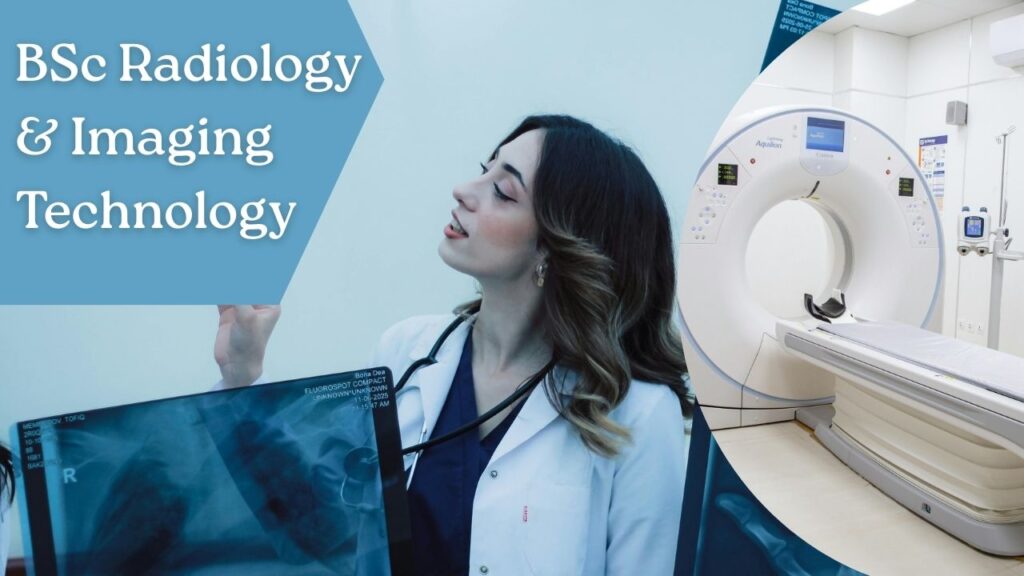
BSc Radiology and Imaging Technology is a three-year program (with one-year internship that is mandatory in most of the institutions) that equips the students with the knowledge of medical imaging. The core science portion of the curriculum (focusing on physics, chemistry, and biology) is integrated with clinical imaging courses including: anatomy and pathology, radiographic procedures, sonography techniques, ultrasound physics, computed tomography (CT), magnetic resonance imaging (MRI), and radiation protection. 

The Bachelor of Science in Medical Radiology and Imaging Technology is becoming the backbone of diagnostic medicine today. This transformation is being driven by three coalescing factors: the full enforcement of National Commission for Allied and Healthcare Professions (NCAHP) Act 2021, the adoption of advanced artificial intelligence (AI) in diagnostic workflow, and the growing world-wide need for expert imaging technologists. 

The course is intended to prepare competent technologists (“radiographers”) who will be well versed in the operation of contemporary imaging equipment and have a solid foundation in the science of diagnostic radiology. 

Who is a Radiology Technologist?

The Radiology Technologist/Radiographer is a clinical scientist who holds at least a B.Sc. or M.Sc. degree in Radiography. They don’t just know how to run the machines, they understand the physics behind the formation of images, the physiological basis of pathology and the important issues surrounding patient safety and radiation protection. 

Why Has This Course Become Important in Diagnostics?

Imaging is at the heart of diagnostics, which are critical to contemporary medicine; more than 80% of hospital care relies on them. B.Sc. In addition to machinery handling the Technician holder needs to perform a large part in the day to day imaging workflow by the year 2026 MRIT graduates holders can expect to be involved with state of the Art technology like PET-MRI, SPECT-CT, Protocol Optimization, Post Processing, QC. 

Also this line job is work during recession. There is a long-term demand for skilled radiographers, particularly those trained in PACS and RIS, as the population of India grows older, lifestyle ailments become more common, and digital healthcare is enhanced under the ‘Ayushman Bharat Digital Mission’. 

Entrance Exams & Eligibility Details For Admission 

NEET UG 2026

National Eligibility cum Entrance Test (NEET UG) shall be the single entrance examination for admission to all the undergraduate allied and healthcare courses like BSc Radiology and Imaging Technology from the academic year 2026-27, according to NCAHP. 

AIIMS — 2026 Paramedical Entrance Test

Along with NEET, there is the AIIMS entrance Test which is held by AIIMS for paramedical courses leading to B.Sc. and M.Sc. The date of AIIMS B.Sc. Paramedical 2026 exam is tentatively on 30 May 2026. 

Note:- Candidates are requested to cross-check this with official notification as some calendars mention July for Examination, however May is the only projected window as per academic calendar.

How to apply:

  • Basic Registration: The schedules released in 2026 March/April. You can create a Registration ID.
  • Final Registration: Involves the generation of a Unique Code (RUC), payment of application fee, usually in May 2026.

Test Format: This computer-based test will consist of 90 multiple-choice questions (MCQs) on biology/mathematics, chemistry, and physics and will last for 90 minutes. Any wrong answer can take away ⅓ marks.

Admissions at JIPMER & PGIMER

JIPMER (Puducherry): B.Sc admissions The admissions to the B.Sc shall be The Allied Health Science at JIPMER (Puducherry) for the year 2026 will be on the basis of the NEET UG scores. JIPMER normally holds its own counseling for these seat(s). 

PGIMER (Chandigarh): The institution holds a separate CBE, these are usually conducted in the months of August/September. The process of application normally commences in June. 

State and Private University Tests

CUET (Common University Entrance Test): Central universities, such as Banaras Hindu University (BHU), utilise the CUET. The essential subject combination for Radiology is Physics, Chemistry, and Biology / Mathematics.

Manipal: in MAHE, Phase 1 is scheduled for April 2026 for admission test, and the next Phase 2 for May 2026. 

CMC Vellore: It is a tough Institute level CBT (Computer Based Test) followed by a Step-2 evaluation (Practical tests and interviews.) 

Eligibility Criteria 2026

Educational qualification: Should be passed class 12th board with physics, chemistry and biology (pcb) and English. Some of the institutes like AIIMS allow mathematics (pcm) for Radiology courses.

Minimum Marks: For the general/EWS/OBC category, it is 50% aggregate and for the SC/ST category, it is 45%.

Read More:- Supreme Court Law Clerk Recruitment 2026 Notification Details

List of Colleges For BSc Radiology and Imaging Technology

There are 140+ colleges around India that offer BSc Radiology and Imaging Technology without taking too much fees, especially in government colleges. If you have interest in lab technologies or figuring out body structures and making reports then take admission for securing your career in this field.

CollegeLocationApprox. FeesNotes 
AIIMS—New DelhiDelhi₹4,500Elite training facility as it is Top-ranked college
PGIMERChandigarh₹10,500Members are mindful and placements opportunities
JIPMERPuducherry₹94,000Excellent internships
AIIMS—RishikeshUttarakhand₹46,000High packages up to ₹24L
GMCHChandigarh₹39,000Affordable govt option
Integral UniversityLucknow, UP₹3.15LGood infra, local pick
Parul UniversityVadodara₹4.6LPrivate, placements ₹6L avg
SGT UniversityGurgaonVariesModern facilities

Academic Curriculum for the Course 

Theory and laboratory practice are included in the curriculum of BSc Radiology and Imaging Technology. The following topics were covered: Human anatomy/physiology, Imaging Physics, General Radiography, Ultrasound Imaging, CT Scanning, MRI Basics, Radiobiology and Radiation Protection, Digital Image Processing, and General Patient Care. 

BSc Radiology and Imaging Technology is a four year degree course. The first three years were spent attending didactic lectures, practical laboratory courses, and clinical observations. The fourth year is a required, full-time clinical internship during which the student serves as a student technologist at a hospital. 

PhaseDurationFocus Areas
Year 1Semesters 1-2Basic Medical Sciences, Communication Skills, Computer Basics
Year 2Semesters 3-4Core Radiography, Radiation Physics, Conventional Imaging
Year 3Semesters 5-6CT, MRI, USG, etc Interventional Radiology
Year 4Semesters 7-8Clinical Internship, Logbook, Project Work

The 2026 Curriculum is intended to establish progressively developing competencies. 

Year 1: The Foundation

The goal is to give the student a foundation in the human body and the hospital setting.

  • Human Anatomy & Physiology: This Is Not a “Fly By” Tour Students are required to study detailed osteology (bones) to learn how to position for radiographic.
  • They are taught body systems physiology to understand how to administer contrast media.
  • General Physics: The basic laws of physics applicable to the production of radiation.
  • Clinical Pathology & Biochemistry: Basics of blood tests (creatinine, urea) which are important prior to contrast administration.
  • English & Communication: Necessary to describe techniques to patients and to calm them. 

Year 2: The Core

Students access the realm of diagnostic imaging in BSc Radiology and Imaging Technology.

  • Radiation physics: The production of X-rays, their interaction with matter, and the design of X-ray tubes.
  • Radiographic Positioning, the science and art of positioning the patient to radiograph the body part (i.e. Towne’s view for skull, Skyline view for patella).
  • Darkroom to Digital: Darkrooms may be a thing of the past, but knowing the history is key. Emphasis is placed upon Computer Radiography (CR) and Direct Digital Radiography (DR) modalities.
  • Radiation Protection: Students learn the ALARA (As Low As Reasonably Achievable) concept along with shielding and dose limit for worker and patient. 

Year 3: The Advanced Frontier

This is the year when the high-end modalities that shape contemporary radiology are covered.

  • Computed Tomography (CT): CT Physics, generations of scanners, helical vs. axial scanning, and protocols for different body regions.
  • Magnetic Resonance Imaging (MRI): Principles of the complicated physics of nuclear magnetic resonance, safety issues related to ferromagnetic materials, and pulse sequences.
  • Ultrasonography (USG): Essentials of acoustics, transducer design, and the technologist’s function in the operation of the sonographer.
  • Interventional Radiology (IR): Orientation to the Cath Lab Sterility and Equipment utilized in Angiography.   
  • Radiation and Radioactivity in Nuclear Medicine Basics of PET-CT Handling of Radioisotopes including Technetium-99m. 

Year 4: The Internship

The purpose of the internship is to transition a student to a worker. Interns rotate through different departments, including X-ray, CT, MRI, Emergency and ICU. They need to keep a logbook of cases they have done, and are evaluated on their technical skills and dealing with patients. 

BSc Radiology and Imaging Technology Career Scope & Salary

Skilled radiographic professionals are sought after in India’s growing healthcare sector. Radiology technicians also work in public and private hospitals, diagnostic laboratories (pathology and imaging centres), government health schemes, private practitioners and emerging digital health platforms including teleradiology and artificial intelligence (AI) imaging start-ups. 

BSc Radiology and Imaging Technology

Clinical Roles

  • Radiologic Technologist: The typical baseline position. Duties are to perform x-rays, triage patients and maintain radiation safety .
  • CT Technologist: So, what’s the place in the hierarchy. Knowledge of cross-sectional anatomy and contrast administration is required.
  • MRI Technologist: A step up. MRI scanners are complicated, and patient safety (screening for metal) is critical. The technologists here typically make 20-30% more than a general radiographer.
  • IR Technologist: The Cath Lab Experience. In a stressful environment, high volume dealing with cardiac and vascular interventions. You’ve got to wear thick lead aprons for long hours – but when you’re done, you’re king and you’ve got money in your pocket.
  • Mammographer: Expert in breast imaging. Because of the sensitive nature of the exam, female technologists are preferred for this position. 

Sector & Role Wise Salary (2026)

RoleExperienceSectorApprox. Monthly Salary (INR)
Jr Technologist0-2 YearsPrivate sector Hospital Rs 18–25k
Jr Technologist0-2 YearsAIIMS/Govt (Contract)Rs 25–35k
Sr Technologist5+ YearsCorporate HospitalRs 45–60k
MRI Specialist3-5 YearsDiagnostic ChainRs 35–50k
Application Specialist2-5 YearsMedical Device Co.Rs 50–80k + other allowance
Govt. PermanentEntry LevelGovernmentRs 45–55k (Initial + Allowance)

Who is Ideal For this Course?

BSc Radiology and Imaging Technology course is for students who like science and technology and want to work in the health sector. The ideal candidate: is detail oriented, is able to follow protocols which are critical for safety, is comfortable using computers and complex machinery, and can interact with patients (explain procedures, position patients). A BSc radiology student should be well versed with biology and physics and should also be calm and responsible because any mistake in imaging can impact the diagnosis. 

Future Value of BSc Radiology and Imaging in Healthcare

In India’s upcoming healthcare scenario, BSc Radiology and Imaging Technology are a must-have. With the proliferation of private hospitals and diagnostic chains in Tier II/III cities, the need for imaging services is on the rise.

Technologies, such as AI-based image analysis, hybrid imaging (e.g. PET/CT), etc, indicate that the profession will continue to be hitech. So BSc (Hons) in Radiography graduates will play a vital role in connecting technology and patient care. The course produces practical professionals who can contribute immediately to hospitals’ diagnostic teams, which is critical in a country like India, where there is a shortage of doctors. 

Conclusion

In a day and age when technology and medicine are coming together closer than ever, the Radiology Technologist is at the controls of the medical world’s most powerful machines. For individuals who are detail-oriented, have a caring nature, and technical mind, BSc Radiology and Imaging Technology offers a fulfilling, stable and ever-changing career. 

Leave a Comment

Your email address will not be published. Required fields are marked *

CBSE vs State Board: Choose the Right Board For Primary Education

Comparison of Different Boards

Educational boards have different advantages and disadvantages for students in India. Schools are the first stage for students to build their knowledge and shape their minds for a career. A student’s entire future depends on it. If you are a parent or educator then you must understand that when it comes to the classic debate of CBSE vs State Board, there is no one-size-fits-all answer.

There are factors including a student’s learning style, future goal, or central/state opportunities which can help you to decide the right one. So, let’s walk through this guide which explains the core differences between CBSE and State Board to help you make the right decision.

What is The CBSE Board?

CBSE offers a standard curriculum for students, schools authorized by CBSE board offer the same syllabus whether it is in Mumbai or Lucknow. This is best for students who change their cities frequently, so their studies won’t be disturbed. It is managed under the Union Government and heavily focused on Science and Mathematics. Schools offer both medium English and Hindi.

What is a State Board?

In India, every state has its own educational board for schools. The curriculum is designed to have one state’s language along with English as the primary language. For example, Hindi/Sanskrit in UP board and Marathi in Maharashtra board. It is focused heavily on the state’s geography, history, culture with leaning more towards science and mathematics. 

Best board for students who are aiming for state-level government exams or jobs. The lessons are also easy and point-to-point that will help students to easily understand their topic within less time.

Core Differences in CBSE vs State Board

To understand which board is better, we need to compare them across several critical parameters.

1. Curriculum and Syllabus

CBSE: The syllabus has been designed considering NCERT curriculum which is more inclined towards integrated theory and practical aspects. Students who have high level of analytical thinking can easily handle the CBSE syllabus as it is not based on rote learning. 

State Board: They punch a lighter syllabus but are heavily skewed towards a local language, history and geography. That curriculum would not be gone into with the same depth in CBSE.

2. Difficulty Level and Grading

CBSE: The exam structure is tough and built to test students’ reasoning skills. Scoring basically depends on continuous and multiple exams in a year which reduces the pressure of a single final exam. overall difficulty level is high in CBSE board for students. 

State Board: Traditionally, this has come down to relatively simple calculations and memory-based tests. The end of year board examination is the most important one. In general, students consider that it is simpler to get high marks in the State Board exams as questions are more direct. 

3. Alignment with Competitive Exams

If student wanted to make their career in government sector then choose accordingly. 

CBSE: If the goal is to crack national-level entrance exams like the JEE or NEET as these are the biggest exams for engineering and medical students, CBSE board students have advantage because their exam curriculum are same as students’ high school syllabus. 

If student is thinking about central government jobs like IRS or defence job, the analytical foundation built by CBSE gives them a distinct edge.

State Board: State boards are excellent if the target is state-level engineering and medical entrance exams (like UPSEE or MHT-CET). They are also highly beneficial for state civil services exams, as the localized curriculum provides a strong base in regional general knowledge.

4. Extracurriculars and Holistic Development

CBSE: There is an active promotion of academic and non-academic activities by the board. The majority of the CBSE schools possess strong infrastructure in sports, arts, and debate and consider them as part of the curriculum. 

State Board: It’s all studied-based. There are some extracurricular activities, but these are generally subordinate and become dependent on the management of the particular school and what they can provide. 

Read More:- Skill Development Courses For Indian Students

Which Board Should You Choose?

The decision ultimately boils down to what you envision for the student’s future.

Choose CBSE if:

  • You are moving all over India because of your parent’s job.
  • The student is targeting national-level exams (JEE, NEET) or central government jobs.
  • You need a syllabus that’s focused on concepts and their application, and not on memorising.
  • You want the best of both worlds, academically and extra-curricularly with the extracurricular side not taking a back seat. 
  • You are looking for a balanced approach with equal focus on extracurricular development.

Choose State Board if:

You live in one state permanently and have no intention of moving. 

The student intends to enter the civil service, but only in that particular state. 

You want the student to be well versed in regional languages and local customs.  

The student is involved heavily in passions outside of school (like competitive sports or music production) and needs a more forgiving academic schedule.

Conclusion

No board is naturally “best” or “worst.” They are just for different uses.

The CBSE board reigns supreme for national competitiveness and standardized pan-India education. It equips students for the tough national exams and is very analytical in its method of teaching. hly analytical approach to learning.

State Boards provide a localized, accessible, and culturally relevant education. They tend to be more flexible, granting students additional time to partake in outside activities or to prepare for opportunities at the state level. 

Evaluate students’ strengths, talk about their long-term objectives and what board is best suited for their individual path. Choose the right one over the best. 

Leave a Comment

Your email address will not be published. Required fields are marked *

CTET Exam Date 2026: Notification, Exam Schedule, Application Dates and Complete Details

CTET Exam Date 2026

The Central Board of Secondary Education (CBSE) has issued the notification for CTET Exam Date 2026. The candidates applying for the position of teachers in India should note the date for this important exam. The CTET 2026 21st edition is going to be held on Sunday, 8 February 2026. If you want to make your career in teaching, then this is a good national level eligibility test to check your abilities.  

Dates To Follow For CTET Exam

EventDate
Application Start Date27/November/2025
Last Date to Apply18/December/2025 
Exam Date08/February/2026 (Sunday)
Result (Tentative)March/2026

Exam Pattern & Schedule

Paper-19:30 AM — 12:00 PM
Paper-22:30 PM — 5:00 PM

Whereas Paper-1 is designed for class first to fifth, Paper-2 is structured from seventh to eighth class teacher. Both papers have 150 MCQs that carry 150 marks and the passing score is 60%. 

Paper 1 Syllabus (Classes 1-5)Paper 2 Syllabus (Classes 6-8)
Child Development & Pedagogy (30 marks) : Concepts of learning, psychology of the child.Language I & II (30 marks each) : ComprehensionMathematics (30 marks) : Numbers, shapes, operations.ENVIRONMENTAL STUDIES (30 marks) Family and Environment, Science Basics. An excellent knowledge of theories and practices in child development and pedagogy etc. is necessary for the implementation of inclusive education.Language I & II (30 marks each): Advanced comprehension.Mathematics and Science (60 marks): Algebra, physics, biology.OR SOCIAL STUDIES (60 MARKS) : HISTORY, CIVICS, GEOGRAPHY. 

Read More :- Top NEET Colleges in Lucknow with High Ranks, Fees, Seats and Details

Salary For CTET Exam Date 2026

The level 1 position offers Rs 9,300 to Rs 34,800 along with the Grade along with the Grade Pay of Rs 4200. While candidates can earn up to Rs. 34,800 with Grade Pay of Rs 4600 at Level 2 position.

Apply HereClick Here
Exam NoticeClick Here
Official WebsiteClick Here

Leave a Comment

Your email address will not be published. Required fields are marked *

Top Agriculture College in Uttar Pradesh: Courses, Fees & Admission Details

Top Agriculture College in Uttar Pradesh

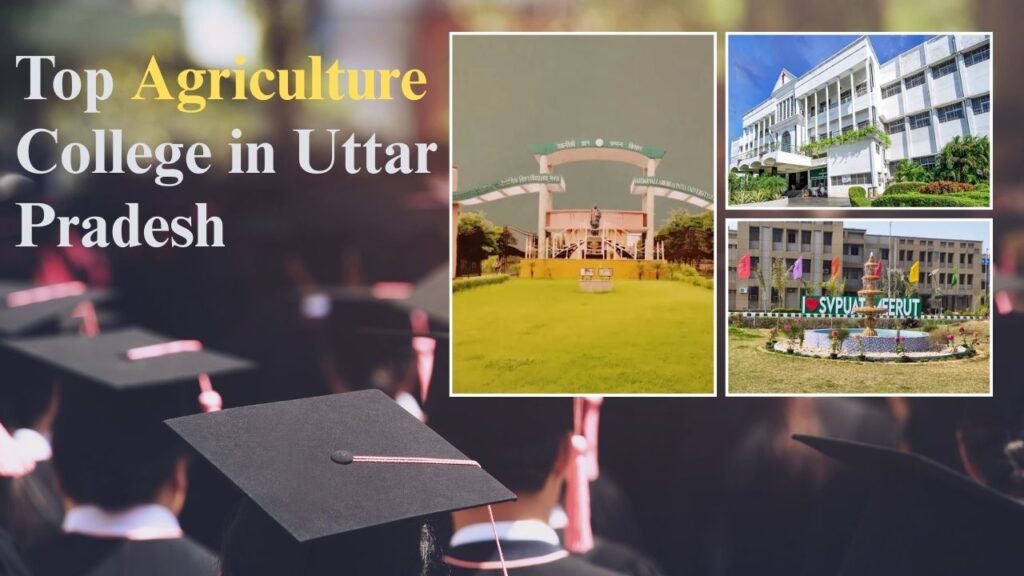
Uttar Pradesh is one of the most agriculturally capable states in India and its Top Agriculture Colleges in Uttar Pradesh are a testimony to this heritage. Whether you are a student passionate about sustainable farming, agricultural innovation, or agribusiness, Uttar Pradesh state has some of the best centers to develop your career in this important sector. If you want to study agriculture in UP, this blog is for you to see the list of top colleges, know about courses, fee structure and the admission process. 

Why Choose Agriculture Education in Uttar Pradesh?

Farming in Uttar Pradesh isn’t just small-scale ploughing anymore. The state’s agricultural schools combine research and state-of-the-art technology with practical work in the field to give students the skills necessary for 21st-century farming. 

In areas such as crop science, agricultural engineering, agribusiness and sustainable farming methods, these colleges provide students with the tools to become leaders in the agricultural industry. 

The Top Agriculture Colleges in Uttar Pradesh

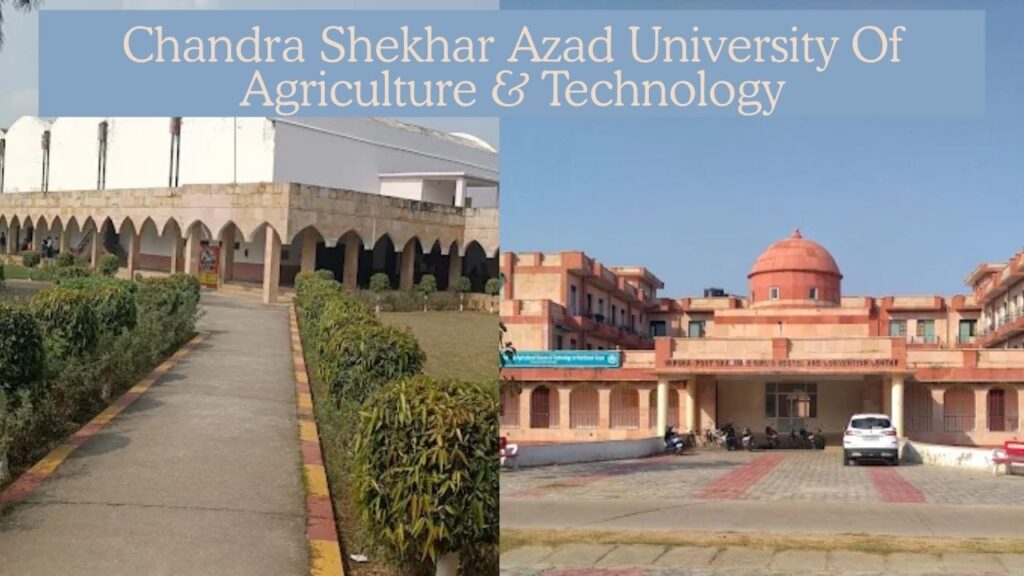
1. Chandra Shekhar Azad University — (CSAUAT), Kanpur

The CSAUAT is a leading Indian agricultural university and played a pivotal role in laying the foundation for the development of the university system of agriculture in the state right from the beginning in 1975. Located in the heart of the agro-based state of Uttar Pradesh, this Government institute has built a name for itself for a long time now.​ 

Chandra Shekhar Azad University

Courses Available – B.Sc.(Hons) Agriculture, B.Tech in Dairying Technology, B.Tech Dairying, M.Sc. Agri in different specializations like Agronomy, Plant Pathology, Soil Science, and Ph.D. courses. 

Fees: The B.Sc. (hons.) The annual fees of B.Sc Agriculture is about ₹1.07 lakhs per semester (The total fee is ₹4.28 lakhs for 4 years), which is very reasonable under this course. B.Tech courses are charged at about ₹1.50-1.64 lakhs per annum.​

Admission: Applicants can apply if they are passed 10+2 with 50% minimum marks (with PCM/PCB subjects) and applicable for the UPCATET entrance exam. The counseling procedure is on merit.​

Placement & Career Growth: It will let you earn around ₹3-5 LPA package which is quite enough for freshers. Some even receive packages as high as ₹7 LPA, depending on their skills. 

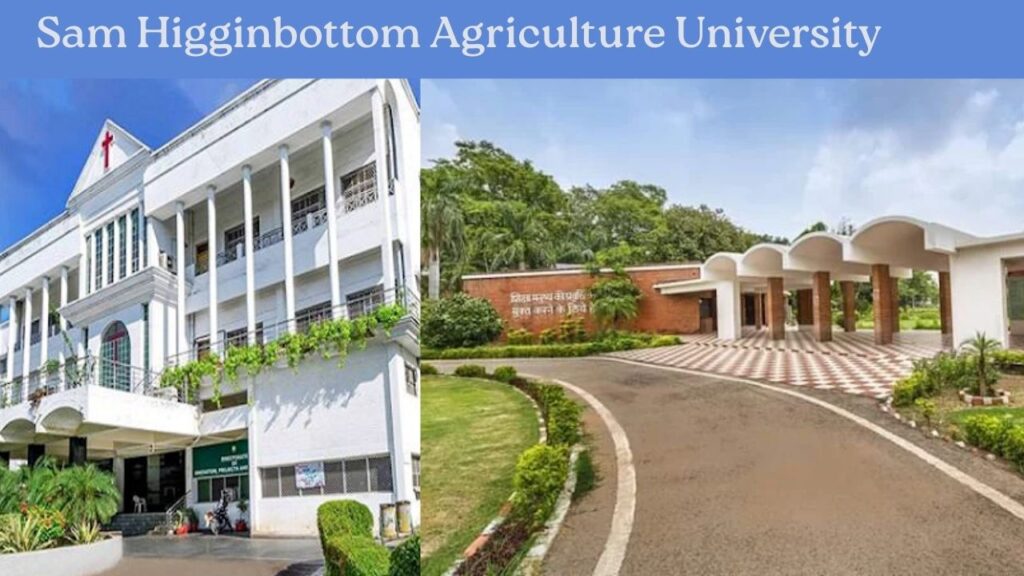
2. Sam Higginbottom Agriculture University, Prayagraj

A leading private deemed university, SHUATS is recognized for its integrated approach of farming systems and industry relevant curriculum. The campus is located at Prayagraj and has state of the art infrastructure for imparting agricultural education.​

Sam Higginbottom Agriculture University

Courses are B.Sc Agriculture, B.Tech in Agricultural Engineering, M.Sc Agriculture in various disciplines, PG Diploma/ Diploma in food technology. 

Fees: B.Sc. (Hons.) Agriculture fees is ₹1,08,000-1,20,000 per year at various universities in India. But SHUATS is much better when it comes to scholarships, candidates who are eligible can get waivers ranging from 30-40% on the fees, plus additional concessions for christian students.​

Eligibility: Candidates must have passed 10+2 in PCM/PCMB/PCB with minimum of 45% marks. The admission is merit based on an entrance test conducted by the university, usually in the month of May.​

Placement & Career Prospects: The salary package is exceptional, the one can earn around ₹6.20 lakhs. The package is based on the skills of the students that can be up to ₹3 LPA. 

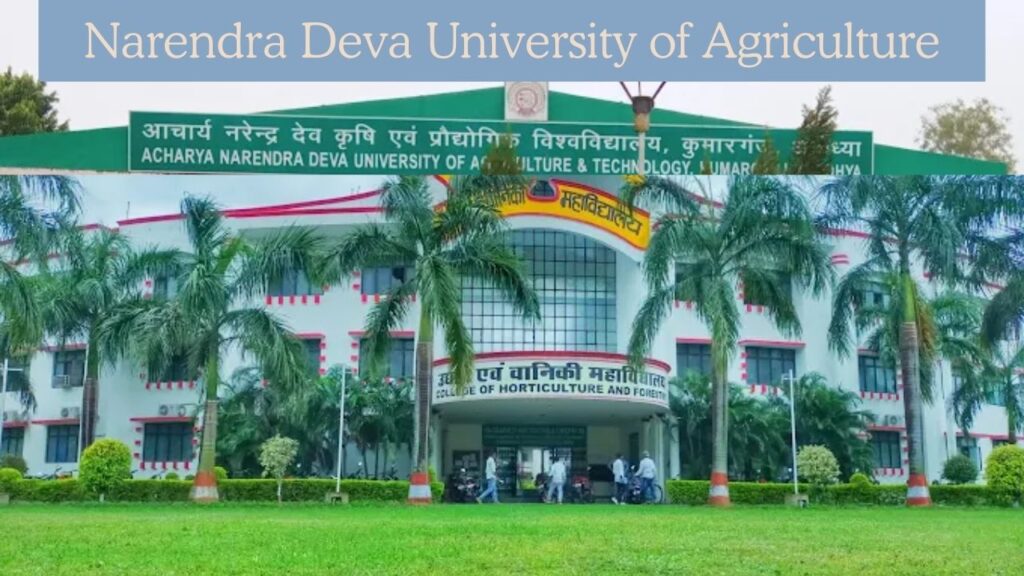
3. NDUAT — Narendra Deva University of Agriculture 

The NDUAT is an agricultural university, It focuses primarily on horticulture and crop science. It is a government institution in Ayodhya and provides good quality education at low cost.​

Narendra Deva University of Agriculture 

Courses available: B.Sc. (Hons) in Agriculture, B.Tech specialisations, M.Sc. courses in B.V.Sc. & A.H. (Veterinary), as well as B.F.Sc. (Forestry).​

Fees: The B.Sc. (Hons.) Agriculture course fee is around ₹1.05 lakhs for 4 years, while B.Tech fees range between ₹1.64-1.70 lakhs. 

Admissions: The minimum qualification is 10+2 with 50% marks in the PCB/PCM group of subjects. Admission is based on UPCATET entrance examination and then counseling on merit.​

Placement & Career Prospects: The candidates who graduated have a placement with an average package of ₹3 LPA in both private and government sectors. 

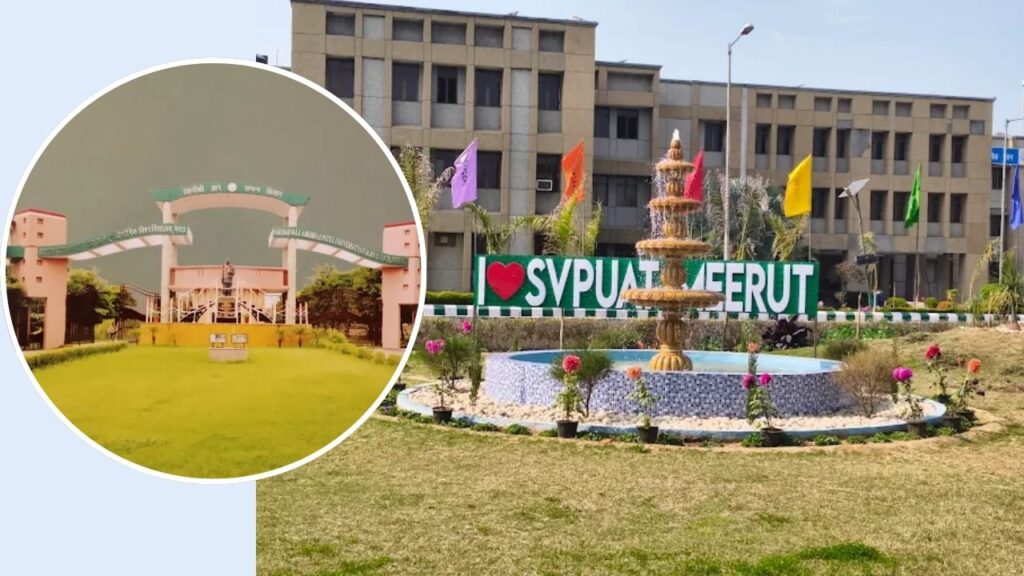
4. Sardar Vallabhbhai Patel Agriculture University  

SVPUAT is the best university which is located in Meerut, making it easy for students. With all the government funding support, SVPUAT is known for its research on crop improvement and agriculture mechanization.

Fees: The fees for the whole course in AY is around ₹45,000 which is one of the cheapest in the state.

Placement: The strong ties with agribusiness companies, research institutes and government agencies enable graduates to obtain good placements. 

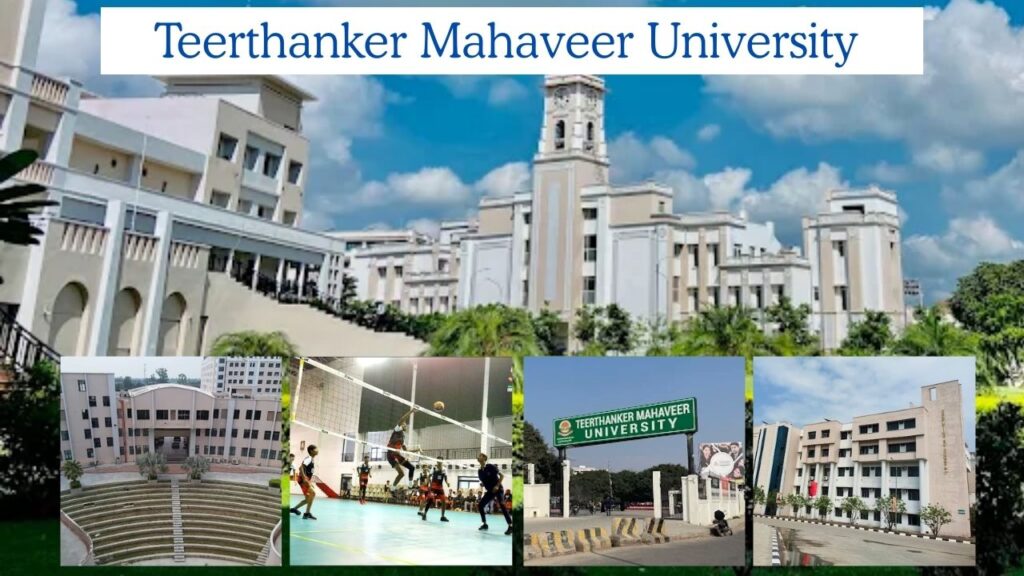
5. Teerthanker Mahaveer University (TMU), Moradabad

TMU is one of the best private universities in uttar pradesh with world class infrastructure and industry oriented syllabus.​

Teerthanker Mahaveer University

Course Offered: B.Sc. Agriculture, M.Sc. Agriculture courses based on ICAR norms.​

Fees details: The total duration of B.Sc. (Hons. ) Agriculture at TMU is 4 years The fees for B.Sc. (Hons.) The duration of B.Sc Agriculture is 3 years and for M.Sc. Agriculture 2 years. The tuition fee is Rs 45,000 per semester for MSc Agronomy. 

Facilities: There are world-class labs, practical training, and strong linkages with the industry, in the university. 

Understanding the UPCATET Entrance Exam

Most of the government agricultural universities in Uttar Pradesh take their admissions via UPCATET(Uttar Pradesh Combined Agriculture and Technology Entrance Test). 

Here’s what you need to know:​

Exam Details: The exam is held every year in offline mode by the universities. For UG courses, the exam is generally conducted in June. 

Eligibility: 10+2 passed students having science subject (PCM, PCB or with Agriculture subject) with a minimum of 50% marks are eligible to apply. There is a benefit for reserved category students, they can get marks relaxation up to 5%.​

Exam Pattern: The UPCATET contains 200 questions from general knowledge, agriculture science, mathematics, and English. The examination will last for 3 hours.​

Age Limit: Applicants must be aged between 16-22 years for UG courses at the time of admission. 

Read More:- ITI Admission Fees in Government College: Complete Fee Structure Guide

Course Overview

The first years of agriculture in UP colleges are generally the basic courses in crop production, soil science, plant pathology, entomology and agricultural economics. Students specialize as well, choosing from such options as horticulture, seed technology, agricultural extension, agricultural engineering. 

A number of courses have fieldwork components and the Rural Agricultural Work Experience (RAWE) allows students to work with farmers as they confront challenges of farming in the field.  

Career Growth & Salary Package 

There are many opportunities for the graduates of agriculture. For the freshers agriculture college students —- the packages will be near about ₹20,000-35,000 per month for job profiles like agricultural assistant and farm supervisor etc in the entry level The amount varies with the university from which students have passed. 

Professionals at an intermediate level with 2-3 years of experience can earn around ₹40,000-60,000 per month. The salary of Agriculture Officer or Agriculture Development Officer in the government lies between 35,000 – 60,000 Rs per month

Conclusion

Selecting an agriculture college in Uttar Pradesh is all about shaping the future of India. Be it a renowned government college like CSAUAT or a up-to-the-minute private university like SHUATS, you will find a route that leads you both with practical experience in the real world of life and a theoretical academic purity. 

With manageable fees, quality faculty, research opportunities and robust placements, the agriculture colleges in UP prove to be the best when it comes to anyone with a zeal and passion to bring a change in the agriculture scenario of India. 

Leave a Comment

Your email address will not be published. Required fields are marked *

Gov Update Wala: RO ARO Admit Card 2025 Released – Download Your Hall Ticket Before It’s Too Late!

RO ARO Admit Card 2025

Candidates who had filled their application on 24 November 2023 can download their RO ARO Admit Card 2025. Candidates can download their admit card before the exam to enter in the hall. Admit card will provide you necessary details such as Roll Number, Name, Father’s Name, Subject, Centre Name & Address. 

There are a total of 441 posts in which you can be selected after clearing this exam. Make sure to check the official notification for detailed eligibility on the post. Any students who have completed their graduation are eligible for this post but some posts may require a specific field of education.

The salary package range is between Rs 47,600 to 1,51,100. The selection process for these posts is Preliminary Exam, Mains Exam, & Skills Test.

Short Details RO ARO admit card 2025 

PostsReview Officer & Assistant Review Officer
Exam Conducting BodyUttar Pradesh Public Service Commission
Vacancies441
Exam LevelState-Level
Exam ModeOffline
Admit CardClick Here
Official WebsiteClick Here

Read More 👉 MPPGCL AE/ JE Recruitment 2025 Officially Out – Gov Update Wala Has All the Details!

RO ARO Admit Card 2025 Eligibility

Samiksha Adhikari – Deptt U.P. Secretariat, Deptt UPPSC, Deptt Board Of RevenueGraduation in any stream with minimum 50% score.
Sahayak Samiksha Adhikari – Deptt Board Of Revenue, Deptt UPPSCGraduation in any stream & “O” level certificate + Hindi Typing Speed “25 WPM”.

Steps to Download RO ARO admit card 2025

  1. Open Official Website link through the link mentioned in the article.
  2. The download Admit Card link is provided on the official website (UPPSC).
  3. Choose server 1 if it doesn’t work then choose server 2.
  4. Enter credential to access the admit card.
  5. Download it and make it a hard copy of it.

Useful Links for RO ARO admit card 2025

Download InstructionsClick Here
Download NotificationClick Here
Admit CardClick Here
Official WebsiteClick Here

Leave a Comment

Your email address will not be published. Required fields are marked *

Scroll to Top