Best Medical Colleges in South India for MBBS You Can’t Miss in 2025!

Best Medical Colleges in South India with top MBBS programs and affordable fees

There are world-class Best Medical Colleges in South India for MBBS which provides quality education and excellent training to produce doctors. The well-established states including Karnataka, Tamil Nadu, Kerala, Andhra Pradesh, and Telangana come under the region of South India. Taking admission in any of these colleges is the right choice for starting your medical journey. South India offers both private and government colleges in a wider range. 

Let’s look into these prestigious colleges which offer both theoretical and practical medical education for students. 

How Did They Become the Best Colleges?

They are equipped with strict regulations to provide strong curriculum, advanced training, hospital exposure, experienced faculty, and support for career growth. After monitoring college prospects and record of successful students, NIRF ranked them as the top colleges of India. The ranking made it easy for students to choose their best college for their higher education. 

Top Government Medical Colleges

Christian Medical College

Christian Medical College, Vellore is private but offers the best education at affordable fees of just Rs. 13,500 yearly for MBBS. This college became a crown jewel of South India and ranked at 3rd position domestically by NIRF due to its top education and low fees.
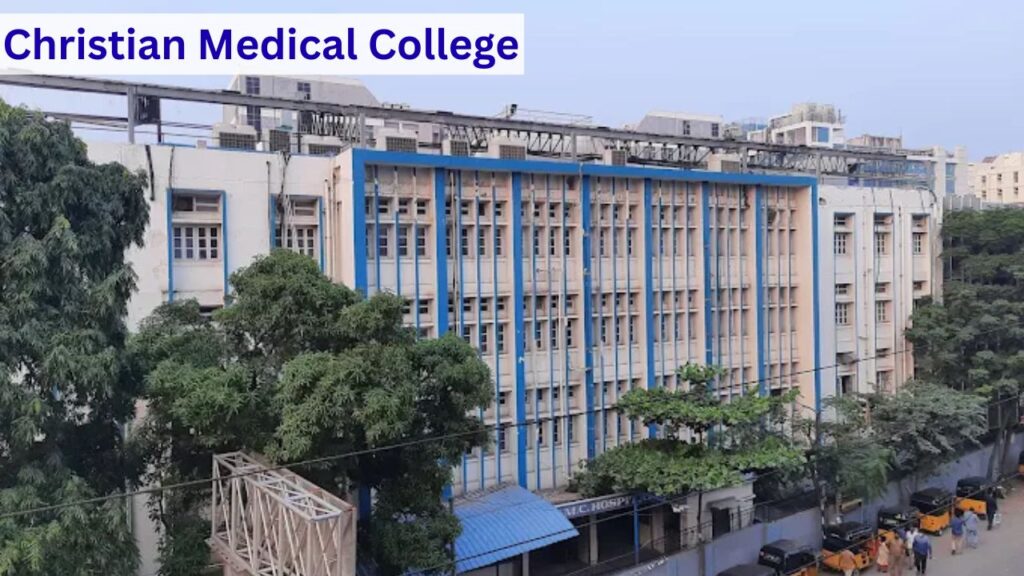
Christian Medical College Vellore best medical college in South India

Image credit: Christian Medical College

JIPMER Poducheery

Jawaharlal Institute of Postgraduate Medical Education and Research became a best known college for MBBS as it has a strong alumni network. It produces world-class doctors at low fees around Rs. 6000 yearly. It ranked at 4th position in NIRF 2025 due to its exceptional medical education. It is the top medical college of South India, but students need to score well in NEET to get admission here.
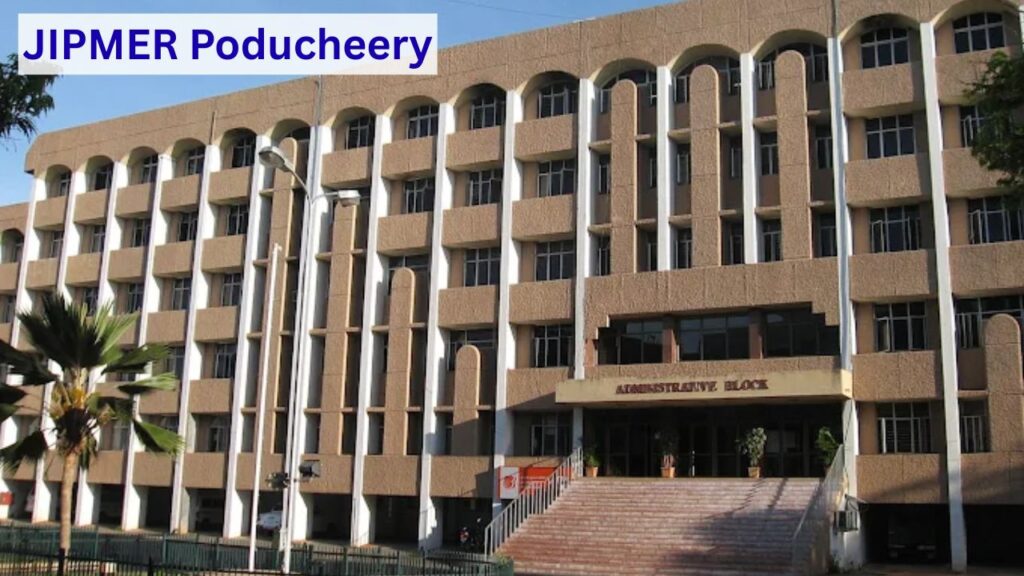
JIPMER Puducherry best government medical college in South India

Image credit: JIPMER

Madras Medical College

Chennai offers best government colleges including Madras Medical College which was established in 1835 and ranked at 16th among top medical institutions in India. Students need to score around AIR 944 in NEET for securing a position among 250 MBBS seats. 
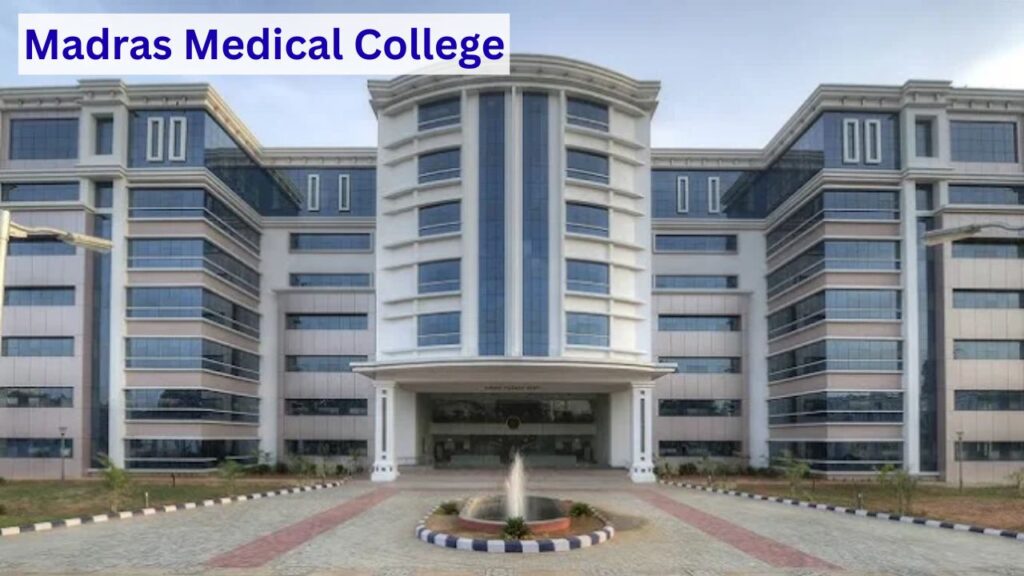
Madras Medical College Chennai top government medical college in South India

Image credit: Madras Medical College

AIIMS Network in South India

All India Institute of Medical Sciences has set its footprints in the South India region with highly ranking among global medical institutions. Students aiming to get their MBBS degree from AIIMS can turn their dream into reality without relocation. 

AIIMS Mangalari

AIIMS Mangalari – Andhra Pradesh has become the 29th best medical institution in India by NIRF ranking. It offers a strong curriculum and practical training in a 5 years MBBS program at low fees of around Rs. 15,760 yearly.
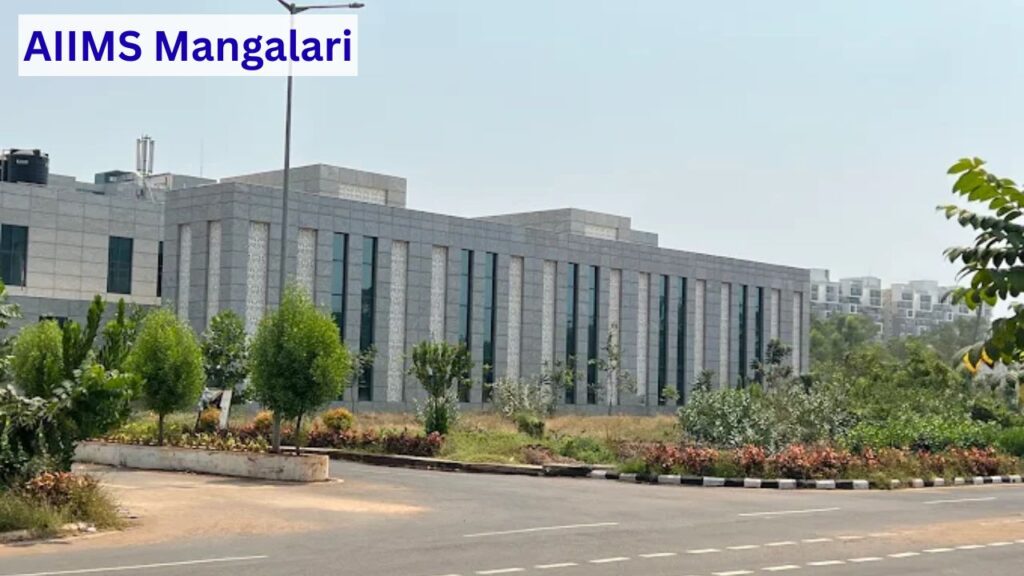
AIIMS Mangalagiri top medical college in South India for MBBS

Image credit: AIIMS Mangalari

AIIMS Bibinagar

Telangana also has the best medical college and hospital — AIIMS to provide students hospital exposure for getting real knowledge. This one was established recently but still manages to rank in the top medical institutions of India.
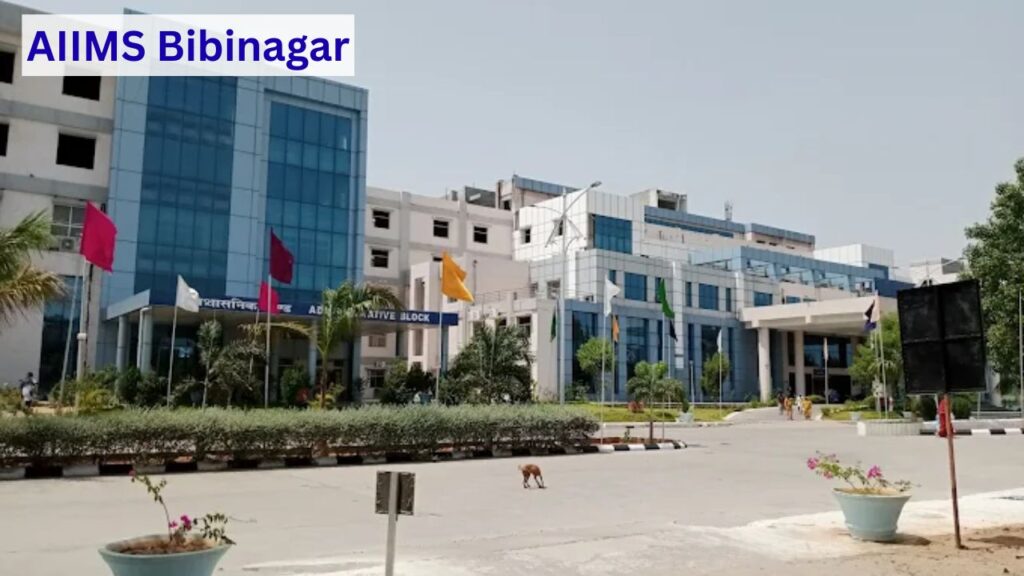
AIIMS Bibinagar best government medical college in South India

Image credit: AIIMS Bibinagar

State-wise Government College For MBBS

Tamil Nadu

There are more than 39 government colleges in Tamil Nadu but the top medical colleges can establish your career faster and stronger.

  • Madras Medical College
  • Stanley Medical College
  • Coimbatore Medical College
  • Government Kilpauk Medical College

Karnataka

  • Bangalore Medical College
  • Mysore Medical College
  • Karnataka Institute of Medical Sciences

Kerala

  • Government Medical College, Kozhikode
  • Government Medical College, Thiruvananthapuram
  • Government Medical College, Kottayam

Telangana

  • AIIMS Bibinagar
  • Gandhi Medical College, Hyderabad 
  • Osmania Medical College, Hyderabad

Andhra Pradesh

  • AIIMS Mangalagiri
  • Sri Venkateswara Medical College, Tirupati 
  • Andhra Medical College, Visakhapatnam

Top Private Medical Colleges

Kasturba Medical College

Kasturba Medical College is ranked under top 10 manipal medical institutions for its top-tier education. It offers MBBS at annual fees of around Rs. 17,80,000 and KMC Mangalore also has the same fee structure but both colleges have different cutoffs. KMC Manipal accepts students with AIR 40,258 and KMC Mangalore accepts at AIR 57,207 NEET cutoff.

Amrita School of Medicine

Amrita School of Medicine is located in Kochi and offers best medical education to their students. They have experienced faculty and strong curriculum, making it the highest-ranked private medical college in South India. It has ranked at 9th in NIRF ranking and it offers MBBS at fees around Rs. 18,50,000. 

St. John’s Medical College

St. John’s Medical College of Bangalore offers MBBS program at fees around Rs. 8,11,285 yearly. It ranked 30th among Indian medical institutions and needed a cutoff AIR 11,483 for admission in the course.

MS Ramaiah Medical College

MS Ramaiah Medical College is also located in Bangalore and comes under top 50 in medical colleges. It offers MBBS at cost Rs. 25,15,750 approx. It is the best college because of its excellent faculty, attached to multi-speciality hospital, and strong alumni network. 

JSS Medical College

JSS Medical College, Mysore is also a top medical college that provides MBBS around Rs. 18,86,900. Admission is accepted for students who do have a cutoff around AIR 122,228 in NEET.

Sri Ramachandra Medical College

Chennai best college – Sri Ramachandra Medical College, ranks among best medical colleges. It is best for MBBS education at fees. Rs. 10,00,000. Students need AIR 313,535 cutoff for admission in this college.

Admission Requirements & NEET Cutoffs

Government colleges are more strict on the NEET cutoffs because of their top-tier education in low fees. They categorized from top to mid-tier colleges, colleges like AIIMS and JIPMER need AIR 1000–5000 NEET cutoffs for students’ admission. While mid-tier colleges require AIR 5000–15,000 NEET cutoffs for admission.

Private colleges have wider variation in NEET cutoffs, top private colleges require AIR 10,000–50,000 and some colleges need AIR 50,000 — 200,000.

But NEET cutoffs significantly depend on the state, year and college type, so check out the college official brochure for admission that mentioned exact NEET score for admission.

Fee Structure Analysis

Government colleges such as AIIMS and top-tier central institutions have offered MBBS programs in a lower range of fees Rs 6000 – Rs 16,000 annually. While state government colleges have a slightly higher range from Rs. 60,000 to 110,000 annually for MBBS. According to the management quota, government college fees range between Rs 6–12 lakh annually.

Private colleges have divided their range between Deemed university and Private colleges, according to management quota which significantly ranges between Rs. 25 lakh to 50 lakh annually. It may slightly lower around Rs. 8 – 12 lakhs in some private colleges. 

Conclusion 

South India’s Medical colleges offer prestigious opportunities for aspiring doctors to take their MBBS degree at an affordable price. Private institutions fees are higher, so aim for the government colleges which offer both excellent academic resources and clinical exposure to medical graduates. These Best Medical Colleges in South India for MBBS will provide you not only a degree but the best education and research ecosystem to become a doctor.
Leave a Comment

Your email address will not be published. Required fields are marked *

PhD Entrance Exam Eligibility 2025: Everything You Must Know About Qualifications, Age Limit & Admission Rules

Are you ready to dive headfirst into the world of research and academia? If you are planning for a PhD in 2025, then be ready to know about the PhD Entrance Exam Eligibility 2025! This guide will offer you all the information regarding Phd entrance exam eligibility. From fundamental academic qualifications to the newest information on entrance exams, so you should prepare according to the eligibility criteria and entrance exams. Whether you’ve just graduated and wanted to get into the research field and make your future brighter, or you’re a working professional thinking about a part-time PhD, we’ve got your back. Let us decode the eligibility criteria for you and help you pave your path for a doctorate!

Core Academic Qualification

The applicant should have one of the following qualifications from a recognized board/institution:

  • 2-year/ 4-semester Master’s degree post a 3-year Bachelor’s degree or a 1-year/ 2-semester Master’s degree post a 4-year Bachelor’s degree.
  • Comparable foreign qualifications if recognized by the relevant bodies.
  • The M.Phil. is also being at least partly phased out in select instances M.Phil. degree holders may apply directly for PhD programmes, albeit. 

Minimum Marks Required

55% marks in aggregate (or its equivalent grade in the relevant subject(s) of study). 

Reserved category relaxation 5% relaxation in the marks (i.e. minimum 50%) is applicable to SC/ST/OBC (non-creamy layer)/PWD/EWS and other similar categories as per UGC policy. 

New Direct Admission Pathways

If you are a 4-year bachelor’s degree holder and sold a minimum of 75%, you are lucky! You can go directly for the PhD without Doing a master’s degree. The catch? You just have to crack the entrance exam to get the seat. So if you’re eager to go right into researching after your undergrad, this might be a good way to skip ahead in your academic career. Just make sure you’re prepared and your grades are good! 

Entrance Exam Requirement For PhD

Major National-Level Entrance Exams for PhD Admission — From 2025 on, the majority of universities and institutes in India will adopt UGC NET scores for PhD admissions, instead of institutional entrance exams. Science, Engineering and Medical PhD- Exam like CSIR NET, GATE, ICMR JRF, DBT JRF, JEST is still flagged. 

Also, some institutions may consider GRE/GMAT scores for management-related disciplines. This change will also help in unifying the process of admission throughout the country. 

Exemption Provision — Those candidates who have qualified national fellowship like NET-JRF, CSIR-JRF, GATE, etc. are usually not required to write the entrance exam but they need to take the interview. 

Interview and Proposal

Admission to PhD programs is usually followed by a personal interview where the research potential and preparedness of the student is assessed, and where the student is questioned about his/her Statement of Purpose (SOP) or a draft research proposal. 

Age Limit

No upper age limit: Adopting a relaxation for the age bar for pursuing a PhD, all those having the requisite academic qualifications will be able to apply for a PhD in India in 2025, there is no age bar for UGC NET or institution-based examinations.

Certain courses or universities (for instance, a few IIMs) may have an upper age limit (typically 40 years).

Part-Time and Full-Time PhD 

Part-time PhD programs are indeed recognized, especially for working professionals, as long as they can provide a No Objection Certificate (NOC) from their employer. 

However, full-time PhD programs demand regular attendance on campus so students must attend regular classes, the minimum 75% attendance is mandatory. Most universities offer hostel accommodations to support students during their studies.

Read More:- Best Books & Online Resources for Banking Exam Preparation 2025

Coursework and Duration for PhD

  • Minimum length of stay: 3 years (coursework included).
  • Maximum Duration: 6 years (up to one year extension in exceptional circumstances for full-time students). 
  • Compulsory propaedeutic course work on research methodology and core courses in the first terms.

Recent UGC Updates for 2025

NET score is compulsory for the admission from the session 2025, replacing the majority of university-level entrance examinations.

Professional/part-time mode with NOC with distance education allowed.

Direct PhDs from four-year undergraduate studies for deserving students. 

Important Takeaways for 2025 Applicants

Most phd admissions are focused on NET scores.

  • It is mandatory to have a Master’s degree with an aggregate of 55% marks or equivalent, else the maximum marks will be relaxed by 5% for reserved categories.
  • There is no age limit for applying for most of the courses.
  • The provisions for Part-Time and Interdisciplinary Research are being promoted under NEP-2020.
  • Interviews and research proposals are required following preliminary screening.
  • Please refer to the individual university portals for detailed and discipline oriented parameters.
  • Regulations are evolving; always check university details before applying. 

Conclusion

Remembering this as you gear up for your PhD journey: the ground is always shifting. Two new direct admission options, and a common entrance test for all, make 2025 the year to watch out for all research aspirants. Keep up with developments, watch out for your marks and check out to universities for fresher information. The dream of having a PhD is a bit nearer for you, and with a little guidance about PhD Entrance Exam Eligibility 2025, you will be able to take a first step towards making your mark in the world of academics. So, get excited, stay motivated and you know what it’s time to make that PhD dream a reality! 

Leave a Comment

Your email address will not be published. Required fields are marked *

SSC Exam Calendar 2025-26: Check Full Schedule, Upcoming Exam Dates and Notifications

SSC Exam Calendar 2025-26

The SSC has announced the SSC Exam Calendar 2025–26 on its official website, so start preparing for the upcoming exams. More than 10 lakh candidates appear out of 50 exams conducted by the SSC every year after 10th, 12th or graduation for jobs in various central government departments and ministries.

This year SSC Calendar (Important Dates) for SSC Exam 2025 (20, 25, 26) contains all info regarding SSC Exams for CGL, CHSL, JE GD Constable, Delhi Police, Steno orga, Stenographer post holders. Candidate can check important events such as notification release date, application dates, exam dates from the schedule to know about the upcoming events which should be useful in your preparation. 

Check Out The SSC Exam Calendar 2025-26

More than five million candidates take the SSC exams for government jobs once in a year after either 10th, 12th or graduation. The revised SSC calendar includes all notification, application, and exam dates for the 2025-26 cycle, providing transparency and a clear path for the candidates. 

Exam NameSchedule Period
SSC Constable (Driver)-Male in Delhi Police ExamJuly to December 2025
Head Constable (Ministerial) in Delhi PoliceJuly to December 2025
Head Constable (AWO/TPO)July to December 2025
Constable (Executive) July to December 2025
Grade C Stenographer July to February 2026
Constables and Rifleman in Assam October to February 2026
JSA/LDC January to March 2026
SSA/UDCJanuary to March 2026
ASO January to March 2026

Key Details for Aspirants

  • All SSC examinations are held at the designated centers across all over India in Online mode only.
  • Updates are posted on the official SSC website (https://ssc.gov.in). Aspirants are advised to track the notifications and deadlines for application.
  • Dates of the examination are liable to change due to unforeseen circumstances, keep watching official notifications for updates if travelling or taking study leaves. 
  • There are more levels/phases to the selection process; CGL, CHSL and JE have additional rounds after Tier 1. 
  • Admit cards, syllabus and other directions for the candidates are issued just before the exam, so keep visiting the official website of SSC regularly. 

Follow the Guide to Download the SSC Exam Calendar 2025-26 

1. Go To The Official Website of SSC, which is mentioned in this article. 

2. Now Search for the SSC exam calendar in the Notification on SSC Exam Schedule 2025-26. 

3. Open the link and download the calendar in pdf file OR you can just download it directly from the link section of this article. 

4. Download the pdf file in your device. 

5. Keep this file save or print for future uses. 

The SSC timetable for the 2025-26 session is designed as per the pattern of previous years and it clearly indicates that there are 5 stages in the exam process.Changes or modifications, if any, will be notified on the official website of SSC. 

Useful Links
Download SSC Exam CalendarClick Here
Official WebsiteClick Here


Leave a Comment

Your email address will not be published. Required fields are marked *

Meet the Best Hindi Teacher for Competitive Exams Who Can Boost Your Success

Best Hindi Teachers for Competitive Exams – SSC, UPSC, Railway & State Level

Best Hindi Teacher: If you aim to clear the competitive exams like SSC, UPSC, RRB, & state-level exam, right guidance for best scoring is important. And for that, the choice of a teacher matters. While preparing for other subjects likeGeneral Knowledge, Mathematics, Reasoning, and English. Don’t forget to focus on Hindi because it is most important in many government exams. Hindi teachers not only help you by providing the core syllabus but they will prepare strategically for the exam. These teachers have a unique teaching style that will help you understand grammar, comprehension, Letter Writing, Unseen Passages and vocabulary.  

Aspirants can learn easily through their guidance including exam pattern, mock test, and shortcut methods that will help you to memorize. Few teachers provide live sessions, recorded videos, notes, and quizzes, so you can easily prepare for the examination. 

Mock test series will help you in revision and remember that every teacher has their unique way to explain hindi. Take a demo class to select the right teacher whose explanation reaches into your mind. 

Explore best Hindi teachers, they are known for their deep knowledge, best teaching style and make complex concepts of grammar easy for students.

Nitin Sir

Nitin Sir from Study91 is known for clear explanations with a practical approach. He doesn’t just explain from books but tries to relate with real-life examples from newspapers or stories to make the hardest grammar rules easy for students to understand.

Nitin Sir Hindi Teacher Study91

Students easily memorize it, but most importantly they understand why grammar rules are used. He also gives plenty of questions to practice which is the real key to success.

Vivek Sir

Vivek Sir’s creative style of teaching makes him one of the best Hindi teachers in India. Hindi is a language of culture and creativity, according to Vivek Sir. That clearly showed his mastery of story-based teaching style which makes grammar memorable. He uses humour, short stories that don’t make students bored in Hindi classes.

Vivek Sir Hindi Teacher for SSC, Railway, TET

Ideal for those who don’t memorize anything easily and it’s hard for preparing Hindi for exams like Railway, SSC or TET. His method is effective to recall in exams quickly, so these techniques will make students remember even under pressure.

Dr. Ajay Anurag

Dr. Ajay Anurag is a best educator of Study IQ and reputed for his deep knowledge in Hindi grammar and literature. Students looking for one teacher who can teach them both grammar and literature, Ajay Sir is the best choice.

His concept-based teaching makes you understand each topic easily in minimum duration. But he doesn’t rush topics, he explains “why” behind every grammar rule.

Students who don’t just want to learn but understand Hindi topics can easily access his systematic and well-structured lessons. He also provides study material which is so detailed and exam-focused that it makes it easier for the students who are preparing for government exams.

Jitendra Soni (KGS – Khan Global Studies)

He is the best educator of KGS who is extremely popular for his Hindi Foundation Batch. Jitendra Soni is focused on friendly-tone, conduct doubt-clearing sessions, and handwritten notes.

Jitendra Soni Hindi Teacher KGS

Students can simply understand every topic due to his explanation of lengthy stories, complex topics of grammar, and comprehension. Once you have taken his demo class or follow on YouTube, you will know how interactive and energetic his sessions are.

Vishal Sir (Mission Selection) 

Vishal Sir is a well-known Hindi teacher on the growing platform Mission Selection. Vishal Sir is popular among the students because of his exam-oriented preparation method. His short explanations are impactful, he helped many students with shortcuts, tricks, and practical approaches.

Vishal Sir Hindi Teacher Mission Selection

He is the best teacher for Police, SSC GD, Railway, Constable, and state-level exams preparations. Students who want to complete this subject within less time, they can follow Vikas Sir.

Arun Sir

Arun Sir is an excellent teacher who teaches many students for the competitive exams. He focuses on Hindi grammar complex topics to provide a detailed explanation which can help students to understand Hindi in more depth. His command over vocabulary, comprehension, and writing are valuable for the exams like SSC, Railway, and UPSC. 

Arun Sir Hindi Teacher for SSC and UPSC

Students can easily understand his way of teaching as breaking complex topics into simpler parts including real-life examples. He helps students to practice mock tests and previous year questions for building their strong foundation on Hindi.

Naveen sir

Naveen Sir is a master of answer writing, if you are preparing for UPSC or state exam then you should make your descriptive writing good in Hindi. You will become an expert in essay writing, letter writing, and precise writing in Hindi with his consistent training.

Naveen Sir Hindi Teacher for UPSC Answer Writing

He is an ideal teacher for students who want to improve their writing skills and present their answers in clean, structured, and detailed.

Other Recommended Hindi Teachers

Apart from the above names, there are a few more respected teachers who can provide you best lessons for Hindi in competitive exams:

Dr Vikas Divyakirti (Drishti IAS) – He teaches Hindi Literature with depth and clarity, making him ideal for UPSC aspirants.

Alok Sir (Adda247) – Alok Sir is focused on short-trick and not go for lengthy explanations that makes him ideal for SSC aspirants

Ritesh Sir – he also helps students to prepare for the SSC exam because he makes Hindi grammar easy through continuous practice.

Read More 👉 Meet the Best Current Affairs Teacher for SSC CGL Who Can Boost Your Score

Why these teachers stand out

Apart from their unique teaching styles, they have the same common qualities that make them best Hindi teachers.

Simple explanation – they explain every topic in easy language that helps every student to understand easily.

Practical Approach – their style including examples from newspapers, current events, and daily-life that make Hindi more understandable.

Focus on Practice – continuous practice of questions from previous year and test series, they ensure that every student solves enough questions to mentally prepare for the exam.

Motivation & Support – Hindi is so difficult for some students who came from convent schools, these teachers inspire them to make learning enjoyable.

Read More: Best Online Coaching for Bank Exam: Master Every Topic for Success

Final Thoughts

When students are focusing on tough subjects to clear competitive exams, they often forget to prepare Hindi to fuel their score. With the right teacher, Hindi can become your strongest subject. These Best Hindi Teachers for Competitive Exams have already taught many successful students now you could become next.

If you give you full potential for your exam with their guidance, you can clear the most toughest exams. They focus on exam patterns and important topics that need to be prepared well for government exams.

Leave a Comment

Your email address will not be published. Required fields are marked *

How to Crack State PSC Exams in First Attempt: Strategy & Resources

Govt. jobs are undoubtedly one of the most safe and respected career options in India and passing the State Public Service Commission (PSC) exam in first attempt is a dream for many aspirants. As the competition is rising and the syllabus is vast, it sometimes feels like a difficult mountain to scale. But, with the right approach, intelligent study techniques, and diligent efforts, passing the exam is not an impossible dream. The crux is to understand the syllabus in depth, follow the right resources and adhere to a disciplined schedule that would cover both prelims & mains preparation.

Quick Thoughts Gathering to Begin With

  1. Download official syllabus + all past papers of 8 years.
  2. Make a list of books you own/need (start with NCERTs).
  3. Select optional subject.
  4. Put together a weekly schedule you can live with.
  5. Create a one-pager daily current affairs file.
  6. Enroll in test series / good coaching (online/offline) and commit to weekly mocks.
  7. Start your NCERTs (goal: 2–3 chapters/day).

Big-picture study strategy (what to study & why)

Build bedrock knowledge first: NCERTs (6–12) for History, Geography, Economics, and Pol. These give a clean conceptual base.

Proceed to standard books for each subject (more below). Read for understanding, not rote.

Current affairs daily — newspaper + short notes. Link events to static syllabus.

Notes + revision cycle — Make short revision notes (1–2 pages) per topic; revise them frequently.

Practice smartly: MCQs for prelims + answer writing under time pressure for mains. Mains wins jobs — practice answer structure & linking facts to syllabus keywords.

Mocks & feedback: Do full length mocks and get answers evaluated (peer/mentor) and you improve your answer style and technique of scoring.

Recommended core resources (common, high-utility) 

(You will need to add in your state-specific books / local history that you must have from your state board / PSC Recommended Readings)

  1. Cover Basics 

NCERTs 6–12 — History, Geography, Pol. Science, Economics (start here).

Indian Polity — M. Laxmikanth (efficient + concise for governance & state-centred comparative questions).

Modern Indian History — Spectrum’s A Brief History of Modern India / Bipin Chandra (for depth).

Indian Economy — Ramesh Singh or any good concise economy book, supplemented with RBI / Economic Survey summaries.

Geography — Certificate Physical & Human Geography (G.C. Leong) or equivalent concise books.

Environment & Ecology — normal environment compendium/ class notes, track Recent Events.

State-specific history & polity — whatever books your PSC cites, in addition to local gazetteers and state government documents.

  1. Current affairs & general reading

One daily national newspaper (The Hindu / Indian Express) or their summaries. Government releases: Press Information Bureau (PIB), state government portals, official reports (for schemes and facts). Monthly magazines or current affairs compendiums (good for revision).

  1. Practice

Collection of previous years’ PSC papers (must have). A good questionbank or mock test series (free/paid) for practicing in time bound manner. Answer writing notebooks (keep one for mains answers). 

Sample schedules — choose according to the time you have

If you have 12 months

1st to 4th month: complete NCERTs + standard books for GS I–III fundamentals; decide optional & finish fundamentals.

Months 5 to 8: Complete other standard books + begin consolidating notes; begin on PYQs.

9th and 10th months: High-intensity test series – full-length prelim mock test every week; augments revision of weak topics.

Months 11–12: Final run through + daily PYQs + last-mile current affairs. Mains answer practice (if prelim cleared).

If you have 6 months

1st month: Preparation for NCERTs + syllabus mapping + optional selection.

2nd to 4th month: Read standard books, prepare short notes, solve MCQs and PYQs.

Month 5: Rigorous mock tests (prelim-benchmarked); Time management to be calibrated.

Month 6: Re-visit everything + frequent mock tests + current affairs wrap-up.

If you have three months

  • Fast NCERT reading + priority standard book chapters on some important subjects.
  • Study 7-10 hours a day: current affairs in the morning, theory in bulk in mid-day, MCQs + past papers in the evening.
  • Mocks repeatedly at intervals of 3-4 days Analyze each. 

Prelims strategy (objective test)

A good preparation strategy would be to start with the NCERTs along with one standard book per subject to establish a strong base. While learning content, same importance should be given to speed and accuracy by daily practicing MCQs gradually going to 500 – 1000 in a week. To gain maximum returns in minimum time, concentrate on high-yield topics such as Polity, the Constitution, Economy (primarily basic indices), Geography (with emphasis on map work), Environment, and Current Affairs. The Previous Year Questions (PYQs should be backbone of your preparation as it helps you to identify the areas/themes which the exam repeatedly tests). 

Also Read : Top 10 List of Exams Conducted by UPSC After Graduation in 2025

Mains strategy (subjective / descriptive)

Start writing answers from the early days of preparation, while upgrading yourself with the ability to write a good structured answer that has an introduction, a well-structured body (with headings or bullet points, if necessary) and a brief conclusion or way forward. Static knowledge and linking current affairs with theoretical knowledge need to be a part of answers as they give depth and relevance to answers. At the mid-stage of your preparation, doing a full answer paper every week – both essays and GS papers — is useful in developing regularity and you can increase the frequency as the exam comes closer. Regular assessment or peer review also is necessary, as it improves presentation as well as the density of content, leading to more effective answers. 

Interview / personality test

Prepare short biographical stories related to: accomplishments, academic projects, work experience and expertise in optional subjects. Stay informed on regional issues and national affairs. Conduct mock interviews with mentors or peers, concentrate on clear communication, serenity, and concise responses. 

Common Mistakes to Avoid

  • Learning everything superficially diminishes its utility; depth is much more valuable than breadth across different fields at surface level isn’t very rewarding.
  • Disregarding previous years’ papers is the biggest blunder as these papers bring out the themes that repeat, the patterns of questions and the areas to be concentrated.
  • Not timing yourself while you practise MCQs or while writing answers results in bad speed and poor accuracy in the exam.
  • Too many resources create noise and confusion, while focusing one’s attention on too few resources creates blind spots. A small set of high quality, reliable resources is the best bet for clarity and retention.
  • Avoiding regular revision destroys the power of retention; one should revise systematically and at frequenter intervals to be able to recite confidently and be assured of long term recall. 

Conclusion

How to Study Smart for First Attempt State PSC (Public Service Commission) Exam It is not about studying for countless hours, but it is about studying smart by keeping focus and being consistent. This trip requires a very clear mind, discipline, and a problem-solving attitude. Candidates with the right resources and guidance, along with consistent practice and revision, can not only cram for the exam but gain the confidence to ace at the Interview round. Wait for it… Success in the competitive exam is for those who start early, prepare strategically and have a firm belief till last that they will pass the exam. 

Leave a Comment

Your email address will not be published. Required fields are marked *

CAT Exam Syllabus 2025: Complete Section-Wise Guide to Crack the Test

The Common Admission Test can open the doors for India’s most prestigious colleges. Students get stressed with the syllabus most of the time and get confused, so it is important to know the CAT exam syllabus 2025 section-wise. This can help you understand the important topics that must be considered prior while preparing. The powerful strategy to prepare for any competitive exam is according to exam pattern. Read the full article to assess this knowledge which can help you beat the CAT exam. 

It’s not about a lot of time and resources, just the right planning to assess important knowledge is required. Whether you are an average student or brighter one but CAT is not that simple as you think. Masters from top colleges matter in your placement. If you really want to take admission in an MBA or other postgraduate program, you need to clear the CAT exam.

Exam Pattern Overview

CAT is conducted online through a computer-based test format. The total 68 questions come in the examination which get distributed into three sections. This 120 minutes exam carries 204 marks to decide your future in your education journey. However 40 minutes is given for each section with +3 marks if the answer is correct but negative marking of -1 for each wrong answer. There’s no negative marking for TITA (Type In The Answer) questions.

Section-wise Distribution

Verbal Ability & RC carries 72 marks for 24 question
Data Interpretation & Logical Reasoning carries 66 marks for 22 questions
Quantitative Aptitude carries 66 marks for 22 questions

Section 1: Verbal Ability & Reading Comprehension (VARC)

This section covers 36% of the paper. It focuses on RC more than grammar means 16 questions come from the Reading comprehension so it covers 66% of VARC section. While Verbal ability covers 33% of the section. The reading comprehensive features 4 passages with 4-5 questions per passage. The topic in these passages is almost relevant to niches like economics, psychology, literature, and current affairs. 

Verbality Ability comprises 8 questions From:

  • Para summary question
  • Para jumbles 
  • Odd sentence out
  • Sentence completion tasks

Section 2: Data Interpretation & Logical Reasoning (DILR)

This section 32% of the exam paper and considered most unpredictable questions come from the Data Interpretation & Logical Reasoning section. While the questions are in the sets of 3-4 questions, making it difficult to solve easily. 

Topics of Data Interpretation & Logical Reasoning questions:

Data InterpretationLogical Reasoning
Tables and charts analysisPuzzles and arrangements
Bar graphs and pie chartsSeating arrangements
Line graphs and scatter plotsBlood relations and family trees
Caselets with numerical dataCoding-decoding problems
Syllogisms and Venn diagrams

Section 3: Quantitative Aptitude (QA)

Quantitative aptitude holds 32% weightage in the paper. It covers Arithmetic and Algebra topics, making it the hardest section. 

Topics of Quantitative Aptitude Questions

Arithmetic (8-9 questions)Algebra (5-7 questions)Geometry (2-3 questions)Modern Mathematics
Ratios and ProportionsLinear equations and inequalitiesCoordinate geometryPermutations and combinations
Percentages and their applicationsQuadratic equationsMensurationProbability
Profit, Loss, and Simple/Compound InterestFunctions and graphsTriangles and circlesLogarithms and surds
Time, Work, and Distance problemsProgressions and series
Mixtures and Allegations

Topic-wise Weightage Analysis

Highest Priority Topics:

Reading Comprehension16 questions
Arithmetic8 questions
Algebra5-7 questions
Puzzles & Arrangements8-10 questions

Medium Priority Topics:

Data Interpretation8-9 questions
Geometry3 questions
Verbal Ability8 questions

Lower Priority Topics:

Modern Mathematics2-3 questions
Number Systems1-3 questions

Effective Preparation Strategy

Preparing for the CAT isn’t that easy but with right strategy planning you can clear out the exam. There is no need to rote memorization because these subjects require focus and proper time to understand every concept. 

CAT needs comprehensive preparation with proper time duration like 6 to 9 months. Know your weaknesses, so you can distribute your time more on that topic. Divide all three sections with specific duration to complete your preparation properly.

Read More 👉 Best BCA Data Science Colleges in Chennai for a Future-Ready Career

Daily Practice Target

  • Deep analysis and carefully 2-3 Reading comprehension daily is important
  • Solve 2-3 sets of Data Interpretation and logical reasoning to understand and filled in your brain
  • Daily solve at least 15-16 questions from the quantitative aptitude section. Try to solve easy problems first then go to the hard topics.

Mock Test Strategy

After preparing for 2 months, get ready to take mock tests section-wise and extend your mock test practice before the exam. Because analyzing every question helps you keep remembering the concepts and maintain your confidence.

Resource Selection

Choose online resources to prepare fast because the latest notes and mock tests can help you a lot during preparation for the CAT exam. Stick to single quality resources, don’t switch every time and focus on concept clarity rather than multiple resources and question papers. 

Conclusion

Success in CAT requires strength, strategic preparation, and daily practice for clearing every doubt. Focus on high priority topics first then move on the medium priority to balance every section easily. Remember that quality study is more helpful to clear the exams rather than a lot of study material and wasting time on unnecessary topics. So, it is important to prepare according to the CAT exam syllabus 2025 section-wise for best outcome.

Leave a Comment

Your email address will not be published. Required fields are marked *

Scroll to Top