Best BCA Data Science Colleges in Chennai for a Future-Ready Career

Best BCA Data Science Colleges in Chennai for Future-Ready Careers

Chennai offers great options for the BCA Data Science program which opens various opportunities in the IT field for students. But pursuing it from the right college matters, these best BCA Data Science colleges in Chennai will help you get a placement in tech companies. If you also have an interest in Data Science programs then this guide will help you choose the right college for you. 

Some students might find it difficult to get an admission in BTech due to expensive fees but BCA offers various specializations including Data Science which help you build a stable and growing career. 

What is Data Science?

Data Science is an interdisciplinary field that is growing faster in the world due to its combining methods to collect raw data and turn it into useful information. Data is a powerful resource for businesses or organizations to make better decisions. Data Science involves scientific methods, algorithms, and tools to extract useful insights and structure it in a manner that can be operated easily for decision making. 

Real-life examples that relates to this field:

Recommendation from an online shopping app like Amazon.
Detection for a fraud transactions from a Bank
Movies recommendation from Netflix “shows you may like.”

Why These Colleges are Best For BCA Data Science

These types of fields, especially related to technology, need a core curriculum and practical assessment to understand the working of functionalities. These colleges are best because of their strong curriculum which covers every advanced tool and technologies which are used currently in the industries, experienced faculty provide you with the right roadmap to your destination, and industry exposure for real-world working knowledge. 

SRM Institute of Science and Technology

SRM Institute of Science and Technology offers a 3 year BCA program in Data Science for students who have completed their 10+2 from a recognized board. Candidates with valid diploma certificates in engineering are also eligible for this course. This is a deemed university located in Kattankulathur, Tamil Nadu. 
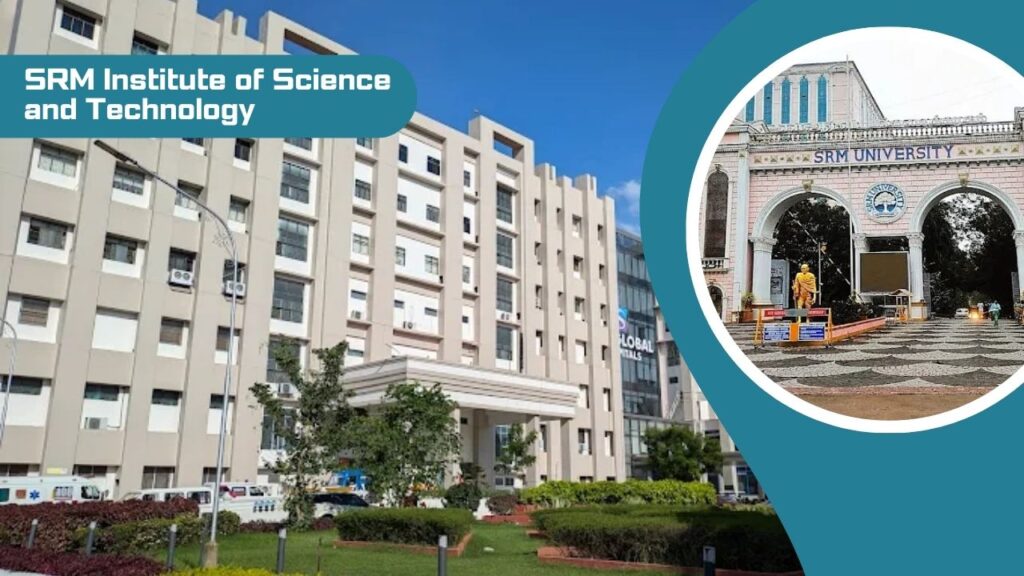
SRM Institute of Science and Technology Campus in Chennai
Image credit: SRM Institute of Science and Technology
Fees₹4.5-4.6 Lakhs entirely
Duration3 years
Eligibility10+2 with Physics, Mathematics and Chemistry
Placement Rate80-89%
Average PackageAround ₹4.4 Lakhs
Highest PackageAround ₹6.6 Lakhs

Vels Institute of Technology & Advanced Studies

Vels Institute of Science, Technology & Advanced Studies in Pallavaram, Chennai is known as the best college for BCA Data Science. It offers well-equipped labs, smart classrooms and research centres with a strong faculty for over 12,600 students every year. 
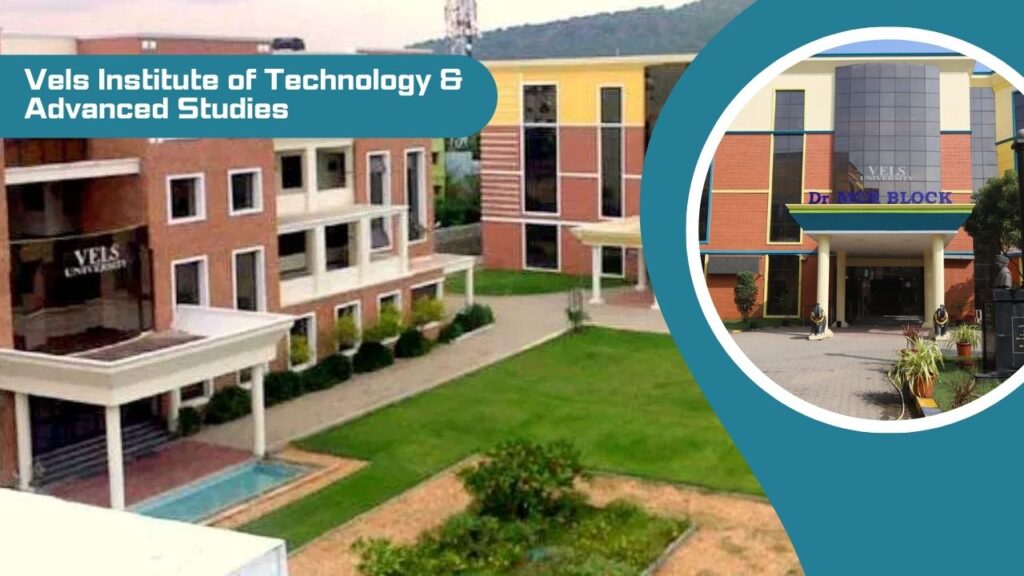
Vels Institute of Science, Technology & Advanced Studies in Chennai
Image credit: Vels Institute of Science, Technology & Advanced Studies
Fees₹3.51 Lakhs
Duration3 years
Eligibility10+2 with Mathematics/Computer Science as core subject
Placement Rate70-80%
Average PackageAround ₹3.2-3.8 Lakhs

Dr. MGR Educational and Research Institute

Dr. MGR Educational and Research Institute is a private deemed university which offers Data Science specialization at affordable fees. Students can easily get admission if they have completed their 12th with 50% marks. It provides digital/e-library facilities and modern labs for quality education. 
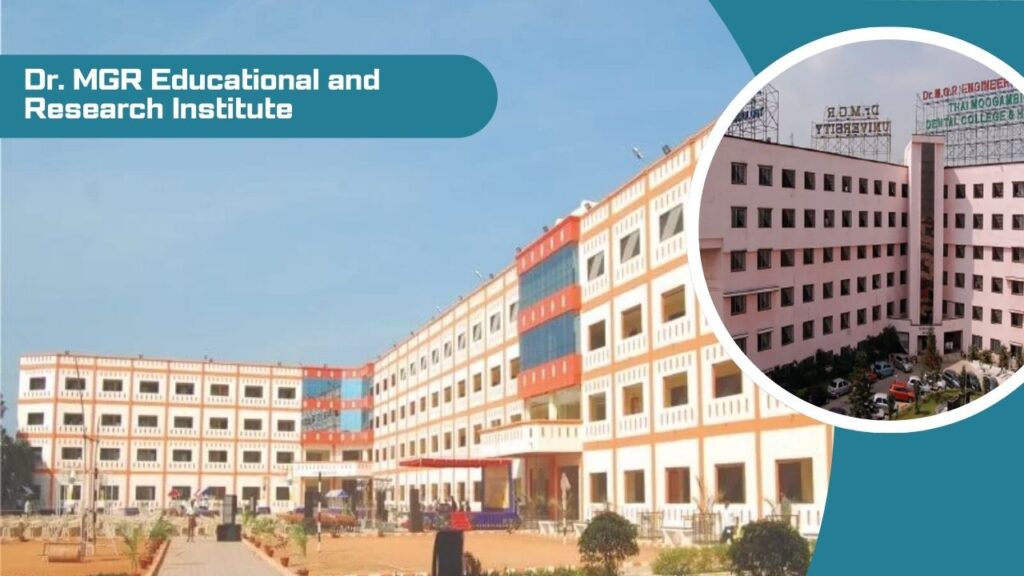
Dr. MGR Educational and Research Institute Campus in Chennai
Image credit: Dr. MGR Educational and Research Institute
Fees₹1,10,000 annually
Duration3 years
Eligibility10+2 with Mathematics/Computer Science as core subject
Placement Rate70-75%
Average PackageAround ₹6.95 Lakhs

Hindustan Institute of Technology and Science

Hindustan University is offering multiple academic blocks, research centres, and smart labs to provide better education. International collaboration is allowing students to get opportunities to go abroad. Chennai’s most prominent private university with a high placement rate. They provide updated curriculum to keep up with the newer technologies, making students industry-ready.
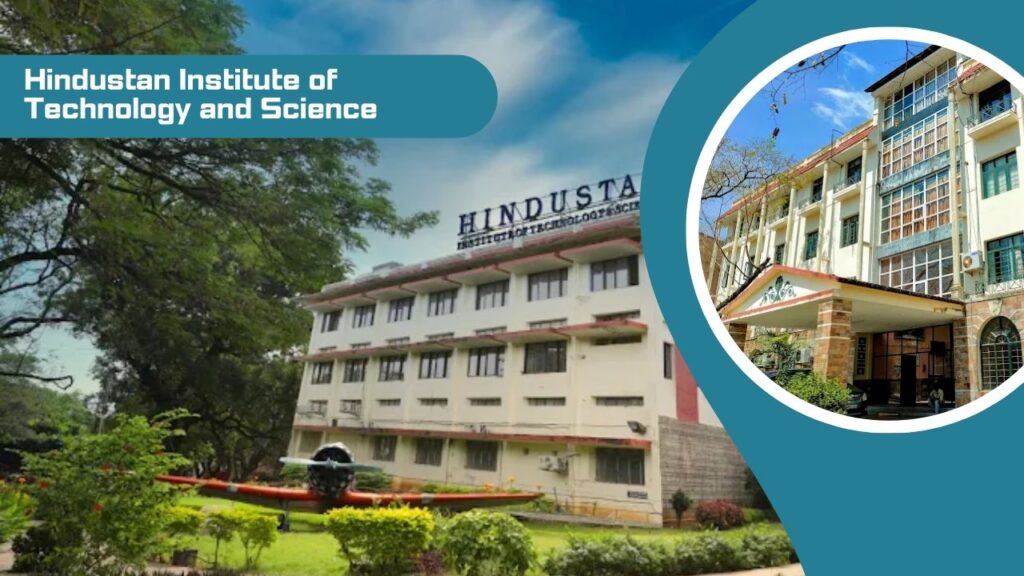
Hindustan University Chennai Campus – BCA Data Science Program
Image credit: Hindustan University
Fees₹3.2-3.8 Lakhs entirely
Duration3 years
Eligibility10+2 with Mathematics/Computer Science as core subject
Placement Rate70-85%
Average Package₹3.5-4.2 Lakhs

Sathyabama University

Sathyabama Engineering College is a multi-disciplinary private university providing Data science specialization to thousands of students. It has a strong alumni network which proves their STEM-intensive education develops student’s minds to become innovative. 
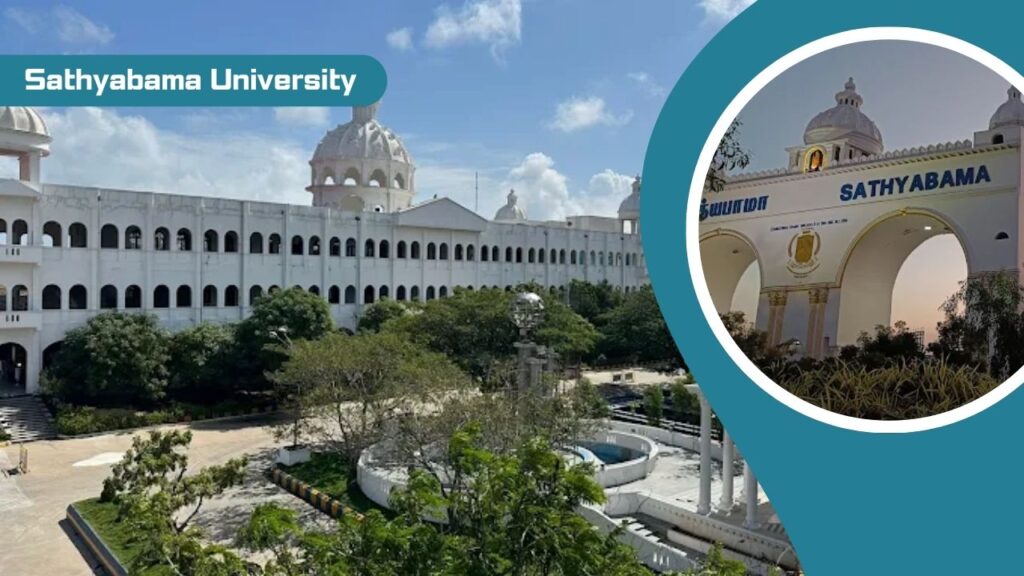
Sathyabama University Campus in Chennai – Data Science Education
Image credit: Sathyabama Engineering College
Fees₹3.0-4.5 Lakhs entirely
Duration3 years
Eligibility10+2 with Mathematics/Computer Science as core subject
Placement Rate70-85%
Average Package₹3.0-3.8 Lakhs

Admission Process Requirements

Eligibility

  • Students can take admission only after completing their 12th with a good percentage from a recognized board.
  • At least one of the subjects like Mathematics, Statistics, Computer Science, must be included in the 12th marksheet.
  • Some colleges accept business mathematics or diploma in engineering. 

Admission procedure 

  • Selection of a candidates is based on the merits
  • Some universities may conduct entrance exams like SRMJEE for SRM university.
  • Some institutions accept direct admission. 

Read More 👉 Best Medical Colleges in South India for MBBS You Can’t Miss in 2025!

Popular Jobs After BCA Data Science Program

JobsSalaries
Data Analyst₹4.23-6.0 Lakhs
Software Engineer₹7.53 Lakhs
Data Scientist₹13.50 Lakhs
Machine Learning Engineer₹10.0 Lakhs

The salary of the candidate depends on the company and job post. International companies offer high packages and domestic companies are offering average salary packages, data scientists get higher packages after a few years of experience. Top tech companies including Infosys, TCS, Wipro, TATA, HCL are hiring BCA students with an average level of salary package.

Conclusion

These best BCA Data Science colleges in Chennai are a great option for science students to make a line in the IT industries. Admission to BCA is easy and affordable but with the right college you can get better opportunities. These colleges not only offer quality education but also provide live projects, internships, and research opportunities.

Leave a Comment

Your email address will not be published. Required fields are marked *

UPSSSC PET Syllabus 2026 PDF: Subject-wise Topics & Exam Pattern

UPSSSC PET Syllabus

If you are among the lakhs of aspirants who are going to appear in the UPSSSC PET Syllabus 2026 exam, you are already aware of the procedure — this exam is the filter. Clear it and a plethora of Group B and Group C government jobs in Uttar Pradesh awaits you. If you fail to clear it, and none of those Mains exams even become an option. 

This is why having a proper understanding of the syllabus From day one is more important than just diving in and doing some random practice sets. 

So, let’s analyze the UPSSSC PET Syllabus 2026. What is asked in the exam, marks distribution of each section and how you should prepare to crack the exam. 

What Exactly Is UPSSSC PET?

UPSSSC PET refers to the Preliminary Eligibility Test, which is organized by the Uttar Pradesh Subordinate Services Selection Commission. Think of it less as a “final” recruitment test and more as a preliminary screen. 

It’s compulsory — you cannot even fill out the application form without a valid PET scorecard. If you pass the PET test, your score is good for three years, so you can use it to apply for multiple positions during that period without having to retake the test. 

The examination is offline on pen and paper using OMR sheet and it is for basic level aptitude and general awareness and not for anything very technical or domain specific. 

Exam Pattern: The Numbers You Need to Know

Before diving into subjects, it helps to understand the shape of the paper:

FeatureDetails
Total questions100
Total marks100 (1 mark per question)
Duration2 hours
Negative marking0.25 marks deducted for every wrong answer
Question typeObjective, multiple-choice with four options

That quarter of a mark negative marking is worth remembering — guessing blindly can damage your score, so accuracy is as important as speed here. 

Subject-Wise Breakdown

The UPSSSC PET Syllabus is spread across roughly 15 sections, each with a fixed number of questions and marks. Here’s how it typically looks:

Indian History & Indian National Movement (5 questions, 5 marks each — 10 total) This spans a broad history, including the Indus Valley Civilization, Vedic culture, Jainism/ Buddhism, and leaves off at the Maurya, Gupta, Mughal dynasties and the freedom struggle. Questions on the Swadeshi Movement, Civil Disobedience Movement and the rise of revolutionary nationalism, the Quit India Movement, personalities like Netaji Subhash Chandra Bose and the Azad Hind Fauj. 

Geography (5 questions, 5 marks) Topography of India and the world, lakes and rivers and their valleys, underground water, Himalayas, deserts, minerals, political mapping, weather conditions, India Times, and population trends and movements of people. 

Indian Economy (5 questions, 5 marks) This is a narrative of India’s economic path from 1947 to 1991 and thereafter — the Five-Year Plans, the mixed economy model, the green revolution, bank nationalization, the 1991 economic reforms, and more recently GST and post-2014 structural/sector reforms. 

Indian Constitution & Public Administration (5 questions, 5 marks) The Fundamental Rights and Duties, Directive Principles, parliamentary and federal system, relations between the Union and the States, the judiciary, and local government through Panchayati Raj institutions. 

General Science (5 questions, 5 marks) Basic Physics, Chemistry, and Biology — roughly at a Class 12 difficulty level, so nothing too advanced, but you do need conceptual clarity.

Elementary Arithmetic (5 questions, 5 marks) Integers, percentages, basic calculations, square and cube roots, powers, means and such basic and general topics in math. 

General Hindi (5 questions, 5 marks) Grammar-related — synonyms, antonyms, one-word substitutions, gender differentiation, homophones, idioms, and proverbs, frequent mistakes, and quizzes on famous writers and their productions. 

General English (5 questions, 5 marks) Basic grammar rules along with an unseen passage to test comprehension.

Logical Reasoning (5 questions, 5 marks) A fairly mixed bag — blood relations, coding-decoding, number series, syllogisms, venn diagrams, direction sense, puzzles, statement-conclusion questions, and hysteresis. .

Current Affairs (10 questions, 10 marks) World and national events — that’s where being on top of the recent news really serves you well. 

General Awareness (10 questions, 10 marks) A miscellany of neighboring countries, capitals and currencies, Indian states and UTs, national and international day, sports, art and culture, awards, famous books and authors and environment related issues. 

Hindi Unseen Passages (10 questions, 10 marks) Two comprehension passages in Hindi to test reading and interpretation skills.

Graph Interpretation (10 questions, 10 marks) Two graphs, testing your ability to read and analyze data quickly.

Table Interpretation (10 questions, 10 marks) Similar to graph analysis, but with tabular data instead.

The following three sections — passages in Hindi, graphs and tables — carry 30 marks in total. That’s almost a third of your total marks, and it’s often the section that candidates underestimate the most. 

Read More 👉 Best BTech Colleges in Lucknow: Fees, Placements, and Admission Reality for 2026

How to Approach Your Preparation

Considering how dispersed this syllabus is, trying to learn everything at the last minute is just not going to cut it. A better way to think about this is to think of this as a marathon, not a sprint: 

  • Prioritize the data interpretation sections. As graphs, tables and Hindi passages are for 30 marks, regular practice in this section can give you an advantage over other candidates who concentrate only on GK. 
  • Don’t skip static GK for the sake of current affairs. History, geography, economy, and polity constitute 20 marks, and these topics remain static — once you study them thoroughly, they are yours forever. 
  • Revise Hindi grammar rules actively. Many candidates, especially those confident in Hindi, tend to get careless here. Small grammatical nuances trip people up more often than expected.
  • Practice with a timer. Two hours for 100 questions sounds comfortable, but data interpretation and comprehension sections eat up time fast if you’re not used to them.
  • Use previous year papers. They’re one of the best ways to understand the actual difficulty level and question framing, rather than relying purely on assumptions about what “might” come.

Read More 👉 IBPS PO MT XVI Recruitment 2026: What Every Banking Aspirant Needs to Know

Conclusion

The UPSSSC PET Syllabus isn’t designed to be intimidating — it’s designed to test whether you have a well-rounded, functional understanding of general knowledge, basic aptitude, and language skills. The trick isn’t studying harder in isolation; it’s studying smart, giving weight to sections based on their actual mark share, and revising consistently rather than in bursts.

Leave a Comment

Your email address will not be published. Required fields are marked *

Top Agriculture College in Uttar Pradesh: Courses, Fees & Admission Details

Top Agriculture College in Uttar Pradesh

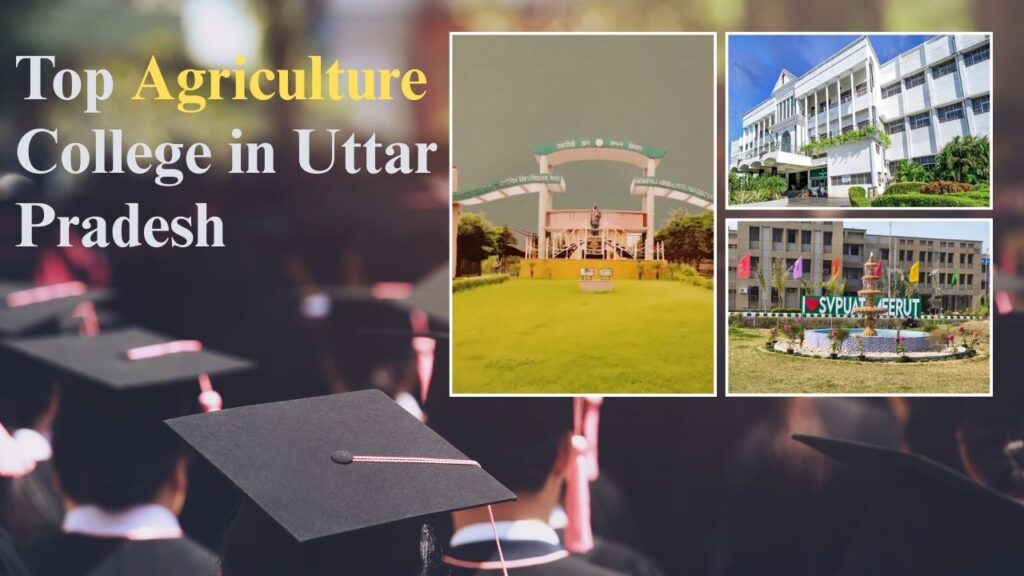
Uttar Pradesh is one of the most agriculturally capable states in India and its Top Agriculture Colleges in Uttar Pradesh are a testimony to this heritage. Whether you are a student passionate about sustainable farming, agricultural innovation, or agribusiness, Uttar Pradesh state has some of the best centers to develop your career in this important sector. If you want to study agriculture in UP, this blog is for you to see the list of top colleges, know about courses, fee structure and the admission process. 

Why Choose Agriculture Education in Uttar Pradesh?

Farming in Uttar Pradesh isn’t just small-scale ploughing anymore. The state’s agricultural schools combine research and state-of-the-art technology with practical work in the field to give students the skills necessary for 21st-century farming. 

In areas such as crop science, agricultural engineering, agribusiness and sustainable farming methods, these colleges provide students with the tools to become leaders in the agricultural industry. 

The Top Agriculture Colleges in Uttar Pradesh

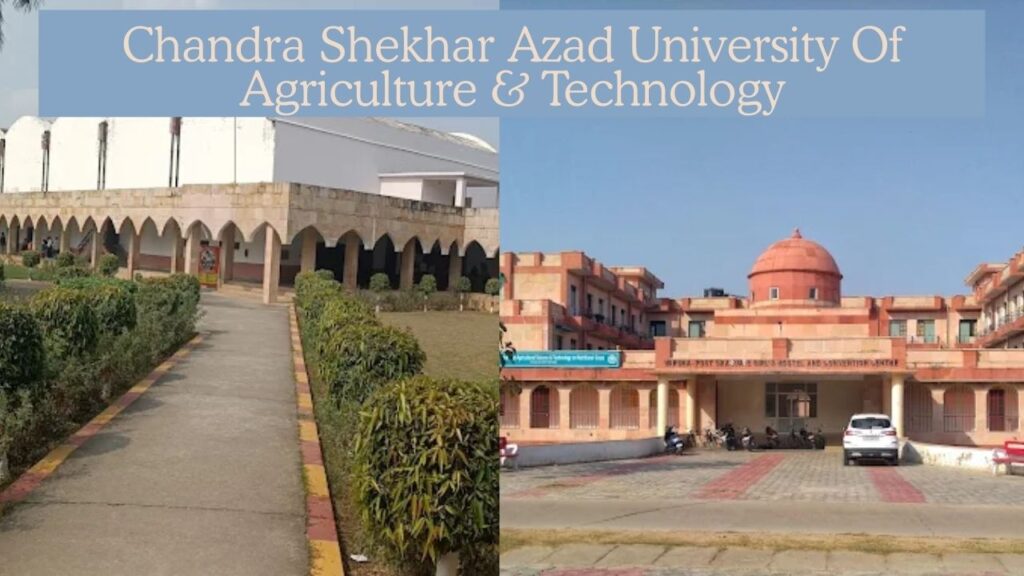
1. Chandra Shekhar Azad University — (CSAUAT), Kanpur

The CSAUAT is a leading Indian agricultural university and played a pivotal role in laying the foundation for the development of the university system of agriculture in the state right from the beginning in 1975. Located in the heart of the agro-based state of Uttar Pradesh, this Government institute has built a name for itself for a long time now.​ 

Chandra Shekhar Azad University

Courses Available – B.Sc.(Hons) Agriculture, B.Tech in Dairying Technology, B.Tech Dairying, M.Sc. Agri in different specializations like Agronomy, Plant Pathology, Soil Science, and Ph.D. courses. 

Fees: The B.Sc. (hons.) The annual fees of B.Sc Agriculture is about ₹1.07 lakhs per semester (The total fee is ₹4.28 lakhs for 4 years), which is very reasonable under this course. B.Tech courses are charged at about ₹1.50-1.64 lakhs per annum.​

Admission: Applicants can apply if they are passed 10+2 with 50% minimum marks (with PCM/PCB subjects) and applicable for the UPCATET entrance exam. The counseling procedure is on merit.​

Placement & Career Growth: It will let you earn around ₹3-5 LPA package which is quite enough for freshers. Some even receive packages as high as ₹7 LPA, depending on their skills. 

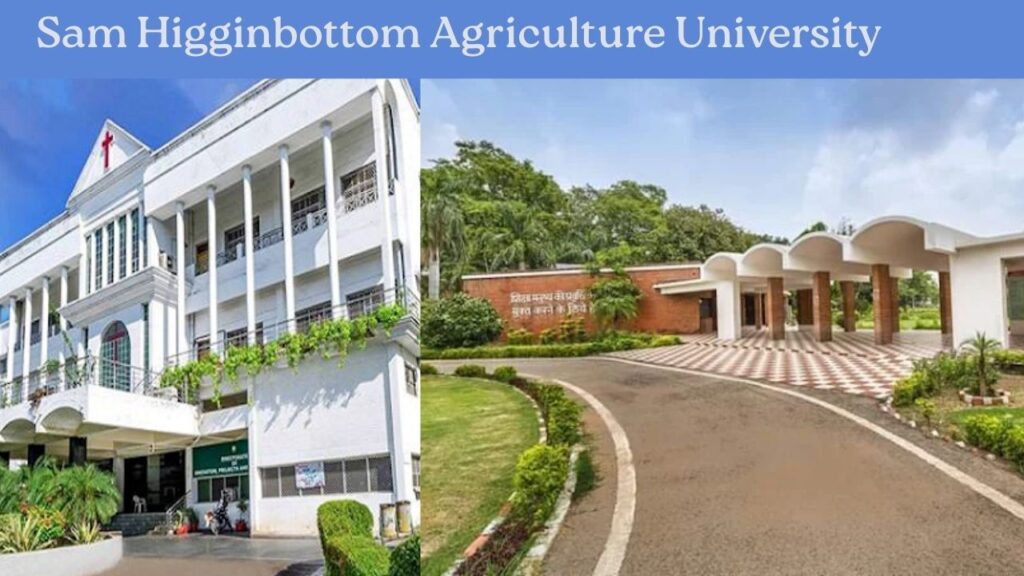
2. Sam Higginbottom Agriculture University, Prayagraj

A leading private deemed university, SHUATS is recognized for its integrated approach of farming systems and industry relevant curriculum. The campus is located at Prayagraj and has state of the art infrastructure for imparting agricultural education.​

Sam Higginbottom Agriculture University

Courses are B.Sc Agriculture, B.Tech in Agricultural Engineering, M.Sc Agriculture in various disciplines, PG Diploma/ Diploma in food technology. 

Fees: B.Sc. (Hons.) Agriculture fees is ₹1,08,000-1,20,000 per year at various universities in India. But SHUATS is much better when it comes to scholarships, candidates who are eligible can get waivers ranging from 30-40% on the fees, plus additional concessions for christian students.​

Eligibility: Candidates must have passed 10+2 in PCM/PCMB/PCB with minimum of 45% marks. The admission is merit based on an entrance test conducted by the university, usually in the month of May.​

Placement & Career Prospects: The salary package is exceptional, the one can earn around ₹6.20 lakhs. The package is based on the skills of the students that can be up to ₹3 LPA. 

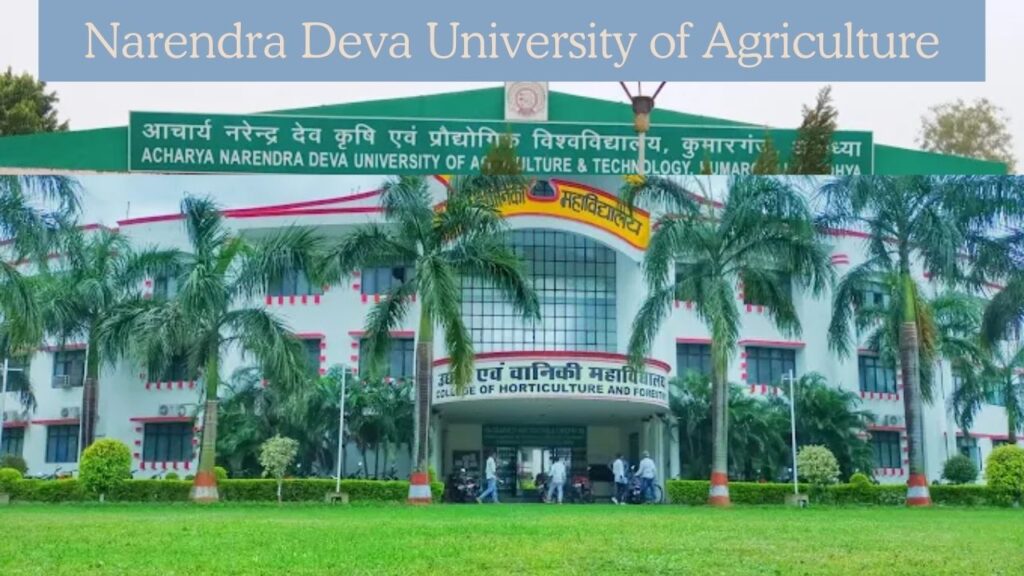
3. NDUAT — Narendra Deva University of Agriculture 

The NDUAT is an agricultural university, It focuses primarily on horticulture and crop science. It is a government institution in Ayodhya and provides good quality education at low cost.​

Narendra Deva University of Agriculture 

Courses available: B.Sc. (Hons) in Agriculture, B.Tech specialisations, M.Sc. courses in B.V.Sc. & A.H. (Veterinary), as well as B.F.Sc. (Forestry).​

Fees: The B.Sc. (Hons.) Agriculture course fee is around ₹1.05 lakhs for 4 years, while B.Tech fees range between ₹1.64-1.70 lakhs. 

Admissions: The minimum qualification is 10+2 with 50% marks in the PCB/PCM group of subjects. Admission is based on UPCATET entrance examination and then counseling on merit.​

Placement & Career Prospects: The candidates who graduated have a placement with an average package of ₹3 LPA in both private and government sectors. 

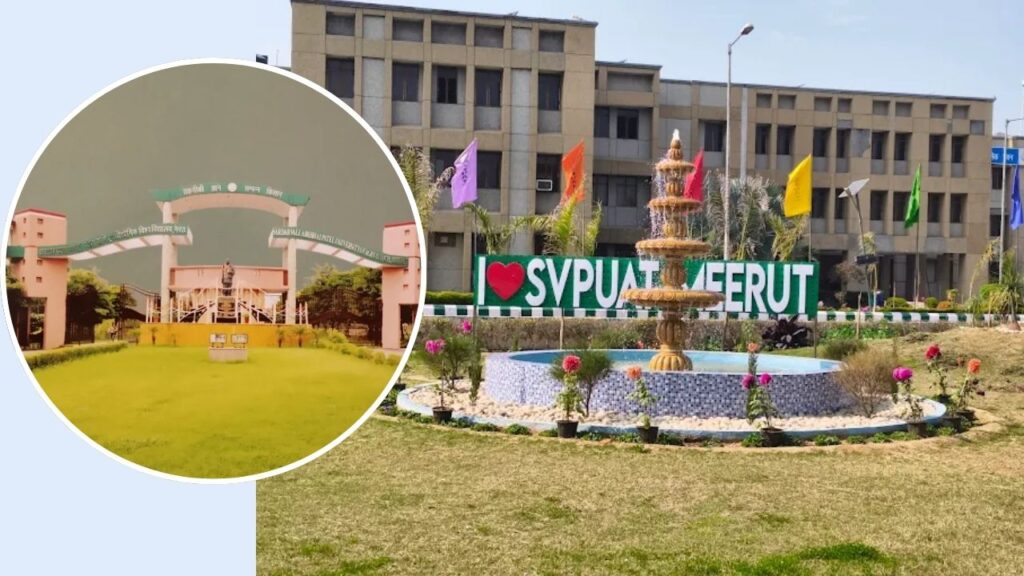
4. Sardar Vallabhbhai Patel Agriculture University  

SVPUAT is the best university which is located in Meerut, making it easy for students. With all the government funding support, SVPUAT is known for its research on crop improvement and agriculture mechanization.

Fees: The fees for the whole course in AY is around ₹45,000 which is one of the cheapest in the state.

Placement: The strong ties with agribusiness companies, research institutes and government agencies enable graduates to obtain good placements. 

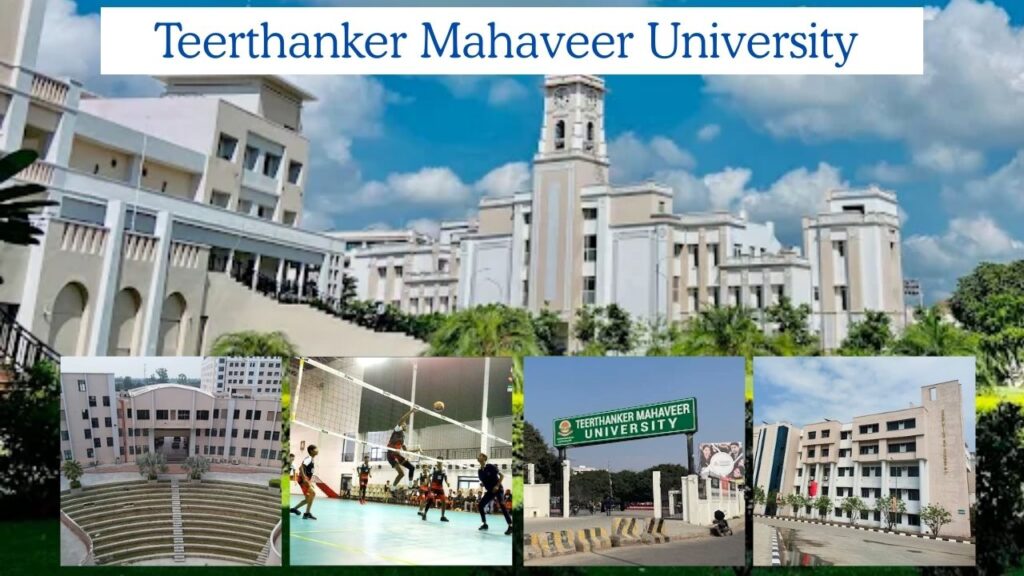
5. Teerthanker Mahaveer University (TMU), Moradabad

TMU is one of the best private universities in uttar pradesh with world class infrastructure and industry oriented syllabus.​

Teerthanker Mahaveer University

Course Offered: B.Sc. Agriculture, M.Sc. Agriculture courses based on ICAR norms.​

Fees details: The total duration of B.Sc. (Hons. ) Agriculture at TMU is 4 years The fees for B.Sc. (Hons.) The duration of B.Sc Agriculture is 3 years and for M.Sc. Agriculture 2 years. The tuition fee is Rs 45,000 per semester for MSc Agronomy. 

Facilities: There are world-class labs, practical training, and strong linkages with the industry, in the university. 

Understanding the UPCATET Entrance Exam

Most of the government agricultural universities in Uttar Pradesh take their admissions via UPCATET(Uttar Pradesh Combined Agriculture and Technology Entrance Test). 

Here’s what you need to know:​

Exam Details: The exam is held every year in offline mode by the universities. For UG courses, the exam is generally conducted in June. 

Eligibility: 10+2 passed students having science subject (PCM, PCB or with Agriculture subject) with a minimum of 50% marks are eligible to apply. There is a benefit for reserved category students, they can get marks relaxation up to 5%.​

Exam Pattern: The UPCATET contains 200 questions from general knowledge, agriculture science, mathematics, and English. The examination will last for 3 hours.​

Age Limit: Applicants must be aged between 16-22 years for UG courses at the time of admission. 

Read More:- ITI Admission Fees in Government College: Complete Fee Structure Guide

Course Overview

The first years of agriculture in UP colleges are generally the basic courses in crop production, soil science, plant pathology, entomology and agricultural economics. Students specialize as well, choosing from such options as horticulture, seed technology, agricultural extension, agricultural engineering. 

A number of courses have fieldwork components and the Rural Agricultural Work Experience (RAWE) allows students to work with farmers as they confront challenges of farming in the field.  

Career Growth & Salary Package 

There are many opportunities for the graduates of agriculture. For the freshers agriculture college students —- the packages will be near about ₹20,000-35,000 per month for job profiles like agricultural assistant and farm supervisor etc in the entry level The amount varies with the university from which students have passed. 

Professionals at an intermediate level with 2-3 years of experience can earn around ₹40,000-60,000 per month. The salary of Agriculture Officer or Agriculture Development Officer in the government lies between 35,000 – 60,000 Rs per month. 

Conclusion

Selecting an agriculture college in Uttar Pradesh is all about shaping the future of India. Be it a renowned government college like CSAUAT or a up-to-the-minute private university like SHUATS, you will find a route that leads you both with practical experience in the real world of life and a theoretical academic purity. 

With manageable fees, quality faculty, research opportunities and robust placements, the agriculture colleges in UP prove to be the best when it comes to anyone with a zeal and passion to bring a change in the agriculture scenario of India. 

Leave a Comment

Your email address will not be published. Required fields are marked *

Railway RRC WR Apprentice Recruitment 2026 – Apply Online

Railway RRC WR Apprentice Recruitment 2026

The Railway RRC WR Apprentice Recruitment 2026 notification for the posts of RRC WR Apprentice by Railway Recruitment Cell of Western Railways has been released now, 5349 vacancies are available in this zone. This massive recruitment drive is part of Indian Railways’ continuing efforts to enhance skill development and provide real career options to young aspirants in the railway system.

You need to have class 10th marksheet and ITI certificate that is relevant for the job. Check the registration dates before applying because the portal will be closed on 23/March/2026 Candidates who are interested may apply online through the official site of Railway RRC WR Apprentice Recruitment 2026 or direct link given in this blog. 

DetailInformation
PostRRC WR Apprentice 
Vacancy5349
Notification Date18/February/2026
Application Start Date21/February/2026
Application Last Date23/March/2026
Application Fee Payment Deadline23/March/2026
Application Fee₹100 for General and OBC candidates
Age Limit15 to 24 years as of 23/March/2026 

Who can Apply for a Railway Apprentice?

The railway apprentice program asks for your 10th marksheet so you should have gained atleast 50% marks in aggregate & an ITI certificate in the concerned trade. These two are necessary qualifications for the job.

Applications are invited from the Students who cleared the National Apprenticeship Certificate (NAC) as well. Further, those who have pursued an Act Apprenticeship in any related field to this already, are eligible to participate in the Hiring. 

Candidates should meet other eligibility conditions as mentioned in the official recruitment notification besides the educational qualifications and age limits including good physical condition and having the required documents to justify their application. 

Read More:- Indian Police Service IPS: How to Crack and Become IPS Officer

Steps for Application Process

  1. Download the online application form from the official website of the Railway RRC WR Apprentice Recruitment 2026 Cell (RRC). If you are a new user, Please Register at the portal by furnishing all the required details and generating your login ID and password. 
  2. With all that set, sign in to the web site and complete your application. 
  3. Please Verify the authenticity of the information provided to your knowledge as even an iota of mistake may cause problems in subsequent processes. 
  4. Then, upload whatever documents are needed, usually it’s: 

Educational certificates in original and photocopy (attested).

ITI certificates

Caste certificate (if applicable)

Recent passport-size photograph

  1. Then, pay the fee online. The fee may differ for your category.

After checking everything and the documents, submit your application. Please make a photocopy of your application so you should possess proof for the future.

Selection Process

The aim of the Railway RRC WR Apprentice Recruitment 2026 is to ensure that the best and most suitable candidates are selected for 5,349 apprentices posts in various railway trades. There are a series of stages, starting with the simple checks for eligibility, with tests of know-how and practical skills. 

Stages of Selection

Check of Eligibility: First of all, the candidates should have the requisite qualification. It generally implies completing an ITI course in the relevant trade and also adhering to the specified age limit as mentioned in the official notification.

Written Exam: The first big hurdle is the written test. This exam assesses your general knowledge and abilities, and covers such topics as general knowledge, mathematics, reasoning and technical subjects related to your trade. It takes out those who have sound academic and technical knowledge. 

Interview Round: Candidates that qualify the written test are invited for an interview. This round is to test your communication, technical knowledge, confidence and your overall suitability for the apprentice position. It’s also where they can evaluate how much real-world know-how and practical experience you have in a trade.

Medical Examination: Selected candidates have to undergo a medical test after the interview. It ensures that they are fit to be employed in technical and operational railway posts, wherein health and fitness are vital for the safety and performance. 

List of Successful Candidates: A merit list is drawn on the basis of the written exam, interview and medical. Top scorers among the candidates are ranked highest and are selected for the apprenticeship posts. 

Useful Links
Download NotificationClick Here
Apply NowClick Here
Official NotificationClick Here

GovUpdatewala is your trusted source for real-time updates on government exams and jobs in India. We provide verified info on SSC, UPSC, Banking, Railways, Defense, and Teaching exams. From syllabus and patterns to important dates and career tips — we support aspirants at every step.

Leave a Comment

Your email address will not be published. Required fields are marked *

HPSC Recruitment For PGT Post Graduate Teacher (PGT) Computer Science 2026

HPSC Recruitment

The HPSC Recruitment for 2026 Post Graduate teacher (PGT) Computer science Vacancy is out. There are a total of 1,672 posts and the process of application is going on. Those interested in this job can apply on-line from 16/February/2026 to 09/March/2026. Here is a golden opportunity  for all the aspirants who want to become a teacher in Haryana. 

Candidates should meet the eligibility criteria as per the HPSC to apply for the Teaching Posts. There is full information regarding eligibility, application fees, exam pattern and selection procedure in the notification. Applicants are advised to go through this notification carefully of HPSC Recruitment to ensure that they meet the eligibility criteria. 

Application Fees of HPSC Recruitment

CategoryFee
General/EWS/OBC₹1,000
SC/BC/PwD/Ex-Serviceman₹250
Females₹250
PH (Divyang)No fee

Schedule For Haryana HPSC PGT Teacher

EventDate
Notification Release5/February/2026
Online Application Start16/February/2026
Application Deadline9/March/2026 
Fee payment deadline9/March/2026

Education Requirement

QualificationDetails
M.Sc. Computer Science2-year regular course 
MCA3-year regular course
BE/B.Tech in Computer Science/ITFrom recognized university, minimum 55% aggregate 

Age Limit

CategoryAge Range
Minimum18 years
Maximum42 years (relaxations apply) 

Application Process

  1. View the Official Notification Or Apply Online: Interested candidates can apply online through the HPSC website.
  2. Now, go to the “Recruitment” section, check and click on the advertisement for PGT Computer Science.
  3. Select the option for Online Registration. Make sure you provide the correct number and DOB for registration in this step.
  4. Then, after registering for an account, you can complete your application form with the necessary details. It includes the details of educational qualification, ID, etc.
  5. Now, make the payment of the application fee as specified in the notification. You need to ensure that you do this step otherwise your application will not proceed further.
  6. After filling the form and making the payment of the fee, you may attach the required documents and submit the application. 

NOTE: Do keep a printout of your application form and payment slip for your reference. 

Read More:- BSc Dialysis Technology: Course Details, Eligibility, Salary & Career Scope

Selection Process and Exam Pattern 

The PGT selection procedure of HPSC Recruitment is meant to be a just and fair assessment through a simple two-tier exam system where your basic knowledge as well as expertise in the subject is tested.

1. Screening Test:

This is the initial level of screening. It combines your general knowledge with rudimentary knowledge of your subject to get rid of the non-serious and non-able candidates.

2. Subject Knowledge Test:

This is the main exam phase. It examines more deeply into your subject and examines what extent your conceptual clarity, understanding and hold of the subject is.

The selected candidates may be called for interview which will be concentrated for personality, communication/interactive skill and teaching aptitude after these written tests. 

Total Questions100 
Total Marks100 
Marking Scheme+1 mark per correct answer (0.25 negative marking in screening test) 

Syllabus for the HPSC PGT Exam

The HPSC PGT syllabus is very well crafted, as it is designed to impart teaching basics along with in-depth subject knowledge, guiding candidates to prepare in a comprehensive and methodical manner. It’s not just a test of what you know—it’s also a test of how well you know teaching.

General Topics (Applicable to all Subject)

These components are designed to focus on developing effective teaching practices:

Educational Psychology: Provides knowledge of how students learn, think, and grow, as well as some significant theories of learning and development.

Pedagogy: Practical teaching techniques, teaching in the classroom as well as learning to learn.

TLM (Teaching-Learning Materials): Related to production, use and management of TLM for efficient and effective classroom learning. 

Subject Specific Knowledge 

Each PGT subject has its own defined detailed syllabus by HPSC which is depth orientated and specialised.

For instance: For example, in Computer Science — Data structures, searching and sorting, algorithm analysis, graph theory getting solid computational and logical foundations.

English: A focus on reading comprehension, critical thinking and analysis of texts is effectively promoted by the syllabus. 

Conclusion

The application for HPSC Recruitment for PGT Computer Science 2026 is expected to be filled with aspiring candidates who wish to establish their career in the teaching field through this Haryana Public Service Commission Teaching jobs. With 1,672 vacancies dealing with a transparent selection process & a well-structured exam pattern, this recruitment serves as the best platform to enter into Haryana education. 

If you qualify for the eligibility and have the enthusiasm to teach, now is your time to take the plunge. Smart Preparation, Strategic Syllabus, brief Application Procedure & Get all Official Notifications. HPSC Recruitment 2026 can be the stepping stone for a bright and safe career in the Haryana’s Education System with hard work and integrity. 

GovUpdatewala is your trusted source for real-time updates on government exams and jobs in India. We provide verified info on SSC, UPSC, Banking, Railways, Defense, and Teaching exams. From syllabus and patterns to important dates and career tips — we support aspirants at every step.

Leave a Comment

Your email address will not be published. Required fields are marked *

State Police SI vs SSC MTS: Most Prestigious Government Jobs Comparison

The hype and excitement for government jobs in India is vast and often overwhelming. People cut off everything just to clear competitive exams. Two most big names that pop up frequently are State Police Sub-Inspector (SI) and SSC Multi-Tasking Staff (MTS). At first glance, comparing State Police SI vs SSC MTS is like comparing apples to oranges. One is a field power stuffed job and other is a desk job as administrator.

Many students get confused to choose their field because they don’t know the responsibilities and real-time work, they’re just watching money. Ask a single question and do yourself a favor for finding the right answer. 

Do you want the power and prestige of the uniform, or the stability and work-life balance of a central government desk job? 

Let’s understand this through this guide which breaks down every detail from these two paths to let you decide which job aligns with your lifestyle.

Job Roles and Responsibilities in Real

State Police Sub-Inspector (SI)

A person is going to work under Police regulations at the lowest rank position. Going to the scene of a crime report or checking who breaks the law as the first investigating officer, and filing a charge sheet in court is Sub-Inspector responsibility. This position comes in Group B (Non-Gazetted) or Group C Jobs.

It is a desired job for a person who has a bulky body and good physical strength with a sense of justice, and a desire for social status. It’s a 24/7 job, changing shifts, and responsible to maintain public safety, law and order, and investigate crime scenes. 

SSC Multi-Tasking Staff (MTS)

All the paperwork is required to maintain that the system works properly, MTS employees are responsible for maintaining files, photocopying, delivering couriers to provide essential support in various Central Government Ministries, Departments, and Offices. 

It is a desired job for quiet and routine seeking people who want a secure position at government desk with minimal stress and ample time to prepare for higher exams (like UPSC or SSC CGL). It comes under Group C posts.

Why Compare These Two? 

The comparison becomes necessary when students get confused because of Entry Barriers and Aspirant Demographics.

SSC MTS: Students can take entry in the government sector after 10th pass and take a tag on their resume.

State Police SI: Wait for the graduation to complete and then apply to take authority in their local area.

Tip: You can apply for both and become a government employee.

Eligibility and Selection Process 

The requirements are different for these two positions because their responsibilities are opposite. Physical standards also matter for the SI job. Let’s take a deep look:

FeatureState Police SISSC MTS
Educational QualificationGraduation (Any Stream)10th Pass (Matriculation)
Age Limit21 – 28 years (Varies by state)18 – 25 or 18 – 27 years
Physical StandardsHigh (Height, Chest, Vision)None (Except for Havaldar posts)

State Police SI conduct two tests — Prelims and Mains to check your knowledge in GS, Maths, Reasoning, and Language (Hindi/English). After clearing the written examination, candidates who are shortlisted will go to the next phase of Physical Efficiency Test and Physical Standard Test. These tests will check your endurance capacity while running, long jump, and high jump along with height and chest measurement.

Medical Examination for checking eyesights, flat feet and knock-knees are also mandatory to allow you to take the field job.

SSC MTS has a streamlined selection process which starts with an objective-type exam. This Computer Based Examination divided into two sessions — 

Session INumerical and Mathematical Ability & Reasoning 
Session II General Awareness & English Language 

CBT follows PET/PST but only for havaldar posts, and it has only walking test and physical measurement. You will be called for document verification once you finish all these tests.

Salary and Benefits 

Most of the students decided their career according to the salary and benefits. State Police SI pay at Level 6 which means basic pay is ₹35,400. It can be around ₹55,000 to ₹75,000 total salary by including other allowances. Salary varies based on the city/state of the person.

SSC MTS pays at the Level 1 scale, basic pay is around ₹18,000 with additional benefits it can sum up to ₹28,000 to ₹32,000. 

Choose wisely, because your choices impact on your lifestyle, perks and your mindset. 

Preparation Strategy to Compete in Exam

Few subjects are common in both State Police SI vs SSC MTS exams. You can prepare yourself for both exams if you are still in 10th grade. 

Mathematics, Reasoning, and General Awareness are mandatory subjects for both exams. 

  • Make your basics clear by practicing on Basic arithmetic, percentages, profit & loss, and interest etc. 
  • Try a mock test online and buy books in which Coding-decoding, blood relations, and syllogisms questions are presented. 
  • Read newspapers and follow famous personas and good channels on youtube for Current affairs, History, Geography, and Polity.

Analyze Previous Year Questions to obtain Extreme Speed and Accuracy in every answer. Physical activity is required for SI selection, so dedicate 1 hour every morning to any game and running outside.

Career Growth and Promotions 

State Police SI

Sub-Inspector (SI)

Inspector

Deputy Superintendent of Police (DSP)

Additional Superintendent of Police (ASP)

In some cases, top performers reach the rank of SP (IPS level) near retirement.

SSC MTS

Multi-Tasking Staff

Lower Division Clerk (LDC) – via Departmental Exams

Upper Division Clerk (UDC)

Assistant Section Officer (ASO)

The MTS profile is often seen as a stepping stone. Most candidates clear CGL or State PSCs while working as MTS.

Need Help To Choose Your Right Path?

Take paper and pen for side-by-side comparison for both SI and MTS jobs. In those comparison right your pros and cons:

What is your “Why”? ProsCons
State Police SI Power, uniform, field action, high paying24/7 job, vary shifts, transfer different states, crime scenes, stressful
SSC MTS Stable job, grow family, decent work, prepare for IASLow salary, ton of preparation to clear exam

If you choose SI then prepare yourself for facing crime scenes & handling dead bodies, political pressure, and angry crowds. Maintain physical stamina and strength with regular exercise.

If you choose MTS then prepare yourself for preparation for the next rank for higher posts but it is a decent job and requires less stress to manage.

Read More:- UP GNM Entrance Test UPGET: Eligibility, Syllabus, and Selection Process

Conclusion

The State Police SI role is a “Life Style.” It offers high pay with great authority which makes you become a man with power that has a direct impact on society. SSC MTS is a desk job for people who maintain discipline and want a peaceful life. 

My advice is don’t lose the chance, if you are in 10th grade you can apply for SSC MTS and take the hit while preparing for other other options like IAS or State Police SI. you can decide after your graduation but if you are graduated then choose accordingly. 

Regardless of your choice, the key is consistency. Start your preparation today, pick your syllabus, and don’t stop until you crack the examination.

Leave a Comment

Your email address will not be published. Required fields are marked *

Scroll to Top