Top B.Tech Colleges in India: Latest Ranking & Admission Guide

BTech Colleges in India

When thinking about starting a career in engineering then choosing among the top BTech Colleges in India is the priority for every student. The race for a Bachelor of Technology (BTech) course has gotten much tougher and thrilling as there are plethora of options for would-be engineers across the country. If you’re a Class 12 student planning to appear for entrance exams or a parent navigating the admissions maze, this one-stop guide will give you an overview of the current scenario of top BTech colleges in India, their rankings, placements and admission criteria. 

Understanding the Current Landscape: NIRF Rankings 2025

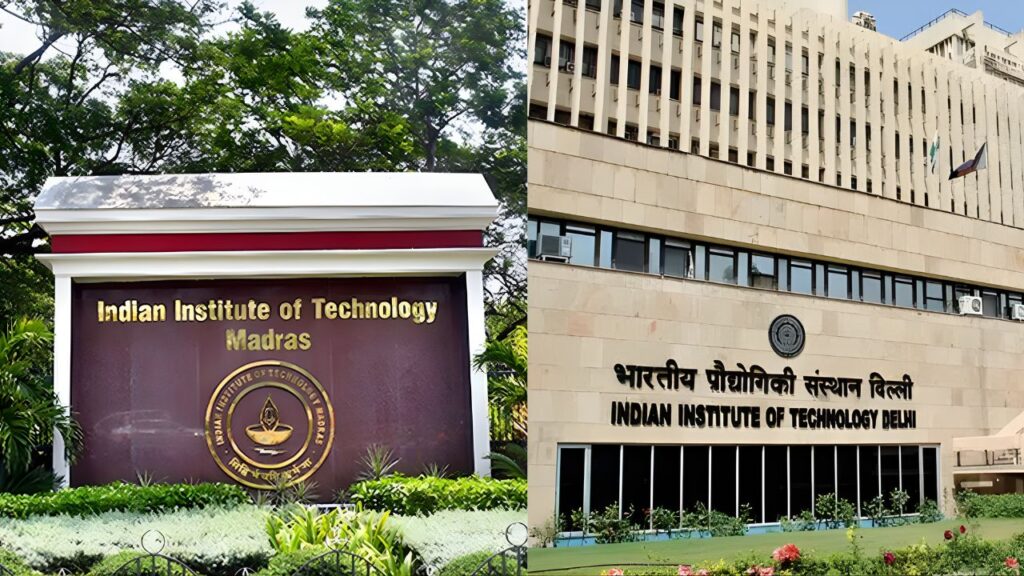
Indian BTech Colleges NIRF Ranking 2025 is considered as the standard for deciding the best BTech colleges in India. As per the updated list, IIT Madras ranked 1st once again for the ninth straight year, further consolidating its hold on engineering. The top five Engineering institutes in India according to NIRF 2025 are IIT Madras, IIT Delhi, IIT Bombay, IIT Kanpur, and IIT Kharagpur.​

 IIT Madras, IIT Delhi

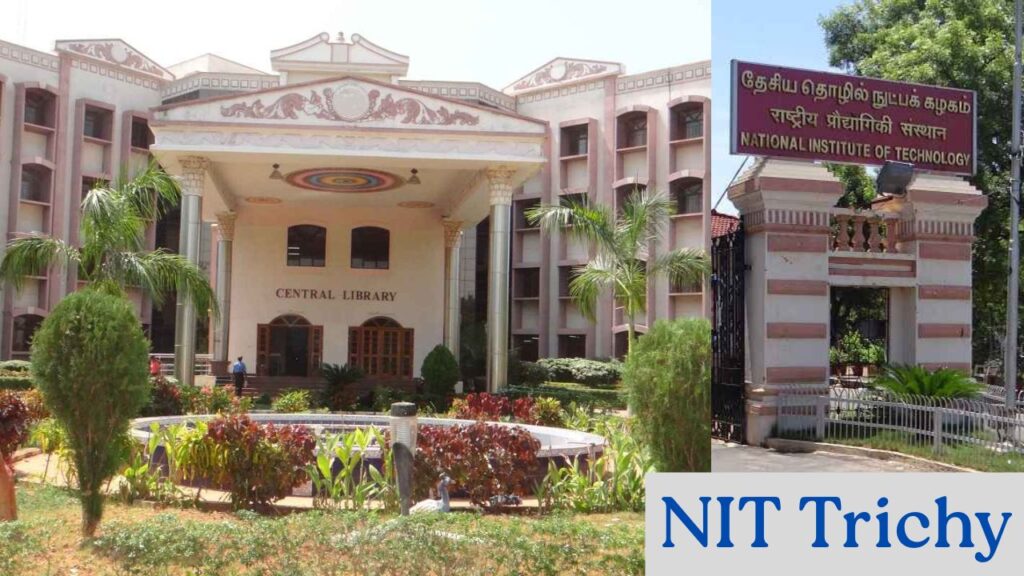
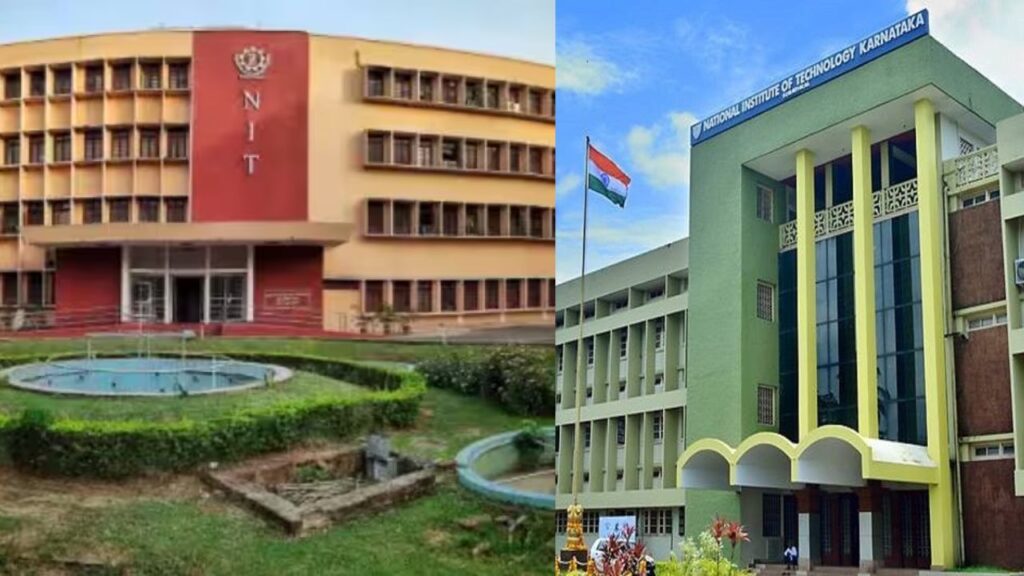
But the story is not all IITs, the NIRF Rankings are not limited to the only IITs. As far as the National Institutes of Technology (NITs) are considered, only NIT Trichy emerges among the top 10 at rank 9 in the list, which speaks about the immense competition in rankings. Following NIT Trichy we have the older NITs like NIT Roorkela, NIT Suralgkal, we have NIT Calicut who all regularly get top 25! 
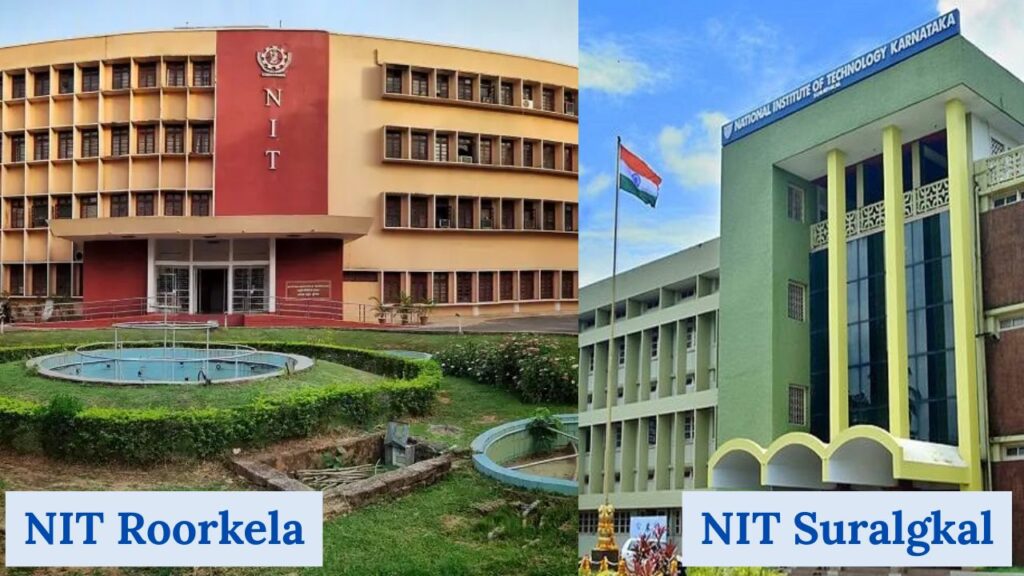
NIT Roorkela and NIT Suralgkal

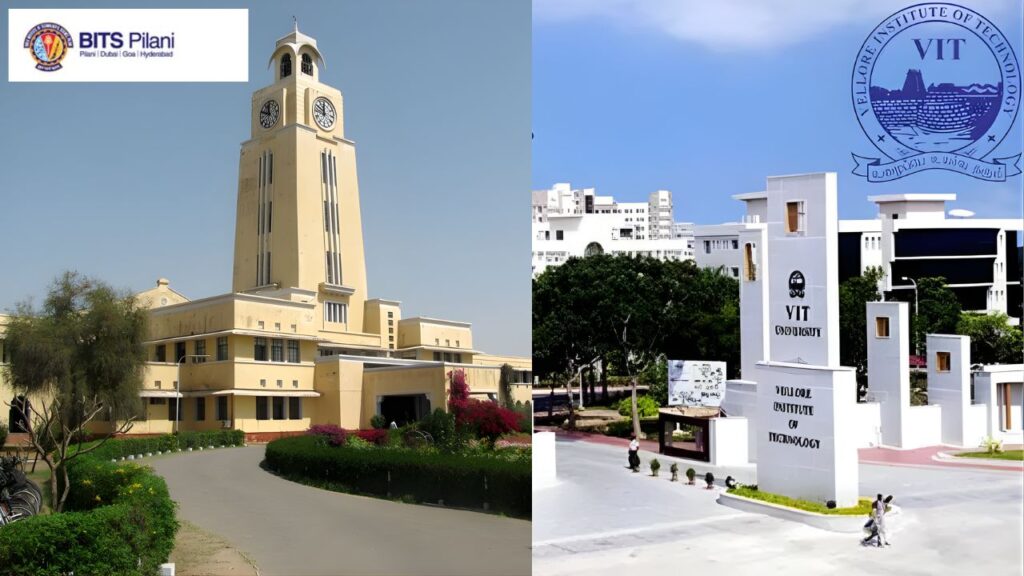
Private institutes have also made a place for themselves, with BITS Pilani at Rank 11 and VIT Vellore at Rank 16 in NIRF 2025. These colleges are no joke, they do provide a world class education and you will have no problem finding employment. 

The Tier System

In addition to the usual rankings, a number of industry insiders grade schools according to tiers based on placement results, presence of recruiters, and number of competitive cutoffs. This gives a more refined sense of the college pecking-order. 

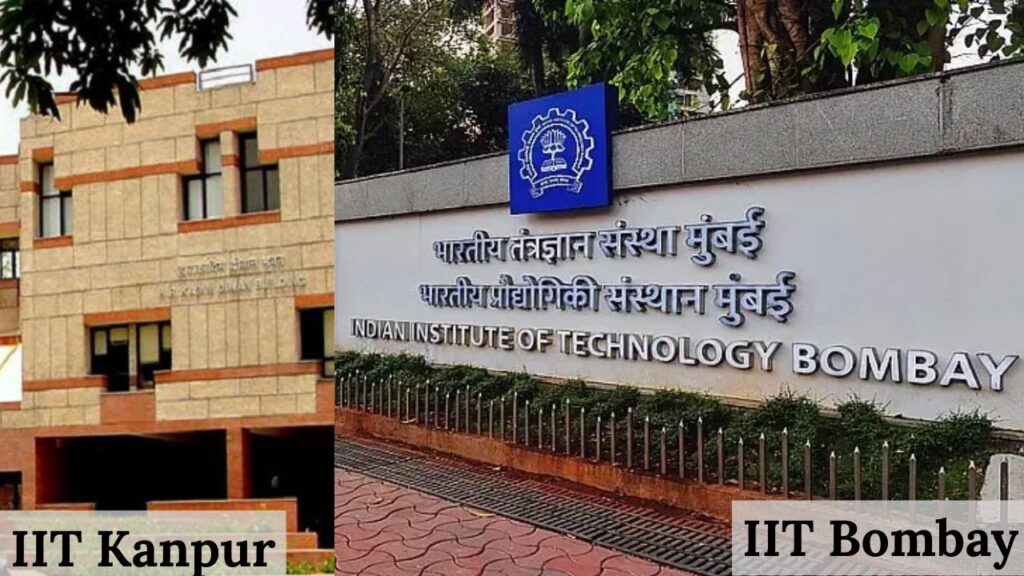
Tier 1 (Premier Institutes) consists of the legendary IITs such as IIT Bombay, IIT Delhi, IIT Madras, IIT Kanpur, IIT Kharagpur, IIT Roorkee, IIT Hyderabad, and IIT Guwahati. These are also engineering colleges which dream destinations for most engineering aspirants. Indian academics are tough and placement records are also excellent.​

IIT Kanpur and IIT Bombay

Tier 1.5 (Strong and Competitive) has institutes such as IIT BHU (Varanasi), IIT Indore, BITS Pilani, IIT Ropar, IIT Gandhinagar, NIT Trichy, NIT Surathkal, and NIT Warangal. These universities have good academics and employment potential and have gained significant traction in reputation. 

Tier 2 (Well established with Consistent Track Records) Institutes of the second tier like IIT Mandi, IIT Jodhpur, IIT Bhubaneswar, IIT ISM Dhanbad, NIT Rourkela, NIT Calicut, BITS Goa, BITS Hyderabad, and the likes, boast of consistent placement records coupled with strong alumni network. These are established institutes and provide assured opportunities for students for career growth and links with industry.  

Placement Statistics

While selecting a college, the chief concern is usually the placement. Let’s dig into the real figures. The average salary package at IIT Bombay soared to ₹23.5 LPA in the 2024 placement drive, showing a 7.7% rise from last year’s ₹21.8 LPA. The highest package at IIT Bombay soared to a staggering ₹3.67 crore, with 22 students bagging offers scaling the ₹1 crore per annum mark. 

The placement rate for IIT Bombay’s BTech programme is a healthy 74.53%, with 1,475 students placed out of 1,979 registered. Curiously, Computer Science Engineering is the most in demand branch with 230 offers, then closely matched by Electrical Engineering (232) and again by Mechanical Engineering (229).​

The average package at IIT Kanpur hiked up to ₹26.27 LPA, whereas IIT Delhi saw an average package of ₹17.60 LPA with a highest package of ₹2.05 crore. These statistics attest to the amazing value top engineering colleges provide their students. 

Admission Process For B.Tech

Anyone with ambitions to be a part of these institutions should know the process of meteoric rise, which is Understanding the process of admissions is essential for any aspirant who wants to get into these esteemed organizations. The route for BTech admission in India: Your Class 12 results and entrance exams largely decide your fate.​

NIT Trichy

An all India examination termed JEE Main is required to be passed by the candidates for admission to the institutes like IITs, NITs. Candidates are required to qualify in JEE Advanced, which is the next level after JEE Main, for seeking admission to IITs. JEE Advanced for admission to IITs can be attempted only by JEE Main rank holders (JEE Main is qualifying exam for JEE Advanced), and seat allotment in IITs is done on the basis of JEE Advanced ranks alone. 

The eligibility criteria is simple, but important: candidates should have completed class 12th (science stream with physics, chemistry, and mathematics) with minimum marks of 50% to 75% which varies as per the institute and category. For reserved category contenders the qualification is generally 65%.​

Admission Process For B.Tech

The BTech admission schedule is designed in a manner that helps you to plan well in advance. Application period: It may be from November to March of next year, subject to specific entrance examination. 

Entrance exams are generally held in April-June, followed by counselling and seat allotment after the exams then classes usually start around August or September. 

Cutoff Ranks Matters

In top colleges, an applicant with a JEE Main rank less than 5,000 can expect to get one of the top five NITs. For example, NIT Trichy’s Computer Science Engineering has an opening and closing rank of 1000-2000 in general category, NIT Surathkal’s CSE has ranks in the range of 1500-3500. 

General 91-95
EWS 79-83
OBC-NCL77-81
SC 58-62
ST 44-48

Under this category, the likely cutoff percentile for JEE Main 2025 is General (91-95), EWS (79-83), OBC-NCL (77-81), SC (58-62), ST (44-48). But, all these are predictions based on the past year’s trends of the exam, the actual figure of cutoff may be different. 

Popular BTech Specializations

The present day BTech courses are not only confined to traditional engineering branches. Computer Science Engineering (CSE) leads the list as the most preferred branch for a bright career in software development, data science and cybersecurity. 
Popular BTech Specializations

But today the BTech branches in the specializations are far more than the CSE. Mechanical Engineering, Civil Engineering, ECE (Electronics and Communication Engineering), and IT (Information Technology) are still the standard choice but some new fields are emerging that are taking over the engineering world. AI and Data Science, Cyber Security, Cloud Computing, Biomedical Engineering, and Robotics and Automation Engineering are the courses currently making waves owing to high demand in industry. ​

Emerging disciplines such as these are the future of engineering, and firms looking to attract the best graduates in those niche are already hard-pressed to come up with competitive salary packages. 

Understanding the Financial Reality

It is also necessary to consider the expenses related to BTech. The entire course fee amount for government colleges like NITs and IITs is generally between ₹8.35 lakhs and ₹9.17 lakhs which is really affordable considering the kind of opportunities these institutes offer.​

Private universities such as BITS Pilani have much higher fees at ₹23.9 lakh for the full course, although they do have a variety of advantages such as more flexible curricula and better placement results.​

With a low fee structure of ₹8.35 lakh, IIT BHU, Varanasi also has the highest ROI of 239.52%, due to a median package of ₹20 LPA. 

Conclusion

Selecting a BTech college is among the most crucial decisions in your academic life. Despite the importance of rankings and placement statistics, you must keep in mind your interests, what you want to do in your career and your personal circumstances. If you’re going for the elite IITs, the perpetually decently performing NITs, or the private ones like BITS Pilani, do remember that your success depends as much on how hard you work as how good your education institution is.

Start your JEE Main preparation today, aim for a good rank, and keep track of the dates of the admission process. After all the efforts and proper guidance, it’s not going to be long before you’re striding down the hallways of the top engineering colleges in India, ready to make a mark on the world. 

Leave a Comment

Your email address will not be published. Required fields are marked *

Railway RRB ALP Admit Card 2026: Download Now From Direct Link

Railway RRB ALP Admit Card 2026

The Railway RRB ALP Admit Card 2026 for the CBT 1 is live on the official website for the candidates who have applied for the post can now download the admit card from below and appear for the exam to get a dream job in the Indian Railways. Upon its schedule from 13 February 2026, the admit card is the official ticket telling off that you are going to the exam hall. 

If you have been studying for this exam for months, it’s time to calm down, stay focused, and get organized. Download your hall ticket well in advance and check all the particulars in it thoroughly and also make arrangements to link your transport to the examination centre. 

Now, with a total of 9,970 ALP vacancies to be filled and lakhs of candidates competing for them, every little step now matters — and it all begins with your hall ticket. 

Quick Exam Schedule Guide

StageDetailsTimeline/Status
CBT 1 ExamHeld RRB-wise for 9,970 total vacancies16—-18/February/2026 
CBT 1 Admit CardsReleased online via regional RRB sitesOut since Feb 9, 2026
CBT 1 ResultsMerit lists prepared with normalization for multi-shiftsExpected 2-3 weeks post-exams
CBT 2 ShortlistingAround 150,000 total candidates shortlistedBased on CBT 1 merit
CBT 2 City SlipAdvance info on exam city3-4 days before CBT 2 (pattern-based)
CBT 2 Admit CardDownload from regional sites3-4 days before test date
CBT 2 TentativePer RRB Calendar 2026March—April/2026

Railway RRB ALP Admit Card 2026 Release Update

The Railway RRB ALP Admit Card 2026 has been released on 09th February 2026 on all the regional websites of Railway RRB. This is in regard to the Computer Based Test (CBT 1) to be held on 13, 16, 17 and 18 February. There are no hard copies to be sent—it’s all online, so don’t wait till the last moment. Thousands of aspirants registered for a total of 9,970 vacancies, so this was a golden chance in Indian Railways. 

Read More 👉 BSc Radiology and Imaging Technology: Course, Eligibility, Fees & Career

Step-by-Step Download Guide

The process of downloading is simple, just make sure you follow the steps properly to avoid bugs:

  1. Go to your regional RRB site (like rrbcdg.gov.in for Chandigarh, rrbapply.gov.in for Hyderabad) or the consolidated link at rrb.digialm.com.
  2. Click on the ”RRB ALP CBT 1 exam admit card 2026″ link.
  3. Fill in the Registration Number/User ID and Password/Date of Birth.
  4. Hit “Submit” or “Login,” and your hall ticket will pop up.
  5. Check the details, download the PDF and take 2-3 printouts. Save your backups!

Pro tip : If you panic, forget your password, just click on “Forgot Password” right there. Test Your Login Early to Avoid Getting Clogged Up on Exam Eve. Test your login early to dodge any server rush issues on exam eve. 

What’s Inside Your Admit Card

DetailWhy It Matters
Candidate’s NameConfirms identity
Roll/Registration No.For entry and verification
Photo & SignatureMust match your ID
Exam Date & ShiftNote reporting time (usually 1-2 hrs early)
Centre AddressPlan your travel now
Duration & InstructionsCBT 1 is 60 mins, 75 questions
CEN No. (01/2025)Links to your application

Documents to Carry in Exam 

Remember to carry these following document as it is get you enter the examination hall:

  1. Bring a hard copy of your admit card and a recent passport size photograph. 
  2. a valid original photo ID for verification.
  3. Black or blue ballpoint pen.

Please note:

  • Accessories, bags, and eatables are strictly prohibited in the examination centre.
  • The gate will be shut prior to 8-9 AM, even if you have a late shift.
  • Further stages after CBT 1 are: CBT 2, CBAT, document verification (DV), and medical examination. 

Exam Pattern

PartSubjectsQuestionsMarksDurationNotes
AMathematics, Logic & Reasoning, General Science 10010090 minsQualifying cut-offs: 40% must secure by UR/EWS category candidates/ above 30% for OBC/SC/ 25% for ST 
BRelevant Trade (qualifying only)757560 minsMust pass Part B to proceed
Useful Links
Download Admit CardClick Here
LoginClick Here
Official WebsiteClick Here

Leave a Comment

Your email address will not be published. Required fields are marked *

RRB NTPC 2025 Exam – Application Dates, Eligibility & Vacancy Details

Railway Recruitment Board announced about the NTPC recruitment drive for the interested candidates who are waiting to apply for Railway jobs. RRB posted on the official website about the recruitment drive for the posts of Station Master, Goods Train Manager, Traffic Assistant, Senior Clerk cum Typist, and more. There are 5810 vacancies out there, and the online application process commences on October 21, 2025 and deadlines for submissions are November 20, 2025. Interested candidates can see the full notice for eligibility rules, fees, age limits, pay info, and how the selection works. Graduates who want jobs in railways should barge at this. 

RRB NTPC Application Dates

Notification Date29/September/2025
Application Start On21/October/2025
Last Date For Application20/November/2025
Admit CardUpdate Soon
ResultUpdate Soon

RRB NTPC Application Fee To Apply

Gen/OBC/EWSRs. 500
SC/ST/EBCRs. 250
Refund amount for Gen/OBC/EWSRs. 400
Refund amount for SC/ST/EBCRs. 250

Read More 👉 Download The Meghalaya Police Result 2025: Get Direct Link Here

Guide to Apply for RRB NTPC Application

Aspiring students can follow the guide to fill the application form for this recruitment process. Be prepared for the exam that will happen soon.

  1. Click on the official website link in this article which redirects you to the official site of RRB.
  2. There is a link “RRB NTPC Graduate Level Recruitment 2025, follow the link and register yourself.
  3. The next step is to fill out every detail carefully in the application and upload documents.
  4. Final submit, then pay application fee to proceed further. 
  5. Remember application is required to appear in the examination but it will eventually return.
  6. Save the form and print it out for any future use.

RRB NTPC Application Job Vacancy

Post VacancySalary
Chief Commercial Cum Ticket Supervisor161₹35,400
Station Master615₹35,400
Good Train Manager3416₹29,200
Traffic Assistant59₹30,000
Junior Account Assistant Cum Typist921₹29,200
Senior Clerk Cum Typist638₹29,200
Total Posts5810
Useful Links
Online ApplicationClick Here
Official NotificationClick Here
Official WebsiteClick Here

Leave a Comment

Your email address will not be published. Required fields are marked *

How to Take Admission in Delhi University in 2025 – Full Process Explained!

How to Take Admission in Delhi University

Delhi University is a great university for UG, PG and doctoral programs which attracts thousands of candidates from all over the country. If you are planning to take admission to the most popular university then you must know about the admission process. So, here’s a guide for you which helps you get ready for the procedure.

DU offers a plenty of programs for Arts, Science, and Commerce students. First, know your interest that aligns with the future goal. It will help you select the field of study and decide which program you have to take admission. Admission process is same but eligibility criteria and cutoff marks is different on most of the programs.

DU offers multiple courses in every stream through the entrance exams for the particular field. So, score well in exams to get a admission in Delhi University, here are the following exams: 

  • CUET Examination

DU offers UG courses such as BA, B.Com, B.Sc, BBA, MA, MCA, M.Sc, and B.Ed through the Common University Entrance Test.  

  • JEE Main

Candidates who are willing to take admission in the Engineering programs such as B.Tech have to appear in the JEE examination.

  • CAT Examination

DU offers an MBA program through the CAT examination, you must appear in the examination and score well in that to get an admission.

  • CLAT Examination

For LLB and LLM programs, candidates have to pass the CLAT exam.

  • UGC NET/CSIR NET/NTA 

These are the examinations for admission in PhD.

Candidates must have cleared the entrance exam for their courses then register for CSAS. Its full form is Common Seat Allocation System and this is the stage where you have to fill your college preferences and courses.


This round takes time because it’s a lengthy process, seat allotment based on your scores of the entrance exam, preference you fill, and category you belong to. Seat availability is critical in some cases, you can freeze your seat if you are satisfied with the given seat or wait for the next round.

Once you freeze the seat which is offered by the university. Your admission is confirmed after your acceptance. 

Read More 👉 Top 10 MBA Colleges in Lucknow You Shouldn’t Miss in 2025

Check your eligibility for the particular program you are choosing to take admission. For UG courses you must pass 12th class, for PG courses, it requires a graduation marksheet. Admission in PG courses may require a CUET PG score.

  1. Visit the official website of DU
  2. Search for the SOL admission portal, when you click on that the registration page will appear then click on the registration link.
  3. Enter your information in the form carefully to complete the registration.
  4. Log in with your registration number and password.
  5. Fill out the rest of the details with correct information to further proceed.
  6. Carefully fill in the details, so it cannot be incorrect.
  7. Attach the required documents required for the application in your admission.
  8. Submit application fee then download the copy.
  9. You can check application status from your account.

DU offers plenty of programs for students to study higher education. DU offers programs in streams like Arts, Science, Commerce, Management, Law, and Engineering. The admission in these streams through their entrance exams respectively.

If you are a working professional, parent, or any other responsibilities, you can pursue degrees such as BA, B.Com, MA, M.Com, and M.Sc without any entrance exam. SOL is beneficial for most of the students who can’t attend the college regularly due to any reason. 

NCWEB is designed specially for women who cannot attend full time courses due to responsibilities, work, or any other reasons. Women who prefer weekends or evening classes to complete their education can take admission but it happens through merit score. 

Students who want specializations in any field can also think of Delhi University as the best option for them. The various fields of specializations which DU offers are – English, Hindi, Economics, and Political Science, Physics, Chemistry, Mathematics, Law, and Management.

Delhi University primarily takes students through entrance exams but there are certain programs and modes of study where students can take admission without appearing in the entrance exam. 

SOL – It is designed to provide education for students who cannot attend the regular classes due to work, distance, or any other reason. SOL offers many UG & PG programs without an entrance exam.

CoursesAdmission processMode
BA, B.Com, MA, M.Com, M.ScAdmission is based on MeritDistance education

Some UG Courses based on Merit – DU affiliated colleges are offering some UG programs like B.Com, BA, and many other courses without an entrance exam.

Read More 👉 Top Government Jobs After MBA | Best Careers 2025 Guide

Course NameWho Can Apply?How Selection Happens?
BA OR BA (Hons)10+12th from any stream  (50% score minimum)Through CUET UG + CSAS Counselling
B.Sc OR B.Sc (Hons)10+12th (50% score minimum) in science streamThrough CUET UG + CSAS Counselling
B.Com OR B.Com (Hons)Passed 12th (50% score minimum) in commerce streamThrough CUET UG + CSAS Counselling
B.Tech Passed 12th with PCM, minimum 60% marksJEE Main + JAC Counselling
BA LLB / BBA LLBAccomplish 12th or equivalent (50% score minimum) CLAT UG + CLAT Counselling
BBA10+12th or equivalent (50% score minimum) Through CUET UG + CSAS Counselling
B.El.EdAccomplish 12th or equivalent with 50%Through CUET UG + CSAS Counselling
BFAAccomplish 12th or equivalent (45% score minimum)Through CUET UG + CSAS Counselling
B.Lib.I.ScAccomplish 12th or equivalent (45% score minimum)Through CUET UG + CSAS Counselling
Course NameWho Can Apply?How Selection Happens?
MABachelor’s degree (50% score minimum)CUET PG + CSAS Counselling OR Merit-Based
M.ComB.Com/B.Com (Hons) (50% score minimum)CUET PG + CSAS Counselling
M.ScB.Sc in relevant subject with at least 50% marksCUET PG + CSAS Counselling
MBABachelor’s degree in any discipline CUET PG + Group Discussion & Interview 
MCABCA or equivalent degreeCUET PG + CSAS Counselling
B.EdGraduation degree (50% score minimum)CUET PG + CSAS Counselling
LLBUG OR PG degree in any with at least 50% marksCUET PG + CSAS Counselling
LLMLLB (3-year or 5-year) (50% score minimum)CUET PG + CSAS Counselling
M.TechB.Tech/BE in relevant field (60% score minimum)CUET PG + CSAS Counselling
M.EdB.Ed/B.El.Ed or equivalent (60% score minimum)CUET PG + CSAS Counselling
Points Details
Who can apply?– Master’s degree (55% score minimum) marks – 5% relaxation for reserved category
How do you get selected?First Option  – Through UGC-NET, UGC-CSIR NET, DBT-JRF, ICMR-JRF, once you pass this, you can appear directly for an interview.Second Option  – You must appear for the CUET-PhD entrance test. If you don’t want to take the first option.  – Next step for selected candidates is an interview.  – Everyone (including exempted candidates) must attend the interview.
What happens after selection?– Merit list is prepared based on entrance and interview performance.- Selected candidates must verify original documents in person at the department.- Seats are filled as per department’s decision and university norms.
Other important points– Final subject relevance is decided by the Departmental Research Committee (DRC).- No PhD through distance mode at DU.

Leave a Comment

Your email address will not be published. Required fields are marked *

How to Crack UPPSC RO/ARO Without Coaching  

Crack UPPSC RO/ARO Without Coaching

Every year, lakhs of students in Uttar Pradesh start their RO/ARO preparation the same way — by joining a coaching institute the moment they decide to attempt the exam. It feels like the safe choice. Everyone around you is doing it, the institutes promise structured guidance, and the fear of “missing something important” pushes you toward enrolling even before you’ve opened a single book on your own.

I can’t speak for your specific goals, but what a lot of successful RO/ARO candidates will tell you once they’ve actually passed the test is: coaching never made the difference. What mattered was whether they understood the exam, built a routine around it, and stayed consistent long enough to see results. 

If you fall into the category of not being able to afford coaching or if you’re just an individual who likes to learn on his own terms, there’s no issue in attempting RO/ARO exams. You can start your preparations by yourself with the right guide. Proper syllabus, exam pattern, right schedule, responsibility are the core steps to take to prepare for the exam.

1. Understand Exam Pattern to Make the Right Strategy

You probably saw or heard that self-study failed many students not because they lacked intelligence but because they didn’t understand the exam’s purpose and importance. There are stages in the exams to clear and each one requires a different kind of preparation.

  1. UPPSC RO/ARO has a Preliminary exam to check how well you know General Studies and General Hindi and it rewards speed and accuracy over depth. 
  2. The Mains, on the other hand, wants you to write with clarity and present arguments, not just recall facts. 
  3. And the Typing Test, ignored by most aspirants until the last month, has quietly ended the dreams of candidates who cleared both written exams but never practiced typing seriously.

Before you buy a single book, spend two or three days just going through the official syllabus and the last five years of question papers. You’ll notice patterns almost immediately — certain topics from Indian History, Indian Polity, and UP-specific General Knowledge repeat in some form every year. This is the kind of pattern-recognition that coaching institutes charge lakhs to hand you on a platter. You can get there yourself with a notebook and some patience.

2. Build a Study Routine That Doesn’t Depend on Motivation

Coaching institutes work partly because they impose a schedule on you — classes at fixed times force a kind of discipline that self-study doesn’t naturally have. When you’re preparing alone, motivation runs out fast, usually within the first three weeks. What replaces it is routine.

Pick a time of day when your mind is sharpest — for most people, that’s early morning — and treat that slot as non-negotiable, exam day or not. Break up your week so that you have each subject in a chunk of the day, instead of bouncing around among all of them every day. A general division that helps for RO/ARO is General Studies in the morning, Hindi grammar and comprehension in the afternoon, and revision and mock tests in the evening. The exact hours matter less than the consistency of showing up.

What trips up most self-study candidates isn’t laziness — it’s the absence of a feedback loop. In a coaching class, a teacher tells you when you’re falling behind. Alone, you have to build that feedback into your own routine. Keep a simple tracker, even a basic notebook works, where you log what you studied and how confident you feel about it. Revisit that tracker every Sunday and be honest about the gaps.

Read More 👉 Data Science vs AI: Which Career Is Better?  

3. Choose the Right Books Instead of Too Many Books

One of the biggest traps for self-study aspirants is book overload. When you ask about which books toppers used, they might give you different answers. But each one of them has the topics which are frequently asked in the previous question papers. So, choose the book which you can understand when you read. Stick to that particular book per subject rather than jumping between multiple books hoping one of them “clicks.”

For General Studies, a common NCERT-based core syllabus in History, Geography, Polity and Economy is a much better option than jumping straight into exam-specific guides. Once your basics are solid, move to a UP-specific General Knowledge book, since a noticeable chunk of the RO/ARO paper focuses on state-level facts that national-level books simply don’t cover. For Hindi, focus heavily on grammar rules and previous year papers rather than generic Hindi literature books — the exam tests application, not literary depth.

Newspapers are non-negotiable, but read them with intent. Don’t read every article; scan for anything related to government schemes, UP-specific developments, and national events with policy implications. Ten focused minutes with a newspaper beats an hour of aimless reading.

4. Practice Like the Exam Is Already Tomorrow

Self-study candidates often make the mistake of treating mock tests as an afterthought — something to do once the syllabus is “finished.” In reality, mock tests should start early, even when you know only half the syllabus. Testing yourself regularly does two things coaching classes usually do for you: 

  • It shows you where your weak areas actually are 
  • And it trains your brain to work under time pressure

Solve at least one previous year’s paper or a full-length mock every week, and don’t just check your score — go through every wrong answer and understand why you got it wrong. Was it a factual gap, a silly mistake, or a comprehension issue? Each of these needs a different fix, and lumping them together as “I need to study more” won’t get you anywhere.

The typing test deserves its own separate practice schedule starting at least two months before your written exams are clear, not after. Waiting until results are declared to start practicing typing is one of the most common and avoidable mistakes RO/ARO aspirants make.

5. Find Your Community, Even Without a Classroom

The one genuine advantage of coaching is the peer group — people preparing for the same exam, sharing doubts, comparing notes, and keeping each other accountable. You can recreate this without paying for it. Online communities of RO/ARO aspirants, study groups on messaging apps, and even a couple of serious friends preparing for the same exam can replace this function almost entirely.

Use these groups to clarify doubts, share useful resources, and occasionally test each other. Just be careful they don’t turn into distraction hubs — the goal is accountability, not endless discussion about strategy that never converts into actual studying.

Read More 👉 Top 10 Mistakes to Avoid While Preparing for UPPSC RO/ARO

The Real Difference Between Coached and Self-Taught Candidates

Coaching gives structure to people who can’t build it themselves. If you can build that structure on your own — a study routine, the right books, regular self-testing, and a support system for accountability then there’s genuinely nothing coaching offers that you can’t replicate. 

What ends up separating candidates who clear RO/ARO from those who don’t isn’t whether they paid for classes. It’s whether they stayed consistent long enough, tested themselves honestly, and treated every mock test result as information rather than judgment.

Self-study for RO/ARO isn’t the harder path. It’s simply the path that asks more of your discipline instead of your wallet — and for a lot of aspirants across UP, that trade has worked out just fine.

Conclusion — How to Crack UPPSC RO/ARO Without Coaching

Clearing the UPPSC RO/ARO exam without coaching is entirely achievable if you get started with the right attitude and strategy. The course, past year papers, textbooks, sample tests, and current affairs are all available online nowadays. Because in the end, your success is going to be determined by the work that you do every day, not by how much money you spend on prep. The real challenge isn’t finding resources—it’s using them consistently.

Leave a Comment

Your email address will not be published. Required fields are marked *

Ultimate Guide to KTET Scores, Kerala TET Result 2026, Eligibility, Career, and Salary

Kerala TET

There are a lot of students who filled the application form for teaching in Kerala and appeared in the exam. They can check their Kerala TET Result 2026 on the official website of Kerala Pareeksha Bhavan. Many candidates wonder about the salary and professional growth at this stage, so here is the full detailed guide to Kerala TET exam. From eligibility to selection process, everything is here.

Achieving a qualifying score on the Kerala Teacher Eligibility Test (KTET) will help to achieve a teaching career. If you missed the 2026 cycle, you can apply next year but knowing every detail lets you understand how to crack the exam.

Overview of Kerala TET Result 2026 

The Kerala Teacher Eligibility Test was conducted smoothly over two days, morning and afternoon shifts due to a large number of applicants.

Exam NameKerala Teacher Eligibility Test (KTET)
Conducting BodyKerala Pareeksha Bhavan (KPB)
Exam CycleDecember Session (Exams held Feb 21 & 23, 2026)
Result Declaration DateMay 26–27, 2026
Official Websitehttps://ktet.kerala.gov.in
Credential RequiredCategory, Registration Number, and Date of Birth
Certificate ValidityLifetime Validity

What is the Kerala TET (KTET) Exam?

Students in Kerala who are dreaming about becoming an educator, The Kerala Teacher Eligibility Test (KTET) is specifically structured to prepare you for teaching and provide you with an official certificate to be able to teach in school. Kerala Pareeksha Bhavan conducts this exam to check whether a candidate has the right knowledge and teaching skills to handle students effectively.  

KTET is designed to evaluate applicant’s psychological understanding of children, teaching methods and proficiency in subjects. There four separate categories for specific educational tier:

Category I (Lower Primary): Focus on Classes 1 to 5. 

Category II (Upper Primary): For those who can teach Classes 6 to 8. 

Category III (High School): Focuses on relevant subjects for Classes 9 to 12 

Category IV: Special teachers (foreign language or Arts) and Physical Education instructors. 

Why is The Kerala TET Exam Important? 

If you want to become an Educator then you need to clear this exam and please remember that this exam will allow you to teach school across Kerala only, not any other state.

Mandatory Entry Requirement 

The state government makes this test mandatory to clear for teaching. Without a valid KTET scorecard, you cannot legally apply for teaching vacancies advertised by the Kerala Public Service Commission (KPSC) or state-aided institutions. 

Lifelong Validity Benefits 

KTET certificates now come with lifetime validity, that’s a huge relief for the teaching professionals. You never have to go through the stress of retaking the test to renew your qualification status. 

Professional Credibility and Up-skilling 

Preparing for the KTET naturally moulds you into a well-rounded teacher. As it covers the curriculum which increases your understanding of educational psychology and child development. 

Step-by-Step Procedure to Check Kerala TET Result 2026

  1. Open your web browser and visit the official Kerala Teacher Eligibility Test website.
  2. Find KTET Result 2026″ link in the notice or on the homepage.
  3. Use the drop-down menu to select your specific exam category and type your Registration Number and DOB to login.
  4. Check the result and verify your name and marks to make sure that it’s yours, then download the PDF.

Eligibility Criteria for Kerala TET

CategoryClasses CoveredMinimum Educational Qualifications
Category IClasses 1–5Passed 12th with 45% marks, plus Trained Teachers’ Certificate OR Diploma in Elementary Education
Category IIClasses 6–8BA/BSc/BCom with 45% marks + Bachelor of Education (BEd) OR Higher Secondary + 4-year Bachelor in Elementary Education (BElEd)
Category IIIClasses 9–12Master’s degree with 50% marks + BEd degree
Category IV (Specialist/Language)Specialist / Language subjectsCertificate, Diploma, or degree in the specific language/subject plus Training Certificate

Minimum Qualifying Marks (Cut-Offs) 

The 150 objective-type multiple-choice questions of the KTET exam carry one mark for right answers. There is no negative marking for incorrect selections. But candidates have to score above the cut offs and its varying by their category:

  • 90 out of 150 marks — General/Unreserved Category 
  • 82 out of 150 marks — Reserved Categories (SC/ST/OBC/PH)  

Selection Process for Kerala TET

Once you got Kerala TET Result 2026 scorecard, you must follow the further path to secure a job:

Document Verification: Immediately after qualifying, you must report to the designated District Educational Officer (DEO) for a thorough physical document verification. Authorities will check your certificates, ID, and educational certificates.

Eligibility Certificate: Once the DEO confirms your documents are original, you will get a formal, valid-for-life KTET Eligibility Certificate. 

Applying via KPSC: You must monitor KPSC notification for teacher eligibility so that you can apply for government school.

Career Prospects and Salary Structure

The doors will be open for you for the lifetime of teaching. You can apply everywhere in Kerala for stability, high community respect, and a rewarding compensation package. 

Diverse Career Pathways

Primary School Teacher (LPST): Guiding children through their formative learning years.

High School Assistant (HSA): Specializing in core thematic subjects like Physics, Mathematics, Social Science, or Literature for older students.

Specialist Educator: Instructing students on Arts and curriculum activities which grow their mind into creativity. Give training on the grounds and manage sports development as a Physical Education teacher.

Institutional Growth: Experience in teacher matters, you will be promoted to the seniority level like Headmaster/Headmistress in a same school without any exam or interview..

Expected Salary Scale

Candidates after clearing KTET examination can easily get the teaching job in Kerala schools. They receive income according to their level of teaching, higher classes require more attention and effort. Primary Teachers get between ₹35,600 to ₹75,400 per month. And High School Teachers earned ₹41,300 to ₹87,000 per month

People also give private tuitions or join coaching centers to earn passive income. The exam increases the chance of getting more valuable offers in future.

Read More 👉 Complete Guide to NTA UGC NET to Become a Teacher

Conclusion 

Kerala TET Result 2026 is out now and candidates can check using their registration number and DOB. Once you get your scorecard, you have to check the teacher jobs notification in Kerala for securing a high paying teaching job.

If you haven’t applied this year, you can apply next time but knowing every detail regarding this examination will help you understand how to clear the examination and most importantly check whether you are eligible or not.

Leave a Comment

Your email address will not be published. Required fields are marked *

Scroll to Top