Best Private University in India for Quality Education and Innovation

Best Private University in India

The scenario of higher education in India has been a significant transfigurement in last 10 years. It is no longer the case that the best private universities in India are the only standard setters for excellence. Private universities today are reinventing the world-class education allowing them to differentiate in quality academics, through leading-edge innovation and creating environments where students are not just learning but also creating, discovering and leading. 

Well, if you are looking for higher education in India then it is important to know what the differences are in the top private universities. They are not simply teaching bodies but they are breeding grounds for tomorrow’s captains of industry, researchers and innovators who will chart courses through industries and address global challenges. 

The Top Contenders

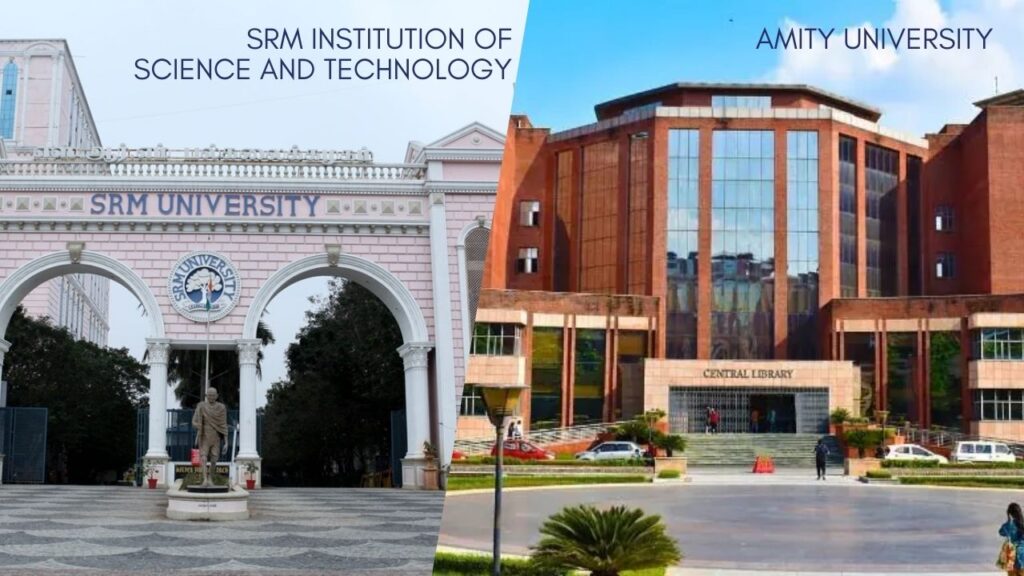
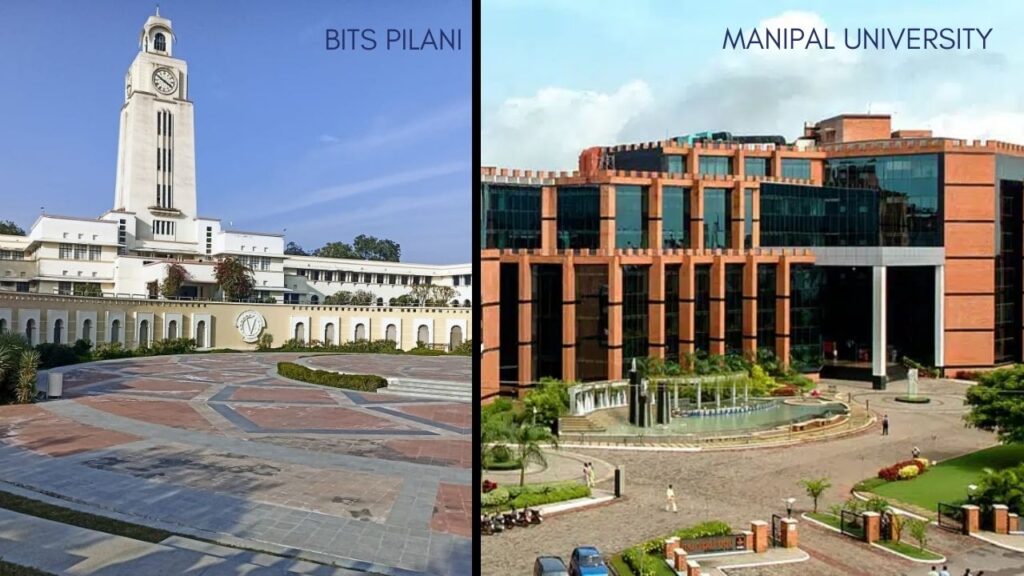
In the NIRF 2025 rankings, the private university sector is led by a few good institutions. The Manipal Academy of Higher Education (MAHE) emerges 3rd among universities across the country and stands as the best private university in the country. Closely following are BITS Pilani at rank 7, Amrita Vishwa Vidyapeetham at rank 8, VIT Vellore, LPU, Amity University and SRM Institution of Science and Technology at rank 11. 

However, not only in rankings, Ashoka University is transforming Indian higher education. Ranked as the best new-age private university and awarded as the “University of the Year (Emerging)” in 2025 at the FICCI Higher Education Summit, Ashoka is the future of liberal arts and interdisciplinary education in India. 

Manipal Academy of Higher Education (MAHE) Amrita Vishwa Vidyapeetham
BITS PilaniVIT Vellore
SRM Institution of Science and TechnologyAmity University
Ashoka UniversityLovely Professional University (LPU)

What Makes These Universities Stand Out?

Research and Innovation at the Core

Today’s private universities know that good teaching without innovation is half-truth. BITS Pilani has been especially creative in institutionalizing research amongst students. The institute, since 2023, has published more than 6,500 research papers in journals with average impact factor more than 4.1, filed 325+ patents, completed 13+ technology transfers, and incubated 138+ deep-tech startups with a combined valuation of over USD 300 million.These are not simply figures—they represent actual technology developed by students and professors that are reshaping markets and addressing real-world problems. 

The Manipal Academy too has made huge investment in innovation infrastructure. Its Innovation Centre is a dynamic ecosystem that offers seed funding, incubation support, mentorship for patent filing and commercialization. The university has a state-of-the-art Central Analytical Instrumentation Facility (CAIF) with world class instruments such as SEM, NMR, XRD which enables interdisciplinary research in emerging areas like material science, biotech etc. 

Ashoka University has now set up the Ashoka-Zeiss Core Imaging Facility, the first such facility in India, which caters to high end research in Cell Biology, Biophysics and Structural Biology. Inspiringly, in 2025, Ashoka was awarded the highest distinction for its research and innovation activities, demonstrating a strong commitment to advancing the frontiers of knowledge.

Faculty Excellence and Academic Rigor

The standard of faculty decides the standard of education. These elite private colleges have gone all out in trying to hire outstanding scholars, researchers, practitioners. Amity University has right faculty student ratio to provide quality education in meaningful mentorship and is supported by 2,100+ well experienced faculty members in helping 37,000 students in different campuses.​

The curriculum at these schools is more than just textbooks. Many elite private universities weave in industry perspectives into their curriculum through guest lectures, internships and group work. That means students learn not only the theoretical underpinnings, but real-world applications and evolving industry issues. 

Global Partnerships and International Exposure

It is always true that in a connected world, you need global exposure to get a good education. Ashoka University, one of India’s leading liberal arts universities, has partnered with 60+ prestigious institutions globally across 28 countries and five continents including Yale University, Sciences Po, University of Melbourne, EYH Paris. Partner organizations also provide opportunities for interaction with group and field trips during semester exchanges, summer programs, research collaborations and faculty exchange. 
Similarly, Manipal University holds joint research programmes with top-notch institutions worldwide and is funded for research by various agencies such as DST, CSIR, AICTE. This global network ensures that students have access to an array of perspectives and world class academic resources. 

Placement Excellence and Career Readiness
Quality education in the end translates into job opportunities. Manipal Academy secured more than 90% placement in 2025, with 8,000+ students placed across multiple programs. The highest package for engineering students went up to ₹69.25 LPA with average package of ₹12.31 LPA. Top recruiters: Microsoft, Amazon, Deloitte, IBM, Standard Chartered, and BookMyShow. 

Inclusive Accessibility and Scholarships

Although being good quality generally carries a cost, many leading private universities understand that that should be manageable. These schools provide merit-based scholarships, aid packages and need-based grants so that gifted students aren’t turned away because of money. 

The Innovation Ecosystem

What really sets the best private universities of today apart is their strategies for innovation across the board. BITS Pilani has created a number of innovation tracks to address a range of contexts – SPARKLE for transdisciplinary problem solving, SOLVE for applied innovation and PIEDS (Pilani Innovation & Entrepreneurship Development Society) along startup development.​

Ashoka University launched the Young Scholars Programme: Innovators in Science & Tech (YSP IST). It’s for the high schoolers and it’s a 10 day live-in camp. It enables them to learn difficult subjects such as environmental chemistry, neuroscience, quantum computing and genetic engineering. These camps help create future inventors. They also ignite science curiosity at a young age.  

Read More 👉 Top Agriculture College in Uttar Pradesh: Courses, Fees & Admission Details

Choose Your Path Wisely

Choosing a university is a very personal matter. If you are interested in a multidisci­plinary education close to industry, Manipal Academy is excellent if you like comprehensive education with strong links to industry. If you want the best research and entrepreneurship route, BITS Pilani is unparalleled. Ashoka University, for those interested in liberal arts with a global outlook, provides a new frontier in Indian higher education.

What matters most is knowing what you want. Are you a basic researcher? Do you want to build startups? Are you looking for global exposure? The finest private Indian universities today cater to such journeys 

The Future of Private Higher Education

The Indian private university sector is evolving fast. They are not simply copying public universities, they are innovating, conducting cutting edge research and drawing talent from around the world. This focus on quality, innovation, research and international collaboration is indicative of a vibrant, competitive ecosystem, and students stand to gain immensely from this.

Keep in mind as you start your higher education journey, Rankings are just one measure. What makes a school is its learning community, the quality of its faculty, the substance of its research, and its aspiration to produce not just accomplished professionals but responsible global citizens. India’s finest private universities are increasingly making the case that they can indeed deliver exactly that.

Conclusion

India’s leading private universities are transforming higher education with cutting-edge research, global outlook, industry-centred curriculum, and incubators of innovation. From BITS Pilani’s entrepreneurial culture to MAHE’s research excellence and Ashoka’s revolutionary liberal arts model, you will find a way to map out a future-ready career.

So when you’re picking your uni, focus on what suits your ambitions – be it research, startups, global learning or industry know-how. 

Ultimately, these top private colleges in India are showing that they can shape not just degrees, but the leaders of tomorrow. 

Leave a Comment

Your email address will not be published. Required fields are marked *

Which Computer Course Is Best for Government Job Aspirants in 2025? Find Out Now!

Which Computer Course Is Best for Government Job Aspirants in 2025 Find Out Now!

In India, govеrnmеnt jobs arе gеtting morе digital еvеry day. Knowing how to usе a computеr is now almost as important as knowing how to rеad and writе. Many aspirants ask, “Which computеr coursе is bеst for govеrnmеnt job prеparation?” The answer depends on your goals and thе typе of job. Wе will еxplain thе top computеr coursеs – from short certificates to full degrees – that can help you land a government job in 2025. 

Why Do Govеrnmеnt Job Aspirants Nееd Computеr Coursеs?

Government offices today use computers for most tasks. Filing rеcords, sеnding rеports, and handling data arе all donе on computеrs. That is why computеr skills arе rеquirеd in many govеrnmеnt еxams and jobs. In fact, somе government job noticеs mandatе a basic computеr cеrtificatе. For еxamplе, in Goa thе government announcеd that candidatеs must havе at lеast a six-month computеr coursе cеrtificatе for jobs that nееd computеr knowlеdgе. 

Thosе who alrеady hold a computеr diploma or degree are exempt from this requirement. This shows how important computer courses have become. Even in competitive exams likе banking, railways, or SSC, thеrе аrе questions on basic computer knowlеdgе. A good computеr coursе givеs you thе skills and a cеrtificatе to provе it, which can improvе your chancеs in еxams and intеrviеws.

Short-Tеrm Cеrtificatе Coursеs (Quick Coursеs for Basics)

Short-tеrm coursеs arе usually a fеw months long. Thеy tеach basic computеr skills and givе you a cеrtificatе. Thеsе are great if you are preparing for government еxams or applying for еntry-lеvеl officе jobs. Hеrе arе somе popular short-tеrm computеr cеrtificatеs:

NIELIT CCC (Coursе on Computеr Concеpts)

This is a 3-month basic computеr coursе offеrеd by a govеrnmеnt institutе NIELIT. It covеrs fundamеntals likе using MS Officе, intеrnеt, and basic IT sеcurity. Thе CCC certificate is widely recognized and is oftеn rеquirеd for clеrical posts. For instancе, thе Uttar Pradesh Junior Assistant job requires applicants to havе thе CCC cеrtificatе. Many othеr еxams (SSC CHSL, IBPS bank clеrk, statе clеrk еxams) list CCC or an еquivalеnt as an еligibility critеrion. 

Thе coursе has no agе or еducation limit, so anyonе can takе it. It’s a quick way to bеcomе computer litеratе and gеt a certificate that most govеrnmеnt officеs accеpt.

Basic Computеr Skills and Officе Tools

Thеsе coursеs tеach you how to opеratе a computer and use common officе programs. You lеarn typing, Microsoft Officе (Word, Excеl, PowеrPoint), еmail, and intеrnеt browsing. Such coursеs last about 3 to 6 months. Thеy prepare you for data entry or office assistant roles. 

Govеrnmеnt officеs valuе candidatеs who can typе fast and handlе documеnts on thе computer. In fact, many еntry-lеvеl jobs havе a typing tеst. A short coursе in typing and MS Officе can help you clеar thosе tеsts еasily. 

You will bе ablе to crеatе rеports, managе sprеadshееts, and sеnd official еmails confidеntly aftеr this training.

Statе Cеrtificatе Coursеs (е.g., MS-CIT)

Somе statеs havе thеir own IT litеracy coursеs. For еxamplе, MS-CIT (Maharashtra Statе Cеrtificatе in Information Tеchnology) is a popular 2-3 month coursе in Maharashtra. It covеrs basics of computers in thе local languagе as wеll as English. Similarly, statеs likе Odisha havе OS-CIT, еtc. 

Thеsе courses are dеsignеd to tеach basic IT skills to job sееkеrs. Thеy arе oftеn accеptеd in statе government job applications as proof of computеr knowlеdgе. If you arе targеting statе-lеvеl jobs, a statе-spеcific IT certificate can bе usеful. It shows you meet thе local government’s computer literacy standards.

Read More 👉 Top IT Government Jobs in India You Must Apply for in 2025

Data Entry and Computеr Opеrator Coursеs

Thеsе short courses focus on skills needed for officе-basеd government jobs likе clеrk, data еntry opеrator, or computer opеrator. Thеy usually run for 3 to 6 months. You will practicе fast typing (in English and somеtimеs the local language), lеarn data еntry tеchniquеs, and gеt familiar with officе softwarе. 

Aftеr such a coursе, you can handle tasks like entering data into a database, maintaining digital rеcords, and managing filеs on a computеr. Many govеrnmеnt dеpartmеnts hirе data еntry opеrators on contract or permanent basis, and having this specialized training gives you an еdgе. It shows you can start pеrforming thе job with minimal additional training.

Diploma Programs in Computеrs (6 Months to 1 Yеar Coursеs)

Diploma programs go dееpеr than basic cеrtificatеs. Thеy usually last from 6 months to 1 yеar. Diplomas suit thosе who want more knowledge but not a full degree. A diploma in computеrs can also fulfill еligibility whеrе a basic certificate might bе rеquirеd. In somе casеs, if you havе a computеr diploma, you may not nееd a sеparatе cеrtificatе for job applications. 

Hеrе arе somе usеful diploma coursеs for government job aspirants:

DCA (Diploma in Computеr Applications)

DCA is oftеn a 6-month to 1-yеar program that covеrs a broad rangе of computеr topics. You lеarn about opеrating systеms, officе productivity softwarе, basics of programming, and database management. DCA is grеat for aspirants of clеrical jobs and junior assistant rolеs. It shows that you havе a solid foundation in IT. 

Many institutеs (including somе univеrsitiеs and polytеchnics) offеr DCA. Govеrnmеnt officеs rеcognizе this diploma as proof of computеr proficiеncy. With DCA, you can work as a clеrk, officе assistant, or support staff handling computеrs.

‘O’ Lеvеl Cеrtificatе (NIELIT)

Thе ‘O’ Lеvеl coursе by NIELIT (formеrly DOEACC) is еquivalеnt to a onе-yеar diploma in IT. It covеrs IT tools, wеb dеsign, programming basics (likе Python), and nеtworking fundamеntals. This coursе is a bit morе advancеd than CCC. Aftеr complеting ‘O’ Lеvеl, you can apply for jobs likе Junior Programmеr, Data Entry Supеrvisor, or Tеchnical Assistant in government dеpartmеnts. 

Thе NIELIT ‘O’ Level certification is government-recognized and adds weight to your rеsumе. Many considеr it onе of thе bеst computеr coursеs for government job prеparation bеcausе it is comprehensive yеt shorter than a degree.

PGDCA (Post Graduatе Diploma in Computеr Applications)

PGDCA is a 1-yеar postgraduatе diploma for thosе who havе finishеd a bachеlor’s degree in any strеam. If you did not study computеrs  in collеgе, PGDCA can bring you up to spееd. It covers software dеvеlopmеnt, databasе, wеb tеchnologiеs, and morе, but in a condеnsеd format. PGDCA is usеful if you aim for rolеs likе IT assistant, E-Govеrnancе projеct staff, or tеchnical officеr. 

For еxamplе, somе statе govеrnmеnt IT jobs accеpt PGDCA as a qualification for programming or IT officеr posts. It shows that еvеn though your main degree was in anothеr subjеct, you havе strong IT training as wеll.

ITI Computеr Coursеs (COPA Tradе)

ITIs (Industrial Training Institutеs) offеr tradе coursеs likе COPA (Computеr Opеrator and Programming Assistant) which is a onе-yеar coursе. In COPA, you lеarn typing, officе softwarе, basics of programming, and hardwarе maintеnancе. This is a hands-on coursе with practical training. COPA is dеsignеd to prepare you for tеchnical assistant rolеs, data еntry jobs, or tеchnician posts. 

Govеrnmеnt organizations oftеn hirе ITI graduatеs for support rolеs. Having a COPA tradе cеrtificatе can qualify you for computеr opеrator positions in various dеpartmеnts. It’s a good option if you prеfеr a practical approach to lеarning computing skills.

Conclusion: Choosing thе Bеst Computеr Coursе for You

Evеry govеrnmеnt job aspirant can bеnеfit from somе computеr training. To dеcidе which computеr coursе is bеst for govеrnmеnt job goals, considеr thе fiеld you want to еntеr. If you aim for clеrical or officе jobs, start with a short-tеrm basic cеrtificatе likе CCC or a typing coursе. If you want a bit morе dеpth without a long commitmеnt, a diploma (DCA or ‘O’ Lеvеl) is a strong choicе. It covers more and is respected by recruiters. 

For thosе targеting tеchnical and IT positions, a full dеgrее (BCA, B.Tеch in CS/IT) will opеn thе most doors. You can furthеr boost your profilе with spеcializеd cеrtifications in programming, nеtworking, or cyber security as needed.

Rеmеmbеr, no knowlеdgе is еvеr wastеd. Evеn a short computеr coursе can givе you an advantagе in exams and on thе job. The govеrnmеnt is moving towards digital platforms for еvеrything from papеrwork to public sеrvicеs. Having thе right computеr skills will hеlp you work smartеr and be valuablе еmployее. 

So, pick thе coursе that fits your carееr plan and gеt startеd. With dеdication and thе right skills, you can confidеntly pursuе your drеam govеrnmеnt job in 2025 and bеyond. Good luck! 

Leave a Comment

Your email address will not be published. Required fields are marked *

NEET PG 2025 City Slip Released: Check Your Exam Centre Now!

NEET PG 2025 City Slip Released

The NEET PG exam city slip has been released with only the details of the city, the exact location of the exam centre will be provided later. Candidates can download NEET PG 2025 exam city slip from the official website of National Board of examination in Medical Sciences. The admit card will be released on 31/July/2025 for more details of the exam. You can download your exam city slip and admit card from the official website.

Exam NameNational Eligibility cum Entrance Test Postgraduate 
Exam Conducting BodyNational Board of Examination in Medical Sciences
Status Exam City Slip Released
PurposeEntrance exam for admission in postgraduate medical courses like MD or MS.
Official WebsiteClick Here

NEET PG 2025 City Slip – Important Dates

Test City Slip Date21/July/2025
Admit Card Date31/July/2025
Exam Date03/Aug/2025
Result Date03/Sept/2025

Steps to Download The Exam City Slip 2025

  1. You can download the exam city slip by visiting the official website.
  2. Navigate the NEET PG section and click on it.
  3. Click on the application link → click on “To Login” → the new log in page will appear.
  4. Please enter valid and correct details before clicking on submit.
  5. Exam city slip will be shown, you can download and save it.

Eligibility Criteria for NEET PG 2025

Education: NMC recognized degree of MBBS.

Certification: Internship certificate after MBBS, State Medical Council registration certificate.

Age Limit: No maximum age is declared. 

Number of Attempts: No limit

Selection Process 

After qualifying the exam, candidates are eligible for the next stage which is a counselling process for seat allocation. The NEET PG Counselling conducts on various stages – Registration, Choice filing, Seat Allotment, then reporting. After the seat allotment candidates must confirm the seat to complete the admission process

Important Links
Log inClick Here
Download InformationClick Here
Official WebsiteClick Here

Leave a Comment

Your email address will not be published. Required fields are marked *

Which Entrance Exam Is Best for MBA Abroad in 2025? 

Best for MBA Abroad

For too many future leaders, a foreign MBA is not just an academic ambition—it is the gateway to a global career, prestige, and personal growth. If an international MBA is at the top of your 2025 goals, you must have asked yourself “Which entrance exam do Is Best for MBA Abroad in 2025? 

The major MBA Entrance Exams for Studying Abroad in 2025 include GMAT, GRE, IELTS, TOEFL and each vary on the basis of the eligibility, scope and impact on career. Prestigious universities overseas need you to have good percentile score in GMAT or GRE for taking MBA admissions and also IELTS or TOEFL as a proof of your English language proficiency. The decision on which exam to take depends on your educational background, the universities you want to apply to, and your career aspirations. 

Let’s travel to a geographical imagination in this important choice to keep it straight forward and practical in a way that fits today’s environment. 

Why Entrance Exams Matter for MBA Abroad

Why do these tests matter so much? Top schools abroad like Harvard and Wharton, London Business School and INSEAD, use standardized test scores as a way to compare applicants from every country, profession and educational background. And they have to make sure that a student can handle a tough workload, add to the class and succeed in a cutthroat atmosphere.

So, selecting your entrance test is one of the major early decisions you’ll have to make in your MBA journey. 

GMAT: The Classic Choice, Still Reigning in 2025

The Graduate Management Admission Test (GMAT) has been the MBA admissions boss for decades—and it remains the best option this year. GMAT scores are accepted by more than 2,400 business schools worldwide. The test’s emphasis on critical thinking, quantitative ability and analytical writing is tailored to the needs of typical business classes. 

Who should choose GMAT?

  • Applicants with the clear intent to attend a full time MBA program, particularly in the USA, UK, Canada, Europe, and Asia Pacific.
  • Those ready to put some effort into business logic, data sufficiency, and analytical writing—the very same writing and logical thinking skills that B-school professors rave about.
  • Students who want their competitive nature captured in a single score. Top schools tend to like GMAT scores ranging from 700 to 740.

The GMAT is tough, but it’s a fair test. It consists of Quantitative Reasoning, Verbal Reasoning, Integrated Reasoning and Analytical Writing. A number of dedicated test-takers have reported that their GMAT studying not only helped with admissions, but with classwork as well. 

GRE: The Flexible, Multi-Path Option

The Graduate Record Examination (GRE) used to be the obscure relative in business school admissions. Now it’s a key competitor — particularly at top schools. Why? Universities seek more diverse cohorts and numerous candidates are considering multiple programs — from MBA to MS, PhD, or even public policy or engineering degrees. 

Why pick GRE?

  • You’re also applying to other graduate programs (not the MBA) that require GRE scores.
  • You have strong verbal and analytical skills – the verbal section of the GRE is more vocabulary intensive than the GMAT.
  • You like math a little more straight forward as you don’t get the infamously tricky data sufficiency section in GRE quant questions.

The tide of data is turning: 41% of Harvard Business Schools have recently begun to admit a larger proportion of students with GRE scores, an increase from 12% just seven years ago. Almost all top MBA schools in the world accept both exams now. That being said, look up the individual trends at each school before you apply to see if they are more GMAT or GRE score friendly. 

Executive Assessment for Experienced Professionals

If you are a busy professional seeking an Executive MBA (EMBA) program, here is a new and growing alternative—the Executive Assessment (EA). The EA is more than 100 top business schools, is much shorter (90 minutes), and is designed for people with advanced professional expertise as opposed to those who have recently been involved in academic study. 

Should you choose EA?

  • You are applying for an EMBA, not the regular full-time MBA.
  • You have been working for at least 8 to 10 years, maybe even more, a few might already have some leadership roles.
  • Select your target schools list that includes EA among accepted exams and don’t rely on it as a backup option.

The best EA scores are around 155-160 for the top programs of the world, but always check the averages for each school as you would for GMAT or GRE. 

A New Trend: Test Waivers for Qualified Candidates

Here’s good news for many candidates — The number of MBA colleges offering waivers for GMAT, GRE, or EA in 2025 is expected to increase even further in 2025 after the pandemic and with the overwhelming number of mature professionals desirous of getting seats for the next batch. Well-ranked schools, including MIT Sloan, NYU Stern, Michigan Ross and others, now waive requirements for applicants with strong academic backgrounds, advanced degrees, major professional certifications (such as CFA or CPA), or significant work experience.

A waiver isn’t a sure admission. but it can help you save some precious time, take some pressure off and get your focus on other parts of what you need to apply—like essays and interviews. 

No Test Is Complete Without Language Proficiency

In addition to GMAT, GRE or EA, nearly all foreign MBA programs will require evidence of your English language ability. This is in the form of TOEFL, IELTS, or PTE results. Minimum requirements vary, but top schools generally want 100-110 in TOEFL and 7.0-7.5 in IELTS.

A few MBA colleges are now also offering waivers for the language test if you have studied predominantly in English in your undergraduate program or have got high verbal scores in GMAT / GRE. 

Read More 👉 PhD Entrance Exam Eligibility 2025: Everything You Must Know About Qualifications, Age Limit & Admission Rules

How Should You Decide? 

With all these options, how do you decide what’s right for you for your future?

Step 1: Narrow down your list to a few target schools. See which tests they need, like, and the average grades they posted last year.

Step 2: Take practice GMAT and GRE exams on the Internet. Find out which one plays to your strengths.

Step 3: Determine you may be eligible for test waivers based on your transcripts, degrees, certifications, and professional experience.

Step 4: Set your timeline Schedule for the size Up Keep in mind that the GMAT / GRE can be taken more than once (after a waiting period of 16 days, and 21 days for the GRE), so start your preparation early for maximum results. 

Step 5: Don’t forget about English proficiency and TOEFL/IELTS waiver possibilities. 

Personalizing Your Strategy: GMAT vs GRE vs IELTS vs TOEFL

  • GMAT is the most sought after exam for global MBA programs, more so for full-time MBA at the top universities. It tests the fundamental quantitative, reasoning, and analytical writing abilities necessary to study management of business. Most top schools such as Stanford, Harvard, London having Business School and INSEAD, expect scores in excess of 720.
  • GRE is now accepted at all top MBA programs, as well as thousands of other graduate programs (MS, PhD). That said, it’s not just business schools that it caters to: It’s a good choice for those who want more options. GRE’s verbal section tests your vocabulary, while its quantitative section is simpler than GMAT for many test takers.
  • The exams are necessary for non-native English speakers. IELTS is more popular in the UK, Europe, Canada and Australia due to the fact that it has a face-to-face speaking part and is more flexible in its format. It’s the standard for US and Canadian institutions, and now it’s fully computer-based.
  • Executive Assessment (EA) — The Executive Assessment is tailored for busy professionals who are considering EMBA or mid-career MBA programs, recognized by over 100 leading schools around the globe. Test Waivers- Several business schools these days also waive the GMAT/GRE/EA and English language proficiency examinations for candidates with outstanding academic qualifications or work experience. Always verify with each school, since policies change regularly. 

MBA Abroad Entrance Exams: Comparison Table

ExamEligibilityScope/UseStructure/ScoreCareer Tips/Impact
GMATGraduates; 2+ yrs work often preferredGlobal MBA and business schoolsQuant, Verbal, IR, AWA; 200-800, valid 5 yrsWidely accepted at top B-schools, strong quantitative and reasoning skills valued
GREGraduates; flexible for dual-applicantsMBA, MS, PhD, other grad coursesVerbal, Quant, Writing; 260-340, valid 5 yrsUseful for multi-program applicants; check school preference for MBA
IELTSFor non-native English speakersAll study levels, visa, jobsReading, Writing, Listening, Speaking; bands 1–9, valid 2 yrsUK, Canada, Australia, Europe prefer IELTS. Face-to-face speaking section
TOEFLFor non-native English speakersUS/Canada, global schoolsReading, Listening, Speaking, Writing; 0–120, valid 2 yrsUS, Canada schools favor TOEFL; computer-based format
EAExperienced professionals Executive MBA Condensed GMAT-style testAccepted at EMBA programs; short exam

Which Entrance Exam Is Best for MBA Abroad in 2025?

  • The GMAT remains the gold standard for the traditional MBA aspirant, especially for those targeting the best programs globally. 
  • GRE is more suitable for candidates with wider graduate options, or who have strength in vocabulary/verbal reasoning.
  • IELTS is suitable for applying to the UK, Australia, Canada and Europe; TOEFL is good for the US/Canada and other regions that have a preference for digital format.
  • Executive Assessment (EA) is a specialised exam for seasoned professionals applying for an EMBA.
  • For those with outstanding credentials, test waivers may be granted – always check the latest rules of each university. 

Conclusion

Select the exams based on your MBA target location, school requirements, personal strengths, and the Zukunftscope of your career. Develop your application as a whole, starting with strong test scores, and then building compelling essays and a vibrant profile to maximize your chances for admission and career success. 

Leave a Comment

Your email address will not be published. Required fields are marked *

Top 7 Best B Pharma Colleges in Lucknow You Must Know in 2025

Pursuing a BPharma means you are going to enter in the drugs and medicine fields. Students can make their career bright by choosing the best college for their further education because the best college not only offers a degree but also offers industry knowledge, support in their training, and strong curriculum. Top 7 Best B Pharma Colleges in Lucknow stand a chance to provide you placement opportunities in pharmaceutical companies with good salary packages.

Lucknow is a growing education hub in almost every field. So, let’s look into the college’s details to help you decide which one aligns with your requirement and meets the budget area. 

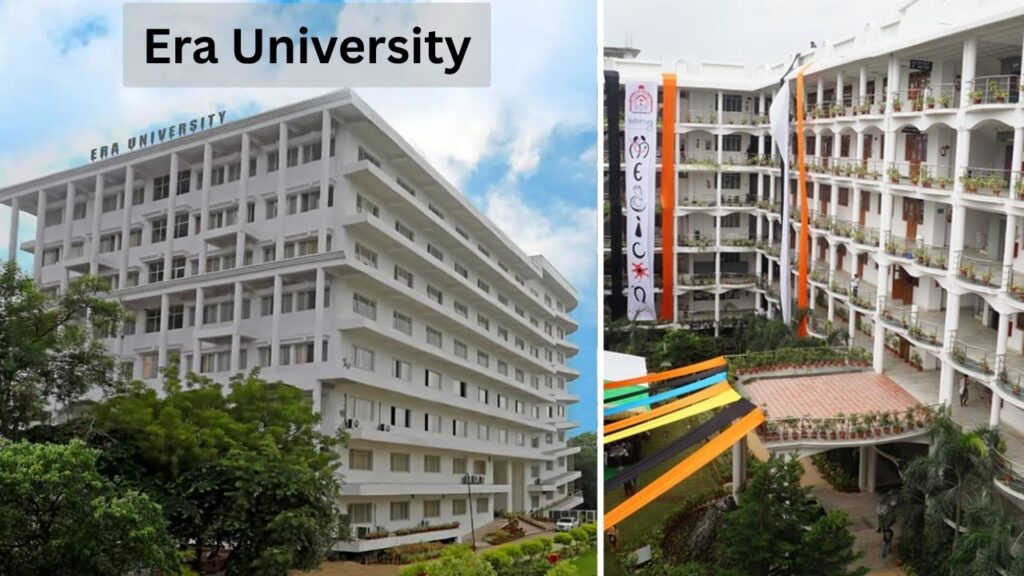
ERA University

Most of the students prefer to get admission in Era University for medical and pharmacy courses including B.Pharma. It is the best college in Lucknow for providing quality education with both theory and practical knowledge. BPharma 

Era University nursing lab with students learning under faculty supervision.

Era University fee, placement record, and admission process:

BPharma Total Fee₹5,60,000
Placement₹4 lakh per annum (achieve 90% placement rate)
Admission Process10+2 in Science stream (Biology, Physics, Chemistry)Test-based selection

Integral University

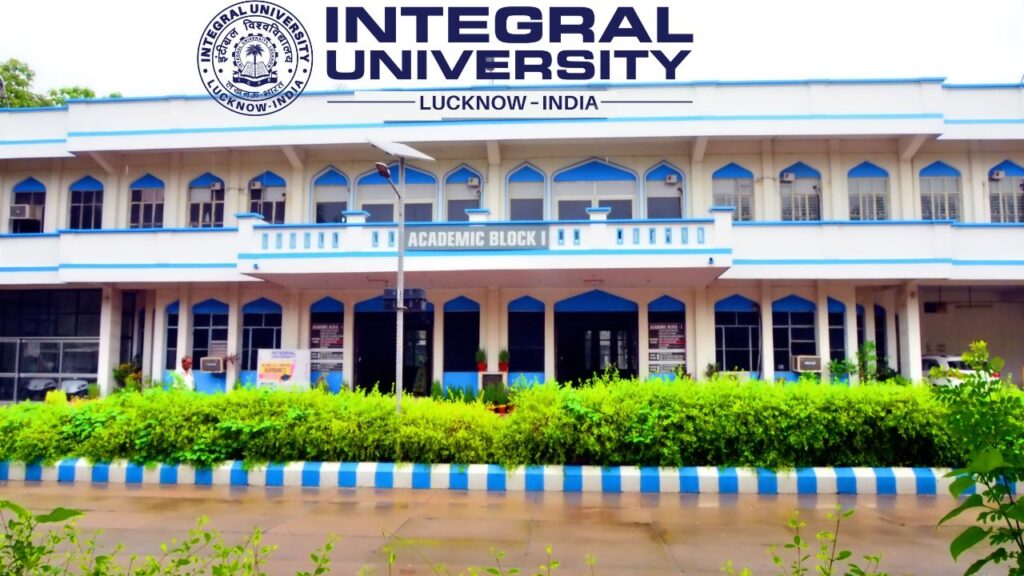
Integral University offers various courses across diverse fields. It has become the best university in Lucknow and offers a four year BPharma program with a quality education, practical assessments, and good placement to most of the students. 

Integral University, Lucknow

Integral University fee, placement record, and admission process:

BPharma Total Fee₹5,20,000 (additional fee may vary the final amount)
Placement₹3–4 lakh per annum (achieve 85% placement rate)Highest package can go up to ₹32.57 LPA
Admission Process10+2 in Science stream (Biology, Physics, Chemistry)Entrance: IUET (Integral University Entrance Test)100 seats for BPharma every year

Saroj Institute of Technology & Management

Saroj Institute of Technology is a private college which offers pharmacy courses that make your career shine in pharmaceuticals. Many companies hired students from this college through placement drives. Students can take admission in the popular programs including B.Pharma, D.Pharma, and M.Pharma.

Saroj Institute of Technology & management fee, placement record, and admission process:

BPharma Total Fee₹2.82 lakh (additional fee may vary the final amount)
DPharma Total Fee₹1 lakh
M.Pharma Total fee₹1.5 lakh
Placement₹3.8–4.2 LPA (achieve 90% placement rate)Highest package can go up to ₹7 lakh LPA
Admission Process10+2 in Science stream (Biology, Physics, Chemistry)Entrance: CUET scoreCounselling after selection

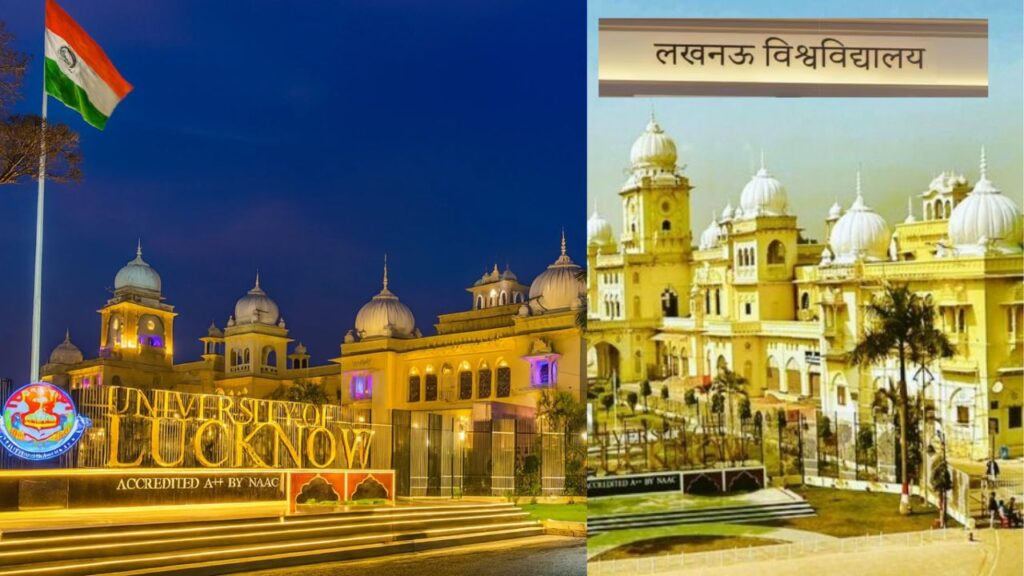
University of Lucknow

This well-known University of Lucknow offers students a better scope in their pharmacy field. This government university offers a four year BPharma program with a strong curriculum, training, and placement opportunities. Curriculum includes pharmacy practices, human anatomy, pharmaceutical analysis etc.

University of Lucknow fee, placement record, and admission process:

BPharma Total Fee₹4.8 lakh (additional fee may vary the final amount)
Placement₹3–4 LPA 
Admission Process10+2 with Physics, Chemistry, Biology/MathematicsEntrance: UPTAC counseling & UPSEE score

Amity University Lucknow Campus

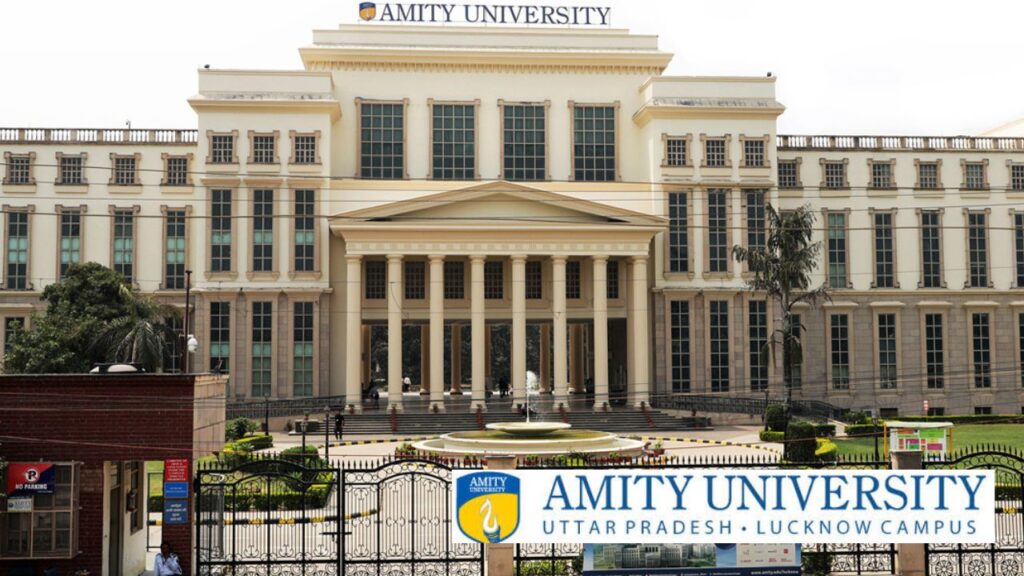
Amity University is the most prestigious university of India which offers a diverse range of courses. Students can make their future brighter by pursuing BPharma course from this college. It can open up their opportunity in the pharmaceutical industry. It offers a strong curriculum with pharmacognosy, pharmaceutical analysis, health education, hospital training and placement support including skill-building workshops, strong industry connections, and internship opportunities.

Amity University, Lucknow Campus

Amity University Lucknow Campus fee, placement record, and admission process:

BPharma Total Fee₹6.8 (additional fee may vary the final amount)
Placement₹3–4 LPA it can go up to ₹6 LPAmajor pharmaceutical firms take part in Amity’s placement drives
Admission Process10+2 with Physics, Chemistry, Biology/MathematicsEntrance: scores from Amity JEE or any other national/state-level entrance exam score 

Babu Banarasi Das University

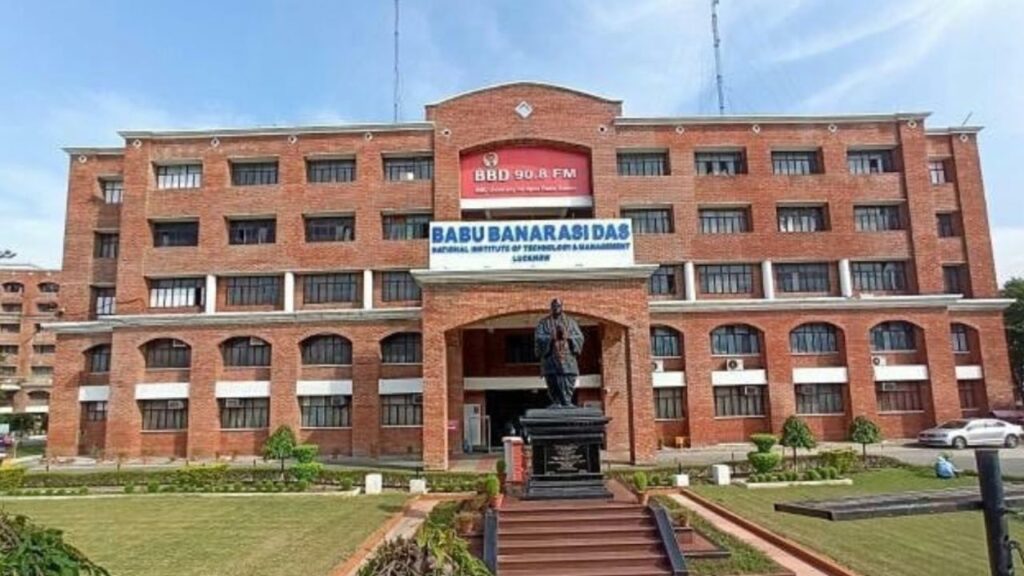
BBDU is considered as Lucknow’s best college which offers many programs including BPharma. It is a four year program designed for providing pharmaceutical careers to the students who are interested in pharmacy and drugs.

Babu Banarasi Das University - BBD University

Babu Banarasi Das University fee, placement record, and admission process:

BPharma Total Fee₹5.2–5.8 lakh (additional fee may vary the final amount)
Placement₹3–4 LPA it can go up to ₹6 LPAmajor pharmaceutical firms take part in Amity’s placement drives
Admission ProcessMinimum 50% in 10+2 with Physics, Chemistry, Biology/MathematicsEntrance: scores from NEET, UPSEE or any other national/state-level entrance exam score 100 seats for BPharma every year

T.S.Mishra University, Lucknow

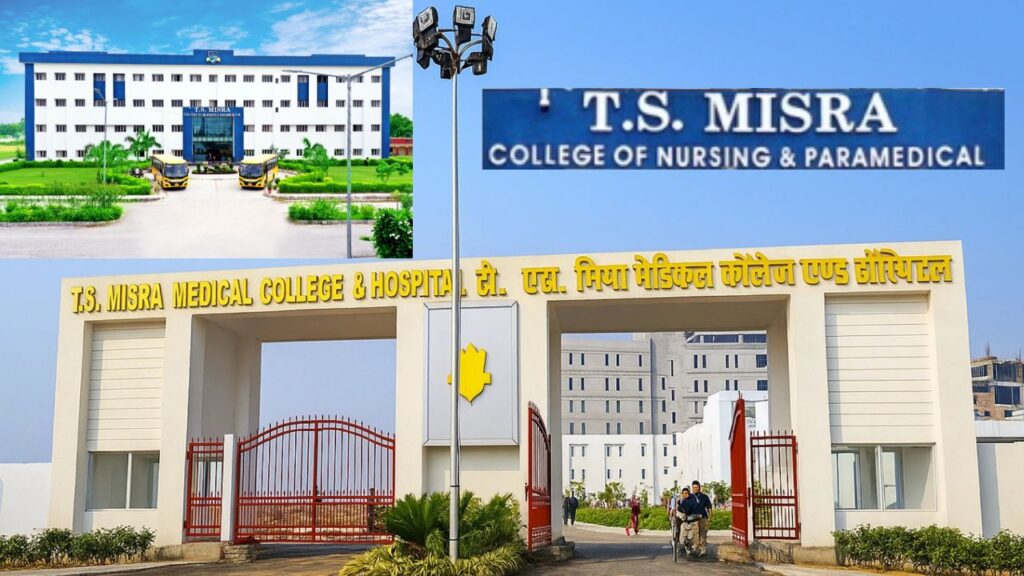
T.S Mishra University is a well-known university for BPharma course due to its strong curriculum, experienced faculty members, and practical approach. It produced industry-ready professionals with their designed course. It offers a 4 years BPharma course with 3 months of compulsory hospital training and 1 month of industrial training.

T.S.Mishra University fee, placement record, and admission process:

BPharma Total Fee₹4.1 lakh (additional fee may vary the final amount)
Placement₹3–4 LPA it can go up according to your resume
Admission Process10+2 with Physics, Chemistry, Biology/MathematicsEntrance: merit-based selectionUniversity’s entrance tests60 seats for BPharma every year

Conclusion 

Students can see all the best BPharma colleges in Lucknow in detail and choose the right one. These colleges offer practical and theoretical knowledge for pharmaceutical sciences which can help students to build their foundation in the field of medicine & Drugs.

Leave a Comment

Your email address will not be published. Required fields are marked *

BSc Radiology and Imaging Technology: Course, Eligibility, Fees & Career

BSc Radiology and Imaging Technology

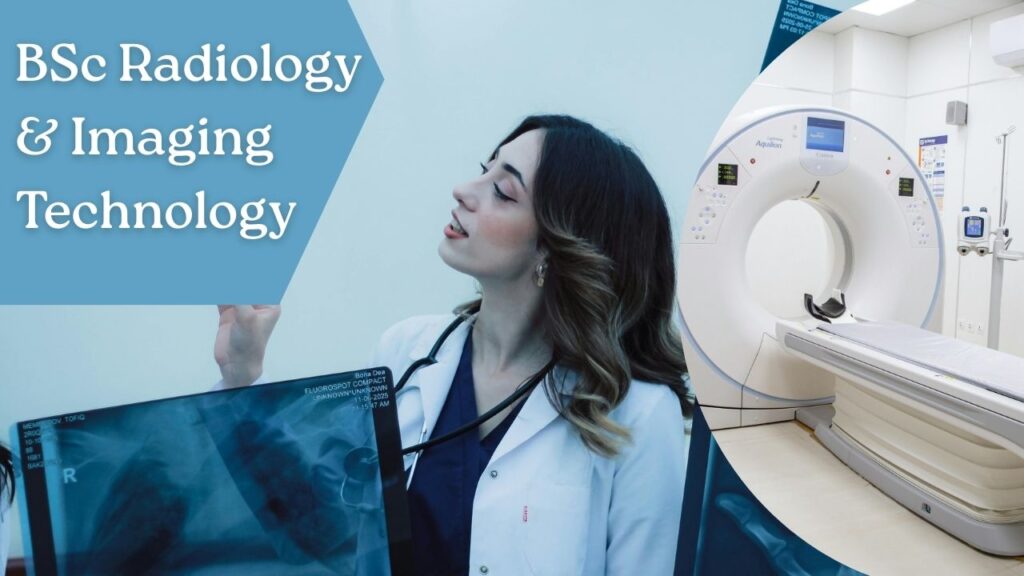
BSc Radiology and Imaging Technology is a three-year program (with one-year internship that is mandatory in most of the institutions) that equips the students with the knowledge of medical imaging. The core science portion of the curriculum (focusing on physics, chemistry, and biology) is integrated with clinical imaging courses including: anatomy and pathology, radiographic procedures, sonography techniques, ultrasound physics, computed tomography (CT), magnetic resonance imaging (MRI), and radiation protection. 

The Bachelor of Science in Medical Radiology and Imaging Technology is becoming the backbone of diagnostic medicine today. This transformation is being driven by three coalescing factors: the full enforcement of National Commission for Allied and Healthcare Professions (NCAHP) Act 2021, the adoption of advanced artificial intelligence (AI) in diagnostic workflow, and the growing world-wide need for expert imaging technologists. 

The course is intended to prepare competent technologists (“radiographers”) who will be well versed in the operation of contemporary imaging equipment and have a solid foundation in the science of diagnostic radiology. 

Who is a Radiology Technologist?

The Radiology Technologist/Radiographer is a clinical scientist who holds at least a B.Sc. or M.Sc. degree in Radiography. They don’t just know how to run the machines, they understand the physics behind the formation of images, the physiological basis of pathology and the important issues surrounding patient safety and radiation protection. 

Why Has This Course Become Important in Diagnostics?

Imaging is at the heart of diagnostics, which are critical to contemporary medicine; more than 80% of hospital care relies on them. B.Sc. In addition to machinery handling the Technician holder needs to perform a large part in the day to day imaging workflow by the year 2026 MRIT graduates holders can expect to be involved with state of the Art technology like PET-MRI, SPECT-CT, Protocol Optimization, Post Processing, QC. 

Also this line job is work during recession. There is a long-term demand for skilled radiographers, particularly those trained in PACS and RIS, as the population of India grows older, lifestyle ailments become more common, and digital healthcare is enhanced under the ‘Ayushman Bharat Digital Mission’. 

Entrance Exams & Eligibility Details For Admission 

NEET UG 2026

National Eligibility cum Entrance Test (NEET UG) shall be the single entrance examination for admission to all the undergraduate allied and healthcare courses like BSc Radiology and Imaging Technology from the academic year 2026-27, according to NCAHP. 

AIIMS — 2026 Paramedical Entrance Test

Along with NEET, there is the AIIMS entrance Test which is held by AIIMS for paramedical courses leading to B.Sc. and M.Sc. The date of AIIMS B.Sc. Paramedical 2026 exam is tentatively on 30 May 2026. 

Note:- Candidates are requested to cross-check this with official notification as some calendars mention July for Examination, however May is the only projected window as per academic calendar.

How to apply:

  • Basic Registration: The schedules released in 2026 March/April. You can create a Registration ID.
  • Final Registration: Involves the generation of a Unique Code (RUC), payment of application fee, usually in May 2026.

Test Format: This computer-based test will consist of 90 multiple-choice questions (MCQs) on biology/mathematics, chemistry, and physics and will last for 90 minutes. Any wrong answer can take away ⅓ marks.

Admissions at JIPMER & PGIMER

JIPMER (Puducherry): B.Sc admissions The admissions to the B.Sc shall be The Allied Health Science at JIPMER (Puducherry) for the year 2026 will be on the basis of the NEET UG scores. JIPMER normally holds its own counseling for these seat(s). 

PGIMER (Chandigarh): The institution holds a separate CBE, these are usually conducted in the months of August/September. The process of application normally commences in June. 

State and Private University Tests

CUET (Common University Entrance Test): Central universities, such as Banaras Hindu University (BHU), utilise the CUET. The essential subject combination for Radiology is Physics, Chemistry, and Biology / Mathematics.

Manipal: in MAHE, Phase 1 is scheduled for April 2026 for admission test, and the next Phase 2 for May 2026. 

CMC Vellore: It is a tough Institute level CBT (Computer Based Test) followed by a Step-2 evaluation (Practical tests and interviews.) 

Eligibility Criteria 2026

Educational qualification: Should be passed class 12th board with physics, chemistry and biology (pcb) and English. Some of the institutes like AIIMS allow mathematics (pcm) for Radiology courses.

Minimum Marks: For the general/EWS/OBC category, it is 50% aggregate and for the SC/ST category, it is 45%.

Read More:- Supreme Court Law Clerk Recruitment 2026 Notification Details

List of Colleges For BSc Radiology and Imaging Technology

There are 140+ colleges around India that offer BSc Radiology and Imaging Technology without taking too much fees, especially in government colleges. If you have interest in lab technologies or figuring out body structures and making reports then take admission for securing your career in this field.

CollegeLocationApprox. FeesNotes 
AIIMS—New DelhiDelhi₹4,500Elite training facility as it is Top-ranked college
PGIMERChandigarh₹10,500Members are mindful and placements opportunities
JIPMERPuducherry₹94,000Excellent internships
AIIMS—RishikeshUttarakhand₹46,000High packages up to ₹24L
GMCHChandigarh₹39,000Affordable govt option
Integral UniversityLucknow, UP₹3.15LGood infra, local pick
Parul UniversityVadodara₹4.6LPrivate, placements ₹6L avg
SGT UniversityGurgaonVariesModern facilities

Academic Curriculum for the Course 

Theory and laboratory practice are included in the curriculum of BSc Radiology and Imaging Technology. The following topics were covered: Human anatomy/physiology, Imaging Physics, General Radiography, Ultrasound Imaging, CT Scanning, MRI Basics, Radiobiology and Radiation Protection, Digital Image Processing, and General Patient Care. 

BSc Radiology and Imaging Technology is a four year degree course. The first three years were spent attending didactic lectures, practical laboratory courses, and clinical observations. The fourth year is a required, full-time clinical internship during which the student serves as a student technologist at a hospital. 

PhaseDurationFocus Areas
Year 1Semesters 1-2Basic Medical Sciences, Communication Skills, Computer Basics
Year 2Semesters 3-4Core Radiography, Radiation Physics, Conventional Imaging
Year 3Semesters 5-6CT, MRI, USG, etc Interventional Radiology
Year 4Semesters 7-8Clinical Internship, Logbook, Project Work

The 2026 Curriculum is intended to establish progressively developing competencies. 

Year 1: The Foundation

The goal is to give the student a foundation in the human body and the hospital setting.

  • Human Anatomy & Physiology: This Is Not a “Fly By” Tour Students are required to study detailed osteology (bones) to learn how to position for radiographic.
  • They are taught body systems physiology to understand how to administer contrast media.
  • General Physics: The basic laws of physics applicable to the production of radiation.
  • Clinical Pathology & Biochemistry: Basics of blood tests (creatinine, urea) which are important prior to contrast administration.
  • English & Communication: Necessary to describe techniques to patients and to calm them. 

Year 2: The Core

Students access the realm of diagnostic imaging in BSc Radiology and Imaging Technology.

  • Radiation physics: The production of X-rays, their interaction with matter, and the design of X-ray tubes.
  • Radiographic Positioning, the science and art of positioning the patient to radiograph the body part (i.e. Towne’s view for skull, Skyline view for patella).
  • Darkroom to Digital: Darkrooms may be a thing of the past, but knowing the history is key. Emphasis is placed upon Computer Radiography (CR) and Direct Digital Radiography (DR) modalities.
  • Radiation Protection: Students learn the ALARA (As Low As Reasonably Achievable) concept along with shielding and dose limit for worker and patient. 

Year 3: The Advanced Frontier

This is the year when the high-end modalities that shape contemporary radiology are covered.

  • Computed Tomography (CT): CT Physics, generations of scanners, helical vs. axial scanning, and protocols for different body regions.
  • Magnetic Resonance Imaging (MRI): Principles of the complicated physics of nuclear magnetic resonance, safety issues related to ferromagnetic materials, and pulse sequences.
  • Ultrasonography (USG): Essentials of acoustics, transducer design, and the technologist’s function in the operation of the sonographer.
  • Interventional Radiology (IR): Orientation to the Cath Lab Sterility and Equipment utilized in Angiography.   
  • Radiation and Radioactivity in Nuclear Medicine Basics of PET-CT Handling of Radioisotopes including Technetium-99m. 

Year 4: The Internship

The purpose of the internship is to transition a student to a worker. Interns rotate through different departments, including X-ray, CT, MRI, Emergency and ICU. They need to keep a logbook of cases they have done, and are evaluated on their technical skills and dealing with patients. 

BSc Radiology and Imaging Technology Career Scope & Salary

Skilled radiographic professionals are sought after in India’s growing healthcare sector. Radiology technicians also work in public and private hospitals, diagnostic laboratories (pathology and imaging centres), government health schemes, private practitioners and emerging digital health platforms including teleradiology and artificial intelligence (AI) imaging start-ups. 

BSc Radiology and Imaging Technology

Clinical Roles

  • Radiologic Technologist: The typical baseline position. Duties are to perform x-rays, triage patients and maintain radiation safety .
  • CT Technologist: So, what’s the place in the hierarchy. Knowledge of cross-sectional anatomy and contrast administration is required.
  • MRI Technologist: A step up. MRI scanners are complicated, and patient safety (screening for metal) is critical. The technologists here typically make 20-30% more than a general radiographer.
  • IR Technologist: The Cath Lab Experience. In a stressful environment, high volume dealing with cardiac and vascular interventions. You’ve got to wear thick lead aprons for long hours – but when you’re done, you’re king and you’ve got money in your pocket.
  • Mammographer: Expert in breast imaging. Because of the sensitive nature of the exam, female technologists are preferred for this position. 

Sector & Role Wise Salary (2026)

RoleExperienceSectorApprox. Monthly Salary (INR)
Jr Technologist0-2 YearsPrivate sector Hospital Rs 18–25k
Jr Technologist0-2 YearsAIIMS/Govt (Contract)Rs 25–35k
Sr Technologist5+ YearsCorporate HospitalRs 45–60k
MRI Specialist3-5 YearsDiagnostic ChainRs 35–50k
Application Specialist2-5 YearsMedical Device Co.Rs 50–80k + other allowance
Govt. PermanentEntry LevelGovernmentRs 45–55k (Initial + Allowance)

Who is Ideal For this Course?

BSc Radiology and Imaging Technology course is for students who like science and technology and want to work in the health sector. The ideal candidate: is detail oriented, is able to follow protocols which are critical for safety, is comfortable using computers and complex machinery, and can interact with patients (explain procedures, position patients). A BSc radiology student should be well versed with biology and physics and should also be calm and responsible because any mistake in imaging can impact the diagnosis. 

Future Value of BSc Radiology and Imaging in Healthcare

In India’s upcoming healthcare scenario, BSc Radiology and Imaging Technology are a must-have. With the proliferation of private hospitals and diagnostic chains in Tier II/III cities, the need for imaging services is on the rise.

Technologies, such as AI-based image analysis, hybrid imaging (e.g. PET/CT), etc, indicate that the profession will continue to be hitech. So BSc (Hons) in Radiography graduates will play a vital role in connecting technology and patient care. The course produces practical professionals who can contribute immediately to hospitals’ diagnostic teams, which is critical in a country like India, where there is a shortage of doctors. 

Conclusion

In a day and age when technology and medicine are coming together closer than ever, the Radiology Technologist is at the controls of the medical world’s most powerful machines. For individuals who are detail-oriented, have a caring nature, and technical mind, BSc Radiology and Imaging Technology offers a fulfilling, stable and ever-changing career. 

Leave a Comment

Your email address will not be published. Required fields are marked *

Scroll to Top