DECE-LE Admission Form 2026: Apply Online, Eligibility, Exam Date & Full Details

DECE-LE Admission Form 2026

If any student of Bihar is eager to get admission to the polytechnic colleges from second year by lateral mode, DECE-LE Admission Form 2026 is the channel for them through which they can fulfill their dreams. The Bihar Combined Entrance Competitive Examination Board (BCECEB) offers an opportunity to eligible candidates to take a leap of faith into the second year of the diploma engineering courses in various polytechnic colleges of the state of Bihar.

Be it a fresh 12th pass with science subject or a 10th pass ITI graduate, you bet this exam will be the game changer in your technical education. So, here’s going to have everything you need to know about from filling out that crucial application form to putting your worrying hat away and marking your calendar with key dates.  

The Application Window is Open

Excitement grows as DECE-LE Admission Form 2026 application process is live now from 20th March 2026. If you’re reading this and you still haven’t applied, no panic — but yes, do hurry. The last Date to Apply Online is 23-04-2026, so you have a good amount of time to apply.

Here is something practical to remember: you have until the 23rd to file your form, but you do have an extra day to make your payment The deadline for payment is April 24, 2026. Life happens and sometimes we let deadlines slip by a whisker. BCECEB is aware of this and that’s why they have announced the application correction window from 25th to 26th April 2026. This is your little buffer — in case you made a typo in your name or your personal details or if you uploaded the wrong document, two days later is when you can fix that stuff, no questions asked. 

The fee to apply is ₹2,200 for all categories: General, BC, EBC, SC, ST, PD candidates. Equal fees in all categories is reflective of the equal opportunity principle the board wants to convey. You can pay using various online methods including credit card, debit card, net banking or UPI. No more waiting in never-ending bank queues or stressing over demand drafts. 

Who Can Apply?

Route 1: The 12th Grade Route

You just need to complete the 12th with relevant subjects. The board also allows an unexpectedly wide range of subjects Physics, Mathematics, Chemistry, Computer Science, Electronics, IT (Information Technology), Biology, Informatics Practices, Bio technology, Technical Vocational subjects, Agriculture, Engineering Graphics, Business Studies or Entrepreneurship. This broad-based philosophy reflects an understanding that engineering potential can be nurtured through different academic paths and not just the conventional PCM (Physics-Chemistry-Math) stream. 

Pathway 2: Through the ITI Route

Have you passed 10th standard and then did a 2 year ITI course? We would love to have you. This route recognizes the hands on training that an ITI student gets and provides them with a formalized pathway to progress into diploma engineering courses. 

Age is Just a Number

There is no age limit for the DECE-LE Admission Form 2026 entrance exam. You’re welcome, whether you’re a seasoned professional returning to school or a fresh out of high school eighteen year old. 

The board also said that adequate bridge courses in maths, physics and engineering drawing will be provided to students of all streams by the affiliating body. It is to allow for all who take the diploma, no matter what their pre-entry academic background, will be more or less (academically) the same.  

Key Dates for DECE-LE Admission Form 2026

EventDate
Application Start Date20/March/2026
Last Date to Apply23/April/2026
Fee Payment Deadline24/April/2026
Application Correction Window25—26/April/2026
Admit Card Release15/May/2026
Exam Date24/May/2026

Print and read all the information on your Admit card in advance of the examination. The admit cards were released on 15/May/2026. If the suggested exam date of 24/May/2026 is finalized, then that will leave about two months to study. 

Step-by-Step Guide to Fill the DECE-LE Admission Form 2026

Although the online application process at official website is simple enough, a lot of us do get frustrated when using government websites but is what it is. Here’s how to breeze through it:

Step 1: Registration

Register using a valid email ID and mobile number. That information will be your lifeline going forward. Use an email address that you check regularly and a phone number that is not going to change over the next couple of months. Once registered, these cannot be changed.

Step 2: Fill in Your Details

Provide false ID proofs and other details, educational qualifications, contact information, etc. Upload your photograph, signature and thumb impression as per the instructions given that it relates to official notice. 

Step 3: Review and Submit

This is your final opportunity to correct mistakes before the form is sent to the system. So review it carefully.

Step 4: Pay the Fee

Make the payment of ₹2,200 through any online mode which you find convenient. Retain the proof of payment – don’t just trust email confirmations.

Step 5: Download Confirmation

Post your successful submission and fee payment, you may download and take a printout of the Confirmation Page. Keep several copies. You”ll need it all along your admission trip. 

Read More:- Your Ultimate Guide to Apply for the UP B.Ed JEE 2026 Online Form

The Next Step After Submitting the Application

Use the time to your advantage to get ready for the test. The DECE-LE test is held offline in pen and paper mode and the duration of the test is 2 hours and 15 minutes. The question paper consists of 150 objective questions from Physics, Chemistry and Mathematics. 

Old question papers are the ultimate resource to make preparation easier. They give you an idea about the examination pattern, difficulty level and how to manage the time. Various educational portals provide them for practice.

Answer keys will be released by the board after examination, followed by results in the form of rank cards. Your rank is what positions you for counselling and seat allotment. 

The process goes on with: 

  • Registration, 
  • Choice filling, 
  • Choice locking, 
  • Seat allotment, 
  • Document verification 
  • And finally reporting to your allotted college.

Conclusion

DECE-LE Admission Form 2026 is not just any other entrance exam- it is a stepping stone from your current credentials to your engineering dreams. For these nursing students around Bihar, this exam is chance, light, and the promise of a technical career.

When you go through the process, know that thousands of students are pacing up and down this floor. If you feel stumped, ask for help— from teachers, successful seniors, or the official BCECEB helpdesk. The candidates also have the option to contact the department in case of any queries.

Leave a Comment

Your email address will not be published. Required fields are marked *

Allied Medical Courses Roadmap 2026: Eligibility, NEET, Courses & Career Scope

Allied Medical Courses Roadmap 2026: Eligibility, NEET, Courses & Career Scope

In the constantly changing healthcare environment, the focus is changing. Doctors and nurses may be the public face of medicine, but there is a whole engine room of professionals holding the system together: the Allied Health Professionals. To become one, you need to break down the Allied Medical Courses Roadmap.

If you have ever asked yourself questions like “who runs that fancy MRI machine?”, “who handles the complex chemistry of a pathology lab?”, or “who assists a runner to walk again after a devastating injury?”, you have now become the proud owner of a glimpse into the world of Allied Health. 

As the 2026 Union Budget announced the addition of ten new allied health disciplines and targets to train one lakh professionals in five years, there is no better time to chart your path in this domain. 

What are Allied Medical Courses?

Allied Health Sciences (AHS) are career options in the healthcare sector where professionals work in tandem with doctors and provide diagnostic, technical, therapeutic and other support services. These courses are specialized rather than comprehensive like an MBBS. They’re the hands-on, practical side of medicine—taking the technology and therapy and making them work to save lives. 

Who Can Choose Allied Medical Courses?

These are the courses that are available for science stream students after 12th, and they consist of theory, practicals and also internships. Unlike MBBS, they are open (3-4 years), cheap (₹50k-₹5 lakhs total), and now NEET-compulsory under NCAHP for uniformity. Perfect for students looking at colleges like King George’ Medical University or the privates. 

Allied Medical Courses Roadmap

Charting a course for this vocation from high school to the hospital is going to be a bit of a balancing act, particularly with new rules set to be implemented in 2026. 

1. The Foundation (Class 12)

Allied health programs require a science core including physics, chemistry, and biology (PCB). Although certain diploma courses earlier admitted students from other streams, the drift in 2026 is towards making science a single stream for clinical jobs. 

2. The Entrance Era (NEET 2026 onwards)

As per the notification of National Commission for Allied and Healthcare Professions, NCAHP dated 31st May 2023 NEET UG is going to be made compulsory for admissions in various undergraduate allied courses from 2026-27. It implies that the “non-NEET” option to some of the best institutes is being gradually closed, which will help enhance the quality and professional recognition of the graduates. 

3. Choosing Your Path: Degree vs. Diploma

Bachelor’s Degree (B.Sc./BPT): Normally 3 to 4.5 years. They offer more theoretical knowledge and are oftentimes necessary for obtaining work permits in other countries.

Diploma (DMLT/DRT): 2 years in general. These “accelerated” tracks offer a practical focus on talent for students interested in moving quickly into the workforce. 

Read More:- UPSC Civil Services IAS/IFS Pre Recruitment 2026:  Notification, Dates & Apply Complete Guide

Top Allied Medical Specializations for 2026

CourseFocus AreaRole
BSc (MLT) — Medical Lab Technology Studying samples like blood, tissue, and other body fluids.Lab Technologist
Bachelor of Physiotherapy — BSc (BPT)Helping in regaining strength through Physical rehabilitation Physiotherapist
BSc with Radiology & ImagingScanning through X-rays, CT scans, and MRIs to detect injuriesRadiology Technologist
B.Sc. Anaesthesia & OT TechSupporting surgeons and managing ICUs.OT Technician
B.Sc. Cardiac Care TechnologyMonitoring heart health and ECGs.Cardiac Technician

Why Choosing an Allied Medical Courses Roadmap is Right?

Entry to workforce more quickly

While an MBBS requires 5.5 years (plus specializations), most allied health programmes make you career-ready within 3 to 4 years. This is your lane if you just want to start making a difference and earning sooner.

High Demand

There is a massive demand for healthcare technicians worldwide and skilled professionals capable of meeting that demand are difficult to find, making it a path to high opportunity around the globe. Expansion of the Regional Medical Hubs (introduced in 2026 Budget) is expected to generate thousands of jobs in diagnostics and rehabilitation in India alone. 

Technological Integration

If you’re a gadget geek or tech enthusiast, then Allied Health is the way to go. You don’t just read charts, you’re running some of the most sophisticated AI-enabled machines on the earth. 

Future Scope and Salary

The era when Allied Health was considered a “plan B” is behind us. By 2026, the starting salaries of freshers can vary from ₹2.5L per annum to ₹5L per annum based on the specialization. Specialized positions such as Perfusionists or Cardiac Technicians also attract even higher premiums.

Additionally these degrees have great international mobility. Countries such as the UK, the UAE and Canada have specific visa tracks for Allied Health workers, so this is really your ticket to a global career. 

Conclusion 

The Allied Medical Courses Roadmap isn’t a secret trail anymore — it’s a fast moving highway. With a government emphasis on skilling and the standardization of entrance exams, these professions are enjoying a newfound prestige.

If you love science but don’t want to go to medical school for ten years, the Allied Health track is a balanced, tech-forward, and profoundly satisfying way to go. 

Leave a Comment

Your email address will not be published. Required fields are marked *

Best Courses for Business Analyst: Learn, Certify & Grow

Best Courses for Business Analysts

There are various courses for Business Analyst that will help you understand what Business Analyst is and why it is used in today’s changing world. This field is profitable for those who are interested in numbers and understand insights because analysing data and making strategic decisions to grow a company or business on a higher level is a responsibility of a Business Analyst.

Why Business Analysts Are in Demand Right Now

The numbers tell the story. It is witnessing a high compound annual growth rate (CAGR) of 35.8% during the forecast period of 2025 to 2030 The booming market for the Indian data analytics in 2025 The expanding Indian data analytics market in 2025. The U.S. Bureau of

 Labor Statistics, which projects a growth rate of 11% for business analyst jobs through 2032, is significantly higher than the average growth rate for all occupations. Simply put, there are more positions for business analysts open than there are qualified professionals to fill them. 

this is not only a matter of having jobs. It’s about how much you can make and whether you enjoy your work. In India, the average salary for a business analyst starts from ₹3–7 lakhs per year for freshers and can go up to ₹25–40 lakhs per annum for senior professionals. The average business analyst salary in the US is about $109k a year, with top money earners moving beyond $132k in tech hubs such as San Francisco. These are not small numbers—to the contrary, they represent real, stable, good-paying career opportunities and all that sort of thing. 

Understanding What a Business Analyst Actually Does

Before you start taking courses, you should have a clear sense of what this job is about. Business analysts are, at their core, the intermediary between business challenges and technology solutions. They are also professional problem solver where they day by day activities are getting requirements from stakeholders, analyze the business procedures, find inefficiencies, recommend solutions based on data to enhance the performance of a business.

On any given day, a business analyst might be:

  • Performing deep-dive stakeholder interviews to gain a clear view of the business needs and requirements
  • Querying and analyzing data with tools like Excel, Power BI, Tableau to uncover trends and insights
  • Building reports, presentations, dashboards, flow charts to share findings
  • Working with IT teams to delivery and support technical solutions
  • Delivering insight and recommendations on courses of action to senior leaders and key decisions makers  

The position commands a unique blend of technical knowledge and business acumen along with soft skills. You need to know about data analysis and databases, but you also need to talk to non-technical stakeholders. And it’s the ability to do all three that makes the role so valuable — and so in demand. 

Best Bachelor’s Degrees to Become a Business Analyst

Bachelor’s degree is required by most business analyst jobs. The good part is that the degree doesn’t have to be exactly the one in business analysis. Companies are flexible when it comes to your educational background as long as you have proven your knowledge and skills in the relevant fields. 

Bachelor’s degree with relevant field of study includes:

  • Business Administration or Management
  • Finance or Accounting
  • Economics
  • Information Technology (IT) or Computer Science (CS)
  • Data Analytics or Data Science
  • Statistics

If you have a bachelor’s in any of these subjects or even a ballpark related one—you’re already halfway there. A good number of individuals move into business analyst positions from related professions such as finance and data analysis, as well as project management.

For those seeking to make their mark at the senior level or as a business analytics leader, a master’s degree is often a big help. Dozens of professionals get their MBA, MBA in Business Analytics, or attend a specialized Master program in Data Analytics or Business Intelligence. These higher level qualifications will give you the technical know-how and open doors to more lucrative positions and quicker career advancement. 

Short-Term Certification Courses For Business Analyst

If you want to get into the field fast without spending years on a master’s degree, certification courses are your golden ticket. These courses are designed for business analysis practitioners and usually last between 6 weeks and 6 months, covering business analysis tools and techniques. 

IMS Proschool – Business Analytics Course is one of the leading analytics institute in India. They are known for effectively bridging the gap between theory and application and are well established with levels of comprehensive training with Excel, Power BI, SQL, and statistical analysis. They focus on hands-on learning so you work on real projects you can show to employers.

Simplilearn’s Business Analyst Course is IIBA (the International Institute of Business Analysis, the gold standard in the industry) compliant. They provide for everything: Excel, Power BI dashboarding, requirement analysis and agile methodologies. This course contains CBAP and CCBA exam prep, which are internationally recognized certificates. 

Short-Term Certification Courses
Image credit: Simplilearn

ExcelR – Business Analyst Certification Training is known for providing a good mix of theory and practical knowledge. The curriculum incorporates real case studies and projects, so you’ll finish the program with a portfolio that gets the attention of potential employers.

Techcanvass – Business Analyst Certification is best for if you are looking for IIBA aligned training. They provide a comprehensive learning path for ECBA (Entry Certificate in Business Analysis), CCBA (Certification of Competency in Business Analysis) and CBAP (Certified Business Analysis Professional) with weekend classes that are suitable for working professionals.

EdX – Business Analysis Professional Certificate (Lehigh University) is an excellent choice if you want a globally recognized credential from a good university. This is excellent if you want something internationally recognized and that too without leaving India. 

Mastering the Essential Tools and Skills

Perhaps the most compelling feature of contemporary business analyst training is the fact that you get taught the precise tools that companies want you to have. Here’s what you’ll typically cover:

Data Analysis and Visualization Tools:

  • Excel: Functions, pivot tables, Power Query, and VBA automation
  • Power BI enables users to connect to their data sources, transform the raw data into meaningful information, and then build interactive dashboards to visualize data. 
  • Tableau is also a great tool to create colorful visualizations and strategic dashboards that can be very informative in decisions making. 
  • Also, SQL is necessary if you want to query and work with databases directly, or perform any significant data manipulation, as it allows you to efficiently extract and manage your data. 

With these tools, you can analyze and visualize your data with great impact. 

Business Analysis Methodologies:

  • Gathering and writing requirements
  • Process mapping, business process improvement,
  • Stakeholder management and communication
  • Agile and Scrum methodologies
  • Strategic planning and SWOT analysis 

Soft Skills Development:

  • Critical thinking and problem-solving
  • Effective business communication
  • Project management fundamentals
  • Data storytelling and presentation skills

Global Recognition for Your Skills

If you want to be taken seriously in the industry, getting certified can help. These are not just nice to have, they are increasingly expected by current and future employers particularly for mid-level and senior roles.

IIBA Certifications (International Standard)

The International Institute of Business Analysis provides a tiered pathway for certification. IIBA certifications demonstrate to employers your dedication and skill in the field. Certified Professionals with these designations consistently report increased salaries and more job opportunities. The salaries of business analyst in India is also quite good, those who are CBAP certified can earn a lot more than their uncertified counterparts with the same years of experience.

ECBA (Entry Certificate in Business Analysis): Designed for novices and individuals looking to break into the field of business analysis. At least 900 hours of business analysis work must be verified. This certification attests that you are familiar with basic business analysis principles.

CCBA (Certification of Competency in Business Analysis): The intermediate level, which requires 3000 hours of business analysis within the last 5 years. It demonstrates the capability to apply business analysis techniques and concepts. 

CBAP (Certified Business Analysis Professional): The highest level certification, for which 7,500 hours of business analysis work experience in the prior ten years is required. It’s an industry best practice and that’s typically what translates into higher salaries, more leadership roles. 

Read More :- Top AI & ML Colleges in Delhi: Courses, Eligibility Fees & Placements

Salary Progression and Career Growth

In India, the starting salary of a business analyst is ₹3–7 LPA. This depends on your degree, certifications, city of work & Industry.

This is a genuine salary escalates in India:

Newbie (0–2 years): ₹3–7 lakhs per annum

Mid-level (3–5 years): ₹8–15 lakhs per year

Experienced (6+ years): 17–38.5+ lakhs per annum

But a paycheck isn’t just earned with experience. It’s much more to do with specialization and skills. Business analysts with experience in financial services (banks, insurance companies, investment firms), technology, or consulting industries tend to earn 10-20% more than those in other industries. Similarly, skills such as Python, R, advanced SQL, machine learning knowledge can supercharge your income. 

Average US Business Analyst salary: Entry level or beginner Business Analyst salaries ranged from $70,000 to $80,000 in 2014.41 Mid-career Business Analysts could expect to earn between $100,000 to $120,000 in the United States. Senior Business Analyst or Specialist pay is typically $138,000+. Location is also important; San Francisco, New York City, and Seattle pay much more than smaller cities.  

The Roadmap For Business Analyst

Phase 1: Foundation (Month 1-3)

Sign up for a business analyst certification training. Select one that best fits your learning style and schedule. Learn enough about Excel, the basics of business analysis and SQL to get started.

Phase 2: Specialization (Month 4-6)

Get your certification. Learn Power BI or Tableau. In case of a cream applicant is probably serious about the domain of the field you want to pursue an ECBA certification. Develop 2–3 projects from your course to create a portfolio.

The Roadmap For Business Analyst

Phase 3: Entry Level Role (6-12 months)

Apply for junior business analyst or business analyst associate roles. I will add: You don’t have to have perfect experience at this point – companies will train you on methodologies and domain knowledge. Go start earning experience in the field.

Stage 4: Growth (second and third years)

Go for the CCBA certification. Get more specialized in your niche. Progress to more complex assignments with more stakeholders to manage. You should expect your pay to escalate to ₹8-12 lakhs in India or $80,000-$95,000 in the U.S.

Step 5: Senior Role (Years 4+)

Get the CBAP qualification if it is upward career mobility you are seeking for. Progress to senior analyst positions, manage teams, or focus in fields such as product management, strategy, or technical business analysis. Senior positions will pay a lot more and have a wider impact on the rest of the company. 

Conclusion

The business analyst sector is growing rapidly, and with good reason. It’s mentally stimulating, well-paid, and ever more essential to the success of an organization. Take the short certificate course, a master’s degree or a combination of the two – whatever form of business analyst education you decide to invest in, the payoff will be well worth it.

Start the key is to. Don’t get analysis paralysis. Choose a good program, learn the core tools and concepts, and start building a portfolio with real projects if you want to get hired. The skills are important, but it’s your demonstrated ability to use those skills with real work that gets you hired. 

The business analyst position is ideal for a person who enjoys problem solving and working with data and who wants to have an influence in an organization’s decision making. If that describes you, take that first step today. The job prospects, the salary and the intellectual gratification at the end of it are more than worth it. 

Leave a Comment

Your email address will not be published. Required fields are marked *

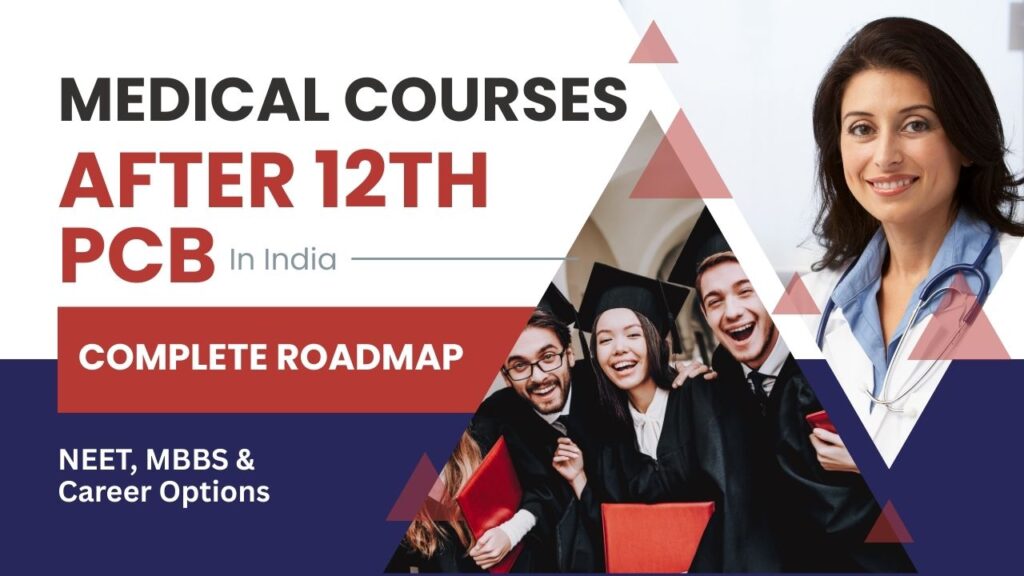
Medical Courses After 12th PCB in India: Complete Roadmap, NEET, MBBS & Career Options

Medical Courses After 12th PCB in India

To become a medical sciences professional in India, students have to opt for the Bachelor of Medicine, Bachelor of Surgery (MBBS) degree, which is an arduous and comprehensive five-year program that aims to develop the students into healthcare professionals. But the path to Medical Courses After 12th PCB in India is a confusing maze of courses and entrance exams (the most important is National Eligibility-cum-Entrance Test (NEET).

NEET entrance exam has played a pivotal role in making the process of admission of MBBS more transparent and ensuring the method of admission on merit basis and curbing malpractices in India. 

The usual path through medical training is to go straight from medical school into a foundation program, then core training, higher specialty training and then either general practice or hospital specialist/consultant. This lengthy, complex training process exists to make certain that doctors have the critical foundational knowledge, the practical skills unique to their specialty, and the clinical understanding needed to safely contribute to patient care. 

Other than MBBS, there are plenty of other medical and paramedical courses out for students PCB which are Bachelor of Dental Surgery (BDS), Bachelor of Ayurvedic Medicine and Surgery (BAMS) and Bachelor of Homeopathic Medicine and Surgery (BHMS)

Medical Courses After 12th PCB in India

Most Popular and Hard-Level Courses

These courses offer a variety of specializations in the healthcare domain for the interested and the ambitious. For example, MBBS is a course on allopathic medicine while BAMS and BHMS are courses on Indian and homeopathy systems of medicines respectively which have profound history in India. Such classic systems, such as Ayurveda, are conceptually coherent and dynamically insightful intellectual traditions with unique theories of physiology.  

The content in medical education is constantly being updated to reflect advances in science and to prepare students adequately for clinical practice. For instance, personalized medicine is more and more being implemented in undergraduate medical education by using spiraled learning approaches. This design exposes undergraduates to evidence-based and clinically pertinent personalized medicine principles during all four years in medical school. 

Easy Courses in Biomedical Science

In the same vein, growing awareness of the need to incorporate artificial intelligence (AI) – a tool that enhances patient management and care in specialties like radiology and pathology in biomedical science education to foster healthcare education advancement is emerging. 

EBM Courses in Medical Courses After 12th PCB

Today’s medical education demands that students gain scientific foundational knowledge and not only practical exposure and clinical reasoning skills. Pragmatic EBM courses, such as the one at our institution, are intended to prepare students to sift through large bodies of evidence to answer clinical questions preparing them for the transition from undergraduate to graduate medical education. 

Cultivating systems thinking in medical education may contribute to educating scientists and clinicians of the future by counteracting dwindling interests in science through early involvement, hands-on experience, and improved coordination between educational phases. 

Professional Exams — Membership of the Royal Colleges of Surgeons

Medical education is organized into levels that sequentially increase in complexity. Following primary medical education, a phase of practical training under supervision, e.g. postgraduate residency training, is essential in order to convert theoretical knowledge into applied skills in the delivery of care to patients. 

This stage is said to be a formalised apprenticeship, to guarantee that practitioners are ready to work on their own. Passing professional exams, such as the Intercollegiate Membership of the Royal Colleges of Surgeons (MRCS) exam, is required for candidates to begin advanced specialty training in a number of specialties. 

Practical Specialization in Medical Science

Practical Specialization in Medical Science

The number of specialties open to students is huge and they can focus on general practice or pursue a highly specialised field. For instance, these are pediatric rehabilitation medicine physicians who are subspecialists working to optimize the health and function of children with disabilities across the lifespan. 

Specialties can also provide their own focus training on particular aspects, such as behavioral health, as behavior disorders are frequently seen in children and pediatric residency training in India is now having integrated behavioral health modules. Consideration is also being given to global health challenges of the future, for example increasing paediatric surgery provision in low and middle-income countries. 

Other Specializations Paths

There are also other specialist routes besides the core medical degrees. The radiation biology, dosimetry, and imaging aspects of medical physics intertwine with biology, anatomy, and physiology, and are subject to the rigorous education and training that is needed for safe and quality patient care. 

Medical physics educational programs range from undergraduate to doctoral level to facilitate the collaborative practice of physicists and physicians in a clinical environment. Likewise, clinical chemistry and biochemistry are recognized specialties requiring dedicated postgraduate training.

Choosing The Right Path in Medical is Important

Becoming a health care provider is challenging, and continuous learning and adaptation are necessary. Medical education curricula are regularly revised to be more integrated and competency based with an emphasis on the application of knowledge and on the development of problem-solving skills. This prepares future clinicians to manage complex medical knowledge and varied patient demands. 

Students need to be provided with necessary information to help them make right decisions regarding their career option after 12th class as choosing the right course is a crucial decision which will determine their future. 

In addition to MBBS being a popular-choice, it is also important to know different career options in healthcare and non-healthcare fields. Different admissions routes are being introduced into Medical Courses After 12th PCB, which enable students from under-represented groups to access medicine and aim to widen participation in the selection process are being developed. 

Conclusion

The path of Medical Courses After 12th PCB in India is the jack of all trades’ requiring preparation for entrance exams like NEET and dedication towards lifelong specialized training. The curriculum is changing as constantly evolving science, including personalized medicine and AI, is being introduced and the next generation of healthcare professionals will take on the challenges of the modern medical field. 

The option isn’t only MBBS, now there are other streams like dentistry, Ayurveda, Homeopathy and scientific specializations under Medical Courses After 12th PCB which can be integrated into healthcare. 

Leave a Comment

Your email address will not be published. Required fields are marked *

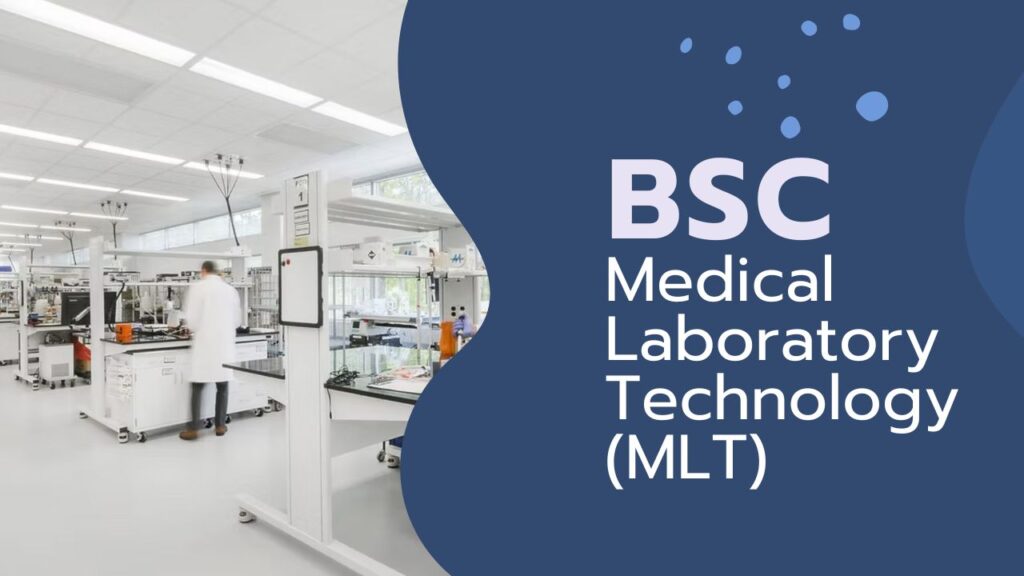
BSc Medical Laboratory Technology (MLT): Course, Fees, Career & Scope in India

BSc Medical Laboratory Technology

Imagine being the silent crusader for every correct diagnosis, working your magic inside blood samples, body fluids and tissue slides to find secrets that physicians need to know to save lives. That is the magic of BSc Medical Laboratory Technology (MLT). If you are scientific, you love precise work, and want a solid and stable career in health care, but don’t want the frenetic pace of working directly with patients, this degree could be just right for you. 

In India, where healthcare is booming, MLT professionals are highly sought after. So, here we go through all you need to know to be able to dig in to this sleeper powerhouse discipline. 

What is BSc Medical Laboratory Technology (MLT)?

The BSc MLT course is basically a three years long undergraduate course (six-month internship in some colleges) which is designed to make you a medical lab technologist. You’ll learn the art and science of analyzing body fluids, tissues, cells and microbes in clinical laboratories. Consider it detective work in a white coat: gathering samples, running tests on machines such as microscopes, analyzers and polymerase chain reaction (PCR) units, and producing results that influence treatments for everything from infections to cancer. 

The curriculum is a mix of biology, chemistry and technology. 

  • Year 1 involves Fundamentals such as human anatomy, physiology and biochemistry. 
  • Clinical microbiology, hematology (study of blood), and immunology by year 2. 
  • The final year is a rush with supplements such as histopathology (study of tissues), blood banking and molecular diagnostics. Practical laboratory sessions constitute 40-50 per cent of the course, so prepare for a lot of practicals. 
  • The best of institutions like AIIMS Delhi, Manipal University, Jipmer Pondicherry provide it with world class facilities, often including certification in lab automation. 

Who Can Jump In? Eligibility and Admission Scoop

You are considered eligible if you have obtained at least 50% in Physics, Chemistry, and Biology (PCB) from a recognized board – relaxed to 45% for reserved categories. Most private colleges don’t require NEET, while government ones may require state-level exams like KCET or MHT-CET. Most private unis are merit-based or have their own tests.

The admission season is followed after 12th boards, May-July. Apply online on the college portals– application fees range between Rs 500 to Rs 2000. Pro tip: Create a beachhead profile with science projects or volunteer work in labs; it shines in interviews. 

Fees, Scholarships, and ROI

  • Cheap but really beneficial—that’s BSc MLT for you. The fee of government colleges range around 10,000–50,000 per year, so the total fees of the course would be approximately 30,000 — 1.5 lakh.
  • The cost of private colleges is high and ranges between 1–3 lakh per year (rough 3–9 lakh in total). 4-5 lakhs can be charged by the top class institutes such as Symbiosis, Pune. In the range of ₹50,000 — ₹1 lakh per annum will be your hostel and books additional cost. 
  • Scholarships reduce the burden: Post-Matric for SC/ST from the State and Central government, merit scholarships from AICTE. 
  • Most of the institutions have 20-50% waivers for the toppers. ROI is stellar, starting salary ₹3-6 LPA, scaling to ₹8-15 LPA in 5 years. Compare that with the cost of the course, and it’s quite a smart bet. 

Skills You’ll Gain From BSc MLT Course 

This isn’t just book learning, it’s skill-building gold. You’ll learn phlebotomy (blood drawing), use high-tech equipment such as flow cytometers, learn quality control and even bioinformatics for genetic testing. 

Soft skills: Accuracy, good attention to detail, and ethics required—there is potential for misdiagnosis if a single mistake is made. 

A day in the life: Mornings are often spent collecting samples, then running tests such as CBC, ELISA, and cultures. The position also requires calibration of instruments and result reporting via LIS software. 

Hospital shifts can be demanding (8–12 hours), whereas diagnostic labs usually provide ordinary 9 to 5 hours office-based positions. 

Read More 👉 CTET Exam 2026: Check Exam City, Notice, Exam Dates, Syllabus and Eligibility Information

Future Opportunities For Students

Graduates are not left in labs for eternity. 70% of alumni are hired as lab techs or supervisors (₹25k-50k/month in the beginning) by hospitals (Apollo, Fortis). 

₹30k-60k work offer with diagnostics like Dr. Lal PathLabs or Metropolis. 

Government jobs through ssc, esic or state health services are also there with a good package of ₹35k+ along with benefits, crack exams ssc, junior paramedical.

So what about Advanced options? 

You may select from choices such as MSc MLT, PGDM in Hospital Management, or a PG Diploma in Cytotechnology, Histopathology or Forensics. A Salary of ₹10–20 LPA is possible. On the international front, the US and Canada are among the top seekers of certified MLTs. Professionals are able to make $50,000 or more per year by passing the ASCP exams. 

Career RoleAvg Starting Salary (₹ LPA)Top Employers
Lab Technician3-5Hospitals, Clinics
Medical Lab Supervisor5-8Diagnostic Chains
Blood Bank Technologist4-6Red Cross, Govt Hospitals
Research Associate4-7ICMR, Pharma Cos
Quality Control Analyst5-9Biotech Firms

Challenges and the Bright Side

There are also challenges including long hours, exposure to biohazards (so the right PPE is the must), and having to keep pace with new technology, including AI-driven diagnostics. But the advantages are clearly more than the disadvantages. 

The fact that healthcare jobs are expanding rapidly (at about 15% each year, according to NITI Aayog), private labs provide a superior work-life balance, and the soft assurance that your work really helps people, even if it’s behind the curtains. 

Conclusion

In a society that worships doctors and nurses, BSc Medical Laboratory Technology (MLT) is the silent force behind 70% of medical decisions. If you are detail oriented, love science, and want to future proof your career, then go for it. India’s healthcare industry requires an additional two million laboratory professionals by the year 2030, your spot awaits.

Check NAAC-accredited colleges and start prepping. This degree is more than just a credential, it is the key to a fulfilling life that is recession-proof in healthcare. 

Leave a Comment

Your email address will not be published. Required fields are marked *

UPSSSC Lekhpal Online Form 2025: Apply Online for 7,994 Revenue Posts

UPSSSC Lekhpal Online

UPSSSC Lekhpal Online: If you are busy preparing for government exams in Uttar Pradesh, now is the time for good news. The wait for one of the most awaited recruitments is finally over! The Uttar Pradesh Subordinate Services Selection Commission (UPSSSC) has started the UPSSSC Lekhpal Online Recruitment 2025

With a whopping 7,994 vacancies, this is not just a job alert, it’s a golden chance for thousands of aspirants like you to get a high paying government job. The application link has been activated from yesterday i.e. December 29 2025, so let’s get straight to the point and have a look at what all you need to know to grab this opportunity. 

Key Dates & Details at a Glance

EventDate
Application Start Date29/December/2025
Last Date to Apply28/January/2026
Fee Payment Deadline28/January/2026
Correction Window Closes4/February/2026
Application Fee₹25 (For all categories)
Age Limit18–40 Years

Vacancy Breakdown For Lekhpal

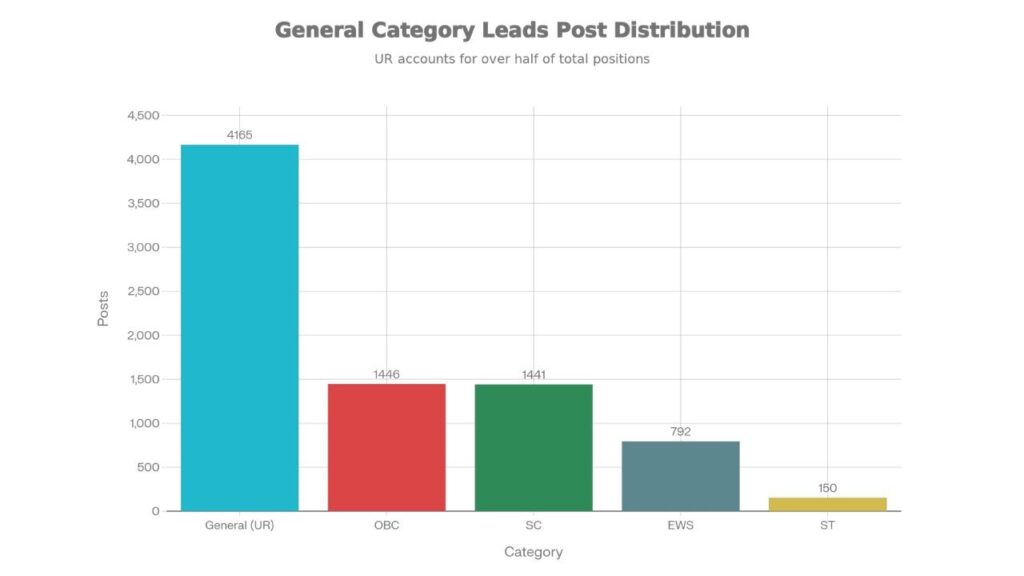
Knowing the rival is the first step. The commission has made available a clear breakdown of the 7,994 seats for various categories. Look out the chart whether you are from the General category or seeking a reservation? Here is the breakup of posts: 

Vacancy Breakdown For Lekhpal

Distribution for UPSSSC Lekhpal in a Category-wise

Firstly, the General (UR) Category is on the top with more than 4000 seats and then there is an almost equal split between OBC and SC candidates. This huge number of vacancies will make the cutoff competitive yet manageable with good preparation.  

Are You Eligible?

Before you hurry to the cyber cafe or switch on your laptop, let us confirm your eligibility. The rules are simple but hard:

Educational Qualification: The candidate should have completed 10+2 from any recognized board.

Top PET Requirement: And this is the most important part. You must hold a valid score card from UPSSSC PET 2025. The Mains exam will be short listed solely on your PET 2025 normalised score. 

Read More:- Best Courses for Business Analyst: Learn, Certify & Grow

How to Apply For UPSSSC Lekhpal Online

  1. Visit the official website of UPSSSC Lekhpal Online
  2. Click on the live notice link of Lekhpal recruitment.
  3. Sign in with your PET 2025 Registration Number. Most of your details will be auto-filled.
  4. Post your recent passport size D.O.B. & signature if not already posted.
  5. Make the application processing fee of ₹25.
  6. Apply and keep a print out of the form for future reference. 
Useful Links
Apply OnlineClick Here
Download NotificationClick Here
Official WebsiteClick Here

Leave a Comment

Your email address will not be published. Required fields are marked *

Scroll to Top