O Level Course 2025: Complete Guide to Fees, Syllabus, Duration & Job Benefits

O Level Course 2025

Students who are interested in the Technical Field can achieve great heights in their career after pursuing NIELIT ‘O’ Level. It opens up the door in both private and government sectors as the requirement of an IT employee is needed everywhere. The world is evolving more into digitalization which has made this field wider and open more vacancies for the candidates. If you also want to make your career stable with a good career path, high-salary, and less hectic job then grab this course now.

Why NIELIT ‘O’ Level Matters in the Digital Age

Chasing after stable and well-paying jobs in India, job-seekers are often driven towards the public sector, where security of jobs and strong perks are widely considered as givens. In today’s increasingly digitised world, being in possession of a recognized and accredited Information technology qualification is not just an advantage – it is a requirement. The NIELIT ‘O’ Level course is at the Midnight of this requirement. 

It is officially considered the same as a Foundation Level CA course. This government approval is really important and gives you the edge that private not accredited courses can never get. The value of this certification is further ratified with its inclusion in the national framework, having been recognized under the National Skills Qualifications Framework (NSQF) at Level 4. 

What Job Roles Can You Get After NIELIT ‘O’ Level

The O Level was structured in such a way as to be responsive to the short-term technical needs of the then contemporary public and private sectors. The stated goal is to prepare students with the skills needed to work in today’s IT-enabled jobs. Among these targeted profiles are User Interface (UI) Designer, Web Designer, Web Publication Assistant, Office Automation Assistant, and IoT Application Integrator.These intentional integration with operational IT rather than simple clerical data entry clearly situates the course as a practical instrument for aspirants to take on current digital workplace requirements. 

Detailed Eligibility Criteria

The basic eligibility criteria require either passing 10+2, or holding a one-year ITI Certificate after Class 10, along with a minimum of one year of experience in the area related to the IT industry. 

The applicants who have passed second year of polytechnic engineering diploma after 10th standard from a government recognized institute are also eligible to apply. 

O’Level Course Duration 

The six-month timeline for graduates enables them to get this commonly required IT credential quickly, thereby reducing the amount of career time lost while waiting for certification. Hence, the ‘O’ Level serves as an important means for enhancing one’s eligibility in a short span of time after the completion of the degree. However, this registration remains valid for five years.

Why Is O’Level Course Value Increasing Day-By-Day?

Mastery in the Revised Syllabus

The importance of NIELIT ‘O’ Level certification in the present high technology world is that O level syllabus is regularly revised and updated which in turn helps to keep the students updated with the latest information and technology available. This syllabus is much beyond the basic knowledge of computing which is now considered old to cater to the demand of the industry for the skills and the industries supported the potential of having high paying jobs. 

Structure and Examination Pattern

The course is staffed with four core theoretical modules, the compulsory practical component, and a project. The four theory modules are:

M1-R5: Information Technology Tools and Network Basics

M2-R5: Web Designing & Publishing

M3-R5: Programming and Problem Solving through Python

M4-R5: Internet of Things and its Applications 

Detailed Module Analysis

All theory subjects will be assessed by a three hours written examination carrying 100 marks. Besides these theory papers candidates are required to pass one full practical examination (PR1-R5) based on the contents of all 4 theory modules, also carrying 100 marks and of three hours duration. Practical work is usually done at the institutionally approved places offering the course. A Project Work (PJ1-R5) is also necessary for certification. 

Read More 👉 Which Entrance Exam Is Best for MBA Abroad in 2025?

Official NIELIT Fees 

The cost a candidate has to bear when applying directly through NIELIT (without availing external tuition) is surprisingly small:

  • Registration Fee is Rs.500 and this registration is valid for 5 years. 
  • A Fee of ₹100.00 is applicable for processing exam applications per examination cycle.
  • The O’ level course fees for each module in the Revision 5 is 1,000 Rs. The total of four modules fee is Rs 4,000.
  • O Level Project Fee (once only for PJ1-R5 submission) The compulsory O Level project fee PJ1-R5 is only ₹100. 

Candidates pursuing O’Level courses from private institutions can get different fees or entire course fees. So, check the total fees amount for this course from the institutions you choose.

Career Pathways in the Private Sector and High-Paying Roles

The NIELIT O Level certification is an address both for private and government jobs. Although the public sector is considered to be the most stable, the private sector has many points of entry and is an important source of early career experience. 

Target Job Profiles 

The level of competence proven through ‘O’ Level is very applicable. There are plenty of O level benefits in government jobs. The roles targeted include vital gating roles such as UI Designer, Web Designer and IoT Application Integrator. Outside these roles, the certification still strongly validates the holder’s knowledge of key IT skills, such as being computer literate, managing data efficiently, using office automation tools, creating simple web applications, and handling databases. These skills are necessary for help desk, IT support, and web maintenance positions in a broad range of private industry. 

Salaries Offered by IT Sector

The average O level course jobs salary in the Private Sector after doing NIELIT ‘O’ Level is around 3 LPA (Lakhs Per Annum). This base figure amounts to roughly ₹ 25,000 per month which is considered as the minimum expectation for blue-collar jobs at the level of data entry operators, junior IT support, or clerical jobs with some know-how of office automation. 

However, In the government sector, For certain technical posts, including Scientific Assistant and some Assistant Programmer positions, that require or consider the O Level equivalency, the Basic Pay can be as high as ₹35,400 even at the entry level. The resulting In-Hand Salary typically settles between ₹45,000 and ₹50,000 per month.  

The Future After O’Level Course 

The NIELIT ‘O’ Level is not a standalone qualification, but it is the essential beginning in a standardized, government-approved system of IT certification that focuses on sustained career advancement. This Systematic faire up Turn is called the DOEACC octuplet. 

From ‘O’ to ‘A’ Level: Advanced Diploma Equivalence

Students may take NIELIT ‘A’ Level after successful completion of ‘O’ Level based on NIOS. This allowed the applicants to expand their skill set to a great extent in specialized areas like Advanced Post Graduate Diploma in Computer Application (APCDCA) or Advanced Diploma (AD) in Computer Hardware Maintenance and Networking. Passing of ‘A’ Level also allows access to mid-level private sector work and makes one more eligible for higher grade government technical posts. 

‘B’ Level and MCA Equivalence

For aspirants to senior management, software developer or research positions the NIELIT route ends with the B Level course. The ‘B’ Level is the high-end among the course level certifications of NIELIT and is professionally recognized by MHRD to be equivalent to Master of Computer Applications (MCA) Degree Course. 

Conclusion

The NIELIT ‘O’ Level is the anchor, pocket friendly and the only entry-level based examination for aspirants who aim at getting a high paying job along with stable income from Indian Public Sector IT for immediate term. It is the basic qualification that enables the accredited path to further study that is comparable to a Master’s degree, so a career begun in government IT isn’t just safe, it has a well-defined and boldly optimistic path for growth. 

Leave a Comment

Your email address will not be published. Required fields are marked *

Government Teaching Jobs in India 2026: Latest Vacancies, Eligibility & Recruitment Updates

Government Teaching Jobs in India

If you have ever wanted to impact society on a large scale and have a stable, secure job with great benefits, teaching for the government might be just right for you. In 2026, the government’s education department in India is experiencing a massive surge in job offerings and thousands of opportunities are available in schools and colleges across the country. Whether you’re a new graduate with a teaching degree, or a career changer, there has never been a better time to pursue a Government Teaching Jobs in India.

The beauty of governmental teaching jobs is not just the competitive salary packages, but the unbeatable job security, lifetime pension benefits, and the gratification of making a difference in the lives of young minds. With India making massive investments in education infrastructure, the need for qualified teachers has never been greater. 

The Current Recruitment Landscape

2026 is going to be a critical juncture for aspiring teachers in India. Big organizations are hiring at a scale that’s never been seen before:

Kendriya Vidyalaya Sangathan (KVS) has released the notification for 9126 posts for both teaching and non-teaching posts. These elite central government schools provide some of the best teaching jobs in the country for Trained Graduate Teachers (TGT) and Post Graduate Teachers (PGT) in several subjects.​

Navodaya Vidyalaya Samiti (NVS), which runs high standard residential schools all over rural India is also inviting application for 5841 posts. If you love to deliver quality education in rural areas and you have commitment then NVS is the best place to do that. 

Delhi Subordinate Services Selection Board (DSSSB), India’s largest recruiter, has thrown open the window with 5,346 vacancies for Trained Graduate Teachers and 1,180 vacancies for Primary Teachers. If you have your heart set on becoming a teacher in the capital of India, never let a spring pass without applying for some of the most competitive jobs on the planet.​

Uttar Pradesh, the most populous state in India, is also to recruit around 2 lakh (200,000) teachers in three phases by 2026. This montage of recruitment speaks volumes of the opportunities that exist for Indian teachers!

However outside of these large providers numerous Sainik Schools, state governments and educational boards release notifications throughout the year making teaching opportunities a steady flow. 

What You Need to Qualify

One of the biggest myths is that there are complex eligibility criteria to apply for teaching jobs. Actually the rest is simple, and the ones that are should have been enough to allow talented people to get into the profession.

When it’s About Becoming Primary Teachers 

Along with the 12th standard or its equivalent examination with at least 50% aggregate from a recognized board, you also need to clear the Central Teacher Eligibility Test (CTET) or your State Teacher Eligibility Test (TET) and have either a 2-year Diploma in Elementary Education (D.El.Ed. or 4-year Bachelor of Elementary Education (B.El.Ed.). 

When it’s About Becoming Trained Graduate Teachers 

You must have 50% marks in your subject along with B.Ed. You have to qualify CTET as well as state TET exam. TGT teachers usually teach classes 6-10. 

For Post-Graduate Teachers (PGT)

For the dreamers who still went for higher education. A minimum of 50% marks in a master’s degree in your subject along with the B.Ed qualification is required. Classes 11-12 and specialisations are handled by PGT teachers.​

For Railway and Sainik School Teaching Posts

The eligibility is almost same, but with minor changes as per organization type. Age limit varies from 21 to 40 years as per category.​

The CTET Advantage In Teaching Jobs

The Central Board of Secondary Education (CBSE) the Central Teacher Eligibility Test (CTET) is a boon for teachers in the making. Why it’s so good: 

Validity of CTET Score: It is now clear that CTET score validity has been increased – CTET scores will now be your lifelong companion, which means you don’t have to sit again for the exam even after years of so-called re-preparation.​

Pan-India Mobility : After qualifying CTET, you can apply to teach in central government schools such as Kendriya Vidyalayas, Navodaya Vidyalayas or union territory schools throughout the nation—not just in your native state.

Exams Advantage: Performing well in CTET examination also enhances your chances to get superior teaching job in central govt schools for which the pay and perks are the most lucrative.

The CTET examination for 2026 is scheduled for the 8th of February, and the application process is already open. The Paper I is conducted for the aspirants who want to teach classes 1 to 5 and Paper II is conducted for the aspirants want to teach 6 to 8 classes. Percentage required — You should a minimum of 60% to qualify! 

Salary and Benefits: Why Government Teaching Pays Off

Teaching is no longer a low paying job. Teaching professionals in India have a lot to smile now as they receive an extremely attractive pay scale:

Primary Teachers: A primary teacher will start with approx ₹35,400 as basic pay (₹42,000-₹45,000 with allowances) and can go up to ₹50,000+ in a decade through promotions and increments.​

Trained Graduate Teachers (TGT): with a basic pay of ₹44,900 (₹59,282 with allowances) and it can go up to ₹ 60,000-70,000 with incentives and experience. 

Post-Graduate Teachers (PGT) : Having the highest salaries at school level at a basic pay of ₹47,600 (₹ 56,320 with allowances) and may go beyond ₹75,000-80,000 per month with allowances and increments.​

Apart from the salary, teachers of the government get:

Dearness Allowance (DA): At present DA is about 38% of the Basic Pay and it is revised twice a year considering inflation

House Rent Allowance (HRA) : An additional monthly allowance is given to the employee based on his/her duty Station/location of post.

Transport Allowance: Very good for teachers and further higher in urban.

Medical Facility: Free medical treatment for you and your family in any hospital recognised by the bank’s medical cell.

Gratuity: A lump-sum amount on retirement

Pension Security: Immerse your lifestyle in wealth, NPS is the default pension plan for civil servants which guarantees a lifelong pension of fixed amount in return for financial security in old age.

Leave Benefits: Maternity Leave – 180 days, Paternity Leave – 15 days.

Benefits for Education of Your Children: Education benefits for your children, and your own kids’ education, consider scholarships and fee concessions. 

Read More 👉 Top IET Lucknow CSE Placements – Highest Packages, Recruiters & Career Growth in 2025

Types of Government Teaching Jobs

If you want to teach in India, these are some of the options that attract different types of teachers.

Central Government Schools 

KVS and NVS posts provide the most secure, stable and highest paid teaching jobs along with good perks and national level working.

State Government Schools 

Every state holds its own TET recruitment which provides the benefit of local stability and a home state posting ideally if you want to stay close to your family.

Railway Schools

Recruitment of teachers through Railway Recruitment Board (RRB) which invites applications from eligible candidates for the post of Teacher in various categories with attractive salary and benefits.

Sainik Schools

These elite military backed schools provide teacher with added advantage of working in a disciplined teaching, with great infrastructure and exposure to.

Delhi Government Schools 

The DSSSB recruitment leads to some of the best schools in India at Delhi, now opened for applications. 

The Selection Process

Knowing what to expect in the selection process enables you to be strategic in your preparation. Usually the procedure the candidates have to go through includes a written test to check your subject knowledge and teaching methodology (for TGT/PGT), verification of your qualification in which your educational certificates are scrutinized and in some cases a demo class/test on teaching is conducted where you have to teach a subject to a panel.​

This regimented process guarantees that only the most dedicated, and highest qualified teachers make it to the system. 

Preparation Tips

  • Start by preparing seriously for the CTET or your state TET – these are the pillars of your teaching career. 
  • Enroll in coaching centers if necessary, concentrate on the subject and solve the question papers on a regular basis. 
  • Have good communication skills and be aware of the policies of education. 
  • And more than anything, have a real love for teaching – that comes across waves in interviews and demo classes. 

Conclusion

Government teaching jobs in India will be more than just a job—they will provide a chance to contribute to building India’s future, along with monetary compensation and social prestige. With tens of thousands of vacancies, competitive pay, generous benefits, and a defined career ladder, now is an excellent time to enter this noble profession.

Whether it is the joy of imparting knowledge, the stable job and pension benefits, or the chance to do something for society, government teaching remains a profession that earns you respect for life. The options are there, the way is clear, and your teaching future is just around the bend. So take that leap of faith today—register for CTET, prepare well and stake your claim as an educator of India’s tomorrows. 

Leave a Comment

Your email address will not be published. Required fields are marked *

CUET UG Answer Key 2025 Out – Check Now on Gov Update Wala!

CUET UG Answer Key 2025 Out – Gov Update Wala Official

The CUET UG Answer Key 2025 is officially released by NTA, it helps lakhs of aspirants to bring clarity and relief for the exam. Students must clear this exam to secure a seat in central universities across India. If you’ve prepared yourself then check the answer key to verify your answers. Check out the Answer Key 2025 directly from the link in this article. If you want to know more details about this exam, you visit the official website.

The answer key really matters to the aspirants because it provides self-evaluation to enhance the confidence and knowledge of aspirants. It builds trust in transparency for the evaluation system. If the students get confused after finding out the question then it is easy for them to understand quickly.

Exam NameCUET UG
Eligibility12th Passed Minimum Marks: 50% marks
CUET UG It is an entrance exam for admission to UG courses in the central government universities across India.
Application Starts01/03/2025
Application Ends24/03/2025
Correction Date26-27/03/2025
Exam Date8 May to 1 June 2025
Admit CardClick Here
Download Answer KeyClick Here
Check Answer Key NoticeClick Here
Official WebsiteClick Here

Read More 👉 Top Government Jobs After MBA in 2025 You Shouldn’t Miss!

How to Check the CUET UG Answer Key on Gov Update Wala

  • Visit official website https://cuet.nta.nic.in/
  • Click on the login and enter your details such as your application number and password to view the question paper.
  • Challenge the question to view answers, then download the PDF.
  • The question ID is shown next to the correct option.

Application Fee

General 1000/-
EWS/OBC900/-
SC/ST/PH800/-
Additional subject charges 
General400 for each
EWS/OBC375 for each
SC/ST/PH350 for each

How to Challenge the CUET UG Answer Key

  • Log in with your CUET application number and password.
  • Navigate to the challenge answer key section and click on that to challenge that question.
  • To claim, Input your correct explanation with clear proof for the answer.
  • Pay the amount of fee for each objection.

Conclusion

The CUET UG Answer Key 2025 is a reliable source for the correct answer to your questions. Aspirants can claim the objection with proof along with the payment. It helps improve an aspirant’s confidence and clarity for the exams. By offering the direct link, ensuring the announcement will reach the aspirants. So, never miss an update from the website about CUET UG.

Leave a Comment

Your email address will not be published. Required fields are marked *

Meet the Best Physics Teacher for NEET Online – Top Choice for 2025

Best Physics Teacher for NEET Online

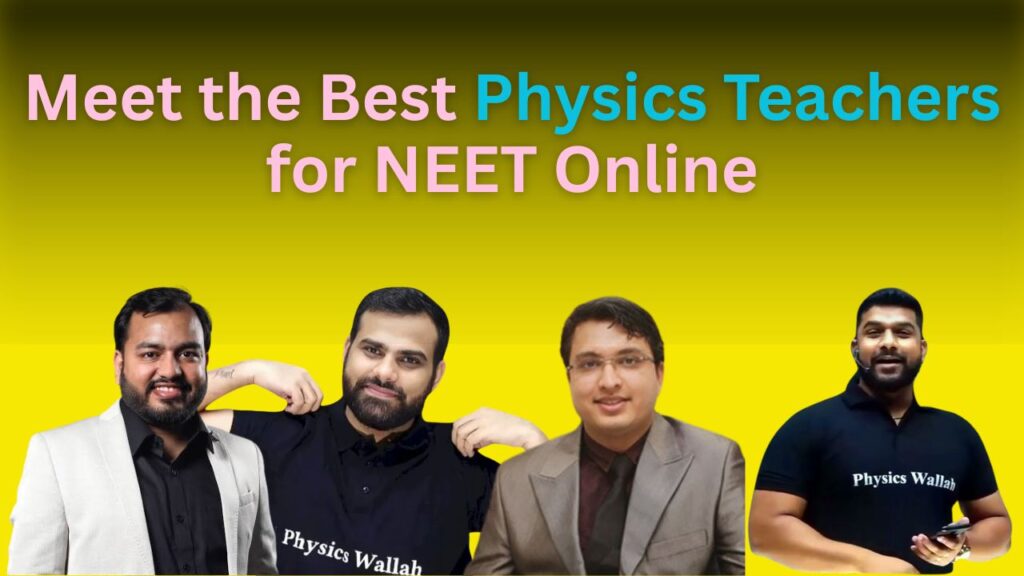
When Preparing for NEET exam you should know the core subjects to focus for scoring well. Physics is an important subject in this exam which is tough to prepare for, that’s where the top physics teacher steps in to get you prepared for the physics. You can prepare physics concepts easily when you Meet the Best Physics Teacher for NEET Online with their full details in this article.

NEET is an entrance exam for admission in medical college or university, students who have completed their 12th with PCB have already started preparing for this exam. To get admission in a government medical college, the cutoff marks is 686-144 for general and 143–113 for reserved category to qualify.  

Why Physics Matters in NEET

To enhance your power of conceptualization and analyzing ability, these factors are the reason for physics to be involved in the NEET examination. Most importantly, this section can get you high scores in exams because everyone can solve biology and chemistry sections but solving physics questions is what gets them low marks. To secure your seat in the medical college you must score high and for that you must prepare physics well.

Best Physics Teachers for NEET 2025

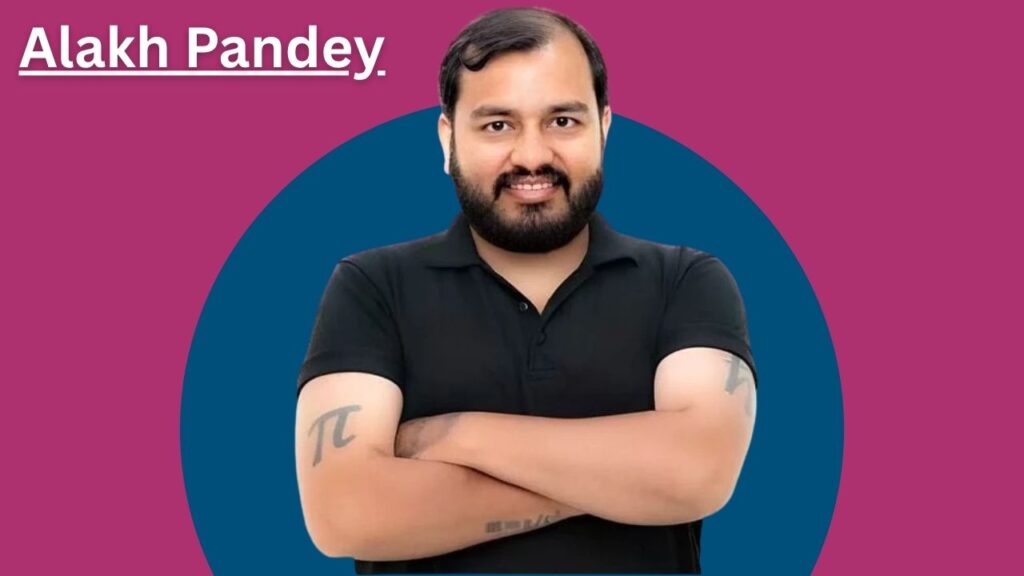
Alakh Pandey launched the app “PhysicsWallah” in 2020 which expanded rapidly with a 1 billion valuation. He also launched offline centers later in many states of India. The best ed-tech platform for preparation of competitive exams like JEE, NEET, and Other exams. 

Alakh Pandey 

Youtube Channel: Click Here

APP: Download

His teaching style is unique, especially in physics. He simplifies the most complex concepts and provides effective exam strategies to help students prepare according to their exams. Millions of students are reaching out to him for their exam preparation. 

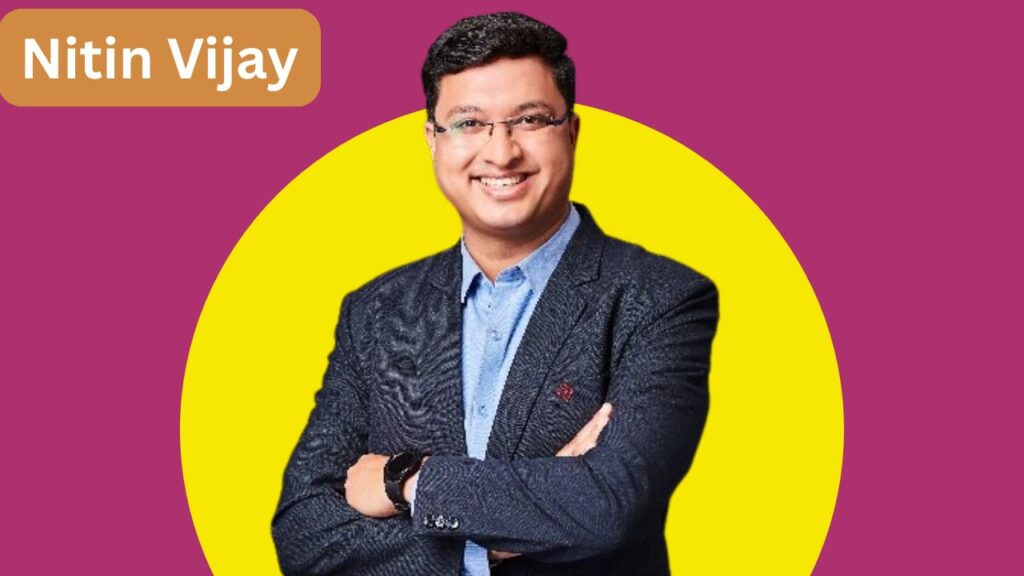
Nitin Vijay started teaching on Youtube in his youth to provide aspirants a top class education, making complex topics understandable, and encouraging students to learn. You can take his lectures on youtube free of cost and start preparation today.

Nitin vijay

Youtube: Motion NEET

His teaching style is unique and understandable for the students who are beginners in physics. He encourages communication with students and challenges them to question. His motivational teaching has shown some lights in the TED talk too. 

He delivers interactive methods to enhance student’s understanding and participation. His tech-enable teaching practices makes him more unique in delivering complex concepts points for better understanding.

Youtube: Click Here

Students have shown the best results who have already taken lectures on youtube. He helps many students to beat competitive exams. Taking his Physics lecture for NEET is a good option for you.

Also Read: Top 10 Mobile Apps for Government Exam Preparation in 2025

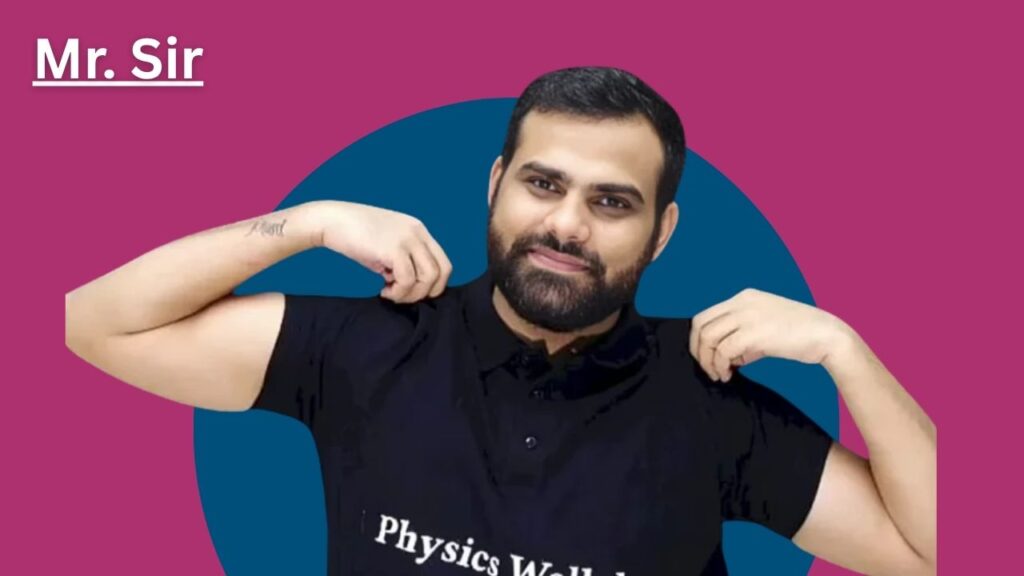
Mr. Sir

He is an experienced teacher for physics and provides students with the best education. He motivates students to learn and practice physics questions. Ideal for those who are looking for teaching who can guide you step-by-step on NEET examination. 

Youtube: Click Here

He shares tricks and tips for completing the course fast. Students who have no time left for long preparations can watch his lectures.

He is also one of the best Physics teachers who teaches many NEET students and helps them crack the exam. He explains more precisely to understand the concepts deeply.

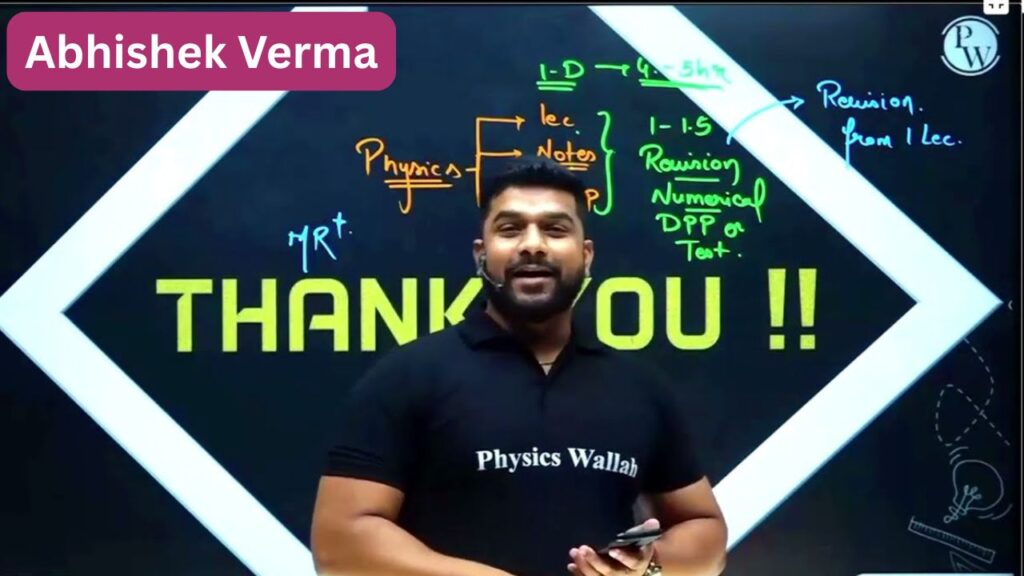
Abhishek Verma 

Youtube: Click Here

His series of NEET crash courses on Youtube is an all-in-one series for preparation. Students who don’t want to get different sources for each concept can watch his lectures in one series that covers all the important topics.

He is the best teacher who encourages students for self-learning. It is good to make students understand that self-study makes them understand more deeply. He brings advanced concepts into his teaching and fostering critical thinking. 

Youtube: Click Here

You can complete you preparation on complex topics of physics with the help of Prof. Dhananjay Kumar. His simplicity in lectures can get you serious notes on important concepts. 

Read More 👉 Top 10 High Salary Courses After 12th Science Without NEET – No Medical Exam Needed

Criteria to Choose the Best Physics Teacher

It’s not just an easy answer to give because it all depends on you. Before starting to take any lecture or enrolling any platform, remember these points:

  • Methods and experience of teaching of that particular teacher.
  • Take his first class to know if he is able to help you understand those concepts.
  • Lectures should include doubt-solving sessions.
  • If you still get confused, check the student’s feedback online.

A Quick Comparison For Physics Teachers for NEET

TeacherPlatformTeaching HighlightIdeal For
Alakh PandeyPhysicsWallahClear concept explanationBeginners & revision seekers
Nitin VijayMotion NEETMotivating, engagingBuilding fundamentals
Er. PradeepYouTubeTech-based, interactiveVisual and practical learners
Prof. Dhananjay KumarYouTubeConceptual clarityStudents needing deep understanding
Mr. SirYouTubeStructured, tips-focusedQuick revision, last-minute prep
Abhishek VermaYouTubeCrash course expertAll-in-one revision

How Online Learning Platforms Aid NEET Preparation

  • Lectures are available all the time, you can study at your own pace.
  • You can take lessons from anywhere, no need to rush for the classes.
  • Recorded sessions will help you learn again if you are not able to understand at once. 
  • There are multiple choices in teachers.
  • Consistently practicing online mock tests can help you track your progress.

Conclusion

NEET students often get confused when they have to choose the right teacher, coaching or lectures to study. Physics is the toughest subject but with the right strategy and explanation, students can get ready for the exam with full preparation. I have prepared a list of Best Physics Teachers for NEET, you can check in this article. Whether you choose Alakh Pandey or Prof. Dhananjay Kumar, just makes sure which one’s teaching style is the most helpful for you to understand the concepts. It doesn’t matter if it has tons of views or not, what matters is being able to understand the topics.

Leave a Comment

Your email address will not be published. Required fields are marked *

A Complete Guide to Cybersecurity Courses for Beginners and Career Switchers

Cybersecurity Courses For Beginners

In a world in which nearly everything including banking, healthcare, shopping, even education takes place online, baking security into your skills is no longer just a nice-to-have, it’s a must-have. Make your career with Cybersecurity Courses for Beginners, from tiny startups to huge global governments, all are scrambling to defend their digital systems against ever more sophisticated cyber threats. Now that increasing demand is leading way for novices and career changers to get into one of the fastest-growing and best-paying tech fields around.

You don’t have to be a master coder or a long-time IT professional to throw your hat in the ring. With appropriate learning path, hands on training and industry approved certifications, anyone can pursue a fruitful career in Cybersecurity. This all-in-one handbook will tell you why now is the best time to start learning cybersecurity, how much you’ll be able to earn, the step-by-step learning path to go from knock (now) to job (soon), and the top cybersecurity courses to check out in 2026 — helping you make smart, confident career choices right out of the gate. 

Why Now Is the Perfect Time to Learn Cybersecurity

and the digital world is not getting any safer. Cyberattacks are more advanced, data breaches seem to be making headlines every week, and organizations of all kinds — from healthcare and banking, to retail and government — are frantically trying to find the right people to help them protect their digital assets. This isn’t hype, it’s reality. The need for cybersecurity professionals is so great that many organizations say anyone with the requisite skills and credentials can pretty much write their own ticket for employment.

But the really interesting thing about this career path is that it doesn’t just lead to job security. “You’re not just earning a paycheck when you’re a cybersecurity professional — you’re protecting people’s privacy, securing important infrastructure and keeping cybercriminals from causing tangible harm.” That’s meaningful work and it’s one you should consider. 

Salary Expectation For Cyber Security Specialist

The pay in cyber security is great yes, but the work is not. In the US, salaries for entry-level positions range from ₹61–₹91 lakh per year, while mid-level roles can earn from ₹95 lakh and ₹1.75. For those who are promoted to senior positions such as cybersecurity architects and specialists, salaries can rise as high as ₹1.25 crore–₹2.3 crore per year or even higher. 

The pattern is similarly positive in India where entry level certified professionals draw an annual salary of ₹6–8 lakhs, a solid 30–50% premium over general IT roles. These numbers illustrate how lucrative the cybersecurity field is for those with the right skills and qualifications. 

Learning Path From Zero To Hero

One-size-fits-all there: for-course Before you select a know that is following put on. Your path is unique, and the best information for you will depend on your background, how you learn, and your career plans. But it’s usually a structured path with three stages.

Phase 1: Build Your Foundation (Weeks 1-8)

You need to know how networking works, what kinds of straightforward cybersecurity threats (like malware and phishing), how basic encryption works, and how firewalls work. This isn’t glamorous—it’s the unglamorous foundation that separates professionals from pretenders.

​These days you can get beginner-friendlier introductions on platforms like Coursera’s Google Cybersecurity Professional Certificate, CompTIA Security+ training courses, and TryHackMe. The Google certificate, specifically, requires no background and can be completed in courtesy of 6 months by committing 5–10 hours of week. 

Budget-minded? You can find free courses on from basics to more advanced material on platforms like Cybrary, and core security concepts on SANS Cyber Aces.​ 

Read More 👉 UP Police Constable Recruitment 2026: Apply Online for 32,679 Posts

Phase 2: Develop Practical Skills (Weeks 8–20)

Reading up on cybersecurity is one thing doing it is another. This stage concentrates on labs and practical scenarios. Platforms such as TryHackMe and Hack The Box are game-changers in this aspect. They allow you to practice ethical hacking, vulnerability scanning and penetration testing on live systems in a sandbox environment. You’ll use Wireshark (network sniffing), Metasploit (pen testing), and Burp Suite (web vuln scanning).

If you are looking to boost your cybersecurity expertise and add industry-recognized credentials to your portfolio, certifications such as CompTIA Security+ and Certified Ethical Hacker (CEH) are great places to begin. These certifications are trusted by employers and can help you in getting a well paid cybersecurity job.

The cost of CompTIA Security+ course in India is approximately RS 95,000–RS 1,00,000 and most of the students complete the preparation in around 2 months. The CEH exam cost is around ₹1,55,000-₹1,65,000, which could be more or less based on the training provider and the exam packages.

Both certifications are an excellent investment in your career. They not only prove your technical expertise, but also lead to multiple roles in ethical hacking, network security and information security with high-profile organizations. 

Phase 3: Specialization Certification in 4 —12 Months 

After Basics, take command of one of the specializing that fits your interest and skills. You can specialize in things like incident response, network security, cloud security, or ethical hacking. Advanced courses by IIT Kanpur and IIIT Bangalore as well as through platforms such as Udemy contain special tracks in this discipline.

For a more comprehensive perspective, the Cybersecurity Expert Masters Program by Simplilearn (length: 4 months, price: ₹2.1 – ₹2.2 lakh) combines several industry-recognized certifications—CEH, CompTIA Security+, and CISSP, with hands-on capstone projects based on actual cyber incidents. 

Top Cybersecurity Courses for Beginners to Consider in 2026

Course NameDurationCostBest ForKey Strength
Google Cybersecurity Professional Certificate6 months (5-10 hrs/week)Free or ₹33,000/yearComplete beginnersNo experience required, employer partnerships
CompTIA Security+ 2 months₹95,000–₹1,00,000BeginnersFoundational credential, industry-standard
TryHackMe Cybersecurity Self-paced₹10,500–₹16,500/yearExperienced LearnersAdvanced labs, Interactive education
Certified Ethical Hacker (CEH) 2 months₹1,55,000–₹1,65,000More Growth in Ethical HackingPractical Training With using tools
Simplilearn Expert Masters Program​4 months₹2,10,000–₹2,20,000Career switchersIntegrated certifications, capstone projects

The Free vs. Paid Dilemma

Cybrary, TryHackMe’s free tier, Coursera’s audit mode and SANS Cyber Aces all provide legitimate and high-quality content without the need to hand over any cash. However, this is a critical certifications count. Employers want credentials that are verified. Free courses teach you skills, certifications demonstrate you have them.

A practical path: Experiment and establish a baseline understanding with free resources, then buy one or two trusted certs (Security+, or one of Google’s professional certs). The outlay usually pays for itself within a few months in increased starting salary. 

Conclusion

Studying Cybersecurity Courses for Beginners is time-consuming. For sure we had weird concepts that felt abstract at first. You’ll debug code you didn’t write. You’ll be looking at network packet captures, trying to figure out which one is the malicious traffic. But here’s the beautiful thing: every puzzle you solve, every vulnerability you find in a lab environment, every certification you earn brings you closer to a career that’s financially rewarding, intellectually stimulating, and truly has an impact.

The field of cybersecurity is not just hiring, it’s begging for talent. You may have to work for it, but your future is not in doubt — it’s safe. Literally. 

Leave a Comment

Your email address will not be published. Required fields are marked *

Government Job vs Private Job: Which Career Offers a Better Future in 2025?

Government Job vs Private Job

Everyone gets confused about choosing their career path. When the context is about Government Jobs vs Private Jobs, there is always a debate among youths. While most people prefer having a good lifestyle, a stable career, and growth in their lives. With growing comparison of Which Career Offers a Better Future in 2025? It’s important to know about both of them so you can make a wise decision in your life.

Let’s explore the real differences between Government and Private Jobs, do not get confused about the path. This honest comparison will help you to decide which one is best for you.

When a local, state, or central government offers you a job in different ministries like defense, railways, PSUs, and teaching are called a government jobs.

Unmatched Job Security:

If you want to work in a safe environment with job security, government jobs are best. Once you clear the exam and get selected, there is no chance to be fired like in the private sector unless there is some serious misconduct.

Stable Work-Life Balance:

You have to work usually from 9 to 5 with weekends off. Those who wish to spend great time with family, and care about health, and mental peace, can consider a government job.

Retirement Benefits:

If you want to enjoy pension, gratuity, and GPF in a government job, choose this career. Retirement perks provide future stability. So, this is something that private jobs won’t offer you even if you are on a senior level.

Respect in Society:

Whether it’s an IAS officer, bank PO, railway officer, school teacher, or a professor, these roles are highly respectable in India. Everyone wants to be treated well, especially in small towns and rural India.

Perks and Allowances:

These jobs come with multiple benefits in your life that reshape your future. It offers HRA, DA, travel allowances, medical reimbursements, paid leaves, LTC, and more.

Very Competitive Entry

The competition is held among lakhs of candidates and you have to rank up for the job. So, it is hard but with smart preparation, you can clear any exam for a government job. There are thousands of vacancies each year in this sector. 

Slow Career Growth

Promotions are often based on seniority, not performance. You have to wait for a long time to get a promotion to a higher level. Some posts may need internal assessment for the higher position jobs. You could be waiting 10–15 years to move to a higher post.

Limited Learning

Most government jobs are routine-based. Except for scientist jobs, there is less innovation and opportunities to get into the government sector. No new experimenting for new projects, this is the reason why you cannot have career growth so easily. 

Transfers and Bureaucracy

Many government roles come with frequent transfers, especially in jobs like IAS, IPS, Armed Forces or bank roles. The relocation of the job is not good for family-oriented people. They have to leave everyone behind for their job. Also, the system which is outdated and has bureaucratic hurdles may give you headaches. 

Read More 👉 Top 10 High Salary Courses After 12th Science Without NEET – No Medical Exam Needed

Private jobs are offered by private companies, startups, MNCs, or international firms. These companies offer 8-29 LPA for those candidates who have experience and get to the senior level. The average salary package for the freshers is 2-3 LPA. Private jobs are available in different sectors such as IT, hospitals, education, finance, e-commerce, media, and more.

Higher Salaries and Incentives

With the right skills, especially in tech, finance, or management, you can earn ₹10–25 LPA with experience for a few years. You can go abroad for more packages due to currency value. Performance bonuses in the management sector are good, and stock options and incentives in sales and marketing are also common.

Faster Promotions

Private companies reward performance, not age or time. They promote you if you deliver results more innovative and useful. You can grow faster than the government employee and sometimes switching companies helps double your salary within a year.

New-Age Work Culture

This new implementation in the work environment of the private sector is incredible. People now have flexible hours, remote work, hybrid setups, and relaxed dress codes, that give them relief when they get stuck in any emergencies. It also offers open communication with management to consider employee affairs in the company with their work.

Global Opportunities

Working in MNCs means working on different projects and learning new skills. The remote-first companies give you exposure to international clients, travel, and even relocation chances abroad. So, either you can work from home for international firms that will pay you in dollars or you can go abroad and set up a life there.

Learning and Upskilling

They gave you a chance to teach or learn through an online platform for their next project. You always find a chance to innovate and explore new things. Either online training or offline private institutes to give training on skills, especially in areas like AI, coding, marketing, data analysis, etc.

Job Insecurity

Downsizing, layoffs, and recession are common these days. They are firing thousands of candidates due to AI establishment in many sectors. The need for employment is decreasing in numbers. Your job isn’t guaranteed unless you constantly perform and upgrade your skills.

Long Working Hours

Many roles demand 9–12 hour workdays, and there is no Saturday & Sunday off in many departments. Sometimes, people have to work overtime. 

No Pension After Retirement

Some rare companies are offering provident funds (EPF). It is a harsh reality but you’re mostly on your own after retirement. 

Corporate Pressure and Politics

There are a lot of events nowadays where people seem to be getting depressed from office politics and unfair promotions to those people who have connections. Managers put pressure on employees to give 100% performance on tasks within a period. These all hurt health and motivation.

FactorGovernment JobPrivate Job
Job SecurityExtremely HighMedium to Low
Starting Salary₹25,000 – ₹60,000₹30,000 – ₹1,50,000
Promotion SpeedSlow (seniority-based)Fast (performance-based)
Learning OpportunitiesLimitedExtensive
Work-Life BalanceGood VariableGood Variable
Transfer ChancesHigh in many rolesVery low
Pension/RetirementYes No
Entry ProcessThrough difficult examsInterviews/skills-based hiring
FlexibilityLowHigh (remote, hybrid options)
Social StatusStill respected highlyDepends on role & company

There’s no universal answer. This is a choice that depends on your goals, education, and risk-taking ability. If you want to shape your lifestyle better, point to your goal with less hectic jobs. 

You want a stable career by getting job security and peace of mind.

You’re okay with slow promotions because of long-term benefits with a fixed salary.

You’re the topper of your class due to your learning capabilities. You can prepare for competitive exams like UPSC, NTPC, SSC, RRB, or other exams.

You value retirement benefits like medical and house allowances, fixed hours, and respect in society.

You want fast career growth because you are a quick learner, high income, and have skill-based success.

Get bored with the same work, you can enjoy dynamic work environments in private jobs, new challenges, and global exposure.

You are willing to take risks, learn continuously, understand new concepts easily, and adapt to change.

You are not interested in preparing for a competitive exam, you’re interested in tech, marketing, finance, startups, or remote jobs.

Your future doesn’t decide in just one day. Take a breath and focus on the present, to achieve in the future you must start developing your skills now.

Think about what matters more to you. The energy you can put into specific work or subject. Examine yourself how hard you can work on any specific task, and point out that skill under your interests of work. Don’t decide right now just give it time like:

Invest in skills.

Even if you’re preparing for government exams, you can learn skills such as Excel, personality development, communication, coding, or digital marketing. Whether you decide on a private or government job, it will be required in both. They can be helpful anywhere.

Try Both If You Can.

While working in the private sector, start preparing yourself for government exams. Apply for a government job whenever you want to switch your career. Both paths are open if you’re strategic.

Don’t Fear Private Jobs.

The idea that private jobs are “unstable” is only true if you stop learning. Many professionals spend years in private jobs and then start their own businesses that provide great stability and income.

Build a Financial Backup.

Whatever job you do, if you are wasting your money that makes it impossible to save, invest, and plan for emergencies. That’s the real security.

So, instead of debating on Government Job vs Private Job. Know your strengths and motives, and take a wise option for your impeccable future.

Leave a Comment

Your email address will not be published. Required fields are marked *

Scroll to Top