UPSC CDS 1 Recruitment 2026 Notification, Eligibility, Application Dates Guide

UPSC CDS 1 Recruitment 2026

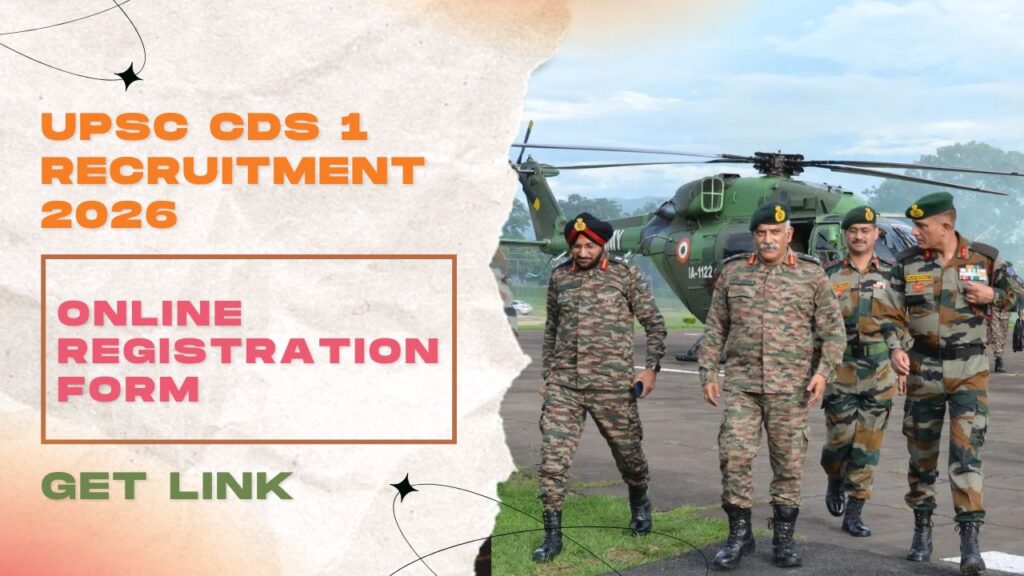
The Union Public Service Commission (UPSC) has notified the Combined Defence Services (CDS) Examination 1 for the year 2026. This recruitment is for a number of academies that are the Indian Military Academy (IMA), Indian Naval Academy, Air Force Academy and Officer Training Academy and the number of vacancies is 450+.

The application form filling process will start from 10th/December/2025 and the last date to apply for the UPSC CDS 1 2025 will be 30th/December/2025. Interested and Eligible candidates are advised to read the official notification before apply online for understand the eligibility, Application Fee, Age Limit, Salary, Selection Process before applying for it.

Candidates need to visit the UPSC official website for detailed information and application. Before the time ends, you need to make sure that each one of the necessary information is filled accurately. 

Follow These Dates To Apply

Application Start10/December/2025
Last Date For Application30/December/2025
Fee Payment last date30/December/2025
Correction DateUpdate Soon
Admit Card DateUpdate Later
Exam Date12/April/2026

UPSC CDS 1 Age Limit & Application Fee

CategoryAge LimitPosts Expected
IMA & INA 19 — 24 years450+
Air Force 20 —- 24 years
OTA 19 —- 25 years
Gen/ OBC/ EWS₹200
SC/ ST0

UPSC CDS 1 Vacancy & Educational Qualification

The courtesy details of UPSC CDS 1 Eligibility 2025 are mentioned below:

  1. Indian Military Academy (IMA): The candidate will have to hold a Bachelor’s Degree in any discipline/stream from any recognized University/Institution in India.
  2. Indian Naval Academy: The candidate must hold a Bachelor’s Degree in Engineering or equivalent from a recognized university/institute in India.
  3. Air Force Academy: Candidate should have passed 10+2 with Physics and Mathematics in any stream from a recognized board or have a Bachelor of Engineering/Bachelor of Technology or similar qualification from recognized university.
  4. Officer Training Academy: The Candidate must have a Bachelor’s degree in any Discipline/stream from any recognized university or Institution in India.

For more and latest updates you can go through the official UPSC CDS 1 Recruitment 2025 Exam Notification. 

Read More 👉 Railway Protection Force Constable: Salary, Selection, and Exam Details – complete guide

Salary & Allowances

The candidate can earn up to Rs 1,77,500 per month with allowances as per government norms. The starting salary can be less with Rs 56,100 for entry level candidates.

Guide to Apply UPSC CDS 1 Online

How to Apply for UPSC CDS 1 Recruitment 2025: Apply Online through the official website of UPSC.

1. Know Details from UPSC CDS 1 Notification 2025 PDF.

2. Click on the “apply online” link or go to the Official UPSC website: upsc.gov.in.

3. Fill UPSC CDS 1 2025 Online Application Form.

4. Upload all the documents as per the notification.

5. Remit the requisite application fee by one of the modes available.

6. Take a print out of the application form once it is filled for your records. 

Apply OnlineLink Activate Soon
Download NotificationLink Activate Soon
Official WebsiteClick here

Leave a Comment

Your email address will not be published. Required fields are marked *

IAS Preparation Roadmap: Step-by-Step UPSC Strategy That Actually Works

IAS Preparation Roadmap

After deciding to become an IAS officer, you have scanned through the UPSC notification, go through IAS Preparation Roadmap, watched numerous toppers interviews on Youtube, and may have argued with your parents that “art degrees are a waste of time and civil service is the path for glory.” 

I imagine you must be very scared and excited and overwhelmed right now. That’s normal. The Union Public Service Commission (UPSC) exam is more than just an exam, it is a marathon that changes you. If you’re starting now for the 2026 cycle, you have something most aspirants do not: Time. 

But time has two edges. Three years ~ 30-36 months is enough to learn all of the syllabus, yet it’s enough to get measured by complacency, boredom, or swallowed up by the sea of study materials.

This is not some robotic strategy cooked up by an AI. This explores you assuming that you are a person who has bad days, gets distracted by Netflix, and sometimes you just want to sleep in. Let’s look into this guide to prepare accordingly.

Phase 1: The First 6 Months That Matter Most

Objective: Start with basic for foundation

It looks like a mountain when you begin the syllabus. Don’t try to climb it in a day.

1. Stop Collecting, Start Reading:

The biggest mistake most beginners make is the “Library Syndrome” – they get every stock book that is suggested on the market, 50 GB of PDFs, and take every test series. Stop. Not yet, you don’t need them.

In your first six months, your only friends are NCERTs. Read History, Geography, Polity, Science and Economy from Class 6 to Class 12. Because they give you the basic topics of UPSC. They build the narrative. Read them as a storybook not as a textbook. 

2. The Newspaper Habit:

Start reading in The Hindu, or in The Indian Express. You are not going to get it all on Day 1. You look up ‘international relations’ and find yourself bewildered. That’s okay. The point is not to remember — it’s to notice. Spend 45 minutes to an hour every day. This is not for the exam yet; it’s to train your mind to the world around you. 

3. Decode the Syllabus:

Print out the UPSC syllabus. Paste it on your wall. Read it every Sunday. Treat it like your Bible. Whenever you read an article in a newspaper, try to relate it to a topic in the syllabus. This “linking” game is the secret sauce of a topper. 

Phase 2:  Strengthening Your IAS Preparation (Months 7-12)

Objective: Going into more Knowledge from General to Specific Concepts.

Once the Phase 1 beginning is over, the business of beginning is beginning. It is at this point you move from a layman to an aspiring.

1. Standard Textbooks (the “mains” core):

Start with the regular reference books: Laxmikanth for Polity, Ramesh Singh for Economy and Spectrum for Modern Indian History. Read them slo­wly. Take notes. But here is the human tip: Don’t take notes just for the sake of taking notes. If you know a topic, just highlight it. Just write down what you need to remember. If your notes are just the book copied down, you are wasting time. 

2. Selecting Your Optional (The Big Decision):

You will have to choose your optional subject by the end of this year. This is crucial. Don’t take Sociology because your buddy took it. Go through the syllabus, go through with the questions from the last year and ask yourself a question “I am I able to stick to this for 3 years without thinking about pulling my hairs out?” If the answer is yes, go for it.

3. Begin the CSAT Practice:

Most people neglect their CSAT (Paper II) till a month before the exam. Don’t be that guy. You don’t need to prep hardcore, but work an hour a week on some basic math and reading puzzles. It keeps your mind sharp. 

Phase 3: The “Deep Dive” – Mains Orientation (Year 2)

Objective: Shifting From “What” to “Why” in and “How”.

Halfway through your second year (mid-2025) you will be finished with your static reading. Now you have to be a writer. UPSC Mains is not what you know; it’s how you put it.

1. Answer Writing:

Yes this is the scary part. You will write bad answers. Your handwriting might look messy. Any thoughts on this? Good. Start now. Join a test series or start self-evaluation. Choose 2-3 questions daily and write out. This exercises the muscle memory that you’ll need to write 4,000 words in three hours on the real exam.

2. Integrating Current Affairs:

So now your static knowledge (books) has to meet dynamic knowledge (current affairs). When a budget is announced, don’t just read the highlights. Read the fine print and relate it to the articles in the Constitution you studied in Laxmikanth.

3. The Optional Intensive:

This is your year for your Optional subject. Plunge deep. Cover the syllabus entirely. Start writing answers for your optional. It is the optional subject where you can secure maximum marks; so treat it as such. 

Phase 4: Prelims For IAS Preparation Roadmap

Objectives: Accuracy in all work, Reassessment of answers and Mental Composure.

The atmosphere goes from “learning” to “revising” if this is your exam year.

The Prelims Mission (Feb – May): For the first five months of 2026, enter “Monk Mode.” Your focus should be solely on General Studies Paper 1 and CSAT.”

  • Revision: Revise your notes 5 times. Yes, 5 times.
  • Mock Tests: Take a test every other day. Analyze the test more than you take it. Don’t cry if you fail a mock. Learn why you got it wrong. Was it a silly error? Concept gap? Or lack of revision?” “I think that helped.”
  • Elimination: Learn to eliminate “wrong” answers. That’s how you crack Prelims. 

The Quick Turnaround (June – Sept): After the Prelims are over, relax. Maybe 3-4 days. Then, it’s off to Mains. You have somewhere between 100-120 days. This is where your answer writing practice from last year pays off. You don’t have to learn to write, you have to polish your material.

The Personality Test (Post-Mains): If you get to the interview, remember: they aren’t testing what you know. They tested that in Mains. Now, they will test you — Are you honest? Do you have integrity? Can you handle pressure? Be yourself. Don’t fake it. 

Read More:- RRB Isolated Categories Recruitment 2026 Exam: Posts, Eligibility & Salary

The “Human” Survival Guide To Become IAS

The above plan is all well and good on paper, but life is messy. So, here’s how to make it through like a person instead of a robot. 

1. The Comparison Trap:

You open Telegram or Instagram and see someone posting, “I studied for 14 hours today.” You could have studied for six. That’s fine. UPSC is a qualitative exam, not a quantitative. Four hours of distracted-free, intent study will trump 10 hours of looking at a page and then picking up your phone. Concentrate on your own race.

2. Burnout is Real:

There will be days, even weeks when you won’t lay a finger on a book. You are going to feel guilty. Strip away the guilt. Rest is productive. If you are burnt out, go for a walk, see a movie, hang out with a friend (not one who wants to know how you “have been preparing”). The tired mind cannot learn. 

3. A Social Life?

Yes, you can have one (they’re just a tad different). Obviously you’re not going to any late night parties, but you can still go for coffee with friends. You will need to keep your evenings and mornings free for studying. Tell your friends it’s a “busy spell.” Real friends will understand it. 

4. The “Why”:

Write down on a piece of paper why you want to be an IAS officer. Is it to make a difference? Is it for the challenge? Is it for the uniform? Whatever it is, keep that paper safe. When you want to give up (and you will), that “Why” is your fuel. 

Conclusion

IAS Preparation Roadmap journey is not even close. That’s the biggest advantage you have. No need to rush. You don’t have to start cramming 15 hours a day tomorrow.

Consistency over intensity. Daily consistency of 4 hours for 3 years beats 12 hours for 1 month and then disappears a million times over.

So start slow on a IAS Preparation Roadmap. Take that NCERT. On the first page. You have a long, beautiful, difficult road ahead of you, and the view from the summit is worth every step. Good luck, future officer. We are rooting for you. 

Leave a Comment

Your email address will not be published. Required fields are marked *

Latest UPSC Notification & Exam Pattern Changes For 2025

UPSC Notification & Exam Pattern Changes

If you are preparing for the UPSC exam then getting every update for the exam is necessary to appear in the exam and achieve your goal. Get UPSC Notification for UPSC CSE 2025 Exam which will happen in 3 phases—Prelims, Mains, and Interview. Aspirants should prepare according to the exam pattern. You can check the eligibility criteria, and exam pattern in this article.

Highlights Of The UPSC Exam

Conducting ByUnion Public Service Commission
Exam NameUPSC Civil Service Exam
PostsGroup A & B Officers
Vacancy1129
Selection ProcessPrelims, Mains, Interview
Starting SalaryRs. 56,100 per Month
Notification Release22/January/ 2025
Application Starts On 22/January/ 2025
Application Ends On11/February/ 2025
UPSC Prelims Exam Date25/ May/ 2025
UPSC Mains Exam Dates 22, 23, 24, 30, & 31/August/2025
Final Result Update Soon

Exam Pattern for UPSC Exam 2025

Prelims: General Studies and CSAT, the two objective types of paper are conducted in prelims. Candidates must complete the first paper within 2 hours, the same duration applies to 2nd paper 2 too. Each paper is holding 200 marks, negative marking of 1/3 for every wrong answer. 

CSAT Qualifying: 33% is the least to get in Paper 2 (CSAT) for clearing the exam and there is no change in the marking scheme. 

Mains: Nine papers descriptive in terms 3 hours each, total marks 1750. 

Interview: Personality Test is conducted of 275 marks

No major changes: In exam pattern for 2025, just procedural changes happen this year and you can find the updates on the official website.

Read More 👉 RBI Grade B Admit Card 2025 – Direct Download Link, Exam Date & Instructions

Eligibility Criteria

Age LimitGeneral: 21 to 32 years
Age Relaxation for Reserved categoryOBC: up to 35 yearsSC/ST: up to 37 yearsPwBD: up to 42 years
Education QualificationGraduate degree or final-year students eligible but they must provide proof of their education until Mains stage
Attempts6 (General), 9 (OBC), unlimited for SC/ST

Useful Links

NoticeClick Here
NotificationClick Here
Official WebsiteClick Here

Leave a Comment

Your email address will not be published. Required fields are marked *

Best Online Coaching for UPSC – Top IAS Preparation

Cracking the UPSC exam isn’t that easy, you need the right strategy to prepare and beat the competition. These Best Online Coaching for UPSC will help you to cover every topic with practice test series that help you pinpoint your weak points and clear every doubt. The syllabus is vast and maintaining consistency is difficult, these online coachings offering both interactive session and recorded session to cover up. 

In a rising online education, these coaching are also growing as most of the students prefer to take online classes rather than finding offline coachings. Some of the most talked about online platforms are Drishti IAS, Vision IAS, Physics Wallah, Vajiram & Ravi, Clear IAS, Insight IAS, and Nirnay IAS.

Let’s check their best features and overview details to decide which one is right for you.

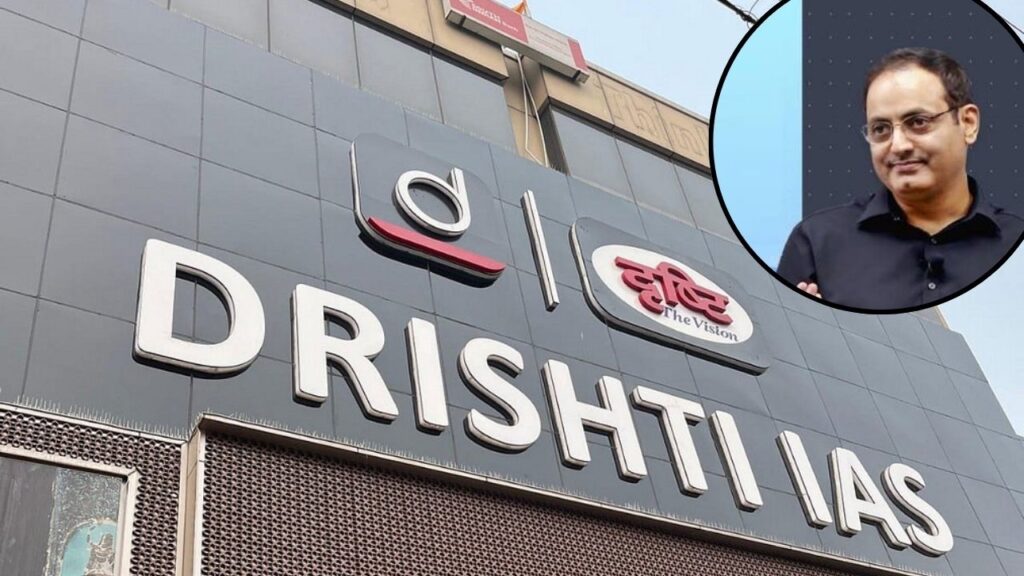
Drishti IAS

The Drishti IAS is most popular platform for IAS preparation, ideal for UPSC aspirants from both Hindi and English medium. It offers a structured and motivational teaching style which is helpful during UPSC preparation as it is the hardest exam. 

Best Features:

  • It is best for students who can give 15 to 16 months to this course with 400+ live classes. 
  • Extensive study material can help for learning
  • Excellent test series to improve regular practice, total of 24 mains and prelims tests available for 3 years.
  • No language barrier, it is easy for every student.

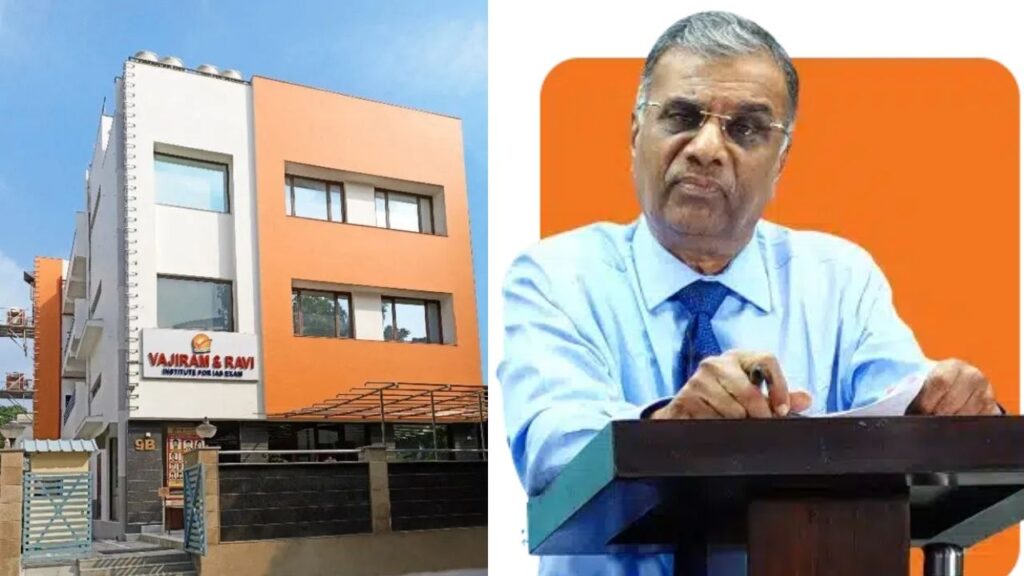
Vajiran and Ravi

Vajiram and Ravi coaching originated offline and marked a name in the top UPSC coachings and is now available online that delivers the same quality teaching for UPSC aspirants. 

Best Features:

  • Ideal for those who wanted to cover every topic with depth, 1000+ hours of lectures needed plenty of time.
  • Detail study and notes are also available for quality learning
  • Consistently maintain its record for producing toppers for years
  • Cost effective for providing best learning to ensure clarity for every doubt.

Read More 👉 Best Online Coaching for Bank Exam: Master Every Topic for Success

Clear IAS

Clear IAS is also one of the best online coaching which provides a super 50 program for specifically UPSC preparation. It is well-known for its focus on more personal guidance and small batches.  Ideal for aspirants who prefer self-paced learning with doubt clearing sessions at low fees.

Best Features

  • There are a large number of recorded lectures which can provide detailed learning for UPSC.
  • 700+ hours lectures and 1500+ study material
  • Test series to maintain daily practice for doubts clarity, mentorship support, and interview guidance.

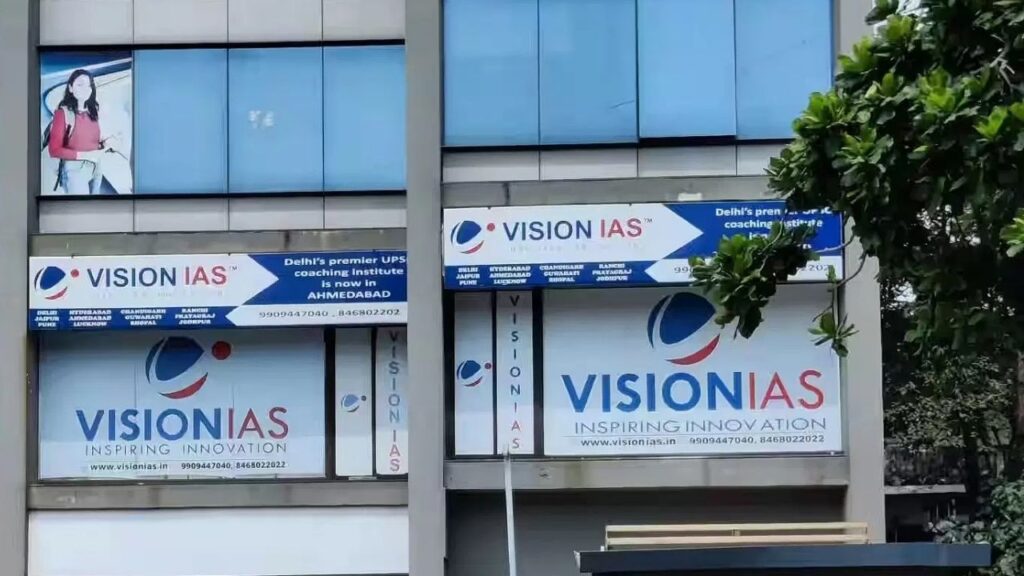
Vision IAS

Vision IAS provides the best test series which are helpful to become habitual with the exam environment. It is famous for its analytical function that helps to track student’s practice records.

Best Features

  • Students can check their weak areas due to their recording track of assessments and make it strong by working on it.
  • Flexible batches is accessible to every aspirant
  • Free Resources is a great advantage for preparation. Topic-wise specific content, current affairs, and previous year questions are available for free. 

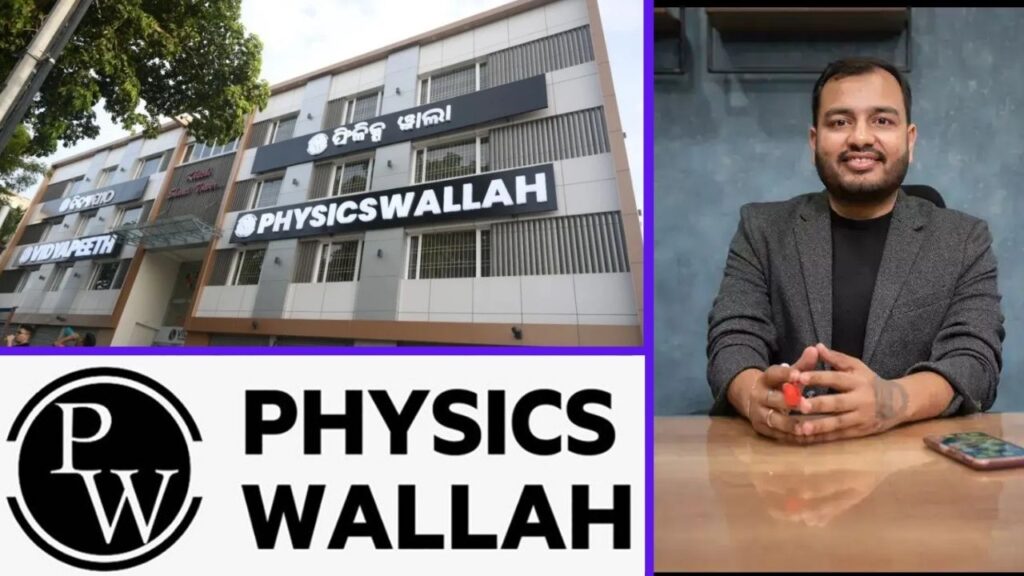
Physics Wallah

Physics Wallah is rapidly growing coaching and its UPSC preparation course is effective for cracking the exam. Its main advantage is delivering conceptual learning that helps students to remember and quickly adapt new concepts.

Best Features

  • Affordable price is accessible to everyone 
  • The teaching style is student-friendly that helps in complex problems to understand quickly.
  • Best for beginner students who began to prepare for UPSC
  • Strengthen every weak concepts and clear every doubt
  • Mentor support and recorded sessions.

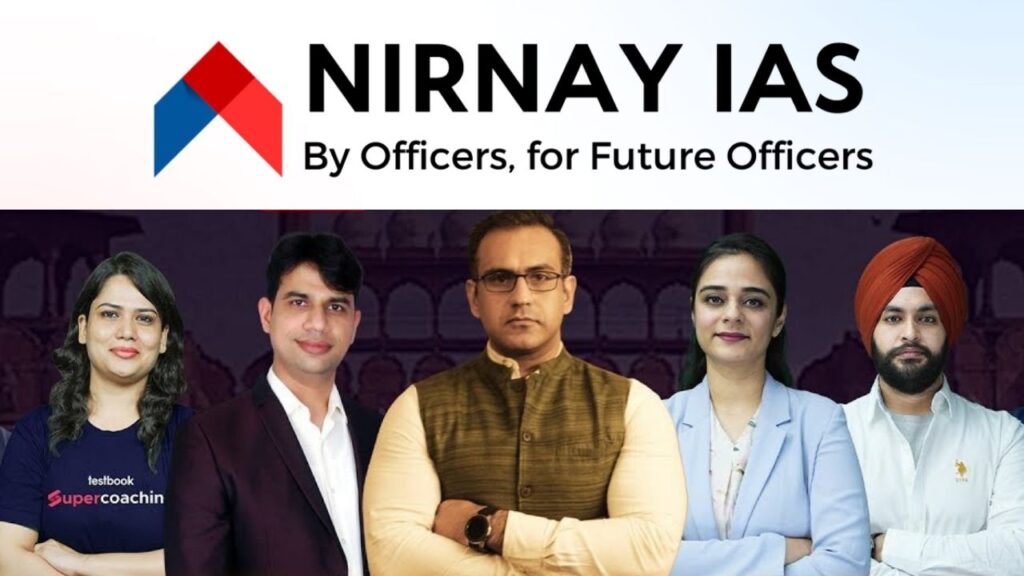
Nirnay IAS

Nirnay IAS is available on the testbook platform which offers well-structured courses and practice-oriented strategy for UPSC preparation. It has gained attention in a little time due to its practice material and offline resources to self-study.

Best Features

  • Students who prefer to learn at their best time.
  • No regular classes, 30+ structured courses are best for quick preparation.
  • Cover prelims, mains, and other preparation topics
  • Mock test and previous years  papers for best practices 
  • Recorded lectures helpful to working professionals who don’t have time for live classes

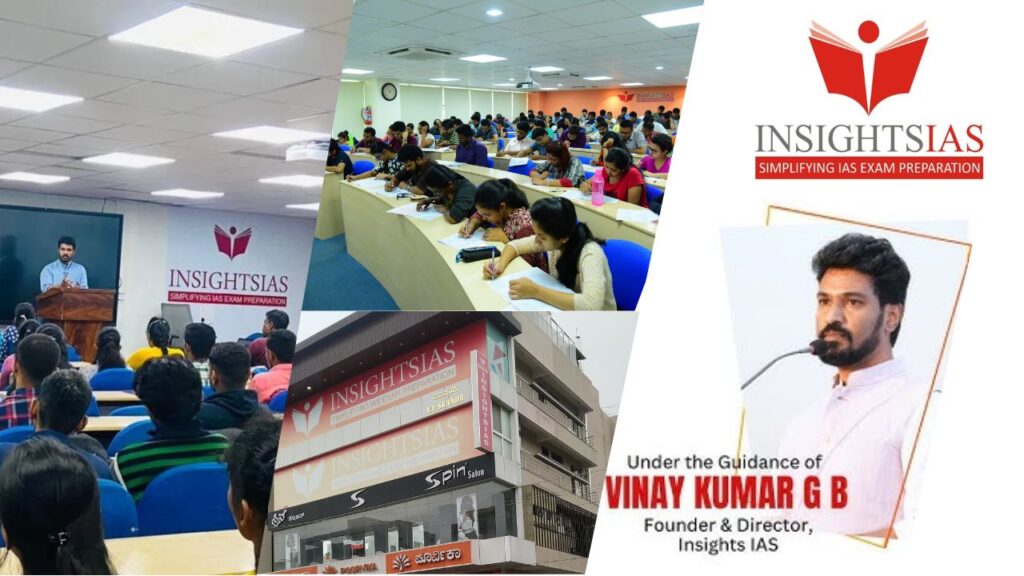
Insights IAS

Insight IAS is also best for UPSC preparation at a low price. Aspirants can begin their preparation with quality study resources and test series with reasonable prices.

Best Features

  • Strong test series that structured properly for both prelims and mains
  • Best for beginners and advanced with its foundation courses 
  • Well-designed topic notes and syllabus clarity for effective learning
  • Affordable courses, every student can get quality education at their own pace
Coaching NameKey StrengthBest Suited For
Drishti IASBilingual, motivational teachingStructured, mentor-led prep
Vision IASAnalytics & test feedbackData-driven learners
Physics WallahSimplified basics, low costBeginners on budget
Nirnay IASModular & practice-heavySelf-paced learners
Vajiram & RaviLegacy, detailed coverageSerious long-term prep
Clear IASAffordable with mentorshipSelf-motivated learners
Insights IASBudget + good contentDisciplined planners

How to Choose the Right Platform

Identify your learning style – if you need someone to push or motivate you consistently for UPSC, Drishti & Vision provide teacher interaction which might help you. Clear IAS, Nirmay or Insights are best for those who prefer to learn at their own pace.

Check your budget – PW, Clear IAS, and Insight are affordable but if you are ready to invest more, Vajiram & Ravi or Vision offers premium packages.

Test Series – if you want insightful and exam-focused test series then Vision and Insights are the best option. Drishti IAS is also providing detailed study and exam based test series.

Conclusion

The Best Online Coaching for UPSC isn’t the one with popularity or your friend is joining, someone’s opinion doesn’t help you to get the right platform. The right platform matters because every student’s mind works differently, they understand differently. Even in their preferred language, they are unable to grasp the concept of the topic. So, it might be best for you to take a demo class from online coachings, if you understand well about the topic due to clear explanations, or teaching style that might be your destined platform for UPSC preparation.

Leave a Comment

Your email address will not be published. Required fields are marked *

Top 10 List of Exams Conducted by UPSC After Graduation in 2025

Top 10 List of Exams Conducted by UPSC After Graduation in 2025

If you’re recently completed your graduation you can appear in these top 10 list of exams conducted by UPSC after graduation. UPSC is responsible for recruitment in various government positions all over India. To secure a stable future and a good income salary, you can apply for the government job by cracking the exam. 

List of Exams Conducted by UPSC After Graduation

1. Civil Services Examination (CSE)* – IAS, IPS, IFS

This is the most popular exam of UPSC. A lot of candidates start preparing for this exam after high school because it is the toughest exam all over the world. Candidates are highly passionate to attempt the exam. The IAS and IPS positions are highly respected and consist of policymaking, welfare, public security, and administration.

Category: Group A
Eligibility: Any Graduation pass candidate with any recognised board.
Age Limit: It is based on the category of the candidates – General category: 21 to 32 years, OBC: max 32 years, SC/ST: max 37 years
Exam Stages: Prelims, Mains, and Interview

2. Indian Forest Service Examination (IFS)

The duty of IFS officers is the protection and conservation of forest around the region. Candidates who are interested in wildlife or have a wish to protect forests for the conservation of forest can choose this field as their career. It provides stability and their interest in work but working hard to clear this exam is mandatory.

Purpose: Recruitment for Forest Service Officers
Eligibility: Graduation in Science or Engineering streams.
Age Limit: 21 to 32 years
Exam Stages: Prelims (with CSE), Mains, and Interview

3. Combined Defence Services Examination (CDS)

Building a career in defense you need to be physically healthy and have good stamina. If you’re fine and playing sports, this career will be your best choice to secure a permanent job. It is conducted twice a year and offers permanent commission in the armed forces.

Purpose: For joining the Indian Army, Navy, and Air Force
Eligibility: It depends on the job position, For Army sector (Any Stream). For Air Force, (B.E/B.Tech) is mandatory
Age Limit: 19 to 25 years
Exam Stages: Written Exam and SSB Interview

4. Central Armed Police Forces (CAPF) Examination

Those who want to serve in Forces such as CRPF, BSF, CISF, and ITBP can take this exam and join. It’s also required for your fitness test and medical test so your body must be fit and fine to join these forces. 

Purpose:  Recruitment of Assistant Commandants 
Category: Group A
Eligibility: Any graduate
Age Limit: 20 to 25 years
Exam Stages: Written, Physical Test, and Interview

5. Engineering Services Examination (ESE/IES)

You have completed engineering and now you wish to join the government sector or having a government job will help you to secure a better future in IES or ISE. IES officers duties in the departments like Railways, CPWD, and Defence. This is one of the most reputed exams for engineering candidates. 

Purpose: Recruitment of engineers in government departments
Eligibility: B.E./B.Tech in relevant subjects
Age Limit: 21 to 30 years
Exam Stages: Prelims, Mains, and Interview

6. Indian Economic Service (IES)/Indian Statistical Service (ISS)

After Post Graduation you can apply for this position. The IES and ISS duties require the knowledge of statistical knowledge of analyzing data and representing it in a manner.  These officers handle policy-making based on economic data.

Purpose: Recruitment for economics and statistics roles in central services
Eligibility: Postgraduate in Economics/Statistics
Age Limit: 21 to 30 years
Exam Stages: Written Exam and Interview

7. Combined Geo-Scientist Examination

Geo-Scientist examination for the role of geologist and related roles. Candidates who pass graduation with science stream then later continue in higher studies. If they wish to enter in the research-oriented government roles can take this exam be eligible for the job role

Purpose: Recruitment for geologists, hydrogeologists, and related roles
Eligibility: Master’s in Geology, Chemistry, Live science
Age Limit: 21 to 32 years
Exam Stages: Prelims, Mains, and Interview

8. Indian Statistical Service (ISS) Examination

Those who are best in the data analyzing and taking great responsibilities on their accuracy of the analytical work. The field is rare but has a high value of work. The job has a high paying salary so if you’re studying statistics as a subject you must consider this job role as a great future for your future.

Purpose: Recruitment in various statistical departments of the government
Eligibility: Bachelor’s with Statistics + Postgrad with same field
Age Limit: 21 to 30 years
Exam Stages: Written Exam and Interview

 9. UPSC EPFO (Enforcement or Accounts Officer)

This is a semi-administrative government job with regular hours. Those who want a stable job and not wishing to join private sectors must consider high paying salary job in government sector. If you are interested in the administration role, you can appear in this examination after graduation with any field. 

Purpose: Recruitment in the Employees’ Provident Fund Organisation
Eligibility: Any graduate
Age Limit: 21 to 30 years
Exam Stages: Written Exam and Interview

10. UPSC Combined Medical Services (CMS) Exam

Medical graduates can appear in this examination for securing a government job in medical practices. CMS is the best option for candidates who are interested in the medical field and have graduated with an MBBS degree. They have plenty of options but joining the government sector means ensuring the stability and growth for the career.

Purpose: Recruitment of doctors in various central government organizations
Eligibility: MBBS Degree
Age Limit: 32 years
Exam Stages: Written Exam and Interview

Why Consider UPSC Exams After Graduation?

It is the hardest exam around the globe but has great value for those who clear this exam. Who crack this exam can enter the government sector and have a great life with high salary, bonuses, Job security and respect in society. You are working for the nation eventually and Scope for growth and promotion and also there are Wide range of services and job roles.

Conclusion

Top 10 List of Exams Conducted by UPSC After Graduation in 2025. So, after graduation you can take these exams mentioned in this article, some may require the masters but most of them are eligible for the graduate candidates. However, if you are interested in any of the works or departments you wish to join then take the exams and grab the opportunity to secure your position, stable career and growth. Choose wisely for the career because it depends on the knowledge and eligibility for the exam.

Leave a Comment

Your email address will not be published. Required fields are marked *

Scroll to Top