Candidates who are waiting for the HTET 2025 Admit Card can now download from the official website of the Board of School Education, Haryana. You can download the notification for more details about this exam. The official date is 22/July/2025 for declaration of the admit card for examination on 30th to 31st July, 2025. By passing this state-level government exam, candidates are eligible for teaching in haryana government schools.
Short Details on HTET 2025
Exam
Haryana Teachers Eligibility Test
Board
Board of School Education
Level of Exam
State-Level
Purpose
HTET is a state-level government exam to assess the knowledge of candidates for teaching.
This is a state-level government exam which makes you eligible for teaching positions in Haryana government schools and colleges. But there are some educational qualifications which are required for this examination.
There are three different levels of teachers – level 1 (primary teacher), level 2 (TGT Teacher), and level 3 (PGT Lecturer). With 10+12 marksheets, you need some higher education for this position. Here is the detail:
Primary Teacher
Marksheet of 12th & Pass Certificate of D.Ed/B.El.Ed
TGT Teacher
Graduation Degree & B.Ed/ Integrated Bachelor’s with B.Ed
PGT Lecturer
Master Degree & B.Ed/ Integrated program
Steps To Download HTET Admit Card
Step 1
Click on the link to the official website. The link will redirect you to the official website of Board of School Education, Haryana.
Step 2
Scroll down & Click on the “Haryana TET Admit Card” link.
Step 3
Click on Login, the new page will open.
Step 4
Enter Registration or Phone Number & Password to log in.
Step 5
Admit Card will be shown, now you can download it.
Step 6
Save your Admit card in your mobile or laptop for printout.
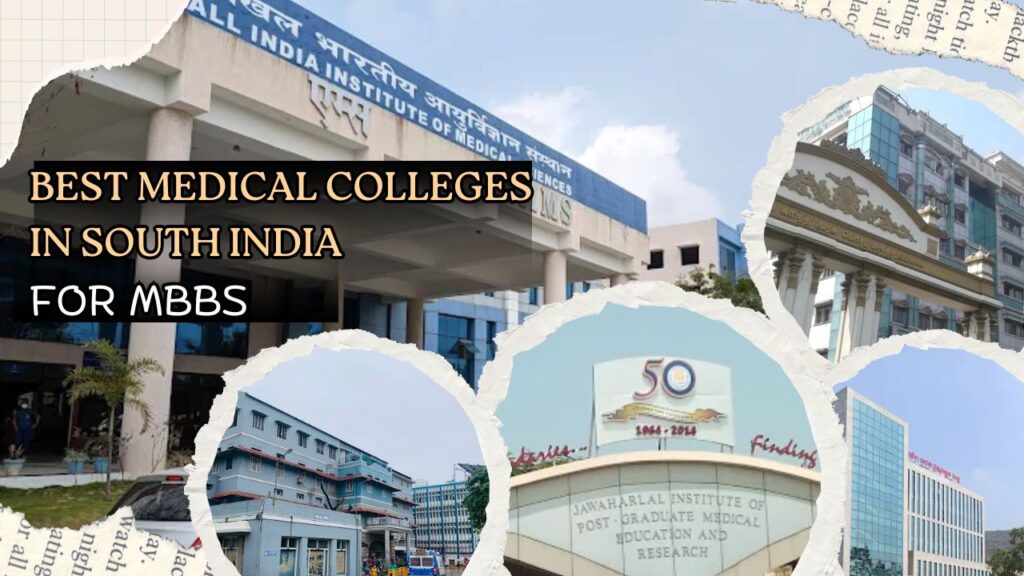
There are world-class Best Medical Colleges in South India for MBBS which provides quality education and excellent training to produce doctors. The well-established states including Karnataka, Tamil Nadu, Kerala, Andhra Pradesh, and Telangana come under the region of South India. Taking admission in any of these colleges is the right choice for starting your medical journey. South India offers both private and government colleges in a wider range.
Let’s look into these prestigious colleges which offer both theoretical and practical medical education for students.
How Did They Become the Best Colleges?
They are equipped with strict regulations to provide strong curriculum, advanced training, hospital exposure, experienced faculty, and support for career growth. After monitoring college prospects and record of successful students, NIRF ranked them as the top colleges of India. The ranking made it easy for students to choose their best college for their higher education.
Top Government Medical Colleges
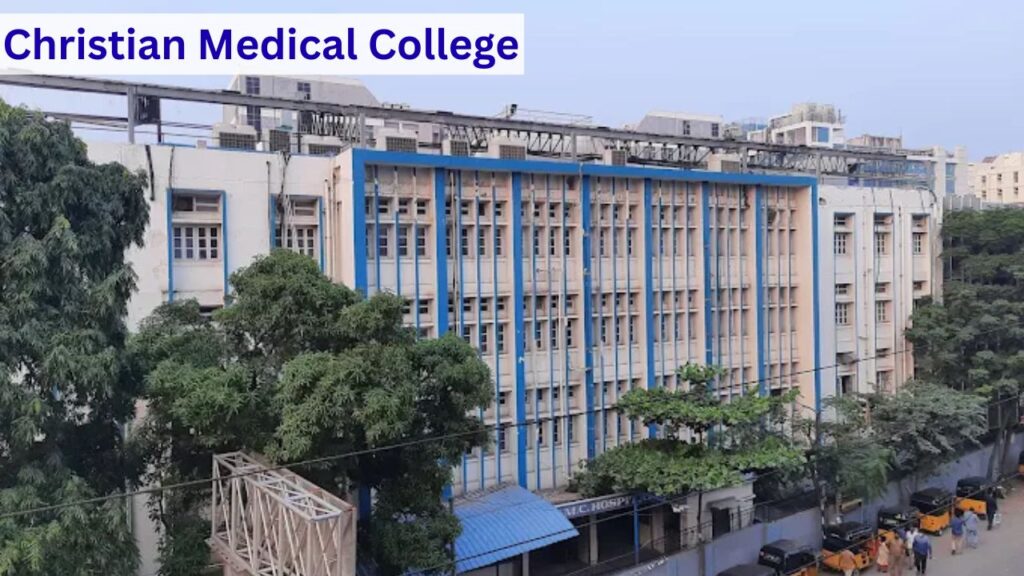
Christian Medical College
Christian Medical College, Vellore is private but offers the best education at affordable fees of just Rs. 13,500 yearly for MBBS. This college became a crown jewel of South India and ranked at 3rd position domestically by NIRF due to its top education and low fees.
Image credit: Christian Medical College
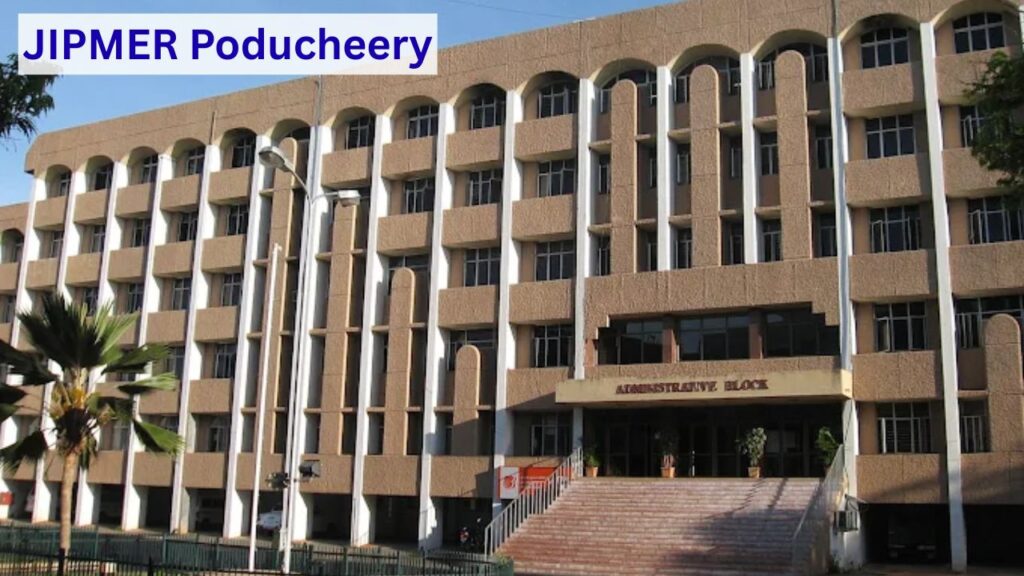
JIPMER Poducheery
Jawaharlal Institute of Postgraduate Medical Education and Research became a best known college for MBBS as it has a strong alumni network. It produces world-class doctors at low fees around Rs. 6000 yearly. It ranked at 4th position in NIRF 2025 due to its exceptional medical education. It is the top medical college of South India, but students need to score well in NEET to get admission here.
Image credit: JIPMER
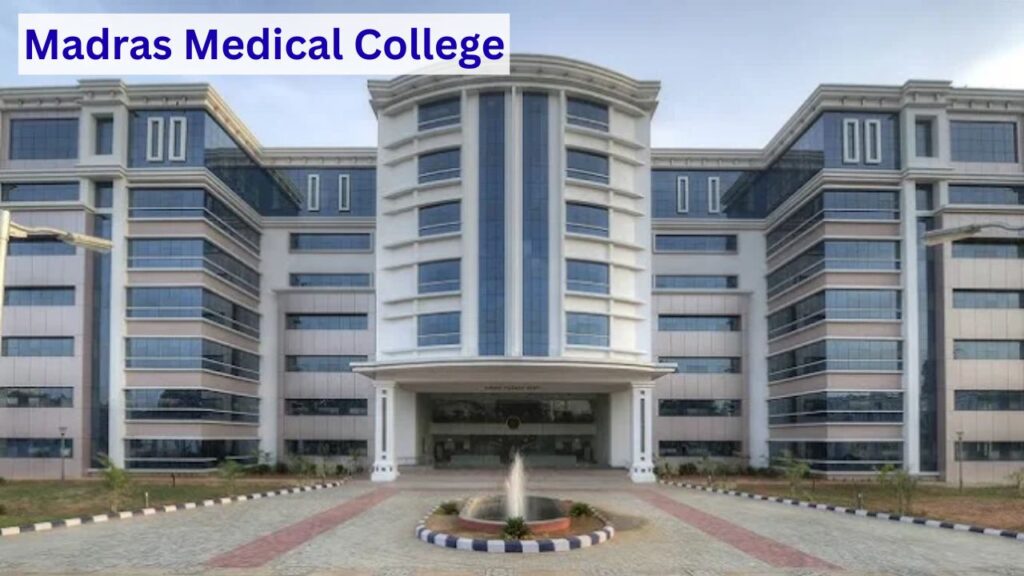
Madras Medical College
Chennai offers best government colleges including Madras Medical College which was established in 1835 and ranked at 16th among top medical institutions in India. Students need to score around AIR 944 in NEET for securing a position among 250 MBBS seats.
Image credit: Madras Medical College
AIIMS Network in South India
All India Institute of Medical Sciences has set its footprints in the South India region with highly ranking among global medical institutions. Students aiming to get their MBBS degree from AIIMS can turn their dream into reality without relocation.
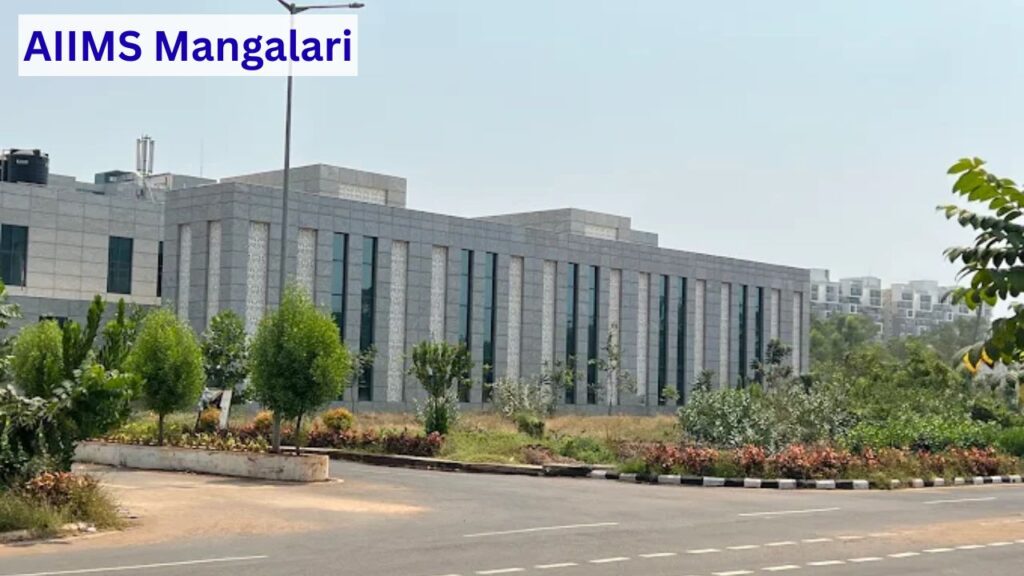
AIIMS Mangalari
AIIMS Mangalari – Andhra Pradesh has become the 29th best medical institution in India by NIRF ranking. It offers a strong curriculum and practical training in a 5 years MBBS program at low fees of around Rs. 15,760 yearly.
Image credit: AIIMS Mangalari
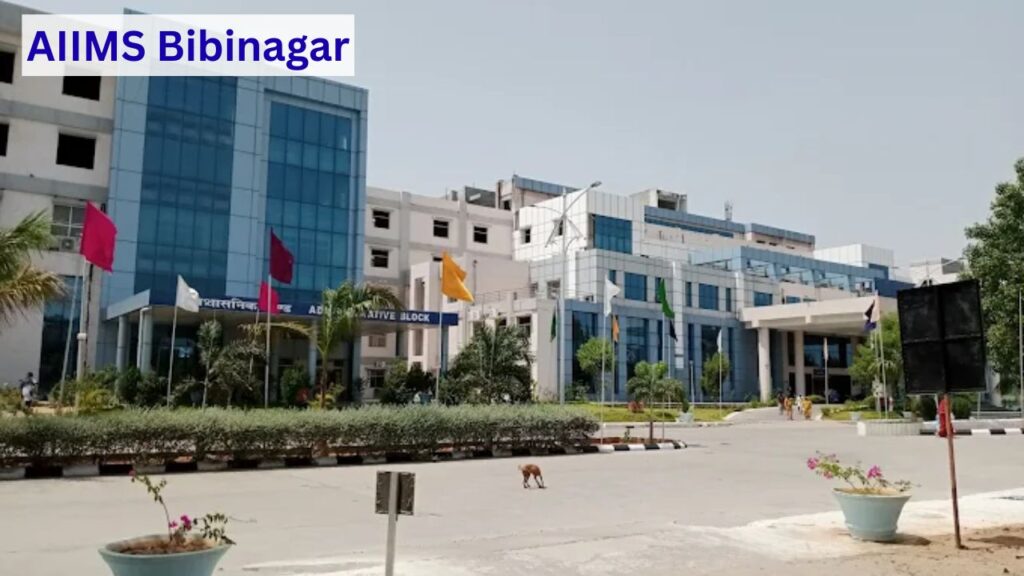
AIIMS Bibinagar
Telangana also has the best medical college and hospital — AIIMS to provide students hospital exposure for getting real knowledge. This one was established recently but still manages to rank in the top medical institutions of India.
Image credit: AIIMS Bibinagar
State-wise Government College For MBBS
Tamil Nadu
There are more than 39 government colleges in Tamil Nadu but the top medical colleges can establish your career faster and stronger.
Madras Medical College
Stanley Medical College
Coimbatore Medical College
Government Kilpauk Medical College
Karnataka
Bangalore Medical College
Mysore Medical College
Karnataka Institute of Medical Sciences
Kerala
Government Medical College, Kozhikode
Government Medical College, Thiruvananthapuram
Government Medical College, Kottayam
Telangana
AIIMS Bibinagar
Gandhi Medical College, Hyderabad
Osmania Medical College, Hyderabad
Andhra Pradesh
AIIMS Mangalagiri
Sri Venkateswara Medical College, Tirupati
Andhra Medical College, Visakhapatnam
Top Private Medical Colleges
Kasturba Medical College
Kasturba Medical College is ranked under top 10 manipal medical institutions for its top-tier education. It offers MBBS at annual fees of around Rs. 17,80,000 and KMC Mangalore also has the same fee structure but both colleges have different cutoffs. KMC Manipal accepts students with AIR 40,258 and KMC Mangalore accepts at AIR 57,207 NEET cutoff.
Amrita School of Medicine
Amrita School of Medicine is located in Kochi and offers best medical education to their students. They have experienced faculty and strong curriculum, making it the highest-ranked private medical college in South India. It has ranked at 9th in NIRF ranking and it offers MBBS at fees around Rs. 18,50,000.
St. John’s Medical College
St. John’s Medical College of Bangalore offers MBBS program at fees around Rs. 8,11,285 yearly. It ranked 30th among Indian medical institutions and needed a cutoff AIR 11,483 for admission in the course.
MS Ramaiah Medical College
MS Ramaiah Medical College is also located in Bangalore and comes under top 50 in medical colleges. It offers MBBS at cost Rs. 25,15,750 approx. It is the best college because of its excellent faculty, attached to multi-speciality hospital, and strong alumni network.
JSS Medical College
JSS Medical College, Mysore is also a top medical college that provides MBBS around Rs. 18,86,900. Admission is accepted for students who do have a cutoff around AIR 122,228 in NEET.
Sri Ramachandra Medical College
Chennai best college – Sri Ramachandra Medical College, ranks among best medical colleges. It is best for MBBS education at fees. Rs. 10,00,000. Students need AIR 313,535 cutoff for admission in this college.
Admission Requirements & NEET Cutoffs
Government colleges are more strict on the NEET cutoffs because of their top-tier education in low fees. They categorized from top to mid-tier colleges, colleges like AIIMS and JIPMER need AIR 1000–5000 NEET cutoffs for students’ admission. While mid-tier colleges require AIR 5000–15,000 NEET cutoffs for admission.
Private colleges have wider variation in NEET cutoffs, top private colleges require AIR 10,000–50,000 and some colleges need AIR 50,000 — 200,000.
But NEET cutoffs significantly depend on the state, year and college type, so check out the college official brochure for admission that mentioned exact NEET score for admission.
Fee Structure Analysis
Government colleges such as AIIMS and top-tier central institutions have offered MBBS programs in a lower range of fees Rs 6000 – Rs 16,000 annually. While state government colleges have a slightly higher range from Rs. 60,000 to 110,000 annually for MBBS. According to the management quota, government college fees range between Rs 6–12 lakh annually.
Private colleges have divided their range between Deemed university and Private colleges, according to management quota which significantly ranges between Rs. 25 lakh to 50 lakh annually. It may slightly lower around Rs. 8 – 12 lakhs in some private colleges.
Conclusion
South India’s Medical colleges offer prestigious opportunities for aspiring doctors to take their MBBS degree at an affordable price. Private institutions fees are higher, so aim for the government colleges which offer both excellent academic resources and clinical exposure to medical graduates. These Best Medical Colleges in South India for MBBS will provide you not only a degree but the best education and research ecosystem to become a doctor.
IBPS PO/MT-XVI 2026 mains admit card and the Prelims scorecard are now out. If you took the exam, head over to the official IBPS website and download both as soon as you can. Those who cleared the Prelims can now move on to the Mains, which is scheduled for October 2026. This year’s drive has 7,365 vacancies for Probationary Officers and Management Trainees, so there’s plenty of opportunity for those who make it through.
You can download both admit card and scorecard from the same website. This scorecard marks will not be added in the final merit. Only Mains and Interview marks are accounted for, so start practicing mock tests to qualify the exam. Exam dates will be announced by the authority soon on the official IBPS website.
Important Date for IBPS PO/MT-XVI 2026
Stage
Date
Prelims scorecard
29 September 2026
Mains admit card
24 September 2026
Mains exam
October 2026
Mains result and scorecard
November 2026
Personality test
November 2026
Interview letter
November 2026
Interview
November/December 2026
Final result
January 2027
How to Download Mains Admit Card & Pre Scorecard
Use the same IBPS portal; different links appear under CRP PO/MT‑XVI. Officially, IBPS issues separate admit cards for Prelims, Mains, and Interview.
Log in with Registration No./Roll No. + Password/Date of Birth + Captcha.
Download and print 2–3 copies.
Prelims Scorecard (Pre Score Card)
On ibps.in, open CRP PO/MT‑XVI.
Click the Prelims Result/Mark link.
Log in with your credentials.
View/download the scorecard showing sectional marks, overall score, and qualifying status.
What to Carry on Mains Exam Day
Printed Mains admit card (call letter)
Original valid photo ID (Aadhaar/Passport/PAN/Driving Licence, etc.)
Black/Blue ballpoint pen; follow all instructions printed on the admit card.
What Should Qualified Candidates Do Right Now?
1. Check your result and download your scorecard. Log in to the official IBPS portal with your registration number and password or date of birth. Save a PDF and a printout of both the result and the scorecard.
2. Download your Mains admit card. Check the exam date, time, venue and reporting instructions carefully. Bring a valid photo ID and follow all document requirements.
3. Shift to Mains mode immediately. The Mains exam is only a few weeks away in October, and Prelims marks are typically used only for qualifying, so your Mains performance is what decides your rank. The Mains also includes a descriptive test, so start practicing letter and essay writing now.
What To DO If You Are Not Qualified?
If you are not qualified in this exam then don’t get stressed because other exams like SBI Clerk/PO and RBI Grade B are in a lineup. So apply for those exams since the syllabus and eligibility are almost similar. However, analyze your mistakes from the scorecard to correct your answers.
Quick Mains Preparation Strategy
Take full-length mocks weekly. Sectional practice is good, but the Mains is about stamina across sections.
Prioritize data interpretation and reasoning. These sections carry high weight and reward regular practice.
Collect daily current affairs and make notes related to banking awareness and economy news feed.
For fluency, write one essay and letter under a timer to enhance descriptive writing.
Improve English with reading comprehension and practice error spotting as a daily habit.
In the last week, start revising what you learn, do not start new topics.
IBPS PO/MT-XVI 2026 Selection Procedure
IBPS PO/MT‑XVI (2026) uses a three‑stage selection process: Prelims → Mains → Interview, followed by final merit list and provisional allotment.
Stage
Purpose
Nature
Preliminary Exam
Screening test; marks not counted in final merit
Qualifying only
Main Exam
Core selection test; marks used for final merit
Scored
Interview
Personality/fit assessment; marks added to Mains for final merit
Scored
How final selection is calculated
Prelims marks are NOT added to the final score but important to reach at Mains. Final merit is prepared using Mains score + Interview score where your interview also carries 100 marks
Provisional Allotment is based on final merit, your category, preferences, and vacancy availability, IBPS issues provisional allotment to participating PSBs.
Conclusion
The IBPS PO/MT-XVI 2026 admit card and preliminary scorecard are now available online. Candidates should download their documents and check their scores. Those who qualify for the next stage should keep track of the Mains exam dates and start preparing accordingly.
There are a total of 7,365 vacancies for Probationary Officers and Management Trainees and the current stage of the IBPS recruitment 2026 is a result of Prelims. The admit card for Mains is also released so download now. This recruitment cycle offers a real opportunity. Stay consistent, stay calm, and treat every mock test as a lesson.
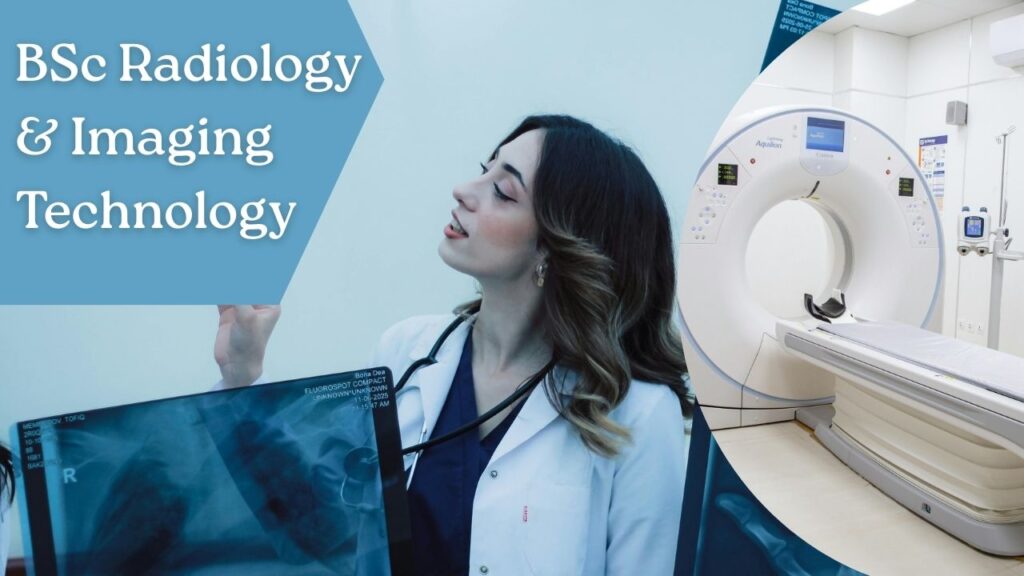
BSc Radiology and Imaging Technology is a three-year program (with one-year internship that is mandatory in most of the institutions) that equips the students with the knowledge of medical imaging. The core science portion of the curriculum (focusing on physics, chemistry, and biology) is integrated with clinical imaging courses including: anatomy and pathology, radiographic procedures, sonography techniques, ultrasound physics, computed tomography (CT), magnetic resonance imaging (MRI), and radiation protection.
The Bachelor of Science in Medical Radiology and Imaging Technology is becoming the backbone of diagnostic medicine today. This transformation is being driven by three coalescing factors: the full enforcement of National Commission for Allied and Healthcare Professions (NCAHP) Act 2021, the adoption of advanced artificial intelligence (AI) in diagnostic workflow, and the growing world-wide need for expert imaging technologists.
The course is intended to prepare competent technologists (“radiographers”) who will be well versed in the operation of contemporary imaging equipment and have a solid foundation in the science of diagnostic radiology.
Who is a Radiology Technologist?
The Radiology Technologist/Radiographer is a clinical scientist who holds at least a B.Sc. or M.Sc. degree in Radiography. They don’t just know how to run the machines, they understand the physics behind the formation of images, the physiological basis of pathology and the important issues surrounding patient safety and radiation protection.
Why Has This Course Become Important in Diagnostics?
Imaging is at the heart of diagnostics, which are critical to contemporary medicine; more than 80% of hospital care relies on them. B.Sc. In addition to machinery handling the Technician holder needs to perform a large part in the day to day imaging workflow by the year 2026 MRIT graduates holders can expect to be involved with state of the Art technology like PET-MRI, SPECT-CT, Protocol Optimization, Post Processing, QC.
Also this line job is work during recession. There is a long-term demand for skilled radiographers, particularly those trained in PACS and RIS, as the population of India grows older, lifestyle ailments become more common, and digital healthcare is enhanced under the ‘Ayushman Bharat Digital Mission’.
Entrance Exams & Eligibility Details For Admission
NEET UG 2026
National Eligibility cum Entrance Test (NEET UG) shall be the single entrance examination for admission to all the undergraduate allied and healthcare courses like BSc Radiology and Imaging Technology from the academic year 2026-27, according to NCAHP.
AIIMS — 2026 Paramedical Entrance Test
Along with NEET, there is the AIIMS entrance Test which is held by AIIMS for paramedical courses leading to B.Sc. and M.Sc. The date of AIIMS B.Sc. Paramedical 2026 exam is tentatively on 30 May 2026.
Note:- Candidates are requested to cross-check this with official notification as some calendars mention July for Examination, however May is the only projected window as per academic calendar.
How to apply:
Basic Registration: The schedules released in 2026 March/April. You can create a Registration ID.
Final Registration: Involves the generation of a Unique Code (RUC), payment of application fee, usually in May 2026.
Test Format: This computer-based test will consist of 90 multiple-choice questions (MCQs) on biology/mathematics, chemistry, and physics and will last for 90 minutes. Any wrong answer can take away ⅓ marks.
Admissions at JIPMER & PGIMER
JIPMER (Puducherry): B.Sc admissions The admissions to the B.Sc shall be The Allied Health Science at JIPMER (Puducherry) for the year 2026 will be on the basis of the NEET UG scores. JIPMER normally holds its own counseling for these seat(s).
PGIMER (Chandigarh): The institution holds a separate CBE, these are usually conducted in the months of August/September. The process of application normally commences in June.
State and Private University Tests
CUET (Common University Entrance Test): Central universities, such as Banaras Hindu University (BHU), utilise the CUET. The essential subject combination for Radiology is Physics, Chemistry, and Biology / Mathematics.
Manipal: in MAHE, Phase 1 is scheduled for April 2026 for admission test, and the next Phase 2 for May 2026.
CMC Vellore: It is a tough Institute level CBT (Computer Based Test) followed by a Step-2 evaluation (Practical tests and interviews.)
Eligibility Criteria 2026
Educational qualification: Should be passed class 12th board with physics, chemistry and biology (pcb) and English. Some of the institutes like AIIMS allow mathematics (pcm) for Radiology courses.
Minimum Marks: For the general/EWS/OBC category, it is 50% aggregate and for the SC/ST category, it is 45%.
List of Colleges For BSc Radiology and Imaging Technology
There are 140+ colleges around India that offer BSc Radiology and Imaging Technology without taking too much fees, especially in government colleges. If you have interest in lab technologies or figuring out body structures and making reports then take admission for securing your career in this field.
College
Location
Approx. Fees
Notes
AIIMS—New Delhi
Delhi
₹4,500
Elite training facility as it is Top-ranked college
PGIMER
Chandigarh
₹10,500
Members are mindful and placements opportunities
JIPMER
Puducherry
₹94,000
Excellent internships
AIIMS—Rishikesh
Uttarakhand
₹46,000
High packages up to ₹24L
GMCH
Chandigarh
₹39,000
Affordable govt option
Integral University
Lucknow, UP
₹3.15L
Good infra, local pick
Parul University
Vadodara
₹4.6L
Private, placements ₹6L avg
SGT University
Gurgaon
Varies
Modern facilities
Academic Curriculum for the Course
Theory and laboratory practice are included in the curriculum of BSc Radiology and Imaging Technology. The following topics were covered: Human anatomy/physiology, Imaging Physics, General Radiography, Ultrasound Imaging, CT Scanning, MRI Basics, Radiobiology and Radiation Protection, Digital Image Processing, and General Patient Care.
BSc Radiology and Imaging Technology is a four year degree course. The first three years were spent attending didactic lectures, practical laboratory courses, and clinical observations. The fourth year is a required, full-time clinical internship during which the student serves as a student technologist at a hospital.
Phase
Duration
Focus Areas
Year 1
Semesters 1-2
Basic Medical Sciences, Communication Skills, Computer Basics
The 2026 Curriculum is intended to establish progressively developing competencies.
Year 1: The Foundation
The goal is to give the student a foundation in the human body and the hospital setting.
Human Anatomy & Physiology: This Is Not a “Fly By” Tour Students are required to study detailed osteology (bones) to learn how to position for radiographic.
They are taught body systems physiology to understand how to administer contrast media.
General Physics: The basic laws of physics applicable to the production of radiation.
Clinical Pathology & Biochemistry: Basics of blood tests (creatinine, urea) which are important prior to contrast administration.
English & Communication: Necessary to describe techniques to patients and to calm them.
Year 2: The Core
Students access the realm of diagnostic imaging in BSc Radiology and Imaging Technology.
Radiation physics: The production of X-rays, their interaction with matter, and the design of X-ray tubes.
Radiographic Positioning, the science and art of positioning the patient to radiograph the body part (i.e. Towne’s view for skull, Skyline view for patella).
Darkroom to Digital: Darkrooms may be a thing of the past, but knowing the history is key. Emphasis is placed upon Computer Radiography (CR) and Direct Digital Radiography (DR) modalities.
Radiation Protection: Students learn the ALARA (As Low As Reasonably Achievable) concept along with shielding and dose limit for worker and patient.
Year 3: The Advanced Frontier
This is the year when the high-end modalities that shape contemporary radiology are covered.
Computed Tomography (CT): CT Physics, generations of scanners, helical vs. axial scanning, and protocols for different body regions.
Magnetic Resonance Imaging (MRI): Principles of the complicated physics of nuclear magnetic resonance, safety issues related to ferromagnetic materials, and pulse sequences.
Ultrasonography (USG): Essentials of acoustics, transducer design, and the technologist’s function in the operation of the sonographer.
Interventional Radiology (IR): Orientation to the Cath Lab Sterility and Equipment utilized in Angiography.
Radiation and Radioactivity in Nuclear Medicine Basics of PET-CT Handling of Radioisotopes including Technetium-99m.
Year 4: The Internship
The purpose of the internship is to transition a student to a worker. Interns rotate through different departments, including X-ray, CT, MRI, Emergency and ICU. They need to keep a logbook of cases they have done, and are evaluated on their technical skills and dealing with patients.
BSc Radiology and Imaging Technology Career Scope & Salary
Skilled radiographic professionals are sought after in India’s growing healthcare sector. Radiology technicians also work in public and private hospitals, diagnostic laboratories (pathology and imaging centres), government health schemes, private practitioners and emerging digital health platforms including teleradiology and artificial intelligence (AI) imaging start-ups.
Clinical Roles
Radiologic Technologist: The typical baseline position. Duties are to perform x-rays, triage patients and maintain radiation safety .
CT Technologist: So, what’s the place in the hierarchy. Knowledge of cross-sectional anatomy and contrast administration is required.
MRI Technologist: A step up. MRI scanners are complicated, and patient safety (screening for metal) is critical. The technologists here typically make 20-30% more than a general radiographer.
IR Technologist: The Cath Lab Experience. In a stressful environment, high volume dealing with cardiac and vascular interventions. You’ve got to wear thick lead aprons for long hours – but when you’re done, you’re king and you’ve got money in your pocket.
Mammographer: Expert in breast imaging. Because of the sensitive nature of the exam, female technologists are preferred for this position.
Sector & Role Wise Salary (2026)
Role
Experience
Sector
Approx. Monthly Salary (INR)
Jr Technologist
0-2 Years
Private sector Hospital
Rs 18–25k
Jr Technologist
0-2 Years
AIIMS/Govt (Contract)
Rs 25–35k
Sr Technologist
5+ Years
Corporate Hospital
Rs 45–60k
MRI Specialist
3-5 Years
Diagnostic Chain
Rs 35–50k
Application Specialist
2-5 Years
Medical Device Co.
Rs 50–80k + other allowance
Govt. Permanent
Entry Level
Government
Rs 45–55k (Initial + Allowance)
Who is Ideal For this Course?
BSc Radiology and Imaging Technology course is for students who like science and technology and want to work in the health sector. The ideal candidate: is detail oriented, is able to follow protocols which are critical for safety, is comfortable using computers and complex machinery, and can interact with patients (explain procedures, position patients). A BSc radiology student should be well versed with biology and physics and should also be calm and responsible because any mistake in imaging can impact the diagnosis.
Future Value of BSc Radiology and Imaging in Healthcare
In India’s upcoming healthcare scenario, BSc Radiology and Imaging Technology are a must-have. With the proliferation of private hospitals and diagnostic chains in Tier II/III cities, the need for imaging services is on the rise.
Technologies, such as AI-based image analysis, hybrid imaging (e.g. PET/CT), etc, indicate that the profession will continue to be hitech. So BSc (Hons) in Radiography graduates will play a vital role in connecting technology and patient care. The course produces practical professionals who can contribute immediately to hospitals’ diagnostic teams, which is critical in a country like India, where there is a shortage of doctors.
Conclusion
In a day and age when technology and medicine are coming together closer than ever, the Radiology Technologist is at the controls of the medical world’s most powerful machines. For individuals who are detail-oriented, have a caring nature, and technical mind, BSc Radiology and Imaging Technology offers a fulfilling, stable and ever-changing career.
Candidates who applied for the assistant engineer post can now download their admit card through the link here. Candidates should check their exam dates to be well-prepared. BPSC AE Admit Card 2025 has elements such as Name, Father’s name, DOB, Examination Centre, Exam Date, Roll Number, etc. Candidates can download the notification for the examination.
Candidates should download their admit card for examination on 17, 18, & 19 July. They have to get a card to enter the examination hall. After the exam, candidates who pass the exam can be eligible for the interview round.
Short Detail For BPSC AE Admit Card 2025
Post Name
Assistant Engineer
Exam Conducting Body
Bihar Public Service Commission
Purpose
BPSC is selecting candidates through this exam for 1024 vacancies as Assistant Engineers for various departments.
Students must be aware of the entire IIT BHU fee structure if they are planning to pursue the B.Tech degree for 4 years, as the Institute operates on an income- and category-based system. IIT BHU is considered one of the best value for money engineering colleges in India with good placements and govt backed fee waivers and the fee is moderate as compared to many other IITs.
The overall academic fee for four years for General/OBC/EWS students having an annual family income of more than ₹5 lakh is almost ₹10.4 lakh, while due to hefty tuition fee waivers, the students coming from lower income groups or reserved categories are charged a lot less. Students should also keep in mind that in addition to tuition realistic these fees are as well as hostel and mess charges while calculating up the actual four-year budget.
IIT BHU B.Tech Fees Overview
IIT BHU (Varanasi) has a caste cum income-based fee structure and hence what you have to pay depends both on your caste category as well as your annual income. Academic fees include the fees for tuition, examination, registration, hostel seat rent and other institutional charges, but mess fees must be paid separately every semester.
For a General/OBC/EWS student with income above ₹5 lakh per annum, the total academic cost for 4 years of B.Tech (not including mess and personal expenses) comes to around ₹10.41 lakh. The addition of hostel and mess makes the true 4 year cost regularly cross ₹11.5-12 lakh, based on yearly revisions and your lifestyle.
IIT BHU B.Tech Fees Fee Structure Table
The following is the approximate fee structure of B.Tech course of IIT BHU for 4 years for various categories and income slabs (Mess charges are not included). These figures are for indicative purpose for 2025-entry students and are subject to minor changes in future circulars.
Category
Admission Cost
Semester Fee
First-Year Total
4-Year Total
GEN/OBC/EWS with Income less than ₹5L
₹15,750
₹1,06,350
₹1,21,600
₹10,00,000
GEN/OBC/EWS with Income less than ₹1-5L
₹15,750
₹39,683
₹54,933
~₹3,20,000
GEN/OBC/EWS with Income less than ₹1L
₹15,750
₹6,350
₹21,600
~₹50,000
SC/ST/PwD with no income limitations
₹15,750
₹6,050
₹21,300
~₹48,000
Fee Structure in More Detailed Way
One-Time Charges at Admission
₹5,750
Refundable Deposits at Admission
₹9,000
Tuition Fee
₹1,00,000
Additional Charges
₹16,500 per semester
Realistic Budget: Academic + Hostel + Mess
While academic fees only are quoted in brochures, parents should calculate fees with hostel and mess included so as to not suffer a financial shock later. IIT BHU Hostel fee (seat rent plus utilities) is very nominal compared to fees, but mess bills are a hefty recurring cost.
Seat rent for the hostel and utilities: a few thousand rupees per semester (added to the normal semester fee).
Mess advance: usually ₹15,000–17,000 a semester – rates depend on the mess committee.
Estimated four-year mess cost: ₹1.2–1.4 lakh (based on eight regular semesters and modest inflation has been taken into account).
General/OBC/EWS Candidates who have their house income less than 5 lakh have a good all inclusive practical 4 year budget (academics+hostel+mess) would be around 12 lakh.
This is the lower fee budget particularly for those who receive full or partial tuition waivers, students with lower-income can have a shot at IIT BHU.
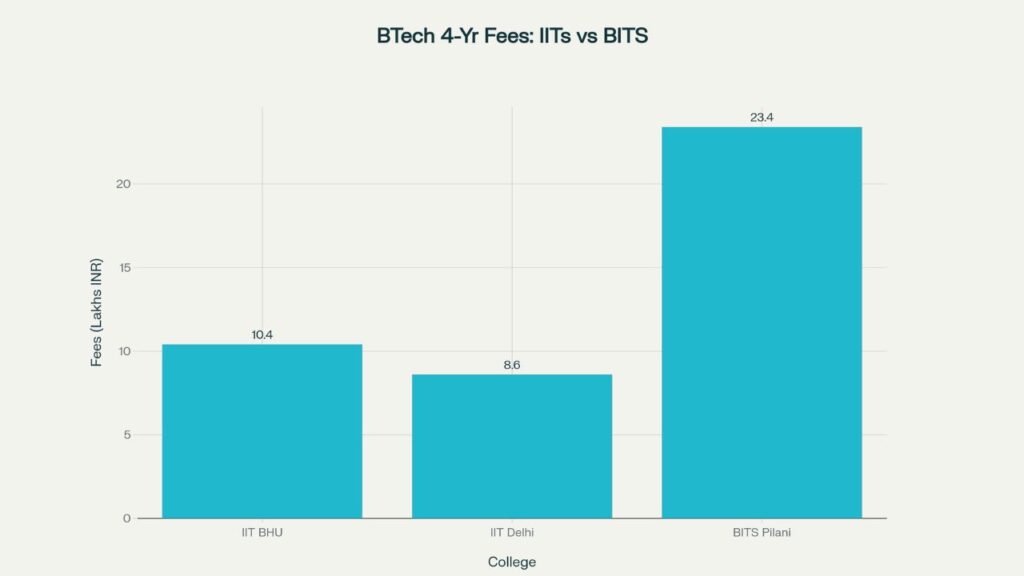
In order to get a sense of how affordable IIT BHU is, it makes sense to compare its 4-year B.Tech fee with that at other reputed institutes like IIT Delhi and BITS Pilani. The following amounts (approximates) are for General/OBC/EWS students with income above ₹5 lakh per year and do not include hostel/mess.
Both IIT BHU and IIT Delhi receive government subsidies that make the cost of tuition approximately ₹8–10 lakh for 4 years.
Since BITS Pilani is a private deemed institution the fees are much higher, the total cost for 4 years (including hostel and mess) can easily cross ₹22-24 lakh.
Fee Comparison With IIT Delhi And BITS Pilani
4-year BTech Academic Fee Comparison (2025)
IIT BHU and IIT Delhi 4-year fees are about ₹10.4 lakh and ₹8.6 lakh respectively for the same duration. Meanwhile, tuition fees at BITS Pilani vary from ₹19 lakh to ₹22 lakh for 4 years, not inclusive of inflation and full residential expenses.
For students who are granted income-based fee waiver or belong to SC/ST/PwD categories, IIT BHU becomes significantly better option over private colleges, as their burden of tuition fees is substantially reduced or waived off. This balance of modest fees, good placements and central government support is what makes IIT BHU one of the best ROI engineering options now available in India.
Conclusion
The B.Tech fee at IIT BHU is kept as per the income slabs of students, Hindi Medium assistance patches are provided. With substantial waivers for economically backward sections and SC/ST/PwD students, and government subsidies making the aggregate academic fee lesser than most of the premier institutes, IIT BHU promises one of the best ROI among the top engineering colleges.
The bottomline is that the 4-years cost of attendance remains affordable when compared to private institutes like BITS Pilani, whose fees can run to almost twice this amount, even after adding hostel and mess charges. If you are a student who wants a good mix of fees, quality education with good placements, IIT BHU is a very cost-effective and future proof bet.