The golden opportunity is announced for all the Teachers in India through CTET exam 2026. Organized by CBSE, this country level examination is for teaching jobs in government and private schools for Class 1 to 8. Candidates who apply in December 2025 for this examination should get ready for the exams.
Notification Details
Exam notice is released for CTET exam 2026, you can also get official notification on the official website for all the details about the exam. Candidates who filled the forms in November — 18 December 2025 can prepare themselves for the examinations in prior time to avoid panic at the end.
CTET February 2026 Exam Dates and Format
Feature
Details
Exam Date
7 & 8 /February /2026 (Saturday & Sunday)
Mode of Exam
Offline (Pen & Paper / OMR Sheet)
Number of Cities
132 to 140 Cities Nationwide
Total Papers
For 1-5 Standard: Paper I; For 6-8 standard: Paper II
Question Type
150 Multiple Choice Questions
Total Marks
150 Marks per paper
Duration
150 Minutes (2.5 Hours)
Negative Marking
None
Language Options
Bilingual (Hindi/English) + 20 Regional Languages
Syllabus Overview
Paper 1 consists of questions from Child Development & Pedagogy, Language I & II, Science (for Science group), Social Studies (for Social studies group), Mathematics, and Environmental Studies, the emphasis is primarily on assessing the capability to teach at mali-ly school children.
Paper 2 deals with Child Development, Language I and II and options such as Maths/Science or Social Studies for senior levels.
Subjects stress pedagogy, theories of learning, and content of subjects based on guidelines of NCTE.
Pass requirement is 60% for general (55% for reserved).
Education and Age Limit Rule
There is no age limit here—everyone is welcome to apply, if you are Indian or you have Indian roots.
For Paper 1, you should have a minimum of 50% in 10+2 with a 2-year Diploma in Elementary Education (D.El.Ed) or graduation with B.Ed.
Paper 2: Graduation with minimum 50% marks and B.Ed or its equivalent like B.Ed (Special Education) is essential. .
Reserved Category (SC/ST/OBC/PwD) Candidates can get Relaxations of 5% less in qualifying marks.
Candidates who are appearing in the last year of their course are also eligible.
When thinking about starting a career in engineering then choosing among the top BTech Colleges in India is the priority for every student. The race for a Bachelor of Technology (BTech) course has gotten much tougher and thrilling as there are plethora of options for would-be engineers across the country. If you’re a Class 12 student planning to appear for entrance exams or a parent navigating the admissions maze, this one-stop guide will give you an overview of the current scenario of top BTech colleges in India, their rankings, placements and admission criteria.
Understanding the Current Landscape: NIRF Rankings 2025
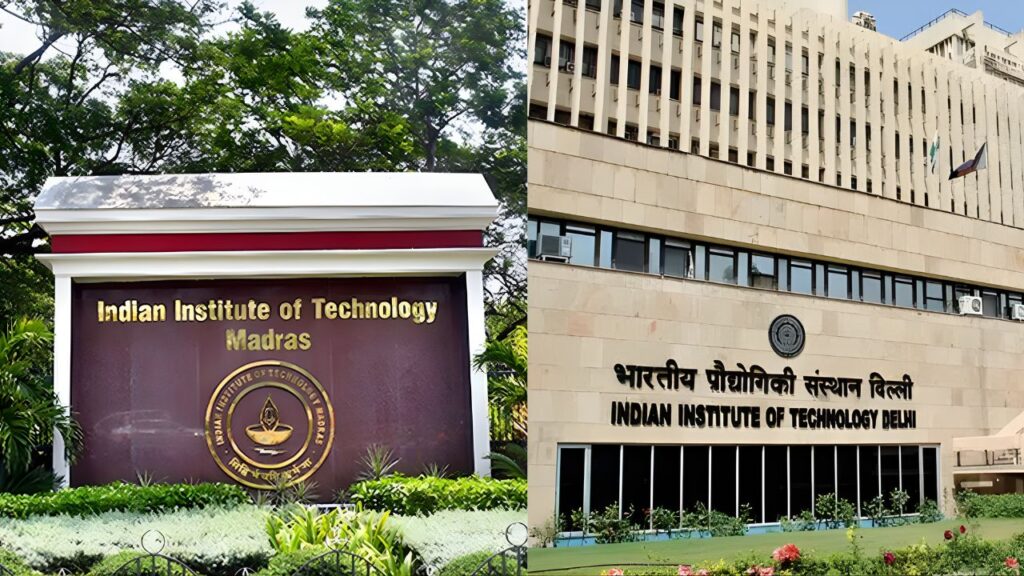
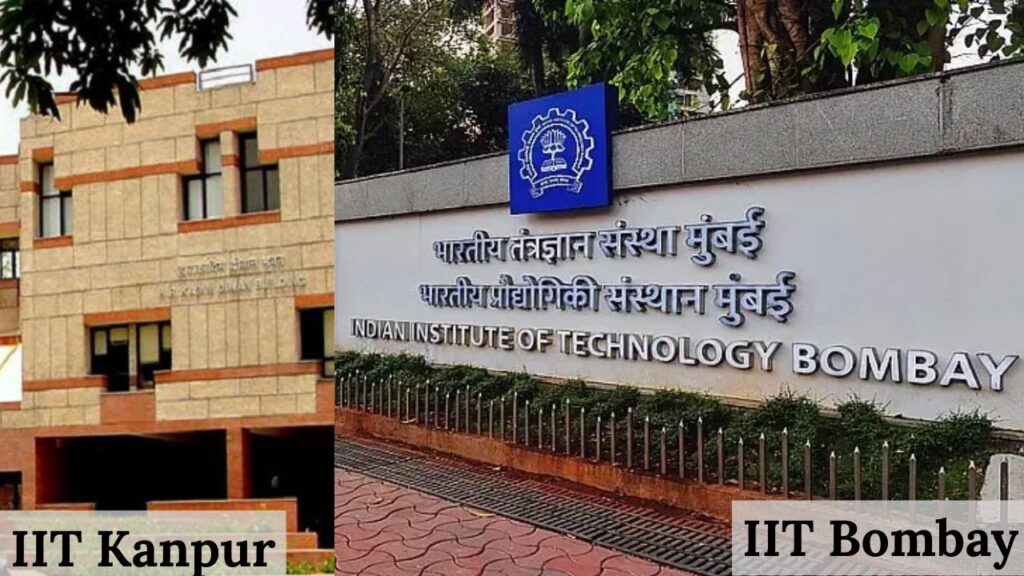
Indian BTech Colleges NIRF Ranking 2025 is considered as the standard for deciding the best BTech colleges in India. As per the updated list, IIT Madras ranked 1st once again for the ninth straight year, further consolidating its hold on engineering. The top five Engineering institutes in India according to NIRF 2025 are IIT Madras, IIT Delhi, IIT Bombay, IIT Kanpur, and IIT Kharagpur.
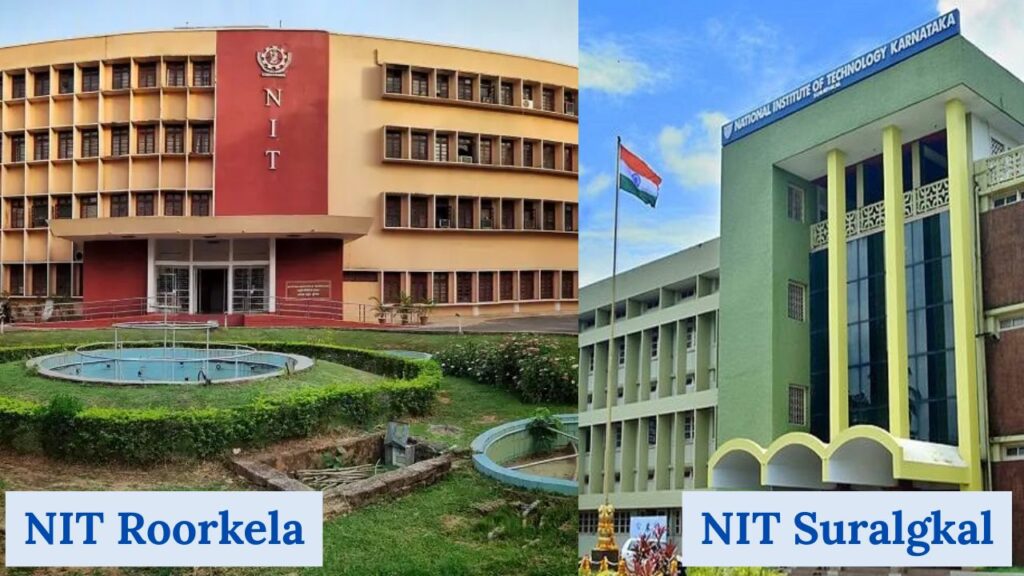
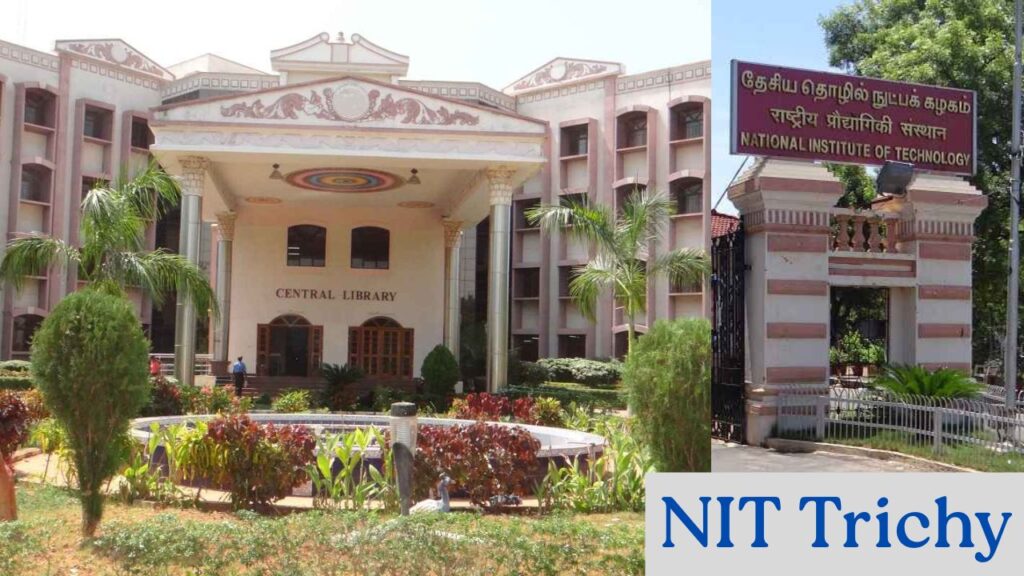
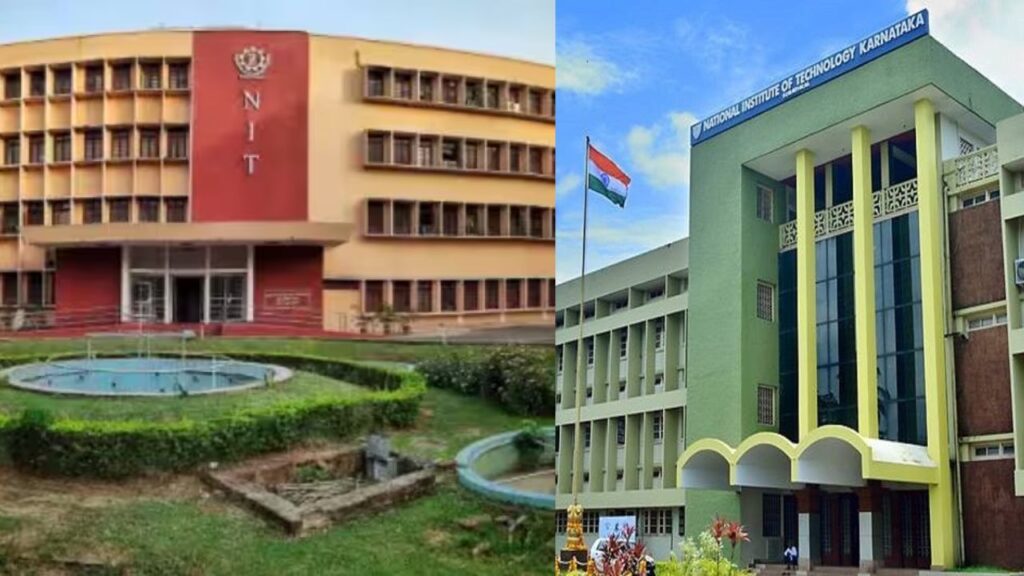
But the story is not all IITs, the NIRF Rankings are not limited to the only IITs. As far as the National Institutes of Technology (NITs) are considered, only NIT Trichy emerges among the top 10 at rank 9 in the list, which speaks about the immense competition in rankings. Following NIT Trichy we have the older NITs like NIT Roorkela, NIT Suralgkal, we have NIT Calicut who all regularly get top 25!
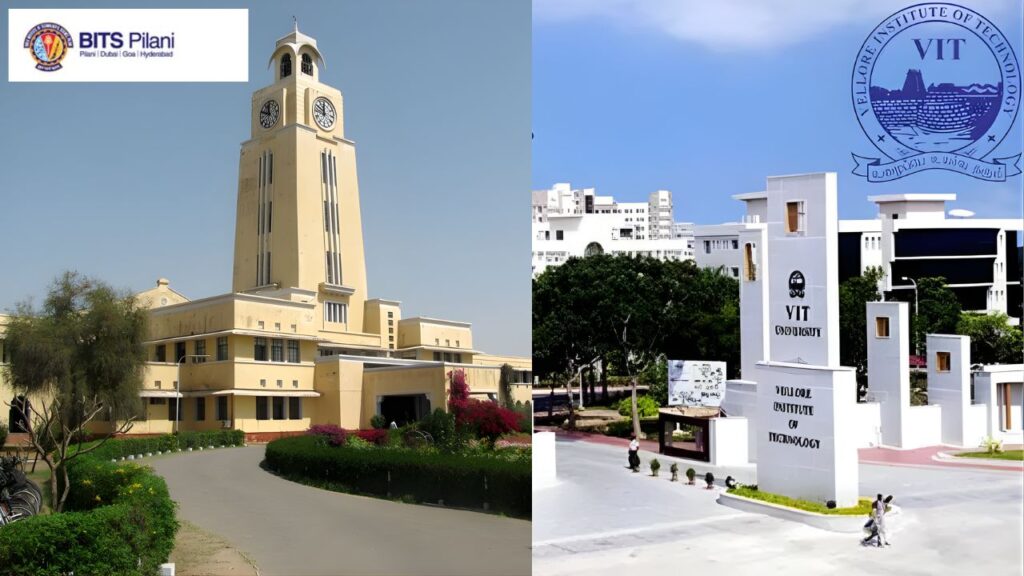
Private institutes have also made a place for themselves, with BITS Pilani at Rank 11 and VIT Vellore at Rank 16 in NIRF 2025. These colleges are no joke, they do provide a world class education and you will have no problem finding employment.
The Tier System
In addition to the usual rankings, a number of industry insiders grade schools according to tiers based on placement results, presence of recruiters, and number of competitive cutoffs. This gives a more refined sense of the college pecking-order.
Tier 1 (Premier Institutes) consists of the legendary IITs such as IIT Bombay, IIT Delhi, IIT Madras, IIT Kanpur, IIT Kharagpur, IIT Roorkee, IIT Hyderabad, and IIT Guwahati. These are also engineering colleges which dream destinations for most engineering aspirants. Indian academics are tough and placement records are also excellent.
Tier 1.5 (Strong and Competitive) has institutes such as IIT BHU (Varanasi), IIT Indore, BITS Pilani, IIT Ropar, IIT Gandhinagar, NIT Trichy, NIT Surathkal, and NIT Warangal. These universities have good academics and employment potential and have gained significant traction in reputation.
Tier 2 (Well established with Consistent Track Records) Institutes of the second tier like IIT Mandi, IIT Jodhpur, IIT Bhubaneswar, IIT ISM Dhanbad, NIT Rourkela, NIT Calicut, BITS Goa, BITS Hyderabad, and the likes, boast of consistent placement records coupled with strong alumni network. These are established institutes and provide assured opportunities for students for career growth and links with industry.
Placement Statistics
While selecting a college, the chief concern is usually the placement. Let’s dig into the real figures. The average salary package at IIT Bombay soared to ₹23.5 LPA in the 2024 placement drive, showing a 7.7% rise from last year’s ₹21.8 LPA. The highest package at IIT Bombay soared to a staggering ₹3.67 crore, with 22 students bagging offers scaling the ₹1 crore per annum mark.
The placement rate for IIT Bombay’s BTech programme is a healthy 74.53%, with 1,475 students placed out of 1,979 registered. Curiously, Computer Science Engineering is the most in demand branch with 230 offers, then closely matched by Electrical Engineering (232) and again by Mechanical Engineering (229).
The average package at IIT Kanpur hiked up to ₹26.27 LPA, whereas IIT Delhi saw an average package of ₹17.60 LPA with a highest package of ₹2.05 crore. These statistics attest to the amazing value top engineering colleges provide their students.
Admission Process For B.Tech
Anyone with ambitions to be a part of these institutions should know the process of meteoric rise, which is Understanding the process of admissions is essential for any aspirant who wants to get into these esteemed organizations. The route for BTech admission in India: Your Class 12 results and entrance exams largely decide your fate.
An all India examination termed JEE Main is required to be passed by the candidates for admission to the institutes like IITs, NITs. Candidates are required to qualify in JEE Advanced, which is the next level after JEE Main, for seeking admission to IITs. JEE Advanced for admission to IITs can be attempted only by JEE Main rank holders (JEE Main is qualifying exam for JEE Advanced), and seat allotment in IITs is done on the basis of JEE Advanced ranks alone.
The eligibility criteria is simple, but important: candidates should have completed class 12th (science stream with physics, chemistry, and mathematics) with minimum marks of 50% to 75% which varies as per the institute and category. For reserved category contenders the qualification is generally 65%.
The BTech admission schedule is designed in a manner that helps you to plan well in advance. Application period: It may be from November to March of next year, subject to specific entrance examination.
Entrance exams are generally held in April-June, followed by counselling and seat allotment after the exams then classes usually start around August or September.
Cutoff Ranks Matters
In top colleges, an applicant with a JEE Main rank less than 5,000 can expect to get one of the top five NITs. For example, NIT Trichy’s Computer Science Engineering has an opening and closing rank of 1000-2000 in general category, NIT Surathkal’s CSE has ranks in the range of 1500-3500.
General
91-95
EWS
79-83
OBC-NCL
77-81
SC
58-62
ST
44-48
Under this category, the likely cutoff percentile for JEE Main 2025 is General (91-95), EWS (79-83), OBC-NCL (77-81), SC (58-62), ST (44-48). But, all these are predictions based on the past year’s trends of the exam, the actual figure of cutoff may be different.
Popular BTech Specializations
The present day BTech courses are not only confined to traditional engineering branches. Computer Science Engineering (CSE) leads the list as the most preferred branch for a bright career in software development, data science and cybersecurity.
But today the BTech branches in the specializations are far more than the CSE. Mechanical Engineering, Civil Engineering, ECE (Electronics and Communication Engineering), and IT (Information Technology) are still the standard choice but some new fields are emerging that are taking over the engineering world. AI and Data Science, Cyber Security, Cloud Computing, Biomedical Engineering, and Robotics and Automation Engineering are the courses currently making waves owing to high demand in industry.
Emerging disciplines such as these are the future of engineering, and firms looking to attract the best graduates in those niche are already hard-pressed to come up with competitive salary packages.
Understanding the Financial Reality
It is also necessary to consider the expenses related to BTech. The entire course fee amountfor government colleges like NITs and IITs is generally between ₹8.35 lakhs and ₹9.17 lakhs which is really affordable considering the kind of opportunities these institutes offer.
Private universities such as BITS Pilani have much higher fees at ₹23.9 lakh for the full course, although they do have a variety of advantages such as more flexible curricula and better placement results.
With a low fee structure of ₹8.35 lakh, IIT BHU, Varanasi also has the highest ROI of 239.52%, due to a median package of ₹20 LPA.
Conclusion
Selecting a BTech college is among the most crucial decisions in your academic life. Despite the importance of rankings and placement statistics, you must keep in mind your interests, what you want to do in your career and your personal circumstances. If you’re going for the elite IITs, the perpetually decently performing NITs, or the private ones like BITS Pilani, do remember that your success depends as much on how hard you work as how good your education institution is.
Start your JEE Main preparation today, aim for a good rank, and keep track of the dates of the admission process. After all the efforts and proper guidance, it’s not going to be long before you’re striding down the hallways of the top engineering colleges in India, ready to make a mark on the world.
The AIIMS Nursing Officer Recruitment is the greatest Career option for the nursing candidates. The job notification dated 13-Feb-2026 contains 3,614 vacancies for Nursing Officers at different AIIMS across India and highlights the need for competent nursing professionals in the industry of healthcare. This isn’t a new government exam notification, it’s an entry point into the center of India’s most admired healthcare system, under the legendary All India Institute of Medical Sciences.
To thousands of nurses, NORCET-10 offers not just employment, but dignity, stability, advancement, and meaning in a profession tasked with the obligation of rescuing lives every day.
The Indian public healthcare system is growing at a rate never seen before. Under national healthcare missions, new AIIMS campuses and tied up trauma centers are being established across the country. It’s a Nursing Officer behind every doctor, every ICU machine, every code red hospital protocol, who is the real backbone of hospital care.
In order to select these candidates in a just, transparent and merit-driven way, the Ministry of Health and Family Welfare (MoHFW) organizes a centralized national examination named NORCET (Nursing Officer Recruitment Common Eligibility Test).
The NORCET-10 (2026) will be the 10th edition of this exam, and it stands as the gold standard of nursing recruitment in India. It would anticipate 3,625–3,700 seats, a big fill new for the trauma centers and super-specialty wings. To the aspirants, particularly GNM or B.Sc. Nursing graduates, it’s an opportunity to get rid of private sector uncertainty and come under the central government umbrella.
This one test is being held for recruitment to the posts of Nursing Officer in:
Various AIIMS located in different parts of India
Top central government hospitals like
ESIC hospitals and associated medical institutions
One examination can provide you with different career options in the whole of India, That’s what it means.
Schedule For AIIMS Nursing Officer Recruitment 2026
Event
Date (2026)
Short Notification
13/February
Detailed Notification
By 24/February
Application Start
24/February
Application Close & Fee Payment
16/March, 5:00 PM
Stage I (Prelims)
11/April
Stage I Results
16/April
Stage II (Mains)
30/April 30
Final Results
11/May
Eligibility: Who Qualifies?
NORCET-10 is open to fresh graduates of B.Sc Nursing (Hons/Post Basic), experience not required and GNM certificate holders with 2 years post-qualification experience in a 50+ bed hospital. All the candidates must have a valid Nurse/Midwife registration with the INC or any State Nursing Council.
Age: 18–30 for UR/EWS (as on 16 March). Exemptions shall be applicable as under: 5 years for Ex-Servicemen 15 years(56 years) for SC/ST PwBD Category person.
Application Fee
Category
Fee
General / OBC
₹3000
SC / ST / EWS
₹2400
PWBD
₹0 (Free)
Massive Opportunities in 2026
With AIIMS Nursing Officer Recruitment 2026 NORCET-10, there is great scope for Nursing Officers, as a total of 3600+ posts are available across all AIIMS campuses, ESIC hospitals, and central government medical institutes.
While this round of recruitment is not just replacing stagnation but also echoes a scale up of healthcare infrastructure – new ICU blocks, super speciality wings, trauma centres and regional AIIMS culturing. Notably, the growth is not metropolitan-centric and there are good job prospects in tier-2 and tier-3 cities as well.
Vacancy Breakdown
Category
Seats
%
UR
1,467
40.5
OBC
1,020
28.1
SC
536
14.8
EWS
353
9.7
ST
249
6.9
Exam Pattern: Two-Stage System
Preliminary
Exam Parameter
Details
Total Questions
100 MCQs
Total Marks
100
Exam Duration
90 minutes
Sections
Breakdown
General Knowledge & Aptitude
20 questions
Nursing Subjects
80 questions (covering nursing practices and theories)
An AIIMS Nursing Officer is entitled to financial benefits under Pay Level 7 of 7th CPC. Their gross salary is ₹44,900 per month and the net salary is ranging from ₹65,000 to ₹72,000 per month. This works out a yearly package of ₹8–9 lakh. Other allowances include Dearness Allowance (DA), House Rent Allowance (HRA), Nursing Allowance, Uniform Allowance, Night Duty Allowance.
This Job brings:
✔ Financial stability
✔ Government job security
✔ Pension benefits
✔ Medical facilities
✔ Social respect
✔ Family stability
Career Future Opportunities
Freshers
After the successful selection, candidates are appointed at the post of Junior Nursing Officer or Staff Nurse for the first time Nursing Officers commence their career. Initially, they get paid between INR 9,300 and 34,800 per month with a grade pay of INR 4,600.
Skill Development and Specialization
The nursing officers are allowed to attend many training and workshops to upgrade their knowledge throughout their service. The specialization options allow nursing professionals to enhance their expertise and earn higher pay for taking on specialized roles and advanced positions for example in pediatrics, oncology or critical care.
Promotions and Higher Roles
Through experience and skills growth, nursing officers can get promoted to the post of Charge Nurse, Nurse Manager or Clinical Nurse Specialist. These positions are usually more responsibility and more pay. For example, Nurse Managers can make a great deal more money, as they are leaders, managing teams of nurses and the day to day operations.
Future Scope Of AIIMS NORCET Nursing officers who qualify through the AIIMS NORCET will be placed in a good position in a career that will only grow. With growing healthcare and a demand for trained nurses, there are plenty of opportunities to move into senior management or education roles. such as those concerned with supervising the practice of nursing or developing policies, or those that involve teaching.
The process to apply for the AIIMS Nursing Officer Recruitment 2026 is simple and involves few steps.
The online application process for the AIIMS NORCET 10 exam will be started from 24 February 2026. Submissions are due by March 16, 2026 and none will be accepted after 5:00 p.m.
Applicants are required to register on the official website of AIIMS by entering the requisite details.
Application Form Submission: They will now be required to submit the application form along with their personal, educational and professional details.
Document submission: Need to submit all required documents such as educational certificates and nursing registration with the application form.
Payment of application fee: The application fee should be paid by the last date i.e. 16th March 2026. The fee information is usually available on the above section in this blog
Final Submission: Print it out as it will be needed in the future after final submission with all the necessary documents.
The AIIMS Nursing Officer Recruitment Common Eligibility Test (NORCET-10) for 2026 is more than just a regular recruitment, it is the cornerstone of quality maintenance in India’s top public health care system. By becoming one of the first exams in the country to make the change from ‘learning by rote’ to a highly secured two-level scenario based examination, AIIMS has raised the bar of cognitive abilities required in a nursing professional in India – bringing home recruitment at par with the most stringent clinical excellence globally.
GovUpdatewala is your trusted source for real-time updates on government exams and jobs in India. We provide verified info on SSC, UPSC, Banking, Railways, Defense, and Teaching exams. From syllabus and patterns to important dates and career tips — we support aspirants at every step.
For decades, a government job has been the most lucrative career option in India. These SSC Job List 2026 will help you to take the right direction of your career. As we head into 2026, the Staff Selection Commission (SSC) still remains the dream gate for lakhs of aspirants to get their foot into stability, respect and serving the nation.
If you are preparing your career roadmap for this year, then getting to know about the huge range of SSC jobs is step one! From the Central Secretariat to paramilitary forces, desk-bound jobs to high-octane field jobs, the SSC 2026 calendar is bulging.
So, here is the detailed information of Your SSC Job List 2026 by Exams and Qualification.
SSC Combined Graduate Level (CGL)
The SSC CGL which is popularly known as ‘Mini-IAS’ exam is the most reputed exam for selection to Group B and C posts in various SSC Job List 2026 in ministries and departments. Candidates need to have a Bachelor’s Degree in any stream to be eligible.
Some of the SSC Job List 2026 under SSC CGL are:
1. Assistant Section Officers (ASOs) watchful policy realization in the Central Secretariat Service (CSS) in the Ministry of External Affairs (MEA), or Intelligence Bureau (IB) or the ASOs business is largely on one’s table at any rate!Desk based post of execution policy.
2. Roles in the Ministry of Finance related to taxation that are high-paying and profitable are Income Tax Inspector and GST Inspector.
3. AAO or Assistant Audit Officer – Indian CAG This is the Gazetted post In SSC CGL under the Indian Comptroller and Auditor General (CAG) and working with the Indian Comptroller & Auditor General this post is unique.
4. Sub-Inspector in CBI: This post is for those who are willing to serve in the National Investigative Agency.
SSC Combined Higher Secondary Level
SSC CHSL is a great opportunity for 12th pass candidates to get an entry level post in the government sector.
Job Roles:
1. These posts (Junior Secretariat Assistant and Lower Divisional Clerk) are the best paying jobs at entry level which are the backbone of office administration and are indispensable to the smooth working of the office.
2. Data Entry Operator (DEO): Hold the responsibility for maintenance of essential Government files, up-to-date and complete, with accuracy.
This examination leads to secure and respectable employment within government organizations.
SSC MTS & Havaldar
This is an excellent opportunity to enter in the Multi Tasing Staff job role or Havaldar, 10th pass candidates can get a central government job/staff.
Job Roles:
MTS (Multi Tasking Staff): It serves as a kind of general office support, some such duties include, running files, pushing files from one desk to another, housekeeping in office space, across various government ministries.
Havaldar: Havaldar post Candidate Should belong to Central Board of Indirect Taxes & Customs (CBIC) and Central Bureau of Narcotics (CBN). The duties of the security personnel are all field-based i.e. they are related to security and watch and ward.
SSC GD Constable
The SSC GD Constable 2026 Recruitment if you would like to serve in uniform and keep yourself physically fit, then consider it. The exam is held for recruitment to various Paramilitary forces like:
BSF —-Border Security Force
CISF —-Central Industrial Security Force
CRPF —-Central Reserve Police Force
ITBP —-Indo-Tibetan Border Police
SSB —-Sashastra Seema Bal
AR —Assam Rifles
Qualification Criteria: The applicants must have cleared 10th standard with some physical standards in order to be eligible for the recruitment.
SSC CPO
The SSC CPO exam is a good chance for the ones who want to be a Sub-Inspector (SI). It is a tough but rewarding path to take. Candidates are required to have a graduation degree and Qualify Physical Endurance Test to be eligible.
Selected candidate have the opportunity to serve in prestigious position like Sub-Inspector in Delhi Police (which is considered one of the most orderly police service) or Sub-Inspector in Central Armed Police Forces (CAPFs) – BSF, CRPF and more.
SSC Specialized Exams
Stenographer (Grade C & D)
If you are good at shorthand typing and can crack SSC Exam then SSC Stenographer may be a door for you to enter into government jobs.
Via this exam candidate is selected for the post of Stenographer in various ministries, departments and organizations of Government.
The core responsibilities of this role involve providing dictation assistance to senior officials, drafting official documents, processing correspondence and carrying out administrative tasks.
They frequently are called upon to assist higher-ranking officers, making it a key supporting position in the government system. You can get a great pay from this job role as it requires your skills.
Junior Engineer
The SSC Junior Engineer exam is disputed for the candidates who have a Diploma/Degree from the recognized board in a relevant field of engineering i.e. Civil, Mechanical, Electrical etc.
The result of SSC Junior Engineer Exam contains qualified candidates who are selected for appointment in various government departments, organizations such as public works, infrastructure, etc.
They also oversee such projects as cleaning and maintaining government buildings and roads, write technical reports, and verify that engineering projects conform to safety and quality requirements.
SSC Selection Posts (Phase XIV):
The Staff Selection Commission Selection Post Exam is a good opportunity to get a government job for the person who has educational qualification of 10th pass 12th pass and Graduates.
Unlike other SSC exams which appoint the candidates for common posts, this exam appoints candidates for distinct and specialised posts in various central government departments.
These posts can be for Scientific Assistant or Laboratory Attendant or even Library Clerk, Data Entry Operator or Technical Assistant. Every post has different eligibility criteria and different skills that are needed as per the requirement of department.
Due to the wide range of posts, the Selection Post examination is an ideal platform for the people who are having professional or vocational qualifications and interested to work in a particular domain in the government sector.
Job Security: Students can rely on their jobs for lifetime as it is not like private jobs undisputed, particularly in times of economic downturn.
Work-Life Balance: There are public holidays and weekends leave can be more relaxful and also on the weekdays you have to work only 9 to 5.
Salary and Perks: The salary is very competitive with the 7th Pay Commission norms. Benefits such as HRA (House Rent Allowance), DA (Dearness Allowance) and medical benefits for family are some of the major highlights.
Social Prestige: It is a centrally administered ministry, so it has a good standing in society to serve in it or the national police force.
SSC Job List 2026 Exam Timeline
The SSC Job List 2026 exam timeline is given for the students to take an idea to begin their journey, accurate date and time are declared by the official website of SSC. Students who are interested in any of these job posts can check the official notice of the exam on the official website.
Exam Name (2026)
Notification Date (Expected)
Exam Month
CGL
March/2026
May—June/2026
CHSL
April/2026
July—Sept/2026
MTS
June/2026
Sept—Nov/2026
CPO
May/2026
Oct–-Nov/2026
GD
Sept//2026
Jan—March/2027
Conclusion
Whether you are a 10th-pass student or a postgraduate engineer, the SSC Job List 2026 has all the opportunities for you. The only question you must ask yourself is which post defines my personality better? If you love discipline and being outdoors, go for CPO or GD, if you love a quiet office and wielding admin powers, go for CGL.
Union Public Service Commission (UPSC) has released the Civil Services (IAS) and Indian Forest Service (IFS) Prelim 2026 notification, now apply for 933 prestigious Union Government posts in Civil Services (IAS) and IFS 2026.
The online application process to fill up the posts began on February 04, 2026. Eligible candidates who aspire to join India’s top administrative services can apply through the official website on or before February 24, 2026.
Prelims will be held on 24 May 2026, Admit cards to be issued soon. Mains follow in August, but focus on Prelims first.
Follow These Event Dates For UPSC Civil Services IAS/IFS Pre Recruitment 2026
Event
Date
Online Apply Start Date
04/February/2026
Last Date for Fee Payment
24/February/2026
Pre Exam Date
24/May/2026
Admit Card
Before Exam
Result Date
Updated Soon
Application Fees
General/OBC/EWS,
₹100
SC/ST/PwD/women
NIL
Eligibility Essentials
You should have a bachelor’s degree from a recognized university.
Age Limit: The age of the applicants for this post should be between 21 to 32 Years (as on 01/August/2026) i.e. they should not be born before 02 August 1994 and after 01/August/2005.
Age Relaxation: As per Govt. Norms, the relaxation in age will be given- 3 yrs for OBC candidate, 5 yrs for SC/ST candidate, more relaxation would be admissible for PwD and Ex-servicemen candidates.
Citizenship: The rules are applicable for Indian citizens or as.
Go to the official website (upsc.gov.in) to apply. or upsconline.nic.in.
Apply through the pre-registration (One-Time Registration or OTR) if new
Complete Part I (personal information) and Part II (upload photograph and signature, pay fee).
Charges: ₹100 for General/OBC/EWS, no charge for SC/ST/PwD/women.
Verify all before you submit the application.
Print the form for future reference
What is Exam Pattern
Prelims consists of two papers: GS Paper I (200 marks, counts for merit) and CSAT (qualifying). There is also negative marking, so approach is important. It’s your way to Mains — only rankers move ahead.
If you’re curious about what it takes to be a Human Resources (HR) professional, you’re in the right place. Over the past 10 years, the HR Professional Courses has undergone significant transformation, shifting away from an administrative role to gaining importance and recognition as a strategic business partner in organizational culture, employee satisfaction and business performance. This all-in-one resource will take you through the Need to Knows of building a fulfilling HR career in India, whether you are a fresher exploring career options or a career changer seeking a meaningful direction.
What Does an HR Professional Actually Do?
Before we get into courses and salaries, let’s demystify the day-to-day life of a HR professional. Despite the stereotype that human resources is just paperwork and policies, HR employees today wear many hats. You will participate in strategic talent acquisition to seek and recruit candidates aligned with company values and who will drive growth. You’ll design and deliver programs to upskill the employees, mentor junior staff, and help them grow their career within the company.
On the compliance and policy side, you will be monitoring the company’s compliance with labour laws, conducting employee relations with tact, mediating disputes equitably and managing the full spectrum of employee life from hiring to offboarding. Compensation and benefits policies are your domain too: You develop the strategies, coordinate the performance reviews, and you can even assist with organizational development by working with your leaders on future staffing and succession planning. In today’s world of data and analytics, many HR professionals are also utilizing analytics to monitor indicators such as employee engagement, retention rates and hiring effectiveness to drive additional business improvements.
The joy of human resources is that each day is different, with issues ranging from handling a difficult employee complaint to developing a creative new-hire program or spearheading an organization-wide change effort.
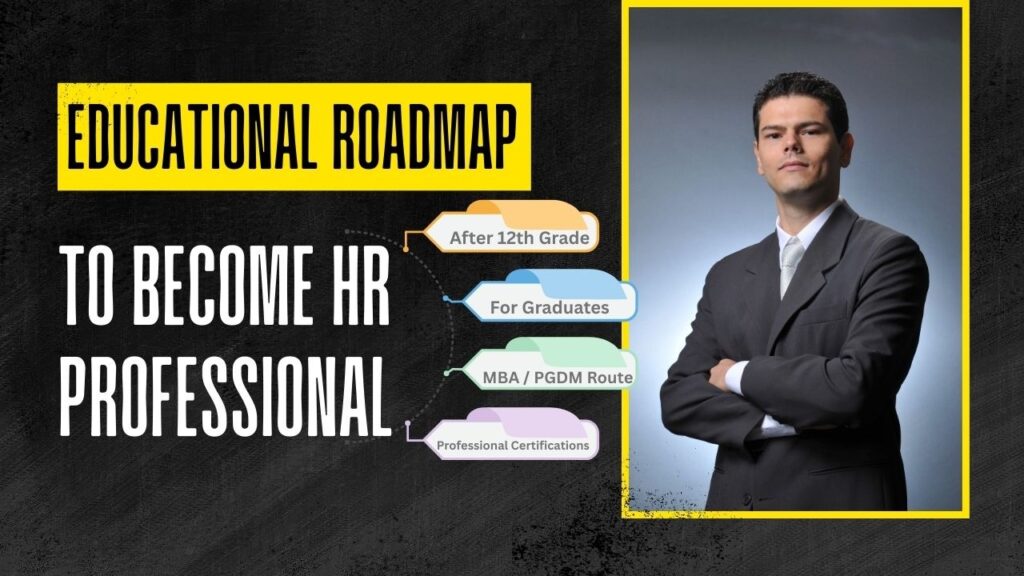
Educational Roadmap To Become HR Professional
The great thing about HR career paths is that there is no single “correct” path. To your education and current level of career aspirations, you can add several points of entry:
After 12th Grade
If you have completed the high school you can go for the Diploma in Human Resource Management. These 1-3 year courses are available at a cost of Rs 50,000 to Rs 2,00,000 according to the classification of institution as a government or a private one. Alternatively, you can do 3 years of Bachelor’s degree (BBA, BA, BS) in HR or something related. Government College fee is goes from ₹1-8.5 lakhs and for private college fee is from ₹3-16.25 lakhs.The eligibility criterion is generally 50-60% in 12th class.
For Graduates
If you already hold a bachelor’s degree (in any stream as per your undergraduate major), you can go forward for professional certificates or a post graduate diploma. A professional certificate of 6-12 months costs between ₹20,000 and ₹1,00,000, while a post graduate diploma for 1-2 years is valued at ₹50,000-₹1,20,000. These courses are great if you want to make a move into HR for then a full 2 year MBA.
MBA / PGDM Route
If you are looking for an overall business education with focus on HR, a 2 year MBA or PGDM in Human Resources fees vary from ₹ 2-27 lakhs based on the tier of the college and the location. These programs on the repel need entrance exams as CAT, SNAP, MAT, or XAT. Top tier institutions such as IIM, XLRI have higher fee yet provide excellent placement package and networking.
Professional Certifications
Professional certification is also valuable in addition to formal education. The popular certification include CHRG (Certified Human Resource Generalist) which has fees of ₹50,000-₹2, 00,000.
The CHRM (Certificate in Human Resource Management) is priced at ₹90,000-₹8,00,000 and the CHRP (Certified Human Resource Professional) costs ₹80,000-₹4, 00,000.Two globally-oriented credentials that also have value on an international basis are the SHRM-CP (Society for Human Resource Management Certified Professional) and the aPHR (Associate Professional in Human Resources) both of which are recognized by employers in many countries around the world.
Eligibility Requirements You Need to Know
For Diploma Courses: You need to pass 12th grade exam with minimum 45% in aggregate.
For Bachelor’s Degrees: Obtain 50-60% in 12 grade; some colleges require entrance exams.
For M.B.A. Directly after 10+2: Achieved a minimum of 60% in your 12th grade exams; passed entrance exams such as CAT, MAT, SNAP, or XAT.
HR-Related Certifications: Many certifications such as SHRM-CP have prerequisites of at least 3 years of HR work experience in an HR function, whereas entry-level aPHR caters to HR novices or individuals beginning their journey in HR.
Starting Salary For HR
Entry level HR professionals in India get a good pay as per market standard. An HR fresher gets a salary in the range of ₹15,000-₹30,000 per month, which comes around ₹3-5 LPA per annum. However, this might differ drastically depending on a few things such as:
By Role: HR recruiters and coordinators normally begin with salaries of ₹18,000–₹26,000 per month and HR analysts with good technical skills can make ₹25,000–₹35,000 per month from the very start.
By Education: Tier-1 MBA (HR) pass-outs have high salary prospects of ₹30,000–₹40,000 per month and BBA or BA grad can make ₹18,000–₹25,000 per month.
By Industry: It is not always that an HR company gives you a chance but you can get IT, finance and e-commerce industries offer for an HR with starting pay of ₹28, 000 to ₹35, 000.
By Location: Metrocities like Bengaluru and Delhi offer great pay to HR Professionals.
Career Growth
Indian HR salaries have increased 24% from 2019, this is higher compared to IT sector’s 6.5% CAGR. This signals the rising level of strategic importance that HR has in organizations.
Career Progression Timeline
Start as an HR Assistant or Coordinator (0-2 years), then advance to HR Generalist or Specialist (2-10 years) in areas such as L&D Manager or Recruiter, then go to HR Manager or HR Business Partner (5-10 years) and subsequently to executive positions which include Director, Head of HR, or CHRO (10+ years).
Salary Growth by Experience
A fresher can typically expect a starting salary of ₹3–5 LPA. As you gain more experience, this can be anywhere from ₹11-15 LPA at HR Manager level, ₹20-25 LPA in senior specialist roles and anywhere between ₹40-150+ LPA for CHRO of a large company. The steepest rise in salary is generally seen between 10 to 13 years of experience- whereby the median CTC varies around ₹38 LPA.
Emerging High-Growth Specializations
For maximum growth, strategic HR roles are the way to go. HR Analytics Managers earn ₹40-60 LPA, Salary & Benefits Managers earn ₹28-42 LPA, and Diversity & Inclusion Managers earn close to ₹20 LPA. These positions are growing at 15-22% per year because they have a direct effect on business results.
Conclusion
The Job growth of approximately 7% over the next ten years will add about 17,400 new jobs and is expected for the HR occupation. Instead of being automated out of existence like some admin jobs, strategic HR roles are increasingly precious. You get to work with people, solve truly complex organizational issues, shape company culture, and have a tangible impact on whether employees are happy at work.
”The investment, be it ₹50,000 for a diploma or ₹20 lakhs for an MBA, gets returned fast in the form of a competitive pay package and strong career growth. More than who you’re working for, it is the work, financial and personal fulfilment you are creating.
First, decide on the HR professional Courses that best matches your current qualifications and your career timeline, learn core HR skills to get started, and don’t overlook the impact certifications can have in helping you stand out.