There are numerous 12th Pass Government Jobs 2025 in India where students can secure their stable career in the specific sector including defense, banking, admin, and public sector undertakings (PSUs). Read the full article to know about job roles, salary, eligibility, and future scope for 12th-pass candidates.
Top 10 Government Jobs for 12th Pass
The government is spreading job vacancies for 12th-pass candidates in 2025. You can also secure your career in a specific sector.
There are the following job roles in various sectors:
Police and Defense
The defense sector has many job roles after 12th pass candidates
Police Constable
Police Sub-Inspector (some states may require graduation for this job role but some recruit after 12th)
National Defence Academy (NDA)
Technical Entry Scheme (TES) – Indian Army
Agniveer Scheme
Military Nursing Service (MNS)
Railway Jobs after 12th pass
Railway job offers a good salary to the candidates, you can apply after 12
Junior Clerk Cum Typist
Commercial Cum Ticket Clerk
Trains Clerk
Railway Group D Posts
Ticket Collector
Ticket Examiner
Banking Jobs after 12th pass
There are Government banks where candidates can apply after 12 but they must pass the exam with a good score. This sector provides long-term career stability.
Clerk
Data Entry Operator
Sales Executive
Banking Assistant
Cashier
Peon
Public Sector Undertakings (PSUs)
Junior Assistant/Apprentice
Technician
Fieldworker
Helper
SSC Jobs (Staff Selection Commission)
Data entry jobs
Lower Clerk
Postal
Assistant
Eligibility Criteria for Government Jobs After 12th-pass
Similar Eligibility Criteria across these Sectors
There is some eligibility for these roles in Railway, defense, SSC, PSU, and banking are same. Let’s talk about the common criteria for the job roles.
Nationality: Candidates must be the Indian Citizen Age Limit: The minimum age must be 18 years or older, and the maximum age should be exceeded by the sector and category of the person. You can check these exact eligibility requirements while applying for the specific role. Educational Qualification: Candidates should pass 10+12 with a 50% score in any stream.
Key Difference in Eligibility Criteria
Railway: For a Technical post in the Railway, the candidate must have an ITI/Diploma. Physical Tests are necessary for Group D positions.
Defense: Only Unmarried candidate apply for NDA post Candidate must have good health and pass the medical tests
SSC: Age Limit vary for some posts For Clerical post typing test will be included
Banking: The Bank Officer post requires graduation, candidates must have a degree in a similar field for this job role Computer skills are required in bank jobs
PSU: GATE score required for the technical posts The minimum age required in the range (21-27) may vary according to the various categories.
Government exams candidates take after 12th
There are some competitive exams which are conducted by the government for the various job roles in each sector. If you want a government job, you must pass the exam (every job role has different exams)
If you want a Job in the Indian Army, navy, or Air Force, You have to attempt the National Defense Academy (NDA) exam and score well to secure a job role.
For entry-level jobs in banking, you need to take the IBPS clerk exam.
If you want to go in Police jobs you must attempt State Police Constable Exams that are conducted by the state government.
For clerks, assistants, and data entry operator job roles candidates must pass the SSC CHSL.
Indian Railway offers jobs for the candidates who passed RRB NTPC.
Conclusion
You can apply for 12th Pass Government Jobs 2025 and secure the rewarding career for a lifetime. Every sector has different job roles, just stay focused and clear out the competitive exams. Stay updated with the official notification for latest vacancies in defense, railway, SSC, and PCU to apply early.
How to join Indian Army: It’s not just a job, a profession or a service, it’s a way of life to be in the Indian Army and a lifetime commitment to the nation. For millions of young Indians, the olive-green uniform stands for honor, meaning and pride that far surpasses any regular jobs. But the path to joining the Indian Army isn’t a smooth one it requires vision, preparation, stamina and the knowledge of different entry points available.
Whether you are a 10 or 12 student, a graduate or one aspiring to get commissioned, the Indian Army has multiple avenues to make that dream a reality. Unique in this sense, this guide shows you everything from entry schemes, through selection stages, fitness, documents, medical standards, ensuring that you can prepare as best you can to help you realise your own dream to serve the nation with pride.
Understanding Your Entry Options
There are hardly any rigid models for recruitment of the Indian Army. The company understands that people with potential can come from anywhere educationally and that is why it has different entry schemes. If you are a class 12 passer, the Agniveer scheme is for you. If you’re a graduate or an engineer, you can apply for the Short Service Commission (SSC) or the Technical Graduate Course (TGC). For people still in class 12 with strong academics, the NDA is a well-known route that leads to officer-level commissions.
What I like about Indian Army recruitment is its open door policy. For soldiers and officers, technical and manpower roles for that matter, there is something for everyone. Your starting point might be different from your colleague’s, but the destination – serving the nation – is the same.
The Most Popular Route: Agniveer Scheme
For most hopefuls it has become like the Agniveer scheme and this is the only option going forward. Introduced to recruit a younger, more dynamic force into the Armed Forces, the scheme is available for men and women aged 17.5 to 21 years. You must have passed class 10th/12th from a recognized board with minimum 50% marks in aggregate.
The submission of the application is easy. Go to the official site joinindianarmy.nic.in and register providing your basic details, e-mail and mobile number. You will fill up application details with your 10th certificate with as per rules. After you have submitted, you will be given a registration number—hold on to this, it is the key to the next step.
After the registration you must prepare yourself for three intense stages. The first state is the Common Entrance Exam (CEE), a written test conducted offline. This test examines your understanding of General Knowledge, Mathematics, Science and Reasoning. It’s not like you need to memorize stuff, the exam is on your logical thinking and problem solving skill.
If you clear the CEE, then you will be invited for the second stage: the Recruitment Rally. This is your physical fitness moment! The rally comprises a Physical Fitness Test (PFT) which is truly exhausting. You must run 1.6 km in 5 minutes and 45 seconds, do at least 6 pull-ups, jump a 9-foot ditch, and complete a zig-zag balance test. They’re not just random drills, they’re meant to test whether or not your body can keep up with the rigors of military life.
The third stage is the medical test and document confirmation. Medical examinations are extensive – they examine your vision, hearing, bone density, heart health, and your general well-being. The Army needs soldiers who aren’t just strong but also medically able to go where it’s hard to go.
Physical Fitness
Being physically fit matters, and you really can’t ignore your way through it. If you really want to join, start your fitness regimen now. Running is your foundation—start with distances you can handle and slowly increase your speed and distance. Do interval training by alternating between high-intensity bursts and recovery intervals.
For pull-ups, who you are is more important than how many you can do right now. If you have no pull-ups yet, use resistance bands/assisted pull-ups or work on negatives to start building strength. Add push-ups, sit-ups and squats for full body strength. Flexibility and balance are also important for many candidates don’t realise, but it is this which is tested in the zig-zag test. Add yoga and agility drills to your training.
Nutrition-related matters are just as vital/nutrition matters are just as vital/nutrition is just as vital Nutrition & hydration are equally important Nutrition Jones in Sydney opined: “it is not only the training [that is important], nutrition is [also]. Fuel your body with protein, complex carbohydrates, fruits and vegetables. Keep hydrated as you train, and stay away from junk food that zaps your energy.
The Officer Route: A Different Path
If you are a class 12 student with good academic record and want to join Indian Army, consider the Technical Entry Scheme (TES for NDA) or the National Defence Academy (NDA). The NDA is conducted by the Union Public Service Commission (UPSC) and the applicants must be aged between 16.5 and 19.5 years have qualified 10+2 to be eligible. The competition is stiff with only 5 to 10 percent getting selected but the reward is a three year training at the National Defence Academy and then a permanent commission in the Indian Army.
For graduates, the Combined Defence Services (CDS) exam, which leads to Indian Military Academy (IMA). Male and female candidates who are graduates are also eligible and the selection procedure consists of a written exam and then the infamous Services Selection Board (SSB) interview.
The SSB Interview: The Ultimate Test
If there is a stage that divides the dreamers and the doers it is the SSB interview. This isn’t your run-of-the-mill job interview; you’ll be subjected to a five-day psychological and personality test to determine how officer-like you are. You will be having the Officer Intelligence Rating (OIR) test, Picture perception and discussion (PPDT), psychological tests, group discussions, outdoor tasks and a personal interview.
Leadership, teamwork, bravery, and the capacity to think on your feet are the qualities that the SSB wants. It evaluates the consistency between what you think, what you say and what you do — an idea based on the ancient “Manasa, Vacha Karmana” principle. The interviewing officer will question your background, your motivation for enlisting, your knowledge of current events, and your capacity to stress.
Documents Required For This Position
10th and 12th mark sheets and certificates
Domicile certificate with photograph
Caste certificate
Religion certificate
School character certificate
Unmarried certificate (if below 21 years)
Aadhar card or ID proof
20 passport-size color photographs
Any NCC certificates or sports achievements
The Medical Examination
After passing the physical and mental evaluations, you will have a full medical check-up. The Army requires its soldiers to withstand harsh environments, so the standards are tough. After you cross this last barrier, you will get your joining letter and will be sent to the respective training academy.
Conclusion
Enrolling in the Indian Army is not just about getting a job and a stable source of income. You’d be serving your country, joining a brotherhood that has stayed vigilant over the nation for generations, and doing something that’s bigger than you are. The path is tough, the competition is fierce and the training will test you to your limits.
But here is what makes it so worthwhile: the privilege of wearing the uniform, the gratification of serving one’s country, and the realization that you are a member of an organization that has influenced the future of the nation. If you have the passion, if you have the resolve, and if you can run – the Indian Army awaits you. Start today, hold fast, and who knows maybe, just maybe, a year from now you’ll be standing tall in that uniform, serving the nation with pride.
If you are preparing for a government job, consider these top Highest Paying Government Jobs in India. Whether you have a background in science, commerce, or arts are eligible in various sectors. Becoming a scientist in the government sector is the best decision for engineers who want to take a chance on space research and solar system activities.
PSUs and Railways also offer high-paying jobs with additional benefits like allowance and career growth. So, choose the right path for your career to establish financial stability. Private sector doesn’t provide job security, pensions, and other perks while government sectors provide more than high salaries.
1. Highest Paying Government Scientists
ISRO Scientist OR Engineer (Indian Space Research Organization)
ISROScientists are highly trained engineers and researchers in India. They optimized their research on space exploration missions such as moon operations and other planets. They are innovative in designing and developing systems that capture real-time data of weather, disaster, or any other activity on the globe. Launching space materials to become the no.1 leader in technology around the whole world.
Eligibility: You must have a bachelor’s degree in Engineering or Technology like ECE, ME, CE, etc.
Career Progression: Level 10 to director levels with increment of salaries, level includes leadership and projects heads with also great responsibilities. Scientists evolving in big projects and achievements can have a chance to grow to the next level fast, the higher the level, the bigger the responsibilities but worth it all.
DRDO Scientists or Engineers (Defense Research & Development Organization)
DRDO Scientists are greatly admired because they are the most talented engineers who are responsible for specializing the defense technologies such as missiles, electronic materials, radars, and many more things that are helping our Armed Forces to stay ahead while under attack. They build advanced communication systems so they cannot be easily hacked, and research on new technologies like AI, ML & Cybersecurity to ensure support for the operational needs. Working with the military and shielding them with technologies is one of the pride jobs.
Eligibility: Master’s degree in Engineering like MS/PhD. To enter into a scientist position at DRDO, you must clear the entrance like SET or GATE.
Salaries (7TH Pay Commission):
Scientist B – Rs. 56,000 per month.
Scientist C – Rs. 67,700.
Scientist D – Rs. 78,800.
Scientist E – Rs. 1,23,100.
Scientist F – Rs. 1,31,100.
Scientist G – Rs. 1,44,200.
Secretary Level – Rs. 2.25 lakhs.
Benefits:
Housing Allowance up to 24%
Travel Allowance
Dearness Allowance
Medical and LTC
Professional Allowance per year.
Merit-Based Promotion
Career Progression: DRDO offers personal training in their institutions at Pune and Mussoorie are DIAT & ITM respectively. Whether you want to acquire higher qualifications as a DRDO scientist or a chance for foreign deputation for training for specific assignments, you can go on further with any option.
2. Highest Paying Railway Jobs
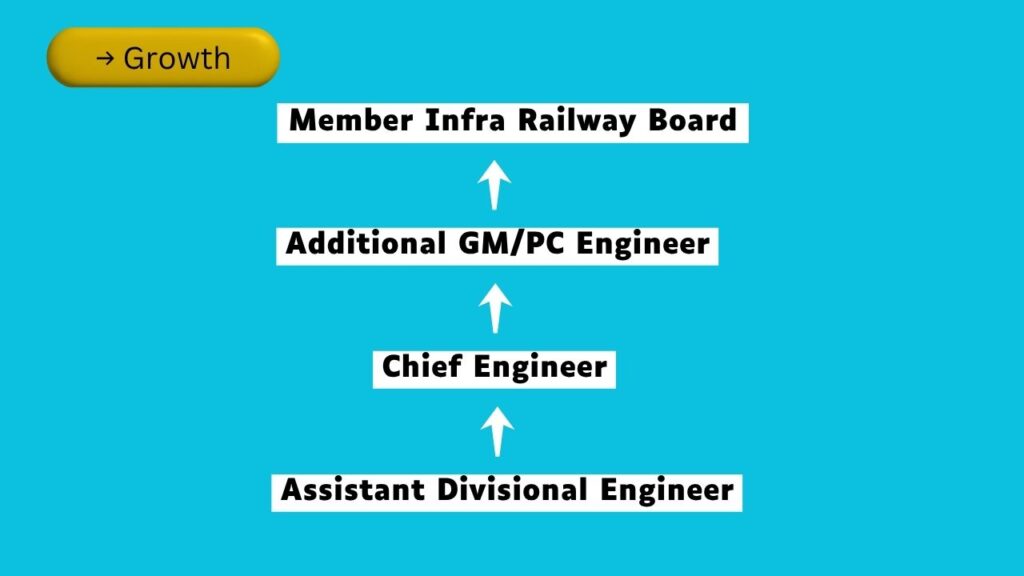
IRSE Officers (Indian Railway Service of Engineers)
Working for infrastructure, maintenance, and railway track construction is part of the IRSE officer’s job. Safety, bridges, and tunnel development and maintenance are also under this job. The major projects also involved new railway lines, and coordination with other departments for operations like these.
Eligibility: B.tech or BE in Civil Engineering. For entering into an IRSE position in Indian Railway, you must clear the UPSC ESE exam.
Salaries:
Entry-Level: Rs. 56,100 + allowance per month.
Senior-Level: Rs. 35 lakhs per year.
Benefits:
Housing Allowance up to 50%
Travel Allowance
Dearness Allowance
Medical and LTC
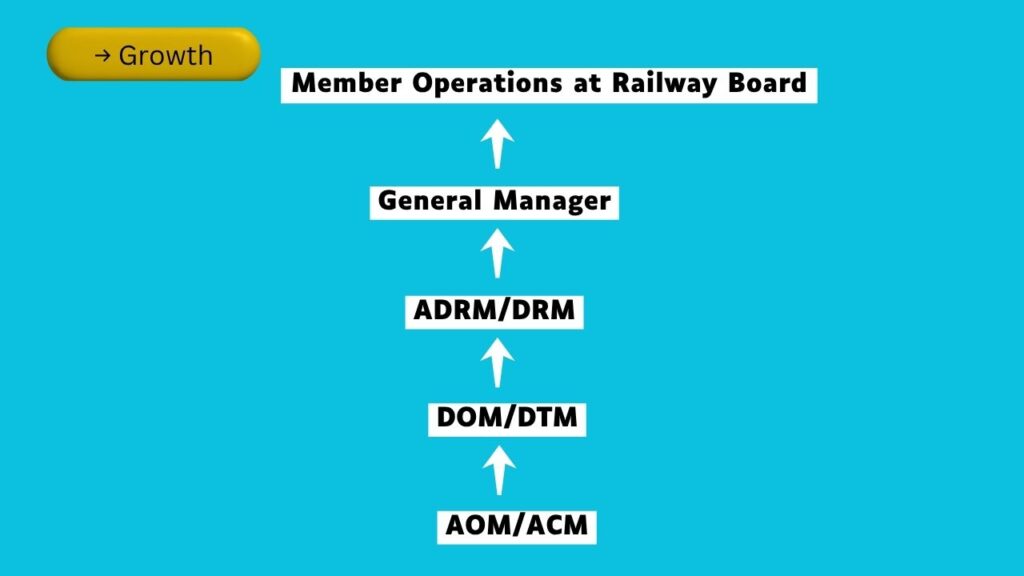
IRTS Officers (Indian Railway Traffic Service)
IRTS officers simply manage train operations, logistics, and other commercial disciplines that ensure the train reaches on time. The time track really disturbs other processes if they’re delayed due to a lack of attentiveness. So IRTS makes sure to check every process and transport that goods and passengers on time. Planning schedules for trains, and supervising operations both on trains and stations. Handling logistics and managing tickets to deliver the best services.
Eligibility: 50% of recruitment happens directly, and 50% is promoted from Group B. Candidates must have cleared the UPSC Service Exam.
Salaries:
Basic Salary – Rs. 56,000 per month.
Mid-Level Pay – Rs. 15 lakhs.
Senior-Level Pay – Rs. 2 lakhs.
Benefits:
Housing Allowance up to 24%
Travel Allowance
Dearness Allowance
Training at IIM & IIT
3. High Paying Job in Indian Administration
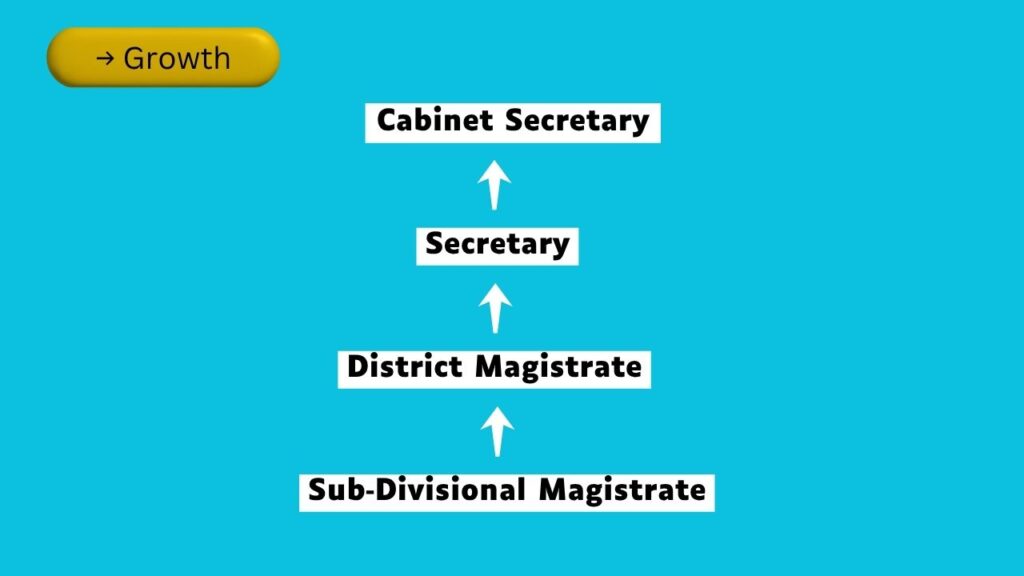
IAS Officer (Indian Administrative Service)
IAS officers are highly respected in Indian Society. The responsibility that comes with a badge is the top-level administration, where the administrator manages government policies, schemes, and daily operations related to states or cities at the national level. By acting as District Magistrates or Collectors they are maintaining law and order within the country. They have the responsibility to advise ministers, formulate policies, and ensure establishing success by managing any disaster.
Eligibility: Candidates must have cleared the UPSC Service Exam after passing their Graduation in any stream.
Indian Police Service: Leaders who lead police departments in states by investigating crimes, controlling any drug activities, and catching serial killers. Maintaining peace and preventing terrorism are their core responsibilities. Supervising team, implementing technologies in policy, and handling security under the protocol. Great responsibilities pay on a high-scale.
Eligibility: Candidates must have cleared the UPSC Service Exam after passing their Graduation in any stream.
Salaries:
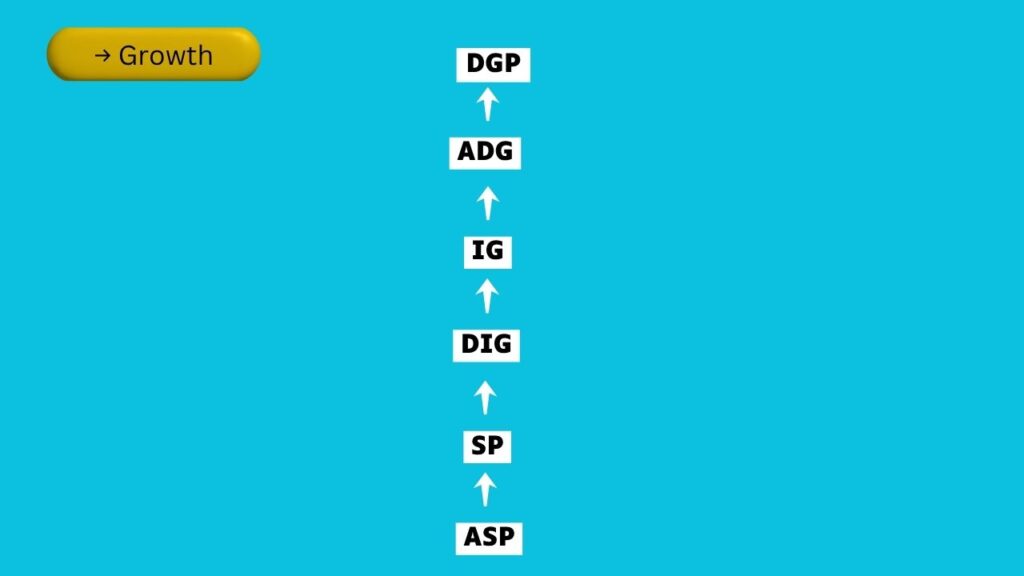
Basic Salary (DSP/ASP) – Rs. 80,000 per month.
Mid-Level Pay (SP) – Rs. 1.2 lakhs.
Senior-Level Pay (DGP) – Rs. 2.5 lakhs.
4. Public sector Jobs
National Thermal Power Corporation (NTPC)
NTPC is the largest organization in India for producing electricity from coal and gas. India’s reliable energy sector is responsible for serving energy around the country. They are establishing production, also expanding India’s renewable energy with solar and wind power projects.
Eligibility: Candidates must have cleared the PSU Exams. B.tech or Engineering degree with GATE scores.
Salaries: Basic Salary – Rs. 60,000 per month. Additional allowances like housing, dearness, medical, and pension.
Oil & Natural Gas Corporation (ONGC)
Oil & Natural Gas Corporation: It explores and drills for oil to make power that supplies to the industries, houses, and vehicles. Produces gas and oil for supply all over India and reduces reliance on other countries. It acts as empowering the country and cutting ties with other countries.
Eligibility: Candidates must have cleared GATE or PSU exams. B.tech or Engineering degree.
Salaries: From Rs. 60,000 to 1.8 Lakhs per month to 1.4 Lakhs per month. Additional allowances like housing, dearness, medical, and pension.
Bharat Electronics Limited
BELis responsible for leading in radars, missile systems, and NAV systems. It specializes in providing national-level security and defense systems mainly in electronics.
Eligibility: Candidates must have cleared GATE or BEL exams. B.tech or Engineering degree in electronics or telecommunication.
Salaries: From Rs. 1.5 Lakhs – 2.5 Lakhs per month. Additional allowances like housing, dearness, medical, and pension.
Hindustan Aeronautics Limited (HAL)
HALworks for defense in the air, they manufacture aero-engines, aircraft, and helicopters for the Indian armed forces. Most of the defense production is handled by the Hindustan Aeronautics Limited. The recruitment process for the jobs in the organization happens through the PSU exams.
Eligibility: Candidates must have cleared GATE or PSU exams. B.tech in aerospace or engineering in any other related field.
Salaries: From Rs. 1.25 Lakhs per month. Additional allowances like housing, dearness, medical, and pension.
5. High-Paying Jobs in Government Banks
There are a lot of bank jobs in the government sector that you can apply for if you are interested in finance, accounting, and management. Government bank’s roles including Probationary officer, Specialist Officer, and Managerial Roles are high-paying positions.
Eligibility:
Probationary Officer (PO): Graduation in any stream.
Clerk: Graduation in any stream from a recognized college.
Specialist Officer (SO): Engineering degree for IT officer and MBA for marketing officer (relevant degree for specific posts).
Managerial Position: Post-Graduation with experience.
Benefits: Housing allowance, Travel allowance, and dearness allowance.
Defense services are highly respectable jobs in India that provide job security, pride, and high salaries. It requires both focus and physical fitness for selecting the roles in defense service, especially on the high-level jobs that pay high salaries.
Eligibility:
Indian Army: 12th in any stream and Passed the NDA/CDS exam.
Soldier Ranks: 10th and 12th passed from a recognized board (depending on the roles).
Indian Air Force (IAF):
Graduate in Physics + Maths for Pilots roles.
Engineering degree for technical roles.
Graduation in any stream for non-technical roles.
Indian Navy: Officer Cadre roles required NDA/CDS pass + INET for specific branches.
After a long wait, it’s now or never for those aspiring for a government job in the healthcare and paramedical sector in Madhya Pradesh. The Madhya Pradesh Employees Selection Board — commonly referred to as MPESB has released the notification for its MPESB Group 5 Paramedical Recruitment 2026, and it is the one among the state’s highest job hirings this year. You definitely don’t want to snooze on this one – 291 vacancies are up for grabs in multiple departments.
Are you a just qualified diploma holder, an experienced lab technician, or a trained staff nurse seeking to go into government service, this MPESB Group 5 Paramedical Recruitment 2026
has the right opportunity for you. Let’s break down all the details for you to understand.
What is MPESB?
Madhya Pradesh Employees Selection Board is also known as (MP Vyapam) and it is the right platform for the unbiased and merit based recruitment in Government Job in the State. Located in Bhopal – Chayan Bhawan, it conducts exams from Group 1 to Group 5 across various domains like education, healthcare, police and so on.
It brings the notification, make the online registrations, issue the hall tickets, answer key and result – everything in the name of transparency. MPESB facilitates the recruitment process, From technical and administrative posts to health service and field posts, MPESB conducts thousands of recruitment every year.
Quick Overview For MPESB Group 5 Paramedical Recruitment 2026
Detail
Information
Conducting Body
Madhya Pradesh Employees Selection Board (MPESB)
Recruitment Name
MPESB Group 5 Paramedical Recruitment 2026
Total Vacancies
291 Posts
Application Start Date
13/March/2026
Application End Date
27/March/2026
Correction Window
13/March/2026 – 01/April/2026
Exam Date
15/April/2026 onwards
Official Website
esb.mp.gov.in
Application Mode
Online Only
Posts Available and Vacancy Breakdown
The 291 posts are spread over 9 departments in Madhya Pradesh and consist of a good blend of clinical and non clinical work in the department of health. The following positions are available:
Post Name
Department/Location
Total Vacancies
Ayurveda Compounder
Directorate of AYUSH
125
Unani Compounder
Directorate of AYUSH
30
Homeopathy Compounder
Directorate of AYUSH
20
Lab Attendant
GMC Ratlam/Vidisha
18
Staff Nurse
ESI Services Indore
7
Pharmacist Grade-2
Various
15+
Others (Technician, Dresser, etc.)
Multiple MCs/ESI
Remaining 76
Who Can Apply?
Qualification
Completed 12th grade with subjects including Phy, Che, and Bio and any diploma or certificate in the field of Paramedical by the recognized government of India.
This eligibility criteria makes sure that the aspirants have the basic academic as well as the professional training needed for paramedical field.
Further, you must have valid registration with the Madhya Pradesh Para-Medical Council (MP Sah-Chikitsiya Parishad). The detailed eligibility criteria are post-wise and are given in the official notification.
Age Limit
Age Minimum: 18 years (s) as on date of Advt.
Max Age: 40 years (General/Unreserved candidates)
Maximum Age Limit is 45 Years for SC, ST, OBC, Women, PwD, Gov. Employees, Home Guard of MP and Ex-Servicemen
The age has been calculated as per your date of birth mentioned in the High School or Higher Secondary certificate. No candidate shall be above 45 years of age as on the last date for receipt of application under any circumstance, except certain contractual employees and categories notified under Rule 14 of the MP government rules.
Nationality
Under the MP Civil Services Recruitment Rules 1961, the candidate must be a citizen of India or a Citizen of Nepal. Non-MP resident candidates can apply only for OPEN/UR category posts and shall not be entitled to any kind of reservation or age relaxation.
How to Apply — Step by Step
Application process is going online for MPESB Group 5 Paramedical Recruitment 2026, so you must follow these steps to apply:
Open the official website of MPESB to apply for this recruitment.
Join the recruitment tab and now click on the Recruitment Notification for the subject MPESB Group 5 Paramedical Post Recruitment 2026
Sign up with your mobile number, Email ID, and some personal information
Enter your name, parents’ name, education qualification and other required details in the application form.
Upload a photograph, signature and your certificates if you are from a relevant category
Make payment either online/offline for application/Examination fee.
After submitting the form, keep your application no for future use.
The fee is non-refundable and the fee amount is different for each category. You may pay online with Credit Cards, Debit Cards, Net Banking, IMPS, Cash Cards, or Mobile Wallets.
How Will You Be Chosen?
The method of selection is simple and on the basis of meritorious:
Online Written Examination: The online written examination will consist of one objective type paper of 100 marks. The examination will be held from 15 April 2026 in two shifts.
Document Verification: The shortlisted candidates will be intimated for the verification of the original certificates.
The final candidates will have to go through a medical fitness test for the post as a part of the last selection stage.
There is no interview for this recruitment because selection is based on the Merit score of exam, so prepare well for the examination.
Exam Pattern & Syllabus
The test is a test of both general awareness and technical know-how. It has 100 questions and all questions carry 1 mark which means that the time duration of 2 hours would need to be utilized to solve a total of 100 questions.
The exam is conducted in both online, or OMR sheets mode and the best part is that there is no negative marking, so go ahead and attempt every question without worrying about losing marks.
General Section (25 Marks):
This section is for your general knowledge and talent. It contains questions from GK, Hindi, English, Maths, Science, Logical/Interest based reasoning.
Technical Section (75 Marks):
This is the major part of the exam and tailors subject-specific knowledge of the post you have applied for. such as candidates applying for the posts of Lab Technician may get questions from Pathology and Biology or for Nursing candidates may ask questions from Anatomy, Pharmacology and other medical related subjects.
In the GK section, questions are broadly asked from history and geography of mp and India, Govt. schemes, and Today Updates.
Tips for Applicants
Here are some words of friendly advice so you don’t get caught up in this:
Don’t wait for the last date, apply as soon as possible because there is a huge competition out there.
Verify all information twice before submitting. Corrections are allowed only up to 01.04.2026 with a fee for modification.
It is necessary to have that your MP Para-Medical Council Registration is Active and Valid before applying.
Before you begin, keep scanned copies of your photo, signature and all certificates ready.
Start preparing for the written exam – 100marks, objective type, no second chance after the window closes.
Conclusion
MPESB Group 5 Paramedical Recruitment 2026 is indeed good news for all the healthcare professional and paramedical job seekers of Madhya Pradesh. It is not every day that you get an opening where there are 291 vacancies, a clean merit-based selection process, and the support of a reputable Government board.
Submit your application between 13 to 17/March/2026 and read the official notification properly and collect your documents then apply. Jobs in government health care are stable, provide a well-defined career path, and allow you to truly serve your community. This could be your moment.
Best of luck to everyone. Good preparation and no error in your application!
If you’re dreaming about the Indian Police Service (IPS) standing tall as a law and peace officer in the Indian Police Service. Whatever got you started on this dream, pursuing it in real life is more than just a passion to do. It requires a sharp strategy to prepare accordingly and what’s right to study. Not everything is important.
Instituted in 1948 as a successor to the British colonial-era Indian Imperial Police, the IPS is the ground holder of India’s internal security system. But the reality check is that every year lakhs of candidates chase this dream and only a few hundred come out successful. So what separates those who make it and those who don’t? More often than not, it is the preparation strategy.
Understanding the Battlefield: The Three-Stage War
Know what you are getting into before you go to the books and notes. The UPSC Civil Services Examination (CSE) is a rigorous three-tiered exam which tests not only your knowledge but stamina, analytical abilities & character.
First Level— The Preliminary Examination
Think of the Prelims as the bouncer at the door to that exclusive club — it sifts out the wheat from the chaff. It consists of two objective papers, each of two hours duration and carrying 200 marks.
Paper – I is General Studies—current events, history, geography, polity, economy, environment and general science. The Civil Services Aptitude Test (CSAT), now known as Paper II, tests your concepts on comprehension, logical reasoning, decision making and basic numeracy. It is qualifying in nature and it just needs 33% to pass.
Do not make the mistake to understand that Prelims score is gonna add in the final merit list, it’s important to score for going into the next stage but it doesn’t hold final value. So don’t get that to take it lightly because 97-98% of candidates are eliminated at this stage.
Second Level: The Main Examination
If Prelims is a sprint, Mains is like running a marathon. Nine descriptive papers across a few days with a total of 1750 marks designed to push how well you know what you know and how well you can express complex thoughts when you’re under a lot of stress.
The pattern is: two qualifying papers (English and an Indian language), one Essay paper (250 marks), four General Studies papers ranging from Indian heritage to ethics and integrity (250 marks each), and two papers on your chosen Optional subject (250 marks each).
The hard copy elective also has an impact on your total score with a weightage of 500 marks. Choosing the appropriate subject is very important. Although you have a whole bunch of popular subjects like Geography, History, Public Administration, Political Science etc, it is always advisable to go with the subject you are really interested in rather than seeing what others have taken up.
Third Level: The Personality Test (The Interview)
The remaining 275 marks are given in the Personality Test, during which an UPSC panel evaluates your mental alertness, critical thinking, communication skills, leadership potential, and moral uprightness. They don’t want to know-your-everything; they want well-rounded people who can manage the enormous burden of public service.
Check Your Eligibility For Indian Police Service
Nationality
IPS is only open to Indian citizens. The UPSC CSE permits Nepali, Bhutanese and Tibetan refugees (who came before 1 January 1962) to apply for certain services like IAS and IFS, the Indian Police Service, however, is limited to Indian citizens.
Qualification
You must have a bachelor’s degree from a recognized university – all streams are acceptable. If you’ve studied English Literature, Engineering or Zoology, you can apply.
Important caveat for final-year students: You may apply for the Preliminary examination as a final year student, but you need to submit degree certificate before going in for the Mains. Don not count on your provisional certificate to arrive in time—make your plans accordingly.
Final MBBS students can also apply, but they have to submit a certificate from their university.
Age Limit
Category
Age Limit
Cut-off Birth Date (for 2026 exam)
General/EWS
21-32 years
2/August/1993 to 1/August/2005
OBC
21-35 years (3 years relaxation)
2/August/1990 to 1/August/2005
SC/ST
21-37 years (5 years relaxation)
2/August/1988 to 1/August/2005
PwBD
21-42 years (10 years relaxation)
2/August/1983 to 1/August/2005
Ex-servicemen
5 years relaxation
2/August/1988 to 1/August/2005
Attempts Restrictions
Category
No. of Attempts
General/EWS
6 attempts
OBC
9 attempts
SC/ST
Unlimited (until age 37)
PwBD
9 attempts (until age 42)
The Physical Reality: More Than Just Books
Unlike IAS, Indian Police Service has certain physical eligibility condition which you need to fulfill. Male candidates should have a minimum height of 165 cm (160 cm for ST and some other categories) and must have chest measurements of 84 cm along with expansion. Female applicants need 150 cm height (145 cm for ST) .
Myopia shall not be more than minus 4.00D and hypermetropia shall not be more than plus 4.00D. Color blindness is a disqualification as well as squint. Begin training for your physical fitness right away — don’t wait until you have the written exam behind you.
Stay tuned to the official UPSC website for the latest updates/notification of IPS.
After the notification is released, download it carefully and go through all the instructions and wait for the online process to start.
Check all the dates and fill the application before the deadline.
Fill valid and correct details in the form and then attached requisite documents with the application.
Submit the form and the application fee is applicable.
Print it for the proof in future and prepare yourself for the toughest examination.
Category
Fee
General/EWS/OBC (Male)
₹100
SC/ST/PwBD/Female (All categories)
Exempt (₹0)
Conclusion
Becoming an Indian Police Service officer is not only about passing an exam, it’s about dedicating oneself to a life of discipline, service, bravery, and accountability. Everything about the process, from meeting the eligibility and physical criteria to surviving one of the most competitive exams in the country, requires one to be consistent, resilient and long-term driven. Luck or short-cuts don’t make you succeed in this path- it takes strategy, smart preparation, mental toughness and commitment.
If you really want to see yourself in that uniform, leading from the front and serving the country, begin today—lay your groundwork, condition your body and mind, and approach preparation as a way of life, not a phase. The road to IPS is tough, but to those who make it through, it is one of the most dignified and influential careers in India.
GovUpdatewala is your trusted source for real-time updates on government exams and jobs in India. We provide verified info on SSC, UPSC, Banking, Railways, Defense, and Teaching exams. From syllabus and patterns to important dates and career tips — we support aspirants at every step.
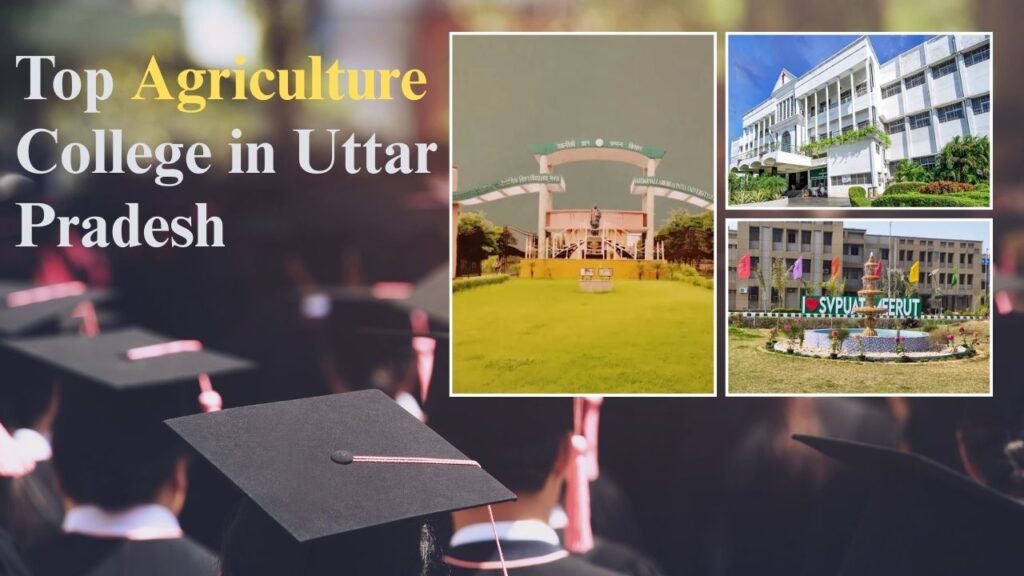
Uttar Pradesh is one of the most agriculturally capable states in India and its Top Agriculture Colleges in Uttar Pradesh are a testimony to this heritage. Whether you are a student passionate about sustainable farming, agricultural innovation, or agribusiness, Uttar Pradesh state has some of the best centers to develop your career in this important sector. If you want to study agriculture in UP, this blog is for you to see the list of top colleges, know about courses, fee structure and the admission process.
Why Choose Agriculture Education in Uttar Pradesh?
Farming in Uttar Pradesh isn’t just small-scale ploughing anymore. The state’s agricultural schools combine research and state-of-the-art technology with practical work in the field to give students the skills necessary for 21st-century farming.
In areas such as crop science, agricultural engineering, agribusiness and sustainable farming methods, these colleges provide students with the tools to become leaders in the agricultural industry.
The Top Agriculture Colleges in Uttar Pradesh
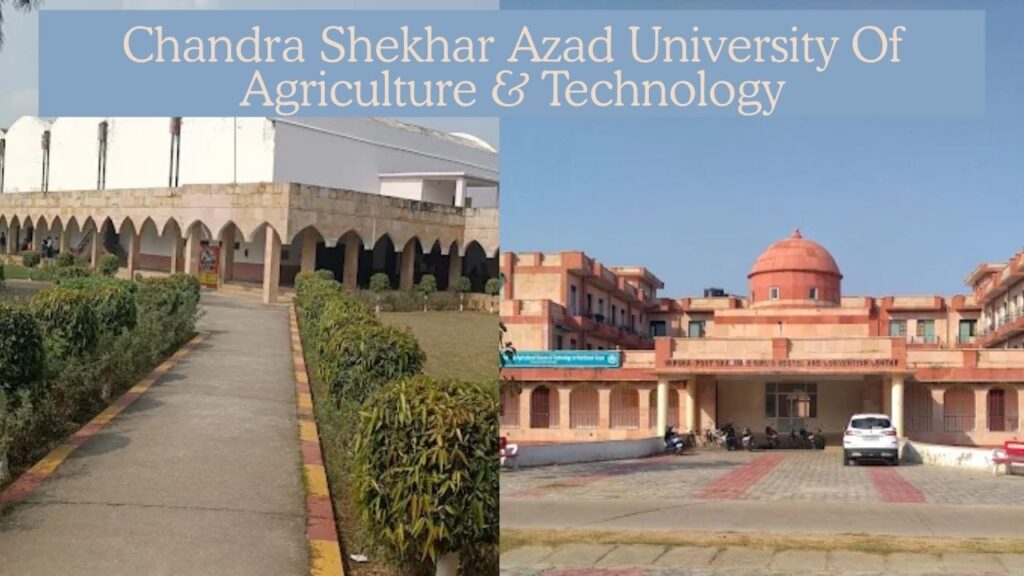
1. Chandra Shekhar Azad University — (CSAUAT), Kanpur
The CSAUAT is a leading Indian agricultural university and played a pivotal role in laying the foundation for the development of the university system of agriculture in the state right from the beginning in 1975. Located in the heart of the agro-based state of Uttar Pradesh, this Government institute has built a name for itself for a long time now.
Courses Available –B.Sc.(Hons) Agriculture, B.Tech in Dairying Technology, B.Tech Dairying, M.Sc. Agri in different specializations like Agronomy, Plant Pathology, Soil Science, and Ph.D. courses.
Fees: The B.Sc. (hons.) The annual fees of B.Sc Agriculture is about ₹1.07 lakhs per semester (The total fee is ₹4.28 lakhs for 4 years), which is very reasonable under this course. B.Tech courses are charged at about ₹1.50-1.64 lakhs per annum.
Admission: Applicants can apply if they are passed 10+2 with 50% minimum marks (with PCM/PCB subjects) and applicable for the UPCATET entrance exam. The counseling procedure is on merit.
Placement & Career Growth: It will let you earn around ₹3-5 LPA package which is quite enough for freshers. Some even receive packages as high as ₹7 LPA, depending on their skills.
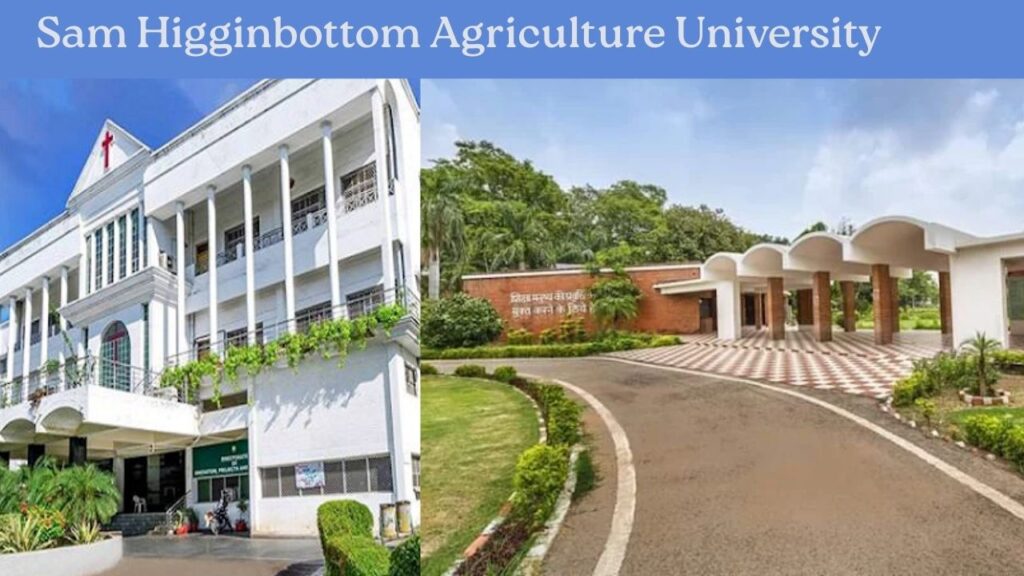
2. Sam Higginbottom Agriculture University, Prayagraj
A leading private deemed university, SHUATS is recognized for its integrated approach of farming systems and industry relevant curriculum. The campus is located at Prayagraj and has state of the art infrastructure for imparting agricultural education.
Courses are B.Sc Agriculture, B.Tech in Agricultural Engineering, M.Sc Agriculture in various disciplines, PG Diploma/ Diploma in food technology.
Fees: B.Sc. (Hons.) Agriculture fees is ₹1,08,000-1,20,000 per year at various universities in India. But SHUATS is much better when it comes to scholarships, candidates who are eligible can get waivers ranging from 30-40% on the fees, plus additional concessions for christian students.
Eligibility: Candidates must have passed 10+2 in PCM/PCMB/PCB with minimum of 45% marks. The admission is merit based on an entrance test conducted by the university, usually in the month of May.
Placement & Career Prospects: The salary package is exceptional, the one can earn around ₹6.20 lakhs. The package is based on the skills of the students that can be up to ₹3 LPA.
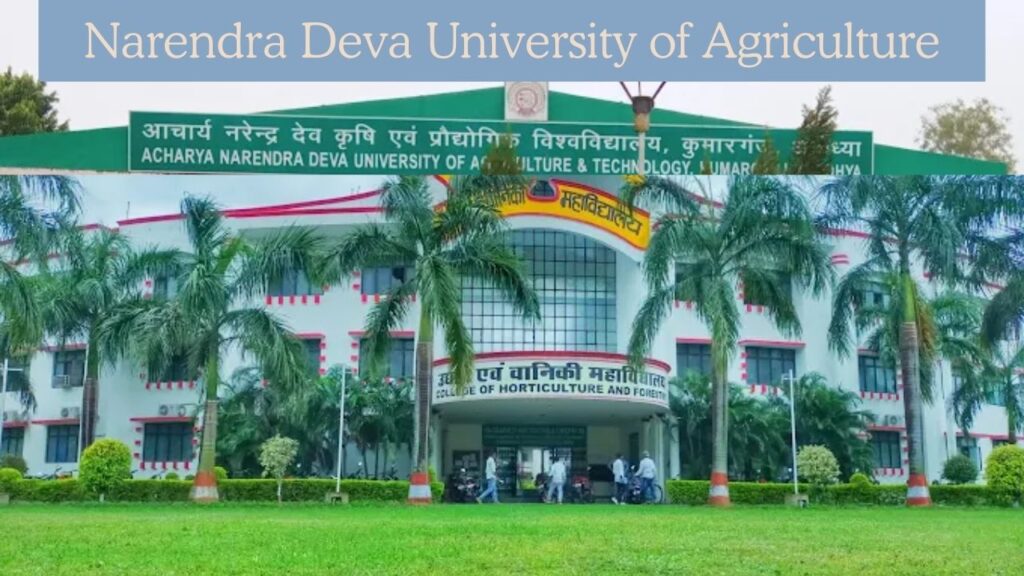
3. NDUAT — Narendra Deva University of Agriculture
The NDUAT is an agricultural university, It focuses primarily on horticulture and crop science. It is a government institution in Ayodhya and provides good quality education at low cost.
Courses available: B.Sc. (Hons) in Agriculture, B.Tech specialisations, M.Sc. courses in B.V.Sc. & A.H. (Veterinary), as well as B.F.Sc. (Forestry).
Fees: The B.Sc. (Hons.) Agriculture course fee is around ₹1.05 lakhs for 4 years, while B.Tech fees range between ₹1.64-1.70 lakhs.
Admissions: The minimum qualification is 10+2 with 50% marks in the PCB/PCM group of subjects. Admission is based on UPCATET entrance examination and then counseling on merit.
Placement & Career Prospects: The candidates who graduated have a placement with an average package of ₹3 LPA in both private and government sectors.
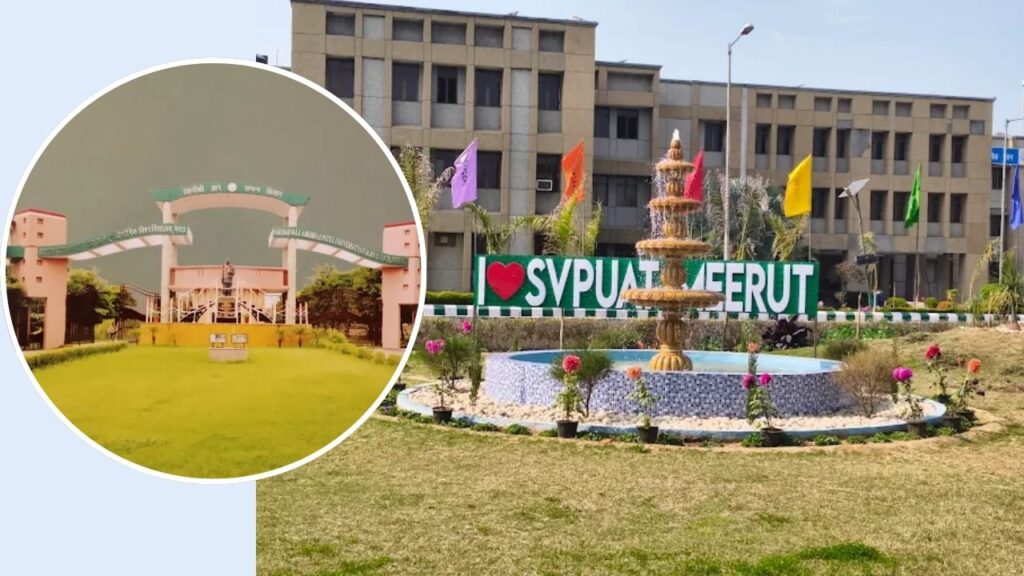
4. Sardar Vallabhbhai Patel Agriculture University
SVPUAT is the best university which is located in Meerut, making it easy for students. With all the government funding support, SVPUAT is known for its research on crop improvement and agriculture mechanization.
Fees: The fees for the whole course in AY is around ₹45,000 which is one of the cheapest in the state.
Placement: The strong ties with agribusiness companies, research institutes and government agencies enable graduates to obtain good placements.
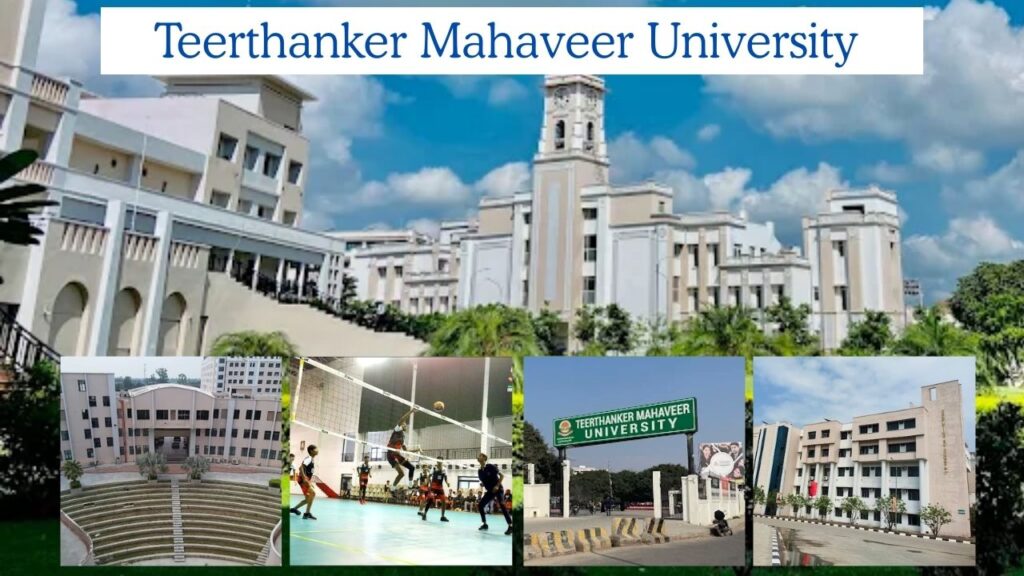
5. Teerthanker Mahaveer University (TMU), Moradabad
TMU is one of the best private universities in uttar pradesh with world class infrastructure and industry oriented syllabus.
Course Offered: B.Sc. Agriculture, M.Sc. Agriculture courses based on ICAR norms.
Fees details: The total duration of B.Sc. (Hons. ) Agriculture at TMU is 4 years The fees for B.Sc. (Hons.) The duration of B.Sc Agriculture is 3 years and for M.Sc. Agriculture 2 years. The tuition fee is Rs 45,000 per semester for MSc Agronomy.
Facilities: There are world-class labs, practical training, and strong linkages with the industry, in the university.
Understanding the UPCATET Entrance Exam
Most of the government agricultural universities in Uttar Pradesh take their admissions via UPCATET(Uttar Pradesh Combined Agriculture and Technology Entrance Test).
Here’s what you need to know:
Exam Details: The exam is held every year in offline mode by the universities. For UG courses, the exam is generally conducted in June.
Eligibility: 10+2 passed students having science subject (PCM, PCB or with Agriculture subject) with a minimum of 50% marks are eligible to apply. There is a benefit for reserved category students, they can get marks relaxation up to 5%.
Exam Pattern: The UPCATET contains 200 questions from general knowledge, agriculture science, mathematics, and English. The examination will last for 3 hours.
Age Limit: Applicants must be aged between 16-22 years for UG courses at the time of admission.
The first years of agriculture in UP colleges are generally the basic courses in crop production, soil science, plant pathology, entomology and agricultural economics. Students specialize as well, choosing from such options as horticulture, seed technology, agricultural extension, agricultural engineering.
A number of courses have fieldwork components and the Rural Agricultural Work Experience (RAWE) allows students to work with farmers as they confront challenges of farming in the field.
Career Growth & Salary Package
There are many opportunities for the graduates of agriculture. For the freshers agriculture college students —- the packages will be near about ₹20,000-35,000 per month for job profiles like agricultural assistant and farm supervisor etc in the entry level The amount varies with the university from which students have passed.
Professionals at an intermediate level with 2-3 years of experience can earn around ₹40,000-60,000 per month. The salary of Agriculture Officer or Agriculture Development Officer in the government lies between 35,000 – 60,000 Rs per month.
Conclusion
Selecting an agriculture college in Uttar Pradesh is all about shaping the future of India. Be it a renowned government college like CSAUAT or a up-to-the-minute private university like SHUATS, you will find a route that leads you both with practical experience in the real world of life and a theoretical academic purity.
With manageable fees, quality faculty, research opportunities and robust placements, the agriculture colleges in UP prove to be the best when it comes to anyone with a zeal and passion to bring a change in the agriculture scenario of India.