Top BCA Colleges in Noida with Fees, Courses & Admission Details 2025

Bachelor of Computer Applications is a great option for a career in the IT and software Industry. Many students get confused while choosing the top college for their undergraduate program, especially tech courses. A guide for BCA Colleges in Noida with Fee Structure will help them choose the right one. Not every college provides practical training, strong curriculum, and industry exposure which helps students to be prepared for the job in top tech companies like Amazon, Google, Infosys, Microsoft, HCL, TCS, and many others. 

BCA is good for maintaining skills in coding, database management, web dev, and data structures and algorithms. So, if you are interested in any of these then you can choose this course but with the right college, you can get real knowledge and practice to acquire those skills.

There are no advantages to just having a degree, placement also matters when paying fees for your studies, studying hard to get a strong output then a good college matters the most.

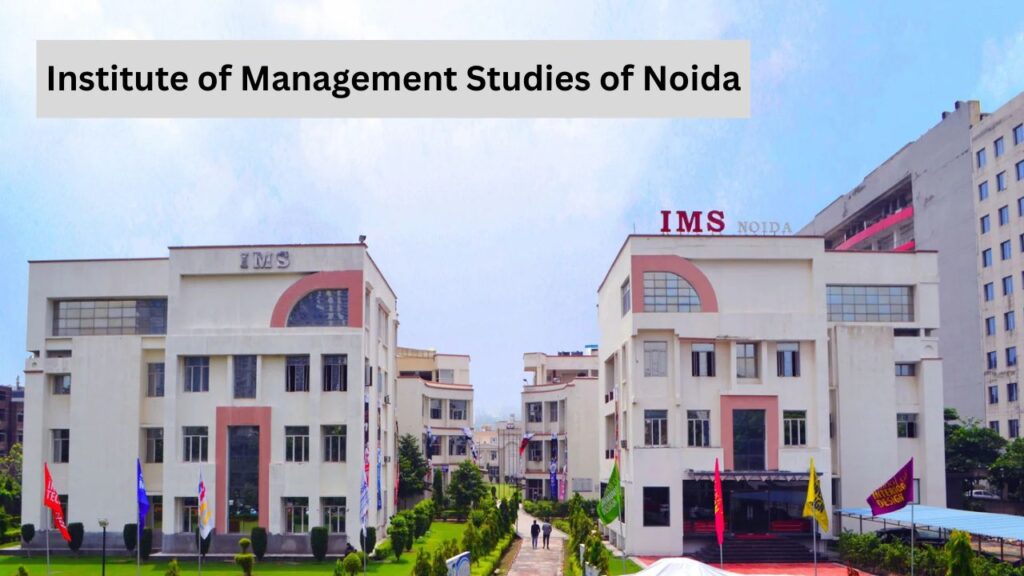
Institute of Management Studies of Noida

IMS is a private institute that offers various undergraduate and postgraduate courses. The BCA curriculum is as good as AKTU’s. If you have thought about choosing a career in tech then BCA is a good option. This college focuses on practical learning that helps students to polish their skills to be industry-ready. Industry exposure provides them with ideas of real-world projects and how to implement technical concepts to find solutions.
Admissions

For admission in BCA, this college selects students based on the Joint Entrance Exam. Students who are interested in the tech world and do not prefer B.Tech can take admission here.

Placements

IMS Noida is the top college for UG programs as it has a well-maintained record of placement and connection to industries. Students can get job opportunities after BCA and it is also ranked 2nd for offering BCA in Uttar Pradesh.

Fee

One-year fee for BCA in IMS is around Rs. 1.65 Lakhs. Candidates who can afford the fee expense can consider this college for BCA as it is best for that. 

Jaypee Institute of Information Technology University

JIIT University is a great choice for students who want to join tech professionals. It offers world-class education and is recognized by the UGC. If you don’t want just a degree but also developed tech skills for industry purposes then BCA from this college is the right option for you. Computer science is a flagship department that focuses on advanced concepts such as AI, ML, Cloud Computing, and IoT.

Admission

This high-facility college selects its students through entrance exams and their 12th-class marks. Students can get their admission in this college if they have met the eligibility criteria of 60% merit score.

Placements

JIIT offers various opportunities to grow a career in the tech field. Many top tech companies are recruiting candidates from this college and offer a package of around 7 lakhs.

Fee

BCA fee is around 1.57 Lakhs for one year. Meanwhile, the B.Tech fee is double that of the BCA fee. So, students who want to study in this college but B.Tech is too expensive, consider BCA as a good option. 

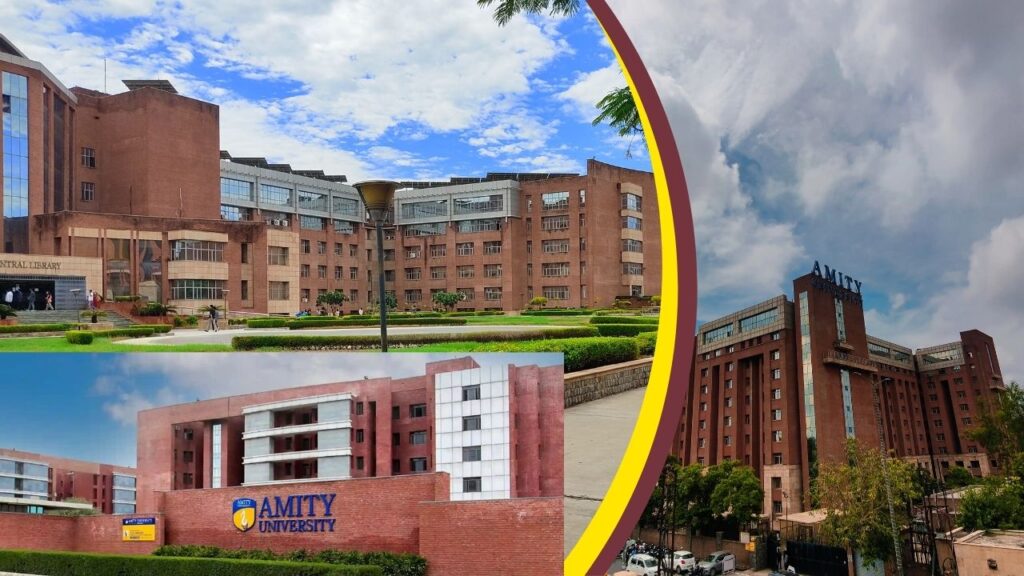
Amity University Noida

After 12th with science, students must get confused about where they should take admission for BCA. Amity University is a top university in Noida that offers high-tech labs, emphasizes innovation, and industry exposure. These are all best for the students who are learning to work in tech industries. College’s engineering programs accredited by IET. The top-ranked institution is a good option for BCA.
Admission

You want admission in air-conditioned stylish classrooms with a huge library then apply now. Admission in Amity University is based on merit of 12th.

Placement

Amity offers a strong alumni network and maintains good connections with the world leaders, giving students a chance to interact with them. MNCs like Wipro, TCS, and Accenture are recruiting from this campus. 

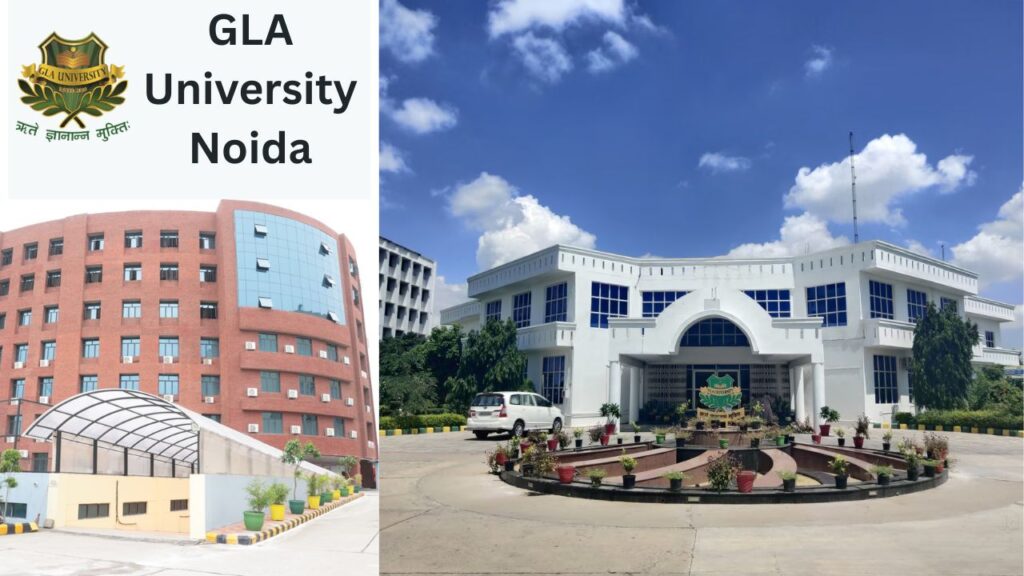
GLA University Noida

Focuses on advanced computer science and IT concepts to provide its students with great knowledge. They can get knowledge and skills required for the top industry placements. 
Admission

Must have 12th class marksheet with 50% minimum score. The GLA entrance test is required for the BCA course.

Placement

The placement record is high with an average package of 7 LPA. Students can get a lot of opportunities as they are trained for industry-ready. Top recruiters are IBM, Infosys, HCL, and many more. You can get a chance to work abroad with a high package.

Fee

BCA total fee is nearly Rs. 4.8 lakhs. It’s half of the B.Tech fee of this college.

Read More:- Top 10 Best Medical Colleges in India with Low Fees [2025 List]

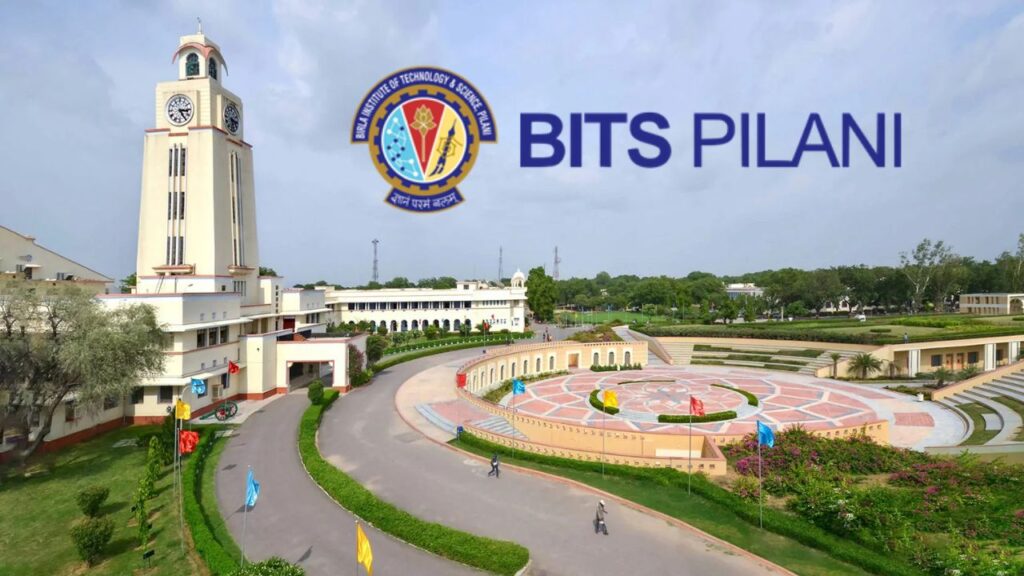
Birla Institute of Technology 

Bachelor of Computer Science is a great option for students who are interested in computer science and information technology. To work in this field requires enhanced skills and real knowledge of coding, networking, and media. 
BITS Pilani

Admission

Admission is based on your 12th standard marks. Minimum 50% score from a recognized university by the student is required for the admission.

Placement

Placement chances are good, many Indian and global companies are recruiting from here. Average package is around 9.06 LPA for BCA students by companies like HCL, Yamaha, and others.

Fee

BCA fee is around Rs. 4.56 lakhs. It offers the best facilities and strong faculty support for students.

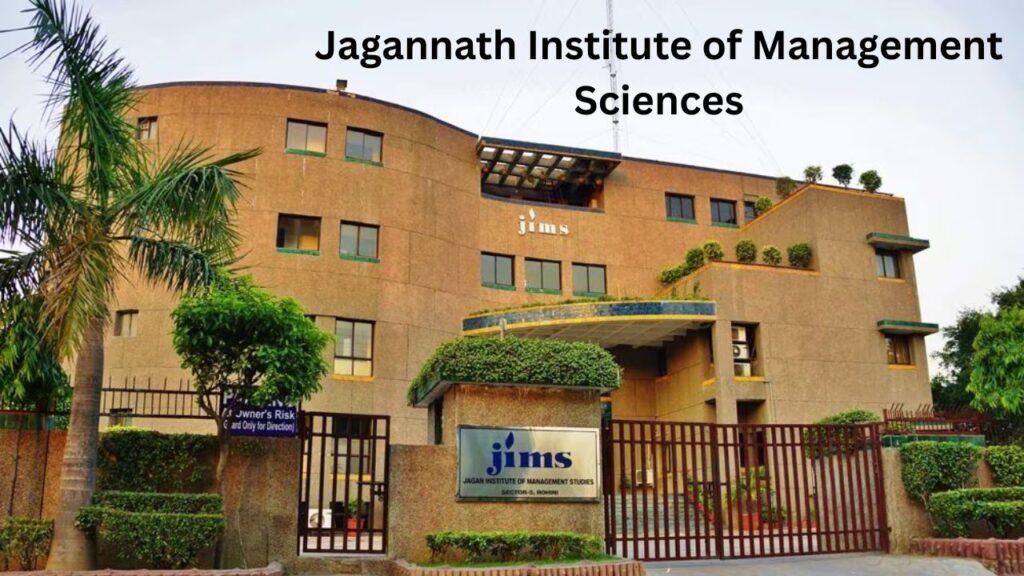
Jagannath Institute of Management Sciences

It offers industry-oriented curriculum to its students to improve their ability to provide innovative solutions to real-world problems. BCA is not just theory-based programme as it is related to tech then practical assignment is necessary for the students. 
Admission

Apply now for admission in BCA through entrance test (JET) for BCA. Faculty provides full support and strong concepts in their curriculum. The decision for admission to this college is a great choice.

Placement

Strong placement record is proof that most students get a job in top companies that offer great salary packages. They can get the highest salary package of up to 9 LPA.

Fee

BCA fee is Rs 96,000 approximately. This is a one-year fee that offers a modern classroom, WiFi, hostel, and library. You can check the exact fee amount on their official website.

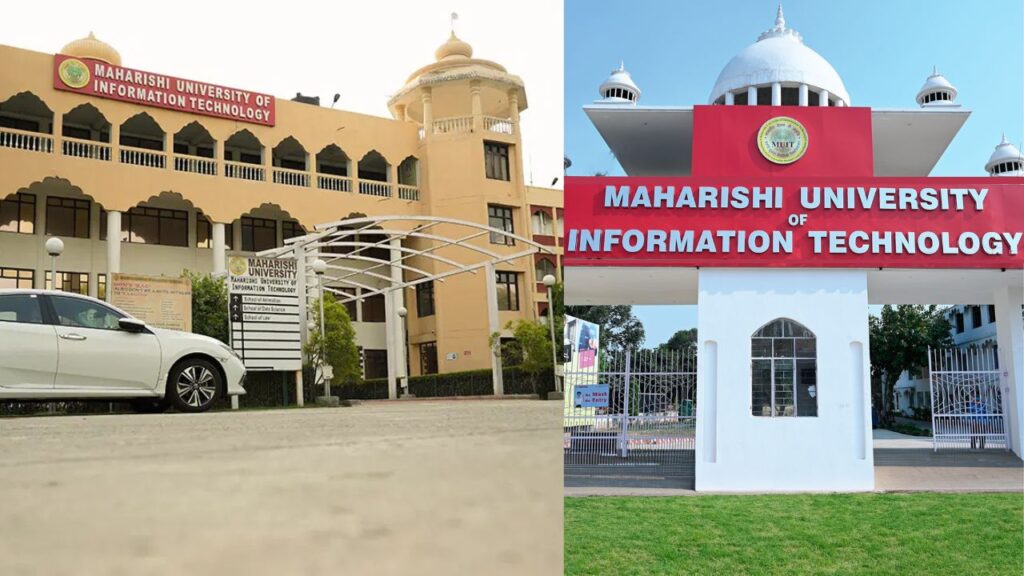
Maharishi University of Information Technology

This is a private university with many undergraduate and postgraduate programs. This university offers BCA programs with a strong curriculum, well-equipped labs, experienced faculty, and internship programs. 
Admission

Students can get admission to this college based on their merit in 12th class. Apply online on their official website in the Computer Science Department. Check the admission dates then apply.

Placement

They offer great support in industry exposure to give students a chance to understand concepts of advanced technologies in companies. No worries about placement because the top tech companies like Intel, Mahindra, and Dell are recruiting from this college.

Fee

Maharishi University of Information Technology offers BCA around Rs. 80,000. It is a yearly fee for this course but some students can afford it.

Conclusion

If you are looking for an undergraduate program in computer science then these Top BCA Colleges in Noida with Fees, placement & Admission Details can help you choose the right college. This can be overwhelming when all top colleges are best in your interest, you can select one by aligning them with your budget, location preference, and faculty response. 

Leave a Comment

Your email address will not be published. Required fields are marked *

UP Police Constable Syllabus, Salary & Preparation Strategy 

UP Police Constable Syllabus

Getting a government job in India isn’t a cakewalk, and UP Police Constable exam is no exception to it. Every year, thousands of applicants vie for handful vacancies, which is making it one of the popular and toughest exams in the state. With a right approach toward UP Police Constable syllabus, and with persistent preparation, this target is of course achievable. 

If you want to put on the khaki with pride or if you want a stable career with good salary and benefits, this exam could be your ticket. But these benefits asked you to work harder and get it. This breakdown—eligibility, selection process, syllabus, salary, and a practical preparation plan of UP Police Constable will help you plan to crack this exam.

Eligibility Requirement For UP Police Constable

You need to check eligibility requirements before buying books for studying UP Police Constable syllabus and doing push ups. UPPRPB is recruiting candidates for this post under strict guidelines. So you must follow before applying: 

Educational Qualification 

No fancy degrees are required for a UP Police Constable. Candidates must acquire 12th standard (Intermediate) marksheet from any recognized board in India. 

Age Limit 

Male Candidates (General) 18 to 25 years 
Female Candidates (General) 18 to 28 years 

Reserved category candidates can get age relaxation but you must check the latest recruitment official notification to know age relaxation. 

Physical Standards (PST) 

CategoryUR/OBC/SCST
Height for Males168 cm160 cm
Chest for Males79–84 cm77–82 cm
Height for Females152 cm147 cm
Weight for FemalesMinimum 40 kgMinimum 40 kg

UPPRPB Selection Process For UP Police Constable

It’s not just one written exam here, you must pass all the stages to reach that position. It requires commitment and hard work for securing an honourable government job for the nation.

Stage 1: The Written Examination

It’s a written offline OMR-based exam. Candidates have to get above the cut off marks by answering all the MCQs accurately then you move on to the physical rounds. Questions come from the four main subjects (GK, Hindi, Mathematics, Reasoning).

Stage 2: Verify Docs And Physical Standard Test (PST)

Once you qualify stage 1 with preparation and hard work, you need to provide documents– 10th/12th mark sheets, caste certificates, domicile papers for verification. And your body measurements like height, weight and chest (men) will be taken to pass you on to the next stage of selection.

Stage 3: Physical Efficiency Test (PET)

PET is a mandatory exam for candidates without getting marks. This final round can throw you out of the list if you fail. 

  • Running for a 4.8 km run in 25 minutes is a mandatory test for male candidates. 
  • If you are a woman then you must be able to run 2.4 km in 14 minutes.

Stage 4: Detailed Medical Examination (DME)

Physical and mental health matters for this job, it has regulations if you have weak eyesight, color blindness, hearing, flat feet, knock knees. 

UP Police Constable Syllabus Breakdown

The written test contains 150 questions which is of 300 marks (2 marks per question). But be careful, there’s negative marking!  

The written exam is divided into four main subjects which you can qualify with right preparation on the syllabus.

I. General Knowledge (38 Questions)

Knowing about the world revolves around you, especially Uttar Pradesh is necessary. GK tests you based on the questions based on national and international current affairs, History/Civics, Geography, Science and Finance of India.

II. General Hindi (37 Questions)

If you attended a Hindi-medium school, this is your section to score. Even if you didn’t, you can get good marks by doing some basic grammar practice. Focus on Hindi Grammar (Vyakaran) , Unseen Passage, Famous writers & their work, Synonyms, Antonyms, Idioms and Phrases (Muhavare). 

III. Numerical and Mental Ability (38 Questions)

Question comes from basic mathematics of 9th and 10th, if you are good at maths then practice daily on Number systems, Percentages, Profit & Loss, Ratio and Proportion, Simple & Compound Interest, Time, Work & Distance, Mensuration and Data Interpretation (Tables and Graphs). 

IV. Mental Aptitude, IQ & Reasoning Ability (37 Questions)

This part examines your mind and thinking ability, and also tells you how you could potentially think in police work situations. Coding-decoding, Series, Blood Relation, Direction Sense, Syllogism, Venn Diagram, Non-Verbal (Pattern and Figure). There will also be situation based questions to test your attitude towards public interest, laws and order, communal harmony and police force. 

How to Prepare For A Police Constable

Avoid beginning to study with difficult mock tests. Instead, strengthen your foundation with standard books like Lucent GK, R.S. Aggarwal (Math & Reasoning) and a good hindi grammar book.

Keep practicing last year’s question papers. They give you a clear idea about the exam level and the types of questions that are asked. UPPRPB also has a penchant for posing questions similar (even a same question sometimes) to what they had already asked. 

Once you have completed about 60-70% of the syllabus, begin attempting full-length mock tests. Use a timer when you practice so you can work on your speed and accuracy. Check your mistakes to correct them each day. 

Don’t neglect physical fitness. Most candidates qualify the written exam but they are unable to clear the 4.8 km run. Something as simple as a 30-minute jog each day will smoke out your stale lungs and build your stamina. 

So, for the present events keep it simple. Just subscribe to a good monthly magazine (eg. the Economist) or a decent Youtube channel and don’t bother with the dailies. 

Salary and Perks After Getting a Job

UP Police pays its constables quite a good salary with additional perks that makes it worth the struggle to secure a position.

CategoryAmount
Pay ScaleRs. 5,200 – 20,200
Grade PayRs. 2,000
Basic Pay MatrixRs. 21,700

Under the 7th Pay Commission, the salary is distributed but other allowances also given to the constable which sum up to Rs. 27,000 to Rs. 32,000 per month.

  • Dearness Allowance (DA)
  • House Rent Allowance (HRA)
  • Travel Allowance (TA) & City Compensatory Allowance.
  • Ration Money & Uniform Allowance

Career Growth & Promotions 

A government job is not just a job, it is a career for a lifetime. Joining as a Constable does not imply that you will retire with that rank. The UP Police is providing a transparent path for promotions along the years of services, departmental exams and your performance record. 

  1. Police Constable (Your starting point)
  2. Senior Constable
  3. Head Constable
  4. Assistant Sub-Inspector (ASI)
  5. Sub-Inspector (SI)
  6. Inspector

If you have the ambition, you can appear for departmental exams for Sub-Inspector which will speed up your promotion rather than waiting wholly on seniority. An honest and sincere police officer can easily get retired as Inspector and in some rare cases even as DSP (Deputy Superintendent of Police) from the post of Constable with the blessing of the Almighty. 

Read More:-  Banking Job vs SSC Job: Details On The Top Government Jobs 

Conclusion

Passing the UP Police Constable exam is a challenge for mind and body. It needs a balanced approach, practicing math and checking daily news then getting up to run on the track. 

Focus on UP Police Constable Syllabus and your health to secure your position. The large number of applicants is not to be discouraging. You just need to prepare yourself for one seat.

The salary and additional perks are good with lifetime growth opportunities in the department, so there’s a golden door, you just need to jump long.

Leave a Comment

Your email address will not be published. Required fields are marked *

CG Fire Department Form 2025 Released – Apply Now for 295 Vacancies at Gov Update Wala

CG Fire Department Form 2025 for recruitment. The application starts from 1st July 2025, you can apply online until 31st July 2025. There are various roles in this department, Download the notification for detailed eligibility and post vacancies through the link mentioned in the article. Candidates who have passed their 10th & 12th classes can apply for these posts.

OrganisationChhattisgarh CGHGCD
PostsCG Fire Department
Purpose The CG Fire Department is starting to recruit candidates for various posts through this process.
Vacancies295
Application Last Date31 July 2025
Age LimitMin 18 years; Max 28 years
Official WebsiteClick Here

Important Dates for CG Fire Department Form 2025 for recruitment

Application Starts01 July 2025
Application Ends31 July 2025
Fee payment Last Date31 July 2025
Exam DateUpdate Soon
Correction Last Date10 August 2025

Read More 👉 NEST Result 2025 Declared – Download Scorecard & Check Rank Now!

Steps for Filling Online Application 2025

Go to the CGHGCD official website to apply for the post. After registration, check updates for the admit card and exam dates. You can find the official website link or apply directly from the link provided here.

  1. Click on the official website link and the page will appear on your screen.
  2. Go through Recruitment → Link for Chhattisgarh fire and emergency services → Registration (New User) OR View application status with Registration ID and Password. 
  3. Start filling in your details carefully. 
  4. Before submitting, attach the necessary documents (if required) and pay the amount of application.
  5. Download and save it for a hard copy.
Application Fee
General/OBC/EWSRs. 300
SC/ST/PWDRs. 200 
Important Links
Apply NowClick Here
Download NotificationClick Here
Official WebsiteClick Here

Leave a Comment

Your email address will not be published. Required fields are marked *

List of Government Jobs for Commerce Students You Must Know in 2025

Government Jobs for Commerce Students

It is confusing to choose the right path for your career being a commerce student, here is the list of government jobs for commerce students. If you want to establish a stable career for your future growth and high salary consider this is an opportunity to apply to any of these government jobs. Let’s take a look into eligibility, salary, and perks of having a government job in any sector. 

List of government jobs in India for commerce student 

Income Tax Officer 

If you are interested in financial or economic content you can apply for the income tax officer role as it is a high level job and offer big perks of the role. Being an income tax officer, your responsibility is heavy because it becomes nasty sometimes and needs a strict rule followed under the law. The respect and power are worth for this hectic job.

DepartmentIncome Tax Department
EligibilityB.Com
How to applyThrough SSC CGL Exam
Approx Salary₹44,900/month + allowance

Assistant Audit Officer

One of the most paying jobs in India and recruitment for this job role is through the SSC exam. Those who are interested in Auditing and checking government expenditure can apply for this. The work is not hectic and anyone can do the job if they pass the exam. 

DepartmentComptroller & Auditor General 
EligibilityB.Com
How to applyThrough SSC CGL Exam
Approx Salary₹47,600/month + housing allowance + dearness allowance

Bank Probationary Officer

This job was that hectic but nowadays it becomes a more critical and pressurized job because it has sales targets, but it is some relief in the government sector. Government sector offers good work and high salary, also great professional growth. 

BanksRBI, CBI, Canara, and Punjab Bank
EligibilityB.Com
How to applyThrough IBPS PO / SBI PO exam
Approx Salary₹41,960/month + allowance

Chartered Account in Government sector 

Other than corporate, CA is required to handle the work in public sectors and ministries. If you are CA qualified and looking for a stable career, consider this a golden opportunity for you. Organizations like GAIL and ONGC are recruiting candidates to fill the vacancies in the department.

DepartmentPublic Sector Undertakings
EligibilityCA from ICAI
RecruitmentBy BHEL, ONGC, GAIL, Indian Railways
Approx Salary₹50,000 to ₹1,20,000/month

Finance Officer

This job role is very valuable for your future if you have a bachelor’s or Masters in Finance. The work is related to the management of budgets, accounts and government expenditure. This work is office related so it is peaceful for women too as it require skilled mind who can be able to use numbers perfectly and good in accounting

DepartmentRailways, DRDO, ISRO
EligibilityB.Com, MBA in Finance, M.Com
How to applyThrough UPSC, State PSC
Approx Salary₹45,000 – ₹75,000/month

UPSC Civil Services

There is a future for you to become IAS, IRS, and IES. YES, you can apply for this position if you are interested in serving the nation but recruitment for this position is through UPSC Exam and it is the most toughest exam across the globe.

DepartmentUnion Public Service Commission
EligibilityB.Com
How to applyThrough UPSC Exam
Approx Salary₹56,100 – ₹2,50,000/month

RBI Grade B Officer

Individuals who have interest in finance and are passionate about working in RBI should consider to lay a hand on this job role. This is not just a bank but a monetary policy that works for the country. This is beneficial for a long-term career so is a highly respectable position in India. You can get a job in banks if you have a better understanding of accounting. 

DepartmentReserve Bank of India
EligibilityB.Com with 60% marks
How to applyExam for recruitment 
Approx Salary₹83,254/month 

PSU Jobs in Account and Finance

Your career is set if you are thinking about getting a job in PSUs but it is highly competitive so you have to prepare well to be selected in this job role. The recruitment happens through exams like GATE or UGC NET so, you have to prepare well in this exam and score high. After clearing these exams, you become qualified for this job opportunity and check the vacancies on the official website of the organizations.

DepartmentSAIL, GAIL, NTPC
EligibilityB.Com, M.Com, CA (finance related)
How to applyThrough GATE or UGC NET Exam
Approx Salary₹50,000 to ₹1.5 lakh per month

State Govt Clerk Jobs

The Tax Assistant and Clerk job posts are the simple jobs, more like less stressful and have a great work balance for the future. These roles have one flaw for those candidates who want fast promotions. However, it is a great opportunity for those who want to settle in their hometown.

DepartmentState PSCs
EligibilityB.Com
How to applyRecruited by UPPSC, MPPSC
Approx Salary₹25,000 – ₹60,000 per month

SSC Auditor 

This job offers a great pay in regular hours of working. If you want a peaceful job and fixed hours consider this job is for you. The recruitment is processed by SSC. Various departments need good auditors so if you have done your B.com you can apply for this job.

DepartmentRailways, Ministries
EligibilityB.Com
How to applyThrough SSC CGL Exam
Approx Salary₹29,200 – ₹92,300/month

Preparation Tips 

  • Choose the department or job post wisely before you start preparing for the recruitment exam. 
  • Use online resources and previous year questions for the exam pattern understanding.
  • Solve test series and schedule your time for your studies.
  • Go on slowly but consistently and stay focused.
  • Keep updated on vacancies so you do not miss any application process before the exam.
  • Start revising yourself before the exam.

Exams for Commerce students 

SSC CGL

This exam has a static syllabus but is lengthy. So you can take this exam if you have clear concepts in basics because it is a safe option. It is not as hard as the banking or UPSC exam but opens up many opportunities in the government sector for commerce students. You must start preparing along with your graduation so you can pass the exam.

Banking Exam 

This is highly competitive and you have to prepare for it with full focus and sharp mind. It contains topics related to finance, and policies. You prepare yourself well atleast give 1 to 2 years for preparation. It has arithmetic, general awareness, and reasoning questions but you can get high scores when your answer will be correct, the negative marking in these questions will deduct your score.

UPSC

It is the hardest exam so you must give 2 or 3 years to prepare yourself for this exam. It is time taking but worth it. If you want to grab a high reward of your full potential then you can take this exam. Focus on easy topics first because negative marking in the exam will deduct your score and you will not be able to crack this exam. 

Conclusion

As a commerce student you have a vast amount of opportunities in the government sector. You have to prepare your skills in Finance, Accounting, Taxation, and Policy Execution for securing a government job after graduation or Master’s. Here the list of government jobs for commerce students but choose the right path for yourself. The career in which you are passionate and skilled.

Leave a Comment

Your email address will not be published. Required fields are marked *

PCS Exam (Provincial Civil Services): Roles, Structure and Selection Process

PCS Exam (Provincial Civil Services)

PCS Exam (Provincial Civil Services) is an important pillar for the state administration in Indian states. And this is what closely shapes the state through its good governance, which is ultimately determined by the effective application of the policies and programmes. This blog will be a brief account of what PCS is about, the exam pattern for PCS, the recruitment procedure, the responsibilities, duties to be performed by PCS officers and importance of civil services in the Indian scenario. 

What is PCS?

The Provincial Civil Services (or PCS Exam) is an administrative services of state, which works under state government. Whereas every state in India has its own civil services responsible for law and order of the state, execution of the policies of the government and delivery of services to the citizens. The PCS officers are state government officers and are posted at various levels to district administration, revenue and welfare of public. 

Importance of PCS

Administrative Backbone: The PCS Exam is considered to be the backbone of the state administration, as it is the vehicle for enforcement of the government at the village level.

Service to Public: Public servants under the PCS Exam have the duty of dispensing important public services — health, education, infrastructure.

Implementation of Policies: They are also instrumental in the execution of several government plans and programmes for the citizens.

Local Governance: In many cases, PCS officers serve in local governments, which brings them closer to the population they administer. 

Structure of PCS

State Administrative Service (SAS)

  • The State Administrative Service (SAS), a key component of PCS Exam, is equivalent to IAS at the state level that deals with core district administration. 
  • Officers begin their careers as Deputy Collectors or Sub-Divisional Magistrates (SDMs) and are District revenue officers in charge of implementing Schemes such as MNREGA and PMAY, Revenue matters, Public grievances and Disaster management. 
  • After 8-10 years they get promoted to DM at Pay Level 10 (₹56,100–₹1,77,500) along with benefits like official residence, vehicles, and allowances. 
  • It is conducted through PCS Exam Prelims, Mains and Interview, is having a bachelor’s degree and aged between 21-40. For instance, in UPPCS, one can expect SAS posts to start as Naib Tehsildars in tehsils. 

State Police Service (SPS)

  • The State also has its own police force namely the State Police, which is the principal law enforcement agency.
  • DSPs are recruited through PCS Exam with physical tests as mandatory duties include investigation of crimes, dealing with cybercrime, providing security to VIPs, managing traffic and community policing and from there you can be promoted to the ranks of Superintendent of Police or DIG.  
  • Pay levels vary from 10-12 (₹56,100–₹2,08,300) with uniform and arms allowances. 
  • Relevant for graduates between the ages of 21-40, is popular in urban-heavy states like Uttar Pradesh, where DSPs combat Noida crime surges. 

State Revenue Service (SRS)

  • Land Revenue and Taxation and Records is a branch of the State Revenue Service (SRS) that acts as the keeper of land revenue and taxation and related records, it is directly linked with the highest levels of the member starting from entry level as Naib Tehsildars through PCS exams. 
  • The Officers are responsible for issuing caste/income certificates, they settle land disputes under various acts like UP Zamindari Abolition, they also collect stamp duty and also supervise mutation, they also get promoted as Tehsildars or Additional Collectors. 
  • Level 10 Pay is inclusive of rural-related allowances. 
  • Awareness of land laws is indispensable for this cadre and for an agrarian state like Rajasthan where water and wastelands are such a big issue. 

Other Services

PCS has a number posts such as State Forest Service (SFS) for wildlife conservation and anti poaching (like Uttarakhand PCS). It also contains the State Engineering Service (SES) in public works and irrigation (MPCPS). 

Other posts include BDOs, Commercial Tax Officers, and many state specific posts like Bagasse Officers in Bihar. 

Percentage varies 40-50% SAS, 20-30% Police, Technical background preferred for technical posts. It used to have its own state level administration which was only after 8+ years that were IAS/IPS. 

Read More:-India Post GDS 2026 Recruitment Notification & Apply Guide

Recruitment Process of PCS in Detail

Who Can Apply

The candidates should meet the following criteria to apply for the PCS officer:

Qualification: The minimum requirement for this is a bachelor’s degree from an accredited institution. 

Age Limit: The age limit is generally 21-32 years, with relaxation in upper age limit for reserved categories.

Nationality: The applicant should be an Indian citizen or a non-resident Indian and he should fulfill certain criteria laid down by the state government. 

Examination Process

Generally, the recruitment procedure for PCS Exam is as follows:

  • Preliminary Examination: This is an objectivity-type exam which measures the general knowledge and awareness level of aspirants. It acts as a test in eliminating the candidates for the main exam.
  • Main Examination: The eligible candidates who have successfully qualified in the preliminary exam can apply for the main exam. These are descriptive type papers based on different subjects like general studies, language and optional subjects.
  • Interview: In this round candidates are assessed on their personality, communication ability and whether they have the makings to be part of the civil services. 
  • Final Selection: Final merit list will be prepared on the basis of result of main exam and Interview. 

Roles and Responsibilities of PCS Officers

PCS officers are given a multitude of duties, depending on where they are posted. Some of the most important ones are:

What is a District Collector? 

The District collector is the head of the district administration and is responsible for the collection of revenue, maintenance of law and order, and implementation of various development schemes. 

Sub-Divisional Officer (SDO): 

SDO is the chief officer of a sub-division and the officer-in-charge of administration at the sub-divisional level, monitors developmental works in the sub-division along with maintenance of law and order. 

Tehsildar

This officer is responsible for revenue collection, maintenance of land records, settlement of land disputes, and execution of government schemes at the grass root level at tehsil level. 

Block Development Officer (BDO)

At the block, BDOs have to implement, run and monitor the rural development programmes, coordinate with the local bodies, and attend to public grievances and be the communication between the Government and the rural people. 

Challenges Faced by PCS Officers

Having the title of a PCS officer is a prestigious and fulfilling job, but it has its share of challenges:

  • Work Pressure: Officers are regularly under tremendous pressure to meet deadlines and provide output on a timely basis.
  • Political Interference: The political environment is not always easy for the officers to perform its duties in the political interference of nature.
  • Public Expectations: Expectations from the street can be very high, and officers have to try to live up to them with limited resources.
  • Corruption: Nowhere is the battle more difficult to win, or the temptation to strangle it with myriad legs more prevalent than in the PCS system. 

The Significance of PCS in Society

The importance of PCS Exam in society is invaluable. These officers play a crucial role in determining the future of the state and in translating government policies into action. They serve as the government’s interface with citizens to redress grievances and promote development.

Furthermore, the PCS allows people to positively give back to society. It draws passionate and driven people looking to have an impact in their communities. The feeling of doing service to the public and being part of the process of governance is only one among many reasons which make the PCS a dream for many. 

Conclusion

The PCS Exam (Provincial Civil Services) is the catalyst of the state administration in India. It provides an exciting and challenging career for those who love public service and governance. With its organised selection procedure, varied assignments, and the chance to bring about positive changes in society, PCS continues to lure men and women of talent dedicated to the nation. As we march forward for building a New and Modi-led India, the role of PCS officers will be no less important in spearheading this change and in ensuring the effective governance of the state.

So, for the candidates who are willing to apply for the exam, knowing about the PCS exam and preparing well can give them a good career in civil services, through which they can contribute to their state and the country. 

Leave a Comment

Your email address will not be published. Required fields are marked *

Top 10 Mistakes to Avoid While Preparing for UPPSC RO/ARO

UPPSC RO/ARO

Each year, countless graduates in Uttar Pradesh enroll in a coaching center or app, purchase a ton of GS books, and convince themselves this is the year they will make it to RO/ARO. Many of them will fail because they commit the same mistakes that could be avoided, even if they finish the entire syllabus. There are 10 mistakes to avoid while preparing for UPPSC RO/ARO.

If you want to earn your Samiksha Adhikari badge, the best thing you can do before opening one more book is to get a clear sense of what goes wrong for most aspirants. 

What Is UPPSC RO/ARO, Exactly?

RO/ARO stands for Review Officer and Assistant Review Officer, two of the most respected Group B posts recruited through the Uttar Pradesh Public Service Commission. These officers are posted at the state secretariat, the UP legislature secretariat, different government departments where they work on file inspection, preparation of policies, writing official letters in Hindi and English, etc. It isn’t a flashy, headline-grabbing post like PCS, but it comes with something many aspirants value even more — genuine job security, a respectable pay scale, steady promotions, and a real seat inside the machinery of state governance.

The examination, which is held in three parts, consists of a Preliminary examination (for aspirant screening), a Mains examination (which prepares the merit list) and a Skill or Typing Test (which packs the final selection). Sounds straightforward on paper. In practice, each of these three stages tests a completely different skill set, and that’s exactly where most preparation strategies fall apart.

Why This Exam Demands Full Dedication, Not Part-Time Effort

Here’s the part most aspirants underestimate: RO/ARO isn’t just a general knowledge test. It’s a rare combination of GS depth, Hindi language mastery, drafting precision, and typing speed, all rolled into one recruitment cycle. You could have Polity and Economy on your fingertips and still get eliminated at the typing test stage. You could ace your Prelims and then lose the plot in Mains because your Hindi essay writing was never taken seriously.

Add to this the sheer competition — UPPSC RO/ARO regularly draws hundreds of thousands of applicants for a few hundred vacancies. In a pool that dense, small inefficiencies in your preparation don’t just cost you marks, they cost you your entire attempt. That’s why this exam isn’t something you can prepare for in stray hours between other commitments. It needs a dedicated, structured block of time where GS, Hindi, current affairs, and typing practice all get their fair share, week after week.

Read More 👉 Government Jobs After Graduation in India: Complete Guide for 2026

How Early Should You Actually Start?

If you’re starting from scratch — no prior GS foundation, no typing practice, Hindi grammar rusty since school gives yourself a minimum of 10 to 12 months before the expected Prelims date. This gives you enough runway to build NCERT-level GS foundations, work through UP-specific static topics, develop a daily current affairs habit, and still leave 3 to 4 months purely for revision and mock tests.

If you already have a General Studies base from a previous PCS or SSC attempt, 6 to 8 months of focused preparation is realistic, provided you’re consistent. What you should never do is wait for the official notification to start preparing. UPSC RO/ARO is not conducted as per a fixed year, so there can be a short duration between notification and Prelims. Candidates who begin their preparation just after the release of the notification are almost always muggers and mugging does not survive a 200 question, negative marking paper. 

Eligibility Criteria You Need to Meet

You must have completed a bachelor’s from a recognized university in any subject and there is no specific stream requirement, which is one of the reasons why the exam has such a broad range of applicants. 

As regards age limit, the candidates belonging to General category are required to be 21 to 40 years of age as on the cut-off date with age relaxations applicable to upper age limit for OBC, SC/ST and other reserved categories as per Rules of UP Domicile. Indian nationality is mandatory, and candidates must meet UPPSC’s standard physical and character eligibility norms laid out in the official notification.

Note: exact eligibility requirements, age limit and relaxation, and total vacancy numbers are confirmed for every cycle in the UPPSC official notification for that cycle, so always cross-check on the UPPSC website before filling your form.

How Selection Actually Works for UPPSC RO/ARO

The journey to becoming an RO or ARO runs through three checkpoints, and clearing one doesn’t guarantee comfort in the next.

The Preliminary exam is a 200-mark objective paper covering General Studies and General Hindi, with a negative marking penalty of one-third mark for every wrong answer. It’s a qualifying stage only — your Prelims score doesn’t carry forward into the final merit, but a wrong strategy here (guesswork, poor time management, ignoring the negative marking) can knock you out before the real test even begins.

The Mains exam is where the actual merit list takes shape. It includes multiple descriptive and objective papers covering General Studies, General Hindi and Drafting, and a dedicated Hindi Essay paper. This stage rewards candidates who can write with clarity, structure their answers logically, and demonstrate genuine command over formal Hindi — not just candidates who’ve memorized facts.

Finally comes the Skill or Typing Test, a qualifying round where candidates must demonstrate a minimum typing speed, typically around 25 words per minute in Hindi typewriting. It sounds like a formality until you meet someone who cleared Mains comfortably and then lost their selection purely because they never practiced typing.

Read More 👉 Time Management Tips for Students and Government Job Aspirants

10 Mistakes to Avoid While Preparing for UPPSC RO/ARO

1. Treating Hindi as a formality instead of a scoring subject. A huge number of candidates assume Hindi will “sort itself out” because it’s their mother tongue. But it’s not true, original Hindi is tough and not like we speak in real life. UPPSC examines the formal grammar, vocabulary, comprehension and drafting at a level in Hindi paper which most of us have not reached since our school days. Skipping this section is one of the quickest ways to lose easy marks that other test takers are eagerly grabbing. 

2. Delaying typing practice until after Mains. This is possibly the costliest mistake in the entire selection process. Candidates pour a year into GS and Hindi, clear Prelims, clear Mains, and then discover in the last few weeks that their Hindi typing speed isn’t anywhere close to the required benchmark. Typing is a motor skill — it needs weeks of daily, disciplined practice, not a last-minute crash course. Start practicing typing from month one, in parallel with your GS preparation, not after.

3. Ignoring UP-specific General Studies content. Don’t cover everything in GS, UPPSC RO/ARO exam heavily rely on state-specific current events. So start gaining more knowledge of Uttar Pradesh’s history, geography, culture, government schemes, and current affairs. Skipping UP-specific content means leaving guaranteed marks on the table that a well-prepared local candidate will happily pick up.

4. Underestimating the negative marking in Prelims. With a one-third mark penalty for every wrong answer, blind guessing can do real damage to your score. Aspirants who walk into the exam hall without a clear elimination strategy — attempting only questions they’re reasonably confident about — often end up with a lower score than candidates who attempted fewer questions but did so smartly.

5. Not practicing descriptive writing and drafting. The Mains exam isn’t an extension of the objective Prelims. It demands structured essay writing, formal letter drafting, and precise official-language usage. Those who are doing full year ‘solely on objective style MCQ’ practice and who are not writing a full-length descriptive answer in timed conditions would get a rude shock when they finally sit for Mains. 

6. Studying in isolation without solving previous year papers. Studying alone without practicing past year papers. Reading the notes and highlighting the textbooks is productive, but it does not tell you how UPPSC formulates questions. Aspirants who do not go through previous year papers and full-length mock tests, usually end up entering the exam for real without ever having been under genuine pressure of exam-hall conditions. 

7. Chasing too many sources instead of trusting a core few. It’s very tempting to gather every available resource, be it YouTube playlists, telegram channels, coaching PDFs, when everyone around you is following a different resource. In actual fact, this divides your training and encroaches on time for revision. The same message from toppers is relentlessly repeated: choose a handful of trustworthy sources for GS, Hindi and current affairs and keep going through these for multiple revision cycles, rather than “starting afresh” with new material every couple of weeks.  

8. Neglecting current affairs until the final months. Current affairs isn’t something you can compress into a 30-day sprint before the exam. UPPSC draws questions from developments spread across the entire preparation window, particularly those tied to Uttar Pradesh’s state government initiatives. Aspirants who ignore monthly current affairs and try to cram a year’s worth of news in the final weeks usually retain very little of it under exam pressure.

9. Skipping revision in favor of constantly consuming new content. There’s a strange guilt many aspirants feel when they’re “just revising” instead of learning something new. But retention comes from repetition, not from the volume of fresh material you’ve covered once. Without scheduled revision cycles, most of what you studied eight months ago simply won’t be accessible to you on exam day, even if you technically “covered” it once.

10. Not building a realistic, disciplined daily routine. Perhaps the most common mistake of all — starting preparation with enthusiasm, studying erratically for a few weeks, then losing momentum entirely once motivation dips. RO/ARO preparation spans many months, and inconsistent, mood-driven study almost never survives that distance. A realistic daily timetable that balances GS, Hindi, current affairs, and typing practice, even if it’s just 4 to 5 focused hours a day, will consistently outperform sporadic 10-hour study binges followed by days of burnout.

Conclusion 

UPPSC RO/ARO gives its aspirants an actual chance to prepare for the exam with 3-stage evaluation of knowledge, language and skill, rather than the exam they assume it to be. The candidates who clear are not necessarily the ones with maximum hours of study put in, but  the ones who follow these 10 mistakes to avoid while preparing for UPPSC RO/ARO. 

Start your journey early to make it possible to select for this position. Only the ones who dedicate themselves for the preparation can beat the exam. 

Leave a Comment

Your email address will not be published. Required fields are marked *

Scroll to Top