SBI Specialist Officer Online Form 2026: Direct Link to Apply

SBI Specialist Officer Online Form 2026

SBI has opened the online application window for its latest Specialist Cadre Officer (SCO) recruitment for the candidates who are interested in the SCO Senior Vice President, Trade Finance Officer, Risk Specialist, Research Analyst, Chartered Accountant posts. Eligible candidates can apply online from 20 November 2026 to 10 December 2026 through SBI’s official careers page.

Particular Details
Recruiting organisation State Bank of India (SBI)
Recruitment name Specialist Cadre Officer (SCO) Recruitment 2026
Advertisement number CRPD/SCO/2026-27/31
Post name Data Scientist
Total vacancies 20
Application mode Online only
Online application dates 20 November 2026 to 10 December 2026 
Official application page Click Here

SBI Specialist Officer Important Dates For Recruitment

Event Date
Online registration begins 20 November 2026 
Last date for online registration 10 December 2026
Last date for fee payment 10 December 2026
Admit card  Update Later
Exam Date  Update Later

SBI Specialist Officer Eligibility and Vacancy Details

Post Vacancies Grade Age limit as on 31 October 2026 Educational qualification Experience
Chief Manager (Data Scientist) 2 SMGS-IV 27–37 years B.E./B.Tech/M.Tech in relevant discipline, or specified postgraduate qualification; at least 60% marks. 5–6 years in AI/ML, as per post requirement.
Manager (Data Scientist) 14 MMGS-III 26–36 years B.E./B.Tech/M.Tech in relevant discipline, or specified postgraduate qualification; at least 60% marks. 3–5 years in AI/ML, as per post requirement.
Deputy Manager (Data Scientist) 4 MMGS-II 24–32 years B.E./B.Tech/M.Tech in relevant discipline, or specified postgraduate qualification; at least 60% marks. 3–4 years in AI/ML, as per post requirement.

How to Apply Online for SBI Specialist Officer Online Form

SBI also provides the detailed advertisement alongside the apply-online link. Candidates must read the official notification before submitting the form. 

  1. Visit the official SBI careers/current-openings page.
  2. Find Advertisement No. CRPD/SCO/2026-27/31.
  3. Download and carefully read the detailed advertisement.
  4. Click APPLY ONLINE.
  5. Register with a valid email ID and mobile number.
  6. Fill in personal, educational, professional and experience-related details.
  7. Upload the required documents in the prescribed format and size.
  8. Pay the application fee, if applicable.
  9. Check all entered details and submit the final application.
  10. Download and retain the application confirmation/fee receipt for future reference.

Read More 👉  UPTET 2027 Online Form – Apply Online, Eligibility, Exam Date

SBI Specialist Officer Application Fee 


General / OBC / EWS  750/- 
SC / ST / PH  0/-

SBI Specialist Officer Selection Process

The selection process may include one or more of the following, depending on the post:

  • Shortlisting based on qualification and experience
  • Online written examination, if applicable
  • Interview
  • Document verification
  • Medical examination

The final mode of selection for each post must be confirmed from the official advertisement.

Documents Required For SBI Specialist Officer

  • Recent passport-size photograph
  • Signature
  • Educational qualification certificates
  • Experience certificates, if required
  • Category certificate, if applicable
  • PwBD certificate, if applicable
  • Valid photo ID proof
  • Email ID and mobile number

SBI Specialist Officer Online Form 2026 Direct Link To Apply

Notification  Click Here
Online Form Click Here
Official Website  Click Here


Leave a Comment

Your email address will not be published. Required fields are marked *

Rajasthan High Court Peon Recruitment 2025 Out for 5670 Posts – Apply Online Now!

Rajasthan High Court Peon Recruitment 2025

Candidates who are waiting to apply for the Peon post in various departments such as Rajasthan High Court, State Judicial Academy, Legal Services, District Court, and District Legal Services can apply now. Rajasthan High Court Peon Recruitment 2025 process starts from 27 June 2025. Candidates are advised to fill out the application form before the last date of registration.  

Post Peon
OrganizationRajasthan High Court
Vacancies5670
Application Starts 27 June 2025
Application Ends26 July 2025
Initial Salary for this postRs. 17,700 to Rs. 56,200 per month
Official WebsiteClick Here

Recruitment Steps for the Rajasthan High Court Peon Recruitment 

The selection for this post happens in 5 stages – written exam, candidates who have passed the exam are eligible for the interview. Document verification, Medical examination, and when candidates have passed all these stages, his/her name is shortlisted in the list.

Read More 👉 Bihar Police Constable Admit Card 2025 Released – Download in 1 Minute from csbc.bihar.gov.in

Steps to Apply Online Form

  • Click on the link given on the official website or directly from this article.
  • Fill out the empty boxes with the required details.
  • Attach the necessary documents with the application.
  • You have to pay an application fee to complete your application and submit it.
  • Save it for future reference.

Eligibility For Rajasthan High Court Peon

Candidates must pass their 10th for applying to this position. Good knowledge of Devnagri and Rajasthan culture. Candidates are advised to check these eligibility details more from the notification.

Application Fee
Gen/OBC Rs. 640
SC/ST/PWDRs. 450
NCL (OBC/MBC/EWSRs. 550
Important Links
Online RegistrationClick Here
Download NotificationClick Here
Official WebsiteClick Here

IAS Preparation Roadmap: Step-by-Step UPSC Strategy That Actually Works

IAS Preparation Roadmap

After deciding to become an IAS officer, you have scanned through the UPSC notification, go through IAS Preparation Roadmap, watched numerous toppers interviews on Youtube, and may have argued with your parents that “art degrees are a waste of time and civil service is the path for glory.” 

I imagine you must be very scared and excited and overwhelmed right now. That’s normal. The Union Public Service Commission (UPSC) exam is more than just an exam, it is a marathon that changes you. If you’re starting now for the 2026 cycle, you have something most aspirants do not: Time. 

But time has two edges. Three years ~ 30-36 months is enough to learn all of the syllabus, yet it’s enough to get measured by complacency, boredom, or swallowed up by the sea of study materials.

This is not some robotic strategy cooked up by an AI. This explores you assuming that you are a person who has bad days, gets distracted by Netflix, and sometimes you just want to sleep in. Let’s look into this guide to prepare accordingly.

Phase 1: The First 6 Months That Matter Most

Objective: Start with basic for foundation

It looks like a mountain when you begin the syllabus. Don’t try to climb it in a day.

1. Stop Collecting, Start Reading:

The biggest mistake most beginners make is the “Library Syndrome” – they get every stock book that is suggested on the market, 50 GB of PDFs, and take every test series. Stop. Not yet, you don’t need them.

In your first six months, your only friends are NCERTs. Read History, Geography, Polity, Science and Economy from Class 6 to Class 12. Because they give you the basic topics of UPSC. They build the narrative. Read them as a storybook not as a textbook. 

2. The Newspaper Habit:

Start reading in The Hindu, or in The Indian Express. You are not going to get it all on Day 1. You look up ‘international relations’ and find yourself bewildered. That’s okay. The point is not to remember — it’s to notice. Spend 45 minutes to an hour every day. This is not for the exam yet; it’s to train your mind to the world around you. 

3. Decode the Syllabus:

Print out the UPSC syllabus. Paste it on your wall. Read it every Sunday. Treat it like your Bible. Whenever you read an article in a newspaper, try to relate it to a topic in the syllabus. This “linking” game is the secret sauce of a topper. 

Phase 2:  Strengthening Your IAS Preparation (Months 7-12)

Objective: Going into more Knowledge from General to Specific Concepts.

Once the Phase 1 beginning is over, the business of beginning is beginning. It is at this point you move from a layman to an aspiring.

1. Standard Textbooks (the “mains” core):

Start with the regular reference books: Laxmikanth for Polity, Ramesh Singh for Economy and Spectrum for Modern Indian History. Read them slo­wly. Take notes. But here is the human tip: Don’t take notes just for the sake of taking notes. If you know a topic, just highlight it. Just write down what you need to remember. If your notes are just the book copied down, you are wasting time. 

2. Selecting Your Optional (The Big Decision):

You will have to choose your optional subject by the end of this year. This is crucial. Don’t take Sociology because your buddy took it. Go through the syllabus, go through with the questions from the last year and ask yourself a question “I am I able to stick to this for 3 years without thinking about pulling my hairs out?” If the answer is yes, go for it.

3. Begin the CSAT Practice:

Most people neglect their CSAT (Paper II) till a month before the exam. Don’t be that guy. You don’t need to prep hardcore, but work an hour a week on some basic math and reading puzzles. It keeps your mind sharp. 

Phase 3: The “Deep Dive” – Mains Orientation (Year 2)

Objective: Shifting From “What” to “Why” in and “How”.

Halfway through your second year (mid-2025) you will be finished with your static reading. Now you have to be a writer. UPSC Mains is not what you know; it’s how you put it.

1. Answer Writing:

Yes this is the scary part. You will write bad answers. Your handwriting might look messy. Any thoughts on this? Good. Start now. Join a test series or start self-evaluation. Choose 2-3 questions daily and write out. This exercises the muscle memory that you’ll need to write 4,000 words in three hours on the real exam.

2. Integrating Current Affairs:

So now your static knowledge (books) has to meet dynamic knowledge (current affairs). When a budget is announced, don’t just read the highlights. Read the fine print and relate it to the articles in the Constitution you studied in Laxmikanth.

3. The Optional Intensive:

This is your year for your Optional subject. Plunge deep. Cover the syllabus entirely. Start writing answers for your optional. It is the optional subject where you can secure maximum marks; so treat it as such. 

Phase 4: Prelims For IAS Preparation Roadmap

Objectives: Accuracy in all work, Reassessment of answers and Mental Composure.

The atmosphere goes from “learning” to “revising” if this is your exam year.

The Prelims Mission (Feb – May): For the first five months of 2026, enter “Monk Mode.” Your focus should be solely on General Studies Paper 1 and CSAT.”

  • Revision: Revise your notes 5 times. Yes, 5 times.
  • Mock Tests: Take a test every other day. Analyze the test more than you take it. Don’t cry if you fail a mock. Learn why you got it wrong. Was it a silly error? Concept gap? Or lack of revision?” “I think that helped.”
  • Elimination: Learn to eliminate “wrong” answers. That’s how you crack Prelims. 

The Quick Turnaround (June – Sept): After the Prelims are over, relax. Maybe 3-4 days. Then, it’s off to Mains. You have somewhere between 100-120 days. This is where your answer writing practice from last year pays off. You don’t have to learn to write, you have to polish your material.

The Personality Test (Post-Mains): If you get to the interview, remember: they aren’t testing what you know. They tested that in Mains. Now, they will test you — Are you honest? Do you have integrity? Can you handle pressure? Be yourself. Don’t fake it. 

Read More:- RRB Isolated Categories Recruitment 2026 Exam: Posts, Eligibility & Salary

The “Human” Survival Guide To Become IAS

The above plan is all well and good on paper, but life is messy. So, here’s how to make it through like a person instead of a robot. 

1. The Comparison Trap:

You open Telegram or Instagram and see someone posting, “I studied for 14 hours today.” You could have studied for six. That’s fine. UPSC is a qualitative exam, not a quantitative. Four hours of distracted-free, intent study will trump 10 hours of looking at a page and then picking up your phone. Concentrate on your own race.

2. Burnout is Real:

There will be days, even weeks when you won’t lay a finger on a book. You are going to feel guilty. Strip away the guilt. Rest is productive. If you are burnt out, go for a walk, see a movie, hang out with a friend (not one who wants to know how you “have been preparing”). The tired mind cannot learn. 

3. A Social Life?

Yes, you can have one (they’re just a tad different). Obviously you’re not going to any late night parties, but you can still go for coffee with friends. You will need to keep your evenings and mornings free for studying. Tell your friends it’s a “busy spell.” Real friends will understand it. 

4. The “Why”:

Write down on a piece of paper why you want to be an IAS officer. Is it to make a difference? Is it for the challenge? Is it for the uniform? Whatever it is, keep that paper safe. When you want to give up (and you will), that “Why” is your fuel. 

Conclusion

IAS Preparation Roadmap journey is not even close. That’s the biggest advantage you have. No need to rush. You don’t have to start cramming 15 hours a day tomorrow.

Consistency over intensity. Daily consistency of 4 hours for 3 years beats 12 hours for 1 month and then disappears a million times over.

So start slow on a IAS Preparation Roadmap. Take that NCERT. On the first page. You have a long, beautiful, difficult road ahead of you, and the view from the summit is worth every step. Good luck, future officer. We are rooting for you. 

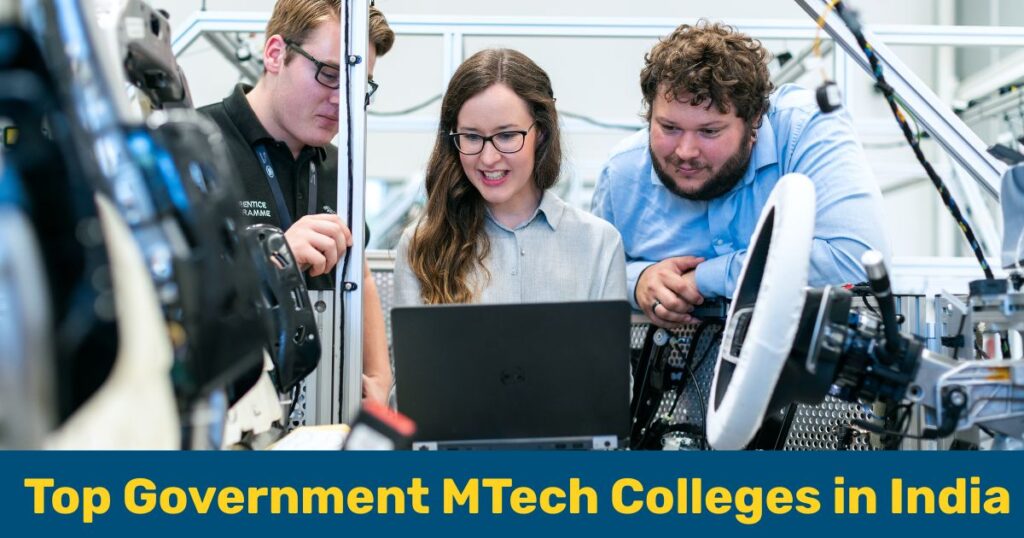
Top Government MTech Colleges in India You Must Know in 2025

top government MTech colleges in India

There are many students who are interested in further studies after B.Tech or BCA, I saw most of the students choose M.Tech for updating their profile with masters in engineering. These Top Government MTech Colleges in India will help you pursue the degree at lower fees. It is profitable for their career growth as it contains more deep concepts of specific fields. Industries offer higher packages for students who have M.Tech degree than just B.Tech, another crucial point is skills for that particular field to be industry-ready.

Whether you want to work in the industry or just go with the research and innovation, M.tech is valuable if you have pursued it from a well-oriented research university. Let’s look into this list of colleges which offer the best quality education, well-research facilities, and strong faculty to improve your knowledge on core engineering concepts.

Top Government MTech Colleges in India

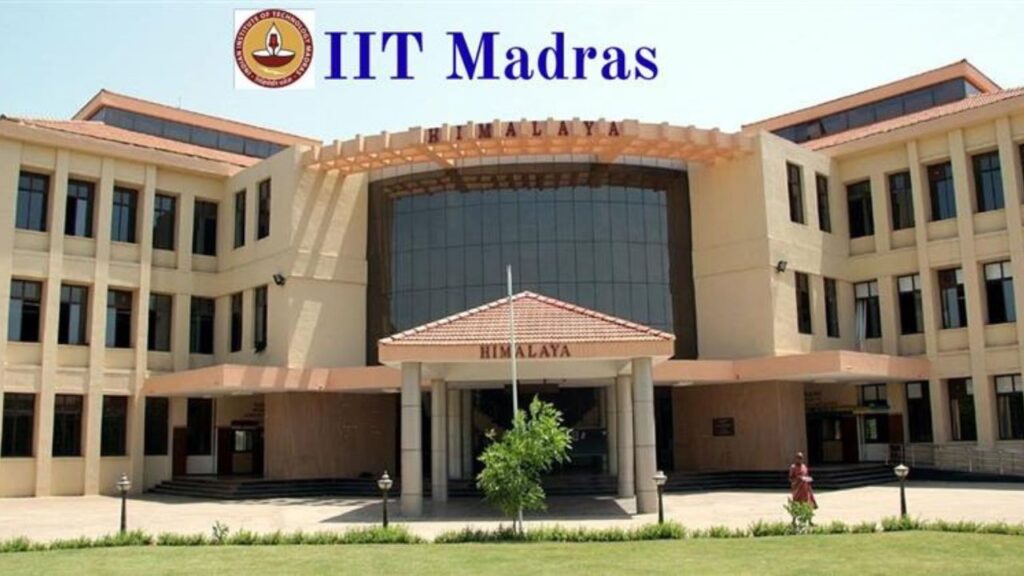
IIT Madras

IIT Madras

IIT Madras: One of the best Indian Institute of Technology which provides the best research and technical programs to the students. With your potential of learning and innovative mind, you can get the facilities such as education quality, faculty support, and placement opportunities to build your stable career. Ideal for students who are interested in engineering programs including B.tech, M.Tech, MS, PhD, etc. 

Fee (Approx.)Rs. 65,402 to 11,5402 per semester
M.Tech SpecializationsAerospace, Biomedical, Chemical, Civil, Computer Science, Electrical, Mechanical, Applied Mechanics, Metallurgical, Polymer Science & Technology, Marine, Biotechnology, Industrial Mathematics & Scientific Computing
Placement %75%+
Top Sectors Qualcomm, Microsoft, Tata, Google, Morgan, Infosys, Capital One, Apple, Reliance, Boston
Average to Highest Salary PackageRs 9 to 54 LPA

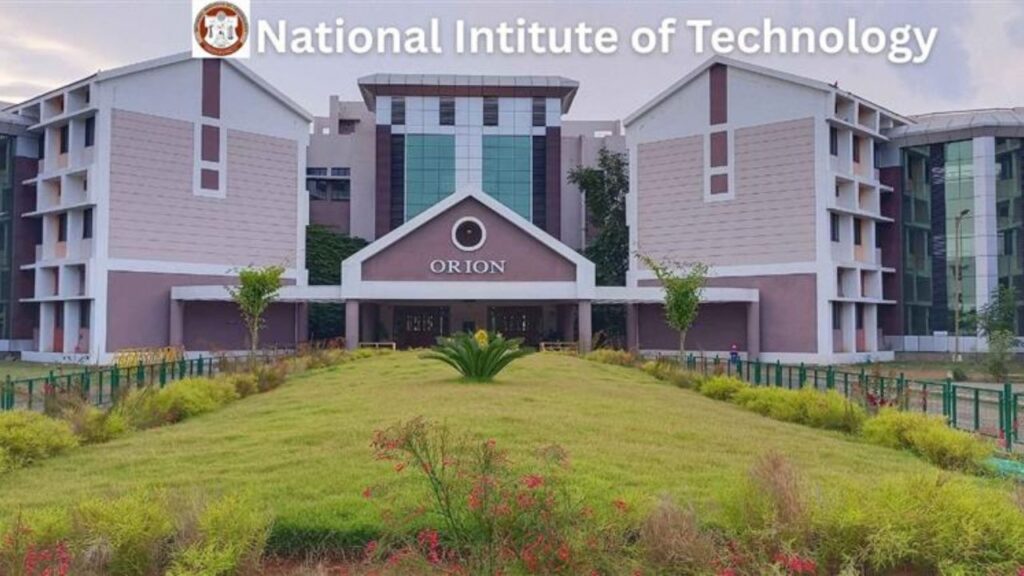
NIT Trichy

NIT Trichy

NIT Trichy: There are many NITs but this one is located in Tiruchirappalli, its reputation is just higher than all the other NITs. Whether you want to pursue B.Tech, M.Tech, BS, MS, or many more courses which not only provide you best education but also practical training, placement opportunities, and faculty support. Students can apply for admission to build their careers in engineering masters programs for more high salary packages. 

Fee (Approx.)₹70,000 – ₹1,25,000 per semester
M.Tech SpecializationsStructural Engg, Thermal, VLSI, Data Analytics, Power Electronics, Manufacturing, Transportation Engg, Computer Science, Communication Systems
Placement %85%+
Top SectorsInfosys, Deloitte,  Intel, Capgemini, Amazon, Texas, Amazon, Dell, HCl, TCS
Average to Highest Salary Package₹9 to ₹49 LPA

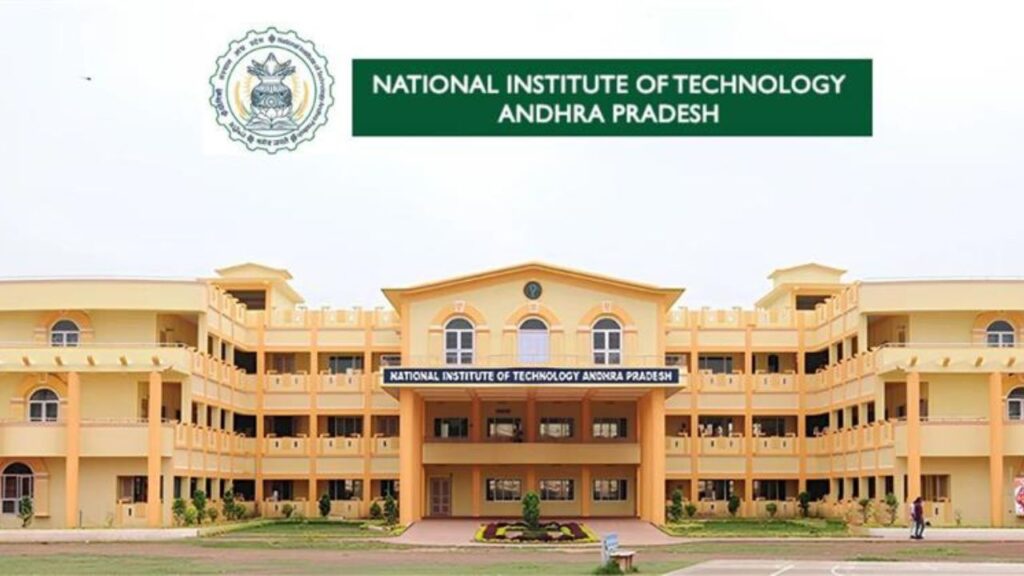
NIT Andhra Pradesh

NIT Andhra Pradesh

NIT Andhra Pradesh: It’s a fast growing NITs and rapidly making its reputation high. With supporting faculty and government, its placement rate becomes good and it is evolving in the advanced courses to keep students industry ready. These are the main factors for NIT to become the most successful and best top engineering college in India. It also gives chances to the students for international offers.

Fee (Approx.)₹62,500 – ₹1,12,500 per semester
M.Tech SpecializationsPower Electronics, Geotechnical Engg, Manufacturing, Communication & Signal Processing, Computer Science
Placement %60%+ (still developing)
Top SectorsInfosys, Wipro, Cognizant, TCS, Tech Mahindra, Byju’s
Average to Highest Salary₹5 to ₹18 LPA

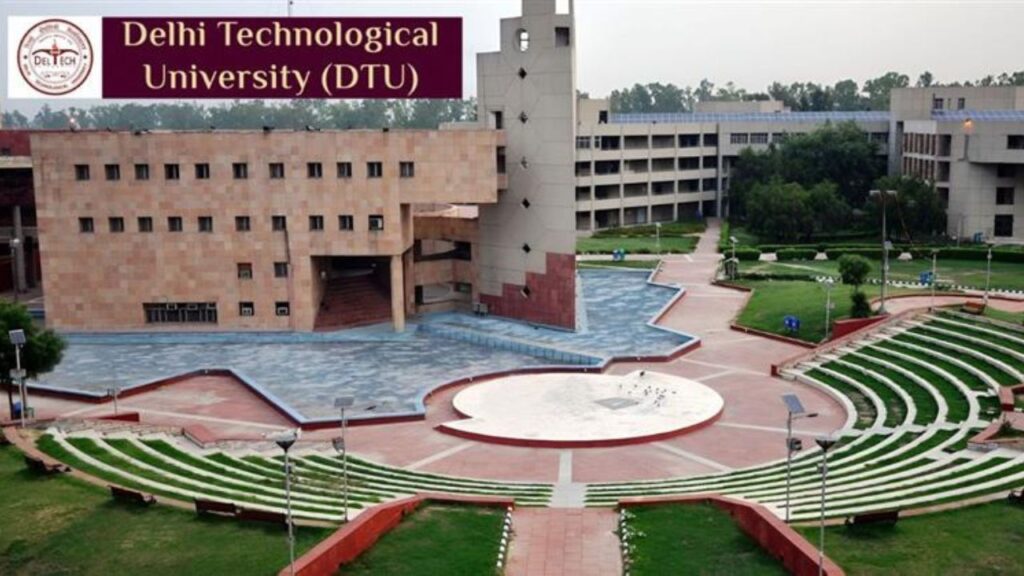
Delhi Technological University

Delhi Technological University

Delhi is the best option for students to start their journey to make a bright career as it is convenient for middle class people. If you want to pursue a valuable degree in engineering, especially masters then Delhi Technological University is best for students. Here you got industry exposure, coding culture, and hiring from top companies.

Fee (Approx.)₹90,000 – ₹1,60,000 per semester
M.Tech SpecializationsSoftware Engg, Control & Instrumentation, VLSI Design, Thermal Engg, Structural Engg, Signal Processing
Placement %90%+
Top SectorsGoogle, Microsoft, ZS, Adobe, Flipkart, DE Shaw, Samsung, Hero, Qualcomm
Average to Highest Salary₹10 to ₹60 LPA

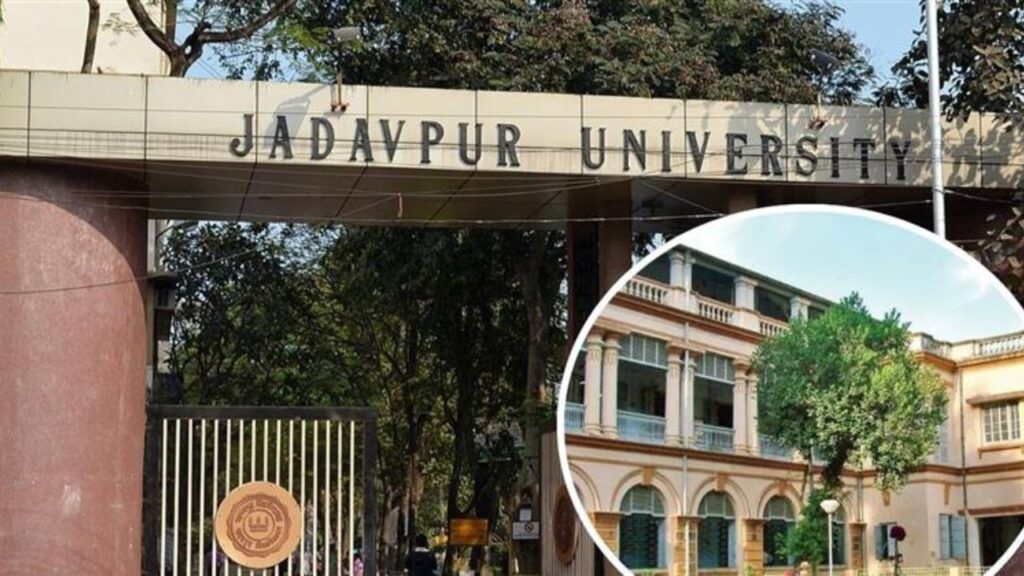
Jadavpur University

Jadavpur University

Jadavpur University: The best university for technical studies, students who don’t want just a degree but also want to grab hands-on research and innovation environments then it is best. It offers rigorous facilities and academic culture to engineering students with low fees and impressive placement opportunities. 

Fee (Approx.)₹2,400 – ₹6,000 per semester (Yes, it’s that low!)
M.Tech SpecializationsChemical, Civil, Electrical, Food Technology, Instrumentation, Power Engg, Mechanical, Computer Science
Placement %80–85%
Top SectorsMicrosoft, Tata Steel, Cognizant, GAIL, Wipro, Tata Steel, Siemen, Flipkart, OLA, TCS, Orient
Average to Highest Salary₹6 to ₹45 LPA

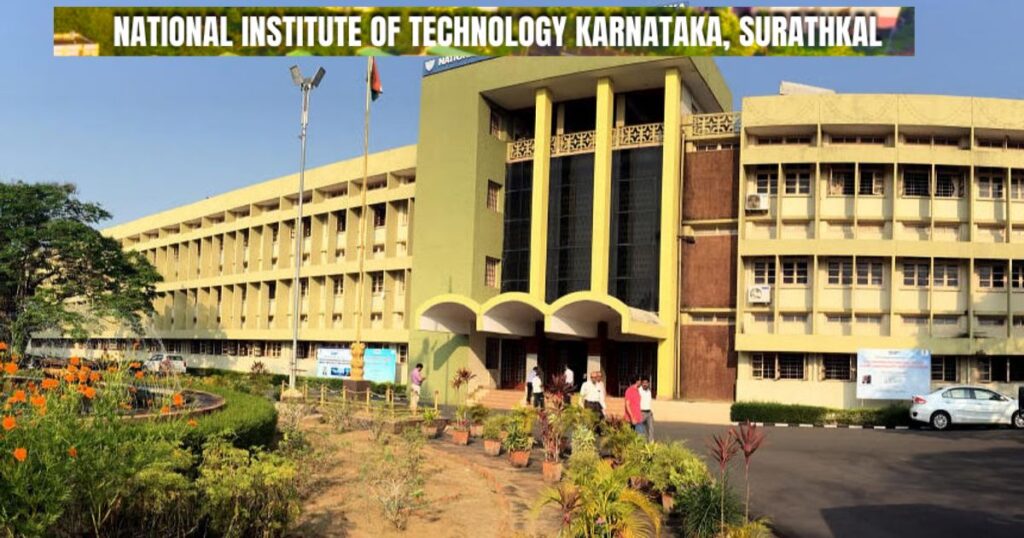
NIT Karnataka 

NIT Karnataka 

NIT Karnataka: Students can also choose NIT according to their convenient location because it is situated in many states. NIT has already made a good impression in industries both national and international because of its perfect culture of education and research in technical science. MTech from NIT can give you the chance to settle in a large company with an average salary package of Rs. 50 LPA.

Fee (Approx.)₹65,000 – ₹1,20,000 per semester
M.Tech SpecializationsMarine Structures, Machine Design, Digital Electronics, Signal Processing, VLSI, Power Systems, Structural Engineering, Computer Science
Placement %90%+
Top SectorsMicrosoft, Oracle, Amazon, Bosch, L&T, Qualcomm, Cisco, Texas Instruments
Average to Highest Salary Package₹10 to ₹52 LPA

Read More 👉 Medical vs Engineering: Which Career Will Make You More Successful in 2025

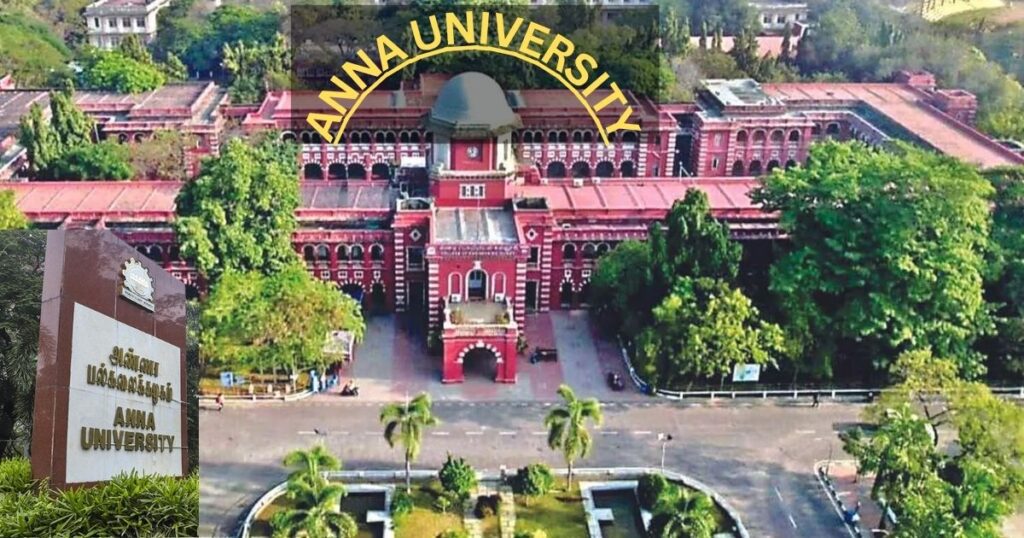
Anna University

Anna University

Anna University: This university is located in Tamil Nadu which is the best in all over the state because engineering students who have pursued their technical degrees are also mentioned that they provide the best education with research-oriented facilities. Campus also offers excellent technical fests that help students to cover extra knowledge to use in industries.

Fee (Approx.)₹15,000 – ₹30,000 per semester
M.Tech SpecializationsEnvironmental Engineering, Structural Engineering, Remote Sensing, Embedded Systems, Industrial Engineering, Power Systems, Bio-Medical
Placement %75–80%
Top SectorsZoho, Wipro, TCS, Mahindra, Tata, L&T, Cognizant
Average to Highest Salary Package₹6 to ₹22 LPA

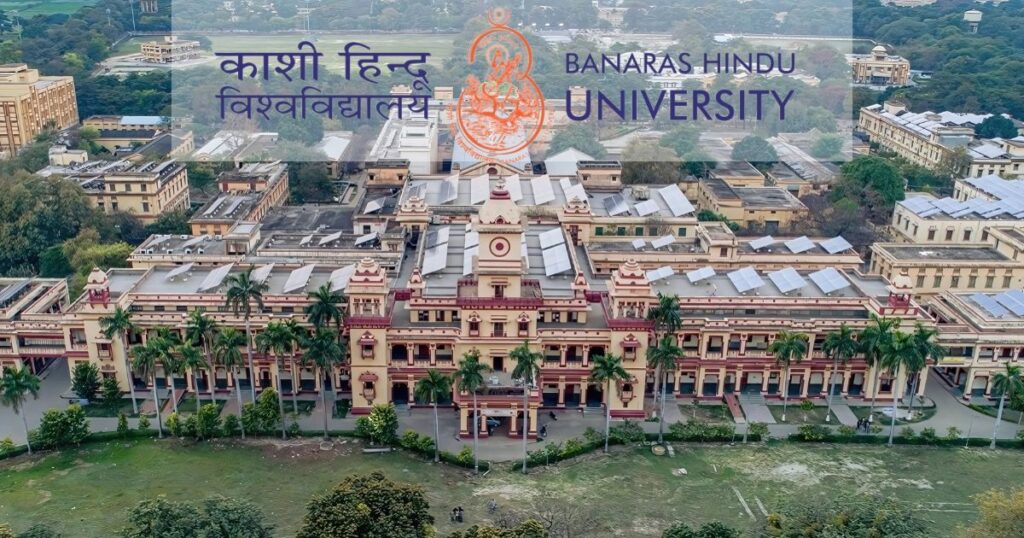
Banaras Hindu University, Varanasi

Banaras college

BHU campus is huge and provides the best educational environment for students who want the best education in chemical, electrical & metallurgy engineering. Most of the colleges don’t provide a strong faculty and innovation area for these fields of engineering. So, BHU has a strong hand in this kind of field which makes it unique for students.

Fee (Approx.)₹75,000 – ₹1,25,000 per semester
M.Tech SpecializationsCeramics, Metallurgy, Structural Engineering, Chemical Engineering, Computer Science, Electrical Machines, Material Science
Placement %85%+
Top SectorsGoldman Sachs, Google, Tata Steel, Paytm, Microsoft, Infosys, Oracle
Average to Highest Salary Package₹10 to ₹45 LPA

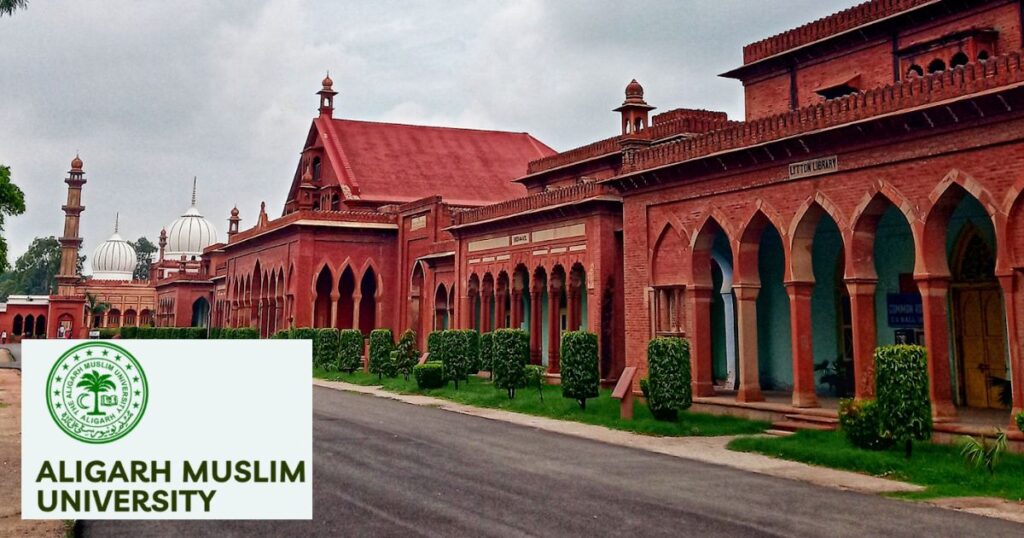
Aligarh Muslim University

Aligarh Muslim University

Aligarh Muslim University: This is the biggest university which offers a diverse range of courses in every field. Engineering is one of its best departments, ideal for students who want to get the best education with rich resources like placements and research facilities in the campus. It delivers core engineering programs at low fees. No limitation for students who want advanced engineering learning but don’t have that kind of money.

Fee (Approx.)₹6,000 – ₹15,000 per semester
M.Tech SpecializationsElectrical Machines, Structural Engineering, Thermal Engineering, Electronics, Environmental Engineering, Civil, Mechanical
Placement %65–70%
Top SectorsPublic Sector Units, Wipro, TCS, Byju’s, Indian Railways, DRDO
Average to Highest Salary Package₹5 to ₹20 LPA

Conclusion

By exploring these top government MTech colleges in India can help you to decide which college you can prefer to go. The decision does not depend on the single factor but all the factors such as your budget, location, and career stability matters while deciding for your professional degree. 

IITs and NITs are the best engineering colleges all over India but other government colleges is also provide you the best quality education and other benefits. 

PCS Rank Wise Post List 2025: Which Rank Gets SDM, DSP & More?

PCS Rank Wise Post List

The PCS exam is the most hardest exam in India which offers many prestigious level jobs in the government sector. PCS Rank Wise Post is allotted according to the candidates marks in the exam. It offers many higher level administrative posts like SDM, DSP, BDP, CTO, and others. This exam is held annually to recruit thousands of candidates for different posts, and prepare strategically for higher rank posts.

Let’s explore the PCS exam and posts for understanding their authority and power in administration.

What Is The PCS Exam? 

Provisional Civil Services offers a diverse range of posts in the government sector and is conducted by different State Public Services Commissions including UPPSC, BPSC, MPPSC, RPSC, etc. But the post name and exam pattern will be the same in all the states. Posts rank may slightly differ from each other but posts are related to state administration and law enforcement. The exam pattern includes: 

  • Prelims
  • Mains
  • Interview

How Are Posts Allotted in PCS Exams?

There are various factors for allotting the post on different level, let’s look into these factors:

Final rank in the merit list (Mains + Interview). Selection is based on the PCS state-level exam rank. If the two candidates have the same score then the cast-category of the candidates will decide in the selection process. The third factor is the number of vacancies in that post.  

PCS Rank Wise Post List 2025 

Likely RankPost Name
1Deputy Collector (Sub Divisional Magistrate/SDM)
2Deputy Superintendent of Police (DSP)
3Block Development Officer (BDO)
4Assistant Commissioner (Commercial Tax)
5District Commandant, Home Guards
6Subordinate Revenue Officer
7Assistant Regional Transport Officer
8District Social Welfare Officer
9District Panchayat Raj Officer
10Accounts Officer

Special PCS Posts And Their Powers 

Don’t you wonder? Why does the PCS Rank Wise Post matter? Because a candidate’s post determines their authority, power, responsibility, and salary within the state administrative system. 

The powerful posts allotted to top rankers in the PCS exam. The top three posts are Sub Divisional Magistrate (SDM), Deputy SuperIntendent of Police, and Deputy Collector are all administrative powers and control district level operations directly impact governance and policy implementation. 

Read More 👉 Meet the Best Physics Teacher for NEET Online – Top Choice for 2025

PCS Rank Wise Post Scope & Perks

Higher powers such as SDM, DSP, & CTO are placed on the top level of the government administration of the state because they are responsible for revenue management, development works, jurisdiction over law and order and public service delivery. 

Meanwhile, lower ranked positions are also responsible for government department works and administrative jurisdiction but they have less authority and power for taking decisions.

Higher positions rankers get fast promotion while initial posting and lower rankers have to face slower growth to become on the post like Indian Administrative Services (IAS). The salary and additional perks are good on a higher level with social recognition, they have more prestiges compared to lower level.

Other Top Level Posts in PCS Exam

Block Development Officer 

He has authority within the block in rural or semirural areas to lead administration for the development of projects for public welfare and implementation in government schemes. He supervises both state and central government policies in that area.

District Commandant, Home Guards

District Commandant is a head of Home Guard volunteers and works with the police and administration for law and order for handling disaster and public safety.  

Subordinate Revenue Officer

He is responsible for collecting and saving the data of land in the sub-district. Government schemes implementation also comes under the Subordinate Revenue Officer responsibility for agriculture and land reforms. These decisions are directed by the higher revenue officials and SDMs.

Assistant Regional Transport Officer

He enforces public travel law and order to resolve issues of driving license, permission for transport, and registrations of vehicles. Assistant Regional Transport officer is responsible for road safety campaigns and accident investigations.

District Social Welfare Officer 

District level authority and power to manage and implement welfare schemes for low cast and schedule tribes communities. Works as a mediator between communities and district administration for their well-being.

District Panchayat Raj Officer

Panchayat councils of villages are supervised by District Panchayat Raj Officer. Implantation for rural development schemes are monitored by him and he is responsible for these operations running smoothly in the area. 

Account Officer

Account officer handling the government department’s account and financial administration to manage budget and deliver financial reports to the government administrations. 

SDM vs DSP – Which Is Better?

SDM and DSP both positions are highly respectable but their work and authority is different from each other –

Sub Divisional Magistrate – SDM: 

This is the highest administrative officer post in the department to ensure the governance runs smoothly under the law and order. This involves both desk and field duties and offering great professional growth to ADM then DM level.

Deputy Superintendent of Police – DSP:

He is the head of the police subdivision and has authority for law enforcement. A very respectable uniformed post, DSP is responsible for commanding over police stations and getting promoted to SP and DIG. 

How to Get Top Rank for SDM or DSP Post?

The higher posts are responsible to change and implement governance that is why they are placed at the higher places in the state hierarchy. 

  • Your rank must lie within top 100 to get SDM or DSP post.
  • To score on that level you must focus on high-scoring subjects.
  • Practice and learn consistently for Mains.
  • Improve english grammar and take mock tests daily.
  • Keep updated with events, current affairs, and government policies.

Conclusion

PCS Rank Wise Post is important to understand if you are preparing for PCS exams because your exam scores will decide your position. If your goal is SDM or DSP then you should get 70-100 rank (General Category) and 120-160 rank (reserved category). With the right strategy you can prepare smartly for this exam and get the position.

PCS rank not just decides your job but also your future of growth, salary, and authorities. So, start aiming your goal with smart strategy and hard work.

Junior Hindi Translator Recruitment: Exam Pattern, Eligibility, And Salary Details

Junior Hindi Translator Recruitment

If you are someone who always ends up correcting the English grammar of the English movies or newspapers’ headlines/trailers in Hindi and English languages be it at office or traveling or on vacation then this time your hobby can help you earn some good bucks. Enter the Junior Hindi Translator Recruitment.

It’s one of those “hidden gem” professions. It doesn’t always get the loud buzz of the administrative services, but for language lovers, it’s a wonderful route to stability, respect, and an actually compelling day-to-day work life. So, let’s decode all you need to know about Junior Hindi Translator Recruitment without the wordy, government jargon. 

What Does a Junior Hindi Translator Recruitment Do?

As a Junior Hindi Translator, you are not just sitting in a room with a dictionary collecting dust. Are you the linguistic bridge for the Government of India.

The Government of India functions in Two-Languages Hindi and English. Each and every official document, press release, circular and policy has to be impeccably worded in both. As a JHT you will be primarily responsible for translating these official documents into Hindi and English. 

But this is more than the translation of words. You have to be sure the Rajbhasha(official language) policies are properly executed in all the central government departments, ministries and offices under them. You’re basically the gatekeeper of official communication. It’s a desk job, yes, but it’s one that calls for a quick brain, cultural awareness and a flawless vocabulary. 

SSC Junior Hindi Translator Recruitment Exam

Although different agencies also have their own jobs listings, the undisputed king of Junior Hindi Translator Recruitment is the Staff Selection Commission (SSC).

The SSC conducts the Combined Open Competitive Examination for the post of Junior Hindi Translators, Junior Translators and Senior Hindi Translators for the recruitment of Ministry offices, Departments and Organizations of the Government of India on yearly basis. If this career path is something you very seriously want to pursue, then the SSC JHT notification is the one to watch out for. 

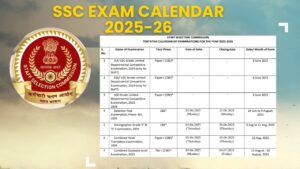
Dates to Remember

EventDate
Notification Release23/April/2026
Application Start Date23/April/2026
Last Date to Apply14/May/2026 
Last Date for Fee Payment15/May/2026 
Correction Window19–20/May/2026

Are You Eligible? 

This is the point at which crowds start to thin out, which is actually great for you. Not like general exams that are open to all the bachelor degree holders, the Junior Hindi Translator Recruitment has minimum educational qualifications.The criteria for eligibility are usually as follows: 
You are required to have a Master’s degree from a recognized university in Hindi with English as a compulsory/optional subject (or as the medium of examination in the degree course).

OR

A Master’s degree in English with Hindi a compulsory/elective subject. 

If you are without a Master’s in either of the two mentioned, it is still possible to get in with a Master’s in any subject, given that you took Hindi and English as either your core or elective subjects at the undergraduate level. 

Apart from the degrees, the SSC in general also asks for a Recognised Diploma/Certificate course in translation from Hindi to English and vice versa. If you do not have the diploma, you can also qualify with two to three years experience working as a translator from Hindi to English (and vice versa) in a Central or State Government Office. 

Exam Pattern SSC JHT exam

The Junior Hindi Translator Recruitment exam is conducted in 2 stages: Paper 1 and Paper 2. Let’s check what really is in store for you. 

Paper 1: The Computer-Based Test (Objective)

General Hindi (100 Marks)

General English (100 Marks)

You usually get two hours for this. The syllabus includes everything from grammar, vocabulary, synonyms and antonyms to sentence formation, idioms and phrases. It’s meant to measure your fundamental knowledge of each language. 

Paper 2: The Descriptive Test

If you qualify for the cutoff in Paper 1, welcome to the big league. Paper-2 is offline descriptive with a pen and in-answer sheet containing 200 marks in 2 hours.

This paper assesses your real translation skills and writing. You will typically be asked to:

  • Translate a passage from Hindi into English.
  • From English to Hindi.
  • Write an essay in Hindi.
  • Write an essay in English.

This is the part when genuine language buffs glow. Rote memorization will not help you here – you need natural flow, good handwriting and the ability to express complex thoughts clearly. 

Salary and Lifestyle

The post of Junior Hindi Translator is generally in pay level-6 of 7th CPC. It means your basic pay begins at ₹35,400. But that’s just the base. With the addition of Dearness Allowance(DA), House Rent Allowance (HRA) and Transport Allowance(TA), the gross in hand salary you get is around ₹50,000 to ₹70,000 per month which varies depending on the city of your posting (X, Y, or Z category cities). 

Apart from the finances, the way of life is very attractive. It’s a white-collar respected desk job with fixed hours dictated by the government. You get all the perks of central government: medical facilities, pension schemes (NPS), job security, and a predictable promotion ladder moving up to Senior Translator, Assistant Director, and beyond. 

Read More:- Junior Assistant vs Clerk: Complete Guide of Job Profiles, Responsibilities And Career Growth 

Conclusion

Junior Hindi Translator recruitment is a testament to the fact that you don’t need to be a maths wizard or a coding genius to land a great job with a stable career. If you have an affinity for words, sentence structures and the lovely nuances of Hindi and English, then this one is right for you.
It’s commitment and constant practice and a real respect for language. Watch the SSC schedule, start translating your favorite articles now, and get ready to transform your love of language into a career for life. 

GovUpdatewala is your trusted source for real-time updates on government exams and jobs in India. We provide verified info on SSC, UPSC, Banking, Railways, Defense, and Teaching exams. From syllabus and patterns to important dates and career tips — we support aspirants at every step.

Scroll to Top