Top 10 Private Engineering Colleges in Bhopal You Must Know About in 2025!

Bhopal is emerging as a hub for higher education, it already has a reputation for its diverse institutes. Let’s look at these top 10 Private Engineering Colleges in Bhopal. These colleges not only offer the best quality education but also advanced labs, strong faculty support, and placement. Some students got high packages from top companies. 

If you’re planning to pursue B.Tech or M.Tech in 2025, these colleges will provide you with world-class education. Check out insights on faculty, academics, admissions, fees, and placements.

Top 10 Private Engineering Colleges in Bhopal 

1. IES College of Technology

IES provides a conducive academic environment for students who aspire to pursue engineering careers in top-level companies. The college focuses on technical skills along with soft skills, which helps students become industry-ready.

Faculty & Infrastructure
The faculty here is experienced, though a few departments might still benefit from more industry exposure. Labs and classrooms are well-equipped.

Admission & Fees
After clearing JEE Main, students must appear in the Madhya Pradesh Engineering Counselling. The total fee is around ₹2,63,000 for B.Tech.

Placements
Companies like TCS, Infosys, and Wipro visit regularly. The average package is between ₹3.5 and ₹4 LPA.

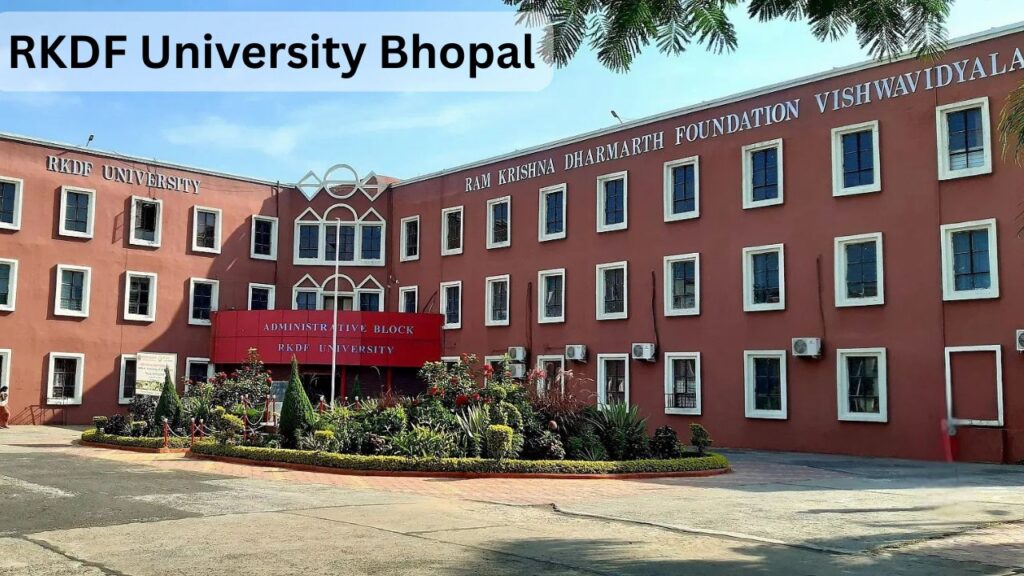
2. RKDF University Bhopal

RKDF offers a wide range of courses and flexible admission. It’s ideal for students looking for an affordable engineering option with decent facilities.
Faculty & Learning:
Faculty quality is average to moderate, but for self-motivated students, it can still be a good launchpad.

Admission Process:
Admissions are mostly merit-based or through direct admission. The total fees for the B.Tech course range between ₹2 Lakh and ₹2.6 Lakh.

Placement:
Campus placement support is available but mostly attracts local or small-scale recruiters. The average salary is ₹2.5 LPA.

Also Read : Best BCA Data Science Colleges in Chennai for a Future

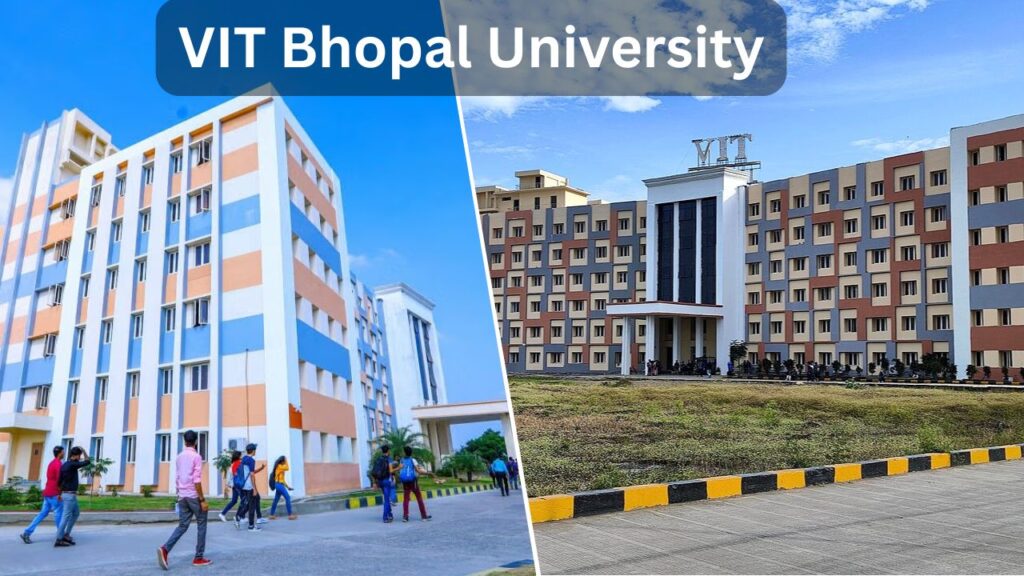
3. VIT Bhopal University

VIT Bhopal is a top-tier college for engineering as it offers high-standard labs, global curriculum, and strong international tie-ups. Ideal for students who want to achieve top-class education.
Faculty & Facilities
With a mix of academic and industry experience faculty is providing an advanced level of techniques and tips to guide their students. The college campus is modern, Wi-Fi-enabled, with smart classrooms and research labs.

Admission Criteria
Admissions are through VITEEE or JEE Main. The total fee is around ₹6.98 to ₹11.12 lakh for B.Tech.

Placements
Top companies such as Microsoft, Dell, and Cognizant participate. Highest packages have crossed ₹20 LPA, while average remains at ₹5–6 LPA.

4. Acropolis Institute of Technology & Research

Acropolis Institute of Technology & Research is a top-notch college for B.Tech. College’s innovative way of teaching and focus on practical assessment is what makes them iconic for those students who want to go into the research field. If students aim for entrepreneurship, this might be a good option for pursuing engineering.

Academics & Staff
Well-structured curriculum and helpful faculty. Some departments, like CSE and IT, are especially strong.

Admissions & Cost
Admission via JEE/MPTU counseling. The total fees lie around ₹2.94 to ₹3.72 lakh.

Placement Scenario
Offers good placements for tech branches, with average packages around ₹4 LPA. Mass recruiters like Wipro and Capgemini are common.

5. Bansal Institute of Research & Technology

This college has various placement opportunities due to its involvement in the larger Bansal group. The college maintained its reputation with an academic environment and technical training. It’s a safe choice for students who want structured learning.

Faculty
The faculty members provide support to students in developing their skills to maintain their resumes ready for jobs. Students did get guest lectures from industry professionals.

Admission Info
JEE Main scores are accepted for admission. Annual fees are approximately ₹90,000 – 3.68 Lakhs for B.Tech, depending upon the branch.

Placements:
Placement is fairly consistent, especially in CS, EC, and mechanical streams. Students can get an average package of around ₹3–4 LPA.

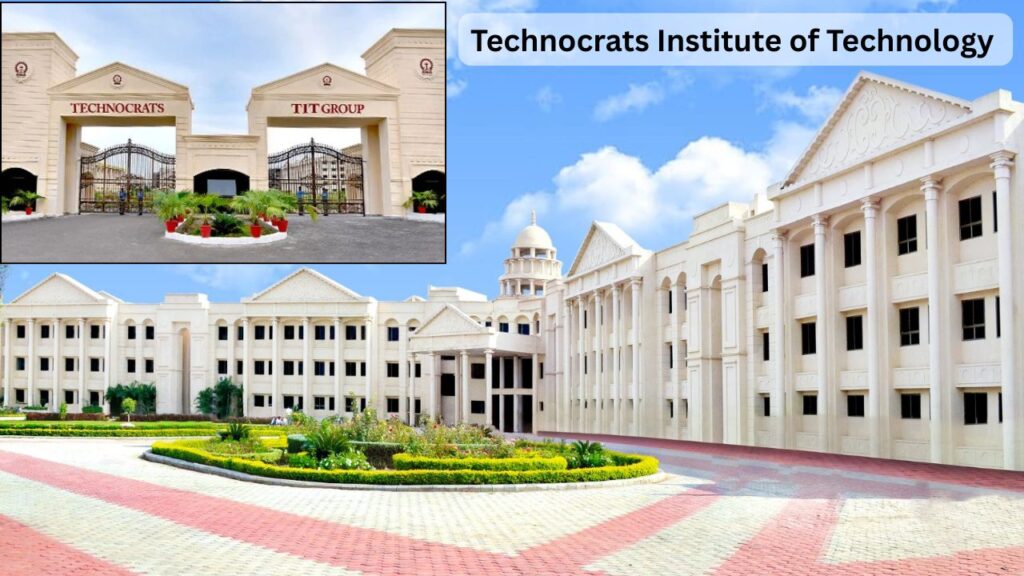
6. Technocrats Institute of Technology 

Technocrats Institute of Technology: This is a great option for students who don’t want to just pursue a degree but also want a chance to step into the industry with a good package. It has a huge alumni network and excellent infrastructure.
Faculty & Education:
Most departments have PhD-qualified professors. It offers not just theory but also encourages students for practical learning, coding bootcamps, and projects.

Admission Procedure:
Students must have a good score in JEE Mains. Selected candidates have to appear in the MP Online Counseling. Fees are around ₹1.8L for B.Tech.

Placement Overview
Excellent placement record, especially for CSE and IT. The college has a good placement record, students can get an average package of ₹4.5 LPA.

7. Sagar Institute of Science and Technology

SISTec is known for its student-centric approach, active coding culture, and good ROI. It focuses on both academic learning and personality development.
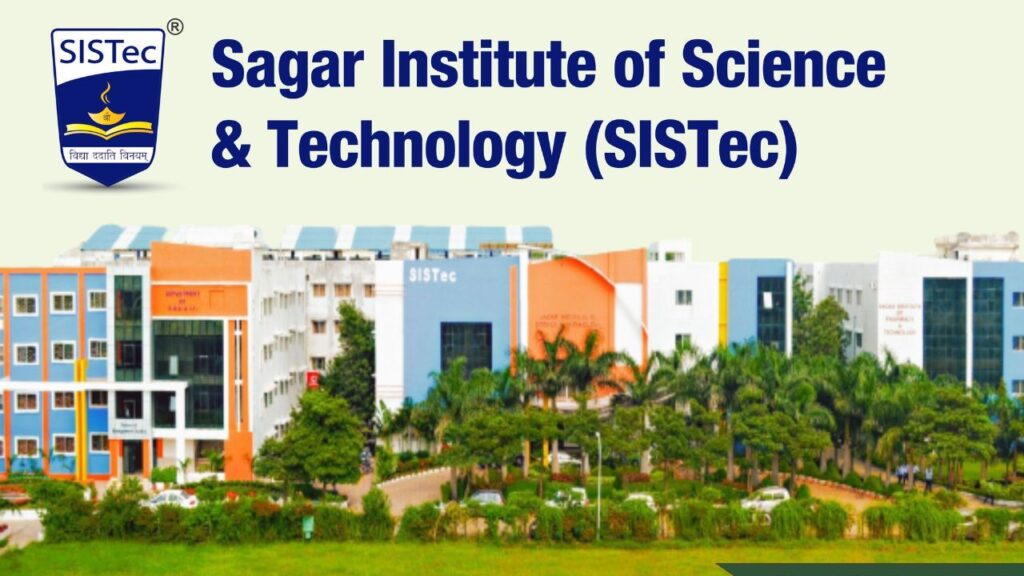
Faculty & Campus
The college offers experienced staff, supportive mentors, and regular tech fests to make their students more engaged with their engineering. A good option for engineering studies and college Infrastructure is above average.

Fees & Admission
The fee is about ₹2.1-3.6 Lakhs for B.Tech. Students need to clear the JEE Main with a good score for admission.

Placements
Offers decent placement in both core and IT sectors. Companies like TCS, HCL, and Byju’s visit the campus. Average CTC is ₹4 LPA.

8. LNCT Group of Colleges

LNCT is a well-established name in Bhopal’s private education ecosystem. It has a reputation for being disciplined and result-oriented.
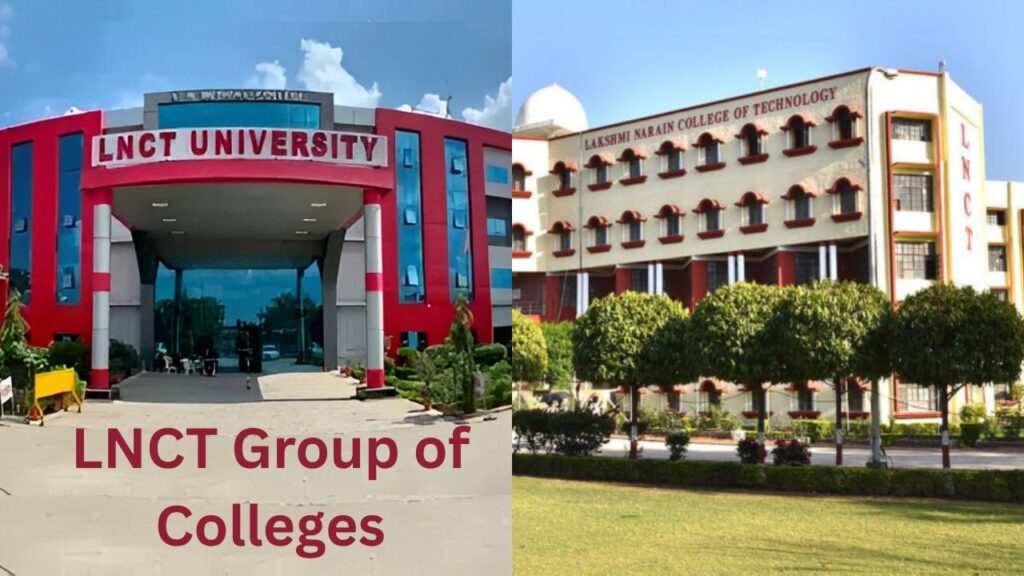
Teaching & Exposure
The faculty is one of the strongest in Bhopal’s private college circle. Labs, libraries, hostels and all meet modern standards.

Admission & Fee Structure
Admissions through JEE Main. Fees range from ₹2.39 to ₹3.25 lakhs for B.Tech, depending on the branch.

Placement Performance
LNCT has excellent placement stats with the highest package touching ₹19 LPA in 2024. The average package is around ₹5.5 LPA.

9. Oriental Institute of Science and Technology 

This is also a private college that has acquired a reputation for delivering engineering courses for years. Students get plenty of opportunities after having a B.Tech degree from this college. It offers excellent academic education and practical training.
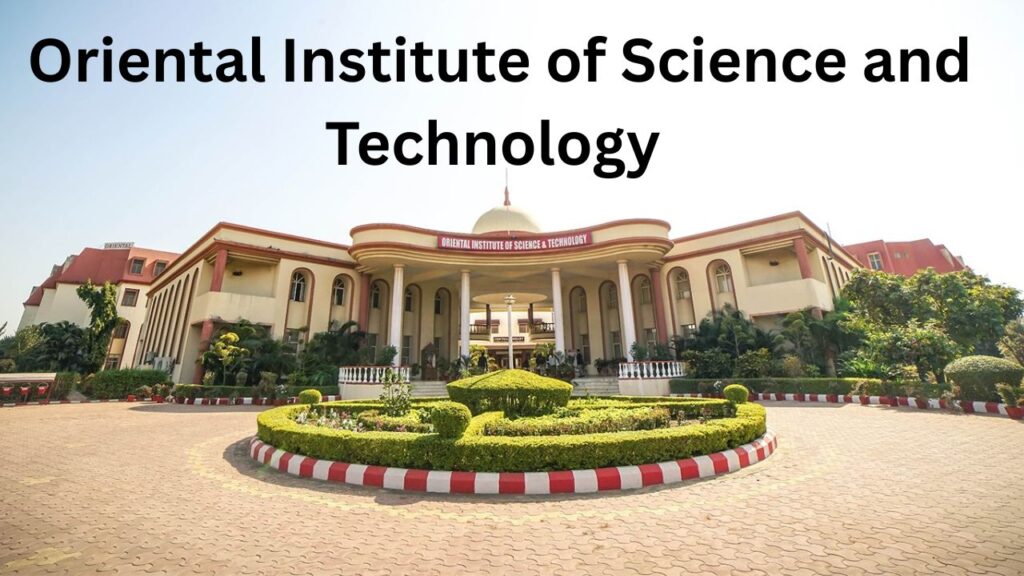
Faculty & Infrastructure

The strong faculty is very supportive and the campus is amazing. Great infrastructure includes modern lecture rooms, research labs, and innovation centers where students can grow their ability to innovate and research.

Admission & Fees

JEE Main scores are acceptable for admission and MP DTE counselling. The fee is around Rs. 4.20 lakh, depending on the branch.

Placement Opportunity

The record of this college for placement of its students is high. If you want an average package around Rs. 4.2 LPA, then get the admission.

10. Patel Group of Institutions

If you are a resident of Bhopal, you can choose the Patel Group of institutions for B.Tech because it has a great reputation for providing industry-aligned technical education. Students can get their admission at a low fee here in comparison to others but they can get world-class education with regular training sessions.
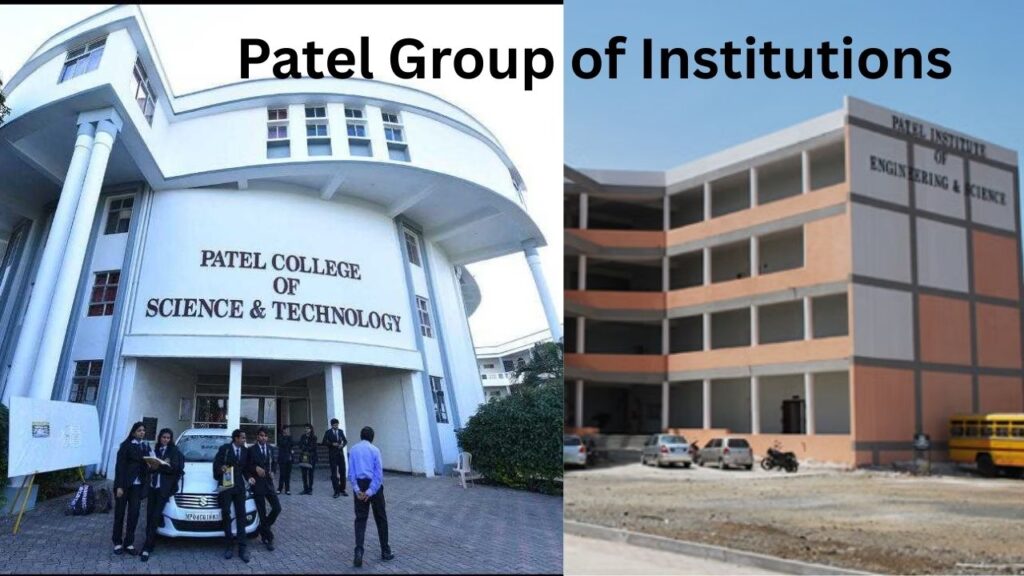
Faculty & Infrastructure

Experienced faculty members encourage students to engage in project-based learning. It has decent infrastructure including, well-equipped labs, WiFi, and dedicated training programs.

Admission & Fees

JEE Main and MP Online Counselling will get you selected in this college. B.Tech course fee is around 1.60L-2.24L for the entire course.

Placement Opportunity

Companies like Wipro and Zensar are recruiting students from this campus and offer an average package of Rs. 3.5 – 4 LPA.

Conclusion

These are the Best Private Colleges for Engineering in Bhopal that will help you train your mind with their academic environment, strong faculty support, and practical training. Whether you want to pursue bachelor or masters, they offer both UG and PG level programs for students who want to build their career in top industries.


Leave a Comment

Your email address will not be published. Required fields are marked *

ITI Admission Fees in Government College: Complete Fee Structure Guide

ITI Admission Fees in Government College: Complete Fee Structure Guide Are you interested in Technical and Vocational Education Training (TVET) as a career option? A good Industrial Training Institutes(ITI) is a great way to learn a practical skill and get a job in a short span of time. How much does it really cost to join a government ITI? is probably among the most frequent questions that are buzzing in your mind if you have been looking for ITI courses. So let's get started with the full ITI Admission Fees in Government College details before jumping on the admission portal. Quick Overview of Fee Breakdown This is the fee structure in short for an Electrician course at a typical government ITI to make your career brighter. This will help you understand the budget of the two year course. Charge Amount Admission Fee –Given one time ₹100 Registration Fee –Given one time ₹50 Monthly Tuition ₹2,400 (₹100 × 24 months) Caution Money – given back later ₹250 Examination Fees ₹200 Student Welfare Funds ₹300 Total Approximate Cost ₹3,300 Note: The caution deposit is refundable on successful completion and your effective expenditure comes to approximately ₹3,050 for two years — Now that’s reasonably priced! Understanding the ITI Fee Structure The nice thing about government ITIs is that they are hilariously cheap when compared to private ones. With private ITI colleges charging fees ranging from ₹5,000 to more than ₹1,000,000 per year, fees of the government ITI colleges are affordable and it goes from ₹1,000 to ₹20,000 per year. So, students from all financial backgrounds can get quality technical education. But it's not just a single figure for the fee structure to pay and forget about it. The fees in government ITIs are divided into several heads, each of which is for a certain purpose. Knowing what all these entails will allow you to plan your finances so you don’t get a shock when it is time for admission. Tuition Fee: The Core Cost The tuition fee is the staple of your yearly outgoings. It is from ₹100 to ₹150 per month at most government ITIs in India which works out to be from ₹1,200 to ₹1,800 per year. For reference, the West Bengal government ITIs charge a total fee of ₹30 per month as a tuition fee, implying that you will be spending only ₹180 for the entire six-month course. These vary from state to state and institution to institution, so be mindful!​ The annual tuition fee for regular trainees, however, is Rs 1,800 (Rs 150 per month) at some government institutions such as the National Skill Training Institute (NSTI) in Patna. Yet if you are from SC/ST, you pay a lot less – just Rs 600 per year (Rs 50 per month). It is indicative of the government’s resolve to open the door of education to the underprivileged sections of the society. Admission Fee: One-Time Payment Consider the entry to the admission fees for the institution you are wants to apply. This is a one-time fee that you pay once you join and not every year. The admission fee is usually around ₹100 to ₹300 for most government ITIs. This is phenomenally low, and includes the cost of processing your application, verification of your documents, and the registration procedures.​ Interestingly, some institutes offer concessions to SC/ST students. For example, SC/ST students will have to pay Rs 25 instead of Rs 100 as admission fee. Registration Fee There is also a registration fee separate from the admission fee and the registration fee is usually between ₹30 to ₹200. This is for registering your enrolment with the records of the institute and getting you listed with the official registers. It’s a non-refundable fee which is paid generally at the time of verification of admission.​ Again, if you belong to SC/ST category you may get waived off from paying this fee in some institutes. Caution Money: A Security Deposit Important to understand: Caution money isn’t a fee that you are wasting. It’s a security deposit that is refunded. You pay it once (usually between ₹ 100 to ₹ 500) while admitting and you get it on successfully completing the course. This sum of money serves as a kind of insurance to keep students finishing their training and disciplined. Additional Funds and Charges In addition to the basic fees, the Govt ITI s also levies different student welfare and infrastructure enhancement funds which may be used for welfare activities of the students, for up-gradation or improvement in infrastructure. These might include: Gymkhana Fee Up to ₹100 To get along with sports and extracurricular activities Student Welfare Funds ₹50 to ₹375 Contributing to overall student development programs Placement Registration Fee Approximately ₹50 Helping the institute organize campus placements Smart Card Fund Around ₹200 For issuing digital identity cards Examination Fee At the time of examination, an institute usually levies a test fee of ₹25 to ₹100 per attempt. This includes the cost of holding exams, drafting question papers and conducting tests. Total Annual Cost For ITI Government Add all this up and see what the real number you’re looking at is. For a normal engineering trade class (say Electrician or Fitter) in a government ITI. First Year Fee is in range between ₹2,400 — ₹3,500 Subsequent Years As it vary on state, ₹1,500 to ₹2,000/year Delhi institute registration fee is Rs.200, so if you are applying there then this is the amount you have to pay at the time of verification along with the other applicable fees, which is quite nominal. Special Provisions and Exemptions For Girl Students A large number of Government ITIs provide relaxation to female trainees. Girl students are exempted from tuition fees as well as examination fees at institutes such as Patna's NSTI, rendering the course free for girls (the only exception being other compulsory deposits and fees). A few states have adopted similar policies to incentivize women to take up technical trades. For Reserved Categories There are hefty discounts for students who belong to the SC, ST, OBC or EWS category. Tuition is often waived or discounted to a token sum. In the ITIs of Odisha, the admission fees are waived for the trainees from SC, ST and women category whose family annual income is less than `2.5 lakhs, they have to pay only the caution money. For Persons with Disabilities (PwD) The government ITIs are said to extend exemptions and concessions to the special needs students, because 'they are handicapped and the financial burdens of study should be thrown off from their shoulders'. State-Wise Variations For the Fee of ITI One should note that the ITI fees vary according to states since education is a subject of state in Indian federalism. For instance, in Tamil Nadu, government ITIs charge anywhere between ₹5,000 and ₹7,000 per year, while in Himachal Pradesh, they charge between ₹6,000 and ₹8,000. With competition fees, states such as Bihar, Uttar Pradesh, and Rajasthan have the biggest network of government ITIs. Conclusion When you take into account that you are learning practical skills that are directly applicable to jobs in the public and private sectors, that is a huge amount of bang for your buck. Whether you are just finishing school and want to start your career or are planning a career change, government ITI courses provide a cost-effective, quality route to technical proficiency. The best way to get the most update on ITI Admission Fees in Government College is to go on your state’s ITI official website, check under what category you fit under for exemptions and email the best would be to the lucky one you want to attend for any questions. Your path to a rewarding career might be more affordable than you think! Meta title : ITI admission fee in government college. full fee guide 2025 Meta desc : Complete guide on ITI admission fees in government colleges: tuition, admission, exam fees, concessions for girls and reserved categories. Cost details for full 2 ​​years. Url : iti-admission-fees-in-government-college Focus Keyword : ITI Admission Fees in Government College Government ITI Fee Structure ITI Government College Fees 2025 ITI Course Fees in Government Institute ITI Fees for Girls & Reserved Category

Are you interested in Technical and Vocational Education Training (TVET) as a career option? A good Industrial Training Institutes(ITI) is a great way to learn a practical skill and get a job in a short span of time. How much does it really cost to join a government ITI? is probably among the most frequent questions that are buzzing in your mind if you have been looking for ITI courses. So let’s get started with the full ITI Admission Fees in Government College details before jumping on the admission portal.

Quick Overview of Fee Breakdown

This is the fee structure in short for an Electrician course at a typical government ITI to make your career brighter. This will help you understand the budget of the two year course.

ChargeAmount
Admission Fee –Given one time₹100
Registration Fee –Given one time₹50
Monthly Tuition ₹2,400 (₹100 × 24 months)
Caution Money – given back later₹250
Examination Fees₹200
Student Welfare Funds₹300
Total Approximate Cost₹3,300

Note: The caution deposit is refundable on successful completion and your effective expenditure comes to approximately ₹3,050 for two years — Now that’s reasonably priced! 

Understanding the ITI Fee Structure

The nice thing about government ITIs is that they are hilariously cheap when compared to private ones. With private ITI colleges charging fees ranging from ₹5,000 to more than ₹1,000,000 per year, fees of the government ITI colleges are affordable and it goes from ₹1,000 to ₹20,000 per year. So, students from all financial backgrounds can get quality technical education.

But it’s not just a single figure for the fee structure to pay and forget about it. The fees in government ITIs are divided into several heads, each of which is for a certain purpose. Knowing what all these entails will allow you to plan your finances so you don’t get a shock when it is time for admission. 

Tuition Fee: The Core Cost

The tuition fee is the staple of your yearly outgoings. It is from ₹100 to ₹150 per month at most government ITIs in India which works out to be from ₹1,200 to ₹1,800 per year. For reference, the West Bengal government ITIs charge a total fee of ₹30 per month as a tuition fee, implying that you will be spending only ₹180 for the entire six-month course. These vary from state to state and institution to institution, so be mindful!​

The annual tuition fee for regular trainees, however, is Rs 1,800 (Rs 150 per month) at some government institutions such as the National Skill Training Institute (NSTI) in Patna. Yet if you are from SC/ST, you pay a lot less – just Rs 600 per year (Rs 50 per month). It is indicative of the government’s resolve to open the door of education to the underprivileged sections of the society. 

Admission Fee: One-Time Payment

Consider the entry to the admission fees for the institution you are wants to apply. This is a one-time fee that you pay once you join and not every year. The admission fee is usually around ₹100 to ₹300 for most government ITIs. This is phenomenally low, and includes the cost of processing your application, verification of your documents, and the registration procedures.​

Interestingly, some institutes offer concessions to SC/ST students. For example, SC/ST students will have to pay Rs 25 instead of Rs 100 as admission fee. 

Read More 👉 CAT 2025 Exam Analysis: Difficulty Breakdown for VARC, DILR & QA

Registration Fee

There is also a registration fee separate from the admission fee and the registration fee is usually between ₹30 to ₹200. This is for registering your enrolment with the records of the institute and getting you listed with the official registers. It’s a non-refundable fee which is paid generally at the time of verification of admission.​

Again, if you belong to SC/ST category you may get waived off from paying this fee in some institutes.

Caution Money: A Security Deposit

Important to understand: Caution money isn’t a fee that you are wasting. It’s a security deposit that is refunded. You pay it once (usually between ₹ 100 to ₹ 500) while admitting and you get it on successfully completing the course. This sum of money serves as a kind of insurance to keep students finishing their training and disciplined.

Additional Funds and Charges

In addition to the basic fees, the Govt ITI s also levies different student welfare and infrastructure enhancement funds which may be used for welfare activities of the students, for up-gradation or improvement in infrastructure. These might include: 

Gymkhana FeeUp to ₹100To get along with sports and extracurricular activities
Student Welfare Funds₹50 to ₹375Contributing to overall student development programs
Placement Registration FeeApproximately ₹50Helping the institute organize campus placements
Smart Card FundAround ₹200For issuing digital identity cards

Examination Fee

At the time of examination, an institute usually levies a test fee of ₹25 to ₹100 per attempt. This includes the cost of holding exams, drafting question papers and conducting tests. 

Total Annual Cost For ITI Government

Add all this up and see what the real number you’re looking at is. For a normal engineering trade class (say Electrician or Fitter) in a government ITI. 

First YearFee is in range between ₹2,400 — ₹3,500
Subsequent YearsAs it vary on state, ₹1,500 to ₹2,000/year 

Delhi institute registration fee is Rs.200, so if you are applying there then this is the amount you have to pay at the time of verification along with the other applicable fees, which is quite nominal.  

Special Provisions and Exemptions

For Girl Students

A large number of Government ITIs provide relaxation to female trainees. Girl students are exempted from tuition fees as well as examination fees at institutes such as Patna’s NSTI, rendering the course free for girls (the only exception being other compulsory deposits and fees). A few states have adopted similar policies to incentivize women to take up technical trades. 

For Reserved Categories

There are hefty discounts for students who belong to the SC, ST, OBC or EWS category. Tuition is often waived or discounted to a token sum. In the ITIs of Odisha, the admission fees are waived for the trainees from SC, ST and women category whose family annual income is less than `2.5 lakhs, they have to pay only the caution money. 

For Persons with Disabilities (PwD)

The government ITIs are said to extend exemptions and concessions to the special needs students, because ‘they are handicapped and the financial burdens of study should be thrown off from their shoulders’. 

State-Wise Variations For the Fee of ITI

One should note that the ITI fees vary according to states since education is a subject of state in Indian federalism. For instance, in Tamil Nadu, government ITIs charge anywhere between ₹5,000 and ₹7,000 per year, while in Himachal Pradesh, they charge between ₹6,000 and ₹8,000. With competition fees, states such as Bihar, Uttar Pradesh, and Rajasthan have the biggest network of government ITIs. 

Conclusion

When you take into account that you are learning practical skills that are directly applicable to jobs in the public and private sectors, that is a huge amount of bang for your buck. Whether you are just finishing school and want to start your career or are planning a career change, government ITI courses provide a cost-effective, quality route to technical proficiency. 

The best way to get the most update on ITI Admission Fees in Government College is to go on your state’s ITI official website, check under what category you fit under for exemptions and email the best would be to the lucky one you want to attend for any questions. Your path to a rewarding career might be more affordable than you think! 

Leave a Comment

Your email address will not be published. Required fields are marked *

Best Books & Online Resources for Banking Exam Preparation 2025

The preparation of banking exams starts with the best books banking exam because it is a hard task and at the same time interesting for the aspirants who want to establish their career in the finance domain. Every year 1 lakhs plus aspirants appear for these competitive exams like IBPS, SBI, RBI and other banking exams at state level. What can you do to give yourself the best chance to succeed among such fierce competition? 

What Started Out as a 100% Prep for the 2025 Exam Has Now Evolved Into a Prep with Traditional Materials and a Little Bit of Technology of the Digital Age.. If you are seeking professional-endorsed textbooks or want to enjoy online courses, apps for mobile or interactive, view these product selections loaded with high quality. 

The banking exams are considered to be the toughest competitive exam in India. The way to success is to choose the right study books and make use of the good online study materials. Here is a complete list of the best books and online resources that you can use to enhance your chances of success in banking exams 2025.

Essential Books for Banking Exam Preparation

Quantitative Aptitude & Data Interpretation

R.S. Aggarwal’s “Quantitative Aptitude for Competitive Examinations” is the only quantitative exam preparation guidebook for competitive exam preparation. This all-inclusive book comprises all the basic topics from arithmetic, algebra, geometry and data interpretation along with a plethora of practice problems with their solutions and explanations. The updated 2025 edition features more than 10,000 practice questions and 40 video lessons.

Rajesh Verma’s “Fast Track Objective Arithmetic” is a very good book for shortcuts and tricks which are very important for time limited banking exams. The strength of the book is based on tricks and shortcuts which have vital importance in success in competitive exam.

Arihant’s “Data Interpretation & Data Sufficiency” also ensures depth preparation for the techniques to solve DIs based on Pie charts, Bar charts, Line charts, Caselets. This approach is more result-oriented and can help candidates to perform better in or break this one of the highest scoring sections of banking exams. 

English Language

S.P. Bakshi “Objective General English” is a step by step guide to grammar and comprehension which help the students to understand the way of writing and based on that How to use. This is the most appreciated and recommended book for the topic Sentence Correction and Reading Comprehension.

“Word Power Made Easy” – Norman Lewis is Still the Best Vocab Builder. A Quick Review of. Its drill-and-kill approach to vocabulary building will help anyone crushing banking exams.

High School English Grammar and comprehension. Wren and Martin This book contains basic grammar which is needed for the banking exam. This classic text strengthens and solidifies essential grammatical principles, both simple and complex, that serve as the foundation of English language mastery. 

Reasoning Ability

R.S. Aggarwal’s A Modern Approach To Verbal & Non-Verbal Reasoning is a very good book which covers the whole verbal and non verbal reasoning topics in depth with good number of questions. This complete coverage of the book allows you to attempt all kinds of reasoning question in the banking exams.

M.K. Pandey’s “Analytical Reasoning” is all about analytical reasoning with detailed solutions and higher order problems. This book is great for most challenging puzzles and most difficult seating arrangements.

Kiran Prakashann Reasoning Books comprises of topic wise syllabus specifically for banking exams with solutions which are easy to understand and tricks to save the time in solving. 

Banking Awareness & General Knowledge

“Banking Awareness” published by Arihant is the best book to study from for the section of banking awareness, it covers all the topics related to banking, financial awareness and general current affairs. The revised edition 2025 includes Union Budget 2025-26 and Economic Survey 2024-25 and is very useful for today’s exam patterns.

Now “Banking Awareness” by Disha Experts is all new revised content with solutions of previous years’ questions. This book is written specifically for the banking exams with live examples of the banking sector.

The latest national and international affairs are like annotated with his General Knowledge Books Manohar Pandey. These books will enable the aspirants to keep pace with the fast-moving current affairs. 

Read More 👉 Top BCA Colleges in Noida with Fees, Courses & Admission Details 2025

Online Resources for Banking Exam Preparation

Mock Test Platforms

Testbook provides a complete mock test series including thousands of tests for different types of banking examinations. Their platform consists of a wealth of information with analysis of performance, tests for each section and simulations with unlimited tries possible along with guidance of professionals.

Oliveboard powers analytics using AI and enables adaptive learning on their mock test platform. The exam style tests are meticulously prepared for the candidates to practice with simulated environment to enhance their speed, accuracy and confidence.

PracticeMock provides candidates with the opportunity to practice with a series of full-length and section-wise tests, each simulating the actual test with explanations and other features to assist you in your preparation for the exam. 

Video Learning Platforms

Adda247 is the most sought after Indian government exam preparation platform with more than 9 million subscribers on Youtube. They provide well-structured courses, live classes, class recordings and all subject study materials for banking exams.

Unacademy lets you study from the best teachers in India and courses for various languages. Their platform features live and recorded classes and provides very good explanations and a detailed coverage of banking exam syllabus.

Physics Wallah (PW) has dedicated courses for banking – IBPS, SBI, RBI, and NABARD with live classes, video lectures, mock tests, and study materials.Their Bank Mahapack caters to 20+ exams comprising of 100+ batches and 2000+ live classes. 

Free Online Resources

Youtube has offered a wider range of tutorials on Banking Exam Preparations. Students can start preparing for free with a good internet connection and dedication. Some of the most popular tutorials are — Saurav Sir from Adda247,  Ashish Arora from Studified, BE BANKER, Bankers Point and BANKERS BUDDY cover everything about banking exam preparation through free video content. These channels give you live session regularly concept explanation and current affairs.

Free Mock Tests and PDFs

Download PDFs and take daily mock tests for free from Smartkeeda & Cracku. IIKD Online is offering free coaching classes for the students through more than 200 video lectures, 20+ mock tests and 5,000+ practice questions. 

Conclusions

Succeeding in a banking exam is not a cup of tea, it requires a lot of hard work but not just hard work as strategizing is also very important. The best books banking exam and online resources featured in this article will provide a comprehensive base material for your study process starting from conceptual clarity to timed practice.

Select your study material carefully according to the exam you want to take – IBPS, SBI, RBI and so on, and what learning mode works best for you. Take the best of traditional reading and the best of technology and you can’t go far wrong.

Remember: Consistency + Quality = Success

With a seemingly right mindset and study plan, your dream for banking exam in 2025 is definitely achievable. 

Leave a Comment

Your email address will not be published. Required fields are marked *

CAT vs CMAT: Which Exam Is Better for Your MBA Journey?

Preparing for an MBA program to establish your career in the management sector might be tough but possible with the right college. Top colleges can give you a lot of opportunities right after completing your MBA program. CAT vs CMAT is a common debate that generated from the confusion among students. CAT (Common Admission Test) and CMAT (Common Management Admission Test) are entry tickets for great business schools. There is a slight difference in both exams, IIMs accept only CAT highest scores. So, it might be difficult to achieve the highest scores among lakhs of students. 

Other top business schools can accept both CAT and CMAT scores for admission. The best way to achieve the best scores in these exams is the right strategy for preparation.

Get deeper details of their exams to clear out and get into yourself in the top business schools of India.

The CAT: Gatekeeper to the Elite

CAT is one of the tough exams for students who have eyes on a top-tier management career can start preparing for this exam. Students who work hard and learn properly are able to beat the competition. This exam is designed in three sections — Verbal & Reading Comprehension, Data Interpretation & Logical Reasoning, and Quantitative Aptitude. 

Read More 👉 Difference Between CBSE and ICSE: Which Board is Better for Your Future?

Why CAT Matters

Prestige and Recognition: CAT is an entrance exam to most of the reputed colleges, especially IIMs. IIM colleges are given to those students who got the highest scores. Beyond IIMs, other colleges also take the CAT score as mandatory procedure for the admission in MBA programs. 

Test your True Potential: This test is not just a normal test but it checks your ability to think under pressure. Questions are tough and based on the purpose of assessing a candidate’s analytical ability and problem solving skills. CAT is a well-known test of your management aptitude.

Gateway to Top Placements: Business schools provide opportunities to their students with higher offers from top companies. Business schools who accept CAT scores for admission have a highly valuable and strong alumni network that can be helpful to find good jobs.

The CMAT: Smart & Strategic Choice

CAT is a risky but high-rewarding exam, it will open the gates to bigger opportunities. But if you are unable to clear, CMAT is a smart and strategic choice for those students. It also opens a wider range of opportunities for your career. It is easier than CAT but comes with five sections including Quantitative & Data Interpretation, Logical Reasoning, Language Comprehension, General Knowledge, Innovation & Entrepreneurship.

Why CMAT Matters

Wider Acceptance: there are 1000+ colleges in India accepting CMAT scores for admission. AICTE-approved thousands of colleges offering various programs, especially management. 

Less Intense Competition: students who take CAT exams but not get selected for the IIM college, this is the best option because the competition for top seats is less intense. CMAT is a huge advantage for good students who aim for broader opportunities. 

Focus on All-Round Knowledge: General Awareness is included in the CMAT exam which tests your ability of current world knowledge. The Innovation & Entrepreneurship section tests students’ ability for forward thinking that will be helpful in the business world.

FeatureCAT (Common Admission Test)CMAT (Common Management Admission Test)
DifficultyVery HighModerate
AcceptanceIIMs & other Top-Tier B-Schools (FMS, MDI)1,000+ AICTE-approved colleges (JBIMS, GIM)
Exam Pattern3 sections with strict sectional time limits5 sections with no sectional time limits
Skills TestedDeep analytical, logical, and verbal skillsFoundational aptitude plus general knowledge
Career ProspectsHigher average salary, top placementsGood placements, strong ROI, broader options

CAT or CMAT: Which Exam is For You?

The decision is yours in the end because it depends on your strength and aim to clear these exams.

CAT is the right option for those who want to get into IIM or most reputed top Indian business schools. Students having confidence in their analytical skills, able to give proper time to establish a command on analytical thinking. Sure to clear the CAT exam with your preparation journey, so it will maximize your chances of high-paying jobs.

CMAT is a great and smart option for students to get admission in top business schools across India. Students can easily crack the exam without the stress of high competition. A wider range of options is a great benefit for students. A strong general knowledge is countable in a great skill that will make a huge impact. 

Conclusion

It’s not fixed that there is only one exam you can take, you can take both CAT vs CMAT exams. CMAT is a solid backup for the CAT exam, many students are unable to clear CAT, they have a second option to enter into the management. The common thing is preparation, the only way for admission in an MBA program. It’s a journey for self-improvement and achieving your success with the right strategy.

Leave a Comment

Your email address will not be published. Required fields are marked *

AIIMS Nursing Officer Recruitment (NORCET-10) – 3600+ Vacancies, Eligibility, Exam Date & Apply Online

AIIMS Nursing Officer Recruitment

The AIIMS Nursing Officer Recruitment is the greatest Career option for the nursing candidates. The job notification dated 13-Feb-2026 contains 3,614 vacancies for Nursing Officers at different AIIMS across India and highlights the need for competent nursing professionals in the industry of healthcare. This isn’t a new government exam notification, it’s an entry point into the center of India’s most admired healthcare system, under the legendary All India Institute of Medical Sciences.

To thousands of nurses, NORCET-10 offers not just employment, but dignity, stability, advancement, and meaning in a profession tasked with the obligation of rescuing lives every day. 

Why AIIMS Nursing Officer Recruitment 2026 Truly Matters

The Indian public healthcare system is growing at a rate never seen before. Under national healthcare missions, new AIIMS campuses and tied up trauma centers are being established across the country. It’s a Nursing Officer behind every doctor, every ICU machine, every code red hospital protocol, who is the real backbone of hospital care.

In order to select these candidates in a just, transparent and merit-driven way, the Ministry of Health and Family Welfare (MoHFW) organizes a centralized national examination named NORCET (Nursing Officer Recruitment Common Eligibility Test).

The NORCET-10 (2026) will be the 10th edition of this exam, and it stands as the gold standard of nursing recruitment in India. It would anticipate 3,625–3,700 seats, a big fill new for the trauma centers and super-specialty wings. To the aspirants, particularly GNM or B.Sc. Nursing graduates, it’s an opportunity to get rid of private sector uncertainty and come under the central government umbrella. 

This one test is being held for recruitment to the posts of Nursing Officer in: 

  • Various AIIMS located in different parts of India
  • Top central government hospitals like
  • ESIC hospitals and associated medical institutions

One examination can provide you with different career options in the whole of India, That’s what it means. 

Schedule For AIIMS Nursing Officer Recruitment 2026

EventDate (2026)
Short Notification13/February 
Detailed NotificationBy 24/February​
Application Start24/February 
Application Close & Fee Payment16/March, 5:00 PM
Stage I (Prelims)11/April 
Stage I Results16/April 
Stage II (Mains)30/April 30
Final Results11/May 

Eligibility: Who Qualifies?

NORCET-10 is open to fresh graduates of B.Sc Nursing (Hons/Post Basic), experience not required and GNM certificate holders with 2 years post-qualification experience in a 50+ bed hospital. All the candidates must have a valid Nurse/Midwife registration with the INC or any State Nursing Council.

Age: 18–30 for UR/EWS (as on 16 March). Exemptions shall be applicable as under: 5 years for Ex-Servicemen 15 years(56 years) for SC/ST PwBD Category person.  

Application Fee

CategoryFee
General / OBC₹3000
SC / ST / EWS₹2400
PWBD₹0 (Free)

Massive Opportunities in 2026

With AIIMS Nursing Officer Recruitment 2026 NORCET-10, there is great scope for Nursing Officers, as a total of 3600+ posts are available across all AIIMS campuses, ESIC hospitals, and central government medical institutes. 

While this round of recruitment is not just replacing stagnation but also echoes a scale up of healthcare infrastructure – new ICU blocks, super speciality wings, trauma centres and regional AIIMS culturing. Notably, the growth is not metropolitan-centric and there are good job prospects in tier-2 and tier-3 cities as well. 

Vacancy Breakdown

CategorySeats%
UR1,46740.5
OBC1,02028.1
SC53614.8
EWS3539.7
ST2496.9

Exam Pattern: Two-Stage System

Preliminary 

Exam ParameterDetails
Total Questions100 MCQs
Total Marks100
Exam Duration90 minutes
SectionsBreakdown
General Knowledge & Aptitude20 questions
Nursing Subjects80 questions (covering nursing practices and theories)

Mains

Exam ParameterDetails
Total Questions160 MCQs
Total Marks160
Exam Duration3 hours
Focus AreasNursing principles, Image-based questions, Emergency care logic, ICU situations, Patient management decisions

Salary & Career Security

An AIIMS Nursing Officer is entitled to financial benefits under Pay Level 7 of 7th CPC. Their gross salary is ₹44,900 per month and the net salary is ranging from ₹65,000 to ₹72,000 per month. This works out a yearly package of ₹8–9 lakh. Other allowances include Dearness Allowance (DA), House Rent Allowance (HRA), Nursing Allowance, Uniform Allowance, Night Duty Allowance. 

This Job brings:

✔ Financial stability

✔ Government job security

✔ Pension benefits

✔ Medical facilities

✔ Social respect

✔ Family stability

Career Future Opportunities

Freshers

After the successful selection, candidates are appointed at the post of Junior Nursing Officer or Staff Nurse for the first time Nursing Officers commence their career. Initially, they get paid between INR 9,300 and 34,800 per month with a grade pay of INR 4,600. 

Skill Development and Specialization

The nursing officers are allowed to attend many training and workshops to upgrade their knowledge throughout their service. The specialization options allow nursing professionals to enhance their expertise and earn higher pay for taking on specialized roles and advanced positions for example in pediatrics, oncology or critical care. 

Promotions and Higher Roles

Through experience and skills growth, nursing officers can get promoted to the post of Charge Nurse, Nurse Manager or Clinical Nurse Specialist. These positions are usually more responsibility and more pay. For example, Nurse Managers can make a great deal more money, as they are leaders, managing teams of nurses and the day to day operations. 

Future Scope Of AIIMS NORCET Nursing officers who qualify through the AIIMS NORCET will be placed in a good position in a career that will only grow. With growing healthcare and a demand for trained nurses, there are plenty of opportunities to move into senior management or education roles. such as those concerned with supervising the practice of nursing or developing policies, or those that involve teaching. 

Read More:- HPSC Recruitment For PGT Post Graduate Teacher (PGT) Computer Science 2026

AIIMS Nursing Officer Application Process

The process to apply for the AIIMS Nursing Officer Recruitment 2026 is simple and involves few steps.

The online application process for the AIIMS NORCET 10 exam will be started from 24 February 2026. Submissions are due by March 16, 2026 and none will be accepted after 5:00 p.m.  

  1. Applicants are required to register on the official website of AIIMS by entering the requisite details.
  2. Application Form Submission: They will now be required to submit the application form along with their personal, educational and professional details.
  3. Document submission: Need to submit all required documents such as educational certificates and nursing registration with the application form.
  4. Payment of application fee: The application fee should be paid by the last date i.e. 16th March 2026. The fee information is usually available on the above section in this blog
  5. Final Submission: Print it out as it will be needed in the future after final submission with all the necessary documents. 

AIIMS Nursing Officer Recruitment 2026 (NORCET-10) Challenges

Pros: You can get:

  • Professional respect
  • Skill exposure
  • Advanced technology
  • Learning environment
  • Real impact on lives
  • Pride in service

Cons: Life in AIIMS is not easy:

  • Heavy patient load
  • Emergency pressure
  • Night shifts
  • ICU stress
  • Emotional challenges
  • Critical care responsibility

Conclusion

The AIIMS Nursing Officer Recruitment Common Eligibility Test (NORCET-10) for 2026 is more than just a regular recruitment, it is the cornerstone of quality maintenance in India’s top public health care system. By becoming one of the first exams in the country to make the change from ‘learning by rote’ to a highly secured two-level scenario based examination, AIIMS has raised the bar of cognitive abilities required in a nursing professional in India – bringing home recruitment at par with the most stringent clinical excellence globally. 

GovUpdatewala is your trusted source for real-time updates on government exams and jobs in India. We provide verified info on SSC, UPSC, Banking, Railways, Defense, and Teaching exams. From syllabus and patterns to important dates and career tips — we support aspirants at every step.

Leave a Comment

Your email address will not be published. Required fields are marked *

JEECUP Counselling 2025 Live: Fill Round 2 Choices Before Deadline – Don’t Miss Your Chance!

JEECUP Counselling 2025: Round 2 Choice Filling Open Now

JEECUP Counselling 2025 Live! If you want to secure a seat in Diploma courses, fill your choice. Please ensure that you fill in your preferred choice before the last date. UP Polytechnic JEECUP 2025 choice filling starts on 9 July 2025; you must check the official website for more detailed information. You can find the link for the official website here.

Important Dates for UP Polytechnic JEECUP 2025 

Choice Filling StartJuly/9/2025
Last Date to Fill ChoicesJuly/ 11/ 2025
Seat Allotment DeclarationJuly/ 12/ 2025
Freeze Option & Fee Payment13 to 15 July, 2025
Document Verification at Help CentersJuly 14–16, 2025

Read More 👉 UP DElEd Result 2025 Declared: Check Your 2nd, 4th Semester Result at updeled.gov.in with Direct Link

How to Fill Round 2 Choices

  1. For JEECUP 2025 choice filling round 2, visit the official website.
  2. Log in with the registration number and password.
  3. Navigate the “Choice Filling for Round 2” from the ‘candidates activity board’ section OR click on the direct link from here.
  4. After filling in the choices you want, you can review them and click on submit.
  5. Download it for the printout.

Important tips for JEECUP 2025 

  • Candidates must fill choices before 11 July 2025. Fill in as many as you can but in order to improve your chances.
  • Eligible candidates can go for the counselling. Candidates are eligible after JEECUP qualified.
  • Candidates can pay the registration fee of Rs. 250/- and the seat acceptance fee of Rs. 3000/- until 15 July 2025.
Important Links
Download Counselling DateClick Here
Counselling InstructionsClick Here
Round 2 Choice fillingClick Here
Official WebsiteClick Here

Leave a Comment

Your email address will not be published. Required fields are marked *

Scroll to Top