MPSC Group C Various Post Recruitment 2026: Full Details on Job Profiles

MPSC Group C Various

The MPSC Group C jobs include important administrative and technical staff of the state government in Maharashtra. These are non-gazetted entry-to-mid level jobs under departments of the state which appeal an annual MPSC Group C Various Post Recruitment 2026.

These jobs are in high demand among the graduates and technical diploma holders who want to have a stable career with the state government. 

Here is everything you need to know before you sit down to fill the form — what the posts actually involve, who qualifies, how the selection unfolds, and the dates that matter most.

What Falls Under MPSC Group C Various Post

Group C Different Post is not a single vacancy but a multiple recruitment for variety of positions under class III (non-gazetted) posts, which government department of maharashtra require every year. This year MPSC is issued for five posts: 

Clerk-Typist holds the considerable number of vacancies at 1,864 posts and it also has the maximum competition among candidates. It is a desk-based administrative role — drafting, record-keeping, correspondence, and typing work across various government offices.

Tax Assistant with 282 vacancies is a job role within the state revenue and tax departments that includes assessment support, providing documentation, and other related tasks associated with tax collection and compliance. 

Assistant Motor Vehicle Inspector (AMVI) has a total of 461 vacancies. This technical field post under the Motor Vehicles Department includes inspecting vehicles, testing for safety and emission standards, and  supporting road transport regulation. 

Industry Inspector is open for just 9 vacancies. The work under this position includes overseeing compliance and technical inspection duties tied to industrial establishments within the Directorate of Industries.

Technical Assistant rounds out the list with 3 vacancies. This is a hybrid responsibility, desk-and-technical role requiring both a degree and typing proficiency.

So that is 2,619 seats between them that are vacant — though as always with these things, there are thousands of candidates who are ready to take these role. If you wanna beat them, you just have to prepare yourself.

Eligibility: Who Can Actually Apply

Eligibility is divided by post, and this is also the reason why so many candidates waste time in applying for which they were never going to be even remotely eligible. 

Education Qualification

For Clerk-Typist, Tax Assistant, and Technical Assistant, any bachelor degree is enough to apply for these positions. In addition, a typing test is required for Clerk-Typist and Technical Assistant. So if your typing speed needs some polishing, this is the time to start practising and not after the mains exam. 

AMVI works differently — it does not need a full degree. A 10th pass certificate combined with a three-year diploma in Automobile or Mechanical Engineering gets you in the door, along with the department’s specific physical standards for the role.

Industry Inspector requires a degree or diploma in Civil Engineering.

Age Requirements

Age-wise, the general category window is 18 to 38 years, calculated as on 1 October 2026, while SC, ST, OBC, EWS, and sportsperson categories get relaxation up to 43 years, in line with standard government norms. If you are applying under a reserved category, make sure that box is ticked correctly on the form — MPSC has been explicit that reservation benefits will not be extended to anyone who fails to declare their category at the time of application.

One more thing worth flagging: candidates who are still waiting on results for their qualifying degree are not eligible to apply this cycle. The qualification has to be in hand, not in progress.

Selection Process: What the Journey Looks Like

MPSC runs Group C selection through a layered process, and each stage narrows the field further.

It starts with a Preliminary Examination — a 100-mark, 100-question, computer-based test on General Awareness, to be completed in 60 minutes, with a quarter-mark deducted for every wrong answer. This is purely a screening round; it does not count toward your final merit.

Clear the prelims, and you move to the Main Examination, which is where the real evaluation happens. It is split into three papers — a Language paper testing Marathi and English (100 marks combined, one hour), a General Knowledge paper (100 marks, one hour), and a Special Knowledge paper specific to your chosen post (100 marks, one hour), covering subject matter relevant to Clerk-Typist, Tax Assistant, Technical Assistant, or Industry Inspector roles.

From there, depending on the post you applied for, candidates go through a Skill or Physical Test — typing speed checks for Clerk-Typist and Technical Assistant, and physical standards verification for AMVI. This is followed by Document Verification, a Medical Examination, and finally the Final Merit List, after which selected candidates receive their joining letters.

It is a long process by design — MPSC is filtering thousands of applicants down to a few thousand seats, so patience and steady preparation across each stage matter more than trying to peak for just one round.

Read More 👉 IDBI Bank Specialist Officer Recruitment 2026: Check Every Detail Before Apply

MPSC Group C 2026 Vacancies Breakdown

To lay it out plainly, here is how the 2,619 vacancies split across posts:

PostVacanciesQualification Needed
Clerk-Typist1,864Bachelor’s degree + typing test
Tax Assistant282Bachelor’s degree
Assistant Motor Vehicle Inspector46110th pass + diploma in Automobile/Mechanical Engineering
Industry Inspector9Degree/diploma in Civil Engineering
Technical Assistant3Bachelor’s degree + typing test

Clerk-Typist is clearly where most of the competition — and most of the opportunity — lies this year, simply on volume alone.

Important Dates You Cannot Afford to Miss

Mark these dates in your calendar to not miss the event. If you have filled the form, start preparing for the exam but make sure to check on the official website for any update.

EventsDetails
Application open date & time27 June 2026
Application close date & time17 July 2026
NoteIf reading near closing date, treat as urgent
Fee — General category₹544 (online payment only)
Fee — SC, ST, Female₹344 (online payment only)
Accepted payment methodsDebit card, Credit card, Net banking

The Preliminary Examination will be held on 27 September 2026 as a computer-based test at the designated centres in Maharashtra which gives the candidates enough time to prepare.

Exam Pattern of MPSC Group C in Detail

With applications closed, the real preparation starts now, and it helps to understand exactly what each stage is testing before you open a single book.

The Preliminary Examination is a single 100-mark paper of 100 objective questions, to be finished in 60 minutes, with 0.25 marks deducted for every wrong answer. It exists purely to screen candidates through to the mains; your prelims score does not carry forward into the final merit, so the goal here is simply to clear the cut-off, not to maximise the score.

The Main Examination is where selection actually happens, and it is split into three papers. Paper 1 tests language ability — 60 marks from Marathi and 40 from English, both within a single one-hour sitting. Paper 2 is General Knowledge, another 100 marks in an hour, drawing from history, geography, polity, economy, and current affairs. 

Paper 3 is Special Knowledge, post-specific and worth 100 marks in an hour, testing subject matter tied directly to the role — administrative and clerical knowledge for Clerk-Typist, taxation and civics-linked topics for Tax Assistant, and technical subject knowledge for Industry Inspector and Technical Assistant.

Candidates shortlisted for Clerk-Typist and Tax Assistant then go through a typing skill test, while AMVI candidates are evaluated against the department’s physical standards, before the process moves to document verification and medical examination.

Syllabus Breakdown of MPSC Group C Posts

The syllabus for prelims is vast and the syllabus is designed that way, which includes current affairs (national and state level), history with focus on Maharashtra and the Indian freedom struggle, geography of India and Maharashtra, Indian political system and Indian constitution, general science at the level of roughly Classes 8 to 10, simple arithmetic and numerical ability, and a reasoning or intelligence test portion that looks at how fast and accurately you can think through a problem. 

The Language paper in the mains exams tests Marathi and English through grammar, vocabulary and comprehension – no exotic stuff, but here depth is not as important as consistency. The General Knowledge paper is an advance on prelims on the same general areas, but demands crisper memory and more awareness of current affairs, including government plans, developments in the economy and social issues. 

The post-specific Special Knowledge paper is where the syllabus branches out. Clerk-Typist and similar administrative posts draw questions from general knowledge, reasoning, basic mathematics, and general science. Tax Assistant candidates can expect civics, constitutional provisions, current affairs, and questions tied to economic reforms and laws. Technical Assistant and Industry Inspector papers lean into subject-specific technical knowledge relevant to their departments, alongside a share of general aptitude and reasoning questions.

How to Prepare for MPSC Group C Posts

Given that the prelims exam falls on 27 September 2026, you are looking at roughly two and a half months from today — enough time to build a real strategy, provided you don’t spend the first month deciding where to start.

Start by treating current affairs as a daily habit rather than a last-week cram. A brief daily read of a newspaper involving national news and developments in Maharashtra, and a monthly review in the form of a compilation, generally serves this section better than any one book could. 

For History & Geography, you must be ready with both the national syllabus as well as Maharashtra related topics as MPSC places a lot of importance on the history, culture and geography of the state. Standard Indian NCERT books are a must, but having one dedicated book on Maharashtra GK will give you an upper hand. 

As far as Political Science is concerned, make the Indian Constitution, governance, public administration and some important concepts of public policy should be your study focus because these topics are most asked in both, Prelims and Mains exam. 

Questions on general science do not go beyond the school-level knowledge, so NCERT-class 8 to 10 science is good for preparation. Mathematics and reasoning sections require the candidates to be both fast and accurate, so daily timed practice of arithmetic and reasoning problems is much more useful than irregular long study sessions. 

Once understand the core syllabus, and start revising according to the pattern by solving previous years’ MPSC Group C papers and full-length mock tests under timed conditions. It makes you familiar with the 60-minute-pressure of each paper, and lets you know specific topics MPSC tends to repeat.

Read More 👉 RRB Section Controller 2026: Job Role, Eligibility, Salary, and How to Apply

Salary for MPSC Group C Recruitment 2026 

Everyone is curious what they can get in MPSC recruitment at Group C level. So the salary breakdown is mentioned in round-figures as the exact salary amount is only shared by the official members of the department.

PostPay LevelSalary (Basic Pay)
Assistant Motor Vehicle Inspector (AMVI)S-14₹38,600 – ₹1,22,800
Industry InspectorS-13₹35,400 – ₹1,12,400
Technical AssistantS-10₹29,200 – ₹92,300
Tax AssistantS-8₹25,500 – ₹81,100
Clerk-Typist (Marathi/English)S-6₹19,900 – ₹63,200

Conclusion

The MPSC Group C 2026 recruitment is a huge chance for anyone looking to join the Maharashtra state government, with over 2,600 positions up for grabs. Only apply for those posts for which you are eligible and interested, keep all required documents ready and submit the application well before the last date to avoid any problem at the end. An early application and concentrated study can do wonders for your chance of success. 

If you have already submitted your application, practice and revise the core syllabus of your exam and beat the competition. Wait for the results and take a seat at the state’s department to have a stable life.


Leave a Comment

Your email address will not be published. Required fields are marked *

How to Crack UPPSC RO/ARO Without Coaching  

Crack UPPSC RO/ARO Without Coaching

Every year, lakhs of students in Uttar Pradesh start their RO/ARO preparation the same way — by joining a coaching institute the moment they decide to attempt the exam. It feels like the safe choice. Everyone around you is doing it, the institutes promise structured guidance, and the fear of “missing something important” pushes you toward enrolling even before you’ve opened a single book on your own.

I can’t speak for your specific goals, but what a lot of successful RO/ARO candidates will tell you once they’ve actually passed the test is: coaching never made the difference. What mattered was whether they understood the exam, built a routine around it, and stayed consistent long enough to see results. 

If you fall into the category of not being able to afford coaching or if you’re just an individual who likes to learn on his own terms, there’s no issue in attempting RO/ARO exams. You can start your preparations by yourself with the right guide. Proper syllabus, exam pattern, right schedule, responsibility are the core steps to take to prepare for the exam.

1. Understand Exam Pattern to Make the Right Strategy

You probably saw or heard that self-study failed many students not because they lacked intelligence but because they didn’t understand the exam’s purpose and importance. There are stages in the exams to clear and each one requires a different kind of preparation.

  1. UPPSC RO/ARO has a Preliminary exam to check how well you know General Studies and General Hindi and it rewards speed and accuracy over depth. 
  2. The Mains, on the other hand, wants you to write with clarity and present arguments, not just recall facts. 
  3. And the Typing Test, ignored by most aspirants until the last month, has quietly ended the dreams of candidates who cleared both written exams but never practiced typing seriously.

Before you buy a single book, spend two or three days just going through the official syllabus and the last five years of question papers. You’ll notice patterns almost immediately — certain topics from Indian History, Indian Polity, and UP-specific General Knowledge repeat in some form every year. This is the kind of pattern-recognition that coaching institutes charge lakhs to hand you on a platter. You can get there yourself with a notebook and some patience.

2. Build a Study Routine That Doesn’t Depend on Motivation

Coaching institutes work partly because they impose a schedule on you — classes at fixed times force a kind of discipline that self-study doesn’t naturally have. When you’re preparing alone, motivation runs out fast, usually within the first three weeks. What replaces it is routine.

Pick a time of day when your mind is sharpest — for most people, that’s early morning — and treat that slot as non-negotiable, exam day or not. Break up your week so that you have each subject in a chunk of the day, instead of bouncing around among all of them every day. A general division that helps for RO/ARO is General Studies in the morning, Hindi grammar and comprehension in the afternoon, and revision and mock tests in the evening. The exact hours matter less than the consistency of showing up.

What trips up most self-study candidates isn’t laziness — it’s the absence of a feedback loop. In a coaching class, a teacher tells you when you’re falling behind. Alone, you have to build that feedback into your own routine. Keep a simple tracker, even a basic notebook works, where you log what you studied and how confident you feel about it. Revisit that tracker every Sunday and be honest about the gaps.

Read More 👉 Data Science vs AI: Which Career Is Better?  

3. Choose the Right Books Instead of Too Many Books

One of the biggest traps for self-study aspirants is book overload. When you ask about which books toppers used, they might give you different answers. But each one of them has the topics which are frequently asked in the previous question papers. So, choose the book which you can understand when you read. Stick to that particular book per subject rather than jumping between multiple books hoping one of them “clicks.”

For General Studies, a common NCERT-based core syllabus in History, Geography, Polity and Economy is a much better option than jumping straight into exam-specific guides. Once your basics are solid, move to a UP-specific General Knowledge book, since a noticeable chunk of the RO/ARO paper focuses on state-level facts that national-level books simply don’t cover. For Hindi, focus heavily on grammar rules and previous year papers rather than generic Hindi literature books — the exam tests application, not literary depth.

Newspapers are non-negotiable, but read them with intent. Don’t read every article; scan for anything related to government schemes, UP-specific developments, and national events with policy implications. Ten focused minutes with a newspaper beats an hour of aimless reading.

4. Practice Like the Exam Is Already Tomorrow

Self-study candidates often make the mistake of treating mock tests as an afterthought — something to do once the syllabus is “finished.” In reality, mock tests should start early, even when you know only half the syllabus. Testing yourself regularly does two things coaching classes usually do for you: 

  • It shows you where your weak areas actually are 
  • And it trains your brain to work under time pressure

Solve at least one previous year’s paper or a full-length mock every week, and don’t just check your score — go through every wrong answer and understand why you got it wrong. Was it a factual gap, a silly mistake, or a comprehension issue? Each of these needs a different fix, and lumping them together as “I need to study more” won’t get you anywhere.

The typing test deserves its own separate practice schedule starting at least two months before your written exams are clear, not after. Waiting until results are declared to start practicing typing is one of the most common and avoidable mistakes RO/ARO aspirants make.

5. Find Your Community, Even Without a Classroom

The one genuine advantage of coaching is the peer group — people preparing for the same exam, sharing doubts, comparing notes, and keeping each other accountable. You can recreate this without paying for it. Online communities of RO/ARO aspirants, study groups on messaging apps, and even a couple of serious friends preparing for the same exam can replace this function almost entirely.

Use these groups to clarify doubts, share useful resources, and occasionally test each other. Just be careful they don’t turn into distraction hubs — the goal is accountability, not endless discussion about strategy that never converts into actual studying.

Read More 👉 Top 10 Mistakes to Avoid While Preparing for UPPSC RO/ARO

The Real Difference Between Coached and Self-Taught Candidates

Coaching gives structure to people who can’t build it themselves. If you can build that structure on your own — a study routine, the right books, regular self-testing, and a support system for accountability then there’s genuinely nothing coaching offers that you can’t replicate. 

What ends up separating candidates who clear RO/ARO from those who don’t isn’t whether they paid for classes. It’s whether they stayed consistent long enough, tested themselves honestly, and treated every mock test result as information rather than judgment.

Self-study for RO/ARO isn’t the harder path. It’s simply the path that asks more of your discipline instead of your wallet — and for a lot of aspirants across UP, that trade has worked out just fine.

Conclusion — How to Crack UPPSC RO/ARO Without Coaching

Clearing the UPPSC RO/ARO exam without coaching is entirely achievable if you get started with the right attitude and strategy. The course, past year papers, textbooks, sample tests, and current affairs are all available online nowadays. Because in the end, your success is going to be determined by the work that you do every day, not by how much money you spend on prep. The real challenge isn’t finding resources—it’s using them consistently.

Leave a Comment

Your email address will not be published. Required fields are marked *

Courses for Interior Designing in India: Admission, Colleges & Careers

Courses for Interior Designing in India

If you are the type of person who regularly moves your furniture around, cleans windows to get the perfect paint color, or critiques lighting in every restaurant you dine in, maybe you have a calling. Your Search for Courses for Interior Designing starts when the question pops up: How do you get paid to have that passion? 

In these days, interior design is no longer just about “making things look pretty.” It is a complex mix of architecture, psychology, technology, and art. Whether you are a high school graduate looking to pursue a degree or a working professional residing in Lucknow wanting to make a creative pivot, this guide is your blueprint. Let’s talk about everything you need to know to about the interior design courses, colleges, and careers. 

Why Formal Education Matters

Let’s be real for a second. You may have a great eye for decorating, but professional interior design is a whole other story. It deals with strength of materials, building codes, ergonomics, and space planning.

A formal course will teach you the “grammar” of design. You are taught to talk with contractors, architects and clients. You go from saying, “I think this blue looks nice,” to, “This particular shade of teal offsets the warm undertones of the timber flooring and captures the natural light coming in from the north-facing window.” 

Types of Courses

Course TypeDurationEligibilityWhat You’ll Get
Bachelor’s —B.Des / B.Sc3-4 YearsB.Sc Or B.Des require 10th & 12th marksheet from Science StreamIn-depth technical knowledge related to Designing
Diploma / Advanced Diploma1-2 YearsKey Formula for fast entry in careerFocused on Practical more than theory, Skill Polishing
Certificate Courses3-6 MonthsHobbyists or professionals adding a specific skill (like CAD or V-Ray).Specific skills only. Prefer for less professional people
Professional Level (M.Des / M.Sc)2 YearsAfter having a degree of B.Des/B.Arch. These masters courses offered for specific specializationResearch-oriented, higher leadership roles, and teaching opportunities.

Top Colleges 

  • NID—National Institute of Design
  • CEPT University—Ahmedabad
  • IIT Delhi, Bombay
  • VIT
  • IIAD—Indian Institute of Art & Design
  • IMS Design
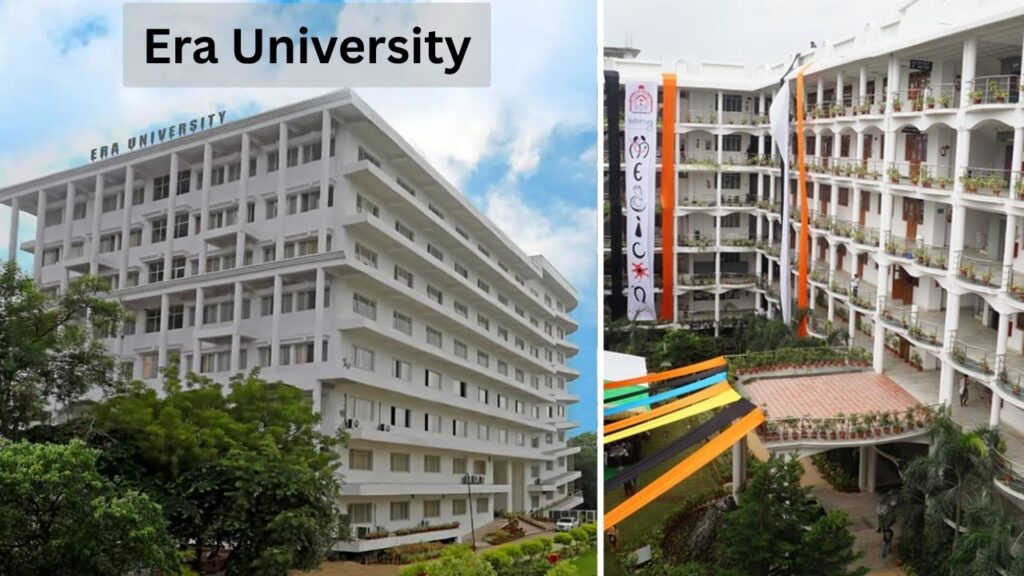
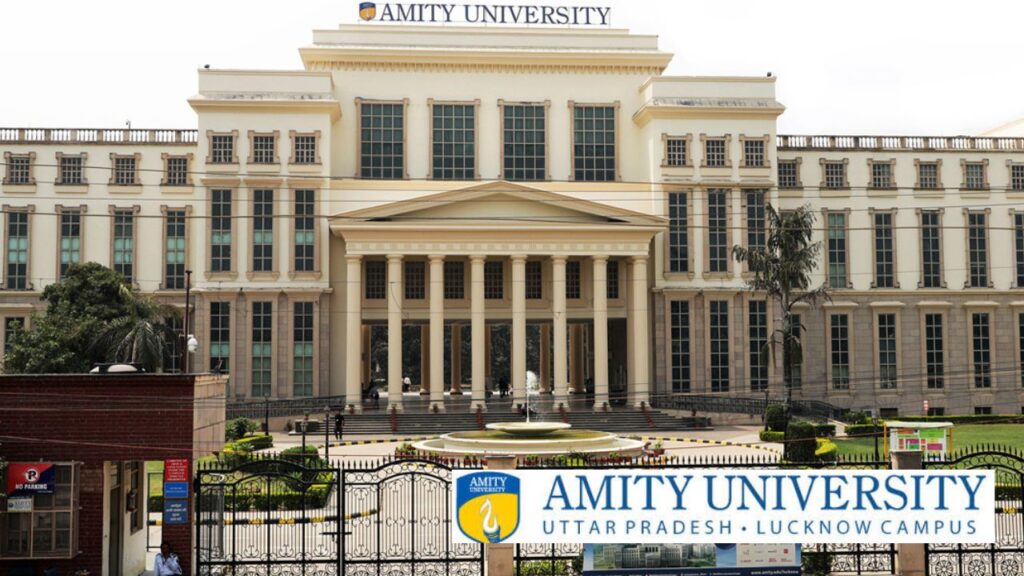
  • Amity University, Lucknow
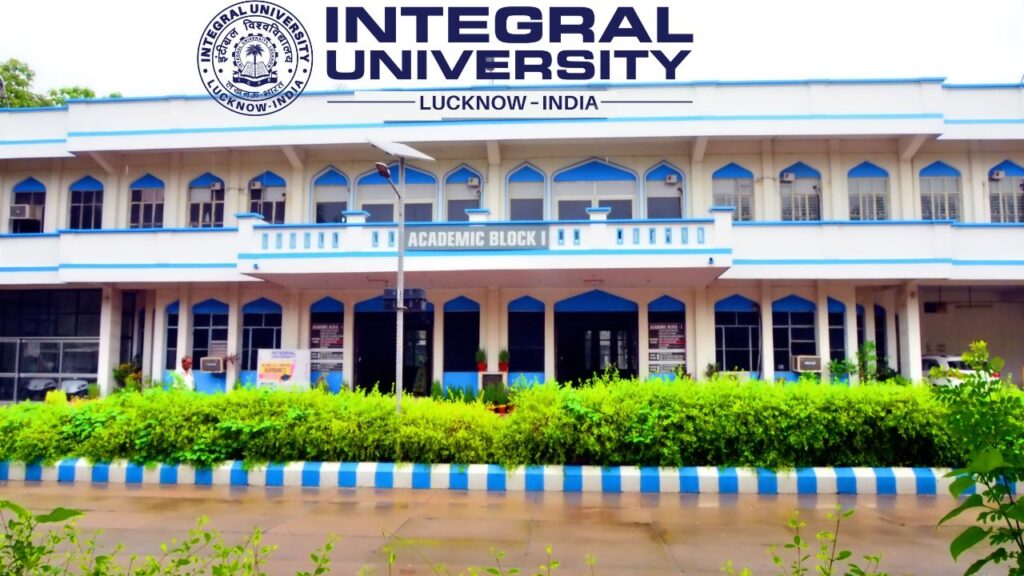
  • Integral University
  • Gov. Girls Polytechnic
  • Babu Banarasi Das University 

What Will You Actually Learn?

Your course will probably be part art and part engineering. There’s a chance that you will be spending your first year hours hand-sketching and studying Color Theory. In your final year, you will be making hyper-realistic 3D renders that look like photographs. 

The “Hard” Skills (Tech You Need to Master in 2025):

To make it in the business these days, you have to know your way around a computer. These are the software tools you’ll probably end up knowing inside and out when you graduate:

AutoCAD - 2D blueprints industry standard It’s non-negotiable.

SketchUp: The Simplest 3D Building Tool Out There. Consider it as digital clay.

Revit / BIM – essential on large commercial jobs where you need to work closely with architects.

AI Homestyler: more recent and cloud based AI tools that are rising in popularity as they render fast. 

Read More :- UP Police Computer Operator Grade-A Online Form 2025: Apply, Dates & Eligibility

The “Soft” Skills:

  • Client Management: How to tell a client their idea won’t work without offending them.
  • Budgeting: planning of champagne dreams on a beer budget.
  • Project Management: Getting the plumbers, electricians and carpenters to not kill each other. 

Career Scope & Salary

Driven by an expanding middle class and real estate boom, India is witnessing an upsurge in the interior designing industry.

Various paths for a Interior Designers:

Residential Designer: Homes, apartments, villas. (High emotional connection with clients).

Commercial/Corporate Designer: Offices, co-working spaces. (Higher budgets, strict deadlines).​

Hospitality Designer: Hotels, cafes, restaurants. (Very creative, high visibility).

Set Designer: Design sets for movie or tv (Big in Mumbai/Hyderabad). 

Salary Expectations

Entry-level compensation can be humdrum, but expansion is meteoric once you acquire a portfolio. Specialized positions, particularly in Luxury or Commercial sectors, offer much greater pay.

The chart exhibits how, even though you may begin as a junior at about ₹3.5 Lakhs per annum, it does pay off after all. A Senior Designer with 7+ years of experience can earn comfortably north of ₹12 Lakhs, and if you start your own firm or get into luxury consulting, the sky’s the limit (₹18 Lakhs+).

Admission Procedure For B.Des/M.Des in Major Colleges

For premiere govt colleges (like NID) you will have to appear for entrance exams like NID DAT or UCEED. They test your drawing ability, creativity, and spatial logic.

In case of private universities (such as Amity or Integral in Lucknow), admissions are essentially on the basis of marks secured in 12th and DAT (Design Aptitude Test) or portfolio review. 

And build a portfolio, even if you’re not studying design. Draw a corner of your room. Redesign your kitchen on paper. Capture the textures you like. Your potential and passion matters, not perfection.

Conclusion

Courses for Interior designing are not for the weak hearted. Dusty job sites, demanding clients, and nights spent staring at a computer screen. But it is also hugely gratifying. There is a unique thrill in walking into a space you designed — watching people live, laugh and work in a place that began as a sketch in your notebook.

If you like to mix creativity with logic, and art with engineering, this is the year to look forward to for starting out. Whether you opt for a degree from Amity Lucknow or a diploma to begin your career at the earliest, the world is holding its breath for your designs. 

Leave a Comment

Your email address will not be published. Required fields are marked *

Meet the Best Physics Teacher for NEET Online – Top Choice for 2025

Best Physics Teacher for NEET Online

When Preparing for NEET exam you should know the core subjects to focus for scoring well. Physics is an important subject in this exam which is tough to prepare for, that’s where the top physics teacher steps in to get you prepared for the physics. You can prepare physics concepts easily when you Meet the Best Physics Teacher for NEET Online with their full details in this article.

NEET is an entrance exam for admission in medical college or university, students who have completed their 12th with PCB have already started preparing for this exam. To get admission in a government medical college, the cutoff marks is 686-144 for general and 143–113 for reserved category to qualify.  

Why Physics Matters in NEET

To enhance your power of conceptualization and analyzing ability, these factors are the reason for physics to be involved in the NEET examination. Most importantly, this section can get you high scores in exams because everyone can solve biology and chemistry sections but solving physics questions is what gets them low marks. To secure your seat in the medical college you must score high and for that you must prepare physics well.

Best Physics Teachers for NEET 2025

Alakh Pandey launched the app “PhysicsWallah” in 2020 which expanded rapidly with a 1 billion valuation. He also launched offline centers later in many states of India. The best ed-tech platform for preparation of competitive exams like JEE, NEET, and Other exams. 

Alakh Pandey 

Youtube Channel: Click Here

APP: Download

His teaching style is unique, especially in physics. He simplifies the most complex concepts and provides effective exam strategies to help students prepare according to their exams. Millions of students are reaching out to him for their exam preparation. 

Nitin Vijay started teaching on Youtube in his youth to provide aspirants a top class education, making complex topics understandable, and encouraging students to learn. You can take his lectures on youtube free of cost and start preparation today.

Nitin vijay

Youtube: Motion NEET

His teaching style is unique and understandable for the students who are beginners in physics. He encourages communication with students and challenges them to question. His motivational teaching has shown some lights in the TED talk too. 

He delivers interactive methods to enhance student’s understanding and participation. His tech-enable teaching practices makes him more unique in delivering complex concepts points for better understanding.

Youtube: Click Here

Students have shown the best results who have already taken lectures on youtube. He helps many students to beat competitive exams. Taking his Physics lecture for NEET is a good option for you.

Also Read: Top 10 Mobile Apps for Government Exam Preparation in 2025

Mr. Sir

He is an experienced teacher for physics and provides students with the best education. He motivates students to learn and practice physics questions. Ideal for those who are looking for teaching who can guide you step-by-step on NEET examination. 

Youtube: Click Here

He shares tricks and tips for completing the course fast. Students who have no time left for long preparations can watch his lectures.

He is also one of the best Physics teachers who teaches many NEET students and helps them crack the exam. He explains more precisely to understand the concepts deeply.

Abhishek Verma 

Youtube: Click Here

His series of NEET crash courses on Youtube is an all-in-one series for preparation. Students who don’t want to get different sources for each concept can watch his lectures in one series that covers all the important topics.

He is the best teacher who encourages students for self-learning. It is good to make students understand that self-study makes them understand more deeply. He brings advanced concepts into his teaching and fostering critical thinking. 

Youtube: Click Here

You can complete you preparation on complex topics of physics with the help of Prof. Dhananjay Kumar. His simplicity in lectures can get you serious notes on important concepts. 

Read More 👉 Top 10 High Salary Courses After 12th Science Without NEET – No Medical Exam Needed

Criteria to Choose the Best Physics Teacher

It’s not just an easy answer to give because it all depends on you. Before starting to take any lecture or enrolling any platform, remember these points:

  • Methods and experience of teaching of that particular teacher.
  • Take his first class to know if he is able to help you understand those concepts.
  • Lectures should include doubt-solving sessions.
  • If you still get confused, check the student’s feedback online.

A Quick Comparison For Physics Teachers for NEET

TeacherPlatformTeaching HighlightIdeal For
Alakh PandeyPhysicsWallahClear concept explanationBeginners & revision seekers
Nitin VijayMotion NEETMotivating, engagingBuilding fundamentals
Er. PradeepYouTubeTech-based, interactiveVisual and practical learners
Prof. Dhananjay KumarYouTubeConceptual clarityStudents needing deep understanding
Mr. SirYouTubeStructured, tips-focusedQuick revision, last-minute prep
Abhishek VermaYouTubeCrash course expertAll-in-one revision

How Online Learning Platforms Aid NEET Preparation

  • Lectures are available all the time, you can study at your own pace.
  • You can take lessons from anywhere, no need to rush for the classes.
  • Recorded sessions will help you learn again if you are not able to understand at once. 
  • There are multiple choices in teachers.
  • Consistently practicing online mock tests can help you track your progress.

Conclusion

NEET students often get confused when they have to choose the right teacher, coaching or lectures to study. Physics is the toughest subject but with the right strategy and explanation, students can get ready for the exam with full preparation. I have prepared a list of Best Physics Teachers for NEET, you can check in this article. Whether you choose Alakh Pandey or Prof. Dhananjay Kumar, just makes sure which one’s teaching style is the most helpful for you to understand the concepts. It doesn’t matter if it has tons of views or not, what matters is being able to understand the topics.

Leave a Comment

Your email address will not be published. Required fields are marked *

MP Police Vacancy 2025: 7500 Constable Posts, Apply Fast!

Candidates can fill the application form of MP Police Vacancy 2025 for Constable posts. Candidates will apply online until the last date of submission. You can download the official notification to check every detail according to this selection. There are several vacancies around 7500 that will be filled through this selection process. Please check the eligibility criteria and age limit before applying for the constable post (General Duty). 

Candidates must be physically fit and have no health issues because after the written examination you are summoned for the physical and medical test. It is mandatory to pass these tests for the job role. 

MP Police Vacancy 2025 Highlights and Important Dates

OrganizationMadhya Pradesh Employee Selection Board
PostConstable
Number of Vacancies7500
Last date of Application29th September 2025
Selection ProcessWritten Exam → Physical → Fitness Test Medical Test
Official WebsiteClick Here
Application Starts On15th September 2025
Application Ends On29th September 2025
Exam Date30th October 2025
Admit CardUpdate Soon
ResultUpdate Soon

Eligibility Criteria

Educational QualificationClass 10th marksheet with a good score or 10+2 marksheet from a recognized board.
Age limitGen (male): 18 – 33 yearsReserved category got age relaxation up to 38 years

Read More 👉 CAT Exam Syllabus 2025: Complete Section-Wise Guide to Crack the Test

Application Fee 

General Category Rs. 500
SC, ST, OBC, EWSRs. 250

Instructions to Fill The MP Police Constable Application

Before applying for the MP Police Constable Bharti in 2025, candidates should know the instructions and eligibility criteria. This application will register your name for the examination that will happen in October. You will get selected after clearing this examination and then you are summoned for the next procedure. 

Let’s read this instruction to apply online:

  1. Visit on the official website where the link of the application is open.
  2. Click on that link and add your details in the form that appears on your screen on MPESB website. 
  3. Attach your valid documents with the application form and click to submit.
  4. Before the final submit, check all the filled details of yours to make sure everything’s correct.
  5. Save the copy of the application for your future reference.
Useful Links
Application FormClick Here
Official NotificationClick Here
Official Website Click Here

Leave a Comment

Your email address will not be published. Required fields are marked *

RBI Bank Office Attendant Recruitment 2026: Notification, Apply Online & Details

RBI Bank Office Attendant

RBI has released an official notification for Office Attendant posts for the year 2026. The Board has issued the notification on 15 January 2026 and invites applications from the candidates who have qualified 10th standard. The registration process for the online application has started with the notification release. 

The Starting Salary for an RBI Office Attendant is ₹24,250 Per Month in the PAY SCALE 24,250–53,550. Employees also receive allowances like DA, HRA, CCA, Grade Allowance etc. along with the basic pay. 

RBI Bank Office Attendant Dates

EventsDates
Notification Release Date15th/January/2026
Online Application Process15th/January/2026
Closure for Editing Application Details4th/February/2026
Admit Card Release DateFebruary/2026
Online Exam Date28th February and 1st March 2026
CategoryApplication Fee
SC/ST/PwBD/EXSRs. 50/- (Intimation Charges) 
OBC/EWS/General candidatesRs. 450/- (Exam fee + Intimation Charges) 

Read More 👉 RSSB Agriculture Supervisor Recruitment 2026 — Get Details & Link To Apply

Are You Eligible for RBI Office Attendant 2026 

Age Criteria

Age Limit
Min age18 years 
Max age25 years
DOBBetween 02/January/2001 and 01/January/2008

Your Education 

RequirementDetails
Minimum Qualification10th Pass (SSC/Matriculation)
BoardRecognised board of concerned State/UT
Graduation StatusMust be undergraduate (Graduates not eligible)
Ex-Servicemen Qualification10th Pass + minimum 15 years defence service (not graduated outside Armed Forces)

Steps to Apply Online for RBI Office Attendant Recruitment 2026

  1. Go to the RBI official site at rbi.org.in.
  2. Scroll down and tap on “Recruitment Related Advertisement”.
  3. Choose ‘Recruitment for the Office Attendant posts in RBI.’
  4. Hit the ‘New Registration’ and register.
  5. Enter basic information to get Registration Number & Password (via email/SMS).
  6. Use your credentials to log in and apply.
  7. Upload the necessary documents: photograph, signature, left-thumb impression and handwritten declaration. 
Apply NowClick Here
Download NotificationClick Here
Official WebsiteClick Here

Leave a Comment

Your email address will not be published. Required fields are marked *

Scroll to Top