10 Best IIT College to Target for Engineering Success in 2025

The Indian Institutions of Technology (IITs) are top institutes to provide advanced education in technology, business, and research to produce the country’s most world-class scientists, engineers, and technologists. These 10 Best IIT Colleges are best for engineering after Intermediate. Choosing IIT for your higher education is an excellent option for your career scope. 

It provides you the chance to get selected in the top IT companies. Millions of students are preparing hard to secure a seat in IIT to make their future divine. 

IIT was established in 1951 in Kharagpur by the Indian Government, now there are a total of 23 institutes all over India. Students who do not want to study in just engineering college but want an environment like innovation hubs for developing more critical thinking. IITs provide their students with real-world problems and a chance to contribute to society through research, entrepreneurship, and leadership.

10 Best IIT College to Target for Engineering

These institutes are marvelously distributing education to produce engineers. The Top 10 ranked IIT institutes are below for providing education consistently in Engineering, Technology, and Business.

IIT Madras
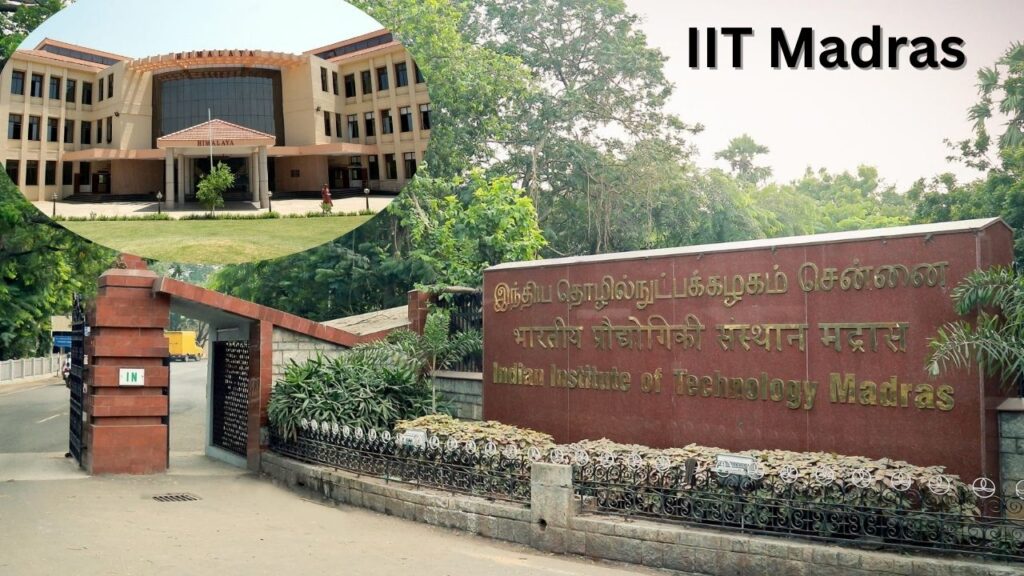
Top IIT college for engineering in Chennai, Tamil Nadu. Best institute for providing engineering courses. If you want to study at IIT Madras, good option! Clear out the entrance exam for admission. Students are selected for jobs with high pay because they also tie up with large companies to solve their problems.

IIT Delhi
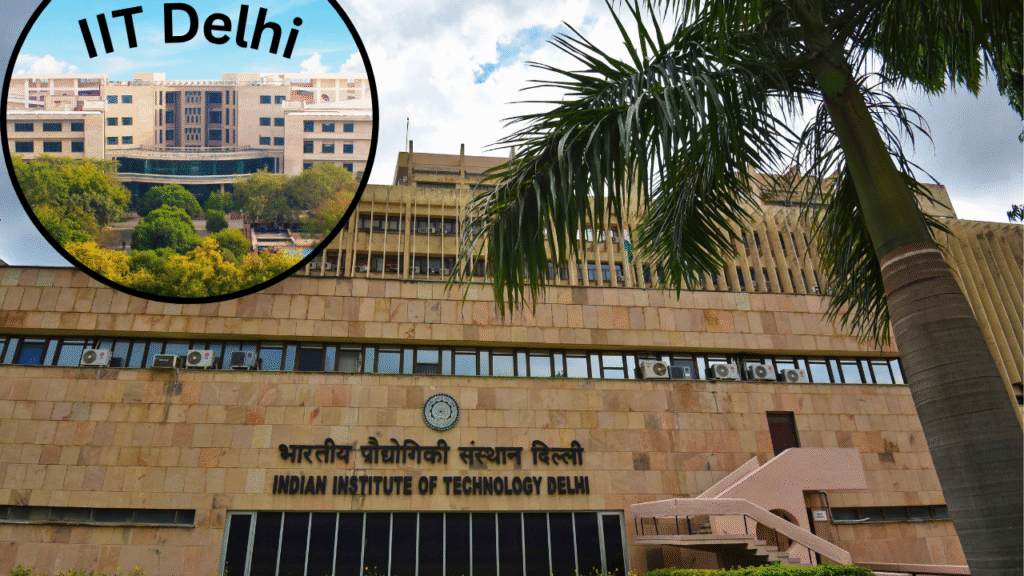
IIT Delhi

IIT Delhi is highly ranked nationally and internationally, with institutes having vibrant students from all over India. It is a highly respected institute for providing top-level education for millions of students.

IIT Bombay
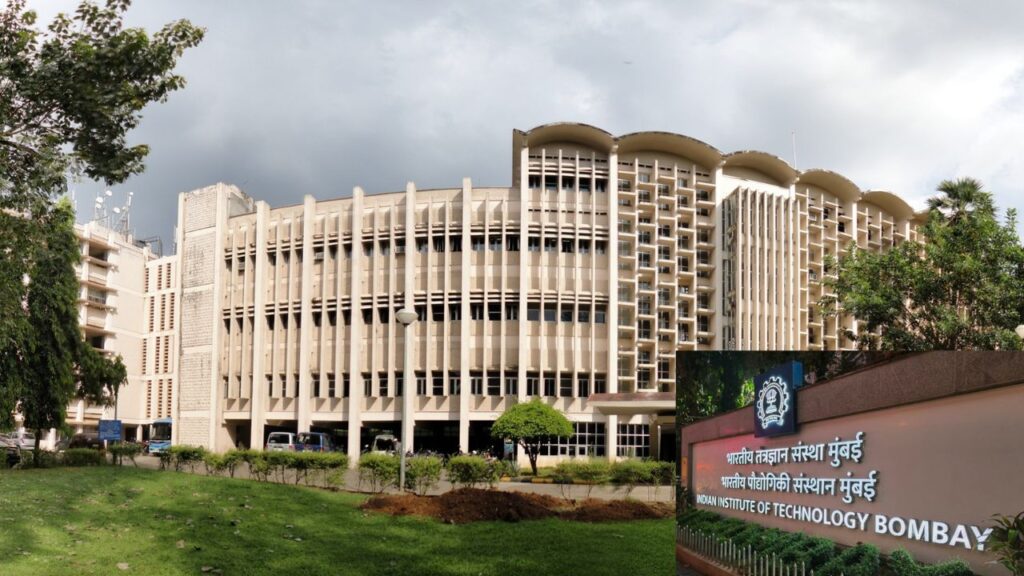
IIT Bombay is also an old institute and has a good reputation across the world. The old institute has a very good ranking all over the world as it provides various engineering disciplines such as Aerospace, Chemical, Civil, Computer, Electrical, and more. It provides students a chance to grow around establishing an environment of research and innovation.

IIT Kanpur
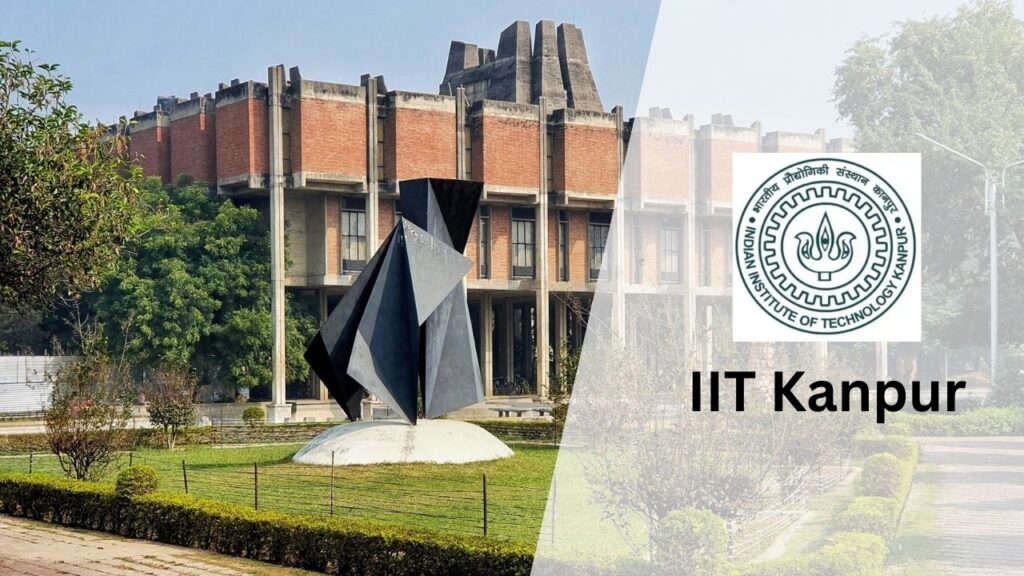
IIT Kanpur started in a small room at Harcourt Butler Technological Institute in Kanpur and later moved on to a large campus which you can see currently. This is the first institute among IITs that started to offer computer science education to their students for advanced technology demand. 

IIT Kharagpur
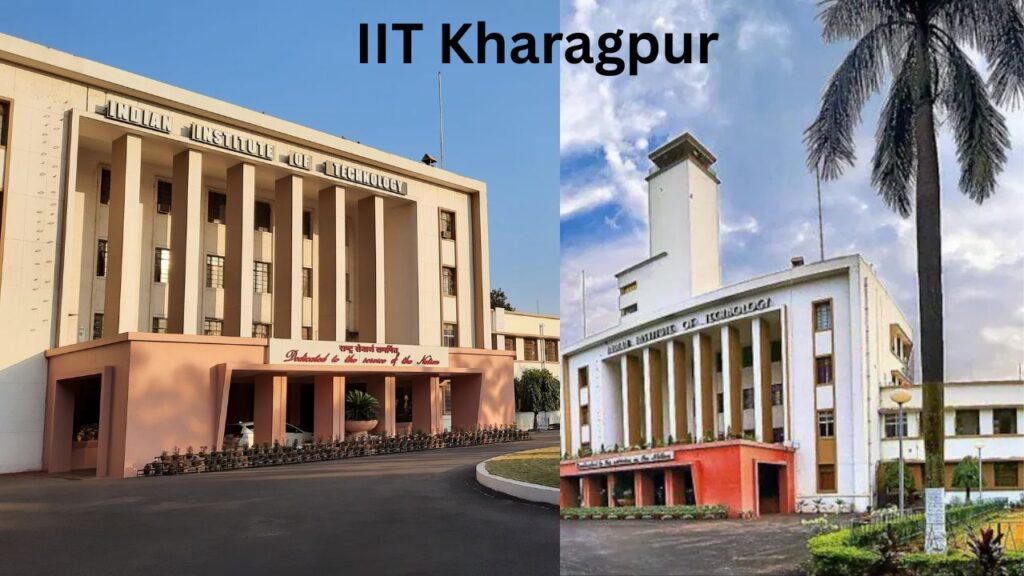
This institute holds a special status of National Importance for its academic programs and rich history. This was built after World War 2, and since then it has been developing and maintaining its education qualification. Notable Alumni of IIT Kharagpur like Kejriwal and Vinod Gupta.

IIT Roorkee
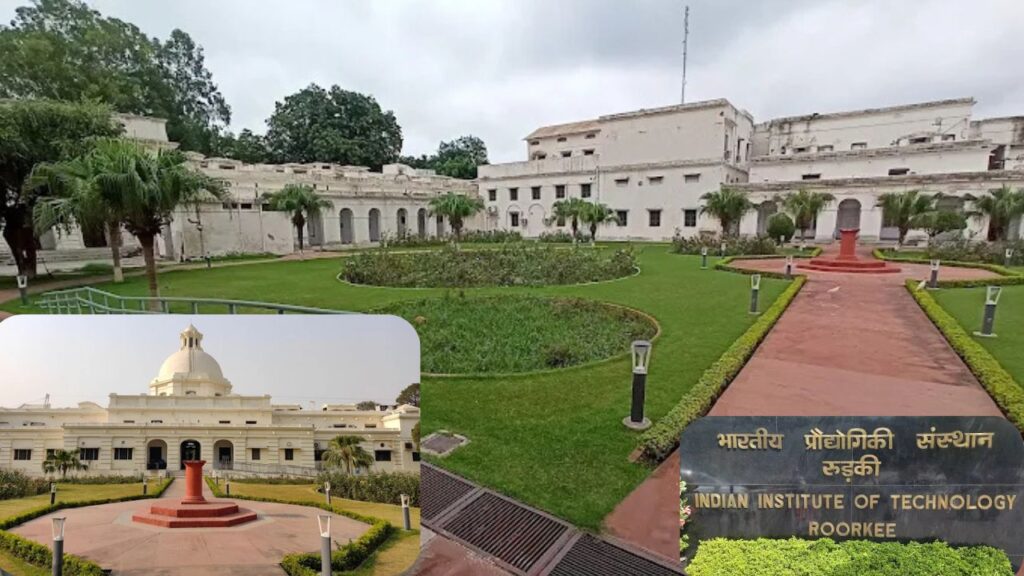
This institute has 22 departments that include education in engineering, applied science, and management. IIT Roorkee is the best option for students who want to command in their engineering subjects.

IIT Guwahati
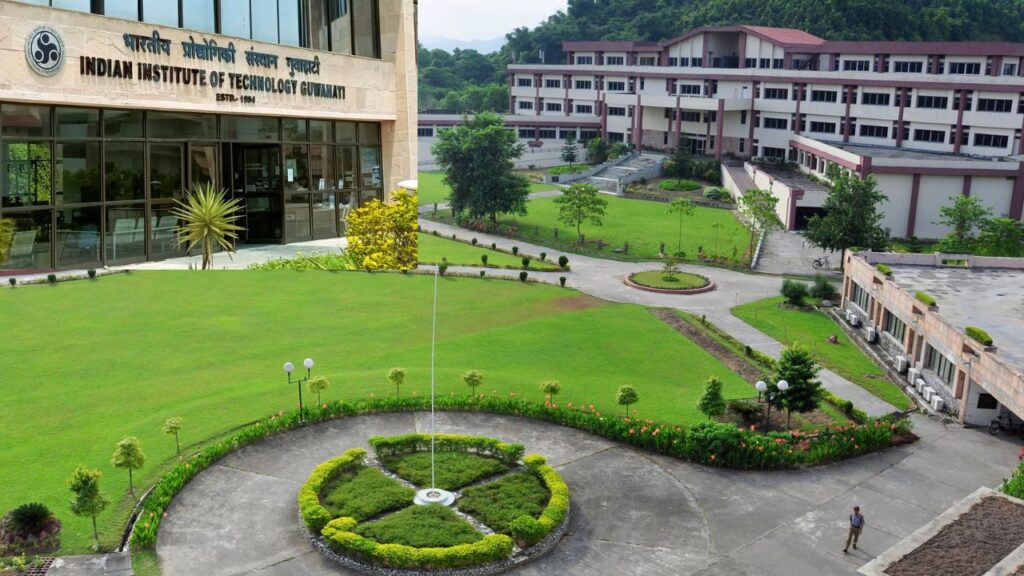
This institute is also one of the best IIT institutes that provides programs like nanotechnology, biotechnology, and artificial intelligence. Students can build a strong foundation in these fields in this institute.

IIT Hyderabad
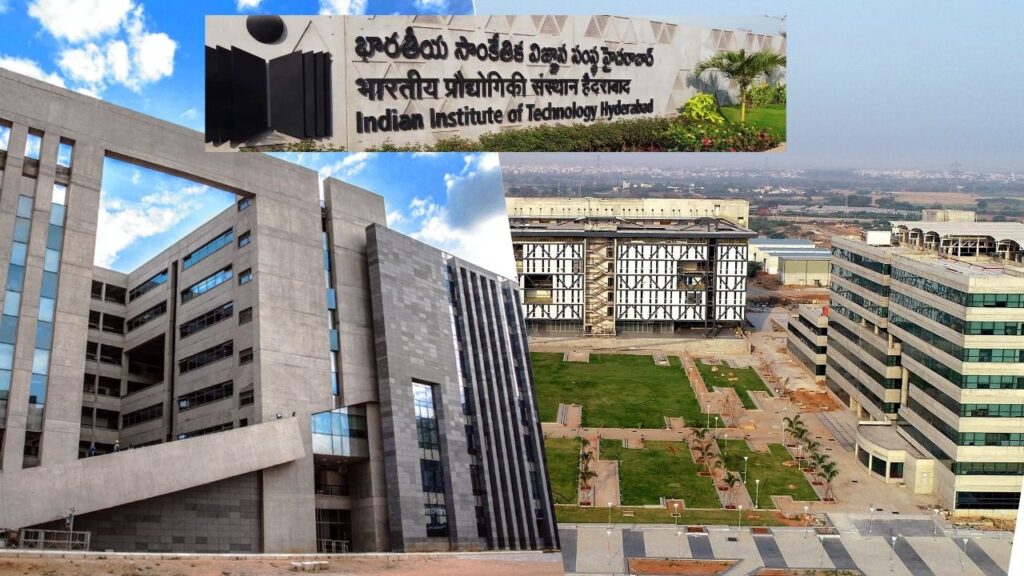
IIT Hyderabad is highly strong on programs in science, technology, and humanities. It offers engineering with real-world concepts to provide students to think logically and innovate things.

IIT Varanasi
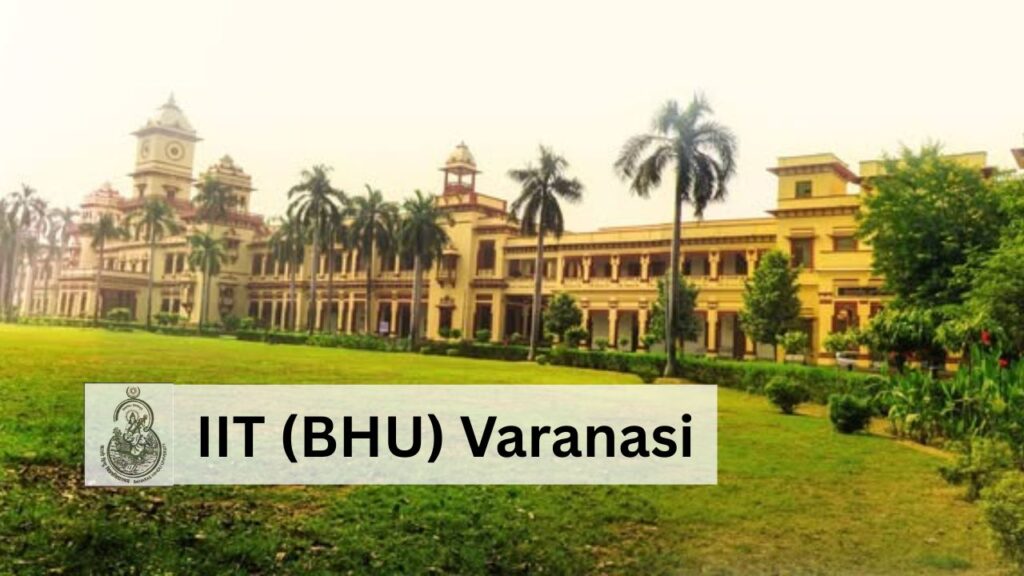
IIT BHU: It was founded in 1919 as Benares Engineering College (BHU), Varanasi students mostly wanted to study in this college because of their advanced educational concepts for engineering students.

IIT ISM Dhanbad
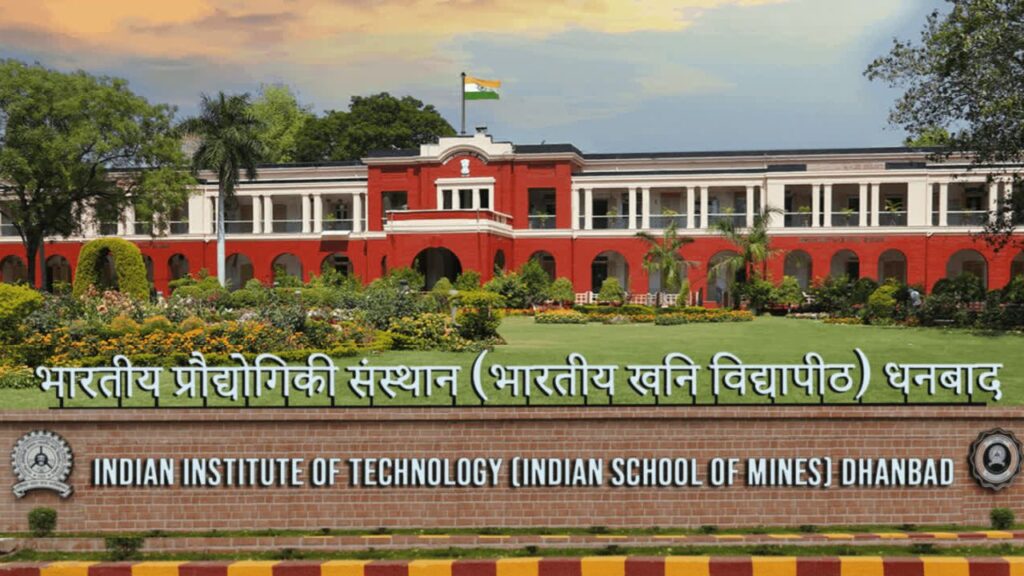
IIT ISM Dhanbad expanded its academic programs like petroleum engineering, applied geophysics, and electronics engineering. Students with high skills and abilities can go to IIT College to enter the industry.

NIRF Rank Name of IIT Location
1IIT MadrasChennai, TN
2IIT DelhiNew Delhi
3IIT BombayMumbai
4IIT KanpurKanpur
5IIT-KharagpurKharagpur, WB
6IIT RoorkeeRoorkee, UK
7IIT-GuwahatiGuwahati, AS
8IIT HyderabadHyderabad 
9IIT VaranasiVaranasi
10IIT ISM DhanbadDhanbad, JH

Courses Offered at IITs

B.Tech: It is a 4 years professional program with specializations such as Mechanical, Civil, Computer Science, Electrical, and more. 

Dual Degree: This offers B.Tech + M.Tech, a total 5-year integrated program, containing both UG and PG degrees.

B.Sc, B.Des, B.Arch: IITs offer bachelor’s programs in science, design, and architecture. Students can have a degree for the best career opportunities.

M.Tech: Students who already have a B.tech or BCA degree can acquire a professional degree in technology.

M.Sc, M.Des, MBA: These are the master’s programs, students who already have graduated in science, design, or business programs can apply for these courses.

PhD: Doctoral research program, this degree holds value in many areas like engineering, science, humanities, and social sciences.

Who Studies at IITs?

Students belonging to urban, and rural, and from abroad come to study here as they have the potential to qualify for entrance and get admission here. Their hard work is making them unite under the passion for science, technology, and innovation. 

IITs are selected through the JEE Advanced exam, this entrance test is hard and includes questions from basic academic, logical thinking, analytical, and perseverance. IIT alumni are today’s top scientists, entrepreneurs, CEOs, professors, and policymakers, leaders.

Read More 👉 Top High Salary Courses After 12th Science PCM You Must Know in 2025

10 Best IITs Campus Life Beyond Academics

The best facilities are provided to the students at IIT, and the community supports innovation and technology. From Coding to AI, dancing and debates. There is something for every field of students. 

Some technical festivals like IIT Bombay’s Techfest, and Delhi’s Tryst are organized by IITians. Also, sports competitions can provide a focus on physical fitness. Entrepreneurship cells that support start-ups by the IITians related to any field.

Why Choosing IT For UG & PG Programs?

Excellent education involves strong building concepts on real-world problems. Research chances for practical learning, enhance the ability to think out of the box and deliver the best solutions. 

The worldwide value of IIT, you can get a placement in big tech companies like Infosys, Cognizant, Wipro, and many more. 

Conclusion

10 Best IIT Colleges to Target for Engineering to secure your chance to work in large companies. IITians can get jobs in multinational and international companies. Students who want to establish their careers as engineers can pursue courses like B.Tech, M.Tech, Or integrated programs with a strong innovative environment for mind growth.


Leave a Comment

Your email address will not be published. Required fields are marked *

UPSSSC UP Combined Lower Subordinate Services (Graduate Level) Recruitment Process, Eligibility, And Salary

UPSSSC UP Combined Lower Subordinate Services

Get ready to secure a UPSSSC Lower PCS job to enjoy purposeful life in Uttar Pradesh. UPSSSC UP Combined Lower Subordinate Services (Graduate Level) recruitment is live right now, you can fill the application now. But you must understand each phase of selection, eligibility and preparation to pass the exam.

With 2,285 vacancies up for grabs, this is one of the biggest opportunities of the year for graduates looking to secure a Group ‘C’ administrative foothold in the state.

What is UPSSSC Lower Subordinate Services? (Job Profile)

The Lower Subordinate Services recruitment fills different positions in state government offices. There are most common job roles such as executive, supervisory, and auditing that require candidates who can immediately step into the work to handle public services, implementing government schemes, and making sure rules and policies are followed properly. 

The roles are just simple desk jobs, they offer executive authority to tackle every task. Depending on your qualification and ranking, you could land any of these roles:

  • Executive Officer (Municipal Administration): Manages urban local bodies, public civic amenities, and local revenue collection.
  • Assistant Treasury Accountant / Auditor: Ensures fiscal health, monitors departmental budgets, and conducts financial audits.
  • Mandi Supervisor / Amin: Oversees agricultural market regulations, auction fair play, and revenue reporting for the Mandi Parishad.
  • Assistant Consolidation Officer (Chakbandi): Resolves land disputes, manages agricultural land redistribution, and maintains accurate land maps.

Who Can Apply? (Eligibility Criteria)

Before you hit apply, ensure you tick all the structural requirements set by the UPSSSC:

Educational Qualification

  • Mandatory Foundation: You must hold a Bachelor’s Degree from a recognized Indian university.
  • The PET Gateway: The Main exam needs a valid PET scorecard otherwise they will not let you enter in the exam hall. 
  • Post-Specific Extras:
    • For Auditor/Accountant: You must hold a B.Com degree. 
    • For Mandi Supervisor: Degree in Agriculture, Commerce, or Economics with a minimum of 50% marks.
    • Executive Officer: A computer ‘O’ Level diploma is required for service confirmation.

Age Limit (As of July 1, 2026)

Minimum 21 years
Maximum 40 years.
Age relaxation given to reserved categories ( OBC, SC, ST, )and Ex-Servicemen 

Important Dates & How to Apply

The application window is brief, so do not leave things to the final day when servers traditionally crawl to a halt.

Application Starts29/May/2026
Last Date to Apply18/June/2026
Correction Window Last Date25/June/2026
Admit CardUpdate Later

Step-by-Step Application Process

The Commission relies heavily on your existing PET data to make authentication seamless:

  1. Authentication via PET: Go to the official portal at upsssc.gov.in. Use your PET-2025 Registration Number to login for UPSSSC Lower PCS.
  2. Check Details: Information about your qualification, photograph, caste category are automatically filled from the PET database. Verify everything carefully and fill out any pending post-specific preferences.
  3. Submit Processing Fees: Pay the standard online processing fee of ₹25 for all categories via net banking, UPI, or credit/Debit cards. Note: Shortlisted candidates will pay the structural Main Exam fee later.
  4. Final Printout: Review your final application form, submit it, and download/print the confirmation form for verification rounds.

Vacancy Matrix (2,285 Posts)

The vacancies span several state departments, providing brilliant diversity in career paths. Here is how the open positions look across major segments:

Department / BoardPost NameVacancies
Directorate of Treasury, UPAssistant Treasury Accountant548
Cooperative Societies & PanchayatAccounts Inspector / Auditor419
State Agriculture Mandi ParishadAmin / Auctioneer / Clerk552
Municipal Administration DirectorateExecutive Officer238
Office of Consolidation CommissionerAssistant Consolidation Officer168
Other Allied DepartmentsTechnical Assistants / Supervisors360

Selection Process & Exam Pattern

Getting selected requires navigating a clear, objective framework. There are no interviews for these Group ‘C’ cadres. Your merit relies entirely on written execution.

Step 1: Get UPSSSC PET 2025 Scorecard first

Step 2: Give Main exam and secure good marks

Step 3: Document Verification to check all the information is valid in your application.

The Exam Blueprint

Prepare yourself with understanding the topics that are important in this exam, Lower PCS exam pattern includes:

  1. General Intelligence & Reasoning: to test your logic ability and analytical thinking.
  2. General Knowledge (GK): knowing about your Uttar Pradesh is important to handle any work regarding the state. So increase knowledge in Indian History, Geography, Polity, Economy, and Uttar Pradesh’s History, Administration, and Culture.
  3. General Science & Arithmetic: basic level physics, chemistry, biology, and math.
  4. General Hindi: Focuses on comprehensive reading, letter writing, grammar (Sandhi, Samas, Muhavare), and vocabulary translation.

Strategic Preparation Plan

The competition is high so you have to make a plan that helps you achieve good scores over fractions of marks. Here is a realistic roadmap:

  • Own the UP Specific Section: Knowledge of the state will let you secure 20-25% of GK questions. Research and keep updated with Uttar Pradesh’s budget, schemes, geography, and cultural folklore. Dedicate solid hours to local current affairs.
  • Do Not Avoid Hindi: General Hindi is highly scoring. Mastering basic grammar rules and practicing official letter formats can drastically push your score above average cut-offs.
  • Analyze Mock Tests Weekly: Build your speed and precision. Track where you lose marks to negative scoring and adjust your accuracy levels accordingly.

Read More 👉 Quick Preparation Guide for UP Polytechnic JEECUP 2026

Salary and Career Growth

Let’s talk about the rewards. Apart from massive social prestige, these positions offer financial stability governed by the 7th Pay Commission.

The salary of Uttar Pradesh. Combined Lower Subordinate Services (Graduate Level) are based on their job profile and experience but it ranges between Pay Level 4 to Level 6.

Level 4 (Clerks/Typists)₹25,500 – ₹81,100
Level 5 (Accountants/Amin)₹29,200 – ₹92,300
Level 6 (Executive Officers/ACO)₹35,400 – ₹1,12,400

In-Hand salary will increase because of the multi allowance you will get once you are assigned to your job. So the entry-level gross salaries range from ₹35,000 to ₹55,000 per month depending on city tiers.

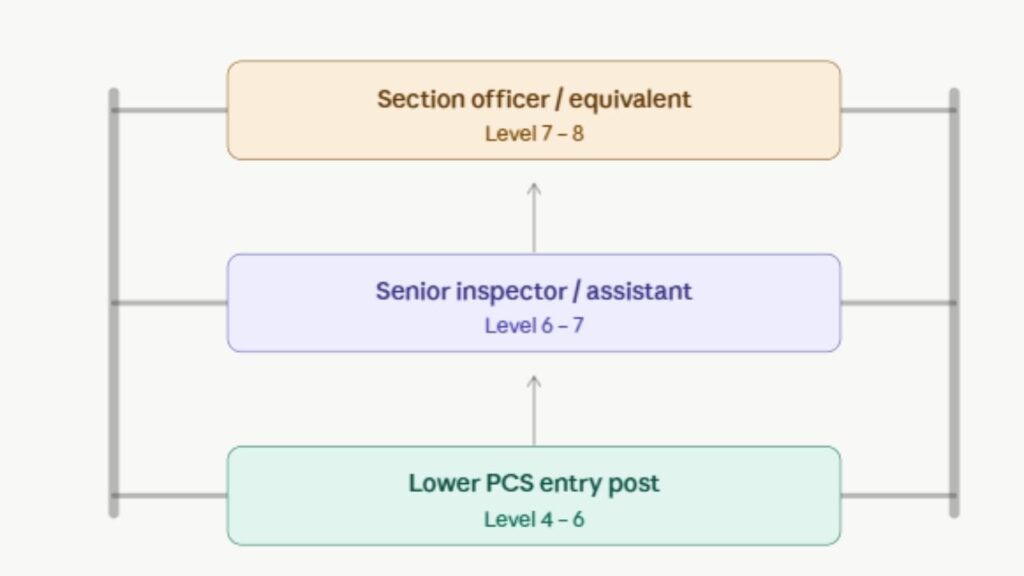
The Promotion Ladder

Your career trajectory doesn’t stall. Junior officers systematically advance through departmental reviews and service experience:

Conclusion

The UPSSSC UP Combined Lower Subordinate Services (Graduate Level) Recruitment is a cycle that ends in a few days and you need to fill the form if you don’t want to miss this opportunity to secure a career in Uttar Pradesh. The competition is very high for the 2,285 seats, so the right strategy to prepare for the exam is mandatory.

Ensure your application goes through successfully before June 18, lock down your study desk, and start structured preparation today. For a comprehensive breakdown of the syllabus, safe score metrics, and targeted departmental tactics, check out this detailed UPSSSC Lower PCS Strategy Guide which covers exactly how to maximize your score in the Mains exam.

Leave a Comment

Your email address will not be published. Required fields are marked *

UP GNM Entrance Test UPGET: Eligibility, Syllabus, and Selection Process

UP GNM Entrance Test UPGET

UP GNM Entrance Test UPGET is conducted for the aspiring Nurse. Nursing is a field of taking care of injured, weakened, and fighting for life in the hospital or private care center. It is considered as the most respected and important field in the medical field. If you enjoy helping people, being a nurse can provide a lot of personal reward and job security. 

In the case of students of Uttar Pradesh who want to pursue this noble field, it is the best way to begin with the General Nursing and Midwifery (GNM) diploma course. 

But how to get admission in the best nursing college in UP? That is exactly where the UP GNM Entrance Test (UPGET) enters the scene. 

If you are a student perplexed about the UPGET, thinking who is it for, for what reason is it conducted or what to prepare, you have landed at the right place. In this complete guide for UPGET, we will cover each and every information regarding the UPGET exam, which will provide you with the latest updates as well as a clear path for your career. 

What Is The UPGET Exam? 

UP GNM Entrance Test UPGET is a way to proceed admission for those selected candidates who prefer to study 3 years General Nursing and Midwifery (GNM) diploma course.

Earlier the norms for GNM course admission were merit-wise based on the marks a student scored in their 10th and 12th board exams in uttar pradesh. But now, in a bid to make the admissions process more transparent and uniform, the Atal Bihari Vajpayee Medical University (ABVMU), Lucknow has been given the responsibility to conduct the UPGET. 

This examination is for one time for all. After passing the UPGET, students will be admitted to any of the Government GNM Training Centers and Private Nursing Colleges. 

(Latest Update: ABVMU officially conducting UPGET 2026 for the students, form portal is active from 29th April 2026 and exam will be held on 16th June 2026.)

Who Is This Test For? 

UPGET is conducted for those candidates who aspire for a career in nursing and healthcare but not for 4-year B.Sc. Nursing degree. The UPGET is designed for the candidates who want to pursue a career in nursing and healthcare but do not wish to take the route for a four years B.Sc.Nursing course or are not qualified for the same.  

Recent 12th Graduates: Those who have completed 12th standard (Intermediate) recently and want to enter the healthcare workforce at the earliest by opting for a 3-year diploma. 

Students from Diverse Academic Backgrounds: Science students are the most preferred for medical fields, but through UPGET the GNM course opens doors for students belonging to Arts and Commerce stream too to apply for the same if they have English as one of the core subject and other minimum percentage bar is met. 

Registered ANMs: Registered Auxiliary Nurse Midwives (ANMs) who wish to upgrade their qualification and career path can take this exam to shift to the higher GNM post. 

Why Is The UPGET Conducted? 

You may be thinking why an additional entrance examination is necessary when 12th-board marks are already there. Changing from a merit-based system to an entrance-exam system (UPGET) went through for several very compelling reasons: 

  • Different education boards (CBSE, ICSE, UP Board) follow their own set of marking schemes. Some are very strict, some a bit lazy. UPGET is a fair examination where all candidates are assessed on the same question paper. 
  • Nurses are going to deal with human lives. The government also wants to test students for a basic proficiency in science, logical thinking and English before they can enter government-run hospitals and the best private ones. 
  • Students though would no longer have to run from private college to private college seeking to pay heavy donation fees, UPGET ushers a system of centralized counselling. You appear for one exam, get one rank and then you choose your college online on the basis of merit. 

Eligibility Criteria For UP GNM Entrance Test UPGET

  • You must be above 17 years old and have no max age limit for this exam.
  • Intermediate passed candidates are eligible for this exam, with above scoring of 40% marks. 
  • You must know basic English or study it as a subject in 12th.

Alternative Eligibility for ANMs 

If you have passed the vocational course of ANM with a minimum of 40% marks or if you are registered as ANM and have qualifying marks, then you can apply for the UPGET. 

Citizenship 

Only Indian citizens are eligible for this exam. Possession of a valid Uttar Pradesh domicile certificate also assists in availing the benefits of state-sponsored reservations (SC/ST/OBC/EWS). 

Syllabus: What To Study For UPGET? 

The good thing about UPGET is that the syllabus is manageable, as opposed to NEET. It evaluates your fundamentals. Try each question (100 MCQs) as there is no negative marking.

Syllabus breakdown for right preparation:

1. General Science (Class 10th Level) 

Basic aspects of Physics, Chemistry and Biology are discussed in this section. Nurses therefore understand the human body and chemicals at a fundamental level, so focus heavily on Biology (human anatomy, diseases, nutrition, cells) with a bit of basic Physio as well. 

The questions on physics and chemistry are very basic—like motion, light, simple chemical reactions, and acids/bases. NCERT Science textbooks from Class 9 and Class 10 are very helpful to prepare yourself.

2. English (Class 12th Level)

A nurse needs to read medical charts, know what a prescription says and talk to people. Basic grammar rules, vocab, syno/anto-nyms, and correcting the sentences basically checks your ability to check the fundamentals of English.

3. General Knowledge & Current Affairs (Class 12th Level)

This part tests your general knowledge. It is on basic Indian history, geography, civics and some of the major current affairs(especially in health, science, and national news). Specially focus on healthcare schemes launched by the UP Government and the Central Government that are currently in progress.

Passing Marks & Required Score 

Due to no negative marking for the UPGET exam, the average marks are on the higher side. But the criteria vary for the Government College and for a Private College. 

There are required marks for the admission, 50% for Unreserved/General categories candidates and 40% for those who belong to SC/ST/OBC category.

You need to secure a seat with a higher score, Out of 100, aiming for a score of 75 to 85+ to take a chance. Private institutes will take you if you pass the cutoff marks along with the counseling process.

Step-by-Step Selection Process

Step 1: Candidates should visit the ABWMU Official website when the notification is out (Expected in April/May). You have to register,mention your personal and educational details,upload a live photograph and signature and pay the examination fee. 

Step 2: Admit cards are mandatory as they act as an entry card in the examination. Candidates need to download them when the official release is declared a few days before the exam and visit their allotted examination center. 

Step 3: The results will be declared by ABVMU on their portal. According to the scores, a state-wide Merit List is formed. Your position in this list is everything. 

Step 4: Qualified applicants will apply for online counseling. You need to fill your “Choices” (Colleges you want to opt in the order of preference). 

Step 5: Your college will be allotted to you on the basis of your rank, category and the options submitted. You have to accept the seat and then go to the college along with your original documents (12th mark sheet, Aadhar Card, Caste Certificate, Domicile) for verification and submission of fee. 

What to Do If You Don’t Clear UPGET?

Failing an entrance exam can seem like the end of the world but in medicine, setbacks are par for the course. You have plenty of good backup options if you don’t get a high enough score for admission: 

  • Take a Drop and Re-attempt, a dedicated 6-month preparation plan will almost guarantee a great rank next year. 
  • You can also consider a 2-year ANM diploma course which is actually easier to get into. 
  • There are other diploma courses which are highly demanded and are offered by the UP State Medical Faculty, including D.Pharma, DMLT, X-Ray Technician, or Physiotherapy. 
  • If you are willing to pay a slightly higher fee, you can approach private institutions directly to inquire if they accept direct admissions without a top UPGET rank  

Conclusion 

The UP GNM Entrance Test UPGET is a big chance for the one who wants to make career in nursing and serving the people in the state of Uttar Pradesh. As the state government switches to entrance test system, it would now be merit-based and allowing students from diverse background to compete and make it to the top nursing institutions. 

The way to success in UPGET is to know the syllabus, read the basic 10th science, refresh your English and keep updated with GK.

Leave a Comment

Your email address will not be published. Required fields are marked *

BTech vs BSc vs BA in 2025: Which Degree Offers the Best Future Scope?

BTech vs BSc vs BA in 2025: Which Degree Offers the Best Future Scope?

In today’s world, students must choose their field in which they have interest. Whether you choose BTech vs BSc vs BA in 2025, the future scope is consistently growing, if you follow the right direction. The right direction means if you are interested in teaching then BSc and BA is a good option but if you want to grow in the tech industry then BTech is the right option for you. Focus and the right college is also a matter to build your established career. 

Graduation is the first step in your career so take it wisely. The primary focus of BTech is Engineering & Technology. While BSc opens a path for you in science and research areas. BA is leading you towards further education to get a specialization in any specific subject. Students who are preparing for government exams can also pursue BA after 12th but many posts require other degrees. Before taking any action, you must check eligibility carefully for your future scope. 

Tips To Choose the Field for Graduation

Remember your passion, what you want to become in future? By acknowledging these questions, you can find the answer within yourself and then check the path to reach there. Once you know where to go, you will not get confused about your education. BA and BSc are easy courses, meanwhile BTech is hard, so if you want to become an engineer then you must pursue a BTech degree. 

If you want to become a Teacher, Journalist, Social Worker, HR, or Government Employee then BA is the best option for you. You can pursue other Technical courses and Specializations after BA. If you are interested in Teaching Science, Research, Nursing, or Higher Degrees, you can pursue a BSc. 

Comparison of BTech vs BSc vs BA

BTech (Bachelor of Technology), BSc (Bachelor of Science), and BA (Bachelor of Art) are highly demanding careers which offer a wider range of opportunities to the students. Their comparison is primarily focused on the career scope, course duration, course fees, eligibility and course curriculum.

Course Content of BTech vs BSc vs BA

BTech is a professional degree to deliver hands-on learning for engineering and technology. To advance technology with innovative minds is the motive of the industries. Colleges maintain their curriculum of BTech with application-based skills to get their students industry ready. It covers technical and applied aspects of specific engineering disciplines such as Mechanical, Civil, Computer Science, Chemical, Electrical, and Information Technology.

BSc is a graduation degree with more theoretical education in pure science like Physics, Chemistry, Zoology, Botany, Computer Science, IT, Statistics, Economic, Aeronautics, etc. It offers core concepts on the theories of science & technologies which get you focused on more research methodologies and theoretical understanding.

BA is involved in more Literature, History, Economics, Psychology, Sociology, Political Science, Geography, Journalism, Public Administration, and Social Work. It focuses on more theoretical concepts, creative writing and analytical skills, that is why it is perfect for those who want to become a professor in any of the subjects.

Read More:- SSC JE vs RRB JE: Which Govt Job Offers Better Salary, Growth & Stability in 2025?

Courses Duration 

  • BTech is entirely four years with one year internship. 
  • Standard BSc is a three year course which can be extended in specific programs such as Integrated program or BSc Honors.
  • BA standard degree is a total of three years course but BA honors is extended for four years. 

Eligibility for BTech, BSc, BA Courses

BTech & BSc graduation requires a 10+2 marksheet with science subjects including Physics, Chemistry, Biology & Mathematics. Admission in BSc can be done through an entrance test or direct admission. During BTech admission, you may have to clear JEE Mains/ Advanced which is hard to score well.

Students can take admission in BA after completing their 10+2 in any stream. It is not necessarily important to come from a science or commerce background. Students from arts, commerce, or science are eligible for BA.

Best Future Scope for BTech vs BSc vs BA

BTech Graduates are developing skills in engineering roles in departments of IT, Manufacturing, Chemical, Electrical, Production, Civil, Biomedical. After BTech, students can get a high salary in engineering roles from the top companies like Tata, IBM, Amazon, TCS, Infosys, Cisco, Godrej, and Siemens.

BSc Graduates are offering students a diverse range of opportunities to become job ready but for a higher scope, you should consider a master’s degree after BSc. There are some other specializations in technical courses, data science, and machine learning that can be helpful for getting a job in tech industries. You can also pursue higher education in pure science to become a lecturer or professor.

BA degree is offering many opportunities in further education for research, teaching, nursing, and creative arts & writing. Students can take a BA degree to establish a career in any specific field of subject. It offers many opportunities in the departments like HR, Media & Journalism, Social Work, Event Management, Hotel Management, Content Writer, Digital Marketing, Business Analyst, and Government Sector. Some of these require a diploma or certificate course for applying to the particular role.

How Can You Choose the Best Course?

There is a final answer for that because it all depends on your interest and budget. Let’s start from the lower budget course to the highest budget course:

Choose BA if:

  • You want to become a teacher, professor, analyst, content creator, digital marketing, sales executive, owning a business or preparing for a government job. 
  • You can’t afford the heavy expenses of the course.
  • You are working professionally and want to continue your education.
  • You want to pursue another degree (MA, BEd, LLB) or diploma and don’t want to burden yourself with a ton of syllabus.

Choose BSc if:

  • You are interested in science and want to research into this field.
  • You want to become a professor in a science subject.
  • You cannot afford BTech so you can choose BSc with a technical subject.
  • You are not prepared for the entrance tests, direct admission can happen in BSc.
  • You want further studies after graduation.

Choose BTech if:

  • You want to become an Engineer, interested in Physics, Chemistry, and mathematics.
  • You can afford to study from a recognized college.
  • You want the highest salary package after graduation.
  • You want a structured program to grab industry opportunities. 
  • Higher education like MTech for leadership roles in tech-driven industries. 

How do BTech, BSc, and BA degrees differ in career prospects

A comparison table will be good to observe the differences easily among them:

DegreeKey Career ProspectsTypical RolesSalary and Opportunities
BTechTechnology, engineering, IT, manufacturingSoftware engineer, mechanical engineer, data scientist, IT consultantHigher starting salaries, strong industry demand, direct recruitment in technical roles
BScResearch, academia, pharmaceuticals, environment, governmentResearch scientist, lab technician, data analyst, teacherModest starting salaries, very good with advanced qualifications, flexible career paths
BAHumanities, social sciences, media, civil servicesJournalist, teacher, public relations officer, civil servantGenerally requires higher studies for career growth, diverse but less technical roles

Conclusion

Whether it is a debate of BTech vs BSc vs BA, you can choose your degree according to your interest and need for your career scope. Let’s explore the differences in each degree’s details and career scope which can help you to decide the right degree for you. It’s a turning point of your life after 12th, you can’t decide just in a second. You have to list out your choices, interest, and budget then come back to this article to explore every detail for the BTech, BSc, and BA degree future scope.

Leave a Comment

Your email address will not be published. Required fields are marked *

Best Private University in India for Quality Education and Innovation

Best Private University in India

The scenario of higher education in India has been a significant transfigurement in last 10 years. It is no longer the case that the best private universities in India are the only standard setters for excellence. Private universities today are reinventing the world-class education allowing them to differentiate in quality academics, through leading-edge innovation and creating environments where students are not just learning but also creating, discovering and leading. 

Well, if you are looking for higher education in India then it is important to know what the differences are in the top private universities. They are not simply teaching bodies but they are breeding grounds for tomorrow’s captains of industry, researchers and innovators who will chart courses through industries and address global challenges. 

The Top Contenders

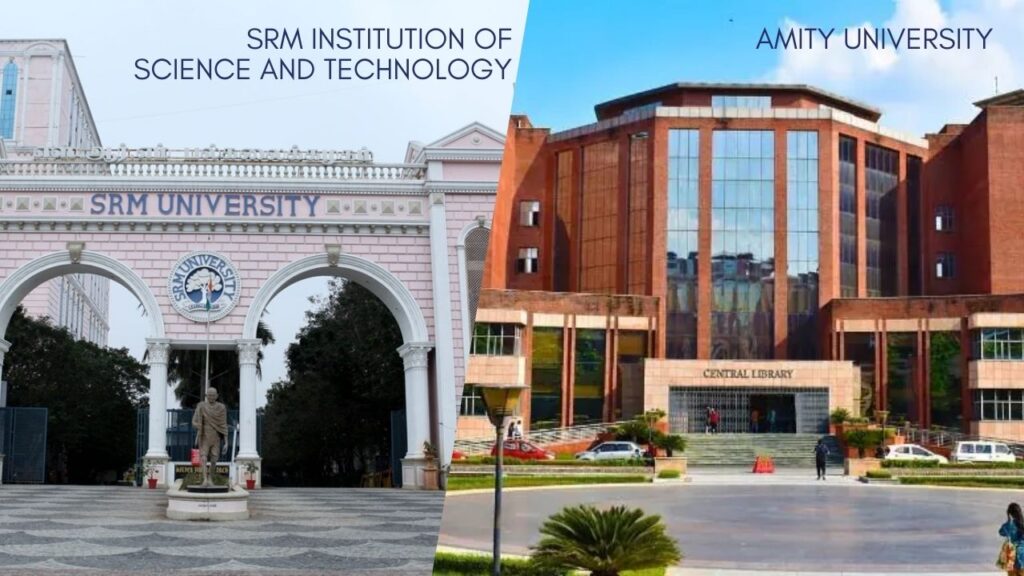
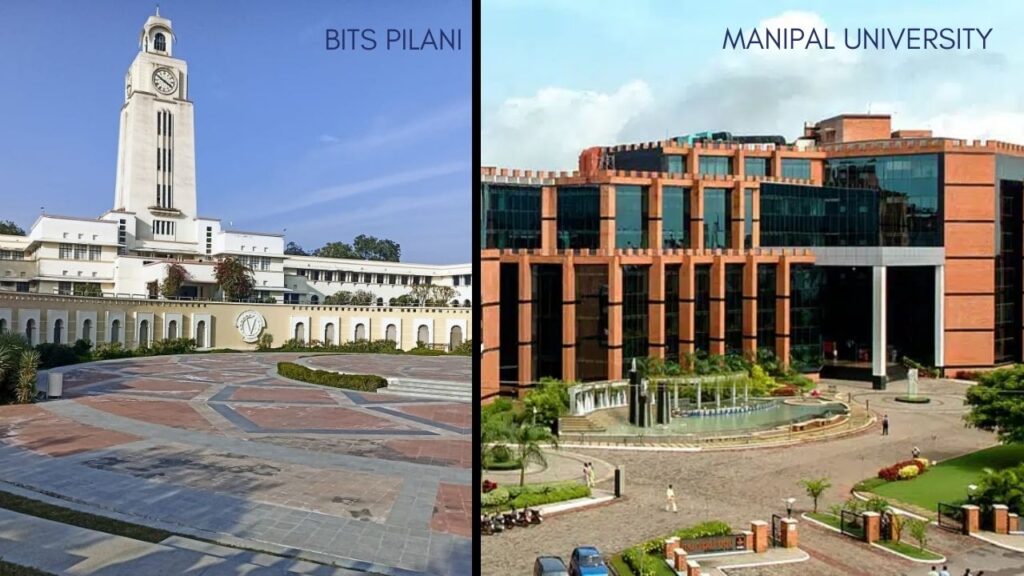
In the NIRF 2025 rankings, the private university sector is led by a few good institutions. The Manipal Academy of Higher Education (MAHE) emerges 3rd among universities across the country and stands as the best private university in the country. Closely following are BITS Pilani at rank 7, Amrita Vishwa Vidyapeetham at rank 8, VIT Vellore, LPU, Amity University and SRM Institution of Science and Technology at rank 11. 

However, not only in rankings, Ashoka University is transforming Indian higher education. Ranked as the best new-age private university and awarded as the “University of the Year (Emerging)” in 2025 at the FICCI Higher Education Summit, Ashoka is the future of liberal arts and interdisciplinary education in India. 

Manipal Academy of Higher Education (MAHE) Amrita Vishwa Vidyapeetham
BITS PilaniVIT Vellore
SRM Institution of Science and TechnologyAmity University
Ashoka UniversityLovely Professional University (LPU)

What Makes These Universities Stand Out?

Research and Innovation at the Core

Today’s private universities know that good teaching without innovation is half-truth. BITS Pilani has been especially creative in institutionalizing research amongst students. The institute, since 2023, has published more than 6,500 research papers in journals with average impact factor more than 4.1, filed 325+ patents, completed 13+ technology transfers, and incubated 138+ deep-tech startups with a combined valuation of over USD 300 million.These are not simply figures—they represent actual technology developed by students and professors that are reshaping markets and addressing real-world problems. 

The Manipal Academy too has made huge investment in innovation infrastructure. Its Innovation Centre is a dynamic ecosystem that offers seed funding, incubation support, mentorship for patent filing and commercialization. The university has a state-of-the-art Central Analytical Instrumentation Facility (CAIF) with world class instruments such as SEM, NMR, XRD which enables interdisciplinary research in emerging areas like material science, biotech etc. 

Ashoka University has now set up the Ashoka-Zeiss Core Imaging Facility, the first such facility in India, which caters to high end research in Cell Biology, Biophysics and Structural Biology. Inspiringly, in 2025, Ashoka was awarded the highest distinction for its research and innovation activities, demonstrating a strong commitment to advancing the frontiers of knowledge.

Faculty Excellence and Academic Rigor

The standard of faculty decides the standard of education. These elite private colleges have gone all out in trying to hire outstanding scholars, researchers, practitioners. Amity University has right faculty student ratio to provide quality education in meaningful mentorship and is supported by 2,100+ well experienced faculty members in helping 37,000 students in different campuses.​

The curriculum at these schools is more than just textbooks. Many elite private universities weave in industry perspectives into their curriculum through guest lectures, internships and group work. That means students learn not only the theoretical underpinnings, but real-world applications and evolving industry issues. 

Global Partnerships and International Exposure

It is always true that in a connected world, you need global exposure to get a good education. Ashoka University, one of India’s leading liberal arts universities, has partnered with 60+ prestigious institutions globally across 28 countries and five continents including Yale University, Sciences Po, University of Melbourne, EYH Paris. Partner organizations also provide opportunities for interaction with group and field trips during semester exchanges, summer programs, research collaborations and faculty exchange. 

Similarly, Manipal University holds joint research programmes with top-notch institutions worldwide and is funded for research by various agencies such as DST, CSIR, AICTE. This global network ensures that students have access to an array of perspectives and world class academic resources. 

Placement Excellence and Career Readiness

Quality education in the end translates into job opportunities. Manipal Academy secured more than 90% placement in 2025, with 8,000+ students placed across multiple programs. The highest package for engineering students went up to ₹69.25 LPA with average package of ₹12.31 LPA. Top recruiters: Microsoft, Amazon, Deloitte, IBM, Standard Chartered, and BookMyShow. 

Inclusive Accessibility and Scholarships

Although being good quality generally carries a cost, many leading private universities understand that that should be manageable. These schools provide merit-based scholarships, aid packages and need-based grants so that gifted students aren’t turned away because of money. 

The Innovation Ecosystem

What really sets the best private universities of today apart is their strategies for innovation across the board. BITS Pilani has created a number of innovation tracks to address a range of contexts – SPARKLE for transdisciplinary problem solving, SOLVE for applied innovation and PIEDS (Pilani Innovation & Entrepreneurship Development Society) along startup development.​

Ashoka University launched the Young Scholars Programme: Innovators in Science & Tech (YSP IST). It’s for the high schoolers and it’s a 10 day live-in camp. It enables them to learn difficult subjects such as environmental chemistry, neuroscience, quantum computing and genetic engineering. These camps help create future inventors. They also ignite science curiosity at a young age.  

Read More 👉 Top Agriculture College in Uttar Pradesh: Courses, Fees & Admission Details

Choose Your Path Wisely

Choosing a university is a very personal matter. If you are interested in a multidisci­plinary education close to industry, Manipal Academy is excellent if you like comprehensive education with strong links to industry. If you want the best research and entrepreneurship route, BITS Pilani is unparalleled. Ashoka University, for those interested in liberal arts with a global outlook, provides a new frontier in Indian higher education.

What matters most is knowing what you want. Are you a basic researcher? Do you want to build startups? Are you looking for global exposure? The finest private Indian universities today cater to such journeys 

The Future of Private Higher Education

The Indian private university sector is evolving fast. They are not simply copying public universities, they are innovating, conducting cutting edge research and drawing talent from around the world. This focus on quality, innovation, research and international collaboration is indicative of a vibrant, competitive ecosystem, and students stand to gain immensely from this.

Keep in mind as you start your higher education journey, Rankings are just one measure. What makes a school is its learning community, the quality of its faculty, the substance of its research, and its aspiration to produce not just accomplished professionals but responsible global citizens. India’s finest private universities are increasingly making the case that they can indeed deliver exactly that.

Conclusion

India’s leading private universities are transforming higher education with cutting-edge research, global outlook, industry-centred curriculum, and incubators of innovation. From BITS Pilani’s entrepreneurial culture to MAHE’s research excellence and Ashoka’s revolutionary liberal arts model, you will find a way to map out a future-ready career.

So when you’re picking your uni, focus on what suits your ambitions – be it research, startups, global learning or industry know-how. 

Ultimately, these top private colleges in India are showing that they can shape not just degrees, but the leaders of tomorrow. 

Leave a Comment

Your email address will not be published. Required fields are marked *

Upcoming Government Jobs 2025: A Golden Opportunity for Job Seekers

Government Jobs

The year 2025is bringing a wave of opportunities for aspirants to establish a career in the government. With more than one lakh vacancies being expected to be released across central and state departments, this year could be one of the biggest for recruitment for government jobs in India. From railways to banking, teaching to defence services, there are jobs galore in almost every field for candidates from varied streams of education. 

Central Government Job Opportunities

There are massive recruitment processes being conducted by the central government in various departments. Railway Recruitment Board RRB NTPC Vacancies 2020: Total 88150 Vacancies Grade A and Grade B (RS OS) for both graduate and under-graduate posts. The application process for graduate level posts like Station Master, Goods Train Manager, Traffic Assistant and Senior Clerk cum Typist will commence from October 21, 2025 and will end on November 20, 2025. Applications are invited from October 28 to November 27, 2025 for non-graduate positions such as Commercial cum Ticket Clerk, and Accounts Clerk cum Typist. 

Staff Selection Commission (SSC) has been the main recruiter with various exams being conducted annually. SSC Combined Higher Secondary Level (CHSL) exam Apply Online for 3,131 vacancies of Lower Divisional Clerk, Junior Secretariat Assistant and Data Entry Operator is out. SSC is also conducting the SSC CPO exam for recruitment to 2,861 Sub-Inspector posts; the deadline to apply is October 16, 2025.Furthermore, the SSC has released 7,565 Constable vacancies and the deadline to submit applications is October 21, 2025.

Jobs in Banking Sector 

There are many positions open in the banking sector during this year. The State Bank of India (SBI) has released 6,589 vacancies for the posts of Clerk (Junior Associates). The preliminary exams have already been conducted from September 20, 21 and 27 2025 and the mains exam will be held in November 2025. The role provides a lucrative remuneration of Rs 46,000 per month. 

Jobs in Banking Sector

There are several public sector bank vacancies for IBPS, RBI, NABARD, etc. that will be announced in the year for the readers. The Bank of Baroda invites application from eligible candidates for the posts of Manager, Senior Manager, etc., the last date being 30th October, 2025. 

IAS, IPS, and IFS

The Union Public Service Commission (UPSC) still serves as the entry point for the most coveted positions in the Indian civil services. The UPSC Civil Services 2025 Notification is now out for 1129 vacancies in IAS, IPS, IFS and other services. The notification was issued on 22 January 2025, with Preliminary examination on 25 May 2025, and Mains examination from the 22nd of August 2025. UPSC ESE 2026: The UPSC Engineering Services Exam 2026 has been released for 474 vacancies and the last date to apply is 16th October 2025. 

IAS, IPS, and IFS

Defence and Police Services

For all those who want to serve their country in uniform, 2025 has a lot to offer. The Indian Army has released notification for technical graduate courses with 30 vacancies, the last date to apply for this recruitment is 6th November, 2025. The deadline is November 4, 2025 to apply for the following Border Security Force (BSF) vacancies: 391 Constable (General Duty). 

State police departments are also conducting major recruitments. Uttar Pradesh Police recruitment for 19220 Constable in Provincial Armed Constabulary, Civil Police and Women’s Battalion soon to be announced. Bihar Police has released notification for the recruitment of 4128 Constable posts, last date of application submission is 5th November 2025. 

Teaching Jobs – A Major Opportunity

The education sector is seeing one of the biggest hiring sprees. There are around 9156 vacancies that were announced recently by The Kendriya Vidyalaya Sangathan (KVS) for the teaching and non-teaching job positions. For Trained Graduate Teachers (TGT), 3,619 vacancies are posted in various subjects like Science, English, Hindi, Maths, Social Science. In addition to these 1,966 posts are for Primary Teachers (PRTs). Notification will be announced in the first or second week of October 2025. 

Teaching Jobs - A Major Opportunity

Eklavya Model Residential School (EMRS) has invited applications for teaching and non-teaching posts, the last date to apply is 23 October 2025 for a total of 7,267 vacancies. Delhi Subordinate Services Selection Board (DSSSB) Recruitment 2025: Application for 5,346 TGT Teacher posts are now available with the last date being 07th November 2025. 

State Government Vacancies

Several state governments in India are also declaring massive recruitments. Bihar is on the top with a lot of openings like 23,175 Inter Level posts through BSSC and the last date for applying is 25 November 2025. The state has also released 2,747 Junior Engineer posts and 3,727 Office Attendant vacancies. 

Tamil Nadu has declared 1,483 vacancies for panchayat secretary post, with last date of application as 09.11.2025. West Bengal is inviting applications for the posts of Clerk and Group D 8,477 posts. Maharashtra has released vacancies for 903 Land Surveyor posts and 938 Group C posts.

Public Sector Undertakings (PSUs)

Jobs in PSU are always lucrative as they provide good pay and job security. ONGC, BHEL, IOCL and other big PSUs also hire through various exams such as GATE, CLAT, and direct recruitment. 2025. South Eastern Coalfields Limited (SECL) has declared 543 Assistant Foreman posts, last date to apply is 09 Nov 2025. 

SEBI has released the official notification for the Officer Grade A exam 2025 for 110 vacancies The last date to apply is 31st October 2025.20 Posts) Power Grid Officer Trainee Vacancy 2021-22: The Online Applications are invited from the eligible candidates for the recruitment of 20 Officer Trainees for the suitable Chartered Accountants and company secretaries. 

Opportunities for All Educational Backgrounds

Some Of The Best Part About Government Jobs Recruitment In 2025 Is That There Will Be Opportunities For Candidates With Different Educational Backgrounds. There are ideal posts for 10th pass students and postgraduates as well. The recruitment for the posts of Constable, Group D staff, Multi-Tasking Staff (MTS) and other assistant roles for 10th and 12th pass candidates are notified on regular basis. 

There are various officer level posts for graduate and postgraduate candidates in banks, railways, civil services, teaching and technical wings etc. Engineering Graduates can also find jobs in PSUs, Railways and State Engineering Services. 

Read More 👉 Latest UPSC Notification & Exam Pattern Changes For 2025

How to Stay Updated and Apply

There are many jobs and vacancies being announced on regular basis so keep visiting is must. Candidate must visit the official website of the recruitment body regularly such as SSC, UPSC, RRB, State Public Service Commission etc. Most applications are now made online, so applicants need to have email addresses and scanned documents. 

The application procedure usually requires registration, completion of elaborate forms, uploading of documents, payment of fees (which might be waived or reduced for certain categories), and submission prior to a deadline. You must go through the official notification properly and check whether you fulfill all the eligibility criteria before applying. 

Conclusion

The year 2025 is a landmark year for government job candidates in the entire India. With more than one lakh vacancies across various sectors and qualifications, this is the ideal time for aspirants to chase their dreams of having a stable, respectful, and fulfilling government job. Fresh graduate, experienced as well as aspirants wishing to switch to government sector: there are opportunities for you all. Keep yourself updated, work hard and grab these once in a lifetime golden opportunity for a bright future in public service. 

Leave a Comment

Your email address will not be published. Required fields are marked *

Scroll to Top